training

The Role of Technology in Modern Sports Training

With advancements in technology transforming various industries, the world of sports training is no exception. You can now harness innovative tools and techniques to enhance your performance, track your progress, and minimize the risk of injury. From wearable devices to data analytics, technology provides you with the insights and support needed to take your training regimen to the next level. Understanding how to effectively integrate these technologies into your routine can lead to significant improvements in your athletic capabilities.

Key Takeaways:

  • Data Analytics: Technology enables the collection and analysis of performance data, helping athletes and coaches make informed training decisions.
  • Wearable Devices: Wearables like fitness trackers and heart rate monitors provide real-time feedback on an athlete’s physical condition, enhancing their training efficiency.
  • Simulation Tools: Virtual reality and other simulation technologies allow athletes to practice in controlled environments, improving skill development and mental preparedness.
  • Video Analysis: High-speed cameras and software facilitate in-depth analysis of techniques and movements, allowing for precise adjustments to enhance performance.
  • Injury Prevention: Technology aids in monitoring physical stress and fatigue levels, contributing to tailored recovery programs and reducing the risk of injuries.

The Evolution of Sports Training Technology

While technology has transformed nearly every aspect of modern life, its evolution in sports training reflects a remarkable journey of human adaptability and innovation. Over the decades, advancements have shifted training methodologies, introducing tools that optimize athlete performance and safety. From basic equipment enhancements to complex digital solutions, the role of technology in training continues to evolve, reshaping how you approach sports and fitness.

Historical Perspective

Above all, understanding the historical context of sports training technology helps you appreciate the significant strides made over time. From ancient civilizations utilizing basic tools to enhance athletic performance to the refinement of techniques in the 20th century, each era has contributed uniquely to what you see today. Early innovations focused on physical training methods, while the later introduction of video analysis laid the groundwork for contemporary practices.

Recent Innovations

By leveraging cutting-edge technologies, recent innovations have revolutionized the way you train in sports. Wearable devices, performance tracking apps, and virtual reality training programs are just a few examples of how these tools enhance both performance and recovery, providing you with insightful data to improve your training regimen.

Indeed, the advancements in sports training technology are not only fascinating but also indispensable in today’s athletic landscape. Wearables collect real-time data on your physiological metrics, allowing you to adjust your training intensity accordingly. Virtual reality offers immersive environments for skill development, while apps provide personalized coaching and feedback. As these innovations continue to emerge, you have unparalleled opportunities to refine your techniques, monitor your progress, and ultimately elevate your performance in your chosen sport.

Wearable Technology in Sports

One of the most exciting advancements in modern sports training is wearable technology. These devices provide athletes with insights that were once unimaginable, allowing you to track your progress, monitor your health, and enhance your performance in real-time. Whether you’re a professional athlete or a fitness enthusiast, integrating wearable technology into your training regimen can significantly elevate your game.

Health Monitoring Devices

The integration of health monitoring devices into your training can greatly improve your overall well-being. These gadgets track vital signs, such as heart rate, sleep patterns, and stress levels, giving you valuable data for making informed decisions about your training and recovery processes. By staying aware of your body’s signals, you can adapt your approach to optimize performance and prevent injuries.

Performance Enhancement Tools

Between tracking your workouts and analyzing your nutrition, performance enhancement tools have become necessary in today’s sports landscape. These innovations help you evaluate specific metrics, such as speed, power, and endurance, enabling you to refine your techniques and boost your results on the field or court.

Enhancement tools come in various forms, including smartwatches, fitness trackers, and specialized sensors. By utilizing these devices, you can gain real-time feedback on your performance, allowing you to identify areas for improvement quickly. The data collected can also be used to set personalized goals, track your progress over time, and remain motivated throughout your training journey. Ultimately, these tools empower you to reach new heights in your athletic performance.

Data Analytics and Performance Metrics

Keep in mind that data analytics has transformed the landscape of modern sports training, providing coaches and athletes with insightful performance metrics. These metrics encompass a wide range of parameters, aiding in tailoring training programs that optimize performance and minimize injuries. By leveraging technology, you gain access to real-time feedback, helping you make informed decisions about your training strategies.

Collection and Analysis of Data

For athletes, the collection and analysis of data is important for tracking performance trends and identifying areas for improvement. Modern tools, such as wearables, smartphone apps, and performance software, facilitate the continuous gathering of biometric data, including heart rate, speed, and endurance. By systematically analyzing this data, you can understand your strengths and weaknesses, ultimately leading to more effective training sessions.

Impact on Training Regimens

Any adjustments based on data analysis can significantly enhance your training regimen. With precise metrics, you can personalize workouts to target specific skills or fitness aspects, ensuring that every session yields maximum results. Understanding how to adjust your intensity and volume based on your performance metrics allows you to prevent overtraining while still pushing your limits.

Further, by analyzing data trends, you can identify optimal recovery times and the best times to increase training intensity. This customizable approach not only enhances your performance but also fosters a deeper understanding of your body’s responses. As you integrate data analysis into your training regimen, you position yourself to reach peak performance more effectively, ensuring long-term athletic success.

Virtual Reality and Simulation Training

Many athletes today are turning to virtual reality (VR) and simulation training as innovative methods to enhance their physical abilities and mental acuity. These immersive technologies allow you to engage in realistic training scenarios without the physical limitations of traditional practice. By simulating game situations, you can refine your skills and decision-making abilities in a safe and controlled environment, ultimately preparing you for high-pressure performance conditions.

Benefits of Immersive Training Environments

For athletes, the benefits of immersive training environments are vast. You can experience heightened engagement and motivation due to the interactive nature of VR technology. Additionally, these training modules provide instant feedback, allowing you to quickly identify areas for improvement. This focused practice can enhance not only your technical skills but also your strategic thinking, ultimately leading to improved performance during actual competitions.

Use Cases in Various Sports

For teams and athletes, VR is being utilized across a multitude of sports, from football to tennis. Coaches can create tailored scenarios that mimic real-game situations, helping you to visualize plays and make split-second decisions. This technology also facilitates rehabilitation by allowing injured athletes to practice movements in a virtual setting, speeding up their recovery and return to competitive play.

Environments that leverage VR technology can significantly transform how you train across various sports disciplines. In basketball, for example, you can practice shooting techniques and game strategies in a virtual arena. In motorsports, you can hone your driving skills on simulators that replicate real-world tracks. Soccer players can refine their tactical understanding by navigating virtual match scenarios, while combat sports athletes can simulate sparring matches, sharpening their reactions and technique in a safe space. This adaptable use of technology can greatly enhance your training experience and performance potential.

Coaching and Communication Technology

All modern athletes benefit from advancements in coaching and communication technology, which enhance training experiences and performance outcomes. With the integration of real-time data analytics, coaches can communicate more effectively with athletes, leading to customized training plans that align with individual goals. These technologies foster a collaborative environment, allowing seamless sharing of insights and strategies for improvement.

Video Analysis and Feedback Systems

Communication is greatly enhanced through video analysis and feedback systems, which provide visual insights into an athlete’s performance. By utilizing slow-motion playback and frame-by-frame breakdowns, you can see where adjustments are needed. This visual representation allows for more effective discussions between you and your coach, ensuring a better understanding of techniques and tactics.

Smart Coaching Platforms

To take your training to the next level, smart coaching platforms offer personalized learning experiences tailored to your unique needs. These platforms often utilize artificial intelligence to assess performance metrics and suggest targeted workouts or drills. Furthermore, they provide a collaborative space for coaches and athletes to connect, track progress, and refine techniques seamlessly.

Video feedback in smart coaching platforms encourages continuous improvement through detailed performance tracking. You can access a wealth of data that helps you analyze trends over time and make informed decisions regarding your training. By integrating wearable technology and mobile applications, these platforms facilitate real-time updates and adaptations to your personalized coaching plan, making your training sessions more efficient and effective.

Ethical Considerations in Technology Use

After integrating advanced technology into sports training, it’s vital to address the ethical implications that arise. You must consider the impact of technology on athlete development, the integrity of competition, and how these innovations may alter traditional training methodologies. As you navigate this evolving landscape, it’s necessary to engage in discussions about fairness, transparency, and the potential consequences of technology misuse in your training programs.

Fair Play and Regulation Issues

An increasing reliance on technology may lead to disparities in athlete performance and training. This raises questions about fair play and whether the competitive edge gained through advanced technology creates an uneven playing field. As you approach these issues, you should advocate for regulations that ensure equitable access to technology for all athletes, promoting a level competition environment.

Data Privacy and Athlete Consent

Data privacy in sports training is a significant concern as it involves the collection and management of sensitive athlete information. You need to prioritize protecting this data by ensuring that your training tools comply with privacy regulations and that athletes have a clear understanding of how their information is used.

Consent is a foundational element in data privacy, especially when it comes to using technology in sports training. You should ensure that athletes are fully informed about what data is collected, how it will be used, and who has access to it. A transparent consent process allows athletes to make informed decisions about their participation, ultimately fostering trust between trainers and athletes. By prioritizing athlete rights and privacy, you can create a safer and more ethical training environment.

To wrap up

Following this exploration of technology’s impact on modern sports training, you should recognize how vital these advancements are in enhancing your performance. From data analytics and wearable tech to virtual reality and online coaching, these innovations offer you tailored insights and real-time feedback that can elevate your training regimen. Embracing technology in your practice not only maximizes your potential but also keeps you competitive in an ever-evolving sports landscape. By integrating these tools, you can achieve your athletic goals more efficiently and effectively.

Q: How has data analytics transformed athlete training and performance measurement?

A: Data analytics has significantly changed how athletes prepare and measure their performance. Coaches utilize advanced algorithms and software to gather large amounts of data during training sessions and competitions, such as athletes’ biometrics, movement patterns, and performance statistics. This information helps coaches identify strengths and weaknesses in an athlete’s performance, allowing for personalized training programs tailored to each individual. Moreover, it enables athletes to track their progress over time, make informed decisions about their training regimens, and set realistic performance goals based on data-driven insights.

Q: What role do wearable technologies play in enhancing athletic performance?

A: Wearable technologies, such as fitness trackers, smartwatches, and biometric sensors, have become imperative tools in modern sports training. These devices monitor various metrics, including heart rate, body temperature, and movement efficiency, allowing athletes and coaches to gain valuable insights into their physiological responses during workouts. By analyzing this data, athletes can adjust their training intensity, duration, and recovery strategies to optimize performance while minimizing the risk of injury. Furthermore, wearables can help coaches track team dynamics and athlete workloads in real time, enabling them to make instant adjustments during practice or competitions.

Q: How is virtual reality (VR) being utilized in sports training?

A: Virtual reality is increasingly being integrated into sports training methodologies to create immersive training environments. Athletes can practice skills and strategies in a simulated setting that replicates real-game scenarios. This technology allows for error-correction in a controlled environment where athletes can experiment and improve without the pressures of actual competition. VR can enhance cognitive training by helping athletes improve their decision-making, spatial awareness, and reaction times. It also offers rehabilitation opportunities for injured athletes, allowing them to practice movements in a safe, low-impact environment while recovering physical capabilities.

The Best Ways to Train for Speed in Any Sport

There’s no denying that speed can be a game-changer in any sport, setting you apart from the competition. To maximize your performance, it’s vital to incorporate various training techniques designed to enhance your quickness and agility. In this blog post, you’ll discover effective methods to improve your sprinting capabilities, develop explosive power, and fine-tune your overall athleticism. Whether you’re on the track, field, or court, these strategies will help you accelerate your progress towards becoming a faster, more dynamic athlete.

Key Takeaways:

  • Incorporate Interval Training: Short bursts of high-intensity exercise followed by recovery help develop speed and endurance.
  • Focus on Technique: Proper running mechanics, including posture and stride, can significantly enhance speed performance.
  • Strength Training: Building muscle strength, especially in the lower body, contributes to faster sprinting and improved overall athletic performance.
  • Flexibility and Mobility: Enhancing flexibility through dynamic stretching prevents injuries and allows for greater range of motion, which contributes to speed.
  • Consistent Practice: Regularly incorporating speed drills into your training routine is necessary for ongoing improvement in your athletic performance.

Understanding Speed in Sports

Before you examine speed training, it’s important to grasp what speed truly means in the context of sports. Speed is not merely about running fast; it’s a combination of various physical attributes, including reaction time, acceleration, and maximum velocity. To explore effective techniques and methods, check out this guide on Exercises to Improve Speed: Training That Benefits Everyone.

The Importance of Speed

About 90% of athletes believe that speed is a key factor in their overall performance. In most sports, having the ability to accelerate quickly can mean the difference between winning and losing. Speed can enhance your performance in both competitive scenarios and personal goals.

Factors Affecting Speed

Affecting your speed can be a complex process influenced by multiple factors:

  • Muscle fiber composition
  • Body mechanics
  • Training methods
  • Nutrition and recovery
  • Environmental conditions

Assume that by addressing and optimizing these factors, you can significantly improve your speed performance.

This brief overview highlights how these components can shape your athletic speed:

  • Genetics
  • Strength levels
  • Flexibility
  • Practice and skill development
  • Psychological factors, such as focus and motivation

Assume that you can harness your understanding of these aspects to create a tailored training program that enhances your speed in your chosen sport.

Types of Speed Training

One important component of improving your athletic performance is understanding the various types of speed training available to you. Each type serves a different purpose and enhances your speed in unique ways:

Type of Speed Training Description
Acceleration Training Focuses on increasing the speed at which you can reach maximum velocity.
Max Velocity Training Enhances your top speed through sprinting techniques.
Speed Endurance Training Improves your ability to maintain speed over longer distances.
Resisted Speed Training Involves training with weights or resistance to boost force production.
Speed Play Integrates speed changes into regular workouts to simulate game conditions.

Thou should explore a combination of these methods, as How can you get better at a sport faster than others? is dependent on variety and adequate training adaptation.

Sprinting Drills

On the path to boosting your speed, incorporating specific sprinting drills into your training regime is key. These drills not only enhance your technique but also improve your overall sprinting efficiency. You can practice exercises like flying sprints, hill sprints, and ladder drills that engage your muscle fibers in explosive movements, increasing your quickness over time.

Plyometrics

After addressing sprinting, plyometric exercises can further enhance your speed. These explosive movements, including jump squats and box jumps, build power and strength, which are foundational for fast, agile performance in any sport.

Consequently, incorporating plyometrics into your regime allows you to develop your fast-twitch muscle fibers effectively. This development significantly contributes to speed, agility, and the capacity to change directions quickly, important for most athletic activities. Pair these exercises with proper recovery to maximize your results and maintain peak performance.

Strength Training for Speed

Not only does strength training enhance your overall performance, but it also plays a vital role in boosting your speed. By incorporating specific strength exercises into your routine, you can develop the necessary muscle power required for quick movements, explosive starts, and sustained speed in your chosen sport.

Core Strength Exercises

By focusing on core strength exercises, you build a solid foundation that stabilizes your body during high-speed activities. Incorporating planks, Russian twists, and medicine ball throws can improve your trunk stability, enabling better transfer of power to your limbs, ultimately enhancing your speed.

Lower Body Strength Routines

Any effective approach to speed training includes lower body strength routines. Strengthening your leg muscles not only improves your sprinting efficiency but also supports faster acceleration and deceleration, which are crucial in any sport.

Understanding the dynamics of lower body strength routines is imperative for speed enhancement. Exercises like squats, deadlifts, and lunges target major muscle groups like the quadriceps, hamstrings, and glutes. Focusing on explosive movements such as box jumps or power cleans further conditions your muscles to generate force quickly, translating directly to improved speed and agility on the field or court.

Speed Endurance Training

All athletes recognize that speed endurance is imperative for maintaining high-intensity efforts over longer durations. To optimize your performance, incorporating specific speed endurance drills into your training regimen can help enhance your ability to sustain speed without significant fatigue. By focusing on exercises that bridge the gap between speed and endurance, you can elevate your performance in any sport.

Interval Training Techniques

Behind every effective speed endurance workout is a well-structured interval training program. This technique involves alternating periods of high-intensity efforts with rest or lower-intensity activity. You can customize your interval sessions based on your fitness level and sport-specific demands, ensuring that you develop both speed and stamina effectively.

Fartlek Training

Any runner or athlete can benefit from Fartlek training, which combines continuous training with interval segments. Unlike traditional interval training, Fartlek allows for a more flexible approach, enabling you to vary your pace throughout your workout. This method simulates race conditions, helping you learn to manage fatigue while maintaining speed.

In addition to enhancing your speed endurance, Fartlek training keeps your workouts engaging and fun. By integrating different tempos and intensities, you can mimic the unpredictability of competition. This adaptability not only trains your body but also sharpens your mental focus, allowing you to respond effectively to various situations during your sport. Try incorporating Fartlek sessions into your routine to elevate your speed endurance and overall performance.

The Role of Flexibility and Mobility

Keep in mind that flexibility and mobility are crucial components of speed training. They not only help prevent injuries but also enhance your overall athletic performance. Incorporating stretching and mobility exercises into your routine can significantly improve your range of motion, enabling you to move more freely and efficiently. For more insight on speed training, check out How to Get Faster: Four Simple Rules for Training Speed ….

Stretching Techniques

Before you engage in speed training, it’s important to include effective stretching techniques in your warm-up. Dynamic stretches, such as leg swings and walking lunges, are ideal for preparing your muscles and joints for the explosive movements they’ll endure. Incorporate static stretches post-workout to aid in recovery and maintain flexibility.

Mobility Drills

Mobility drills are vital for improving your movement patterns, allowing for greater efficiency during your sport. These exercises focus on optimizing joint function and improving body control, which directly impacts your speed.

And incorporating specific mobility drills, such as hip openers and ankle mobility exercises, can enhance your performance on the field or court. Regularly practicing these drills allows you to achieve better form, leading to increased speed and agility. Additionally, they can help you quickly recover from fatigue, making you more competitive in your sport.

Nutrition and Recovery for Speed Training

Your performance in speed training is deeply connected to your nutrition and recovery strategies. A balanced diet rich in carbohydrates, proteins, and healthy fats will fuel your workouts and help optimize muscle recovery. Don’t underestimate the benefits of hydration, as maintaining adequate fluid levels is imperative for peak performance and quick recovery. Prioritizing these elements in your training routine can enhance your speed potential significantly.

Pre- and Post-Workout Nutrition

Above all, fueling your body with the right nutrients before and after workouts is imperative for maximizing your speed training results. Before your session, consume a mix of carbohydrates and proteins to provide sustained energy. Post-workout, focus on replenishing glycogen stores and aiding muscle repair by incorporating protein-rich foods along with carbohydrates.

Importance of Recovery

Recovery is a fundamental aspect of any speed training program, as it allows your body to adapt and improve. Incorporating rest days, quality sleep, and active recovery techniques can significantly enhance your training outcomes. Failure to prioritize recovery may hinder your performance and increase the risk of injury.

Importance extends beyond simply resting your body; it includes active recovery and restorative practices, such as stretching, foam rolling, and low-intensity activities. These methods help alleviate muscle soreness, improve flexibility, and reset your body for the next training session. By integrating recovery techniques into your routine, you set yourself up for improved speed and overall performance in your sport.

Conclusion

Hence, by incorporating plyometrics, interval training, strength exercises, and proper technique into your routine, you can significantly enhance your speed across any sport. It’s vital to focus on your form and gradually increase the intensity of your workouts to avoid injury. Additionally, maintaining a balanced diet and allowing adequate recovery will support your training efforts. As you implement these strategies, you will notice improvements not only in your speed but also in your overall athletic performance.

Q: What types of drills can I incorporate into my training to improve speed?

A: To enhance your speed, you can implement a variety of drills such as sprints, plyometrics, and interval training. Sprints can be broken down into different distances, focusing on both short bursts (20-60 meters) and longer ones (100-200 meters) to build both acceleration and top speed. Plyometrics, such as box jumps and squat jumps, help improve explosive power, which can significantly enhance your quickness. Interval training, where you alternate between high-intensity bursts and lower-intensity recovery periods, helps in building endurance while developing speed.

Q: How can strength training contribute to my speed development?

A: Strength training plays a significant role in speed development as it increases muscle mass and power output. Exercises focusing on the lower body, such as squats, deadlifts, and lunges, enhance leg strength, which is imperative for generating more force during sprinting. Additionally, incorporating Olympic lifts like clean and jerk or snatch can help improve functional strength and explosiveness. It’s important to balance your strength training with sport-specific movements to ensure that the power developed translates effectively into your athletic performance.

Q: How important is flexibility and mobility in training for speed?

A: Flexibility and mobility are vital components in speed training, as they allow for a greater range of motion and effective stride mechanics. Incorporating dynamic stretching before workouts and static stretching after helps maintain and improve flexibility. Mobility drills, such as hip openers and ankle mobility exercises, can enhance joint function and reduce the risk of injury while sprinting. A well-rounded flexibility routine not only promotes better speed but also contributes to overall athletic performance across various sports.

How to Avoid Common Mistakes in Sports Training

Most athletes, whether beginners or experienced, encounter pitfalls that can hinder their performance and progress. In this guide, you will learn about prevalent mistakes in sports training and how to steer clear of them. By understanding these common missteps, you can optimize your workouts, enhance your skills, and ultimately achieve your sporting goals more effectively. Let’s explore proactive strategies to ensure that your training sessions are both safe and productive.

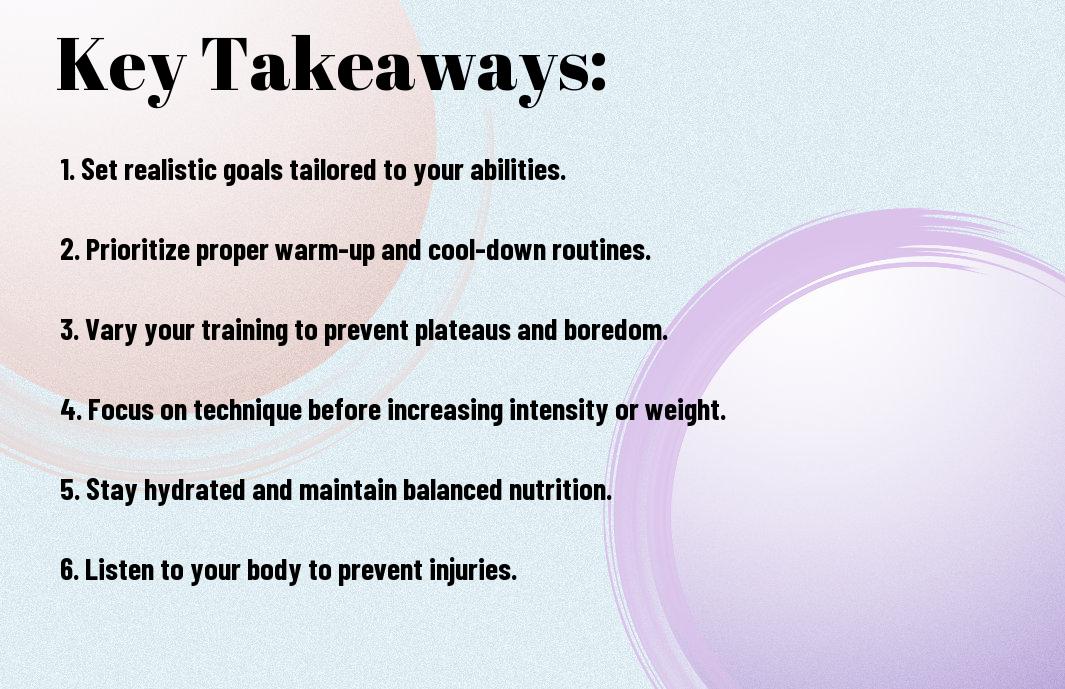
Key Takeaways:

  • Set Clear Goals: Define specific, measurable, and achievable objectives to guide your training.
  • Prioritize Rest and Recovery: Allow adequate recovery time to prevent injuries and enhance performance.
  • Focus on Proper Technique: Master the correct methods before increasing intensity to avoid bad habits and injuries.
  • Stay Hydrated and Nourished: Fuel your body with the right nutrition and hydration to optimize training outcomes.
  • Track Progress: Keep a record of your training sessions to identify areas for improvement and celebrate achievements.

Understanding Common Training Mistakes

Before you initiate on your sports training journey, it’s vital to recognize and avoid common mistakes that can hinder your progress. Many athletes, regardless of their experience level, fall into traps that can diminish performance and lead to injury. By being aware of these pitfalls, you can create a more effective and safe training regimen that helps you reach your goals.

Overtraining and Burnout

Overtraining can result from pushing your body beyond its limits without adequate recovery. This condition not only leads to physical fatigue but also mental burnout. It’s vital to listen to your body and incorporate rest days, ensuring you balance intensity and recovery to promote sustainable progress and enjoyment.

Improper Technique and Form

By neglecting proper technique and form, you increase your risk of injury and limit your performance potential. Training with an incorrect posture or movement pattern can lead to muscle strains and long-term issues, ultimately hindering your athletic development.

Indeed, focusing on proper technique is beneficial for maximizing your efficiency in training and competition. Taking the time to learn correct mechanics allows you to train effectively, reducing the risk of injury while building strength and skill. Working with a coach or reviewing instructional videos can help you refine your form, ensuring that every movement contributes positively to your overall performance.

Setting Realistic Goals

Even if you have big dreams, setting realistic goals is imperative for sustainable progress in your sports training. Aim for achievable targets that align with your current abilities, which will keep you motivated and on track. For insights on avoiding mistakes in strength training, check this Are you making 3 common mistakes when strength training? article to further refine your approach.

Short-term vs. Long-term Goals

Beside focusing on long-term aspirations, it’s equally important to establish short-term goals that act as stepping stones. These smaller milestones provide immediate motivation and opportunities for self-assessment, helping you to track your progress over time.

Adjusting Goals as You Progress

Adjusting your goals as you progress ensures they remain relevant and challenging. As your fitness level improves, it’s important to revisit and modify your targets to continue fostering growth and avoid stagnation.

Realistic goal adjustments allow you to embrace changing circumstances, such as shifts in your training schedule or unexpected challenges. Regularly evaluating your performance will not only boost your resilience but also enhance your overall training experience, making it possible to celebrate achievements while remaining focused on continual improvement.

Importance of Cross-Training

Keep in mind that cross-training is an vital component of a well-rounded fitness regimen. It not only helps to prevent injuries by varying the physical demands placed on your body, but it also enhances your overall performance by improving different areas of fitness. Engaging in multiple sports and activities enables you to develop various muscle groups and skills, making you a more versatile athlete. By incorporating cross-training into your routine, you can boost your motivation and enjoyment, ultimately leading to greater success in your primary sport.

Benefits of Variety in Training

For your training to be effective, it’s important to embrace variety. Mixing different types of workouts can prevent plateaus, keeping your body and mind engaged. Additionally, varied training helps to improve overall athleticism by developing strength, endurance, flexibility, and coordination. Whether it’s cycling, swimming, or strength training, introducing diverse workouts can lead to robust performance gains and reduce the risk of burnout.

Integrating Different Sports and Activities

An effective way to enhance your training is by integrating different sports or activities into your routine. This approach not only works different muscle groups but also allows you to develop various skills that can translate back to your primary discipline.

Further exploration of integrating different sports can benefit your athletic development significantly. For example, a runner might find strength in swimming and cycling, which provide a great non-impact cardiovascular workout while building muscle strength. Similarly, team sports can improve your agility and coordination, vital for any individual sport. The key is to select activities that you enjoy and that complement your main sport. This will not only keep your training fresh but also foster a greater love for fitness and movement.

The Role of Recovery

All athletes must recognize that recovery is an crucial component of effective sports training. Proper recovery not only helps to repair muscles and reduce fatigue, but it also enhances your overall performance. By prioritizing recovery, you are setting yourself up for long-term success and minimizing the risk of injury, ultimately allowing your body to adapt to the physical demands of your training program.

Importance of Rest Days

Among the most vital aspects of any training regimen are rest days. They provide your body the opportunity to heal and regenerate, which is necessary for muscle growth and repair. Incorporating rest days into your schedule helps to prevent overtraining, maintain mental focus, and allow your technique to refine as you progress. Make these days a regular part of your routine for optimal performance gains.

Effective Recovery Techniques

Against common belief, recovery is not merely about taking a day off; it involves strategic techniques that expedite muscle recovery and rejuvenation. Engaging in practices such as stretching, hydration, nutrition, and restorative activities can enhance your recovery process. Each of these techniques plays a role in optimizing performance and reducing downtime.

Due to the varying demands of sports training, employing effective recovery techniques is vital for maintaining your energy levels and preventing injury. Adequate hydration helps to flush out toxins while balancing electrolytes crucial for muscle function. Consuming nutrient-rich foods can replenish energy stores and aid in muscle repair. Incorporating active recovery sessions, such as light swimming or yoga, alongside practices like foam rolling, can alleviate muscle tightness and promote blood flow. Tailoring your recovery techniques to fit your specific training needs will ensure you stay energized and ready for your next workout.

Nutrition and Hydration

To optimize your performance, understanding the right nutrition and hydration strategy is imperative. Many athletes overlook these components, leading to subpar training results. For instance, to Avoid These 7 Common Strength Training Technique …, you must ensure your body is fueled properly.

Nutrition Basics for Athletes

An effective nutrition plan includes a balanced intake of carbohydrates, proteins, and healthy fats. Your meals should be designed to support your energy needs while promoting recovery. Incorporating a variety of nutrient-dense foods can help you reach your training goals more efficiently.

Staying Hydrated During Training

An adequate hydration strategy will enhance your stamina and focus during workouts. It’s imperative to drink water before, during, and after your training sessions to maintain optimal performance levels.

It can be beneficial to monitor your fluid intake based on your activity intensity and duration. Consider incorporating electrolyte drinks if your training lasts more than an hour, as these can help replace lost minerals and keep you energized. Pay attention to your body’s signals; feeling thirsty is a sign that hydration is needed. Establishing these habits will support your overall training effectiveness, keeping you on track.

Mental Preparation and Focus

Now, effective mental preparation can significantly enhance your performance in sports training. By mastering your thoughts and emotions, you can boost your focus and endurance. Prioritizing mental conditioning alongside physical training helps you tackle challenges more effectively, enabling you to remain committed to your goals. Develop strategies that integrate visualization, positive self-talk, and mindfulness to stay centered and prepared for your training sessions and competitive events.

Building Mental Resilience

About building mental resilience, you need to cultivate the ability to bounce back from setbacks. This involves developing a growth mindset that sees challenges as opportunities for learning and improvement. Focus on embracing failure, understanding that it is part of your journey. Regularly practice self-reflection and identify strategies that strengthen your mental toughness, thereby enhancing your training outcomes and overall performance.

Techniques for Improved Focus

Before honing in on your focus, consider implementing specific techniques to sharpen your mental acuity and concentration during training. Techniques like setting clear goals, using visualization, and practicing breath control can help you minimize distractions and enhance your performance. Regular mental exercises, such as mindfulness meditation, can also train your brain to stay present and engaged, ultimately allowing you to react more effectively in high-pressure situations.

Building your focus requires patience and consistency. Engaging in consistent visualization exercises where you picture successful performances can prime your mind for success. Establish a pre-training routine that includes deep breathing and grounded affirmations to clear your head. Additionally, use checkpoints during your training to assess your focus and adjust your mindset as needed, refining your ability to stay present and engaged in each moment of practice.

To wrap up

Drawing together the insights shared, you can successfully avoid common mistakes in sports training by prioritizing a well-structured plan, setting realistic goals, and listening to your body. It’s important to balance intensity and recovery while incorporating a variety of training methods to enhance your performance. Regularly assessing your progress and staying open to adjustments in your routine will further refine your approach. By implementing these strategies, you will create a more effective and enjoyable training experience, ultimately leading you to achieve your athletic aspirations.

FAQ

Q: What are some common mistakes athletes make during their training routines?

A: Athletes often fall into several pitfalls during their training, including neglecting proper warm-up and cool-down routines, failing to listen to their bodies, and lacking variety in their workouts. A proper warm-up prepares the muscles and joints for intense activity, while cooling down aids in recovery and flexibility. Ignoring signs of fatigue or injury can lead to setbacks. Additionally, performing the same exercises repeatedly can lead to plateaus in performance, so it’s important to incorporate a mix of strength, endurance, flexibility, and sport-specific drills.

Q: How can training schedules help avoid mistakes in sports training?

A: Creating a well-structured training schedule is key to maximizing performance and preventing injuries. A balanced program includes appropriate rest days to allow the body to recover, a mix of different training types to enhance overall fitness, and progressive overload to promote strength and endurance improvements without overexertion. Tracking performance and adjusting the schedule as needed can also help athletes identify when they may be pushing too hard and need to modify their approach.

Q: What role does nutrition play in avoiding training mistakes?

A: Nutrition is important for optimal athletic performance and recovery. Athletes may overlook dietary needs, leading to fatigue, slower recovery times, and hindered performance. A balanced diet rich in proteins, carbohydrates, healthy fats, vitamins, and minerals supports energy levels and muscle repair. Additionally, staying hydrated is vital for maintaining performance during training and competitions. Consulting with a sports nutritionist can provide personalized guidance to enhance training outcomes and avoid common dietary pitfalls.

How to Train for Sports with Minimal Equipment

It’s entirely possible to elevate your sports training without a full gym’s worth of equipment. You can achieve outstanding results by leveraging bodyweight exercises, improvised gear, and dedicated routines tailored to your specific athletic goals. This guide will provide you with effective techniques and resources to maximize your training sessions, allowing you to enhance your performance while keeping your workouts efficient and engaging. Get ready to explore how you can train smart and stay competitive with little more than your determination and creativity.

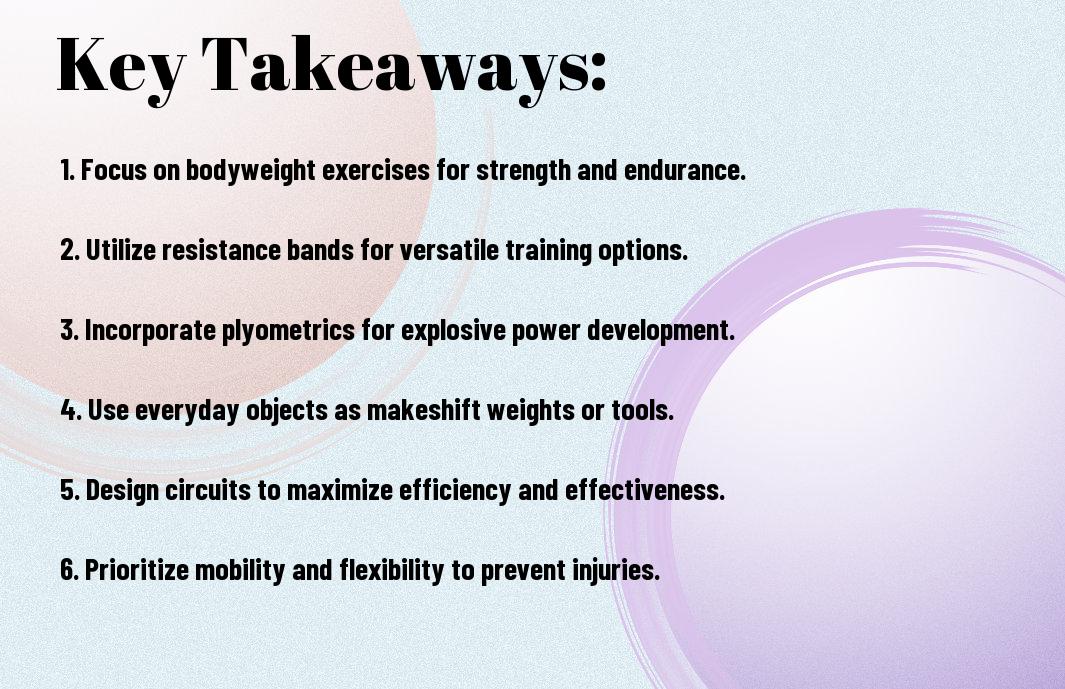
Key Takeaways:

  • Bodyweight Exercises: Utilize your own body weight for strength training through push-ups, squats, and lunges to enhance overall fitness.
  • High-Intensity Interval Training (HIIT): Incorporate HIIT workouts to boost cardiovascular fitness and endurance without the need for gym equipment.
  • Creative Use of Everyday Items: Turn common household objects like chairs and backpacks into versatile training tools for resistance and balance exercises.
  • Focus on Mobility and Flexibility: Engage in stretching routines and mobility exercises to prevent injuries and improve performance, which can be done with or without props.
  • Set Clear Goals: Establish specific and measurable fitness goals to maintain motivation and track progress during your training sessions.

Understanding Minimal Equipment Training

Your training regimen doesn’t need to be limited by the availability of fancy equipment or a fully stocked gym. Minimal equipment training emphasizes the use of simple tools and your body weight to achieve effective workouts. This approach not only reduces the barriers to training but also allows for creativity and adaptability in your workouts, leading to improved strength, endurance, and flexibility.

Benefits of Minimal Equipment

At its core, minimal equipment training provides significant advantages, including increased accessibility, versatility, and the ability to engage in functional movements. With fewer resources needed, you can train virtually anywhere—at home, in the park, or even while traveling. Moreover, this method often emphasizes bodyweight exercises, which can enhance balance and core stability.

Types of Minimal Equipment

Understanding the types of minimal equipment available can help you tailor your workouts toward your goals. Here’s a list of some effective tools:

  • Resistance bands
  • Dumbbells
  • Kettlebells
  • Medicine balls
  • Jump rope

Assume that each of these tools offers a different benefit, so you can mix and match them for varied training. Below is a breakdown of their potential advantages:

Equipment Benefits
Resistance Bands Versatile for strength and flexibility
Dumbbells Great for weight training and balance
Kettlebells Excellent for dynamic workouts
Medicine Balls Ideal for core strength and explosive movements
Jump Rope Boosts cardiovascular fitness

With this variety of tools, you can design a balanced workout routine that suits your individual needs. Ensure to include bodyweight exercises like push-ups, squats, and planks, which can enhance your overall fitness without any equipment. Combining these tools can make your workouts both effective and enjoyable.

  • Focus on compound movements
  • Incorporate progressive overload
  • Keep workouts diverse
  • Prioritize form over quantity
  • Utilize intervals for maximum efficiency

Assume that by embracing minimal equipment training, you are equipping yourself with the necessary skills to train anywhere, paving the way for consistent and effective fitness progression.

Designing Your Training Program

Some athletes may feel overwhelmed when creating a training program with minimal equipment, but a well-structured plan can maximize your efforts. Start by identifying the key components of your sport and then incorporate those elements into your routine. Focus on bodyweight exercises and functional movements that can be performed anywhere. Tailor the program to fit your specific needs, and adjust it as you progress to ensure continual improvement.

Setting Goals

Goals are important for any training program. Establish both short-term and long-term objectives that are specific, measurable, and attainable. Whether you aim to increase your endurance, strengthen your core, or refine your skills, having clear milestones will keep you motivated and focused on your training journey.

Creating a Balanced Routine

Balanced training involves incorporating various components of fitness, ensuring that you address strength, flexibility, endurance, and skill development. Vary your workouts to include different exercises targeting various muscle groups and energy systems, preventing overuse injuries. By integrating a mix of cardio, strength, and mobility exercises into your routine, you can enhance overall performance and support holistic development.

Your balanced routine should include a combination of strength training, cardiovascular exercises, and flexibility work. Include exercises like push-ups, squats, lunges, and planks for strength, while running, cycling, or jumping rope can boost your endurance. Don’t forget to incorporate stretching and mobility drills to improve flexibility and prevent injuries. Evaluate your routine regularly, adjusting the intensity and focus based on your progress and specific sport requirements.

Key Exercises for Strength and Conditioning

Many athletes overlook the potential of training with minimal equipment. By incorporating a variety of key exercises, you can efficiently build strength and conditioning without the need for a gym. Focus on bodyweight movements, resistance bands, and other versatile tools to maximize your training. This approach enables you to enhance your performance in your chosen sport while developing overall fitness, whether at home or outdoors.

Bodyweight Exercises

An effective way to build strength is through bodyweight exercises. These movements, such as push-ups, squats, and lunges, utilize your own weight as resistance, making them accessible anywhere. By varying your routines and incorporating progressive overload, you can continuously challenge your muscles, improving endurance and strength without any equipment needed.

Resistance Band Workouts

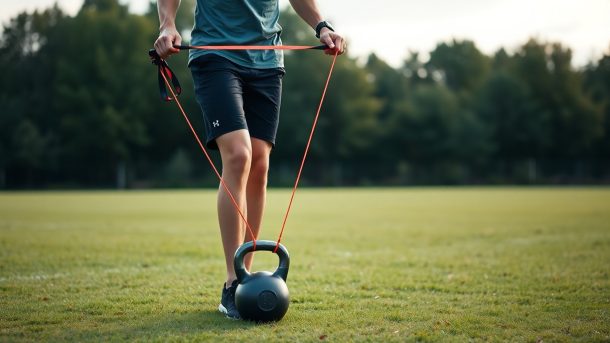
Besides bodyweight exercises, resistance bands are a fantastic training tool that offers versatility and portability. These bands can provide resistance in multiple directions and can be easily adjusted to suit your fitness level. The lightweight and compact nature of resistance bands makes them simple to transport, enabling you to maintain your training regimen on-the-go.

Resistance bands not only enhance your strength training but also improve your flexibility and coordination. They can be used for a range of exercises targeting different muscle groups, from upper body to lower body workouts. Integrating band exercises like chest presses, rows, or lateral leg raises in your routine will help you build a balanced and resilient physique. With proper technique and consistency, resistance bands can be a powerful ally in your training toolkit.

Agility and Speed Training

To enhance your performance in sports, agility and speed training is vital. With minimal equipment, you can implement effective exercises that challenge your coordination, balance, and quickness. Incorporating these elements into your routine will not only improve your physical capabilities but also increase your overall athleticism, allowing you to outmaneuver opponents and excel in your chosen sport.

Drills for Improving Agility

Training for agility can be done anywhere, requiring just your bodyweight or simple markers. Drills like lateral shuffles, cone zigzags, and high knees can help sharpen your foot speed and coordination. Focus on performing these exercises at different intensities to push your limits and keep your workouts dynamic. Regular practice will lead to noticeable improvements in your agility over time.

Speed Training Techniques

To develop your speed, incorporate techniques like sprinting drills and interval training into your routine. These strategies can build your anaerobic capacity and enhance explosive power. Utilizing a flat surface or a track, concentrate on short bursts of high-intensity sprints to mimic the demands of your sport. This targeted approach will enable you to experience significant gains in your speed, elevating your performance on the field or court.

Understanding how to effectively implement speed training techniques is vital for improving your quickness. Focus on proper form and acceleration mechanics during your drills. Incorporate hill sprints or resistance training elements like harnesses or sleds (if available) to increase resistance and challenge your muscle fibers. Additionally, ensure adequate rest between sprints to allow for maximum effort on each attempt. This balanced approach not only boosts your speed but also prepares your body for competitive scenarios you may face in sports.

Incorporating Endurance Activities

Once again, you can enhance your athletic performance through endurance activities that require minimal equipment. Look for bodyweight workouts, running, or cycling in your local area to improve your stamina. For more tips, check out Trying to develop a no/minimal equipment strength training … to help you adapt your training effectively.

Cardio Options with Minimal Gear

After assessing your fitness goals, explore various cardio options that don’t require fancy equipment. Activities like jogging, jumping jacks, and burpees are excellent ways to elevate your heart rate and boost endurance without the need for a gym.

Interval Training Protocols

By implementing interval training protocols, you can maximize your endurance in a short amount of time. This approach involves alternating between periods of high-intensity effort and low-intensity recovery.

With interval training, you can vary the duration of work and rest intervals according to your fitness level. Start with 30 seconds of sprinting, followed by 1 minute of walking or jogging. As you improve, experiment with different ratios, such as 1:1 or 2:1, to further challenge yourself and enhance your cardiovascular efficiency.

Tracking Progress and Staying Motivated

After setting your fitness goals, tracking progress and staying motivated become important elements of your training journey. Utilizing simple methods to measure your achievements, whether through apps, journals, or periodic self-assessments, can keep you engaged and focused on reaching your objectives. Find a system that works for you, and regularly evaluate your advancements to maintain enthusiasm and commitment to your training process.

Monitoring Training Outcomes

The key to understanding your growth lies in monitoring your training outcomes. By keeping records of your workouts, including repetitions, duration, and intensity, you can visualize your progress over time. This not only helps you identify areas for improvement but also serves as a motivating factor as you see how far you’ve come.

Strategies for Maintaining Motivation

Around your training schedule, incorporate strategies that will help keep your motivation levels high. Engaging with a community, setting smaller milestones, and varying your workouts can create a sense of excitement and help you push through challenging moments. Connecting with others who share your goals can also provide a support network to cheer you on.

Considering different techniques can further enhance your motivation. Setting specific, attainable goals helps break the long journey into manageable steps. Celebrate each accomplishment, no matter how small, to build self-confidence and create positive reinforcement. Additionally, designing a varied routine can prevent boredom, making your training sessions stimulating and enjoyable. By actively involving yourself in your progress and surrounding yourself with positivity, you’ll find it easier to stay committed to your training regimen.

Final Words

Upon reflecting on how to train for sports with minimal equipment, you can achieve significant results by focusing on bodyweight exercises, functional movements, and creative use of everyday items. Incorporating flexibility, strength, and endurance workouts will keep your training well-rounded. Always set clear goals and create a consistent schedule to stay motivated. Emphasize the importance of proper form to prevent injuries and enhance performance. With determination and resourcefulness, you can elevate your athletic abilities without the need for a fully equipped gym.

Q: What types of exercises can I do with minimal equipment for sports training?

A: There are numerous exercises you can incorporate into your training regimen with minimal equipment. Bodyweight exercises such as push-ups, squats, lunges, and planks are excellent for building strength and endurance. Additionally, using items like resistance bands or a jump rope can enhance your workouts. For agility training, cone drills can be done with household items like water bottles. By combining different bodyweight movements and functional training, you can create a well-rounded program that targets the necessary muscle groups for your sport.

Q: How can I ensure that my training is effective without access to a gym or specialized gear?

A: To maximize the effectiveness of your training without gym equipment, focus on creating a structured workout plan that incorporates progressive overload. This can be achieved by increasing the intensity of your workouts over time through higher repetitions, shorter rest periods, or more challenging variations of exercises. Consistency is key—aim for regular workouts and track your progress. Additionally, prioritize proper nutrition and hydration, as they significantly affect performance and recovery. Using online resources for workout routines can also provide new ideas to keep your training dynamic.

Q: How can I stay motivated to train for my sport with limited equipment?

A: Staying motivated can be challenging, especially when training with minimal resources. Setting specific, measurable, and achievable goals for your training can help maintain focus and direction. Mixing up your workouts by trying different exercises or training styles, such as high-intensity interval training (HIIT), can also make sessions more enjoyable. Engaging with friends or joining online fitness communities can further enhance motivation, as shared goals and accountability can provide additional encouragement. Lastly, celebrate small victories and progress, as recognizing your improvement can boost your enthusiasm for continued training.

Skip to content