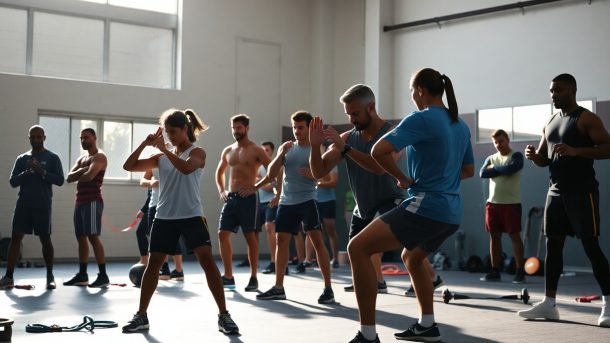
Most athletes, whether beginners or experienced, encounter pitfalls that can hinder their performance and progress. In this guide, you will learn about prevalent mistakes in sports training and how to steer clear of them. By understanding these common missteps, you can optimize your workouts, enhance your skills, and ultimately achieve your sporting goals more effectively. Let’s explore proactive strategies to ensure that your training sessions are both safe and productive.
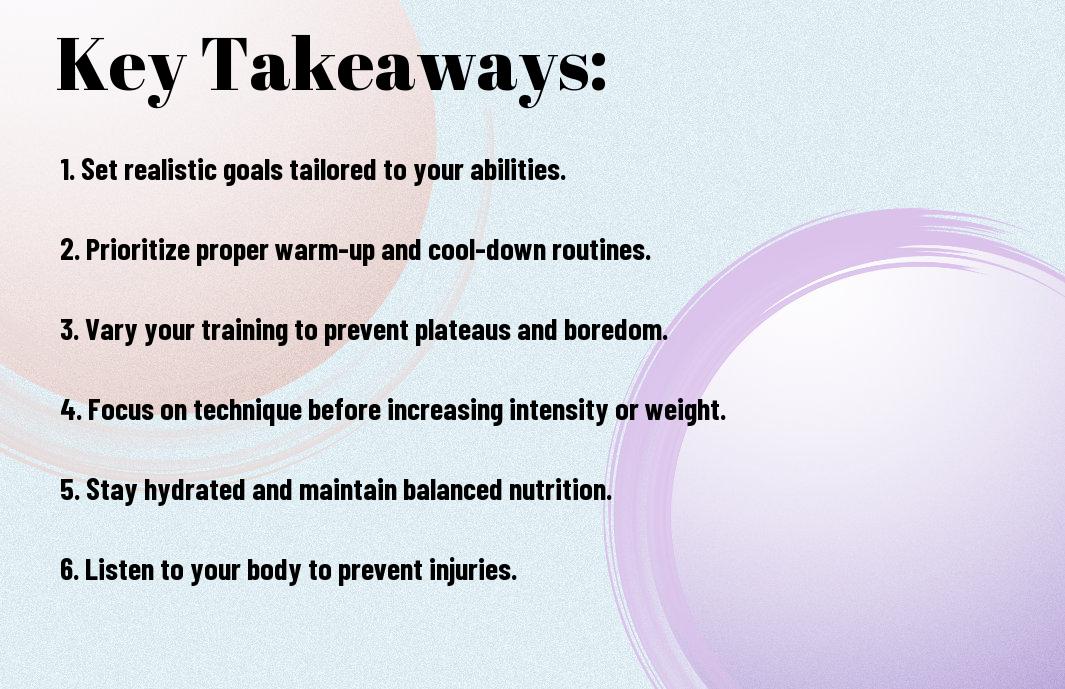
Key Takeaways:
- Set Clear Goals: Define specific, measurable, and achievable objectives to guide your training.
- Prioritize Rest and Recovery: Allow adequate recovery time to prevent injuries and enhance performance.
- Focus on Proper Technique: Master the correct methods before increasing intensity to avoid bad habits and injuries.
- Stay Hydrated and Nourished: Fuel your body with the right nutrition and hydration to optimize training outcomes.
- Track Progress: Keep a record of your training sessions to identify areas for improvement and celebrate achievements.
Understanding Common Training Mistakes
Before you initiate on your sports training journey, it’s vital to recognize and avoid common mistakes that can hinder your progress. Many athletes, regardless of their experience level, fall into traps that can diminish performance and lead to injury. By being aware of these pitfalls, you can create a more effective and safe training regimen that helps you reach your goals.
Overtraining and Burnout
Overtraining can result from pushing your body beyond its limits without adequate recovery. This condition not only leads to physical fatigue but also mental burnout. It’s vital to listen to your body and incorporate rest days, ensuring you balance intensity and recovery to promote sustainable progress and enjoyment.
Improper Technique and Form
By neglecting proper technique and form, you increase your risk of injury and limit your performance potential. Training with an incorrect posture or movement pattern can lead to muscle strains and long-term issues, ultimately hindering your athletic development.
Indeed, focusing on proper technique is beneficial for maximizing your efficiency in training and competition. Taking the time to learn correct mechanics allows you to train effectively, reducing the risk of injury while building strength and skill. Working with a coach or reviewing instructional videos can help you refine your form, ensuring that every movement contributes positively to your overall performance.
Setting Realistic Goals
Even if you have big dreams, setting realistic goals is imperative for sustainable progress in your sports training. Aim for achievable targets that align with your current abilities, which will keep you motivated and on track. For insights on avoiding mistakes in strength training, check this Are you making 3 common mistakes when strength training? article to further refine your approach.
Short-term vs. Long-term Goals
Beside focusing on long-term aspirations, it’s equally important to establish short-term goals that act as stepping stones. These smaller milestones provide immediate motivation and opportunities for self-assessment, helping you to track your progress over time.
Adjusting Goals as You Progress
Adjusting your goals as you progress ensures they remain relevant and challenging. As your fitness level improves, it’s important to revisit and modify your targets to continue fostering growth and avoid stagnation.
Realistic goal adjustments allow you to embrace changing circumstances, such as shifts in your training schedule or unexpected challenges. Regularly evaluating your performance will not only boost your resilience but also enhance your overall training experience, making it possible to celebrate achievements while remaining focused on continual improvement.
Importance of Cross-Training
Keep in mind that cross-training is an vital component of a well-rounded fitness regimen. It not only helps to prevent injuries by varying the physical demands placed on your body, but it also enhances your overall performance by improving different areas of fitness. Engaging in multiple sports and activities enables you to develop various muscle groups and skills, making you a more versatile athlete. By incorporating cross-training into your routine, you can boost your motivation and enjoyment, ultimately leading to greater success in your primary sport.
Benefits of Variety in Training
For your training to be effective, it’s important to embrace variety. Mixing different types of workouts can prevent plateaus, keeping your body and mind engaged. Additionally, varied training helps to improve overall athleticism by developing strength, endurance, flexibility, and coordination. Whether it’s cycling, swimming, or strength training, introducing diverse workouts can lead to robust performance gains and reduce the risk of burnout.
Integrating Different Sports and Activities
An effective way to enhance your training is by integrating different sports or activities into your routine. This approach not only works different muscle groups but also allows you to develop various skills that can translate back to your primary discipline.
Further exploration of integrating different sports can benefit your athletic development significantly. For example, a runner might find strength in swimming and cycling, which provide a great non-impact cardiovascular workout while building muscle strength. Similarly, team sports can improve your agility and coordination, vital for any individual sport. The key is to select activities that you enjoy and that complement your main sport. This will not only keep your training fresh but also foster a greater love for fitness and movement.

The Role of Recovery
All athletes must recognize that recovery is an crucial component of effective sports training. Proper recovery not only helps to repair muscles and reduce fatigue, but it also enhances your overall performance. By prioritizing recovery, you are setting yourself up for long-term success and minimizing the risk of injury, ultimately allowing your body to adapt to the physical demands of your training program.
Importance of Rest Days
Among the most vital aspects of any training regimen are rest days. They provide your body the opportunity to heal and regenerate, which is necessary for muscle growth and repair. Incorporating rest days into your schedule helps to prevent overtraining, maintain mental focus, and allow your technique to refine as you progress. Make these days a regular part of your routine for optimal performance gains.
Effective Recovery Techniques
Against common belief, recovery is not merely about taking a day off; it involves strategic techniques that expedite muscle recovery and rejuvenation. Engaging in practices such as stretching, hydration, nutrition, and restorative activities can enhance your recovery process. Each of these techniques plays a role in optimizing performance and reducing downtime.
Due to the varying demands of sports training, employing effective recovery techniques is vital for maintaining your energy levels and preventing injury. Adequate hydration helps to flush out toxins while balancing electrolytes crucial for muscle function. Consuming nutrient-rich foods can replenish energy stores and aid in muscle repair. Incorporating active recovery sessions, such as light swimming or yoga, alongside practices like foam rolling, can alleviate muscle tightness and promote blood flow. Tailoring your recovery techniques to fit your specific training needs will ensure you stay energized and ready for your next workout.
Nutrition and Hydration
To optimize your performance, understanding the right nutrition and hydration strategy is imperative. Many athletes overlook these components, leading to subpar training results. For instance, to Avoid These 7 Common Strength Training Technique …, you must ensure your body is fueled properly.
Nutrition Basics for Athletes
An effective nutrition plan includes a balanced intake of carbohydrates, proteins, and healthy fats. Your meals should be designed to support your energy needs while promoting recovery. Incorporating a variety of nutrient-dense foods can help you reach your training goals more efficiently.
Staying Hydrated During Training
An adequate hydration strategy will enhance your stamina and focus during workouts. It’s imperative to drink water before, during, and after your training sessions to maintain optimal performance levels.
It can be beneficial to monitor your fluid intake based on your activity intensity and duration. Consider incorporating electrolyte drinks if your training lasts more than an hour, as these can help replace lost minerals and keep you energized. Pay attention to your body’s signals; feeling thirsty is a sign that hydration is needed. Establishing these habits will support your overall training effectiveness, keeping you on track.
Mental Preparation and Focus
Now, effective mental preparation can significantly enhance your performance in sports training. By mastering your thoughts and emotions, you can boost your focus and endurance. Prioritizing mental conditioning alongside physical training helps you tackle challenges more effectively, enabling you to remain committed to your goals. Develop strategies that integrate visualization, positive self-talk, and mindfulness to stay centered and prepared for your training sessions and competitive events.
Building Mental Resilience
About building mental resilience, you need to cultivate the ability to bounce back from setbacks. This involves developing a growth mindset that sees challenges as opportunities for learning and improvement. Focus on embracing failure, understanding that it is part of your journey. Regularly practice self-reflection and identify strategies that strengthen your mental toughness, thereby enhancing your training outcomes and overall performance.
Techniques for Improved Focus
Before honing in on your focus, consider implementing specific techniques to sharpen your mental acuity and concentration during training. Techniques like setting clear goals, using visualization, and practicing breath control can help you minimize distractions and enhance your performance. Regular mental exercises, such as mindfulness meditation, can also train your brain to stay present and engaged, ultimately allowing you to react more effectively in high-pressure situations.
Building your focus requires patience and consistency. Engaging in consistent visualization exercises where you picture successful performances can prime your mind for success. Establish a pre-training routine that includes deep breathing and grounded affirmations to clear your head. Additionally, use checkpoints during your training to assess your focus and adjust your mindset as needed, refining your ability to stay present and engaged in each moment of practice.
To wrap up
Drawing together the insights shared, you can successfully avoid common mistakes in sports training by prioritizing a well-structured plan, setting realistic goals, and listening to your body. It’s important to balance intensity and recovery while incorporating a variety of training methods to enhance your performance. Regularly assessing your progress and staying open to adjustments in your routine will further refine your approach. By implementing these strategies, you will create a more effective and enjoyable training experience, ultimately leading you to achieve your athletic aspirations.
FAQ
Q: What are some common mistakes athletes make during their training routines?
A: Athletes often fall into several pitfalls during their training, including neglecting proper warm-up and cool-down routines, failing to listen to their bodies, and lacking variety in their workouts. A proper warm-up prepares the muscles and joints for intense activity, while cooling down aids in recovery and flexibility. Ignoring signs of fatigue or injury can lead to setbacks. Additionally, performing the same exercises repeatedly can lead to plateaus in performance, so it’s important to incorporate a mix of strength, endurance, flexibility, and sport-specific drills.
Q: How can training schedules help avoid mistakes in sports training?
A: Creating a well-structured training schedule is key to maximizing performance and preventing injuries. A balanced program includes appropriate rest days to allow the body to recover, a mix of different training types to enhance overall fitness, and progressive overload to promote strength and endurance improvements without overexertion. Tracking performance and adjusting the schedule as needed can also help athletes identify when they may be pushing too hard and need to modify their approach.
Q: What role does nutrition play in avoiding training mistakes?
A: Nutrition is important for optimal athletic performance and recovery. Athletes may overlook dietary needs, leading to fatigue, slower recovery times, and hindered performance. A balanced diet rich in proteins, carbohydrates, healthy fats, vitamins, and minerals supports energy levels and muscle repair. Additionally, staying hydrated is vital for maintaining performance during training and competitions. Consulting with a sports nutritionist can provide personalized guidance to enhance training outcomes and avoid common dietary pitfalls.
