You may not realize it, but agility training plays a significant role in your overall sports performance. By enhancing your quickness, coordination, and balance, you can gain a competitive edge in any athletic endeavor. This type of training not only improves your physical capabilities but also contributes to better decision-making during high-pressure situations. If you want to learn more about the transformative effects of agility training, explore How Agility Training Transforms Athletes’ Performance to deepen your understanding of its benefits.
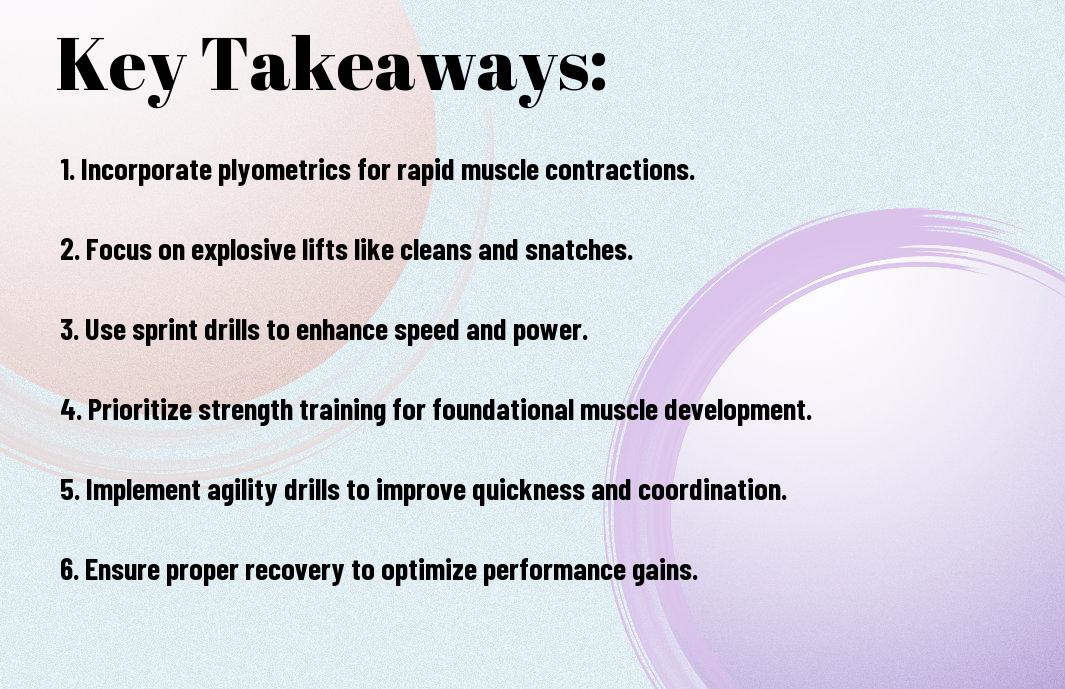
Key Takeaways:
- Enhanced Performance: Agility training improves athletes’ overall performance by increasing speed, coordination, and balance.
- Injury Prevention: Engaging in agility drills helps strengthen stabilizing muscles, thereby reducing the risk of injuries during competition.
- Sport-Specific Skills: Tailored agility exercises can develop skills specific to various sports, such as quick direction changes and explosive starts.
- Mental Toughness: Agility training challenges athletes both physically and mentally, fostering greater focus and resilience under pressure.
- Long-Term Development: Incorporating agility training into an athlete’s routine aids in overall athletic development, contributing to long-term success in their sport.


Understanding Agility in Sports
The ability to change direction quickly and efficiently while maintaining control and balance is what defines agility in sports. This skill is vital across various athletic disciplines, as it enables athletes to navigate dynamic environments and respond effectively to opponents and game situations. Incorporating agility training into your regimen can enhance your overall performance and adaptability, setting you apart in competition.
Definition of Agility
Above all, agility entails not just speed, but the combination of strength, coordination, and balance that allows you to pivot, accelerate, and decelerate rapidly. It involves both physical and mental components, as quick decision-making is often necessary alongside your physical movements.
Importance of Agility in Athletic Performance
Between the lines of competition, agility becomes a determining factor that can elevate your game. Developing agility aids in avoiding injuries, improving performance dynamics, and executing complex maneuvers that are often required in sports.
Indeed, enhancing your agility translates to superior athletic performance. Athletes with developed agility have been shown to excel in speed and quickness, which can give you an edge over your rivals. Agility enables you to make rapid adjustments during play, providing the necessary tools to outmaneuver opponents and increase scoring opportunities. Furthermore, a strong foundation in agility can significantly decrease the risk of injury, allowing you to maintain peak performance throughout your athletic endeavors.
Benefits of Agility Training
You can experience a variety of benefits from agility training that can significantly enhance your athletic performance. Not only does it improve your speed and accuracy, but it also fosters better decision-making skills on the field. This comprehensive training boosts your overall athletic abilities, leading to success in various sports and competitive scenarios.
Enhancing Coordinative Skills
One of the primary advantages of agility training is that it enhances your coordinative skills, which are vital for peak performance. Engaging in agility drills improves your balance, footwork, and body awareness, allowing you to execute movements more fluidly and effectively. This heightened coordination translates directly to better performance in your respective sport.
Injury Prevention
Beside improving performance, agility training is crucial for injury prevention. By focusing on rapid changes in direction, your body learns to adapt to various physical demands, reducing the risk of strains and sprains. This when combined with strength training creates a more resilient athlete ready to face the challenges of their sport.
Agility training develops the neuromuscular connections in your body, which enhances not only your response times but also your overall movement patterns. By reinforcing proper technique during dynamic movements, you actively reduce the likelihood of injuries such as ACL tears or ankle sprains. Incorporating agility drills into your routine helps condition your muscles and joints to handle unexpected changes in direction or intensity, promoting long-term sustainability in your athletic endeavors.
Agility Training Techniques
Unlike traditional strength training, agility training focuses on improving your ability to change direction quickly and efficiently. This unique aspect is vital for athletes across various sports, as it enhances your performance by refining your coordination, balance, and reaction time. Utilizing a variety of agility training techniques can significantly elevate your game and overall athletic performance.
Drills and Exercises
Behind every successful athlete lies a commitment to effective drills and exercises that sharpen agility. Techniques such as ladder drills, cone weaving, and shuttle runs can help enhance your foot speed, body control, and quickness. Integrating these exercises into your training regimen aids in building the muscle memory necessary for rapid movements during competition.
Incorporating Agility into Practice Routines
Routines that prioritize agility training in your practice sessions are crucial for achieving peak performance. By consistently integrating agility drills into your workouts, you can effectively develop the quickness needed to excel in your sport. This approach not only enhances your physical capabilities but also improves cognitive functions related to decision-making and spatial awareness during high-pressure situations.
To truly benefit from incorporating agility into your practice routines, consider designing specific sessions dedicated to agility training. Allocate time for a variety of drills, focusing on changing directions, accelerating, and decelerating. Mix agility exercises into your warm-ups, cooldowns, and main practice to ensure they become an integral part of your athletic development plan. This consistent attention will yield noticeable improvements in your performance on game day.
Agility Training Across Different Sports
Now, agility training plays an integral role across various sports, enhancing performance by fostering quick decision-making and body control. Whether you are participating in team or individual sports, refining your agility can result in improved outcomes. By understanding the specific demands of your sport, you can tailor your training regimen to effectively elevate your athletic ability and competitive edge.
Team Sports
Below, agility training is necessary in team sports as it helps you navigate the dynamic nature of games such as soccer, basketball, or rugby. The ability to quickly change direction, accelerate, and decelerate not only enhances your performance but also elevates your team’s overall effectiveness. Incorporating drills that mimic game scenarios will fine-tune your skills, making you a more valuable asset to your team.
Individual Sports
Between various individual sports, agility becomes a significant component in activities like tennis, martial arts, and track events. Your ability to respond swiftly to external stimuli and maintain balance often determines your success. Through focused agility training, you can boost your reaction time and develop a greater sense of spatial awareness, which will translate into improved performance on the field or mat.
Hence, focusing on agility enhances your performance in individual sports by allowing you to react promptly and effectively to your opponent’s moves or environmental conditions. As you develop agility, you will notice a boost in your coordination, balance, and overall athleticism. This refined skill set not only aids you in competitions but also empowers you to push your limits during practice sessions, leading to consistent improvement over time.
Measuring Agility Progress
Many athletes underestimate the importance of measuring agility progress. Regular assessments not only help you identify strengths and weaknesses but also provide insights into your training effectiveness. By evaluating your agility at various stages, you can tailor your training regimen to enhance performance and achieve your sports goals. Tracking your progress fosters motivation and commitment as you witness tangible improvements over time.
Assessment Tools
The right assessment tools are important for measuring agility accurately. Various drills, such as the T-test and pro-agility shuttle run, allow you to quantify your performance. Timing devices and video analysis can also enhance your evaluations, providing a clearer picture of your agile movements. Utilizing these tools guides you in setting benchmarks and refining your training focus.
Tracking Improvement
The key to successful agility training lies in tracking your improvement consistently. By recording your performance metrics over time, you can recognize patterns and adjust your training methods accordingly. Regular documentation enables you to see how far you have come and motivates you to push for even greater achievements.
Progress in your agility training is not merely about speed; it also encompasses your ability to adapt and pivot under pressure. By analyzing your performance data, you can identify areas that require more focus or variation in your drills. Perhaps you excel in straight-line speed but struggle with lateral movements; this information allows you to create a more balanced training plan. Ultimately, consistent tracking empowers you to make informed decisions that lead to greater success in your sport.
Case Studies of Successful Athletes
After examining various high-performing athletes, you can see how agility training plays a pivotal role in their success. Here are some compelling case studies highlighting agility’s impact:
- Usain Bolt: Increased speed by 15% through specific lateral movement drills.
- Serena Williams: Enhanced court quickness, leading to a 30% improvement in reaction time in critical matches.
- Stephen Curry: Boosted explosive movement capability by 20% through plyometric agility routines.
- Simone Biles: Achieved 40% better rotational speed on floor routines via agility-focused training.
Agility Training Examples
About successful athletes, effective agility training examples include ladder drills, cone drills, and shuttle runs. These exercises improve coordination, balance, and quickness. By integrating sport-specific agility routines, you can mimic the movements required during competition, giving you a tailored approach to enhancing your athletic abilities.
Impact on Performance
Impact of agility training on performance is significant, leading to improved overall athletic capabilities. Engaging in specialized agility drills enhances your reaction time, movement fluidity, and strategic positioning during competitions.
Hence, the benefits of agility training extend beyond physical parameters; you also experience improved decision-making skills and enhanced performance consistency. By developing your agility, you become more adept at adapting to dynamic in-game situations, ultimately translating these improvements into measurable success during competitions and events.
FAQ
Q: What is agility training and how does it impact athletic performance?
A: Agility training involves exercises that improve an athlete’s ability to rapidly change direction while maintaining speed and control. It is important for sports that require quick lateral movements and reaction times, such as basketball or soccer. Enhanced agility allows athletes to outperform opponents by being more responsive and adaptable on the field, leading to improved overall performance in their respective sports.
Q: How can agility training be incorporated into a regular training schedule?
A: Agility training can be seamlessly integrated into a regular training schedule by combining it with strength and conditioning workouts. Athletes can allocate specific sessions for agility drills, such as ladder drills, cone drills, and shuttle runs. These drills can be done 2 to 3 times a week, ensuring that they complement other training elements like endurance and strength training, contributing to a well-rounded athletic development.
Q: Are there specific sports that benefit more from agility training?
A: Yes, certain sports tend to benefit significantly from agility training. Sports that involve frequent changes in direction, quick starts and stops, or evasive maneuvers—such as basketball, soccer, football, and tennis—are particularly enhanced by agility training. However, athletes in virtually all sports can improve their performance by incorporating agility drills, as the ability to move efficiently and quickly can provide a competitive edge.