sports

The Best Sports for Full-Body Workouts

Fitness enthusiasts often seek activities that challenge multiple muscle groups while enhancing overall athleticism. If you’re looking for effective sports that provide comprehensive full-body workouts, this post will guide you through options that boost endurance, strength, and flexibility. You’ll discover dynamic sports that not only elevate your heart rate but also engage various muscle tissue, ensuring you achieve a balanced workout routine. Let’s explore the best sports that can transform your fitness journey and keep you motivated along the way.

Key Takeaways:

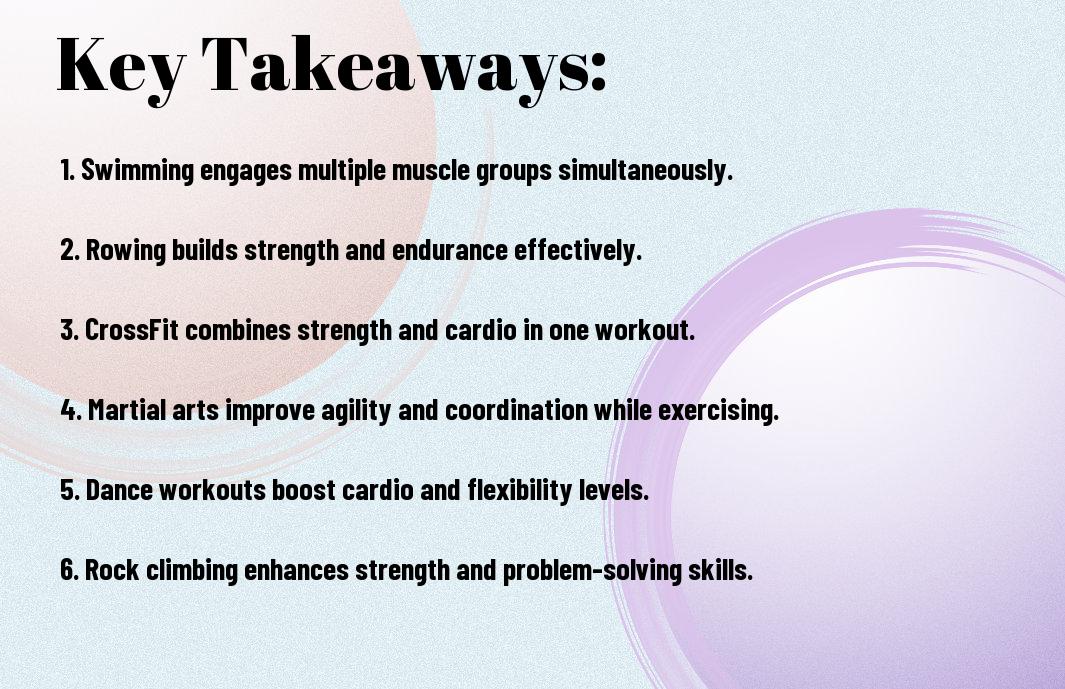
  • Swimming provides an excellent low-impact workout that engages almost every muscle group while also improving cardiovascular fitness.
  • Rowing is highly effective for building strength and endurance, targeting both the upper and lower body with minimal joint stress.
  • CrossFit incorporates a variety of functional movements, enhancing strength, agility, and stamina through high-intensity interval training.
  • Martial Arts offers a full-body workout that combines strength, flexibility, and mental discipline, making it a unique way to stay fit.
  • Cycling, especially when incorporating uphill rides or interval training, can work not only the legs but also engage the core and back muscles.

Benefits of Full-Body Workouts

A full-body workout offers numerous advantages, making it an ideal choice for anyone looking to enhance their fitness regime. By engaging multiple muscle groups at once, you not only save time but also improve overall strength and endurance. This holistic approach to fitness promotes cardiovascular health, increases flexibility, and can significantly improve your athletic performance. Moreover, incorporating full-body workouts into your routine is an effective way to maintain consistency and motivation in your fitness journey.

Enhanced Caloric Burn

For those looking to burn more calories, full-body workouts are an excellent solution. By involving larger muscle groups, these workouts elevate your heart rate and boost your metabolism. This not only aids in weight loss but also enhances post-exercise calorie consumption, allowing you to achieve your fitness goals more efficiently.

Improved Muscle Coordination

Against the common belief that strength training isolates specific muscles, full-body workouts promote better coordination across various muscle groups. By engaging multiple muscles simultaneously, you train your body to work as a cohesive unit, ultimately improving your overall movement patterns.

Even daily tasks can become easier as your body learns to synchronize movements more effectively. This improvement in muscle coordination not only benefits your workouts but also helps prevent injuries and enhance performance in sports and recreational activities. As you develop better control and awareness of your body, you’ll find that your agility and balance improve, contributing to a more efficient and enjoyable exercise experience.
Top Sports for Full-Body Workouts

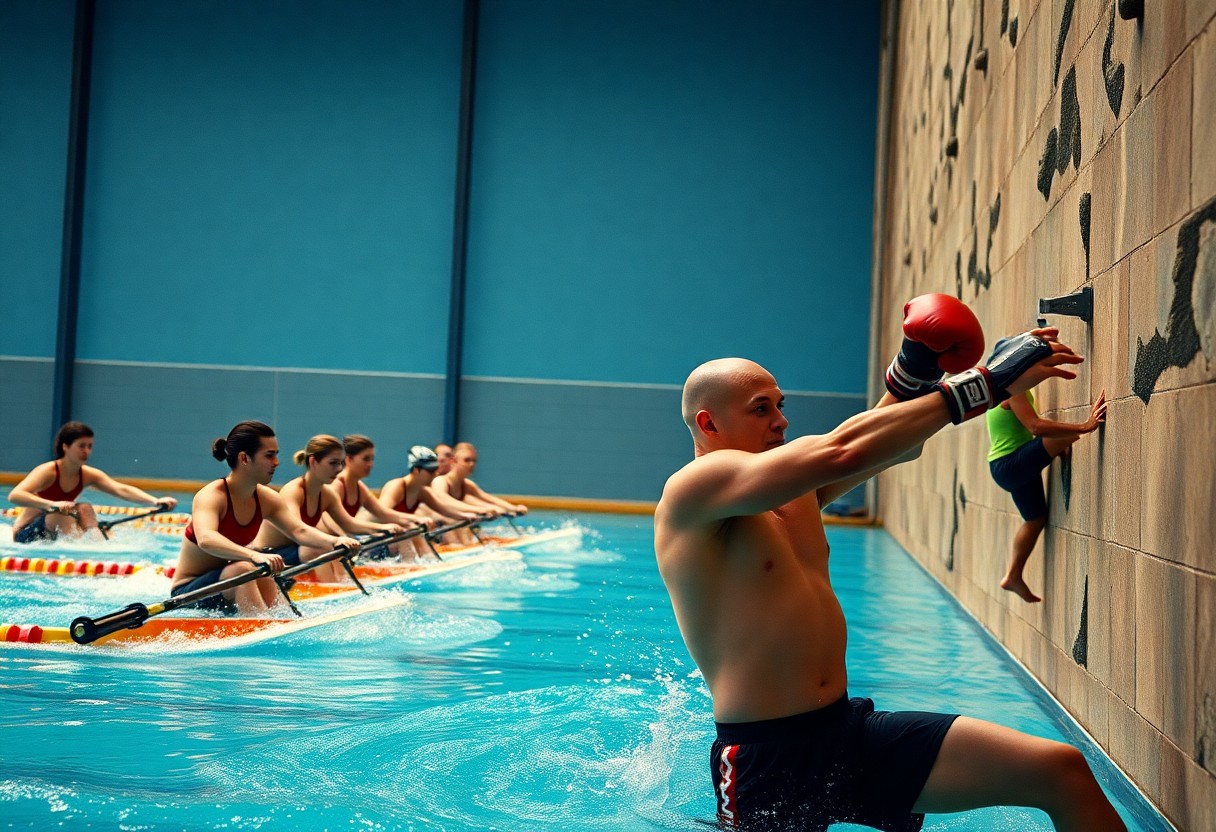
One of the best approaches to achieving a full-body workout is to engage in sports that encompass multiple muscle groups. Not only do these activities improve strength, but they also enhance endurance and flexibility. Below are some of the top sports that can help you achieve an effective full-body workout.

Swimming

One of the safest and most effective full-body workouts is swimming. It engages nearly all of your muscle groups while being gentle on your joints, making it suitable for all fitness levels. When you glide through the water, you build strength, improve cardiovascular health, and enhance flexibility, all without the impact associated with other sports.

Rowing

Sports like rowing provide exceptional benefits for full-body conditioning. As you row, your back, arms, and legs collaborate to generate power, engaging your core throughout the entire motion.

In addition, rowing is a low-impact exercise that minimizes stress on your joints while ensuring you fully utilize your upper and lower body muscles. The rhythmic nature of rowing can also enhance your cardiovascular endurance, making it an excellent choice for those looking to improve their overall fitness level.

Martial Arts

Above all, martial arts offer you a dynamic full-body workout that builds strength, agility, and balance. The various techniques and moves involved require coordination and body awareness, making them ideal for enhancing your overall physical capabilities.

Due to the diverse ranges of movements, such as punches, kicks, and grappling techniques, martial arts effectively engage your entire body while also improving mental focus and discipline. This combination of physical and mental training can elevate your fitness routine significantly.

CrossFit

To achieve comprehensive full-body conditioning, CrossFit is an excellent choice that combines high-intensity workouts with diverse training methods. You can experience a variety of movements, from weightlifting to aerobic exercises, to develop overall strength and endurance.

Workouts in CrossFit vary daily, keeping your routine exciting while targeting different muscle groups throughout the week. This variability helps prevent plateaus and maintains your motivation as you strive to improve your fitness levels over time.

Selecting the Right Sport for You

After exploring various sports offering full-body workouts, it’s necessary to pinpoint one that aligns with your lifestyle, preferences, and fitness levels. Consider factors such as your current abilities, desired training intensity, and specific fitness goals. Finding a sport that resonates with you not only boosts your motivation but also increases the likelihood of long-term commitment and success in your fitness journey.

Assessing Personal Goals

With clear personal goals, you can identify which sport will best support your ambitions. Whether you aim for weight loss, improved endurance, or overall strength, aligning your chosen activity with your objectives sets the stage for an effective workout experience. Take time to define what you want to achieve, as this insight will guide your selection process.

Considering Your Environment

At the same time, evaluating your environment is also important when deciding on a sport. Access to facilities, outdoor spaces, or community programs can significantly influence your choices. Ensure that your surrounding area provides the necessary resources and atmosphere conducive to practicing your chosen sport regularly.

Environment plays a vital role in your success with any sport. The availability of amenities, such as courts, fields, or trails, can determine how often you engage in activities. Additionally, consider the climate and weather conditions in your area, as they can impact outdoor sports throughout the year. If you have busy schedules or limited access, opt for activities that fit seamlessly into your routine or offer home-based alternatives.
Safety Tips for Engaging in Sports

Keep safety at the forefront while engaging in sports to maximize enjoyment and minimize risks. Here are some tips to consider:

  • Always wear appropriate gear for your chosen sport.
  • Stay hydrated and maintain proper nutrition.
  • Pay attention to prevailing weather conditions.
  • Follow the rules and guidelines of the sport.
  • Consult a healthcare professional if you’re unsure about your physical abilities.

Any sports can be physically demanding, so it’s wise to prepare yourself by checking out these 10 SPORTS FOR A GREAT WORKOUT.

Warm-Up and Cool-Down Techniques

On a daily basis, prioritize warming up before engaging in sports and cooling down afterward. Warm-ups should include light cardio and dynamic stretches to prepare your muscles and joints for activity. After your workout, cool down with static stretching to enhance flexibility and promote recovery.

Understanding Your Limits

Behind every successful athlete lies an acute awareness of personal limits. It’s vital to recognize when your body is fatigued or in discomfort, as pushing beyond these limits can lead to injury.

Understanding your limits not only helps prevent injuries but also allows you to progress safely. By listening to your body, you can develop a personalized training regimen that matches your fitness level. This approach fosters improvement while maintaining your enthusiasm for the sport, ensuring you continue enjoying the physical activity you love.

Incorporating Sports into Your Routine

To fully benefit from sports as a full-body workout, it’s important to weave these activities into your regular routine. By making sports a consistent part of your lifestyle, you will not only experience physical improvements but also enjoy the mental and social benefits that come with engaging in physical activities. Aim to find sports you enjoy, and schedule dedicated time for them each week to develop a sustainable fitness habit.

Scheduling Regular Activities

Above all, creating a structured schedule for your sports activities will help you stay committed. Designate specific days and times during the week when you can engage in your chosen sports. This makes it easier to treat these sessions as non-negotiable appointments, ensuring you integrate fitness seamlessly into your life.

Combining with Other Exercises

Across various training disciplines, combining sports with other exercises can enhance your overall fitness. This approach not only works different muscle groups but also adds variety to your routine, keeping you engaged and motivated to stick with it.

Considering cross-training is an effective strategy to enhance your overall fitness levels. For example, you might choose to combine swimming with strength training or incorporate yoga after a game of tennis. This not only improves flexibility and strength but also offers a comprehensive workout experience, targeting various areas of your body while reducing the risk of injury. By mixing sports with other fitness modalities, you ensure your body stays challenged and engaged, ultimately leading to better results.

Summing up

Drawing together the various options for full-body workouts, you’ll find that engaging in sports such as swimming, rowing, or martial arts can significantly enhance your fitness levels. These activities work multiple muscle groups and improve both strength and endurance while keeping your exercises enjoyable. Choosing the right sport for you involves considering your interests and goals, ensuring you stay motivated. By integrating these sports into your routine, you can achieve a holistic fitness approach that benefits your overall health and well-being.

Q: What are some of the best sports for full-body workouts?

A: Some of the best sports for full-body workouts include swimming, rowing, and cross-country skiing. Swimming engages multiple muscle groups, promoting both strength and cardiovascular fitness. Rowing works the legs, back, and arms, offering a comprehensive workout that enhances endurance and builds muscle. Cross-country skiing is excellent for developing leg strength, core stability, and cardiovascular conditioning, making it a highly effective all-encompassing activity.

Q: How can participating in team sports contribute to my full-body workout routine?

A: Team sports like soccer, basketball, and rugby provide a variety of physical challenges that engage different muscle groups. These sports require running, jumping, and quick lateral movements, which improve strength, agility, and coordination. Additionally, the dynamic nature of these games means that you continually engage your core and upper body, contributing to an effective full-body workout while also fostering teamwork and community.

Q: Are individual sports equally effective for full-body workouts?

A: Yes, individual sports can be just as effective for full-body workouts. Sports like martial arts, tennis, and rock climbing not only enhance strength and flexibility but also promote endurance and mental focus. Martial arts train the entire body through various techniques and movements, while tennis requires quick reactions and lateral movement. Rock climbing builds strength across the arms, back, and legs, while also requiring significant core engagement. These sports can provide a well-rounded fitness regimen when practiced regularly.
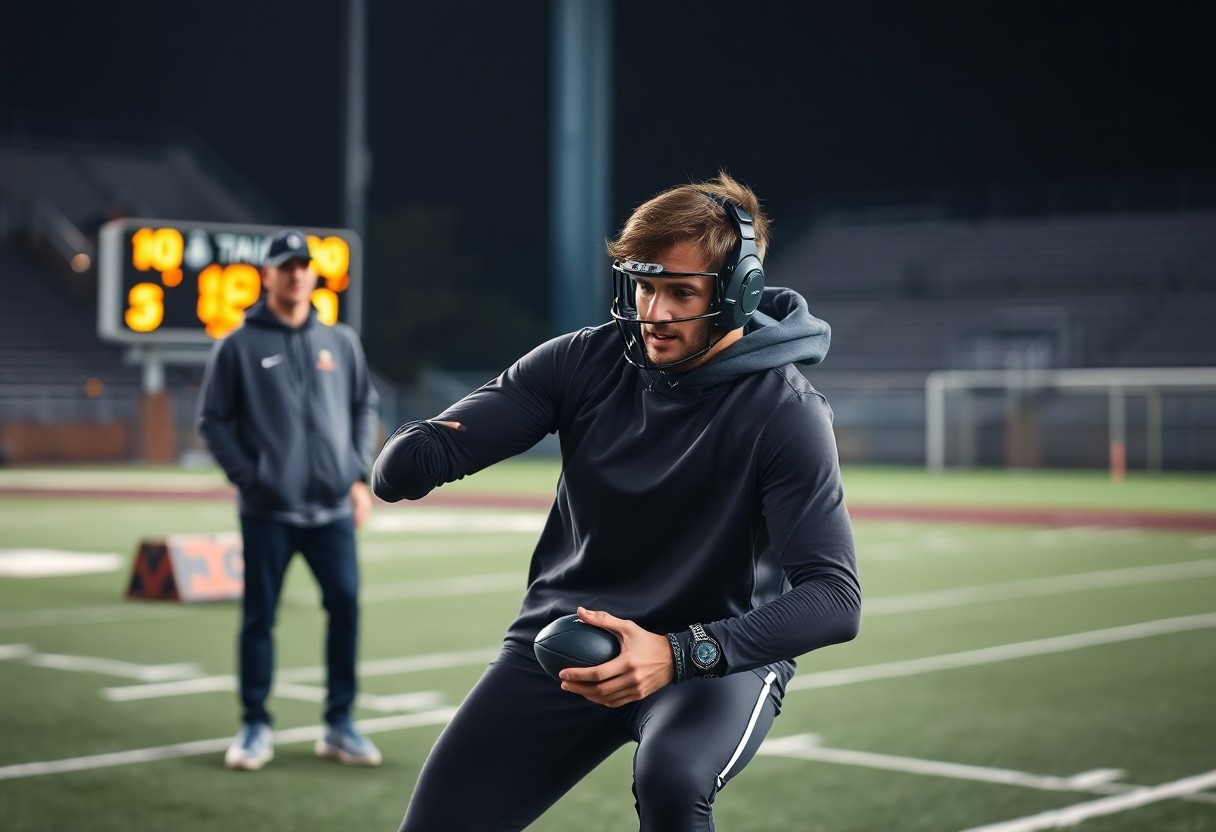
How to Improve Focus and Concentration in Sports

You can elevate your performance in sports by enhancing your focus and concentration. Whether you’re an amateur or a seasoned athlete, honing your mental skills is just as important as physical training. This guide will provide you with actionable strategies to sharpen your attention, block distractions, and boost your overall game. By incorporating these techniques into your routine, you’ll find yourself more present during practices and competitions, leading to improved results and enjoyment in your sport.

Key Takeaways:

  • Mindfulness Practice: Incorporating mindfulness techniques can enhance focus by training the mind to stay present during activities.
  • Goal Setting: Establishing clear, attainable goals helps athletes maintain concentration on specific tasks and objectives.
  • Routine Development: Creating pre-performance routines fosters a sense of consistency and reduces distractions, allowing for improved focus.
  • Physical Readiness: Ensuring proper physical conditioning minimizes fatigue, which can significantly impact concentration levels in sports.
  • Environment Control: Minimizing distractions in the training and competition environment can greatly increase an athlete’s ability to concentrate.

Understanding Focus and Concentration

The ability to maintain focus and concentration is vital for athletes seeking peak performance. These mental skills allow you to direct your attention toward specific tasks, enhance your decision-making, and prevent distractions during competitions. By understanding the intricacies of focus and concentration, you can develop strategies to refine these abilities, improving your overall athletic performance.

Definition of Focus in Sports

An athlete’s focus refers to the concentration of mental energy on the task at hand, including the execution of skills, strategies, and situational awareness. It involves filtering out distractions and honing in on what is necessary for success in your sport, whether that be a play, a movement, or an opponent’s actions.

Importance of Concentration for Athletes

An athlete’s concentration significantly influences performance outcomes. When you concentrate effectively, you can absorb information quickly, respond accurately, and maintain your composure in high-pressure situations. This mental clarity allows you to execute strategies with precision and adapt to evolving circumstances during the game or event.

This heightened concentration minimizes the impact of external distractions and internal doubts, creating a mental environment conducive to peak performance. By enhancing your ability to concentrate, you increase your chances of achieving your goals, whether in practice or competition. Ultimately, it allows you to remain present, focusing on each moment as it unfolds, vital for attaining success in your chosen sport.

Key Factors Affecting Focus and Concentration

There’s a variety of elements that can significantly influence your focus and concentration in sports. Understanding these key factors is imperative for optimizing your performance:

  • Environmental distractions
  • Mental state and attitude
  • Physical preparedness
  • Nutrition and hydration
  • Quality of rest and recovery

This knowledge will empower you to create strategies that enhance your athletic focus.

Mental State and Attitude

On a day-to-day basis, your mental state and attitude play a vital role in determining your ability to concentrate. A positive mindset promotes resilience and helps you remain focused on your goals. By cultivating an attitude of determination and confidence, you set the stage for better performance and improved concentration during training and competitions.

Physical Preparedness

Assuming you are physically well-prepared, your body will be able to perform optimally and maintain focus for extended periods. Physical readiness is directly linked to your overall concentration, as fatigue or physical discomfort can become significant distractions during your activity.

Concentration relies heavily on your physical condition. Engaging in regular training, maintaining a balanced diet, and ensuring you have enough sleep are all vital to building a solid foundation for optimal performance. When your body is healthy and strong, your mind can better maintain focus on the task at hand, making it easier for you to execute your skills effectively during competition.

How-to Tips for Improving Focus

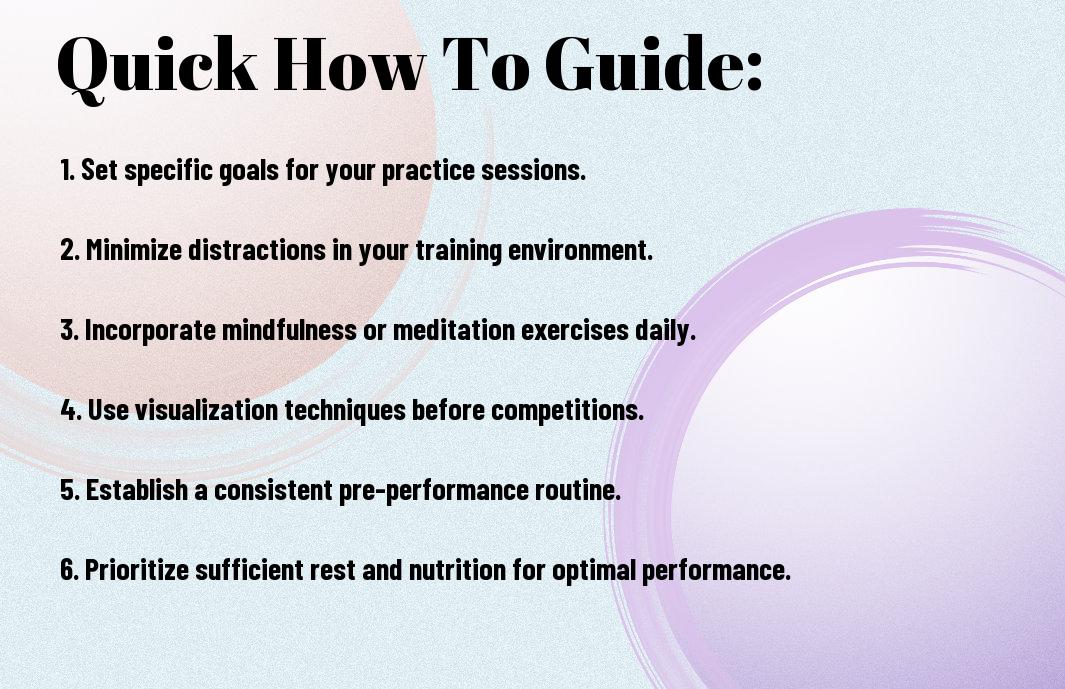
Your ability to maintain focus during sports can be significantly enhanced with practice. Consider implementing the following strategies:

  • Set clear goals for training and performance.
  • Minimize distractions by creating a focused environment.
  • Practice mindfulness techniques to anchor your attention.
  • Incorporate regular breaks to refresh your mind.
  • Seek feedback to help refine your focus strategies.

Perceiving progress in your concentration can empower your athletic performance.

Establishing a Pre-Performance Routine

How to create a pre-performance routine involves developing a series of consistent actions before each event. This routine can include warming up, mental rehearsals, and positive affirmations. By engaging in these familiar tasks, you signal to your brain that it is time to focus, which can enhance your overall mental preparation for the competition.

Utilizing Visualization Techniques

One effective way to improve focus is by utilizing visualization techniques. Visualizing successful performances can not only enhance your confidence but also help you mentally prepare for various scenarios you may face during the event.

For instance, before a game, you might visualize yourself executing skills successfully, such as making a perfect shot or executing a flawless movement. Engaging all your senses during this process can make the experience more vivid. This practice not only deepens your mental preparation but also conditions your mind for success, ultimately leading to better focus during actual performance.

Strategies for Enhancing Concentration During Training

To enhance your focus during training sessions, implement targeted strategies that shape your environment and mindset. Start by establishing routines that signal to your brain that it’s time to concentrate. Incorporate techniques such as mindfulness and visualizations to keep your attention on the task at hand. Practicing these strategies consistently can lead to significant improvements in your performance.

Setting Clear Goals

An important aspect of improving concentration is setting clear and achievable goals. By defining what you want to accomplish in each training session, you create a roadmap that directs your focus. This clarity allows you to channel your energy efficiently and provides motivation, making it easier to sustain your concentration over longer periods.

Limiting Distractions

The ability to limit distractions is fundamental to improving your concentration. By creating an environment conducive to focus, you can minimize interruptions that may derail your training. Consider aspects such as noise levels, visual clutter, and even the presence of your electronic devices when planning your training setup.

Understanding that distractions can stem from both your environment and your habits is key. Evaluate your training space to identify possible disruptions, like unnecessary equipment or excessive noise. Additionally, be mindful of your technology use. Turning off notifications or placing your phone in another room can greatly enhance your ability to concentrate. Creating a focused environment will facilitate better training outcomes and boost your overall performance.

Mindfulness and Its Role in Sports Focus

Many athletes experience distractions that hinder their performance. By incorporating mindfulness into your training, you can sharpen your focus and enhance your concentration on the task at hand. Mindfulness encourages you to become fully present during practice and competition, allowing you to tune out distractions and improve your overall performance. This mental clarity is vital, as it enables you to react quickly and make better decisions in high-pressure situations.

Incorporating Mindfulness Practices

On your journey to improve focus, consider integrating mindfulness practices into your routine. Techniques like breath awareness, body scanning, and visualization can help you heighten your awareness and cultivate a strong mental state. By setting aside time each day to practice these methods, you can gradually strengthen your ability to concentrate during games and training sessions.

Benefits of Meditation for Athletes

Incorporating meditation into your regimen can have significant benefits for your athletic performance. Regular meditation practice helps to reduce stress and anxiety, allowing you to maintain a calm and focused mindset. This improved mental state enhances your self-awareness, enabling better decision-making during competitions.

For instance, athletes who meditate often report increased resilience to pressure and a heightened ability to refocus after setbacks. This mental agility enables you to adapt to challenging situations in real-time, enhancing your performance significantly. Additionally, consistent meditation can improve your overall well-being and sleep quality, contributing to optimal athletic performance on all fronts.

Nutritional Factors Impacting Focus

All athletes know that nutrition plays a significant role in performance and mental clarity. Fueling your body with the right foods can enhance your focus and concentration during training and competition. Consider incorporating the following factors into your diet:

  • Complex carbohydrates for sustained energy
  • Omega-3 fatty acids for improved cognitive function
  • Antioxidants to combat oxidative stress
  • Vitamins and minerals that support brain health

This approach can be complemented by exploring 10 tips to improving game concentration.

Foods That Boost Brain Function

One way to enhance your focus is by consuming foods known for their brain-boosting properties. Ingredients such as leafy greens, walnuts, berries, and dark chocolate can significantly improve cognitive function. Including these in your diet will support your mental agility, ultimately benefiting your performance on the field.

Hydration and Performance

Boost your focus and concentration by paying attention to your hydration levels. Dehydration can cause fatigue and diminish cognitive abilities, which can impede your performance in sports. Ensuring you drink enough water throughout the day will keep your mind sharp and your body ready to compete.

It is crucial to monitor your hydration, especially during intense training or competitive situations. Dehydration can reduce blood flow to the brain, impeding performance and making it harder to concentrate. Aim to drink water before, during, and after exercise, along with electrolyte-rich beverages when needed to replenish lost minerals. Adequate hydration not only supports your physical performance but also your mental sharpness, helping you maintain focus and consistency in your game.

Summing up

Summing up, improving your focus and concentration in sports involves several strategies that you can integrate into your routine. Practice mindfulness and visualization techniques to enhance your mental clarity. Set specific, achievable goals to maintain motivation, and establish a consistent pre-performance routine to eliminate distractions. Additionally, prioritize physical fitness, as a well-conditioned body supports mental acuity. By implementing these practices, you can enhance your performance and achieve greater success in your sport.

Q: What are some practical techniques to enhance focus during sports training?

A: To enhance focus during sports training, athletes can try several practical techniques. Firstly, setting clear and specific goals for each training session helps to create a roadmap and keeps the mind engaged. Incorporating mindfulness practices, such as meditation or deep breathing exercises, can also assist in enhancing concentration by calming the mind and reducing distractions. Visualization techniques, where athletes picture themselves performing successfully, can further develop mental clarity and focus on the task at hand. Lastly, minimizing distractions in the training environment, such as turning off mobile devices or choosing a quiet location, can create a better space for concentration.

Q: How can nutrition affect focus and concentration in athletes?

A: Nutrition plays a significant role in an athlete’s ability to concentrate and maintain focus. A balanced diet rich in whole grains, lean proteins, fruits, and vegetables provides the necessary nutrients that support brain function. Foods high in omega-3 fatty acids, such as fish, can improve cognitive function, while complex carbohydrates, like oatmeal and brown rice, provide sustained energy for prolonged concentration. Staying well-hydrated is equally important, as even mild dehydration can impair cognitive abilities. Athletes may also consider timing their meals appropriately; consuming small, balanced snacks before and during training can help maintain energy levels and focus throughout the session.

Q: What mental strategies can athletes use to deal with distractions during competitions?

A: Athletes can use various mental strategies to manage distractions during competitions effectively. One common technique is developing a pre-performance routine that includes specific warm-ups, mental rehearsals, and breathing exercises. This routine can create a sense of familiarity and focus, allowing athletes to block out distractions. Employing positive self-talk can also help by reinforcing confidence and directing focus away from external noise. Additionally, creating a ‘focus trigger’—a specific word, phrase, or visualization that reminds the athlete to concentrate—can prove beneficial when distractions arise. Finally, engaging in regular mental training exercises, such as practicing concentration drills, can increase resilience against potential distractions during important competitions.

Top 5 Sports for Improving Balance and Coordination

Balance plays a vital role in your overall athletic performance and daily activities. Engaging in specific sports can enhance both your balance and coordination, which are crucial for a wide range of physical activities. In this blog post, you’ll discover the top five sports that can help you improve these skills, empowering you to achieve your fitness goals and enjoy a more active lifestyle. From dynamic movements to strategic foot placements, these sports offer valuable opportunities to refine your abilities.

Key Takeaways:

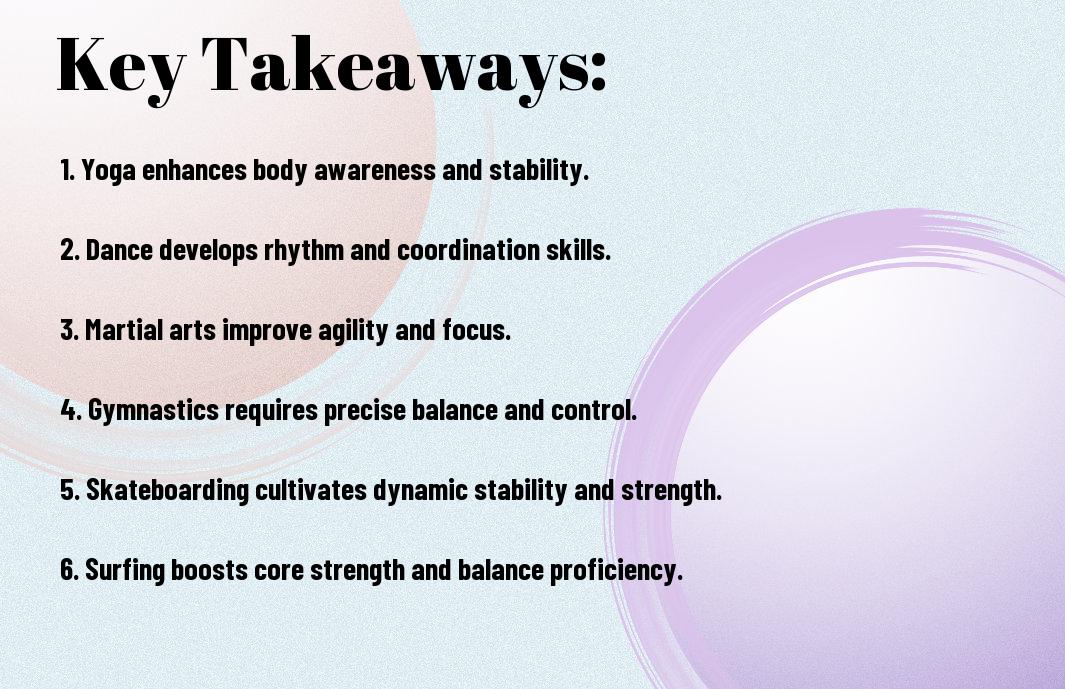
  • Yoga: Enhances overall body awareness while improving flexibility and stability.
  • Martial Arts: Focuses on precise movements and control, boosting coordination and mental focus.
  • Gymnastics: Develops strength, agility, and balance through varied routines and apparatus.
  • Dance: Promotes rhythmic movements and body control, combining coordination with creative expression.
  • Slacklining: Engages core muscles and challenges balance in an innovative way, improving stability skills.

Importance of Balance and Coordination

While balance and coordination form the foundation of your physical abilities, they significantly impact your overall performance in various activities. Mastering these skills ensures that you can move effectively and safely, whether navigating through daily tasks or engaging in sports. By improving your balance and coordination, you enhance your body awareness and control, which leads to greater efficiency and stability in every movement you make.

Benefits for Athletes

With improved balance and coordination, athletes gain a competitive edge, enabling them to execute complex movements with precision. These skills allow for faster reaction times, better agility, and enhanced performance in their respective sports. Athletes who prioritize balance training are less likely to experience injuries, as stable movements help to prevent falls and missteps during high-intensity activities.

Everyday Applications

Behind every step you take or movement you make, balance and coordination play important roles in your daily life. Strong balance and coordination skills enable you to perform routine activities, such as walking, climbing stairs, or even carrying groceries, more efficiently and safely. This functional fitness transforms the way you engage in everyday tasks, providing you with greater confidence and stability.

Hence, enhancing your balance and coordination extends beyond sports and fitness; it equips you with skills that improve your overall daily wellness. For instance, by developing these abilities, you reduce the likelihood of falls, especially as you age. Strong balance helps you maintain independence in your movements, enabling you to navigate the world confidently and effortlessly. In essence, the practice you put into refining your balance and coordination positively influences your everyday life, ensuring that you live more actively and engage fully in your surroundings.

Sport #1: Gymnastics

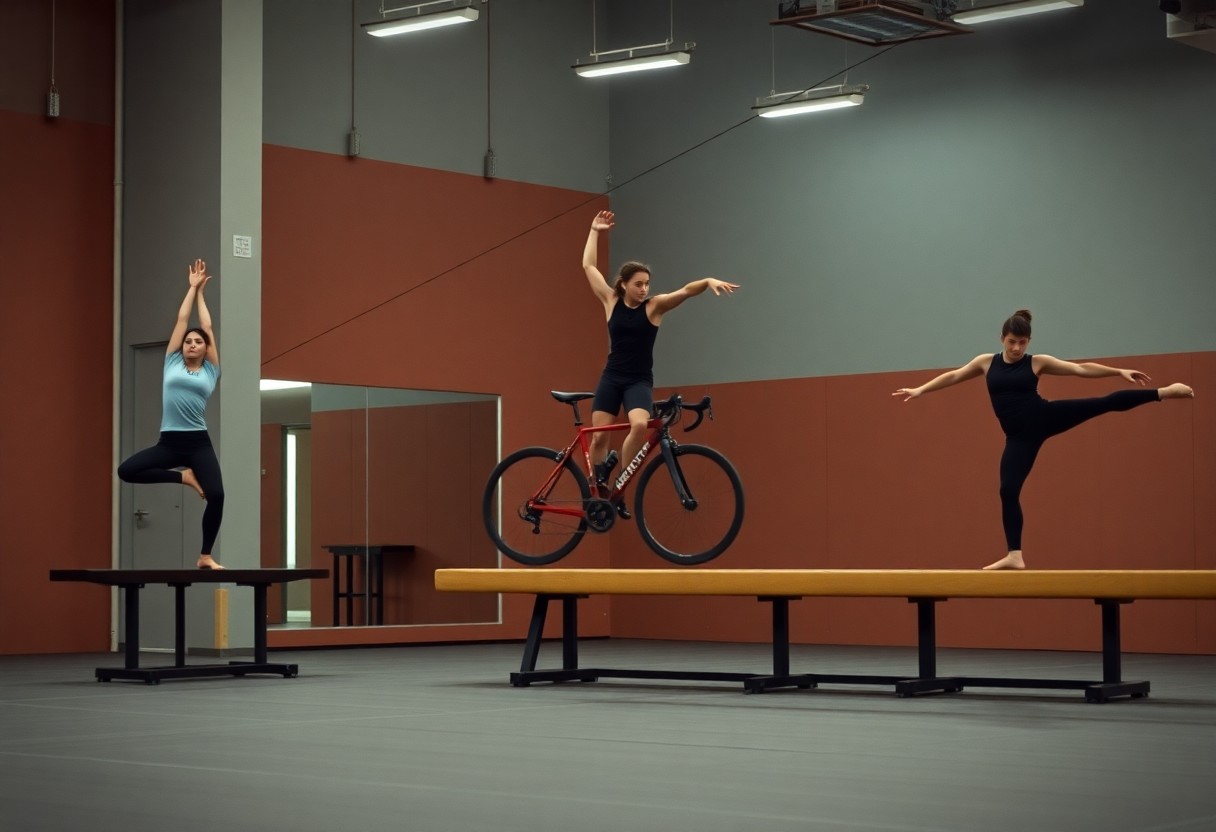
One of the best sports for enhancing balance and coordination is gymnastics. This discipline combines strength, flexibility, and precision, challenging your body and mind in unique ways. From the intricate routines on the balance beam to the dynamic movements on the floor, gymnastics pushes you to develop excellent body awareness and control, making it an ideal choice for anyone looking to improve their balance and coordination.

Key Skills Developed

About gymnastics, you will enhance several key skills, including balance, agility, and strength. Throughout your training, you will learn to perform intricate movements and routines that require a keen sense of body positioning and coordination. These skills translate well to various other sports and physical activities, significantly improving your overall athletic performance.

Training Techniques

With gymnastics, your training often includes a mix of core exercises, flexibility drills, and specific skill development techniques. You will engage in various routines that focus on different apparatuses, such as the vault, uneven bars, and floor, all designed to build necessary balance and coordination skills.

Understanding how these training techniques impact your balance involves practicing specific drills, such as handstands and cartwheels, which challenge your center of gravity. As you repeat these movements and refine your techniques, you will naturally develop a stronger sense of balance. Additionally, coaches often incorporate exercises incorporating balance beams and mats, allowing you to build confidence and enhance your overall coordination in a supportive environment.

Sport #2: Martial Arts

Despite the common misconception that martial arts are solely about fighting, these disciplines are excellent for enhancing balance and coordination. By engaging in practices such as Judo, Karate, or Taekwondo, you build your bodily awareness while learning to control your movements. Explore more about Sports and Exercises that Improve Balance to find how these activities can fit into your routine.

Techniques for Balance

Beside physical strength, martial arts training emphasizes various balance techniques. You will practice stances and movements that require you to distribute your weight effectively, enhancing your stability. Techniques like kicks and footwork drills require careful adjustment of your center of gravity, resulting in improved balance over time.

Mental Focus and Coordination

For martial arts practitioners, mental focus is just as important as physical capability. When you engage in martial arts, you need to concentrate on both your movements and your opponent’s actions. This dual focus helps refine your hand-eye coordination and sharpens your mental agility, leading to improved overall performance.

Also, honing your mental focus allows you to react swiftly during practice or competitions. The combination of concentration and physical movement encourages you to synchronize your mind with your body, enhancing your ability to perform complex techniques seamlessly. As you progress, you’ll notice a significant improvement in your overall coordination, making martial arts a fantastic option for balance training.

Sport #3: Dance

Many individuals underestimate the balance and coordination benefits that dance offers. Through a mixture of movements, rhythms, and styles, dance challenges your body to shift weight and maintain stability. As you learn various steps and sequences, you’re not only exercising your muscles but also honing your agility and spatial awareness, which can enhance your overall physical performance in other domains.

Different Styles and Their Benefits

Any dance style, from ballet and jazz to hip-hop and salsa, has its unique approach to balance and coordination. For example, ballet emphasizes alignment and control, helping you develop core strength and stability, while Latin dance focuses on rhythm and movement dynamics, enhancing your ability to shift weight gracefully. Exploring different styles ensures you find a form of dance that resonates with you while contributing significantly to your physical skills.

Enhancing Body Awareness

At the heart of dance is an improvement in body awareness. Through the practice of various movements, you grow increasingly familiar with your body’s capabilities and limitations. This awareness is key to executing complex sequences and overcoming physical challenges you may encounter on the dance floor or in other activities.

Understanding your body’s alignment, strength, and flexibility is fundamental in dance. As you engage in various routines, you start perceiving how your muscles work together, leading to greater control over your movements. This heightened awareness not only aids in executing dance styles but also translates into daily life, enhancing your balance and coordination in countless other physical activities. By practicing regularly, you create a deeper connection with your body, ensuring you respond more effectively to external forces and maintain stability.

Sport #4: Yoga

Now, yoga offers a unique blend of physical and mental disciplines that significantly enhance your balance and coordination. By practicing various postures and breathing techniques, you develop a strong mind-body connection, ultimately refining your ability to maintain stability in everyday movements and activities. The focus on alignment and controlled movements fosters improved proprioception, allowing you to become more aware of your body’s positioning in space, which is crucial for overall performance in any sport.

Balance Poses and Their Impact

Sport involves the practice of various balance poses that target different muscle groups, enhancing your stability and coordination. Poses like Tree Pose, Warrior III, and Half Moon challenge your equilibrium, helping you build core strength and resilience. As you master these positions, you will find yourself more steady and composed in both yoga and athletic endeavors, effectively translating these skills into your performance.

Breath Control and Coordination

After establishing a foundation with balance poses, controlling your breath becomes crucial for further improving coordination. The integration of breath with movement in yoga teaches you how to synchronize your physical activity with your breathing patterns.

It plays a fundamental role in fostering a sense of calm and focus, allowing you to execute movements with precision. By coordinating your breath with your body’s motions, you become more aware of each posture and transition, reducing the risk of injury and enhancing your overall athletic performance. This mindful practice builds a stronger connection between your mind and body, resulting in better coordination across various physical activities.

Sport #5: Skateboarding

To enhance your balance and coordination, skateboarding offers a unique combination of dynamic movements and creative expression. This action sport engages various muscle groups as you navigate obstacles and perform tricks, giving you a full-body workout while honing your coordination skills. As you balance on your board, you’ll develop both mental and physical agility, making skateboarding an exciting way to improve your overall athletic performance.

Dynamic Movement and Balance

Skateboarding requires precise control over your movements as you shift your weight to maintain stability while navigating different terrains. Mastering tricks such as ollies or flips will not only improve your balance but also enhance your ability to react quickly and adapt to sudden changes, which is beneficial for overall athletic development.

Injury Prevention

Against the backdrop of exhilarating tricks, it’s important to address safety and injury prevention in skateboarding. Wearing proper safety gear like helmets and pads is vital to protect against falls and impacts. Developing skills gradually and understanding your limits will further reduce the risk of injury while you build your balance and confidence on the board.

Sport safety becomes even more significant as you progress in your skateboarding journey. Engaging in strength and flexibility training off the board can enhance your physical resilience, making your body more adaptable to the demands of skateboarding. Learning to fall properly and practicing controlled movements will also decrease the likelihood of injuries, allowing you to enjoy the sport while maximizing its benefits for your balance and coordination.

Final Words

Upon reflecting on the top 5 sports for improving balance and coordination, you can see how engaging in these activities can significantly enhance your physical capabilities. Whether it’s through the agility required in gymnastics, the precision in dance, or the dynamic movements in martial arts, each sport offers unique benefits that can contribute to your overall athleticism. Embracing these sports not only helps build your balance and coordination but also fosters discipline and confidence. By incorporating them into your routine, you can elevate your performance in various physical endeavors.

FAQ

Q: What are the top sports that can help enhance balance and coordination?

A: The top sports known for improving balance and coordination include gymnastics, martial arts, dance, soccer, and rock climbing. Each of these activities engages the body in ways that require practitioners to focus on body positioning, weight distribution, and spatial awareness, which are key components of balance and coordination.

Q: How does participating in gymnastics contribute to better balance and coordination?

A: Gymnastics involves various routines that challenge an individual’s stability and agility. Activities such as tumbling, balancing on beams, and executing flips require strict control over body movements, enhancing not only physical balance but also mental focus. As gymnasts progress, they develop a stronger awareness of their body in motion, which significantly aids coordination skills.

Q: Can team sports like soccer also improve balance and coordination, and if so, how?

A: Yes, team sports such as soccer greatly contribute to improving balance and coordination. Soccer players frequently change directions, navigate around opponents, and maintain control of the ball while running. This combination of movements enhances proprioception (the sense of body position) and dynamic balance, as players must constantly adjust their posture and movements in response to various game situations.

How to Deal with Pressure in Competitive Sports

Competition can be exhilarating yet overwhelming, especially when the stakes are high. Learning how to manage pressure is key to unlocking your true potential and performing at your best. In this guide, you will discover effective strategies to help you handle stress, maintain focus, and build resilience during intense moments in your sport. By applying these techniques, you’ll find yourself better equipped to navigate the challenges of competitive environments and emerge stronger on the field, court, or track.

Key Takeaways:

  • Practice Mindfulness: Incorporate mindfulness techniques such as meditation or deep breathing to maintain focus and reduce anxiety during competition.
  • Set Realistic Goals: Establish achievable goals that help you stay motivated and minimize the stress of expectations during competitions.
  • Visualize Success: Utilize visualization strategies to create a mental image of executing your skills successfully, boosting confidence and performance when it counts.
  • Develop a Routine: Create a pre-competition routine that prepares both your mind and body, helping you feel calm and in control.
  • Seek Support: Foster a strong support system by connecting with coaches, teammates, and family to share experiences and strengthen your resilience under pressure.

Understanding Pressure in Competitive Sports

Athletes often find themselves facing immense pressure during competitions, which can significantly impact performance. This pressure can stem from various sources, including the desire to succeed, expectations from coaches and teammates, and the competitive nature of the sport. Recognizing the nature of pressure allows you to better prepare and develop coping strategies, ultimately enhancing your performance.

Factors Contributing to Pressure

For you to navigate the complexities of competitive sports, it’s necessary to understand the factors that contribute to pressure. These factors may include:

  • High expectations from self or others
  • Performance benchmarks and targets
  • Competition intensity and stakes
  • Media scrutiny and public attention

Thou should take these elements into account as they shape your experiences in competition.

Mental and Physical Impacts

To effectively deal with pressure, it’s important to acknowledge its mental and physical impacts on your performance. Stress-related reactions can manifest in various ways, including anxiety, tension in muscles, and impaired focus.

For instance, experiencing high levels of stress may lead to muscle tightness, which can hinder your athletic performance. Anxiety might cause your thoughts to race, clouding your judgment and decision-making during critical moments of a game. Understanding these impacts is necessary for developing strategies to manage pressure, helping you maintain performance and emotional balance when it matters most.

How to Manage Competitive Pressure

Now that you understand the importance of addressing competitive pressure, it’s imperative to adopt effective strategies to manage it. You can utilize techniques such as deep breathing, visualization, and positive self-talk to maintain your composure and stay focused in high-stakes environments. By integrating these methods into your routine, you can enhance your performance and enjoy your time in competitive sports.

Effective Breathing Techniques

For you to stay calm under pressure, mastering effective breathing techniques is vital. Simple practices like diaphragmatic breathing can help slow your heart rate and reduce anxiety. By taking deep, intentional breaths in through your nose and out through your mouth, you can ground yourself and regain control during intense moments.

Visualisation Strategies

Clearly, visualisation strategies play a significant role in managing competitive pressure. By mentally rehearsing your performance and visualizing success, you can create a sense of familiarity and confidence that translates into real-life action. This technique allows you to prepare for potential obstacles and feel more equipped to tackle them effectively.

Understanding the power of visualisation is key to enhancing your performance. When you visualize specific scenarios, such as executing a perfect move or overcoming a challenging opponent, you create neural pathways that can facilitate muscle memory and mental fortitude. Dedicate time each day to close your eyes and imagine yourself succeeding in your sport; this practice not only boosts your belief in your abilities but also reduces anxiety during actual competition settings.

Tips for Building Mental Resilience

Once again, building mental resilience is necessary for your success in competitive sports. Here are some effective strategies to enhance your mental toughness:

  • Practice mindfulness and meditation techniques.
  • Develop a strong support system.
  • Visualize success through positive imagery.
  • Learn to manage your emotions effectively.
  • Attend workshops focused on mental resilience.

Any athlete can benefit from these tips; for more insights, check out Thriving Under Pressure – Tips on Keeping Your Cool!.

Goal-setting Approaches

With smart goal-setting, you can create specific, measurable, and attainable targets that guide your progress in sports, making it easier to cope with pressure as you work toward your objectives.

Positive Self-talk Methods

An effective way to improve your mental state during competitions is by employing positive self-talk techniques. This empowers you to confront challenges head-on.

Mental self-talk involves the ongoing dialogue you have with yourself. By focusing on affirmations and constructive comments, you can reshape your thoughts to foster confidence and resilience. Replace negative phrases with empowering statements like, “I am capable of handling this,” or “I thrive under pressure.” Over time, this practice can significantly influence your mindset, helping you to perform at your best when it matters most.

The Role of Support Systems

After recognizing the immense pressure that comes with competitive sports, understanding the role of support systems is imperative. These systems, whether they include coaches, teammates, or loved ones, can significantly influence your ability to handle stress, maintain motivation, and enhance performance. Building a reliable network will help you navigate challenges more effectively, making it easier to focus on your goals and aspirations in sports.

Importance of Coaches and Teammates

Any athlete knows that coaches and teammates play a vital role in managing pressure. Coaches provide guidance, strategic insight, and feedback that can help you improve, while teammates foster a sense of camaraderie and support, reminding you that you are not alone in facing challenges. Having a strong relationship with both can empower you to perform better under pressure and increase your overall confidence.

Engaging Family and Friends

Support from family and friends can provide additional encouragement, helping you cope with the highs and lows of competition. Their involvement can create a positive environment that lifts your spirits and motivates you to give your best effort, reinforcing the importance of balance in your sporting life.

Teammates can offer a unique understanding of the pressures you face, as they often share similar experiences. Engaging with them fosters a sense of unity that can alleviate anxiety during competitive situations. They can become your support network, celebrating achievements together and providing a shoulder to lean on during tough times. Embracing these relationships can not only enhance your performance but also create lasting friendships and unforgettable memories in your sporting journey.

Preparing for High-Stakes Situations

Unlike casual competitions, high-stakes situations demand more than just skill; they require mental resilience and strategic preparation. To excel in these moments, you need to cultivate a mindset that embraces pressure rather than shies away from it. Incorporating consistent practice routines and familiarizing yourself with the competitive environment can greatly enhance your performance. Understanding what triggers your anxiety and developing effective coping strategies will set you up for success when it matters the most.

Pre-competition Routines

Now is the time to establish a solid pre-competition routine that works for you. This routine should include a combination of physical warm-ups and mental preparation techniques. You can incorporate visualization exercises, breathing techniques, and positive affirmations. Tailor your routine to create a sense of familiarity and control, helping you to transition smoothly into competitive mode when the stakes are high.

Simulation of Pressure Scenarios

Routines designed to simulate pressure scenarios are effective tools for preparing yourself mentally. These scenarios could include high-stress practice sessions or scrimmages that replicate the intensity of competition. By exposing yourself to similar conditions in training, you develop strategies to manage pressure, allowing you to perform better when it counts. Consistent practice in these conditions makes you feel more comfortable with the pressures you are likely to face.

The key to effective simulation is to create realistic and challenging situations that mimic those you will encounter during actual competitions. This can involve inviting other athletes to join you in high-stress drills or leveraging competitive formats during practice. By actively engaging in these scenarios, you enhance your ability to react appropriately and maintain focus under pressure. As you practice, take note of your emotional and physiological responses, allowing you to refine your approach and build confidence over time.

Learning from Experience

Many athletes face pressure situations that can define their careers. Embracing the lessons from these experiences allows you to grow in your sport. By reflecting on past performances, you can identify what worked well and what didn’t, providing invaluable insight for future competitions. Recognizing these patterns helps you develop a strong mental framework to tackle similar scenarios, ultimately enhancing your ability to perform under pressure.

Analyzing Performance Under Pressure

Performance analysis is key to understanding how you react in high-stakes situations. By reviewing your past performances, you can assess both your technical execution and your mental state during those moments. Gathering data and insights about what influenced your decisions, emotions, and outcomes helps you pinpoint areas for improvement. This analytical approach equips you with the tools to better manage your responses in future competitive settings.

Implementing Feedback for Improvement

An effective way to enhance your performance is through meaningful feedback. Actively seeking input from coaches, peers, or even video analysis allows you to tap into different perspectives. This insight can reveal blind spots in your performance and highlight strategies to better manage pressure. Utilizing feedback empowers you to make informed adjustments, positioning you for greater success in subsequent competitions.

To maximize the benefits of feedback, create a systematic plan to incorporate it into your training routine. This might involve setting specific goals based on the feedback received and focusing on key areas for development. Maintain an open mindset, viewing criticism as a tool for growth rather than a setback. By consistently applying constructive feedback, you pave the way for both improved performance and enhanced resilience under pressure.

Conclusion

Drawing together the strategies for managing pressure in competitive sports, it’s necessary to focus on mental preparation, emotional regulation, and practical techniques such as visualization and positive self-talk. By developing a routine that includes these elements, you can enhance your resilience and perform confidently under pressure. Embracing pressure as an opportunity for growth, rather than a threat, will not only improve your competitive performance but also enrich your overall sporting experience. Trust in your training, acknowledge your feelings, and keep a constructive mindset to navigate challenges effectively.

Q: What are effective techniques to manage anxiety during competitions?

A: Managing anxiety in competitive sports can be achieved through various techniques. One popular method is visualization, where athletes picture themselves performing successfully. This mental rehearsal helps create a positive mindset and reduces nervousness. Another effective strategy is controlled breathing exercises; athletes can practice deep breathing to calm the nerves before and during a competition. Additionally, focusing on the process rather than the outcome encourages athletes to concentrate on their performance rather than the pressure of winning, thus alleviating anxiety levels.

Q: How can I maintain focus amidst distractions during a game?

A: To maintain focus during a game, athletes can develop a pre-performance routine that includes drills or mental anchoring techniques. For instance, establishing a series of physical warm-up exercises serves to reset focus and signal the brain that it’s time to compete. Additionally, athletes can practice mindfulness or meditation techniques, which enhance concentration and help redirect focus away from distractions. Setting clear goals for each game, whether they be performance-oriented or process-focused, also assists in retaining concentration on what truly matters during the competition.

Q: What role does physical preparation play in reducing pressure while competing?

A: Physical preparation is fundamental in reducing pressure during competitions as it builds confidence and skill. A well-structured training program enhances an athlete’s ability to perform, making them less prone to feeling overwhelmed. When athletes are confident in their abilities, they are more likely to handle pressure effectively. Furthermore, engaging in strength and conditioning practices not only enhances physical performance but also helps in coping with the physical stress of competition. Finally, incorporating recovery strategies, such as proper nutrition and rest, ensures that athletes are in optimal condition, further aiding them in managing pressure during intense competitive situations.

The Benefits of Sports for Children with Special Needs

Just as every child deserves the chance to play, sports can significantly enhance the lives of children with special needs. Engaging in physical activities not only improves their physical health but also fosters social skills, boosts self-esteem, and provides an opportunity for inclusion. By integrating sports into your child’s routine, you can help cultivate teamwork, resilience, and a sense of belonging, which are invaluable for personal development. In this blog post, we will explore the various advantages that sports offer for your child with special needs.

Key Takeaways:

  • Physical Health: Participation in sports improves overall fitness, promoting better cardiovascular health, strength, and coordination for children with special needs.
  • Social Skills: Engaging in team sports fosters interaction, cooperation, and communication, helping children build friendships and social connections.
  • Confidence Boost: Achieving goals in sports can enhance self-esteem and self-worth, empowering children to take on new challenges both on and off the field.
  • Cognitive Development: Sports can enhance focus, discipline, and strategic thinking, supporting cognitive growth and decision-making abilities.
  • Emotional Well-being: Engaging in physical activity releases endorphins, which can help reduce anxiety and improve mood, contributing to better emotional health.

Physical Benefits of Sports

Adopted into a structured environment, sports can significantly enhance your child’s physical development. Regular involvement in physical activities helps improve endurance, flexibility, and coordination. This not only aids in maintaining a healthy weight but also supports overall bodily health. Furthermore, participating in sports fosters a sense of routine and discipline, offering a stable framework for your child’s physical growth.

Improved Motor Skills

Besides the immediate enjoyment of playing, being active in sports facilitates improved motor skills. Engaging in diverse movements challenges your child’s coordination and balance, ultimately leading to enhancements in fine and gross motor skills. As your child takes part in team activities and individual sports, they naturally work on hand-eye coordination, strengthening the connection between their brain and body.

Enhanced Physical Fitness

Above all, regular participation in sports increases your child’s physical fitness levels. Engaging in physical activities induces a greater heart rate and encourages lung capacity improvements. Additionally, physical sports enhance muscular strength, agility, and endurance, which contribute to a well-rounded fitness profile and promote a healthy lifestyle. These benefits can yield long-term positive effects on your child’s overall health.

Physical fitness is important not just for the present but also sets the foundation for a healthy future. When your child enjoys sports, they’re not only having fun but also cultivating lifelong habits involving active living. A consistent focus on fitness through sports helps prevent health issues and builds a strong immune system, ensuring your child is better equipped to thrive in everyday life.

Emotional Benefits of Sports

Some children with special needs experience significant emotional growth through sports. Engaging in physical activities provides them with opportunities to connect with peers, cultivate teamwork, and learn valuable life skills. These interactions not only enhance their social skills but also foster a sense of belonging, ultimately contributing to a more positive emotional state.

Boosted Self-Esteem

Below, you will discover how sports can enhance your child’s self-esteem. Participating in sports helps children to achieve personal goals, overcome challenges, and celebrate victories, no matter how small. These accomplishments instill a sense of pride and confidence, leading to an overall improvement in their self-image and willingness to take on new challenges.

Reduced Anxiety and Stress

With regular participation in sports, you may notice that your child exhibits lower levels of anxiety and stress. The physical activity involved in sports releases endorphins, which are natural mood lifters. This not only helps to reduce feelings of tension and worry but also provides an outlet for your child to channel their emotions in a healthy way.

This reduction in anxiety and stress can significantly enhance your child’s daily life. As they engage in sports, they learn coping mechanisms to manage their emotions more effectively. The camaraderie and support from teammates further create a safe environment where your child feels accepted and understood. By sharing challenges and achievements, your child develops resilience and a more optimistic outlook on life, paving the way for improved emotional well-being.

Social Benefits of Sports

Your child can gain significant social benefits from participating in sports, especially when it comes to interacting with peers. Engaging in physical activities not only helps improve communication skills but also fosters a sense of belonging within a community. This opportunity to socialize in a team environment can boost your child’s confidence, making it easier for them to navigate relationships both on and off the field.

Teamwork and Cooperation

Benefits of sports extend beyond physical health; they teach children the value of teamwork and cooperation. Participating in team sports encourages your child to work collaboratively, share responsibilities, and appreciate the strengths of others. These experiences help them understand that success often relies on collective effort, laying a foundation for positive interpersonal skills.

Building Friendships

Above all, sports provide an excellent platform for building friendships that can last a lifetime. Your child will meet peers who share similar interests and challenges, creating an environment of mutual understanding. The shared experiences, whether wins or losses, can break the ice and pave the way for genuine connections.

At sports events, your child is likely to find common ground with teammates, developing friendships based on trust and camaraderie. As they engage in training sessions and games together, they’ll create countless memories that can strengthen their emotional bonds. This social aspect of sports can play a significant role in enhancing your child’s overall sense of belonging and acceptance, both crucial to their emotional development.

Cognitive Benefits of Sports

Once again, engaging in sports offers significant cognitive benefits for children with special needs. Through physical activity and teamwork, children can improve their mental abilities, including focus, attention, and problem-solving skills. These developments contribute to their overall cognitive growth, helping them navigate challenges both on and off the field with greater confidence.

Improved Focus and Attention

Beside the physical benefits, participating in sports enhances your child’s ability to concentrate and maintain focus. The structured environment of sports teaches them to follow rules and engage with peers, all of which can translate into better attention span in other areas of life.

Enhanced Problem-Solving Skills

Improved problem-solving skills are another significant advantage of sports participation. As your child engages in various games and activities, they’re often required to think on their feet and adapt to changing situations, fostering critical thinking abilities.

Indeed, when your child participates in sports, they encounter numerous scenarios that demand quick decision-making and creative solutions. For example, understanding when to pass the ball or strategizing during a timeout cultivates their ability to assess situations effectively. These experiences not only enhance cognitive function in sports but also empower your child to tackle everyday challenges with improved analytical skills.

Types of Sports Suitable for Children with Special Needs

After exploring the importance of sports, you may wonder which types are most suitable for children with special needs. Here are some options:

  • Adaptive swimming
  • Wheelchair basketball
  • Special Olympics events
  • Track and field
  • Martial arts

Assume that each child’s unique abilities can guide you in selecting the most appropriate sport to enhance physical fitness and social skills.

Sport Description
Adaptive Swimming Focuses on water safety and enjoyment
Wheelchair Basketball Promotes teamwork and competitive spirit
Special Olympics Events Inclusive competitions for various abilities
Track and Field Offers individual events for diverse skill levels
Martial Arts Builds discipline and coordination

Individual Sports

Any sport that allows your child to set personal goals can be beneficial. Individual sports like swimming, cycling, or martial arts enable children to progress at their own pace. These activities focus on personal achievement and can build self-esteem while providing an excellent way to enhance physical fitness. They often offer structured environments that cater to diverse needs.

Team Sports

For children who thrive in social environments, team sports can be an excellent option. These activities not only promote physical health but also foster connections among peers, enhancing communication and cooperation skills. Team sports such as soccer, basketball, or baseball create opportunities for children to learn the importance of working together toward a common goal.

Sports teams can offer an incredible sense of belonging. Through regular practice and competitions, your child engages with teammates in a supportive environment. The camaraderie and shared experiences build friendships that may last well beyond the season. As your child develops skills in a team setting, they’ll gain a sense of accomplishment and belonging that can significantly impact their confidence and social skills.

Inclusive Sports Programs and Resources

All children deserve the opportunity to engage in sports, and inclusive sports programs provide various resources tailored to meet the needs of children with special needs. These programs are designed to create a welcoming environment, promoting equal access to physical activities. They focus on specialized coaching, adaptive equipment, and supportive peer interactions to ensure every child can participate fully, allowing you and your child to experience the joy of sports together.

Community Programs

Among the various resources available, community programs play a significant role in providing inclusive sports opportunities for children with special needs. These local initiatives often offer a variety of activities, including adaptive soccer, basketball, and swimming, ensuring that every child can find a sport they enjoy while fostering social connections with peers.

School Initiatives

At the school level, initiatives focusing on inclusive sports can significantly impact the lives of children with special needs. These programs not only promote physical health but also enhance social skills and build self-confidence among students. They often include tailored physical education classes, participation in mainstream sports teams, and partnerships with local sports organizations to create a diverse athletic experience for all students.

Sports initiatives in schools typically involve training for educators and coaches, ensuring they are equipped to support students with varying abilities. These efforts can include modifying game rules, providing necessary equipment, and offering opportunities for integration within traditional sports teams. By fostering an inclusive atmosphere, you help your child build friendships, develop teamwork skills, and discover a passion for physical activity, ultimately contributing to their overall well-being.

Conclusion

From above, it is evident that engaging your child with special needs in sports offers numerous benefits that extend beyond physical health. By participating in sports, your child can improve social skills, enhance self-esteem, and develop necessary life skills such as teamwork and perseverance. These activities create an inclusive environment where your child can explore their potential, make friends, and gain confidence. Thus, introducing sports into your child’s routine can significantly enrich their overall development and well-being.

Q: How do sports help improve social skills in children with special needs?

A: Participating in sports provides children with special needs opportunities to interact with their peers in a structured environment. It encourages teamwork, communication, and cooperation, which are imperative social skills. Through team activities, children learn to work together towards common goals, build friendships, and develop a sense of belonging, which can enhance their confidence in social settings outside of sports.

Q: What are the physical benefits of sports for children with special needs?

A: Engaging in sports helps improve various physical abilities, including strength, coordination, balance, and flexibility. Regular physical activity contributes to better overall health, supporting cardiovascular fitness, muscle tone, and weight management. These physical improvements can lead to increased independence in daily activities and boost energy levels, enabling children to participate more actively in both sports and other aspects of life.

Q: How can sports help with emotional well-being for children with special needs?

A: Sports provide a channel for children to express themselves, offering emotional and psychological benefits. Participation can lead to increased self-esteem and a sense of achievement, especially when they reach personal or team goals. Additionally, being part of a team can provide emotional support, reducing feelings of isolation or anxiety. Engaging in physical activity is also associated with improved mood and reduced stress levels, contributing to overall emotional well-being.

Skip to content