sports

How to Overcome Performance Anxiety in Sports

You may find yourself facing performance anxiety, which can hinder your athletic success and enjoyment. Understanding how to manage these feelings is necessary for improving your performance and overall experience in sports. Strategies like mental conditioning, deep breathing, and visualization can help you regain your focus and confidence. For valuable insights, check out Simone Biles’s 8 Tips for Overcoming Sports Anxiety – 2024 to further enhance your approach. Let’s investigate practical techniques that can help you conquer these challenges and thrive in your sport.

Key Takeaways:

  • Focus on Preparation: Adequate training and practice build confidence and reduce anxiety.
  • Visualization Techniques: Mentally rehearsing successful performances can help alleviate nerves before competition.
  • Breathing Exercises: Deep breathing techniques can calm the mind and body, helping to manage anxiety levels.
  • Set Realistic Goals: Establish achievable targets to reduce pressure and enhance performance satisfaction.
  • Stay Present: Concentrating on the moment instead of outcomes can lessen performance-related anxiety.

Understanding Performance Anxiety

Before you can effectively tackle performance anxiety, it’s crucial to grasp its nature. Performance anxiety is a psychological condition characterized by intense nervousness before or during competitive situations, impacting your mental state and overall effectiveness in sports. Understanding the first signs can be pivotal in managing your anxiety levels and achieving peak performance.

Factors Contributing to Anxiety

While many elements can contribute to performance anxiety, key stressors often include:

  • Fear of failure
  • High expectations from self or others
  • Previous negative experiences
  • Pressure to perform

Assume that acknowledging these factors is the initial step in developing strategies to cope with anxiety efficiently.

The Impact on Athletic Performance

With performance anxiety affecting your mental clarity and physical abilities, it can lead to decreased focus and reduced stamina during crucial moments. This impact can manifest in various ways, including poor decision-making, slowed reaction times, and an overall lack of confidence in your skills.

Anxiety can block your ability to concentrate, leading to a performance that doesn’t reflect your practice and potential. You might find yourself second-guessing your capabilities or unable to execute skills you’ve mastered. Understanding how anxiety manifests in your performance allows you to pinpoint areas for improvement and develop effective coping mechanisms. Recognizing this influence on your athleticism is vital for developing a stronger mental game.
How to Identify Your Triggers

Some athletes experience performance anxiety in varying situations. To effectively overcome this challenge, it’s imperative to pinpoint the specific triggers that cause stress or fear during competition or practice. Understanding what leads to your anxiety can help you develop strategies to manage it, ultimately enhancing your overall performance. By identifying these triggers, you can take steps to address and reduce their impact on your athletic experience.

Self-Assessment Techniques

To gain insight into your triggers, consider keeping a journal to document your thoughts and feelings before, during, and after performances. Reflecting on specific situations that lead to anxiety can reveal patterns or recurring themes, which can be further explored through personal narratives or self-reflection questionnaires. This process can help you recognize your emotional responses and identify what specifically initiates your performance anxiety.

Common Triggers in Sports

One common trigger among athletes is the fear of failure, which can manifest as performance pressure during competitions. This fear may stem from external expectations, such as those from coaches, family members, or peers, leading to increased self-doubt and insecurity.

The pressure to perform well often results in athletes feeling they have to meet unrealistic standards, which can amplify anxiety levels. Factors such as comparing yourself to others, worrying about how you are perceived, or the significance of the event can contribute to this fear. Identifying these common triggers can help you take proactive steps to address them, fostering a more constructive mindset during your sporting pursuits.

Tips for Managing Anxiety

Keep your mind focused and your body relaxed with these helpful tips for managing anxiety:

  • Establish a consistent routine before competitions.
  • Practice mindfulness techniques regularly.
  • Set realistic goals and expectations.
  • Engage in physical activity to release pent-up energy.
  • Communicate openly with coaches and teammates.

Any of these strategies can support you in navigating performance anxiety effectively.

Breathing Exercises

An effective way to manage anxiety is through breathing exercises. Concentrating on your breath can ground you and reduce feelings of panic. Try inhaling deeply for a count of four, holding for four, and exhaling slowly for four. This technique helps calm your nervous system and refocus your thoughts, making it easier to concentrate on your performance.

Visualization Techniques

Even the practice of visualization can be a powerful tool in overcoming performance anxiety. By envisioning your success in vivid detail, you can mentally prepare yourself for upcoming challenges.

To effectively utilize visualization, take a moment to close your eyes and create a clear mental image of yourself performing at your best. Picture every detail: your movements, your emotions, and even the sounds around you. This positive imagery can foster confidence and help shift your focus from anxiety to achievement. Engaging in this mental rehearsal before competitions can enhance your performance and reduce feelings of self-doubt.

Building Mental Resilience

Your capacity to bounce back from setbacks and maintain focus during competitions is vital for overcoming performance anxiety in sports. Building mental resilience involves developing coping strategies, challenging negative thoughts, and embracing an adaptable mindset. By facing challenges head-on, you can transform anxiety into a source of strength, allowing you to perform at your best consistently.

Developing a Positive Mindset

If you approach competition with a mindset focused on learning and growth, you will find that setbacks become less daunting. Cultivating a positive attitude helps shift your focus from fear of failure to excitement about improvement. This perspective invites you to celebrate progress, making it easier to tackle challenges with confidence.

The Importance of Routine

Assuming you establish a consistent pre-performance routine, your brain can transition into a focused state, reducing anxiety. This structure not only calms your mind but also provides a sense of familiarity, which can be reassuring when facing high-pressure situations.

Routine helps in creating a sense of predictability in your performance environment. By incorporating consistent warm-up exercises, mental visualization, or breathing techniques into your routine, you signal to your body that it’s time to perform. This repetition builds confidence and instills a feeling of control, making it easier to manage nerves and focus on the task at hand.

Strategies for Pre-Competition Preparation

Once again, preparing for competition is vital to overcoming performance anxiety. By establishing a solid pre-competition strategy, you can equip yourself with the tools necessary to boost your confidence and reduce tension. This preparation involves both mental techniques and physical routines, helping you feel grounded and focused as the event approaches. Implementing these strategies will allow you to channel your energy into peak performance rather than anxiety.

Creating a Pre-Game Ritual

To alleviate anxiety, crafting a personal pre-game ritual can help set the tone for your performance. This ritual might include activities that ground you, such as listening to music, engaging in mindfulness exercises, or visualizing your success. By consistently performing this routine before competitions, you can create a sense of familiarity and control, ultimately reducing nervousness and enhancing your focus.

Focus Techniques

You can also implement a variety of focus techniques to maintain your concentration during competition. Practicing mindfulness and breathing exercises can help you stay present and manage negative thoughts. These techniques allow you to focus on the imperative elements of your performance rather than distractions, enhancing your overall experience. Strategies such as visualization and positive affirmations can further bolster your mental state, enabling you to perform at your best.

PreCompetition focus techniques involve training your mind to concentrate on the task at hand and eliminate distractions. Incorporate deep breathing exercises to calm your nerves and center your thoughts. Visualization can be particularly powerful; picture yourself succeeding and mastering each moment of the competition. Additionally, using positive affirmations can help shift your mindset away from self-doubt towards self-belief, reminding you of your strengths and capabilities as an athlete. This combination of techniques strengthens your mental resilience, empowering you to approach your performance with confidence.

Seeking Professional Help

For athletes struggling with performance anxiety, seeking professional help can be an effective way to develop coping strategies and mental resilience. Engaging with experts such as sports psychologists, coaches, or trainers can provide you with tailored techniques to manage anxiety, improve focus, and enhance overall performance. These professionals can offer valuable insights and support, helping you navigate the psychological challenges that may arise in competitive environments.

Working with Coaches and Trainers

To enhance your performance and tackle anxiety, collaborating closely with coaches and trainers can play a significant role. These individuals understand the pressures athletes face and can help you develop tailored training programs that not only build your physical skills but also foster mental strength. Open communication about your anxieties can lead to strategies that ease pressure on game day, contributing to a more confident performance.

When to Consult a Sports Psychologist

Psychologist involvement becomes important when you find that anxiety is interfering significantly with your performance, enjoyment, or training. If you’re experiencing persistent worry, panic attacks, or self-doubt during competitions, it is important to seek professional guidance, as they can provide you with effective techniques to address these challenges.

A sports psychologist can help you identify the root causes of your anxiety and work on specific strategies tailored to your needs. They can guide you through cognitive-behavioral techniques, visualization exercises, and relaxation methods, equipping you with tools to manage stress and build confidence. Recognizing when your anxiety is beyond what you can handle on your own, and reaching out for help can be a proactive step towards enhancing your performance and overall well-being.

To wrap up

Drawing together the various strategies for overcoming performance anxiety in sports, focus on building your mental resilience through preparation, practice, and visualization techniques. Incorporate relaxation methods like deep breathing or mindfulness to manage stress levels. Engaging in positive self-talk will help reframe negative thoughts, while setting achievable goals will keep your focus on improvement rather than fear of failure. By prioritizing your mental well-being alongside your physical training, you’ll foster a more confident and enjoyable sporting experience.

FAQ

Q: What techniques can help manage performance anxiety before an event?

A: To manage performance anxiety prior to a sporting event, athletes can utilize several techniques. Visualization is a powerful method; athletes should visualize themselves successfully performing in their sport, experiencing the feelings of confidence and competence. Breathing exercises can also help; taking slow, deep breaths can calm the nervous system and reduce anxiety. It’s beneficial to create a pre-performance routine that includes physical warm-ups and mental focus exercises, allowing athletes to channel their energy positively before competing.

Q: How can athletes shift their focus to reduce anxiety during competition?

A: Athletes can reduce anxiety during competition by focusing on the process rather than the outcome. This means concentrating on their techniques, strategies, and execution instead of worrying about winning or losing. Mindfulness practices, such as staying present and engaged in the moment, can further decrease performance pressure. Additionally, maintaining positive self-talk and affirmations can reinforce confidence and reduce negative thoughts that contribute to anxiety.

Q: What role does preparation play in overcoming performance anxiety in sports?

A: Preparation plays a significant role in alleviating performance anxiety. Athletes who engage in thorough training and practice feel more confident in their abilities, which can lead to reduced anxiety levels. Setting specific, achievable goals during practice sessions can provide a sense of progress and accomplishment. Furthermore, simulated competitions during practice can help athletes acclimate to the stress of real events, allowing them to build familiarity and reduce anxiety when faced with actual competition.

The Best Sports for Building Mental Toughness

There’s a growing understanding that participating in certain sports can significantly enhance your mental toughness. Whether you want to push your limits, handle stress better, or cultivate resilience, specific athletic pursuits offer powerful benefits for your mind. In this post, you’ll discover the best sports to help you develop the mental fortitude necessary for personal and professional success. By engaging in these activities, you can train not just your body, but also strengthen your mental game, which is vital in today’s competitive landscape.

Key Takeaways:

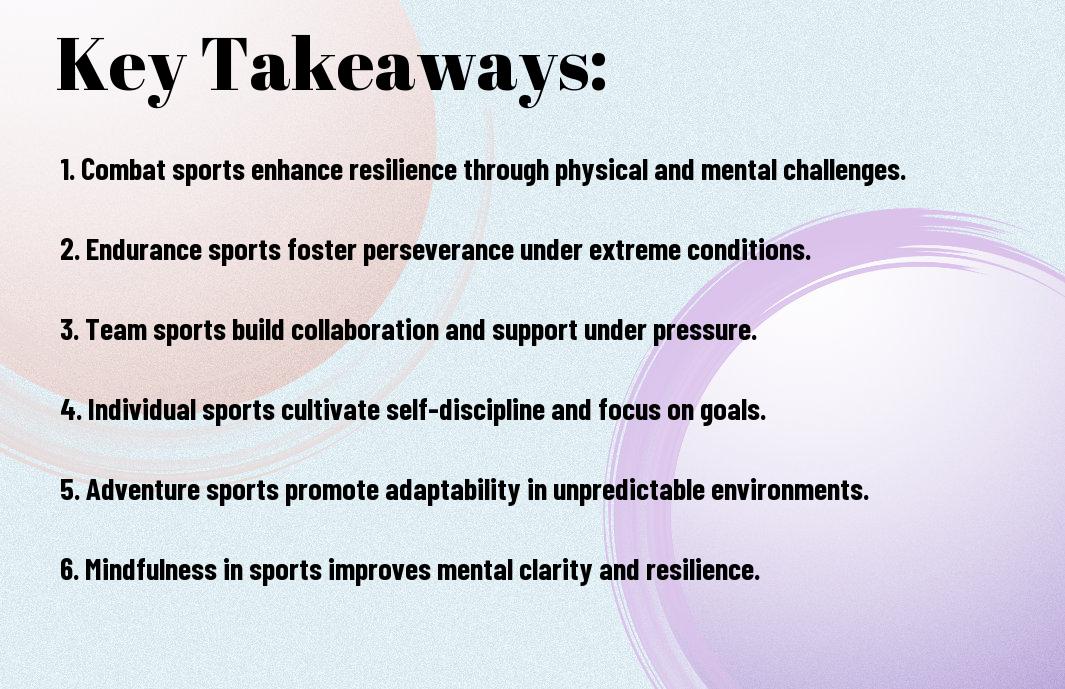
  • Resilience: Sports that require athletes to overcome adversity foster resilience, an necessary trait for mental toughness.
  • Focus: Engaging in individual sports, such as tennis or boxing, helps improve concentration and mental clarity during high-pressure situations.
  • Discipline: Team sports like football and basketball emphasize the importance of teamwork and strategy, promoting a disciplined mindset necessary for success.
  • Goal-setting: Combat sports, such as martial arts, encourage clear goal-setting and the pursuit of gradual improvements, enhancing mental fortitude.
  • Endurance: Long-distance running and triathlons require both physical and mental stamina, which can significantly contribute to building mental toughness.

Understanding Mental Toughness

For athletes and individuals alike, mental toughness is imperative for overcoming challenges, maintaining focus, and achieving long-term goals. It is the ability to push through adversity, stay motivated in the face of difficulties, and consistently perform at your best. By cultivating mental toughness, you can enhance your overall performance, both in sports and in everyday life.

Definition and Components

Between emotional control, resilience, and determination lies the foundation of mental toughness. It encompasses your ability to stay composed under pressure, bounce back from setbacks, and persist toward your objectives. These components work together to create a mindset that embraces challenges and fosters growth, leading to sustained success in various endeavors.

Benefits in Sports and Life

Above all, the benefits of developing mental toughness extend beyond the playing field, boosting your performance at work, in relationships, and in personal growth. When you cultivate this resilience, you experience improved focus, increased confidence, and a better ability to adapt to changing situations. These qualities empower you to tackle challenges effectively and pursue your goals with unwavering determination.

Understanding the benefits of mental toughness can transform how you approach sports and life’s challenges. You become equipped to handle pressure and setbacks, which ultimately enhances your performance. This skill not only aids in achieving your objectives but also fosters a mindset that thrives on resilience and continuous improvement. By leveraging mental toughness, you position yourself for success, both in competitive arenas and your day-to-day experiences.

Top Sports for Developing Mental Toughness

Some of the best sports for cultivating mental toughness require you to push your limits and confront challenges head-on. Engaging in activities like combat sports, endurance sports, and team sports can significantly enhance your mental resilience. For insights on how to effectively build this trait, check out Mental Toughness Training for Athletes.

Combat Sports

With their emphasis on discipline, strategy, and the ability to face fear directly, combat sports like boxing, MMA, and judo are exceptional for enhancing mental toughness. The intensity of training and competition forces you to develop focus and grit, enabling you to manage stress and overcome adversity effectively.

Endurance Sports

Above all, endurance sports such as marathons, triathlons, and cycling races present long-lasting challenges that test your mental stamina. These activities require you to push through physical discomfort, teaching you the importance of perseverance and mental fortitude.

Even as you train for long-distance events, your mind is pushed to its limits. You learn to manage fatigue, maintain focus during monotonous stretches, and sustain motivation for substantial durations. This process helps you develop a powerful mental framework that you can apply beyond sports.

Team Sports

Before engaging in team sports, understand that these activities demand collaboration, communication, and unwavering support from your teammates. Sports like soccer, basketball, and rugby push you to foster resilience while working towards a common goal, building not only mental toughness but also camaraderie.

And as you navigate the complexities of team dynamics, you cultivate skills imperative for success in pressure situations. The experience of rallying together through challenges and celebrating victories not only strengthens your resolve but also enhances your ability to handle life’s ups and downs collaboratively.

Training Techniques to Enhance Mental Toughness

After committing to building your mental toughness, incorporating effective training techniques can significantly amplify your progress. Techniques such as visualization, goal setting, and self-discipline are important components for developing the resilience needed to face challenges. By focusing on these strategies, you can train your mind just as you would your body, ultimately enhancing your performance in sports and in life.

Visualization and Mental Rehearsal

To enhance your mental toughness, practice visualization and mental rehearsal regularly. By vividly imagining yourself succeeding in high-pressure situations, you prepare your mind to handle real-life challenges more effectively. This technique not only builds confidence but also reinforces positive outcomes, creating a mental blueprint that can increase your performance when it matters most.

Goal Setting and Self-Discipline

Mental toughness develops through effective goal setting and self-discipline, both of which are important for overcoming obstacles. Setting clear, achievable goals allows you to break down tasks into manageable steps, while self-discipline helps you stay committed to achieving them, even when faced with distractions or difficulties.

Setting specific, measurable, attainable, relevant, and time-bound (SMART) goals gives you a roadmap to track your progress. Alongside your goals, practicing self-discipline involves creating routines and sticking to them, enabling you to push through mental barriers. Each time you accomplish a goal, no matter how small, you strengthen your resilience and cultivate the unwavering mindset needed for long-term success.

The Role of Coaching in Mental Toughness

Many athletes overlook the significant impact that coaching has on developing mental toughness. An effective coach not only enhances your physical skills but also shapes your mindset, instilling resilience and the ability to cope with adversity. By creating a supportive environment and instilling confidence in their athletes, coaches help you face challenges head-on, ultimately fortifying your mental fortitude for competition

Supportive Coaching Strategies

Coaching strategies that emphasize support and encouragement can make a significant difference in your mental toughness. When a coach fosters a positive atmosphere, you are more likely to push your limits, stay committed during challenging times, and embrace the learning process. A supportive coach helps you develop a strong foundation, enabling you to bounce back from setbacks and remain focused on your goals.

Feedback and Growth Mindset

Around every successful athlete is a coach who emphasizes feedback and fosters a growth mindset. Your ability to view challenges as opportunities for growth is directly influenced by the constructive feedback you receive. Embracing this mindset helps you learn from mistakes and reinforces the idea that improvement is a continuous journey rather than a destination.

It is necessary to recognize that feedback is not just about identifying areas for improvement; it is also about celebrating your progress. When you internalize this perspective, it transforms setbacks into stepping stones for growth. By viewing each piece of feedback as a tool for development, you enhance your resilience and determination, laying the foundation for mental toughness that will serve you well in sports and beyond.

Case Studies of Athletes

Your understanding of mental toughness can be enhanced by examining specific case studies of athletes who exemplify this quality in their sports. Here are some notable examples:

  • 1. Michael Jordan: Overcame multiple setbacks, including being cut from his high school basketball team.
  • 2. Serena Williams: Fought through health issues and personal challenges to secure 23 Grand Slam titles.
  • 3. Tom Brady: Drafted in the sixth round, he transformed himself into a seven-time Super Bowl champion.
  • 4. Bethany Hamilton: Returned to professional surfing after losing her arm in a shark attack.
  • 5. Jim Abbott: Excelled in Major League Baseball despite being born without a right hand.

Success Stories

Any athlete’s journey is often filled with challenges, but those who succeed demonstrate exceptional mental resilience. For instance, Michael Jordan’s relentless work ethic and focus led him to become one of the greatest basketball players of all time, showcasing how dedication can translate into success.

Overcoming Adversity

About many athletes, their stories are defined by their ability to confront and overcome hardships. Each setback is an opportunity to grow mentally and emotionally, leading to extraordinary achievements.

Overcoming challenges not only shapes an athlete’s career but also fortifies their mental resilience. Athletes like Bethany Hamilton exemplify this idea by navigating life-altering circumstances and emerging stronger than before. Such experiences enhance their focus, determination, and overall mental toughness, enabling them to perform at their best under pressure.

Incorporating Mental Toughness in Daily Life

All aspects of your life can benefit from mental toughness, allowing you to persevere through challenges and maintain focus on your objectives. By incorporating mental resilience techniques into your daily routine, you can enhance your performance in sports and achieve greater success in both personal and professional endeavors. Striving for consistency in your efforts will create a resilient mindset that can weather any storm.

Practical Exercises

Along your journey to building mental toughness, consider integrating exercises that challenge your limits and sharpen your focus. This can include activities such as setting small, achievable goals each day, embracing discomfort through physical challenges, or reflecting on your progress in a journal. These practical exercises will help you cultivate resilience and stamina in both mind and body.

Mindfulness and Resilience

The practice of mindfulness is key in developing resilience, as it encourages you to stay present and focused in the moment. By engaging in mindfulness techniques such as meditation or deep breathing, you can manage stress and reduce anxiety, which enhances your ability to face adversity. As you hone your awareness of thoughts and feelings, you’ll build a strong foundation for mental toughness.

And as you navigate challenges, mindfulness allows you to respond rather than react, giving you greater control over your emotions. It encourages you to observe your thoughts without judgment, which can help you identify and overcome limiting beliefs. By merging mindfulness techniques with daily practices, you can cultivate resilience, ensuring you stay motivated and focused, even when faced with adversity.

To wrap up

Summing up, engaging in sports such as martial arts, rock climbing, or endurance running can significantly enhance your mental toughness. These activities challenge you to push beyond your limits, develop resilience, and cultivate a strong mindset. By participating in these sports, you not only improve your physical capabilities but also foster qualities such as discipline, focus, and perseverance that are imperative for overcoming obstacles in life. Embrace these opportunities and watch as your mental fortitude grows alongside your physical strength.

FAQ

Q: What types of sports are best for building mental toughness?

A: Engaging in sports that require high levels of concentration, discipline, and competition can significantly enhance mental toughness. Sports such as martial arts, long-distance running, rock climbing, and football are particularly effective as they challenge individuals to push their limits and overcome psychological barriers. These activities demand perseverance, focus, and resilience, which are important traits of mental toughness.

Q: How does participating in team sports contribute to mental toughness?

A: Team sports offer unique environments where athletes must navigate group dynamics, cooperation, and collective goals. Participating in team sports such as soccer or basketball fosters resilience, accountability, and communication skills. Athletes learn to handle pressure not only from opponents but also from teammates and coaches, which aids in developing a competitive mindset and the ability to bounce back from setbacks.

Q: Can individual sports be as effective as team sports for developing mental toughness?

A: Yes, individual sports can be equally effective in building mental toughness. Activities like tennis, gymnastics, and swimming require athletes to face challenges alone, honing their self-discipline and self-motivation. These sports push individuals to conquer self-doubt and anxiety under pressure, helping them to cultivate a strong mental resilience that translates to other areas of life. Each type of sport offers a distinct approach to developing mental strength, allowing individuals to choose what resonates with them best.

How to Develop Consistency in Your Sports Practice

Consistency is the key to improving your performance and achieving your goals in sports. Whether you’re a beginner or an experienced athlete, establishing a regular practice routine is imperative for honing your skills and building endurance. In this guide, you’ll discover practical strategies to help you stay committed and motivated, ensure your training sessions are productive, and ultimately elevate your game. By following these tips, you can transform your approach and cultivate a consistent practice that leads to success on the field, court, or track.

Key Takeaways:

  • Set Clear Goals: Establish specific, measurable, and realistic objectives to work towards in your practice sessions.
  • Create a Schedule: Develop a consistent training routine that fits into your weekly calendar to ensure regular practice times.
  • Track Progress: Keep a log of your performance and improvements to stay motivated and make necessary adjustments.
  • Stay Motivated: Find your source of inspiration, whether it be through visualization, support from teammates, or personal ambition, to keep pushing forward.
  • Embrace Challenges: Approach setbacks as learning opportunities to grow and enhance your skills during practice.

How to Set Clear Goals

While developing consistency in your sports practice, setting clear goals is important for maintaining focus and motivation. Clear goals give you a roadmap for your training and help you track your progress over time. When you know what you’re aiming for, it’s easier to stay committed and adjust your practice strategies as needed.

Defining Short-Term vs. Long-Term Goals

Little can be achieved without a clear understanding of both short-term and long-term goals. Short-term goals are immediate objectives that help you build skills and confidence, while long-term goals are broader aims that shape your overall direction in sports. Balancing both types ensures consistent progress and keeps you engaged and motivated.

Importance of SMART Goals

Defining your objectives as SMART goals—Specific, Measurable, Achievable, Relevant, and Time-bound—strengthens your commitment and enhances your focus. By setting SMART goals, you create actionable steps that lead to measurable results, making it easier to assess your achievements and identify areas for improvement.

This structured approach not only clarifies what you want to achieve but also provides a clear framework for evaluation. Knowing exactly what each goal entails allows you to track your progress effectively, and regularly assessing your achievements can keep you motivated. Goals that meet the SMART criteria provide the clarity you need to stay on track and maintain consistency in your sports practice.

Tips for Creating a Consistent Practice Schedule

Clearly, establishing a consistent practice schedule is vital for your development in sports. Consider these tips to help you stay on track:

  • Set specific days and times for practice.
  • Utilize a calendar or app to plan your sessions.
  • Prioritize your practice just like you would a meeting.
  • Add variety to keep your sessions engaging.
  • Share your schedule with friends or teammates for accountability.

Recognizing the importance of a structured routine can streamline your performance. For more insights, check out 9 Tips to Achieve Performance Consistency in Sports.

Ideal Frequency and Duration

Any effective practice schedule should take into account both frequency and duration. Aim for a balance that allows you to hone your skills without leading to burnout. Depending on your sport, 3-5 practice sessions per week, lasting 1-2 hours each, can be ideal.

Balancing Practice with Recovery

Creating a successful practice routine involves not just the active training time but also ample recovery periods. Striving for a balance between exertion and rest is important for peak performance.

It’s important to listen to your body when scheduling recovery. Overtraining can lead to fatigue and injury, detracting from your overall performance. Incorporate rest days into your agenda, allowing yourself to recuperate fully. Complement your practice with light activities like stretching or yoga on off days, which can enhance recovery and maintain your momentum. Ultimately, a well-rounded approach is key to sustaining your practice without sacrificing your well-being.

Factors that Influence Consistency

All athletes face various factors that can impact their consistency in practice. Understanding these elements can help you create a more effective training routine. Key factors include:

  • Time management
  • Mental resilience
  • Physical health
  • Environment
  • Support system

After identifying and addressing these factors, you can significantly improve your training consistency.

Mental Preparation and Focus

That mental preparation is imperative for maintaining focus during your practice. Developing a pre-game routine or visualization technique can enhance your concentration and help you tune out distractions, allowing you to better commit to your training goals.

Physical Conditioning

Conditioning your body adequately is fundamental for sustained athletic performance. Without proper physical conditioning, your body may fatigue quickly during training, leading to inconsistent practice sessions. Prioritizing strength, flexibility, and endurance will not only enhance your performance but also reduce the risk of injury, fostering a stronger training commitment.

It’s important to create a balanced conditioning regimen that includes cardiovascular workouts, strength training, and flexibility exercises. This comprehensive approach ensures your body can handle the demands of your sport, which translates into lasting consistency during practice. Regular assessments of your conditioning levels will help you adjust your training as needed, keeping you engaged and on track with your goals.

Building Motivation and Discipline

Once again, developing consistency in your sports practice hinges on cultivating both motivation and discipline. Motivation provides the initial spark that drives you to set goals and train, while discipline fosters the ability to stay on track, even when enthusiasm wanes. By establishing a routine and prioritizing your practice, you can build the mental fortitude needed to push through challenges and stay committed to your athletic journey.

Finding Your ‘Why’

For effective motivation, you need to identify your ‘why’—the underlying reason driving your commitment to sports. This could be a personal ambition, a desire to improve your health, or the thrill of competition. When challenges arise, reflecting on your ‘why’ can rekindle your enthusiasm and remind you why you committed in the first place.

Techniques for Staying Committed

If you want to maintain your commitment, implementing specific techniques can make a difference. Create a structured training schedule, set measurable goals, and track your progress. Engage with a supportive community or training partner to hold yourself accountable and celebrate achievements together.

Staying committed requires a proactive approach. Develop a routine that aligns with your lifestyle, and utilize tools like reminders and apps to track your workouts. Consider visualizing your goals and how achieving them will impact your life positively. Engaging with a coach or joining a training group can provide the accountability that reinforces your discipline, making it easier to stay consistent in your practice.

Using Technology to Enhance Practice

For athletes aiming to develop consistency, leveraging technology can be a game changer. From wearable devices that monitor your performance to video analysis software, these tools can provide valuable insights into your training routine. By integrating technology into your sports practice, you can analyze your strengths and weaknesses, optimize your workouts, and ultimately enhance your performance. Staying up to date with the latest technological advancements will keep you on a competitive edge.

Apps and Tools for Tracking Progress

Tracking your progress is vital for building consistency. Various apps designed for athletes allow you to log workouts, monitor performance metrics, and set achievable goals. These tools can provide real-time feedback, making it easier for you to understand your progress and areas that need improvement. With consistent tracking, you can effectively adjust your practice routines to maintain a steady path toward your athletic goals.

Utilizing Online Resources

With so much information available online, you can find a wealth of resources that support your training. Websites, forums, and social media platforms dedicated to sports and fitness provide coaching tips, workout plans, and community support to keep you motivated. You can harness these expansive digital resources to find inspiration and share experiences with peers, which can greatly enhance your practice consistency.

Another way to utilize online resources is by engaging with instructional videos and webinars, offering expert advice tailored to your sport. Following prominent athletes and coaches on social media allows you to gather insights and tips directly from those at the top of the game. Online communities and forums can also facilitate discussions about techniques and strategies, empowering you to adapt and refine your approach. By tapping into these diverse online resources, you’ll identify new training methods and stay informed about the latest trends in your sport.

Overcoming Common Barriers to Consistency

Despite the passion and determination you have for your sport, various barriers can hinder your ability to maintain consistency in practice. These obstacles might include scheduling conflicts, lack of motivation, or even external pressures. Understanding these challenges is the first step in overcoming them. By identifying what specifically affects your routine, you can develop strategies to navigate around these barriers effectively and keep your commitment to improvement strong.

Dealing with Setbacks

You will inevitably face setbacks during your journey to consistency, whether due to injury, fatigue, or moments when your motivation wanes. Rather than view these setbacks as failures, consider them opportunities for growth. Analyzing what led to the setback allows you to adjust your training approach, preparing you to overcome similar challenges in the future. Each setback can be a stepping stone toward greater resilience in your practice.

Building a Support System

Building a support system can significantly enhance your commitment to consistent practice. Surrounding yourself with individuals who share your passion or who encourage your goals can provide motivation and accountability.

For instance, joining a local sports club or training group can offer you camaraderie and a sense of belonging. Having training buddies can keep you accountable for your practice schedule, while coaches and mentors can provide valuable guidance and support. Additionally, sharing your goals with family and friends can further strengthen your resolve, as they become part of your journey, cheering you on and helping you stay focused when you encounter challenges.

Conclusion

Presently, developing consistency in your sports practice requires dedication, strategic planning, and self-discipline. By setting clear, achievable goals, creating a structured schedule, and regularly assessing your progress, you can build a strong foundation. Prioritizing both physical and mental well-being will enhance your resilience and focus during training. Engaging with coaches or peers for support can also reinforce your commitment. Ultimately, when you consistently apply these strategies, you will see improvement in your performance and enjoy the process of athletic growth.

FAQ

Q: What are effective strategies for maintaining consistency in sports practice?

A: To develop consistency in your sports practice, start by creating a structured routine. Set specific days and times for training sessions each week. This helps establish a habit. Consider using a calendar or planner to track your sessions. Additionally, establish clear, attainable goals to keep yourself motivated. Gradually increase the intensity and duration of your practices to challenge yourself without leading to burnout. It’s also beneficial to find a training partner or join a group, as accountability can enhance your commitment.

Q: How can I overcome mental barriers to being consistent in my sports practice?

A: Mental barriers can significantly impact your consistency. Start by identifying specific fears or doubts you may have about your abilities or outcomes. Use positive affirmations and visualization techniques to build your confidence. Setting small, incremental goals can help create a sense of achievement and motivate you to keep going. Incorporating mindfulness or relaxation techniques, such as meditation or deep breathing exercises, can also support you in staying focused and reducing anxiety associated with practice.

Q: How do I balance consistency in practice with other life commitments?

A: Balancing sports practice with other responsibilities requires careful planning. Start by evaluating your current schedule and identifying blocks of time that can be dedicated to practice. Prioritize your sports goals by treating practice sessions like important appointments that cannot be missed. Communicate with family or colleagues about your schedule, so they can support your commitments. Be flexible and willing to adjust your practice times when necessary, but ensure that you maintain regularity by finding alternative times to train, even if they are shorter.

The Importance of Warm-Up and Cool-Down in Sports

Warm-up exercises prepare your body for the physical demands of sports, ensuring that your muscles and joints are ready for action. Incorporating proper warm-up routines can enhance your performance and reduce the risk of injury. Similarly, cool-down practices play an imperative role in aiding recovery, helping to gradually lower your heart rate and prevent muscle stiffness. Understanding the significance of both warm-up and cool-down can greatly enhance not only your athletic performance but also your overall fitness journey.

Key Takeaways:

  • Physical Preparation: A proper warm-up increases blood flow to muscles, enhancing flexibility and readiness for physical activity.
  • Injury Prevention: Engaging in warm-up and cool-down routines significantly reduces the risk of injuries during and after sports activities.
  • Performance Enhancement: Adequate warm-up allows athletes to perform at their best by improving reaction times and increasing muscle efficiency.
  • Muscle Recovery: Cool-down activities help to gradually lower heart rate and aid in the removal of lactic acid, contributing to faster recovery.
  • Mental Focus: Warm-ups provide an opportunity for athletes to mentally prepare and focus on their upcoming performance, fostering a better mindset.

The Science Behind Warm-Up

Your body is an intricate machine that requires proper preparation before engaging in physical activity. Warm-ups are scientifically designed to increase blood flow to your muscles, elevate your heart rate, and improve overall body temperature. This process helps to enhance your range of motion and reduce the risk of injury, ultimately allowing you to perform at your best while also protecting your body from strain or tears.

Physiological Changes

Science reveals that a proper warm-up leads to significant physiological changes in your body. As you engage in light aerobic activity, your heart rate increases, circulating oxygen-rich blood to your muscles. This process not only enhances muscle elasticity but also activates the neuromuscular system, preparing your body for quick movements and improved coordination, imperative for peak performance.

Psychological Benefits

An effective warm-up does more than just prepare your body; it also sharpens your mental focus and readiness. As you transition into physical activity, engaging in a warm-up routine allows you to mentally shift your attention to the upcoming tasks, enhancing your concentration and motivation. This mental preparation can foster a positive mindset, helping you overcome nerves and perform with confidence.

With a structured warm-up, you can elevate your mental game as well. Incorporating visualizations and mindful breathing techniques into your routine can further enhance concentration and reduce anxiety. By consciously leading your thoughts towards success, you create a positive mental space that fuels your motivation, enabling you to tackle your goals with energy and focus during your sporting activities.

Warm-Up Techniques

Now, incorporating effective warm-up techniques into your routine can significantly enhance your performance and reduce injury risk. A well-structured warm-up should elevate your heart rate, increase blood flow to your muscles, and prepare your body for the activity ahead. It involves various approaches, each emphasizing different aspects of physical readiness, making them vital for athletes at all levels.

Dynamic Stretching

After establishing a general warm-up, dynamic stretching should be your next focus. This form of stretching involves moving parts of your body through a full range of motion, activating the muscles you’ll engage in your sport. By incorporating movements like leg swings, arm circles, and high knees, you enhance flexibility and increase muscle temperature, effectively preparing your body for the demands of your activity.

Sport-Specific Exercises

WarmUp routines should also include sport-specific exercises tailored to the movements you will perform. These movements replicate the intensity and dynamics of your main activity, helping your muscles adapt to the specific demands of your sport. For instance, a basketball player might practice dribbling and sprinting, while a soccer player could work on passing drills and lateral movements.

And, by integrating these sport-specific exercises, you are not only warming up your body but also sharpening your skills for performance. This targeted approach helps your muscles remember the required actions, creating muscle memory that enhances coordination and efficiency. Tailoring your warm-up to your sport allows you to enter your practice or competition confidently and ready to excel.

The Role of Cool-Down

Once again, the cool-down phase plays a vital part in your overall sports performance. After engaging in intense activity, this phase allows your body to transition back to its resting state. By gradually reducing your heart rate and promoting blood circulation, you help ensure that lactic acid and other metabolic waste products are effectively removed from your muscles. Incorporating a structured cool-down can enhance your recovery and prepare your body for future workouts or competitions.

Recovery Phase

At this stage, the cool-down helps facilitate your recovery by encouraging your muscles to relax and restore their normal function. Gentle stretches not only alleviate tightness but also promote flexibility, which is beneficial for your overall performance. Taking the time to focus on recovery allows your body to mend and strengthens your readiness for subsequent training sessions.

Prevention of Injuries

The cool-down process also significantly contributes to preventing injuries, which is key for maintaining your athletic longevity. By engaging in light activity after intense exercise, you minimize the risk of post-exercise stiffness and soreness. This gentle transition prevents your muscles from tightening abruptly, reducing the likelihood of strains and sprains during future physical activities.

Injuries can sideline you unexpectedly, impacting your training and performance goals. A proper cool-down aids in balancing your muscle recovery, which can help maintain mobility and functional strength. Through targeted stretches and gradual heart rate reduction, you’re reducing muscle tension and preparing your body to withstand the physical demands of your sport. Thus, taking the time to cool down can be a simple yet effective strategy for safeguarding your athletic pursuits.

Cool-Down Techniques

To maximize recovery and minimize soreness after your workout, you can employ effective cool-down techniques. Cooling down allows your body to transition from an active state back to a resting state, helping to stabilize your heart rate and promote muscle relaxation. Incorporating specific methods such as static stretching and a gradual decrease of intensity can enhance your post-exercise recovery process.

Static Stretching

Behind every effective cool-down lies the practice of static stretching. This technique involves holding stretches for an extended period to lengthen your muscles and improve flexibility. By focusing on major muscle groups used during your activity, you help your body recover and reduce the risk of injury, making it an important part of your cool-down routine.

Gradual Decrease of Intensity

Alongside static stretching, a gradual decrease of intensity can significantly benefit your recovery. This technique involves slowly tapering off your exercise intensity rather than stopping abruptly, allowing your heart rate and blood circulation to gradually return to normal levels.

It’s important to include this method in your routine, as it helps to prevent dizziness and enhances the recovery process for your muscles. By slowly reducing your pace or workload over a duration of 5 to 10 minutes, you enable your body to transition smoothly, facilitating physiological adaptations and reducing muscle soreness. Implementing this technique consistently can promote better overall performance in your future workouts.

Common Myths About Warm-Up and Cool-Down

Keep in mind that several myths surround warm-up and cool-down routines, which can lead to misunderstanding their benefits. Some athletes believe that skipping these practices saves time or that they are only necessary for high-intensity sports. Others think that a warm-up is only about stretching or that a light cool-down is pointless. Debunking these myths is necessary to ensure you make the most of your training and enhance your overall performance.

Misconceptions in Sports Culture

About many athletes underestimate the significance of warming up and cooling down. In sports culture, some view these routines as mere formalities rather than vital components of training. This mindset often results in a lack of commitment to proper preparation and recovery, which can ultimately hinder your performance and increase injury risk.

Evidence-Based Practices

Across various sports disciplines, researchers have consistently shown that effective warm-up and cool-down routines can enhance performance and reduce injury risk. These practices help improve joint flexibility, boost blood circulation, and prepare your body for the demands of your activity. Ignoring evidence-based activities leaves you exposed to unnecessary setbacks.

Plus, by incorporating evidence-based warm-up and cool-down methods into your routine, you can significantly improve your athletic potential. Research supports dynamic stretches and gradual intensity increases during warm-ups to optimize your performance while emphasizing gentle stretches and gradual heart rate decreases in cool-downs. By embracing these strategies, you can enhance your physical capabilities and promote long-term athletic health.

Benefits of Incorporating Warm-Up and Cool-Down

Many athletes overlook the significance of warm-up and cool-down routines, yet they play a vital role in enhancing overall performance and promoting long-term health. By integrating these practices into your training, you can improve flexibility, increase blood flow to your muscles, and reduce the risk of injuries. Investing a bit of time in proper warm-up and cool-down can help you become a more effective and resilient athlete.

Enhanced Performance

Above all, engaging in a tailored warm-up routine prepares your body for the physical demands of sport. It increases your heart rate and warms up your muscles, allowing for greater agility and strength output during your performance. Additionally, a proper cool-down helps your body recover more effectively, leading to better results in your next training session or competition.

Long-Term Athlete Health

Any athlete who wants to maintain their physical capabilities over the years should prioritize warm-up and cool-down routines. Doing so not only mitigates immediate risks of injury but also contributes to your overall musculoskeletal health.

Incorporating consistent warm-up and cool-down practices into your routine fosters better flexibility and muscle elasticity, which are vital for long-term athletic performance. These habits can help you maintain joint health and reduce wear and tear on your body. By nurturing your physical well-being with these fundamental routines, you set a strong foundation for a successful athletic career. Taking this preventive approach ensures that you can enjoy your sport for years without experiencing debilitating injuries.

Summing up

Ultimately, incorporating warm-up and cool-down routines into your sports regimen is vital for maximizing your performance and safeguarding your body. By preparing your muscles and joints through proper warm-up exercises, you reduce the risk of injury and enhance your athletic capabilities. Likewise, a thoughtful cool-down can aid in recovery, helping your body transition back to a resting state and reduce muscle soreness. Prioritizing these practices will ensure that you maintain your physical health and enjoy your sporting activities to the fullest.

Q: Why is it vital to incorporate warm-up exercises before participating in sports?

A: Warm-up exercises play a vital role in preparing the body for physical activity. Engaging in a warm-up increases blood flow to the muscles, elevates heart rate, and enhances flexibility. This preparation helps reduce the risk of injury by gradually increasing the intensity of movement, allowing the muscles, joints, and tendons to adapt to the demands of the sport. Additionally, warm-ups can improve overall performance by enhancing coordination and mental focus.

Q: What are the key components of an effective cool-down routine after sports activity?

A: An effective cool-down routine typically includes light aerobic activity, such as walking or gentle jogging, followed by static stretching of the major muscle groups used during the sport. The purpose of the cool-down is to gradually lower the heart rate and facilitate recovery by preventing blood from pooling in the extremities. Stretching helps maintain flexibility, reduce muscle tension, and promote relaxation, which can aid in reducing soreness and improving recovery time post-activity.

Q: How do warm-up and cool-down practices impact long-term athletic performance?

A: Incorporating warm-up and cool-down routines consistently contributes to long-term athletic performance by promoting injury prevention and enhancing recovery. Athletes who regularly practice these routines are more likely to experience fewer injuries, leading to greater training consistency and improved performance over time. Furthermore, a structured approach to warm-up and cool-down can enhance muscle elasticity and joint mobility, which are vital for sustaining high levels of performance in sports.

How to Avoid Overtraining in Sports

Many athletes experience the fine line between pushing their limits and overtraining, which can lead to burnout and injuries. Understanding how to balance intensity, recovery, and overall wellness is important for your long-term success in sports. In this guide, you will learn effective strategies to recognize the signs of overtraining, implement adequate rest periods, and optimize your training regimen to maintain peak performance without compromising your health. By following these tips, you can ensure that your dedication to your sport translates into sustainable growth and achievement.

Key Takeaways:

  • Listen to Your Body: Pay attention to signs of fatigue, pain, or irritability, which may indicate that you are overtraining.
  • Incorporate Recovery: Schedule regular rest days and include activities like stretching or yoga to promote muscle recovery.
  • Maintain Proper Nutrition: Fuel your body with a balanced diet that supports your energy needs and aids in recovery after intense workouts.
  • Vary Your Training: Mix up your workout routine to prevent repetitive strain on specific muscle groups and to keep your training fresh.
  • Keep a Training Log: Track your workouts, including duration, intensity, and how you feel, to identify patterns that may lead to overtraining.

Understanding Overtraining

While participating in sports, it’s vital to recognize the signs of overtraining to maintain peak performance. You might be at risk of overtraining if you escalate your training intensity without adequate recovery. For valuable insights, check out 5 Simple Tips to Avoid Overtraining – Track and Field Coach.

Definition of Overtraining

Now, overtraining occurs when your workout intensity and volume surpass your body’s ability to recover, leading to a detrimental imbalance. This condition can hinder your performance and may result in long-term health issues if not addressed promptly.

Symptoms and Signs of Overtraining

Even subtle changes can indicate overtraining, and being aware of these symptoms can help you adjust your training regimen. Common signs include persistent fatigue, decreased performance, and an increased resting heart rate.

Overtraining manifests in various ways, including chronic muscle soreness, irritability, sleep disturbances, and frequent illnesses. Pay close attention to your body’s signals, such as lack of motivation or a notable decline in your performance, as these symptoms suggest that you may need to adjust your training approach to optimize recovery and overall well-being.

Factors Contributing to Overtraining

Any athlete can fall victim to overtraining if they overlook certain factors. Here are some common contributors:

  • High training intensity and volume
  • Inadequate rest and recovery
  • Lack of proper nutrition
  • Psychological stress and burnout
  • Inadequate variation in training

Recognizing these factors can help you tailor your training regimen effectively.

Training Intensity and Volume

Even if you are eager to achieve your goals, regularly pushing your limits with high intensity and excessive volume can lead to overtraining. It’s crucial to balance your efforts to enhance performance without overexerting yourself.

Insufficient Recovery and Rest

Some athletes underestimate the importance of rest, believing that more training always leads to better performance. However, without adequate recovery, your body cannot repair itself, increasing the risk of injury and fatigue.

Contributing factors such as poor sleep, inadequate nutrition, and a busy lifestyle can impede your ability to rest effectively. Prioritizing downtime is vital as it allows your body to recover and regenerate. Make sure to incorporate rest days into your training schedule and focus on quality sleep to boost your performance and overall wellbeing.

How to Prevent Overtraining

Unlike many athletes believe, preventing overtraining requires a proactive approach. Incorporate rest days into your schedule and vary your training intensity. Make sure to listen to your body and adjust your regimen as needed. Hydration, nutrition, and sleep play key roles in recovery. Lastly, don’t hesitate to seek advice from coaches or sports professionals when needed.

Establishing a Balanced Training Regimen

Some athletes often focus solely on building strength or endurance, neglecting other areas. You should aim for a balanced regimen that includes a mix of cardiovascular exercises, strength training, and flexibility work. This diversity not only enhances your overall athletic performance but also reduces the risk of burnout and injury by engaging different muscle groups.

Monitoring Physical and Mental Health

Clearly, keeping track of both your physical and mental well-being is necessary to prevent overtraining. You need to regularly assess your fatigue levels, mood, and motivation, as these factors can significantly influence your performance and recovery. Journaling your training sessions can be beneficial in identifying patterns and zones of overexertion.

This self-monitoring allows you to recognize early signs of overtraining, enabling you to adjust your training strategy accordingly. For example, if you notice recurring fatigue or a decrease in your performance levels, it might be time to modify your workout schedule or take an extra rest day. Ensuring that you prioritize mental health, through practices like mindfulness, can also help maintain focus and stay psychologically engaged in your sports journey.

Tips for Effective Recovery

Many athletes overlook the importance of recovery, which is imperative for optimizing performance. Incorporate these practices to enhance your recovery process:

  • Prioritize rest days in your training schedule.
  • Engage in active recovery activities like light walking or swimming.
  • Utilize stretching and foam rolling to release muscle tension.
  • Incorporate contrast baths or ice baths to reduce inflammation.

Perceiving recovery as a key component of your training regimen will help you avoid overtraining.

Nutrition and Hydration Strategies

Effective nutrition and hydration play pivotal roles in your recovery. Focus on consuming a balanced diet rich in proteins, carbohydrates, and healthy fats to replenish energy stores. Incorporate fruits and vegetables for imperative vitamins and minerals. Additionally, ensure you stay well-hydrated, as it aids in muscle function and recovery. Checking your hydration levels through urine color can help determine if you need more fluids post-training.

Importance of Sleep and Relaxation Techniques

One vital aspect of recovery is getting adequate sleep and utilizing relaxation techniques. Quality sleep helps in muscle repair and overall recovery, while practices like meditation or yoga can reduce stress levels and promote relaxation.

Nutrition affects not just your performance but also your sleep quality. Consuming a balanced diet can influence your body’s ability to relax and fall into a restful state. Key nutrients, such as magnesium and tryptophan, help aid sleep, so consider integrating foods like almonds and turkey into your meals. Prioritizing a nighttime routine and avoiding caffeine close to bedtime will significantly improve your sleep, allowing your body to recharge effectively.

Adjusting Your Training Plans

All athletes need to adapt their training plans regularly to prevent overtraining. This involves evaluating your current physical condition, recovery rate, and performance outcomes. By listening to your body and modifying your training intensity, frequency, and duration, you can ensure that you’re making steady progress without risking burnout or injury. Regularly revisiting and adjusting your training goals will keep you motivated and focused on long-term success.

Incorporating Cross-Training

Adjusting your routine by incorporating cross-training can help you maintain fitness while reducing the risk of overtraining. Engaging in different activities can offer varied physical challenges, allowing your muscles to recover while still keeping you active. This approach not only enhances your overall performance but also helps to prevent repetitive strain injuries by diversifying your movement patterns.

Setting Realistic Goals and Expectations

Plans tailored to your individual capabilities and limitations are fundamental to avoiding overtraining. By setting achievable goals, you allow yourself the necessary time to progress and adapt without excessive strain. Recognize that improvement is a gradual process, and focus on celebrating small victories along the way. Doing so will help you maintain motivation while ensuring your training remains sustainable and enjoyable.

A key aspect of setting realistic goals is understanding your current fitness level and personal circumstances. Take time to assess what you can feasibly achieve within your training timeline, considering factors like energy levels, recovery time, and life demands. By developing a balanced approach and adjusting your expectations, you create an environment that fosters progression without the burnout often associated with pushing beyond your limits.

Utilizing Professional Guidance

Now, enlisting the help of professionals can play a vital role in preventing overtraining. Coaches and trainers can provide tailored programs that align with your goals while ensuring that your body receives adequate recovery time. Their expertise helps you strike a balance between challenging workouts and necessary rest, which is crucial for sustainable progress.

Working with Coaches and Trainers

With the right coach or trainer, you can develop a structured training plan that emphasizes progression and recovery. They can help you identify signs of fatigue and adjust your workouts accordingly, ensuring that you stay motivated while minimizing the risk of overtraining. Their support can significantly enhance your athletic performance and overall well-being.

Seeking Support from Sports Medicine Professionals

Sports medicine professionals offer specialized insights into injury prevention and recovery strategies. Their knowledge can guide you in understanding how your body responds to training, helping to create a sustainable approach that prioritizes your health.

A sports medicine professional can conduct assessments to identify potential weaknesses or imbalances, providing you with targeted advice. They may recommend strengthening exercises or specific recovery techniques, thus helping to ensure you remain in peak condition. Engaging with these experts not only aids in preventing overtraining but also enhances your overall athletic performance, paving the way for long-term success in your sport.

Summing up

Upon reflecting on how to avoid overtraining in sports, it is imperative for you to prioritize adequate rest and recovery while listening to your body’s signals. Incorporate a balanced training regimen that includes varied intensities and sufficient downtime, ensuring you maintain overall well-being. Nutritional support, hydration, and mental health also play significant roles in your performance and recovery. By being proactive in managing these aspects, you can enhance your athletic journey while minimizing the risk of overtraining syndrome.

Q: What are the signs of overtraining that athletes should look out for?

A: Athletes should be aware of several signs that may indicate overtraining. These can include persistent fatigue, reduced performance despite adequate training, lack of motivation to train, disrupted sleep patterns, and increased occurrences of injuries or illness. Other symptoms may encompass mood swings, irritability, and elevated resting heart rates. Monitoring these indicators can help athletes take proactive measures to prevent overtraining.

Q: How can athletes effectively incorporate rest and recovery into their training schedules?

A: Incorporating rest and recovery into a training schedule is vital for preventing overtraining. Athletes should aim to include at least one full rest day each week and consider active recovery days that involve low-intensity activities such as yoga, walking, or swimming. Additionally, scheduling longer recovery periods following intense training blocks or competitions can be beneficial. Utilizing techniques such as stretching, foam rolling, or massage therapy can also enhance recovery and overall performance.

Q: What role does nutrition play in preventing overtraining in sports?

A: Nutrition plays a significant role in helping athletes avoid overtraining. Consuming a balanced diet rich in carbohydrates, proteins, and healthy fats provides the necessary fuel for intense training sessions. Additionally, staying hydrated and replenishing electrolytes is vital for optimal performance and recovery. Athletes should focus on consuming nutrient-dense foods that support muscle recovery, reduce inflammation, and maintain energy levels. Adequate caloric intake aligned with training demands is equally important to avoid burnout and fatigue.

Skip to content