sports

The Evolution of Sports Technology

Most people may not realize how deeply technology has transformed the landscape of sports over the years. From wearable devices that monitor athlete performance to advanced analytics that enhance game strategies, you’ll see how innovations have shaped not only how athletes train but also how games are played and experienced by fans. In this post, you’ll explore the journey of sports technology, highlighting key advancements and their impact on both amateur and professional levels.

Key Takeaways:

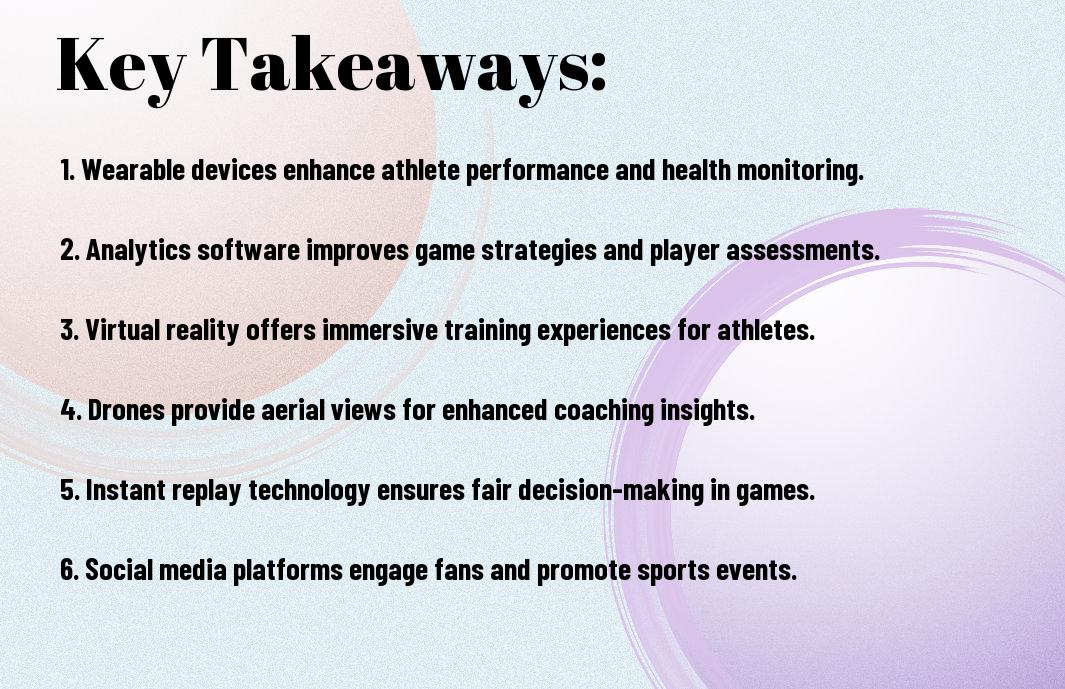
  • Performance Analysis: Advanced analytics tools have transformed how athletes and teams assess performance metrics, leading to enhanced training regimens.
  • Wearable Technology: The integration of wearables like fitness trackers and smart apparel has provided real-time physiological data, improving injury prevention and recovery.
  • Virtual Reality: VR technology is being used for immersive training experiences, allowing athletes to simulate game scenarios without physical risk.
  • Fan Engagement: Digital platforms and augmented reality are reshaping how fans interact with sports, enhancing experiences and creating new revenue streams.
  • Broadcast Innovations: Cutting-edge video technologies, including 4K resolution and instant replay systems, have elevated the viewing experience for fans worldwide.

The Early Days of Sports Technology

Your understanding of sports technology begins with its humble origins, where athletes relied on basic tools to enhance their performance. Initially, technology in sports was about simple equipment, such as wooden bats, leather balls, and hand-sewn jerseys that improved gameplay, albeit marginally. As time passed, the integration of simple yet effective innovations laid the groundwork for the complex systems we see in sports today.

Invention of Equipment

Sports have always been a mix of skill and tools. From the earliest days, equipment like the javelin and the discus was designed to help athletes excel in their respective fields. These innovations not only improved efficiency but also allowed for new sports disciplines to emerge, showcasing the importance of equipment as a factor in athletic performance.

Introduction of Timing Devices

Above all, timing devices revolutionized how you perceive competition and performance in sports. Traditionally, races were timed by hand, leading to inaccuracies. However, the introduction of timing mechanisms began to standardize results, adding a new level of professionalism to athletics and other competitive sports.

Devices such as stopwatches and mechanical timers played a significant role in this evolution. With the introduction of electronic timing, accuracy improved dramatically, allowing athletes and coaches to analyze performance with precision. This advancement not only provided fairer outcomes in competitions but also opened avenues for data analytics, which athletes now use to tailor their training regimens and strategies effectively.
The Age of Electronics

There’s no denying that the advent of electronics transformed the world of sports. With the integration of advanced technology, the way we play, watch, and analyze sports has changed dramatically. From the introduction of electric scoreboards to the use of instant replay, electronic innovations have enhanced the experience for athletes and fans alike, paving the way for more engaging and efficient sporting events.

Scoreboards and Broadcasting

Any sports fan today can appreciate the impact of electronic scoreboards and broadcasting technology. Gone are the days of manual scorekeeping; now, you can effortlessly follow the action on high-definition screens with real-time updates. Broadcasting innovations have made it possible for you to watch your favorite teams from anywhere in the world, bringing unparalleled access to live sports.

Telemetry and Data Collection

The integration of telemetry and data collection into sports has changed how you view performance and strategy. Tracking necessary metrics such as speed, heart rate, and movement patterns has become standard practice across various sports, leveraging technology to enhance both training and competition.

Understanding the significance of telemetry in sports allows you to grasp how data informs decisions. Coaches and athletes analyze this vast amount of information to identify strengths, weaknesses, and patterns, which can dramatically influence outcomes. For you, the fan, this means deeper insights into athlete performances and strategies, providing a richer viewing experience. As technology continues to evolve, the potential for even more sophisticated data analytics looks promising for the future of sports.

Wearable Technology in Sports

Despite the long-standing tradition of sports, the integration of wearable technology has revolutionized how athletes train and compete. These innovations allow you to gather real-time data about your performance, enhancing both training regimens and injury prevention strategies. As devices become more sophisticated, your potential to optimize your athletic abilities increases dramatically, paving the way for a new era in sports competition.

Fitness Trackers and Smartwatches

Along with the rise of health consciousness, fitness trackers and smartwatches have surged in popularity, enabling you to monitor your physical activity with ease. These devices track various metrics—such as heart rate, distance, and calories burned—allowing you to set measurable goals and stay motivated on your fitness journey.

Performance Analysis Devices

The advancement in performance analysis devices provides you with sophisticated tools to assess your athletic skills. These cutting-edge technologies utilize metrics like speed, agility, and technique to give you a comprehensive view of your performance, ultimately helping to refine your approach to training.

Indeed, performance analysis devices employ a blend of sensors and software analytics that allow you to review and enhance your techniques physically and tactically. From motion capture systems to pressure-sensitive insoles, these tools provide detailed insights into your movements and biometrics. Such detailed data empowers you to make informed decisions and tailored adjustments to your training, which can significantly elevate your game and lead to improved results on the field or court.

Advanced Analytics and Data Science

Many industries, including sports, have embraced advanced analytics and data science to enhance performance and decision-making. By leveraging complex algorithms and vast datasets, teams can refine strategies and inform training regimens. Here are some key elements of this transformation:

  1. Player Tracking Technologies
  2. Wearable Devices
  3. Game Situation Analysis
  4. Fan Engagement Metrics
Impact of Advanced Analytics

Area Effect
Team Performance Improved strategy development
Player Development Customized training programs
Injury Prevention Data-driven health monitoring

Big Data in Sports

After collecting vast amounts of data from games, practices, and player interactions, sports organizations now employ big data to analyze trends and improve outcomes. This data encompasses everything from player statistics to fan behavior, enabling you to gain insights for optimizing team performance and enhancing your experience as a fan. Utilizing advanced analytics can foster a nuanced understanding of the game, allowing teams to make informed decisions swiftly.

Predictive Analytics for Performance

Across the sports landscape, predictive analytics is reshaping the way you view performance assessments. By analyzing historical data patterns, teams can foresee potential outcomes and devise strategies tailored for success in future matches.

Sports organizations are leveraging predictive analytics to enhance player performance and optimize training regimens. By assessing past behaviors and outcomes, you can identify which factors are most likely to contribute to a player’s success on the field. This data-driven approach allows coaches to personalize training, making adjustments that significantly improve your players’ chances of excelling in competitive situations. Accurate modeling can transform how teams strategize, enabling them to predict opponents’ tactics and adjust their play style accordingly.

Virtual and Augmented Reality in Training

Not only has technology revolutionized how you train, but virtual and augmented reality (VR/AR) has taken it to another level. By immersing yourself in realistic simulation environments, you can hone your skills without the limitations of traditional training methods. Coaches and athletes alike are discovering that VR/AR offers personalized training experiences that enhance performance and game strategy understanding.

Immersive Training Environments

The integration of VR technology in sports training creates immersive environments where you can practice in realistic settings. This technology allows you to visualize game scenarios, enhancing your decision-making skills under pressure. Your training sessions can become more engaging and effective, leading to improved athletic performance when it matters most.

Fan Engagement through VR/AR

At the forefront of enhancing fan experiences, virtual and augmented reality are transforming how you interact with sports. With VR experiences, you can step into the shoes of your favorite players or enjoy unparalleled views of the game from your home. AR applications enrich your in-stadium experience by providing live statistics and highlights, ensuring that you stay connected to the action in innovative ways.

And as the technology evolves, the possibilities for fan engagement expand significantly. You’re no longer just a spectator, but an active participant in the sporting experience. Sporting events can be enhanced with augmented experiences, allowing you to access exclusive content, immersive replays, and even virtual meet-and-greets with athletes. This level of interactivity not only deepens your connection to the sport but also creates lasting memories that go beyond the game itself.

The Future of Sports Technology

Keep an eye on the advancements that will shape the future of sports technology. As you explore innovations, be sure to check out The Impact of Technology on Sports Performance – Yellowbrick for insights on how these developments will enhance athletic performance, fan engagement, and coaching methodologies.

Innovations on the Horizon

About the future of sports technology, you can expect remarkable innovations such as AI-driven analytics, augmented reality training, and advanced wearable devices. These tools will not only enhance player performance but also transform how you experience sports as a fan.

Ethical Considerations and Regulations

Between the excitement of new technologies lies the need to address ethical considerations and regulations. As advancements reshape your experience in sports, it’s crucial to understand issues surrounding data privacy, fairness, and the integrity of competitions.

But as technology evolves, governing bodies will face the challenge of implementing regulations that protect the rights of athletes while promoting innovation. You should be aware of how these regulations can impact player data collection, performance-enhancing technologies, and the overall landscape of sports ethics. Balancing progress with responsibility will be key to maintaining the spirit of competition in your favorite sports.

Conclusion

Now that you have explored the evolution of sports technology, you can appreciate how advancements have transformed athletic performance, fan engagement, and overall sports experiences. From wearable devices enhancing training to virtual reality simulations revolutionizing coaching methods, these innovations continue to shape the future of sports. As you follow these advancements, you’ll find new ways to enhance your performance and enjoyment of your favorite activities, ensuring that you stay at the forefront of this exciting evolution.

Q: How has data analytics transformed sports strategy and performance?

A: Data analytics has significantly impacted how teams approach strategy and performance assessment in sports. With advancements in technology, teams now collect vast amounts of data regarding player performance, team dynamics, and opponent strategies. Through tools like wearable devices, GPS trackers, and video analysis software, coaches can analyze athletes’ movements and strategies in real-time. This information helps in making informed decisions about training regimes, game plans, and player health management, ultimately enhancing overall team performance and competitiveness.

Q: What role does virtual reality play in training athletes?

A: Virtual reality (VR) has emerged as a game-changing tool in athlete training across various sports. By simulating real-life game scenarios, VR allows athletes to immerse themselves in practice environments without the physical strain of actual gameplay. This technology facilitates skill acquisition, cognitive decision-making, and situational awareness by enabling athletes to repeatedly experience challenging situations. As a result, athletes can refine their skills, improve reaction times, and experience various game conditions that may not be feasible during traditional training sessions.

Q: How is equipment technology evolving in sports?

A: Equipment technology has seen remarkable innovations, leading to enhancements in athlete performance and safety. From high-tech fabrics in sports apparel that wick away moisture and enhance breathability to advanced materials in shoes and gear that provide better support and protection, these developments are substantial. Technologies like 3D printing are also reshaping the production of custom-fitted equipment. Additionally, improvements in materials science, like lighter yet stronger composites in sports gear, ensure athletes have the best tools to perform at their highest level while minimizing the risk of injury.
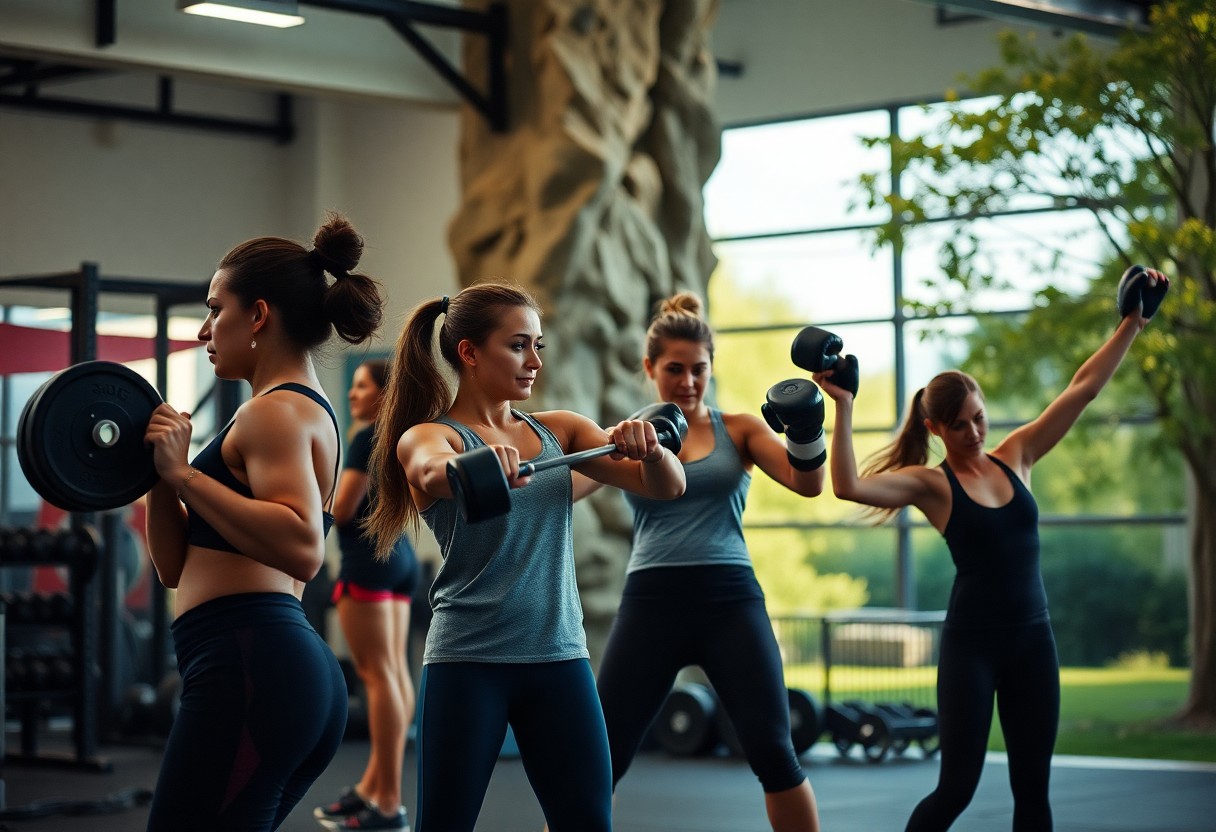
The Best Strength-Building Sports for Women

Many women seek effective ways to enhance their strength and overall fitness. Engaging in specific sports not only boosts your physical power but also builds self-confidence and resilience. In this post, you will discover the best sports that promote strength-building, tailored particularly for you. Whether you’re looking to lift heavier, improve your athletic performance, or simply enjoy a new activity, these options offer a blend of challenge and empowerment. Let’s explore how you can harness the benefits of these engaging sports in your fitness journey.

Key Takeaways:

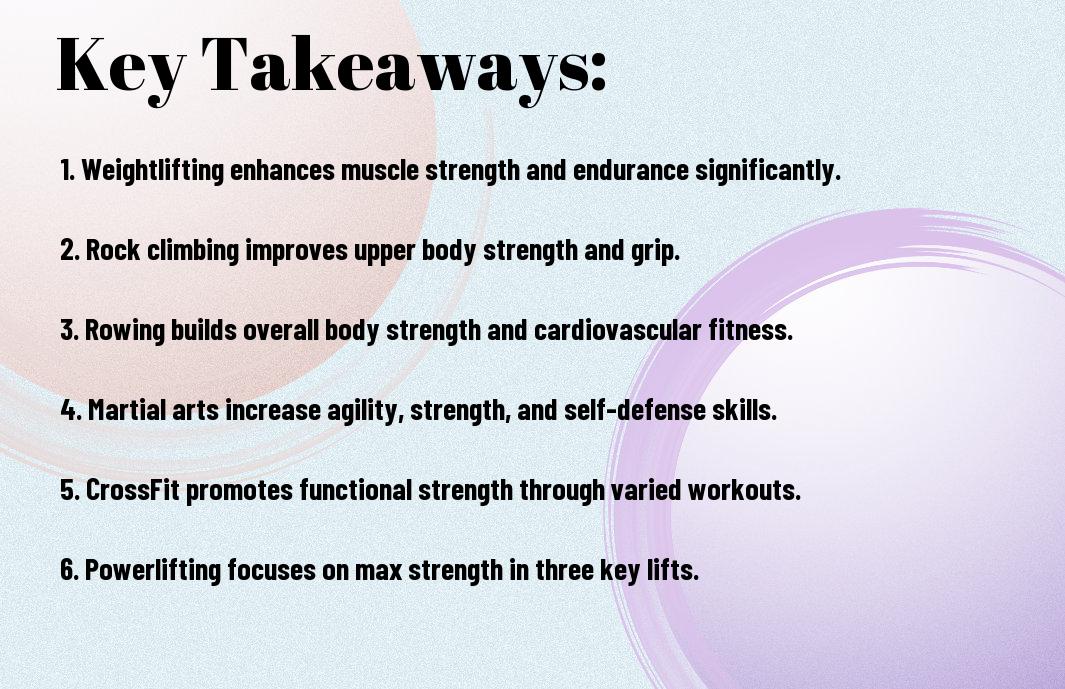
  • Weightlifting: Engaging in weightlifting helps women build muscle strength, improve metabolism, and increase bone density.
  • Rock Climbing: This sport enhances full-body strength and grip power, providing a fun challenge for both beginners and advanced climbers.
  • Rowing: A highly effective, low-impact workout that targets muscles in the upper and lower body while also promoting cardiovascular fitness.
  • Cycling: Incorporating cycling into a fitness routine builds leg strength and endurance, making it ideal for cardiovascular health and muscle toning.
  • Martial Arts: Practicing martial arts not only strengthens the body but also improves agility, coordination, and self-defense skills.

Benefits of Strength-Building Sports for Women

The benefits of strength-building sports for women extend beyond physical prowess. Engaging in these activities not only enhances your muscular strength but also improves your endurance, flexibility, and overall fitness. By incorporating strength training into your routine, you can enjoy a myriad of health advantages, including improved posture, reduced risk of injury, and enhanced metabolic rate, all contributing to a healthier and more vibrant lifestyle.

Physical Health Improvements

By participating in strength-building sports, you experience significant physical health improvements. These activities help increase muscle mass, which in turn boosts your metabolism and encourages fat loss. Additionally, strength training can enhance bone density, reducing the risk of osteoporosis. As you build strength, you may notice greater endurance and stamina, allowing you to participate more fully in various physical activities.

Mental Health Enhancements

Women who embrace strength-building sports often find mental health enhancements as well. Engaging in these physically demanding activities contributes to the release of endorphins, commonly known as the “feel-good” hormones, which can significantly alleviate feelings of stress and anxiety. You may find that challenges faced during training translate into improved confidence and resilience in daily life.

Understanding the mental health benefits of strength-building sports is vital for recognizing their holistic impact. As you push through physical barriers, you cultivate a sense of empowerment and improved mental fortitude. This engagement not only enhances your mood but can also lead to better sleep patterns and an overall improved sense of well-being. Additionally, the social aspect of group training can foster a sense of community and support, further nurturing your mental health.

Top Strength-Building Sports

Clearly, engaging in strength-building sports can empower women to enhance their physical ability and boost confidence. These activities help you develop lean muscle, improve endurance, and foster a sense of community, making fitness a more enjoyable journey. From traditional weightlifting to dynamic cross-training regimes, the options are diverse, ensuring there’s something for everyone to thrive in.

Weightlifting

About weightlifting: This sport focuses on lifting heavy weights through a variety of movements, including squats, deadlifts, and bench presses. It not only increases strength but also improves your overall fitness and body composition.

CrossFit

StrengthBuilding through CrossFit involves high-intensity workouts combining weightlifting, aerobic exercises, and functional movements. This program offers varied routines, keeping you challenged and engaged while building strength and endurance.

Indeed, CrossFit promotes a welcoming environment where you can connect with others who share your fitness goals. By participating in group classes, you benefit from motivated coaching and the camaraderie of your peers. This community-driven approach keeps you accountable and inspired while pushing your limits in strength training.

Powerlifting

Powerlifting centers on three major lifts: squat, bench press, and deadlift. This sport focuses on maximizing your strength and is an excellent way to build muscle mass and improve bone density.

Considering powerlifting as a strength-building option, you can expect to gain mastery over your body and movement patterns. This disciplined sport emphasizes proper technique, making you more aware of your form and how it relates to effective lifting. As you progress, your confidence grows alongside your strength, fostering a sense of accomplishment that translates into other areas of your life.

Martial Arts

StrengthBuilding through martial arts combines technique, discipline, and physical strength to empower your body and mind. Practicing various forms, such as karate, judo, or kickboxing, enhances your overall fitness while teaching self-defense.

At its core, martial arts emphasizes body control and discipline, allowing you to develop not just physical strength but also mental resilience. As you progress through different skill levels, you learn to harness your power effectively, improving agility and flexibility along the way. Engaging in martial arts also fosters a strong sense of respect and responsibility, making it a holistic strength-building practice.

How to Get Started

Once again, launching on your strength-building journey involves choosing the right sport for your interests and fitness level. Begin by exploring different activities, asking friends for recommendations, or attending local classes and events. Get involved in a supportive community, as this can enhance your experience and make it easier to stay committed to your goals. The key is to enjoy the process while working toward building your strength.

Finding the Right Sport

Sport selection is vital to ensure you feel motivated and engaged. Consider your personal preferences, whether you enjoy competition, individual activities, or team sports. Take advantage of trial sessions or introductory classes, allowing you to explore various options before committing to one that feels right for you.

Setting Realistic Goals

One approach to success in strength-building sports is by setting achievable goals. Start by assessing your current fitness level and building from there. Aim for short-term milestones that lead to long-term progress, ensuring they are specific, measurable, and time-bound. This method will keep you focused and encouraged as you witness your improvements.

It is crucial to break your goals down into manageable steps. For instance, instead of aiming to lift a particular weight immediately, focus on progressively increasing the load over time. Celebrate small victories along the way to maintain your motivation. By setting realistic benchmarks, you’ll foster a positive mindset and create a sustainable path to achieve your strength-building objectives.

Safety Tips for Strength Training

Despite the benefits of strength training, safety should always come first. Following imperative safety tips can enhance your workout experience:

  • Warm up adequately before workouts.
  • Use proper techniques for each exercise.
  • Start with lighter weights to build strength.
  • Listen to your body and rest when needed.
  • Maintain a balanced diet to support your training.

This minimizes the risk of injury and ensures your strength training journey remains safe and effective.

Proper Techniques

Proper form is imperative in strength training to maximize effectiveness and minimize risk. Always prioritize alignment and mechanics in your movements; this ensures that the targeted muscles are engaged while reducing the strain on your joints. Don’t hesitate to consult a trainer or instructional videos to refine your techniques.

Injury Prevention

Injury prevention starts with understanding your limits and training at your own pace. It is important to gradually increase weight and intensity as your body adapts to new routines.

Prevention strategies also include setting realistic goals and not pushing through pain. Incorporating rest days into your schedule allows your muscles to recover, reducing the risk of overuse injuries. Stretching before and after workouts aids in maintaining flexibility, which is imperative for supporting your strength training regime and enhancing overall performance.

Community and Support

Not only does strength-building improve your physical health, but having a supportive community can profoundly enhance your motivation and enjoyment. Women often find that training with others fosters encouragement, accountability, and a sense of belonging. Connecting with like-minded individuals enables you to share experiences, celebrate achievements, and tackle challenges together, making your fitness journey more fulfilling.

Finding a Training Group

Along with your quest for strength, you can gain immense benefits from joining a training group. Whether it’s a local gym, a women’s sports team, or a community fitness class, being part of a group allows you to train with others who share similar goals. This collective environment amplifies your motivation and commitment and helps you establish lasting friendships.

Online Resources and Forums

Online communities are another excellent way to find support on your strength-building journey. Numerous forums and social media groups cater specifically to women in fitness, offering advice, success stories, and a safe space to ask questions. These virtual gatherings provide insights and tips you can integrate into your training, making the process more enjoyable and effective.

Group discussions found in online resources can also introduce you to diverse training methods and nutritional advice that you might not encounter in your local area. Engaging with other women online allows you to gain different perspectives and learn from others’ experiences, which can enhance your strength-building regimen and keep you informed about the latest trends in fitness.

Success Stories of Women in Strength Sports

Unlike traditional stereotypes that often associate strength sports with masculinity, women are breaking barriers and achieving extraordinary feats in strength disciplines. You can draw inspiration from countless female athletes who have showcased their exceptional strength and resilience, forging their paths in sports like powerlifting, weightlifting, and strongwoman competitions. Stories of women conquering personal records and standing on prestigious podiums highlight that with dedication and training, remarkable achievements are within your reach. For insights on how to start your journey in strength training, explore Strength Training for the Female Uphill Athlete.

Conclusion

Hence, exploring strength-building sports tailored for women can significantly enhance your physical capabilities and overall well-being. Engaging in activities like weightlifting, rock climbing, and martial arts not only improves muscle strength but also boosts confidence and mental resilience. By choosing the right sport that resonates with your interests, you can commit to a consistent and rewarding fitness journey that empowers you to achieve your personal goals.

FAQ

Q: What are some of the best sports for women looking to build strength?

A: There are several sports that are excellent for strength building among women. Weightlifting allows for targeted muscle development and is effective for overall strength gains. CrossFit combines weightlifting, cardio, and functional movements, providing a comprehensive workout that builds both strength and endurance. Rock climbing is also an adaptive choice, demanding full-body strength and problem-solving skills, all while being engaging and fun.

Q: How can participating in strength-building sports benefit women beyond physical appearance?

A: Engaging in strength-building sports offers numerous benefits beyond just aesthetics. Physically, it helps improve bone density, reduces the risk of osteoporosis, increases metabolism, and enhances joint stability. Mentally, these activities can boost self-confidence, improve mood, and reduce anxiety. Strength training also fosters a sense of community as women often participate in groups or classes, promoting social connections and support.

Q: Are there specific strength-building strategies women should consider when participating in sports?

A: Women should consider integrating progressive overload into their routines, which involves gradually increasing the weights or intensity of their workouts over time. This approach encourages muscle adaptation and growth. Additionally, focusing on proper nutrition is crucial for recovery and muscle repair. A balanced diet with ample protein, healthy fats, and carbohydrates can significantly enhance strength-building efforts. Finally, allowing adequate recovery time between workouts is key to preventing injuries and ensuring sustained progress.

How to Boost Your Confidence in Sports

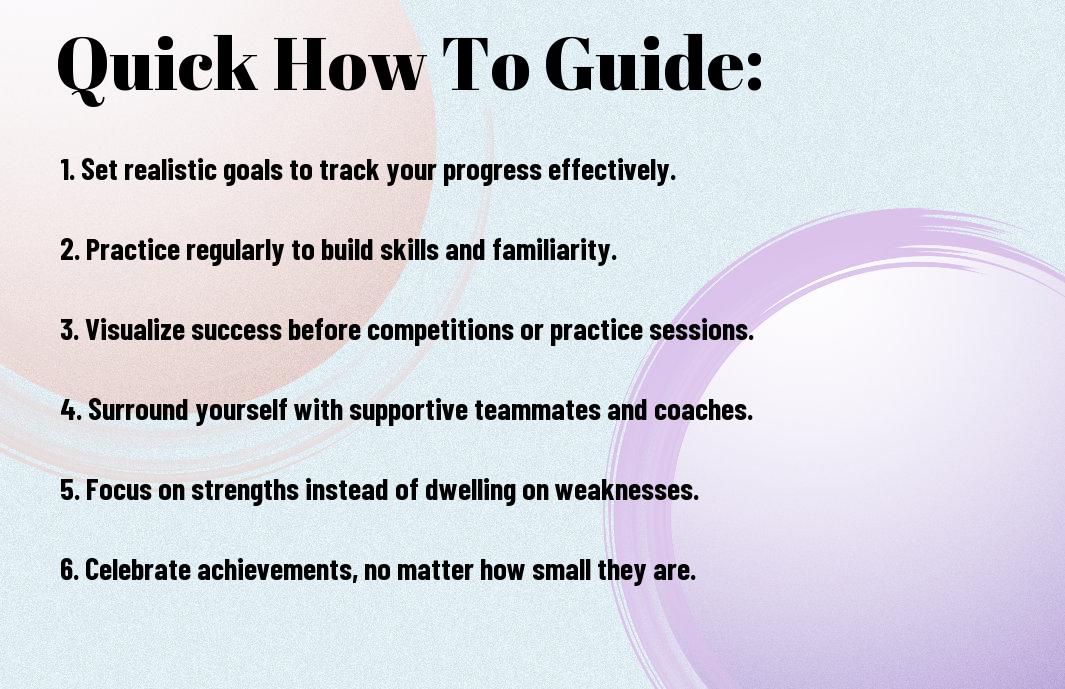
Boost your confidence in sports and elevate your performance by employing effective strategies that foster self-belief and resilience. You have the ability to enhance your mental game, ensuring that your physical skills shine through under pressure. This guide will provide you with actionable steps that you can integrate into your training regimen, empowering you to overcome self-doubt and thrive in competitive environments. With the right mindset and techniques, you’ll be well on your way to becoming a more confident athlete.

Key Takeaways:

  • Practice: Consistent practice helps to build both skill and confidence in your abilities over time.
  • Positive Self-Talk: Use affirmations and encouraging words to enhance your self-image and reinforce your capabilities.
  • Set Achievable Goals: Break down larger objectives into smaller, realistic targets to track your progress and celebrate successes.
  • Visualize Success: Mental imagery can prepare you for competition by picturing successful outcomes and the steps needed to get there.
  • Seek Support: Surround yourself with positive influences, like coaches and teammates, who uplift and motivate you towards improvement.

Understanding Confidence in Sports

As an athlete, understanding the essence of confidence in sports is vital to achieving your best performance. Confidence is not just about being self-assured; it encompasses your belief in your abilities and potential to succeed. This self-belief can significantly impact your focus, decision-making, and overall athletic performance. Building this understanding allows you to harness the power of confidence in various competitive situations.

What is Sports Confidence?

Confidence in sports refers to the belief in your own skills and capabilities when participating in athletic activities. This belief influences how you approach training, competition, and the challenges that arise along the way. High sports confidence equips you with the mental fortitude needed to push through difficult situations, adapt to changes, and maintain your performance under pressure.

Factors Influencing Confidence Levels

Factors that influence your confidence levels in sports are varied and interconnected. Key elements include:

  • Your previous experiences and successes in the sport
  • The quality of your training and preparation
  • The support from coaches, teammates, and family
  • Your mindset and psychological resilience
  • The environment and conditions during competitions

Assume that understanding these factors will empower you to take proactive steps toward enhancing your confidence.

With a deeper grasp of how these factors play a role, you can strategically work on enhancing your confidence in sports. Consider evaluating your past experiences and how they shape your current beliefs. Focus on improving your skill set through rigorous training, and actively seek encouragement from those around you. Understanding how your mental state correlates with performance is also vital, as it allows you to adopt a more positive mindset before competitions. Remember that your environment, including the emotional and physical conditions, can significantly affect your self-assurance.

  • Your ability to visualize success
  • Your coping strategies for stress and anxiety
  • The level of competition you face
  • How you internalize and learn from failures

Assume that by identifying these influencing factors, you can focus on boosting your confidence effectively.

How to Identify Your Confidence Weaknesses

Even the most skilled athletes experience moments of self-doubt. To identify your confidence weaknesses, take a step back and evaluate your emotional responses during training and competition. Look for patterns in your behavior that signal your lack of confidence, whether it’s hesitating to take risks or feeling overly anxious before a performance. By acknowledging these areas, you can focus on transforming them into strengths.

Self-Assessment Techniques

Now is the time to engage in self-assessment techniques that can facilitate your understanding of these weaknesses. Journaling your thoughts before and after sports events can illuminate patterns in your confidence levels. You can also consider asking for feedback from coaches and teammates, as their insights can offer a different perspective on your performance and emotional state.

Recognizing Negative Thought Patterns

Little things can lead to bigger issues when it comes to your mindset. Recognizing negative thought patterns is key to boosting your confidence in sports. These can manifest as self-criticism or doubting your abilities, often emerging before competitions or during practice. The more you become aware of these thoughts, the better equipped you are to challenge and change them.

Negative thought patterns can significantly impact your performance and overall enjoyment in sports. They often arise from comparisons to others, fear of failure, or unrealistic expectations. Once you identify these thoughts, you can work to reframe them into positive affirmations, shifting your focus from what you think you can’t do to what you can achieve. This process not only helps you combat anxiety, but also fosters a more supportive internal dialogue, ultimately leading to greater confidence as an athlete.

Tips to Build Mental Resilience

After understanding the importance of mental resilience in sports, there are practical steps you can take to strengthen yours. Consider these tips:

  • Practice mindfulness and meditation
  • Learn from failures and setbacks
  • Surround yourself with positive influences
  • Embrace challenges as opportunities for growth
  • Maintain a healthy lifestyle through regular exercise and nutrition

Recognizing these strategies can greatly enhance your mental toughness over time.

Setting Achievable Goals

Achievable goals are the cornerstone of building your confidence in sports. By breaking down larger objectives into smaller, measurable milestones, you can create a clear path towards your ultimate aspirations. This approach allows you to focus on incremental progress rather than overwhelming yourself with the end result, fostering a sense of success with each small triumph.

Visualization Techniques

There’s a powerful practice you can incorporate into your training routine called visualization. This technique involves vividly imagining yourself performing at your best, which can help reinforce your skills and boost your self-belief. By mentally rehearsing your performance, you create a mental blueprint for success that can elevate your game on the field.

To maximize the effectiveness of visualization, set aside time before practices or competitions to visualize your ideal performance. Close your eyes, breathe deeply, and picture yourself engaging in your sport with confidence. Focus on the details – feel the movement, hear the sounds around you, and anticipate the success you desire. With regular practice, this technique can enhance your mental preparedness and significantly improve your overall performance.

Enhancing Physical Preparation

Your physical preparation is key to boosting your confidence in sports. It sets the foundation for your performance, allowing you to train effectively, prevent injuries, and enhance your skills. Ensure you dedicate time to develop your strength, agility, and endurance, while also practicing the specific techniques required for your sport. Committing to a well-rounded physical preparation will not only improve your abilities but also build your self-assurance on the field or court.

Developing a Training Routine

If you want to enhance your performance, it’s important to develop a consistent training routine tailored to your sport. Establish specific goals and incorporate varied workouts that include strength training, cardio, and skill drills. Sticking to a schedule will help you build discipline and track your progress, leading to improved performance and a greater sense of confidence.

Importance of Nutrition and Recovery

Enhancing your nutrition and recovery strategies is imperative for maintaining peak performance. What you eat directly influences your energy levels, endurance, and overall fitness, while proper recovery helps your muscles heal and recharge. By prioritizing a balanced diet and adequate rest, you equip your body to perform at its best, ultimately fostering a confident mindset in your sporting endeavors.

This goes beyond just consuming healthy foods; hydration, meal timing, and macronutrient balance play significant roles in your athletic success. Fueling your body with the right nutrients optimizes your energy levels, while adequate sleep and recovery periods reduce the risk of injuries. By investing in your nutrition and recovery, you pave the way for improved performance and an increased sense of self-assurance in your abilities.

The Role of Support Systems

Keep in mind that support systems can significantly enhance your confidence in sports. Surrounding yourself with people who believe in your abilities and encourage your growth can make a world of difference. Whether it’s friends, family, or teammates, having a reliable support network helps you navigate challenges while celebrating your successes, boosting your self-esteem in the process.

Finding a Mentor or Coach

Some of the most effective ways to build your confidence in sports involve seeking guidance from a mentor or coach. A mentor can share valuable insights from their experience, while a coach can help refine your skills and provide constructive feedback. Their support will not only guide you through tough situations but also inspire you to aim higher in your athletic journey.

Engaging with Peers and Team Members

Mentor your relationships with peers and teammates, as building connections within your sports community can greatly improve your confidence. Working collaboratively allows you to learn from one another while creating a supportive atmosphere for growth. Sharing experiences, both good and bad, helps you realize that you are not alone on your athletic path.

It’s necessary to actively engage with your peers and team members, as this fosters a sense of belonging and encourages open communication. Attend team events or practice sessions, and create opportunities for dialogue about challenges and achievements. By nurturing these relationships, you develop a network of support that can uplift your spirits and motivate you to perform to the best of your abilities.

Strategies for Performance Day

Despite the pressure that comes with performance day, implementing effective strategies can help you enhance your confidence. Establishing a structured approach will keep you focused and minimize anxiety as you prepare to showcase your skills. Prioritizing a positive mindset and setting manageable goals will empower you to overcome challenges and perform at your best.

Pre-Game Rituals

Some athletes find success in developing pre-game rituals that help create a sense of familiarity and security before competition. These rituals can include simple activities like stretching, listening to your favorite music, or positive visualization. By engaging in these consistent behaviors, you can cultivate a mental state conducive to peak performance.

Staying Focused and Present

One key to excelling on performance day is your ability to stay focused and present during the event. By honing your concentration, you can better manage distractions and maintain your motivation throughout the competition.

A practical way to cultivate focus is through mindfulness techniques. Prior to your event, take a few moments to practice deep breathing, allowing yourself to focus solely on your breath. Visualize yourself executing your skills confidently, blocking out any negative thoughts or external distractions. By anchoring your mind on the present moment, you empower yourself to showcase the best version of your abilities, enhancing your performance overall.

Final Words

Conclusively, boosting your confidence in sports involves consistent practice, understanding your strengths, and setting achievable goals. It is crucial to maintain a positive mindset and visualize your success regularly. Engaging in mental training exercises and learning from setbacks can also enhance your self-belief. For additional insights, check out this video on How to Build Confidence in Sports to further your journey. With dedication, you can unlock your full potential and excel in your sports endeavors.

Q: What are some effective techniques to improve my self-confidence during competitions?

A: To enhance your confidence during competitions, consider practicing visualization techniques. Before your event, take time to close your eyes and picture yourself performing successfully. This mental rehearsal can help reinforce a positive mindset. Additionally, setting achievable goals for each practice session can lead to a sense of accomplishment. Lastly, surrounding yourself with supportive teammates and coaches can foster a positive atmosphere that boosts your confidence.

Q: How can I manage anxiety before a big game or match?

A: Managing anxiety before a big game can be tackled through several approaches. Breathing exercises, such as deep diaphragmatic breathing, can calm your nerves and help you focus. Creating a pre-game routine can provide a sense of stability and normalcy. Incorporating relaxation techniques like progressive muscle relaxation or meditation into your training can also be beneficial. Finally, shifting your focus from the outcome to the effort you will put into the game can alleviate some of that pressure.

Q: In what ways can practice help build my confidence in my sport?

A: Consistent practice is a fundamental element in building confidence in any sport. The more you train, the more familiar you become with your skills and strategies, leading to increased self-assurance. Structured practice sessions that focus on specific areas of improvement can help you track your progress and feel a sense of achievement. Engaging in simulated competitive scenarios during practice can also create a more comfortable transition to actual competition and build your confidence in high-pressure situations.

The Top 5 Sports for Weight Loss

Fitness is not just about hitting the gym; it’s about finding activities that you enjoy and that can help you shed pounds effectively. Whether you’re a seasoned athlete or just starting your journey, incorporating sports into your routine can significantly enhance your weight loss efforts. In this post, we will explore the top five sports that will get your heart pumping, burn calories, and ultimately aid in your quest for a healthier body. Get ready to discover how you can achieve your weight loss goals through enjoyable physical activity!

Key Takeaways:

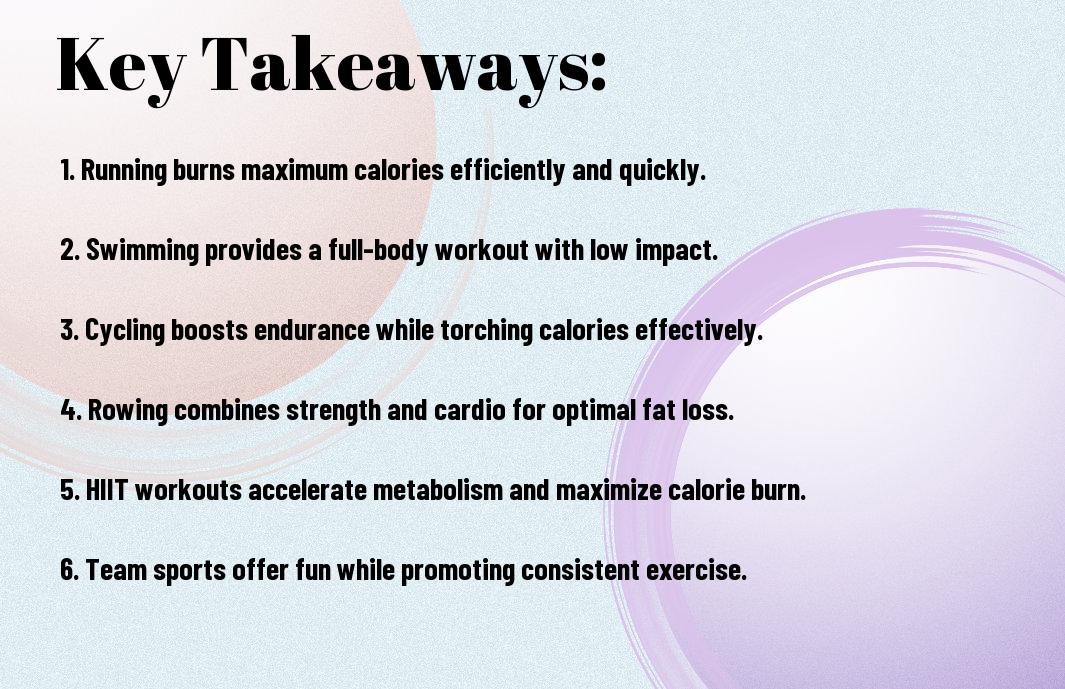
  • Running: An effective calorie-burning activity that enhances cardiovascular health and builds endurance.
  • Cycling: Great for building leg muscles and improving fitness levels while being low-impact on joints.
  • Swimming: A full-body workout that stimulates multiple muscle groups while being gentle on the body.
  • Rowing: Combines strength and cardio training, engaging both the upper and lower body for maximum calorie burn.
  • High-Intensity Interval Training (HIIT): A time-efficient workout method that combines short bursts of high effort with recovery periods, increasing metabolism post-exercise.

Understanding Weight Loss and Exercise

As you begin on your weight loss journey, understanding the relationship between exercise and weight loss is vital. Engaging in physical activity not only helps you burn calories but also boosts your metabolism, supports muscle growth, and enhances overall well-being. Combining exercise with a balanced diet creates a sustainable approach to achieve and maintain your weight loss goals.

The Science Behind Weight Loss

Around the world, the fundamental principle of weight loss remains consistent: to lose weight, you must create a calorie deficit. This means that you need to burn more calories than you consume. When your body operates in a calorie deficit, it taps into stored fat for energy, leading to weight reduction over time.

Importance of Physical Activity

With regular physical activity, you enhance your weight loss efforts by increasing the number of calories you burn daily. Not only does exercise help you shed pounds, but it also serves to strengthen your cardiovascular system, improve your mood, and boost your energy levels. Incorporating various forms of physical activity into your routine can also make the process enjoyable and engaging.

Science shows that individuals who engage in regular exercise are more successful in their weight loss journeys compared to those who rely solely on diet. Physical activity helps to maintain muscle mass while losing fat, ensuring your metabolism remains efficient. Additionally, exercise has significant mental health benefits, reducing stress and improving your overall outlook, which can positively influence your weight management efforts.

The Top 5 Sports for Weight Loss

Assuming you are looking for effective ways to shed those extra pounds, engaging in specific sports can significantly enhance your weight loss journey. These activities not only burn calories but also boost your overall fitness and well-being. In this section, you will discover the top five sports that can help you achieve your weight loss goals while keeping the experience enjoyable and motivating.

Running

Below is one of the most straightforward and effective sports for weight loss. Running elevates your heart rate and can burn many calories in a short amount of time, making it an ideal choice for anyone seeking to lose weight. Whether you’re jogging in the park or sprinting on a treadmill, running can fit easily into your schedule.

Cycling

One of the most popular activities, cycling not only promotes cardiovascular health but also helps you torch calories effectively. You can cycle outdoors on scenic trails or indoors on stationary bikes, allowing for versatile options based on your preferences and circumstances.

Plus, cycling is low-impact, reducing stress on your joints, making it suitable for individuals of all fitness levels. You can vary the intensity and duration to adapt the workout to your specific goals, whether you’re aiming for a leisurely ride or an intense cycling session.

Swimming

Against common misconceptions, swimming is an excellent sport for weight loss. The resistance of water makes your body work harder, enhancing calorie burn while providing a full-body workout. Whether you prefer freestyle, breaststroke, or water aerobics, swimming can adapt to your fitness level.

Swimming burns calories effectively and minimizes the risk of injury. This low-impact activity is particularly beneficial for those recovering from injuries or managing chronic pain, allowing you to work out without straining your body.

HIIT (High-Intensity Interval Training)

Against the traditional steady-state workouts, HIIT offers a time-efficient means of losing weight. By alternating high-intensity bursts with periods of rest, this training method maximizes calorie burn in shorter sessions, making it perfect for busy lifestyles.

Indeed, HIIT can elevate your metabolism even after you finish exercising, leading to ongoing calorie expenditure. As you incorporate this type of training into your routine, you’ll find it not only effective for weight loss but also keeps workouts engaging and dynamic.

Rowing

HIIT can also be applied to rowing, a fantastic full-body workout that builds strength and boosts endurance. Combining cardio with strength training, rowing targets multiple muscle groups while efficiently burning calories.

With a rowing machine, you have the advantage of exercising indoors or outdoors, perfect for different weather conditions. Plus, the rhythmic motion can be meditative, allowing you to focus on your personal goals while enjoying the process of getting fitter.

Comparing Caloric Burn Across Sports

After evaluating various sports, you might wonder how they stack up against one another in terms of caloric burn. Understanding this can help in making informed choices about your workout routines. The following table illustrates the approximate calories burned per hour for different sports.

Caloric Burn Comparison

Sport Calories Burned/Hour
Running 600-1200
Cycling 400-1000
Swimming 500-800
Rowing 600-900
Basketball 500-800

Factors Affecting Caloric Expenditure

Any sport’s caloric burn can vary significantly based on several factors. Your age, weight, fitness level, and workout intensity play a significant role. Additionally, the duration of your activity and your overall body composition will dictate how many calories you expend. Here are some key elements to consider:

  • Body weight
  • Intensity of the exercise
  • Duration of the activity
  • Your metabolism

Knowing these factors can help you tailor your training to meet specific weight loss goals.

Average Calories Burned per Hour

Burned calories while engaging in sports varies greatly, and knowing the average can help you set realistic expectations. Each sport utilizes different muscle groups and energy systems, resulting in distinct caloric expenditures. Understanding average burns will assist you in creating a balanced weekly workout schedule.

Another way to look at caloric burn is to consider how the intensity of your chosen sport affects energy expenditure. For instance, more vigorous activities such as running or swimming at high intensity can yield significantly higher calories burned compared to moderate efforts. Furthermore, knowing how to elevate your heart rate during exercise can maximize the calories you burn, bringing you closer to your weight loss goals.

Tips for Incorporating Sports into Your Weight Loss Plan

Despite the challenges of starting a fitness journey, incorporating sports can significantly enhance your weight loss plan. Here are a few tips to help you get started:

  • Choose a sport that you genuinely enjoy to stay motivated.
  • Set a regular schedule for practice to build a routine.
  • Consider finding a workout buddy for accountability.
  • Track your progress to identify areas for improvement.
  • Stay informed with resources like The 8 best sports for losing weight.

Thou shall reinforce your commitment through consistent effort and enthusiasm.

Setting Realistic Goals

Loss of weight takes time, and setting realistic goals is important for maintaining motivation during your fitness journey. Aim for small, achievable milestones that lead to gradual results. For example, rather than targeting a significant weight drop, focus on increasing your sports participation or workout frequency each week. This approach not only boosts your confidence but also enhances your overall physical conditioning.

Combining Sports with Nutrition

Any successful weight loss plan should include a balanced approach to nutrition alongside your chosen sport. Fueling your body with the right nutrients can significantly enhance your performance and recovery.

The synergy between sports and nutrition is vital for maximizing your weight loss results. Incorporate a variety of whole foods into your diet, focusing on lean proteins, healthy fats, and complex carbohydrates. Pay attention to your hydration levels and meal timing, ensuring you provide your body with important nutrients before and after your workouts. This holistic approach not only supports your weight loss but also ensures you have the energy needed to excel in your chosen sports.

Overcoming Barriers to Participation

Unlike many activities that might seem daunting, participating in sports for weight loss can be approached with a mindset geared toward overcoming barriers. You may face challenges such as time constraints, lack of access to local facilities, or personal confidence levels. Acknowledging these obstacles is the first step in creating a practical solution that will enable you to make fitness a regular part of your routine.

Time Management

Above all, managing your time effectively is imperative to incorporating sports into your weight loss journey. You can start by assessing your daily schedule and identifying pockets of time that can be dedicated to physical activity. Whether it’s early morning sessions, quick workouts during lunch, or group activities on weekends, finding those moments can make a significant difference.

Access to Facilities

Among the common barriers to engaging in sports are difficulties in accessing facilities. If you do not have a gym nearby or have limited options for sports activities in your area, it may seem challenging to get started.

Indeed, lack of access to facilities can often discourage you from participating in sports. To address this issue, consider exploring alternative options such as local parks, community centers, or even home workouts that can provide similar benefits. You can also check for public sports leagues or clubs that might be available without the need for a dedicated gym. The goal is to find a convenient and enjoyable space for your fitness activities, making it easier to stay committed to your weight loss objectives.

Summing up

Hence, engaging in sports like running, cycling, swimming, HIIT, and rowing can significantly aid your weight loss journey. Each activity offers unique benefits, allowing you to choose one that best fits your lifestyle and preferences. By incorporating these sports into your regular routine, you’ll not only enhance your fitness levels but also make losing weight more enjoyable and sustainable. Embrace these options to maximize your results and take charge of your health today.

FAQ

Q: What are the top 5 sports for weight loss?

A: The top 5 sports for weight loss include running, swimming, cycling, rowing, and high-intensity interval training (HIIT). These sports are effective for burning calories and improving overall fitness. Running engages multiple muscle groups and significantly raises heart rate, while swimming provides a full-body workout with low impact on the joints. Cycling is excellent for building leg strength while burning calories. Rowing is another full-body workout that combines strength and cardiovascular endurance, and HIIT offers a powerful combination of quick bursts of intense exercise followed by rest, maximizing calorie burn in a shorter time frame.

Q: How often should I participate in these sports to see weight loss results?

A: For effective weight loss, it is typically advised to engage in these sports at least 4 to 5 times a week. Sessions can vary between 30 to 60 minutes, depending on your fitness level and goals. Combining different sports can prevent boredom and work various muscle groups. For instance, you might alternate between running on some days, cycling on others, and incorporating HIIT workouts to keep your regimen diverse and engaging.

Q: Do I need to follow a specific diet while doing these sports for weight loss?

A: While regular participation in sports significantly aids in weight loss, it is generally beneficial to pair exercise with a balanced diet. Focus on consuming whole foods such as lean proteins, whole grains, fruits, and vegetables. Pay attention to portion sizes and aim to create a calorie deficit, where you burn more calories than you consume. Staying hydrated and avoiding sugary drinks can also enhance your weight loss efforts while engaging in these sports.

The Benefits of Playing Sports as an Adult

There’s no denying the positive impact of playing sports as an adult. Engaging in sports not only enhances your physical health but also boosts your mental well-being, helping you manage stress and develop social connections. Whether you’re a seasoned athlete or just starting out, the benefits are plentiful. You can explore a variety of engaging reasons to join in on the fun, such as those listed in this article on 10 Compelling Reasons To Play Sports As An Adult. Embrace the joy of sports today!

Key Takeaways:

  • Physical Health: Engaging in sports helps maintain cardiovascular fitness, muscle strength, and overall physical well-being.
  • Mental Well-Being: Playing sports significantly reduces stress and anxiety, promoting better mental health through the release of endorphins.
  • Social Connections: Sports provide opportunities to meet new people and build friendships, enhancing social life and community involvement.
  • Teamwork Skills: Participating in team sports fosters cooperation, communication, and leadership abilities that can be beneficial in both personal and professional settings.
  • Discipline: Commitment to regular practice and competition in sports promotes discipline and time management skills in adults.

Physical Health Benefits

The advantages of playing sports as an adult extend far beyond enjoyment; they significantly enhance your physical health. Engaging in regular physical activity can improve your cardiovascular fitness, boost your immune system, and increase flexibility and strength. These benefits not only contribute to overall well-being but also help prevent chronic diseases, ensuring you lead a healthier and more active life.

Cardiovascular Health

Between regular sports participation and improved cardiovascular health, you’ll likely notice increased stamina and enhanced heart function. Engaging in sports helps strengthen your heart muscle, reduce blood pressure, and improve circulation. Your overall cardiovascular efficiency will elevate, allowing you to engage in daily activities with greater ease and energy.

Weight Management

About maintaining a healthy weight, participating in sports plays a vital role. Regular physical activity helps you burn calories, build muscle, and boost your metabolism, all of which contribute to effective weight management.

Benefits of playing sports for weight management are significant. Not only do sports aid in calorie burning, but they also promote muscle growth, which in turn helps increase your resting metabolic rate. By participating in team sports or individual activities, you create a routine that keeps you active and motivated to make healthier lifestyle choices, ultimately supporting your long-term weight goals.

Mental Health Advantages

Now more than ever, prioritizing mental health is important, and engaging in sports as an adult offers numerous benefits. Playing sports helps manage anxiety, reduces symptoms of depression, and enhances cognitive function. The physical activity associated with sports stimulates the release of endorphins, which can lead to a more positive outlook on life. By incorporating sports into your routine, you nurture your mental well-being alongside your physical fitness.

Stress Relief

For many adults, life can become overwhelming, and sports provide an effective outlet for stress. Engaging in physical activity helps you channel your energy into something productive, allowing you to unwind and recharge. The focus required during play distracts you from daily worries, leading to a feeling of accomplishment and relaxation.

Enhanced Mood and Confidence

At the end of a game or practice session, you may experience a notable boost in your mood and self-esteem. The goal-setting aspect of sports fosters a sense of achievement as you track your progress and reach personal milestones. This ongoing improvement contributes to higher confidence levels in various aspects of your life, both on and off the field.

It’s important to recognize that the social interactions you gain from being part of a team or sports group further enhance your mood. Building relationships with fellow players creates a support network that positively impacts your emotional state. The shared experiences and camaraderie can lead to lasting friendships, which provide additional support and motivation, ultimately reinforcing your confidence in everyday situations.

Social Connections

Despite the demands of adult life, participating in sports offers you a unique opportunity to form lasting social connections. Engaging in sports activities helps you meet like-minded individuals who share your passion for the game. These interactions can evolve into friendships beyond the field, enriching your social life and providing a sense of community that can be hard to find elsewhere.

Team Building Skills

One of the most valuable aspects of playing sports is the development of team-building skills. As you work alongside your teammates, you learn to communicate effectively, collaborate on strategies, and resolve conflicts, all of which are imperative skills in both personal and professional settings.

Expanding Social Circles

Team sports serve as a powerful platform for expanding your social circles. You’ll meet diverse individuals from different backgrounds, fostering a rich tapestry of relationships that can enhance your life both on and off the field.

Even within the context of team sports, the friendships you create can introduce you to new networks you may not have encountered otherwise. Joining a local league or participating in community sports events can open doors to different social gatherings, events, and opportunities, leading to connections that enrich your life in unforeseen ways. These expanded social circles not only help create a sense of belonging but also offer additional support systems in various aspects of your adult life.

Cognitive Benefits

All adults can experience significant cognitive benefits from participating in sports. Engaging in physical activities stimulates mental processes, enhances problem-solving abilities, and improves overall brain function. By regularly playing sports, you boost your mental agility, sharpen your focus, and foster strategic thinking, all of which contribute to better performance both on and off the field.

Improved Focus and Concentration

Before stepping into a game, consider the mental demands it places on you. Sports require intense concentration, often sharpening your ability to focus on specific tasks. As you navigate your surroundings, observe patterns, and respond to dynamic situations, you enhance your attention span, which translates well into everyday responsibilities and decision-making.

Strategic Thinking Enhancement

Focus on how playing sports elevates your strategic thinking skills. You often need to analyze situations quickly, make decisions under pressure, and anticipate the moves of opponents. Each game or match requires you to develop a strategy, improving your ability to think critically and adapt to changing circumstances.

It’s important to acknowledge that these strategic skills gained through sports are transferable to various aspects of your life. Whether you are managing a project at work or navigating personal relationships, the ability to evaluate options, foresee potential outcomes, and execute a plan can lead to better decision-making and increased success. Engaging in sports not only hones these abilities but also instills a sense of confidence in your strategic capabilities.

Life Skills Development

Your journey in sports can significantly enhance your life skills, equipping you with valuable tools for personal and professional growth. Engaging in athletics not only fosters teamwork and communication but also cultivates necessary traits that can be applied in various aspects of life, from career advancement to interpersonal relationships.

Goal Setting

At the core of any sports experience is the ability to set and achieve goals. As you practice and compete, you learn to define specific, measurable objectives that help steer your efforts. This skill translates seamlessly into your personal and professional life, empowering you to pursue ambitions with clarity and purpose.

Resilience and Discipline

Below the surface, sports instill resilience and discipline, two traits that can massively impact your life. Facing adversities in games builds your ability to bounce back from failures, while regular practice reinforces the importance of dedication to achieving your goals.

Hence, embracing challenges in sports teaches you to maintain focus and commitment, even when the going gets tough. This discipline not only aids in improving your athletic performance but also becomes a foundational aspect of your character. As you encounter setbacks, learning to persevere directly influences your capacity to handle life’s obstacles with a positive mindset, making you more adaptable and successful in various situations.

Accessibility and Inclusivity in Sports

Unlike in the past, today’s sports landscape is increasingly accessible and inclusive, allowing you to engage regardless of your skill level or background. This shift aims to break down barriers, promoting an environment where everyone can participate and thrive. Various organizations and community programs have emerged, providing resources and opportunities tailored to diverse needs, making sports a welcoming option for you and others in your community.

Options for All Ages and Abilities

At every age and ability level, you can find sports programs tailored to your needs, allowing for personal growth and enjoyment. From adaptive sports for individuals with disabilities to recreational leagues welcoming seniors, there are ample opportunities to stay active. By selecting activities that align with your interests and capabilities, you can foster a positive sporting experience that fits seamlessly into your life.

Community Engagement

By participating in sports, you can build strong connections within your community. Engaging in team activities or local leagues not only enhances your physical health but also fosters relationships with others who share your interests.

Community engagement through sports cultivates a sense of belonging and companionship. You are likely to meet like-minded individuals, resulting in lasting friendships and support networks. Additionally, joining local teams or volunteer opportunities reinforces community ties, allowing you to contribute positively to your neighborhood while promoting a healthy lifestyle. This collective effort strengthens social bonds and creates an inclusive culture where everyone can thrive together.

Summing up

To wrap up, engaging in sports as an adult offers numerous benefits that enhance both your physical health and mental well-being. You can improve your cardiovascular fitness, strengthen your muscles, and maintain a healthy weight while enjoying social interactions and fostering teamwork skills. Moreover, participating in sports can serve as a stress reliever, boost your mood, and increase your overall quality of life. Embracing an active lifestyle through sports not only keeps you fit but also enriches your personal life, providing a fulfilling sense of community and achievement.

Q: What are the mental health benefits of playing sports as an adult?

A: Engaging in sports regularly can significantly enhance mental health. Physical activity is known to release endorphins, often referred to as “feel-good” hormones, which can reduce feelings of stress, anxiety, and depression. Additionally, participating in team sports fosters social connections and camaraderie, promoting a sense of belonging and support among participants. This social engagement can combat loneliness and improve overall mood, making sports a valuable tool for mental well-being.

Q: How can playing sports improve physical fitness for adults?

A: Participating in sports is an effective way to enhance overall physical fitness. Regular involvement helps to build and maintain cardiovascular endurance, strength, flexibility, and coordination. Different sports can target various muscle groups and improve functional movement, making daily activities easier and reducing the risk of injury. Additionally, participating in sports helps with weight management and can improve body composition, leading to better overall health outcomes.

Q: What social benefits can adults gain from playing sports?

A: Playing sports offers significant social benefits, providing adults with opportunities to connect with others and build relationships. Joining a sports team or participating in recreational leagues opens the door to new friendships, enhances communication skills, and encourages teamwork. These interactions can lead to networking opportunities, enhancing personal and professional connections. Moreover, being part of a sports community can create a support network, fostering a sense of belonging and shared experiences among participants.

Skip to content