The Best Sports for Improving Hand-Eye Coordination

Coordination plays a vital role in many sports, influencing your overall performance and success. By engaging in activities that focus on hand-eye coordination, you can enhance your athletic abilities and boost your confidence in various physical endeavors. In this post, you will discover some of the best sports that can help you improve this crucial skill, allowing you to achieve greater precision, agility, and control in your movements. Dive into these sports and watch as your hand-eye coordination flourishes!

Key Takeaways:

  • Basketball: Enhances coordination through dribbling, shooting, and passing while maintaining spatial awareness.
  • Tennis: Requires quick reflexes and precise timing when hitting the ball, honing both hand-eye and foot-eye coordination.
  • Table Tennis: Demands rapid reactions and fine motor skills, making it an excellent choice for refining hand-eye coordination.
  • Focuses on tracking a moving object, improving the ability to gauge distance and timing with batting and catching.
  • Promotes precision in movements and control, as players need to accurately hit a small ball into a designated target area.

Understanding Hand-Eye Coordination

While often taken for granted, hand-eye coordination is a fundamental skill that influences various aspects of daily life and sports performance. It refers to your ability to synchronize your hand movements with what your eyes see, enabling you to execute precise actions such as catching a ball or hitting a target. Mastering this skill can significantly enhance your athletic abilities and everyday tasks.

Definition and Importance

On a basic level, hand-eye coordination is defined as the process that combines visual input with motor skills to perform tasks effectively. Its importance cannot be overstated, as it plays a vital role in numerous activities, from playing sports to driving. Developing strong hand-eye coordination ensures that you can act swiftly and accurately, which is important for both recreational and competitive success.

How Hand-Eye Coordination Affects Performance

Coordination impacts your overall performance in various sports by influencing your ability to react and execute skills quickly and accurately. In games like basketball or tennis, for example, exceptional hand-eye coordination allows you to track a moving ball, anticipate its trajectory, and respond with the appropriate physical movements. This skill is not just about speed; it also involves timing and precision, all of which contribute to your effectiveness in the game.

Hence, improving your hand-eye coordination translates directly to better performance in sports. When your brain can seamlessly process visual information and communicate with your body, you’re equipped to make split-second decisions under pressure. This heightened awareness leads to more successful passes, shots, and plays, ultimately elevating your game and enjoyment of the sport you love.

Top Sports for Enhancing Hand-Eye Coordination

Even if you’re new to sports, there are numerous activities that can significantly boost your hand-eye coordination. Engaging in sports not only sharpens your reflexes but also enhances your overall athletic performance. The following sections highlight the top sports that are particularly effective at improving these skills, so you can choose what suits you best.

Baseball and Softball

The combination of hitting a moving ball and catching provides an excellent workout for your hand-eye coordination in baseball and softball. These sports require precise timing and quick reflexes, as you must track the trajectory of the ball and respond appropriately with your bat or glove.

Tennis and Racquet Sports

Above all, tennis and similar racquet sports demand intense focus as you react to fast-moving balls. The need to predict ball placement and adjust your technique in real-time fosters incredible hand-eye coordination, making these sports a fantastic choice for skill enhancement.

Consequently, participating in tennis or racquet sports offers a dynamic environment that challenges your hand-eye coordination. As you develop the ability to judge speed and angle, you not only improve your athletic skills but also gain better body awareness, which translates to better performance in various physical activities.

Basketball

Enhancing your hand-eye coordination is integral to playing basketball effectively. As the game requires you to dribble, pass, and shoot while constantly moving, mastering these tasks will elevate your coordination skills to a new level.

Sports like basketball encourage multitasking, as you must keep an eye on the ball, your teammates, and the opposing players simultaneously. This fast-paced environment cultivates quick thinking and agile movements, honing your ability to respond to sudden changes and increasing your overall hand-eye coordination.

Martial Arts

For those interested in developing their hand-eye coordination, martial arts offer a unique approach that combines physical discipline with mental focus. The dynamic movements involved in martial arts, such as striking targets and blocking punches, foster exceptional coordination skills.

Racquet sports, in particular, exemplify how martial arts provide a blend of physical and mental training. The emphasis on timing, precision, and reaction helps cultivate extensive coordination skills that can benefit you both in and out of the training dojo, making martial arts an excellent choice for enhancing your abilities.

The Role of Practice and Drills

Despite the importance of innate talent, consistent practice and targeted drills are imperative for improving hand-eye coordination. Engaging in repetitive movements will help fine-tune your motor skills, making your responses quicker and more accurate. For instance, how tennis ball drills can help develop hand-eye coordination illustrates how simple exercises can yield impressive results over time.

Synchronized Activities

About synchronized activities, such as dance or martial arts, they enhance your ability to simultaneously coordinate movements with visual stimuli. These activities require precision and timing, which can significantly boost your overall hand-eye coordination.

Reaction Time Exercises

Along with improving hand-eye coordination, reaction time exercises provide a path for increasing your agility and responsiveness in various sports and activities.

To maximize your reaction times, incorporate drills that engage both your visual ability and motor skills. For example, using a reaction ball, which bounces unpredictably, forces you to react quickly and adaptively. Alternatively, simple light or sound triggers can also train your brain to respond faster, sharpening your reflexes. These consistent practices will help elevate your performance in sports, translating directly to improved hand-eye coordination.

Age and Skill Level Considerations

Once again, when it comes to hand-eye coordination, your age and skill level play significant roles in determining which sports are most beneficial for you. Younger individuals typically have the advantage of neuroplasticity, allowing them to adapt and learn motor skills more rapidly. Meanwhile, adults may need to incorporate more specialized techniques tailored to their existing abilities to see improvements. By recognizing these factors, you can choose the right sport and training method to maximize your hand-eye coordination development.

Youth Development

Youth sports programs lay a solid foundation for developing hand-eye coordination. Participating in various activities helps children refine their motor skills and encourages teamwork and social interaction. Age-appropriate sports such as soccer, basketball, and gymnastics are ideal for fostering these important skills, making physical activity fun and engaging.

Advanced Techniques for Adults

Advanced hand-eye coordination techniques for adults involve more focused training exercises that challenge your existing skills. As you progress, you’ll want to adopt strategies that help enhance your agility, focus, and precision. Sports like table tennis, squash, or martial arts can provide excellent platforms for targeting these abilities.

  1. Incorporate reactive drills into your routine.
  2. Engage in sports that combine speed and precision.
  3. Use visual tracking and hand coordination tools.
  4. Set specific goals to monitor your progress.
Technique Description
Reactive Drills Exercises that focus on your reaction time to improve responsiveness.
Visual Tracking Practices that train your ability to follow fast-moving objects.

Understanding the advanced techniques you can employ helps enhance your coordination more effectively. Incorporating specific drills and tracking your progress creates an empowered environment for improvement. You might also want to consider integrating sports like virtual reality gaming, which can provide a unique approach to enhancing your skills in an entertaining way.

  1. Experiment with virtual reality exercises.
  2. Participate in competitive sports to challenge your skills.
  3. Add balance and coordination workouts to your routine.
Tips Benefit
Join local clubs Gain access to regular practice and mentorship.
Set measurable goals Understand what success looks like as you progress.

Combining Sports for Optimal Benefits

Your approach to improving hand-eye coordination can significantly enhance by combining various sports. Engaging in multiple athletic activities allows you to target different aspects of coordination, leading to a more well-rounded skill set. By blending sports that require precision, speed, and agility, you can create a comprehensive training regimen that accelerates your development.

Cross-Training Strategies

The integration of cross-training methods can elevate your hand-eye coordination significantly. By participating in diverse sports such as basketball, tennis, and martial arts, you will develop various coordination skills while also improving overall athletic performance. This multi-faceted approach not only keeps your training dynamic but also reduces the risk of injury by balancing muscle use.

Interdisciplinary Sports

With the rise of interdisciplinary sports, athletes can gain unique benefits for enhancing hand-eye coordination. Combining elements from different sports—like volleyball’s timing, badminton’s agility, and racquetball’s reflexes—allows you to develop more versatile coordination skills. This innovative blend challenges your body and mind, ultimately refining your performance in any sport you choose to pursue.

Optimal performance in hand-eye coordination can be achieved through interdisciplinary sports by incorporating techniques and skills from various disciplines. For example, practicing the footwork and reaction time from soccer can enhance your ability to track fast-moving objects in tennis. By experimenting with activities like juggling, table tennis, or archery, you will not only improve your coordination but also learn to adapt to different physical demands, making you a more versatile athlete overall.

Conclusion

Considering all points, engaging in sports such as tennis, table tennis, basketball, and baseball can significantly enhance your hand-eye coordination. These activities not only provide a fun and competitive environment but also allow you to refine your timing, reaction speed, and focus. By regularly participating in these sports, you’ll notice improvements in your overall agility and coordination, which can benefit you in various aspects of life and athletic pursuits. So, choose a sport that excites you and get started on your journey to better coordination!

FAQ

Q: What are some sports that significantly enhance hand-eye coordination?

A: Several sports are particularly effective at improving hand-eye coordination. These include tennis, where players must track the ball’s speed and angle; baseball, which involves hitting a moving ball; and table tennis, requiring quick reflexes and precise timing. Other sports like basketball, where players must dribble and shoot accurately while moving, and martial arts, which focus on striking and blocking techniques, also provide excellent training for this skill.

Q: How does practicing these sports translate to better hand-eye coordination in daily activities?

A: Engaging in sports that emphasize hand-eye coordination helps develop the neural connections responsible for processing visual information and executing motor actions. This training can enhance skills in everyday activities such as driving, typing, or playing musical instruments. As athletes practice tracking fast-moving objects and coordinating their movements in a dynamic environment, these abilities transfer to and improve performance in general life tasks.

Q: Is it necessary to compete in these sports to improve hand-eye coordination?

A: Competing is not a requirement for benefiting from hand-eye coordination training through sports. Recreational participation, practice drills, and exercises designed to enhance coordination can provide significant improvements. Casual play or training sessions focused on skill development can be just as effective as competitive play for enhancing hand-eye coordination, making it accessible for everyone regardless of skill level or competitive interest.

How to Improve Aerobic Capacity for Endurance Sports

Most endurance athletes know that enhancing your aerobic capacity can significantly boost your performance. By implementing specific training techniques and strategies, you can increase your stamina and efficiency during prolonged physical activity. This blog post will guide you through effective methods to elevate your aerobic capacity, helping you achieve your endurance goals. For detailed insights, check out this resource on HOW TO IMPROVE YOUR AEROBIC ENDURANCE.

Key Takeaways:

  • Consistent Training: Regularly engage in aerobic exercises, such as running, cycling, or swimming, to build and maintain aerobic capacity.
  • Interval Workouts: Incorporate high-intensity interval training (HIIT) to improve both aerobic and anaerobic capacities effectively.
  • Cross-Training: Diversify your training regimen by including various sports and activities to enhance overall stamina and reduce injury risk.
  • Progressive Overload: Gradually increase the duration and intensity of workouts to continually challenge your body and adapt your aerobic system.
  • Recovery Time: Allow adequate rest and recovery between intense sessions to promote muscle repair and optimal performance gains.

Understanding Aerobic Capacity

Aerobic capacity is a vital component in endurance sports, representing your body’s ability to intake and utilize oxygen during prolonged physical activity. It directly influences your performance, stamina, and recovery times, making it necessary for athletes aiming to excel in events like marathons, triathlons, and cycling. By improving your aerobic capacity, you enhance your overall endurance and efficiency, allowing you to compete more effectively in your chosen sport.

Definition and Importance

Importance of understanding aerobic capacity lies in its role in optimizing athletic performance. Enhanced aerobic capacity enables you to sustain higher intensities for longer periods while minimizing fatigue. As you build your endurance base, you’ll find that your body becomes more efficient at using oxygen, which is critical for success in endurance sports.

Factors Influencing Aerobic Capacity

After grasping the definition, it’s necessary to consider the various factors that influence your aerobic capacity, which include:

  • Genetics
  • Age
  • Training intensity and duration
  • Body composition
  • Altitude and environment

Perceiving these factors will help you tailor your training efforts for improved outcomes.

Another important element affecting your aerobic capacity includes your training regimen, as well as lifestyle choices and nutrition. Factors such as:

  • Consistency in training
  • Quality of rest and recovery
  • Diet and hydration practices
  • Cross-training activities
  • Stress management techniques

Perceiving how these elements interact will enable you to make informed decisions that can significantly boost your endurance performance.

Effective Training Methods

While there are numerous approaches to enhance your aerobic capacity, focusing on methods that align with your endurance goals is crucial. Incorporating strategies like aerobic base building can significantly increase your endurance. For more insights, check out Aerobic Running Improves Your Engine.

Long Slow Distance Training

On long slow distance (LSD) training days, you should aim to run at a conversational pace for extended periods. This method builds your aerobic base, allowing your body to adapt to prolonged exercise and improve fat oxidation, enhancing your endurance performance.

Interval Training Techniques

Behind each successful endurance athlete lies a robust interval training regimen. Incorporating intervals helps you develop speed and stamina by alternating between high-intensity bursts and recovery periods. This specialized training increases your VO2 max and prepares your body for the physical demands of endurance events.

The goal of interval training is to push your limits and recover efficiently. Aim for short bursts of high-intensity efforts lasting from 30 seconds to 5 minutes, followed by equal or slightly longer recovery phases. This approach not only sharpens your speed but also increases your overall aerobic capacity, allowing you to maintain a faster pace during longer races.

Incorporating Cross-Training

Now, diversifying your workout routine through cross-training can significantly enhance your aerobic capacity and overall performance in endurance sports. By engaging in various physical activities, you minimize the risk of overuse injuries while building strength and endurance in different muscle groups. This strategy helps you maintain a balanced fitness regimen and fend off workout monotony, keeping your motivation high and your body responsive.

Benefits of Diverse Activities

At its core, cross-training allows you to improve your cardiovascular health without the repetitive strain of your primary sport. When you engage in different activities, you will challenge your body in new ways, enhancing your adaptability and preventing physical plateaus. This varied approach not only boosts endurance but also stimulates different energy systems, enhancing overall performance.

Suggested Cross-Training Options

Benefits of cross-training abound, as you can choose from a variety of activities that complement your primary endurance sport. Options such as swimming, cycling, rowing, or even high-intensity interval training (HIIT) provide unique benefits, allowing your cardiovascular system to adapt and grow. These activities can improve different aspects of fitness, including strength, flexibility, and overall stamina.

Cross-training not only rounds out your fitness but also keeps your mind engaged and excited about your workouts. Swimming is excellent for building a strong aerobic base while being gentle on your joints. Cycling provides similar benefits and can be done indoors or outdoors, making it versatile. Rowing offers a full-body workout that promotes stamina and strength. You can also consider yoga or pilates for improved flexibility and core strength. By mixing these options into your routine, you ensure a more well-rounded fitness regimen that supports your endurance goals efficiently.

Nutrition for Endurance

To fuel your endurance training effectively, focus on achieving a balanced diet tailored to your energy demands. Incorporating a variety of whole foods and paying attention to portion sizes will enhance your performance and recovery. For more insights, check out What is Aerobic Endurance and How Do You Improve it?, which offers strategies on optimizing your nutrition for better results.

Macronutrient Balance

Across your training regime, aim for a balanced intake of carbohydrates, proteins, and fats to support your aerobic activities. Carbohydrates will provide the energy you need, while proteins aid in muscle recovery and repair, and healthy fats contribute to your overall energy needs. Prioritizing whole food sources ensures you receive crucial nutrients for optimal performance.

Hydration Strategies

After understanding your macronutrient needs, placement of hydration in your training regimen comes next. Staying well-hydrated is vital for endurance performance, as it directly affects your energy levels and recovery times.

Hydration plays a key role in maintaining your aerobic capacity, especially during long workouts. Ensure you drink water consistently throughout the day and supplement with electrolyte drinks during prolonged exercise sessions. Monitoring your fluid intake, as well as your body’s thirst signals, will help you adapt your hydration strategy to meet your specific needs, minimizing the risk of fatigue and enhancing your overall endurance performance.

Monitoring Progress

After incorporating various training strategies to enhance your aerobic capacity, monitoring your progress becomes imperative. Regular assessment allows you to track improvements, adjust your training regimen, and stay motivated. By documenting your workouts and performance metrics, you gain valuable insights into your endurance capabilities, ensuring you stay on the right path towards your fitness goals.

Tools and Techniques

Monitoring your performance can be achieved through various tools and techniques, such as wearable technology, fitness apps, and heart rate monitors. These devices provide real-time feedback on your intensity levels, distance covered, and overall heart rate, allowing you to evaluate your training effectiveness and make necessary adjustments.

Setting Realistic Goals

Behind every successful training program lies the importance of setting realistic goals. By establishing attainable objectives based on your current fitness level, you can maintain motivation and steadily progress without risking burnout or injury.

Consequently, breaking your larger goals into smaller, achievable milestones can enhance your focus and commitment. This structured approach allows you to celebrate your incremental successes and evaluate your performance consistently. As you evolve, your goals can be adjusted, ensuring that you challenge yourself while monitoring progress effectively. This method fosters a constructive mindset that empowers you on your journey to improved aerobic capacity.

Common Mistakes to Avoid

Many athletes overlook key aspects that can hinder their progress in improving aerobic capacity. Focusing solely on running distance or time without incorporating variety can lead to stagnation. It’s also crucial to listen to your body and not ignore signs of fatigue, as these can significantly impact your performance. Pay attention to nutrition and hydration as well, as these elements are just as important in your training plan.

Overtraining and Recovery

After pushing your limits for extended periods, you may feel compelled to continue training hard without proper rest. However, neglecting rest and recovery can lead to burnout and decreased performance. It’s vital to incorporate designated recovery days and lighter training sessions to allow your body to repair and adapt effectively. Balancing training intensity with adequate recovery will help enhance your aerobic capacity in the long run.

Neglecting Strength Training

By focusing solely on aerobic activities, you may unintentionally overlook the benefits of strength training. Integrating strength exercises into your routine helps to improve muscle endurance, stability, and overall efficiency in your movements. Stronger muscles support your joints and help maintain proper form during endurance activities, ultimately enhancing your performance. This holistic approach to training not only boosts your aerobic capacity but also reduces the risk of injury, making it crucial for anyone serious about endurance sports.

This connection between strength training and aerobic capacity cannot be overstated. Engaging in exercises that target major muscle groups, such as squats, lunges, and deadlifts, can significantly enhance your running efficiency and power output. Additionally, strength training can help you develop a more balanced physique, reducing the chances of muscle imbalances that could lead to injury. For optimal results, consider incorporating strength workouts at least two to three times a week to complement your endurance training regimen.

To wrap up

As a reminder, improving your aerobic capacity for endurance sports involves a combination of consistent training, proper nutrition, and adequate recovery. Incorporate a mix of steady-state and interval training into your routine, alongside strength exercises that support your overall performance. Ensure you are fueling your body with the right carbohydrates and staying hydrated. Additionally, listen to your body and allow for ample rest to prevent burnout. By following these guidelines, you can effectively enhance your endurance and excel in your athletic endeavors.

FAQ

Q: What types of workouts are most effective for improving aerobic capacity?

A: To enhance aerobic capacity, incorporate a mix of long, steady-state cardiovascular workouts and interval training into your routine. Long runs, bike rides, or swimming sessions at a moderate intensity help build endurance over time. Meanwhile, interval training, which alternates between high-intensity bursts and recovery periods, can significantly boost aerobic fitness by challenging your cardiovascular system and increasing your lactate threshold. Aim for a balanced approach, ensuring you include both types of workouts throughout your training week.

Q: How often should I train to improve my aerobic capacity?

A: For optimal improvements in aerobic capacity, aim to engage in aerobic training at least 3 to 5 times per week. The frequency may vary depending on your current fitness level and the specific demands of your sport. Beginners may start with 3 sessions per week and gradually increase frequency and duration as they become more comfortable. Incorporating rest days is important to allow for recovery and adaptation. Listen to your body, and adjust your training schedule accordingly to prevent fatigue and injury.

Q: What role does nutrition play in enhancing aerobic capacity?

A: Nutrition plays a significant role in supporting aerobic capacity and overall stamina. Focus on a well-balanced diet that includes sufficient carbohydrates to fuel your workouts, along with adequate protein for muscle recovery and repair. Hydration is also vital; ensure you drink enough fluids before, during, and after exercise to maintain optimal performance. Incorporating nutrient-dense foods such as fruits, vegetables, whole grains, and lean proteins will help your body recover and perform effectively in endurance activities. Additionally, consider speaking with a sports nutritionist for personalized dietary advice based on your training needs.

The Role of Agility Training in Sports Success

You may not realize it, but agility training plays a significant role in your overall sports performance. By enhancing your quickness, coordination, and balance, you can gain a competitive edge in any athletic endeavor. This type of training not only improves your physical capabilities but also contributes to better decision-making during high-pressure situations. If you want to learn more about the transformative effects of agility training, explore How Agility Training Transforms Athletes’ Performance to deepen your understanding of its benefits.

Key Takeaways:

  • Enhanced Performance: Agility training improves athletes’ overall performance by increasing speed, coordination, and balance.
  • Injury Prevention: Engaging in agility drills helps strengthen stabilizing muscles, thereby reducing the risk of injuries during competition.
  • Sport-Specific Skills: Tailored agility exercises can develop skills specific to various sports, such as quick direction changes and explosive starts.
  • Mental Toughness: Agility training challenges athletes both physically and mentally, fostering greater focus and resilience under pressure.
  • Long-Term Development: Incorporating agility training into an athlete’s routine aids in overall athletic development, contributing to long-term success in their sport.

Understanding Agility in Sports

The ability to change direction quickly and efficiently while maintaining control and balance is what defines agility in sports. This skill is vital across various athletic disciplines, as it enables athletes to navigate dynamic environments and respond effectively to opponents and game situations. Incorporating agility training into your regimen can enhance your overall performance and adaptability, setting you apart in competition.

Definition of Agility

Above all, agility entails not just speed, but the combination of strength, coordination, and balance that allows you to pivot, accelerate, and decelerate rapidly. It involves both physical and mental components, as quick decision-making is often necessary alongside your physical movements.

Importance of Agility in Athletic Performance

Between the lines of competition, agility becomes a determining factor that can elevate your game. Developing agility aids in avoiding injuries, improving performance dynamics, and executing complex maneuvers that are often required in sports.

Indeed, enhancing your agility translates to superior athletic performance. Athletes with developed agility have been shown to excel in speed and quickness, which can give you an edge over your rivals. Agility enables you to make rapid adjustments during play, providing the necessary tools to outmaneuver opponents and increase scoring opportunities. Furthermore, a strong foundation in agility can significantly decrease the risk of injury, allowing you to maintain peak performance throughout your athletic endeavors.

Benefits of Agility Training

You can experience a variety of benefits from agility training that can significantly enhance your athletic performance. Not only does it improve your speed and accuracy, but it also fosters better decision-making skills on the field. This comprehensive training boosts your overall athletic abilities, leading to success in various sports and competitive scenarios.

Enhancing Coordinative Skills

One of the primary advantages of agility training is that it enhances your coordinative skills, which are vital for peak performance. Engaging in agility drills improves your balance, footwork, and body awareness, allowing you to execute movements more fluidly and effectively. This heightened coordination translates directly to better performance in your respective sport.

Injury Prevention

Beside improving performance, agility training is crucial for injury prevention. By focusing on rapid changes in direction, your body learns to adapt to various physical demands, reducing the risk of strains and sprains. This when combined with strength training creates a more resilient athlete ready to face the challenges of their sport.

Agility training develops the neuromuscular connections in your body, which enhances not only your response times but also your overall movement patterns. By reinforcing proper technique during dynamic movements, you actively reduce the likelihood of injuries such as ACL tears or ankle sprains. Incorporating agility drills into your routine helps condition your muscles and joints to handle unexpected changes in direction or intensity, promoting long-term sustainability in your athletic endeavors.

Agility Training Techniques

Unlike traditional strength training, agility training focuses on improving your ability to change direction quickly and efficiently. This unique aspect is vital for athletes across various sports, as it enhances your performance by refining your coordination, balance, and reaction time. Utilizing a variety of agility training techniques can significantly elevate your game and overall athletic performance.

Drills and Exercises

Behind every successful athlete lies a commitment to effective drills and exercises that sharpen agility. Techniques such as ladder drills, cone weaving, and shuttle runs can help enhance your foot speed, body control, and quickness. Integrating these exercises into your training regimen aids in building the muscle memory necessary for rapid movements during competition.

Incorporating Agility into Practice Routines

Routines that prioritize agility training in your practice sessions are crucial for achieving peak performance. By consistently integrating agility drills into your workouts, you can effectively develop the quickness needed to excel in your sport. This approach not only enhances your physical capabilities but also improves cognitive functions related to decision-making and spatial awareness during high-pressure situations.

To truly benefit from incorporating agility into your practice routines, consider designing specific sessions dedicated to agility training. Allocate time for a variety of drills, focusing on changing directions, accelerating, and decelerating. Mix agility exercises into your warm-ups, cooldowns, and main practice to ensure they become an integral part of your athletic development plan. This consistent attention will yield noticeable improvements in your performance on game day.

Agility Training Across Different Sports

Now, agility training plays an integral role across various sports, enhancing performance by fostering quick decision-making and body control. Whether you are participating in team or individual sports, refining your agility can result in improved outcomes. By understanding the specific demands of your sport, you can tailor your training regimen to effectively elevate your athletic ability and competitive edge.

Team Sports

Below, agility training is necessary in team sports as it helps you navigate the dynamic nature of games such as soccer, basketball, or rugby. The ability to quickly change direction, accelerate, and decelerate not only enhances your performance but also elevates your team’s overall effectiveness. Incorporating drills that mimic game scenarios will fine-tune your skills, making you a more valuable asset to your team.

Individual Sports

Between various individual sports, agility becomes a significant component in activities like tennis, martial arts, and track events. Your ability to respond swiftly to external stimuli and maintain balance often determines your success. Through focused agility training, you can boost your reaction time and develop a greater sense of spatial awareness, which will translate into improved performance on the field or mat.

Hence, focusing on agility enhances your performance in individual sports by allowing you to react promptly and effectively to your opponent’s moves or environmental conditions. As you develop agility, you will notice a boost in your coordination, balance, and overall athleticism. This refined skill set not only aids you in competitions but also empowers you to push your limits during practice sessions, leading to consistent improvement over time.

Measuring Agility Progress

Many athletes underestimate the importance of measuring agility progress. Regular assessments not only help you identify strengths and weaknesses but also provide insights into your training effectiveness. By evaluating your agility at various stages, you can tailor your training regimen to enhance performance and achieve your sports goals. Tracking your progress fosters motivation and commitment as you witness tangible improvements over time.

Assessment Tools

The right assessment tools are important for measuring agility accurately. Various drills, such as the T-test and pro-agility shuttle run, allow you to quantify your performance. Timing devices and video analysis can also enhance your evaluations, providing a clearer picture of your agile movements. Utilizing these tools guides you in setting benchmarks and refining your training focus.

Tracking Improvement

The key to successful agility training lies in tracking your improvement consistently. By recording your performance metrics over time, you can recognize patterns and adjust your training methods accordingly. Regular documentation enables you to see how far you have come and motivates you to push for even greater achievements.

Progress in your agility training is not merely about speed; it also encompasses your ability to adapt and pivot under pressure. By analyzing your performance data, you can identify areas that require more focus or variation in your drills. Perhaps you excel in straight-line speed but struggle with lateral movements; this information allows you to create a more balanced training plan. Ultimately, consistent tracking empowers you to make informed decisions that lead to greater success in your sport.

Case Studies of Successful Athletes

After examining various high-performing athletes, you can see how agility training plays a pivotal role in their success. Here are some compelling case studies highlighting agility’s impact:

  • Usain Bolt: Increased speed by 15% through specific lateral movement drills.
  • Serena Williams: Enhanced court quickness, leading to a 30% improvement in reaction time in critical matches.
  • Stephen Curry: Boosted explosive movement capability by 20% through plyometric agility routines.
  • Simone Biles: Achieved 40% better rotational speed on floor routines via agility-focused training.

Agility Training Examples

About successful athletes, effective agility training examples include ladder drills, cone drills, and shuttle runs. These exercises improve coordination, balance, and quickness. By integrating sport-specific agility routines, you can mimic the movements required during competition, giving you a tailored approach to enhancing your athletic abilities.

Impact on Performance

Impact of agility training on performance is significant, leading to improved overall athletic capabilities. Engaging in specialized agility drills enhances your reaction time, movement fluidity, and strategic positioning during competitions.

Hence, the benefits of agility training extend beyond physical parameters; you also experience improved decision-making skills and enhanced performance consistency. By developing your agility, you become more adept at adapting to dynamic in-game situations, ultimately translating these improvements into measurable success during competitions and events.

FAQ

Q: What is agility training and how does it impact athletic performance?

A: Agility training involves exercises that improve an athlete’s ability to rapidly change direction while maintaining speed and control. It is important for sports that require quick lateral movements and reaction times, such as basketball or soccer. Enhanced agility allows athletes to outperform opponents by being more responsive and adaptable on the field, leading to improved overall performance in their respective sports.

Q: How can agility training be incorporated into a regular training schedule?

A: Agility training can be seamlessly integrated into a regular training schedule by combining it with strength and conditioning workouts. Athletes can allocate specific sessions for agility drills, such as ladder drills, cone drills, and shuttle runs. These drills can be done 2 to 3 times a week, ensuring that they complement other training elements like endurance and strength training, contributing to a well-rounded athletic development.

Q: Are there specific sports that benefit more from agility training?

A: Yes, certain sports tend to benefit significantly from agility training. Sports that involve frequent changes in direction, quick starts and stops, or evasive maneuvers—such as basketball, soccer, football, and tennis—are particularly enhanced by agility training. However, athletes in virtually all sports can improve their performance by incorporating agility drills, as the ability to move efficiently and quickly can provide a competitive edge.

How to Mentally Recover from a Sports Injury

Just as physical rehabilitation is vital for getting back on the field, your mental recovery is equally important after experiencing a sports injury. Coping with the emotional aftermath can be challenging, but focusing on your mindset will aid in your overall healing process. This post aims to provide you with practical strategies to navigate the psychological hurdles and regain your confidence, allowing you to ultimately return to your sport stronger than ever.

Key Takeaways:

  • Accept the reality of your injury and give yourself permission to feel the range of emotions that accompany recovery.
  • Focus on what you can control, such as rehabilitation exercises, nutrition, and hydration, to maintain a positive mindset.
  • Set achievable goals for your recovery process, allowing you to track progress and celebrate small victories along the way.
  • Utilize mental strategies such as visualization and mindfulness to enhance your mental resilience during the healing journey.
  • Seek support from coaches, teammates, or mental health professionals to provide guidance and encouragement throughout your recovery.

Understanding the Mental Impact of Sports Injuries

For athletes, dealing with a sports injury goes beyond the physical pain; it also affects your mental state. The period of rehabilitation can often feel isolating and challenging as you navigate feelings of frustration, anxiety, or even sadness. Understanding these mental impacts is crucial in acknowledging your feelings and moving towards a healthier mental recovery process.

Emotional Stages of Recovery

Before you can truly heal, it’s important to recognize that your recovery journey will involve various emotional stages. You may cycle through disbelief, anger, bargaining, sadness, and acceptance as you process your situation. Acknowledging these stages empowers you to address your emotions and develop coping strategies tailored to each phase.

The Importance of Mental Health in Sports

Above physical recovery, your mental health significantly influences your performance and well-being as an athlete. Prioritizing your mental state enables you to face challenges with resilience, promoting not just recovery but also a deeper understanding of your sport and yourself.

Mental health is interwoven with your athletic identity; it affects your motivation, focus, and overall performance. Ignoring mental well-being can lead to setbacks, prolonging your recovery. By actively engaging with mental health practices, you maintain a positive outlook and build resilience, ultimately enhancing your future performance and enjoyment in your sport.

Building a Support System

If you’re recovering from a sports injury, building a strong support system can significantly enhance your mental resilience. Surrounding yourself with people who understand your situation can help you navigate the emotional ups and downs, provide motivation, and reduce feelings of isolation. This network can include coaches, trainers, family, and friends who are willing to support your recovery journey, ensuring you remain engaged and focused on your goals.

Role of Coaches and Trainers

One of the most important aspects of your recovery can be the involvement of coaches and trainers. They not only provide guidance on physical rehabilitation but also help you develop a positive mindset. Their expertise and encouragement can be invaluable in maintaining your motivation and setting realistic goals for your return to sport.

Involvement of Family and Friends

Role of supportive family and friends in your recovery journey cannot be understated. They can offer emotional support, listen to your concerns, or simply keep you company during rehabilitation sessions. Having loved ones involved means you’ll have encouragement to stay positive, making it easier to cope with the challenges of recovery.

At times, the emotional burden of an injury can feel overwhelming, but having family and friends by your side can make a significant difference. They can help you celebrate small victories along the way, assist with daily tasks, and provide distractions that lift your spirits. Open communication with your support network enables you to share your feelings and frustrations, allowing you to process the emotional aspects of your recovery effectively.

Developing Coping Strategies

After experiencing a sports injury, developing effective coping strategies is key to maintaining your mental health. These strategies help you navigate the emotional complexities of recovery, allowing you to regain focus and motivation. Engage in activities that foster positive thinking and resilience, such as creating a daily routine or setting achievable goals. This approach not only aids your recovery process but also instills a sense of normalcy during a challenging time.

Mindfulness and Meditation Techniques

For many athletes, incorporating mindfulness and meditation techniques can significantly aid in recovery. These practices encourage you to stay present and cultivate awareness of your thoughts and feelings, which can alleviate anxiety and frustration during your healing journey. Simple techniques like deep breathing or guided meditation can help you find clarity and peace, ultimately enhancing your emotional resilience.

Journaling as a Tool for Recovery

Above all, journaling can be an effective tool for your recovery. Writing down your thoughts, feelings, and experiences allows you to process emotions related to your injury while also tracking your progress and goals. This practice not only provides an outlet for self-expression, but it can also help you clarify your mindset and motivations as you work towards healing.

But journaling goes beyond mere reflection; it can become a powerful catalyst for growth and transformation during your recovery. By documenting both challenges and victories, you create a tangible record of your journey, fostering a deeper connection between your physical and mental states. This can empower you to stay focused on your goals, enhancing your motivation and commitment as you navigate through the ups and downs of your recovery process.

Setting Realistic Recovery Goals

Keep your recovery journey positive by setting realistic goals. Establishing achievable milestones can help you stay motivated and focused throughout the rehabilitation process. This approach allows you to celebrate small victories, making the recovery experience more rewarding. For additional insights, check out How to cope with long-term injury | LIFESTYLE.

Short-term vs Long-term Goals

About creating distinct short-term and long-term goals is imperative in your recovery plan. Short-term goals serve as immediate targets that keep you engaged, while long-term goals offer an overarching vision for full recovery. By balancing both, you maintain momentum and perspective as you progress through your rehabilitation.

Tracking Progress

Along your recovery journey, tracking your progress can significantly enhance your motivation and focus. By documenting your accomplishments, no matter how small, you can evaluate what works best for you while identifying areas that may need more attention. This practice enables you to adjust your recovery plan based on real-time feedback.

Hence, maintaining a journal or using apps designed for tracking your progress can be beneficial. Not only will this help you visualize the improvements you are making, but it also provides valuable insight into your mental state as you move forward. This reflection can help foster a sense of accomplishment and propel you through challenging days.

Engaging in Rehabilitation Activities

Many athletes find themselves unsure of the path to recovery after an injury. Engaging in rehabilitation activities is imperative not only for physical recovery but also for maintaining your mental well-being. By participating in tailored exercises and routines, you can regain a sense of control and purpose, which significantly aids your mental recovery process. This structured approach can keep you motivated and focused on your goals, helping you reconnect with your athletic identity as you progress towards healing.

Physical Therapy and Its Psychological Benefits

Benefits of physical therapy extend beyond physical recovery; it also plays a vital role in your psychological well-being. Engaging in guided sessions allows you to work closely with professionals who provide support and encouragement. This interaction fosters a positive mindset and helps reduce feelings of isolation. Furthermore, as you see improvements in your physical abilities, your confidence and motivation can significantly boost your overall mental state.

Visualization Techniques

At the heart of mental recovery are visualization techniques, which can serve as a powerful tool in your rehabilitation toolkit. These techniques involve imagining yourself fully healed, performing well, and returning to your sport with confidence. By repeatedly visualizing successful movements and scenarios, you can strengthen neural pathways in your brain that facilitate actual performance. This mental rehearsal can help alleviate anxiety and can set a positive tone for the physical recovery process.

In addition to boosting confidence, visualization techniques promote a deeper connection between your mind and body. Engaging in imagery related to your sport can enhance focus and concentration while you recover, allowing you to mentally rehearse your skills and strategy. Dedicate time each day to quiet reflection and guided imagery, where you vividly picture your return to sporting activities. This practice not only nurtures your psychological resilience but also prepares you for the physical demands of your sport once you’re cleared to return. Consistently incorporating these techniques into your routine will support a more holistic healing process.

Returning to Sport

Once again, stepping back into the world of sports after an injury can feel daunting. It’s important to approach this phase with patience and a positive mindset. Focus on rebuilding your confidence by setting small, achievable goals. Consider exploring 7 Tips For Recovering Mentally After A Sports Injury that can help guide you through this transition smoothly.

Gradual Reintegration into Training

Behind every successful return to sport is a well-planned reintegration strategy. Begin with lighter training sessions and gradually increase intensity as you regain your strength and confidence. Stay attuned to how your body responds and don’t hesitate to adjust your training schedule as needed.

Managing Fear of Re-Injury

After enduring an injury, it’s natural to experience anxiety about re-injury. This fear can be overwhelming and impact your performance. Acknowledge these feelings and give yourself time to process them.

Training your mind is just as important as training your body. Channel your fears into focused preparations, utilizing visualization techniques and positive self-talk to alleviate anxiety about re-injury. Stay engaged with your support system, including coaches and teammates, who can provide encouragement and reassurance. With time and perseverance, you will rebuild your confidence and fully embrace the joy of your sport once more.

Final Words

Presently, as you navigate your recovery from a sports injury, it’s crucial to prioritize your mental well-being alongside physical healing. Embrace patience, maintain open communication with your support network, and actively engage in visualization and relaxation techniques. Set realistic goals, celebrate small achievements, and consider speaking with a mental health professional if feelings of anxiety or frustration arise. Ultimately, this journey not only strengthens your resilience but also prepares you for future challenges in your athletic career.

FAQ

Q: What are the initial steps I should take to start my mental recovery after a sports injury?

A: The initial steps to begin your mental recovery involve acknowledging the injury and its impact on your life. Allow yourself to experience the range of emotions that come with it, such as frustration, sadness, or anger. It can help to talk to someone who understands, like a coach, teammate, or therapist. Additionally, focus on what you can control during this time. Setting small, achievable goals related to your rehabilitation can foster a sense of accomplishment and restore some of your confidence.

Q: How can I maintain a positive mindset during my recovery process?

A: Maintaining a positive mindset during recovery can be achieved through visualization and positive self-talk. Practice visualizing your successful return to the sport and the enjoyment it brings you. Surround yourself with supportive people who encourage you, and stay away from negative influences that can drain your motivation. Additionally, engage in activities outside of your sport that bring you joy and fulfillment, as this can shift your focus from the injury and promote emotional well-being.

Q: When is the right time to reintroduce myself to my sport after an injury?

A: The right time to reintroduce yourself to your sport varies from person to person and should be determined in consultation with your medical team or physical therapist. Listen to your body’s signals and gradually test your limits. It can be helpful to set a timeline based on your physical progress rather than adhering strictly to a predetermined schedule. Transitioning back into practice or participation should involve a gradual increase in intensity and should prioritize your mental comfort with the activity as well.

The Best Sports for Older Adults to Stay Active

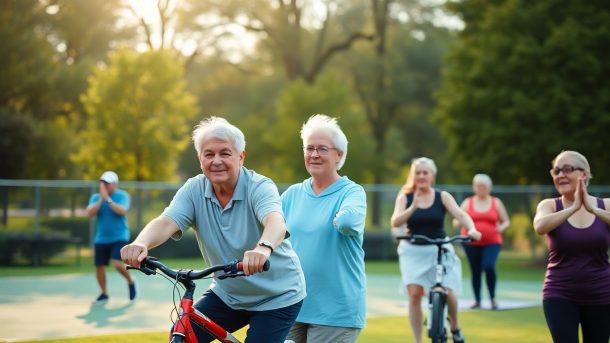
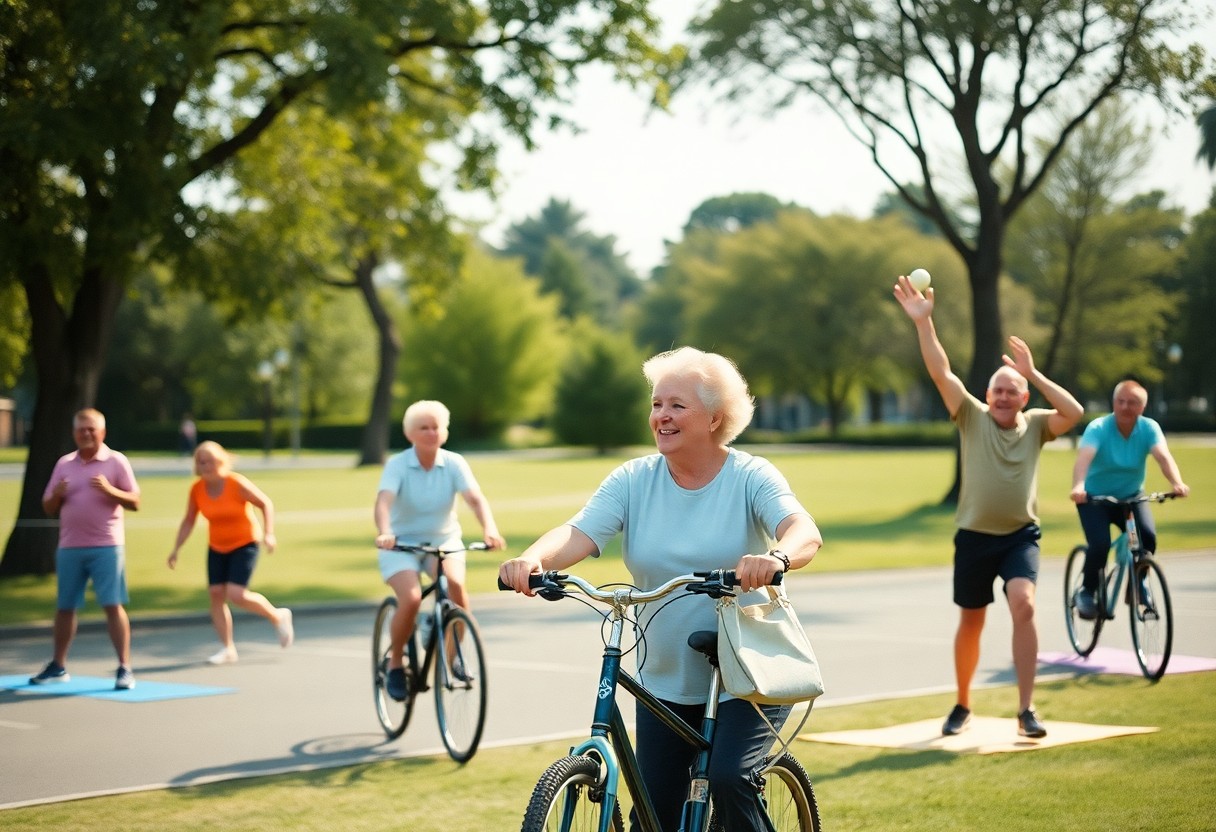
There’s a world of opportunities for you to stay active and enhance your well-being as you age. Engaging in sports not only keeps you physically fit but also fosters social connections and mental sharpness. In this post, you’ll discover the best sports tailored for older adults, each offering unique benefits that can help you maintain your health and vitality. Whether you’re a seasoned athlete or a beginner, there’s something here for everyone looking to enjoy an active lifestyle.

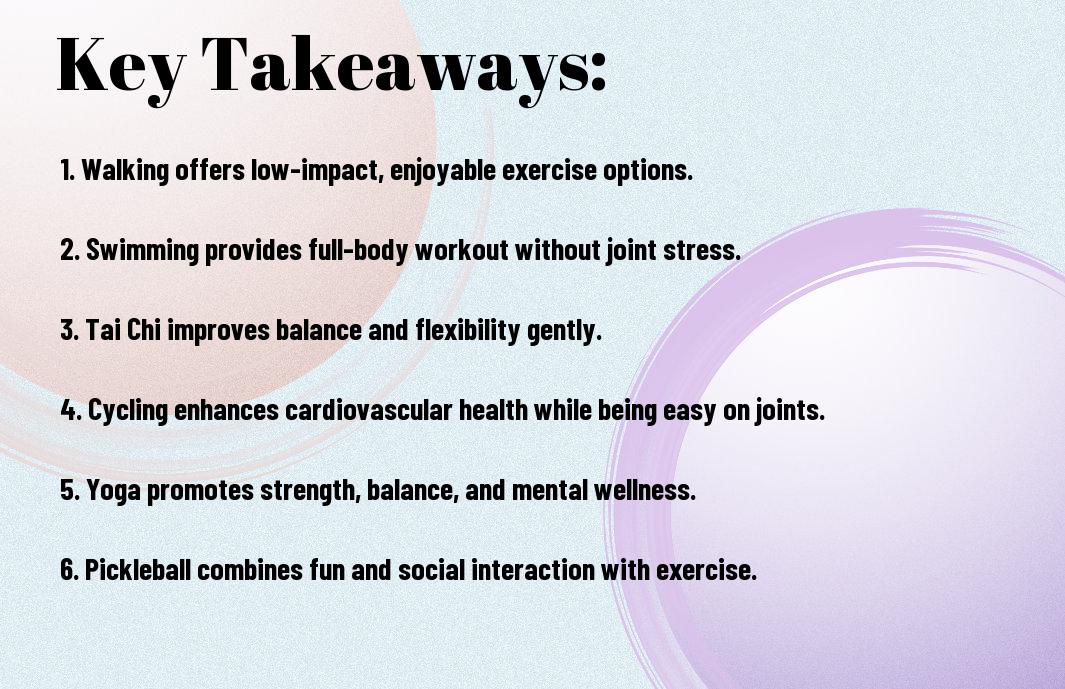
Key Takeaways:

  • Low-Impact Activities: Sports like swimming, cycling, and walking provide excellent cardiovascular benefits while minimizing stress on joints.
  • Strength Training: Incorporating resistance exercises helps maintain muscle mass and bone density, which is vital as we age.
  • Flexibility and Balance: Activities such as yoga and tai chi improve flexibility and balance, reducing the risk of falls and enhancing mobility.
  • Social Engagement: Participating in group sports or classes fosters social connections, which can contribute to mental well-being.
  • Personalization: It’s important to choose activities based on individual fitness levels and preferences to encourage long-term adherence.

Benefits of Staying Active for Older Adults

To enjoy a vibrant and fulfilling life, staying active as you age is imperative. Engaging in regular physical activities can enhance your overall well-being, ensuring you maintain strength, flexibility, and balance. Not only does physical activity improve your physical health, but it also plays a significant role in enhancing your mental and emotional state, ultimately leading to a happier, more satisfying lifestyle.

Physical Health Advantages

Older adults who participate in regular exercise experience a variety of health benefits. Staying active can help manage weight, reduce the risk of chronic diseases, and improve cardiovascular health. You may also find that consistent physical activity enhances your stamina, making daily tasks easier and more enjoyable.

Mental and Emotional Wellbeing

Adults often overlook the positive impact that physical activity can have on mental health. Staying active promotes the release of endorphins, the body’s natural mood lifters, helping to alleviate feelings of anxiety and depression. Regular exercise also contributes to better sleep patterns, which is key to maintaining a balanced emotional state.

It is widely recognized that participating in sports and physical activities can significantly boost your cognitive function. Staying engaged in active pursuits not only sharpens your mind but also provides social connections, combating feelings of loneliness and isolation. Thus, embracing an active lifestyle enriches both your physical and mental well-being, paving the way for a more fulfilling and enjoyable life.

Top Sports for Older Adults

Assuming you are seeking enjoyable ways to stay active, various sports cater to older adults’ needs. These activities prioritize low impact on joints while promoting cardiovascular health, strength, flexibility, and social interaction. From swimming to yoga, you’ll find numerous options that are not only beneficial for your physical health but also enhance mental well-being.

Swimming

Sports such as swimming provide an excellent full-body workout that is gentle on your joints. The buoyancy of water supports your body, allowing you to exercise without excessive strain. Engaging in swimming regularly enhances your cardiovascular fitness, builds muscle strength, and boosts your endurance.

Walking and Hiking

By incorporating walking or hiking into your routine, you enjoy the outdoors while reaping numerous health benefits. These activities improve cardiovascular health, boost mood, and maintain mobility, making them perfect for older adults.

A leisurely walk or a scenic hike allows you to connect with nature and can be done at your own pace. Whether you’re strolling through a park or navigating trails, these activities encourage socialization when done in groups, enhancing your overall experience. Additionally, walking and hiking can help with weight management and improve your balance and coordination over time.

Cycling

Above all, cycling is a fantastic low-impact exercise that can be easily adapted to your personal fitness level. Riding a bike, whether stationary or on a trail, promotes cardiovascular health and improves leg strength without putting too much strain on your joints.

Hence, cycling offers the advantage of being a versatile option—you can choose between solo rides for reflection or group cycling for a social outing. It not only supports your physical health but also provides an enjoyable way to explore your surroundings, thus keeping you engaged and motivated.

Yoga and Pilates

Along with providing physical strength, yoga and Pilates focus on flexibility, balance, and mental clarity. These activities are perfect for improving your posture and reducing stress through mindful movements and breathwork.

This integrative approach helps you increase core strength and mobility, which are crucial as you age. Regular practice can lead to improved balance and coordination, minimizing the risk of falls. Additionally, the meditative aspects of these disciplines contribute to overall well-being, making you feel centered and calm.

Safety Tips for Sports Participation

Unlike younger athletes, older adults require additional precautions when engaging in sports. To ensure a safe experience, consider the following tips:

  • Consult with your doctor before starting any new physical activity.
  • Choose activities suited to your fitness level.
  • Stay hydrated before, during, and after exercise.
  • Use appropriate equipment and wear suitable footwear.
  • Listen to your body and stop if you experience pain or discomfort.

Knowing these safety tips can help you enjoy sports while minimizing the risk of injury.

Understanding Your Limits

Sports activities should challenge you without risking injury; therefore, acknowledging your limits is important. Recognize what your body can handle and avoid overexertion. If you haven’t been active for a while, start slow and gradually increase the intensity of your workouts. Monitor your body’s responses, and make adjustments as necessary to keep yourself safe while still staying active.

Proper Warm-Up and Cool-Down

Tips to prepare your body before and after sports participation can greatly enhance your performance and recovery. A proper warm-up increases blood flow to your muscles, preparing them for physical activity. Likewise, cooling down helps your body transition back to its resting state, reducing soreness. Incorporate gentle stretches and movement into both phases to maintain flexibility and promote overall well-being.

Safety precautions during warm-ups and cool-downs play an important role in preventing injuries. Start with light aerobic exercises to gradually raise your heart rate and loosen your muscles. Follow this with dynamic stretches that mimic the movements of your chosen sport. After your session, allow time for a cool-down that includes static stretches to ease tightness and enhance flexibility. Prioritizing these practices can significantly contribute to your overall sporting experience.

Community Resources and Programs

Keep exploring your community for various resources and programs that support active lifestyles. Local organizations often offer classes, workshops, and sports leagues specifically designed for older adults. Joining these programs can enhance your physical fitness and build valuable social connections. For insights on sport selection in middle age for longevity? : r/slatestarcodex, consider engaging in community discussions and discovering what options are available near you.

Local Sports Clubs and Teams

By participating in local sports clubs and teams, you can not only stay physically active but also foster camaraderie and a sense of belonging. Many clubs cater specifically to older adults, offering inclusive environments where you can engage in various sports at your own pace. Check local listings or community centers for opportunities to join a team in activities such as tennis, bowling, or even walking groups.

Online Platforms for Active Living

The rise of online platforms has made it easier for you to engage in active living from the comfort of your own home. These platforms offer everything from virtual workout classes to forums where you can join like-minded individuals in discussions about health and fitness. You’ll find resources tailored to varying fitness levels, ensuring that you can choose activities that suit your preferences and abilities.

Platforms dedicated to active living often provide guided workouts, fitness tracking, and educational content covering nutrition and wellness. Signing up for an online class or joining a fitness challenge can motivate you to remain consistent in your activities. Engaging in virtual communities centered around active living allows you to exchange experiences and tips, helping you stay inspired on your journey to improved health.

Motivating Factors for Older Adults

Many older adults find that staying active offers numerous benefits that keep them motivated. Consider the following motivating factors:

  • Improved physical health
  • Enhanced mental well-being
  • Increased energy levels
  • Opportunity to socialize
  • Sense of achievement

The combination of these factors not only helps you maintain a healthy lifestyle but also boosts your overall happiness.

Social Engagement

The benefits of social engagement can be profound. Participating in sports or group activities allows you to meet new people, form lasting friendships, and foster a sense of community. These interactions can enrich your life and provide encouragement as you pursue fitness goals.

Setting Personal Goals

On your fitness journey, setting personal goals can significantly enhance motivation and satisfaction. When you establish clear objectives, you have a roadmap to follow, which provides a sense of purpose and direction.

Motivating your journey through personal goal setting allows you to take ownership of your progress. Begin by setting achievable goals, whether it’s walking a certain distance, joining a local sports team, or participating in a friendly competition. Regularly tracking your progress and celebrating small victories along the way will keep your motivation high, ensuring you stay engaged with your chosen activities.

Expert Recommendations

After exploring various activities, it is important to consider expert recommendations for staying active as an older adult. Engaging in low-impact sports like swimming, golf, or walking can significantly enhance your overall well-being. For more information, check out The 10 Best Sports for Seniors | Live an Active Retirement, where you’ll find tips tailored to your unique fitness journey.

Advice from Fitness Professionals

The best advice from fitness professionals emphasizes listening to your body and prioritizing enjoyment in your chosen activities. By selecting activities that resonate with you, you’ll be more likely to remain committed and active over time.

Success Stories from Older Athletes

Expert insights reveal that many older athletes have achieved remarkable feats while embracing sports in their later years. Their experiences can inspire you to take up an activity that suits your interests and abilities.

Athletes like 92-year-old marathon runner Fauja Singh and swimmer Diana Nyad, who completed a historic swim at age 64, showcase how you can redefine age limits through sports. These inspiring stories illustrate the myriad of possibilities that await you, proving that it’s never too late to pursue your athletic passions.

Conclusion

To wrap up, engaging in sports is an excellent way for you to maintain your physical health and enhance your overall well-being as you age. Activities like swimming, golf, and walking are not only enjoyable but can also keep you active and socially engaged. For more insights on the best sports suited for older adults, consider exploring the link for the Best Sports For Older Adults, According To Experts. By participating in these activities, you can create a fulfilling and healthier lifestyle.

Q: What are some low-impact sports suitable for older adults?

A: Low-impact sports are ideal for older adults as they minimize the risk of injury while still providing health benefits. Some excellent options include walking, swimming, cycling, and tai chi. Walking is easily accessible and can be done at one’s own pace. Swimming is gentle on the joints and provides a full-body workout. Cycling, either on a stationary bike or outdoors, offers cardiovascular benefits with low strain. Tai chi enhances balance and flexibility while promoting relaxation and mental well-being.

Q: How can older adults get started with sports or physical activities?

A: Starting a new sport or physical activity involves setting realistic goals and progressively building endurance. It’s a good idea for older adults to consult with a healthcare provider before beginning any new activity, especially if they have existing health concerns. Picking a sport of interest can make the process enjoyable. Begin with short sessions, gradually increasing duration and intensity while paying attention to body signals. Joining group classes or community programs can provide support and motivation, making it easier to stay committed.

Q: What are the benefits of staying active through sports for older adults?

A: Participating in sports offers numerous benefits for older adults, including improved physical health, enhanced mental well-being, and increased social interaction. Regular physical activity helps in maintaining mobility, flexibility, and strength, reducing the risk of chronic illnesses. Mentally, staying active can boost mood and cognitive function, decreasing feelings of anxiety and depression. Furthermore, engaging in sports often leads to meeting new people, fostering friendships, and building a sense of community, all of which contribute to overall life satisfaction.

Skip to content