
How to Develop Speed for Competitive Track and Field

You have the potential to elevate your track and field performance by developing your speed. In this guide, you’ll explore various training techniques, drills, and nutritional strategies that can help you reach your peak speed. From sprinting mechanics to strength training, each element plays a vital role in your development as an athlete. For more in-depth insights on speed improvement, check out this article on How Do You Get Fast. Embrace the journey and transform your speed on the track.

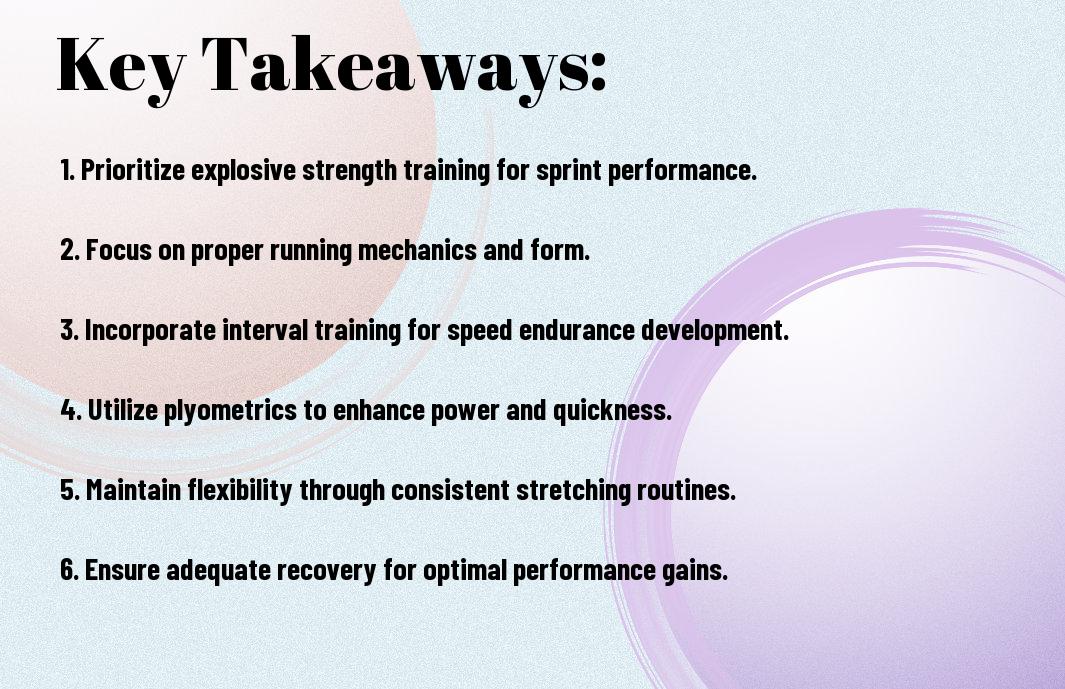
Key Takeaways:

  • Technique: Focus on refining your running form to enhance efficiency and reduce energy expenditure.
  • Strength Training: Integrate specific strength workouts that target the muscles used in sprinting to improve power and speed.
  • Speed Workouts: Incorporate various speed drills and interval training sessions to develop explosive acceleration and top-end speed.
  • Flexibility: Maintain a regular stretching and mobility routine to improve range of motion and prevent injuries.
  • Nutrition: Fuel your body with the right nutrients to support training demands and recovery for optimal performance.
Understanding Speed in Track and Field

The concept of speed in track and field extends beyond just moving quickly; it encompasses technique, biomechanics, and conditioning. Athletes must explore various factors, including stride length, frequency, and energy expenditure, to optimize their performance. Discussing how speed works in the context of races helps you understand how to implement different strategies for improvement and success on the track.

The Science of Speed

Against the backdrop of athletic performance, speed is the result of an intricate interplay between muscle fibers, energy systems, and proper biomechanics. The human body utilizes fast-twitch muscle fibers for short bursts of speed while relying on energy pathways like ATP-CP and glycolysis to fuel those efforts. Understanding these elements empowers you to train effectively and maximize your speed potential.

Importance of Speed in Competitive Events

Among the various attributes of a successful athlete, speed often stands out as a defining factor. It can make the difference between winning and losing, especially in sprints and middle-distance races. Your ability to accelerate quickly not only impacts your performance but also influences how competitors perceive your capabilities during a competition.

Hence, developing speed isn’t just about personal bests; it impacts your overall placement in races and the likelihood of achieving podium finishes. In events such as the 100 meters or 400 meters, even a fraction of a second can determine an athlete’s fate. Cultivating speed enhances your competitive edge, allowing you to adapt your race strategies and respond effectively to your opponents. A focus on speed ultimately equips you with the tools needed to excel in various track and field settings.

Training Methods for Speed Development

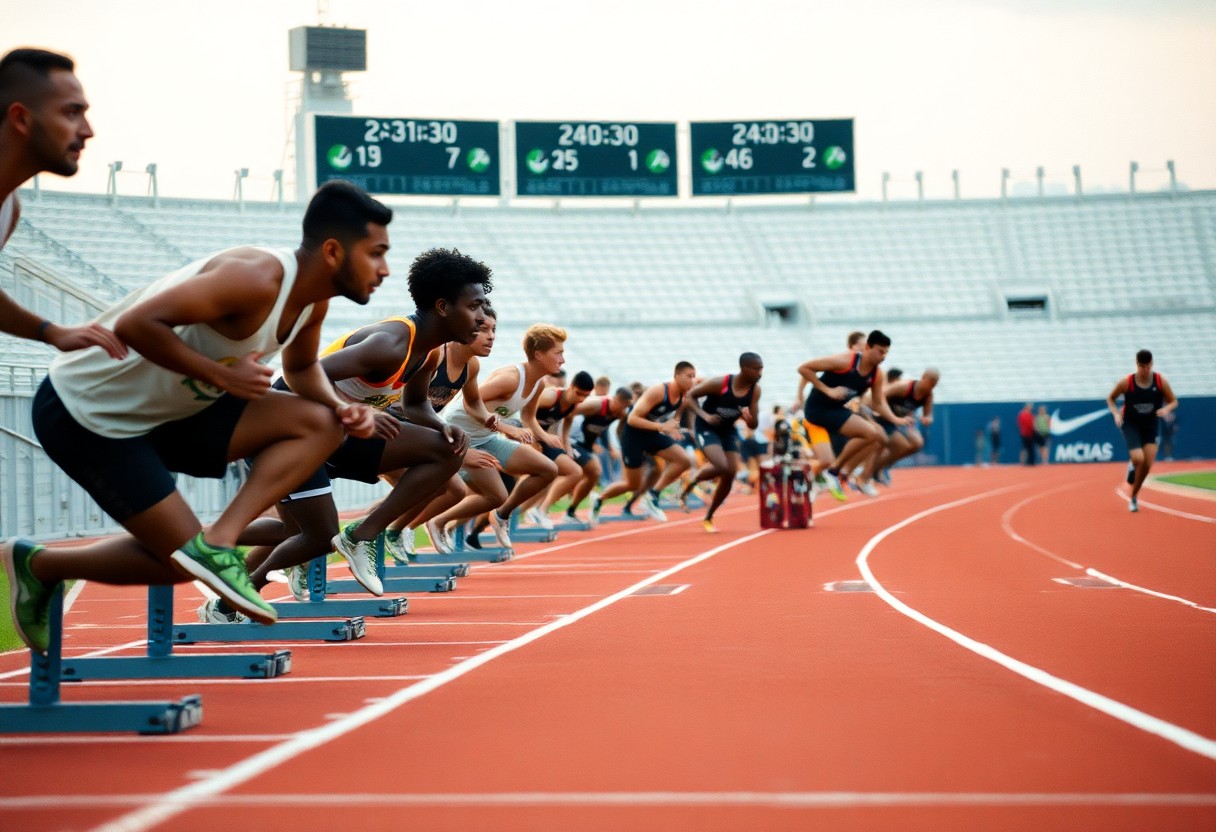
Clearly, developing speed for competitive track and field requires a structured training approach that encompasses various methodologies. Incorporating sprint drills, explosive strength training, and specific conditioning techniques will enhance your overall speed capabilities. It’s necessary to focus on both technical aspects and physical fitness to achieve peak performance on the track.

Sprint Drills and Techniques

By focusing on specific sprint drills and techniques, you can improve your acceleration, stride length, and overall running mechanics. Techniques such as high knees, butt kicks, and A-skips will enhance your form while also developing the necessary muscle memory. Incorporating these drills into your training regimen will help you run faster and more efficiently.

Strength and Conditioning for Speed

Strength training plays an integral role in developing speed, as it enhances muscle power and increases your overall athletic performance. Implementing exercises that target your lower body, such as squats, deadlifts, and plyometric movements, will strengthen your fast-twitch muscle fibers, directly contributing to quicker sprinting times.

Due to the nature of sprinting, where power output is necessary, your strength and conditioning regimen should prioritize explosive movements. Incorporating plyometric exercises, such as box jumps and power cleans, along with traditional weightlifting, will significantly enhance your ability to generate speed. Additionally, integrating core-strengthening exercises will improve your stability and efficiency during sprints, enabling you to maintain a strong posture while maximizing your speed on the track.
The Role of Nutrition in Speed Enhancement

After honing your training regimen, the next step to enhancing your speed is optimizing your nutrition. Proper nutrition not only fuels your workouts but also aids recovery, allowing you to train harder and perform better on race day. A balanced diet rich in carbohydrates, proteins, and healthy fats provides the energy needed for explosive speed and helps repair muscles after intense training sessions. Prioritizing nutrient-dense foods will ensure you’re equipped for peak performance.

Fueling for Performance

Role of nutrition in your athletic performance cannot be understated. You should focus on consuming a variety of carbohydrates to provide the energy required for high-intensity runs. Incorporate whole grains, fruits, and vegetables into your meals while ensuring sufficient protein intake for muscle repair. Timing your meals around workouts, with a focus on eating a carbohydrate-rich snack post-exercise, will enhance your overall energy levels and speed on the track.

Recovery and Hydration Strategies

About 70% of your body is water, making hydration a vital component in your training regimen. You need to replace fluids lost during workouts, as even mild dehydration can negatively impact your performance. Include sports drinks with electrolytes during intense sessions to maintain fluid balance and replenish lost nutrients. Recovery meals containing protein and carbs within 30 minutes after exercising will help your muscles repair efficiently, enabling you to build speed.

And, for optimal hydration, you should monitor your fluid intake throughout the day, not just during workouts. Aim for at least half your body weight in ounces of water daily and adjust based on your level of activity. Including fruits and vegetables with high water content can further support your hydration needs. By combining adequate recovery nutrition with consistent hydration, you will experience notable improvements in your speed and overall athletic performance.

Mental Preparation for Speed

All athletes for competitive track and field understand that developing speed isn’t solely about physical training; mental preparation plays an integral role. Your mindset directly influences your performance on the track. By focusing on mental conditioning techniques, you can cultivate the confidence and resilience needed to excel. Embrace strategies that help you harness your mental strength, and you’ll find that your physical capabilities can reach new heights.

Visualization Techniques

Above all, visualization techniques are a powerful tool that can enhance your speed training. By vividly imagining yourself executing perfect sprints, racing against your personal best, or crossing the finish line first, you engage your subconscious mind. This mental rehearsal prepares you for actual competition, reinforcing muscle memory and building confidence in your abilities.

The Importance of Focus and Motivation

On the other hand, maintaining focus and motivation is vital for achieving peak speed. You need to channel your energy effectively, prioritizing your goals and keeping distractions at bay. The more focused you are, the better you can execute your training and compete.

For instance, setting clear objectives and regularly revisiting them can greatly enhance your motivation. Write down your goals and visualize achieving them daily. Create a routine that reinforces focus, whether through meditation, breathing exercises, or consistent practice. When your mind is sharp and engaged, you’ll find it easier to push your physical limits and achieve the speed you aspire to in competitive track and field.

Monitoring Progress and Adjustments

Now that you have implemented various training strategies to develop your speed, it’s necessary to continuously monitor your progress and make necessary adjustments. Keeping a detailed log of your workouts, times, and how you feel during each session can help you identify patterns and areas that require improvement. For insights into effective speed training, check out Track and Field Exercises for Speed: Boosting Athletic ….

Setting Goals and Tracking Performance

Along your speed development journey, setting specific, measurable goals is vital for tracking your performance accurately. By establishing clear objectives, you can create a benchmark to assess your improvements and remain motivated.

Adapting Training Plans

An effective training plan is not static; it requires adjustments based on your progress and performance metrics. This means regularly assessing how your body responds to workouts and modifying your plan to align with your goals and any challenges you might encounter. Utilizing feedback from your performance data can help tailor your regimen, ensuring you stay on the right track toward improved speed.

This approach to adapting your training plans helps you respond dynamically to your body’s needs. For example, if you find that certain workouts are not yielding the desired results, consider revisiting your technique or intensity levels. Additionally, listen to your body to prevent overtraining or injury. Continuous assessment and flexibility in your training strategy will play a significant role in your speed development journey.

Common Mistakes to Avoid

To excel in competitive track and field, you must avoid common pitfalls that can hinder your progress. Many athletes neglect proper technique, focusing solely on speed. This not only compromises your performance but can also lead to injuries. It’s also vital not to skip necessary drills or to overlook the importance of a well-rounded training regimen, which encompasses strength, flexibility, and stamina.

Overtraining and Its Effects

Among the various mistakes you can make, overtraining is particularly detrimental. Pushing your body beyond its limits without allowing adequate recovery time can lead to decreased performance, fatigue, and even injury. Be mindful of your body’s signals and implement a balanced approach to training.

Neglecting Recovery

By failing to prioritize recovery, you risk hampering your speed development. Recovery is vital for muscle repair and overall performance enhancement. Inadequate rest can lead to fatigue, impacting your ability to perform at your best during training and competition.

Common misconceptions suggest that all training should be intense, leading to a disregard for recovery protocols. However, integrating rest days, proper nutrition, and techniques such as stretching and foam rolling will significantly enhance your performance. Taking time to recover is not just beneficial; it is necessary for your progress in track and field. Invest in restorative practices to ensure you can consistently perform at high levels and reduce the risk of injuries.

Conclusion

Summing up, developing speed for competitive track and field requires a structured approach that combines strength training, sprint drills, and proper technique. You should focus on your running form, incorporate interval workouts, and ensure adequate recovery. Nutrition plays a significant role, so prioritize a balanced diet to fuel your performance. Consistently track your progress and adjust your training as needed to maximize your speed. By following these guidelines, you can enhance your speed and gain a competitive edge on the track.

FAQ

Q: What are the necessary components of a training program to develop speed for track and field?

A: An effective training program for developing speed should include several key components: sprinting drills, strength training, flexibility exercises, and recovery periods. Sprinting drills such as short sprints, acceleration work, and flying sprints help enhance running technique and speed. Strength training should focus on building explosive power through exercises like squats, deadlifts, and plyometrics. Flexibility exercises, including dynamic stretching and mobility work, improve range of motion and prevent injuries. Lastly, proper recovery techniques, including rest days, hydration, and nutrition, are necessary to allow the body to adapt to the training stress and promote muscle growth.

Q: How can I incorporate proper sprinting techniques into my training routine?

A: Incorporating proper sprinting techniques into your training can significantly enhance your speed. Focus on running mechanics, including posture, arm movement, and foot placement. Practicing drills like high knees, butt kicks, and bounding can help ingrain these mechanics. Additionally, video analysis can be beneficial; recording your sprints allows you to identify areas for improvement. Working with a coach or attending a speed clinic can also provide valuable feedback on your form and technique, ensuring you develop a strong foundation for competitive racing.

Q: How important is nutrition in developing speed for track and field, and what should I focus on?

A: Nutrition plays a significant role in supporting speed development for track and field athletes. A well-balanced diet that includes carbohydrates, proteins, and healthy fats is vital for fueling workouts and recovery. Carbohydrates are the primary energy source for high-intensity training, so including whole grains, fruits, and vegetables in your meals is important. Protein intake aids in muscle recovery and repair; incorporating lean meats, beans, and dairy products can help meet protein needs. Staying hydrated is also necessary for maintaining performance, so ensuring adequate fluid intake before, during, and after training is key. Consulting with a sports nutritionist can help tailor your dietary needs to support your speed development goals effectively.

The Importance of Mental Toughness in Sports

You may often hear about physical training and skill development as key components of athletic success, but mental toughness plays an equally vital role in your performance. This mental resilience allows you to push through challenges, stay focused under pressure, and remain committed to your goals. By honing your mental toughness, you’ll enhance your ability to cope with adversity, manage stress, and maintain confidence in your skills, ultimately leading to improved outcomes in your sport. Understanding and developing this critical aspect can set you apart from your competitors and elevate your overall athletic experience.

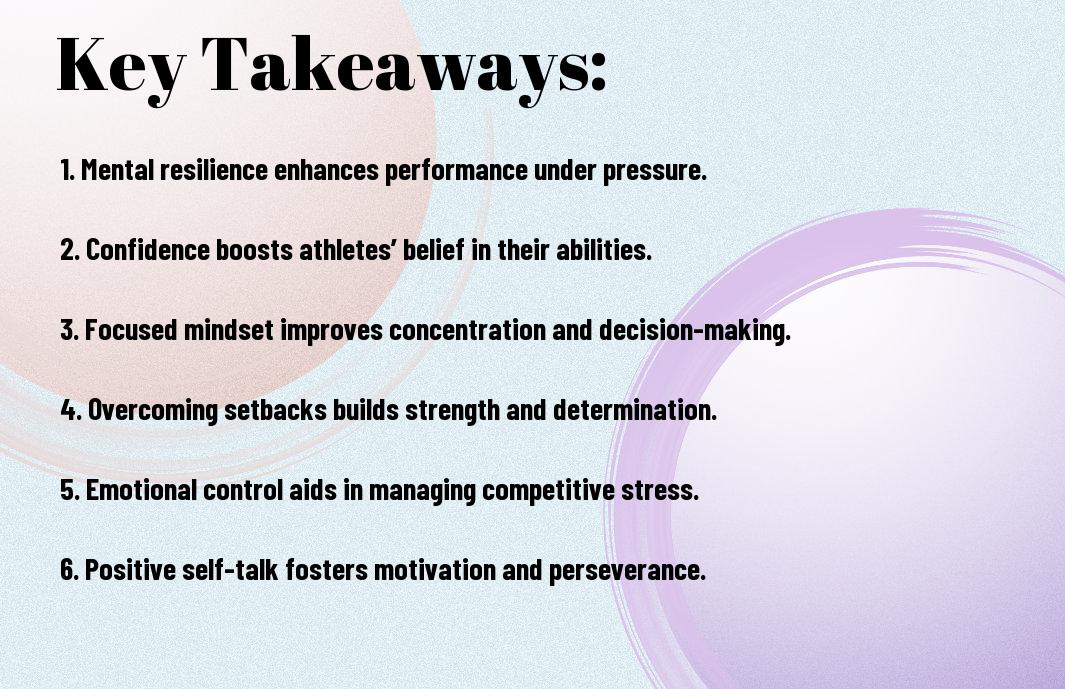
Key Takeaways:

  • Mental Resilience: Athletes showcase their ability to bounce back from setbacks and failures, which is vital for sustained performance.
  • Focus and Concentration: The capability to maintain focus during high-pressure situations significantly impacts an athlete’s performance.
  • Emotional Regulation: Managing emotions effectively allows athletes to perform consistently without being derailed by stress or anxiety.
  • Goal Setting: Establishing clear and achievable goals helps athletes stay motivated and driven towards their performance objectives.
  • Confidence Building: Developing mental toughness enhances self-belief, enabling athletes to take risks and tackle challenges head-on.

Defining Mental Toughness

Before delving into the depths of sports performance, it’s imperative to understand what mental toughness really means. It’s the ability to remain focused, resilient, and determined even in the face of adversity. Mental toughness allows you to persevere through challenges, maintain a positive attitude, and consistently perform at your best, regardless of external pressures or setbacks.

Characteristics of Mentally Tough Athletes

Below are key traits that define mentally tough athletes. They demonstrate unwavering confidence, focus on their goals, and maintain a high level of commitment to their training. Moreover, they adapt well to change and recover quickly from setbacks, viewing challenges as opportunities for growth rather than obstacles.

The Psychology Behind Mental Resilience

Mentally tough athletes possess a unique psychological makeup that contributes to their resilience. They tend to have a strong sense of self-efficacy and a growth mindset, which drives them to embrace challenges and view failures as learning experiences.

Athletes often cultivate mental resilience through deliberate practice and exposure to stressors. This mindset can be reinforced by setting realistic goals and maintaining a positive internal dialogue. By focusing on what you can control and developing coping strategies, you can enhance your ability to bounce back from adversity. Building mental resilience not only improves your performance in sports but also helps you in everyday challenges, creating a robust foundation for success both on and off the field.

The Role of Mental Toughness in Performance

Some athletes underestimate the profound impact mental toughness has on their overall performance. This psychological strength not only affects how you respond to pressure but also shapes your confidence and resilience. Athletes who cultivate mental toughness are better equipped to handle challenging situations and maintain peak performance, even when faced with intensely competitive environments.

Overcoming Adversity in Sports

Behind every successful athlete lies a story of overcoming adversity. Whether it’s dealing with injuries, setbacks, or fierce competition, your ability to confront and navigate these challenges defines your sporting journey. Mental toughness enables you to push through hardships and emerge stronger, ultimately leading to greater achievements.

Maintaining Focus and Consistency

Behind the scenes of every great performance is a dedication to focus and consistency. As an athlete, your ability to concentrate on your goals and maintain a disciplined routine sets you apart from the competition. Mental toughness plays a vital role in keeping distractions at bay, allowing you to fully engage in your training and competitions.

Consequently, honing your focus not only enhances your performance but also reinforces the habits necessary for long-term success. By concentrating on your training regimen and minimizing external distractions, you’ll find it easier to execute your skills consistently under pressure. This unwavering commitment to improvement empowers you to elevate your game while instilling a sense of confidence that persists throughout your athletic career.

Strategies to Develop Mental Toughness

Keep in mind that developing mental toughness is a strategic process. Incorporating consistent techniques can greatly enhance your resilience. Research highlights the impact of mental toughness on athlete’s performance and overall well-being. You’ll find that structured approaches, such as visualization, goal setting, and mindfulness, can foster the tenacity needed to push through challenges in sports.

Visualization Techniques

Beside traditional training, visualization techniques play a vital role in building mental toughness. By mentally rehearsing your performance and envisioning success, you create neural pathways that enhance your actual performance. Committing to visualization sessions can help boost your confidence and reduce anxiety before competitions.

Goal Setting and Mindfulness Practices

Above all, setting clear goals combined with mindfulness practices can significantly enhance your mental toughness. These strategies keep you focused and present, enabling you to break down larger objectives into manageable tasks. This focused mindset aids in maintaining motivation and clarity under pressure.

For instance, by setting SMART (Specific, Measurable, Achievable, Relevant, Time-bound) goals, you can track your progress and celebrate small victories along your journey. Coupling this with mindfulness practices, such as meditation or deep-breathing exercises, will help you stay centered and calm, ultimately enhancing your performance and boosting your mental strength.

The Impact of Coaching on Mental Toughness

Not all coaches recognize the significance of instilling mental toughness in their athletes. Effective coaching goes beyond technical skills, emphasizing resilience, composure under pressure, and the ability to push through adversity. As a coach, you have the power to cultivate a mindset that embraces challenges, encouraging your athletes to develop a strong mental framework. When you prioritize mental toughness in your coaching philosophy, you lay the groundwork for athletes to excel not only in sports but also in life.

Building a Mentally Tough Team Culture

Before fostering a mentally tough team culture, assess the current dynamics and values within your team. Establish an environment where challenges are viewed as opportunities for growth. Promote communication, trust, and support among team members, ensuring everyone understands the importance of resilience. Encourage athletes to share their experiences and learn from one another, reinforcing a collective approach to developing mental toughness and fostering a sense of unity.

Training Methods and Mental Resilience

Along with creating a supportive culture, incorporating specific training methods can enhance mental resilience among your athletes. Strengthening mental toughness requires deliberate practice that challenges individuals to confront their limits, overcome setbacks, and stay focused under pressure. By integrating mental conditioning techniques such as visualization, goal-setting, and positive self-talk into your training regime, you empower athletes to build a robust mental framework that will serve them well during competition.

Further, utilizing simulations of high-pressure scenarios during practice can be exceptionally beneficial. By replicating the intensity and unpredictabilities of actual competition, you help athletes learn to manage stress and maintain focus. This not only reinforces their tactical skills but also fortifies their mental resilience. Consider integrating team-building exercises that foster camaraderie and shared experiences, ensuring that your athletes face challenges cohesively, as a united front capable of overcoming obstacles both on and off the field.

Case Studies of Mentally Tough Athletes

After exploring the foundations of mental toughness, it’s vital to look at real-world examples. Here are several case studies showcasing athletes renowned for their mental resilience:

  • Michael Jordan: Overcame numerous setbacks, including being cut from his high school basketball team, to become a six-time NBA champion.
  • Serena Williams: Faced health challenges and personal tragedies but returned to win 23 Grand Slam titles.
  • Tom Brady: Overcame early career doubts, leading to seven Super Bowl victories, proving persistence pays off.
  • Usain Bolt: Battled injuries and setbacks but still clinched eight Olympic gold medals, reflecting unwavering determination.

Iconic Stories of Perseverance

Above all, the stories of athletes like Lance Armstrong, who returned to sports after battling cancer, remind you that mental toughness can often mean overcoming life’s extraordinary challenges. Their journeys illustrate remarkable determination, showing you that greatness often requires pushing through adversity.

Lessons Learned from Elite Performers

Along your journey, elite performers teach you vital lessons about mental toughness, one of which is the importance of maintaining focus and resilience under pressure. Their experiences highlight how honing your mindset can greatly influence your performance.

A key takeaway from observing elite athletes is the intentional practice of mental toughness strategies. They utilize visualization techniques, set specific goals, and maintain a positive self-talk routine. By integrating these methods into your training, you can enhance your mental grit, enabling you to navigate challenges effectively and succeed under pressure. Ultimately, following their example allows you to cultivate a mindset that can elevate your performance in sports and beyond.

The Connection Between Mental Toughness and Injury Recovery

Despite the physical challenges you may face during injury recovery, mental toughness plays a pivotal role in your rehabilitation. Your mindset can significantly influence your recovery speed and effectiveness, fostering resilience against the psychological hurdles that arise. Embracing mental toughness in sports: the psychology of mind set can enhance your overall performance and diminish the emotional toll of setbacks.

Mental Strength During Rehabilitation

Below are strategies you can utilize to bolster your mental strength throughout your rehabilitation process. Setting realistic goals, maintaining a positive outlook, and visualizing successful recovery can empower you to stay focused and motivated. By developing a strong mental framework, you’ll enhance your ability to cope with the physical limitations caused by your injury.

The Role of Support Systems

Recovery from an injury can be a challenging journey, but the support systems you have in place can make a significant difference. By surrounding yourself with teammates, coaches, friends, and family, you create a network that provides encouragement and accountability. Having individuals who understand your struggles helps you stay motivated and can lighten the emotional burden of recovery.

Indeed, these support systems serve as a vital source of strength during your rehabilitation. Engaging with them promotes a sense of belonging and camaraderie, allowing you to share your experience and learn from others who may have faced similar situations. Their encouragement can foster resilience, help you stay committed to your recovery, and ultimately enhance your return to sport. Building strong connections with your support systems may well be the key to thriving in your rehabilitation journey.

Conclusion

As a reminder, developing mental toughness in sports is important for enhancing your performance and resilience. It empowers you to navigate challenges, maintain focus under pressure, and consistently achieve your goals. By fostering a strong mental attitude, you transform not just your game, but your overall approach to competition and teamwork. Investing in your mental strength will undoubtedly elevate your athletic journey and personal growth, allowing you to thrive, regardless of the obstacles you face.

Q: Why is mental toughness considered imperative for athletes?

A: Mental toughness is fundamental for athletes as it enables them to perform at their best under pressure. It involves having the resilience to face challenges, maintain focus, and push through adversity during competitions. Athletes with strong mental toughness are able to set and achieve goals, recover from setbacks, and maintain motivation over a long season. This mental fortitude sets them apart from their competition, allowing them to excel in critical moments and sustain high levels of performance.

Q: How does mental toughness affect an athlete’s performance?

A: Mental toughness greatly influences an athlete’s performance by shaping their mindset and reaction to various competitive situations. Athletes who possess this resilience tend to exhibit greater confidence, enhancing their ability to make decisions under duress. Furthermore, mental toughness allows individuals to maintain composure, even when faced with challenging or unexpected circumstances, helping reduce anxiety levels which can hinder performance. This ability to remain focused and driven often leads to improved outcomes during events.

Q: What strategies can athletes use to develop mental toughness?

A: Athletes can adopt several strategies to cultivate mental toughness, including setting realistic goals, engaging in visualization techniques, and practicing mindfulness. Regularly reviewing their performance and identifying areas for improvement fosters a growth mindset. Incorporating routine stress management techniques, such as deep breathing exercises and positive self-talk, can also enhance resilience. Finally, seeking feedback from coaches and peers promotes a supportive environment that further strengthens an athlete’s mental resilience over time.

How to Cross-Train for Multiple Sports

Fitness is not just about excelling in one sport; it’s about enhancing your overall athletic performance across various disciplines. By incorporating cross-training into your routine, you can build strength, improve endurance, and reduce the risk of injury. This guide will provide you with imperative tips and strategies to effectively combine training for multiple sports, allowing you to diversify your skills and stay engaged in your athletic pursuits. Whether you are a beginner or an experienced athlete, optimizing your training approach can lead to significant improvements in your performance.

Key Takeaways:

  • Assess your primary sport to understand specific demands and muscle groups used.
  • Create a balanced training schedule that incorporates exercises from each sport.
  • Incorporate multi-disciplinary exercises to improve overall fitness and agility.
  • Focus on recovery and nutrition to support multiple training regimens.
  • Track your progress and adjust your routines to prevent plateauing and injuries.

Benefits of Cross-Training

While specializing in one sport has its advantages, cross-training provides unique benefits that can significantly enhance your athletic journey. This approach not only diversifies your training routine but also boosts your overall fitness, making you a more versatile athlete. By engaging in various activities, you can improve your strength, endurance, and agility while keeping your workouts fresh and exciting, ultimately leading to better performance and enjoyment in your primary sport.

Enhanced Athletic Performance

Cross-training can elevate your athletic performance by incorporating different physical demands to challenge your body in new ways. By diversifying your routine, you engage different muscle groups and improve overall fitness, allowing you to enhance skills specific to your main sport. This combination increases your stamina, speed, and power, giving you an edge over your competition.

Injury Prevention

By incorporating various exercises into your training regimen, you minimize the risk of overuse injuries that often occur when focusing on a single sport. Engaging different muscle groups helps maintain balanced strength and flexibility, promoting better biomechanics. This holistic approach can significantly reduce the likelihood of strain or damage, enabling you to stay active longer.

Due to the repetitive nature of many sports, it’s common for athletes to develop muscle imbalances or overuse injuries. By cross-training, you can target weak or neglected areas, ensuring that your body remains strong and resilient. Additionally, varying your training intensity and type allows your body to recover and adapt properly, further safeguarding against injuries. This proactive strategy leads to more sustainable athletic performance and longer careers in sports.

Assessing Your Current Skill Level

Assuming you want to excel in multiple sports, it’s important to assess your current skill level. Analyze your strengths and weaknesses in each sport to identify areas for improvement. This evaluation will help you understand where to focus your training efforts and how to effectively allocate your time between different sports.

Self-Evaluation Techniques

About self-evaluation techniques, it’s beneficial to take the time to critically assess your performance. Keeping a training log is a great way to monitor progress, or you might consider recording videos of your practice sessions. Both methods allow you to spot areas that need enhancement and track your development over time.

Setting Realistic Goals

Beside assessing skills, establishing realistic goals is key to your cross-training success. Focus on setting specific, measurable, achievable, relevant, and time-bound (SMART) objectives tailored to your individual circumstances. By doing this, you can create a structured plan that encourages consistent improvements while avoiding potential burnout.

Techniques for setting realistic goals include breaking down larger ambitions into smaller, manageable milestones. This approach not only makes your objectives less overwhelming but also helps you celebrate progress along the way. Reflect regularly on your goals to ensure they align with your evolving skills in different sports, and adjust as necessary to stay motivated and engaged in your training journey.

Designing a Cross-Training Program

To create an effective cross-training program, begin by evaluating your primary sport’s needs and the skills you want to enhance. Incorporate strength training, endurance workouts, and flexibility exercises tailored to support your selected disciplines. Consider using resources like How to train for multiple sports to refine your approach and structure your training sessions appropriately.

Choosing Complementary Sports

Above all, selecting complementary sports that enhance your primary activity is vital. Look for disciplines that promote similar muscle groups or skills, such as swimming for runners or cycling for triathletes. By integrating these sports, you can diversify your training and reduce the risk of injury while improving overall performance.

Creating a Balanced Schedule

On top of choosing suitable activities, it’s crucial to establish a balanced training schedule that accommodates each sport without overwhelming your body. Plan your training sessions to alternate between high-intensity exercises and recovery days, ensuring you allow adequate time for rest and adaptation.

To achieve a balanced schedule, prioritize your primary sport’s training while integrating complementary activities. Aim to train each discipline at least once a week, dedicating specific days for strength, endurance, and skill development. Utilize a training calendar to visualize your week and adjust based on your energy levels and progress. This systematic approach will help maintain motivation, prevent burnout, and maximize performance across multiple sports.

Nutrition and Recovery Strategies

Now that you understand the importance of cross-training, focusing on nutrition and recovery strategies will enhance your performance in multiple sports. To fuel your body adequately, you should prioritize a balanced diet rich in carbohydrates, proteins, and healthy fats while staying hydrated. Implementing effective recovery techniques will help to replenish your energy and promote muscle repair, ensuring that you are always ready for the next training session or competition.

Fueling for Multiple Sports

An effective fueling strategy involves consuming the right nutrients before, during, and after workouts. Incorporate a variety of whole foods, such as fruits, vegetables, lean proteins, and whole grains, to support your different training demands. Pay attention to your body’s signals, adjust your portion sizes, and experiment with meal timing to optimize performance.

Importance of Rest and Recovery

Between your training sessions, rest and recovery play significant roles in maximizing your performance across multiple sports. These periods allow your muscles to repair and strengthen while reducing the risk of injury caused by overtraining. Prioritizing sleep, hydration, and active recovery techniques, such as stretching or foam rolling, will give your body the time it needs to bounce back.

But it’s imperative to recognize that recovery isn’t just about taking a break; it’s an active process that requires your attention. By incorporating rest days into your training schedule and listening to your body’s feedback, you can prevent fatigue and burnout. Consider scheduling restorative techniques like yoga or meditation, which can help improve your flexibility and mental focus, further enhancing your overall athletic performance.

Monitoring Progress and Adjustments

After establishing your cross-training routine, it’s necessary to monitor your progress and make adjustments as needed. Regular assessments will help you identify strengths and weaknesses, ensuring you maximize your training efforts. Consider integrating resources like How to Train as a Multi-Sport Athlete for additional insights and strategies.

Tracking Performance Metrics

Monitoring your performance metrics will provide valuable data about your training efficacy. Use tools such as GPS watches, heart rate monitors, or performance apps to track your speed, endurance, and recovery times. By analyzing these metrics over time, you can identify trends, make data-driven decisions, and stay on track towards your athletic goals.

Adapting Your Training Plan

An effective training program is one that evolves. As you progress, you may find that certain exercises or intensities no longer yield the desired results. It’s necessary to listen to your body and adjust your training plan accordingly to maintain optimal performance and prevent injury.

To adapt your training plan effectively, regularly evaluate your performance and recovery. If you notice fatigue or a plateau, consider changing the focus of your workouts, whether that means increasing intensity, altering your rest days, or integrating new exercises. Listening to feedback from your body and being open to modifications will ensure your training remains aligned with your goals and well-being.

Common Mistakes to Avoid

Despite the benefits of cross-training, many athletes fall into common pitfalls that can hinder progress. One major mistake is failing to properly balance workouts, leading to overemphasis on certain types of training while neglecting others. It’s important to ensure that each activity contributes to your overall performance, as inconsistencies in training can lead to burnout and decreased motivation.

Overtraining Risks

On the path to improving your performance across multiple sports, it’s easy to push your limits too far. Overtraining can lead to fatigue, decreased performance, and even injury. Be mindful of your body’s signals, and incorporate rest days to allow for full recovery. Establishing a balanced schedule is key to avoiding these risks while still reaping the benefits of cross-training.

Neglecting Technique

Along with balancing your workouts, it’s vital to pay attention to technique. Ignoring proper form in any sport can lead to inefficient performance or injury, negating the advantages of cross-training. Prioritizing the fundamentals of each activity will help you improve skills across sports, ultimately enhancing your overall athleticism.

Technique is the foundation that supports your athletic performance in any sport. When you focus on executing movements correctly, you not only reduce the risk of injury but also enhance your efficiency and effectiveness in various activities. By incorporating drills that improve your technique, you ensure that the skills you develop in one sport translate effectively to others, giving you a competitive edge.

Q: What is cross-training and how does it benefit athletes participating in multiple sports?

A: Cross-training involves incorporating various forms of exercise into an athlete’s routine to improve overall performance and reduce the risk of injury. For athletes involved in multiple sports, cross-training allows them to develop different muscle groups, enhance cardiovascular fitness, and prevent overuse injuries common in their primary sport. By engaging in different activities, such as swimming, cycling, or strength training, athletes can maintain their fitness levels while also enhancing their skills and endurance across all sports they participate in.

Q: How can I effectively structure a cross-training program for different sports?

A: To create an effective cross-training program, first evaluate the demands and physical requirements of each sport you participate in. Design a weekly schedule that includes different types of workouts targeting strength, flexibility, and endurance. For example, incorporate swimming sessions to build cardiovascular strength, strength training for muscle development, and flexibility exercises like yoga to improve overall mobility. It’s also beneficial to include sport-specific drills within the program to maintain proficiency in each sport. Adjust the intensity and frequency based on your competition schedule and personal fitness level.

Q: What should I consider when integrating recovery into my cross-training routine?

A: Recovery is an important aspect of any cross-training routine, especially when participating in multiple sports. Pay attention to signs of fatigue and allow sufficient time for rest and recuperation. Incorporate active recovery days that may include light activities like walking or gentle stretching. Also, prioritize hydration, nutrition, and adequate sleep as these factors significantly influence recovery. If you notice persistent soreness or fatigue, consider consulting with a coach or a sports specialist to adjust your training plan accordingly. Balancing training and recovery will ensure you maintain peak performance across all sports.

The Benefits of Strength Training for Female Athletes

You may not realize the significant impact that strength training can have on your athletic performance and overall well-being. Incorporating a well-structured strength training program into your routine can enhance your power, improve your endurance, and reduce the risk of injury, all while boosting your confidence. Understanding these benefits allows you to optimize your training regimen, helping you achieve your athletic goals and making you a more well-rounded competitor. Dive into the myriad advantages of strength training specifically tailored for female athletes like yourself.

Key Takeaways:

  • Improved Performance: Strength training enhances overall athletic performance by increasing power, speed, and agility.
  • Injury Prevention: Strength workouts strengthen muscles and joints, significantly reducing the risk of injuries during competitive activities.
  • Enhanced Body Composition: Engaging in strength training helps build lean muscle mass, promoting a healthier body composition and metabolism.
  • Boosted Confidence: Achieving strength training goals can foster a positive self-image and increase confidence in female athletes.
  • Higher Endurance: Improved muscle strength leads to better endurance, allowing athletes to perform at a higher level for longer periods.

Understanding Strength Training

For female athletes, understanding strength training is important for enhancing performance, reducing injury risk, and building confidence in your physical abilities. It involves engaging in resistance exercises that challenge your muscles, leading to increased strength, endurance, and overall athletic performance. Strength training is not just about lifting weights; it encompasses a variety of techniques and modalities tailored to meet your individual goals and needs.

Defining Strength Training

After exploring the fundamentals, strength training can be defined as a systematic approach to improving muscle strength and endurance through resistance exercises. This can include weights, resistance bands, and body-weight workouts, all designed to enhance your functional performance in sports and daily activities.

Common Myths and Misconceptions

Across the fitness community, there are many myths about strength training that may deter you from incorporating it into your routine. A prevalent misconception is that strength training is only for bodybuilders or that it will make you bulky, which is often not the case for female athletes. Many believe that cardio is the only method for weight loss, while in reality, strength training is equally important for achieving and maintaining a healthy body composition. Understanding these myths allows you to embrace strength training confidently.

Strength training is often surrounded by a cloud of misconceptions that can prevent you from fully benefiting from its advantages. People frequently think that women should avoid heavy weights to maintain a slim physique, leading to the belief that high-intensity resistance exercises are solely for men. In truth, strength training can help you tone and shape your body without adding excessive bulk. Additionally, many view strength training as unnecessary for endurance athletes, but it plays a significant role in improving efficiency and preventing injuries, regardless of your sport. By dispelling these myths, you empower yourself to pursue a well-rounded training regimen.

Physical Benefits of Strength Training

It is crucial for female athletes to understand how strength training can enhance their physical capabilities. By incorporating various strength exercises into your routine, you can improve muscle mass, boost metabolism, and build stronger bones. These factors contribute not only to overall health but also to long-term athletic performance, making strength training a vital aspect of any athlete’s regimen.

Enhanced Muscle Strength and Endurance

Any athlete knows that increased muscle strength and endurance are key components of success in sports. Engaging in regular strength training helps you develop lean muscle tissue, allowing you to perform at higher levels without fatigue. This improvement not only enhances your performance but also reduces the risk of injury during competitions or training sessions.

Improved Overall Athletic Performance

Strength training has a direct impact on your overall athletic performance. By increasing your muscular strength and endurance, you enhance your ability to execute sports-specific movements with greater power and efficiency. Strengthening critical muscle groups allows you to sprint faster, jump higher, and maintain agility during competition.

Hence, as you commit to a structured strength training program, you will likely notice a significant boost in your athletic capabilities. This newfound strength translates into real-world performance improvements, whether you’re on the field, court, or track. With consistent training, you can achieve personal bests and elevate your game, making each training session an investment in your success.

Mental and Emotional Benefits

Many female athletes experience significant mental and emotional benefits from strength training. Engaging in regular physical activity helps improve mood, reduce anxiety, and enhance overall psychological well-being. A study on the nutritional aspects of women strength athletes – PMC highlights how balanced nutrition combined with strength training can foster a positive mindset and emotional stability, leading to greater resilience in daily life and competitive scenarios.

Boosted Confidence and Self-Esteem

Below the surface of physical strength, you’ll find a profound boost in your confidence and self-esteem. As you develop your strength and achieve new personal bests, you gain a sense of accomplishment that translates into various aspects of your life, empowering you to tackle challenges both on and off the field.

Stress Relief and Mental Resilience

One of the most transformative aspects of strength training is its powerful effect on stress relief and mental resilience. Regularly pushing your limits helps release endorphins, paving the way for a clearer mind and better coping mechanisms when facing stressors.

Relief from daily stressors becomes attainable when you engage in strength training, as it allows you to focus inward and channel your energy positively. The repetitive nature of lifting weights can serve as a meditative practice, encouraging mindfulness. This approach not only aids in managing stress but also builds your mental resilience, equipping you to handle obstacles with greater ease and determination.

Injury Prevention and Rehabilitation

All female athletes can significantly benefit from strength training when it comes to injury prevention and rehabilitation. By incorporating targeted exercises into your training routine, you not only enhance muscle strength but also improve flexibility and joint stability, all of which contribute to a lower risk of injuries during competition and practice. This proactive approach helps you remain active and competitive while reducing downtime associated with injuries.

Strengthening Muscles and Ligaments

Prevention of injuries largely depends on your ability to strengthen the muscles and ligaments surrounding your joints. When you engage in strength training, you create resilience in these structures, making them more capable of withstanding the stresses of your sport. Robust muscles act as a protective layer around your joints, reducing the likelihood of strains and tears during high-intensity activities.

Recovery Benefits for Female Athletes

Prevention is key when it comes to recovery, and strength training plays a significant role in this process for female athletes. Regularly engaging in resistance training not only supports rehabilitation after an injury but also helps you recover faster by increasing blood flow to the injured area. This enhanced circulation promotes healing, alleviates pain, and enables you to return to your sport sooner.

Ligaments and tendons also benefit from targeted strength training, as they become more adaptable and resilient. By strengthening the surrounding muscles, you help stabilize these key structures, enabling a more efficient recovery process. This holistic approach ensures that when you return to your sport, you are better equipped to handle the physical demands, minimizing the chance of re-injury and enhancing your overall athletic performance.

Tailoring Strength Training for Female Athletes

Once again, it’s important to recognize that tailoring strength training for female athletes involves understanding your unique physiological needs and sport-specific demands. This customization allows you to maximize performance while addressing any potential imbalances or weaknesses. By focusing on personalized goals, recovery requirements, and your training history, you can create a sustainable and effective strength training regimen that supports your athletic development and overall well-being.

Program Design Considerations

After assessing your individual goals and needs, designing your strength training program should incorporate a balanced approach. This means including a variety of exercises that target different muscle groups and energy systems. Pay attention to progressive overload and ensure that your program evolves with your developing strength. Prioritize flexibility and recovery, adapting your routine as needed to optimize your performance without risking injury.

Importance of Proper Technique and Safety

Among the keys to effective strength training is the emphasis on proper technique and safety. Implementing correct form not only enhances your performance but also significantly reduces the risk of injuries that can hinder your progress. Skilled guidance and gradual progression will help you build confidence while ensuring that you develop the strength and coordination necessary for your sport.

Strength training without proper technique can lead to serious injuries, significantly sidetracking your athletic journey. Prioritizing form allows you to maximize efficiency in each exercise, targeting the correct muscle groups effectively. Engaging a knowledgeable coach or trainer can equip you with the skills to perform exercises safely, helping you establish a solid foundation. Always listen to your body; if something feels off, don’t hesitate to adjust your approach. Being proactive about safety will enhance your performance and longevity in sports.

Success Stories and Case Studies

Now, let’s explore some remarkable success stories of female athletes who have benefitted from strength training:

  • Olympic weightlifter Sarah Robles increased her total lift by over 150 pounds after a dedicated strength training regimen.
  • Marathon runner Shalane Flanagan improved her pace by 3 minutes per mile after incorporating strength training into her routine.
  • Soccer player Alex Morgan enhanced her sprint speed by 10% following a year of strength-focused exercises.
  • Cyclist Kristin Armstrong diversified her training with strength workouts, resulting in her winning two Olympic gold medals.

Notable Female Athletes Who Benefit

Success stories of women like Serena Williams and Lindsey Vonn illustrate the benefits of strength training. Both athletes attribute part of their performance improvements and injury prevention to rigorous strength and conditioning programs, showcasing how you can gain a competitive edge in your sport.

Research Findings Supporting Strength Training

Athletes consistently demonstrate that strength training plays a fundamental role in enhancing performance and reducing the risk of injuries. Research indicates that female athletes who engage in strength training experience up to a 30% decrease in injury rates compared to those who do not incorporate such training into their regimen.

Another significant study revealed that incorporating resistance exercises into your training routine can lead to a 25% increase in overall strength and power output. This increase can translate into better performance in your sport, demonstrating that strength training is a valuable tool for improving your athletic capabilities and ensuring longevity in your career.

Final Words

As a reminder, incorporating strength training into your regimen can significantly enhance your athletic performance and overall well-being. By building muscle, improving your endurance, and reducing the risk of injury, you set the foundation for success in your sport. Additionally, strength training boosts your confidence and body image, empowering you to reach new heights in your athletic career. Embrace the benefits of strength training and watch as you unlock your full potential as a female athlete.

FAQ

Q: What are the primary benefits of strength training for female athletes?

A: Strength training offers numerous benefits for female athletes, including improved performance, enhanced muscle tone, and increased power. By incorporating resistance exercises into their routine, athletes can develop greater muscle strength and endurance, which translates to better performance in their respective sports. Additionally, strength training helps in reducing the risk of injuries by fortifying muscles, tendons, and ligaments, promoting better overall joint stability.

Q: How does strength training impact body composition in female athletes?

A: Strength training positively influences body composition by aiding in fat loss and promoting muscle gain. Female athletes who engage in regular resistance training tend to increase their lean muscle mass, which in turn can boost metabolism and assist with weight management. Moreover, a well-structured strength training program can lead to a more toned appearance, providing female athletes with improved body confidence that can enhance their athletic performance as well.

Q: Can strength training improve mental toughness in female athletes?

A: Yes, strength training can significantly enhance mental toughness among female athletes. The discipline required to engage in consistent strength training fosters resilience and perseverance, traits that are crucial in competitive sports. As athletes set and achieve strength-related goals, they build self-confidence and a positive mindset, which can translate into better stress management during competitions and overall improved athletic performance.

How to Build Endurance for High-Intensity Sports

Most athletes seek to enhance their performance in high-intensity sports by developing endurance. Building your endurance not only improves your stamina but also helps you maintain peak performance when it matters most. In this post, you’ll discover effective strategies, training techniques, and important insights to boost your endurance levels. For further insights, check out A guide on how to build or increase stamina for athletes. Let’s probe the methods that will elevate your game and keep you competing at your best.

Key Takeaways:

  • Gradual Progression: Increase your training intensity and duration slowly to avoid injury and enhance your endurance over time.
  • Interval Training: Incorporate short bursts of high-intensity exercise followed by recovery periods to improve both aerobic and anaerobic fitness levels.
  • Cross-Training: Engage in various forms of exercise to work different muscle groups, reduce the risk of overuse injuries, and improve overall endurance.
  • Proper Nutrition: Fuel your body with a balanced diet rich in carbohydrates, proteins, and healthy fats to support energy needs and recovery.
  • Consistency: Stick to a regular training schedule to build and maintain endurance, making adjustments based on your body’s responses and performance improvements.

Understanding Endurance

To excel in high-intensity sports, understanding endurance is important. Endurance refers to your body’s ability to sustain prolonged physical activity, which is vital for peak performance during demanding events. This foundational fitness element allows you to outlast your competition and optimize your training effects, making it a key component of success in sports where stamina and strength coalesce.

Definition of Endurance

Endurance is the capacity of your cardiovascular and muscular systems to perform work over an extended period. It encompasses both aerobic endurance, which involves continuous activities like running or cycling, and anaerobic endurance, which pertains to short bursts of high-intensity effort such as sprinting or weightlifting. Both forms are critical in cultivating your overall performance.

Importance in High-Intensity Sports

To thrive in high-intensity sports, having strong endurance mitigates fatigue during intense physical exertion, allowing you to maintain optimal performance levels throughout your activity. This ability to sustain energy and focus can differentiate you from others, especially in competitions where every moment counts.

Sports often demand rapid bursts of energy, requiring you to perform at your peak despite exhaustion. The significance of endurance lies in enabling you to recover quickly and maintain your technique and speed even during extreme conditions. By enhancing your endurance, you increase your likelihood of achieving personal bests and improve your overall competitiveness, ultimately enhancing your performance in high-intensity environments.

Physiology of Endurance

It is vital to understand the physiological aspects of endurance as they can significantly influence your performance in high-intensity sports. Your body relies on various energy systems to sustain prolonged activity, each tailored to different intensity levels. By delving into these systems, you can learn how to optimize your training regimen and enhance your overall endurance capacity.

Energy Systems in High-Intensity Sports

To achieve peak performance, you must grasp the energy systems that power your body during high-intensity sports. Your body utilizes three primary energy systems: the ATP-CP system for short bursts of activity, the glycolytic system for moderate efforts, and the oxidative system for prolonged endurance. Each system has a specific role, providing energy in varied durations and intensities, allowing you to excel in your chosen sport.

Role of Aerobic vs. Anaerobic Training

Anaerobic training focuses on high-intensity efforts that utilize energy sources without oxygen, while aerobic training enhances your body’s ability to deliver and utilize oxygen effectively. The balance between the two is imperative, as each type of training develops specific aspects of your endurance. Incorporating both methods will help you build a strong base, increase your overall stamina, and improve your efficiency during intense activities.

But it’s important to understand that while anaerobic training builds immediate power and speed, aerobic training creates a sustainable energy foundation. Aerobic exercises, typically performed at lower intensities, improve your cardiovascular system, enabling better oxygen delivery to muscles. This enhances your endurance capacity, allowing your body to recover more effectively during high-intensity bursts. Thus, a well-rounded training program that includes both aerobic and anaerobic elements ensures that you can perform effectively at peak intensity while maintaining endurance throughout your activity.

Training Techniques

All high-intensity athletes benefit from implementing various training techniques that strategically enhance endurance. By focusing on a mix of interval and long-distance training, you can effectively stimulate your energy systems and improve overall performance. Incorporating these methods into your routine will ensure you’re well-prepared for the demands of your sport.

Interval Training

At the heart of endurance training, interval training involves alternating periods of high-intensity effort with recovery phases. You can boost your cardiovascular fitness and stamina by incorporating short bursts of intense exercise, followed by lower-intensity exercises. This method not only helps your body adapt to high-intensity demands but also optimizes recovery time, leading to better overall performance.

Long-Distance Training

Alongside interval workouts, long-distance training is fundamental for developing the endurance needed for high-intensity sports. By gradually increasing your distance over time, you will improve your aerobic capacity and muscular endurance, allowing you to sustain performance during prolonged exertion.

But it’s important to approach long-distance training progressively. Start with manageable distances and gradually increase your mileage to avoid injury. Additionally, include diverse terrain and varying paces in your routine to strengthen different muscle groups and mimic conditions you’ll face in competition. By building a solid base through long-distance training, you’ll enhance your efficiency and resilience when faced with high-intensity challenges on the field or court.

Nutrition for Endurance

Your diet plays a vital role in building endurance for high-intensity sports. Focusing on the right nutrition can enhance your performance, recovery, and overall stamina. As you increase your training intensity, fueling your body with the necessary nutrients becomes vital to sustain energy levels and support muscle function. A balanced approach to nutrition will help you optimize endurance, allowing you to push your limits effectively.

Macronutrients that Support Endurance

An effective endurance diet focuses on three main macronutrients: carbohydrates, proteins, and fats. Carbohydrates provide immediate energy for high-intensity activities, while proteins aid in muscle repair and recovery. Healthy fats serve as a secondary energy source during prolonged exercise. Balancing these macronutrients helps ensure your body receives the necessary fuel to endure rigorous training and competitions.

Hydration Strategies

After establishing a solid nutritional foundation, proper hydration is key to maintaining optimal performance during high-intensity sports. Staying hydrated aids in regulating body temperature, preventing fatigue, and enhancing overall endurance. Make it a habit to drink water consistently throughout the day, and consider incorporating electrolyte-rich beverages, especially during intense training sessions or competitions.

With the right hydration strategy, you can enhance your performance and prevent dehydration-related fatigue. Aim to drink fluids before, during, and after activities, adjusting for your specific sweat rate and environmental conditions. Consider tracking your hydration levels by monitoring the color of your urine; pale yellow indicates adequate hydration, while darker shades suggest you need to drink more water. Strategizing your hydration can lead to improved endurance and overall effectiveness in your sport.

Mental Strategies for Endurance

Once again, your mental fortitude plays an imperative role in building endurance for high-intensity sports. Developing a strong mindset can propel you through challenging workouts and competitions. Explore effective techniques in Endurance Training: Getting Started On Building Endurance to help you push your limits.

Developing a Strong Mindset

For building endurance, cultivating a strong mindset is key. Staying positive and resilient during training, especially when fatigue sets in, can enhance your performance. Embrace challenges and setbacks as opportunities to grow, which will ultimately strengthen your determination and focus.

Visualization and Goal Setting

Setting clear goals and visualizing your success can significantly boost your endurance on the field or track. By creating a mental picture of your achievements, you reinforce your motivation and commitment to your training regime.

Strong visualization techniques allow you to mentally rehearse scenarios you’ll face during high-intensity sports. Picture yourself overcoming obstacles, achieving milestones, and ultimately thriving in your sport. Coupled with specific and realistic goal-setting, these strategies help you maintain focus and inspire you to keep pushing your limits, ensuring that your mental preparation matches your physical training.

Recovery and Rest

After engaging in high-intensity sports, your body requires time to repair and replenish. Recovery and rest play a significant role in building endurance, as they allow your muscles to heal and adapt to the stresses placed on them. Incorporating adequate recovery strategies ensures that you maintain optimal performance levels and reduce the risk of injury, enabling you to push your limits further in your training.

Importance of Recovery

Between intense training sessions, recovery is where the actual benefits manifest. It is during these periods that your muscles repair, adapt, and ultimately grow stronger. Missing out on rest can lead to fatigue, increased injury risk, and the possibility of burnout, hindering your overall performance in high-intensity sports.

Techniques for Optimal Recovery

With a variety of recovery techniques at your disposal, you can significantly enhance your rest periods. These may include active recovery, proper nutrition, hydration, sleep, and even techniques like foam rolling or massage to alleviate muscle tension. By integrating these strategies, you can promote blood flow, decrease muscle soreness, and expedite your recovery process.

Hence, incorporating these techniques into your routine is necessary for optimal recovery. Prioritize protein-rich snacks post-workout to facilitate muscle repair, stay hydrated to replenish lost fluids, and ensure you get enough sleep to restore your energy levels. You might also explore practices like yoga or stretching, which can enhance flexibility and further ease muscle tension, ultimately leading to a more effective recovery and improved endurance in your respective sport.

Summing up

Taking this into account, building endurance for high-intensity sports involves a combination of structured training, proper nutrition, and adequate recovery. You should focus on interval training to enhance stamina and include strength workouts to support your abilities in intense conditions. Additionally, pay attention to your dietary choices, ensuring you are fueling your body with the right nutrients. Prioritizing rest and recovery is just as important as your active training, allowing your muscles to repair and grow stronger over time. By following these guidelines, you can effectively improve your endurance and performance in high-intensity sports.

FAQ

Q: What are some effective training methods to build endurance for high-intensity sports?

A: To build endurance for high-intensity sports, consider incorporating the following training methods:
1. Interval Training: This involves alternating between short bursts of intense exercise and periods of lower intensity or rest. This method helps improve both aerobic and anaerobic endurance.
2. Fartlek Training: This type of training combines continuous training with interval training. Participants vary their pace throughout their workouts, which helps increase stamina and can be applied to different sports.
3. Strength Training: Adding strength exercises to your regimen can help support endurance by enhancing overall muscle function and supporting joint stability, which is important during high-intensity activities.

Q: How important is nutrition in building endurance for high-intensity sports?

A: Nutrition plays a significant role in building endurance for high-intensity sports. A well-balanced diet provides the necessary energy and nutrients to support performance and recovery. Focus on consuming:
1. Carbohydrates: These are the body’s primary source of energy. Including complex carbohydrates like whole grains, fruits, and vegetables can help replenish glycogen stores.
2. Proteins: Essential for muscle repair and recovery, incorporating adequate protein sources, such as lean meats, dairy, and plant-based options, is key after intense training sessions.
3. Hydration: Staying hydrated is vital to maintaining optimum performance. Dehydration can significantly affect endurance and decision-making during high-intensity activities.

Q: How can rest and recovery influence endurance training for high-intensity sports?

A: Rest and recovery are fundamental components of any endurance training program, especially for high-intensity sports. Key aspects to consider include:
1. Rest Days: Scheduling regular rest days allows your body to repair and strengthen muscle tissue, which ultimately contributes to improved endurance.
2. Active Recovery: Engaging in low-intensity activities, such as walking or swimming on recovery days, can facilitate blood flow and help alleviate muscle soreness, promoting a faster recovery process.
3. Sleep Quality: Ensuring you get adequate and quality sleep is vital for overall recovery, as it helps repair muscles and restore energy levels, allowing you to train harder during your next session.

Skip to content