How to Improve Your Striking Power in Combat Sports

Many combat sports athletes strive to enhance their striking power, as it can significantly impact the outcome of a match. This guide will provide you with crucial techniques and training strategies that can amplify your punches and kicks, allowing you to deliver more powerful strikes. By focusing on elements such as technique, strength training, and conditioning, you can elevate your performance and become a formidable opponent. Dive into these insights to unlock your potential and make your strikes more effective in the ring or cage.

Key Takeaways:

  • Conditioning: Enhance your overall fitness and endurance through strength training, cardiovascular workouts, and plyometrics to generate more power in your strikes.
  • Technique: Focus on perfecting your striking form, ensuring that you transfer energy effectively from your body to your strikes for maximum impact.
  • Core Strength: Develop strong core muscles as they are vital for stability and generating power during strikes; exercises like planks and medicine ball workouts can aid in this.
  • Timing: Improve your timing and accuracy in executing strikes, as hitting the target at the right moment can significantly enhance the effectiveness of your punches or kicks.
  • Practice: Regularly spar and drill your techniques to build muscle memory and increase your ability to strike with power during actual competition or sparring sessions.

Understanding Striking Power

For effective striking in combat sports, it’s imperative to grasp the concept of striking power. Striking power refers to the ability to generate force and deliver it effectively through your strikes, allowing you to impact your opponent significantly. It involves a blend of speed, technique, and body mechanics that converts your physical strength into powerful strikes. By enhancing your understanding of these elements, you can improve your performance and increase your success in the ring.

Physical Mechanics of Striking

Beside understanding the core principles of striking power, it’s imperative to focus on the physical mechanics involved in executing a powerful strike. Your stance, weight distribution, and the motion of your hips and shoulders all contribute to the force you generate. The proper alignment and timing of these movements are vital, as they help in transferring energy efficiently from your body into your strikes, ensuring maximum impact with minimal effort.

Key Muscles Involved

Understanding the specific muscles involved in striking can greatly enhance your training regimen. Recognizing which muscle groups are imperative for delivering powerful strikes allows you to target them effectively during workouts.

Plus, the key muscles involved in striking power include the core, shoulders, legs, and back. Your core muscles, including the abdominals and obliques, provide stability and control during strikes. The shoulders and arms generate the necessary speed and force as you deliver a punch or kick, while the legs provide the foundation and explosive energy required to propel your body forward. By focusing on strength and conditioning exercises targeting these muscle groups, you can significantly improve your striking power and performance in combat sports.

Technical Skill Development

It is crucial to focus on technical skill development to enhance your striking power. Mastering the fundamentals allows you to create a strong foundation for powerful strikes, ensuring you can deliver maximum force without compromising your balance or efficiency. Dedicated practice in this area will contribute significantly to your overall performance in combat sports.

Form and Technique

The way you execute your strikes directly influences their power. Proper form and technique ensure that you efficiently transfer your body weight into your punches or kicks, maximizing impact. Pay close attention to your stance, hand positioning, and follow-through, as these elements contribute to delivering powerful strikes consistently.

Shadowboxing and Drills

By incorporating shadowboxing and specific striking drills into your training routine, you will develop muscle memory and improve your technique further. These exercises not only enhance coordination but also allow you to practice your form without the need for a partner.

Skill development through shadowboxing and drills is beneficial for refining your techniques and increasing your striking power. When you shadowbox, focus on integrating footwork, angles, and head movement while practicing your strikes. Structured drills can target various aspects of your technique, such as speed, accuracy, and power generation. Set aside time for both solo practice and partner drills to ensure you’re consistently challenging yourself and improving your striking abilities in combat situations.

Conditioning for Power

After building a solid technical foundation, focusing on your conditioning becomes necessary to maximize your striking power in combat sports. Improving your overall physical fitness will enhance your endurance, enabling you to maintain high levels of performance throughout each round. Incorporate conditioning exercises that specifically target your ability to generate explosive force and maintain it over time. This approach not only boosts your power but also supports your overall athleticism, allowing for more dynamic and effective striking in the ring or cage.

Strength Training Regimens

Strength training is a fundamental aspect of increasing your striking power. Developing your muscular strength, particularly in your core, legs, and shoulders, will provide a solid foundation for powerful strikes. Focus on compound movements such as squats, deadlifts, and bench presses, as these exercises recruit multiple muscle groups and enhance overall power output. Implementing heavy resistance workouts with lower repetitions can help build the necessary strength to deliver impactful punches and kicks.

Plyometric Exercises

After establishing your strength, incorporating plyometric exercises into your training regimen will further enhance your explosiveness. These dynamic movements – like jump squats, box jumps, and medicine ball throws – train your muscles to exert maximum force in minimal time. By focusing on fast-twitch muscle fibers, plyometrics help you generate the kind of explosive power that translates into more effective strikes in combat sports.

Conditioning through plyometric exercises not only improves your striking power but also enhances your overall athletic performance. By incorporating a variety of plyometric drills into your training routine, you can develop agility, speed, and coordination, allowing you to deliver strikes more effectively and evade your opponent’s attacks. Aim for 2-3 plyometric sessions per week, ensuring that you maintain proper form to prevent injury while maximizing your explosive capabilities in the ring.

Footwork and Angles

Unlike many aspects of striking, mastering footwork and angles can significantly enhance your power and efficiency in combat sports. Properly positioning yourself can create optimal striking opportunities while minimizing your exposure to counters. To learn more about the relationship between footwork and striking power, check out 10 Drills That Will Increase Your Punching Power.

Importance of Footwork

Footwork is the foundation of effective striking. It allows you to control the distance between you and your opponent, ensuring you land your shots while avoiding theirs. Good footwork helps you generate power by allowing you to transfer weight efficiently, making each strike more impactful. Developing quick, agile, and precise footwork will enable you to maneuver around your opponent and create advantageous angles for your attacks.

Drills for Improved Movement

By incorporating specific drills into your training routine, you can significantly enhance your footwork. Shadowboxing with a focus on movement, stepping drills, and using agility ladders can improve your foot speed and coordination. Incorporating these drills can help you develop muscle memory for effective movement during combat, which is necessary for creating angles and landing powerful strikes.

To further enhance your footwork, practice lateral movements and pivoting while maintaining a stable stance. Working with a partner or on a heavy bag can simulate real combat scenarios, allowing you to apply your improved footwork in dynamic situations. Consistent repetition of these drills will lead to more fluid movement patterns, which can increase your striking power and overall effectiveness in the ring or cage.

Mental Preparation

Not only does physical training play a role in enhancing your striking power, but mental preparation is equally vital. Developing a strong mental game allows you to enter the ring with confidence, resilience, and focus. When your mind is sharp and prepared, you can unlock your full potential, make quick decisions, and maintain composure under pressure, all of which contribute to delivering powerful strikes.

Visualization Techniques

One effective way to enhance your mental preparation is through visualization techniques. This involves imagining yourself executing strikes with perfect form, power, and precision. By vividly picturing yourself in the ring, you can train your brain to recognize and replicate the winning scenarios, boosting your confidence and improving your overall performance.

Focus and Mindset

By establishing a strong focus and a positive mindset, you can maximize your striking power. A clear mental state will help you stay present during training and competitions, allowing you to concentrate on your technique and execution without distractions. Cultivating an optimistic perspective will further empower you to push through challenges and setbacks, ultimately leading to improved performance in the ring.

Visualization is not just about daydreaming; it’s a powerful mental tool that athletes use to enhance their performance. By engaging all your senses during this practice, you can create a realistic and immersive experience that solidifies your skills. Picture your footwork, the sounds of strikes landing, and the feeling of executing combinations flawlessly. This mental rehearsal can help reinforce muscle memory and build the confidence you need to unleash your full striking potential.

Nutrition and Recovery

Your striking power in combat sports isn’t solely built in the gym; it also hinges on proper nutrition and recovery. An optimal diet fuels your workouts and aids muscle recovery, ensuring you can train effectively. For more insights on improving your striking power, explore How To Improve Punching Power.

Fueling Your Body for Performance

Behind every powerful strike is a body that has been adequately fueled. Incorporating a balanced diet rich in proteins, carbohydrates, and healthy fats will enhance your energy levels and improve your overall performance.

The Role of Recovery in Strength

Between intense training sessions, recovery periods are crucial for building strength and improving striking power. Active recovery enhances blood flow to muscles, helping to repair and grow them more effectively.

A well-structured recovery routine can maximize your strength gains. This can include rest days, active recovery sessions, and proper sleep. Engaging in activities like stretching, foam rolling, and light cardio can aid muscle recovery, allowing you to return to training stronger and more explosive.

Final Words

Considering all points, enhancing your striking power in combat sports is a multifaceted process that requires dedication and strategic practice. Focus on refining your techniques, engaging in strength and conditioning workouts, and maintaining a balanced diet to support your physical demands. Consistent shadowboxing and bag work will also help sharpen your skills while building endurance. Lastly, always analyze your performance to identify areas for improvement. By adopting these practices, you’ll be well on your way to delivering more impactful strikes and elevating your overall game in the ring or octagon.

Q: What are the key techniques to enhance striking power in combat sports?

A: To enhance striking power, focus on several key techniques: First, solidify your stance; a strong base allows for better weight transfer. Second, use hip rotation and shoulder movement to generate more force in your strikes. Third, practice your timing to ensure that your strikes connect at the right moment. Additionally, incorporate shadow boxing and heavy bag work into your training, as these methods help develop muscle memory and power. Including plyometric exercises can also significantly increase explosive strength, which translates to better striking capability.

Q: How can strength training contribute to improving striking power?

A: Strength training plays a significant role in developing striking power. Focus on compound movements such as squats, deadlifts, and bench presses to build overall body strength. Incorporate exercises that target the core, like planks and medicine ball throws, as a strong core is important for effective force transmission in strikes. Additionally, training with resistance bands and performing explosive drills can help enhance your speed and power, allowing you to hit harder during sparring or competition. Make sure to balance strength training with skill work to maintain coordination and technique.

Q: What role does conditioning play in striking power?

A: Conditioning is an integral part of developing striking power as it ensures you can maintain your strength and speed throughout a fight. Implementing a well-rounded conditioning program that includes both aerobic and anaerobic exercises will help you improve endurance and recover quickly between rounds. High-intensity interval training (HIIT) and circuit workouts are effective for building cardiovascular fitness and explosive power. Furthermore, conditioning allows you to generate consistent power without fatigue, making it easier to execute powerful strikes over extended periods. This ensures that your striking remains impactful, even in the latter stages of a bout.
The Role of Team Sports in Building Leadership Skills

There’s a significant connection between participating in team sports and developing crucial leadership skills that can benefit you in various aspects of life. Engaging in sports not only fosters teamwork and communication but also enhances your decision-making and problem-solving abilities under pressure. As you collaborate with others towards a common goal, you learn valuable lessons in empathy, resilience, and accountability. This blog post will explore how your involvement in team athletics can shape your potential as a leader, both on and off the field.

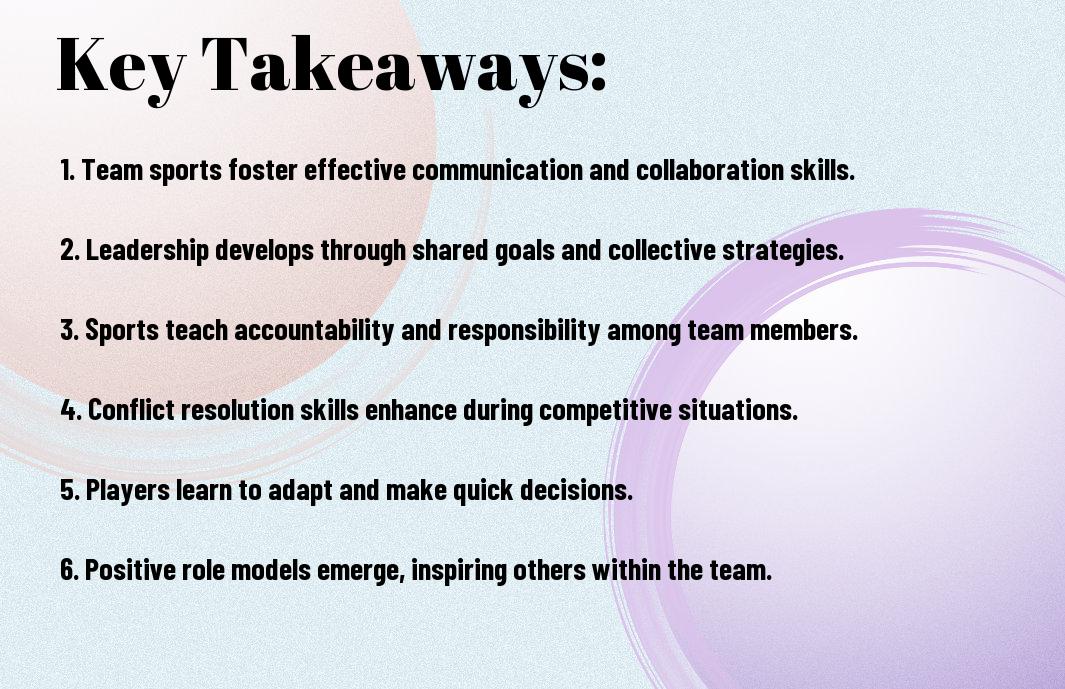
Key Takeaways:

  • Collaboration: Team sports foster a strong sense of cooperation among players, enhancing their ability to work together towards common objectives.
  • Communication: Engaging in team sports improves verbal and non-verbal communication skills, crucial for effective leadership.
  • Resilience: Athletes learn to handle setbacks and failures, building mental toughness and a problem-solving mindset that are vital for leaders.
  • Responsibility: Being part of a team instills a sense of accountability, as each member’s performance directly impacts the group’s success.
  • Adaptability: Competitive settings teach players to adjust strategies on the fly, an important skill for leaders in dynamic environments.

The Essence of Team Sports

Your journey into team sports can significantly shape your leadership qualities. Engaging in these activities not only fosters camaraderie but also instills a sense of responsibility and accountability. For insights on Leadership Skills You Can Learn from Sports, consider how these experiences translate into real-world leadership capabilities.

Definition and Types of Team Sports

One of the most engaging aspects of team sports is their variety and structure. Team sports are competitive physical activities where individuals are organized into teams. These sports require teamwork, strategy, and communication to achieve common goals. Here are some types of team sports:

Sport Type Description
Football A sport involving two teams trying to score by advancing a ball into the opponent’s end zone.
Basketball A fast-paced game where teams score by shooting a ball through the opponent’s hoop.
Volleyball Teams use their hands to hit a ball over a net, aiming to land it in the opponent’s court.
Hockey A game played on ice or field where teams use sticks to hit a puck or ball into the goal.
Rugby A contact sport where teams carry or kick a ball to score points by reaching the opponent’s goal line.

Thou can explore various team sports that cultivate not just physical health, but also vital leadership skills.

Historical Context and Evolution

On the timeline of civilization, team sports have developed alongside societal growth. Historically, these activities served not only a recreational purpose but also a means to unite individuals under shared objectives. Various cultures have contributed unique games, emphasizing teamwork as a fundamental aspect.

Indeed, team sports have evolved from ancient practices to the organized competitions we see today. Events like the Olympic Games have historically showcased team collaboration, transcending borders and cultures. As society progressed, so did the understanding of teamwork, which is now recognized as necessary for personal and professional success. Team sports have become a significant avenue for training future leaders, blending physical skill with emotional intelligence and strategy.

Leadership Skills Developed Through Team Sports

The participation in team sports fosters imperative leadership skills that are beneficial both on and off the field. Engaging in these activities teaches you to prioritize teamwork, communicate effectively, and assume responsibility. You learn to take charge, motivate others, and navigate the complexities of interpersonal dynamics, all while striving toward a common goal.

Communication and Collaboration

Behind every successful team is a foundation built on effective communication and collaboration. As a player, you’re often required to convey your thoughts quickly and adapt your strategies based on the feedback from your teammates. This practice helps to enhance your ability to express ideas clearly and work with others harmoniously, all fundamental components of strong leadership.

Decision-Making and Problem-Solving

With team sports, you face numerous situations that demand quick thinking and collaborative decision-making. As you engage in games, you learn to assess situations swiftly, weigh the input of your teammates, and develop solutions that benefit the group. This experience cultivates your ability to lead effectively under pressure.

The experience gained through team sports involves addressing challenges in real-time, allowing you to practice and refine your decision-making skills. When you’re in the midst of a game, every minute counts, requiring you to analyze circumstances and choose the best course of action swiftly. This environment not only enhances your ability to solve problems but also strengthens your confidence in making decisions that impact the collective outcome. The skills you develop in these high-stakes scenarios prove invaluable as you transition into leadership roles in your personal and professional life.

The Impact of Coaching and Mentorship

Once again, the influence of coaching and mentorship extends beyond skill development, playing a significant role in fostering leadership abilities. Effective coaches not only enhance your technical capabilities but also serve as mentors, guiding you in understanding group dynamics, decision-making, and resilience. This nurturing environment allows you to develop qualities such as empathy, communication, and integrity, which are necessary for leadership, encouraging you to learn from setbacks and celebrate achievements collectively.

Role of Coaches in Leadership Development

Coaches play a pivotal role in your leadership development by modeling effective communication and problem-solving strategies. They provide feedback that helps you reflect on your performance while fostering a culture of accountability and teamwork. Their guidance encourages you to take initiative, inspire others, and cultivate a vision, all fundamental skills for effective leadership in any setting.

Peer-to-Peer Influence and Support

Around you, teammates and peers create a dynamic environment that enhances your learning and growth. The influence of your peers can inspire you to rise to challenges and foster collaboration, helping you build necessary leadership traits. The shared experiences in team sports allow you to learn from each other, reinforcing the collective effort towards common goals.

At team practices and matches, the support and encouragement from your peers create a strong foundation for leadership development. You learn to navigate conflicts, motivate one another, and celebrate successes together. The bonds formed through shared challenges not only enhance your sense of belonging but also allow you to practice guiding your teammates through difficulties, fostering a spirit of camaraderie that translates into effective leadership skills necessary in both sports and life.

Case Studies: Successful Leaders Who Played Team Sports

Keep in mind that some of the most successful leaders attribute their skills to their experiences in team sports. Here are a few notable case studies that highlight this connection:

  • 1. Dell Founder Michael Dell – Played basketball in high school, building teamwork and strategic thinking.
  • 2. Former U.S. President George W. Bush – A former baseball player who learned resilience and coalition-building.
  • 3. Starbucks CEO Howard Schultz – Participated in football, leveraging team dynamics in business leadership.
  • 4. Former NFL Coach Tony Dungy – His leadership philosophy is rooted in his experiences as a player.
  • 5. Google Co-founder Sergey Brin – Played soccer, emphasizing collaboration and communication in his career.

For more on how sports can develop workplace leadership skills, check out How Sports Can Teach Workplace Leadership Skills.

Profiles of Notable Leaders

By exploring the backgrounds of notable leaders who participated in team sports, you can gain insight into how these experiences shape effective leadership. Leaders like Michael Dell and Howard Schultz exemplify the benefits of teamwork and communication fostered through athletic experiences. These profiles showcase how their involvement in sports cultivated skills vital for their success in business and beyond.

Lessons Learned from Their Experiences

From their rich athletic backgrounds, these leaders have gleaned valuable lessons that apply to the professional environment. Their experiences with team dynamics, conflict resolution, and decision-making convey critical insights for aspiring leaders.

Leaders who have transitioned from sports to business often emphasize the importance of teamwork and adaptability. They learned to navigate challenges collaboratively and motivate diverse groups—a key takeaway for you as you pursue your leadership development. Understanding how to effectively leverage collective strengths while encouraging individual contributions will enhance your ability to drive successful teams in your professional endeavors.

Challenges and Limitations in Team Sports

All athletes face various challenges and limitations when participating in team sports that can impede their development of leadership skills. These obstacles can stem from differing levels of commitment among teammates, communication barriers, and conflicts in personality or playing styles. Additionally, the competitive nature of sports may lead to stress and pressure, which can further complicate your ability to cultivate and demonstrate effective leadership within your team.

Potential Obstacles to Leadership Development

Before you can fully embrace leadership opportunities in team sports, you may encounter multiple obstacles. These could include a lack of clarity in roles, resistance from other team members, or even your own self-doubt. Identifying these potential hurdles is the first step to navigating them effectively, ensuring you create spaces where your leadership can flourish.

Strategies to Overcome Challenges

Above all, it’s crucial to develop practical strategies for overcoming the challenges you face in team sports. Fostering open communication, encouraging collaboration among teammates, and setting clear goals can all help you advance your leadership skills. Additionally, being mindful of team dynamics and actively seeking feedback from peers will allow you to adapt and strengthen your leadership approach.

Strategies for overcoming challenges in team sports often involve a multifaceted approach. By prioritizing team building, you can create an environment where every teammate feels valued and empowered. Engage in team meetings to address concerns and clarify expectations, nurturing an atmosphere of transparency. Implementing regular feedback loops will help you and your teammates identify growth areas, while developing a shared vision for success reinforces collective accountability. Furthermore, embracing flexibility allows you to adapt your leadership style to suit the unique dynamics of your team, ultimately enhancing your effectiveness as a leader.

To wrap up

Considering all points, engaging in team sports plays a significant role in enhancing your leadership skills. By participating in team-oriented activities, you cultivate necessary qualities such as communication, cooperation, and resilience. These experiences not only shape your ability to lead but also prepare you for future challenges in various aspects of life. Embrace the opportunity to develop these vital skills through sports, and explore more about this journey in Fostering Future Leaders: How Team Building Through Sports ….

Q: How do team sports help develop leadership qualities in individuals?

A: Team sports provide a dynamic environment where individuals can practice and enhance their leadership qualities. Players often find themselves in situations where they must communicate effectively, motivate teammates, and make strategic decisions under pressure. Through experiences such as coordinating offensive plays or resolving conflicts among team members, individuals learn to take charge, delegate responsibilities, and support their peers, all of which are fundamental aspects of leadership.

Q: What specific skills can participants learn from engaging in team sports that are applicable to leadership roles?

A: Participants in team sports can cultivate a variety of skills that are highly applicable to leadership roles, including but not limited to teamwork, effective communication, conflict resolution, and adaptability. The collaborative nature of team sports necessitates that players work together toward a common goal, fostering a sense of unity and shared purpose. Additionally, they must often communicate strategies and feedback, which enhances their ability to articulate thoughts and listen actively—a significant trait in effective leaders. Adapting to changing circumstances, such as game dynamics, also teaches flexibility, which is vital for any leadership position.

Q: Are there age-specific benefits of team sports in developing leadership skills?

A: Yes, the benefits of team sports in fostering leadership skills can vary by age group. For younger participants, team sports can introduce foundational concepts such as cooperation and respect for others. As individuals progress to their teenage years, the focus often shifts to more complex skills such as problem-solving and conflict management. Young adults participating in organized sports may further refine their leadership capabilities through roles such as team captain or peer mentors, where they can take initiative and demonstrate accountability. Overall, regardless of age, team sports can serve as a powerful platform for continuous leadership development.

How to Train for Endurance Events Like Ironman

It’s necessary to approach training for endurance events like Ironman with a clear and structured plan. As you probe this demanding journey, you’ll need to balance swim, bike, and run training while incorporating strength workouts and recovery periods. This post will provide you with effective strategies to optimize your performance, enhance your stamina, and ultimately help you cross that finish line with confidence. Get ready to transform your training routine and pave the way for your successful endurance event experience.

Key Takeaways:

  • Consistency: Establish a regular training schedule to build your endurance gradually over time.
  • Long Workouts: Incorporate longer training sessions to simulate race conditions and improve stamina.
  • Nutrition: Focus on a balanced diet, hydration, and fueling strategies to support extended training and recovery.
  • Cross-Training: Engage in complementary workouts like cycling and swimming to enhance overall fitness and prevent injury.
  • Mental Preparation: Work on mental toughness techniques, such as visualization and goal-setting, to enhance performance on race day.

Understanding Endurance Events

Before plunging into your training schedule, it’s imperative to grasp the essence of endurance events. These challenges require not only physical strength but also mental resilience, pushing your limits over extended periods. For insights on How to Train for an Endurance Challenge, preparing your mindset is just as vital as your physical regimen.

What is an Ironman?

About the Ironman: it’s a grueling triathlon consisting of a 2.4-mile swim, a 112-mile bike ride, and a 26.2-mile run, typically completed within 17 hours. Completing an Ironman is a testament to your endurance and dedication.

Types of Endurance Events

Between events, you’ll find a variety of formats appealing to different athletes. Some of the most popular endurance events include:

Event Type Description
Triathlons Combines swimming, cycling, and running.
Marathons A run of 26.2 miles; a classic endurance test.
Ultra Marathons Any race longer than a marathon distance.
Cycling Events Long-distance cycling races or tours.
Adventure Races Combines multiple disciplines, often in wilderness settings.

Perceiving the vast spectrum of endurance events can help you choose the right fit for your interests and strengths.

And as an endurance athlete, understanding these event types will better inform your training strategies. Exploring what works best for you is vital in enhancing performance:

Event Focus Area
Sprints Speed and efficiency over short distances.
Long-distance Cycling Stamina and leg strength for endurance rides.
Trail Running Navigation and adaptability on diverse terrain.
Rowing Competitions Upper body strength across long distances.
Multi-sport Challenges Combining skills from different sports disciplines.

Perceiving these variations helps tailor your training towards specific event requirements.

Developing a Training Plan

Clearly, a well-structured training plan forms the backbone of your endurance journey. This plan should balance different training modalities and progressively challenge your body, preparing you effectively for the demands of an Ironman. Focus on integrating swim, bike, and run sessions while allowing for rest and recovery. Tailoring your training should be based on your current fitness level, available time, and specific race targets. Building a robust plan ensures that you stay motivated, avoid injury, and peak at the right time for your event.

Setting Your Goals

Before you start training, you need to set clear and realistic goals. Identify what you want to achieve—whether it’s completing your first Ironman, improving your time, or simply finishing strong. Your goals should be specific, measurable, attainable, relevant, and time-bound (SMART). They will guide your training decisions and help maintain your motivation throughout the process.

Structuring Your Training Schedule

An effective training schedule should incorporate various workouts, including endurance, speed, strength training, and recovery sessions. Aim for a balance that allows you to engage in each discipline of the Ironman while ensuring you can recover adequately to prevent burnout. Allocate specific days for long runs, bike sessions, and swim practices while leaving room for rest days. Consistency is key, so try to stick to the schedule as much as possible, adjusting only when necessary to accommodate your body’s needs.

Further, it’s vital to consider your individual lifestyle when structuring your training schedule. Factor in work commitments, family obligations, and personal preferences. Use a calendar or training app to map out your workouts, allowing yourself flexibility to adapt as needed. Incorporate variety to keep your sessions interesting—alternate between long and short workouts, and integrate cross-training to build strength and prevent monotony. Prioritize recovery days, and don’t hesitate to listen to your body; adjusting your plan is part of the process toward achieving your endurance goals.

Building Base Endurance

Unlike speed training, building base endurance focuses on gradually enhancing your aerobic capacity over time. This foundational stage is critical for endurance events like Ironman, as it allows your body to adapt to prolonged physical exertion. Start by incorporating longer, slower workouts into your training regimen. Aim to consistently increase your weekly mileage while maintaining a comfortable pace, enabling your body to develop the stamina necessary for race day.

Importance of Base Miles

An effective training program emphasizes the significance of base miles, as they establish the endurance level your body will rely on during long-distance events. By consistently logging base miles, you enhance your cardiovascular system, improve muscular endurance, and foster mental resilience. This fundamental phase prepares you for the intensity of race-day efforts while minimizing injury risk associated with sudden increases in training volume.

Techniques for Increasing Stamina

With targeted techniques, you can enhance your stamina effectively. Incorporate long, slow-distance workouts that increase your aerobic efficiency while allowing your muscles to adapt. Interval training is another valuable method; it alternates between high-intensity efforts and recovery periods, improving both your speed and endurance capabilities. Additionally, consider adding cross-training, such as cycling or swimming, to give your muscles a different stimulus while still building overall endurance.

Techniques like progressive overload play a significant role in developing your stamina. Gradually increase your long workout duration each week, aiming for a 10% mileage increase. Integrating tempo runs will also help you find your sustainable pace, pushing your aerobic threshold. Utilizing Heart Rate monitoring can provide feedback, ensuring you’re training in the ideal zones to build endurance. Lastly, prioritize recovery and nutrition, as these elements are vital for supporting your training efforts and enhancing overall stamina.

Incorporating Cross-Training

Now, integrating cross-training into your endurance training routine can enhance your overall fitness and performance. By participating in different forms of exercise, you not only work other muscle groups but also allow your body to recover from the repetitive nature of swimming, biking, and running. This balanced approach can help prevent injury while improving your endurance capabilities.

Benefits of Cross-Training

Below are some of the primary advantages of cross-training. By mixing in various workouts, you can build strength and flexibility, enhance cardiovascular fitness, and experience reduced risk of overuse injuries. Cross-training also helps maintain motivation by keeping your routine fresh and engaging, which can be beneficial during long training cycles.

Recommended Cross-Training Activities

Between the various cross-training activities you can incorporate, cycling, swimming, yoga, and strength training stand out as great complements to your endurance training. Each of these activities targets different muscle groups while promoting overall fitness and flexibility.

CrossTraining can play a significant role in your preparation for endurance events. For instance, incorporating cycling not only targets your leg muscles but also provides a low-impact workout that is gentle on your joints. Swimming helps with upper body strength and endurance, while strength training can enhance your power and stability, making you a better runner and cyclist. Yoga, on the other hand, improves flexibility and aids in recovery, ensuring that your body is well-rounded and ready for the challenges ahead.

Nutrition for Endurance Training

For endurance events like Ironman, your nutrition plays a vital role in your performance. It’s important to focus on a balanced diet that includes carbohydrates, proteins, and healthy fats to sustain your energy levels. Meal timing is equally important; aim to consume adequate nutrients before, during, and after your workouts to optimize your training and recovery. Tailoring your nutrition to your unique energy needs will keep you fueled and help prevent fatigue during long sessions.

Fueling Your Body

Beside focusing on macronutrients, you should pay attention to the timing of your meals. Prioritize complex carbohydrates for sustained energy during training sessions, and include protein for muscle repair. Planning your meals around your training schedule can enhance endurance and performance. Snack smartly on nutrient-dense foods, and don’t underestimate the power of recovery meals post-training.

Hydration Strategies

Along with nutrition, adequate hydration is key to performing at your best. Hydrating before, during, and after workouts helps regulate your body temperature and maintains optimal muscle function. Pay attention to your body’s signals and adjust your fluid intake according to your sweat rate and environmental conditions.

Plus, consider incorporating electrolyte-rich drinks into your hydration plan, especially during long training sessions. Salt and other electrolytes are important for maintaining fluid balance and preventing cramping. Aim to drink regularly instead of waiting until you’re thirsty, and experiment with different hydration strategies during your training to find what works best for you. Tracking your hydration can help you identify patterns and ensure optimal performance on race day.

Mental Preparation

Not only physical fitness plays a vital role in preparing for endurance events; mental preparation is just as important. Building mental resilience helps you push through tough moments during your training and races. Focus on techniques that enhance your mental strength, such as visualization, positive affirmations, and mindfulness practices. Incorporate these strategies into your training routine to create a strong foundation for your upcoming Ironman challenges.

Psychological Strategies for Endurance Athletes

Above all, cultivating a strong mental game is vital for endurance athletes. Visualization techniques can help you picture successful outcomes, fostering confidence and reducing anxiety. Additionally, practicing positive self-talk can transform your inner dialogue, ensuring you stay focused and motivated during demanding training sessions and races. Implementing these strategies regularly prepares you to face challenges head-on.

Dealing with Setbacks

Preparation is key to navigating setbacks in your training journey. Learning how to cope with obstacles effectively can strengthen your resolve and maintain your focus on long-term goals.

The nature of endurance training means you’ll inevitably face challenges, such as injuries or poor performance during events. Adopting a growth mindset can help you see setbacks as opportunities for learning and development rather than failures. Reflect on what went wrong, adjust your training plan accordingly, and stay committed to your overall objectives. By embracing resilience and the process of growth, you will emerge stronger and better prepared for your Ironman experience.

Summing Up

Presently, training for endurance events like Ironman requires a consistent and strategic approach, balancing swimming, biking, and running workouts, along with proper nutrition and recovery. Ensure you include progressive distance training, strength workouts, and adequate rest days in your regimen to build stamina effectively. For more insights, you can explore this guide on How to Train for a Race Like Ironman. Your success in these demanding events hinges on your dedication and smart training plans.

Q: What is the best way to structure my training for an Ironman event?

A: Structuring your training for an Ironman should involve a balanced mix of swimming, biking, and running, with a progressive approach to mileage and intensity. A typical week might include long sessions in each discipline, complemented by shorter, intense workouts and rest days for recovery. Start with at least 20 weeks of preparation, gradually increasing your long workout duration while incorporating brick workouts (e.g., bike followed immediately by a run) to simulate race conditions. Include transition practice to improve efficiency during the event.

Q: How can I improve my nutrition for endurance training?

A: Nutrition plays a vital role in endurance training and recovery. Focus on a well-balanced diet that includes carbohydrates for energy, protein for muscle repair, and healthy fats for overall health. Prioritize whole foods such as fruits, vegetables, lean proteins, and whole grains. During long training sessions, practice fueling your body with energy gels, bars, or electrolyte drinks to find what works best for you. It’s equally important to hydrate properly before, during, and after workouts to optimize performance and recovery.

Q: How do I prevent injuries while training for an Ironman?

A: Injury prevention is key to a successful Ironman training plan. Start slowly to build your endurance gradually, listening to your body to avoid overtraining. Incorporate rest days into your training schedule to allow your muscles to recover. Strength training, particularly core and stability exercises, can enhance your overall strength and reduce injury risk. Additionally, pay attention to proper form in all activities and consider cross-training to prevent repetitive strain. If you experience pain, it’s important to address it early by modifying your training or consulting a professional.

The Benefits of Playing Multiple Sports for Athletes

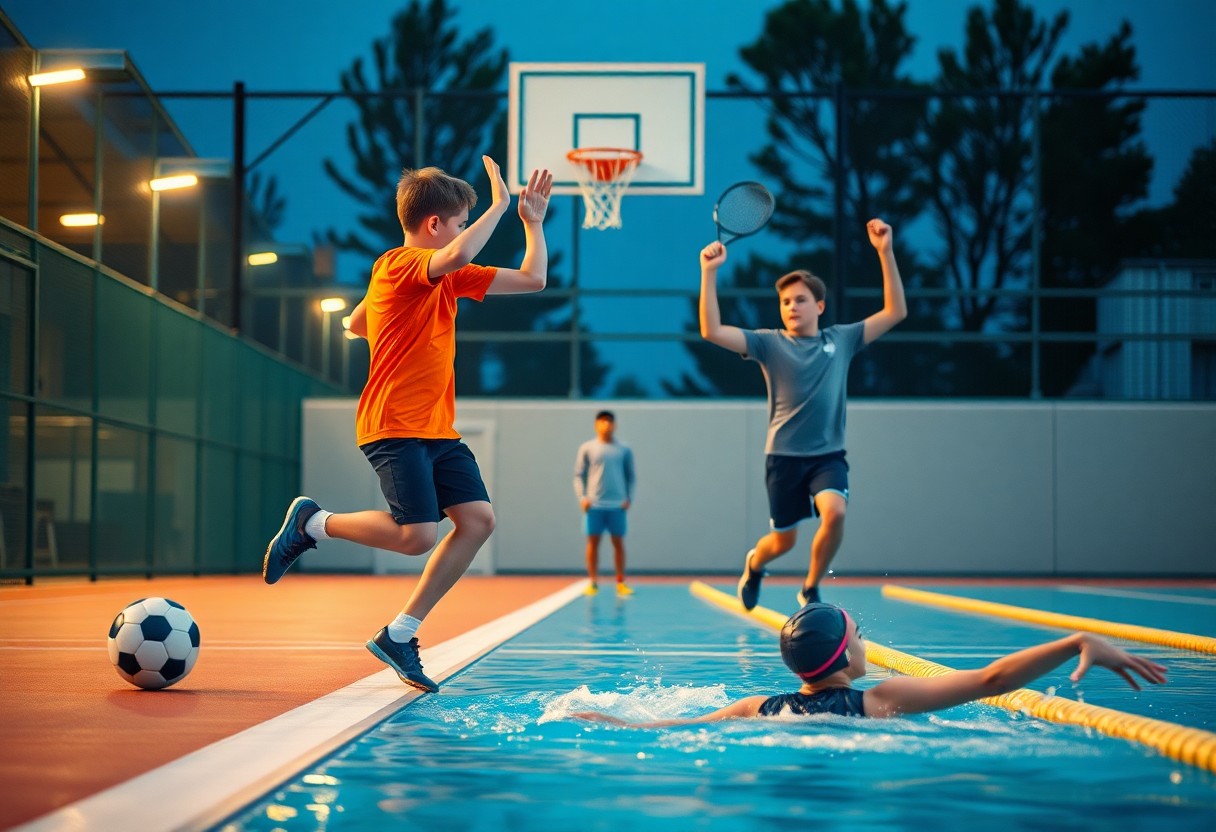
Benefits abound when you engage in multiple sports, as this approach enhances your overall athleticism and can lead to improved performance in your primary sport. Not only does playing various sports develop a diverse skill set, but it also reduces the risk of burnout and injuries commonly associated with specialization. Your body gains a varied range of movements, contributing to better coordination and strength. To explore more on this topic, check out The Benefits of Being a Multi-Sport Athlete for Kids.

Key Takeaways:

  • Diverse Skill Development: Playing multiple sports allows athletes to develop a wide array of skills that can enhance their overall performance.
  • Reduced Risk of Injury: Engaging in different sports can minimize the risk of overuse injuries by varying the physical demands placed on the body.
  • Enhanced Mental Toughness: Competing in various environments fosters resilience and adaptability, important traits for all athletes.
  • Increased Enjoyment: Participating in multiple sports keeps athletes engaged and motivated, reducing burnout and fostering a lifelong love for physical activity.
  • Improved Social Connections: Different team dynamics and interactions promote social skills and build a wider network of friendships among athletes.

Physical Benefits of Multi-Sport Participation

A wide-ranging sports experience can significantly enhance your physical health, as engaging in multiple sports develops diverse muscle groups, improves coordination, and boosts cardiovascular fitness. This multifaceted approach not only keeps your workouts fresh and enjoyable but also encourages a more thorough understanding of athleticism. For more details on the Benefits of Playing Multiple Sports, you can explore how versatility in athletics can serve you well in the long term.

Improved Overall Fitness

To gain a well-rounded fitness level, participating in various sports exposes you to different physical demands, combining strength training, endurance, and agility. This varied training regimen helps to build muscle, enhance flexibility, and improve overall body mechanics, ultimately contributing to superior athletic performance.

Reduced Risk of Injuries

With increased exposure to different sports, you can significantly reduce your risk of injuries. By diversifying your athletic focus, you’re less likely to experience repetitive strain injuries that often occur when specializing in just one sport. Engaging in various activities ensures that different muscle groups are used and allows for adequate recovery time between workouts, further promoting your physical well-being.

Another important aspect of multi-sport participation is that it can enhance your body’s resilience to injury by promoting balanced muscle development. When you play multiple sports, you strengthen neglected muscles and joints, helping to address imbalances that could lead to injuries in single-sport athletes. This balanced strength training and flexibility improve overall function, allowing you to perform better as an athlete while staying healthy.

Mental and Emotional Advantages

Some athletes find that playing multiple sports leads to enhanced mental clarity and emotional stability. Engaging in varied physical activities allows you to develop different cognitive skills and emotional strengths, making it easier to handle challenges both on and off the field. This diversity in sports can significantly improve your overall mental health by reducing stress and enhancing your mood, providing you with a more balanced and positive outlook.

Enhanced Mental Resilience

The experience of competing in various sports helps you build mental resilience, as you face unique challenges and obstacles across different environments. Each sport presents its own set of demands, requiring you to adapt and develop problem-solving skills. Over time, this ability to navigate varying situations cultivates a stronger mindset, making you more capable of handling setbacks and pressures in your athletic pursuits and daily life.

Boosted Confidence and Self-Esteem

An integral part of your athletic growth comes from the confidence gained through mastering multiple sports. Engaging in diverse activities allows you to recognize and celebrate your accomplishments, which reinforces your belief in your abilities. As you gain new skills and experience success in various arenas, your self-esteem receives a significant boost, empowering you to take on new challenges with a positive attitude.

Boosted confidence from playing multiple sports transcends the playing field, positively impacting other areas of your life. The recognition of your achievements in different sports reinforces a sense of self-worth, which can lead to increased motivation and a willingness to push yourself further. As you tackle new challenges and develop a versatile skill set, you cultivate not only your athletic capacity but also a lasting belief in your potential, making you more resilient in both sports and personal endeavors.

Skill Development Across Disciplines

Many athletes find that playing multiple sports enhances their overall skill set. Each sport presents unique demands and techniques, allowing you to develop a diverse range of physical abilities and cognitive skills. By engaging in various sports, you not only improve your coordination and agility but also gain a more comprehensive understanding of movement patterns, enabling you to become a more versatile athlete.

Transferable Skills

One of the significant advantages of playing different sports is the development of transferable skills. Skills such as hand-eye coordination, balance, and strategic thinking can seamlessly transition from one sport to another. This versatility not only improves your performance in your primary sport but also boosts your confidence in skills that may be less familiar.

Increased Tactical Awareness

Awareness of game tactics can greatly enhance your competitive edge. By participating in various sports, you learn to understand different strategies and decision-making processes. This exposure allows you to adapt your thinking and approach in each activity, enabling better performance under pressure.

Disciplines such as soccer, basketball, and tennis each present distinct strategic elements that contribute to your overall tactical awareness. Engaging in multiple sports exposes you to different playing styles and game environments, helping you to recognize patterns and anticipate opponents’ moves more effectively. As you learn to read the game in various contexts, your ability to think critically and make quick decisions will ultimately elevate your performance across all sports.

Social Benefits and Team Dynamics

All athletes benefit from engaging in multiple sports, as it offers diverse social interactions and enhances team dynamics. By participating in various sports, you forge connections with athletes of different backgrounds, which can lead to lifelong friendships. These experiences contribute to your social skills, as you learn to navigate various group settings with ease and adaptability.

Building Relationships and Networks

Below the surface of competition lies a wealth of opportunities for building relationships and networks. By playing multiple sports, you meet a variety of teammates, coaches, and friends, expanding your social circle significantly. These connections can open doors in your athletic career, personal life, and beyond, providing invaluable support and motivation.

Learning Teamwork and Leadership

A significant advantage of playing various sports lies in the opportunity to learn teamwork and leadership. As you switch between different teams, you develop the ability to collaborate with diverse individuals and adapt to various roles within a group. This multifaceted experience teaches you the importance of communication, compromise, and mutual support.

A standout benefit of enhancing teamwork and leadership skills through multiple sports is the personal growth that accompanies it. You’ll learn how to lead by example, inspire others, and effectively communicate in high-pressure situations. This growth not only fosters your athletic development but also prepares you for challenges in everyday life, equipping you with crucial skills for future endeavors.

Long-term Athletic Development

Keep in mind that playing multiple sports fosters well-rounded athletic development. Engaging in diverse sports enhances your overall skills, adaptability, and understanding of various game strategies. This multifaceted approach not only contributes to your current performance but also lays a strong foundation for future athletic opportunities and achievements.

Avoiding Burnout

Below are ways to prevent burnout in your athletic journey. Specializing in a single sport can lead to exhaustion and mental fatigue. By participating in different sports, you can keep training enjoyable and exciting, allowing you to recharge your motivation while developing a variety of skills to enhance your main sport.

Promoting Lifelong Fitness

To ensure that you maintain an active lifestyle beyond your competitive years, diversifying your sports participation encourages a love for movement and fitness. Engaging in various activities can develop habits that promote physical health throughout your life.

For instance, by exposing yourself to different sports early on, you build a positive association with physical activity, making it more likely you’ll stay active as an adult. You not only foster skills that facilitate a variety of sports but also create opportunities for social engagement and community involvement through physical activities, supporting your overall well-being.

To wrap up

With this in mind, engaging in multiple sports offers you a variety of benefits that enhance your athletic performance and overall well-being. By diversifying your skills, you’ll improve your physical abilities, reduce the risk of injury, and develop a broader tactical understanding of different games. Additionally, playing various sports can keep your training enjoyable and invigorate your passion for athletics. Embrace the opportunities provided by multiple disciplines to foster your growth as a more versatile and resilient athlete.

FAQ

Q: What are the primary benefits of playing multiple sports for an athlete’s physical development?

A: Engaging in multiple sports allows athletes to develop a diverse range of physical skills, such as agility, speed, coordination, and strength. Different sports emphasize various movements and muscle groups, which can lead to enhanced overall fitness and reduce the risk of overuse injuries. For instance, a runner can benefit from the strength training in football, while a soccer player can enhance their stamina by participating in swimming. This variety helps create more well-rounded athletes who excel in a multitude of areas.

Q: How does playing multiple sports contribute to an athlete’s mental and emotional well-being?

A: Participating in various sports can positively impact an athlete’s mental health by reducing stress and providing an outlet for enjoyment. Different sports often offer unique social interactions and camaraderie, fostering teamwork and friendships that contribute to a sense of belonging. Moreover, switching between sports can alleviate the pressure associated with specializing in one, allowing athletes to maintain their passion and motivation for physical activity. This well-rounded experience cultivates resilience and a healthier attitude towards competition.

Q: In what ways does playing multiple sports enhance an athlete’s performance in their primary sport?

A: Competing in multiple sports can significantly enhance an athlete’s performance in their main sport through the acquisition of varied skills and techniques. For example, playing basketball can improve an athlete’s hand-eye coordination and agility, which can be beneficial in sports like soccer or lacrosse. Additionally, exposure to different coaching styles and competitive environments helps athletes develop strategic thinking and adaptability, making them more versatile competitors. This holistic approach allows for skill transfer that can lead to improved performance across different settings.

How to Build Core Stability for Improved Sports Performance

Stability plays a vital role in enhancing your overall sports performance, as a strong core is necessary for maintaining balance, power, and endurance during physical activities. By focusing on core stability training, you can boost your athletic abilities, reduce the risk of injury, and improve your technique in various sports. In this post, you’ll discover effective strategies and exercises to build a robust core, enabling you to achieve better results in your chosen athletic pursuits.

Key Takeaways:

  • Core Exercises: Incorporate a variety of core-strengthening exercises such as planks, bridges, and rotational movements to enhance stability.
  • Balance Training: Focus on activities that improve balance, like single-leg stands or stability ball workouts, to engage different core muscle groups.
  • Functional Movements: Integrate functional exercises that mimic sports-specific movements, promoting transferability to the sport performance.
  • Consistency: Maintain a regular core training routine, ensuring gradual progression in intensity and complexity for optimal benefits.
  • Mind-Body Connection: Develop awareness of core engagement during exercises and sports to improve coordination and efficiency in movements.

Understanding Core Stability

For athletes at any level, core stability serves as the foundation for effective movement and performance. It encompasses the ability to control the position and motion of your trunk and pelvis, which is important for executing skills in various sports. By enhancing your core stability, you can improve overall strength, balance, and coordination, leading to a more efficient athletic performance.

Definition and Importance

Along with strength and power, core stability refers to the stability of the muscles in your torso that support the spine and pelvis. These muscles are engaged during almost every athletic endeavor, making core stability a key component for injury prevention and optimal performance. A strong core provides the necessary support for your limbs, allowing for coordinated movements important in sports.

The Role of Core Stability in Sports Performance

The connection between core stability and sports performance is undeniable. A strong core enhances your ability to generate power, maintain balance, and execute movements with precision. Whether you’re sprinting, jumping, or pivoting, core strength allows your body to transfer energy effectively and improve control, boosting your athletic efficiency.

To enhance your sports performance, focus on exercises that target core stability, as they will help you maintain proper posture and alignment during activity. This will ultimately allow you to apply strength and power more effectively, whether you’re hitting a tennis ball, kicking a soccer ball, or performing any dynamic movements. Incorporating core stability training into your routine will positively impact your performance outcomes and reduce your risk of injury, making it a vital aspect of your athletic development.

Assessing Your Core Stability

It is important to assess your core stability before commenceing on a training program designed to improve sports performance. A comprehensive evaluation can help you identify strengths and weaknesses in your core, allowing you to tailor your exercises effectively. By understanding your current level of stability, you can track your progress and make necessary adjustments to your training regimen.

Key Indicators of Core Stability

Along with strength and endurance, key indicators of core stability include balance, posture, and the ability to maintain alignment during dynamic movements. You should pay attention to how well you can control your body during various exercises, as this often reflects core function. These indicators not only showcase your core’s performance but also its contribution to overall athletic skill.

Common Tests and Assessments

Core stability assessments involve various tests designed to measure strength, balance, and endurance in your core muscles.

The plank test, side plank test, and the bird-dog exercise are popular options to gauge your core strength and endurance. Additionally, the functional movement screen (FMS) evaluates your ability to maintain stability during movement patterns. Performing these assessments regularly can offer valuable insights, helping you understand areas that need improvement while enabling you to monitor your progress effectively over time.

Exercises for Building Core Stability

Despite the abundant options, creating a strong core requires a targeted approach. You can explore a variety of exercises to improve your core strength that cater to your specific needs, from stability to endurance. Incorporating these exercises into your routine can significantly enhance your sports performance, allowing you to unlock your full athletic potential.

Bodyweight Exercises

One effective way to build core stability is through bodyweight exercises such as planks, bird-dogs, and flutter kicks. These movements utilize your own body weight for resistance, promoting balance and coordination while strengthening the muscles in your core. As you perform these exercises, you’ll engage both the major and minor muscle groups, fostering a strong foundation for improved sports performance.

Resistance Training for Core Strength

Between bodyweight exercises and resistance training, you can effectively enhance your core stability. Exercises using resistance bands or weights engage your core muscles in dynamic ways, offering greater challenges and variations to your workouts. With this additional resistance, you’ll develop strength and endurance that is important for various sports and physical activities.

At the heart of resistance training, your focus should be on exercises that engage multiple muscle groups while targeting your core. Movements like medicine ball slams, cable rotations, and deadlifts not only strengthen your core but also improve overall functional strength. Integrating these exercises into your routine will help create a resilient core that supports your athletic endeavors. Consistent practice will yield noticeable improvements in your performance and stability on the field or court.

Integrating Core Training into Your Routine

Many athletes overlook the importance of integrating core training into their routines. To enhance your performance, consider following A Core Training Blueprint for the Athlete. This resource outlines effective exercises and strategies tailored to improve core strength. Make core stability a consistent component of your training plan to ensure your overall athletic performance progresses seamlessly.

Frequency and Duration Recommendations

By incorporating core workouts 2-3 times per week into your training regimen, you can solidify your gains. Focus on maintaining these sessions to be around 20-30 minutes long, allowing enough time to generate strength without overworking your muscles. Tailor the intensity to your personal fitness level, gradually increasing as you build endurance.

Balancing Core Work with Other Training

Below your training routine should effectively incorporate core exercises among other workouts. Striking a balance ensures you develop all facets of your athletic capabilities, without neglecting any particular area. Consider scheduling your core workouts on days when you’re focusing on strength or endurance training.

This balance helps your body adapt and recover appropriately, while also preventing fatigue or injury. Aim to distribute core exercises evenly throughout the week, ensuring they complement your existing training goals. For example, if you’re lifting heavy on a certain day, opt for lighter core workouts. This approach not only promotes overall strength but keeps your regimen versatile and engaging.

Nutrition and Recovery for Optimal Core Performance

Your core stability relies not only on exercise but also on proper nutrition and recovery. Fueling your body with the right nutrients plays a significant role in enhancing muscle function and promoting recovery. Prioritizing a balanced diet rich in protein, healthy fats, and complex carbohydrates will help you build and maintain the necessary strength for peak performance in your sport.

Nutritional Support for Muscle Recovery

Nutrition is vital for muscle recovery as it helps repair micro-tears in your muscles caused by intensive training. Consuming a mix of protein and carbohydrates post-workout can significantly enhance muscle recovery by replenishing glycogen stores and facilitating muscle repair. Aim for protein-rich foods like chicken, fish, or plant-based options, along with carbohydrates like whole grains or fruits to support your recovery process.

Importance of Rest and Recovery

After intense training, giving your body adequate rest and recovery is important for optimal core performance. This downtime allows your muscles to heal and adapt, leading to increased strength and endurance in the long run.

Even short periods of rest can significantly impact your performance. Overworking your muscles without letting them recover can lead to fatigue and injuries. Incorporate active recovery sessions, quality sleep, and hydration to support your body’s healing processes, ensuring your core remains strong and functional for your sports activities.

Monitoring Progress and Making Adjustments

After establishing your core stability training routine, it’s crucial to monitor your progress and make necessary adjustments. Regularly assess your performance through various tests, and if needed, you can integrate new exercises such as The 10 Core Stability Exercises to Build a Strong Trunk. This approach will help you optimize your workouts and ensure continual improvement in your core strength.

Tracking Improvements in Core Stability

About every four to six weeks, you should evaluate your core stability through specific metrics, such as time held in planks or the number of repetitions of certain exercises. By tracking these improvements, you can gain a clearer understanding of your progress and stay motivated throughout your training journey.

Adapting Your Training Program

Improvements in your core strength may necessitate changes to your training program. As you progress, it’s important to adapt your workouts to include more challenging variations or additional resistance to ensure continued development.

Consequently, consider incorporating new exercises or increasing the intensity of your current ones to avoid plateaus. You may also want to mix in functional movements that mimic the demands of your sport, thereby enhancing the transfer of strength from your training to your performance. Regularly evaluate your goals and align your program with your evolving fitness level to maximize results.

Final Words

Taking this into account, building core stability is crucial for enhancing your sports performance. By integrating targeted exercises into your training routine, you can strengthen your core muscles, improve balance, and increase overall power. Focus on consistency and gradually increase difficulty to challenge yourself. Additionally, staying mindful of your posture and body mechanics during both training and competition will enhance the benefits of your core workouts. With dedication to core stability, you can elevate your athletic capabilities and achieve your performance goals.

FAQ

Q: What exercises can I include in my routine to enhance core stability for sports performance?

A: To improve core stability, it’s beneficial to incorporate a variety of exercises that target the muscles in your abdomen, lower back, and hips. Some effective exercises include planks, bridges, side planks, dead bugs, and bird-dogs. Additionally, incorporating stability ball exercises and rotatory movements can help engage your core in a functional way. Aim to perform a mix of isometric holds, dynamic movements, and stability challenges to build a strong foundation.

Q: How often should I train my core to see improvements in sports performance?

A: To experience significant improvements in core stability, it is advisable to incorporate core training into your routine about 2 to 3 times a week. This frequency allows ample recovery while still providing consistent stimulation to your core muscles. Each session can last between 20 to 30 minutes, focusing on a variety of exercises to target different muscle groups and movement patterns. Over time, as your core strength and stability develop, you can gradually increase the intensity and complexity of your workouts.

Q: How can I assess whether my core stability is improving?

A: To track your core stability progress, perform periodic assessments using specific exercises. For example, try holding a plank for a set period and aim to increase your hold time over the weeks. You can also gauge stability through controlled movements, such as observing how well you can maintain form while performing dynamic exercises like lunges or medicine ball throws. Additionally, noticing improvements in your sports performance—such as increased strength, better balance, and enhanced endurance—can indicate that your core stability is on the rise.

Skip to content