The Best Sports for Cross-Training

Many athletes and fitness enthusiasts recognize the importance of cross-training in enhancing their performance and reducing the risk of injury. By diversifying your sporting activities, you not only improve different muscle groups but also build endurance, strength, and agility. In this post, you will discover some of the best sports for cross-training that can complement your primary athletic pursuits, offering variety and excitement to your routine. Whether you’re looking to boost your speed, increase your power, or enhance overall fitness, these sports will help you achieve your goals effectively.

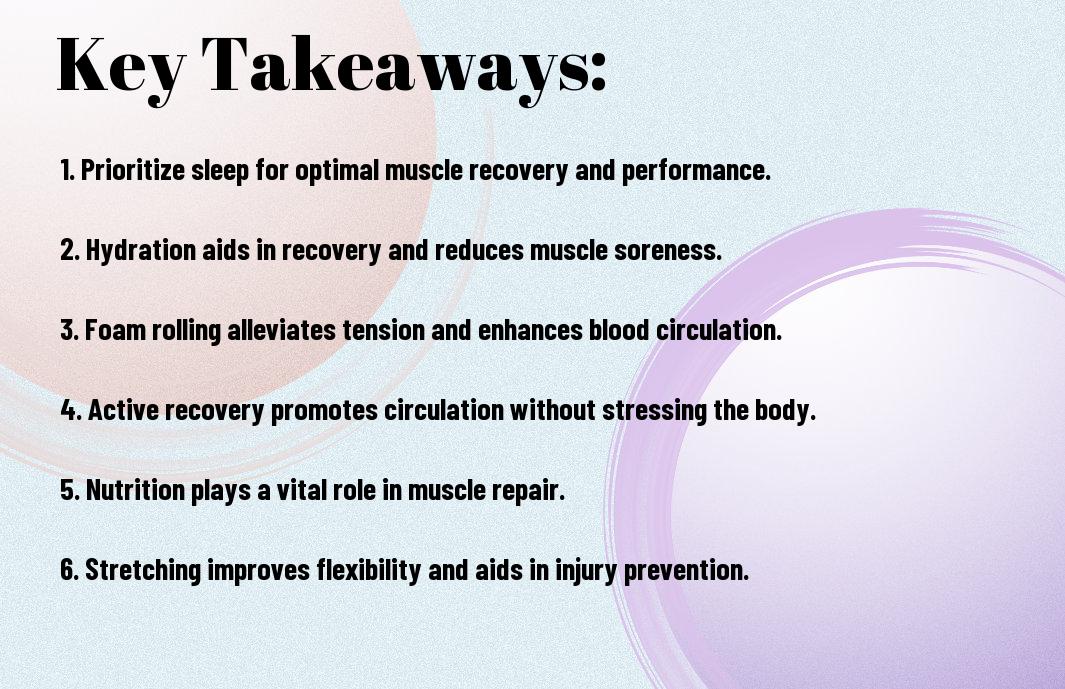
Key Takeaways:

  • Diverse Skill Development: Engaging in various sports enhances flexibility, strength, and endurance.
  • Reduced Injury Risk: Cross-training helps to balance muscle groups, minimizing the risk of overuse injuries.
  • Cardiovascular Benefits: Activities like cycling and swimming significantly improve heart health while being gentle on the joints.
  • Enhanced Mental Motivation: Mixing up sports keeps the workouts fresh and engaging, preventing boredom.
  • Improved Overall Performance: Cross-training supports performance in a primary sport by building complementary skills and fitness levels.

Benefits of Cross-Training

For athletes and fitness enthusiasts alike, cross-training offers a myriad of benefits that can enhance your overall athletic performance. By engaging in various activities outside your primary sport, you can build strength, increase endurance, and improve flexibility. This diverse approach not only keeps your workouts fresh and exciting but also optimizes your physical capabilities, allowing you to reach your fitness goals efficiently.

Improved Overall Fitness

Overall fitness is greatly enhanced through cross-training, as different exercises target various muscle groups and energy systems. Incorporating diverse activities helps you develop balanced strength, stamina, and agility, leading to a well-rounded physical condition. This holistic approach ensures that you don’t neglect vital aspects of your fitness while allowing you to perform better in your primary sport.

Injury Prevention

For those engaged in a specific sport, repetitive movements can lead to injuries, making cross-training an excellent method to mitigate risks. By varying your workouts, you can help condition muscles that are often overlooked and reduce stress on the same joints and connective tissues used in your primary activity.

A consistent cross-training regimen can significantly lower the likelihood of injuries by promoting muscle balance and flexibility. By mixing in different disciplines, such as swimming, cycling, or yoga, you allow your body to recover while still maintaining an active lifestyle. This not only aids in healing but also promotes a more resilient body, ultimately enabling you to continue pursuing your athletic ambitions with greater safety and effectiveness.
Top Sports for Cross-Training

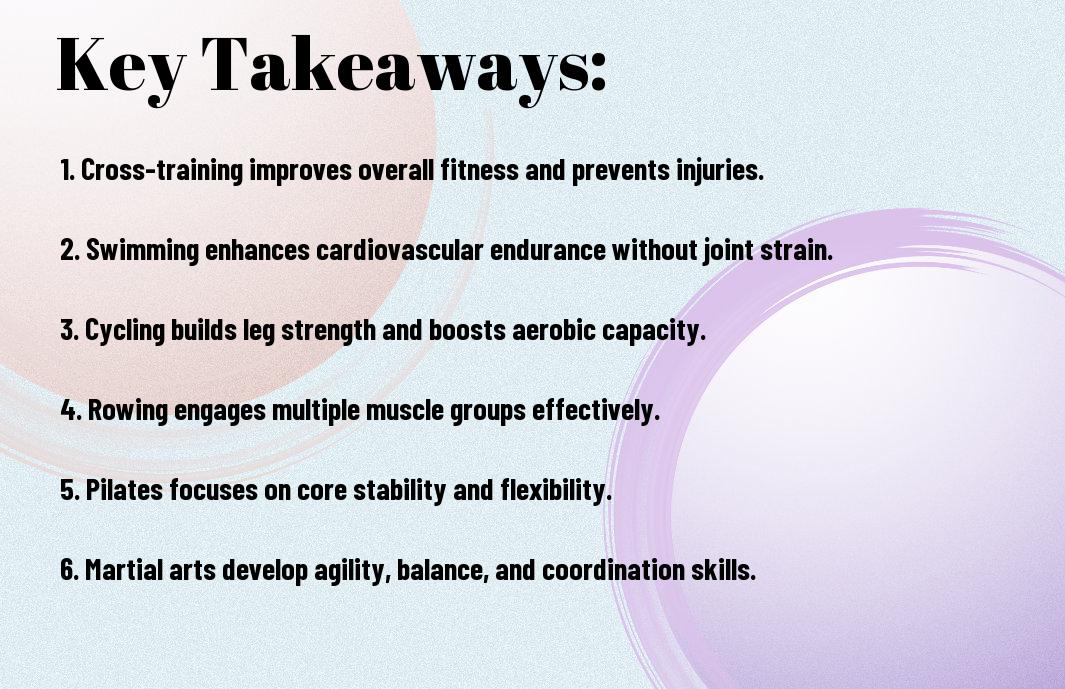
If you want to elevate your fitness levels, consider incorporating cross-training into your routine. Some studies suggest that what type of cross training yields the biggest improvement … in overall performance can vary, but the right sports can significantly enhance your endurance, strength, and agility.

Swimming

Along with being a low-impact activity, swimming works out multiple muscle groups, making it an excellent form of cross-training. It enhances cardiovascular fitness while providing your joints a break from high-impact exercises.

Cycling

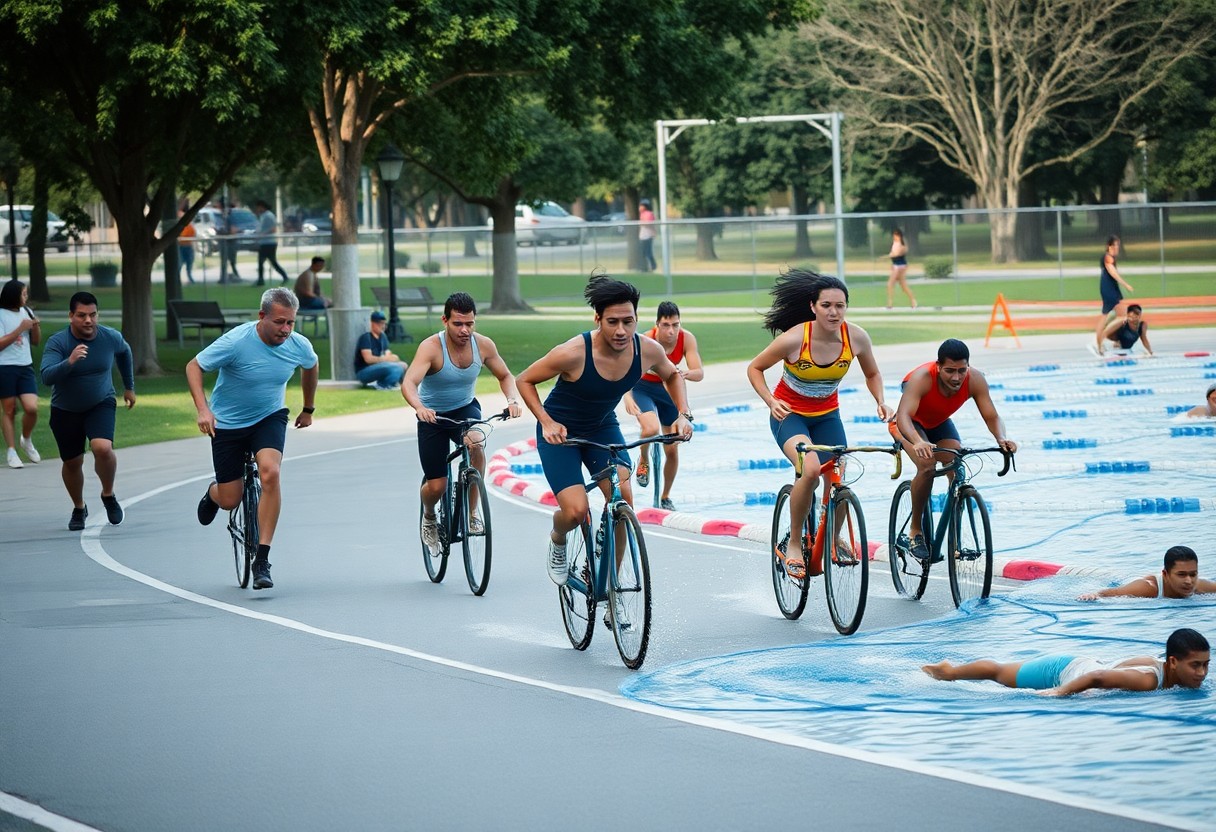
Any athlete seeking to boost their stamina and leg strength should consider cycling. It’s exceptionally effective for enhancing cardiovascular endurance while allowing for low-impact, weight-bearing activity.

Hence, cycling can be easily adjusted to your fitness level. Whether you choose to ride on a stationary bike or hit the trails, this sport improves leg strength and stamina while being gentle on your joints.

Rowing

One of the most comprehensive workouts, rowing engages your entire body, targeting your legs, core, and arms. It builds muscular strength while also providing a solid aerobic workout.

Further, rowing can be done on water or using a rowing machine, making it versatile for any fitness level. It’s an effective way to enhance your endurance and strength simultaneously, perfect for athletes looking to diversify their training.

Martial Arts

Around the world, martial arts has gained popularity for its unique blend of fitness and self-defense training. It improves flexibility, balance, and coordination while also providing a full-body workout.

Rowing, as you engage in martial arts, teaches discipline and mental focus while promoting physical strength. Various forms, such as Karate or Brazilian Jiu-Jitsu, offer different benefits, helping you become well-rounded in your cross-training efforts.

Yoga

Arts-based workouts like yoga enhance flexibility and mental clarity, vital for any athlete. Incorporating yoga into your routine can improve your strength, balance, and endurance.

This practice not only helps in stretching out tight muscles but also aids in recovery. By enhancing your mindfulness, yoga allows you to reconnect with your body, making it a valuable addition to your cross-training regimen.

How to Integrate Cross-Training into Your Routine

Now that you understand the benefits of cross-training, integrating it into your routine can optimize your performance and prevent burnout. Start by gradually adding different activities to your weekly plan, making sure to balance your primary sport with complementary exercises. Aim for two to three cross-training sessions per week, allowing your body to adapt while keeping your routine fresh and engaging.

Creating a Balanced Schedule

Around your main sport, you should design a schedule that incorporates a variety of training modalities. Consider allocating specific days for cross-training activities, ensuring you maintain a blend of endurance, strength, and flexibility workouts. This holistic approach will not only enhance your skills but also aid in recovery by using different muscle groups.

Listening to Your Body

About integrating cross-training successfully requires awareness of how your body feels during and after workouts. Pay attention to any signs of fatigue, soreness, or discomfort, and adjust your schedule accordingly. Balancing intensity levels and allowing for rest days will help you avoid overtraining and keep your motivation high.

Considering the signals your body sends is crucial for safe and effective cross-training. If you find yourself consistently fatigued or experiencing persistent pain, take a step back and reassess your routine. Prioritizing recovery, adjusting the intensity of workouts, and giving yourself adequate rest will ensure that you continue progressing without risking injury. By tuning in to your body’s needs, you can establish a sustainable practice that promotes long-term athletic success.

Sport-Specific Cross-Training Advantages

Keep in mind that incorporating sport-specific cross-training can significantly enhance your performance in your primary sport. By engaging in activities that mimic the movements and demands of your main sport, you can improve your overall skills and reduce the risk of injury. This targeted approach allows you to develop complementary skills that not only boost your performance but also keep your training regime fresh and exciting.

Enhancing Endurance

Cross-training with endurance-focused activities, such as running or cycling, allows you to build a solid aerobic base. These exercises elevate your heart rate, increase lung capacity, and improve overall stamina, which can translate into improved performance in your primary sport.

Building Strength and Agility

One of the primary benefits of sport-specific cross-training is the opportunity to build strength and agility. Engaging in complementary activities challenges your muscles in new ways and enhances your physical capabilities.

To maximize your efforts in building strength and agility, choose exercises that support the movements of your sport. For instance, if you play basketball, incorporating plyometric drills can improve your vertical leap. Similarly, swimmers might benefit from resistance training that targets upper body strength. By aligning your cross-training with your sport’s specific demands, you can accelerate your performance gains while enjoying a well-rounded fitness journey.

Tips for Choosing the Right Cross-Training Activities

Unlike selecting a single sport, choosing cross-training activities requires a thoughtful approach. Consider factors such as:

  • Your current fitness level
  • Your personal preferences
  • The time you can commit
  • Your injury history

Knowing your unique needs will help you pick activities that enhance your performance and enjoyment.

Assessing Personal Goals

Between improving endurance, building strength, or increasing flexibility, your specific objectives should guide your choice of cross-training. Align your activities with the outcomes you want to achieve, ensuring a more effective training regimen.

Exploring Local Options

For finding suitable cross-training activities, look into local gyms, community centers, or sports clubs that offer diverse classes and programs. Engaging with others can enhance your experience while introducing you to new sports.

Cross-training doesn’t have to be a solitary pursuit; join local clubs or groups to discover activities that spark your interest. Many communities offer fitness classes, swimming pools, or outdoor sports groups, providing you with numerous options. Engaging with fellow enthusiasts can also motivate you and help you discover new forms of exercise that complement your primary training focus.

Common Misconceptions About Cross-Training

All too often, individuals dismiss cross-training as an unnecessary component of athletic training. Some believe it is only beneficial to elite athletes or those pursuing professional sports. However, cross-training can enhance performance and prevent injuries for recreational athletes as well, making it an invaluable addition to your routine, regardless of your fitness level.

Only for Elite Athletes

Misconceptions about cross-training often lead people to believe that only elite athletes can benefit from it. In reality, individuals of all skill levels can enhance their physical abilities, prevent injury, and improve overall fitness through a well-rounded cross-training regimen.

Time-Consuming

The idea that cross-training is time-consuming can deter many from incorporating it into their routines. However, you can efficiently include complementary workouts into your existing schedule without dedicating excessive time. Short, focused sessions can yield significant benefits.

Indeed, you don’t need to allocate hours each week specifically for cross-training. With strategic planning, you can incorporate it seamlessly into your schedule. Many cross-training exercises are quick and can be done in as little as 20-30 minutes. This means you can reap the benefits without it feeling like a burden, making your overall training regimen more flexible and enjoyable.

To wrap up

Hence, incorporating a variety of sports into your cross-training regimen can significantly enhance your overall performance and fitness levels. By engaging in activities such as swimming, cycling, or martial arts, you can build different muscle groups, improve endurance, and prevent injury. Balancing these sports allows you to develop a well-rounded fitness foundation while keeping your routine fresh and enjoyable. Ultimately, choosing the right sports for cross-training tailored to your goals will elevate your training experience and outcomes.

FAQ

Q: What is cross-training, and why is it important for athletes?

A: Cross-training refers to engaging in different types of exercise or sports to improve overall performance and fitness. It is important for athletes because it helps prevent burnout from repetitive training, reduces the risk of injuries by balancing muscle groups, and enhances overall athletic performance by developing different skills. For instance, a runner might incorporate cycling or swimming to build endurance while also minimizing impact on their joints.

Q: What are some of the best sports for cross-training and their benefits?

A: Several sports are highly effective for cross-training, including swimming, cycling, and rowing. Swimming is low-impact and great for building cardiovascular endurance while strengthening upper body muscles. Cycling provides an excellent aerobic workout that strengthens the legs and improves core stability. Rowing combines both aerobic and strength training, effectively working the back, arms, and legs while promoting cardiovascular fitness. Incorporating these activities into a regular training regimen can lead to improved performance and reduced injury risk.

Q: How often should I include cross-training in my workout regimen?

A: The frequency of cross-training sessions depends on individual fitness goals, but many athletes find that integrating cross-training 1 to 3 times per week works well. This approach allows for recovery days tailored to specific activities while still maintaining a focus on primary sports. For example, a long-distance runner may choose to swim or bike on alternating days to help build endurance and enhance recovery without stressing the same muscle groups involved in running.

How to Build a Sports-Specific Workout Routine

Just like every athlete has unique strengths and weaknesses, your workout routine should be tailored to your specific sport. Developing a sports-specific workout routine can enhance your performance, reduce injury risk, and make your training more effective. In this guide, you’ll learn how to identify your sport’s requirements, assess your current fitness level, and design a personalized workout plan that targets imperative skills, strength, and endurance. Let’s dive in and create a routine that will propel you towards achieving your athletic goals.

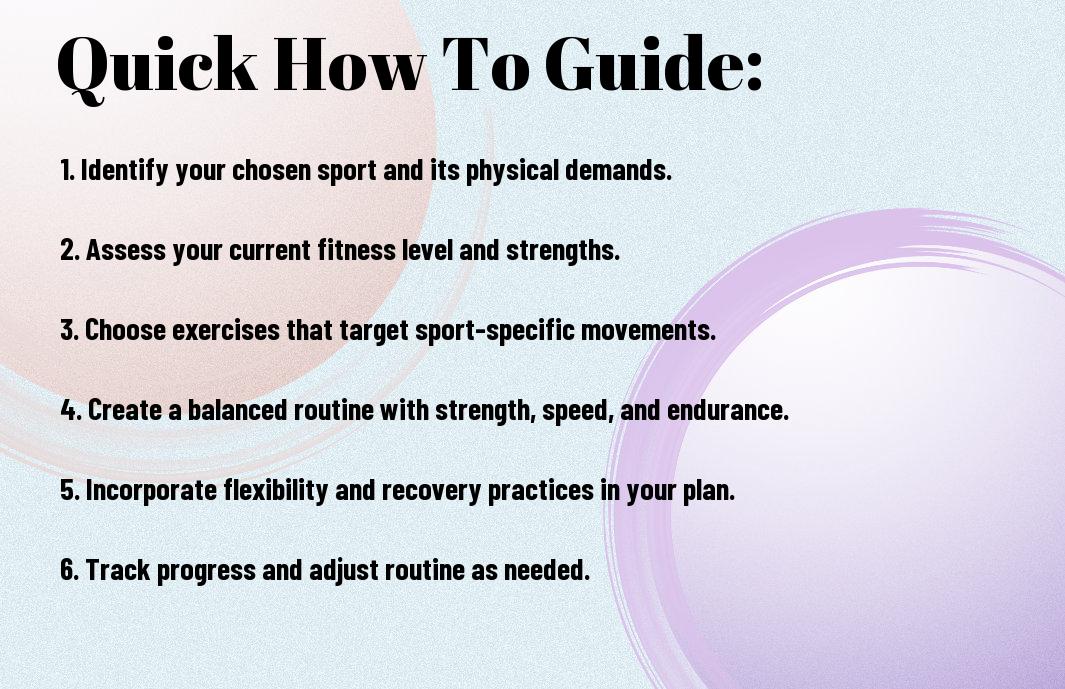
Key Takeaways:

  • Assess Your Sport: Understand the specific physical demands of your sport to tailor your workout effectively.
  • Incorporate Relevant Movements: Focus on exercises that mimic the movements and energy systems used in your sport.
  • Balance Strength and Endurance: Develop a routine that strengthens key muscle groups while also enhancing stamina.
  • Include Flexibility Training: Add stretching and mobility work to prevent injuries and improve performance.
  • Monitor Progress: Keep track of your workouts and adjust your routine as your performance evolves and improves.

Understanding Your Sport

To create an effective workout routine, it’s necessary to grasp the specific demands and nuances of your sport. This understanding allows you to tailor your exercises to enhance performance, prevent injuries, and optimize your training efforts. Whether you’re playing basketball, soccer, or swimming, each sport has unique characteristics that dictate the physical and mental attributes you should be developing as you prepare for competition.

Identifying Key Physical Requirements

Your first step in building a sports-specific routine is identifying the key physical requirements of your sport. Consider attributes such as strength, endurance, agility, flexibility, and speed. Each sport will prioritize these elements differently, and understanding which are most significant will guide your training focus.

Analyzing Skill-Specific Demands

Demands of your sport also include skill-specific aspects that influence your training program. These can range from coordination to tactical awareness and positional requirements. By evaluating your sport’s distinct skills, you can enhance your abilities through targeted exercises tailored to your needs.

The evaluation of skill-specific demands should encompass both technical skills and game situational practices. For example, if you play soccer, work on dribbling, passing, and shooting under pressure to simulate real game scenarios. This targeted focus ensures that you not only develop fundamental skills but also adapt to the dynamic environment of competition, enhancing overall performance and effectiveness on the field.

Setting Goals

Now that you are ready to build your sports-specific workout routine, it’s necessary to set clear and actionable goals. Goals give your training direction and can significantly enhance your motivation. By establishing what you aim to achieve, whether it’s improving your sprint time or increasing your strength, you create a roadmap for success in your sport.

Short-term vs. Long-term Objectives

You should define both short-term and long-term objectives to ensure a balanced approach to your training. Short-term goals can provide immediate focus and motivation, while long-term objectives help you envision your overall progress. By aligning both types of goals, you can maintain engagement in your training journey and ensure steady improvement.

Performance Indicators

Objectives should always be measurable, as this allows you to track your progress effectively. Performance indicators serve as benchmarks to assess your current abilities and gauge improvement over time. These indicators can include aspects like speed, endurance, strength, and skill proficiency, helping you stay accountable and make necessary adjustments to your training regimen.

Short-term performance indicators might include metrics such as the number of reps completed, weight lifted, or time taken to complete a specific distance. These indicators provide immediate feedback on your progression and motivate you to continue pushing your limits. On the other hand, long-term indicators could encompass overall endurance levels or a significant improvement in your performance at competitions. By regularly assessing these benchmarks, you create a comprehensive picture of your growth and ensure your workout routine remains aligned with your goals.

Designing the Workout Routine

Not every workout routine is suitable for every athlete. To design an effective sports-specific regimen, assess your sport’s unique demands and your current fitness level. Consider developing a balanced plan that incorporates functional movements and drills tailored to enhance your performance. Aim for a variety of exercises that challenge different muscle groups and energy systems, and ensure you progressively increase the intensity to avoid plateaus. This customized approach will help you achieve your athletic goals while minimizing the risk of injury.

Incorporating Strength Training

One of the foundational components of your workout routine should be strength training. It not only improves your muscular strength and power but also enhances stability and overall performance. Focus on compound movements that mimic the actions you perform in your sport, such as squats, deadlifts, and presses. Aim for a variety of rep ranges, utilizing both heavy weights for low reps and lighter weights for higher reps, to develop both maximal strength and muscular endurance. Consistently incorporating strength training will give you a competitive edge.

Balancing Endurance and Flexibility

Workout routines should seamlessly blend endurance and flexibility training to enhance your performance. As you develop your aerobic capacity, include activities like running, cycling, or swimming that build endurance relevant to your sport. Additionally, integrate flexibility exercises like dynamic stretching and yoga, which will improve your range of motion and reduce the risk of injury. Balancing these elements ensures that your body can perform at a high level while remaining agile and adaptable.

Plus, incorporating regular flexibility sessions into your routine allows your muscles to recover better after high-intensity training. This recovery process minimizes soreness and helps maintain optimal performance levels. Flexibility training can also aid in injury prevention by preparing your muscles and joints for the dynamic movements associated with your sport. Therefore, make sure to dedicate time to conditioning both endurance and flexibility for well-rounded athletic development.

Important Factors to Consider

All athletes should consider several key factors when building a sports-specific workout routine. These include:

  • Your current fitness level
  • The specific demands of your sport
  • Your training history and injury history
  • Your age and physical maturity
  • Your short-term and long-term goals

Perceiving these factors will help you craft a more effective and personalized program that leads to enhanced performance. For further insights, check out Program Design 101: How to Build Your Own Workout ….

Assessing Current Fitness Level

If you’re developing a sports-specific workout, it’s vital to assess your current fitness level. Understanding your strengths and weaknesses allows you to tailor your program accordingly. This assessment might include evaluating your aerobic capacity, strength, agility, and flexibility. Take into account how these factors affect your performance in your chosen sport.

Adjusting for Age and Experience

Even experienced athletes need to adjust their workout routines based on age and physical development. As you grow older, your body may require more recovery time and different training techniques to maximize performance while minimizing the risk of injury. Pay attention to how your body responds to workouts and be willing to adapt.

Important aspects of adjusting for age and experience also include recognizing the distinct physiological changes that occur throughout life. Younger athletes may benefit from more explosive, high-intensity training, while older individuals might find more success with lower-impact, functional exercises. Tailoring your regimen to your level of experience can further enhance effectiveness and sustainability in training.

Tips for Consistency and Motivation

For maintaining motivation and consistency in your sports-specific workout routine, consider these useful strategies:

  • Set realistic, attainable goals.
  • Track your progress regularly.
  • Find a workout buddy or community.
  • Mix up your workouts to keep it fresh.
  • Reward yourself for achieving milestones.

After incorporating these tips, you can foster a more sustainable and engaging workout experience.

Creating a Training Schedule

Schedule regular workout sessions that fit seamlessly into your weekly routine. Identify the best times for you to train and stick with them, ensuring that you allocate sufficient time to focus on each sport-specific skill. Consistency in timing will help establish a habit and make your routine feel like a natural part of your day.

Staying Accountable

Clearly, accountability can significantly enhance your commitment to a workout routine. By sharing your goals with a friend or joining a training group, you can cultivate a supportive environment that encourages progress.

Creating an accountability system not only keeps you motivated but also adds an element of responsibility. Consider enlisting a workout partner or utilizing social media to document your journey and share milestones. Engaging others not only provides support but also allows for sharing experiences, tips, and encouragement, making the process more enjoyable and fulfilling.

Evaluating Progress

Many athletes overlook the importance of evaluating their progress when following a sports-specific workout routine. Regular assessments allow you to identify areas of improvement, helping you adjust your training strategies and maintain motivation. By tracking your performance and results, you can ensure your efforts align with your goals, leading to more effective training sessions.

Monitoring Performance Improvements

Any measurable change in your performance is a key indicator of progress. You should establish clear benchmarks to assess your strength, speed, agility, and endurance periodically. Whether through timed trials, weight lifted, or repetitions completed, documenting these metrics will give you a comprehensive view of your development over time.

Revising Goals and Workouts

Evaluating your progress will often reveal the need to revise your goals and workouts. As you advance, what once felt challenging may become more manageable, prompting you to set higher targets to maintain growth. Adapting your routine by incorporating new exercises, increasing intensities, or altering your training schedule is imperative for continuous improvement and staying motivated.

Understanding when and how to revise your goals is vital for long-term success. You should take time to reflect on your performance data and assess if your current objectives still align with your aspirations. As you become stronger and more skilled, it’s important to reshape your goals to push boundaries and avoid plateaus. Consider not only setting ambitious targets but also ensuring they are challenging yet achievable, keeping your training both engaging and effective.

To wrap up

Summing up, creating a sports-specific workout routine involves understanding the demands of your sport, setting clear goals, and incorporating exercises that enhance your performance. You should focus on agility, strength, stamina, and flexibility according to your requirements. Regular assessment of your progress is imperative to tweak your routine for optimal results. Always ensure you include a balanced combination of drills, strength training, and recovery practices to keep your body in peak condition. Ultimately, consistency in your training and commitment to your goals will lead to marked improvement in your athletic performance.

FAQ

Q: What factors should I consider when designing a sports-specific workout routine?

A: When designing a sports-specific workout routine, you’ll want to consider several important factors. First, identify the sport you are targeting, as each sport requires different physical attributes and skills. Next, assess your current fitness level, including strength, endurance, flexibility, and any existing injuries. Then, focus on the specific demands of your sport, such as agility for soccer or explosiveness for basketball. Finally, incorporate elements like sport-specific drills, strength training, conditioning, and recovery strategies to ensure a well-rounded program tailored to your needs.

Q: How do I determine which exercises to include in my sports-specific workout routine?

A: To determine which exercises to include in your sports-specific workout routine, start by analyzing the key movements and skills required for your sport. Break down these movements into components such as speed, power, strength, and endurance. Research exercise variations that enhance these specific components. You might include plyometric exercises for power, agility drills for speed, and strength training that targets the muscle groups most involved in your sport. Seeking guidance from a coach or a fitness professional with experience in your sport can also help you select the most effective exercises.

Q: How often should I update my sports-specific workout routine?

A: Updating your sports-specific workout routine generally depends on several factors, including your training goals, progress, and the competitive season of your sport. It’s useful to assess your performance and fitness levels every 4 to 6 weeks, adjusting the routine as necessary to add variety or challenge. Additionally, consider modifying your routine based on seasonal changes in your sport; for example, transition from building strength in the off-season to focusing on agility and speed as competition approaches. Keeping your workout fresh and aligned with your development as an athlete will help you continuously progress.

The Role of Sports in Building Self-Discipline

You might be surprised to learn that participating in sports can significantly enhance your self-discipline. Engaging in athletic activities requires consistent practice, goal setting, and the ability to push through challenges—all of which foster a strong sense of self-control. As you navigate the demands of training and competition, you cultivate crucial skills such as time management, focus, and perseverance. This informative blog post will explore how your involvement in sports can lead to improved self-discipline, benefiting various aspects of your life beyond the playing field.

Key Takeaways:

  • Commitment: Engaging in sports teaches individuals the importance of commitment, as consistent practice and participation are vital for improvement and success.
  • Time management: Balancing training schedules with academic and personal responsibilities fosters effective time management skills.
  • Goal setting: Athletes learn to set achievable goals, which enhances motivation and provides a clear direction toward self-improvement.
  • Resilience: Facing challenges and overcoming setbacks in sports builds resilience and the ability to persist despite difficulties.
  • Teamwork: Participating in team sports cultivates collaborative skills and teaches the significance of supporting others, enhancing overall discipline in group settings.

The Connection Between Sports and Self-Discipline

To experience the profound impact of sports on your self-discipline, consider how regular participation demands commitment, focus, and the ability to set and achieve goals. Through consistent practice and competition, you cultivate the habits necessary to push through challenges, refine your skills, and remain dedicated to your personal growth. This relationship helps you develop a strong sense of responsibility, allowing you to translate these lessons from the field or court into other aspects of your life.

Understanding Self-Discipline

Above all, self-discipline involves the ability to control your impulses, emotions, and behaviors, steering you toward long-term goals. It requires persistence, motivation, and a genuine commitment to improvement. Engaging regularly in sports helps you nurture this trait, as you learn to prioritize your training, overcome setbacks, and embrace the journey toward achievement. Ultimately, sports can serve as a powerful tool for honing your self-discipline skills.

The Psychological Benefits of Sports

Self-discipline is enhanced through the psychological benefits that come from engaging in sports. Regular physical activity promotes mental resilience, reduces stress, and helps sharpen your focus. As you navigate the ups and downs of competition, you build mental fortitude, enabling you to tackle challenges both on and off the field.

Sports provide a framework for developing a positive mindset, reinforcing the importance of perseverance and structured practice. The discipline you cultivate during training enhances your ability to cope with pressure, make better decisions, and maintain a healthy outlook in everyday life. As you push your limits and improve your performance, the psychological growth you experience will further solidify your commitment to self-discipline, fostering lasting benefits that extend beyond athletic endeavors.

Sports as a Tool for Developing Routine

Assuming you engage in regular sports activities, you’ll likely notice how they instill a sense of routine in your life. Structured training schedules and game days compel you to prioritize your time, paving the way for a more disciplined lifestyle. By committing to these activities, you create a framework that supports your personal goals, whether they relate to fitness, teamwork, or performance improvement.

Importance of Consistency

After embracing routine through sports, you will find that consistency becomes a key factor in your development. Regular participation not only hones your skills but also builds a habit that carries over into other aspects of life. This dedication reinforces your self-discipline, making it easier to tackle challenges both on and off the field.

Time Management Skills

One of the most valuable lessons you gain from sports is the enhancement of your time management skills. As you juggle training schedules, competitions, and personal commitments, effective prioritization becomes second nature.

Indeed, balancing sports with other responsibilities sharpens your ability to organize tasks efficiently. By establishing a clear timeline for practices and games, you learn to allocate your time wisely, ensuring that both your athletic and academic or professional pursuits receive the attention they require. This newfound skill enables you to meet deadlines, reduce procrastination, and cultivate a structured approach to tackling your day-to-day activities, ultimately leading to greater productivity and personal satisfaction.

Team Sports vs. Individual Sports

After exploring the landscape of sports, you may notice that both team and individual sports offer unique pathways to develop self-discipline. While team sports forge collaboration and accountability within a group, individual sports often emphasize personal responsibility and self-regulation. Each type can enrich your life by instilling vital lessons in focus, commitment, and perseverance, tailoring the experience of discipline based on the nature of participation.

Cooperative Learning in Team Sports

On engaging in team sports, you embrace cooperative learning, which fosters collaboration and communication among teammates. This environment challenges you to build trust, support each other’s goals, and share in both successes and failures. Such experiences not only enhance your ability to work well with others but also help you learn the importance of interdependence while strengthening your own self-regulation as part of a collective effort.

Self-Reliance in Individual Sports

Below the surface of competition in individual sports lies a strong emphasis on self-reliance. When you participate in these activities, every success or failure rests squarely on your shoulders. This instills a deep sense of accountability, pushing you to set personal goals, evaluate your performance, and develop strategies for improvement. Over time, this fosters resilience and the discipline needed to maintain a consistent practice routine, even in the absence of a team environment.

Sports play a significant role in promoting your self-reliance by requiring you to master skills independently. You learn to manage your time effectively, create and stick to training schedules, and push through physical and mental barriers. This process encourages you to trust your instincts and decisions, transforming challenges into opportunities for growth. The discipline cultivated in individual sports ultimately prepares you for tackling the demands of various life situations with confidence and independence.

Goal Setting Through Sports

Keep in mind that sports provide a powerful platform for setting and achieving personal goals. Engaging in athletic activities encourages you to define specific objectives, whether it’s improving your performance, mastering a skill, or fostering teamwork. As you navigate through the challenges of training and competition, you build the self-discipline needed to reach these goals, ultimately enhancing your overall athletic experience and personal growth.

Setting SMART Goals

After identifying your objectives in sports, the next step is to turn them into SMART goals—Specific, Measurable, Achievable, Relevant, and Time-bound. This structured approach not only clarifies your aspirations but also provides a roadmap for success. By breaking down your goals into clearly defined steps, you set yourself up for continuous progress and motivation.

Achieving and Reflecting on Goals

SMART goals lead to concrete achievements, and as you make progress, it’s vital to take time to reflect on your journey. Understanding what worked well and what didn’t helps you refine your future goals and strategies. This reflection fosters a growth mindset and reinforces your self-discipline as you continue to strive for excellence in sports and beyond.

Goals in sports should not just be targets to hit; they represent milestones in your personal development. As you achieve your set objectives, engage in self-reflection to evaluate your performance and the strategies you employed. This will enable you to develop a deeper understanding of your strengths and areas for improvement. Additionally, it helps reinforce your commitment to the discipline required in sports as you pursue new challenges with informed determination.

Overcoming Challenges and Setbacks

Once again, you will face challenges and setbacks in sports that test your resolve. These moments are not just hurdles but opportunities to cultivate your self-discipline. By tackling difficulties head-on and pushing through frustration, you learn how to manage your emotions and maintain focus. This journey of overcoming obstacles shapes your character, urging you to commit unwaveringly to your goals, ultimately enhancing your discipline both in sports and in everyday life.

Resilience in Sports

Below the surface of athletic performance lies a strong foundation of resilience. This quality enables you to bounce back from difficulties, allowing you to grow stronger and more confident with each challenge you face. Resilience teaches you that setbacks are often temporary, empowering you to adopt a forward-thinking mindset that fuels your dedication to excel.

Learning from Failure

At times, you will experience failure, which can feel discouraging. However, it is vital to view these moments as valuable lessons that equip you with insights for improvement. Embracing failure teaches you important skills in analysis, reflection, and determination, ultimately forging a stronger commitment to your aspirations.

A key aspect of learning from failure is understanding that every setback carries a lesson. Instead of becoming disheartened, examine what went wrong and identify ways to enhance your performance. By taking the time to reflect on your experiences, you can adapt your strategies, reinforce your goals, and ensure you approach future challenges with a newfound sense of purpose and discipline. Embracing this mindset transforms failure into a stepping stone on your path to success.

The Role of Coaches and Mentors

Not only do coaches and mentors teach techniques, but they also play a pivotal role in instilling self-discipline in athletes. Their expertise and guidance can significantly enhance your journey in sports, helping you stay focused and motivated. For more insights, check out How to Build Self-Discipline as an Athlete.

Guidance and Support

Before engaging in any sport, it’s vital to acknowledge the immense support that coaches and mentors provide. They not only give you technical skills but also inspire you to push your limits. Their encouragement helps you navigate through challenges, fostering an environment where you can develop your self-discipline.

Building Accountability

About your progress in sports, having a coach or mentor means you’re accountable for your actions and commitments. They keep you on track, ensuring you adhere to your training schedule and lifestyle choices. This accountability fosters a sense of responsibility that translates into self-discipline, both in sports and daily life.

Guidance in setting realistic goals and tracking your progress enhances this sense of accountability. Your coach or mentor will help you identify milestones, which allows for self-reflection and evaluation. This process not only reinforces your commitment to your training but also builds vital habits that contribute to long-term success.

Final Words

To wrap up, engaging in sports plays a significant role in developing your self-discipline. As you commit to rigorous training, adhere to practice schedules, and push through challenges, you cultivate a sense of responsibility and dedication. These experiences not only enhance your athletic skills but also transfer into other areas of your life, enabling you to set and achieve personal goals. By immersing yourself in sports, you reinforce valuable self-discipline traits that will serve you well, laying a strong foundation for future success.

Q: How does participating in sports help develop self-discipline?

A: Participating in sports requires consistent practice, punctuality, and commitment to team or individual goals. Athletes must adhere to training schedules, demonstrate focus during practices, and often make sacrifices in their personal lives, such as giving up social events for training. This regimen fosters a sense of responsibility and accountability, as athletes learn to push through challenges and prioritize their commitments, which translates into improved self-discipline in other life aspects.

Q: In what ways does competition in sports enhance self-discipline?

A: Competition exposes athletes to various scenarios that test their mental resilience and ability to stay composed under pressure. When facing opponents, athletes must maintain a disciplined mindset to execute strategies, manage emotions, and adhere to the rules of the game. This experience builds a mindset focused on managing both success and failure, teaching them how to discipline themselves in high-stress situations, which is beneficial beyond the sports field.

Q: Are there specific sports that particularly promote self-discipline?

A: While all sports can help build self-discipline, individual sports like swimming, martial arts, and tennis often require greater personal accountability. In these activities, athletes rely on their determination to achieve personal goals without a team to support them in every instance. The nature of these sports emphasizes self-regulation and personal growth, compelling participants to establish routines, set goals, and monitor their progress independently, thus enhancing their self-discipline more profoundly.

How to Improve Cardiovascular Health Through Sports

Many individuals seek ways to enhance their cardiovascular health and sports can provide the perfect avenue for achieving this goal. By engaging in various physical activities, you can significantly boost your heart function, increase endurance, and improve overall well-being. In this guide, you will learn effective strategies and sports that promote cardiovascular fitness, ensuring that your heart stays strong while you enjoy the benefits of an active lifestyle. Get ready to explore how making sports a part of your routine can transform not just your health, but also your enjoyment of physical activity.

Key Takeaways:

  • Engagement in Aerobic Activities: Regular participation in aerobic sports like running, swimming, or cycling significantly enhances cardiovascular fitness.
  • Variety is Important: Mixing different types of sports can prevent boredom and reduce the risk of injury while promoting balanced muscle development.
  • Consistency Over Intensity: Establishing a steady routine of moderate-intensity exercise is more beneficial for long-term heart health than sporadic intense workouts.
  • Nutrition and Hydration: Pairing an active lifestyle with a heart-healthy diet and adequate hydration is necessary for maximizing cardiovascular benefits from sports.
  • Regular Monitoring: Keeping track of heart rate and overall fitness levels can help tailor sports activities for optimal cardiovascular health.

Understanding Cardiovascular Health

While cardiovascular health is vital for overall well-being, it comprises various aspects, including heart function, blood circulation, and the efficiency of your respiratory system. By understanding these components, you can make informed decisions on how to enhance your heart health, leading to a more active and vibrant life. Sustaining a healthy cardiovascular system can reduce the risk of heart disease and improve your quality of life.

Importance of Cardiovascular Fitness

For maintaining a healthy heart, cardiovascular fitness plays a key role. Engaging in regular aerobic activities can help strengthen your heart, lower blood pressure, and improve circulation. Prioritizing cardiovascular fitness enhances your stamina and energy levels, helping you perform daily activities with ease.

Key Factors Affecting Heart Health

Assuming you want to prioritize your heart health, several factors can significantly impact your cardiovascular system, including:

  • Nutrition and diet choices
  • Physical activity levels
  • Sleep quality
  • Stress management
  • Tobacco and alcohol use

Thou should aim to address these factors in your daily life for optimal heart health.

The management of these factors is vital for maintaining a healthy heart and overall wellness. Understanding how each can influence your cardiovascular fitness not only empowers you but also encourages you to make better lifestyle choices. Focus on the following key areas:

  • Balanced and nutritious diet
  • Regular physical exercise
  • Consistent sleep patterns
  • Effective stress-reducing techniques
  • Avoiding harmful substances

Thou have the ability to shape your heart health through conscious decision-making in these areas.

Choosing the Right Sports

The selection of sports you engage in can significantly influence your cardiovascular health. It’s necessary to choose activities that not only align with your interests but also provide the right intensity and frequency for optimal heart health. Incorporating different types of sports into your routine can keep you motivated and ensure you work various muscle groups, ultimately enhancing your overall fitness and cardiovascular performance.

Aerobic vs. Anaerobic Activities

To improve your cardiovascular health, it’s important to understand the difference between aerobic and anaerobic activities. Aerobic exercises, such as running or cycling, increase your heart rate over a prolonged period, boosting your endurance and heart efficiency. In contrast, anaerobic activities, like weightlifting or sprinting, involve short bursts of high-intensity effort, contributing to muscle strength and overall fitness but offering limited cardiovascular benefits alone.

Recommended Sports for Heart Health

Sports that promote cardiovascular health include running, cycling, swimming, and team sports like soccer or basketball. Each of these activities elevates your heart rate, improves circulation, and benefits your overall heart function. They also provide the added benefits of social interaction and fun, making it easier to maintain a consistent routine.

Right choices for heart-healthy sports can have lasting positive effects on your cardiovascular system. For example, running or cycling for 30 minutes several times a week not only builds endurance but also helps maintain healthy blood pressure and cholesterol levels. Swimming is another excellent option, as it provides a low-impact workout that’s easy on your joints while still challenging your heart. Ultimately, selecting activities that you enjoy will encourage you to remain active and committed to your heart health over time.

Creating a Workout Plan

Now, it’s time to develop a structured workout plan that aligns with your cardiovascular health goals. Tailor your activities to fit your preferences and availability, incorporating a mix of aerobic exercises like running, cycling, and swimming. Include strength training and flexibility exercises to create a well-rounded routine. Consistency is key, so choose a schedule that you can realistically follow, ensuring it can evolve as your fitness level improves.

How to Set Realistic Goals

Workout plans are most effective when they include achievable goals. Start by evaluating your current fitness level and identify specific short-term and long-term objectives, whether that’s running a certain distance or participating in a local event. Make sure your goals are measurable, attainable, and relevant to your lifestyle for sustained motivation.

Tips for Balancing Intensity and Duration

One of the most effective ways to maximize cardiovascular health is by balancing the intensity and duration of your workouts. High-intensity interval training (HIIT) can be beneficial alongside longer, moderate-duration sessions for optimal results. Consider these tips while structuring your plan:

  • Incorporate mix-and-match workouts to maintain engagement.
  • Alternate between high-intensity and low-intensity days.
  • Pay attention to how your body responds to various workouts.

Recognizing your limits will help prevent burnout and promote long-term sustainability in your activities.

It’s crucial to adjust your workout intensity and duration gradually. Begin with shorter sessions and lower intensity, then incrementally increase both as your fitness improves. This approach can prevent injury and enhance overall cardiovascular benefits. Consider these additional strategies:

  • Use a heart rate monitor to track your effort and recovery.
  • Stay hydrated and maintain a balanced diet to support your workouts.
  • Allow for rest days to optimize recovery and performance.

Recognizing the importance of balance will enable you to enjoy your workouts, making it easier to stick with your plan over the long haul.

Nutrition for Cardiovascular Improvement

For optimal cardiovascular health, focusing on your nutrition is necessary. Ensuring a balanced diet rich in whole foods can enhance your heart function and overall fitness. Incorporate a variety of fruits, vegetables, whole grains, lean proteins, and healthy fats to support your cardiovascular system while fueling your athletic endeavors.

Dietary Tips to Support Heart Health

If you want to improve your heart health through nutrition, consider these dietary tips:

  • Choose whole grains over refined grains.
  • Include fatty fish rich in omega-3 fatty acids.
  • Limit saturated and trans fats in your meals.
  • Increase fiber intake through fruits, vegetables, and legumes.
  • Reduce sodium levels in your diet by using herbs and spices.

Thou can pave the way for a healthier heart by implementing these simple changes to your eating habits.

Hydration and Sports Performance

The importance of hydration in sports performance cannot be overstated. Staying adequately hydrated helps maintain your cardiovascular efficiency, enabling your heart to pump blood more effectively during exercise. Consuming water before, during, and after workouts is necessary to keep your performance at its peak.

Sports drinks, while beneficial during extended physical challenges, should complement regular water intake. They can replenish electrolytes and provide energy, but moderation is key. Make sure to listen to your body and adjust your fluid intake based on your activity level. Prioritizing hydration is vital for maintaining stamina, enhancing recovery, and improving your cardiovascular health.

Staying Motivated

After establishing a workout routine, maintaining your motivation is necessary for long-term success. Set achievable goals and track your progress to keep yourself accountable. Refer to the American Heart Association Recommendations for Physical Activity in Adults for guidance on the recommended duration and intensity of your workouts. Celebrate your milestones, however small, to boost your resolve and stay engaged in your journey toward improved cardiovascular health.

How to Find a Workout Buddy

There’s strength in numbers, and having a workout buddy can significantly enhance your motivation. To find the right partner, consider reaching out to friends, family, or coworkers who share similar fitness interests. Join local sports clubs or community groups where you can meet like-minded individuals. Make sure your workout buddy has a compatible training schedule and goals to facilitate consistent workouts together. Protecting your motivation becomes much easier when you have someone to share the experience with.

Tips for Keeping It Fun

Staying engaged in your workout routine is key to long-term adherence. Here are some fun tips to keep your workouts interesting:

  • Mix up your activities; try a new sport or fitness class.
  • Set challenges that suit your interests like competitions or themed workouts.
  • Incorporate music or podcasts to make exercising more enjoyable.

Any change that brings a bit of excitement can go a long way in maintaining your interest.

The more variety you introduce into your fitness regimen, the more likely you are to stay motivated. Embrace the opportunity to explore different activities that spark your enthusiasm. Consider these suggestions:

  • Create a playlist of your favorite upbeat songs.
  • Schedule regular adventure outings, such as hiking or swimming.
  • Participate in community events like fun runs or charity sports tournaments.

Any new experience is a chance to reinvigorate your passion for fitness.

Monitoring Progress

Many individuals overlook the importance of tracking their cardiovascular health progress while engaging in sports. By regularly assessing your performance and fitness levels, you can make informed adjustments to your exercise routine, setting achievable goals and enhancing your overall heart health. Keeping records of your workouts, heart rate, and recovery times empowers you to stay motivated and focused on your cardiovascular wellness journey.

How to Track Your Cardiovascular Health

Track your cardiovascular health by using wearable devices or mobile applications that monitor your heart rate, activity levels, and exercise frequency. These tools provide valuable insights into your performance and can help you identify trends or areas for improvement. Setting specific benchmarks and reviewing your data regularly allows you to maintain an effective and enjoyable fitness regimen.

Importance of Regular Check-Ups

Now, considering regular check-ups is necessary to maintaining a healthy cardiovascular system. Medical professionals can provide you with personalized feedback on your heart health, ensuring that your exercise efforts align with your unique needs. These assessments help identify any underlying issues early, enabling you to make necessary adjustments to your routine for optimal results.

For instance, during regular check-ups, your doctor may perform tests like a blood pressure check or cholesterol screening. These evaluations can reveal vital information about your heart’s condition and guide your approach to exercise and nutrition. Staying proactive about your health empowers you to make decisions that benefit your cardiovascular performance, supporting your fitness endeavors in the long run.

Summing up

Ultimately, improving your cardiovascular health through sports requires a balanced approach that includes regular aerobic exercise, strength training, and flexibility activities. Engaging in sports that you enjoy not only boosts motivation but also makes your workouts more sustainable. Aim for at least 150 minutes of moderate-intensity exercise each week, and listen to your body to prevent injuries. Incorporating a variety of sports while maintaining a healthy diet and lifestyle will enhance your heart health effectively. Start today, and empower yourself to lead a healthier, more active life.

FAQ

Q: What types of sports are best for improving cardiovascular health?

A: Engaging in aerobic exercises is highly effective for enhancing cardiovascular health. Sports such as running, cycling, swimming, rowing, and dance can significantly elevate your heart rate and improve circulation. Team sports like soccer, basketball, and hockey also provide great cardiovascular benefits, as they involve continuous movement and high energy expenditure. Aim for activities that you enjoy, as consistency is key to achieving and maintaining cardiovascular fitness.

Q: How often should I participate in sports to see improvement in my cardiovascular health?

A: For optimal cardiovascular health, aim for at least 150 minutes of moderate-intensity aerobic activity or 75 minutes of vigorous-intensity activity each week. This can be broken down into sessions spread throughout the week. For instance, you could engage in 30 minutes of a sport, such as cycling or jogging, five days a week. Incorporating a variety of sports can keep your routine enjoyable and encourage long-term adherence to an active lifestyle.

Q: Can strength training contribute to my cardiovascular health, and if so, how?

A: Yes, strength training can positively impact cardiovascular health. While it primarily focuses on building muscle, resistance exercises can also improve your heart function by increasing your overall metabolic rate and enhancing endurance. Incorporating exercises such as weightlifting, bodyweight exercises, or resistance band workouts into your routine can lead to well-rounded fitness. For the best results, combine strength training with aerobic activities to create a comprehensive fitness plan.

The Best Recovery Techniques for Athletes

With the ever-increasing demands placed on your body as an athlete, understanding effective recovery techniques is necessary for optimizing performance and preventing injuries. You may find that incorporating the right strategies into your routine can significantly enhance your overall recovery process. From hydration and nutrition to rest and innovative therapies, this post will explore the best methods available to help you bounce back faster, feel rejuvenated, and ultimately achieve your athletic goals.

Key Takeaways:

  • Hydration is imperative for effective recovery, helping to replenish lost fluids and enhance overall performance.
  • Nutrition plays a significant role; consuming a balanced intake of carbohydrates and proteins post-exercise aids muscle repair and energy restoration.
  • Rest and sleep are vital components, allowing the body to recover and repair itself, improving both physical and mental health.
  • Active recovery, such as low-intensity exercises, can promote circulation and reduce soreness, facilitating the recovery process.
  • Stretching and mobility work can enhance flexibility and prevent injuries, contributing to an athlete’s long-term performance.

The Importance of Recovery

Before you push your limits in training or competition, it’s crucial to recognize that recovery plays a vital role in your overall performance. Adequate recovery not only restores your muscle function but also enhances your strength, reduces the risk of injury, and optimizes your mental readiness. By prioritizing recovery, you create a sustainable approach to reaching your athletic goals, allowing your body to adapt and improve over time.

Understanding Muscle Repair

Before venturing into intense workouts again, you should understand that muscle repair is a complex process that occurs after exertion. During your training, muscle fibers undergo stress, and they need time to recover and rebuild stronger. This restorative phase is where the building blocks of protein synthesis come into play, making it important for you to allow your muscles sufficient time to repair to enhance your performance.

Mental Recovery: The Overlooked Aspect

Before you underestimate the impact of mental recovery, consider that your mind plays an equally important role in your overall performance. Just as your body requires time to recuperate, your mental state also needs rest to optimize focus, motivation, and resilience. By incorporating techniques for mental recovery, you can enhance your decision-making, reduce stress, and maintain a positive mindset while competing or training.

Importance of mental recovery cannot be overstated; it is crucial for maintaining peak performance. Engaging in activities that promote relaxation, such as mindfulness, meditation, or even light recreational activities, can significantly improve your mental clarity. Ensuring that you allocate time for mental recovery helps you combat the pressures of competition, leading to a more balanced and effective approach to your athletic pursuits. By recognizing and valuing both physical and mental recovery, you enhance your overall performance and well-being.

Active Recovery Techniques

The best active recovery techniques can enhance your recovery process and improve overall performance. Implementing low-intensity exercise and stretching can keep your body engaged while facilitating the healing process. These strategies focus on blood circulation, muscle relaxation, and mobility—all vital for maintaining your athletic edge.

Low-Intensity Exercise

After intense training or competition, engaging in low-intensity exercises like walking, cycling, or swimming can greatly benefit your recovery. These activities encourage blood flow, reducing muscle soreness while allowing your body to maintain its active state without overexertion. You can easily incorporate these practices into your routine to support recovery.

Stretching and Mobility Work

To enhance flexibility and prevent stiffness, incorporating stretching and mobility exercises into your recovery routine is necessary. This practice not only aids in muscle relaxation but also supports joint function, enabling better movement patterns in your training sessions.

Hence, integrating dynamic stretches, foam rolling, and targeted mobility drills can significantly improve your recovery. These techniques foster greater range of motion, reduce muscle tension, and promote overall body awareness. By prioritizing these activities, you are setting the stage for improved performance and longevity in your athletic pursuits.

Nutrition for Optimal Recovery

Once again, the importance of nutrition in your recovery process cannot be overstated. Properly fueling your body with the right foods post-exercise can enhance muscle repair, replenish energy stores, and reduce inflammation. Incorporating a balanced diet that includes proteins, carbohydrates, and healthy fats will facilitate your recovery, enabling you to train harder and perform better in your next workout. By prioritizing your nutritional needs, you can optimize your athletic performance and speed up recovery times.

Key Nutrients for Muscle Repair

Among the most crucial nutrients for muscle repair are proteins, as they provide the building blocks needed for muscle recovery and growth. Incorporating lean meats, dairy products, legumes, and plant-based proteins into your post-workout meals will ensure optimal muscle synthesis and reduce soreness. Additionally, including vitamins and minerals—such as vitamin C, vitamin D, and zinc—will support your immune system and overall recovery process.

Hydration Strategies

Any athlete knows that staying hydrated is vital for peak performance and recovery. Proper hydration ensures that your body functions optimally, helping to transport nutrients to your muscles while flushing out toxins. Furthermore, drinking adequate amounts of water aids in regulating body temperature and can reduce muscle cramps. To enhance your recovery, it’s important to rehydrate with water and consider electrolytes, especially after intense training sessions or events.

Nutrients play a significant role in your hydration strategy. Electrolytes such as sodium, potassium, magnesium, and calcium can be lost through sweat, and replacing them is important to maintain balance. Consuming sports drinks, coconut water, or electrolyte tablets can help replenish these lost minerals efficiently. Additionally, focusing on hydrating foods like fruits and vegetables can further support your fluid intake, ensuring your body remains well-hydrated for recovery and optimal performance.

Sleep and Recovery

For athletes, sleep acts as a foundation for effective recovery, playing a vital role in muscle repair, cognitive function, and overall performance. Inadequate sleep can hinder your ability to train and compete at your best, leaving you more prone to injuries and fatigue. Prioritizing restorative sleep can enhance your athletic capacity and lead to improved results, making it an crucial practice in any training regime.

The Science of Sleep for Athletes

To understand the impact of sleep on athletic performance, consider that quality sleep triggers the release of growth hormones and aids in muscle recovery. During deep sleep, your body repairs tissues and replenishes energy stores, which is imperative for maintaining peak physical condition. Without sufficient sleep, your reaction times may slow, and your endurance may decrease, directly affecting your performance levels.

Tips for Improving Sleep Quality

One key to enhancing your sleep quality is to establish a consistent bedtime routine. Incorporating habits such as reducing screen time before bed, creating a comfortable sleep environment, and practicing relaxation techniques can foster a better night’s sleep.

  • Keep your bedroom cool and dark.
  • Avoid heavy meals and caffeine before bedtime.
  • Consider using white noise or earplugs for a quiet environment.

Any adjustments you make to your routine can significantly impact your recovery and performance.

Athletes should focus on optimizing their sleep strategies to facilitate recovery and enhance performance. Think about implementing a wind-down routine that includes mindfulness or gentle stretching. Keeping a sleep diary can also help track patterns and identify areas for improvement.

  • Establish regular sleep and wake times, even on weekends.
  • Engage in calming activities, such as reading or meditative practices, before bed.
  • Limit your intake of bright lights and electronics in the evenings.

Any small change can contribute to better sleep and improved athletic performance.

Using Technology in Recovery

Despite traditional recovery methods, incorporating technology can significantly enhance your recovery process. From innovative wearable devices to advanced recovery apps, utilizing these tools can help you analyze your performance and optimize your post-exercise routines. Explore innovative solutions with the 8 Best Recovery Techniques for Athletes to Turn Into Habits.

Wearable Devices and Monitoring

Wearable devices have changed the landscape of athletic recovery by providing real-time data on your body’s performance. These gadgets track heart rate, sleep quality, and even muscle fatigue, allowing you to fine-tune your training and recovery protocols. By monitoring these metrics consistently, you can make informed decisions to optimize your recovery and performance effectively.

Recovery Apps: Pros and Cons

Between the multitude of recovery apps available, it can be overwhelming to choose the right one for your needs. The following table outlines the advantages and disadvantages to help guide your decision.

Pros and Cons of Recovery Apps

Pros Cons
User-friendly interfaces May require a subscription
Customizable recovery plans Not all apps provide accurate data
Track progress over time Dependence on technology
Integration with wearables Limited features in free versions
Access to professional guidance Data privacy concerns

And while recovery apps can provide insightful data, it’s important to weigh their pros and cons based on your individual needs. You may find that some apps are excellent at tracking progress while others focus more on offering custom recovery suggestions. Make sure to choose the app that best enhances your training and recovery strategy without overwhelming you with unnecessary complexities.

Mental Recovery Techniques

Many athletes overlook the importance of mental recovery, yet it is crucial for achieving peak performance. Techniques such as mindfulness, meditation, and visualization can significantly enhance your mental resilience. By incorporating these practices into your routine, you can improve focus, relieve stress, and recharge your mental energy, ultimately leading to better outcomes in your sport.

Mindfulness and Meditation

Across various athletic disciplines, mindfulness and meditation have proven effective in promoting mental clarity and relaxation. These practices help you become more aware of your thoughts and emotions, allowing you to manage stress and anxiety more effectively. Dedicating time to mindfulness can enhance your overall performance and foster a more positive mindset.

Visualization for Performance Enhancement

Among the many mental recovery techniques, visualization is a powerful tool that enables you to mentally rehearse your performance. By imagining yourself executing movements flawlessly, you reinforce neural pathways that can lead to improved muscle memory and better execution during competitions.

Also, using visualization techniques can help you boost confidence and reduce pre-competition jitters. By vividly picturing successful outcomes and engaging all your senses during visualization, you create a mental blueprint that can enhance real-life performance. This practice allows you to prepare for various scenarios, making you adaptable and ready for any challenge that may arise during your athletic endeavors.

Summing up

On the whole, adopting effective recovery techniques is crucial for optimizing your athletic performance. Incorporating methods such as active recovery, proper nutrition, hydration, and adequate sleep into your routine will not only enhance your physical recovery but also support your mental focus. Additionally, utilizing techniques like stretching, foam rolling, and massage therapy can aid in reducing muscle soreness and improving flexibility. By prioritizing these recovery strategies, you empower your body to perform at its best, helping you achieve your athletic goals.

Q: What are some effective recovery techniques for athletes after intense training sessions?

A: There are several effective recovery techniques that athletes can utilize after intense training sessions. These include active recovery, which involves engaging in low-intensity exercise to promote blood flow, and proper hydration to replenish lost fluids and electrolytes. Stretching and foam rolling can relieve muscle tension and improve flexibility, while adequate rest and sleep allow the body to repair and rejuvenate. Additionally, incorporating nutritional strategies, such as consuming protein or carbohydrates post-workout, can facilitate muscle recovery.

Q: How does cryotherapy aid in athletic recovery?

A: Cryotherapy, or cold therapy, aids in athletic recovery by reducing inflammation and muscle soreness. By exposing the body to cold temperatures, cryotherapy can constrict blood vessels, decreasing metabolic activity and helping to alleviate pain and swelling. After the application, blood vessels dilate, allowing fresh blood flow to the muscles, which enhances the delivery of oxygen and nutrients needed for repair. Many athletes find that incorporating cryotherapy into their routine helps them recover more quickly between workouts and competitions.

Q: What role does nutrition play in recovery for athletes?

A: Nutrition plays a significant role in an athlete’s recovery process. Consuming the right nutrients can provide the body with the necessary building blocks to repair muscle tissue, restore energy levels, and reduce inflammation. After intense activity, meals or snacks rich in protein and carbohydrates are particularly beneficial as they help replenish glycogen stores and stimulate muscle protein synthesis. In addition, micronutrients, such as vitamins and minerals, support overall health and immune function, which are necessary for consistent performance. Athletes should pay close attention to their dietary choices, ensuring they meet their recovery needs.

Skip to content