How to Create a Balanced Diet for Athletes

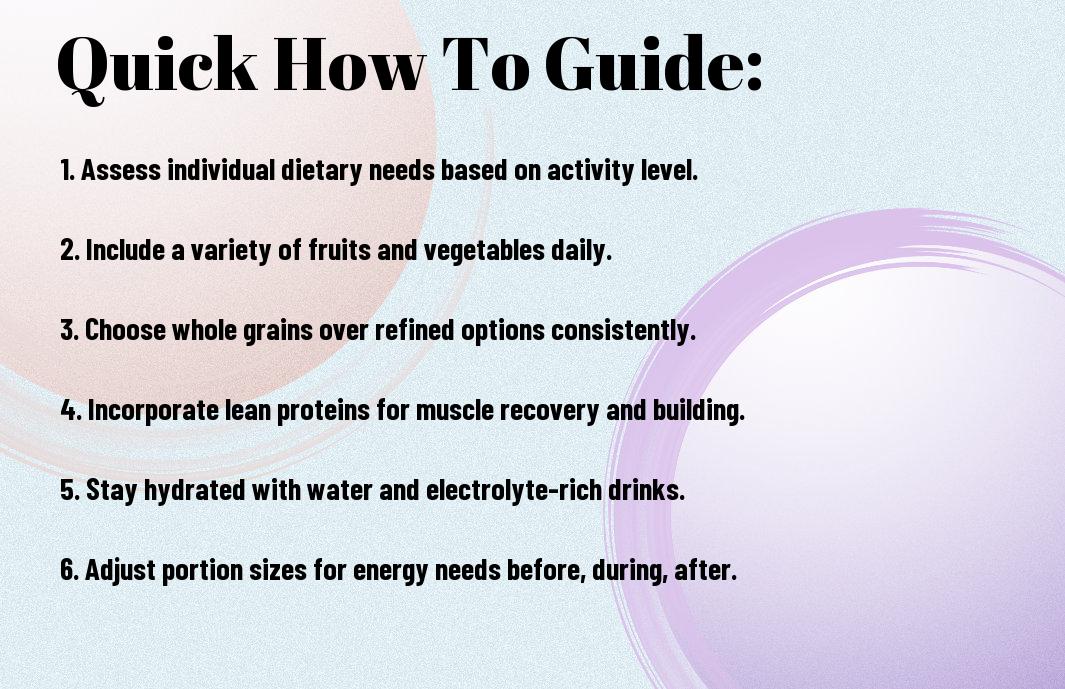
Nutrition plays a vital role in your performance and recovery as an athlete. By understanding the fundamental components of a balanced diet, you can fine-tune your meal plan to support stamina, strength, and overall health. In this guide, you will learn how to incorporate the right mix of macronutrients and micronutrients into your daily intake, ensuring you’re fueling your body efficiently for peak performance. Let’s explore the vital steps for crafting a diet that meets your athletic needs.

Key Takeaways:

  • Diversify Macronutrients: Aim for a balance of carbohydrates, proteins, and fats to fuel performance and recovery.
  • Hydration is Essential: Ensure adequate fluid intake before, during, and after exercise to maintain performance levels.
  • Prioritize Nutrient Timing: Consume specific nutrients at strategic times, such as carbohydrates post-workout for recovery.
  • Include Micronutrients: Incorporate a variety of fruits and vegetables to provide necessary vitamins and minerals necessary for optimal functioning.
  • Tailor to Individual Needs: Adjust the diet based on personal goals, exercise intensity, and body composition for maximum effectiveness.

Understanding the Role of Nutrition for Athletes

Athletes depend on nutrition to enhance performance, recover from training, and maintain overall health. Proper dietary practices fuel your body, enabling you to perform at your peak and achieve your athletic goals. Understanding how to meet your nutritional needs is vital for optimizing your energy levels and physical resilience during demanding training sessions and competitions.

Importance of a Balanced Diet

Nutrition plays a vital role in ensuring your body has the necessary energy and nutrients to sustain high performance levels. A balanced diet provides the right mix of macronutrients and micronutrients, helping you build strength, endurance, and agility, while also supporting recovery and reducing injury risk.

Key Nutritional Factors

Factors that influence your nutrition for sports include macronutrient distribution, micronutrient intake, hydration, and meal timing. It’s paramount to focus on the following elements:

  • Carbohydrates for energy
  • Proteins for muscle repair
  • Fats for sustained endurance
  • Micronutrients for overall health
  • Hydration for optimal performance

Perceiving these factors will help you construct a diet that supports both your athletic aspirations and your overall well-being.

It’s vital to evaluate each factor when developing your nutritional approach. Ensure your carbohydrate intake is sufficient to fuel your workouts, as this is your primary energy source. Adequate protein is fundamental for the repair and growth of muscle tissue, while healthy fats are necessary for long-term endurance. Monitor your micronutrient levels through fruits and vegetables for immune support, and prioritize hydration to maintain peak performance. Balancing these elements will lead to a more robust and effective training regimen.

  • Understand individual calorie needs
  • Incorporate a variety of food types
  • Adjust intake based on training phases
  • Monitor body composition regularly

Perceiving these guidelines helps in creating a customized approach to your diet suited for athletic success.

How to Determine Caloric Needs

Some athletes struggle to understand how many calories they need to fuel their performance. To create an effective diet plan, you must identify your basal metabolic rate (BMR) and factor in your activity levels. This way, you can ensure your body receives the proper energy to recover and perform at its best.

Assessing Activity Levels

There’s no one-size-fits-all approach to assessing your activity levels. You should consider not only your training sessions but also daily activities, such as commuting, work, and other physical engagements. By categorizing these activities, you can better gauge how active you are and adjust your caloric intake accordingly.

Calculating Daily Caloric Intake

Even with a solid understanding of your activity levels, the next step is to calculate your daily caloric intake. This involves taking your BMR and multiplying it by an activity factor that reflects your lifestyle and exercise routine.

Another important aspect of calculating your daily caloric intake is considering your goals—whether you aim to maintain weight, lose fat, or gain muscle. Adjust the figure based on these objectives for optimal results. Utilizing tools such as online calculators can help you derive a more accurate estimate, adjusting as necessary for changes in your training intensity or duration. This tailored approach will ensure that your dietary choices support your performance and recovery effectively.

Essential Macronutrients for Athletes

Despite individual dietary preferences, a balanced diet rich in macronutrients is vital for athletes’ performance and recovery. Each macronutrient plays a distinct role in fueling your body and supporting training goals. Carbohydrates, proteins, and fats all contribute to energy levels, muscle repair, and overall health, ensuring you can perform at your best consistently. Understanding the importance of these macronutrients helps you tailor your diet to meet your specific athletic needs.

Carbohydrates: Fuel for Performance

Any athlete knows that carbohydrates are the primary source of energy for physical activity. By incorporating a variety of complex carbohydrates like whole grains, fruits, and vegetables into your diet, you can optimize your glycogen stores. This will provide the endurance needed for training and competition, helping to maintain your stamina over extended periods. A well-rounded intake of carbs will keep your energy levels high, making them imperative for peak performance.

Proteins: Building and Repairing Muscle

Repairing and building muscle tissue is a vital aspect of an athlete’s recovery process, and proteins play a significant role in this. You should aim to consume high-quality protein sources after workouts, as they help to repair the microtears in your muscles caused by intense exercise. This not only aids recovery but also supports muscle growth and strength development, which are imperative for achieving your athletic goals.

It is important to include a variety of protein sources in your diet, such as lean meats, fish, dairy, legumes, and plant-based proteins. Aim for a protein-rich meal or snack within 30 minutes post-exercise to maximize muscle recovery. This approach helps ensure your body has all the necessary building blocks to recover effectively, enabling you to return to training stronger and more resilient.

Fats: Essential Energy Source

Performance in endurance sports often relies on the body’s ability to utilize fats for energy. Fats provide a concentrated source of energy and support long-duration activities, allowing you to sustain performance when carbohydrate stores are depleted. Including healthy fats from sources like avocados, nuts, and olive oil in your diet will ensure you have the energy reserves necessary for demanding training sessions.

Essential fatty acids are also important for overall health, including brain function and hormone production. By incorporating these fats into your meals, you enhance your nutritional balance and promote optimal recovery and performance. Be mindful to choose unsaturated fats over saturated fats for better health benefits, ensuring your diet supports your athletic endeavors effectively.

Micronutrients: The Unsung Heroes

Once again, it’s important to shine a light on micronutrients, as they play a significant role in your athletic performance. While macronutrients like carbs, proteins, and fats often take center stage, vitamins and minerals contribute to numerous bodily functions, including energy production, immune support, and recovery. Ensuring you have a well-rounded intake of these nutrients can help enhance your overall performance and keep your body in top condition.

Vitamins and Their Roles

Any athlete should focus on getting a variety of vitamins, as each one serves unique functions vital for your health. Vitamin C aids in recovery and immune function, while B vitamins support energy metabolism and help reduce fatigue. Taking a balanced approach to your vitamin intake can empower your performance and help you reach your athletic goals.

Minerals for Optimal Performance

Minerals are vital for maintaining fluid balance, muscle function, and bone health, all of which are vital for your performance as an athlete. They support various physiological processes, ensuring you can perform at your best during training and competition.

Micronutrients, including minerals like calcium, magnesium, and potassium, are vital for athletes. Calcium supports bone strength, magnesium assists in muscle contraction and relaxation, while potassium helps maintain electrolyte balance and prevent cramping. By ensuring your diet is rich in these vital minerals, you can enhance your energy levels, performance, and overall well-being. Prioritize a diverse diet that includes fruits, vegetables, nuts, and whole grains to meet your mineral needs effectively.

Hydration Tips for Athletes

After engaging in intense physical activity, maintaining proper hydration is vital for optimal performance. To ensure you stay hydrated, consider the following tips:

  • Drink water consistently throughout the day.
  • Pre-hydrate before workouts with at least 16-20 ounces of water.
  • During exercise, aim for 7-10 ounces of water every 10-20 minutes.
  • Post-exercise, replenish with 16-24 ounces of water for every pound lost.
  • Monitor urine color to gauge hydration levels.

Perceiving hydration as a key aspect of your training will help you achieve your athletic goals.

Importance of Water Intake

While it may seem simple, consistent water intake significantly impacts your stamina and recovery. Water helps regulate body temperature, lubricate joints, and transport nutrients, which are all vital during athletic endeavors. Insufficient hydration can lead to fatigue, decreased performance, and longer recovery times. Thus, ensuring you drink adequate amounts throughout the day can enhance both your endurance and overall wellbeing.

Electrolytes and Hydration Strategies

Hydration goes beyond just water; it’s important to incorporate electrolytes to maintain your body’s balance during rigorous activities. Electrolytes such as sodium, potassium, and magnesium play an vital role in muscle function and fluid balance. By consuming sports drinks or electrolyte-rich foods, you can effectively replace lost minerals during prolonged workouts and prevent fatigue.

The key to successful hydration is understanding your body’s needs. Start by assessing your sweat loss during workouts and tailor your electrolyte intake accordingly. If training sessions exceed 60-90 minutes, consider using beverages that contain carbohydrates and electrolytes to boost performance. Foods like bananas, avocados, and salty snacks can also replenish lost electrolytes. Balancing these strategies alongside regular water intake will enhance your overall performance and recovery.

Meal Planning Tips

For athletes, effective meal planning is imperative for optimizing performance. Here are some tips to help you create a successful meal plan:

  • Assess your energy needs based on your training schedule.
  • Incorporate a variety of foods to ensure nutrient diversity.
  • Prep meals in advance to save time and reduce stress.
  • Stay hydrated by including water-rich foods and beverages.

Perceiving meal planning as a structured approach will significantly enhance your athletic performance.

Creating Balanced Meals

Any balanced meal for athletes should contain a mix of macronutrients: carbohydrates for energy, protein for muscle repair, and fats for overall health. Aim for colorful plates filled with whole grains, lean proteins, and a variety of fruits and vegetables. This will not only support energy levels but also enhance recovery and overall well-being.

Timing Your Nutrition for Performance

Some aspects of your nutrition will have a considerable impact on your performance, particularly timing your meals around training sessions. Eating the right types of foods before, during, and after workouts can fuel your performance and speed up recovery.

Understanding the importance of meal timing can help you maximize your athletic performance. Consuming a meal rich in carbohydrates and protein about 2-3 hours before training will provide your body with the energy it needs. Post-training, you should focus on replenishing lost nutrients within 30 minutes, which can significantly enhance recovery. Establishing this routine gives your body time to digest and utilize the nutrients effectively, directly impacting your success in both training and competition.

Summing Up

Conclusively, creating a balanced diet for athletes requires you to focus on a variety of whole foods, ensuring adequate macronutrient distribution and micronutrient intake. You should prioritize lean proteins, whole grains, fruits, and vegetables while staying hydrated. Tailor your nutrition plan around your specific training needs and performance goals, and don’t hesitate to consult with a nutrition professional for personalized guidance. By committing to this balanced approach, you’ll support your physical demands and optimize your overall athletic performance.

FAQ

Q: What components should be included in a balanced diet for athletes?

A: A balanced diet for athletes should include a variety of components. These typically consist of carbohydrates, proteins, healthy fats, vitamins, and minerals. Carbohydrates provide imperative energy for training and competitions. Sources like whole grains, fruits, and vegetables are recommended. Proteins are vital for muscle repair and growth, so options like lean meats, fish, dairy, legumes, and nuts should be included. Healthy fats, such as those from avocados, nuts, or olive oil, support overall health and energy levels. Additionally, incorporating a range of fruits and vegetables ensures adequate intake of vitamins and minerals, which play a significant role in bodily functions and recovery.

Q: How should athletes adjust their caloric intake based on their training intensity?

A: Athletes should adjust their caloric intake based on the intensity and duration of their training. For lower intensity training or rest days, a moderate caloric intake may suffice to maintain energy levels without excess. However, during high-intensity training or competition periods, caloric needs typically increase significantly. This can be estimated by monitoring body composition changes and performance outcomes, and adjusting calorie intake accordingly. It’s recommended to focus on nutrient-dense foods to meet increased energy requirements without excessive calorie consumption. Consulting with a sports nutritionist can help tailor an individual plan based on specific training schedules.

Q: What are the best hydration strategies for athletes during training and competition?

A: Hydration is vital for optimal performance in athletes. A good hydration strategy includes regular fluid intake throughout the day, as well as specific practices before, during, and after training or competition. Athletes should aim to drink water before workouts to ensure they start hydrated. During prolonged exercise, sports drinks containing electrolytes can be beneficial, particularly in hot weather or high-intensity sessions, to replace lost fluids and minerals. Post-exercise, it’s important to rehydrate and restore electrolyte balance, either through fluids or food sources. Monitoring urine color can be a simple way to gauge hydration levels—light yellow indicates adequate hydration, while darker colors suggest the need for more fluids.

The Top 5 Ways to Improve Your Stamina for Sports

Most athletes understand that stamina is key to performance, yet many struggle to enhance it effectively. If you’re looking to elevate your endurance during sports, implementing specific strategies can make a significant difference. In this post, you’ll discover five practical methods that will help you boost your stamina, allowing you to push through those challenging moments in games and training. From optimizing your workouts to focusing on nutrition, these tips will provide you with a solid foundation to improve your athletic performance and achieve your goals.

Key Takeaways:

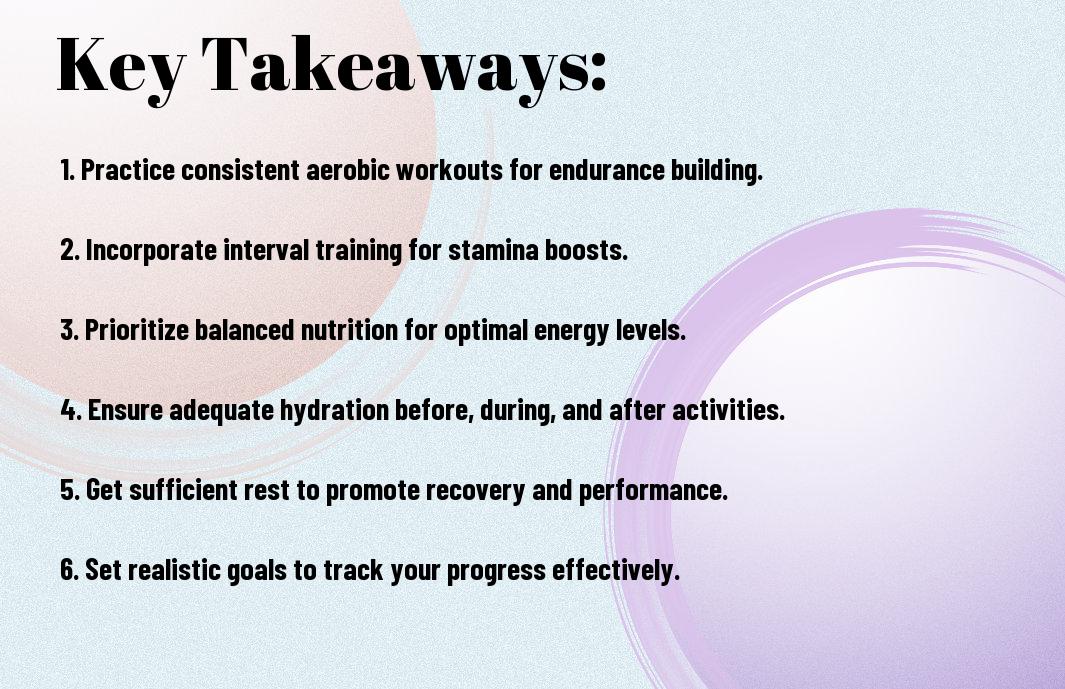
  • Consistent Training: Engaging in regular workouts helps build endurance and enhances overall stamina.
  • Balanced Nutrition: Consuming a diet rich in carbohydrates, proteins, and healthy fats fuels the body and supports stamina during sports activities.
  • Hydration: Staying properly hydrated is important for maintaining energy levels and preventing fatigue during intense workouts.
  • Interval Training: Incorporating high-intensity interval training (HIIT) increases both aerobic and anaerobic capacity, improving stamina significantly.
  • Rest and Recovery: Allowing the body adequate time to rest and recuperate is vital for sustaining energy levels and enhancing performance in the long run.

Understanding Stamina

The term stamina refers to your body’s ability to sustain prolonged physical or mental effort. It indicates your endurance levels, determining how long you can perform an activity before fatigue sets in. Developing stamina is necessary for athletes as it impacts overall performance during training and competition.

Definition of Stamina

Below is a simple definition: stamina is the physical or mental capacity to endure strenuous activity over time. It encompasses both aerobic capacity and muscle endurance, allowing you to push through challenges in your chosen sport.

Importance of Stamina in Sports

Along with strength and skill, stamina significantly contributes to your success in sports. A higher endurance level enables you to train longer, compete effectively, and recover more quickly, enhancing your overall athletic performance.

The significance of stamina cannot be overstated in sports. When you possess strong stamina, you can maintain your performance throughout an entire event, keeping your energy levels steady. This endurance allows you to execute skills effectively, react to opponents, and finish strong, giving you a competitive edge. Moreover, improved stamina enhances your mental toughness, enabling you to push through fatigue and challenges, which is vital for achieving your sports goals.

Incorporating Aerobic Exercise

There’s no better way to boost your stamina for sports than by integrating aerobic exercise into your fitness routine. Aerobic workouts improve your endurance, enhance your cardiovascular health, and help you perform better in high-intensity sports. By engaging in consistent aerobic activities, you enable your body to effectively use oxygen, which in turn, increases your stamina levels and overall athletic performance.

Types of Aerobic Workouts

There’s a variety of aerobic workouts you can choose from to improve your stamina. Consider incorporating the following into your routine:

  • Running or jogging
  • Cycling
  • Swimming
  • Dancing or Zumba
  • Rowing

Assume that varying your workouts will not only keep things interesting but also target different muscle groups, providing comprehensive benefits.

Type of Workout Duration (minutes)
Running 30-60
Cycling 30-90
Swimming 30-60
Dancing 30-60
Rowing 20-45

Frequency and Duration Guidelines

At a minimum, you should aim for at least 150 minutes of moderate aerobic exercise per week, or 75 minutes of vigorous aerobic activity, spread across multiple days. This ensures that you build your stamina gradually while allowing your body sufficient recovery time between sessions.

Even a steady progression in your aerobic routine can lead to significant improvements in your stamina. Aim for about 30 minutes of aerobic exercise, five times a week. You can start with shorter sessions and gradually increase the duration as your fitness level improves. Combining different types of workouts will not only challenge you but also keep your training enjoyable and engaging. Make it a point to listen to your body and adjust your routine accordingly to ensure long-term success.

Strength Training for Endurance

Despite the common misconception that strength training is solely for building muscle, it plays a vital role in enhancing your endurance for sports. By incorporating strength exercises into your routine, you can improve your muscle efficiency, allowing you to perform at a higher level for extended periods. This not only increases your stamina but also helps prevent injuries, giving you a more balanced and robust foundation to excel in your chosen sport.

Key Exercises for Athletes

With a focus on endurance, athletes should incorporate functional strength exercises such as squats, lunges, and deadlifts into their training. These movements engage multiple muscle groups and mimic the motions involved in various sports, enhancing your overall performance. Additionally, exercises like push-ups and planks are excellent for building upper body and core strength, allowing you to maintain your energy levels throughout the competition.

Benefits of Strength Training

An effective strength training routine can lead to improved athletic performance, as it boosts your muscle endurance and overall physical capacity. By increasing your strength, you become more efficient at utilizing energy during prolonged activities, allowing you to push through fatigue longer and with greater ease.

To truly grasp the benefits of strength training, consider that it not only enhances your endurance but also contributes to better coordination, balance, and agility. It builds lean muscle mass, which helps to improve your metabolism and recovery times. As you strengthen your muscles, tendons, and ligaments, you’ll also experience a notable reduction in injury risk, enabling you to train harder and longer while enjoying the activities you love. By integrating strength training into your routine, you empower yourself to reach new performance heights in your sports endeavors.

Nutrition for Optimal Performance

To enhance your stamina for sports, proper nutrition is vital. Fueling your body with the right nutrients can significantly improve your performance and endurance levels. By focusing on a balanced diet rich in carbohydrates, proteins, and healthy fats, you ensure that your body has the energy it needs during intense training and competitions. Additionally, hydration plays an important role in maintaining optimal performance, so it’s vital to pay attention to what you consume before, during, and after your activities.

Nutritional Components for Stamina

After understanding the importance of nutrition, it’s vital to focus on specific components that boost stamina. Carbohydrates are your primary source of energy, while proteins help repair and build muscle tissue. Healthy fats provide vital fatty acids and energy for longer workouts. Incorporating fruits and vegetables ensures you receive necessary vitamins and minerals that play a role in overall health and recovery, helping you maintain peak performance.

Meal Timing and Hydration

Below, you’ll find tips on how meal timing and hydration can significantly impact your stamina. Eating the right foods at the appropriate times allows your body to optimize energy levels and recovery. Staying well-hydrated before, during, and after your workouts is equally important as it supports digestion, muscle function, and overall performance.

With meal timing, you should focus on consuming carbohydrates and proteins within 30 minutes to two hours after your workout to maximize muscle recovery. Prior to your activities, having a balanced meal or snack can fuel your performance effectively. In terms of hydration, aim to drink water consistently throughout the day but pay special attention to fluid intake before, during, and after exercise to prevent dehydration. Utilizing electrolyte-rich beverages during longer sessions can also help maintain energy and endurance.

Rest and Recovery

Unlike what many athletes believe, rest and recovery are just as vital as training when it comes to improving your stamina. Overworking your body can lead to fatigue and burnout, making it harder for you to perform at your best. Implementing adequate rest periods can enhance your overall performance and help you achieve your stamina goals. Prioritizing recovery days in your training schedule will allow your muscles to repair and grow stronger, ultimately benefiting your endurance in sports.

Importance of Sleep

With an increased focus on your training, sleep often takes a backseat, but it’s imperative for stamina improvement. Quality sleep helps to recharge your muscles, restore energy levels, and supports cognitive functions necessary for peak performance. Aim for 7-9 hours of uninterrupted sleep each night to facilitate the body’s recovery processes and enhance your athletic capabilities. Good sleep hygiene practices, such as maintaining a consistent schedule and optimizing your sleep environment, will significantly impact your performance outcomes.

Active Recovery Techniques

About incorporating active recovery techniques can vastly improve your stamina. These methods involve gentle physical activities that promote blood circulation, reduce muscle soreness, and assist in the recovery process without adding significant strain to your body. Activities like walking, cycling, or yoga can help maintain your fitness levels while allowing your muscles to heal.

Further exploring active recovery techniques, you might consider engaging in low-intensity activities that keep you moving while aiding muscle recovery. For instance, a leisurely swim or a light jog can be highly effective. Stretching and foam rolling are also beneficial for enhancing flexibility and relieving tension in your muscles. This balance of activity and relaxation allows your body to recover more efficiently, resulting in improved stamina for your next training session or competition.

Mental Strategies for Endurance

Now, building your stamina is not only about physical training; it also requires strong mental strategies. Developing a resilient mindset can enhance your endurance and help you push through challenging moments during sports activities. Incorporating mental exercises into your training routine will allow you to stay focused and maintain motivation, ultimately improving your performance.

Mindfulness and Focus Techniques

After incorporating mindfulness techniques into your routine, you can sharpen your focus and enhance your endurance during sports. Practicing mindfulness involves being fully present in your activities, which helps you manage stress and improve your overall performance. Techniques such as deep breathing, visualization, and meditation can keep distractions at bay, allowing you to concentrate on your goals.

Setting Realistic Goals

Around setting goals, it’s crucial to create realistic and achievable targets that align with your current abilities and desired outcomes. This practice helps maintain motivation and allows for steady progress, which ultimately fosters a sense of accomplishment. By breaking larger goals into smaller, manageable milestones, you can track your progress effectively and adjust your training regimen as needed.

Indeed, setting realistic goals is fundamental to enhancing your stamina in sports. Focusing on small, incremental improvements rather than overwhelming yourself with lofty expectations ensures that you stay motivated and avoid burnout. Celebrate your achievements along the way, no matter how small, as they contribute to your overall growth. Over time, this approach builds confidence while keeping your motivation high, allowing you to enhance your stamina sustainably.

To Wrap Up

From above, you now have a clear understanding of how to enhance your stamina for sports. By incorporating a balanced diet, consistent training, adequate rest, hydration, and mental conditioning, you can elevate your performance. These strategies work together to help you build endurance and achieve your athletic goals. For more insights on improving your stamina, check out this resource on How to Increase Stamina: 16 Ways to Power Up a Workout.

Q: What are some effective exercises to boost my stamina for sports?

A: To improve your stamina for sports, consider incorporating a variety of aerobic and anaerobic exercises into your routine. Long-distance running or cycling can enhance your cardiovascular endurance, while interval training—alternating short bursts of high-intensity activity with periods of rest—can build both stamina and power. Activities like circuit training that combine strength and aerobic workouts can also be beneficial. Lastly, consider sports-specific drills that mimic the movements and intensity of your chosen sport to condition your body accordingly.

Q: How does nutrition play a role in enhancing my stamina for sports?

A: Nutrition is vital for building and maintaining stamina. A balanced diet rich in carbohydrates, proteins, and healthy fats provides the energy required for prolonged physical activity. Carbohydrates serve as the primary fuel source, so including whole grains, fruits, and vegetables is important. Protein supports muscle repair and recovery, making lean meats, fish, legumes, and dairy products important. Staying hydrated is also key; water and electrolyte-rich drinks help maintain performance during extended periods of exercise. Consulting with a sports nutritionist can help tailor your diet to meet your specific stamina-related needs.

Q: How important is rest and recovery in improving my sports stamina?

A: Rest and recovery are vital elements in any training program aimed at boosting stamina. When you engage in intense workouts, your muscles experience micro-tears that need time to heal. Incorporating rest days into your training schedule allows your body to repair itself, building stronger muscles and enhancing endurance over time. Active recovery, such as gentle stretching, yoga, or light cardio, can also promote recovery without completely halting your training. Adequate sleep is equally important, as it helps to regulate hormones and supports overall recovery and performance. Balancing training with sufficient rest will lead to greater advancements in stamina.

How to Handle Setbacks in Sports Performance

Performance in sports can be unpredictable, and setbacks are an inevitable part of your journey as an athlete. Whether it’s an injury, a loss, or not meeting your expectations, how you respond to these challenges can significantly impact your growth and future success. In this guide, you will learn effective strategies to navigate setbacks, maintain your motivation, and emerge stronger than before. Embrace these insights to turn obstacles into stepping stones on your path to excellence.

Key Takeaways:

  • Perspective: Viewing setbacks as learning opportunities can foster growth and resilience in athletes.
  • Emotional Management: Developing strategies to cope with disappointment is necessary for maintaining mental health and focus.
  • Communication: Engaging with coaches, teammates, and support systems can provide valuable insights and motivation.
  • Goal Adjustment: Reassessing short-term and long-term goals helps maintain motivation and sets a clear path forward.
  • Consistency: Maintaining a regular training schedule and commitment can help overcome the negative impacts of setbacks.

Understanding Setbacks in Sports Performance

Before you can effectively deal with setbacks in your sports journey, it’s necessary to understand what they are. Setbacks are temporary disturbances that can impact your performance, making recovery and improvement more challenging. They can arise from various factors, but acknowledging their presence is the first step toward overcoming them and enhancing your resilience. You’re not alone; every athlete experiences these moments. The key is to view them as opportunities to learn and build greater tenacity in your sport.

Common Factors Contributing to Setbacks

Sports performance setbacks can stem from various sources, impacting your training and competition outcomes. Common factors include:

  • Injuries or physical limitations
  • Poor training consistency
  • Lack of mental focus
  • External pressures, such as competition stress

The understanding of these factors can enable you to proactively address potential issues in your athletic journey.

The Psychological Impact of Setbacks

Now, it’s necessary to recognize that the psychological toll of setbacks can be significant. Experiencing a setback may lead to self-doubt, decreased motivation, and anxiety about future performances. These emotional responses can hinder your recovery and growth as an athlete.

Another aspect to consider is how setbacks can alter your perspective on training and competition. You may feel disheartened or frustrated, which can detract from your enjoyment of the sport and affect your relationships with coaches and teammates. Acknowledging your emotional response can provide insights into your mindset and open the door to implementing coping strategies that enhance your psychological resilience moving forward.

How to Reassess Goals

One of the most effective ways to navigate setbacks in sports performance is to reassess your goals. This process allows you to reflect on your current situation and make necessary adjustments to ensure your aspirations remain realistic and motivating. Consider the challenges you’ve faced and how they impact your original objectives. By redefining what success looks like for you now, you can create a more tailored plan that inspires you to keep pushing forward.

Setting Realistic and Achievable Targets

Setting realistic and achievable targets is important to maintain your motivation and progress. You need to evaluate your current skill level, available resources, and time commitments to create goals that align with your capabilities. Instead of aiming for perfection, focus on incremental improvements that challenge you without overwhelming you. This approach helps build confidence and keeps you engaged in your training or competition.

Adjusting Goals Based on Performance

Goals should evolve as you gain insights from your performance. Regularly assessing your achievements and setbacks helps you understand what’s working and what’s not. This might mean lowering your expectations, changing your timeline, or shifting your focus entirely. By aligning your goals with your current abilities and environmental factors, you set yourself up for sustained success. Adjustments allow you to embrace the journey of growth and adaptability, ensuring you remain on the path toward your ultimate vision.

To effectively adjust your goals based on performance, you must conduct periodic evaluations of your training sessions and competitions. Analyze what aspects are contributing to your successes and identify areas needing improvement. This self-reflection will give you valuable insights into your progress and help you determine whether your goals need to be more challenging or realistic. Embrace a mindset that welcomes change and stay flexible in your approach, allowing your aspirations to evolve with your journey.

Effective Strategies for Recovery

Not every setback is permanent, and the right recovery strategies can help you bounce back stronger. Establishing a structured recovery routine tailored to your specific needs can make all the difference in your performance. Incorporate both physical and mental recovery techniques to address the full spectrum of challenges you may face in sports. This holistic approach not only aids in recovery but can also enhance your future performance.

Physical Recovery Techniques

With the right physical recovery techniques, such as proper stretching, nutrition, hydration, and sleep, you can significantly speed up your body’s healing process. Engaging in activities like yoga or light aerobic exercise can promote circulation and reduce soreness. Consider utilizing tools like foam rollers or massage to help relieve muscle tension and restore functionality. Prioritizing these physical aspects will ensure you bounce back efficiently from setbacks.

Mental Recovery Practices

Techniques for mental recovery, such as mindfulness, visualization, and goal-setting, are necessary to revitalizing your competitive edge. These practices help you refocus and regain confidence after a setback, allowing your mind to recover just as your body does. Engaging in mental exercises can reduce anxiety and foster a positive mindset, enabling you to tackle future challenges effectively.

Practices like journaling about your experiences, reflecting on what went wrong, and developing a constructive action plan can bolster your mental resilience. Incorporating visualization techniques, where you mentally rehearse successful performance scenarios, can also reinforce positive habits. By prioritizing these mental recovery practices, you’ll build a strong foundation that not only helps you recover but also prepares you for future successes.

Seeking Support and Guidance

For athletes facing setbacks, seeking support and guidance can make a significant difference in your recovery and performance. Engaging with experienced coaches, trainers, and peers provides a solid foundation for understanding your challenges. They can offer valuable feedback, encouragement, and strategies to help you navigate through obstacles effectively, allowing you to regain your confidence and focus on improvement.

The Role of Coaches and Trainers

Little can replace the expertise of coaches and trainers when you encounter setbacks. They possess the knowledge to assess your performance, identify underlying issues, and provide a structured plan to help you return to your peak condition. Their experience can also inspire you to push through challenges, maintaining motivation and accountability as you work towards your goals.

Utilizing Support Networks

Support from your network plays a vital role in overcoming setbacks. Surrounding yourself with teammates, friends, and family allows for shared experiences and emotional encouragement, which can boost your resilience. These connections will not only provide motivation but also help to alleviate the stress that often accompanies challenging times in sports.

To enhance your performance after a setback, actively utilizing your support networks can offer diverse perspectives and resources. Engage with teammates who understand your journey, share insights, and exchange practical advice. Additionally, communicate openly with friends and family, relying on their emotional support to sustain your morale. By fostering these connections, you create an environment that promotes growth, healing, and a renewed sense of purpose in your athletic endeavors.

Tips for Maintaining Motivation

Keep your motivation alive by setting achievable goals and surrounding yourself with supportive individuals. Here are a few strategies to consider:

  • Create a vision board to visualize your aspirations
  • Track your progress in a journal
  • Engage in positive self-talk to reinforce your determination
  • Join a local sports group to foster camaraderie
  • Embrace setbacks as opportunities for improvement

Perceiving setbacks as temporary can help you sustain your motivation throughout your athletic journey.

Cultivating a Growth Mindset

Maintaining a growth mindset is fundamental for athletes facing setbacks. This mindset encourages you to view challenges as chances to improve rather than insurmountable obstacles. By embracing feedback and focusing on continuous learning, you can enhance your skills and resilience.

Celebrating Small Victories

Victories, no matter how small, are significant in your athletic journey. Acknowledging these moments boosts your morale and provides a sense of accomplishment. When you recognize progress, even minor achievements, it fuels your motivation to keep pushing forward.

It’s vital to take the time to celebrate each milestone you reach, such as completing a tough workout or mastering a new skill. These small victories serve as stepping stones toward your larger goals, reminding you of your capabilities and reinforcing a positive mindset. By savoring these achievements, you create a powerful emotional foundation that propels you through challenging times.

Learning from Setbacks

To evolve in your sport, it’s crucial to extract valuable lessons from setbacks. Each struggle presents an opportunity for growth, allowing you to refine your techniques, rethink strategies, and adjust your mindset. By viewing obstacles as stepping stones rather than barriers, you can transform negative experiences into motivation to achieve your goals. A positive approach to learning from setbacks fosters resilience and prepares you for future challenges.

Analyzing Performance for Future Improvement

The key to enhancing your capabilities lies in self-reflection. After a setback, take time to assess your performance critically. Analyze the factors that contributed to your results, whether they be physical, mental, or strategic. Gathering insights through this analysis helps you identify weaknesses and areas for development, enabling you to create a targeted plan for improvement in future competitions.

Embracing Resilience

You must cultivate resilience to thrive in sports. Embracing this mindset enables you to bounce back stronger after setbacks, maintaining focus on long-term goals. Understanding that every athlete encounters challenges will help you navigate your own journey with a sense of purpose and determination.

Setbacks are an inevitable part of athleticism, but they do not define your journey. Instead, they offer a chance to reassess your determination and commitment to your sport. By embracing resilience, you learn to navigate difficulties effectively, allowing you to harness the power within. Viewing every setback as a learning experience not only strengthens your skills but also enhances your mental toughness, preparing you for future challenges.

Conclusion

Drawing together the strategies for managing setbacks in sports performance, it’s crucial that you focus on a positive mindset, develop resilience, and seek support when needed. Acknowledge your emotions but channel them into constructive actions that enhance your skills and mental strength. By learning to adapt and foster determination, you can emerge stronger from any challenge. For insights on how to deal with setbacks like an elite athlete, consider integrating these principles into your training routine.

Q: What are some effective strategies to cope with performance setbacks in sports?

A: Coping with performance setbacks requires a multi-faceted approach. First, it’s important to assess the situation objectively. Take time to analyze what went wrong and identify any patterns or training deficiencies. Next, practice mindfulness or visualization techniques to refocus your mindset. Surround yourself with supportive teammates, coaches, or sports psychologists who can provide guidance. Setting incremental goals can also help rebuild confidence over time. Ultimately, maintaining a positive attitude and embracing the learning process in setbacks is key to long-term improvement.

Q: How can athletes maintain motivation after experiencing a setback?

A: Maintaining motivation after a setback can be challenging but is crucial for recovery. Start by reframing the setback as an opportunity for growth rather than a failure. This perspective fosters resilience. Create a new training plan that includes small, achievable goals to help reignite passion for the sport. Involving friends or family in training can provide additional support and encouragement. Reflect on past achievements and remind yourself of the reasons you love your sport to rekindle that motivation. It’s also helpful to take short breaks to reset mentally without losing sight of your long-term objectives.

Q: When should an athlete consider seeking professional help after a setback?

A: An athlete should consider seeking professional help if they find it increasingly difficult to bounce back emotionally or mentally after a setback. Signs may include persistent negative thoughts, a decline in performance, or avoidance of training or competition altogether. Additionally, if feelings of anxiety or depression arise, reaching out to a sports psychologist or counselor can provide the necessary support and coping strategies. Consulting with a coach about these feelings can also help identify any physical or technical improvements needed. Professional guidance ensures that athletes are not only addressing the emotional challenges but also getting back on track for future successes.

The Importance of Sleep for Athletic Performance

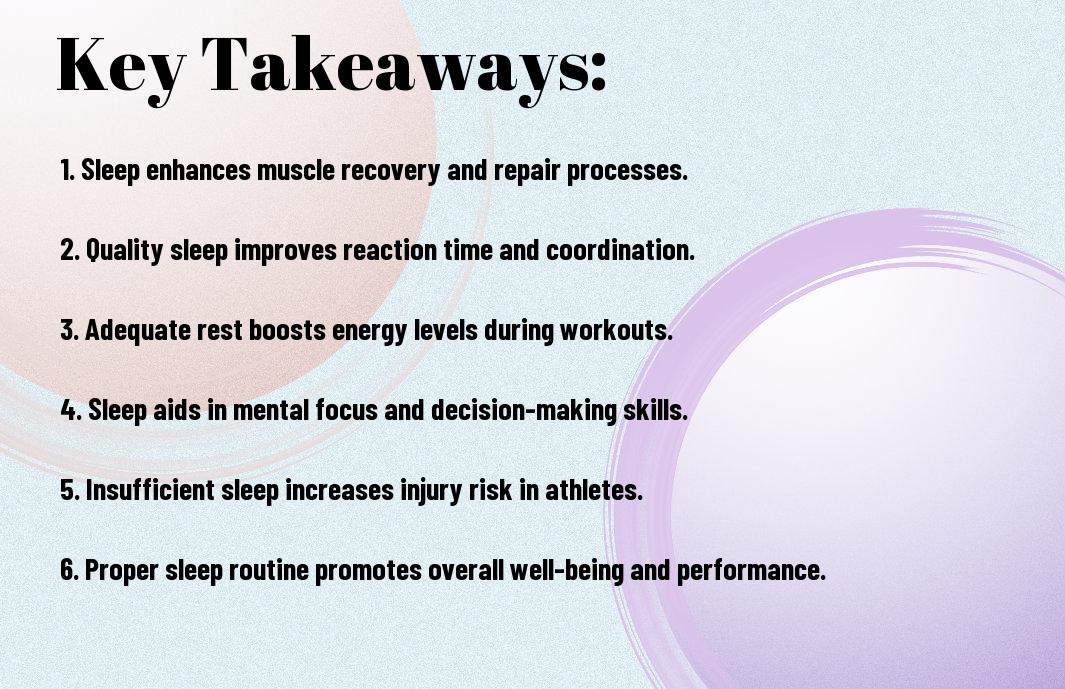
It’s vital to recognize that quality sleep significantly impacts your athletic performance. When you prioritize rest, your body has the opportunity to recover, repair muscle tissue, and restore energy levels, all of which are vital for peak performance. Insufficient sleep can impair your concentration, reaction time, and overall stamina, potentially hindering your athletic abilities. Understanding the relationship between sleep and performance can help you make informed decisions that enhance not only your training but also your competitive edge.

Key Takeaways:

  • Recovery: Sleep facilitates muscle repair and recovery, allowing athletes to perform at their best.
  • Performance: Quality sleep enhances reaction times, speed, and overall athletic performance during practices and competitions.
  • Focus: Adequate sleep improves concentration and decision-making skills, which are crucial during high-pressure situations.
  • Injury Prevention: Sufficient rest helps reduce the risk of injuries by supporting physical and cognitive functions.
  • Hormonal Balance: Sleep regulates hormones that influence metabolism, growth, and stress, all of which are vital for peak athletic performance.

The Science of Sleep

While sleep may seem like a passive activity, it plays a vital role in the physiological and psychological processes that enhance athletic performance. During sleep, your body undergoes complex restoration, including muscle repair, memory consolidation, and hormone regulation. These processes are crucial for recovery, allowing you to perform at your best. Understanding the science behind sleep helps you appreciate its impact on your athletic endeavors.

Sleep Cycles and Stages

To optimize your athletic performance, it’s important to understand the different sleep cycles and stages. Sleep is categorized into Non-Rapid Eye Movement (NREM) and Rapid Eye Movement (REM) stages, cycling through approximately every 90 minutes. NREM stages facilitate deep restorative sleep for your body, while REM sleep supports cognitive functions and emotional resilience. Balancing these stages is key to achieving the restorative benefits needed for your fitness goals.

Effects of Sleep on Physical Performance

An optimized sleep schedule can dramatically enhance your physical performance. Quality sleep improves endurance, strength, and agility, allowing for more intense training sessions and better overall results.

This improvement is due to several factors, including enhanced energy levels, faster reaction times, and improved focus during your workouts. Additionally, adequate sleep helps regulate the hormones that control appetite and metabolism, contributing to better body composition. By prioritizing sleep, you prepare your body to recover efficiently and perform optimally, maximizing your potential as an athlete.

Sleep and Recovery

One of the most significant aspects of recovery is the quality of your sleep. Adequate rest allows your body to repair and regenerate, which is vital for maximizing athletic performance. Research reveals that sleep enhances muscle recovery, cognitive function, and overall well-being. To learn more about How Does Sleep Affect Athletic Performance?, consider the various benefits that improving your sleep routine can provide.

Muscle Repair and Growth

Muscle recovery takes place primarily during deep sleep stages, where your body releases growth hormone and repairs muscle fibers stressed during workouts. By prioritizing quality sleep, you enhance cellular repair processes that contribute to muscle growth, enabling you to train harder and recover faster.

Hormonal Regulation

After a night of inadequate sleep, your body’s hormonal balance can be disrupted. This imbalance can affect not only your recovery but also your performance during workouts and competitions.

Hormonal fluctuations caused by poor sleep can lead to increased cortisol levels, which may impede muscle recovery and growth. Additionally, sleep deprivation can lower testosterone levels, which are vital for muscle mass and strength development. By ensuring you get sufficient sleep, you can maintain optimal hormonal levels that support your athletic endeavors and overall health.

Cognitive Functions and Decision Making

Your mental acuity plays a significant role in your athletic performance, as it encompasses how you make quick decisions and navigate strategy during competitions. Adequate sleep enhances your cognitive functions, allowing you to process information more efficiently, analyze opponents, and react in high-pressure situations. This improved clarity can lead to better judgment calls on the field, resulting in a competitive edge over others.

Mental Stamina and Focus

An athlete’s mental stamina is vital for sustaining concentration throughout competitions and training sessions. Sufficient sleep helps maintain your focus, allowing you to push through physical and mental fatigue. This endurance supports your ability to stay engaged and alert, making it easier to execute complex strategies and elevate your overall performance.

Reaction Time and Coordination

With proper rest, your body’s ability to react to stimuli improves significantly. Sleep deprivation can slow your reaction time, making it harder to respond effectively to your environment. The coordination between your brain and muscles relies heavily on how well-rested you are, as sleep promotes motor skills and muscle memory that are vital for success in athletics.

Consequently, if you find yourself underperforming, it may not be solely due to physical training but rather a lack of restorative sleep. Enhanced coordination and quicker reaction times can set you apart from competitors, allowing you to capitalize on fleeting opportunities during games and races. Optimal rest revitalizes your neuromuscular pathways, facilitating seamless movement and sharper responses, which directly contribute to your overall athletic prowess.

Common Sleep Disorders Among Athletes

Unlike the general population, athletes often face unique sleep challenges that can compromise their performance. Factors such as intense training schedules, travel, and competitive stress can lead to sleep disorders like insomnia and sleep apnea. Recognizing these issues is crucial for maintaining optimal athletic performance and overall well-being. By being aware of these disorders, you can take proactive steps to improve your sleep quality and, in turn, your athletic capabilities.

Insomnia and Sleep Apnea

Beside the physical demands, many athletes experience insomnia and sleep apnea, conditions that disrupt restful sleep. Insomnia may stem from pre-competition anxiety or irregular training schedules, while sleep apnea often occurs due to factors like obesity or specific anatomical features. Both disorders can diminish your recovery and hinder performance, emphasizing the need for awareness and intervention.

Strategies for Better Sleep

Better sleep can be achieved through a combination of lifestyle modifications and effective sleep hygiene practices. Establishing a consistent sleep schedule, creating a relaxing bedtime routine, and optimizing your sleeping environment can significantly enhance your sleep quality. This will not only improve recovery but also elevate your athletic performance.

The importance of establishing effective strategies for better sleep cannot be overstated. Implementing a regular sleep schedule where you go to bed and wake up at the same time every day can train your body to recognize when it’s time to sleep. Creating a dark, quiet, and cool sleeping environment will help reduce disturbances. Furthermore, limiting caffeine intake and avoiding screen time before bed can prepare your mind for rest. Prioritizing relaxation techniques, such as deep breathing or meditation, can also elevate your sleep quality, resulting in enhanced performance on the field or in the gym.

Nutritional Considerations for Enhanced Sleep

To optimize your sleep quality and enhance athletic performance, consider incorporating specific nutritional strategies into your routine. Certain foods can act as natural sleep aids, while the timing of your meals can significantly influence your body’s ability to wind down at night. Prioritizing these nutritional aspects will not only help you sleep better but also enhance your recovery and overall athletic capabilities.

Foods that Promote Sleep

Around bedtime, focus on consuming foods that are rich in tryptophan, magnesium, and melatonin. Some excellent options include almonds, turkey, bananas, and oatmeal. These foods can help regulate your sleep cycle, making it easier for you to fall asleep and stay asleep throughout the night.

Timing of Meals

Above all, the timing of your meals plays a significant role in your sleep quality. Eating a large meal too close to bedtime can disrupt your sleep, making you feel uncomfortable and alert. It’s generally advised to finish your last meal at least 2-3 hours before you go to sleep to allow your body to properly digest the food.

Plus, aligning your meal times with your natural circadian rhythm can enhance your overall sleep quality. Ideally, aim for a balance of macronutrients in your evening meal, incorporating lean proteins, healthy fats, and complex carbohydrates. This strategy will help you avoid spikes in blood sugar, allowing your body to gradually transition into a restful state as you prepare for sleep.

Creating an Optimal Sleep Environment

Many athletes underestimate how much their sleep environment impacts their quality of rest. To maximize your recovery, it’s vital to create a sleep haven. Aim for a dark, quiet room with a comfortable mattress and pillows that support your sleep position. Regulating the temperature to a cooler setting can enhance sleep quality, while reducing ambient light and noise will also promote deeper rest. By optimizing your physical environment, you set the stage for restorative sleep that supports your athletic performance.

Sleep Hygiene Practices

An effective sleep routine includes consistent sleep and wake times, making it easier for your body to establish a natural rhythm. Engage in relaxing pre-sleep activities, such as reading or stretching, to signal to your body that it’s time to wind down. Limit caffeine and heavy meals in the hours leading up to bedtime, and create a soothing atmosphere in your bedroom. These sleep hygiene practices help ensure that you are well-rested and ready to perform at your best.

Using Technology Wisely

Using technology can either disrupt or enhance your sleep quality, depending on how you apply it. Limiting exposure to screens at least one hour before bed can reduce blue light interference, which may impede melatonin production. Consider setting up a sleep-friendly environment by using apps that promote relaxation or track sleep patterns, ensuring you interpret the data intelligently and adapt as needed for better recovery.

Even with the right technology, it’s important to set boundaries. For instance, while sleep-tracking devices can provide insights into your sleeping habits, focus on the overall trends rather than getting caught up in nightly fluctuations. Use technology to enhance your sleep, such as sleep meditation apps or white noise machines, which can promote relaxation. This thoughtful application of tech will support your efforts to cultivate an optimal sleep routine, ultimately boosting your athletic performance.

Summing up

With this in mind, prioritizing sleep is important for enhancing your athletic performance. Quality rest not only aids in recovery but also sharpens your focus, boosts your strength, and improves your overall physical health. By recognizing the significance of restful sleep, you can optimize your training regimen and give your body the time it needs to repair and grow stronger. Make sleep a key part of your strategy, and you’ll likely see enhanced results in your athletic endeavors.

FAQ

Q: Why is sleep crucial for athletes?

A: Sleep plays a vital role in athletic performance by allowing the body to recover and repair itself after rigorous training sessions. During sleep, the body undergoes processes such as muscle growth, tissue repair, and hormone regulation. Quality sleep can improve reaction times, coordination, and overall endurance, which are key components of athletic success. Athletes who prioritize sleep often experience enhanced focus and decision-making abilities during competitions.

Q: How does sleep affect an athlete’s mental health and performance?

A: Sleep has a significant impact on mental health, which in turn affects athletic performance. Adequate rest helps reduce stress and anxiety levels, promoting a more positive mindset. Poor sleep can lead to increased irritability, mood swings, and lack of motivation, hindering an athlete’s ability to train effectively or perform well. A well-rested athlete tends to have better concentration and overall cognitive function, translating into improved performance on the field or court.

Q: What are the recommended sleep durations for athletes?

A: Although individual sleep needs may vary, it is commonly recommended that athletes aim for 7 to 9 hours of sleep per night. Some may require more, especially during heavy training phases when the body demands extra recovery time. Athletes should also consider incorporating short naps into their routine, which can help alleviate fatigue and enhance performance. Ultimately, maintaining a consistent sleep schedule is beneficial for achieving optimal restorative sleep.

How to Choose the Right Sports Shoes

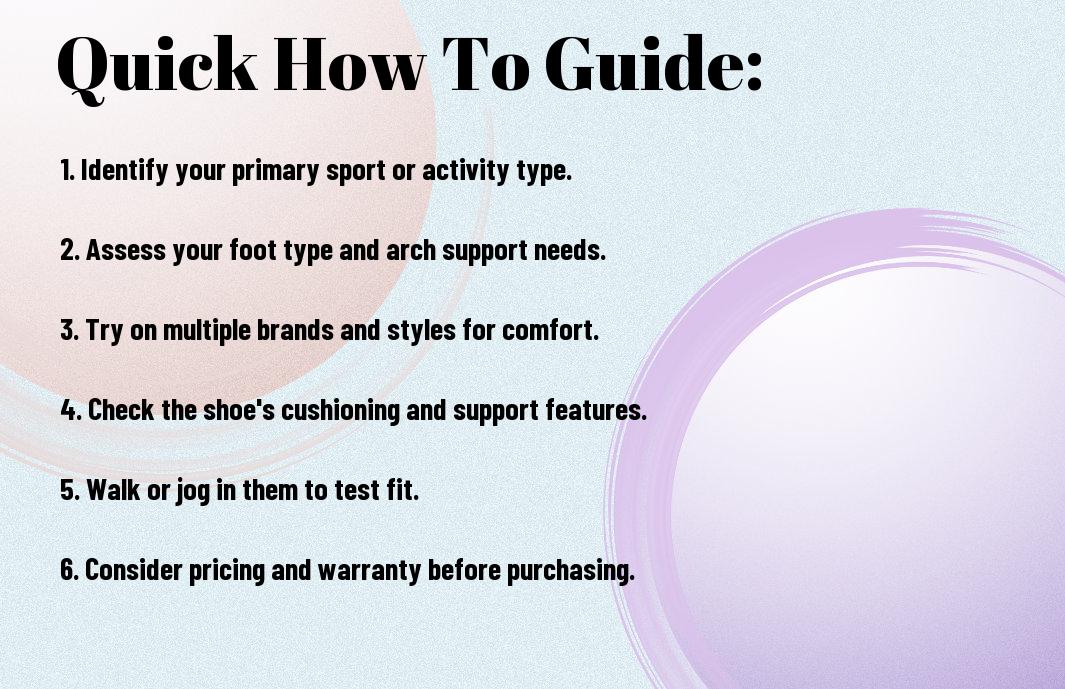
There’s no denying that the right sports shoes can enhance your performance and comfort during physical activities. When deciding on the perfect pair, you need to consider factors like your foot type, the sport you’ll be engaging in, and your personal style. This guide will help you navigate the options available so you can make an informed decision and find the sports shoes that best suit your needs.

Key Takeaways:

  • Activity Type: Identify the specific sport or activity you will be engaging in, as different shoes are designed for various sports.
  • Fit and Comfort: Ensure the shoes fit well with adequate support, cushioning, and room for toe movement to prevent discomfort during activities.
  • Arch Support: Consider your foot’s arch type (flat, normal, or high) to find shoes that offer the right level of support needed for your foot type.
  • Surface Compatibility: Choose shoes that are suitable for the playing surface, such as turf, grass, or gym floors, to enhance performance and safety.
  • Durability and Quality: Look for well-constructed shoes made from high-quality materials that can withstand the wear and tear of your sport over time.

Understanding Your Foot Type

The key to selecting the right sports shoes is understanding your unique foot type. Foot shapes vary greatly among individuals, and recognizing whether you have flat, neutral, or high arches is vital for ensuring proper support and comfort. By determining your foot type, you can select shoes that cater specifically to your biomechanics, improving your performance and reducing the risk of injury.

Identifying Your Arch Type

With the right approach, you can easily identify your arch type by observing your foot’s print on a wet surface. A flat print indicates low arches, a partial print suggests neutral arches, and a narrow print is indicative of high arches. This understanding will help you choose shoes with the appropriate level of cushioning and support tailored to your specific needs.

Assessing Foot Width

Even though many people focus on shoe length, the width of your foot is equally important for finding a proper fit. Measuring your foot width will help you choose a shoe that accommodates your foot’s natural proportions. Many brands offer different width options, such as narrow, standard, and wide, allowing you to select a shoe that ensures comfort and stability during your activities.

It’s vital to assess your foot width, as wearing shoes that are too narrow can lead to discomfort and foot issues. To measure, stand on a piece of paper and trace your foot’s outline, then measure the widest part. Knowing this width will guide you in selecting the right fit when shopping for sports shoes, making sure you avoid unnecessary pinching or chafing while engaging in your favorite activities.

Knowing the Type of Sport

If you want to choose the right sports shoes, it’s necessary to understand the specific requirements of your sport. Different activities place unique demands on your footwear, so make sure to evaluate your needs before purchasing. For more detailed guidance, check out this How To Choose The Right Running Shoes For You. This knowledge will help you select shoes that enhance your performance and comfort.

Running Shoes vs. Cross-Training Shoes

To select between running shoes and cross-training shoes, consider the activities you engage in regularly. Running shoes are designed with cushioning and support for forward motion, while cross-training shoes offer versatility for various workouts, including weightlifting and aerobics. Choose the type that aligns with your primary exercise regimen to optimize your performance.

Specific Needs for Different Sports

For athletes, the needs of each sport vary significantly, leading to different shoe requirements. Prioritizing the characteristics of your chosen sport ensures you have shoes that provide optimal support, stability, and protection tailored to those specific movements.

Running shoes are crafted to minimize impact with features like cushioning and shock absorption tailored for miles of pavement. Soccer cleats focus on traction for quick lateral movements on grass, while basketball shoes offer ankle support and a durable grip for jumping and pivoting on the court. Tennis shoes prioritize stability and quick movements side-to-side on the court. Always consider your sport’s unique demands to find the perfect pair of shoes that protect your feet and enhance your performance.

Key Features to Look For

Despite the multitude of options available, narrowing down your choice can be simplified by focusing on key features. Look for the following elements to ensure optimal performance:

  • Proper fit and sizing
  • Support and stability
  • Cushioning level
  • Type of sole (traction and flexibility)
  • Weight of the shoe
  • Durability of materials
  • Style and design

Any combination of these features can significantly enhance your athletic performance and comfort.

Cushioning and Impact Protection

Assuming you are active in sports, cushioning and impact protection are vital for reducing strain on your joints. Look for shoes that offer sufficient cushioning to absorb shocks while providing support. The type of cushioning can vary, so choose a pair that matches your activity level and personal comfort preferences.

Breathability and Material

While selecting sports shoes, breathability and material are necessary for comfort and performance. Breathable materials, like mesh, promote airflow, keeping your feet cool and dry during intense activities. Look for shoes designed with moisture-wicking properties to prevent sweat accumulation and reduce odor.

With the right breathable materials, you can enhance your overall experience during workouts or sports. Quality mesh fabrics allow your feet to retain a cool temperature even in high-energy situations. Additionally, durable materials will provide structure and longevity, ensuring your shoes can withstand the rigors of your sport while maintaining comfort and functionality.

Tips for Trying on Shoes

Keep these tips in mind to ensure you find the perfect sports shoes:

  • Try on shoes later in the day when your feet are more swollen.
  • Wear the socks you plan to use during your activities.
  • Test the shoes on the surface you usually exercise on.
  • Walk or jog around the store to assess comfort and support.

After evaluating your shoe options, you’ll have a better sense of what fits and feels right.

Timing Your Purchase

To maximize comfort and fit, consider timing your purchase. Your feet naturally swell throughout the day, so trying on shoes in the afternoon makes for a more accurate assessment of how they will feel during activity.

Proper Fit and Comfort Guidelines

While selecting shoes, focus on achieving a secure and comfortable fit. Make sure there’s about a thumb’s width of space between your longest toe and the shoe’s end. This will prevent discomfort during movements. The heel should fit snugly without slipping, and the shoe should provide adequate arch support.

Purchase well-fitting sports shoes that conform comfortably to your foot’s shape. Pay attention to varying designs and technologies across brands that cater to different needs—some may offer extra cushioning, while others provide additional stability. If you feel any pinching or tightness, don’t hesitate to try a different size or style to ensure that your shoes support your performance and comfort levels during activities.

Factors Influencing Shoe Longevity

To ensure your sports shoes last longer, several factors play a significant role. Consider the following aspects:

  • Material quality
  • Frequency of use
  • Type of surface you run on
  • Your weight and foot type

Assume that you pay attention to these factors; your investment in sports shoes will pay off in extended wear and performance.

Wear Patterns and Durability

Patterns of wear can give you insight into the durability of your sports shoes. Observe where the sole thins or shows signs of damage, as these areas will wear out faster depending on your running style or foot strike. This can help you choose the right shoe for your foot type and activity level, ultimately enhancing the shoe’s longevity.

Maintenance Tips

An effective maintenance routine can significantly extend the life of your sports shoes. Consider the following guidelines for upkeep:

  • Regularly clean your shoes
  • Avoid machine washing
  • Store them in a cool, dry place
  • Rotate shoes if you run frequently

After following these tips, you will keep your shoes in optimal condition for a longer time.

Shoe maintenance goes beyond cleaning; it is about taking a holistic approach to care. You can check and replace insoles as needed to maintain proper support, and inspect the stitching for any potential fraying. Airing out your shoes after each use prevents odor and keeps them fresh. Furthermore, consider using protective sprays for water resistance. The more effort you invest, the longer your shoes will serve you well.

  • Keep them dry after use
  • Limit exposure to heat sources
  • Use a shoe horn for easy wear

After adopting these maintenance strategies, your shoes will likely provide you with greater durability and comfort during your sports activities.

Making the Final Decision

Once again, it’s time to weigh all your options and make a decision that feels right for you. Reflect on the aspects that are most important to your needs—whether it’s comfort, style, or performance. Always try on the shoes and take a few steps in them to see how they feel. Trust your instincts, and consider how these shoes will support your sporting activities before making that final purchase.

Budget Considerations

Making a budget before you shop can help you narrow down your options and avoid overspending. Consider your primary needs and how much you are willing to invest in quality footwear. A good pair of sports shoes is an investment in your performance and health, so weigh cost against durability and support.

Seeking Expert Advice

An effective way to ensure you choose the right sports shoes is to seek expert advice from professionals in the field. Whether it’s a knowledgeable shoe salesperson or a sports coach, their insights can guide you towards the most suitable options for your specific activities.

The best experts can assess your foot type, pronation, and the type of sports you engage in, allowing them to recommend shoes tailored to your unique needs. Many specialty running stores have trained staff who can analyze your gait and suggest proper fitting options. Don’t hesitate to take advantage of their expertise, as their recommendations could lead to enhanced performance and overall enjoyment in your sporting endeavors.

To wrap up

Now that you understand the key factors to consider when choosing the right sports shoes, focus on assessing your specific needs based on the type of activity you’ll engage in. Pay attention to fit, cushioning, and support to ensure optimal performance and comfort. Don’t hesitate to try on several options and consult with professionals if needed, as the right pair can significantly enhance your experience and reduce the risk of injury. Ultimately, investing time in selecting the appropriate shoes will lead to improved results and enjoyment in your chosen sport.

FAQ

Q: What factors should I consider when choosing sports shoes?

A: When opting for sports shoes, consider the type of sport you will be doing, your foot type (such as flat feet or high arches), and your personal comfort preferences. Additionally, assess the shoe’s fit, cushioning, and support features. It’s important to try on different brands and styles, as sizing can vary, and to select shoes that provide adequate stability and traction for your specific activities.

Q: How do I determine the right size for sports shoes?

A: To find the right size for sports shoes, measure both feet and use the larger measurement as your reference. Make sure to try on shoes towards the end of the day when your feet may be slightly swollen. Ensure there’s about a thumb’s width of space between your longest toe and the front of the shoe. Walk around in the shoes to check for any discomfort or tightness, and make adjustments as necessary.

Q: Should I consider the type of surface I will be using my sports shoes on?

A: Yes, the type of surface is an important factor in choosing sports shoes. Different shoes are designed for specific surfaces, such as running on pavement, trails, or tracks. Trail running shoes often have deeper treads for better grip on uneven ground, while road running shoes are typically lighter with more cushioning. Make sure to select shoes that are optimized for the environment where you plan to engage in your activity to enhance performance and reduce the risk of injury.

Skip to content