How to Develop Speed and Agility in Soccer

Agility on the field is imperative for any soccer player looking to enhance their performance. Developing speed and agility allows you to maneuver around opponents, create scoring opportunities, and improve your overall game. In this post, you’ll learn effective strategies and exercises to boost your quickness and athleticism. For additional information on exercises tailored to soccer, check out What are the best exercises for improving speed and agility … Get ready to elevate your skills and dominate the pitch!

Key Takeaways:

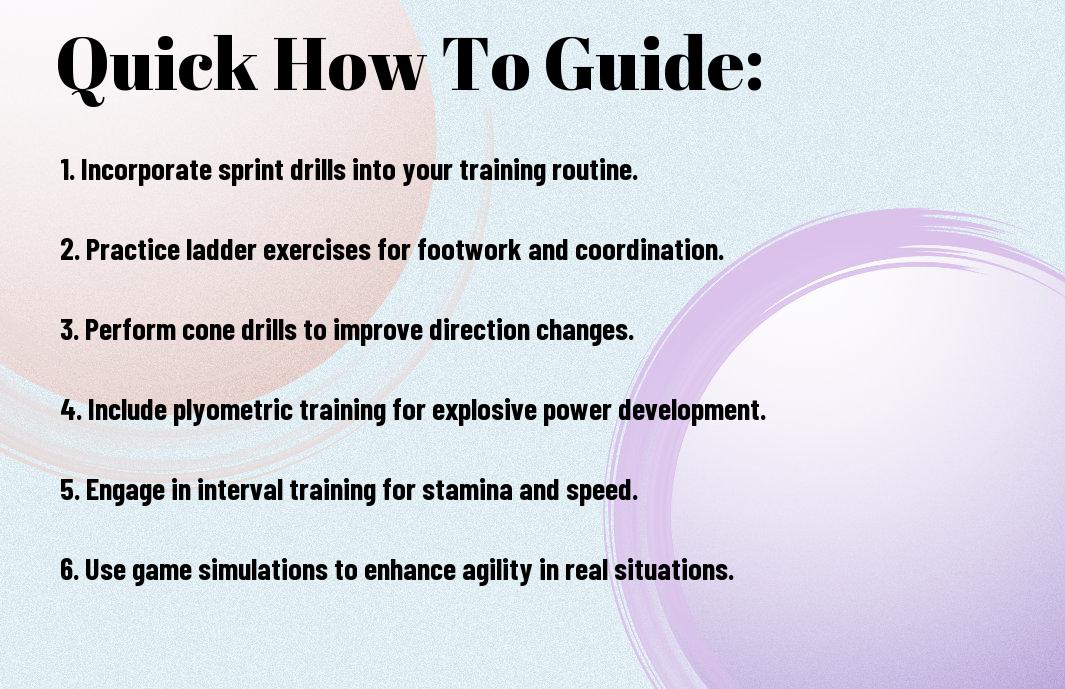
  • Drills: Incorporate a variety of speed and agility drills, such as cone sprints, ladder drills, and shuttle runs, to improve footwork and quickness.
  • Strength Training: Focus on building core strength and lower body power through exercises like squats and lunges to enhance overall performance.
  • Footwork: Practice specific footwork techniques that can help in quick direction changes, enhancing your ability to evade defenders and react swiftly.
  • Endurance: Develop aerobic capacity through interval training to maintain speed and agility throughout the match without fatigue.
  • Game Simulation: Engage in small-sided games to mimic match conditions, allowing you to apply speed and agility skills in realistic scenarios.
Understanding Speed and Agility in Soccer

While speed and agility are often viewed as separate attributes, in soccer they work hand in hand to enhance your performance on the field. Speed refers to your quickness in moving from one point to another, while agility is your ability to change direction rapidly and effectively. Together, these physical skills enable you to outmaneuver opponents, make swift plays, and ultimately excel in various game situations.

Definition of Speed and Agility

Soccer performance relies heavily on speed, which is the rate at which you can run or sprint, and agility, the skill of being able to pivot and change direction swiftly. These two components are crucial for navigating the dynamic and fast-paced nature of the game, allowing you to perform at your optimal level.

Importance in Soccer Performance

Clearly, improving your speed and agility directly impacts your overall soccer performance. The ability to accelerate quickly allows you to create space, while agility helps you evade defenders with ease. When you enhance these skills, you not only increase your effectiveness on the pitch but also gain a competitive edge over your opponents.

Importance of speed and agility extends beyond mere physical capabilities; they are key determinants of your game intelligence and strategic execution. Enhanced speed allows you to respond rapidly to game dynamics, whether it’s sprinting to intercept a pass or rushing to support a teammate in attack. Agility equips you with the necessary tools to maneuver around defenders and exploit gaps in the opposition’s formation. By focusing on these attributes, you’re investing in your ability to read the game better and make impactful decisions that can lead your team to victory.
Key Factors Influencing Speed and Agility

Assuming you want to enhance your speed and agility in soccer, several factors play a significant role in achieving optimal performance:

  • Physical conditioning
  • Technical skills
  • Body mechanics
  • Nutrition
  • Mindset and motivation

Recognizing these factors will help you create a well-rounded training program aimed at improving your on-field performance.

Physical Conditioning

Influencing your overall performance in soccer, physical conditioning encompasses strength, endurance, flexibility, and cardiovascular fitness. A well-conditioned athlete is better equipped to sustain high intensity throughout the game, allowing for quicker bursts of speed and improved agility on the field.

Technical Skills

Assuming you have a solid foundation in soccer basics, developing your technical skills is vital for enhancing your speed and agility. Mastering dribbling, passing, and shooting techniques will help you maneuver swiftly and effectively during gameplay.

Another key aspect of technical skills is your ability to change direction rapidly while maintaining control of the ball. This involves practicing drills that simulate game situations, allowing you to refine your footwork and decision-making under pressure. Ensuring that you blend technical proficiency with speed and agility will elevate your overall soccer skills.

How to Develop Speed

For aspiring soccer players, developing speed is imperative for gaining an edge on the field. Speed not only enhances your performance but also allows you to maneuver effectively, outrun opponents, and create scoring opportunities. Incorporate specific training regimens focused on sprinting and muscle strength to achieve noticeable improvements. Establishing a strong foundation for speed will significantly benefit your overall game.

Sprinting Drills

You can enhance your speed through various sprinting drills that focus on acceleration and top speed. Incorporate training such as interval sprints, hill sprints, and shuttle runs into your routine. These drills will help improve your explosive power and cardiovascular endurance, contributing to a more dynamic playing style on the field.

Strength Training

Sprinting plays a significant role in your capacity to develop explosive power which directly affects your speed. Focusing on lower body strength and core stability will help optimize your sprinting mechanics. Exercises like squats, deadlifts, and lunges can build the necessary muscle strength for faster sprints, while agility drills simultaneously enhance your quickness on the field.

Strength training is imperative for building the muscle groups required for explosive speed. Incorporate compound movements that target your quads, hamstrings, and glutes to build strength and endurance. Additionally, combining resistance training with plyometric exercises such as box jumps and bounds can help you develop the fast-twitch muscle fibers that contribute to powerful and rapid acceleration during soccer matches. Consistently integrating strength training into your regimen will lead to significant improvements in your overall speed and agility on the field.

How to Enhance Agility

Keep practicing and pushing your limits to improve your agility on the field. Incorporate various techniques that challenge your body’s ability to change direction quickly and maintain balance. Sprinting, lateral movements, and shuttle runs will help develop your response time, making you a more formidable player during critical moments of the game.

Agility Drills

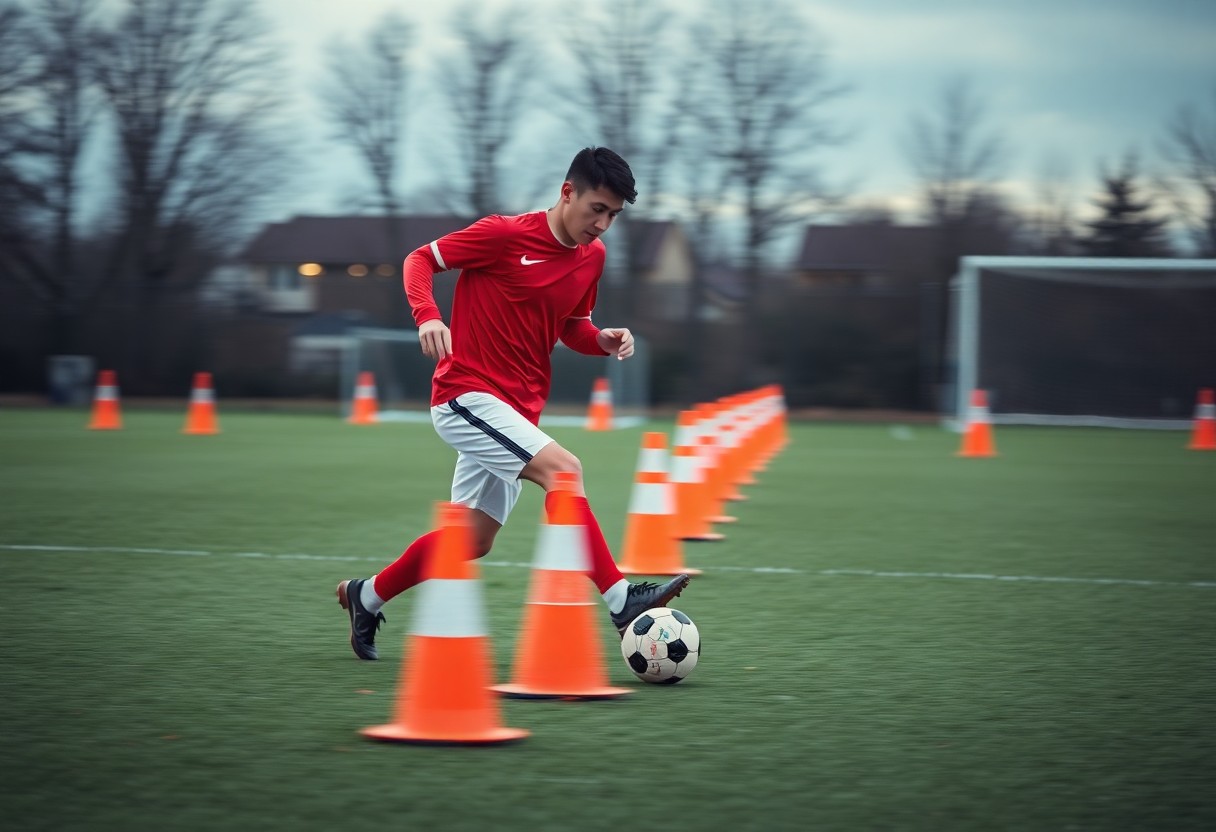
Drills focused on agility can significantly enhance your overall performance. Set up cones or markers in various formations, and practice moving quickly around them, switching directions rapidly. Ladder drills, box jumps, and zigzag sprints are excellent for improving foot speed, coordination, and reaction time, translating directly to better ball control in matches.

Footwork Exercises

Agility in soccer heavily relies on your footwork. You can work on this by performing quick foot-speed drills, such as ladder drills, where you navigate through the squares to improve coordination. These exercises help develop muscle memory for action on the pitch, ensuring that your feet move quickly and efficiently as you navigate opponents and receive passes.

With consistent practice of footwork exercises, you’ll enhance your balance and coordination, allowing you to maneuver seamlessly during games. These exercises will not only improve your foot speed but will also train your brain to anticipate movements, creating a responsive play style that keeps you one step ahead of your opponents.

Tips for Training Effectively

To maximize your training sessions, focus on consistency and variation. Incorporate the following tips into your routine:

  • Prioritize quality over quantity in your drills.
  • Vary your workouts to avoid plateaus.
  • Include sport-specific agility exercises.
  • Warm up properly to prevent injuries.
  • Rest adequately to allow your body to recover.

Assume that applying these tips will enhance your speed and agility in soccer.

Setting Goals

To keep your training focused and effective, set specific, measurable goals. Establish short-term and long-term objectives that challenge you yet remain achievable, such as improving your sprint time or mastering a new agility drill. Goals provide you with direction and motivation, keeping your training relevant and targeted toward your development in soccer.

Monitoring Progress

Little changes in your training can lead to significant improvements over time. Tracking your performance can help you stay accountable and motivated.

Training effectively involves regular assessment of your progress. Keep a journal where you log your workouts, times, and accomplishments. Use timing tools for sprints and agility drills to quantify your improvements. Adjust your training plan based on these insights to ensure you’re continually challenged and developing the necessary skills for quicker, more agile play on the field.

Common Mistakes to Avoid

After working diligently on your speed and agility, it’s important to recognize common mistakes that can hinder your progress. These errors typically stem from a lack of proper training techniques, overtraining, or neglecting vital recovery practices. By avoiding these pitfalls, you can maximize your potential and enhance your performance on the field.

Overtraining

Common signs of overtraining include persistent fatigue, decreased performance, and heightened risk of injury. While it’s tempting to push yourself to the limit, remember that your body needs time to recover and adapt to training stimuli. Neglecting this balance can lead to burnout and setbacks in your development.

Ignoring Recovery

An effective training regimen includes proper recovery to support your athletic progress. Skipping rest days or neglecting restorative practices can leave you fatigued and prone to injuries, ultimately stunting your growth as an athlete.

This includes not only taking time off from high-intensity training but also integrating practices like stretching, foam rolling, and hydration. Prioritizing sleep and nutrition is equally important, as these elements play a vital role in your overall recovery process. When you allow your body to recuperate, you’ll notice significant improvements in your speed and agility, ensuring you’re in prime condition when it matters most.

Final Words

Now that you know how to develop speed and agility in soccer, it’s time to put your knowledge into action. By incorporating targeted drills, strength training, and proper nutrition into your routine, you can enhance your performance on the field. Consistency is key, so commit to regular practice and track your progress. As you focus on improving your quickness and overall athleticism, you’ll see positive changes not only in your game but also in your confidence. Embrace the journey, and soon you’ll outperform your opponents with agility and speed.

Q: What are the best drills to improve speed and agility in soccer players?

A: To develop speed and agility, soccer players can incorporate a variety of drills into their training regimen. Suggested exercises include cone drills, which involve sprinting between cones placed at varying distances; ladder drills, where players enhance footwork and coordination by running through a ladder on the ground; and shuttle runs, which improve quick directional changes. Additionally, plyometric exercises, like box jumps and lateral hops, can build explosive power crucial for sprinting on the field.

Q: How important is proper warm-up and cool-down in speed and agility training?

A: A proper warm-up is crucial for preparing the muscles and joints for high-intensity training, minimizing the risk of injury. Dynamic stretches, such as leg swings and high knees, should be included in the warm-up routine. After training, a cool-down that incorporates static stretching can aid recovery and flexibility, ensuring that the muscles used during training are relaxed and lengthened, which contributes to better future performance.

Q: What role does strength training play in enhancing speed and agility for soccer?

A: Strength training is an integral component of developing speed and agility in soccer. Building strength in the lower body through exercises like squats and deadlifts contributes to greater power output, allowing players to sprint faster and change direction more effectively. Core strength is equally important, as it aids in balance and stability during rapid movements. A well-rounded strength training program should focus on both lower and upper body exercises to support overall athleticism on the pitch.

The Benefits of Sports for Teens and Young Adults

Just think about how engaging in sports can positively impact your life as a teen or young adult. Participating in sports not only enhances your physical health but also contributes to your mental well-being, fostering necessary life skills such as teamwork, discipline, and perseverance. Whether you pursue a competitive team or enjoy recreational activities, embracing sports can help you build lasting friendships, improve self-esteem, and develop a balanced lifestyle. In this blog post, we will explore the multifaceted benefits of sports and how they can shape your personal growth during these pivotal years.

Key Takeaways:

  • Physical Health: Engaging in sports promotes fitness, helps maintain a healthy weight, and reduces the risk of chronic diseases.
  • Social Skills: Participating in team sports fosters friendship and collaboration, enhancing communication and teamwork abilities.
  • Emotional Well-being: Regular physical activity through sports can lead to lower levels of stress and anxiety, contributing to improved mental health.
  • Discipline and Goal Setting: Sports instill a sense of commitment and discipline, teaching young individuals how to set and achieve personal goals.
  • Leadership Qualities: Being part of a team can nurture leadership skills, as young adults learn to lead by example and motivate their peers.

Physical Health Benefits

The physical health benefits of participating in sports are substantial for teens and young adults. Engaging in regular athletic activities can lead to improved fitness levels, healthier body composition, and reduced risk of various illnesses. These activities not only help maintain a healthy weight but also support lifelong healthy habits and routines. As a participant, you gain the chance to enhance your overall well-being while enjoying the social aspects of teamwork and friendly competition.

Improved Cardiovascular Health

Between participating in sports, you provide your heart with a solid workout. Engaging in activities that elevate your heart rate improves circulation, reduces blood pressure, and enhances heart function. Regular participation can significantly lower your risk of cardiovascular diseases in the long run, ensuring you lead a healthier life.

Enhanced Strength and Flexibility

Benefits of engaging in sports extend beyond cardiovascular health. You can develop increased muscle strength and flexibility, both of which are crucial for overall physical fitness. These improvements not only contribute to better athletic performance but also reduce the risk of injuries in everyday life. 

Health is a vital aspect of participating in sports, as enhanced strength and flexibility play integral roles in your overall wellness. Strength training activities increase your muscle mass, boosting your metabolism and improving your endurance, while enhanced flexibility helps maintain a full range of motion in your joints and prevents strains. By regularly participating in sports, you cultivate a stronger, more resilient body that can effectively handle the demands of both athletic challenges and daily activities.

Mental Health Benefits

Some studies indicate that participating in sports can significantly improve mental health by reducing symptoms of anxiety and depression. Engaging in physical activity releases endorphins, the natural mood lifters you need to feel better overall. To explore this topic further, check out Why We Play: The Benefits of Teens Playing Sports.

Stress Relief and Mood Improvement

Around the clock, you may face various stressors, but being involved in sports provides an excellent outlet for that stress. Physical activity helps to release pent-up energy and tension, allowing you to clear your mind and improve your overall mood.

Increased Self-Esteem and Confidence

To build your self-esteem and confidence, participating in sports can be a transformative experience. The skills you develop through teamwork and competition can lead to a greater sense of accomplishment and pride in your abilities.

It’s important to recognize that as you reach your goals in sports, you cultivate a positive self-image that extends beyond the field. Achievements, both small and large, contribute to a sense of worthiness, helping you feel more competent in various aspects of your life. As you push your limits, you discover new strengths and capabilities, fostering confidence that can empower you in academics, relationships, and future endeavors.

Social Benefits

Your involvement in sports provides incredible social benefits that extend beyond the fields and courts. Engaging with teammates, coaches, and opponents fosters a sense of belonging and helps you develop interpersonal skills that are vital in both personal and professional settings. By working together towards common goals, you experience the camaraderie and support that can turn into lasting relationships and a strong community network.

Teamwork and Collaboration Skills

Skills acquired through sports enhance your ability to work effectively with others. You learn the importance of communication, coordination, and trust, which are vital components in successfully achieving team objectives. These skills not only contribute to your athletic performance but also prepare you for future collaborative endeavors in school, work, and social settings.

Building Friendships and Community

Among the most notable benefits of sports is the opportunity to form lasting friendships and a sense of community.

It brings together individuals from diverse backgrounds, allowing you to connect with peers who share similar interests. As you train, compete, and celebrate victories together, bonds are formed that often extend beyond the playing field. These friendships can provide a vital support system, enhancing your sense of belonging and helping you develop a network that benefits you throughout life. Engaging in sports fosters a spirit of unity that can positively influence your social experience during these formative years.

Academic Performance

All teens and young adults involved in sports often experience enhanced academic performance. Participating in athletic activities promotes discipline and dedication, qualities that can transfer effectively into academic pursuits. You may find that the structure and commitment required in sports help you develop a more focused approach to your studies, ultimately leading to better grades and a deeper understanding of the material.

Improved Concentration and Focus

Around engaging in sports, you may notice a significant boost in your concentration and focus. Regular physical activity helps improve brain function by increasing blood flow and oxygen to the brain. This not only sharpens your thinking but also aids in sustaining attention during long study sessions or lectures, enhancing your overall academic experience.

Time Management Skills

Around juggling schoolwork with sports commitments, you become adept at managing your time effectively. Balancing practices, games, and homework teaches you to prioritize tasks and allocate your time wisely, ensuring that you meet deadlines without feeling overwhelmed.

A focused approach to time management can create a positive feedback loop; as you achieve your academic goals, your confidence can grow, encouraging further engagement in both sports and studies. You’ll likely learn to plan your week ahead, block out time for studying, and commit to your athletic practice. These skills foster a sense of responsibility, which can benefit you in college and future careers as well.

Life Skills Development

Now, participating in sports equips you with necessary life skills that extend beyond the playing field. Engaging in team activities fosters social skills, enhances communication, and nurtures a sense of community. As you hone these abilities, you are better prepared for personal and professional interactions in your future endeavors.

Leadership and Responsibility

An active role in sports places you in situations where you may need to lead others or take responsibility for your actions. This experience cultivates your ability to motivate teammates, make crucial decisions under pressure, and handle the consequences of both successes and failures. These skills translate seamlessly into various life scenarios, enabling you to flourish in community and professional settings.

Resilience and Adaptability

Along the journey of sports, you will face challenges and setbacks that test your limits. Learning to adapt and bounce back from difficult situations is a significant aspect of personal growth. These experiences teach you not only to persist but also to modify your approach based on the circumstances you encounter.

Even when confronted with defeat, you learn valuable lessons about effort and perseverance. This constant cycle of trying, failing, adjusting, and succeeding fosters a strong sense of resilience. Such flexibility allows you to navigate life’s uncertainties with confidence, whether in academics, relationships, or future careers, giving you a competitive edge in various pursuits.

Long-Term Impact

For teens and young adults, participation in sports can lay the groundwork for lifelong wellness and personal growth. Engaging in athletic activities not only enhances physical health but also instills values such as perseverance and teamwork that can shape your character. These experiences contribute to your overall success in future endeavors, creating a solid foundation for a fulfilling life.

Lifelong Healthy Habits

Beside providing immediate benefits, sports cultivate lifelong healthy habits. When you participate in physical activities during your formative years, you are more likely to continue prioritizing fitness and well-being into adulthood. This engagement fosters a routine of exercise that can reduce the risk of chronic illnesses and promote mental health, leading to a balanced lifestyle even as your responsibilities increase.

Career Opportunities in Sports

To explore the world beyond personal fitness, sports can open doors to diverse career paths. Whether you excel at coaching, sports management, or even health and wellness advocacy, your athletic experience equips you with valuable skills that are highly sought after in various industries. This not only broadens your professional horizon but also allows you to pursue a fulfilling career closely aligned with your passions.

Hence, your involvement in sports can lead to unique career opportunities that you might not have considered. The sports industry encompasses a wide range of fields, including marketing, finance, and media, providing various options for those with a background in athletics. Additionally, connections made through your sporting activities can lead to internships and job openings, positioning you advantageously in a competitive job market. Embracing your passion for sports can transform it into a successful and rewarding career path.

Conclusion

Now that you understand the benefits of sports for teens and young adults, it’s clear that engaging in physical activities can enhance your physical health, boost mental well-being, and foster social connections. By participating in sports, you not only develop imperative skills like teamwork and leadership but also cultivate discipline and resilience. Embracing an active lifestyle can lead to lifelong habits that benefit you well beyond your youth. So, consider making sports a regular part of your life to reap these many rewards.

Q: What are the mental health benefits of participating in sports for teens and young adults?

A: Engaging in sports can significantly enhance mental health for teens and young adults. Physical activity releases endorphins, which improve mood and reduce feelings of anxiety and depression. Sports also provide an outlet for stress relief, allowing individuals to better manage daily pressures. Additionally, being part of a team helps foster a sense of belonging and friendship, which are important for emotional well-being.

Q: How do sports contribute to the development of important life skills in young people?

A: Participation in sports helps young individuals develop imperative life skills such as teamwork, leadership, and discipline. Working with teammates teaches the value of collaboration and effective communication. Sports also require setting goals, making strategies, and taking responsibility for one’s actions, which builds accountability and instills a strong work ethic. These skills are not only beneficial in athletic endeavors but are also transferable to academic and professional settings.

Q: In what ways can sports encourage a healthier lifestyle for teens and young adults?

A: Participating in sports promotes physical activity, which is vital for maintaining a healthy lifestyle. Regular engagement in sports helps develop healthy habits, such as exercising regularly and making nutritious food choices. It can also combat sedentary behaviors, which are prevalent among young people today. Getting involved in sports encourages awareness of one’s body, fosters a sense of fitness, and develops a lifelong appreciation for physical health, which can lead to better health outcomes as individuals grow older.

How to Improve Your Jumping Ability for Sports

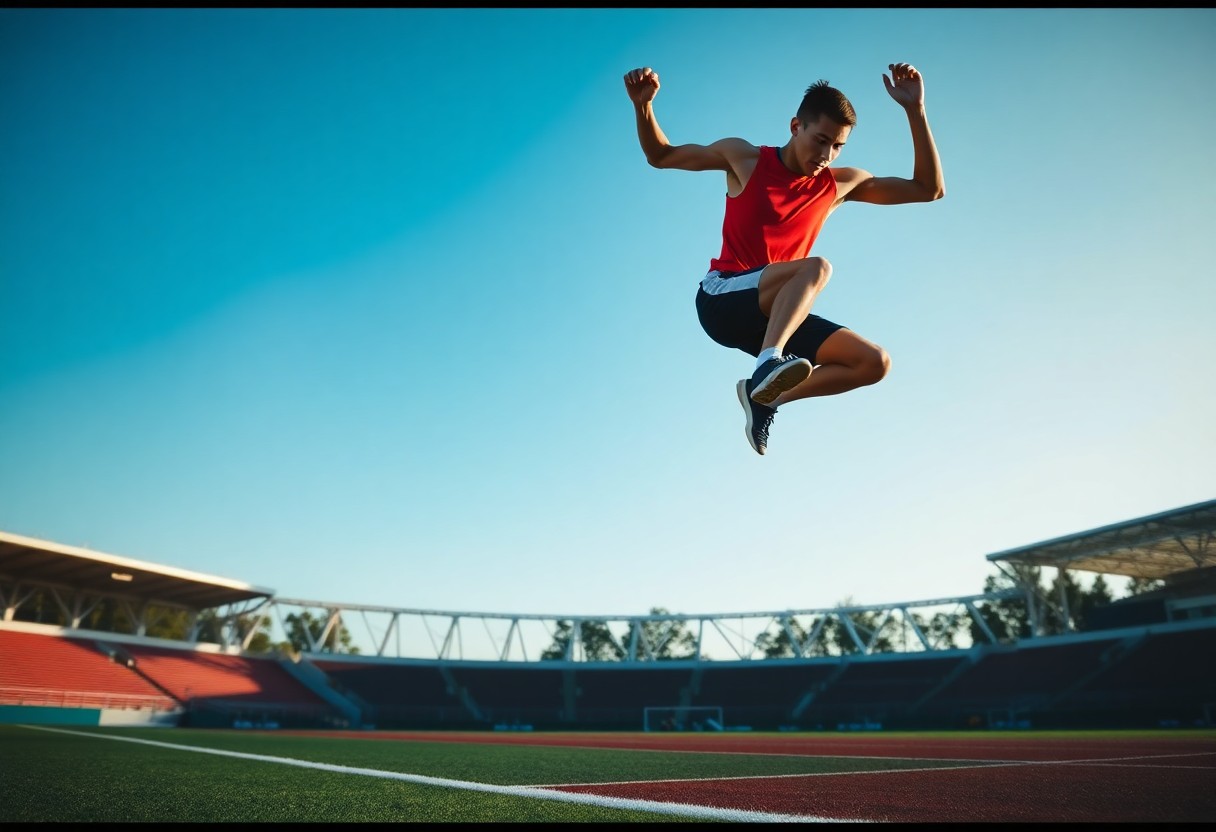
Many athletes seek to enhance their jumping ability to boost performance across various sports. Whether you aim to skyrocket for a rebound in basketball or clear a hurdle in track, improving your vertical leap requires targeted workouts and techniques. This guide will walk you through effective strategies to increase your jumping height, maximizing your gains on the court or field. For further insights, check out this resource on How to improve the vertical jump?

Key Takeaways:

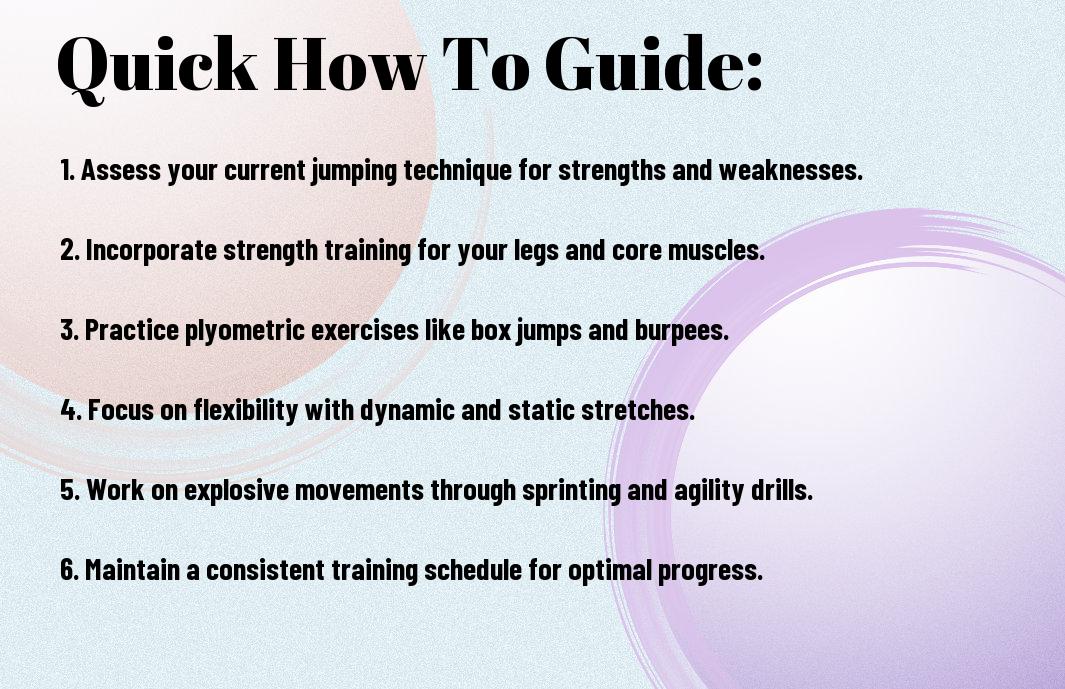
  • Strength Training: Incorporate exercises like squats and lunges to build the muscles needed for explosive jumps.
  • Plyometric Drills: Engage in activities such as box jumps and depth jumps to improve your power and speed.
  • Proper Technique: Focus on your jumping form, including take-off and landing mechanics, to enhance performance and reduce injury risk.
  • Flexibility and Mobility: Perform stretching routines to increase your range of motion, which contributes to higher jumps.
  • Consistency: Develop a regular training schedule focusing on jumping ability to see significant improvements over time.

Understanding Jumping Ability

For athletes, jumping ability is a key physical attribute that can significantly influence performance across various sports. Effective jumping not only aids in offensive and defensive maneuvers but also enhances overall athleticism. To improve your jumping skill, it’s important to grasp the mechanics of how your body generates power and height. By focusing on strength, technique, and coordination, you can unlock your full jumping potential.

Key Factors That Affect Jumping Performance

There’s a blend of elements that contribute to your jumping performance. These include:

  • Strength of your leg muscles
  • Explosiveness and speed
  • Technique and body positioning
  • Flexibility and range of motion
  • Body weight and composition

Assume that optimizing these factors can lead to significant improvements in how high or how far you can jump.

Importance of Jumping in Sports

Understanding the importance of jumping in sports can elevate your game to the next level. This skill is vital in sports like basketball, volleyball, and track and field, where vertical and horizontal leaps are fundamental to success. Mastering jumping techniques will not only improve your gameplay but also prevent injuries.

Understanding that jumping plays a pivotal role in many athletic endeavors can motivate you to focus on this aspect of your training. Heightened jumping ability allows you to reach for passes, block shots, and sprint with agility. Investments in your jumping training can create a competitive edge in various sports, demonstrating versatility and enhancing your overall performance on the field or court.

How to Assess Your Current Jumping Ability

It is important to evaluate your current jumping ability to identify strengths and weaknesses before setting improvement goals. This assessment allows you to create a tailored training plan and track your progress over time. Various techniques can be employed to gain a comprehensive understanding of where you currently stand and how you can enhance your performance in sports that require jumping skills.

Evaluation Techniques

While there are several techniques to assess your jumping ability, popular methods include vertical jumps, broad jumps, and plyometric tests. You can perform these assessments on your own or seek assistance from a coach or trainer to ensure accuracy. Videos can also be useful for reviewing your technique, helping you identify form errors that may hinder your jumping performance.

Setting Baseline Measurements

Some of the important baseline measurements to consider include jump height, distance, and technique. These metrics will serve as a reference point for tracking your improvements over time as you implement training strategies to enhance your jumping ability.

Baseline measurements act as a foundation for your training programs. By recording your initial performance in various jump tests, you will better understand your starting point. This information allows you to set achievable goals and adjust your training as needed. Keeping a log of these measurements will not only motivate you but also provide valuable data for evaluating your progress and refining your jumping technique. By revisiting these benchmarks regularly, you can fine-tune your focus and make informed decisions on how to train more effectively.

Tips for Improving Strength and Power

Many athletes underestimate the importance of strength and power in enhancing their jumping ability. To maximize your performance, consider the following tips:

  • Incorporate compound movements like squats and deadlifts into your routine.
  • Utilize resistance training to build muscle mass.
  • Focus on explosive exercises that train fast-twitch muscle fibers.
  • Pair strength training with proper nutrition to support muscle development.
  • Allow adequate recovery to promote muscle growth and prevent injury.

Recognizing the synergy between strength and power will lead to improved jumping performance.

Exercises to Build Lower Body Strength

The best way to build lower body strength is through targeted exercises that engage various muscle groups. Focus on squats, lunges, and hip thrusts to develop your quadriceps, hamstrings, and glutes. Incorporating these exercises into your weekly routine can substantially increase your lift capabilities and overall power. Aim for progressive overload to continually challenge your muscles and stimulate growth.

Plyometric Training for Enhanced Power

One effective way to improve your jumping ability is through plyometric training. This type of training focuses on explosive movements that help increase your power output, allowing you to jump higher and more efficiently during sports activities.

Enhanced plyometric training includes exercises such as box jumps, depth jumps, and bounding drills. These activities promote fast-twitch muscle fiber activation and improve your neuromuscular efficiency. Start with lower heights or distances and gradually progress as your strength and coordination improve. Integrating plyometric training into your routine will not only boost your jumping prowess but also enhance your overall athletic performance in various sports.

Improving Technique for Better Jumps

Now that you understand the importance of jumping ability in sports, enhancing your technique is vital for achieving your best performance. Focusing on your form allows you to maximize power generation and minimize the risk of injuries. By refining your jumping technique, you can significantly increase your vertical leap and overall effectiveness in various sports.

Analyzing Jumping Form

Now, it is vital to analyze your jumping form to identify areas for improvement. Recording yourself while jumping can provide valuable insight into your technique. Look for elements such as your takeoff angle, arm drive, and landing posture. This self-assessment will help you pinpoint inefficiencies and refine your jumping mechanics for better results.

Drills to Enhance Jump Technique

For improving your jump technique, incorporating specific drills into your training routine can make a significant difference. These targeted exercises help reinforce proper mechanics, build strength, and enhance coordination, allowing for explosive jumps when it matters most.

This can include plyometric drills like box jumps, depth jumps, and jump squats that focus on explosive power and proper landing mechanics. Practice single-leg jumps to develop balance and stability, and integrate hurdle jumps to improve coordination and lower-body strength. Consistent practice of these drills, combined with attention to your form, will lead to noticeable improvements in your jumping ability.

The Role of Flexibility and Mobility

Despite being often overlooked, flexibility and mobility play a significant role in improving your jumping ability for sports. Enhanced flexibility allows your muscles to extend more effectively during explosive movements, while mobility ensures that your joints can move freely through their full range of motion. By prioritizing these components in your training routine, you can achieve more powerful and controlled jumps, ultimately elevating your athletic performance.

Stretching Routines for Athletes

You can implement a variety of stretching routines to enhance your flexibility and, consequently, your jumping ability. Incorporating both dynamic and static stretches will prepare your muscles for explosive movements and help maintain flexibility post-training. Focus on areas such as your hamstrings, quadriceps, calves, and hip flexors to ensure a well-rounded stretch that supports your performance.

Importance of Joint Mobility

Clearly, joint mobility is imperative for optimal jumping performance. The ability of your joints to move freely can influence your power output and coordination during jumps.

Mobility training enhances joint function and supports proper biomechanics, allowing you to generate more force when jumping. Improved joint mobility can decrease the likelihood of injuries, as it enables your body to adapt to various movements encountered in sports. Furthermore, well-functioning joints contribute to better landing mechanics, ensuring that you maintain stability and control during and after jumps. Incorporating mobility exercises into your training will provide the foundation necessary for maximizing your overall performance.

Nutrition and Recovery Strategies

All athletes need to pay attention to their nutrition and recovery to enhance jumping ability. Proper fueling and recovery techniques can significantly impact your performance and help you prevent injuries, ensuring you stay at the top of your game. Adopting a well-balanced diet and implementing effective recovery strategies will allow you to optimize your workouts and improve your results over time.

Fueling Your Body for Optimal Performance

For athletes looking to maximize their jumping performance, a balanced diet rich in carbohydrates, proteins, and healthy fats is important. Carbohydrates provide the energy needed for explosive movements, while protein aids in muscle repair and growth. Hydration is equally important, as even slight dehydration can impair physical performance.

Recovery Techniques to Prevent Injury

The key to preventing injuries lies in effective recovery techniques. Implementing a well-structured routine that includes stretching, foam rolling, and adequate sleep can help your body recover from workouts, allowing you to maintain peak performance levels.

To enhance your recovery, consider incorporating active recovery days, where you engage in low-intensity activities that promote blood flow and facilitate muscle repair. Prioritizing rest days and ensuring you’re getting quality sleep each night will also allow your muscles to recover properly and adapt to your training. Additionally, utilizing methods like ice baths or compression therapy can help reduce muscle soreness and inflammation, keeping you in optimal condition for your next training session.

To wrap up

The journey to enhancing your jumping ability in sports involves a combination of strength training, agility drills, and proper technique. By consistently incorporating plyometric exercises, improving your overall fitness, and focusing on flexibility, you can significantly boost your vertical leap. Additionally, paying attention to your nutrition and recovery will further support your progress. Commit to a structured training routine, track your improvements, and stay motivated to reach new heights in your athletic performance.

FAQ

Q: What exercises can I incorporate into my training routine to improve my vertical jump?

A: To enhance your vertical jump, focus on exercises that target strength, power, and explosiveness. Some effective exercises include:

  • Squats: Build leg strength, especially in your quadriceps and glutes.
  • Deadlifts: Strengthen your hamstrings, glutes, and lower back.
  • Lunges: Develop balance and strength in each leg.
  • Box Jumps: Improve explosive power by jumping onto a sturdy platform.
  • Plyometric Exercises: Activities like jump squats and bounding can greatly increase your power output.

Incorporating these exercises into your weekly routine, alongside agility and flexibility training, will significantly contribute to enhancing your jumping ability for sports.

Q: How important is technique when trying to jump higher?

A: Technique plays a vital role in maximizing your jump height. A poor jumping technique can lead to ineffective movements, reducing your vertical leap significantly. Focus on the following aspects of your jump:

  • Approach: Build speed before you jump; a strong approach can enhance your vertical leap.
  • Takeoff: Use a powerful push off with your legs while engaging your core for stability.
  • Arm Drive: Utilize your arms for momentum; swinging them upward as you jump can add extra height.
  • Body Position: Keep your body aligned properly during the jump to optimize force transfer.

Practicing your jumping technique regularly, possibly under the guidance of a coach, can lead to improvements in your performance.

Q: What role does flexibility play in improving jumping ability?

A: Flexibility is an imperative component in enhancing your jumping ability. Improved flexibility can lead to a greater range of motion, allowing for more effective movements during jumps. Here are some ways flexibility aids your jumping performance:

  • Injury Prevention: Flexible muscles are less prone to strains and injuries, keeping you in the game longer.
  • Increased Range of Motion: Allows for deeper and more powerful jumps by enabling greater extension of your muscles.
  • Better Technique: Flexibility contributes to proper form, making it easier to execute jumps correctly.

Incorporate stretching routines and dynamic flexibility exercises into your training, focusing on your hips, ankles, and legs to improve your overall jumping mechanics.

The Role of Sports in Promoting Social Skills

Sports offer you a unique platform to enhance your social skills while engaging in physical activity. Through teamwork, communication, and competition, you not only develop athletic abilities but also navigate social dynamics that can enrich your personal and professional relationships. Understanding how sports foster these skills can lead to a greater appreciation of the role they play in your life and the lives of those around you. This blog post will explore the various ways in which participating in sports helps you cultivate necessary interpersonal skills.

Key Takeaways:

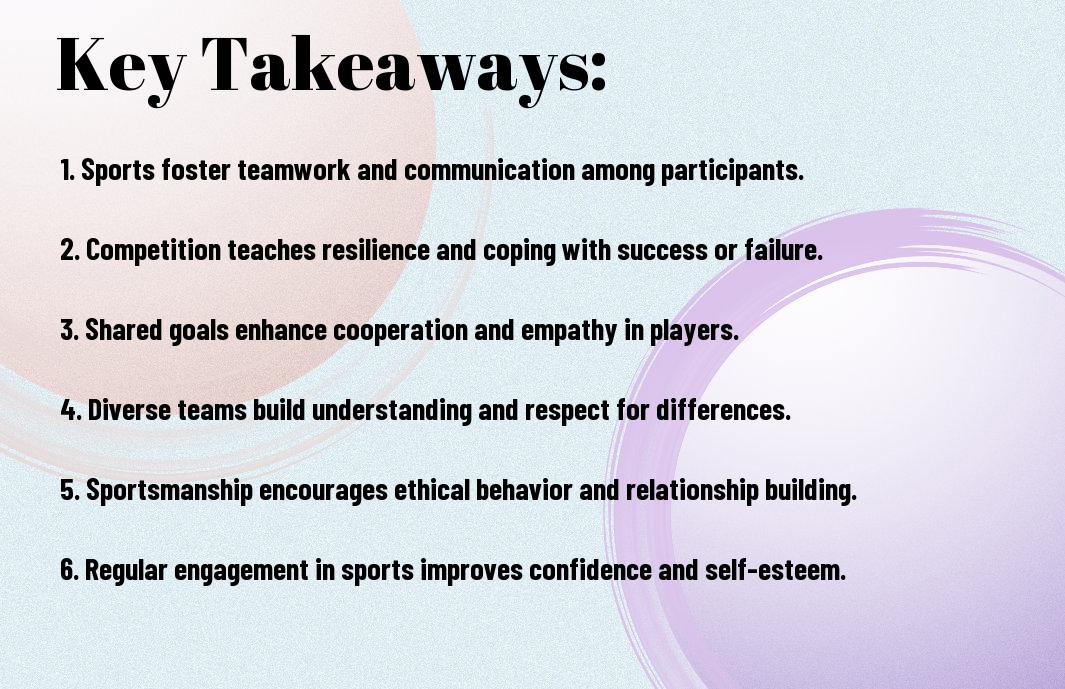
  • Teamwork: Sports encourage players to collaborate and work together towards a common goal, enhancing their ability to cooperate with others.
  • Communication: Engaging in sports fosters effective verbal and non-verbal communication skills as individuals learn to convey strategies and information during gameplay.
  • Conflict Resolution: Participation in sports teaches individuals how to resolve disputes amicably, promoting negotiation skills and mutual understanding among teammates.
  • Discipline: Through sports, individuals cultivate discipline and a sense of responsibility, which translates to better interpersonal relations in various social settings.
  • Empathy: Experiencing wins and losses in a sports environment helps individuals develop empathy for teammates and opponents, enhancing their emotional intelligence.

The Importance of Social Skills in Youth Development

The development of social skills is crucial for youth as it lays the groundwork for effective communication and relationship-building. When you help young people cultivate these skills, you empower them to navigate social situations with confidence and empathy. Strong social skills enable your youth to collaborate with peers, resolve conflicts, and develop a sense of belonging in their communities. In nurturing these abilities, you significantly enhance their emotional intelligence, which plays a vital role in their overall personal and academic success.

Sports as a Platform for Social Interaction

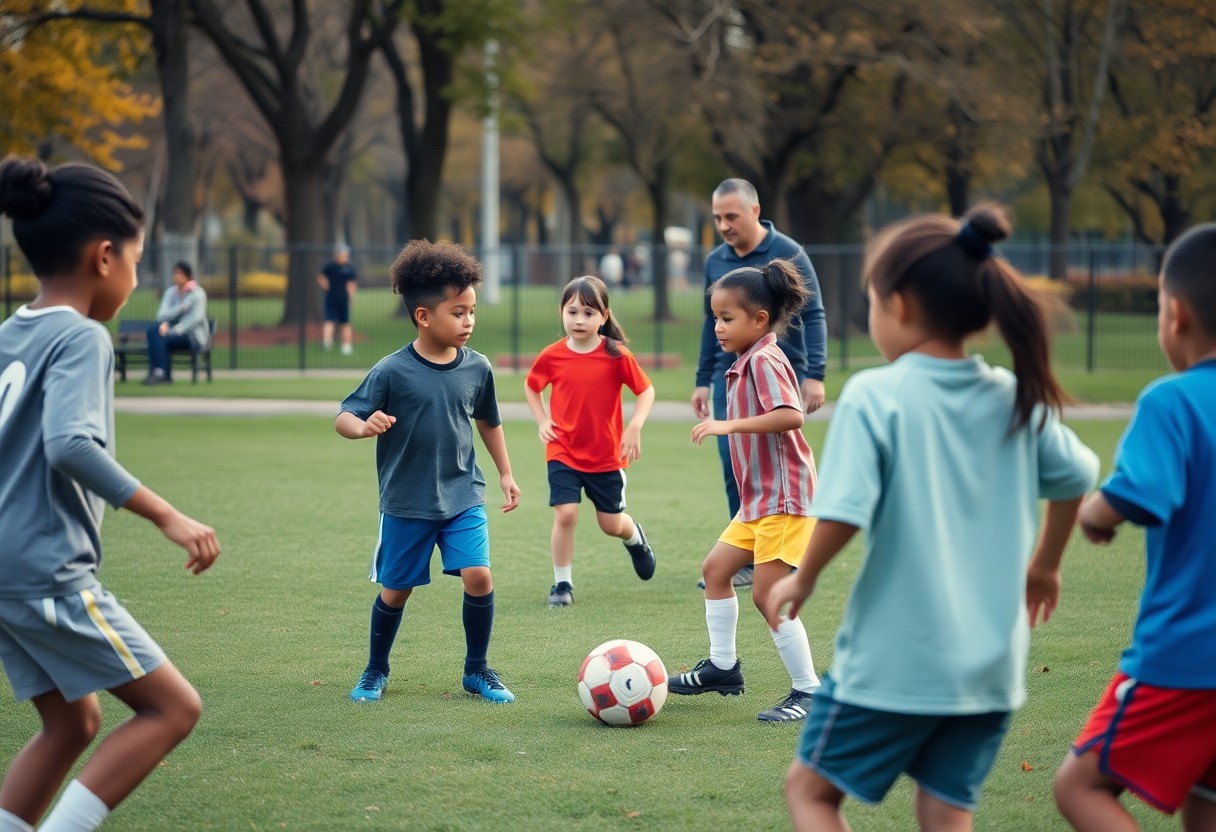
Some might overlook the power of sports as a social conduit, but engaging in athletic activities creates opportunities for interaction in a dynamic environment. Whether through team competitions or casual pick-up games, sports allow you to connect with individuals from varied backgrounds while fostering friendships and shared experiences. This interaction not only enhances your social networks but also cultivates a sense of camaraderie and belonging that extends beyond the playing field.

Team Dynamics and Cooperation

Social interactions within a sports team require members to collaborate toward a common goal. You learn to value each player’s strengths and weaknesses, paving the way for mutual respect and teamwork. As roles shift and adapt during play, you discover the importance of flexibility, which fortifies your ability to cooperate and encourages a positive team atmosphere.

Communication Skills Development

To thrive in sports, effective communication is vital. This involves not only verbal exchanges but also non-verbal cues and gestures that signal intentions during a game. Your ability to articulate strategies, provide encouragement, and respond to teammates fosters clarity and cohesion within the team.

For instance, when you play basketball, calling out plays and making eye contact with your teammates can significantly enhance your effectiveness on the court. Good communication helps you understand each other’s movements and intentions better, which is vital in high-pressure situations. Moreover, the constant feedback from peers further sharpens your ability to listen actively, respond promptly, and engage in constructive dialogue, skills that translate well into everyday social interactions beyond sports.

Building Confidence and Self-Esteem Through Sports

If you participate in sports, you have the opportunity to build confidence and self-esteem throughout your athletic journey. Engaging in physical activities helps you push your boundaries, discover your strengths, and develop a sense of accomplishment. This process fosters a positive self-image, encouraging you to take on new challenges both in sports and in other areas of your life.

Overcoming Challenges and Setbacks

The ability to overcome challenges and setbacks in sports is a significant factor in boosting your confidence. Whether you experience a tough loss or struggle to improve your skills, these hurdles teach resilience. Each time you face a setback and manage to keep going, you build a stronger belief in your capabilities, equipping you to handle future adversities more effectively.

Recognition and Achievement

Beside overcoming obstacles, recognition and achievement play a vital role in enhancing your self-esteem in sports. Accomplishments, whether large or small, validate your hard work and dedication, instilling a sense of pride in your abilities and efforts. Such recognition, whether from teammates, coaches, or personal milestones, reinforces your belief in yourself.

And when you achieve recognition through sports, it offers you a tangible measure of your progress and dedication. Celebrating milestones, like mastering a difficult skill or winning a competition, can significantly boost your self-worth. This acknowledgment fuels your motivation to continue improving, fostering a cycle of success where your self-esteem grows with every accomplishment you achieve.

Fostering Inclusion and Diversity

Not only do sports provide a platform for competition, but they also create an environment where inclusion and diversity can flourish. When you engage in team sports, you learn to appreciate different perspectives and cultural backgrounds, breaking down barriers that often divide communities. Your involvement in various sports can help cultivate a sense of belonging, allowing individuals from diverse backgrounds to come together and form meaningful connections.

Bridging Cultural Gaps

Fostering connections through sports enables you to bridge cultural gaps effectively. As you participate with teammates from varying backgrounds, you gain insights into their customs and ways of life. This interaction promotes mutual respect and understanding, enriching both your athletic experience and your personal growth.

Promoting Gender Equality in Sports

Below the surface of athletic achievement lies a powerful opportunity for promoting gender equality in sports. By actively participating in or supporting women’s sports, you contribute to challenging stereotypes and advocating for equal opportunities for all athletes, regardless of gender.

A commitment to gender equality in sports not only inspires young girls to pursue their athletic dreams but also empowers you to challenge harmful norms within the sporting community. This support fosters a culture that values each athlete’s contributions, regardless of gender, ultimately enriching the sporting world and promoting a more equitable society. Your advocacy can lead to increased visibility and investment in women’s sports, paving the way for future generations of female athletes.

Role of Coaches and Mentors

All athletes benefit immensely from the guidance of coaches and mentors, who play a pivotal role in shaping their social skills. These figures not only teach physical techniques but also model important interpersonal behaviors, helping you navigate relationships on and off the field. By fostering a sense of trust and open communication, coaches enable you to develop confidence in expressing yourself and collaborating with peers, equipping you with invaluable social tools for life.

Influencing Social Behavior

The impact of coaches on your social behavior is profound. Through positive reinforcement and consistent feedback, they set expectations for teamwork and cooperation. Their ability to create a supportive environment encourages you to engage in healthy communication, ultimately influencing how you interact with others beyond the sports arena.

Facilitating Team-Building Activities

Beside technical skills, coaches prioritize team-building activities to enhance group cohesion. These initiatives not only forge stronger bonds among team members but also encourage you to embrace diversity and learn the importance of collaboration. Engaging in various tasks emphasizes the value of working together towards a common goal.

Team building activities often incorporate problem-solving challenges that require you to communicate effectively with others, fostering trust and mutual respect. By participating in group exercises, you can discover unique strengths within your team and practice conflict resolution. This close interaction helps you appreciate different perspectives, enhancing your ability to work fluidly in diverse environments. Coaches intentionally design these experiences to ensure you learn vital social skills while having fun, reinforcing the importance of unity in achieving success.

Case Studies and Success Stories

For many individuals and communities, sports have served as a platform for developing social skills. Here are a few compelling case studies:

  • In a study of a youth soccer program, 75% of participants reported increased teamwork abilities.
  • A basketball initiative for at-risk teens showed a 40% improvement in conflict resolution skills.
  • A survey of a community swimming program indicated that 60% of participants made lasting friendships, enhancing their social circles.
  • Children involved in a local baseball league exhibited a 30% increase in communication skills.

Youth Programs and Their Impact

After analyzing various youth sports programs, it becomes evident that these activities significantly enhance social interaction. Participants often learn to work collaboratively, build friendships, and develop mutual respect, ultimately fostering a sense of community. For instance, a study showed that kids in organized sports were 50% more likely to report positive peer relationships compared to those not in sports.

Long-term Benefits of Sports Participation

Longterm involvement in sports can lead to enhanced social competence and teamwork skills that last a lifetime. Individuals who have participated in sports are often more equipped to handle social dynamics in various aspects of their lives, from workplaces to personal relationships. By engaging in team activities, you learn to navigate challenges and collaborate with others, enhancing your ability to succeed in diverse environments.

Participation in sports not only fosters immediate social skills but also lays the foundation for lifelong benefits. Engaging regularly with teammates enhances your ability to build networks, develop empathy, and practice effective communication. These skills prove advantageous beyond the field, contributing to personal development, improving career prospects, and fostering meaningful relationships as you progress through life.

Summing up

Considering all points, engaging in sports can significantly enhance your social skills, fostering teamwork, communication, and conflict resolution abilities. Through participation in various activities, you learn to collaborate with others, understand diverse perspectives, and build lasting relationships. These experiences equip you with vital interpersonal skills that can be applied in various aspects of your life, from personal relationships to professional environments. Ultimately, embracing sports not only enriches your physical well-being but also profoundly shapes your social interactions and growth.

FAQ

Q: How do sports help in the development of teamwork skills?

A: Participation in sports often requires individuals to work together to achieve a common goal. This collaboration fosters an understanding of roles and responsibilities within a group, builds trust among team members, and encourages communication. Moreover, players learn to support one another during successes and setbacks, reinforcing the importance of unity and shared effort in achieving success.

Q: In what ways can engaging in sports enhance communication skills?

A: Sports provide numerous opportunities for athletes to engage in verbal and non-verbal communication. Players must convey strategies, call plays, and provide feedback to one another, which enhances their ability to express thoughts clearly and listen actively. Additionally, the diverse environments created in competitive settings often challenge individuals to adapt their communication styles to suit various audiences, refining their interpersonal skills.

Q: What impact do sports have on conflict resolution abilities?

A: In any sports setting, disagreements and conflicts are likely to arise, whether between teammates or opponents. Engaging in sports teaches individuals how to manage and resolve these disputes effectively. Athletes learn to address conflicts through dialogue, developing negotiation skills and empathy towards others’ perspectives. This ability to navigate disagreements translates beyond the playing field, helping individuals handle interpersonal challenges in everyday life.

How to Train Your Brain for Better Sports Performance

You can significantly enhance your sports performance by focusing not just on physical training, but also on mental conditioning. Your brain plays a vital role in how you perceive challenges, make decisions, and respond under pressure. By implementing specific strategies, you can strengthen your mental game, boost your confidence, and improve your focus during critical moments in competition. This guide will outline effective techniques to help you train your brain for peak performance.

Key Takeaways:

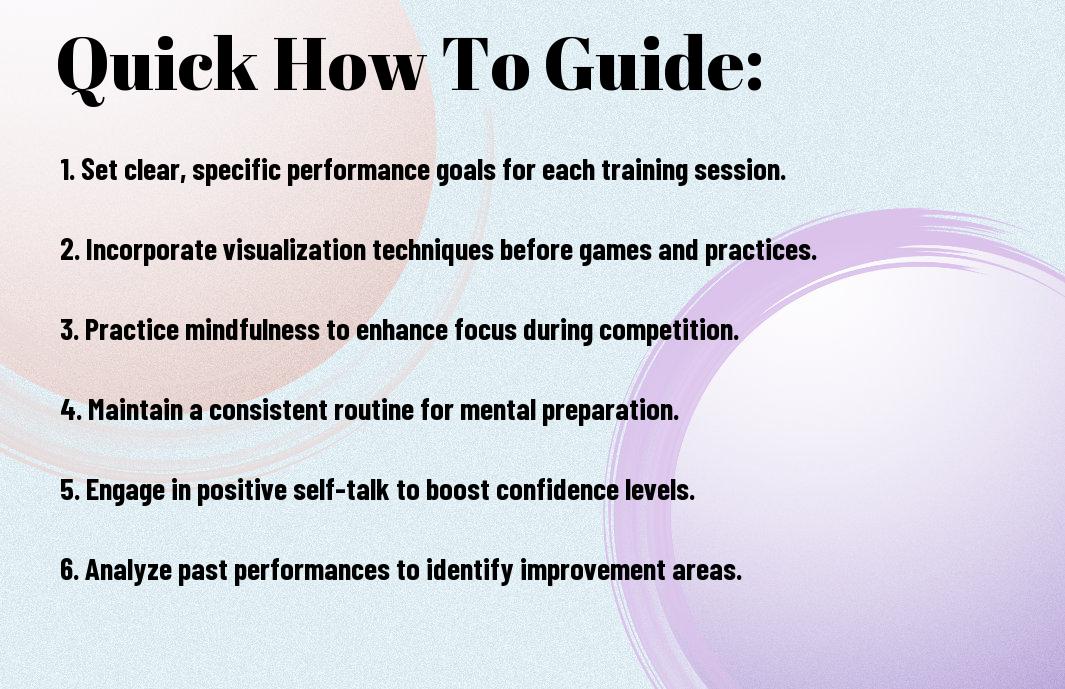
  • Mental visualization: Utilize imagery techniques to enhance focus and execution of skills during performance.
  • Routine development: Establish consistent pre-performance rituals to build confidence and reduce anxiety.
  • Mindfulness practices: Incorporate meditation or breathing exercises to improve concentration and present-moment awareness.
  • Goal setting: Define specific, measurable, achievable, relevant, and time-bound (SMART) goals to maintain motivation and track progress.
  • Positive self-talk: Use affirmations and constructive dialogue to boost self-esteem and maintain a competitive mindset during challenges.

Understanding the Brain-Performance Connection

Before you can enhance your athletic prowess, it’s vital to grasp the relationship between your brain and sports performance. Your brain governs every aspect of your physical abilities, from coordination and reaction time to focus and decision-making. By understanding this connection, you can implement strategies that significantly improve your performance on the field or court.

The Science Behind Brain Training

The science of brain training reveals that mental exercises can alter neural pathways, making your brain more adaptable and efficient. Activities such as visualization, meditation, and cognitive drills stimulate brain growth and enhance cognitive skills. This allows you to better control your reactions, focus, and overall performance during competition.

Importance of Mental Conditioning

Little do many athletes realize that mental conditioning is just as important as physical training. By developing mental toughness and resilience, you equip yourself to handle pressure, recover from setbacks, and maintain focus amidst distractions. This mental edge can often be the difference between winning and losing in high-stakes situations.

BrainPerformance is not solely about physical training; it relies heavily on cultivating a robust mental state that supports your competitive ambitions. By integrating mental conditioning into your training regimen, you enhance your self-confidence, decision-making abilities, and overall emotional control during competition. This dual focus on physical and mental training prepares you to not only excel in your sport but to thrive under pressure, ensuring that you can perform at your best when it matters most.

Key Factors Influencing Sports Performance

If you aim for optimal sports performance, various key factors should be considered, including:

  • Physical fitness
  • Mental toughness
  • Focus and concentration
  • Stress management
  • Nutrition and hydration

The combination of these elements can significantly elevate your overall performance.

Focus and Concentration

Clearly, maintaining focus and concentration is important for achieving peak performance in sports. It allows you to stay engaged in the moment, make quick decisions, and execute skills effectively. You must practice techniques that sharpen your attention, avoiding distractions that can impede your game.

Stress Management

One of the most impactful aspects of sports performance is how well you manage stress. High levels of stress can lead to decreased performance, increased fatigue, and a lack of motivation.

With effective stress management techniques such as mindfulness, controlled breathing, and visualization, you can reduce anxiety and enhance your focus. These practices not only help you cope with competitive pressure but also improve your overall mental performance. By integrating relaxation exercises into your routine, you can create a resilient mindset, allowing you to perform better even in high-stakes situations.

How to Develop a Winning Mindset

Not all athletes realize that the mindset can significantly influence your performance. To cultivate a winning mindset, you need to foster resilience, embrace challenges, and maintain focus. It’s about believing in your abilities, setting achievable goals, and developing the mental toughness needed to push through adversity. By shifting your perspective to view setbacks as opportunities for growth, you’ll be better prepared to excel in high-pressure situations.

Visualization Techniques

With visualization techniques, you can mentally rehearse your performance and strategize for success. By creating vivid mental images of executing skills flawlessly or achieving your goals, you train your brain to respond positively during competition. This practice enhances your confidence and prepares you for the physical challenge, allowing you to draw upon these images when it matters most.

Positive Self-Talk

Any athlete can benefit from positive self-talk, which involves replacing negative thoughts with affirmative and encouraging ones. This simple yet powerful technique can boost your confidence and enhance your focus during training and competitions.

Plus, fostering a habit of positive self-talk goes beyond just a few affirmations before a game. It encourages you to articulate your strengths and remind yourself of past successes regularly. By integrating positive phrases into your daily routine, you keep a constructive mindset and reduce self-doubt. This approach, over time, can significantly elevate your performance, as you cultivate a belief in your abilities that transforms pressure into motivation.

Tips for Enhancing Mental Resilience

Keep a positive mindset by implementing these strategies for mental resilience:

  • Set realistic goals to guide your progress.
  • Practice mindfulness techniques to enhance focus.
  • Develop a support network for encouragement.
  • Visualize success to boost your confidence.

After you adopt these practices, you’ll find it easier to handle challenges in your athletic journey.

Building Confidence Through Practice

Practice consistently to build your confidence. Regular training not only hones your physical skills but also establishes a deeper connection between your mind and body. As you become more familiar with your sport, your self-assurance will grow, allowing you to perform better under pressure. Dedicate time to simulate game situations, which will further prepare you for actual performance scenarios.

Embracing Failure as a Learning Tool

While setbacks can be disheartening, viewing them as learning opportunities is necessary for growth. Each failure you encounter offers insight into areas for improvement, enabling you to refine your techniques and strategies. By analyzing your mistakes, you can develop a more robust approach that paves the way for future success.

Building on failures creates a foundation for resilience in your training and competitions. Rather than fearing failure, embrace it as a necessary part of your development that informs your journey. This mindset shift not only reduces anxiety but also empowers you to take calculated risks during competitions, leading to greater overall athletic performance.

Incorporating Mindfulness in Training

For athletes aspiring to enhance their performance, integrating mindfulness into training can significantly boost focus and mental resilience. This practice encourages you to cultivate awareness of your thoughts and feelings, allowing for better emotional regulation during demanding training sessions and competitions. By fostering a mindset rooted in the present, you can improve your reaction times, sharpen concentration, and reduce anxiety, leading to a more effective athletic performance overall.

Meditation and Breathing Exercises

Now, incorporating meditation and breathing exercises into your training regimen can help foster clarity and calmness. Taking just a few minutes daily to focus on your breathing or engage in mindfulness meditation allows you to center your mind, reduce stress, and heighten your awareness. This focused approach enables you to develop mental toughness, leading to improved performance during intense training or competition.

Staying Present During Competition

One effective strategy for enhancing your performance is to practice staying present during competitions. By focusing on each moment and avoiding distractions, you can maintain a heightened state of awareness that allows you to respond more effectively to challenges in your sport.

Breathing techniques play a vital role in helping you stay present during competition. By employing deep, rhythmic breaths, you can anchor your attention to the here and now, minimizing intrusive thoughts. This simple practice not only calms your nerves but also enhances your focus and decision-making abilities. Consequently, you adapt better to your surroundings and perform optimally, keeping your mind clear and your body agile as you engage fully in your sport.

Creating a Brain Training Routine

After you have identified key areas for improvement in your sports performance, it’s time to establish a structured brain training routine. This routine should incorporate a variety of mental exercises tailored to your specific needs, such as visualization techniques, focus drills, and mindfulness practices. Consistency is key, so aim to dedicate a specific time each day to practice these exercises, allowing your brain to adapt and strengthen over time. By making this a part of your training regimen, you will enhance your mental acuity and overall athletic performance.

Setting Specific Goals

Training your brain effectively demands clear, focused objectives. Set specific, measurable goals that target the mental skills you wish to improve, whether that’s enhancing concentration during a game or increasing your ability to visualize successful plays. By breaking down your larger performance aspirations into smaller, actionable goals, you create a roadmap for your progress, making it easier to stay motivated and track your improvements over time.

Monitoring Progress and Adjusting

Little adjustments in your training routine can lead to significant improvements in sports performance. Regularly assess your mental training outcomes to ensure you are on track. This involves keeping a log of your mental exercises, noting what works best for you, and situations where you still face challenges. By doing so, you can identify patterns and insights that will inform necessary changes in your approach.

Adjusting your brain training routine based on your progress is vital for maximizing your performance potential. If you notice certain techniques are not producing the desired results, don’t hesitate to tweak them or explore alternative methods. Similarly, if you recognize areas of quick improvement, consider strengthening those aspects or setting new challenges to continue your development. By remaining flexible and responsive to your progress, you will keep your training relevant and effective.

Conclusion

Summing up, enhancing your sports performance requires a strategic approach to training your brain. By incorporating visualization, mindfulness, and cognitive exercises into your routine, you can improve focus, reduce anxiety, and boost overall performance. Create a consistent mental training schedule, set specific goals, and stay open to adjusting your strategies as needed. With dedication and practice, you can unlock your full athletic potential and achieve greater success in your sport.

FAQ

Q: What mental techniques can improve my focus during sports events?

A: Enhancing focus is crucial for optimal sports performance. Techniques such as visualization, where you mentally rehearse your performance, can sharpen your concentration. Additionally, mindfulness practices like meditation help in reducing distractions and increasing present-moment awareness. Creating a pre-performance routine can also assist in honing your focus, allowing you to enter a more concentrated state before engaging in your sport.

Q: How does goal-setting affect my sports performance?

A: Setting specific, measurable, achievable, relevant, and time-bound (SMART) goals can significantly boost your sports performance. Goals provide direction and motivation, breaking down larger ambitions into achievable tasks. Regularly evaluating your progress can help in maintaining motivation and adjusting strategies if necessary. This structured approach fosters a positive mindset, enhancing both your training and competitive performance.

Q: What role does mental resilience play in sports, and how can I build it?

A: Mental resilience is the ability to bounce back from setbacks and maintain composure under pressure, which is vital for athletes. To cultivate this trait, you can practice self-talk techniques that promote positive thinking and challenge negative thoughts. Exposure to high-pressure situations during training can also help build resilience. Techniques such as reflective journaling after competitions can foster growth and understanding, preparing you for future challenges.

Skip to content