sports

How to Balance Sports and Academics for Student-Athletes

Many student-athletes struggle to juggle their commitments to both sports and academics. As you navigate this demanding dual path, it’s vital to develop strategies that allow you to excel in both areas. This guide will provide you with practical tips on time management, prioritization, and creating a supportive environment, ensuring you maintain your athletic performance while also achieving your academic goals. With the right approach, you can find a harmonious balance that enriches both your education and athletic pursuits.

Key Takeaways:

  • Time Management: Develop a structured schedule that allocates time for practices, games, and studying to enhance productivity.
  • Set Goals: Establish both academic and athletic goals to maintain focus and motivation throughout the season.
  • Prioritize Wellness: Ensure sufficient rest, nutrition, and recovery to balance physical training and mental acuity for studies.
  • Stay Organized: Utilize planners or digital tools to keep track of assignments, deadlines, and sports commitments effectively.
  • Seek Support: Communicate with coaches, teachers, and family for guidance and support when balancing responsibilities becomes challenging.

Understanding the Importance of Balance

The ability to balance sports and academics is not just about time management; it’s about fostering a holistic development that enriches your life. Striking the right balance helps cultivate discipline, enhances time management skills, and prepares you for future responsibilities, making you a well-rounded individual. By prioritizing both your studies and athletic pursuits, you can cultivate a sense of fulfillment and achieve success in both areas.

The Benefits of Balancing Sports and Academics

Sports can provide valuable life skills such as teamwork, leadership, and resilience. When you balance sports and academics, you enhance focus and improve overall performance. This dual commitment fosters self-discipline and helps you manage stress more effectively, which is imperative for success in both your educational and athletic endeavors.

Factors Affecting Student-Athletes’ Performance

To optimize your performance, you’ll need to consider various factors that can influence your success as a student-athlete. These can include time constraints, mental fatigue, and physical health. Additionally, support systems from coaches, teachers, and family play a significant role in achieving a healthy balance. Regular assessment of these influences can guide you toward better outcomes.

  • Time management skills
  • Physical health and fitness
  • Mental wellbeing
  • Support from coaches and family

The right strategies can help you excel in both areas, ensuring you perform at your best.

A variety of dynamics can shape your journey as a student-athlete. Balancing academic responsibilities with sports commitments often leads to challenges such as inadequate rest or prioritizing one area over another. Understanding these factors allows you to make informed decisions that enhance your performance. Stay attentive to aspects like academic workload, practice schedules, and personal health to maximize your potential.

  • Academic workload demands
  • Practice and competition schedules
  • Personal health and nutrition
  • Social commitments

A proactive approach will enable you to maintain a rewarding balance throughout your athletic and academic pursuits.

Time Management Strategies

Assuming you want to excel both in sports and academics, effective time management is crucial. Creating a solid plan allows you to allocate sufficient time for training, classes, and study sessions. Use tools like calendars or apps to keep track of your commitments and deadlines. Staying organized will help you maintain focus, ensuring you meet both your athletic and academic goals without overwhelming yourself.

Creating a Flexible Schedule

Any effective schedule accounts for the unpredictable nature of sports practices and competitions. Build blocks of time for your studies while allowing adjustments when commitments arise. This flexibility enables you to adapt to unexpected changes, helping you stay on course without sacrificing performance in either area.

Prioritizing Tasks Effectively

An important aspect of balancing your responsibilities is prioritizing tasks effectively. Start by identifying deadlines and the significance of each task in relation to your goals. This will allow you to focus on what truly matters, ensuring that both your sports and academics receive the attention they deserve without unnecessary stress.

Schedule time for your most pressing academic assignments and upcoming tests, and align these with your athletic commitments. Break down larger tasks into manageable sections and tackle them one at a time. By focusing on high-priority tasks first, you’ll not only boost your productivity but also create a more rewarding balance between sports and your studies. This strategy helps you navigate through deadlines efficiently and ensures that you’re always on top of your responsibilities.

Setting Goals

All student-athletes benefit from establishing clear and attainable goals. By setting specific targets for both academics and sports, you create a focused roadmap for your journey. These goals should be realistic and time-bound, helping you maintain motivation and direction as you navigate your dual commitments. Prioritize your objectives and regularly revisit them to ensure they align with your evolving responsibilities and aspirations.

Academic and Athletic Goal Setting

Some effective goal setting incorporates both your academic responsibilities and athletic aspirations. To achieve this balance, outline distinct academic targets, such as maintaining a certain GPA, alongside your athletic objectives like improving performance metrics or making a team. With well-defined goals in both areas, you can create a schedule that harmonizes your studies and training sessions, allowing you to excel as a student-athlete.

Monitoring Progress and Adjustments

Assuming you have set your goals, it is important to track your progress frequently. Regular assessments will allow you to identify areas that may require adjustments, whether in your study habits or training routines. Being proactive in analyzing your performance will help you stay on track and make informed decisions about how to allocate your time and effort more effectively.

Goals provide direction, but your journey doesn’t end with their creation. You should consistently monitor your progress toward achieving all your objectives. This involves keeping a record of your academic grades and athletic performance and evaluating how well you balance both areas. If you identify challenges, don’t hesitate to adjust your strategies or seek advice from coaches and academic advisors. Flexibility in your approach ensures that you remain on the path to success while accommodating any unexpected demands from either your studies or your sport.

Seeking Support

To excel as a student-athlete, it’s crucial to seek support from various sources. Academic pressures combined with athletic commitments can be overwhelming, but leveraging available resources can help you strike a balance. Whether it’s talking to teachers about deadlines or seeking advice from peers, surrounding yourself with a robust support system will boost your confidence and help you manage both sides of your life effectively.

Utilizing Coaches and Advisors

Utilizing your coaches and academic advisors can significantly enhance your ability to balance sports and studies. They can provide guidance on time management, help prioritize your commitments, and offer strategies tailored to your unique situation. Don’t hesitate to reach out and let them know when you need support, ensuring you’re optimizing both your athletic and academic performance.

Building a Support Network

You can greatly benefit from building a support network of friends, family, and fellow student-athletes. This network can provide motivation during tough times and act as a sounding board for your concerns. They can also share their experiences, helping you find solutions to common challenges in balancing your responsibilities. Strong connections with others can make the journey smoother and more enjoyable.

Support from those around you is vital for maintaining balance in your life as a student-athlete. Engaging with friends who understand both your academic and athletic commitments can offer perspective and encouragement. Family members can provide emotional support and assist with logistics when needed, while fellow athletes can share tips and strategies for managing time effectively. By cultivating these relationships, you’ll foster an environment that promotes academic and athletic success, making it easier to navigate the ups and downs of your dual commitments.

Developing Study Skills

Despite the demands of being a student-athlete, developing strong study skills is imperative for academic success. Effective time management, setting specific goals, and creating structured study plans can help you navigate your athletic commitments while maintaining strong grades. By incorporating academic responsibilities into your daily routine, you create a seamless balance between practice, games, and study time, ultimately setting yourself up for achievement in both arenas.

Effective Study Techniques

To enhance your academic performance, it’s important to adopt effective study techniques. This can include active reading, summarization, and utilizing mnemonic devices to retain information. Additionally, finding study partners or participating in group sessions can significantly improve your understanding of complex subjects. Prioritizing your study tasks and focusing on one subject at a time will also increase your retention and comprehension, allowing you to perform at your best in both sports and academics.

Incorporating Sports into Study Routines

On a busy schedule, it is possible to incorporate sports into your study routines effectively. Utilizing the time before practice or games for light review can bolster your retention of material. Consider employing physical activity as a study break—brief workouts or short runs can enhance focus and rejuvenate your mind as you shift from studying to athletic performance.

Effective integration of sports into your study routines not only maximizes your time but also helps you stay energized and engaged. Short bursts of physical activity can serve as brain boosters, enhancing cognitive function and memory retention. You might find that listening to educational podcasts during warm-ups, or using downtime between drills for flashcards or quizzes can further reinforce what you’ve learned. By weaving these strategies into your daily life, you can maintain high academic standards without sacrificing your athletic commitments.

Maintaining Physical and Mental Health

Keep in mind that maintaining your physical and mental health is crucial for excelling in both sports and academics. Regular exercise combined with proper nutrition and adequate sleep helps you recover after workouts and periods of intense study. Establishing a routine that incorporates these elements can significantly enhance your performance on and off the field.

Importance of Nutrition and Rest

Even small changes in your eating habits can make a significant difference in your energy levels and overall wellness. A balanced diet rich in fruits, vegetables, lean proteins, and complex carbohydrates fuels your body for rigorous practices and study sessions. Additionally, prioritizing sleep allows your body to recover, keeping your mind sharp and ready for both athletic competitions and academic challenges.

Stress Management Tips

Importance of managing stress can’t be overlooked in balancing your dual commitments. Implementing effective strategies can help you maintain focus and performance. Consider these tips:

  • Practice mindfulness or meditation daily.
  • Engage in hobbies or relaxation activities.
  • Set realistic goals and prioritize tasks.
  • Seek support from coaches, friends, or family.

Health plays a significant role in your ability to manage pressure. Developing healthy coping mechanisms can prevent stress from overwhelming you. Incorporating the following into your routine can help create a balanced approach to stress management:

  • Stay organized with a planner for assignments and training schedules.
  • Establish a consistent sleep schedule to recharge fully.
  • Stay socially connected with teammates and friends.
  • Practice deep-breathing exercises during high-pressure situations.

Recognizing the signs of stress early allows you to address them before they escalate into larger issues.

To wrap up

Upon reflecting, balancing sports and academics as a student-athlete requires thoughtful planning and prioritization. You should create a structured schedule that incorporates dedicated time for both your studies and practices. Open communication with your coaches and teachers can also facilitate support, allowing you to manage your commitments effectively. By setting clear goals and being disciplined, you can excel in both arenas, leading to a fulfilling and successful student-athlete experience.

Q: How can student-athletes effectively manage their time between sports and academics?

A: Time management is vital for student-athletes aiming to balance their commitments. It’s important to create a structured schedule that outlines both practice times and study periods. Utilizing techniques such as prioritizing tasks, setting specific goals for both academics and sports, and making use of calendar apps can significantly enhance productivity. Setting aside time for reviewing coursework after practices, and using any free time in between classes for studying can also help in maintaining an academic focus while still dedicating ample time to training and competitions.

Q: What strategies can student-athletes employ to enhance their focus during academic work?

A: To improve focus during study sessions, student-athletes can adopt several strategies. First, finding a quiet and comfortable study environment free from distractions can often lead to better concentration. Techniques such as the Pomodoro Method, which involves studying in short bursts followed by brief breaks, can keep the mind sharp. Additionally, creating a study playlist with music that helps concentrate or utilizing noise-cancelling headphones may also enhance focus. It’s beneficial to also integrate mental wellness practices, such as mindfulness or meditation, to reduce stress and improve overall focus during studies.

Q: How can student-athletes seek support from their coaches and teachers?

A: Open communication with coaches and teachers can provide valuable support for student-athletes. They should feel comfortable discussing their schedule and any conflicts they might face with their commitments. Coaches may offer flexibility with training times during exam periods, while teachers can provide resources or extensions for homework when necessary. Establishing a rapport with both parties allows student-athletes to voice their needs and seek guidance when balancing their dual responsibilities, ensuring that they are not overwhelmed and can thrive both academically and athletically.

The Best Sports for Building Core Strength

It’s necessary to focus on core strength for overall fitness and injury prevention. Engaging in the right sports can enhance your core stability, balance, and power. This blog post will guide you through various sports that significantly contribute to building and strengthening your core muscles. Whether you’re a beginner or looking to elevate your training, discovering the best activities can help you achieve your fitness goals while enjoying your preferred sport.

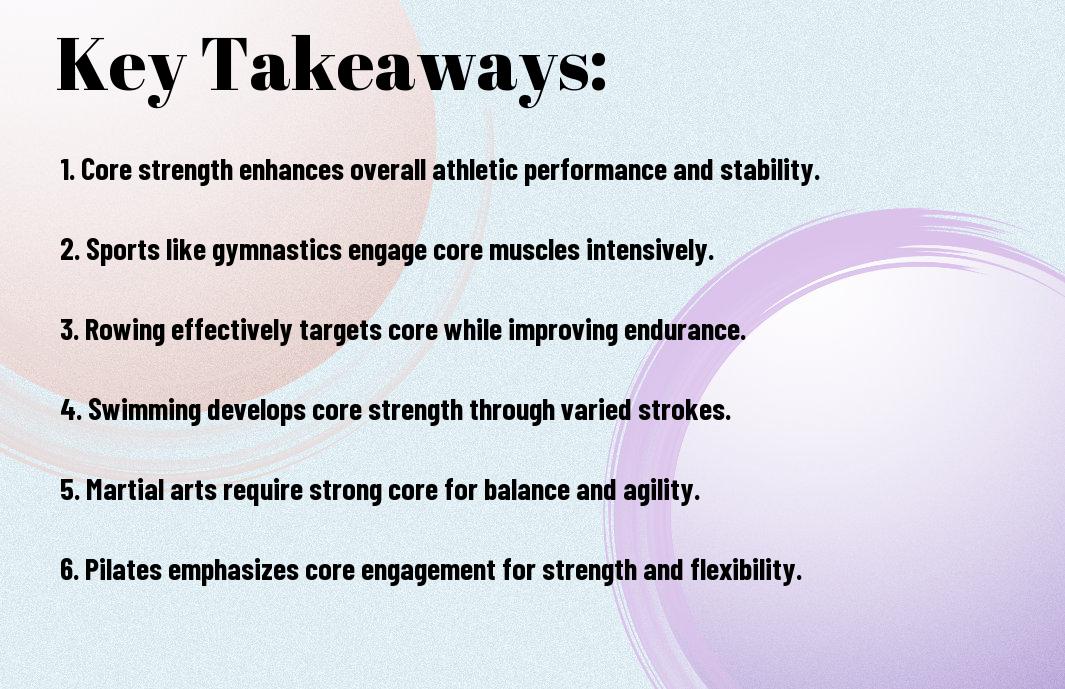
Key Takeaways:

  • Enhanced Stability: Core-strengthening sports like gymnastics emphasize balance and coordination, helping to improve overall stability.
  • Full Body Engagement: Activities such as rowing require the use of various muscle groups, ensuring that the core is engaged throughout the exercise.
  • Resistance Training: Sports like wrestling and martial arts involve resistance, which promotes core development and functional strength.
  • Aerobic Benefits: Endurance sports like cycling not only boost cardiovascular fitness but also engage the core over long durations, enhancing endurance strength.
  • Dynamic Movement: Sports that involve jumping or twisting, such as basketball and soccer, activate the core muscles through dynamic and explosive movements.

Understanding Core Strength

Before venturing into the specifics of core-strengthening sports, it’s vital to grasp what core strength entails. Core strength refers to the stability and support provided by the muscles in your abdomen, lower back, hips, and pelvis. These areas play a vital role in maintaining your posture, balance, and overall movement efficiency. Understanding this foundation will better equip you to choose the right activities aimed at enhancing your core strength.

Definition of Core Strength

Before identifying its benefits, you need to be clear on what core strength is. It encompasses the ability of your abdominal, back, and pelvic muscles to work in unison to stabilize your body and maintain proper posture during various activities, whether in sports or everyday movements.

Importance in Sports and Daily Life

For you to maximize performance, developing strong core muscles is non-negotiable. A well-conditioned core enhances your stability and balance, enabling you to execute movements efficiently in sports and everyday tasks alike. Whether you’re playing soccer, lifting groceries, or just sitting at your desk, your core plays a pivotal role in how you move.

Strength in your core translates to improved agility and endurance, allowing you to perform better in athletics as well as daily activities. When your core is strong, you can better prevent injuries, maintain proper alignment, and execute movements with ease. This not only boosts your athletic performance but also enhances your quality of life, making common activities like walking, bending, and lifting considerably easier and safer.

Top Sports for Core Strength Development

One of the best ways to build your core strength is through engaging in specific sports that emphasize your abdominal muscles, obliques, and lower back. These activities not only promote stability and improve your overall athletic performance but also enhance your balance and posture. Here are some top sports that can help you develop a powerful core.

Gymnastics

Between the intricate movements and dynamic routines, gymnastics requires exceptional core engagement. Every twist, turn, and hold relies on a stable midsection, making it one of the most effective sports for strengthening your core muscles. As you progress in gymnastics, you’ll notice improvements in your balance and coordination.

Martial Arts

Above all, martial arts provides excellent core strength benefits through various techniques and movements. Kicking, punching, and grappling demand a solid core for balance, power, and stability. You’ll find that practicing martial arts not only builds physical strength but also sharpens your mental discipline.

Development of core strength is integral in martial arts. Techniques such as performing kicks, executing throws, or transitioning between stances engage your core muscles intensely. Consequently, the regular training will enhance your agility and overall athletic performance, making you a more formidable practitioner.

Rowing

Among the sports focused on core strength, rowing stands out due to its full-body engagement. When you row, your core acts as a stabilizer while your legs and arms generate power. This rhythmic movement not only improves coordination but also builds endurance through repetitive core contractions.

The dynamic motion involved in rowing emphasizes your abdominal and lower back muscles, which are activated throughout each stroke. The more you row, the more you train your body to work as a unit, creating a strong, balanced core that enhances your performance in other sports as well.

Surfing

Rowing in the ocean can significantly improve your core strength because it requires continuous stabilization while navigating waves. You need to maintain balance on your surfboard while paddling out and catching waves, further engaging your core muscles. This provides an effective workout for both strength and stability.

Hence, surfing challenges not only your physical strength but also your ability to adapt and respond to changing conditions. The constant need to maintain balance will develop a stable core over time, making you more agile both on and off the board.

Dance

Surfing through different dance styles engages your core in a way that enhances flexibility and strength. Each movement, whether it’s a spin or a jump, necessitates a strong core for better execution and control. This added engagement helps tone your abdominal muscles while improving overall body awareness.

Plus, dancing promotes a sense of rhythm, coordination, and agility that can enhance your performance in various physical activities. As you learn different styles, from ballet to hip-hop, you’ll find that your core strength develops alongside your grace and fluidity in movement.

How to Incorporate Core Training in Sports

Despite the importance of core strength in sports performance, many athletes overlook dedicated core training. To effectively incorporate core work into your routine, integrate specific exercises during your workouts or practice sessions. This allows you to enhance your core strength alongside your primary sport skills, ensuring you develop stability and power for better overall performance.

Techniques and Exercises

Techniques such as planks, Russian twists, and medicine ball throws are excellent for building your core strength. Incorporate these exercises into your workout regime to target various muscle groups in your abdomen and lower back. Additionally, consider functional movements that mimic the demands of your sport to create a more relevant training experience.

Balancing Core Work with Sport Practice

Work your core into your existing training regime by scheduling short, focused core sessions that complement your sport practice. Aim for high-intensity workouts that improve endurance and strength without overburdening your body, keeping in mind your sport’s specific demands. This approach allows you to maintain your peak performance while strengthening your core.

Further, it’s important to align your core training with the intensity and frequency of your sport practices. By prioritizing recovery and listening to your body, you can effectively manage both core workouts and sport-specific skills. Aim for a balanced routine that fosters improvement in both areas, promoting better performance and injury prevention in your chosen sport.

Benefits of Strong Core in Athletic Performance

Many athletes recognize that a strong core is a foundation for enhancing their overall performance. A well-developed core supports various sports by enabling athletes to execute movements more efficiently and powerfully. It enhances your ability to maintain proper form when performing skills, which translates to improved speed, agility, and strength. By integrating core training into your regimen, you can experience significant gains in your athletic endeavors.

Injury Prevention

Core stability plays a vital role in preventing injuries. When your core muscles are strong, they effectively support your spine and pelvis, reducing the risk of strains and injuries. By engaging in core-strengthening exercises, you build resilience in your body, which contributes to overall stability and controlled movements while participating in sports. This protective mechanism allows you to perform at your best while minimizing the likelihood of sidelining injuries.

Enhanced Stability and Balance

Among the various benefits of a strong core, enhanced stability and balance are particularly important in athletic performance. A stable core allows you to maintain control during complex movements, whether you’re in a sprint, executing a jump, or performing a pivot. This stability helps you adapt to sudden shifts in direction, resulting in better coordination and responsiveness.

Performance-wise, the ability to remain balanced during dynamic activities is necessary. A strong core enables you to maintain an upright posture, which reduces the chances of tipping over during rapid movements. This level of control allows you to engage in more intricate athletic maneuvers, providing you with a competitive advantage and boosting your confidence as you master various skills in your sport.

Improved Overall Performance

About enhancing your athletic performance, a strong core serves as a direct link between your upper and lower body. This connection enables more efficient energy transfer during movements, allowing for greater power and speed. Whether you are running, swimming, or participating in team sports, improved core strength enhances your ability to execute techniques effectively.

Enhanced coordination contributes to your overall performance in various sports. When your core is strong, movements become more fluid and effortless, allowing you to focus on technique rather than compensating for weaknesses. As a result, you’ll find that your performance improves not only in practice but also during competitions, helping you reach your athletic goals.

Recommendations for Athletes

Once again, focusing on core strength is imperative for athletes aiming to enhance their performance. Whether you engage in team sports or individual activities, incorporating specific core-strengthening exercises can improve your stability, balance, and overall athletic ability. Choose sports that naturally require core activation to build strength effectively and see greater results in your performance on the field or court.

Selecting the Right Sport for Core Strength

Along your journey to improve core strength, it’s imperative to select a sport that aligns with your fitness goals. Sports that involve rotational movements, such as rowing, martial arts, and gymnastics, offer excellent opportunities for targeting your core. Find an activity that excites you, as your enthusiasm will drive you to consistently challenge your core muscles and reap the benefits.

Combining Core Strength with Other Training

With a well-rounded training regimen, you can effectively blend core strength exercises with other athletic pursuits. This approach not only promotes overall fitness but also enhances your performance within your chosen sport. Incorporating flexibility training, strength workouts, and cardiovascular activities will ensure a holistic development of your physical abilities.

At the same time, prioritizing core workouts within your broader training program can lead to better results. Engage in exercises that specifically target your abdominal, oblique, and lower back muscles, while balancing with flexibility and strength training. This combination supports improved posture, reduces injury risk, and increases power during dynamic movements. You’ll notice significant enhancements in your sport-specific skills when your core strength is effectively integrated with other fitness components.

Summing up

From above, it’s clear that engaging in sports like gymnastics, swimming, and rock climbing can significantly enhance your core strength. By incorporating these activities into your routine, you’ll not only improve your stability and balance but also boost your overall athletic performance. Each sport offers unique challenges that target different muscle groups, ensuring a well-rounded core development. As you explore these options, you’ll discover which ones resonate with you the most, helping you stay motivated while developing a stronger core.

FAQ

Q: What are the best sports for building core strength?

A: Several sports are notably effective in developing core strength. Activities such as gymnastics, rowing, and martial arts emphasize core stability and strength as foundational elements. Gymnastics requires a high degree of balance and control, engaging the core throughout various movements. Rowing engages both the upper and lower body, with significant reliance on the core for power and stability during the rowing stroke. Martial arts, including judo and karate, involve a lot of twisting and turning, which helps strengthen the core through dynamic movements.

Q: How do these sports specifically enhance core strength?

A: Each of these sports enhances core strength through different movements and techniques. In gymnastics, exercises like handstands and tumbling require the body to maintain balance and control, which inherently works the core muscles. Rowing involves a repetitive motion that requires the core to stabilize the body while generating force, promoting both muscle endurance and strength in the abdominal and back regions. Martial arts training incorporates a variety of strikes, grappling, and defensive moves, all of which require a strong core for effective performance and injury prevention.

Q: Are there any complementary exercises to improve core strength alongside these sports?

A: Yes, there are numerous complementary exercises that can enhance core strength. Planks, for instance, target several core muscles simultaneously and can be integrated into any training routine. Other effective exercises include Russian twists, bicycle crunches, and leg raises, which focus on various elements of the core. Incorporating stability ball workouts can also improve balance and core engagement. Additionally, activities like yoga and Pilates offer focused core workouts that can further complement the strength gained from sports participation.

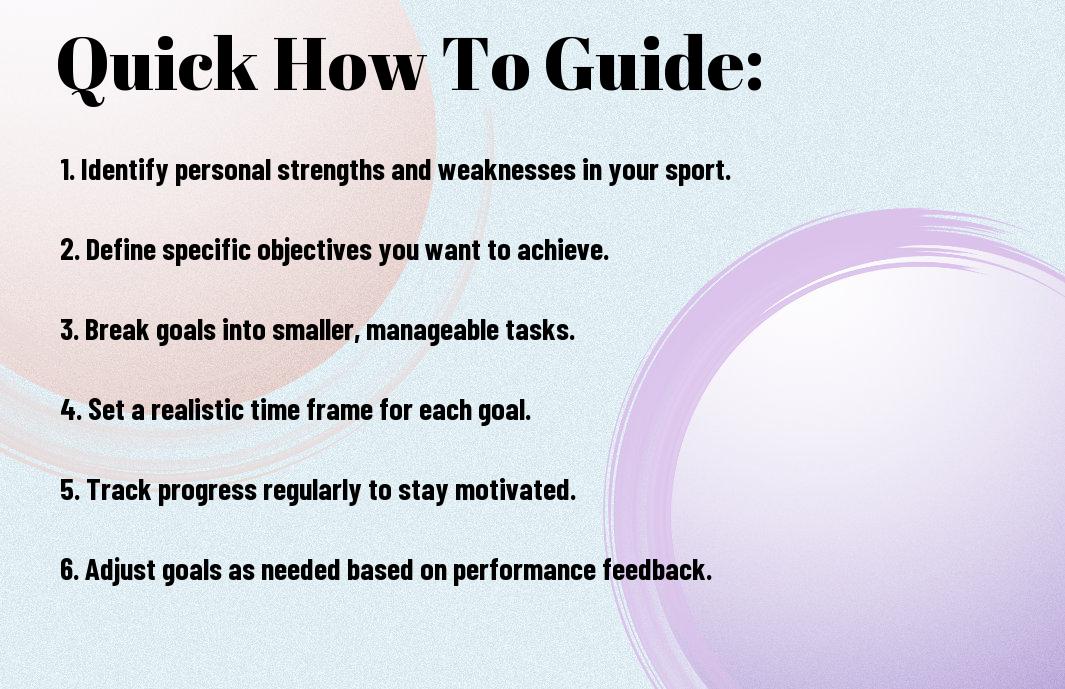
How to Set Achievable Goals in Sports

Just like in any other aspect of life, setting achievable goals in sports can significantly enhance your performance and motivation. By focusing on specific, measurable, and realistic objectives, you can track your progress and stay committed to your training regime. This guide will walk you through the vital steps to define your goals effectively, ensuring they align with your personal aspirations and abilities. Transform your approach to sports by learning how to set goals that inspire you and foster continuous improvement.

Key Takeaways:

  • S.M.A.R.T. Criteria: Goals should be Specific, Measurable, Attainable, Relevant, and Time-bound to enhance clarity and focus.
  • Break Down Objectives: Divide larger goals into smaller, manageable tasks to maintain motivation and track progress effectively.
  • Regular Evaluation: Frequently assess your progress to identify areas for improvement and adjust strategies as necessary.
  • Stay Flexible: Be prepared to adapt your goals in response to unexpected challenges or changes in circumstances.
  • Positive Reinforcement: Celebrate small victories and achievements to boost morale and sustain commitment toward reaching long-term goals.

Understanding the Importance of Goals in Sports

The role of goals in sports cannot be overstated. Goals provide direction and purpose, helping you focus your energy and efforts on what truly matters in your athletic journey. By setting clear objectives, you can measure your progress and stay motivated, ultimately enhancing your overall performance and enjoyment of the sport.

The Role of Goals in Performance

To achieve peak performance, you must establish concrete goals. These objectives act as benchmarks that allow you to assess your development and refine your training strategies. With clearly defined goals, you can maintain focus, push your limits, and celebrate your achievements along the way.

Benefits of Setting Achievable Goals

Performance improves significantly when you set achievable goals. These goals help you break down larger ambitions into manageable steps, making your path to success feel less daunting. Additionally, setting realistic goals boosts your confidence, keeps you engaged in training, and encourages a greater sense of accomplishment as you reach each target.

Setting achievable goals allows you to enjoy a sense of progress and fulfillment in your athletic pursuits. As you accomplish smaller milestones, your motivation increases, creating a positive feedback loop that drives you to improve further. Achievable goals also make it easier to adapt and adjust your training plans based on your evolving capabilities, ensuring that you remain challenged yet not overwhelmed. By focusing on attainable objectives, you cultivate a growth mindset that ultimately enhances your overall sports experience.

How to Set Achievable Goals

While setting achievable goals in sports, it’s vital to ensure they are realistic and attainable within your current abilities and resources. Break down your larger aspirations into smaller, manageable steps that serve as building blocks toward your ultimate objective. This approach allows you to monitor your progress and adjust your strategies, keeping your motivation high as you celebrate each milestone along the way.

Defining SMART Goals

To effectively pursue your sports ambitions, you should define your goals using the SMART criteria: Specific, Measurable, Achievable, Relevant, and Time-bound. By crafting goals that meet these characteristics, you create a clear roadmap that enhances your focus and increases your chances of success in your athletic journey.

Aligning Goals with Personal Values

SMART goals should resonate with your personal values to keep you motivated and passionate about your pursuits. When your goals reflect what matters most to you—be it teamwork, perseverance, or personal excellence—you’ll find the drive to push through challenges and stay committed to your training.

This alignment not only helps you stay engaged in your sport but also reinforces your identity as an athlete. When your goals reflect your core beliefs, you cultivate a deeper sense of purpose, which can enhance your performance and overall satisfaction in your athletic journey. Prioritizing personal values ensures that each effort contributes to your growth, making the process genuinely rewarding.

Tips for Staying Motivated

All athletes face obstacles on their path to success, but staying motivated can make all the difference. Here are some key tips to keep your spirits high:

  • Set clear, short-term goals to maintain focus.
  • Visualize your success regularly.
  • Track your progress to see how far you’ve come.
  • Surround yourself with positive influences.
  • Stay adaptable and adjust your goals as needed.

After all, motivation is a journey, not a destination.

Creating a Support System

For achieving your sports goals, building a strong support system is vital. Seek out coaches, teammates, friends, or family members who inspire and encourage you. Sharing your ambitions with others fosters accountability, and their constructive feedback can provide valuable insights. Their support can help you overcome challenges and keep you motivated throughout your journey.

Celebrating Small Wins

Wins, no matter how minor they may seem, deserve recognition and celebration. These small victories contribute significantly to your overall progress and help maintain your motivation levels. Acknowledging what you’ve achieved reinforces positive behavior and reminds you that growth often occurs in incremental steps.

Systematically celebrating small wins can elevate your motivation and commitment. Whether it’s hitting a training milestone, perfecting a technique, or staying consistent for a week, take time to acknowledge these accomplishments. You can reward yourself with small treats or simply take a moment to reflect on your progress, reinforcing the habit of celebrating every step of the journey.

Factors to Consider When Setting Goals

Not all goals are created equal; you must consider various factors to ensure they align with your aspirations. Here are some key points to guide you:

  • Your current skill level
  • Time availability for training
  • Your motivations and passions
  • The resources at your disposal
  • Potential obstacles you might encounter

After weighing these factors, you can set goals that are not only attainable but also aligned with your long-term vision.

Assessing Current Skills and Abilities

Abilities play a significant role in determining the types of goals you can realistically pursue. Begin by evaluating your current skill set, including strengths and weaknesses in your chosen sport. This self-assessment helps you identify areas that require improvement and allows you to create goals that are tailored to your unique capabilities.

Understanding the Competitive Landscape

Assessing the competitive landscape is vital for effective goal setting. This involves looking at the skill levels of other athletes in your field, the standards of performance in your sport, and the trends in competition. By understanding where you stand relative to others, you can set benchmarks that challenge you while remaining realistic.

To navigate the competitive landscape successfully, make sure to analyze not only the current competitors but also the historical context of your sport. Trends may shift over time, and acknowledging these changes can offer insight into what it takes to succeed now. Being informed about the competition can enable you to set strategic goals that push you to grow and excel without setting yourself up for unnecessary strain.

Adjusting Goals as Needed

Despite your best efforts to set achievable goals in sports, the need to adjust them may arise. Changing circumstances, such as injuries or shifts in performance, can influence your ability to meet your targets. It’s vital to remain flexible and consider reassessing your goals throughout your training. This approach not only helps maintain motivation but ensures that you stay aligned with your current capabilities and long-term aspirations.

Recognizing When to Reevaluate

The ability to recognize when to reevaluate your goals is vital for sustained progress. Regularly assess your performance, noting any challenges or setbacks you encounter. If you find yourself consistently missing targets or feeling overwhelmed, it may be time to reconsider your goals, ensuring they remain relevant and attainable.

Adapting Strategies for Improvement

With each evaluation, you will likely need to adapt your strategies for improvement. This can involve altering your training regimen, seeking additional resources, or adjusting your mindset. Staying open to change will enhance your progression and help maintain motivation.

For instance, if you find that specific drills are not yielding the desired results, you might explore alternative exercises or techniques better suited to your skill level. You could also consider enlisting a coach or mentor for personalized guidance and support. By embracing flexibility and seeking new strategies, you’ll create a more effective training plan that aligns with your evolving goals.

Common Pitfalls to Avoid

For athletes aiming to improve, it’s crucial to be aware of common pitfalls that can hinder your progress. Many individuals inadvertently set themselves up for failure by not recognizing these obstacles. By steering clear of these mistakes, you can achieve your sports goals more efficiently and effectively.

Setting Unrealistic Expectations

Now, you might be tempted to aim for what feels like extraordinary achievements, but setting unrealistic expectations can lead to disappointment and frustration. It’s vital to ensure your goals are attainable based on your current skill level, physical condition, and available training time.

Ignoring the Importance of Flexibility

Unrealistic expectations can often blind you to the necessity of flexibility in your goal-setting process. Life is dynamic, and factors such as injuries, changes in schedule, or even shifts in motivation can arise unexpectedly.

This flexibility allows you to adapt your goals and strategies as circumstances change, ensuring that you remain focused and resilient. Embracing a flexible mindset enables you to navigate setbacks without losing sight of your overall objectives. Rather than rigidly sticking to a plan that may no longer serve you, adjust your goals to maintain your progress and motivation in sports.

Final Words

To wrap up, setting achievable goals in sports is vital for your continued growth and motivation. By using the SMART criteria—Specific, Measurable, Achievable, Relevant, and Time-bound—you can clarify your objectives and track your progress effectively. Break down larger goals into smaller, manageable steps, and regularly review your achievements to stay focused. Surround yourself with supportive teammates or coaches to maintain accountability and encouragement. Ultimately, your journey in sports will be more fulfilling when you set realistic and attainable goals that inspire you to push your limits while celebrating your successes.

Q: Why is it important to set achievable goals in sports?

A: Setting achievable goals in sports is important because it provides clear direction and motivation. When athletes establish realistic objectives, they can track their progress more effectively and celebrate small victories along the way. This process helps build confidence and fosters a positive mindset, which is necessary for long-term success. Additionally, achievable goals minimize frustration and promote a sense of accomplishment, encouraging athletes to stay committed to their training and performance.

Q: How can I identify realistic goals for my sport?

A: To identify realistic goals, start by evaluating your current skill level and understanding the demands of your sport. Break down your long-term aspirations into smaller, measurable objectives that can be achieved within a set timeframe. Consider factors such as your training schedule, physical capabilities, and available resources. Additionally, consulting with a coach or mentor can provide valuable insights into setting appropriate goals tailored to your unique abilities and aspirations.

Q: What strategies can I use to stay motivated while pursuing my sports goals?

A: Staying motivated requires a combination of strategies. First, visualize your goals and the outcomes you wish to achieve, as this can keep you focused on your objectives. Create a detailed plan that includes specific milestones and timelines to monitor your progress. Surround yourself with a supportive community, such as teammates or coaches, who can encourage you and offer constructive feedback. Lastly, celebrate your achievements, no matter how small, as this reinforces your motivation and commitment to your goals.

The Role of Hydration in Sports Performance

Over the course of your athletic journey, understanding the importance of hydration can significantly influence your performance and recovery. When engaging in physical activities, maintaining optimal fluid balance is vital for regulating body temperature, preserving endurance, and enhancing overall effectiveness during sports. To deepen your understanding, explore insights on Hydration to Maximize Performance and Recovery. Emphasizing proper hydration strategies will not only help improve your game but also support your body in adapting to various demands of your sport.

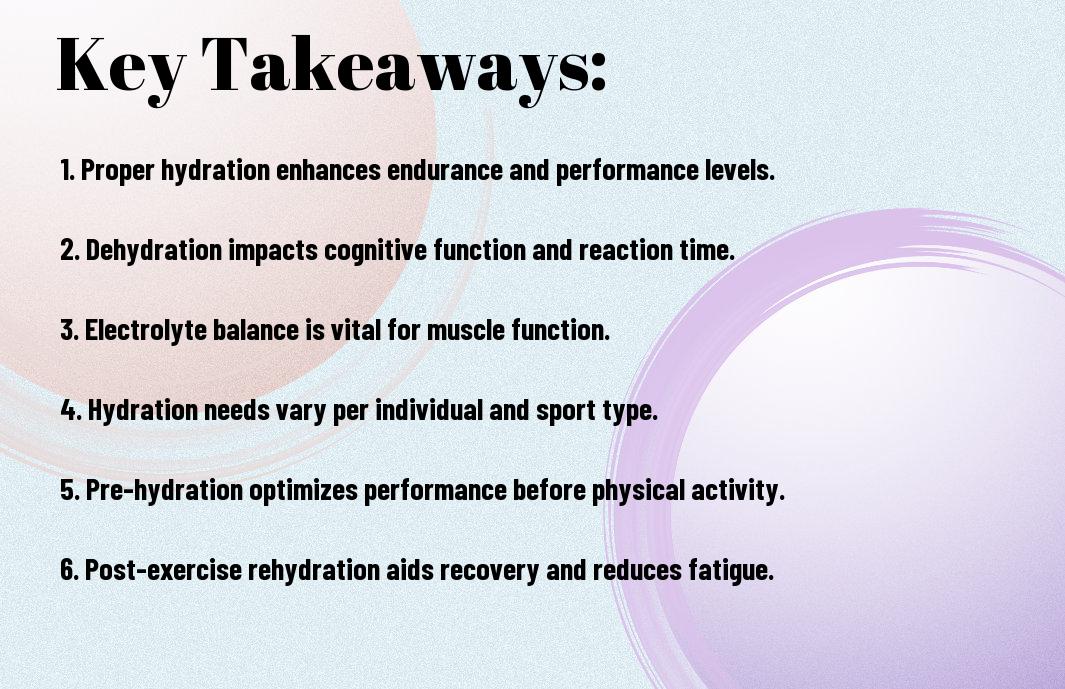
Key Takeaways:

  • Optimal Performance: Proper hydration enhances physical performance, allowing athletes to maintain endurance and strength during training and competitions.
  • Prevention of Dehydration: Staying hydrated helps prevent the negative effects of dehydration, which can lead to fatigue, decreased coordination, and impaired cognitive function.
  • Temperature Regulation: Adequate fluid intake aids in regulating body temperature, especially during intense exercise and in hot environments.
  • Recovery: Hydration plays a significant role in recovery post-exercise by promoting muscle repair and reducing the risk of cramps and injuries.
  • Individual Needs: Hydration requirements vary among athletes based on factors like intensity, duration of activity, climate, and personal body composition.

The Importance of Hydration in Sports

The role of hydration in sports cannot be overstated. Proper fluid intake supports every aspect of your physical performance, from endurance to muscle function. Without adequate hydration, you risk decreased stamina, increased fatigue, and impaired recovery. Staying well-hydrated ensures that your body can efficiently regulate temperature and maintain optimal cardiovascular function, enabling you to perform at your best during training or competition.

Physiological Benefits

Importance of hydration extends to your physiological performance. Adequate fluid levels maintain blood volume and circulation, ensuring that your muscles receive the oxygen and nutrients they need to function optimally. Hydration also aids in waste removal and temperature regulation, crucial for sustaining prolonged athletic performance and enhancing recovery post-exercise.

Mental Clarity and Performance

With proper hydration, you can experience significant improvements in mental clarity and overall performance. Staying hydrated plays a key role in cognitive function, including focus, reaction time, and decision-making skills, all vital for peak athletic performance. When you are dehydrated, even mild deficits can lead to confusion and fatigue, hindering your ability to think clearly during intense physical activity.

Another factor to consider is that dehydration can impact your mood and motivation, which can affect your training efficiency. When you are adequately hydrated, you enhance not just your physical capabilities but also your mental resilience to push through challenging workouts or competitions. Staying on top of your hydration can lead to improved consistency, better skill execution, and heightened levels of concentration, enabling you to maximize your potential in sports.

Hydration Guidelines for Athletes

Some basic hydration guidelines can help optimize your sports performance. Aim to drink fluids regularly throughout the day, as thirst alone is not a reliable indicator of hydration levels. You should adjust your fluid intake based on your activity level, climate, and individual needs to maintain optimal hydration before, during, and after exercise.

Daily Water Intake Recommendations

Daily water intake recommendations vary based on factors like body weight, activity level, and environmental conditions. Aim for at least half your body weight in ounces of water each day, increasing that amount if you are active or exposed to high temperatures.

Electrolyte Balance

Athletes need to maintain electrolyte balance for optimal performance and recovery. Electrolytes, including sodium, potassium, and magnesium, play a vital role in muscle function and hydration. During intense exercise or prolonged activity, your body loses these important minerals through sweat.

With proper replenishment of electrolytes, you can help prevent muscle cramps, fatigue, and dehydration. It’s beneficial to consume electrolyte-rich beverages or supplements, particularly after intense workouts or events. Aim to include foods high in electrolytes, such as bananas, leafy greens, and nuts, in your daily diet to support your overall hydration strategy and improve your athletic performance.

Signs of Dehydration

Despite the common understanding of hydration’s importance, many athletes often overlook the subtle signs of dehydration. Recognizing these early symptoms can be vital for maintaining optimal performance. You might experience increased thirst, dry mouth, or infrequent urination, all of which indicate that your body is in need of fluids. Ignoring these signals can lead to further complications and hinder your performance on the field or track.

Physical Symptoms

For many athletes, physical symptoms of dehydration can manifest in various ways. You may notice a decline in your energy levels, accompanied by fatigue or dizziness. Additionally, muscle cramps, headaches, or dry skin can also be indicative of a lack of proper hydration. Being aware of these signs can help you take timely action to rehydrate and enhance your overall performance.

Impacts on Athletic Performance

Before you realize it, dehydration can significantly impact your athletic performance. Even a slight decrease in body fluid can lead to reduced coordination, diminished strength, and decreased endurance, making it difficult for you to achieve your goals.

A mere 2% loss of body weight due to dehydration can lead to noticeable impairments in your performance. This can translate to slower reaction times, inefficient thermoregulation, and increased perception of effort during your workouts. As a result, you may find your training sessions less effective and your competition results underwhelming. Staying attuned to your hydration levels is imperative to fully optimize your athletic potential.

Hydration Strategies During Training

Now, establishing effective hydration strategies during training can significantly improve your performance and recovery. Prioritizing hydration before, during, and after your workouts will help you maintain optimal body functions, enhance endurance, and prevent fatigue. Be mindful of your sweat rate and adjust your fluid intake accordingly to ensure your hydration levels support your training goals.

Pre-Workout Hydration

Below, consider aiming to drink 16-20 ounces of water or sports drink about two hours before your workout. This pre-workout hydration will prepare your body for the upcoming physical demand, minimizing the risk of dehydration. Monitoring your fluid intake in the hours leading up to your training is vital to ensure you’re adequately hydrated.

Hydration During and Post-Exercise

Between your training sessions, maintaining proper hydration is key to sustaining performance. Aim to consume 7-10 ounces of fluid every 10-20 minutes during exercise, especially in hot or humid conditions. Post-exercise, your hydration strategy should focus on replenishing lost fluids, ideally with water or electrolyte-rich drinks, to enhance recovery.

Training regimens can lead to significant fluid loss through sweat, particularly during intense workouts. To mitigate this, monitor your body weight before and after training; for every pound lost, replace it with 16-24 ounces of fluid. This practice will aid in restoring your hydration levels and preparing you for subsequent sessions, ensuring that you remain at your best for all future workouts.

Special Considerations for Endurance Sports

Not all athletes share the same hydration needs, especially in endurance sports. You may need to pay particular attention to your hydration strategy, as prolonged physical exertion increases fluid loss through sweat. Understanding how to maintain adequate hydration levels can enhance your performance and reduce the risk of dehydration-related issues.

Long-Distance Events

Around the clock, your body is utilizing water to regulate temperature and maintain optimal performance during long-distance events. Ensuring you are adequately hydrated before, during, and after your event can significantly impact your stamina and endurance on race day.

High-Intensity Activities

High-intensity workouts demand quick bursts of energy and can lead to rapid fluid loss. You should focus on integrating hydration strategies to replenish what is lost and support your performance during these intense sessions.

Activities such as circuit training or sprinting not only elevate your heart rate but also increase sweat production, making hydration all the more important. You may need to consume water or electrolyte-rich fluids before and after your workouts to restore your hydration levels effectively. Consider incorporating small sips during training to maintain optimal fluid balance and prevent fatigue.

Myths and Misconceptions about Hydration

Unlike popular belief, hydration isn’t solely about drinking water when you feel thirsty. Many athletes operate under the misconception that they can achieve optimal performance without a structured hydration plan, often leading to imbalances that affect endurance and recovery.

Common Misbeliefs

Beside the assumption that only water is needed for hydration, some also think that consuming caffeinated beverages is detrimental. In reality, your hydration strategy should include a variety of fluids, as not all drinks cause dehydration.

Evidence-Based Clarifications

Along with the myths surrounding hydration, several evidence-based principles can help clarify your understanding. Many studies indicate that you can maintain hydration effectively through various beverages, including those that contain electrolytes and even caffeine, provided they are consumed in moderation.

To further debunk myths, scientific research shows that sports drinks with electrolytes can outperform plain water, especially during intense exercise, as they replenish valuable minerals lost through sweat. Additionally, hydration needs can vary significantly based on factors such as climate, body size, and activity intensity. By monitoring your hydration status—through urine color or weight changes—you can fine-tune your intake for optimal performance.

Summing up

From above, it is evident that proper hydration significantly impacts your sports performance. Staying adequately hydrated helps maintain your energy levels, enhances your endurance, and aids in faster recovery. By paying attention to your hydration needs before, during, and after physical activity, you can optimize your performance and overall well-being. Therefore, make hydration a priority in your training regimen to achieve your athletic goals effectively.

FAQ

Q: How does hydration impact athletic performance?

A: Hydration plays a significant role in athletic performance. When an athlete is adequately hydrated, their body functions optimally, supporting endurance, strength, and overall performance levels. Dehydration can lead to fatigue, reduced coordination, and increased risk of injury. Studies have shown that even a small decrease in fluid levels can adversely affect physical capabilities, making effective hydration strategies vital for both training and competition.

Q: What are the signs of dehydration during sports activities?

A: Athletes should be aware of several signs that may indicate dehydration. These include thirst, dark yellow urine, dry mouth, fatigue, dizziness, and muscle cramps. Additionally, a decrease in performance, such as difficulty in maintaining pace or focus, can also suggest insufficient hydration. Monitoring these symptoms can help athletes make timely adjustments to their fluid intake during training and competition.

Q: How much water should athletes drink before, during, and after exercise?

A: The amount of water needed varies based on several factors, including the individual’s body weight, the intensity and duration of exercise, and environmental conditions. Generally, athletes are advised to drink about 500-600 ml of water 2-3 hours before exercise, followed by 200-300 ml 20-30 minutes before starting. During exercise, consuming 200-300 ml every 15-20 minutes is often beneficial. Post-exercise, it’s recommended to replace fluids lost through sweat. Monitoring body weight changes before and after workouts can also provide guidance on specific hydration needs.

The Science Behind Muscle Recovery in Sports

Muscle recovery is an necessary component of athletic performance, influencing how well you bounce back after intense workouts or competitions. Understanding the intricate processes that occur in your body during recovery can help you optimize your training and improve your overall performance. In this post, you will discover the physiological mechanisms behind muscle repair, the role of nutrition, and effective recovery strategies that can enhance your resilience and strength in your sports endeavors.

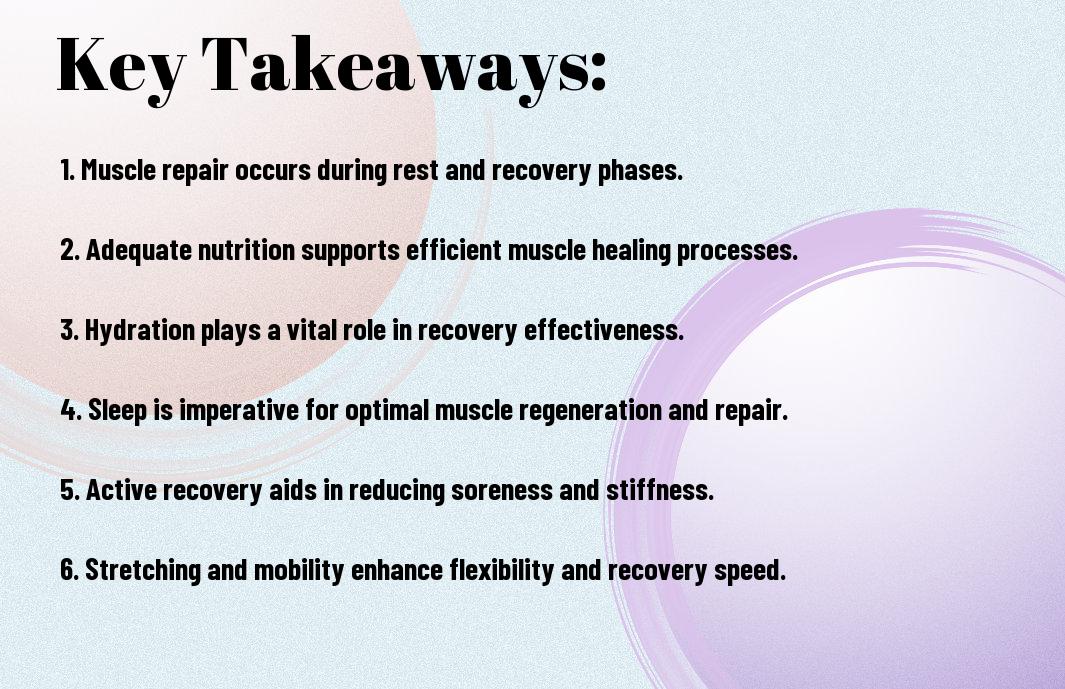
Key Takeaways:

  • Nutrition plays a pivotal role in muscle recovery; adequate protein intake and hydration are imperative for repairing muscle fibers and replenishing lost nutrients.
  • Rest is vital for recovery; sleep quality and duration significantly affect the body’s ability to heal and regenerate muscle tissue.
  • Active recovery activities can enhance blood flow and reduce muscle soreness, promoting faster recovery through low-intensity exercises.
  • Stretching and mobility exercises can alleviate tension and improve flexibility, benefiting overall muscle recovery and performance.
  • Time is a significant factor; understanding individual recovery rates can help athletes optimize training schedules and prevent overtraining.

The Physiology of Muscle Recovery

To understand muscle recovery, it’s important to recognize the complex physiological processes that occur following exercise. When you engage in physical activity, your muscle fibers experience stress and damage, which prompts a series of repair mechanisms that promote healing and strengthen your muscles over time. This intricate balance between breakdown and recovery is important for improving your performance and preventing injury, allowing you to return to your training with renewed strength.

Muscle Damage and Repair Mechanisms

Any exercise, especially resistance and high-intensity training, can lead to muscle damage, characterized by micro-tears in the muscle fibers. In response to this damage, your body activates satellite cells, which fuse to the injured fibers to aid in repair and regeneration. This repair process not only heals the damage but also enhances muscle strength and size, preparing you for future physical demands.

The Role of Inflammation in Recovery

An important component of muscle recovery involves inflammation, which is the body’s natural response to injury. Inflammation brings immune cells to the damaged area, promoting healing and facilitating muscle repair. Although it may feel uncomfortable at times, this inflammatory process is vital for your body’s adaptation and recovery post-exercise.

Recovery involves a delicate balance of inflammation and healing. While inflammation can cause temporary soreness, it plays a significant role in signaling your body to address the muscle damage. This process recruits immune cells and begins the repair mechanisms needed for muscle regeneration. The right level of inflammation can enhance your recovery, paving the way for stronger and more resilient muscles. Understanding this interplay helps you appreciate the need for rest and proper care following your workouts.

Nutritional Strategies for Optimal Recovery

The way you fuel your body post-exercise can significantly impact your recovery. Implementing a balanced nutritional strategy that combines macronutrients and hydration is important for replenishing energy stores and repairing muscle tissues. By focusing on nutrient timing and the quality of your food choices, you can enhance your recovery process, improve performance in subsequent workouts, and reduce the risk of injuries.

Importance of Protein and Carbohydrates

Around 30 minutes after your workout, it’s optimal to consume a combination of protein and carbohydrates. This is the time when your muscles are most receptive to nutrients, and replenishing glycogen stores is vital for recovery. Aim for a mix that includes high-quality protein for tissue repair and complex carbohydrates to restore energy levels, ensuring your body is prepared for your next workout.

Hydration and Electrolyte Balance

After intense physical activity, maintaining adequate hydration and electrolyte balance becomes important to your recovery. Replenishing fluids lost through sweat not only aids in muscle function but also supports overall bodily functions, helping to prevent fatigue and muscle cramps.

Optimal hydration should involve drinking water and incorporating electrolyte-rich foods or drinks to restore sodium, potassium, and other important minerals. This balance is necessary for reestablishing your body’s equilibrium and aids in transporting nutrients to cells. Additionally, careful management of your hydration enhances your cardiovascular function and helps to regulate body temperature, contributing to a more effective recovery process.

The Impact of Sleep on Recovery

Keep in mind that sleep plays a vital role in muscle recovery. During quality sleep, your body undergoes various restorative processes that help repair tissues, reduce inflammation, and replenish energy stores. Not getting enough sleep can hinder your performance and delay recovery, leaving you feeling fatigued and less able to perform at your best. Prioritizing sleep is imperative for enhancing your athletic capabilities and overall health.

Sleep Stages and Muscle Repair

Along with the overall duration of sleep, the specific stages you experience are important for muscle repair. Deep sleep, or slow-wave sleep, is particularly beneficial as it is during this phase that your body releases growth hormone, which promotes tissue growth and repair. By cycling through different sleep stages, your muscles can recover more efficiently, allowing you to train effectively and compete at higher levels.

Strategies for Improving Sleep Quality

Sleep hygiene is imperative for achieving quality rest. To enhance your sleep quality, establish a consistent sleep schedule by going to bed and waking up at the same time daily. Create a relaxing bedtime routine, limit screen exposure before sleep, and keep your bedroom cool, dark, and quiet. Additionally, reducing caffeine intake and engaging in regular physical activity can significantly improve your sleep patterns.

The environment you create for sleep is equally important. Consider using comfortable bedding and blackout curtains to minimize disruptions. Engaging in mindfulness practices or light stretching before bed can help calm your mind, leading to deeper rest. By implementing these strategies consistently, you’re more likely to experience restorative sleep, which directly contributes to effective muscle recovery and improved athletic performance.

Active Recovery Techniques

After intense training or competition, integrating active recovery techniques into your routine can significantly enhance your muscle recovery. Engaging in low-intensity exercises helps maintain blood circulation, reduce muscle soreness, and expedite the healing process, ultimately allowing you to perform better in future workouts.

Benefits of Low-Intensity Exercise

Below are some of the key benefits of low-intensity exercise during your recovery period. Such activities, like walking or leisurely cycling, promote muscle oxygenation and nutrient delivery while minimizing fatigue. They also stimulate endorphin release, enhancing your mood and motivation to stay active.

Stretching and Mobility Work

With the incorporation of stretching and mobility work, you can further enhance your muscle recovery efforts. These practices improve flexibility, support joint health, and reduce stiffness, promoting a full range of motion for your muscles.

Indeed, dedicating time to stretching and mobility exercises in your recovery routine fosters a deeper connection with your body. You can alleviate tension in tight muscles, prevent potential injuries, and set the stage for optimal performance in upcoming physical activities. Incorporating dynamic and static stretches, alongside mobility drills, allows you to cultivate better posture and movement patterns, ensuring you’re prepared for your next challenge.

The Role of Recovery Tools and Technology

Now, you can enhance your recovery process through various tools and technologies designed to aid muscle repair and alleviate soreness. Innovations in sports recovery, such as compression garments and electric muscle stimulation devices, can optimize your results. For an in-depth understanding, check out Recovery in Training. These advancements not only speed up healing but also improve overall performance, allowing you to train harder and recover faster.

Massage and Foam Rolling

Against the backdrop of your training, massage and foam rolling serve as effective methods to release muscle tension and improve blood flow. This self-myofascial release technique aids in reducing soreness and enhances flexibility, promoting a quicker return to physical activity. By incorporating these practices, you’ll find your recovery process becomes more efficient and enjoyable.

Cryotherapy and Heat Treatment

Between the extremes of temperature, cryotherapy and heat treatment each play unique roles in muscle recovery. Cryotherapy reduces inflammation and numbs sore tissues, while heat therapy enhances blood circulation and promotes relaxation. Implementing both modalities into your recovery routine can help you tailor your approach to the specific needs of your muscles.

Technology plays a significant role in understanding and applying these treatments effectively. With advancements such as cryo chambers, infrared saunas, and heat wraps, you can easily access these recovery methods at home or in specialized facilities. Leveraging these technologies can help you make informed decisions about your recovery strategies, ensuring your body receives the best support possible for optimal performance.

Psychological Aspects of Recovery

For athletes, mental and emotional recovery plays an vital role in the overall rehabilitation process. Stress and anxiety can hinder performance, making it vital for you to address the psychological aspects of recovery. Engaging in positive self-talk, visualization techniques, and maintaining a constructive mindset helps create a solid foundation for your physical recovery, fostering resilience and adaptability in your training and competition.

Mental Recovery and Performance

To enhance your overall performance, it is important to incorporate mental recovery strategies into your routine. This involves taking time for reflection, setting achievable goals, and focusing on the positives, all of which help you consolidate your experiences, boost your confidence, and prepare your mind for future challenges.

The Importance of Mindfulness and Relaxation

Below, you will find that incorporating mindfulness and relaxation into your recovery regimen can significantly enhance your mental state, allowing you to recover more effectively from physical exertion. Techniques such as meditation, deep breathing, and progressive muscle relaxation can help reduce stress levels, enabling you to approach training sessions with clarity and focus, ultimately improving your performance outcomes.

A consistent practice of mindfulness and relaxation not only supports your recovery physically but also mentally prepares you for competitive scenarios. By creating a state of calm and increasing your awareness, you can better manage the pressures of your sport and cultivate a more resilient mindset. This helps you stay grounded and confident, ultimately leading to improved performance on and off the field.

Final Words

As a reminder, understanding the science behind muscle recovery in sports can significantly enhance your performance and longevity in physical activities. You should prioritize adequate rest, hydration, and nutrition to facilitate optimal recovery. Incorporating techniques like stretching, foam rolling, and even cold therapy can further aid in reducing soreness and rebuilding muscle tissue. By applying these insights, you can empower your body to recover effectively, allowing you to train harder and achieve your athletic goals safely.

FAQ

Q: What physiological processes occur during muscle recovery after intense exercise?

A: During muscle recovery, several physiological processes take place. Initially, the body focuses on repairing micro-tears in muscle fibers caused by intense exercise. This involves the activation of satellite cells, which help regenerate and form new muscle tissue. Additionally, inflammation occurs, which prompts an immune response that aids in the healing process. The body also replenishes glycogen stores, which are vital for energy, by converting carbohydrates consumed through nutrition. Overall, recovery encompasses muscle repair, energy replenishment, and overall body homeostasis restoration.

Q: How does hydration influence muscle recovery in athletes?

A: Hydration plays a significant role in muscle recovery by maintaining physiological balance and supporting efficient bodily functions. When athletes are well-hydrated, it enhances blood circulation, ensuring that nutrients and oxygen reach the muscles effectively, which is vital for repair and recovery. Adequate fluid intake also helps to reduce muscle soreness and cramping, as dehydration can exacerbate these conditions. Moreover, hydration assists in the removal of metabolic waste products from the muscles, facilitating a faster and more effective recovery process.

Q: What role does nutrition play in promoting effective muscle recovery?

A: Nutrition is crucial in promoting effective muscle recovery following physical activity. Consuming a balanced diet that includes a mix of carbohydrates, proteins, and healthy fats helps replenish energy stores and provides the necessary building blocks for muscle repair. Protein intake, in particular, is important as it supplies amino acids vital for muscle synthesis and recovery. Additionally, consuming antioxidants through fruits and vegetables can help mitigate oxidative stress and inflammation caused by heavy exercise. Therefore, a mindful approach to nutrition supports optimal recovery and enhances overall athletic performance.

Skip to content