sports

The Best Sports for Building Stamina and Endurance

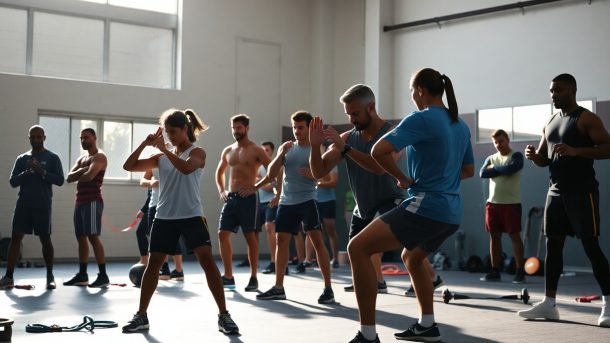
Many athletes and fitness enthusiasts often seek effective ways to enhance their stamina and endurance. Engaging in the right sports can significantly improve your overall physical performance and energy levels. In this post, we’ll explore various activities that not only boost your fitness but also provide an enjoyable way to achieve your health goals. For a quick overview, you can check out the Best Endurance Sports – Top Ten List to see which sports might be best suited for you.

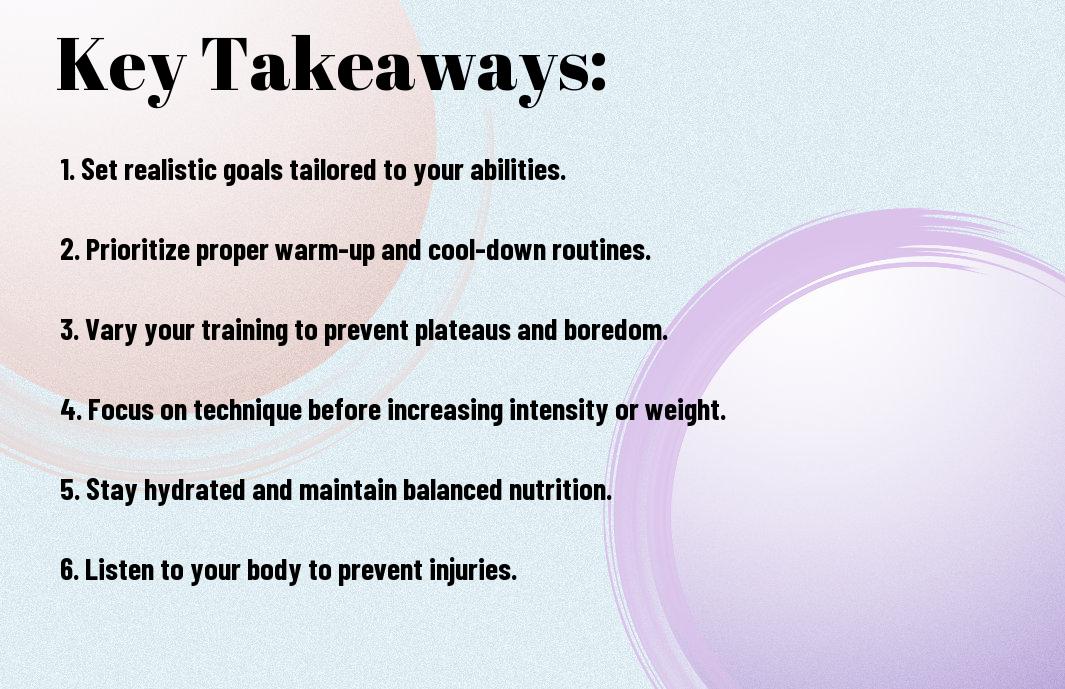
Key Takeaways:

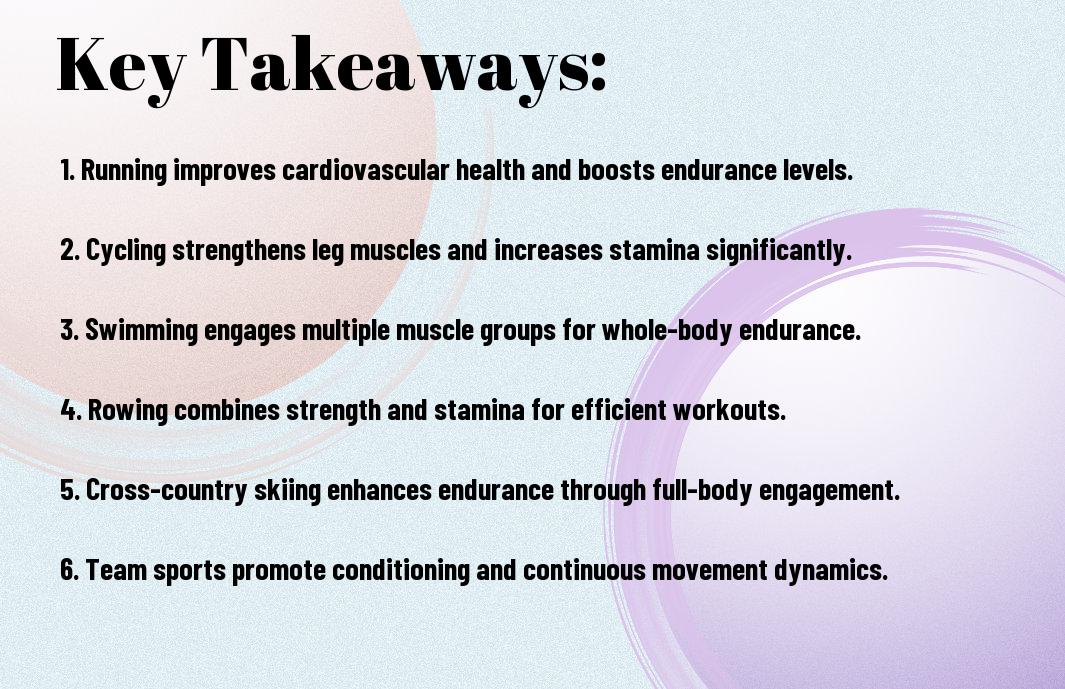
  • Running: A primary activity for enhancing stamina and endurance, best practiced in varied terrains such as trails or tracks.
  • Cycling: Offers effective aerobic training while being low-impact, making it suitable for long sessions.
  • Swimming: Engages multiple muscle groups, providing a full-body workout that boosts endurance without stressing joints.
  • Rowing: Delivers both cardiovascular and strength benefits, promoting endurance through resistance training.
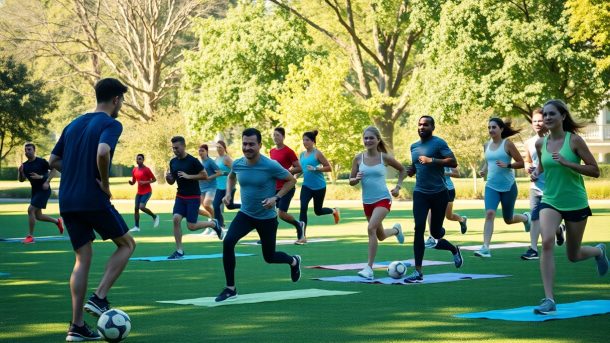
  • Team Sports: Activities such as soccer or basketball require sustained effort, fostering endurance through continuous movement and strategic play.
Understanding Stamina and Endurance

For many athletes and fitness enthusiasts, stamina and endurance are fundamental concepts that play an necessary role in achieving performance goals. Stamina typically refers to your body’s ability to sustain physical activity for extended periods, while endurance is often linked to the cardiovascular and muscular systems’ ability to exert force over time. Understanding these components will enhance your training effectiveness and allow you to maximize your physical potential.

Definitions and Differences

At the core of physical fitness, stamina and endurance are often used interchangeably, but they have distinct meanings. Stamina refers to your overall energy levels during prolonged activities, while endurance is specifically about your body’s capability to continue performing under stress, particularly in aerobic exercises. Grasping these differences helps you tailor your workouts to improve both aspects effectively.

Importance in Sports and Daily Life

By developing stamina and endurance, you not only enhance your athletic performance but also improve your daily activities. Having better stamina allows you to engage in sports longer without fatigue, while increased endurance helps maintain your energy levels for everyday tasks like hiking, running errands, or even enduring long workdays. The benefits of these attributes extend beyond competitions, enriching your overall quality of life.

Definitions of stamina and endurance are necessary for understanding their relevance in your life. When you cultivate these qualities, you create a foundation that elevates your sports performance and boosts your ability to tackle daily challenges. Whether you’re hitting the gym or managing a busy schedule, enhancing stamina and endurance empowers you to perform at your best. This enhancement leads to better health, increased confidence, and an overall sense of well-being that resonates through every aspect of your life.

Top Sports for Building Stamina

One of the best ways to enhance your stamina is through sports that challenge your endurance. Activities such as marathon running, swimming, and even triathlons are excellent choices. Additionally, you might explore what are some lesser known sports which require great levels of endurance and mental focus to add variety to your routine.

Long-Distance Running

An effective way to build your stamina is through long-distance running. This sport not only improves cardiovascular health but also enhances your mental endurance. As you gradually increase your running distance, you’ll notice significant improvements in your overall energy levels and athletic performance.

Cycling

Above all, cycling serves as a fantastic way to build endurance while being gentle on your joints. Whether you choose road biking or mountain biking, this activity engages multiple muscle groups and promotes long-term stamina development.

Building your cycling routine can greatly enhance your stamina. As you regularly cycle, you’ll find that your heart and lungs become more efficient, allowing you to ride longer and faster. Incorporating interval training and hill climbs can further challenge your body, pushing your endurance limits and making every ride more rewarding.
Endurance Sports Overview

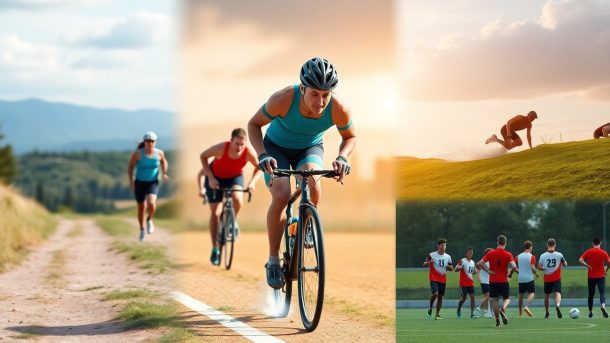
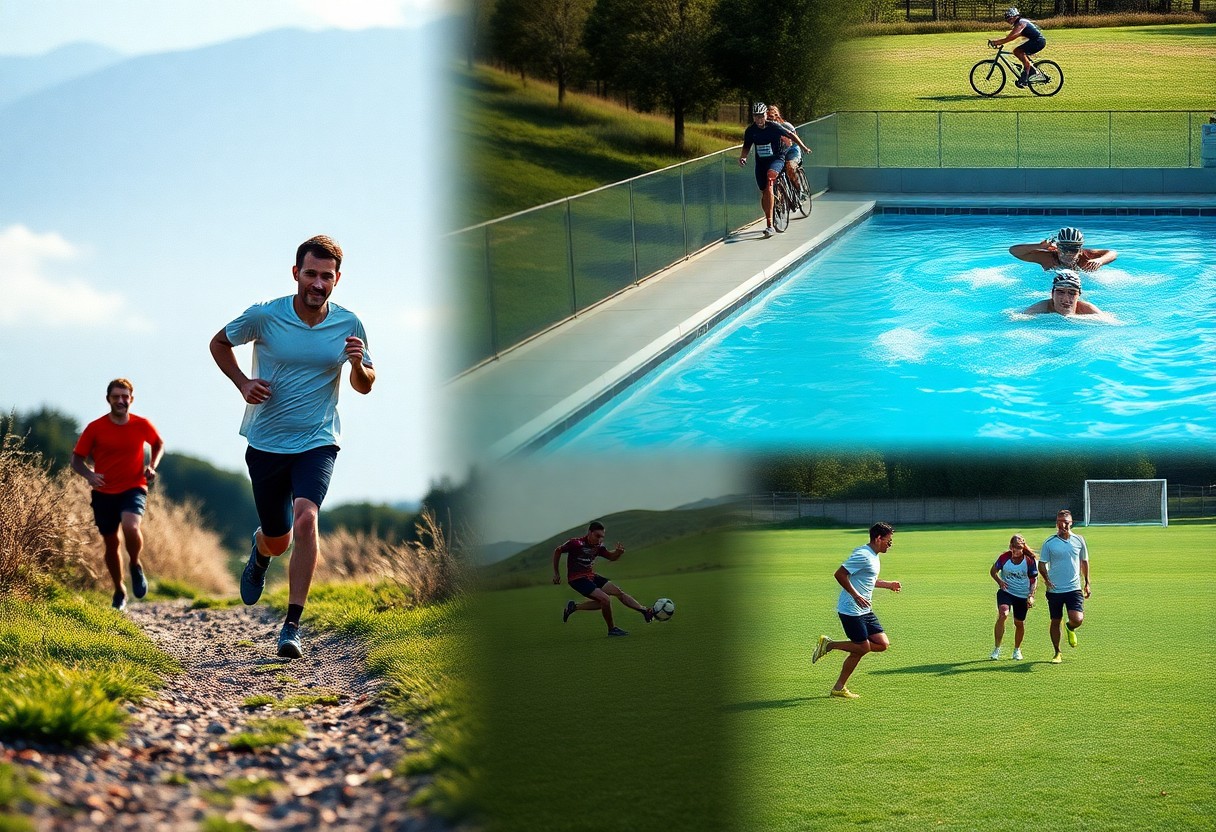
All endurance sports require sustained physical effort over an extended period, helping you improve your cardiovascular fitness, muscular stamina, and mental resilience. Engaging in these activities enhances your overall endurance, allowing you to perform better in various athletic pursuits. Whether you prefer running, swimming, cycling, or rowing, each sport offers unique benefits that can elevate your stamina and support your fitness goals.

Swimming

Above all, swimming is an excellent low-impact sport that effectively builds endurance while providing a full-body workout. The buoyancy of water minimizes stress on your joints, allowing you to engage in longer training sessions. As you develop your technique and increase your distance, you’ll notice improvements in cardiovascular health and muscular endurance.

Rowing

Below the surface, rowing is a demanding yet rewarding sport that challenges both your upper and lower body while significantly enhancing stamina. As you propel the boat forward through the water, you’ll activate multiple muscle groups, leading to improved cardiovascular efficiency and strength. Rowing sessions can be performed on water or using a rowing machine, making it an accessible option for everyone.

The rhythmic nature of rowing encourages you to focus on maintaining a steady pace, which helps build endurance over time. You’ll engage your core, back, arms, and legs simultaneously, leading to comprehensive strength development. Furthermore, rowing can be easily incorporated into your fitness routine, allowing you to set personal goals and track your progress effectively. Additionally, it’s a social activity, often performed in teams, promoting camaraderie and accountability among participants.

Team Sports That Enhance Stamina

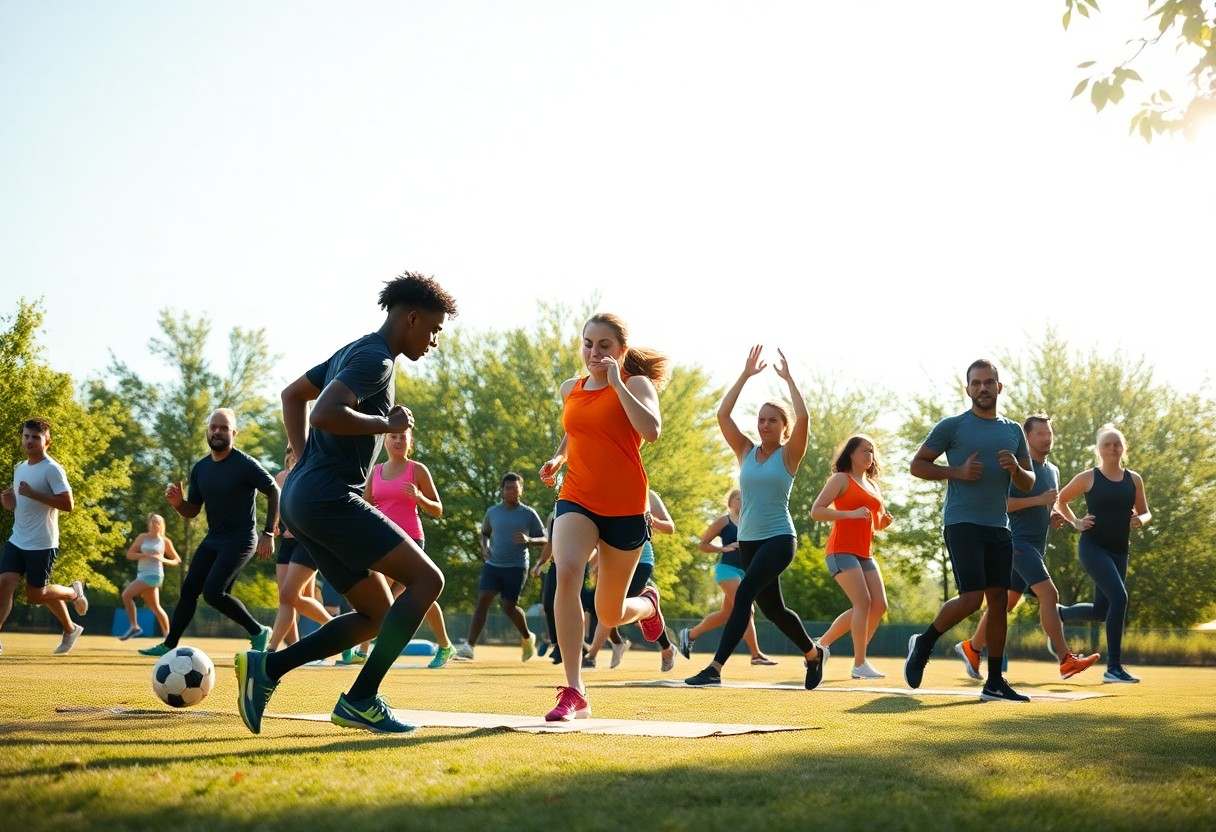
Many team sports are excellent choices for building stamina and endurance, as they require continuous movement and strategic gameplay. Engaging in these activities not only helps improve your physical fitness but also fosters teamwork and camaraderie. For more insights, check out These Are The Best Sports To Help Runners With Endurance.

Soccer

Besides being a globally popular sport, soccer demands high levels of stamina and agility. As you run, sprint, and change directions throughout the game, your cardiovascular fitness improves significantly. Incorporating soccer into your regular activities will help you sustain longer periods of vigorous exercise, increasing your overall endurance.

Basketball

About basketball, this fast-paced sport challenges you to engage in short bursts of high-intensity activity. You’ll frequently find yourself moving laterally, sprinting, and jumping, all of which enhance your cardiovascular capabilities. The continuous play keeps your heart rate up, building your endurance over time.

Also, basketball promotes quick recovery, as the alternating periods of effort and rest enable you to sustain a higher level of fitness with consistent practice. By participating in games, you not only improve your stamina but also refine your coordination and agility, making this sport a fantastic choice for anyone looking to boost their endurance.

Cross-Training for Optimal Results

Your training regimen can greatly benefit from cross-training, which involves participating in multiple sports or exercises. By diversifying your workouts, you not only break the monotony but also challenge different muscle groups. This balanced approach helps in preventing injuries while enhancing overall stamina and endurance, making you a more well-rounded athlete.

Benefits of Cross-Training

The incorporation of cross-training offers numerous advantages, including improved cardiovascular fitness, increased muscle strength, and reduced risk of overuse injuries. You’ll also enjoy enhanced motivation through varied routines, which lead to greater adherence to your fitness program over time.

Recommended Activities

Any combination of activities can be beneficial for cross-training, such as swimming, cycling, running, or yoga. The key is to choose exercises that complement your primary sport while working different muscle groups.

It’s important to select activities that you enjoy and that align with your fitness goals. For instance, if you primarily run, incorporating swimming can enhance your lung capacity without the impact stress on your joints. Similarly, cycling can strengthen your leg muscles and boost cardiovascular endurance. Experimenting with different workouts keeps your routine fresh and can lead to significant gains in performance across all activities.

Nutrition and Recovery Strategies

Keep in mind that proper nutrition and recovery are integral components of enhancing your stamina and endurance. Fueling your body correctly will ensure that you have the energy needed for rigorous activities while recovery allows your muscles to repair and strengthen. Low energy levels can hinder your performance, so prioritize a balanced diet and restorative practices to fully benefit from your training.

Fueling Your Body for Performance

Any athlete will tell you that the right fuel can make all the difference in your performance. Focus on consuming a balanced diet rich in carbohydrates, proteins, and healthy fats that meet your individual energy needs. Carbohydrates provide the energy required for endurance activities, while proteins aid in muscle repair and recovery. Don’t overlook hydration; it plays a vital role in maintaining stamina and regulating body temperature during intense workouts.

Importance of Rest and Recovery

Beside nutrition, giving your body adequate time to rest and recover is necessary for optimizing performance. Your muscles need time to repair after strenuous activities, allowing you to build strength and endurance over time.

It is during the recovery period that your body rejuvenates, repairing the micro-tears in muscle fibers caused by exercise. Adequate rest leads to improved performance, enhances muscle growth, and decreases the risk of injury. Incorporate practices such as stretching, adequate sleep, and active recovery routines to ensure you are not only prepared for your next training session but also maximizing the benefits gained from your hard work. Prioritizing both nutrition and recovery will ultimately keep you at the top of your game.

Final Words

Following this, you should now have a clearer understanding of which sports can effectively build your stamina and endurance. Engaging in activities like long-distance running, cycling, swimming, or rowing can significantly boost your performance levels. By incorporating these sports into your fitness routine, you’ll not only enhance your physical capability but also contribute to your overall well-being. Choose the sport that resonates with you the most, and enjoy the journey of improving your endurance.

Q: What exercises are most effective for building stamina and endurance?

A: Some of the most effective exercises for enhancing stamina and endurance include long-distance running, cycling, swimming, and rowing. These activities require sustained effort over longer periods, helping to improve cardiovascular health and respiratory efficiency. Incorporating interval training, where short bursts of high-intensity exercise are alternated with periods of rest or low-intensity exercise, can also significantly boost stamina. Additionally, bodyweight exercises such as burpees, mountain climbers, and jump squats can build endurance while strengthening muscles.

Q: How often should I practice endurance-building sports to see improvement?

A: To see noticeable improvements in stamina and endurance, it is generally recommended to engage in endurance-building sports or activities at least three to five times a week. Each session should last between 30 to 60 minutes, depending on your current fitness level. It’s imperative to gradually increase both the duration and intensity of your workouts to prevent burnout and injury. Additionally, incorporating rest days into your routine helps the body recover and adapt, ultimately leading to enhanced performance over time.

Q: Can strength training complement endurance sports, and if so, how?

A: Yes, strength training can significantly complement endurance sports. While endurance activities focus on cardiovascular and muscular stamina, strength training helps to improve overall muscle power and efficiency. This combination can enhance performance in endurance sports by providing better muscle support, improving overall biomechanics, and reducing the risk of injury. Incorporating exercises like squats, deadlifts, and resistance band workouts two to three times a week can build the strength needed for sustained efforts in endurance activities.

How to Create a Sports Nutrition Plan for Peak Performance

Most athletes understand that optimal performance requires more than just training; it also hinges on a well-structured nutrition plan. To support your physical demands and achieve peak performance, you need to tailor your diet to meet your specific needs. This guide will provide you with crucial insights and strategies to create a personalized sports nutrition plan that fuels your workouts, aids recovery, and enhances your overall performance. For further exploration of this topic, check out this resource on Sports Nutrition for Peak Performance.

Key Takeaways:

  • Assess Individual Needs: Tailor the nutrition plan according to the athlete’s specific requirements, including age, sport type, and training intensity.
  • Focus on Macronutrients: Ensure an appropriate balance of carbohydrates, proteins, and fats to support energy, muscle repair, and overall health.
  • Hydration Strategies: Incorporate fluid intake recommendations to maintain optimal hydration levels before, during, and after training sessions and competitions.
  • Meal Timing: Plan meals and snacks around training schedules to maximize energy availability and recovery.
  • Monitor and Adjust: Regularly review and modify the nutrition plan based on performance outcomes and changes in training or goals.

Understanding the Basics of Sports Nutrition

The foundation of sports nutrition lies in understanding how your body utilizes different nutrients to enhance performance. A well-designed nutrition plan can provide the energy needed for intense workouts, promote recovery, and optimize overall athletic performance. By grasping the fundamentals of nutrition – including macronutrients and micronutrients – you can tailor your dietary approach to meet your unique athletic needs and goals.

Macronutrients: Carbohydrates, Proteins, and Fats

Understanding the role of macronutrients is necessary for any athlete aiming for peak performance. Carbohydrates are your primary energy source, fueling workouts, while proteins are vital for muscle repair and growth. Fats, though often overlooked, provide sustained energy and help with hormone production. Balancing these macronutrients in your diet ensures that you have the energy and nutrients necessary for optimal training and recovery.

Micronutrients: Vitamins and Minerals

With a focus on performance, micronutrients play a significant role in supporting various bodily functions. Essential vitamins and minerals help with energy production, immune function, and muscle contraction, all critical for athletic performance. Deficiencies in these nutrients can lead to fatigue, decreased performance, and longer recovery times.

Carbohydrates, proteins, and fats are all vital for your performance, but don’t underestimate the importance of micronutrients. While your energy needs are met through macronutrients, vitamins and minerals support your body’s internal processes, such as energy conversion and muscle function. Make sure to include a variety of fruits, vegetables, whole grains, and lean proteins in your diet to cover your micronutrient needs effectively. This comprehensive approach ensures that you are not only fueling your workouts but also supporting your body in its overall function and recovery.

Assessing Individual Nutritional Needs

Now that you understand the importance of a personalized approach, it’s time to assess your individual nutritional needs. This involves evaluating your current diet, activity levels, and specific goals. By knowing what your body requires, you can tailor your nutrition strategy to enhance your performance and recovery, ensuring you get the most out of each training session and competition.

Calculating Daily Caloric Requirements

Before entering into meal planning, you need to calculate your daily caloric requirements. This involves considering your basal metabolic rate (BMR) and activity level to determine the total calories your body needs to maintain energy balance. Utilizing formulas like the Mifflin-St Jeor equation can help you arrive at an accurate caloric intake, ensuring your diet supports your performance and recovery needs.

Identifying Activity Levels and Goals

Besides calculating your caloric needs, identifying your activity levels and specific goals is crucial for a tailored sports nutrition plan. Your activity level, whether you’re an endurance athlete or strength-focused, impacts how many calories and nutrients you need. Furthermore, considering whether your goals include weight loss, muscle gain, or enhanced endurance will guide your macronutrient distribution, ensuring your diet aligns with your performance objectives.

Calculating your activity levels involves categorizing the intensity and duration of your workouts. For instance, if you engage in high-intensity training or competitions, your energy and recovery needs will differ significantly from those of a recreational athlete. Set clear goals—like improving speed or building muscle mass—as this will guide your nutritional choices, ensuring your intake matches your performance demands. By aligning your calorie and nutrient intake with your specific activities and aspirations, you set the foundation for peak performance.

Meal Timing and Frequency

Not only what you eat but also when you eat plays a significant role in optimizing your sports nutrition plan. Structuring your meals around your training schedule can enhance your performance and recovery. Aim for consistent meal timing to fuel your body adequately and ensure you’re consuming the right nutrients at the right frequency, which supports energy levels and promotes overall wellbeing.

Pre-Workout Nutrition

By consuming the right nutrients before your workout, you can enhance your endurance and strength performance. Focus on a balanced meal or snack that combines carbohydrates for energy and protein for muscle support about 30-60 minutes before exercising. This preparation can significantly impact how effectively your body performs during training.

Post-Workout Recovery

Recovery begins the moment you finish your workout, and proper nutrition plays a key role in this phase. After exercising, your muscles are primed to replenish glycogen stores and repair tissue. Consuming a meal rich in carbohydrates and protein within 30 minutes of your workout can expedite recovery, reduce muscle soreness, and enhance future performance.

Indeed, focusing on post-workout nutrition helps your body effectively recover and adapt. Aim for a blend of fast-digesting carbohydrates and high-quality protein sources to facilitate muscle repair and glycogen replenishment. This combination creates an optimal environment for recovery, enabling you to train harder and improve your overall athletic performance. Proper hydration is also necessary, so make sure to rehydrate accordingly.

Hydration Strategies for Athletes

Unlike many casual exercisers, athletes require specific hydration strategies to enhance their performance and recovery. Optimal hydration will not only boost your endurance but also help you maintain focus during competitive events. For comprehensive insights, check out this guide on EATING FOR PEAK ATHLETIC PERFORMANCE.

Importance of Water Intake

To achieve peak performance, ensuring adequate water intake is important for maintaining energy levels and supporting overall bodily functions. Staying hydrated aids in regulating your body temperature during exercise, enhances nutrient transport, and reduces the risk of fatigue, allowing you to push your limits.

Electrolyte Balance

Water plays a vital role in maintaining your body’s electrolyte balance, which is key to muscle function and hydration. Electrolytes, such as sodium, potassium, and magnesium, help regulate nerve function and muscle contractions. Deficiencies can lead to cramps, fatigue, and decreased performance.

Further, balancing your electrolytes is important during intense workouts or competitions, as you lose these vital minerals through sweat. Consider incorporating electrolyte-rich fluids or supplements to replenish what you lose. This approach will help sustain your performance and reduce the risk of dehydration and muscle fatigue.

Creating a Balanced Meal Plan

Your journey toward optimal performance starts with a well-balanced meal plan. Focus on incorporating a variety of food groups, including lean proteins, healthy fats, whole grains, and an abundance of fruits and vegetables. This diversity ensures you receive necessary nutrients to fuel your workouts, recover efficiently, and maintain overall health. Tailoring your meal plan to meet your unique energy demands is paramount, allowing you to perform at your best during training sessions and competitions.

Sample Meal Templates

An effective way to begin is by utilizing sample meal templates. For instance, a breakfast could consist of oatmeal topped with fruits and nuts, while lunch could feature grilled chicken with quinoa and steamed veggies. Dinner might involve salmon, brown rice, and a side salad. Utilizing these templates as guidelines will help you create varied meals that meet your nutritional needs throughout the day.

Adjusting for Personal Preferences

Among the key elements of a successful meal plan is the ability to adjust it according to your personal preferences. This flexibility not only enhances your enjoyment of food but also improves adherence to your nutrition goals. Incorporating your favorite foods and experimenting with different flavor profiles can make sustainable nutrition more achievable.

In addition to liking your meals, considering factors such as dietary restrictions, food allergies, and cultural preferences can further personalize your meal plan. You might prefer plant-based options or have a penchant for specific cuisines; by incorporating these elements, you create a nourishing and satisfying experience. Seek diverse recipes and swap ingredients to align with what you enjoy, ensuring your meal plan is both effective and pleasurable.

Monitoring Progress and Adjusting the Plan

Keep a close eye on your progress to ensure your sports nutrition plan is effective. Regularly reviewing your performance and dietary habits allows you to make necessary adjustments that align with your evolving needs and goals. Stay proactive in tweaking your calorie intake, macronutrient ratios, and hydration strategies to maximize your athletic performance.

Tracking Performance Metrics

For optimal results, track key performance metrics such as strength levels, endurance times, and recovery rates. Utilizing tools like training logs and apps can help you analyze this data, providing insights into how well your nutrition is supporting your performance. Consistently review these metrics to gauge the effectiveness of your plan.

Revising Nutritional Goals

Adjusting your nutritional goals is necessary as your training intensity and performance increase. Variations in your workouts may demand different energy levels and nutrient profiles, necessitating changes to your intake. Regularly evaluate your goals based on your performance metrics to enhance your sports nutrition strategy.

A focused revision of your nutritional goals should align with your ongoing performance feedback. If you notice a plateau or decline in your performance, it may be time to increase your carbohydrate intake for energy or adjust your protein levels for muscle recovery. Tailoring your diet to meet the specific demands of your training can drive better outcomes and support peak performance.

Conclusion

Summing up, creating a sports nutrition plan for peak performance involves assessing your individual needs, understanding macronutrient ratios, and timing your meals effectively. Tailor your hydration strategies based on activity levels and climate, and don’t hesitate to seek professional guidance if needed. For additional insights, you might find value in exploring Eating for peak athletic performance | News. By implementing these strategies, you can optimize your nutrition and enhance your athletic performance significantly.

FAQ

Q: What are the key components to consider when creating a sports nutrition plan?

A: When developing a sports nutrition plan, it’s important to focus on several key components: macronutrient balance, hydration, meal timing, and micronutrient intake. Macronutrients include carbohydrates, proteins, and fats, each serving a specific role in energy provision and recovery. Carbohydrates are imperative for energy during prolonged activities, protein supports muscle repair and growth, and healthy fats contribute to overall energy and hormone production. Hydration is vital for maintaining performance levels, so ensure you’re drinking sufficient fluids throughout the day. Meal timing, particularly before and after exercise, can also influence performance and recovery, so strategize when you eat. Lastly, include a variety of fruits and vegetables in your diet to meet your micronutrient needs and support overall health.

Q: How can athletes determine their specific caloric needs for a sports nutrition plan?

A: To determine caloric needs, athletes can start by calculating their Basal Metabolic Rate (BMR) using formulas such as the Harris-Benedict or Mifflin-St Jeor equations, which take factors like age, gender, weight, and height into account. Once BMR is established, calculate Total Daily Energy Expenditure (TDEE) by including activity levels. Various online calculators can assist with this process. For athletes, it’s also vital to adjust caloric intake based on training phases, competition schedules, and recovery needs. Keeping a food diary can help track how caloric adjustments affect performance and recovery, ultimately leading to a more tailored and effective nutrition plan.

Q: What role do supplements play in a sports nutrition plan, and how should they be used?

A: Supplements can play a supportive role in a sports nutrition plan but should not replace whole foods. They can be useful for filling dietary gaps or enhancing performance, especially in specific situations, such as creatine for strength training or protein powders for convenient post-workout recovery. However, it’s important to prioritize obtaining nutrients from a variety of whole foods first. Athletes should consult with a registered dietitian or nutritionist to evaluate whether supplementation is necessary based on their individual dietary requirements and performance goals. Additionally, ensure any supplements are third-party tested to confirm their safety and quality.

The Role of Technology in Modern Sports Training

With advancements in technology transforming various industries, the world of sports training is no exception. You can now harness innovative tools and techniques to enhance your performance, track your progress, and minimize the risk of injury. From wearable devices to data analytics, technology provides you with the insights and support needed to take your training regimen to the next level. Understanding how to effectively integrate these technologies into your routine can lead to significant improvements in your athletic capabilities.

Key Takeaways:

  • Data Analytics: Technology enables the collection and analysis of performance data, helping athletes and coaches make informed training decisions.
  • Wearable Devices: Wearables like fitness trackers and heart rate monitors provide real-time feedback on an athlete’s physical condition, enhancing their training efficiency.
  • Simulation Tools: Virtual reality and other simulation technologies allow athletes to practice in controlled environments, improving skill development and mental preparedness.
  • Video Analysis: High-speed cameras and software facilitate in-depth analysis of techniques and movements, allowing for precise adjustments to enhance performance.
  • Injury Prevention: Technology aids in monitoring physical stress and fatigue levels, contributing to tailored recovery programs and reducing the risk of injuries.

The Evolution of Sports Training Technology

While technology has transformed nearly every aspect of modern life, its evolution in sports training reflects a remarkable journey of human adaptability and innovation. Over the decades, advancements have shifted training methodologies, introducing tools that optimize athlete performance and safety. From basic equipment enhancements to complex digital solutions, the role of technology in training continues to evolve, reshaping how you approach sports and fitness.

Historical Perspective

Above all, understanding the historical context of sports training technology helps you appreciate the significant strides made over time. From ancient civilizations utilizing basic tools to enhance athletic performance to the refinement of techniques in the 20th century, each era has contributed uniquely to what you see today. Early innovations focused on physical training methods, while the later introduction of video analysis laid the groundwork for contemporary practices.

Recent Innovations

By leveraging cutting-edge technologies, recent innovations have revolutionized the way you train in sports. Wearable devices, performance tracking apps, and virtual reality training programs are just a few examples of how these tools enhance both performance and recovery, providing you with insightful data to improve your training regimen.

Indeed, the advancements in sports training technology are not only fascinating but also indispensable in today’s athletic landscape. Wearables collect real-time data on your physiological metrics, allowing you to adjust your training intensity accordingly. Virtual reality offers immersive environments for skill development, while apps provide personalized coaching and feedback. As these innovations continue to emerge, you have unparalleled opportunities to refine your techniques, monitor your progress, and ultimately elevate your performance in your chosen sport.

Wearable Technology in Sports

One of the most exciting advancements in modern sports training is wearable technology. These devices provide athletes with insights that were once unimaginable, allowing you to track your progress, monitor your health, and enhance your performance in real-time. Whether you’re a professional athlete or a fitness enthusiast, integrating wearable technology into your training regimen can significantly elevate your game.

Health Monitoring Devices

The integration of health monitoring devices into your training can greatly improve your overall well-being. These gadgets track vital signs, such as heart rate, sleep patterns, and stress levels, giving you valuable data for making informed decisions about your training and recovery processes. By staying aware of your body’s signals, you can adapt your approach to optimize performance and prevent injuries.

Performance Enhancement Tools

Between tracking your workouts and analyzing your nutrition, performance enhancement tools have become necessary in today’s sports landscape. These innovations help you evaluate specific metrics, such as speed, power, and endurance, enabling you to refine your techniques and boost your results on the field or court.

Enhancement tools come in various forms, including smartwatches, fitness trackers, and specialized sensors. By utilizing these devices, you can gain real-time feedback on your performance, allowing you to identify areas for improvement quickly. The data collected can also be used to set personalized goals, track your progress over time, and remain motivated throughout your training journey. Ultimately, these tools empower you to reach new heights in your athletic performance.

Data Analytics and Performance Metrics

Keep in mind that data analytics has transformed the landscape of modern sports training, providing coaches and athletes with insightful performance metrics. These metrics encompass a wide range of parameters, aiding in tailoring training programs that optimize performance and minimize injuries. By leveraging technology, you gain access to real-time feedback, helping you make informed decisions about your training strategies.

Collection and Analysis of Data

For athletes, the collection and analysis of data is important for tracking performance trends and identifying areas for improvement. Modern tools, such as wearables, smartphone apps, and performance software, facilitate the continuous gathering of biometric data, including heart rate, speed, and endurance. By systematically analyzing this data, you can understand your strengths and weaknesses, ultimately leading to more effective training sessions.

Impact on Training Regimens

Any adjustments based on data analysis can significantly enhance your training regimen. With precise metrics, you can personalize workouts to target specific skills or fitness aspects, ensuring that every session yields maximum results. Understanding how to adjust your intensity and volume based on your performance metrics allows you to prevent overtraining while still pushing your limits.

Further, by analyzing data trends, you can identify optimal recovery times and the best times to increase training intensity. This customizable approach not only enhances your performance but also fosters a deeper understanding of your body’s responses. As you integrate data analysis into your training regimen, you position yourself to reach peak performance more effectively, ensuring long-term athletic success.

Virtual Reality and Simulation Training

Many athletes today are turning to virtual reality (VR) and simulation training as innovative methods to enhance their physical abilities and mental acuity. These immersive technologies allow you to engage in realistic training scenarios without the physical limitations of traditional practice. By simulating game situations, you can refine your skills and decision-making abilities in a safe and controlled environment, ultimately preparing you for high-pressure performance conditions.

Benefits of Immersive Training Environments

For athletes, the benefits of immersive training environments are vast. You can experience heightened engagement and motivation due to the interactive nature of VR technology. Additionally, these training modules provide instant feedback, allowing you to quickly identify areas for improvement. This focused practice can enhance not only your technical skills but also your strategic thinking, ultimately leading to improved performance during actual competitions.

Use Cases in Various Sports

For teams and athletes, VR is being utilized across a multitude of sports, from football to tennis. Coaches can create tailored scenarios that mimic real-game situations, helping you to visualize plays and make split-second decisions. This technology also facilitates rehabilitation by allowing injured athletes to practice movements in a virtual setting, speeding up their recovery and return to competitive play.

Environments that leverage VR technology can significantly transform how you train across various sports disciplines. In basketball, for example, you can practice shooting techniques and game strategies in a virtual arena. In motorsports, you can hone your driving skills on simulators that replicate real-world tracks. Soccer players can refine their tactical understanding by navigating virtual match scenarios, while combat sports athletes can simulate sparring matches, sharpening their reactions and technique in a safe space. This adaptable use of technology can greatly enhance your training experience and performance potential.

Coaching and Communication Technology

All modern athletes benefit from advancements in coaching and communication technology, which enhance training experiences and performance outcomes. With the integration of real-time data analytics, coaches can communicate more effectively with athletes, leading to customized training plans that align with individual goals. These technologies foster a collaborative environment, allowing seamless sharing of insights and strategies for improvement.

Video Analysis and Feedback Systems

Communication is greatly enhanced through video analysis and feedback systems, which provide visual insights into an athlete’s performance. By utilizing slow-motion playback and frame-by-frame breakdowns, you can see where adjustments are needed. This visual representation allows for more effective discussions between you and your coach, ensuring a better understanding of techniques and tactics.

Smart Coaching Platforms

To take your training to the next level, smart coaching platforms offer personalized learning experiences tailored to your unique needs. These platforms often utilize artificial intelligence to assess performance metrics and suggest targeted workouts or drills. Furthermore, they provide a collaborative space for coaches and athletes to connect, track progress, and refine techniques seamlessly.

Video feedback in smart coaching platforms encourages continuous improvement through detailed performance tracking. You can access a wealth of data that helps you analyze trends over time and make informed decisions regarding your training. By integrating wearable technology and mobile applications, these platforms facilitate real-time updates and adaptations to your personalized coaching plan, making your training sessions more efficient and effective.

Ethical Considerations in Technology Use

After integrating advanced technology into sports training, it’s vital to address the ethical implications that arise. You must consider the impact of technology on athlete development, the integrity of competition, and how these innovations may alter traditional training methodologies. As you navigate this evolving landscape, it’s necessary to engage in discussions about fairness, transparency, and the potential consequences of technology misuse in your training programs.

Fair Play and Regulation Issues

An increasing reliance on technology may lead to disparities in athlete performance and training. This raises questions about fair play and whether the competitive edge gained through advanced technology creates an uneven playing field. As you approach these issues, you should advocate for regulations that ensure equitable access to technology for all athletes, promoting a level competition environment.

Data Privacy and Athlete Consent

Data privacy in sports training is a significant concern as it involves the collection and management of sensitive athlete information. You need to prioritize protecting this data by ensuring that your training tools comply with privacy regulations and that athletes have a clear understanding of how their information is used.

Consent is a foundational element in data privacy, especially when it comes to using technology in sports training. You should ensure that athletes are fully informed about what data is collected, how it will be used, and who has access to it. A transparent consent process allows athletes to make informed decisions about their participation, ultimately fostering trust between trainers and athletes. By prioritizing athlete rights and privacy, you can create a safer and more ethical training environment.

To wrap up

Following this exploration of technology’s impact on modern sports training, you should recognize how vital these advancements are in enhancing your performance. From data analytics and wearable tech to virtual reality and online coaching, these innovations offer you tailored insights and real-time feedback that can elevate your training regimen. Embracing technology in your practice not only maximizes your potential but also keeps you competitive in an ever-evolving sports landscape. By integrating these tools, you can achieve your athletic goals more efficiently and effectively.

Q: How has data analytics transformed athlete training and performance measurement?

A: Data analytics has significantly changed how athletes prepare and measure their performance. Coaches utilize advanced algorithms and software to gather large amounts of data during training sessions and competitions, such as athletes’ biometrics, movement patterns, and performance statistics. This information helps coaches identify strengths and weaknesses in an athlete’s performance, allowing for personalized training programs tailored to each individual. Moreover, it enables athletes to track their progress over time, make informed decisions about their training regimens, and set realistic performance goals based on data-driven insights.

Q: What role do wearable technologies play in enhancing athletic performance?

A: Wearable technologies, such as fitness trackers, smartwatches, and biometric sensors, have become imperative tools in modern sports training. These devices monitor various metrics, including heart rate, body temperature, and movement efficiency, allowing athletes and coaches to gain valuable insights into their physiological responses during workouts. By analyzing this data, athletes can adjust their training intensity, duration, and recovery strategies to optimize performance while minimizing the risk of injury. Furthermore, wearables can help coaches track team dynamics and athlete workloads in real time, enabling them to make instant adjustments during practice or competitions.

Q: How is virtual reality (VR) being utilized in sports training?

A: Virtual reality is increasingly being integrated into sports training methodologies to create immersive training environments. Athletes can practice skills and strategies in a simulated setting that replicates real-game scenarios. This technology allows for error-correction in a controlled environment where athletes can experiment and improve without the pressures of actual competition. VR can enhance cognitive training by helping athletes improve their decision-making, spatial awareness, and reaction times. It also offers rehabilitation opportunities for injured athletes, allowing them to practice movements in a safe, low-impact environment while recovering physical capabilities.

How to Avoid Common Mistakes in Sports Training

Most athletes, whether beginners or experienced, encounter pitfalls that can hinder their performance and progress. In this guide, you will learn about prevalent mistakes in sports training and how to steer clear of them. By understanding these common missteps, you can optimize your workouts, enhance your skills, and ultimately achieve your sporting goals more effectively. Let’s explore proactive strategies to ensure that your training sessions are both safe and productive.

Key Takeaways:

  • Set Clear Goals: Define specific, measurable, and achievable objectives to guide your training.
  • Prioritize Rest and Recovery: Allow adequate recovery time to prevent injuries and enhance performance.
  • Focus on Proper Technique: Master the correct methods before increasing intensity to avoid bad habits and injuries.
  • Stay Hydrated and Nourished: Fuel your body with the right nutrition and hydration to optimize training outcomes.
  • Track Progress: Keep a record of your training sessions to identify areas for improvement and celebrate achievements.

Understanding Common Training Mistakes

Before you initiate on your sports training journey, it’s vital to recognize and avoid common mistakes that can hinder your progress. Many athletes, regardless of their experience level, fall into traps that can diminish performance and lead to injury. By being aware of these pitfalls, you can create a more effective and safe training regimen that helps you reach your goals.

Overtraining and Burnout

Overtraining can result from pushing your body beyond its limits without adequate recovery. This condition not only leads to physical fatigue but also mental burnout. It’s vital to listen to your body and incorporate rest days, ensuring you balance intensity and recovery to promote sustainable progress and enjoyment.

Improper Technique and Form

By neglecting proper technique and form, you increase your risk of injury and limit your performance potential. Training with an incorrect posture or movement pattern can lead to muscle strains and long-term issues, ultimately hindering your athletic development.

Indeed, focusing on proper technique is beneficial for maximizing your efficiency in training and competition. Taking the time to learn correct mechanics allows you to train effectively, reducing the risk of injury while building strength and skill. Working with a coach or reviewing instructional videos can help you refine your form, ensuring that every movement contributes positively to your overall performance.

Setting Realistic Goals

Even if you have big dreams, setting realistic goals is imperative for sustainable progress in your sports training. Aim for achievable targets that align with your current abilities, which will keep you motivated and on track. For insights on avoiding mistakes in strength training, check this Are you making 3 common mistakes when strength training? article to further refine your approach.

Short-term vs. Long-term Goals

Beside focusing on long-term aspirations, it’s equally important to establish short-term goals that act as stepping stones. These smaller milestones provide immediate motivation and opportunities for self-assessment, helping you to track your progress over time.

Adjusting Goals as You Progress

Adjusting your goals as you progress ensures they remain relevant and challenging. As your fitness level improves, it’s important to revisit and modify your targets to continue fostering growth and avoid stagnation.

Realistic goal adjustments allow you to embrace changing circumstances, such as shifts in your training schedule or unexpected challenges. Regularly evaluating your performance will not only boost your resilience but also enhance your overall training experience, making it possible to celebrate achievements while remaining focused on continual improvement.

Importance of Cross-Training

Keep in mind that cross-training is an vital component of a well-rounded fitness regimen. It not only helps to prevent injuries by varying the physical demands placed on your body, but it also enhances your overall performance by improving different areas of fitness. Engaging in multiple sports and activities enables you to develop various muscle groups and skills, making you a more versatile athlete. By incorporating cross-training into your routine, you can boost your motivation and enjoyment, ultimately leading to greater success in your primary sport.

Benefits of Variety in Training

For your training to be effective, it’s important to embrace variety. Mixing different types of workouts can prevent plateaus, keeping your body and mind engaged. Additionally, varied training helps to improve overall athleticism by developing strength, endurance, flexibility, and coordination. Whether it’s cycling, swimming, or strength training, introducing diverse workouts can lead to robust performance gains and reduce the risk of burnout.

Integrating Different Sports and Activities

An effective way to enhance your training is by integrating different sports or activities into your routine. This approach not only works different muscle groups but also allows you to develop various skills that can translate back to your primary discipline.

Further exploration of integrating different sports can benefit your athletic development significantly. For example, a runner might find strength in swimming and cycling, which provide a great non-impact cardiovascular workout while building muscle strength. Similarly, team sports can improve your agility and coordination, vital for any individual sport. The key is to select activities that you enjoy and that complement your main sport. This will not only keep your training fresh but also foster a greater love for fitness and movement.

The Role of Recovery

All athletes must recognize that recovery is an crucial component of effective sports training. Proper recovery not only helps to repair muscles and reduce fatigue, but it also enhances your overall performance. By prioritizing recovery, you are setting yourself up for long-term success and minimizing the risk of injury, ultimately allowing your body to adapt to the physical demands of your training program.

Importance of Rest Days

Among the most vital aspects of any training regimen are rest days. They provide your body the opportunity to heal and regenerate, which is necessary for muscle growth and repair. Incorporating rest days into your schedule helps to prevent overtraining, maintain mental focus, and allow your technique to refine as you progress. Make these days a regular part of your routine for optimal performance gains.

Effective Recovery Techniques

Against common belief, recovery is not merely about taking a day off; it involves strategic techniques that expedite muscle recovery and rejuvenation. Engaging in practices such as stretching, hydration, nutrition, and restorative activities can enhance your recovery process. Each of these techniques plays a role in optimizing performance and reducing downtime.

Due to the varying demands of sports training, employing effective recovery techniques is vital for maintaining your energy levels and preventing injury. Adequate hydration helps to flush out toxins while balancing electrolytes crucial for muscle function. Consuming nutrient-rich foods can replenish energy stores and aid in muscle repair. Incorporating active recovery sessions, such as light swimming or yoga, alongside practices like foam rolling, can alleviate muscle tightness and promote blood flow. Tailoring your recovery techniques to fit your specific training needs will ensure you stay energized and ready for your next workout.

Nutrition and Hydration

To optimize your performance, understanding the right nutrition and hydration strategy is imperative. Many athletes overlook these components, leading to subpar training results. For instance, to Avoid These 7 Common Strength Training Technique …, you must ensure your body is fueled properly.

Nutrition Basics for Athletes

An effective nutrition plan includes a balanced intake of carbohydrates, proteins, and healthy fats. Your meals should be designed to support your energy needs while promoting recovery. Incorporating a variety of nutrient-dense foods can help you reach your training goals more efficiently.

Staying Hydrated During Training

An adequate hydration strategy will enhance your stamina and focus during workouts. It’s imperative to drink water before, during, and after your training sessions to maintain optimal performance levels.

It can be beneficial to monitor your fluid intake based on your activity intensity and duration. Consider incorporating electrolyte drinks if your training lasts more than an hour, as these can help replace lost minerals and keep you energized. Pay attention to your body’s signals; feeling thirsty is a sign that hydration is needed. Establishing these habits will support your overall training effectiveness, keeping you on track.

Mental Preparation and Focus

Now, effective mental preparation can significantly enhance your performance in sports training. By mastering your thoughts and emotions, you can boost your focus and endurance. Prioritizing mental conditioning alongside physical training helps you tackle challenges more effectively, enabling you to remain committed to your goals. Develop strategies that integrate visualization, positive self-talk, and mindfulness to stay centered and prepared for your training sessions and competitive events.

Building Mental Resilience

About building mental resilience, you need to cultivate the ability to bounce back from setbacks. This involves developing a growth mindset that sees challenges as opportunities for learning and improvement. Focus on embracing failure, understanding that it is part of your journey. Regularly practice self-reflection and identify strategies that strengthen your mental toughness, thereby enhancing your training outcomes and overall performance.

Techniques for Improved Focus

Before honing in on your focus, consider implementing specific techniques to sharpen your mental acuity and concentration during training. Techniques like setting clear goals, using visualization, and practicing breath control can help you minimize distractions and enhance your performance. Regular mental exercises, such as mindfulness meditation, can also train your brain to stay present and engaged, ultimately allowing you to react more effectively in high-pressure situations.

Building your focus requires patience and consistency. Engaging in consistent visualization exercises where you picture successful performances can prime your mind for success. Establish a pre-training routine that includes deep breathing and grounded affirmations to clear your head. Additionally, use checkpoints during your training to assess your focus and adjust your mindset as needed, refining your ability to stay present and engaged in each moment of practice.

To wrap up

Drawing together the insights shared, you can successfully avoid common mistakes in sports training by prioritizing a well-structured plan, setting realistic goals, and listening to your body. It’s important to balance intensity and recovery while incorporating a variety of training methods to enhance your performance. Regularly assessing your progress and staying open to adjustments in your routine will further refine your approach. By implementing these strategies, you will create a more effective and enjoyable training experience, ultimately leading you to achieve your athletic aspirations.

FAQ

Q: What are some common mistakes athletes make during their training routines?

A: Athletes often fall into several pitfalls during their training, including neglecting proper warm-up and cool-down routines, failing to listen to their bodies, and lacking variety in their workouts. A proper warm-up prepares the muscles and joints for intense activity, while cooling down aids in recovery and flexibility. Ignoring signs of fatigue or injury can lead to setbacks. Additionally, performing the same exercises repeatedly can lead to plateaus in performance, so it’s important to incorporate a mix of strength, endurance, flexibility, and sport-specific drills.

Q: How can training schedules help avoid mistakes in sports training?

A: Creating a well-structured training schedule is key to maximizing performance and preventing injuries. A balanced program includes appropriate rest days to allow the body to recover, a mix of different training types to enhance overall fitness, and progressive overload to promote strength and endurance improvements without overexertion. Tracking performance and adjusting the schedule as needed can also help athletes identify when they may be pushing too hard and need to modify their approach.

Q: What role does nutrition play in avoiding training mistakes?

A: Nutrition is important for optimal athletic performance and recovery. Athletes may overlook dietary needs, leading to fatigue, slower recovery times, and hindered performance. A balanced diet rich in proteins, carbohydrates, healthy fats, vitamins, and minerals supports energy levels and muscle repair. Additionally, staying hydrated is vital for maintaining performance during training and competitions. Consulting with a sports nutritionist can provide personalized guidance to enhance training outcomes and avoid common dietary pitfalls.

The Benefits of Sports for Overall Wellbeing

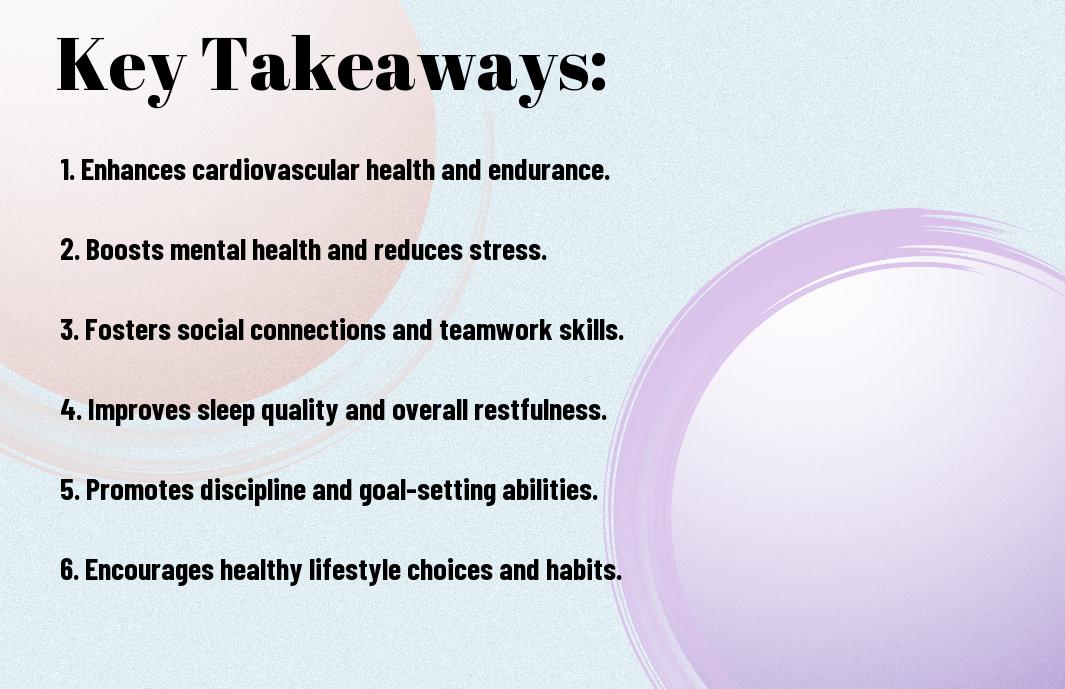
Just engaging in sports can significantly enhance your overall wellbeing, providing both physical and mental advantages. You experience increased fitness levels, improved cardiovascular health, and a boost in your immune system. Moreover, participating in sports fosters social connections and develops teamwork skills while alleviating stress and anxiety. If you want to explore these benefits further, check out the Benefits of Sports for Adolescents, which highlights the positive impact sports can have on young athletes.

Key Takeaways:

  • Physical Health: Engaging in sports helps improve cardiovascular fitness, increase strength, and maintain a healthy weight.
  • Mental Wellbeing: Participation in sports can reduce stress, anxiety, and symptoms of depression, contributing to better mental health.
  • Social Skills: Team sports foster communication, teamwork, and relationship-building, enhancing social interactions.
  • Discipline and Goal Setting: Sports instill a sense of discipline and the ability to set and achieve goals, valuable in personal and professional life.
  • Lifelong Activity: Engaging in sports encourages a love for physical activity, promoting a lifelong commitment to fitness and health.

Physical Health Benefits

Your participation in sports provides numerous physical health benefits that enhance your overall wellbeing. Engaging in regular physical activity can improve your cardiovascular health, maintain a healthy weight, and increase your strength and flexibility. These elements not only contribute to a healthier body but also elevate your mood and boost your energy levels, making you feel more vibrant in your daily life.

Cardiovascular Fitness

On the whole, sports can significantly boost your cardiovascular fitness. Engaging in activities like running, swimming, or cycling elevates your heart rate, leading to improved circulation and reduced risk of heart disease. As you build endurance through consistent participation, you’ll notice increased stamina, allowing you to handle physical tasks more effectively and with greater ease.

Weight Management

Below maintaining a healthy weight is another significant benefit of engaging in sports. Physical activity helps you burn calories and build muscle, both of which are crucial for effective weight management. Regular participation not only helps you control your weight but also supports overall metabolic health.

At its core, weight management is about balancing the calories you consume with the calories you expend. When you participate in sports, you enhance your ability to burn off excess calories while fostering a healthy lifestyle that includes proper nutrition. This combination is vital for achieving and maintaining your ideal weight while enjoying the process of becoming more active.

Strength and Flexibility

Around sports, you’ll also experience enhanced strength and flexibility. Activities like yoga, gymnastics, or martial arts focus on body control and range of motion, which help you develop a strong and supple physique. Improved strength and flexibility can reduce injury risk and improve your performance in daily activities.

Further, building strength and flexibility through sports enables you to perform tasks with greater ease and less strain. As you continue to engage in these activities, you’ll find yourself more agile, capable of moving with confidence and reducing the likelihood of stiffness or discomfort. This body awareness can foster a more active lifestyle outside of sports as well.

Mental Health Benefits

The mental health benefits of engaging in sports are abundant. Regular participation in physical activities promotes better mental resilience, helps reduce anxiety, and fosters a more positive outlook on life. Engaging in sports not only provides an outlet for stress but also enhances social interactions, allowing you to connect with others, which can further boost your mental well-being.

Stress Reduction

Behind every exhilarating game or invigorating workout lies a powerful stress reliever. Physical activity stimulates the production of endorphins, which are chemicals in your brain that act as natural painkillers and mood elevators. By incorporating sports into your routine, you create a healthy distraction that helps alleviate daily pressures, allowing you to face life’s challenges with greater ease.

Improved Mood and Cognitive Function

Across various sports disciplines, you can experience notable improvements in your mood and cognitive abilities. Engaging in physical activity releases neurotransmitters that enhance your mood and can even help ward off feelings of depression. Furthermore, by promoting better blood flow to the brain, sports can sharpen focus, enhance memory, and increase overall cognitive function.

Benefits extend beyond temporary enjoyment; regular participation in sports equips you with tools to combat emotional struggles and enhance brain performance. You may find yourself feeling more energized, focused, and overall happier as you develop not only your physical prowess but also your mental clarity and resilience. This holistic growth is vital for maintaining a balanced and productive lifestyle.

Social Benefits of Sports

Keep in mind that engaging in sports not only benefits your physical health but also offers numerous social advantages. Participating in athletic activities creates opportunities for social interaction, allowing you to meet diverse individuals and forge lasting connections. The camaraderie developed in a team environment can lead to friendships that extend beyond the field, enriching your social life and enhancing your sense of community.

Building Relationships

Social environments foster an atmosphere where you can connect with others who share similar interests. Through teamwork, competition, or shared goals, sports provide a platform where you can build authentic relationships. These connections often evolve into deeper friendships, enriching your personal and social life while instilling a sense of belonging.

Enhancing Teamwork Skills

Teamwork is a fundamental aspect of any sports activity and plays a significant role in your personal development. By engaging in group sports, you learn to collaborate effectively with others, honing your communication and problem-solving abilities.

Enhancing your teamwork skills through sports can translate into various areas of your life. You become adept at understanding different perspectives and working toward common goals, whether in your personal relationships or professional settings. Sports teach you to navigate challenges collaboratively, fostering a sense of unity and trust within a team that can benefit your future endeavors.

Emotional Wellbeing

Once again, engaging in sports significantly enhances your emotional wellbeing by reducing stress and anxiety levels. Physical activity triggers the release of endorphins, which are natural mood lifters. Additionally, sports encourage social interaction, helping you build connections that foster a sense of belonging and support. When you take part in team activities or practice individually, you cultivate a mindset that promotes positivity and emotional stability.

Boosting Self-Esteem

Below, participating in sports can lead to increased self-esteem as you achieve personal goals and witness your own progress. Whether it’s mastering a new skill or earning a victory, these accomplishments reinforce your self-worth and encourage a positive self-image. The sense of achievement you feel after a game or practice not only boosts your confidence but also translates into other aspects of your life.

Developing Resilience

Below, sports are an excellent avenue for developing resilience, as they teach you to handle setbacks and challenges head-on. The competitive nature of sports often involves facing defeats, which can strengthen your ability to bounce back from adversity. Through overcoming these obstacles, you cultivate a mindset that embraces challenges and sees them as opportunities for growth.

Resilience is an necessary trait that equips you to navigate life’s ups and downs. By learning to cope with losses and setbacks in sports, you cultivate a stronger mindset that can be applied to various situations in your life. This process of persistence helps build mental fortitude, enabling you to face challenges outside the playing field with greater confidence and determination. Ultimately, developing resilience through sports enhances not only your emotional wellbeing but also enriches your overall life experience.

Sports as a Community Activity

Despite the individualistic nature often associated with sports, they serve as a powerful community activity that fosters connections among diverse groups. By participating in team sports, you not only enhance your physical capabilities but also build friendships and support networks that enrich your social life. These interactions can lead to a shared sense of belonging, enhancing your overall wellbeing and contributing positively to community cohesion.

Fostering Community Engagement

The engagement in sports activities encourages local involvement and strengthens community ties. By joining teams or participating in local events, you take part in collective experiences that bring people together. This shared passion for sports can pave the way for increased collaboration and mutual support within your community, creating a vibrant environment that benefits everyone involved.

Promoting Inclusivity

Engagement in sports initiatives promotes inclusivity by welcoming individuals from various backgrounds, abilities, and ages. This environment championing diversity allows you to appreciate unique perspectives, ultimately enriching your overall experience. When everyone is invited to participate, irrespective of their skill level, the sporting community becomes strengthened and more resilient.

Community sports programs often prioritize creating an inclusive atmosphere where you can feel comfortable and valued. By participating in these initiatives, you support a culture that recognizes the importance of diversity among participants. This not only enhances the sporting experience for you but also encourages connections with others who may share your interests while celebrating the differences that make your community vibrant and dynamic.

Long-term Benefits of Staying Active

Unlike sedentary lifestyles that can lead to various health issues, staying active provides significant long-term benefits for your physical and mental wellbeing. Engaging consistently in sports or physical activities not only helps maintain a healthy weight but also boosts your cardiovascular health and strengthens your muscles. These benefits accumulate over time, empowering you to enjoy a more vibrant and enriched life as you age.

Aging Gracefully

Along with promoting overall health, staying active allows you to age gracefully by improving your flexibility, balance, and strength. Regular physical activity helps maintain your mobility and independence, decreasing the likelihood of falls and injuries as you get older. Embracing an active lifestyle contributes to a more fulfilling and joyful aging process, ensuring you remain engaged with the activities and people that enrich your life.

Preventing Chronic Diseases

Alongside the benefits of mental and emotional health, staying active plays a pivotal role in preventing chronic diseases. Regular physical activity reduces your risk of conditions such as heart disease, diabetes, and certain cancers by promoting healthy circulation and improving your body’s efficiency in managing blood sugar levels.

In fact, engaging in consistent physical activity can lower your risk of developing chronic diseases by as much as 30-50%. By incorporating sports or exercise into your routine, you create a robust defense against these health issues. Furthermore, you enhance your immune system, ensuring your body is better equipped to fend off various illnesses. Investing in your physical activity today leads to healthier, disease-free tomorrows.

Summing up

The benefits of sports extend far beyond physical fitness, playing a vital role in enhancing your overall wellbeing. Engaging in sports can improve your mental health, boost self-esteem, and foster social connections. By participating in physical activities, you cultivate discipline and resilience, which contribute positively to your daily life. Explore What Are the Surprising Benefits of Youth Sports Programs? to learn how sports can enrich not only your life but also the lives of young athletes in your community.

Q: How does participating in sports contribute to mental health?

A: Engaging in sports can significantly enhance mental health by releasing endorphins, which are often referred to as “feel-good” hormones. This natural chemical response helps alleviate feelings of stress, anxiety, and depression. Additionally, sports foster a sense of community and belonging through teamwork and social interaction, often leading to improved self-esteem and confidence. Participants also experience the therapeutic benefits of focusing on the game, which can distract from daily pressures and promote a sense of accomplishment and satisfaction.

Q: What physical health benefits are associated with regular participation in sports?

A: Regular involvement in sports promotes numerous physical health benefits, including improved cardiovascular fitness, increased strength, and better flexibility. Regular exercise associated with sports helps in maintaining a healthy weight and reducing the risk of chronic diseases such as diabetes, heart disease, and hypertension. Furthermore, sports can enhance coordination, balance, and bone density, contributing to overall physical resilience and longevity.

Q: How can sports positively impact social skills and relationships?

A: Sports often require teamwork and communication, which can greatly enhance social skills. Individuals involved in team sports learn to collaborate, listen, and negotiate with teammates, facilitating better interpersonal skills. The bonds formed through shared experiences, whether in victory or defeat, often lead to lasting friendships and a supportive social network. Participation in sports can also increase opportunities for meeting new people, improving social interactions and reducing feelings of isolation.

Skip to content