The Best Breathing Techniques for Endurance Sports

Over the course of your endurance training, mastering effective breathing techniques can significantly enhance your performance and stamina. Whether you’re running, cycling, or swimming, the way you breathe influences your body’s oxygen intake and energy output. This guide will introduce you to the best breathing strategies tailored for endurance sports, ensuring you can optimize your breathing patterns and maintain peak performance throughout your workouts and competitions.

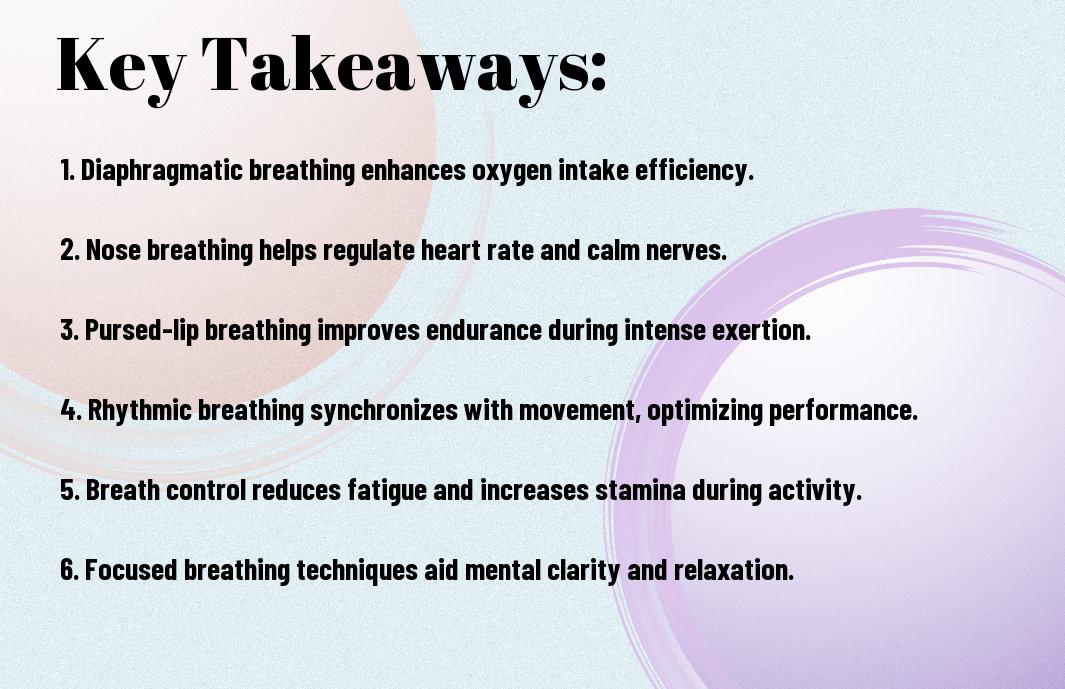
Key Takeaways:

  • Diaphragmatic Breathing: This technique engages the diaphragm, allowing for deeper inhalation and improved oxygen exchange, enhancing overall endurance.
  • Rhythmic Breathing: Synchronizing breath with movement can help maintain a steady pace and optimize performance during endurance activities.
  • Nasal Breathing: Breathing through the nose can help filter and warm air, promoting better endurance and reducing the risk of hyperventilation.
  • Extended Exhalation: Focusing on longer exhalations can activate the parasympathetic nervous system, promoting relaxation and recovery during intense efforts.
  • Breath Awareness: Practicing mindfulness of breath can enhance mental focus and endurance, helping to manage fatigue and maintain performance levels.

Understanding Breathing Mechanics

Your understanding of breathing mechanics is necessary for maximizing your endurance performance. The way you inhale and exhale influences various physical processes, including oxygen exchange, energy production, and muscle recovery. By mastering your breathing technique, you can enhance your stamina and improve overall efficiency during intense physical activity, allowing you to push your limits further and achieve your athletic goals.

The Importance of Diaphragmatic Breathing

Breathing from your diaphragm rather than your chest can significantly enhance your endurance performance. This deeper form of breathing allows for greater lung expansion, optimizing oxygen intake while also promoting relaxation. By focusing on diaphragmatic breathing, you will reduce fatigue and improve stamina, enabling you to sustain higher levels of exertion over extended periods.

Role of Oxygen in Endurance Performance

About 20% of the air you breathe is oxygen, and it plays a vital role in how efficiently your body generates energy during endurance activities. The more effectively your body uses oxygen, the better your performance will be, allowing you to maintain higher levels of intensity over a longer duration.

In addition, oxygen is instrumental in aerobic metabolism, which fuels your muscles during prolonged activities. Enhanced oxygen delivery to your muscles not only increases energy production but also helps in the clearance of metabolic waste products, such as carbon dioxide and lactic acid. By improving your oxygen uptake and utilization through proper breathing techniques, you set yourself up for greater endurance and performance success in your chosen sports.
Breathing Techniques for Endurance Athletes

Now that you understand the importance of effective breathing in endurance sports, it’s time to explore specific techniques that can enhance your performance. By incorporating targeted breathing strategies into your routine, you can optimize oxygen flow, improve stamina, and ultimately elevate your endurance levels during training and competitions. Let’s examine into three popular techniques that can make a difference in your athletic journey.

The 4-7-8 Breathing Technique

The 4-7-8 breathing technique is an excellent method for calming your mind and increasing lung capacity. To practice this technique, inhale through your nose for a count of four, hold your breath for seven counts, and then exhale slowly through your mouth for eight counts. This rhythm not only promotes relaxation but also helps you maintain a steady breath during long-duration activities, allowing you to sustain your performance longer.

Box Breathing Method

For endurance athletes, the Box Breathing Method is a powerful tool for increasing focus and regulating your breath. This technique involves inhaling for a count of four, holding the breath for another four counts, exhaling for four counts, and then holding the exhale for four counts before repeating. This structured rhythm can help you develop a strong foundation for better breath control during your workouts or competitions.

Breathing in this structured pattern enables you to cultivate a meditative state that can reduce anxiety and improve mental clarity. By incorporating Box Breathing into your warm-up routine, you can create a sense of calmness and focus, ultimately enhancing your overall performance. This method also prepares your body to manage elevated heart rates more efficiently, helping you stay composed during demanding activities.

Over- and Under-Breathing Practices

Breathing techniques addressing over- and under-breathing can significantly impact your endurance. Over-breathing often leads to hyperventilation, while under-breathing can result in insufficient oxygen intake. By tuning into your breathing patterns, you can strike a healthier balance, ensuring your body receives the necessary oxygen efficiently during activities.

Endurance training emphasizes the importance of maintaining optimal oxygen levels. Over- and under-breathing practices allow you to develop an awareness of your breath, enhancing your ability to engage proper breathing techniques during strenuous efforts. By focusing on your breath, you can better align your efforts with your body’s needs, promoting endurance and stabilizing energy levels throughout your workout.

Implementation Strategies

After you have learned various breathing techniques, it’s vital to develop implementation strategies that fit your training regimen. Start by identifying key workouts where you can focus specifically on these techniques. Gradually incorporate breathing exercises into your warm-up and cool-down routines to help solidify the methods in your muscle memory. Over time, integrate them into your longer sessions, ensuring that you stay aware of your breath while sustaining endurance.

Incorporating Techniques into Training

Above all, consistency is your ally for successfully incorporating these techniques. Set specific goals for each training session, focusing on particular aspects of your breathing. Whether it’s diaphragmatic breathing or rhythmic inhalation, make a habit of practicing these techniques regularly. Tracking your progress can provide insights into your endurance improvements as you become more proficient.

Breathing Drills for Different Sports

Before venturing into your sport, focus on specific drills tailored for your activity. Each sport has unique demands for oxygen intake and breath control, requiring customized strategies. For instance, runners can benefit from rhythmic breathing, while swimmers often use bilateral breathing to maintain balance in strokes. Understanding your sport’s requirements allows you to refine your technique for optimal performance.

Drills play an vital role in fine-tuning your breathing techniques for different sports. For running, practice intervals that match your breath to your steps, such as a 3:2 pattern. In cycling, focus on deep abdominal breaths during hill climbs to maximize lung capacity. For swimming, work on timing your breath with each stroke, ensuring you’re getting sufficient air without disrupting your rhythm. Tailoring these drills enhances your performance and allows you to adapt your breathing in various competitive scenarios.

Common Mistakes and How to Avoid Them

All athletes can fall into common breathing mistakes that hinder performance. Focusing solely on inhalation or exhalation without rhythm can disrupt your endurance. Additionally, breathing too shallow or too fast can lead to fatigue. To avoid these pitfalls, educate yourself on proper techniques and explore the Science of Breath Work: Breathing for Athletes to enhance your training sessions.

Misconceptions about Breathing Patterns

Besides the belief that breath control is secondary to physical training, many athletes underestimate the impact of consistent breathing patterns. You may think that any inhalation or exhalation is sufficient, but structured techniques are key to maximizing your endurance and efficiency.

Signs of Ineffective Breathing in Training

Ineffective breathing often manifests as shortness of breath, frequent fatigue, or difficulty maintaining a steady rhythm during your workouts. If you find yourself gasping for air or feeling lightheaded, it is a clear signal that your breathing technique requires adjustment.

Training at higher intensities while not focusing on your breathing can lead to these signs of inefficiency. You may also notice that your heart rate spikes excessively or that you become overly anxious. By tuning into these indicators and making necessary adjustments, you can optimize your breathing patterns to support better endurance and overall performance.

Additional Tips for Enhancing Breath Control

Despite your best efforts, breath control can be challenging to master. Here are some additional tips to enhance your technique:

  • Practice diaphragmatic breathing to maximize oxygen intake.
  • Incorporate breathing exercises into your warm-up routine.
  • Stay mindful of your breathing patterns during training.
  • Experiment with different breathing ratios, like 3:2 or 2:1.
  • Utilize breathing aids or tools, like resistance trainers, to strengthen your lungs.

The right techniques can significantly improve your endurance performance.

Importance of Posture

About maintaining proper posture while engaging in endurance sports, it is key to optimizing your breath flow. When you stand or run tall, allowing your diaphragm to function efficiently, it enables your lungs to expand fully. Adopting a relaxed position without excessive tension in your shoulders or neck helps keep your airways open, further facilitating easier and deeper breathing. This alignment not only supports better oxygen intake but also enhances your overall performance and stamina during your workouts.

Mental Focus and Visualization

The connection between your mind and body is vital in endurance sports, and cultivating mental focus can enhance your breathing technique. By visualizing your breath, you encourage a more rhythmic pattern, reducing fatigue during intense activities. This mental imagery helps you stay relaxed and deeply connected to your body, allowing you to regulate your breath effectively. Integrating affirmations and positive thoughts can further boost your confidence.

A simple visualization exercise involves imagining air filling your lungs as you inhale and releasing tension as you exhale. Close your eyes and picture each breath becoming smoother and more controlled. As you practice this technique in your training sessions, you’ll find it easier to maintain focus on your breathing, leading to improved performance. The more you incorporate these mental strategies, the more automatic and beneficial your breath control will become during endurance activities.

Case Studies and Success Stories

Unlike many assumptions about training, breathing techniques have proven to be game-changers in endurance sports. Here are some compelling case studies that highlight their effectiveness:

  • A marathon runner increased their lung capacity by 20% in 8 weeks through diaphragm-focused breathing.
  • A triathlete improved race times by an average of 15 minutes after adopting nasal breathing techniques.
  • A cyclist reported a 25% increase in endurance during training sessions after integrating rhythmic breathing practices.
  • A swimmer experienced a 30% reduction in recovery time following a consistent breath control protocol.

Athletes Who Transformed Their Performance

By implementing specific breathing strategies, athletes have reported transformative improvements in their performance. Many have experienced higher endurance levels and faster recovery times, showcasing the importance of breathing in athletic success.

Expert Insights from Coaches

Across the board, coaches observe that effective breathing techniques serve as a foundation for enhanced athletic performance. They assert that athletes who focus on their breath often exhibit improved focus and stamina during competitions.

With the guidance of coaches, you can adopt breathing strategies designed to optimize your physical and mental performance. These experts emphasize the significance of routines based on controlled breath patterns, ensuring you maintain energy levels while enhancing overall competitiveness. Leveraging their insights, you can incorporate breathing exercises that align with your specific endurance sport goals, likely leading to measurable improvements in your training sessions and races.

Final Words

Presently, mastering the best breathing techniques for endurance sports can significantly enhance your performance and overall experience. By incorporating diaphragmatic breathing, rhythm synchronization, and nasal breathing into your training, you can improve oxygen intake and energy efficiency. These methods not only help you maintain stamina but also reduce fatigue and improve recovery. As you apply these techniques consistently, you’ll find that your endurance levels increase, enabling you to push your limits and achieve your fitness goals more effectively.

Q: What are the primary benefits of utilizing breathing techniques in endurance sports?

A: Breathing techniques can significantly enhance performance in endurance sports by improving oxygen delivery to muscles, increasing stamina, and promoting relaxation. Effective breathing helps endurance athletes maintain a steady energy output during prolonged activities, allowing them to sustain higher work rates for longer periods. Additionally, controlled breathing can reduce the likelihood of fatigue and promote mental clarity, which is vital during long-duration events.

Q: How can I incorporate breathing techniques into my training routine for endurance sports?

A: Incorporating breathing techniques into your training routine can be done gradually. Start by focusing on diaphragmatic breathing during your warm-up and cool-down sessions. During your workouts, practice specific methods such as the 4-7-8 technique, which involves inhaling for 4 seconds, holding for 7 seconds, and exhaling for 8 seconds to enhance lung capacity and control. You can also try rhythmic breathing, where you coordinate your breath with your movements; for example, inhale for three steps and exhale for two. Consistently integrating these techniques into your routine will help reinforce proper breathing patterns, especially during high-intensity efforts.

Q: What are some breathing techniques specifically beneficial for different endurance sports like running and cycling?

A: Different endurance sports may benefit from tailored breathing techniques. For running, rhythmic breathing is highly effective; many runners follow a pattern of inhaling for two steps and exhaling for two steps, adjusting based on their pace and effort. For cycling, practicing controlled breathing at a steady cadence can optimize oxygen flow and energy management. Some cyclists employ a technique called ‘pursed lip breathing’ where they inhale through the nose and exhale through pursed lips, which can enhance lung efficiency and reduce breathlessness during climbs or sprints. Experimenting with these techniques can help athletes find what works best for their specific sport and personal comfort.

How to Avoid Common Running Injuries

Running can be an invigorating way to stay fit, but it also comes with the risk of injuries that can hinder your progress. To keep your experiences enjoyable and pain-free, it’s important to adopt smart practices that promote safety and efficiency. This guide will provide you with important tips to avoid common running injuries, helping you stay on track with your fitness goals. For more detailed insights, check out this resource on how runners can prevent injury when training or running a race.

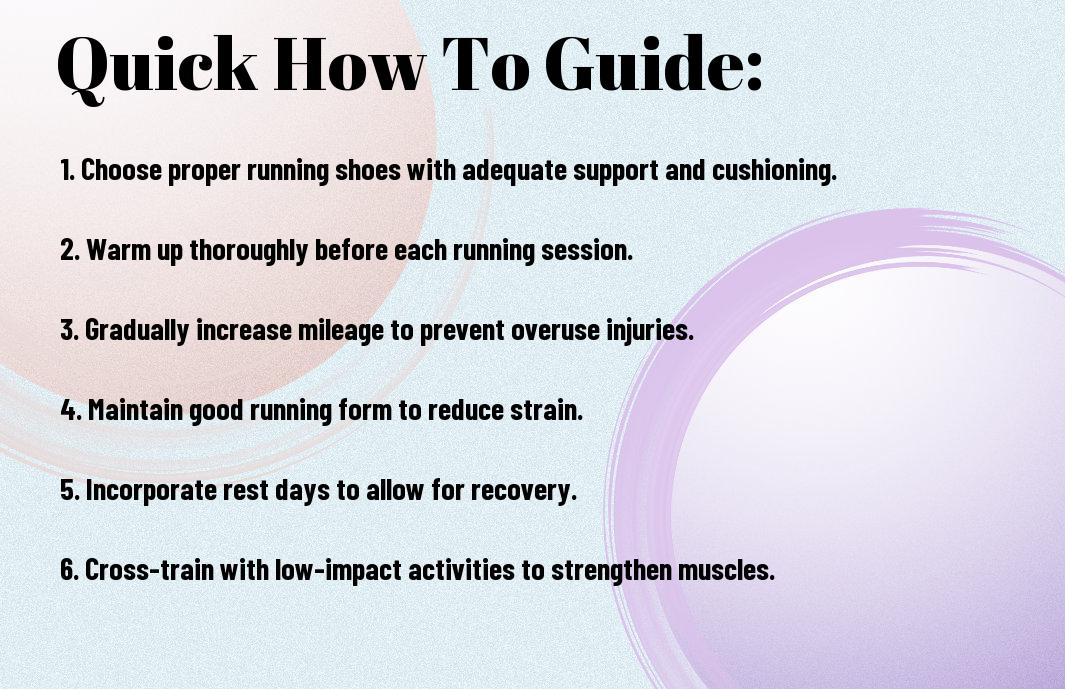
Key Takeaways:

  • Warm-Up: Always include a proper warm-up routine before running to prepare your muscles and joints.
  • Footwear: Invest in quality running shoes that provide adequate support and cushioning specific to your foot type.
  • Listen to Your Body: Be attentive to any signs of pain or discomfort and adjust your training intensity accordingly.
  • Cross-Training: Incorporate cross-training activities to strengthen different muscle groups and improve overall fitness.
  • Gradual Increase: Follow a gradual increase in mileage and intensity to allow your body to adapt without overstraining.

Understanding Common Running Injuries

A comprehensive understanding of common running injuries will help you to identify problems before they become severe. Runners often experience issues stemming from repetitive motion, improper form, or inadequate recovery. Recognizing these injuries early can make a significant difference in your training and overall performance.

Types of Injuries

Some injuries occur frequently among runners. They can be categorized into acute injuries, which happen suddenly, and chronic injuries, which develop over time. Here are some common types:

  • Sprains and strains
  • Runner’s knee (patellofemoral pain syndrome)
  • Achilles tendonitis
  • Shin splints
  • Plantar fasciitis

Any of these can impede your running progress if not addressed promptly.

Symptoms to Watch For

While running, it’s vital to be attentive to any signs of discomfort or pain. Early detection of symptoms can prevent long-term damage and facilitate quicker recovery. Pay attention to how your body feels during and after your runs.

This includes noticing any persistent pain in your joints, muscles, or tendons, along with swelling, tenderness, or reduced flexibility. Keep an eye out for sensations that differ from your usual discomfort after a run, as these can be indications that something is wrong. Listening to your body can help you avoid serious injuries that may put a halt to your running routine.

How to Prepare for Running

You may think that just putting on your running shoes is enough to hit the road, but proper preparation is key to maximizing performance and minimizing injury risk. Start by assessing your current fitness level and setting realistic goals. Incorporating strength training, flexibility exercises, and recovery time into your routine can help you develop a strong foundation. Consistently preparing your body for the demands of running will make your experience more enjoyable and safe.

Choosing the Right Footwear

Choosing the right footwear is important for a comfortable and injury-free running experience. Visit a specialty running store to get fitted properly, as the right pair of shoes should provide support and cushioning tailored to your foot type and running style. With the right footwear, you can ensure that your feet have the protection they need during your runs.

Developing a Training Plan

Prepare a training plan that aligns with your fitness level and running objectives. Incorporate a mix of long runs, speed work, and rest days to enhance endurance and strength while allowing your body to recover. Schedule consistent workouts each week, gradually increasing mileage or intensity to avoid overwhelming your muscles and joints. Staying adaptable and adjusting your plan based on your body’s feedback will further help in preventing injuries.

To create an effective training plan, start by outlining your running goals, whether they be completing a 5K or marathon. Incorporate different types of runs—such as easy runs, tempo runs, and interval training—to build endurance and speed. Don’t forget to include strength training and flexibility sessions to support your running. Listening to your body and taking rest days when needed will help you recover and stay injury-free throughout your journey.

Tips for Proper Running Form

Unlike the common misconceptions about running technique, proper form plays a vital role in injury prevention. To ensure you maintain good running posture, consider these tips:

  • Keep your head up and gaze forward.
  • Relax your shoulders and arms.
  • Maintain a straight back and engaged core.
  • Land softly on your mid-foot.
  • Avoid overstriding; take shorter, quicker steps.

Knowing these tips will help you establish a running form that minimizes the risk of common injuries.

Posture and Alignment

On your running journey, it’s vital to focus on maintaining optimal posture and alignment. Keep your spine straight, shoulders relaxed, and arms at a 90-degree angle to help conserve energy and maintain balance.

Breathing Techniques

On each run, the rhythm of your breathing significantly impacts your performance and comfort level. Focus on deep, diaphragmatic breaths rather than shallow chest breathing to maximize oxygen intake.

Techniques such as the 3:2 breathing method, where you inhale for three strides and exhale for two, can help establish a steady rhythm. Alternatively, try inhaling through your nose and exhaling through your mouth to optimize airflow. Experimenting with these approaches allows you to find what feels most comfortable for you, ultimately enhancing endurance and reducing fatigue while running.

Factors Influencing Injury Risk

All runners face various factors that can increase their risk of injury. Key elements include:

  • Running experience
  • Footwear quality
  • Training intensity and volume
  • Athlete’s biomechanics

The more you understand these factors, the better you can strategize to prevent injuries and maintain an effective running routine.

Terrain and Environment

Influencing the type of surfaces you run on can significantly impact your injury risk. Uneven terrains, like trails or gravel paths, may lead to ankle sprains and falls, while running on hard surfaces like concrete can increase impact-related injuries. Choosing the right environment for your fitness level and experience is imperative for safe running.

Personal Health and Fitness Level

You must assess your own health and fitness level to mitigate injury risks effectively. Factors such as pre-existing conditions, muscle strength, flexibility, and overall conditioning play key roles. A well-conditioned body can better withstand the physical demands of running compared to one that is not.

To minimize injury risks, focus on gradually improving your fitness level through tailored training programs. Incorporate strength training, flexibility exercises, and proper warm-up routines to prepare your body for running. Pay attention to any discomfort that arises during runs, as it could indicate an underlying issue that needs addressing before it leads to a more serious injury.

Strengthening and Stretching Exercises

Not incorporating a routine of strengthening and stretching exercises can significantly increase your risk of running injuries. By targeting key muscle groups, you can enhance your stability and overall performance. Focus on exercises that strengthen your core, hips, and legs, while also implementing flexibility routines to maintain a full range of motion. This combination not only helps in injury prevention but also improves your running efficiency.

Pre-Run Warm-Up

On each run, starting with a proper warm-up is crucial to prepare your muscles and joints for the activity ahead. Dynamic stretches, such as leg swings, high knees, and lunges, increase blood flow and enhance flexibility. This proactive approach helps reduce the likelihood of strains or sprains, allowing you to run more effectively and safely.

Post-Run Cool Down

Down time after your run is just as important as warming up. Gradually easing your heart rate with a light jog or brisk walk for 5-10 minutes helps prevent dizziness and promotes recovery. Following this cool-down period, implement static stretching to target your major muscle groups. This will enhance flexibility, alleviate muscle tightness, and foster better recovery for future runs.

Another effective practice during your post-run cool down is to incorporate deep breathing exercises. This not only aids in relaxation but also helps to oxygenate your muscles, promoting quicker recovery. Focus on slow, deliberate breaths as you stretch, allowing your body to transition calmly from intense activity back to a rested state.

Recovery Strategies

Despite your best efforts to train consistently, recovery plays an crucial role in preventing injuries. Incorporating effective recovery strategies into your routine can help your body heal, rebuild, and maintain performance. Active recovery, stretching, foam rolling, and adequate rest are just a few tactics that can significantly enhance your recuperation process and keep you running strong.

Importance of Rest

Assuming you prioritize rest in your training plan, you will allow your muscles to repair and strengthen. Rest days are not a sign of weakness but a vital part of your running journey. By scheduling regular recovery time, you can reduce the risk of overuse injuries and improve your performance in the long run.

Nutrition and Hydration Tips

With the right nutrition and hydration strategies, you can support your body’s recovery. Ensure you’re consuming a balanced diet that includes carbohydrates for energy, proteins for muscle repair, and fats for overall health. Stay hydrated before, during, and after your runs, as hydration assists in optimal performance and recovery. Here are some tips to keep in mind:

  • Fuel up with a mix of macronutrients after each run.
  • Stay hydrated with water or electrolyte drinks.
  • Incorporate fruits and vegetables for crucial vitamins.

Any adjustments you make in your nutrition and hydration can lead to improved longevity in your running routine.

Plus, focusing on specific food choices can help you recover faster and perform better. Include lean proteins like chicken or lentils to promote muscle repair and pair them with complex carbohydrates like quinoa or whole grains to restore energy stores. Snacks such as nut butter and fruits or yogurt can also contribute to your recovery efforts. Here are some additional suggestions:

  • Consider protein shakes or bars post-run for quick recovery.
  • Opt for antioxidant-rich foods, like berries, to combat inflammation.
  • Limit processed foods and sugary snacks to enhance recovery quality.

Any shift in your food or hydration habits can elevate your overall performance and keep injuries at bay.

Conclusion

Summing up, to avoid common running injuries, you should ensure proper warm-up and cool-down routines, invest in suitable footwear, gradually increase your mileage, and listen to your body’s signals. Incorporating strength training and cross-training can also help enhance your overall fitness and resilience. By prioritizing these practices, you’ll be better equipped to enjoy your runs while minimizing the risk of injury, allowing you to maintain a consistent and rewarding running routine.

Q: What are the most common running injuries and how can I recognize them early?

A: Some of the most common running injuries include shin splints, runner’s knee, and plantar fasciitis. Shin splints often manifest as pain along the shin bone, particularly during or after running. Runner’s knee is characterized by pain around or behind the kneecap, especially when going up or down stairs. Plantar fasciitis presents as sharp pain in the heel or bottom of the foot, particularly in the morning. Early recognition involves paying close attention to any persistent or unusual discomfort during or after runs and consulting with a healthcare professional for proper evaluation.

Q: How can I improve my running form to prevent injuries?

A: Improving your running form can significantly help in preventing injuries. Focus on maintaining an upright posture with a slight forward lean, keeping your shoulders relaxed and your arms at a 90-degree angle. Aim for a mid-foot strike rather than landing on your heels, as this can reduce the impact on your joints. Additionally, ensure that you maintain a consistent cadence, ideally between 150-180 steps per minute. Incorporating strength training and flexibility exercises into your routine can also enhance your running mechanics and reduce the risk of injuries.

Q: What should I consider when choosing running shoes to minimize the risk of injuries?

A: Selecting the right running shoes is fundamental in preventing injuries. Look for shoes that provide adequate cushioning and support for your foot type (neutral, overpronator, etc.). It is also important to replace your shoes periodically; most running shoes have a lifespan of around 300-500 miles. Consider visiting a specialty running store for a fitting, where staff can analyze your gait and recommend shoes suited to your specific needs. Additionally, always break in new shoes gradually to allow your feet to adjust without overwhelming them.

The Benefits of Outdoor Sports for Mental Health

Many people underestimate the significant impact outdoor sports can have on your mental health. Engaging in physical activities in natural surroundings not only boosts your mood but also reduces symptoms of anxiety and depression. When you participate in outdoor sports, you are exposed to sunlight and fresh air, which can enhance your overall well-being. Moreover, the social interactions and sense of achievement that come with team sports or personal challenges can further improve your mental state. This blog post explores the various ways outdoor sports can benefit your mental health and overall happiness.

Key Takeaways:

  • Improved Mood: Engaging in outdoor sports can significantly boost mood levels due to the release of endorphins, which promote feelings of happiness and relaxation.
  • Stress Reduction: Participating in physical activities outdoors can help lower stress levels, creating a natural outlet for managing anxiety and tension.
  • Enhanced Cognitive Function: Outdoor sports stimulate brain activity, improving focus, memory, and problem-solving skills, leading to better cognitive performance.
  • Increased Social Interaction: Team sports and group activities provide opportunities to connect with others, fostering a sense of community and reducing feelings of isolation.
  • Connection to Nature: Being outside allows individuals to engage with nature, promoting mindfulness and a sense of tranquility that supports overall mental wellness.

The Connection Between Outdoor Sports and Mental Health

Your mental health is intricately linked to the activities you engage in, and outdoor sports provide a unique opportunity to enhance wellbeing. The fresh air, natural scenery, and physical movement make outdoor sports a powerful tool for recharging your mind. Not only do you benefit from the physical aspect, but the connection to nature can help reduce stress and anxiety, creating a holistic approach to improving your mental health.

Psychological Benefits

Sports have the ability to elevate your mood and improve your overall psychological well-being. Engaging in outdoor activities fosters a sense of accomplishment and boosts self-esteem, while also providing an excellent outlet for releasing pent-up stress. The social interactions and camaraderie you experience during these activities further promote feelings of belonging and happiness, which are vital for maintaining mental wellness.

Physical Benefits

Physical activity plays a significant role in your overall mental health by releasing endorphins that enhance mood and reduce feelings of anxiety. When you participate in outdoor sports, you improve your cardiovascular health, strengthen muscles, and increase flexibility, all of which contribute to your physical well-being. This, in turn, can lead to a more positive self-image and increased confidence.

Further, regular participation in outdoor sports has been shown to improve your sleep patterns and reduce fatigue, which are important for maintaining mental clarity and focus. Engaging in physical activities under the sun also allows your body to absorb vitamin D, linked to improved mood and cognitive function. As you stay active and connect with the environment, you may find that the benefits extend beyond just the physical realm, positively influencing your mental state and resilience.

Types of Outdoor Sports and Their Impact

Some outdoor sports can significantly enhance your mental health by reducing stress and anxiety while boosting your mood. You can choose from a variety of activities that cater to different preferences and social dynamics. Here’s a breakdown of several types of outdoor sports and their positive effects:

Outdoor Sport Impact on Mental Health
Running Improves mood and reduces feelings of depression
Cycling Enhances cognitive function and reduces stress
Team Sports Fosters social connections and increases feelings of belonging
Hiking Promotes mindfulness and appreciation of nature
Yoga Outdoors Combines physical activity with mental relaxation

Perceiving the benefits of these activities can help you choose the right ones for your mental wellness journey.

Team Sports

Around you, team sports create a sense of community and belonging, vital for mental well-being. Participating in sports like soccer, basketball, or volleyball allows you to collaborate with others, fostering powerful social connections. These interactions can lead to increased motivation and accountability, contributing positively to your mental health.

Individual Activities

Against the backdrop of individual outdoor activities like running or cycling, you have the opportunity to focus on personal growth and self-reflection. Engaging in these pursuits allows for a deeper connection with nature and provides a space where you can unwind and recharge mentally.

For instance, activities like jogging or rock climbing help you cultivate self-discipline and resilience. By setting personal goals, you learn to celebrate your achievements, boosting self-esteem and overall mental well-being. Additionally, the time spent outdoors helps clear your mind, offering a refreshing perspective on life’s challenges.

The Role of Nature in Enhancing Mental Well-being

Unlike urban environments, nature provides a sanctuary that can significantly enhance your mental well-being. Being outdoors amidst greenery, fresh air, and sunlight helps reduce stress, lower anxiety, and improve your mood. The natural world invites a sense of peace and tranquility that urban areas often lack, allowing you to disconnect from daily pressures and reconnect with yourself.

Exposure to Natural Environments

Between time spent in green spaces and improved mental health, the connection is evident. Regular exposure to natural environments not only revitalizes your senses but also diminishes feelings of stress and depression. Nature acts as a healing backdrop, promoting restorative mental states that uplift your overall mood and enhance clarity of thought.

Mindfulness and Outdoor Sports

Sports encourage mindfulness, a state of focused awareness that can be deeply rewarding. Engaging in outdoor sports allows you to be present in the moment, alleviating worries about the past or future and enhancing your mental clarity.

Enhancing your mindfulness through outdoor sports creates a powerful synergy between physical activity and mental wellness. As you immerse yourself in the rhythm of your movements and the sounds of nature, you cultivate a sense of presence that strengthens your emotional resilience. This focus not only boosts your performance but also facilitates a deeper connection with your surroundings, fostering inner calm and improved mental health.

Case Studies and Research Findings

Despite the growing interest in outdoor sports for mental well-being, substantial research highlights their impact:

  • A study by Stanford University showed a 90% reduction in rumination levels after participants walked in nature.
  • Research published in the Journal of Affective Disorders indicated that individuals engaging in outdoor activities reported a 30% decrease in anxiety symptoms.
  • The International Journal of Environmental Health Research found that outdoor sports can improve mood scores by up to 40% in individuals with depression.

Exploring these findings reveals 7 health benefits of outdoor exercise that can significantly enhance your mental health.

Studies on Anxiety and Depression

The evidence suggests that outdoor sports provide powerful benefits for individuals grappling with anxiety and depression. Engaging in outdoor activities can lessen negative thought patterns and enhance emotional resilience, resulting in a more positive outlook on life.

Testimonials from Participants

The accounts from participants in outdoor sports reveal profound changes in their mental health. Many report feelings of freedom, reduced anxiety, and enhanced overall happiness after spending time outdoors.

Further, these testimonials often highlight personal transformations, where individuals describe how consistent participation in outdoor sports has led to significant improvements in their daily lives, including better relationships and increased motivation. Many participants emphasize the importance of community and shared experiences, reinforcing the psychological benefits of social connections formed through outdoor activities.

Practical Tips for Incorporating Outdoor Sports

To effectively integrate outdoor sports into your life, consider the following tips:

  • Start with activities you enjoy to maintain motivation.
  • Set specific days and times for your outdoor sessions.
  • Invite friends or family to join you for added enjoyment.
  • Explore local parks, trails, or sports facilities to diversify your activities.
  • Gradually increase the intensity and duration of your sessions.

Perceiving outdoor sports as a beneficial part of your routine can lead to improved mental health and well-being.

Getting Started

Before submerging into outdoor sports, assess your current fitness level and interests to find activities that suit your preferences. Whether it’s hiking, cycling, or team sports, start slow to avoid injury and determine what truly excites you.

Maintaining a Balanced Routine

After establishing your outdoor sports regimen, balance it with other physical activities and rest days for optimal health. This will help ensure your body has time to recover and reduce the risk of burnout.

Maintaining a balanced routine involves combining outdoor activities with other forms of exercise, like indoor workouts or yoga. This diversity not only keeps your workout engaging but also targets different muscle groups and mental states, optimizing your overall well-being and enhancing the benefits of outdoor sports.

Overcoming Barriers to Participation

Keep in mind that participating in outdoor sports can be hindered by various factors. By recognizing these barriers, you can take proactive steps to overcome them and enhance your mental well-being. An effective approach involves addressing the following social and environmental challenges:

Social and Environmental Factors

Behind every great athlete is a supportive environment, but social and environmental factors can often deter you from engaging in outdoor sports. Common challenges include:

  • Lack of accessible facilities
  • Limited social support or companionship
  • Time constraints due to work or family commitments

This awareness can help you identify specific obstacles in your life and plan potential solutions.

Motivational Strategies

One effective way to combat barriers is through motivational strategies that keep you engaged and inspired. Setting achievable goals, finding a workout buddy, or joining a community can all enhance your enjoyment and commitment to outdoor sports.

Plus, using positive reinforcement, tracking your progress, and celebrating small accomplishments can significantly boost your motivation. Engaging in outdoor activities with others, whether friends or fellow enthusiasts, can create an encouraging atmosphere that makes participation more enjoyable. By integrating these strategies, you can foster a resilient mindset that empowers you to overcome any hurdles you encounter.

Conclusion

Ultimately, engaging in outdoor sports can significantly enhance your mental well-being by reducing stress, boosting self-esteem, and fostering social connections. As you immerse yourself in nature and physical activity, you create opportunities for mindfulness, provide an outlet for your emotions, and develop resilience against daily challenges. By making outdoor sports a regular part of your routine, you can cultivate a healthier, happier mindset and improve your overall quality of life.

FAQ

Q: How do outdoor sports contribute to reducing anxiety and depression?

A: Engaging in outdoor sports helps release endorphins and serotonin, which are chemicals in the brain associated with happiness and well-being. The natural environment also plays a role, as exposure to sunlight boosts mood and can alleviate symptoms of anxiety and depression. Moreover, physical activity serves as a healthy distraction from negative thoughts and stressful situations, allowing individuals to experience a sense of accomplishment and satisfaction.

Q: Can outdoor sports improve social connections and support mental health?

A: Yes, participating in outdoor sports often involves group activities or team events, which fosters social interaction and connection. Building relationships through shared interests can enhance feelings of belonging and community. This social support is vital for mental health, as it provides individuals with a network to share experiences, seek support during tough times, and engage in positive social interactions that boost overall mood and well-being.

Q: What specific outdoor sports are most beneficial for mental health?

A: Various outdoor sports can positively impact mental health, with popular options including hiking, cycling, running, and team sports like soccer or basketball. Each activity provides unique benefits: hiking connects individuals with nature, cycling and running can boost cardiovascular health, and team sports promote social interaction. The key is to find an activity that an individual enjoys, as this increases the likelihood of regular participation, leading to sustained mental health benefits.

How to Build Core Strength for Any Sport

Over time, you may have noticed that a strong core is imperative for enhancing your performance across various sports. In this guide, you’ll discover effective techniques and exercises that you can incorporate into your routine to develop a powerful core. By focusing on the right areas, you will not only boost your strength and stability but also improve your overall athleticism. For a more comprehensive approach, check out A Core Training Blueprint for the Athlete. Let’s probe the methods that can elevate your game!

Key Takeaways:

  • Engage your core – Focus on exercises that target the entire core, including the abdominals, obliques, and lower back to promote overall strength.
  • Incorporate variety – Use a mix of dynamic and static exercises such as planks, bridges, and rotations to challenge different muscle groups.
  • Prioritize form – Maintain proper technique to prevent injury and ensure effective engagement of core muscles during workouts.
  • Practice balance – Integrate balance training to improve stability and coordination, which are necessary for almost every sport.
  • Stay consistent – Commit to a regular core strengthening routine as part of your overall training plan for long-term benefits.

Understanding Core Strength

While many people associate core strength with aesthetics, it plays a vital role in athletic performance. Core strength encompasses the muscles in your abdomen, lower back, hips, and pelvis, providing stability and allowing for efficient movement in nearly every sport. You’ll find that a strong core supports balance, power, and endurance, ultimately improving your performance on the field, court, or track.

Importance of Core Strength in Sports

Little do many realize, a strong core not only enhances performance but also helps in injury prevention. Improving your core supports proper posture and alignment, which are necessary for executing skills effectively in your chosen sport. As you engage and stabilize your core, you’ll find that your overall athleticism improves and your ability to exert force increases.

Factors That Affect Core Strength

Even if you are committed to building core strength, various factors can influence your progress. These may include your current fitness level, body composition, flexibility, and even your diet. Focusing on the following factors can improve your core strength:

  • Consistency in training
  • Technique and form during exercises
  • Incorporation of diverse workouts
  • Nutrition and recovery

Assume that understanding and addressing these factors is key to unlocking your core’s full potential.

The elements affecting your core strength can be nuanced, and managing them can enhance your training outcomes. In addition to the points mentioned, engage with strength assessments to tailor a program suited to your individual needs. Some more factors to consider include:

  • Your commitment to a varied workout routine
  • The frequency of your training sessions
  • Injury history or physical limitations
  • Stress levels and sleep quality

Assume that by addressing these factors holistically, you will create a strong foundation for improved core strength and athletic performance.

How to Assess Your Core Strength

If you want to build your core strength effectively, it’s imperative to start by assessing your current capabilities. Understanding your baseline allows you to set specific goals and track your progress over time. You can do this through simple tests that measure your stability, endurance, and overall strength. By identifying your strengths and weaknesses, you can tailor your training sessions to improve your performance in your chosen sport.

Simple Tests You Can Perform

Little equipment is needed for simple core strength tests you can conduct at home. The plank test, for instance, involves holding a plank position for as long as possible. Try the side-lying leg lift to evaluate your hip stability and strength. Record your times and numbers to establish a benchmark, enabling you to see improvements as you progress.

Identifying Areas for Improvement

With your assessment results in hand, you can pinpoint areas where you may need to focus your training. Identifying weaknesses will help you create a targeted workout plan that addresses specific muscle groups. Pay attention to any imbalances or tendencies you discover, as these can hinder your overall performance.

A well-rounded routine should incorporate exercises that challenge both stability and strength. For example, if you find that your plank time is shorter than expected, it may indicate a need to build endurance in your core muscles. Conversely, if you struggle with certain movements, such as rotating or twisting, you might need to enhance your overall stability through exercises like bird dogs or anti-rotation holds. Customize your training efforts based on these insights for the best outcomes.

How to Build Core Strength

Now is the perfect time to focus on building your core strength, which is vital for enhancing your athletic performance across any sport. Establishing a strong core enables you to improve balance, stability, and power in your movements. This process requires a commitment to targeted exercises, consistency, and awareness of your body mechanics. As you initiate on this journey, you will find that a strong core not only boosts your athletic abilities but can also help prevent injuries, allowing you to train and compete effectively.

Recommended Exercises for Athletes

Assuming you are ready to strengthen your core, incorporating exercises like planks, Russian twists, and bicycle crunches into your training regimen will make a significant difference. These exercises target various muscle groups in your abdomen, providing a well-rounded approach to core training. Make sure to focus on proper form and gradually increase the intensity and duration as your strength improves.

Creating a Balanced Workout Routine

Recommended is implementing a balanced workout routine that encompasses core strength training along with cardiovascular and flexibility work. This approach ensures your body develops holistic strength and functionality, allowing for improved athletic performance in your specific sport.

To create a balanced workout routine, you should dedicate time each week to core exercises while ensuring you are incorporating cardiovascular workouts and flexibility training. For example, aim for three days of core-focused sessions, such as plank variations or medicine ball workouts, interspersed with aerobic activities like running or cycling. Additionally, integrate stretching or yoga sessions to enhance your flexibility. By harmonizing these elements, you will develop a well-rounded regimen that strengthens your core, supports your athletic goals, and promotes overall health and fitness.

Tips for Enhancing Core Strength

Keep your core engaged throughout your workouts by implementing these strategies:

  • Incorporate a variety of exercises like planks, bridges, and Russian twists.
  • Focus on stability and control, rather than just repetition.
  • Maintain proper form to prevent injuries and maximize effectiveness.
  • Gradually increase resistance and complexity of movements.
  • Allow adequate recovery time between core sessions for optimal strength development.

Any effort you put into enhancing your core strength will yield significant benefits across all sports.

Nutrition and Core Strength

With the right nutrition, you can significantly boost your core strength. Focus on a balanced diet rich in lean proteins, healthy fats, and whole grains. Hydration plays a key role too, as it helps maintain muscle function and overall performance. Include nutrient-dense foods that support muscle recovery, and consider timing your meals around workouts to enhance energy levels and recovery.

Incorporating Core Work into Your Training

There’s an easy way to integrate core exercises into your training regimen. Start by adding a dedicated core workout on your training days or, if you prefer, include core exercises at the beginning or end of your existing workouts. Aim for at least two to three sessions a week, allowing your core to strengthen gradually. As you progress, consider combining core work with other strength training exercises to maximize your results.

Strength training can also benefit from incorporating core work by including movements that engage multiple muscle groups. For instance, exercises like squats or deadlifts can be made more effective by engaging your core throughout the movement. Additionally, using unstable surfaces such as a BOSU ball or balance board can enhance your core engagement during regular exercises, creating a more comprehensive training experience. This holistic approach will not only improve your core strength but also enhance your overall athletic performance.

Common Mistakes to Avoid

After you begin on your journey to build core strength, be aware of common mistakes that can hinder your progress. It’s easy to fall into the trap of focusing too narrowly on certain exercises or training habits that may not yield the desired results. By avoiding these missteps, you will ensure a balanced approach, enhancing your core strength effectively and safely.

Overtraining the Core

Overtraining your core can lead to fatigue and decreased performance. Engaging in high-intensity core workouts without adequate recovery can result in injured muscles, diminishing your overall effectiveness in any sport. It is vital to include rest days and cross-training to allow your core muscles to rebuild and strengthen.

Neglecting Other Body Parts

To achieve optimal core strength, it’s important not to neglect other parts of your body. A well-balanced training regimen that incorporates exercises for your legs, arms, and back is vital for supporting your core. Your body functions as an interconnected system, and all muscle groups contribute to your overall performance.

For instance, strong hips and legs can enhance your core stability and reduce strain during physical activities. By integrating exercises that target these areas, you will promote a more effective core and improve your athletic capabilities. Additionally, paying equal attention to your entire physique will help prevent imbalances and injuries down the line, ensuring you remain strong and functional in your sport.

Progress Tracking

To effectively build core strength for any sport, you must track your progress diligently. This involves noting improvements in your performance, adjusting your routine as necessary, and ensuring that your training remains aligned with your goals. Regular assessments and documentation will motivate you, provide insight into your development, and highlight areas that may need additional focus.

Setting Realistic Goals

With clear and achievable goals, you can better gauge your progress in core strength training. Start by defining short-term and long-term objectives that align with your sport’s requirements. This structured approach will foster motivation and enable you to celebrate your achievements, regardless of how small they may seem.

Measuring Improvements

If you systematically track your progress, you’ll be able to observe tangible improvements over time. This may involve recording the number of repetitions you can perform, monitoring how much weight you can lift in core exercises, or timing specific workouts. Regular evaluations ensure you can adjust your training plan to target any weaknesses effectively.

It’s beneficial to establish a routine for measuring improvements, such as taking assessments bi-weekly or monthly. You can use fitness apps, journals, or spreadsheets to document your results visually. This not only allows you to reflect on your journey but also helps you stay motivated. As you progress, you’ll notice increased strength and performance in your sport, confirming the efficacy of your training regimen.

Summing up

So, to build core strength for any sport, focus on a variety of exercises that target different core muscles. Incorporate planks, bridges, and rotational movements into your workout routine, and gradually increase intensity and resistance. Consistency is vital, so aim for regular sessions while ensuring you allow adequate recovery. Don’t forget to include functional movements that mimic the demands of your specific sport for optimal results. With dedication and the right approach, you’ll notice significant improvements in your overall performance and stability, enhancing your athletic capabilities.

FAQ

Q: What exercises are best for building core strength for athletes?

A: To build core strength effectively, athletes should incorporate a mix of stability, strength, and dynamic movements. Recommended exercises include planks, Russian twists, bicycle crunches, dead bugs, and stability ball rollouts. Additionally, compound movements like squats and deadlifts engage the core as well. It’s important to challenge both the front and back of the core, so including back extensions and side planks can enhance overall core stability.

Q: How often should I train my core for optimal results?

A: For optimal core strength development, training the core two to three times per week is suggested. This frequency allows for proper recovery while providing sufficient stimulus for growth and endurance. Each session can include a variety of exercises focusing on different aspects of core strength, such as stability, endurance, and power. Ensuring that sessions also incorporate rest days will help avoid overtraining and potential injury.

Q: Can I build core strength without gym equipment?

A: Yes, building core strength without gym equipment is entirely possible. Bodyweight exercises are highly effective; movements like planks, mountain climbers, and leg raises can be performed anywhere. Additionally, incorporating exercises that use everyday items, such as water bottles or backpacks, can add resistance. Focusing on proper form and progressive difficulty will enhance strength gains regardless of the setting.

The Importance of Consistency in Sports Training

With a consistent training regimen, you lay the foundation for improvement and success in your athletic journey. In sports, dedication and regularity are key components that help you develop skills, increase endurance, and enhance overall performance. By committing to a routine, you not only build muscle memory but also foster discipline and resilience, qualities necessary for any athlete. This post will explore why maintaining consistency in your training schedule is vital for reaching your goals and maximizing your potential.

Key Takeaways:

  • Skill Development: Regular practice enhances muscle memory and efficiency in your techniques.
  • Physical Conditioning: Consistent training builds endurance, strength, and overall fitness, reducing the risk of injury.
  • Mental Toughness: Routinely pushing your limits fosters resilience and helps athletes cope with challenges and setbacks.
  • Goal Achievement: Steady training keeps athletes focused on their objectives, allowing for measurable progress over time.
  • Team Chemistry: For team sports, consistency in training sessions strengthens collaboration and communication among teammates.

The Role of Consistency in Skill Development

Your journey in sports training hinges on the consistency of your practice sessions. When you commit to a regular training schedule, you lay the groundwork necessary for skill enhancement. This consistent effort not only builds your foundational abilities but also allows for ongoing adjustments and improvements. Over time, you’ll find that persistence leads to remarkable progress, allowing you to reach your full potential in your chosen sport.

Muscle Memory and Repetition

Against the backdrop of skill development, muscle memory is formed through consistent repetition of movements. Each time you engage in a particular skill, your brain and body reinforce those neural pathways, making the action feel more natural over time. This repetition not only enhances your performance but also reduces the likelihood of errors during high-pressure situations. The more you practice, the more automatic those movements become.

Technique Refinement

With every practice session, you have the opportunity to refine your technique further. Consistency in training allows you to focus on the small details that make a big difference in your performance. By repetitively evaluating and adjusting your technique, you cultivate precision, which is important in competitive scenarios. This dedicated attention to refining your craft leads to improved efficacy and greater confidence in your skills.

Muscle movement patterns need time to develop. Each session spent honing your technique allows for adjustments that improve your overall performance. As you concentrate on these refinements, you build a more robust understanding of what works best for your body, allowing your skills to resonate seamlessly during competition. Your commitment to perfecting technique through consistent training ultimately transforms your approach, making you not just a player, but a skilled athlete who takes control of every aspect of performance.

Psychological Benefits of Consistency

One of the key psychological benefits of consistency in sports training is the development of a strong mental framework that supports your athletic performance. By sticking to a regular training schedule, you cultivate discipline and resilience, enabling you to face challenges more effectively. This routine not only enhances your physical skills but also contributes to a positive mindset, empowering you to push through obstacles and setbacks.

Building Confidence

By consistently engaging in training, you foster a sense of mastery over your sport, which significantly boosts your confidence levels. With each session, you witness your improvements, reinforcing the belief that you can achieve your goals. This growing self-assurance translates into enhanced performance during competitions, as you are more likely to trust your abilities and decisions on the field.

Reducing Anxiety and Stress

To effectively reduce anxiety and stress, consistency in training serves as a stabilizing factor in your life. Regular physical activity not only channels your energy but also helps to regulate hormones related to stress, providing you with a sense of control and calm.

Anxiety can often arise from uncertainty and lack of preparation, but when you commit to a consistent training regimen, you develop a proactive approach to challenges. This predictable routine helps reduce feelings of nervousness before competitions, as you can rely on your training experiences to guide you. The mental familiarity of going through set exercises and strategies allows you to focus on the game, rather than the fear of failure, ultimately enhancing your overall performance.

The Impact of Consistency on Physical Conditioning

Despite the inherent challenges in maintaining a regular training schedule, consistency plays a pivotal role in enhancing your physical conditioning. When you commit to a structured routine, your body adapts to the demands placed upon it, leading to improved strength, flexibility, and overall performance. Embracing this steady approach not only elevates your fitness levels but also establishes a sustainable path towards achieving your athletic goals.

Endurance and Stamina

Before you can excel in your sport, it is vital to develop a strong foundation of endurance and stamina. Consistent training allows your body to efficiently utilize oxygen and build the necessary cardiovascular strength to perform at higher intensities for longer durations. This means that when the pressure mounts in competition, you’ll be better equipped to push through fatigue and maintain optimal performance.

Injury Prevention

Around sports, injury can derail even the most promising athletes, but a consistent training routine can significantly mitigate this risk. By gradually increasing the intensity and volume of your workouts, your muscles, tendons, and ligaments strengthen over time. This progressive conditioning helps your body adapt to stress, making it less susceptible to injuries commonly caused by overexertion or sudden changes in activity level.

Consequently, focusing on consistent training helps you develop not only the physical capabilities needed for your sport but also fosters a strong understanding of your body’s limits. By staying committed to your routine, you create a solid foundation that minimizes the chances of injuries. Additionally, regular assessments of your training not only enable you to spot potential weaknesses but also give you the tools to address them proactively, ensuring that you stay on track and in optimal shape throughout your athletic journey.

Establishing a Consistent Training Routine

Once again, creating a consistent training routine is vital for achieving your sports goals. By committing to a specific schedule, you ensure that your body adapts to the demands of training, improving your performance over time. Aim to select training days and times that fit seamlessly into your lifestyle, making adjustments for work or personal commitments as needed. This way, you will develop a habit that keeps you motivated and focused on your athletic journey.

Setting Realistic Goals

Goals are vital to maintaining focus in your training. Establishing attainable and specific objectives helps you measure progress and keeps you motivated. Break down larger aspirations into smaller milestones, allowing you to celebrate achievements along the way. This approach not only enhances your performance but also reinforces positive habits, making it easier for you to stay dedicated to your training routine.

Time Management Strategies

The effective management of your time can significantly impact your training consistency. Prioritizing your commitments and allocating specific periods for practice will help you remain dedicated amidst everyday distractions. Finding a balance between training, work, and personal life is key to ensuring that you maintain your routine and avoid burnout.

Realistic time management is about understanding your limitations and working within them. Assess your weekly schedule and identify time slots that can be dedicated to training without sacrificing other responsibilities. Use tools like calendars or apps to plan workouts in advance, and allocate rest days to recharge. By creating a structured yet flexible timetable, like incorporating short training sessions or utilizing high-intensity workouts, you can be more effective with your training and more consistent in your progress.

Nutrition and Recovery: Supporting Consistency

After establishing a solid training routine, it’s necessary to complement your efforts with proper nutrition and recovery techniques. Both play a vital role in maintaining your performance levels and ensuring you can train consistently over time. For more insights on maximizing your athletic potential, check out Why Consistency Matters – Maximizing Athletic ….

The Importance of Nutrition

Below maintaining a balanced diet is key to supporting your training consistency. Nutrient-rich foods fuel your body, enhance recovery, and optimize performance. By prioritizing proper nutrition, you can ensure that you are always ready for your next session, allowing you to maintain momentum in your training routine.

Recovery Techniques

One effective way to support your training consistency is through recovery techniques. Incorporating methods such as stretching, foam rolling, and hydration can help to alleviate muscle soreness and improve flexibility.

With a variety of recovery techniques available, it’s important to find what works best for you. Active recovery, such as light exercises, can enhance circulation and speed up muscle repair, while practices like yoga or meditation can improve your mental focus and reduce stress. Consistently including these recovery methods in your routine can enhance your overall performance and keep you aligned with your training goals.

Case Studies: Successful Athletes and Consistency

Not many realize the pivotal role consistency plays in athletic success. Here are some notable case studies that exemplify this principle:

  • Michael Jordan: Practiced 8-10 hours daily, leading to six NBA championships.
  • Serena Williams: Maintained a rigorous training schedule with over 40 hours per week.
  • Usain Bolt: Ran an average of 100 kilometers a week during training, achieving 8 Olympic gold medals.
  • Peyton Manning: Conducted 40 hours of film study weekly, resulting in 5 MVP awards.
  • Tom Brady: Committed to a strict diet and training regimen for over 20 years, earning 7 Super Bowl rings.

Professional Examples

Before reaching the pinnacle of their sports, successful athletes like LeBron James and Roger Federer exemplified unwavering dedication through consistent practice and training routines. LeBron reportedly invests over $1 million annually in his training and health, while Federer maintained a structured training schedule that included daily hits on the court and fitness sessions. Their achievements are a testament to the rewards of persistent effort.

Lessons Learned

Across various sports, one overarching lesson emerges: consistency is integral to athletic mastery and success. Athletes who adhered to regular training schedules consistently outperformed those who did not prioritize this discipline.

Also, keeping a consistent practice schedule helps to build muscle memory and improve skills over time. This commitment not only enhances performance but also fosters a winning mindset, crucial for overcoming challenges. By emulating the disciplined training habits of top athletes, you can unlock your full potential and achieve your own goals in sports. Keep in mind, it’s about the journey and the daily commitment to excellence.

Summing up

Drawing together the insights on the importance of consistency in sports training, it becomes clear that regularity in your practice can significantly enhance your performance and skill development. By committing to a consistent training schedule, you build not only physical endurance but also mental resilience, which are key components of athletic success. This dedication helps you create solid habits, gradually improving your technique and confidence. Ultimately, embracing consistency allows you to progress steadily toward your goals, setting you apart as an athlete who understands the value of persistence in achieving excellence.

Q: Why is consistency important in sports training?

A: Consistency in sports training plays a vital role in skill development and performance enhancement. When athletes train regularly, they reinforce muscle memory, allowing movements to become more natural and instinctive. This repetition helps to improve technique and efficiency, ultimately leading to better results during competitions. Additionally, consistent training helps build endurance and strength, making it easier for athletes to cope with the physical demands of their sport.

Q: How does consistency affect an athlete’s progress over time?

A: Maintaining a consistent training routine fosters incremental progress. Over time, small improvements in strength, skill, and tactics can accumulate, leading to significant advancements in performance. Athletes who train consistently are also more likely to set and achieve realistic goals, which boosts motivation and commitment. Conversely, irregular training may lead to stagnation or regression, making it harder to reach desired outcomes and maintain peak physical condition.

Q: What strategies can athletes implement to maintain consistency in their training?

A: Athletes can adopt several strategies to enhance their training consistency. Firstly, creating a structured training schedule can help them balance workouts with other life commitments. Setting specific, measurable goals will also make it easier to track progress and stay motivated. Additionally, incorporating variety into training sessions can prevent boredom and keep athletes engaged. Lastly, fostering a supportive environment, whether through training partners or coaches, provides encouragement and accountability, reinforcing the importance of staying on track.

Skip to content