How to Improve Endurance for High-Intensity Sports

You can elevate your performance in high-intensity sports by enhancing your endurance levels. Building endurance is imperative for sustaining peak performance during intense workouts and competitions. This guide will provide you with effective strategies and techniques to boost your stamina, allowing you to tackle longer sessions and recover more rapidly. Whether you’re a seasoned athlete or new to high-intensity training, these tips will help you gain the endurance needed to excel in your sport.

Key Takeaways:

  • Structured Training: Incorporate a mix of high-intensity intervals and steady-state workouts to boost overall endurance.
  • Nutrition: Focus on a balanced diet with adequate carbohydrates and proteins to fuel performance and aid recovery.
  • Hydration: Maintain hydration before, during, and after workouts to optimize performance and prevent fatigue.
  • Rest and Recovery: Allow for proper rest days and recovery strategies to prevent overtraining and enhance endurance gains.
  • Cross-Training: Engage in various physical activities to build different muscle groups and reduce the risk of injury.

Understanding Endurance

Your ability to sustain physical activity over time is known as endurance. It is not just about how long you can last, but also how efficiently your body uses energy during high-intensity exercises. Developing endurance is important for athletes who compete in demanding sports requiring both speed and stamina, allowing you to improve performance and decrease fatigue.

Definition of Endurance

Assuming a basic understanding, endurance refers to the body’s capacity to perform prolonged and intense physical activities without succumbing to exhaustion. It encompasses both aerobic endurance, which relies on oxygen consumption, and anaerobic endurance, which relies on energy from sources like glucose during high-intensity bursts.

Importance in High-Intensity Sports

On the other hand, endurance plays a significant role in high-intensity sports, as it directly impacts your performance and ability to maintain intensity throughout your event. Greater endurance allows you to push through fatigue, enhances your recovery time, and ultimately improves your overall athletic performance.

Understanding how endurance influences your capacity to excel in high-intensity sports is important for your training and performance goals. It affects not only how you handle prolonged stress but also how quickly you can recover between bouts of intense exercise. This aspect allows you to outlast competitions, giving you an edge over your opponents and helping you achieve peak performance when it matters most.

Key Factors Influencing Endurance

There’s a myriad of factors that contribute to your endurance levels in high-intensity sports, including:

  • Aerobic and anaerobic capacity
  • Mental resilience
  • Physical conditioning
  • Nutrition and hydration
  • Sleep quality

Any of these factors can significantly impact your performance and stamina during intense activities.

Physical Conditioning

An effective physical conditioning program focuses on both building strength and improving cardiovascular fitness. Incorporating interval training can enhance your endurance by mimicking the high-intensity bursts required in your sport, while also increasing your overall stamina over time.

Nutrition and Hydration

For optimal endurance, your body requires proper nutrition and hydration. Fueling your workouts with the right balance of carbohydrates, proteins, and fats helps maintain energy levels, while staying hydrated prevents fatigue and promotes recovery.

Conditioning your body for high-intensity sports includes a focus on nutritional timing. Consuming complex carbohydrates before workouts can provide sustained energy, while protein intake post-exercise aids in muscle recovery. Don’t overlook hydration; drinking water or electrolyte solutions before, during, and after your activities will keep your performance at its peak.

Effective Training Techniques

After establishing your baseline fitness level, it’s necessary to implement effective training techniques to enhance your endurance for high-intensity sports. Combining various methods such as high-intensity interval training and progressive overload will not only improve your stamina but also optimize your performance. Consistency and adaptation are key as you push your limits and track your progress over time.

High-Intensity Interval Training (HIIT)

HIIT involves alternating between short bursts of intense activity and brief recovery periods. This training method significantly boosts your cardiovascular endurance and increases your ability to sustain high levels of effort throughout your sport. Incorporating HIIT workouts into your routine can elevate your performance, making you more resilient during competitions.

Progressive Overload

Any effective training regimen must incorporate the principle of progressive overload, which involves gradually increasing your training intensity, duration, or frequency. This approach allows your body to adapt and grow stronger over time, enhancing your endurance for high-intensity sports. By regularly challenging yourself, you minimize plateaus and ensure continuous improvement in your performance.

Understanding progressive overload is necessary for your training success. By systematically increasing the demands you place on your body, whether through heavier weights, longer workouts, or increased reps, you foster growth in your muscles and cardiovascular system. This principle helps you build a foundation that not only improves your endurance but also reduces the risk of injury by allowing your body to adapt progressively to higher stress levels.

Tips for Mental Resilience

To enhance your endurance for high-intensity sports, developing mental resilience is crucial. Here are some practical tips to strengthen your mindset:

  • Set clear and achievable goals.
  • Embrace challenges as opportunities for growth.
  • Practice positive self-talk.
  • Build a support system with fellow athletes.
  • Utilize strategies like visualization and mindfulness.

Knowing how to leverage your mental strength can significantly enhance your performance, as highlighted in this insightful article about HIIT: Intensive Training for More Strength and Endurance.

Visualization Techniques

If you want to boost your performance, visualization techniques can be highly effective. By imagining yourself successfully executing your sport, you reinforce positive neural pathways and prepare your mind for real-life challenges. Spend a few minutes each day visualizing specific goals, such as completing a demanding workout or achieving a personal best.

Mindfulness and Focus

Now, honing your mindfulness and focus can drastically improve your endurance. Practicing mindfulness helps you stay present and calm during high-pressure situations, allowing you to perform at your best. Techniques such as meditation or focused breathing can help cultivate this awareness.

Mental training is integral to building focus. Incorporate distraction-less routines into your workouts where you concentrate solely on your movement and breathing patterns. This deliberate practice not only enhances your athletic performance but also prepares your mind to tackle challenging situations effectively, keeping you resilient when fatigue sets in.

Recovery Strategies

All athletes seeking to enhance their endurance for high-intensity sports must prioritize effective recovery strategies. By allowing your body to recover properly, you can significantly improve performance and reduce the risk of injury. Incorporating a variety of recovery methods into your training routine will help you maintain a balance between training intensity and recovery, ultimately leading to better endurance and overall performance.

Importance of Rest

Clearly, adequate rest is vital for muscle repair and growth. When you push your body to its limits during high-intensity training, micro-tears occur in your muscle fibers. If you neglect rest, you impede your body’s ability to heal and strengthen, which can lead to fatigue, decreased performance, and even overtraining. Prioritizing sufficient sleep and recovery days will enhance your endurance and keep you at peak performance.

Active Recovery Methods

There’s a range of active recovery methods that can help your body recuperate while keeping you engaged. Incorporating low-impact activities such as walking, cycling, or swimming into your recovery routine allows your muscles to relax and promotes blood flow, which aids in nutrient delivery and waste removal. These activities help maintain your fitness levels while giving your muscles a chance to recover.

This can be particularly effective after high-intensity workouts, as it encourages recovery without complete rest. Light stretching, yoga, or foam rolling also serves as excellent active recovery strategies. These methods help alleviate muscle soreness, increase flexibility, and enhance overall mobility. Ultimately, finding an active recovery method that works for you can lead to faster recovery, higher endurance levels, and improved performance in your high-intensity sports endeavors.

Monitoring Progress

Unlike many sports, high-intensity activities demand a focused approach to tracking your endurance improvements. Regularly assessing your performance and recovery helps you understand how well your training is working. By monitoring various metrics, you can adjust your regimen to continually boost your endurance and keep pushing your limits.

Tracking Endurance Levels

On your journey to enhancing endurance, it’s important to establish a baseline for your current levels. Regularly testing your performance—whether through timed runs, interval sessions, or endurance tests—will provide valuable insights. Keep track of these metrics to observe how your endurance evolves over time.

Using Technology for Improvement

Improvement in endurance now benefits from cutting-edge technology that allows you to monitor your progress more accurately. Wearable devices like heart rate monitors and fitness trackers help you gather data on your workouts, providing real-time feedback that helps you make informed decisions about your training.

Plus, using mobile applications can enhance the tracking experience with features that analyze your performance trends, set personal goals, and offer customized training plans. By integrating this technology into your routine, you gain a more precise understanding of your endurance, helping you identify areas for improvement and celebrate your progress along the way.

Final Words

Upon reflecting, improving your endurance for high-intensity sports involves a multifaceted approach that includes consistent training, proper nutrition, and adequate recovery. You should focus on integrating interval training, strength exercises, and sport-specific drills into your routine. Additionally, fueling your body with the right nutrients and allowing sufficient rest will enhance your performance and recovery. By adopting these strategies, you can elevate your endurance levels, enabling you to excel in your chosen sport and achieve your athletic goals.

FAQ

Q: What are some effective training methods to improve endurance for high-intensity sports?

A: To enhance endurance for high-intensity sports, consider implementing a combination of interval training, tempo runs, and long slow distance (LSD) workouts. Interval training involves alternating between high-intensity bursts and recovery periods, which helps boost both aerobic and anaerobic systems. Tempo runs focus on sustaining a challenging pace that is comfortably hard, pushing your lactate threshold. Additionally, incorporating LSD workouts aids in building a solid aerobic base by increasing cardiovascular capacity over longer durations at a lower intensity. Make sure to gradually increase the intensity and duration of your workouts to avoid injury.

Q: How important is nutrition in supporting endurance training for high-intensity sports?

A: Nutrition plays a vital role in supporting endurance training. Consuming a well-balanced diet rich in carbohydrates, proteins, and healthy fats provides the necessary fuel for intense activities. Carbohydrates are particularly important as they replenish glycogen stores, which are your primary energy source during high-intensity exercises. Additionally, staying hydrated before, during, and after workouts is key to performance and recovery. Post-training nutrition, including a combination of protein and carbs, can help with muscle repair and growth, further enhancing your endurance over time.

Q: How can recovery strategies impact endurance training for high-intensity sports?

A: Recovery strategies significantly influence the effectiveness of endurance training for high-intensity sports. Incorporating proper rest days allows the body to repair and strengthen itself after intense workouts. Active recovery activities, such as gentle yoga or light swimming, can promote blood flow and aid in muscle recovery. Additionally, using techniques like foam rolling, stretching, and adequate sleep enhances recovery by reducing muscle soreness and fatigue. Prioritizing recovery is necessary for maintaining consistent training intensity, which ultimately contributes to improved endurance.
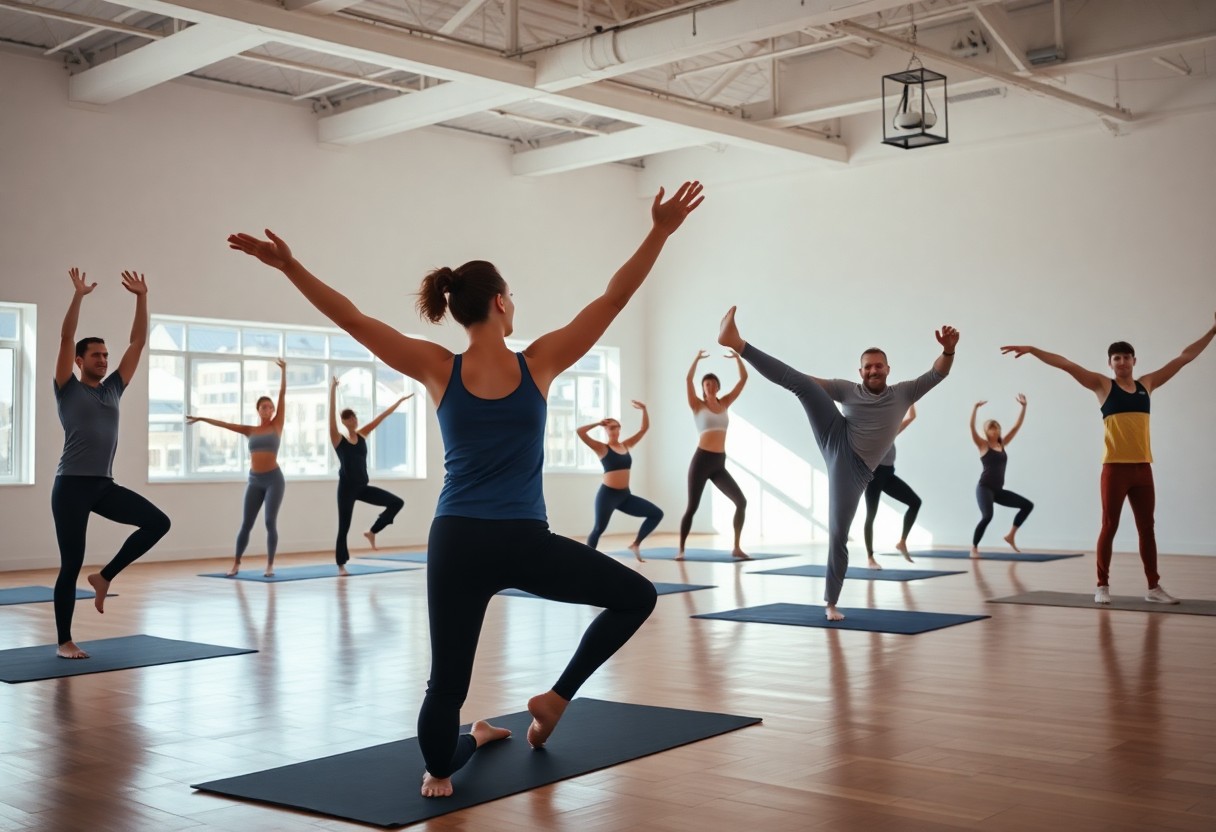
The Best Sports for Improving Flexibility

Sports that prioritize movement and range of motion can significantly enhance your flexibility. Engaging in activities like yoga, gymnastics, and martial arts not only challenges your body but also promotes longer, leaner muscles. By incorporating these sports into your routine, you can increase your overall flexibility, helping you perform better in both athletic and everyday activities. In this blog post, you will discover the best sports options that can aid you in your flexibility journey, ensuring that you stay agile and mobile.

Key Takeaways:

  • Yoga: A holistic practice that enhances flexibility through various poses and stretches, promoting muscle elasticity and joint health.
  • Gymnastics: Involves a series of stretches and movements that demand a high level of flexibility, aiding in the development of strength alongside flexibility.
  • Dance: Different styles of dance, such as ballet and contemporary, require significant flexibility, improving range of motion and overall body control.
  • Martial Arts: Techniques in disciplines like Taekwondo and Karate involve extensive stretching routines that can greatly enhance flexibility and balance.
  • Swimming: Engages different muscle groups and encourages a full range of motion, helping to improve flexibility while providing a low-impact workout.

Benefits of Improved Flexibility

A greater range of motion can significantly enhance your quality of life. Improved flexibility contributes to better posture, increased blood circulation, and a heightened sense of body awareness, all of which can boost your overall well-being. Embracing flexibility training not only aids in sports performance but also plays a vital role in daily activities. By committing to flexibility work, you can enjoy a more mobile, healthier lifestyle.

Injury Prevention

Any athlete or active individual will attest to the importance of flexibility in reducing the risk of injuries. When your muscles and joints are flexible, they are less likely to become strained or overextended during physical activities. Incorporating flexibility exercises into your routine helps maintain muscle elasticity, supports joint stability, and can minimize discomfort while engaging in sports or workouts.

Enhanced Athletic Performance

About flexibility, it plays an integral role in maximizing your athletic capabilities. When you improve your flexibility, you enhance your ability to move dynamically, using your full range of motion effectively. This allows you to perform exercises and sports movements with greater ease and efficiency.

This improved athletic performance not only contributes to better strength, but it also aids in agility and balance. For example, athletes who can stretch their muscles more completely can execute complex moves with precision, translating to better results in their chosen sports. Consequently, investing time in flexibility training can lead to superior overall performance, ensuring you reach your fitness goals.

Sports That Promote Flexibility

If you’re looking to enhance your flexibility, engaging in specific sports can be highly beneficial. Each sport not only challenges your body but also allows for a gradual increase in the range of motion. Incorporating activities like yoga, gymnastics, dance, and martial arts into your routine can significantly improve your flexibility, ensuring that you feel more comfortable and agile in your daily activities.

Yoga

Against common belief, yoga is not just about relaxation; it’s a powerful tool for improving flexibility. The various postures and stretches target all major muscle groups, gradually enhancing your muscle elasticity and overall range of motion.

Gymnastics

Beside yoga, gymnastics stands out as another excellent sport for flexibility enhancement. It incorporates various dynamic movements that require you to stretch and strengthen your muscles simultaneously, promoting a greater range of motion.

At every level of gymnastics, flexibility plays a pivotal role. Whether you’re executing a floor routine or performing on the balance beam, each skill challenges your body to stretch and adapt. The emphasis on splits, bridges, and various other stretches allows you to develop flexibility progressively while also improving your strength, coordination, and balance.

Dance

Around the world, dance is celebrated not just as an art form but also as a phenomenal way to boost flexibility. Styles such as ballet, contemporary, and even hip-hop all incorporate stretches that enhance your muscle and joint flexibility.

This fusion of movement and rhythm means that dance becomes a fun and expressive way to improve your flexibility. Regular participation in dance classes can lead to significant gains in your flexibility, as certain techniques require extensive stretching and body control. The fluidity of movement encourages you to push your limits while maintaining grace and poise.

Martial Arts

Flexibility is a fundamental component in martial arts training. Each discipline, be it karate, taekwondo, or judo, focuses on skill sets that include dynamic kicks, stances, and ground movements – all of which inherently promote flexibility.

Further, martial arts training often includes warm-up routines and specific stretching exercises designed to enhance your overall flexibility. As you progress through different ranks, you’ll notice increased ease in performing high kicks and complex moves, allowing you to become more agile and versatile in your martial arts practice. This not only helps in martial arts but also benefits your overall physical health and mobility in day-to-day life.

Stretching Techniques for Flexibility

Now, enhancing your flexibility requires incorporating effective stretching techniques into your routine. These techniques can not only improve your range of motion but also enhance your overall athletic performance and reduce the risk of injuries. By understanding and applying different methods, you can tailor your stretching approach to suit your personal needs and goals.

Dynamic Stretching

Against traditional static stretches, dynamic stretching involves controlled movements that increase your heart rate and mobility before physical activities. These stretches incorporate movements that mimic the activity you’re about to perform, effectively warming up your muscles and preparing them for the workout ahead.

Static Stretching

Dynamic stretching focuses on movement, whereas static stretching involves holding a stretch for a fixed period, typically 15 to 60 seconds. This technique targets specific muscles, allowing them to elongate and relax. It’s most effective when performed after your workout, aiding in muscle recovery and reducing soreness. By incorporating static stretching into your routine, you contribute to long-term improvements in your flexibility.

Stretching not only enhances your flexibility but can also benefit your mental well-being by promoting relaxation and reducing tension. When you engage in static stretching, focus on deep, even breaths to align your mind and body. Consistent practice of this technique can lead to significant increases in your muscle elasticity, benefiting your athletic pursuits and daily activities alike.

Incorporating Flexibility Training into Routine

For optimal results, it’s crucial to incorporate flexibility training into your regular workout routine. Dedicating time to stretch and enhance your range of motion not only helps in injury prevention but also improves overall athletic performance. Aim for a consistent practice, whether it’s during warm-ups, cool-downs, or as a separate session, to reap the full benefits of increased flexibility.

Frequency and Duration

To effectively improve your flexibility, aim to perform flexibility training at least three to four times a week. Each session should last between 15 to 30 minutes, focusing on all major muscle groups. This frequency allows your muscles to adapt and elongate over time, enhancing your overall flexibility and mobility.

Combining with Other Workouts

Routine flexibility training can be seamlessly integrated with other workout sessions, enhancing the effectiveness of your overall fitness regimen. By incorporating stretching into your strength training or cardiovascular workouts, you can effectively increase blood circulation, promote muscle recovery, and prevent stiffness post-exercise.

Hence, blending flexibility training with other workouts creates a comprehensive fitness program that addresses multiple aspects of physical health. For instance, consider doing dynamic stretches before your strength routine, followed by static stretching afterward. This approach not only helps you maintain flexibility but also reduces the risk of injury and promotes better muscle coordination, leading to improved performance in your primary workouts.

Common Mistakes in Flexibility Training

Your journey to improved flexibility can be hindered by a few common mistakes. Many individuals overlook important aspects of their training, leading to ineffective results or even injury. By being aware of these pitfalls, you can enhance your flexibility routine and enjoy the benefits without setbacks.

Overstretching

Across the flexibility training landscape, overstretching is a prevalent issue. While pushing your limits can feel rewarding, going too far too fast can lead to muscle strains or injuries. It’s crucial to listen to your body and increase flexibility gradually to achieve sustainable progress.

Neglecting Warm-up

At the beginning of your flexibility training, neglecting a proper warm-up can significantly impede your progress. Engaging in dynamic movements before stretching prepares your muscles and joints, promoting better range of motion and reducing injury risk.

Neglecting a warm-up routine deprives your muscles of the necessary blood flow and elasticity needed for effective stretching. Incorporating a light activity such as jogging or jumping jacks for 5-10 minutes increases your heart rate, which helps to warm up the body. This simple approach can vastly improve your flexibility training outcomes while safeguarding against potential injuries.

Monitoring Progress in Flexibility

Keep track of your flexibility improvements by regularly assessing your range of motion and body movements. Monitoring progress not only motivates you but also helps you identify areas where additional focus is needed. Incorporate a flexible routine that includes periodic tests, documenting your achievements along the way. This will provide you with a clearer understanding of your growth in flexibility and help you adjust your training methods as necessary.

Flexibility Tests

Flexibility tests are crucial tools for assessing your current range of motion. Simple assessments like the sit-and-reach test or shoulder flexibility test can reveal key insights into your flexibility levels. Performing these tests on a regular basis allows you to see how your efforts translate into measurable improvements over time and identify specific areas for targeted work.

Setting Realistic Goals

Above all, it’s vital to set realistic goals for your flexibility journey. Establishing achievable benchmarks can help you maintain motivation and focus as you work towards enhancing your flexibility. Challenging yourself is important, but ensuring that your goals are attainable will lead to more satisfaction and fewer frustrations along the way.

At the outset, consider your current flexibility level and select goals that take your experience into account. For example, if your range of motion is limited, aim for gradual improvements, such as increasing your stretch duration or achieving a deeper bend in specific exercises. Progress may be slow, but celebrating small victories will keep you encouraged and committed to your flexibility routine, fostering a positive attitude towards your growth.

Final Words

With these considerations, you can effectively enhance your flexibility through specific sports and activities. Incorporating practices like yoga, gymnastics, dance, or martial arts into your routine can lead to significant improvements in your range of motion and overall performance. By committing to these disciplines, you will not only increase your flexibility but also contribute to injury prevention and better athletic performance. Choose the sport that resonates with you, and enjoy the journey towards greater flexibility!

FAQ

Q: What are some of the best sports for improving flexibility?

A: Many sports focus on enhancing flexibility, such as gymnastics, dance, yoga, and martial arts. Gymnastics requires a wide range of motion for various maneuvers, while dance incorporates diverse movements that promote flexibility in both the upper and lower body. Yoga emphasizes stretching and breathing, providing a holistic approach to enhancing flexibility. Martial arts often incorporate stretching routines and techniques that enhance agility and flexibility, making them effective for individuals looking to improve their range of motion.

Q: How does practicing yoga contribute to flexibility improvement?

A: Yoga combines physical postures with breath control and meditation, which together help enhance flexibility effectively. The various asanas or poses in yoga target specific muscle groups and promote deeper stretches. Regular practice encourages gradual lengthening of muscles and tendons, improving range of motion over time. Additionally, the focus on alignment and body awareness in yoga helps practitioners avoid injury while working towards greater flexibility.

Q: Can flexibility training from sports improve overall athletic performance?

A: Yes, improved flexibility from sports training can lead to enhanced athletic performance. Increased flexibility allows for better joint mobility, which can improve speed, agility, and coordination in various sports. It also reduces the risk of injury by allowing muscles and joints to move through a full range of motion without strain. This is particularly beneficial in activities where explosive movements and quick changes of direction are crucial. Moreover, flexibility training can aid in faster recovery post-exercise, allowing athletes to train more effectively.

How to Train for a Triathlon – A Beginner’s Guide

You may be wondering how to effectively prepare for your first triathlon, and this beginner’s guide is here to help you navigate the journey. Combining swimming, cycling, and running can seem daunting, but with the right approach, you can build your endurance and confidence. In this post, you’ll discover necessary training tips, a structured plan, and helpful resources to get you through each stage of your triathlon preparation. Get ready to embrace the challenge and take your fitness to the next level!

Key Takeaways:

  • Begin with a Structured Plan: Establish a comprehensive training schedule that incorporates swimming, biking, and running to balance all three disciplines.
  • Focus on Technique: Prioritize mastering the fundamentals of each sport to improve efficiency and prevent injury.
  • Gradual Progression: Slowly increase your training intensity and duration to allow your body to adapt and prevent burnout.
  • Incorporate Brick Workouts: Combine two disciplines in a single workout to simulate race conditions and improve transition skills.
  • Nutrition and Hydration: Develop a nutrition plan that supports your training regimen and fuels your body effectively before, during, and after workouts.

Understanding Triathlon Basics

While triathlons combine three distinct athletic disciplines—swimming, cycling, and running—they are accessible to beginners with the right training and mindset. By understanding the basic structure of a triathlon, including its components and transitions, you can better prepare yourself for the unique challenges each event presents.

Types of Triathlons

While there are various types of triathlons, each varies in distance and style, catering to different skill levels and interests. Here’s a breakdown of the most common types:

  • Super Sprint: Shortest distance, great for beginners
  • Sprint: A step up, but still manageable for novices
  • Olympic: Standard distance, includes seasoned competitors
  • Half Ironman: Longer and more challenging
  • Ironman: The ultimate endurance test

Any choice you make will lead you to an exciting journey toward increased fitness and personal accomplishment.

Essential Gear for Beginners

Now that you understand the types of triathlons, it’s time to focus on the necessary gear you’ll need to start training effectively. Investing in the right equipment helps to improve performance and comfort during your events.

To get started, here are some key items you should consider purchasing:

Gear Item Purpose
Swimsuit or Wetsuit Provides comfort and buoyancy in water
Bike Your primary means of competition for cycling
Running Shoes Essential for injury prevention and comfort
Helmet Mandatory for safety while cycling
Water Bottle Hydration during training and races

As you progress, you can explore additional gear like race kits and specialized nutrition. Each piece of equipment is designed to enhance your performance and ensure you feel your best on race day.

Training Plans for Beginners

The right training plan is vital for beginners, as it helps to structure your workouts and gradually build your endurance. A balanced approach to training will ensure that you improve in all three disciplines—swimming, biking, and running—while minimizing the risk of injury. Focus on consistency, listen to your body, and adjust your schedule as necessary to optimize your performance as you prepare for your first triathlon.

Weekly Training Schedule

While it might be tempting to explore extensive workouts right away, establishing a structured weekly training schedule is vital. Aim for at least three training sessions each week for each discipline, gradually increasing your volume. Incorporate rest days to allow your body to recover, ensuring that you stay motivated and ready for the challenges ahead.

Balancing Swimming, Biking, and Running

Biking, swimming, and running are the three pillars of any triathlon, and effectively balancing these activities in your training plan will set you up for success. Allocate specific days for each discipline to ensure steady progression while giving attention to your weakest areas. This division allows you to develop stamina and technique across the board, which ultimately translates to better performance on race day.

Understanding how to distribute your training effectively is key to becoming a well-rounded triathlete. For instance, you might choose to swim on Mondays, bike on Wednesdays, and run on Fridays, reserving other days for cross-training or rest. This strategy allows you to focus on your swimming technique while enhancing your biking and running endurance, while also giving you ample recovery time to prevent burnout. With a carefully balanced approach, you’ll build your strength and confidence across all disciplines, preparing you for a successful triathlon experience.

Tips for Effective Swimming

Despite the challenges of learning to swim effectively, you can enhance your technique and performance in the water by following these tips:

  • Focus on body position – keep your body streamlined.
  • Practice breathing techniques to maintain rhythm.
  • Incorporate different strokes to improve overall ability.
  • Utilize drills to isolate and strengthen specific skills.

Perceiving swimming as a fluid, continuous movement will significantly aid your progress.

Technique Improvement

With consistent practice and focus on form, you’ll notice significant improvements in your swimming technique. Work on mastering the basics, such as proper arm movements, kick efficiency, and breathing patterns. Consider watching instructional videos or seeking feedback from experienced swimmers to fine-tune your skills. As you gain experience, you’ll develop a more comfortable and efficient swim stroke.

Building Endurance

One of the most necessary aspects of training for a triathlon is building your swimming endurance. Start by gradually increasing the distance or time you spend in the water during each session. Incorporate interval training, which involves swimming at a high intensity for short bursts followed by rest periods. This can help build your stamina while helping your body adapt to longer distances.

Endurance in swimming comes from consistently challenging yourself and gradually pushing your limits. Be patient with your progress; it’s necessary to allow your body time to adapt. Adding variety to your workouts, such as swim sets comprising different strokes or drills, keeps things fresh and engages different muscle groups. Monitor your pace and try to swim at a steady speed, as this will help you build the endurance needed for the triathlon swim segment.

Cycling Strategies

Keep your cycling sessions diverse to build endurance and efficiency. Incorporate different terrains, intervals, and long rides into your training plan. Focus on maintaining a steady cadence and find your optimal gearing to enhance speed and comfort. Regularly practicing bike handling skills will also improve your confidence on race day.

Choosing the Right Bike

Choosing the right bike is important for your triathlon training. Evaluate your budget, your cycling style, and the type of triathlon you plan to compete in to make an informed decision. A good fit is vital, so consider professional bike fitting to ensure comfort and performance on long rides.

Nutrition and Hydration during Rides

Hydration is vital during your rides to maintain energy and performance levels. Aim to drink water or electrolyte beverages regularly, particularly on longer rides. Fuel your body with easily digestible snacks, like energy gels or bars, at intervals to keep your energy up without causing discomfort.

Cycling can be taxing on your body, so proper nutrition and hydration are keys to a successful ride. Before heading out, ensure you start fully hydrated to maximize your performance. During rides lasting over an hour, consume a mix of carbohydrates and electrolytes to sustain energy levels and combat fatigue. Post-ride, focus on recovery by replenishing fluids and eating a balanced meal to aid muscle repair.

Running Techniques

Your running technique is crucial for improving performance and minimizing the risk of injuries in triathlon training. Focus on maintaining a steady pace, optimizing your stride, and utilizing a proper breathing pattern. Start with shorter distances, gradually building up your endurance and speed as you become more comfortable with your running style. Incorporating interval training can also help you become a more efficient runner, boosting your overall race readiness.

Form and Footwear

Footwear plays a significant role in your running performance and injury prevention. Choose shoes that fit well and provide adequate support and cushioning for your foot type. It’s also important to pay attention to your running form — keep your posture upright, engage your core, and land softly with your feet underneath your body to enhance stability and reduce impact.

Avoiding Common Injuries

Common running injuries can often hinder your triathlon training, especially if not addressed early. Pay attention to signs of discomfort, and avoid pushing through pain. Gradually increasing mileage and incorporating rest days into your schedule will help keep your body healthy, while cross-training can strengthen different muscle groups and improve endurance.

This includes varying your training routine with cycling, swimming, or strength exercises, as a well-rounded fitness program can significantly reduce repetitive strain on your joints and muscles. Stretching before and after runs, along with regular strength training, can further enhance your resilience against injuries. Listening to your body and adjusting your training accordingly is key to maintaining an effective and injury-free running regimen.

Factors Affecting Performance

After begining on your triathlon training journey, it’s vital to recognize various factors that can influence your overall performance:

  • Nutrition and hydration
  • Physical fitness level
  • Rest and recovery
  • Weather conditions
  • Race-day strategy

Perceiving these elements will help you tailor your training plan to optimize your performance and meet your goals.

Mental Preparation

Mental fortitude plays a significant role in your triathlon success. You need to cultivate a positive mindset, visualize your race performance, and set achievable goals to stay motivated throughout your training. Develop mental techniques to manage stress and maintain focus, which will empower you to tackle the challenging aspects of the triathlon effectively.

Training Environment

Now, consider your training environment, as it can significantly impact your performance. Whether you are training indoors or outdoors, each setting presents unique challenges and opportunities that can shape your readiness for race day.

Plus, familiarizing yourself with the terrain and conditions where you’ll compete will build confidence and enhance your adaptability. Whether you’re facing hills, wind, or varying water conditions, exposing yourself to these factors during training will better prepare you for race day. Invest time in finding diverse training locations, and encourage yourself to embrace different conditions for a well-rounded experience.

Summing up

Ultimately, preparing for your first triathlon requires dedication, a well-rounded training plan, and patience as you build your endurance across swimming, cycling, and running. By gradually increasing your workout intensity and incorporating rest days, you can effectively enhance your performance. For more detailed tips and exercises on how to train for your first triathlon, visit How to Train for Your First Triathlon. Celebrate your progress, and enjoy the journey to race day!

Q: What are the crucial training components for a beginner triathlon?

A: For beginners, training for a triathlon typically involves focusing on three main components: swimming, cycling, and running. It’s important to allocate time to each discipline while gradually increasing your endurance and skill levels. Additionally, incorporating strength training and flexibility exercises can help enhance overall performance and reduce the risk of injury. Aim to follow a structured training plan that includes specific workouts for each sport, as well as rest days to allow your body to recover.

Q: How can I structure my weekly training schedule?

A: A well-structured weekly training schedule for a beginner triathlete might look like this: allocate 3-4 days for your workouts, ensuring you cover each discipline multiple times a week. For example, you might swim on Monday, bike on Tuesday, run on Wednesday, take a rest day on Thursday, swim again on Friday, and bike and run on the weekend. Include one long workout for each discipline weekly to build endurance. It’s also beneficial to adjust the intensity and duration of workouts to prevent burnout and aid recovery.

Q: What is the best way to prepare for race day?

A: Preparing for race day involves both physical and mental strategies. Start by tapering your training volume in the weeks leading up to the event to allow for recovery while maintaining fitness. It’s also crucial to familiarize yourself with the race course and conditions, including practice transitions between each leg of the race. Nutrition plays a significant role, so it’s wise to establish a meal plan that supports your energy needs. Lastly, consider visualizing your race performance and setting achievable goals to enhance your confidence on the day of the event.

How to Enhance Your Reaction Speed in Fast-Paced Sports

There’s a competitive edge in fast-paced sports that hinges on your reaction speed. To help you improve this skill, we’ve gathered effective strategies that will enhance your performance on the field or court. From specialized training techniques to exercises that sharpen your reflexes, these tips can make a significant difference in your gameplay. For additional insights on developing your agility and speed, consider exploring this resource on Improving Reaction Time in Sports. With dedication and practice, you’ll find yourself responding quicker than ever.

Key Takeaways:

  • Practice Drills: Implement specific reaction time drills that imitate game situations to develop quicker responses.
  • Visualization Techniques: Use mental imagery to anticipate plays, helping your brain process information faster during competitions.
  • Focus on Nutrition: Maintain a balanced diet and hydration to support brain function and overall physical performance.
  • Regular Strength Training: Enhance overall body strength to improve explosiveness and agility, contributing to quicker reaction times.
  • Improve Hand-Eye Coordination: Engage in activities like ball games or reflex training that sharpen coordination and improve response speed.

Understanding Reaction Speed

For athletes competing in fast-paced sports, understanding reaction speed is imperative for improving performance. Reaction speed refers to the time it takes for you to respond to a stimulus, whether it’s a whistle, a ball being thrown, or an opponent’s move. Enhancing this ability can be the difference between winning and losing, making it a key focus for athletes across various disciplines.

Defining Reaction Speed

Reaction speed is the interval between perceiving an event and initiating an appropriate response. This involves sensory processing and motor skills, allowing you to engage quickly and effectively in competitive environments. A faster reaction time means you can execute actions more rapidly, which is vital for success in sports where split-second decisions are often required.

Importance in Fast-Paced Sports

Even a small advantage in reaction speed can significantly impact your overall performance in fast-paced sports. Your ability to swiftly respond to various cues allows you to maintain control in dynamic situations, positioning you to capitalize on opportunities and avoid potential pitfalls.

A keen reaction speed not only enhances your gameplay but also builds confidence in your abilities during high-pressure situations. In sports like soccer, basketball, or tennis, where opponents constantly present new challenges, your quickness to react can dictate the flow of the game. Training to improve your reaction speed means you’ll be better prepared to respond to changes in the game, positioning you ahead of rivals and enhancing your overall athletic performance.

Key Factors Influencing Reaction Speed

The factors influencing your reaction speed can significantly impact your performance in fast-paced sports. Consider the following elements:

  • Physical fitness
  • Mental agility
  • Practice and training
  • Nutrition
  • Rest and recovery

This understanding will allow you to focus on specific areas for improvement.

Physical Fitness

Fitness plays a vital role in enhancing your reaction speed. The stronger and more agile you are, the quicker your body can respond to stimuli. Incorporating strength training, cardiovascular workouts, and flexibility exercises into your routine will contribute to your overall fitness level and improve your reaction times.

Mental Agility

Reaction time isn’t just about physical readiness; it’s also about your mental sharpness. Quick thinking and decision-making are vital components of effective reactions in any sport.

Speed of thought can be improved through various mental exercises. Activities like fast-paced games, visualization techniques, and even meditation can help increase your brain’s processing speed. Engaging your mind actively before a game will prepare you for quick responses to unexpected situations during play.

How to Train Your Reaction Speed

To enhance your reaction speed, you must engage in a variety of specific training techniques that challenge your mind and body. Focusing on quick decision-making and physical responsiveness can dramatically improve your performance in fast-paced sports. Incorporate a mix of drills and exercises into your routine, as well as advanced technology, to track your progress and keep you motivated on your journey.

Drills and Exercises

Exercises like reaction ball drills, agility ladder routines, and partner target training will help sharpen your reflexes. Incorporate sports-specific drills that simulate game situations; for example, practicing catching a frisbee on the run or responding to a sudden change in direction can train your body to react faster when it matters most. Consistency is key, so dedicate time each session to these focused activities.

Incorporating Technology

With the advent of technology, you can further enhance your training regimen. Various apps and devices help you track your reaction time, providing real-time feedback on your performance. Devices like reaction lights or acceleration sensors allow you to practice and measure your speed and accuracy in a more engaging way.

Another effective way to utilize technology is through video analysis. By recording your training sessions, you can review your movements and identify areas for improvement. Apps that break down your performance or highlight your reaction times can help you make precise adjustments to your training, enhancing your ability to quickly assess and respond on the field or court.

Tips for Improving Cognitive Reaction Time

Unlike physical reaction speed, cognitive reaction time involves how quickly you process information and make decisions. To enhance this aspect of your performance, consider implementing these strategies:

  • Practice situational awareness in training.
  • Engage in video analysis to review gameplay.
  • Incorporate reaction-based video games.
  • Participate in drills that require rapid decision-making.

Assume that improving your cognitive skills will directly benefit your performance during fast-paced sports.

Visualization Techniques

Tips for improving cognitive reaction time include using visualization techniques to enhance your mental imagery. By regularly imagining various game scenarios, you train your brain to react more efficiently when similar situations arise. This prepares you mentally, allowing for quicker decision-making and improved focus during actual gameplay.

Decision-Making Exercises

While developing your cognitive reaction time, engaging in decision-making exercises can greatly contribute to your agility. Simulated scenarios that require quick thinking can help you practice assessing various outcomes and making choices faster, thus sharpening your instincts during competition.

Another effective method to boost your cognitive reaction time is by incorporating high-pressure decision-making drills into your training. Set up situations that mimic real-game pressure, where you must analyze information quickly and respond accordingly. Regularly practicing these drills will not only enhance your ability to make faster decisions but also build your confidence under pressure, ultimately translating into better performance in fast-paced sports.

Nutrition and Recovery Strategies

All aspects of nutrition and recovery play vital roles in enhancing your reaction speed in fast-paced sports. Focusing on optimal fueling and sufficient rest will promote better performance and quicker recovery, allowing you to train harder and perform better during competition. Incorporating a balanced diet and prioritizing recovery strategies will lead to improved athletic outcomes.

Fueling for Performance

Performance in fast-paced sports hinges on your nutritional choices. Consuming a balanced diet rich in carbohydrates, proteins, and healthy fats will provide your body with the energy it needs to react swiftly. Hydration is equally important, so ensure you are drinking enough water before, during, and after your activities to maintain peak performance levels.

Importance of Rest

You should not underestimate the significance of rest in enhancing your reaction speed. Proper recovery allows your body and mind to recuperate, ensuring optimal performance when it matters most. Prioritizing sleep and incorporating rest days into your training schedule can significantly impact your overall athletic ability.

This recovery time lets your muscles repair and adapt, which is vital for maintaining and improving your reaction speed. Adequate sleep enhances cognitive functions, allowing for quicker decision-making and improved focus during high-pressure situations in your sport. Make rest an integral part of your training routine to maximize your potential.

Tracking Progress and Setting Goals

Not tracking your progress can hinder your development in fast-paced sports. Setting clear, measurable goals will not only keep you motivated but also help you identify areas for improvement. Regularly reviewing your performance and adapting your strategies will ensure you remain on the path toward enhancing your reaction speed.

Measurement Techniques

There’s a variety of techniques to measure your reaction speed, such as using reaction time apps, stopwatch drills, and partner challenges. By employing these methods, you can quantify your progress and pinpoint precisely where you need to focus your training efforts. Consistently logging these stats will help establish a clearer picture of your improvement over time.

Establishing Achievable Milestones

There’s great value in breaking your overall goals into smaller, achievable milestones. This approach allows you to track your progress more effectively and gives you a sense of accomplishment as you reach each marker. Each milestone you set should reflect a realistic step forward in your training.

Goals should be specific and broken down into actionable steps. For instance, if your main objective is to improve your reaction time in a particular sport, set measurable milestones such as reducing your reaction time by a certain fraction in the next month. Celebrate each achievement, no matter how small, as it will keep your momentum going and bolster your confidence in reaching your ultimate objective.

Conclusion

To wrap up, enhancing your reaction speed in fast-paced sports requires a dedicated approach. Focus on drills that improve your agility and hand-eye coordination, while incorporating proper nutrition and rest to optimize your performance. Visualization techniques can also help you anticipate movements better, giving you a competitive edge. Consistency is key; practice these strategies regularly to make noticeable improvements in your reaction time. By committing to this structured plan, you can elevate your game and respond more effectively in high-pressure situations.

Q: What exercises can I perform to improve my reaction speed for sports?

A: To enhance your reaction speed, you can incorporate specific exercises into your training regimen. Plyometric drills, such as box jumps or depth jumps, help to develop explosive power and improve quickness. Agility drills, such as ladder drills or cone sprints, can enhance foot speed and coordination. Additionally, reaction ball drills, where you catch a ball that bounces unpredictably, can train your reflexes effectively. Consistent practice of these exercises will lead to noticeable improvements in your reaction time in fast-paced sports.

Q: How does mental training influence my reaction speed in sports?

A: Mental training plays a significant role in reaction speed, as sports performance often relies on quick decision-making. Visualization techniques can help athletes anticipate different game scenarios, improving their preparedness and responsiveness. Practicing mindfulness or focus exercises can enhance concentration, allowing athletes to react more swiftly to on-field events. Additionally, engaging in reaction time drills, such as video-based scenarios or simulation games, can sharpen cognitive processing and tactical awareness, further boosting on-field reaction times.

Q: What nutritional strategies can support my reaction time training?

A: Proper nutrition is vital for optimizing reaction times. A balanced diet rich in carbohydrates provides the necessary energy for explosive movements, while proteins support muscle recovery and growth. Staying hydrated is also important, as even mild dehydration can significantly impair cognitive functions and physical performance. Incorporating foods high in omega-3 fatty acids, such as fish or walnuts, can enhance brain health, potentially improving processing speed. Lastly, consider timing your meals and snacks to ensure you’re well-fueled before training and competition, as stable blood sugar levels can enhance focus and reaction capacity.

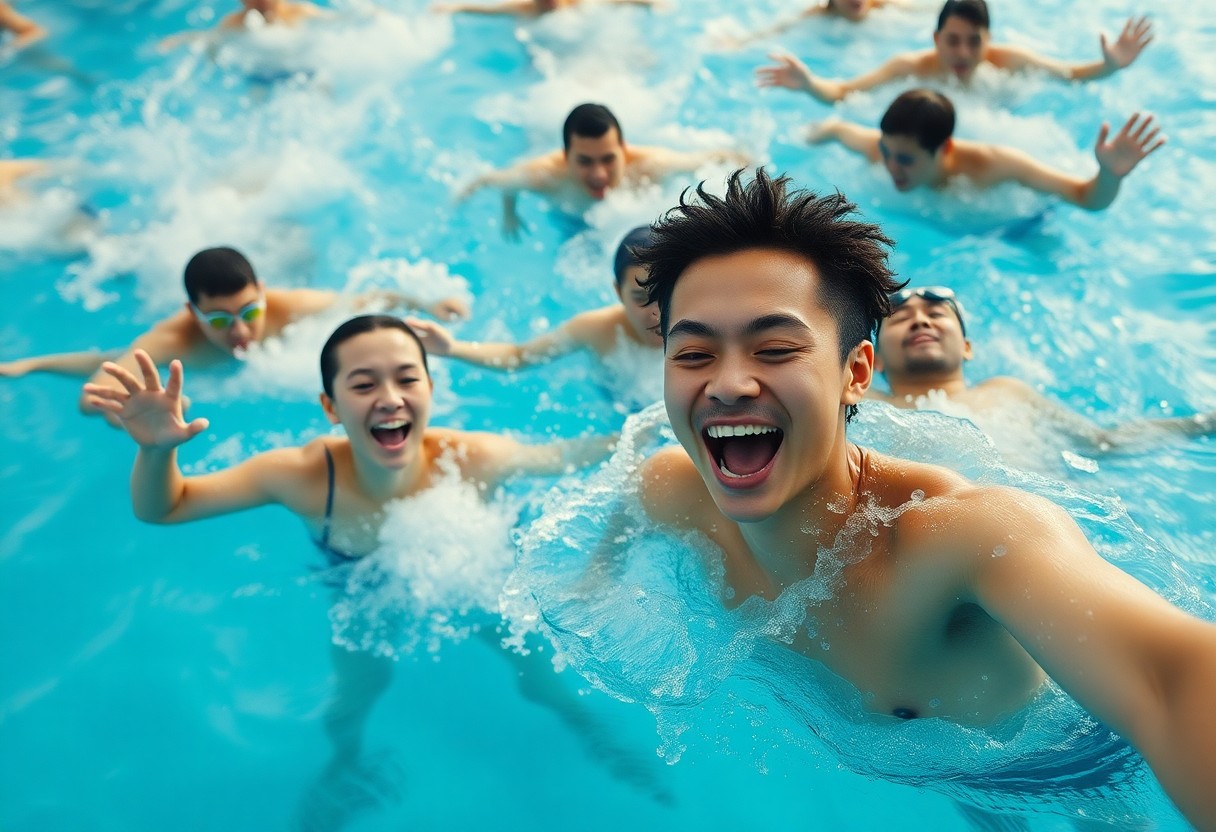
The Benefits of Swimming for Full-Body Fitness

Just imagine gliding through the water, engaging every muscle in your body while improving your cardiovascular health. Swimming offers an exceptional low-impact workout that not only tones your muscles but also increases your endurance and flexibility. As you immerse yourself in this full-body exercise, you’re also promoting better mental health and lowering stress levels. By incorporating swimming into your fitness routine, you can enjoy a balanced approach to achieving your health goals while experiencing the refreshing benefits of being in the water.

Key Takeaways:

  • Full-Body Workout: Swimming engages multiple muscle groups, providing a comprehensive exercise that tones the entire body.
  • Low-Impact Exercise: The buoyancy of water reduces impact on joints, making swimming a safe option for people of all ages and fitness levels.
  • Cardiovascular Health: Regular swimming sessions promote heart health by improving circulation and increasing endurance.
  • Flexibility: The varied movements in swimming enhance flexibility, as it requires reaching, stretching, and rotating different parts of the body.
  • Mental Well-being: Swimming can reduce stress and anxiety, providing a calming effect while also boosting mood through endorphin release.

The Physical Benefits of Swimming

Your journey toward improved fitness can significantly benefit from swimming, which offers a wide array of physical advantages. As a low-impact, full-body exercise, swimming engages multiple muscle groups while providing cardiovascular and muscular benefits. This versatile activity not only promotes overall wellness but also enhances your physical capabilities, making it an excellent addition to your fitness routine.

Cardiovascular Health

Physical activity that elevates your heart rate is important for maintaining cardiovascular health, and swimming is an excellent way to achieve this. Regular swimming can improve circulation and lower blood pressure, contributing to a healthier heart. By incorporating swimming into your routine, you can effectively enhance your aerobic capacity and endurance.

Muscle Strength and Endurance

One of the significant advantages of swimming is its ability to build muscle strength and endurance. As you swim, your body works against the resistance of water, engaging various muscle groups simultaneously. This unique aspect of the exercise helps improve your overall strength while promoting muscular endurance, allowing you to perform daily activities with ease.

Muscle engagement during swimming is comprehensive, targeting the core, arms, legs, and back. The resistance provided by water allows for a continuous workout that challenges your muscles without the strain often associated with traditional weight lifting. This makes swimming not only an effective means of building strength but also a great way to enhance your muscle’s ability to perform over extended periods, improving your athletic performance in other activities as well.

The Mental Benefits of Swimming

While the physical advantages of swimming are well-documented, the mental benefits are equally significant. Engaging in regular swimming sessions not only enhances physical well-being but also elevates your overall mental state. The rhythm of the water and the repetitive strokes can create a meditative experience, reducing stress and fostering a sense of calm. By incorporating swimming into your routine, you’re giving your mind the opportunity to rejuvenate, offering a wonderful balance to your busy life.

Stress Relief and Anxiety Reduction

About the water’s soothing nature and the rhythmic movements involved in swimming, you can effectively alleviate stress and anxiety. As your body glides through the water, it promotes relaxation and encourages mindful breathing. This combination helps clear your mind, making it easier to detach from daily worries and tensions.

Improved Mood and Well-being

Reduction of feelings of fatigue and lethargy is yet another benefit of swimming, as it can significantly boost your mood and enhance your overall mental well-being. Physical activity triggers the release of endorphins, the body’s natural feel-good hormones, which can lead to feelings of happiness and satisfaction after your swim.

At its core, swimming not only invigorates your body but also uplifts your spirit. Frequent swims can culminate in a more positive outlook on life, helping you to combat feelings of sadness or unease. The low-impact nature of the activity ensures you can enjoy the mental highs without the physical strain, allowing you to maintain a regular practice that continuously nourishes your mental health.

Swimming as a Low-Impact Exercise

Unlike many high-impact workouts, swimming is gentle on your joints while still providing an effective full-body workout. The buoyancy of water reduces the strain on your body, making it an excellent choice for those looking to build strength, flexibility, and endurance without the risk of injury associated with other forms of exercise. As you glide through the water, your body can move freely, allowing you to engage muscles throughout without the harsh impact of running or weightlifting.

Injury Prevention

By incorporating swimming into your routine, you significantly reduce the risk of injury. The water supports your weight, minimizing stress on your muscles and joints. This makes swimming particularly beneficial for individuals recovering from an injury or experiencing chronic pain, allowing for movement and fitness without exacerbating existing conditions.

Suitable for All Ages

After assessing your fitness goals, you’ll find that swimming is adaptable for individuals of all ages and fitness levels. Whether you’re a child just learning how to swim or an older adult seeking a low-impact workout, the water is welcoming and accommodating.

Even as you progress in your fitness journey, swimming can easily be modified to meet your evolving needs. You can choose various strokes and techniques that suit your ability or try water aerobics for a fun group setting. This versatility ensures that no matter your age or skill level, swimming remains an enjoyable way to enhance your fitness and stay active throughout your life.

Swimming Techniques for Full-Body Fitness

Now that you understand the benefits of swimming for full-body fitness, it’s necessary to focus on the techniques that will maximize your workouts. By mastering different strokes and refining your movements, you can engage multiple muscle groups and enhance your overall performance. From freestyle to butterfly, each technique offers unique advantages that contribute to your fitness goals. Make sure to work on your form and breathing patterns to get the most out of your swim sessions.

Different Swimming Styles

An effective way to improve your full-body fitness is to incorporate a variety of swimming styles into your routine. Each stroke targets different muscle groups; for instance, the breaststroke works your chest and arms, while the backstroke strengthens your back and core. Mixing styles not only keeps your workouts fresh but also enhances your overall swimming ability.

Incorporating Drills and Workouts

For optimal results, including specific drills in your swimming workouts can significantly enhance your technique and fitness. By focusing on particular skills, such as speed, endurance, or strength, you can tailor your sessions to meet your fitness goals. Working on drills like kickboard kicks or single-arm strokes allows you to isolate different muscle groups and improve your efficiency in the water.

Even small adjustments to your routine can lead to noticeable improvements. Incorporate sets of timed sprints to build speed or practice longer distances at a steady pace to focus on endurance. Utilizing interval training can keep your heart rate elevated, maximizing cardiovascular benefits. Remember to vary your drills regularly to continue challenging your body and prevent plateaus in your fitness journey.

Swimming and Weight Management

After incorporating swimming into your fitness routine, you may find it an effective ally in managing your weight. This low-impact exercise not only offers a full-body workout but also helps you burn calories while improving your overall fitness level. By engaging multiple muscle groups simultaneously, swimming can aid in achieving your weight loss goals and contribute to a healthier lifestyle.

Calorie Burn and Fat Loss

One of the primary benefits of swimming is its ability to burn a significant number of calories. Depending on your intensity level, duration, and body weight, you can burn anywhere from 400 to over 700 calories per hour. This makes swimming an excellent choice for those looking to create a calorie deficit, which is necessary for effective fat loss.

Building Lean Muscle

By regularly swimming, you not only burn calories but also engage in resistance training that helps build lean muscle mass. The water provides natural resistance, which challenges your muscles as you swim, leading to increased strength and muscle tone. As a result, you can enhance your body composition and metabolism, making it easier to maintain a healthy weight.

To effectively build lean muscle through swimming, focus on incorporating a variety of strokes and techniques into your sessions. Vary your workouts by including sprints, longer distances, and interval training. This will not only keep your routine engaging but will also help you target different muscle groups. Over time, you’ll notice improved muscle definition and an overall increase in your strength, complementing your weight management efforts.

How to Get Started with Swimming

All you need to initiate on your swimming journey is the right mindset and basic knowledge. Begin by visiting your local pool to familiarize yourself with the environment and assess your comfort level in the water. You can also consider enrolling in a beginner swim class to enhance your skills and build confidence.

Tips for Beginners

Behind every great swimmer is a foundation built on practice and patience. Here are some tips to help you thrive in your swimming adventure:

  • Start with short, manageable swim sessions.
  • Invest in a comfortable swimsuit and goggles.
  • Focus on mastering basic strokes before moving on to more advanced techniques.
  • Establish a routine to stay consistent with your swimming practice.

Any progress is good progress, so celebrate your achievements as you go!

Finding Swimming Resources

On your quest for swimming improvement, it’s important to find the best resources that cater to your needs. Look for local swim clubs, online tutorials, and community classes that can offer guidance and motivation.

Considering the wealth of resources available today, you can easily enhance your swim skills and full-body fitness regimen. Seek out local community centers or gyms with swimming pools, as they often host classes or events tailored to different skill levels. Online platforms provide instructional videos and workouts you can follow at your own pace, ensuring you have access to professional guidance when you need it. Engaging with swim communities, either in-person or virtually, can also provide support and encouragement as you develop your swimming abilities.

To wrap up

With this in mind, swimming offers a multitude of benefits that greatly enhance your full-body fitness. It engages multiple muscle groups simultaneously, promotes cardiovascular health, and improves flexibility without the harsh impact on your joints. Incorporating swimming into your routine can elevate your overall well-being while providing a refreshing change from traditional workouts. By embracing the water, you empower yourself to achieve a stronger, healthier body.

Q: How does swimming contribute to overall muscle toning?

A: Swimming is an excellent full-body workout that engages multiple muscle groups simultaneously. As you stroke through the water, muscles in your arms, legs, chest, and core all work together to propel you forward. This resistance training helps tone and strengthen muscles without the impact associated with many other forms of exercise. Consistent swimming can lead to improved muscle definition and overall strength across the entire body.

Q: Can swimming help with weight management or loss?

A: Yes, swimming is an effective way to burn calories and manage weight. Depending on the intensity and duration of your swim, you can burn a significant number of calories. For instance, a moderate swim can burn around 400-600 calories per hour, while higher-intensity swimming can increase this number. Due to its low-impact nature, it’s a sustainable form of exercise for people of all fitness levels, making it an excellent choice for long-term weight management.

Q: What are the cardiovascular benefits of swimming?

A: Swimming is a fantastic cardiovascular workout that elevates your heart rate and improves circulation. By consistently engaging in swimming sessions, you can enhance your cardiovascular endurance and lung capacity. This type of aerobic exercise helps to strengthen the heart, increase blood flow, and reduce the risk of cardiovascular diseases. Additionally, swimming offers a lower risk of injury compared to high-impact sports, allowing for a consistent and sustained cardiovascular routine.

Skip to content