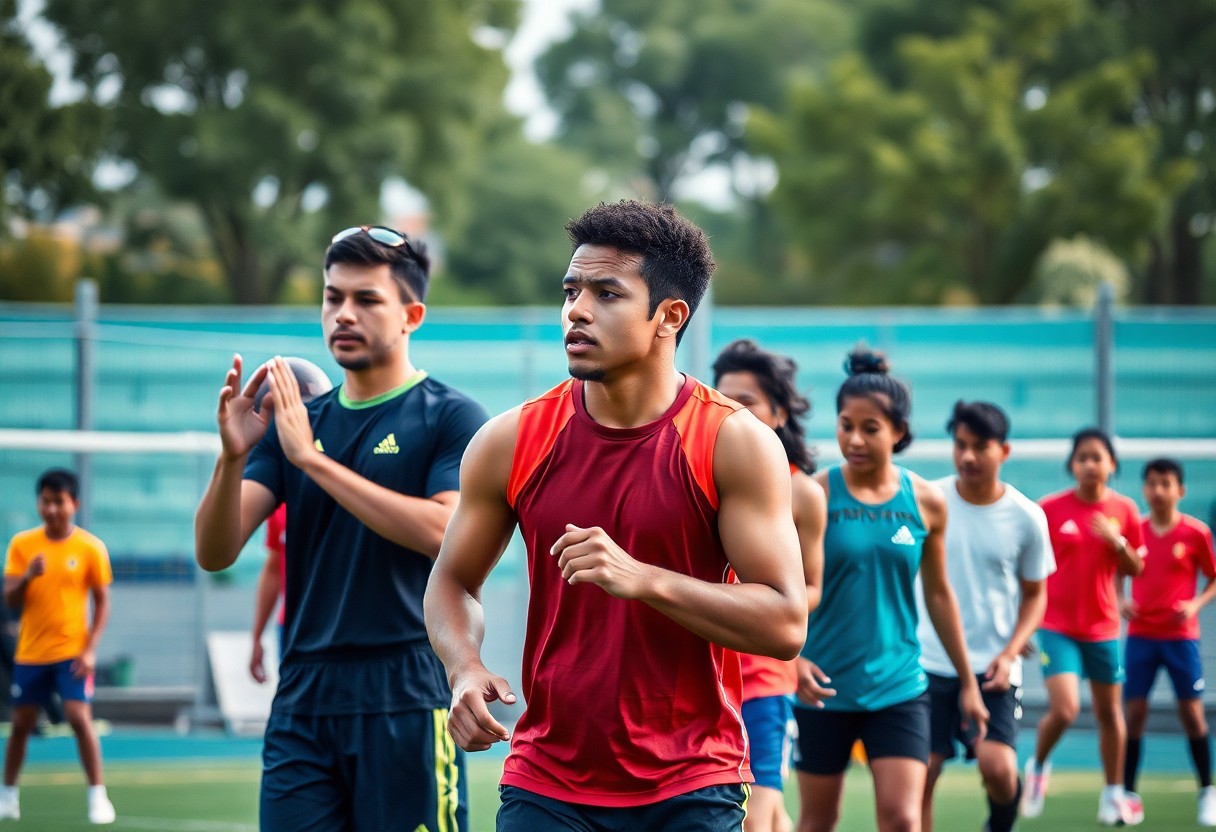
The Role of Visualization in Sports Success

Just as athletes hone their physical skills, the mental aspect of sports is equally imperative to your performance. Visualization techniques allow you to mentally rehearse your movements and strategies, improving focus and confidence during competition. By vividly imagining yourself succeeding, you can create neural patterns that enhance your physical execution. This blog post will explore effective visualization strategies that you can incorporate into your training routine to elevate your sports success to new heights.

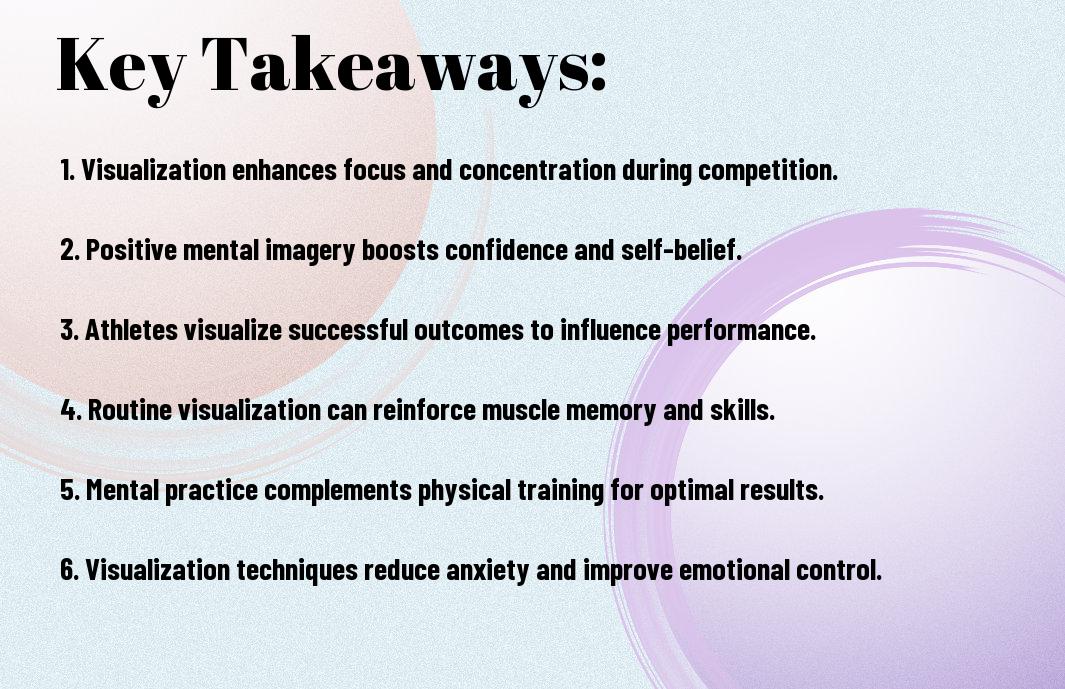
Key Takeaways:

  • Enhances Performance: Visualization can significantly improve athletic performance by allowing athletes to mentally rehearse their actions and strategies.
  • Builds Confidence: Regular visualization helps athletes to cultivate a strong sense of confidence, reducing anxiety during high-pressure situations.
  • Focus and Concentration: Visualization techniques aid in sharpening focus and concentration, enabling athletes to tune out distractions during competitions.
  • Motivation Booster: Imagining success can serve as a powerful motivator, encouraging athletes to push through challenges and setbacks.
  • Injury Recovery: Visualization can be beneficial in rehabilitation, helping athletes to mentally engage with their sport and maintain a connection to their physical performance.

Understanding Visualization in Sports

To achieve peak performance in sports, understanding the role of visualization is crucial. This mental technique involves creating mental images or scenarios to enhance your skills and boost confidence. By incorporating visualization into your training routine, you can mentally rehearse performances, solidifying strategies that will lead to success on the field or court.

Definition and Importance

Along with physical training, visualization serves as a powerful tool to optimize your mental preparedness for competition. It encompasses imagining successful outcomes, refining techniques, and developing focus, allowing you to better handle pressure and enhance overall performance.

Psychological Mechanisms

Sports visualization taps into various psychological mechanisms that enhance your performance. By engaging in mental imagery, you can activate neural pathways similar to those used during actual physical performance. This technique allows you to practice skills and problem-solving, bridging the gap between mental preparation and physical execution.

Further, visualization promotes relaxation and reduces anxiety by familiarizing you with competitive situations. This mental rehearsal helps you develop muscle memory, making it easier to execute skills during high-pressure scenarios. The combination of these psychological effects enables you to build confidence, improve focus, and ultimately enhance your ability to perform under stress, leading to improved outcomes in your athletic endeavors.
The Impact of Visualization on Performance

If you engage in visualization techniques, you can significantly improve your performance in various sports. By picturing your successful execution of skills or strategies, you create mental pathways that enhance your physical execution. This mental practice helps to reinforce muscle memory and allows you to perform more effectively under pressure. Visualization not only prepares you for competition but also fosters a winning mindset, making it an crucial tool for athletes seeking to maximize their potential.

Enhancing Focus and Concentration

Between the distractions of competition and the noise of the crowd, visualization helps you hone your focus and concentration. By visually rehearsing your routines or techniques, you block out external disturbances and direct your mental energy towards your performance. This heightened concentration allows you to be more present in the moment, improving your reaction times and decision-making skills when it counts the most.

Building Confidence and Reducing Anxiety

On your journey as an athlete, visualization can play a key role in building your confidence and reducing anxiety. By picturing successful performances and positive outcomes, you can shift your mindset from self-doubt to self-assurance. This mental rehearsal not only prepares you for challenges but also instills a sense of control over your performance, allowing you to approach competitions with a confident demeanor.

This powerful mental practice cultivates a strong belief in your abilities, which is crucial for peak performance. By regularly visualizing your successes, you train your mind to expect favorable outcomes. Over time, this reinforcement helps minimize feelings of pressure and anxiety, enabling you to compete with more ease and assurance. Ultimately, as you build confidence through visualization, you’ll find yourself better equipped to handle high-stakes situations and exceed your own expectations.

Techniques for Effective Visualization

Not all visualization techniques are created equal; for them to be effective, you must find the method that resonates with you. Exploring diverse approaches, such as guided imagery and mental rehearsal, can significantly enhance your performance. When you practice visualization consistently and integrate it into your training routine, you will discover its true potential in fostering success in your sport.

Guided Imagery

On your journey to mastering visualization, guided imagery serves as a powerful tool. This technique involves listening to a trained instructor or a recorded session that leads you through vivid mental images related to your sport. By engaging your senses and emotions, you not only envision the desired outcomes but also create a strong mental connection that can improve your focus and performance. As you practice, you’ll notice these mental images translating into real-life success.

Mental Rehearsal

One of the most effective visualization techniques is mental rehearsal, where you mentally simulate your performance before executing it. By vividly picturing yourself successfully executing your skills, you enhance your muscle memory and increase your confidence. This process allows you to anticipate challenges and develop strategies to overcome them, making it a vital part of your preparation.

Plus, mental rehearsal goes beyond simply envisioning a successful performance; it allows you to analyze and refine your techniques. You can envision various scenarios, challenging yourself to adapt and strategize. This proactive approach not only boosts your confidence but also enables you to approach competitions with a clear and composed mindset. Incorporating mental rehearsal into your training routine can help sculpt your skills, leading to peak performance when it matters most.

Visualization Practices in Various Sports

For athletes at all levels, visualization serves as a powerful tool to enhance performance. Different sports have unique visualization practices tailored to their specific demands. Whether it’s a gymnast perfecting a routine or a sprinter envisioning their race, the ability to mentally rehearse can significantly boost confidence and skill execution. By integrating visualization into your training regimen, you can improve focus, reduce anxiety, and enhance your overall athletic performance.

Individual Sports

Above all, individual athletes often rely on visualization to hone their techniques and build self-confidence. Sports like tennis, swimming, and track rely heavily on mental imagery to rehearse movements and strategies. By vividly imagining the execution of techniques or race scenarios, you can create neural pathways that enhance muscle memory and improve performance under pressure.

Team Sports

Before competing in team sports, visualization becomes a collective exercise that strengthens team dynamics and communication. Each member can visualize their specific role in a match or game scenario, creating a shared understanding of strategies and movements. This practice not only paves the way for smoother execution during the actual game but also fosters a sense of unity and confidence among teammates.

And as you engage in visualization for team sports, consider incorporating scenario-based imagery that reflects various game situations. Picture successful plays, effective teamwork, and strategies that capitalize on each member’s strengths. This mental rehearsal keeps you prepared for real-time challenges and contributes to a more seamless performance as a cohesive unit. You might find that visualizing both victory and overcoming obstacles as a team can significantly elevate your collective confidence and effectiveness on the field or court.

Case Studies and Success Stories

Your understanding of visualization’s impact on sports success can be enhanced by examining notable case studies highlighting its effectiveness:

  • Michael Phelps: Utilized visualization techniques for 200+ hours leading to 23 Olympic gold medals.
  • Jack Nicklaus: Credited visualization for 80 PGA Tour victories, often envisioning each shot before execution.
  • Jim Furance: Achieved a 60% improvement in free-throw percentage after implementing mental imagery practice.
  • Kristin Armstrong: Adopted mental visualization training to win three consecutive Olympic gold medals in cycling.
  • Wayne Gretzky: Used visualization to strategize plays, contributing to his 2,857 career points in the NHL.

Athletes Who Utilize Visualization

Below are examples of top athletes who employ visualization techniques as part of their training routines:

  • LeBron James: Visualizes game plays pre-match.
  • Serena Williams: Envisions key plays and match scenarios.
  • Eli Manning: Practices mental rehearsals of game strategies weekly.
  • Simone Biles: Regularly uses visualization before competitions.
  • Usain Bolt: Imagines winning and maintaining technique during sprints.

Statistical Evidence of Visualization’s Effectiveness

One compelling example comes from a study showing athletes who practice visualization techniques achieved a 23% increase in overall performance metrics compared to their pre-visualization benchmarks.

Also, various psychological studies indicate athletes who integrate visualization report a 45% higher confidence level during competitions, suggesting that the mental rehearsal process can lead to better physical execution. Additional research shows that 97% of elite athletes claim they regularly use visualization, demonstrating its prevalence and perceived value within the sports community. This evidence alludes to a solid correlation between mental imagery and improved performance outcomes in competitive settings.

Challenges and Misconceptions

After recognizing the benefits of visualization in sports, it’s important to address the challenges and misconceptions surrounding this powerful mental tool. Many athletes struggle to incorporate visualization into their routines, often due to a lack of understanding or skepticism about its effectiveness. Additionally, the pressures of competition and rigorous training schedules can make it difficult for you to dedicate time to mental practice. By identifying these barriers, you can begin to navigate and overcome them, enhancing your overall performance.

Common Misunderstandings

Any discussion about visualization often includes misunderstandings regarding its purpose and implementation. Some athletes believe that visualization alone will lead to success, overlooking the need for physical training and skill development. Others think that visualization is a passive exercise, not realizing it requires active engagement and focus to be effective. Clarifying these misconceptions can empower you to utilize visualization more effectively.

Overcoming Barriers to Visualization

Before you can fully embrace visualization, it’s important to confront any barriers that may hinder your practice. Time constraints, doubt in your mental capabilities, or a lack of guidance can all be obstacles to effective visualization. Acknowledging these challenges is the first step; from there, you can develop a consistent routine and seek support from coaches or peers.

In fact, overcoming barriers to visualization is often about creating a structured approach that fits your lifestyle. You might start by setting aside just a few minutes each day for mental exercises, gradually increasing the duration as you become more comfortable. Additionally, employing techniques like guided imagery or focusing on specific goals can help deepen your practice. By actively addressing these challenges, you can unlock the potential of visualization and enhance your sports performance.

Conclusion

To wrap up, incorporating visualization techniques into your training can significantly enhance your performance and overall success in sports. By vividly imagining your goals and rehearsing your actions mentally, you not only boost your confidence but also prepare your mind and body for real-life situations. As you practice these techniques regularly, you’ll find that they enable you to maintain focus and resilience in high-pressure environments. Embrace visualization as a valuable tool in your arsenal, and watch how it transforms your athletic journey.

Q: How does visualization help athletes improve their performance?

A: Visualization can enhance an athlete’s performance by allowing them to mentally rehearse their actions before executing them in real-life situations. This mental practice can create a strong neural connection in the brain, making physical execution feel more familiar and achievable. By regularly visualizing successful performances, athletes can build confidence, reduce anxiety, and enhance focus during competition. It serves as a valuable tool for refining skills and strategies, enabling athletes to approach their sport with a clear mindset and improved mental preparedness.

Q: What techniques can athletes use for effective visualization?

A: Effective visualization techniques often involve creating a detailed mental image of oneself successfully performing specific skills or strategies relevant to their sport. Athletes should find a quiet space, close their eyes, and engage all their senses in the visualization process. They can visualize the sights, sounds, and feelings associated with their performance. Techniques like guided imagery, where an athlete listens to a script that describes a successful performance, or creating a vision board with images of their goals, can also enhance the effectiveness of visualization. Setting aside dedicated time daily for these practices can help reinforce the mental imagery and make it a natural part of their preparation.

Q: Can visualization be used to overcome fear or anxiety in athletes?

A: Yes, visualization can be an effective strategy for addressing fear and anxiety in athletes. By visualizing themselves successfully overcoming challenges or performing under pressure, athletes can gradually desensitize themselves to their fears. This process helps them envision their responses and actions in a controlled environment, reducing the emotional impact during actual performance situations. Additionally, incorporating relaxation techniques alongside visualization can help athletes manage their anxiety levels, leading to greater composure and focus when competing. Frequent practice can contribute to developing a positive mindset, allowing athletes to view challenges as opportunities for growth.

How to Train for Multiple Sports Simultaneously

Performance optimization across various sports requires a strategic approach to training. By understanding the specific demands of each sport and integrating them into your routine, you can effectively develop your skills and enhance overall fitness. This guide will provide you with actionable tips and methods to create a balanced training program that accommodates your unique athletic pursuits while minimizing the risk of injury and burnout.

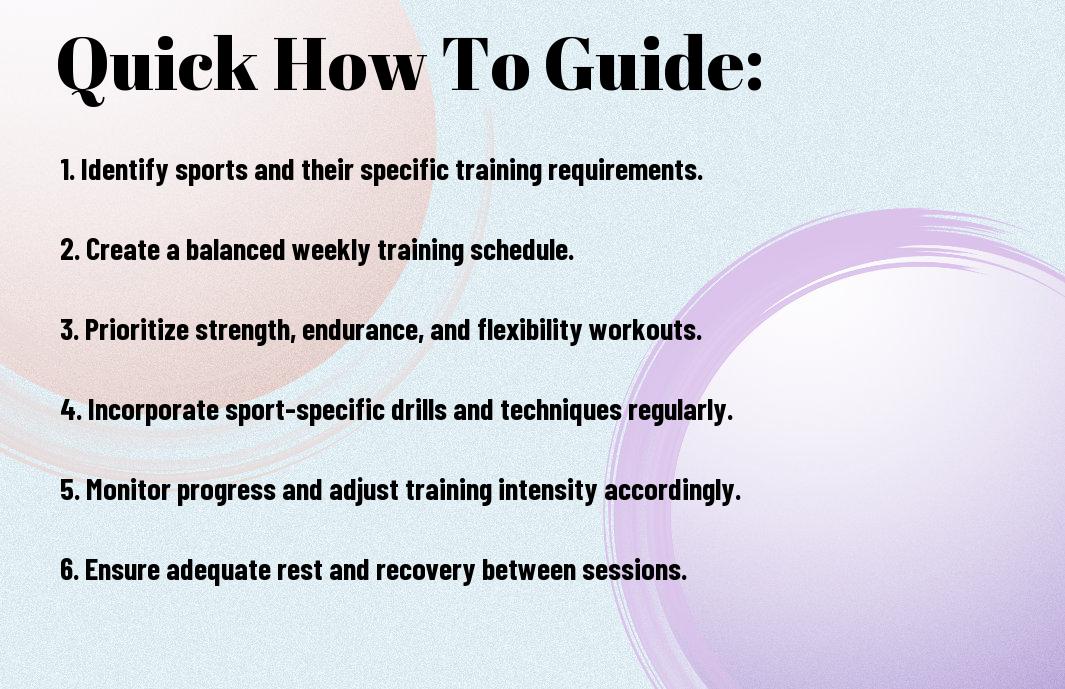
Key Takeaways:

  • Balanced Training Schedule: Create a training plan that allocates specific days for each sport to ensure equal focus and energy distribution.
  • Cross-Training Benefits: Incorporate exercises from different sports to enhance overall fitness, reduce monotony, and prevent injuries.
  • Nutrition and Recovery: Prioritize a balanced diet and proper recovery strategies to support intense training for multiple sports.
  • Skill Development: Dedicate time to practice the fundamental skills of each sport, ensuring that proficiency is maintained across disciplines.
  • Monitoring Progress: Keep track of performance metrics in each sport to identify areas for improvement and adjust the training plan as needed.

Understanding the Basics of Multi-Sport Training

As you begin on the journey of training for multiple sports, it’s crucial to grasp the fundamentals of multi-sport training. This approach requires a strategic combination of workouts, recovery, and nutrition tailored to meet the demands of each sport. By effectively balancing your training regimen, you can enhance your performance across different athletic disciplines while minimizing the risk of injury.

Key Factors to Consider

To successfully train for various sports, you should consider the following key factors:

  • Evaluate your current fitness level.
  • Understand the demands of each sport.
  • Incorporate cross-training and recovery strategies.
  • Stay attentive to nutrition and hydration.

Assume that finding the right balance among these factors will help optimize your performance.

The Importance of Proper Planning

Consider the significance of having a well-structured training plan when undertaking multi-sport training. A clear schedule helps you allocate time effectively between different sports while allowing adequate recovery periods. This organized approach helps you track your progress and adapt your regimen as needed.

For instance, if you’re training for both swimming and running, you might delineate your week by assigning specific days for each sport, ensuring you have rest days in between to facilitate recovery. This method allows you to monitor your strengths and weaknesses in both disciplines, enabling you to adjust your training focus and maximize your performance when competition time arrives. By establishing a roadmap for your training, you’ll feel more equipped to tackle the challenges of competing in multiple sports.

Setting Up Your Training Schedule

You need a well-structured training schedule that accommodates your multiple sports commitments, ensuring you develop skills and endurance in each. Start by evaluating the time you can dedicate to training each week, then break down your sessions by sport, prioritizing workouts that require more focus based on competition dates or personal goals. This organization allows you to maintain a balanced approach, fueling your passion for each sport while preventing burnout.

Balancing Workout Frequency

Workout frequency is key to optimizing your performance across different sports. You should aim for a balanced distribution of training sessions, ensuring you dedicate appropriate time to each sport without overloading yourself. Assess your energy levels and the demands of each sport to create a regimen that enhances skills effectively while providing ample recovery time.

Incorporating Rest and Recovery

Schedule dedicated rest days and active recovery sessions into your training plan. You need to listen to your body and recognize when it requires a break to avoid fatigue and potential injury. Incorporate low-intensity activities like stretching, yoga, or light jogging on recovery days, allowing your muscles to recuperate effectively while keeping your routine active.

The inclusion of rest and recovery in your training schedule will significantly impact your athletic performance. Prioritizing sleep, nutrition, and hydration plays a vital role in your recovery process. Use techniques like foam rolling or contrast baths to support muscular recovery and improve mobility. Always adjust your training based on how your body feels; this mindfulness will keep you in peak condition across all the sports you engage in.

Nutrition Tips for Multi-Sport Athletes

Your nutrition is necessary for optimizing performance across multiple sports. Focus on a balanced diet that supports your training regimen, recovery time, and energy needs.

  • Prioritize whole foods: fruits, vegetables, lean proteins, whole grains.
  • Incorporate healthy fats: avocados, nuts, and olive oil.
  • Plan meals around your training schedule for optimal energy.
  • Consider meal prepping to ensure you have nutritious options readily available.
  • Consult a sports nutritionist for personalized advice based on your specific needs.

Any adjustments to your nutrition can enhance your performance across the board.

Fueling Your Body for Performance

The right fuel can make all the difference in your athletic performance. Focus on complex carbohydrates for sustained energy, adequate protein for muscle repair, and healthy fats to support overall health. Tailor your macronutrient distribution according to the demands of each sport, ensuring that your body receives the nutrients it needs to excel.

Hydration Strategies

Some athletes often overlook hydration as a key element of performance. Staying hydrated is necessary not only for endurance and stamina but also for recovery and cognitive function. Your hydration needs can vary based on the sport, duration of activity, and environmental conditions.

Understanding the importance of hydration involves recognizing that even mild dehydration can impair performance. Aim to drink water regularly throughout the day, and consider replenishing electrolytes after intense workouts. Pay attention to your body’s signals, and adjust your fluid intake accordingly, especially during extended training sessions or competitions in hot weather. Staying well-hydrated will keep you sharp and ready for every challenge you face in your multi-sport endeavors.

Developing Sport-Specific Skills

Despite the challenges of juggling multiple sports, developing sport-specific skills is crucial. You must hone your abilities in distinct areas for each sport while ensuring your overall training remains balanced. Prioritizing skill development will enhance your performance and make you a more versatile athlete. With commitment and focused practices, you can achieve proficiency in various disciplines that complement one another.

Identifying Core Skills for Each Sport

There’s a wide range of skills needed across different sports, and identifying the core skills for each sport is the first step in effective training. Start by considering the key movements, techniques, and strategies unique to the sports you practice. This understanding will guide your practice and help you maintain a high skill level in all areas.

Tips for Skill Transfer Between Sports

Developing skills that transfer between sports can accelerate your training process and improve your overall athletic performance. Focus on practice techniques and movements that are common in both sports. Utilize the following tips to maximize skill transfer:

  • Identify overlapping techniques and movements.
  • Incorporate drills that develop related skills.
  • Focus on physical attributes like endurance and agility.

After implementing these strategies, you will notice enhanced responsiveness and adaptability across your sporting disciplines.

Transfer between sports is an effective strategy for improving your overall skill set. By actively drawing connections between the skills of your chosen sports, you can become a more well-rounded athlete. Utilize the following methods to facilitate this process:

  • Analyze how specific skills correlate between sports.
  • Practice integration drills that emphasize both sports.
  • Stay mindful of how each sport helps develop your athleticism.

After exploring these methods, you will find that your confidence and performance in each sport will mutually benefit from the skills acquired in others.

Monitoring Progress and Making Adjustments

Unlike training for a single sport, juggling multiple athletic pursuits requires a keen awareness of your progress. Regular monitoring of your performance helps ensure that you stay on track toward achieving your goals. By assessing your training data and physical feedback, you can identify areas of improvement and make necessary adjustments to your regimen to enhance performance across all sports.

Using Metrics to Track Performance

Using metrics such as heart rate, distance covered, and personal records can provide you with valuable insights into your training effectiveness. Tracking these numbers allows you to pinpoint your strengths and weaknesses, ensuring that you allocate your training time efficiently across various sports to optimize performance without overtraining.

Adapting Training Based on Results

Using ongoing results, you can refine your training plan to better meet the demands of each sport you participate in. Regular reassessment of your goals, performance metrics, and physical condition enables you to adjust your workouts, recovery strategies, and even nutrition to achieve optimal results.

Metrics play a significant role in determining how effectively your training aligns with your performance goals in multiple sports. By analyzing this data, you can identify patterns and trends, which can guide your training focus. If you notice a decline in performance in a specific area, you may need to adjust your training volume or intensity for that sport. Conversely, if you excel in one sport, you might choose to maintain that intensity while shifting focus to another area where improvement is needed. This adaptive approach fosters balanced development and keeps you progressing efficiently across all your athletic endeavors.

Mental Preparation and Focus

To excel as a multi-sport athlete, sharpening your mental preparation and focus is necessary. This involves visualizing your performance and maintaining a positive mindset, which can be supported by incorporating techniques from Multi-Sport Athlete? 5 Ways to Keep Running in the Mix. By establishing clear goals and creating a structured training plan, you can enhance your concentration and resilience during practice and competition.

Strategies for Maintaining Motivation

Clearly, maintaining motivation in a multi-sport training regimen requires variety and goal-setting. Mixing up your training sessions and setting short-term milestones can keep the experience fresh and exciting. Consider seeking support from fellow athletes or joining local clubs to foster a sense of community, which can further ignite your passion and commitment.

Importance of Mental Resilience

Any athlete engaged in multiple sports must develop mental resilience to face challenges effectively. By embracing setbacks as opportunities for growth, you will strengthen your ability to overcome obstacles and maintain focus. Regularly practicing mindfulness and reflection can significantly enhance your resilience, enabling you to adapt to the demands of competing in various sports.

To cultivate mental resilience, consider adopting techniques such as journaling your experiences or mindfulness meditation. Acknowledging and processing your emotions will allow you to maintain a balanced outlook on your training journey. By focusing on both your successes and areas for improvement, you’ll foster a growth mindset that helps you navigate the ups and downs of being a multi-sport athlete.

Final Words

On the whole, effectively training for multiple sports concurrently demands a thoughtful approach to balance intensity, recovery, and skill development. You should prioritize a well-structured schedule that accommodates various training needs while ensuring adequate recuperation. Incorporating cross-training methods can enhance your overall athleticism without overexerting specific muscle groups. Stay vigilant for signs of fatigue and adjust your program as necessary to maintain peak performance. By integrating these strategies, you can foster your athletic growth across different sports while minimizing the risk of burnout or injury.

Q: What are the key principles to follow when training for multiple sports at the same time?

A: When training for multiple sports, it’s important to establish a structured program that accommodates the unique demands of each sport. Some key principles include:

  • Periodization: Create a training schedule that divides your training into distinct periods focusing on different aspects, such as endurance, strength, and skill development for each sport.
  • Cross-Training: Incorporate exercises that support the skills and physical requirements of both sports. Activities that enhance your cardiovascular endurance, flexibility, and overall strength are beneficial.
  • Recovery: Prioritize rest and recovery to prevent overtraining, ensuring that your body has adequate time to adapt and heal from your workouts.

Q: How do I manage recovery and rest days while training for multiple sports?

A: Managing recovery and rest days is imperative to avoid fatigue and injury when training for multiple sports. Here are some strategies:

  • Listen to Your Body: Pay attention to signs of fatigue or soreness and adjust your training intensity or volume accordingly.
  • Active Recovery: On designated rest days, consider engaging in low-impact activities such as yoga, swimming, or light jogging to promote blood flow and aid recovery without taxing your body excessively.
  • Schedule Rest Days: Allocate specific days solely for rest, ensuring that they align with your overall training plan. This can help you recharge both mentally and physically.

Q: How can I balance training volume and intensity for different sports without compromising performance?

A: Balancing training volume and intensity for different sports can be achieved through careful planning and monitoring. Here’s how:

  • Prioritize Key Workouts: Identify which sessions are most important for performance in each sport and prioritize them in your training week. This may mean scheduling higher intensity workouts for one sport earlier in the week, followed by more moderate sessions for the other sport.
  • Monitor Your Workload: Keep a log of your workouts, noting the intensity and volume. Use this data to ensure that neither sport becomes too taxing compared to the other, and adjust your workouts as necessary.
  • Incorporate Flexibility: Be adaptable with your training schedule. If one sport requires more focus or training intensity, adjust the volume for the other sports to maintain balance and avoid burnout.

The Best Sports for Building Muscle Strength

Sports that focus on resistance and power are necessary for enhancing your muscle strength effectively. Engaging in activities like weightlifting, rowing, or rock climbing not only challenges your body but also promotes muscle growth and endurance. In this post, you’ll discover the most effective sports that can transform your physique and optimize your performance. By incorporating these activities into your routine, you can boost your strength, improve your athletic skills, and enjoy the numerous benefits that come with a well-developed muscular build.

Key Takeaways:

  • Weightlifting is a foundational exercise for muscle strength, focusing on compound movements like squats and deadlifts.
  • Bodyweight exercises, such as push-ups and pull-ups, utilize your own weight effectively for resistance training.
  • Sports requiring explosive power, like sprinting or Olympic lifting, greatly enhance muscle strength and overall athletic performance.
  • Resistance training can also be integrated into various team sports, like rugby and football, to improve strength and endurance.
  • Consistency in training and proper nutrition are vital for maximizing muscle strength gains across any sport.

Understanding Muscle Strength

While many people focus on endurance and flexibility, muscle strength is imperative for overall physical health and performance. It refers to your muscles’ ability to exert force against resistance, which is key for various activities in daily life and sports. By enhancing your muscle strength, you not only improve your athletic performance but also support your body’s structural integrity and prevent injuries.

What is Muscle Strength?

At its core, muscle strength is defined as the maximum amount of force that a muscle or group of muscles can generate in a single effort. This capacity varies among individuals, influenced by factors like genetics, training, and nutrition. Strength training activities specifically target your muscles to increase their ability to lift heavier loads, making it a foundational element of fitness.

Benefits of Building Muscle Strength

Along with enhancing your physical performance, building muscle strength significantly benefits your overall well-being. It increases your metabolic rate, helps maintain a healthy weight, and improves bone density. Strong muscles also support better posture and increase your functional capacity, making everyday tasks easier and less strenuous.

Even further, developing muscle strength can bolster your mental health. As you witness your strength improvements, it can boost your confidence and encourage a more active lifestyle. Stronger muscles also enhance joint stability, reducing the risk of injuries during recreational activities or workouts. Ultimately, incorporating strength-building activities into your routine offers both physical and psychological rewards, leading you towards a healthier, more empowered life.

Top Sports for Muscle Strength Development

The journey to building muscle strength can be greatly enhanced by participating in certain sports. Engaging in specific activities not only challenges your physical abilities but also develops your overall muscular strength. Here’s a look at some top sports that can help you in your muscle-building endeavors.

Weightlifting

Below are the fundamentals of weightlifting, a sport that focuses on lifting heavy weights to foster muscle growth. Practicing various lifts, such as squats, deadlifts, and bench presses, allows you to target specific muscle groups, enhancing your overall strength effectively.

Powerlifting

Beside weightlifting, powerlifting holds a prominent place for building muscle strength. This sport focuses on three main lifts: the squat, bench press, and deadlift. By concentrating on these movements, you can maximize your muscle engagement and strength gains.

Another advantage of powerlifting is its emphasis on proper technique and form, helping you develop a strong foundation. You learn how to successfully generate power while minimizing injury risk. As you progress in your lifts, you’ll experience noticeable muscle development and increased confidence in your strength capabilities.

CrossFit

Against the backdrop of traditional strength training, CrossFit incorporates a range of dynamic workouts, combining weightlifting, cardio, and functional movements. This varied approach helps you build not only muscle but also endurance and agility.

It’s important to understand that CrossFit promotes community engagement and competition. By participating in this sport, you often push beyond your limits alongside others, making it a motivating environment for muscle strength development. The constantly varied workouts keep your routine fresh, challenging different muscle groups regularly.

Bodybuilding

Beside these other sports, bodybuilding is designed specifically for muscle growth and aesthetics. This sport emphasizes hypertrophy through high-volume training and structured nutrition. By developing a balanced physique, you’ll not only build muscle but also improve your overall strength.

Sports like bodybuilding require dedication to both training and diet. You learn to target specific muscle groups through isolation exercises and compound movements, optimizing muscle definition and development. This focused approach can yield significant results in your muscle strength journey.

Sports that Support Muscle Strength

Once again, engaging in specific sports can significantly enhance your muscle strength. These activities not only promote muscle growth but also improve overall functional strength, making them ideal for both fitness enthusiasts and athletes alike. By selecting a sport that aligns with your personal interests, you ensure a more enjoyable and sustainable approach to building strength.

Olympic Weightlifting

By focusing on compound movements such as the clean and jerk, Olympic weightlifting challenges multiple muscle groups simultaneously, leading to substantial gains in muscle strength. This sport emphasizes explosive power and proper technique, making it a perfect choice for those looking to increase their strength while honing their skills.

Rowing

Rowing is an excellent full-body workout that builds muscle strength while improving endurance. The resistance against the water activates various muscle groups, particularly in your legs, back, and arms, making it a time-efficient way to enhance overall strength.

Indeed, rowing utilizes both aerobic and anaerobic energy systems, which not only builds muscle but also boosts cardiovascular fitness. The repetitive pulling motion requires your core and upper body to engage significantly, resulting in well-rounded muscle development. Whether you prefer indoor rowing machines or outdoor rowing on water, you can effectively sculpt your physique while enjoying a rewarding sport.

Martial Arts

Across various disciplines such as karate, judo, or Brazilian jiu-jitsu, martial arts incorporate strength training within their practice. The dynamic movements and techniques employed in martial arts engage multiple muscle groups, promoting strength, agility, and balance.

To effectively build strength through martial arts, you must regularly practice techniques that involve grappling, striking, and resistance training. These activities improve your muscle endurance and functional strength, providing a diverse workout that also teaches you self-defense skills. As you progress, you’ll find that your ability to perform techniques efficiently further contributes to your overall muscle development.

Essential Training Techniques

After identifying the best sports for building muscle strength, integrating imperative training techniques is key to your success. Proper training methods help you maximize your efforts and optimize your muscle gains. Focus on progressive overload, maintaining proper form, and incorporating a balanced routine to effectively develop your strength and performance over time.

Progressive Overload

At the heart of muscle building is the principle of progressive overload, which entails gradually increasing the weight, intensity, or duration of your workouts. This systematic approach forces your muscles to adapt and grow stronger, allowing you to achieve continuous improvements in your performance. To effectively implement progressive overload, be mindful of your limits and take incremental steps to challenge yourself.

Proper Form and Technique

Between the desire to lift heavier and the need to perform safely, mastering proper form and technique is imperative. Using correct posture and movements during exercises not only reduces the risk of injury but also ensures that your muscles are working effectively. Developing good techniques in your routines enhances your overall strength progress.

Hence, focusing on proper form is vital to your training routine. By prioritizing good technique, you ensure that the intended muscles are targeted, leading to more effective workouts. It’s also imperative to listen to your body; if you’re struggling to maintain form, consider lowering the weight or seeking guidance from a coach. With consistent practice, you’ll build the foundational strength and muscle stability necessary for long-term success in your fitness journey.

Nutrition for Muscle Strength

All athletes aiming to build muscle strength must prioritize their nutrition. A balanced diet rich in crucial nutrients not only fuels your workouts but also aids in muscle recovery and growth. Incorporating an array of proteins, carbohydrates, and healthy fats ensures that your body has the building blocks it needs to develop strength. Additionally, hydration plays an important role in maintaining peak physical performance. Focusing on your nutrition can significantly enhance your muscle-building efforts and overall athletic performance.

Importance of Protein

Against a backdrop of intense training, protein intake becomes vital for muscle repair and growth. Your muscles undergo stress during workouts, leading to micro-tears that need to be repaired. Consuming adequate protein provides your body with the amino acids necessary to rebuild these fibers stronger than before. Aim for a diverse range of protein sources, such as lean meats, dairy, legumes, and plant-based options, to optimize your muscle-strengthening endeavors.

Nutrient Timing

Nutrition plays a vital role in maximizing muscle strength, and nutrient timing can enhance your results. Aligning your meals and snacks around your workout schedule allows your body to efficiently utilize nutrients when they are most needed.

For instance, consuming a protein-rich snack or meal shortly after your workout can kickstart the recovery process, helping your muscles repair and grow more effectively. Similarly, having a balanced meal with carbohydrates before your workout can provide the necessary energy to perform at your best. By strategically timing your intake of macronutrients, you can greatly impact your muscle strength progress.

Common Mistakes to Avoid

Not prioritizing your form during workouts can lead to injuries and hinder your muscle-building efforts. It’s imperative to focus on performing exercises correctly rather than rushing through them or using excessive weight. Neglecting proper technique can cause more harm than good, ultimately stalling your progress and discouraging you from continuing your fitness journey.

Neglecting Recovery

Avoid overlooking recovery in your training routine. Your muscles need time to repair and grow after intense workouts. Insufficient recovery can lead to fatigue, diminishing returns, and even injury, which can derail your progress dramatically. Make sure to include rest days and adequate sleep in your regimen to support muscle recovery and overall performance.

Overtraining

Among the most frequent mistakes athletes make is overtraining, which can lead to both physical and mental burnout. This occurs when you push yourself too hard without allowing enough time for recovery, resulting in fatigue, decreased performance, and even injuries. Prioritizing well-rounded training, including rest days, can help you avoid these pitfalls.

Also, pay attention to the signs of overtraining, such as prolonged soreness, irritability, or a decrease in motivation to work out. It’s imperative to listen to your body and adjust your training intensity accordingly. Make sure you are incorporating a balanced approach that fosters recovery, ensuring you can continue to build muscle strength efficiently and safely.

Conclusion

As a reminder, selecting the right sports can significantly enhance your muscle strength. Engaging in activities like weightlifting, swimming, rock climbing, or martial arts provides not only variety but also effective muscle-building challenges. By incorporating these sports into your routine, you’ll not only improve your physical strength but also boost your overall fitness levels. Stay committed to your goals, and you’ll notice remarkable changes in your body and performance over time.

FAQ

Q: What are the top sports for building muscle strength?

A: Some of the best sports for building muscle strength include weightlifting, rugby, and rowing. Weightlifting is a focused strength training activity that allows for targeted muscle development. Rugby combines strength with agility and endurance, requiring athletes to engage various muscle groups. Rowing is an excellent full-body workout that enhances muscular endurance and strength, particularly in the legs, back, and arms.

Q: How often should I participate in these sports to maximize muscle strength?

A: To effectively build muscle strength through these sports, it’s generally advisable to engage in them at least 3-4 times a week. Consistency plays a significant role in strength development. It’s also beneficial to incorporate rest days to allow for muscle recovery, as this is when muscles repair and grow stronger. Balancing these sports with a proper nutrition plan can further enhance your results.

Q: Can I build muscle strength without joining a team or class for these sports?

A: Absolutely! You can build muscle strength through independent training as well. For weightlifting, you can create a personalized workout routine at a gym or at home with the right equipment. Similarly, you can practice rowing using a rowing machine or access local water bodies for outdoor rowing. For activities like rugby, you can train for strength and conditioning alone. Online resources and apps can provide guidance for proper techniques and routines tailored to your fitness level.

How to Stay Active During the Off-Season

Just because the main season has come to an end doesn’t mean your fitness journey should stop. Staying active during the off-season is imperative for maintaining your physical and mental well-being, while also preparing you for your next big challenge. In this post, you’ll discover effective strategies and enjoyable activities designed to help you stay engaged and motivated, ensuring you come back stronger when the season resumes. So, lace up your shoes and get ready to learn how to make the most of your off-season time!

Key Takeaways:

  • Set Goals: Establish clear, achievable fitness objectives to maintain motivation during the off-season.
  • Diverse Activities: Engage in a variety of exercises such as swimming, cycling, or yoga to keep workouts interesting and full-bodied.
  • Strength Training: Incorporate strength workouts to build muscle and prevent injuries when the season begins again.
  • Schedule Workouts: Plan a regular workout routine to establish consistency and accountability.
  • Mix in Fun: Participate in recreational sports or activities that you enjoy to stay active without it feeling like a chore.

Understanding the Importance of Staying Active

For athletes and fitness enthusiasts, staying active during the off-season is necessary for maintaining physical health and preventing setbacks. A consistent activity regimen keeps your body conditioned, reduces the risk of injury, and ensures that your performance levels don’t drop significantly when you return to your primary sport or activity. Moreover, remaining active fosters a sense of discipline and commitment, which can be beneficial in all aspects of your life.

Benefits of Off-Season Activity

Importance of off-season activity cannot be overstated. Engaging in regular physical activity during your downtime promotes better cardiovascular health, enhances muscle retention, and aids in mental clarity. Additionally, varying your exercise routine can help you discover new interests and skills, making your fitness journey more enjoyable.

Psychological Factors in Staying Motivated

Importance of psychological factors in your motivation cannot be overlooked. Staying active during the off-season can help alleviate feelings of stagnation and boredom that often accompany breaks. Setting manageable goals and celebrating small achievements can provide a continuous source of motivation. Here are some strategies to maintain your enthusiasm:

  • Create a structured routine.
  • Engage with a community or accountability partner.
  • Explore new physical activities or classes.
  • Reflect on your progress regularly.
  • Perceiving your off-season training as an exciting opportunity can improve your mindset and overall experience.

For instance, involving yourself in a group class or team setting may ignite your passion for physical activity. Using visualization techniques can help you see your long-term goals, creating a clearer purpose for your training. Keeping a journal can help track your progress and highlight areas of improvement. By actively engaging with your fitness journey, you create an environment where motivation thrives:

  • Establish achievable short-term goals.
  • Seek feedback from peers or coaches.
  • Keep your workout varied and exciting.
  • Stay mindful of the benefits beyond physical performance.
  • Perceiving every effort as an important step toward your overall growth can keep you engaged and motivated.

How to Set Realistic Goals

Some of the most effective strategies for staying active during the off-season involve setting goals that motivate you while being achievable. Start by identifying what you aim to accomplish, whether it’s improving fitness, increasing endurance, or exploring a new activity. By giving yourself clear objectives, you can maintain focus and measure success, making your off-season productive and fulfilling.

Short-Term vs. Long-Term Goals

Clearly, distinguishing between short-term and long-term goals is necessary for your fitness journey. Short-term goals may include committing to a weekly workout schedule or joining a local fitness class, while long-term goals could involve completing a race or reaching a specific fitness milestone. Balancing both types helps sustain motivation and provides a structured pathway to your aspirations.

Tracking Progress

Tracking your progress helps you stay accountable and motivated throughout the off-season. Regularly recording your workouts, activities, and achievements enables you to see how far you’ve come and make adjustments when necessary. It also allows you to celebrate small victories, which can boost your confidence and keep you engaged in your fitness journey.

To effectively track your progress, consider using a journal, app, or fitness tracker to monitor your workouts and objectives. Set aside time weekly or monthly to review your achievements, assess your challenges, and strategize your next steps. This reflection allows you to stay aligned with your goals and motivates you to push further while ensuring you remain active during the off-season.

Tips for Finding Activities You Enjoy

All it takes is a little exploration to find enjoyable activities that keep you active during the off-season. Here are a few tips to help you get started:

  • Reflect on childhood interests that may still excite you.
  • Try classes or workshops to experiment with new skills.
  • Ask friends for recommendations or join them in their activities.
  • Utilize online resources to discover local events and groups.

Any activity that brings you joy can motivate you to stay active and engaged.

Exploring New Hobbies

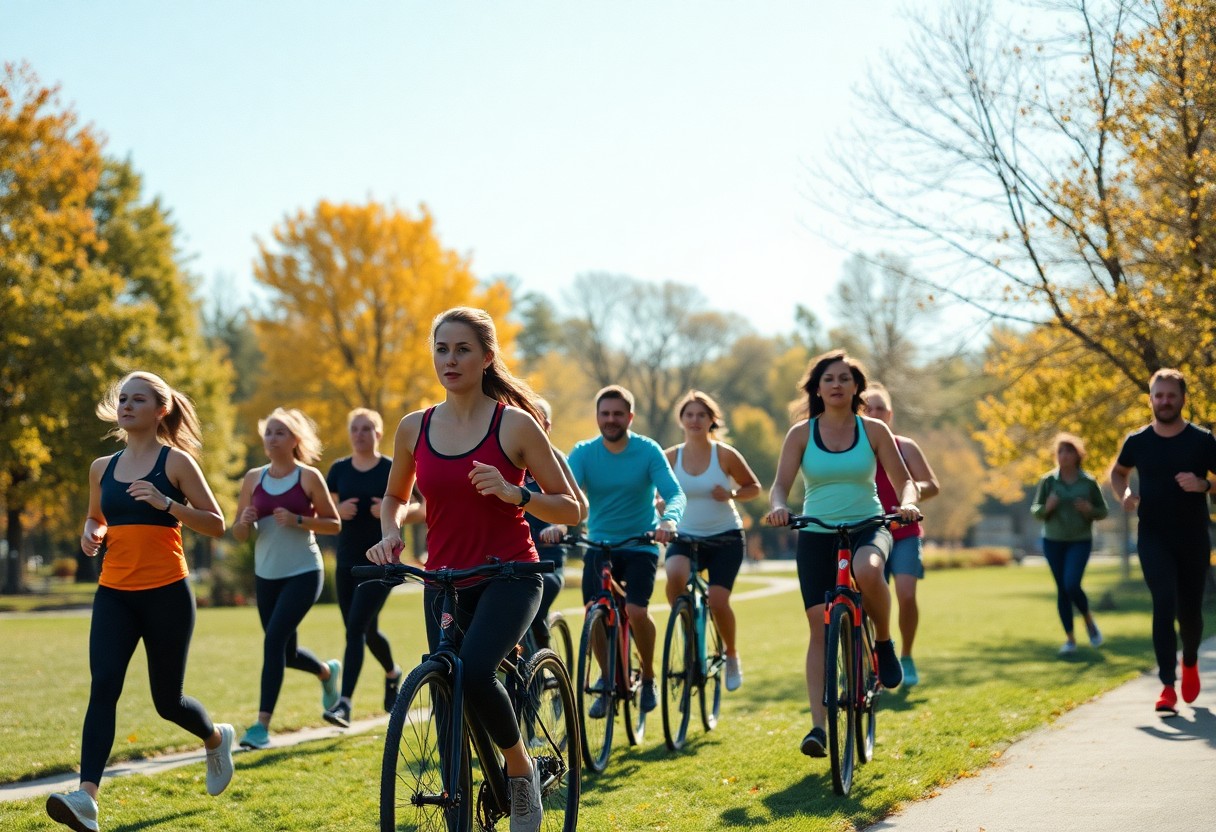
An excellent way to stay active during the off-season is by exploring new hobbies that interest you. This could range from outdoor activities like hiking and biking to indoor pursuits such as dance or yoga. By trying different activities, you’ll discover what truly appeals to you and keeps you engaged throughout the season.

Group vs. Solo Activities

Even when considering staying active, it’s important to evaluate whether you prefer group or solo activities. Group activities can provide social interaction and motivation, while solo pursuits often allow for personal reflection and flexibility in scheduling.

Plus, both types of activities offer unique benefits. Engaging in group activities like team sports or community classes can boost your motivation and accountability through social support. In contrast, solo activities such as running, biking, or yoga can provide a sense of personal achievement and tranquility. By mixing both types into your routine, you’ll enjoy the advantages of each while keeping your activity levels up during the off-season.

Incorporating Fitness into Your Daily Routine

Not all fitness has to involve a gym or scheduled workouts. You can seamlessly integrate physical activity into your daily life by making small adjustments. Opt for walking or cycling instead of driving, take the stairs instead of the elevator, or have standing meetings. This way, you can maintain your activity levels without needing an extra hour dedicated solely to exercising.

Scheduling and Time Management

You can easily fit fitness into your day by prioritizing your schedule. Look for pockets of time where you can incorporate short bursts of activity, whether it’s a quick morning stretch, a walk during lunch, or a few minutes of bodyweight exercises while watching TV. Planning your day with exercise as a non-negotiable task helps create consistency.

Creative Ways to Stay Active

With a little imagination, you can find enjoyable ways to keep moving. Engaging in fun activities makes staying active feel less like a chore and more like a lifestyle choice.

This could include alternative forms of exercise such as dance classes, hiking with friends, or even playing sports. Consider turning household chores into a workout by cranking up some music and dancing while you clean or gardening for an effective physical challenge. By diversifying your activities, you keep things interesting and sustainable, ensuring that you remain active even during off-peak seasons.

Nutrition and Recovery Considerations

Many athletes underestimate the importance of nutrition and recovery during the off-season. This period is not just a break from training; it’s an opportunity to refocus on your dietary habits and provide your body with the necessary nutrients to recover and prepare for the upcoming season. Prioritizing balanced meals rich in proteins, healthy fats, and carbohydrates will help your body heal and maintain energy levels, ensuring you’re ready to hit the ground running when training ramps back up.

Eating for Energy

If you want to stay active during the off-season, focus on consuming energy-dense foods that fuel your workouts and daily activities. Incorporate complex carbohydrates like whole grains, fruits, and vegetables, and ensure you include lean protein sources to support muscle repair. Additionally, incorporating healthy fats from nuts, seeds, and avocados can provide sustained energy levels, leaving you more prepared for physical demands.

Importance of Rest and Recovery

While maintaining an active lifestyle, it’s vital to prioritize rest and recovery to allow your body to heal and grow stronger. Downtime is when your muscles recuperate and adapt, enabling better performance when training resumes. Acknowledging the need for adequate sleep, hydration, and lighter training sessions helps you avoid burnout and injuries. Balancing activity with rest ensures your body is primed for the challenges ahead.

For instance, taking at least one full rest day each week can significantly enhance your recovery process. It’s recommended that you also integrate techniques such as stretching, yoga, or foam rolling to alleviate muscle tension and improve flexibility. Additionally, focusing on sleep hygiene can enhance your overall recovery by maximizing the time your body spends in the critical REM stages of sleep, where muscle repair and growth mainly occur. By prioritizing recovery, you set a solid foundation for achieving your goals in the upcoming season.

Staying Accountable and Motivated

After establishing a routine, staying accountable and motivated can be a game changer in maintaining your off-season activity levels. Set clear goals, and don’t hesitate to share them with friends or family. Having others aware of your ambitions can create a supportive environment, pushing you to stay committed. Consider joining a local fitness group or participating in online challenges to keep the momentum going throughout the off-season.

Finding a Workout Buddy

Assuming you have a friend or fellow athlete who shares your fitness goals, teaming up can make workouts more enjoyable and sustainable. A workout buddy provides mutual encouragement and accountability, turning mundane exercises into fun activities. With someone beside you, the challenge of staying active becomes a shared experience, motivating you both to push each other toward your goals.

Utilizing Technology and Apps

You can leverage various fitness apps and wearable technology to enhance your off-season activity. These resources can help track workouts, set reminders, and monitor your progression, ensuring that you remain focused on your goals. Many apps also offer community features, allowing you to connect with like-minded individuals for added motivation.

Plus, integrating technology into your fitness regimen can provide insights into your performance trends and help you adjust your workouts accordingly. Many apps include features like personalized training plans, reminders for activity, and even challenges that you can share with friends. By incorporating these tools, you stay connected to your fitness goals and encourage consistency in your off-season routine.

Conclusion

Upon reflecting, staying active during the off-season offers numerous benefits for your physical and mental well-being. By incorporating a mix of strength training, flexibility exercises, and enjoyable outdoor activities into your routine, you can maintain your fitness levels and prepare for the upcoming season. Setting specific goals and creating a structured plan will help you stay motivated and focused. Embrace this time to explore new activities, connect with others, and cultivate balance in your fitness journey, ensuring you return stronger and more prepared for what’s ahead.

Q: What are some effective indoor exercises to stay active during the off-season?

A: There are numerous indoor exercises that can help you maintain your fitness during the off-season. Some effective options include bodyweight workouts like push-ups, squats, and lunges. You can also try resistance bands for strength training or yoga for flexibility and balance. Additionally, participating in online fitness classes or utilizing exercise apps can provide guided workouts that keep you motivated and engaged even when you’re indoors.

Q: How can I integrate outdoor activities to keep active despite the weather?

A: To stay active outdoors during the off-season, you can choose activities that are weather-appropriate. For mild or cool days, consider going for hikes, biking, or jogging. On rainy days, try walking in parks with covered pathways or using outdoor gym equipment that can withstand the elements. Dressing in layers and investing in waterproof gear can also make outdoor activities more enjoyable during inclement weather, allowing for a more flexible approach to staying active.

Q: What role does nutrition play in staying active during the off-season?

A: Nutrition plays a significant role in maintaining energy levels and supporting your physical activity during the off-season. Aim for a balanced diet rich in whole foods, including plenty of fruits, vegetables, lean proteins, and whole grains. Eating smaller, more frequent meals can help sustain your energy throughout the day and support recovery after workouts. Additionally, staying hydrated is necessary, especially if you’re engaging in outdoor activities or workouts, as it helps maintain overall health and performance.

The Impact of Sports on Mental Health and Wellbeing

You may not realize it, but engaging in sports can significantly enhance your mental health and overall wellbeing. Physical activity promotes the release of endorphins, which can improve your mood and reduce symptoms of anxiety and depression. Participating in team sports also fosters social connections, giving you a support network to lean on. Moreover, the discipline and focus required in sports can boost your self-esteem and provide a sense of achievement. In this blog post, we will explore how incorporating sports into your routine can lead to a healthier mindset and improved emotional resilience.

Key Takeaways:

  • Physical Activity: Engaging in sports promotes physical fitness, which is closely linked to improved mood and overall mental health.
  • Social Interaction: Team sports foster connections and friendships, reducing feelings of isolation and enhancing emotional support.
  • Stress Relief: Participation in sports serves as a healthy outlet for stress relief, helping to manage anxiety and enhance relaxation.
  • Discipline and Routine: Regular involvement in sports helps establish a sense of discipline and routine, positively impacting mental stability and focus.
  • Self-esteem: Achievement in sports can boost self-esteem and confidence, contributing to a more positive self-image.

The Link Between Physical Activity and Mental Health

As you engage in physical activity, you may notice a profound connection between your body and mind. Exercise not only enhances your physical fitness but also serves as a powerful tool for improving your mental health. Activities such as running, swimming, and team sports can significantly reduce symptoms of anxiety and depression, elevate your mood, and promote a sense of overall well-being. The regular practice of physical activity fosters resilience, making it a vital component of a healthy lifestyle.

Biological Mechanisms

About the biological mechanisms at play, physical activity stimulates the production of neurotransmitters like endorphins and serotonin. These chemicals play a pivotal role in regulating mood and creating feelings of happiness. Exercise also increases blood flow to the brain, which can enhance neural connectivity and promote cognitive function, ultimately contributing to improved mental health.

Psychological Benefits

Against common misconceptions, engaging in regular physical activity does more than just strengthen your body; it provides significant psychological benefits that can uplift your spirit and enhance your mental clarity. You might find that incorporating exercise into your daily routine can help alleviate stress and anxiety, enabling you to cope better with life’s challenges.

And with each session of physical exercise, you may experience a boost in self-esteem and confidence. This positive feedback loop can empower you to set and achieve goals, leading to a greater sense of accomplishment. Additionally, the social aspects of team sports or group classes can foster connections with others, further enhancing your emotional well-being. By prioritizing physical activity, you are not only investing in your physical health but also nurturing your mental resilience.

Sports as a Tool for Stress Relief

While life can often feel overwhelming, engaging in sports offers a practical outlet for stress relief. Physical activity triggers the release of endorphins, the body’s natural mood lifters, which can significantly reduce feelings of anxiety and tension. By immersing yourself in sports, you not only channel your energy into something productive but also enhance your overall mental wellbeing. The rhythm of your favorite game or workout can serve as a meditative escape, allowing you to step away from daily pressures and focus on the present moment.

Coping Mechanisms

Relief from stress is one of the most immediate benefits of participating in sports; it allows you to redirect your thoughts and emotions into physical action. This active engagement helps you process feelings in a healthy way, reducing the likelihood of anxiety build-up. By developing consistent sports habits, you craft reliable coping mechanisms that equip you to handle life’s challenges more effectively.

Social Interaction and Support

Behind each sporting endeavor lies the opportunity for meaningful social interaction and support. Engaging in team sports or group activities fosters a sense of community, allowing you to connect with others who share your interests. This network can be invaluable, providing emotional support and a sense of belonging that contributes positively to your mental health.

For instance, being part of a community sports team fosters friendships that extend beyond the playing field. As you practice and compete together, you build strong bonds with teammates, who can act as a support system during tough times. The camaraderie experienced in sports often leads to a shared sense of achievement, which can boost your confidence and reinforce your mental resilience. This social aspect is particularly beneficial as it combats feelings of loneliness, offering you a sense of purpose and connection in your life.

The Role of Team Sports in Building Resilience

Now, consider how participating in team sports can significantly enhance your ability to withstand and bounce back from life’s challenges. Engaging in team environments not only fosters a sense of community but also cultivates important skills required for navigating stress and adversity. As you face pressures from competition and collaborate with teammates, you develop emotional strength and adaptability, both pivotal in building resilience.

Enhancing Teamwork Skills

An important aspect of team sports is the development of effective teamwork skills. When you work together with others towards a common goal, you learn to communicate, empathize, and support each other, enhancing your interpersonal skills. This collaboration not only achieves improved performance on the field but also equips you with valuable skills for navigating relationships and challenges in everyday life.

Overcoming Challenges

The process of overcoming challenges is integral to your growth as an athlete and an individual. In moments of high pressure, you learn to confront obstacles head-on and adapt strategies as necessary. This experience builds your confidence and reinforces a proactive mindset, which can be applied beyond sports into various aspects of your personal or professional life.

Building resilience through overcoming challenges in team sports prepares you for unexpected difficulties. Each game is an opportunity to confront defeats and learn from mistakes. As you navigate these experiences with your teammates, you collectively develop problem-solving skills and foster a supportive environment. This empowerment helps you gain perspective, making future challenges feel manageable and reinforcing the idea that persistence leads to growth.

Individual Sports and Personal Growth

To engage in individual sports is to commence on a journey of self-discovery and personal growth. These activities push you to explore your limits, leading to a deeper understanding of your strengths and weaknesses. As you navigate the challenges presented by individual sports, you cultivate resilience and flexibility, which can positively influence other aspects of your life, from work to relationships.

Self-Discipline and Motivation

One of the most significant benefits of participating in individual sports is the development of self-discipline and motivation. As you commit to your training and practice, you learn to prioritize your goals and stay focused amidst distractions, ultimately fostering a strong work ethic that extends beyond sports.

Goal Setting and Achievement

Against the backdrop of individual sports, you encounter opportunities for goal setting and achievement that can profoundly enhance your mental wellbeing. You learn to establish realistic objectives, track your progress, and celebrate milestones, which collectively foster a sense of purpose and accomplishment.

Self-discipline becomes a key element as you design your paths toward success. By setting specific, measurable, and achievable goals, you not only pave the way for improvement in your sport but also build confidence. This structured approach to striving for goals instills a sense of direction in your life, helping you stay motivated and committed to achieving your personal aspirations. Each achievement, no matter how small, reinforces your belief in your capabilities and propels you forward, nurturing both mental resilience and overall wellbeing.

The Impact of Competitive Sports

Unlike recreational sports, competitive sports can intensify the pressure to perform, influencing your mental health. While the thrill of competition may drive you to excel, it can also lead to stress and anxiety, especially if expectations are set too high. Balancing your passion for the sport with your overall wellbeing is crucial to ensure a positive experience, allowing you to enjoy both the journey and the victories, without compromising your mental health.

Pressure and Mental Health

One of the most significant challenges in competitive sports is the pressure to succeed, which can impact your mental wellbeing. This stress might stem from various sources, including personal goals, coaches, teammates, and even parents. Learning to navigate this pressure is vital, as it can lead to anxiety, burnout, and even performance decline if not managed effectively.

Balancing Competition with Wellbeing

One effective way to maintain your mental health in competitive sports is by finding balance. This means setting realistic goals, embracing both victories and setbacks, and prioritizing your emotional and physical wellbeing. Developing a routine that includes downtime, supportive relationships, and stress-relief techniques can help you enjoy the competitive experience without succumbing to its pressures.

At times, you may feel overwhelmed by competition, so integrating wellness practices into your routine is beneficial. This could involve mindfulness exercises, adequate rest, and maintaining a social life outside of sports. Additionally, fostering open communication with coaches and teammates can create a supportive environment that values mental health as much as performance, allowing you to thrive both on and off the field.

Case Studies and Success Stories

All around the world, numerous case studies highlight the positive impact of sports on mental health. Here are some compelling statistics:

  • 70% of children admitted to community sports programs reported improved self-esteem.
  • Research indicates a 30% reduction in anxiety levels among regular participants in team sports.
  • 85% of athletes on college campuses share that sports helped them manage stress effectively.
  • A survey found that 60% of participants in mental health-focused athletic programs experienced a decline in depressive symptoms.

Athletes Overcoming Mental Health Challenges

For many athletes, mental health challenges can be formidable, yet numerous stories illustrate resilience and recovery. Prominent athletes like Kevin Love and Simone Biles have spoken openly about their struggles with anxiety and depression, inspiring others to seek help. Love’s advocacy for mental health awareness highlights that acknowledging and addressing these challenges is imperative for both performance and well-being.

Community Programs Promoting Wellness through Sports

One effective way to bolster mental health is through community programs that utilize sports as a platform for wellness. These initiatives not only encourage physical activity but also foster social connections and emotional support.

This approach has proven to be beneficial for various populations, including youth and marginalized communities. By providing structured environments where individuals can engage in sports, participants often report feelings of belonging and reduced isolation. Programs such as youth soccer leagues and wellness workshops have demonstrated that being part of a team not only enhances physical health but also nurtures emotional resilience, creating a supportive network that aids in mental well-being.

Summing up

Upon reflecting on the impact of sports on mental health and wellbeing, you can appreciate the multifaceted benefits that physical activity offers. Engaging in sports not only enhances your physical fitness but also boosts your mood, reduces anxiety, and improves your overall emotional resilience. By incorporating regular physical activity into your routine, you cultivate a healthier mindset, foster social connections, and enrich your quality of life. Embracing sports not only transforms your body but also your mental landscape, allowing you to thrive in both personal and communal settings.

Q: How do sports participation and physical activity influence mental health?

A: Engaging in sports and physical activities has been shown to significantly enhance mental health. Regular participation can reduce symptoms of anxiety and depression, boost self-esteem, and contribute to overall emotional wellbeing. Physical activity leads to the release of endorphins, often referred to as ‘feel-good’ hormones, which can elevate mood and promote a sense of happiness. Additionally, the social interactions that come with team sports can foster a sense of community and belonging, further supporting mental health.

Q: Can sports serve as a therapeutic tool for individuals struggling with mental health issues?

A: Yes, sports can act as a therapeutic approach for those dealing with various mental health challenges. Structured physical activities, often referred to as exercise therapy, can help individuals develop coping mechanisms, improve their mood, and manage stress. Many mental health professionals incorporate sports into treatment programs, recognizing that the structured nature of sports can provide stability and routine, which are beneficial for mental health recovery. Moreover, achievements in sports can lead to a greater sense of accomplishment and purpose.

Q: What types of sports are most beneficial for enhancing mental wellbeing?

A: Various types of sports can positively impact mental wellbeing, but group sports, such as soccer, basketball, or volleyball, are particularly beneficial due to their social aspects. These activities encourage teamwork, communication, and relationship building, which are all important for mental health. Individual sports, like running, cycling, or swimming, also offer benefits, especially for those who prefer personal reflection and solitude while exercising. Ultimately, the best sport is one that aligns with an individual’s interests and preferences, making it more likely to become a regular habit.

Skip to content