sports

The Best Sports for Improving Flexibility

Sports that prioritize movement and range of motion can significantly enhance your flexibility. Engaging in activities like yoga, gymnastics, and martial arts not only challenges your body but also promotes longer, leaner muscles. By incorporating these sports into your routine, you can increase your overall flexibility, helping you perform better in both athletic and everyday activities. In this blog post, you will discover the best sports options that can aid you in your flexibility journey, ensuring that you stay agile and mobile.

Key Takeaways:

  • Yoga: A holistic practice that enhances flexibility through various poses and stretches, promoting muscle elasticity and joint health.
  • Gymnastics: Involves a series of stretches and movements that demand a high level of flexibility, aiding in the development of strength alongside flexibility.
  • Dance: Different styles of dance, such as ballet and contemporary, require significant flexibility, improving range of motion and overall body control.
  • Martial Arts: Techniques in disciplines like Taekwondo and Karate involve extensive stretching routines that can greatly enhance flexibility and balance.
  • Swimming: Engages different muscle groups and encourages a full range of motion, helping to improve flexibility while providing a low-impact workout.

Benefits of Improved Flexibility

A greater range of motion can significantly enhance your quality of life. Improved flexibility contributes to better posture, increased blood circulation, and a heightened sense of body awareness, all of which can boost your overall well-being. Embracing flexibility training not only aids in sports performance but also plays a vital role in daily activities. By committing to flexibility work, you can enjoy a more mobile, healthier lifestyle.

Injury Prevention

Any athlete or active individual will attest to the importance of flexibility in reducing the risk of injuries. When your muscles and joints are flexible, they are less likely to become strained or overextended during physical activities. Incorporating flexibility exercises into your routine helps maintain muscle elasticity, supports joint stability, and can minimize discomfort while engaging in sports or workouts.

Enhanced Athletic Performance

About flexibility, it plays an integral role in maximizing your athletic capabilities. When you improve your flexibility, you enhance your ability to move dynamically, using your full range of motion effectively. This allows you to perform exercises and sports movements with greater ease and efficiency.

This improved athletic performance not only contributes to better strength, but it also aids in agility and balance. For example, athletes who can stretch their muscles more completely can execute complex moves with precision, translating to better results in their chosen sports. Consequently, investing time in flexibility training can lead to superior overall performance, ensuring you reach your fitness goals.
Sports That Promote Flexibility

If you’re looking to enhance your flexibility, engaging in specific sports can be highly beneficial. Each sport not only challenges your body but also allows for a gradual increase in the range of motion. Incorporating activities like yoga, gymnastics, dance, and martial arts into your routine can significantly improve your flexibility, ensuring that you feel more comfortable and agile in your daily activities.

Yoga

Against common belief, yoga is not just about relaxation; it’s a powerful tool for improving flexibility. The various postures and stretches target all major muscle groups, gradually enhancing your muscle elasticity and overall range of motion.

Gymnastics

Beside yoga, gymnastics stands out as another excellent sport for flexibility enhancement. It incorporates various dynamic movements that require you to stretch and strengthen your muscles simultaneously, promoting a greater range of motion.

At every level of gymnastics, flexibility plays a pivotal role. Whether you’re executing a floor routine or performing on the balance beam, each skill challenges your body to stretch and adapt. The emphasis on splits, bridges, and various other stretches allows you to develop flexibility progressively while also improving your strength, coordination, and balance.

Dance

Around the world, dance is celebrated not just as an art form but also as a phenomenal way to boost flexibility. Styles such as ballet, contemporary, and even hip-hop all incorporate stretches that enhance your muscle and joint flexibility.

This fusion of movement and rhythm means that dance becomes a fun and expressive way to improve your flexibility. Regular participation in dance classes can lead to significant gains in your flexibility, as certain techniques require extensive stretching and body control. The fluidity of movement encourages you to push your limits while maintaining grace and poise.

Martial Arts

Flexibility is a fundamental component in martial arts training. Each discipline, be it karate, taekwondo, or judo, focuses on skill sets that include dynamic kicks, stances, and ground movements – all of which inherently promote flexibility.

Further, martial arts training often includes warm-up routines and specific stretching exercises designed to enhance your overall flexibility. As you progress through different ranks, you’ll notice increased ease in performing high kicks and complex moves, allowing you to become more agile and versatile in your martial arts practice. This not only helps in martial arts but also benefits your overall physical health and mobility in day-to-day life.

Stretching Techniques for Flexibility

Now, enhancing your flexibility requires incorporating effective stretching techniques into your routine. These techniques can not only improve your range of motion but also enhance your overall athletic performance and reduce the risk of injuries. By understanding and applying different methods, you can tailor your stretching approach to suit your personal needs and goals.

Dynamic Stretching

Against traditional static stretches, dynamic stretching involves controlled movements that increase your heart rate and mobility before physical activities. These stretches incorporate movements that mimic the activity you’re about to perform, effectively warming up your muscles and preparing them for the workout ahead.

Static Stretching

Dynamic stretching focuses on movement, whereas static stretching involves holding a stretch for a fixed period, typically 15 to 60 seconds. This technique targets specific muscles, allowing them to elongate and relax. It’s most effective when performed after your workout, aiding in muscle recovery and reducing soreness. By incorporating static stretching into your routine, you contribute to long-term improvements in your flexibility.

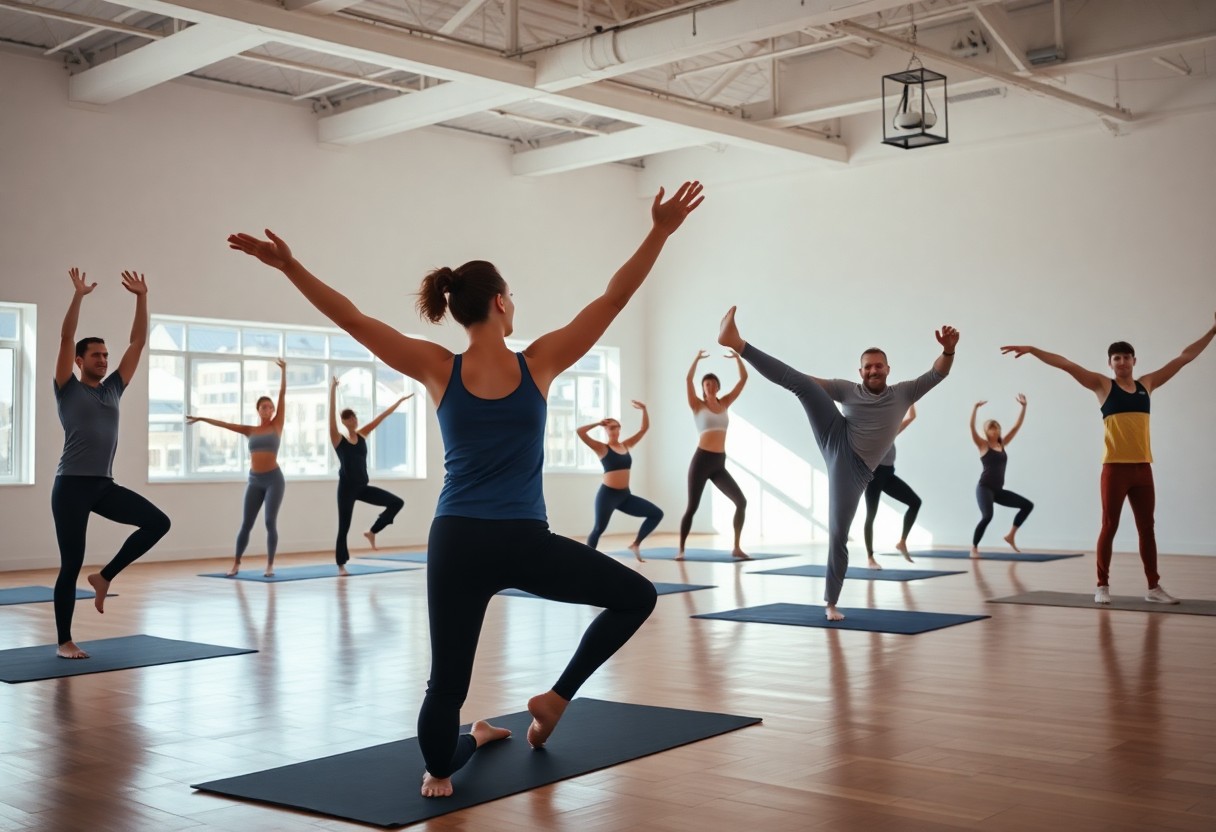
Stretching not only enhances your flexibility but can also benefit your mental well-being by promoting relaxation and reducing tension. When you engage in static stretching, focus on deep, even breaths to align your mind and body. Consistent practice of this technique can lead to significant increases in your muscle elasticity, benefiting your athletic pursuits and daily activities alike.
Incorporating Flexibility Training into Routine

For optimal results, it’s crucial to incorporate flexibility training into your regular workout routine. Dedicating time to stretch and enhance your range of motion not only helps in injury prevention but also improves overall athletic performance. Aim for a consistent practice, whether it’s during warm-ups, cool-downs, or as a separate session, to reap the full benefits of increased flexibility.

Frequency and Duration

To effectively improve your flexibility, aim to perform flexibility training at least three to four times a week. Each session should last between 15 to 30 minutes, focusing on all major muscle groups. This frequency allows your muscles to adapt and elongate over time, enhancing your overall flexibility and mobility.

Combining with Other Workouts

Routine flexibility training can be seamlessly integrated with other workout sessions, enhancing the effectiveness of your overall fitness regimen. By incorporating stretching into your strength training or cardiovascular workouts, you can effectively increase blood circulation, promote muscle recovery, and prevent stiffness post-exercise.

Hence, blending flexibility training with other workouts creates a comprehensive fitness program that addresses multiple aspects of physical health. For instance, consider doing dynamic stretches before your strength routine, followed by static stretching afterward. This approach not only helps you maintain flexibility but also reduces the risk of injury and promotes better muscle coordination, leading to improved performance in your primary workouts.

Common Mistakes in Flexibility Training

Your journey to improved flexibility can be hindered by a few common mistakes. Many individuals overlook important aspects of their training, leading to ineffective results or even injury. By being aware of these pitfalls, you can enhance your flexibility routine and enjoy the benefits without setbacks.

Overstretching

Across the flexibility training landscape, overstretching is a prevalent issue. While pushing your limits can feel rewarding, going too far too fast can lead to muscle strains or injuries. It’s crucial to listen to your body and increase flexibility gradually to achieve sustainable progress.

Neglecting Warm-up

At the beginning of your flexibility training, neglecting a proper warm-up can significantly impede your progress. Engaging in dynamic movements before stretching prepares your muscles and joints, promoting better range of motion and reducing injury risk.

Neglecting a warm-up routine deprives your muscles of the necessary blood flow and elasticity needed for effective stretching. Incorporating a light activity such as jogging or jumping jacks for 5-10 minutes increases your heart rate, which helps to warm up the body. This simple approach can vastly improve your flexibility training outcomes while safeguarding against potential injuries.

Monitoring Progress in Flexibility

Keep track of your flexibility improvements by regularly assessing your range of motion and body movements. Monitoring progress not only motivates you but also helps you identify areas where additional focus is needed. Incorporate a flexible routine that includes periodic tests, documenting your achievements along the way. This will provide you with a clearer understanding of your growth in flexibility and help you adjust your training methods as necessary.

Flexibility Tests

Flexibility tests are crucial tools for assessing your current range of motion. Simple assessments like the sit-and-reach test or shoulder flexibility test can reveal key insights into your flexibility levels. Performing these tests on a regular basis allows you to see how your efforts translate into measurable improvements over time and identify specific areas for targeted work.

Setting Realistic Goals

Above all, it’s vital to set realistic goals for your flexibility journey. Establishing achievable benchmarks can help you maintain motivation and focus as you work towards enhancing your flexibility. Challenging yourself is important, but ensuring that your goals are attainable will lead to more satisfaction and fewer frustrations along the way.

At the outset, consider your current flexibility level and select goals that take your experience into account. For example, if your range of motion is limited, aim for gradual improvements, such as increasing your stretch duration or achieving a deeper bend in specific exercises. Progress may be slow, but celebrating small victories will keep you encouraged and committed to your flexibility routine, fostering a positive attitude towards your growth.

Final Words

With these considerations, you can effectively enhance your flexibility through specific sports and activities. Incorporating practices like yoga, gymnastics, dance, or martial arts into your routine can lead to significant improvements in your range of motion and overall performance. By committing to these disciplines, you will not only increase your flexibility but also contribute to injury prevention and better athletic performance. Choose the sport that resonates with you, and enjoy the journey towards greater flexibility!

FAQ

Q: What are some of the best sports for improving flexibility?

A: Many sports focus on enhancing flexibility, such as gymnastics, dance, yoga, and martial arts. Gymnastics requires a wide range of motion for various maneuvers, while dance incorporates diverse movements that promote flexibility in both the upper and lower body. Yoga emphasizes stretching and breathing, providing a holistic approach to enhancing flexibility. Martial arts often incorporate stretching routines and techniques that enhance agility and flexibility, making them effective for individuals looking to improve their range of motion.

Q: How does practicing yoga contribute to flexibility improvement?

A: Yoga combines physical postures with breath control and meditation, which together help enhance flexibility effectively. The various asanas or poses in yoga target specific muscle groups and promote deeper stretches. Regular practice encourages gradual lengthening of muscles and tendons, improving range of motion over time. Additionally, the focus on alignment and body awareness in yoga helps practitioners avoid injury while working towards greater flexibility.

Q: Can flexibility training from sports improve overall athletic performance?

A: Yes, improved flexibility from sports training can lead to enhanced athletic performance. Increased flexibility allows for better joint mobility, which can improve speed, agility, and coordination in various sports. It also reduces the risk of injury by allowing muscles and joints to move through a full range of motion without strain. This is particularly beneficial in activities where explosive movements and quick changes of direction are crucial. Moreover, flexibility training can aid in faster recovery post-exercise, allowing athletes to train more effectively.

How to Enhance Your Reaction Speed in Fast-Paced Sports

There’s a competitive edge in fast-paced sports that hinges on your reaction speed. To help you improve this skill, we’ve gathered effective strategies that will enhance your performance on the field or court. From specialized training techniques to exercises that sharpen your reflexes, these tips can make a significant difference in your gameplay. For additional insights on developing your agility and speed, consider exploring this resource on Improving Reaction Time in Sports. With dedication and practice, you’ll find yourself responding quicker than ever.

Key Takeaways:

  • Practice Drills: Implement specific reaction time drills that imitate game situations to develop quicker responses.
  • Visualization Techniques: Use mental imagery to anticipate plays, helping your brain process information faster during competitions.
  • Focus on Nutrition: Maintain a balanced diet and hydration to support brain function and overall physical performance.
  • Regular Strength Training: Enhance overall body strength to improve explosiveness and agility, contributing to quicker reaction times.
  • Improve Hand-Eye Coordination: Engage in activities like ball games or reflex training that sharpen coordination and improve response speed.

Understanding Reaction Speed

For athletes competing in fast-paced sports, understanding reaction speed is imperative for improving performance. Reaction speed refers to the time it takes for you to respond to a stimulus, whether it’s a whistle, a ball being thrown, or an opponent’s move. Enhancing this ability can be the difference between winning and losing, making it a key focus for athletes across various disciplines.

Defining Reaction Speed

Reaction speed is the interval between perceiving an event and initiating an appropriate response. This involves sensory processing and motor skills, allowing you to engage quickly and effectively in competitive environments. A faster reaction time means you can execute actions more rapidly, which is vital for success in sports where split-second decisions are often required.

Importance in Fast-Paced Sports

Even a small advantage in reaction speed can significantly impact your overall performance in fast-paced sports. Your ability to swiftly respond to various cues allows you to maintain control in dynamic situations, positioning you to capitalize on opportunities and avoid potential pitfalls.

A keen reaction speed not only enhances your gameplay but also builds confidence in your abilities during high-pressure situations. In sports like soccer, basketball, or tennis, where opponents constantly present new challenges, your quickness to react can dictate the flow of the game. Training to improve your reaction speed means you’ll be better prepared to respond to changes in the game, positioning you ahead of rivals and enhancing your overall athletic performance.

Key Factors Influencing Reaction Speed

The factors influencing your reaction speed can significantly impact your performance in fast-paced sports. Consider the following elements:

  • Physical fitness
  • Mental agility
  • Practice and training
  • Nutrition
  • Rest and recovery

This understanding will allow you to focus on specific areas for improvement.

Physical Fitness

Fitness plays a vital role in enhancing your reaction speed. The stronger and more agile you are, the quicker your body can respond to stimuli. Incorporating strength training, cardiovascular workouts, and flexibility exercises into your routine will contribute to your overall fitness level and improve your reaction times.

Mental Agility

Reaction time isn’t just about physical readiness; it’s also about your mental sharpness. Quick thinking and decision-making are vital components of effective reactions in any sport.

Speed of thought can be improved through various mental exercises. Activities like fast-paced games, visualization techniques, and even meditation can help increase your brain’s processing speed. Engaging your mind actively before a game will prepare you for quick responses to unexpected situations during play.

How to Train Your Reaction Speed

To enhance your reaction speed, you must engage in a variety of specific training techniques that challenge your mind and body. Focusing on quick decision-making and physical responsiveness can dramatically improve your performance in fast-paced sports. Incorporate a mix of drills and exercises into your routine, as well as advanced technology, to track your progress and keep you motivated on your journey.

Drills and Exercises

Exercises like reaction ball drills, agility ladder routines, and partner target training will help sharpen your reflexes. Incorporate sports-specific drills that simulate game situations; for example, practicing catching a frisbee on the run or responding to a sudden change in direction can train your body to react faster when it matters most. Consistency is key, so dedicate time each session to these focused activities.

Incorporating Technology

With the advent of technology, you can further enhance your training regimen. Various apps and devices help you track your reaction time, providing real-time feedback on your performance. Devices like reaction lights or acceleration sensors allow you to practice and measure your speed and accuracy in a more engaging way.

Another effective way to utilize technology is through video analysis. By recording your training sessions, you can review your movements and identify areas for improvement. Apps that break down your performance or highlight your reaction times can help you make precise adjustments to your training, enhancing your ability to quickly assess and respond on the field or court.

Tips for Improving Cognitive Reaction Time

Unlike physical reaction speed, cognitive reaction time involves how quickly you process information and make decisions. To enhance this aspect of your performance, consider implementing these strategies:

  • Practice situational awareness in training.
  • Engage in video analysis to review gameplay.
  • Incorporate reaction-based video games.
  • Participate in drills that require rapid decision-making.

Assume that improving your cognitive skills will directly benefit your performance during fast-paced sports.

Visualization Techniques

Tips for improving cognitive reaction time include using visualization techniques to enhance your mental imagery. By regularly imagining various game scenarios, you train your brain to react more efficiently when similar situations arise. This prepares you mentally, allowing for quicker decision-making and improved focus during actual gameplay.

Decision-Making Exercises

While developing your cognitive reaction time, engaging in decision-making exercises can greatly contribute to your agility. Simulated scenarios that require quick thinking can help you practice assessing various outcomes and making choices faster, thus sharpening your instincts during competition.

Another effective method to boost your cognitive reaction time is by incorporating high-pressure decision-making drills into your training. Set up situations that mimic real-game pressure, where you must analyze information quickly and respond accordingly. Regularly practicing these drills will not only enhance your ability to make faster decisions but also build your confidence under pressure, ultimately translating into better performance in fast-paced sports.

Nutrition and Recovery Strategies

All aspects of nutrition and recovery play vital roles in enhancing your reaction speed in fast-paced sports. Focusing on optimal fueling and sufficient rest will promote better performance and quicker recovery, allowing you to train harder and perform better during competition. Incorporating a balanced diet and prioritizing recovery strategies will lead to improved athletic outcomes.

Fueling for Performance

Performance in fast-paced sports hinges on your nutritional choices. Consuming a balanced diet rich in carbohydrates, proteins, and healthy fats will provide your body with the energy it needs to react swiftly. Hydration is equally important, so ensure you are drinking enough water before, during, and after your activities to maintain peak performance levels.

Importance of Rest

You should not underestimate the significance of rest in enhancing your reaction speed. Proper recovery allows your body and mind to recuperate, ensuring optimal performance when it matters most. Prioritizing sleep and incorporating rest days into your training schedule can significantly impact your overall athletic ability.

This recovery time lets your muscles repair and adapt, which is vital for maintaining and improving your reaction speed. Adequate sleep enhances cognitive functions, allowing for quicker decision-making and improved focus during high-pressure situations in your sport. Make rest an integral part of your training routine to maximize your potential.

Tracking Progress and Setting Goals

Not tracking your progress can hinder your development in fast-paced sports. Setting clear, measurable goals will not only keep you motivated but also help you identify areas for improvement. Regularly reviewing your performance and adapting your strategies will ensure you remain on the path toward enhancing your reaction speed.

Measurement Techniques

There’s a variety of techniques to measure your reaction speed, such as using reaction time apps, stopwatch drills, and partner challenges. By employing these methods, you can quantify your progress and pinpoint precisely where you need to focus your training efforts. Consistently logging these stats will help establish a clearer picture of your improvement over time.

Establishing Achievable Milestones

There’s great value in breaking your overall goals into smaller, achievable milestones. This approach allows you to track your progress more effectively and gives you a sense of accomplishment as you reach each marker. Each milestone you set should reflect a realistic step forward in your training.

Goals should be specific and broken down into actionable steps. For instance, if your main objective is to improve your reaction time in a particular sport, set measurable milestones such as reducing your reaction time by a certain fraction in the next month. Celebrate each achievement, no matter how small, as it will keep your momentum going and bolster your confidence in reaching your ultimate objective.

Conclusion

To wrap up, enhancing your reaction speed in fast-paced sports requires a dedicated approach. Focus on drills that improve your agility and hand-eye coordination, while incorporating proper nutrition and rest to optimize your performance. Visualization techniques can also help you anticipate movements better, giving you a competitive edge. Consistency is key; practice these strategies regularly to make noticeable improvements in your reaction time. By committing to this structured plan, you can elevate your game and respond more effectively in high-pressure situations.

Q: What exercises can I perform to improve my reaction speed for sports?

A: To enhance your reaction speed, you can incorporate specific exercises into your training regimen. Plyometric drills, such as box jumps or depth jumps, help to develop explosive power and improve quickness. Agility drills, such as ladder drills or cone sprints, can enhance foot speed and coordination. Additionally, reaction ball drills, where you catch a ball that bounces unpredictably, can train your reflexes effectively. Consistent practice of these exercises will lead to noticeable improvements in your reaction time in fast-paced sports.

Q: How does mental training influence my reaction speed in sports?

A: Mental training plays a significant role in reaction speed, as sports performance often relies on quick decision-making. Visualization techniques can help athletes anticipate different game scenarios, improving their preparedness and responsiveness. Practicing mindfulness or focus exercises can enhance concentration, allowing athletes to react more swiftly to on-field events. Additionally, engaging in reaction time drills, such as video-based scenarios or simulation games, can sharpen cognitive processing and tactical awareness, further boosting on-field reaction times.

Q: What nutritional strategies can support my reaction time training?

A: Proper nutrition is vital for optimizing reaction times. A balanced diet rich in carbohydrates provides the necessary energy for explosive movements, while proteins support muscle recovery and growth. Staying hydrated is also important, as even mild dehydration can significantly impair cognitive functions and physical performance. Incorporating foods high in omega-3 fatty acids, such as fish or walnuts, can enhance brain health, potentially improving processing speed. Lastly, consider timing your meals and snacks to ensure you’re well-fueled before training and competition, as stable blood sugar levels can enhance focus and reaction capacity.

The Top 5 Ways to Improve Your Stamina for Sports

Most athletes understand that stamina is key to performance, yet many struggle to enhance it effectively. If you’re looking to elevate your endurance during sports, implementing specific strategies can make a significant difference. In this post, you’ll discover five practical methods that will help you boost your stamina, allowing you to push through those challenging moments in games and training. From optimizing your workouts to focusing on nutrition, these tips will provide you with a solid foundation to improve your athletic performance and achieve your goals.

Key Takeaways:

  • Consistent Training: Engaging in regular workouts helps build endurance and enhances overall stamina.
  • Balanced Nutrition: Consuming a diet rich in carbohydrates, proteins, and healthy fats fuels the body and supports stamina during sports activities.
  • Hydration: Staying properly hydrated is important for maintaining energy levels and preventing fatigue during intense workouts.
  • Interval Training: Incorporating high-intensity interval training (HIIT) increases both aerobic and anaerobic capacity, improving stamina significantly.
  • Rest and Recovery: Allowing the body adequate time to rest and recuperate is vital for sustaining energy levels and enhancing performance in the long run.

Understanding Stamina

The term stamina refers to your body’s ability to sustain prolonged physical or mental effort. It indicates your endurance levels, determining how long you can perform an activity before fatigue sets in. Developing stamina is necessary for athletes as it impacts overall performance during training and competition.

Definition of Stamina

Below is a simple definition: stamina is the physical or mental capacity to endure strenuous activity over time. It encompasses both aerobic capacity and muscle endurance, allowing you to push through challenges in your chosen sport.

Importance of Stamina in Sports

Along with strength and skill, stamina significantly contributes to your success in sports. A higher endurance level enables you to train longer, compete effectively, and recover more quickly, enhancing your overall athletic performance.

The significance of stamina cannot be overstated in sports. When you possess strong stamina, you can maintain your performance throughout an entire event, keeping your energy levels steady. This endurance allows you to execute skills effectively, react to opponents, and finish strong, giving you a competitive edge. Moreover, improved stamina enhances your mental toughness, enabling you to push through fatigue and challenges, which is vital for achieving your sports goals.

Incorporating Aerobic Exercise

There’s no better way to boost your stamina for sports than by integrating aerobic exercise into your fitness routine. Aerobic workouts improve your endurance, enhance your cardiovascular health, and help you perform better in high-intensity sports. By engaging in consistent aerobic activities, you enable your body to effectively use oxygen, which in turn, increases your stamina levels and overall athletic performance.

Types of Aerobic Workouts

There’s a variety of aerobic workouts you can choose from to improve your stamina. Consider incorporating the following into your routine:

  • Running or jogging
  • Cycling
  • Swimming
  • Dancing or Zumba
  • Rowing

Assume that varying your workouts will not only keep things interesting but also target different muscle groups, providing comprehensive benefits.

Type of Workout Duration (minutes)
Running 30-60
Cycling 30-90
Swimming 30-60
Dancing 30-60
Rowing 20-45

Frequency and Duration Guidelines

At a minimum, you should aim for at least 150 minutes of moderate aerobic exercise per week, or 75 minutes of vigorous aerobic activity, spread across multiple days. This ensures that you build your stamina gradually while allowing your body sufficient recovery time between sessions.

Even a steady progression in your aerobic routine can lead to significant improvements in your stamina. Aim for about 30 minutes of aerobic exercise, five times a week. You can start with shorter sessions and gradually increase the duration as your fitness level improves. Combining different types of workouts will not only challenge you but also keep your training enjoyable and engaging. Make it a point to listen to your body and adjust your routine accordingly to ensure long-term success.

Strength Training for Endurance

Despite the common misconception that strength training is solely for building muscle, it plays a vital role in enhancing your endurance for sports. By incorporating strength exercises into your routine, you can improve your muscle efficiency, allowing you to perform at a higher level for extended periods. This not only increases your stamina but also helps prevent injuries, giving you a more balanced and robust foundation to excel in your chosen sport.

Key Exercises for Athletes

With a focus on endurance, athletes should incorporate functional strength exercises such as squats, lunges, and deadlifts into their training. These movements engage multiple muscle groups and mimic the motions involved in various sports, enhancing your overall performance. Additionally, exercises like push-ups and planks are excellent for building upper body and core strength, allowing you to maintain your energy levels throughout the competition.

Benefits of Strength Training

An effective strength training routine can lead to improved athletic performance, as it boosts your muscle endurance and overall physical capacity. By increasing your strength, you become more efficient at utilizing energy during prolonged activities, allowing you to push through fatigue longer and with greater ease.

To truly grasp the benefits of strength training, consider that it not only enhances your endurance but also contributes to better coordination, balance, and agility. It builds lean muscle mass, which helps to improve your metabolism and recovery times. As you strengthen your muscles, tendons, and ligaments, you’ll also experience a notable reduction in injury risk, enabling you to train harder and longer while enjoying the activities you love. By integrating strength training into your routine, you empower yourself to reach new performance heights in your sports endeavors.

Nutrition for Optimal Performance

To enhance your stamina for sports, proper nutrition is vital. Fueling your body with the right nutrients can significantly improve your performance and endurance levels. By focusing on a balanced diet rich in carbohydrates, proteins, and healthy fats, you ensure that your body has the energy it needs during intense training and competitions. Additionally, hydration plays an important role in maintaining optimal performance, so it’s vital to pay attention to what you consume before, during, and after your activities.

Nutritional Components for Stamina

After understanding the importance of nutrition, it’s vital to focus on specific components that boost stamina. Carbohydrates are your primary source of energy, while proteins help repair and build muscle tissue. Healthy fats provide vital fatty acids and energy for longer workouts. Incorporating fruits and vegetables ensures you receive necessary vitamins and minerals that play a role in overall health and recovery, helping you maintain peak performance.

Meal Timing and Hydration

Below, you’ll find tips on how meal timing and hydration can significantly impact your stamina. Eating the right foods at the appropriate times allows your body to optimize energy levels and recovery. Staying well-hydrated before, during, and after your workouts is equally important as it supports digestion, muscle function, and overall performance.

With meal timing, you should focus on consuming carbohydrates and proteins within 30 minutes to two hours after your workout to maximize muscle recovery. Prior to your activities, having a balanced meal or snack can fuel your performance effectively. In terms of hydration, aim to drink water consistently throughout the day but pay special attention to fluid intake before, during, and after exercise to prevent dehydration. Utilizing electrolyte-rich beverages during longer sessions can also help maintain energy and endurance.

Rest and Recovery

Unlike what many athletes believe, rest and recovery are just as vital as training when it comes to improving your stamina. Overworking your body can lead to fatigue and burnout, making it harder for you to perform at your best. Implementing adequate rest periods can enhance your overall performance and help you achieve your stamina goals. Prioritizing recovery days in your training schedule will allow your muscles to repair and grow stronger, ultimately benefiting your endurance in sports.

Importance of Sleep

With an increased focus on your training, sleep often takes a backseat, but it’s imperative for stamina improvement. Quality sleep helps to recharge your muscles, restore energy levels, and supports cognitive functions necessary for peak performance. Aim for 7-9 hours of uninterrupted sleep each night to facilitate the body’s recovery processes and enhance your athletic capabilities. Good sleep hygiene practices, such as maintaining a consistent schedule and optimizing your sleep environment, will significantly impact your performance outcomes.

Active Recovery Techniques

About incorporating active recovery techniques can vastly improve your stamina. These methods involve gentle physical activities that promote blood circulation, reduce muscle soreness, and assist in the recovery process without adding significant strain to your body. Activities like walking, cycling, or yoga can help maintain your fitness levels while allowing your muscles to heal.

Further exploring active recovery techniques, you might consider engaging in low-intensity activities that keep you moving while aiding muscle recovery. For instance, a leisurely swim or a light jog can be highly effective. Stretching and foam rolling are also beneficial for enhancing flexibility and relieving tension in your muscles. This balance of activity and relaxation allows your body to recover more efficiently, resulting in improved stamina for your next training session or competition.

Mental Strategies for Endurance

Now, building your stamina is not only about physical training; it also requires strong mental strategies. Developing a resilient mindset can enhance your endurance and help you push through challenging moments during sports activities. Incorporating mental exercises into your training routine will allow you to stay focused and maintain motivation, ultimately improving your performance.

Mindfulness and Focus Techniques

After incorporating mindfulness techniques into your routine, you can sharpen your focus and enhance your endurance during sports. Practicing mindfulness involves being fully present in your activities, which helps you manage stress and improve your overall performance. Techniques such as deep breathing, visualization, and meditation can keep distractions at bay, allowing you to concentrate on your goals.

Setting Realistic Goals

Around setting goals, it’s crucial to create realistic and achievable targets that align with your current abilities and desired outcomes. This practice helps maintain motivation and allows for steady progress, which ultimately fosters a sense of accomplishment. By breaking larger goals into smaller, manageable milestones, you can track your progress effectively and adjust your training regimen as needed.

Indeed, setting realistic goals is fundamental to enhancing your stamina in sports. Focusing on small, incremental improvements rather than overwhelming yourself with lofty expectations ensures that you stay motivated and avoid burnout. Celebrate your achievements along the way, no matter how small, as they contribute to your overall growth. Over time, this approach builds confidence while keeping your motivation high, allowing you to enhance your stamina sustainably.

To Wrap Up

From above, you now have a clear understanding of how to enhance your stamina for sports. By incorporating a balanced diet, consistent training, adequate rest, hydration, and mental conditioning, you can elevate your performance. These strategies work together to help you build endurance and achieve your athletic goals. For more insights on improving your stamina, check out this resource on How to Increase Stamina: 16 Ways to Power Up a Workout.

Q: What are some effective exercises to boost my stamina for sports?

A: To improve your stamina for sports, consider incorporating a variety of aerobic and anaerobic exercises into your routine. Long-distance running or cycling can enhance your cardiovascular endurance, while interval training—alternating short bursts of high-intensity activity with periods of rest—can build both stamina and power. Activities like circuit training that combine strength and aerobic workouts can also be beneficial. Lastly, consider sports-specific drills that mimic the movements and intensity of your chosen sport to condition your body accordingly.

Q: How does nutrition play a role in enhancing my stamina for sports?

A: Nutrition is vital for building and maintaining stamina. A balanced diet rich in carbohydrates, proteins, and healthy fats provides the energy required for prolonged physical activity. Carbohydrates serve as the primary fuel source, so including whole grains, fruits, and vegetables is important. Protein supports muscle repair and recovery, making lean meats, fish, legumes, and dairy products important. Staying hydrated is also key; water and electrolyte-rich drinks help maintain performance during extended periods of exercise. Consulting with a sports nutritionist can help tailor your diet to meet your specific stamina-related needs.

Q: How important is rest and recovery in improving my sports stamina?

A: Rest and recovery are vital elements in any training program aimed at boosting stamina. When you engage in intense workouts, your muscles experience micro-tears that need time to heal. Incorporating rest days into your training schedule allows your body to repair itself, building stronger muscles and enhancing endurance over time. Active recovery, such as gentle stretching, yoga, or light cardio, can also promote recovery without completely halting your training. Adequate sleep is equally important, as it helps to regulate hormones and supports overall recovery and performance. Balancing training with sufficient rest will lead to greater advancements in stamina.

How to Handle Setbacks in Sports Performance

Performance in sports can be unpredictable, and setbacks are an inevitable part of your journey as an athlete. Whether it’s an injury, a loss, or not meeting your expectations, how you respond to these challenges can significantly impact your growth and future success. In this guide, you will learn effective strategies to navigate setbacks, maintain your motivation, and emerge stronger than before. Embrace these insights to turn obstacles into stepping stones on your path to excellence.

Key Takeaways:

  • Perspective: Viewing setbacks as learning opportunities can foster growth and resilience in athletes.
  • Emotional Management: Developing strategies to cope with disappointment is necessary for maintaining mental health and focus.
  • Communication: Engaging with coaches, teammates, and support systems can provide valuable insights and motivation.
  • Goal Adjustment: Reassessing short-term and long-term goals helps maintain motivation and sets a clear path forward.
  • Consistency: Maintaining a regular training schedule and commitment can help overcome the negative impacts of setbacks.

Understanding Setbacks in Sports Performance

Before you can effectively deal with setbacks in your sports journey, it’s necessary to understand what they are. Setbacks are temporary disturbances that can impact your performance, making recovery and improvement more challenging. They can arise from various factors, but acknowledging their presence is the first step toward overcoming them and enhancing your resilience. You’re not alone; every athlete experiences these moments. The key is to view them as opportunities to learn and build greater tenacity in your sport.

Common Factors Contributing to Setbacks

Sports performance setbacks can stem from various sources, impacting your training and competition outcomes. Common factors include:

  • Injuries or physical limitations
  • Poor training consistency
  • Lack of mental focus
  • External pressures, such as competition stress

The understanding of these factors can enable you to proactively address potential issues in your athletic journey.

The Psychological Impact of Setbacks

Now, it’s necessary to recognize that the psychological toll of setbacks can be significant. Experiencing a setback may lead to self-doubt, decreased motivation, and anxiety about future performances. These emotional responses can hinder your recovery and growth as an athlete.

Another aspect to consider is how setbacks can alter your perspective on training and competition. You may feel disheartened or frustrated, which can detract from your enjoyment of the sport and affect your relationships with coaches and teammates. Acknowledging your emotional response can provide insights into your mindset and open the door to implementing coping strategies that enhance your psychological resilience moving forward.

How to Reassess Goals

One of the most effective ways to navigate setbacks in sports performance is to reassess your goals. This process allows you to reflect on your current situation and make necessary adjustments to ensure your aspirations remain realistic and motivating. Consider the challenges you’ve faced and how they impact your original objectives. By redefining what success looks like for you now, you can create a more tailored plan that inspires you to keep pushing forward.

Setting Realistic and Achievable Targets

Setting realistic and achievable targets is important to maintain your motivation and progress. You need to evaluate your current skill level, available resources, and time commitments to create goals that align with your capabilities. Instead of aiming for perfection, focus on incremental improvements that challenge you without overwhelming you. This approach helps build confidence and keeps you engaged in your training or competition.

Adjusting Goals Based on Performance

Goals should evolve as you gain insights from your performance. Regularly assessing your achievements and setbacks helps you understand what’s working and what’s not. This might mean lowering your expectations, changing your timeline, or shifting your focus entirely. By aligning your goals with your current abilities and environmental factors, you set yourself up for sustained success. Adjustments allow you to embrace the journey of growth and adaptability, ensuring you remain on the path toward your ultimate vision.

To effectively adjust your goals based on performance, you must conduct periodic evaluations of your training sessions and competitions. Analyze what aspects are contributing to your successes and identify areas needing improvement. This self-reflection will give you valuable insights into your progress and help you determine whether your goals need to be more challenging or realistic. Embrace a mindset that welcomes change and stay flexible in your approach, allowing your aspirations to evolve with your journey.

Effective Strategies for Recovery

Not every setback is permanent, and the right recovery strategies can help you bounce back stronger. Establishing a structured recovery routine tailored to your specific needs can make all the difference in your performance. Incorporate both physical and mental recovery techniques to address the full spectrum of challenges you may face in sports. This holistic approach not only aids in recovery but can also enhance your future performance.

Physical Recovery Techniques

With the right physical recovery techniques, such as proper stretching, nutrition, hydration, and sleep, you can significantly speed up your body’s healing process. Engaging in activities like yoga or light aerobic exercise can promote circulation and reduce soreness. Consider utilizing tools like foam rollers or massage to help relieve muscle tension and restore functionality. Prioritizing these physical aspects will ensure you bounce back efficiently from setbacks.

Mental Recovery Practices

Techniques for mental recovery, such as mindfulness, visualization, and goal-setting, are necessary to revitalizing your competitive edge. These practices help you refocus and regain confidence after a setback, allowing your mind to recover just as your body does. Engaging in mental exercises can reduce anxiety and foster a positive mindset, enabling you to tackle future challenges effectively.

Practices like journaling about your experiences, reflecting on what went wrong, and developing a constructive action plan can bolster your mental resilience. Incorporating visualization techniques, where you mentally rehearse successful performance scenarios, can also reinforce positive habits. By prioritizing these mental recovery practices, you’ll build a strong foundation that not only helps you recover but also prepares you for future successes.

Seeking Support and Guidance

For athletes facing setbacks, seeking support and guidance can make a significant difference in your recovery and performance. Engaging with experienced coaches, trainers, and peers provides a solid foundation for understanding your challenges. They can offer valuable feedback, encouragement, and strategies to help you navigate through obstacles effectively, allowing you to regain your confidence and focus on improvement.

The Role of Coaches and Trainers

Little can replace the expertise of coaches and trainers when you encounter setbacks. They possess the knowledge to assess your performance, identify underlying issues, and provide a structured plan to help you return to your peak condition. Their experience can also inspire you to push through challenges, maintaining motivation and accountability as you work towards your goals.

Utilizing Support Networks

Support from your network plays a vital role in overcoming setbacks. Surrounding yourself with teammates, friends, and family allows for shared experiences and emotional encouragement, which can boost your resilience. These connections will not only provide motivation but also help to alleviate the stress that often accompanies challenging times in sports.

To enhance your performance after a setback, actively utilizing your support networks can offer diverse perspectives and resources. Engage with teammates who understand your journey, share insights, and exchange practical advice. Additionally, communicate openly with friends and family, relying on their emotional support to sustain your morale. By fostering these connections, you create an environment that promotes growth, healing, and a renewed sense of purpose in your athletic endeavors.

Tips for Maintaining Motivation

Keep your motivation alive by setting achievable goals and surrounding yourself with supportive individuals. Here are a few strategies to consider:

  • Create a vision board to visualize your aspirations
  • Track your progress in a journal
  • Engage in positive self-talk to reinforce your determination
  • Join a local sports group to foster camaraderie
  • Embrace setbacks as opportunities for improvement

Perceiving setbacks as temporary can help you sustain your motivation throughout your athletic journey.

Cultivating a Growth Mindset

Maintaining a growth mindset is fundamental for athletes facing setbacks. This mindset encourages you to view challenges as chances to improve rather than insurmountable obstacles. By embracing feedback and focusing on continuous learning, you can enhance your skills and resilience.

Celebrating Small Victories

Victories, no matter how small, are significant in your athletic journey. Acknowledging these moments boosts your morale and provides a sense of accomplishment. When you recognize progress, even minor achievements, it fuels your motivation to keep pushing forward.

It’s vital to take the time to celebrate each milestone you reach, such as completing a tough workout or mastering a new skill. These small victories serve as stepping stones toward your larger goals, reminding you of your capabilities and reinforcing a positive mindset. By savoring these achievements, you create a powerful emotional foundation that propels you through challenging times.

Learning from Setbacks

To evolve in your sport, it’s crucial to extract valuable lessons from setbacks. Each struggle presents an opportunity for growth, allowing you to refine your techniques, rethink strategies, and adjust your mindset. By viewing obstacles as stepping stones rather than barriers, you can transform negative experiences into motivation to achieve your goals. A positive approach to learning from setbacks fosters resilience and prepares you for future challenges.

Analyzing Performance for Future Improvement

The key to enhancing your capabilities lies in self-reflection. After a setback, take time to assess your performance critically. Analyze the factors that contributed to your results, whether they be physical, mental, or strategic. Gathering insights through this analysis helps you identify weaknesses and areas for development, enabling you to create a targeted plan for improvement in future competitions.

Embracing Resilience

You must cultivate resilience to thrive in sports. Embracing this mindset enables you to bounce back stronger after setbacks, maintaining focus on long-term goals. Understanding that every athlete encounters challenges will help you navigate your own journey with a sense of purpose and determination.

Setbacks are an inevitable part of athleticism, but they do not define your journey. Instead, they offer a chance to reassess your determination and commitment to your sport. By embracing resilience, you learn to navigate difficulties effectively, allowing you to harness the power within. Viewing every setback as a learning experience not only strengthens your skills but also enhances your mental toughness, preparing you for future challenges.

Conclusion

Drawing together the strategies for managing setbacks in sports performance, it’s crucial that you focus on a positive mindset, develop resilience, and seek support when needed. Acknowledge your emotions but channel them into constructive actions that enhance your skills and mental strength. By learning to adapt and foster determination, you can emerge stronger from any challenge. For insights on how to deal with setbacks like an elite athlete, consider integrating these principles into your training routine.

Q: What are some effective strategies to cope with performance setbacks in sports?

A: Coping with performance setbacks requires a multi-faceted approach. First, it’s important to assess the situation objectively. Take time to analyze what went wrong and identify any patterns or training deficiencies. Next, practice mindfulness or visualization techniques to refocus your mindset. Surround yourself with supportive teammates, coaches, or sports psychologists who can provide guidance. Setting incremental goals can also help rebuild confidence over time. Ultimately, maintaining a positive attitude and embracing the learning process in setbacks is key to long-term improvement.

Q: How can athletes maintain motivation after experiencing a setback?

A: Maintaining motivation after a setback can be challenging but is crucial for recovery. Start by reframing the setback as an opportunity for growth rather than a failure. This perspective fosters resilience. Create a new training plan that includes small, achievable goals to help reignite passion for the sport. Involving friends or family in training can provide additional support and encouragement. Reflect on past achievements and remind yourself of the reasons you love your sport to rekindle that motivation. It’s also helpful to take short breaks to reset mentally without losing sight of your long-term objectives.

Q: When should an athlete consider seeking professional help after a setback?

A: An athlete should consider seeking professional help if they find it increasingly difficult to bounce back emotionally or mentally after a setback. Signs may include persistent negative thoughts, a decline in performance, or avoidance of training or competition altogether. Additionally, if feelings of anxiety or depression arise, reaching out to a sports psychologist or counselor can provide the necessary support and coping strategies. Consulting with a coach about these feelings can also help identify any physical or technical improvements needed. Professional guidance ensures that athletes are not only addressing the emotional challenges but also getting back on track for future successes.

How to Choose the Right Sports Shoes

There’s no denying that the right sports shoes can enhance your performance and comfort during physical activities. When deciding on the perfect pair, you need to consider factors like your foot type, the sport you’ll be engaging in, and your personal style. This guide will help you navigate the options available so you can make an informed decision and find the sports shoes that best suit your needs.

Key Takeaways:

  • Activity Type: Identify the specific sport or activity you will be engaging in, as different shoes are designed for various sports.
  • Fit and Comfort: Ensure the shoes fit well with adequate support, cushioning, and room for toe movement to prevent discomfort during activities.
  • Arch Support: Consider your foot’s arch type (flat, normal, or high) to find shoes that offer the right level of support needed for your foot type.
  • Surface Compatibility: Choose shoes that are suitable for the playing surface, such as turf, grass, or gym floors, to enhance performance and safety.
  • Durability and Quality: Look for well-constructed shoes made from high-quality materials that can withstand the wear and tear of your sport over time.

Understanding Your Foot Type

The key to selecting the right sports shoes is understanding your unique foot type. Foot shapes vary greatly among individuals, and recognizing whether you have flat, neutral, or high arches is vital for ensuring proper support and comfort. By determining your foot type, you can select shoes that cater specifically to your biomechanics, improving your performance and reducing the risk of injury.

Identifying Your Arch Type

With the right approach, you can easily identify your arch type by observing your foot’s print on a wet surface. A flat print indicates low arches, a partial print suggests neutral arches, and a narrow print is indicative of high arches. This understanding will help you choose shoes with the appropriate level of cushioning and support tailored to your specific needs.

Assessing Foot Width

Even though many people focus on shoe length, the width of your foot is equally important for finding a proper fit. Measuring your foot width will help you choose a shoe that accommodates your foot’s natural proportions. Many brands offer different width options, such as narrow, standard, and wide, allowing you to select a shoe that ensures comfort and stability during your activities.

It’s vital to assess your foot width, as wearing shoes that are too narrow can lead to discomfort and foot issues. To measure, stand on a piece of paper and trace your foot’s outline, then measure the widest part. Knowing this width will guide you in selecting the right fit when shopping for sports shoes, making sure you avoid unnecessary pinching or chafing while engaging in your favorite activities.

Knowing the Type of Sport

If you want to choose the right sports shoes, it’s necessary to understand the specific requirements of your sport. Different activities place unique demands on your footwear, so make sure to evaluate your needs before purchasing. For more detailed guidance, check out this How To Choose The Right Running Shoes For You. This knowledge will help you select shoes that enhance your performance and comfort.

Running Shoes vs. Cross-Training Shoes

To select between running shoes and cross-training shoes, consider the activities you engage in regularly. Running shoes are designed with cushioning and support for forward motion, while cross-training shoes offer versatility for various workouts, including weightlifting and aerobics. Choose the type that aligns with your primary exercise regimen to optimize your performance.

Specific Needs for Different Sports

For athletes, the needs of each sport vary significantly, leading to different shoe requirements. Prioritizing the characteristics of your chosen sport ensures you have shoes that provide optimal support, stability, and protection tailored to those specific movements.

Running shoes are crafted to minimize impact with features like cushioning and shock absorption tailored for miles of pavement. Soccer cleats focus on traction for quick lateral movements on grass, while basketball shoes offer ankle support and a durable grip for jumping and pivoting on the court. Tennis shoes prioritize stability and quick movements side-to-side on the court. Always consider your sport’s unique demands to find the perfect pair of shoes that protect your feet and enhance your performance.

Key Features to Look For

Despite the multitude of options available, narrowing down your choice can be simplified by focusing on key features. Look for the following elements to ensure optimal performance:

  • Proper fit and sizing
  • Support and stability
  • Cushioning level
  • Type of sole (traction and flexibility)
  • Weight of the shoe
  • Durability of materials
  • Style and design

Any combination of these features can significantly enhance your athletic performance and comfort.

Cushioning and Impact Protection

Assuming you are active in sports, cushioning and impact protection are vital for reducing strain on your joints. Look for shoes that offer sufficient cushioning to absorb shocks while providing support. The type of cushioning can vary, so choose a pair that matches your activity level and personal comfort preferences.

Breathability and Material

While selecting sports shoes, breathability and material are necessary for comfort and performance. Breathable materials, like mesh, promote airflow, keeping your feet cool and dry during intense activities. Look for shoes designed with moisture-wicking properties to prevent sweat accumulation and reduce odor.

With the right breathable materials, you can enhance your overall experience during workouts or sports. Quality mesh fabrics allow your feet to retain a cool temperature even in high-energy situations. Additionally, durable materials will provide structure and longevity, ensuring your shoes can withstand the rigors of your sport while maintaining comfort and functionality.

Tips for Trying on Shoes

Keep these tips in mind to ensure you find the perfect sports shoes:

  • Try on shoes later in the day when your feet are more swollen.
  • Wear the socks you plan to use during your activities.
  • Test the shoes on the surface you usually exercise on.
  • Walk or jog around the store to assess comfort and support.

After evaluating your shoe options, you’ll have a better sense of what fits and feels right.

Timing Your Purchase

To maximize comfort and fit, consider timing your purchase. Your feet naturally swell throughout the day, so trying on shoes in the afternoon makes for a more accurate assessment of how they will feel during activity.

Proper Fit and Comfort Guidelines

While selecting shoes, focus on achieving a secure and comfortable fit. Make sure there’s about a thumb’s width of space between your longest toe and the shoe’s end. This will prevent discomfort during movements. The heel should fit snugly without slipping, and the shoe should provide adequate arch support.

Purchase well-fitting sports shoes that conform comfortably to your foot’s shape. Pay attention to varying designs and technologies across brands that cater to different needs—some may offer extra cushioning, while others provide additional stability. If you feel any pinching or tightness, don’t hesitate to try a different size or style to ensure that your shoes support your performance and comfort levels during activities.

Factors Influencing Shoe Longevity

To ensure your sports shoes last longer, several factors play a significant role. Consider the following aspects:

  • Material quality
  • Frequency of use
  • Type of surface you run on
  • Your weight and foot type

Assume that you pay attention to these factors; your investment in sports shoes will pay off in extended wear and performance.

Wear Patterns and Durability

Patterns of wear can give you insight into the durability of your sports shoes. Observe where the sole thins or shows signs of damage, as these areas will wear out faster depending on your running style or foot strike. This can help you choose the right shoe for your foot type and activity level, ultimately enhancing the shoe’s longevity.

Maintenance Tips

An effective maintenance routine can significantly extend the life of your sports shoes. Consider the following guidelines for upkeep:

  • Regularly clean your shoes
  • Avoid machine washing
  • Store them in a cool, dry place
  • Rotate shoes if you run frequently

After following these tips, you will keep your shoes in optimal condition for a longer time.

Shoe maintenance goes beyond cleaning; it is about taking a holistic approach to care. You can check and replace insoles as needed to maintain proper support, and inspect the stitching for any potential fraying. Airing out your shoes after each use prevents odor and keeps them fresh. Furthermore, consider using protective sprays for water resistance. The more effort you invest, the longer your shoes will serve you well.

  • Keep them dry after use
  • Limit exposure to heat sources
  • Use a shoe horn for easy wear

After adopting these maintenance strategies, your shoes will likely provide you with greater durability and comfort during your sports activities.

Making the Final Decision

Once again, it’s time to weigh all your options and make a decision that feels right for you. Reflect on the aspects that are most important to your needs—whether it’s comfort, style, or performance. Always try on the shoes and take a few steps in them to see how they feel. Trust your instincts, and consider how these shoes will support your sporting activities before making that final purchase.

Budget Considerations

Making a budget before you shop can help you narrow down your options and avoid overspending. Consider your primary needs and how much you are willing to invest in quality footwear. A good pair of sports shoes is an investment in your performance and health, so weigh cost against durability and support.

Seeking Expert Advice

An effective way to ensure you choose the right sports shoes is to seek expert advice from professionals in the field. Whether it’s a knowledgeable shoe salesperson or a sports coach, their insights can guide you towards the most suitable options for your specific activities.

The best experts can assess your foot type, pronation, and the type of sports you engage in, allowing them to recommend shoes tailored to your unique needs. Many specialty running stores have trained staff who can analyze your gait and suggest proper fitting options. Don’t hesitate to take advantage of their expertise, as their recommendations could lead to enhanced performance and overall enjoyment in your sporting endeavors.

To wrap up

Now that you understand the key factors to consider when choosing the right sports shoes, focus on assessing your specific needs based on the type of activity you’ll engage in. Pay attention to fit, cushioning, and support to ensure optimal performance and comfort. Don’t hesitate to try on several options and consult with professionals if needed, as the right pair can significantly enhance your experience and reduce the risk of injury. Ultimately, investing time in selecting the appropriate shoes will lead to improved results and enjoyment in your chosen sport.

FAQ

Q: What factors should I consider when choosing sports shoes?

A: When opting for sports shoes, consider the type of sport you will be doing, your foot type (such as flat feet or high arches), and your personal comfort preferences. Additionally, assess the shoe’s fit, cushioning, and support features. It’s important to try on different brands and styles, as sizing can vary, and to select shoes that provide adequate stability and traction for your specific activities.

Q: How do I determine the right size for sports shoes?

A: To find the right size for sports shoes, measure both feet and use the larger measurement as your reference. Make sure to try on shoes towards the end of the day when your feet may be slightly swollen. Ensure there’s about a thumb’s width of space between your longest toe and the front of the shoe. Walk around in the shoes to check for any discomfort or tightness, and make adjustments as necessary.

Q: Should I consider the type of surface I will be using my sports shoes on?

A: Yes, the type of surface is an important factor in choosing sports shoes. Different shoes are designed for specific surfaces, such as running on pavement, trails, or tracks. Trail running shoes often have deeper treads for better grip on uneven ground, while road running shoes are typically lighter with more cushioning. Make sure to select shoes that are optimized for the environment where you plan to engage in your activity to enhance performance and reduce the risk of injury.

Skip to content