How to Develop Consistency in Your Sports Practice

Consistency is the key to improving your performance and achieving your goals in sports. Whether you’re a beginner or an experienced athlete, establishing a regular practice routine is imperative for honing your skills and building endurance. In this guide, you’ll discover practical strategies to help you stay committed and motivated, ensure your training sessions are productive, and ultimately elevate your game. By following these tips, you can transform your approach and cultivate a consistent practice that leads to success on the field, court, or track.

Key Takeaways:

  • Set Clear Goals: Establish specific, measurable, and realistic objectives to work towards in your practice sessions.
  • Create a Schedule: Develop a consistent training routine that fits into your weekly calendar to ensure regular practice times.
  • Track Progress: Keep a log of your performance and improvements to stay motivated and make necessary adjustments.
  • Stay Motivated: Find your source of inspiration, whether it be through visualization, support from teammates, or personal ambition, to keep pushing forward.
  • Embrace Challenges: Approach setbacks as learning opportunities to grow and enhance your skills during practice.

How to Set Clear Goals

While developing consistency in your sports practice, setting clear goals is important for maintaining focus and motivation. Clear goals give you a roadmap for your training and help you track your progress over time. When you know what you’re aiming for, it’s easier to stay committed and adjust your practice strategies as needed.

Defining Short-Term vs. Long-Term Goals

Little can be achieved without a clear understanding of both short-term and long-term goals. Short-term goals are immediate objectives that help you build skills and confidence, while long-term goals are broader aims that shape your overall direction in sports. Balancing both types ensures consistent progress and keeps you engaged and motivated.

Importance of SMART Goals

Defining your objectives as SMART goals—Specific, Measurable, Achievable, Relevant, and Time-bound—strengthens your commitment and enhances your focus. By setting SMART goals, you create actionable steps that lead to measurable results, making it easier to assess your achievements and identify areas for improvement.

This structured approach not only clarifies what you want to achieve but also provides a clear framework for evaluation. Knowing exactly what each goal entails allows you to track your progress effectively, and regularly assessing your achievements can keep you motivated. Goals that meet the SMART criteria provide the clarity you need to stay on track and maintain consistency in your sports practice.
Tips for Creating a Consistent Practice Schedule

Clearly, establishing a consistent practice schedule is vital for your development in sports. Consider these tips to help you stay on track:

  • Set specific days and times for practice.
  • Utilize a calendar or app to plan your sessions.
  • Prioritize your practice just like you would a meeting.
  • Add variety to keep your sessions engaging.
  • Share your schedule with friends or teammates for accountability.

Recognizing the importance of a structured routine can streamline your performance. For more insights, check out 9 Tips to Achieve Performance Consistency in Sports.

Ideal Frequency and Duration

Any effective practice schedule should take into account both frequency and duration. Aim for a balance that allows you to hone your skills without leading to burnout. Depending on your sport, 3-5 practice sessions per week, lasting 1-2 hours each, can be ideal.

Balancing Practice with Recovery

Creating a successful practice routine involves not just the active training time but also ample recovery periods. Striving for a balance between exertion and rest is important for peak performance.

It’s important to listen to your body when scheduling recovery. Overtraining can lead to fatigue and injury, detracting from your overall performance. Incorporate rest days into your agenda, allowing yourself to recuperate fully. Complement your practice with light activities like stretching or yoga on off days, which can enhance recovery and maintain your momentum. Ultimately, a well-rounded approach is key to sustaining your practice without sacrificing your well-being.

Factors that Influence Consistency

All athletes face various factors that can impact their consistency in practice. Understanding these elements can help you create a more effective training routine. Key factors include:

  • Time management
  • Mental resilience
  • Physical health
  • Environment
  • Support system

After identifying and addressing these factors, you can significantly improve your training consistency.

Mental Preparation and Focus

That mental preparation is imperative for maintaining focus during your practice. Developing a pre-game routine or visualization technique can enhance your concentration and help you tune out distractions, allowing you to better commit to your training goals.

Physical Conditioning

Conditioning your body adequately is fundamental for sustained athletic performance. Without proper physical conditioning, your body may fatigue quickly during training, leading to inconsistent practice sessions. Prioritizing strength, flexibility, and endurance will not only enhance your performance but also reduce the risk of injury, fostering a stronger training commitment.

It’s important to create a balanced conditioning regimen that includes cardiovascular workouts, strength training, and flexibility exercises. This comprehensive approach ensures your body can handle the demands of your sport, which translates into lasting consistency during practice. Regular assessments of your conditioning levels will help you adjust your training as needed, keeping you engaged and on track with your goals.

Building Motivation and Discipline

Once again, developing consistency in your sports practice hinges on cultivating both motivation and discipline. Motivation provides the initial spark that drives you to set goals and train, while discipline fosters the ability to stay on track, even when enthusiasm wanes. By establishing a routine and prioritizing your practice, you can build the mental fortitude needed to push through challenges and stay committed to your athletic journey.

Finding Your ‘Why’

For effective motivation, you need to identify your ‘why’—the underlying reason driving your commitment to sports. This could be a personal ambition, a desire to improve your health, or the thrill of competition. When challenges arise, reflecting on your ‘why’ can rekindle your enthusiasm and remind you why you committed in the first place.

Techniques for Staying Committed

If you want to maintain your commitment, implementing specific techniques can make a difference. Create a structured training schedule, set measurable goals, and track your progress. Engage with a supportive community or training partner to hold yourself accountable and celebrate achievements together.

Staying committed requires a proactive approach. Develop a routine that aligns with your lifestyle, and utilize tools like reminders and apps to track your workouts. Consider visualizing your goals and how achieving them will impact your life positively. Engaging with a coach or joining a training group can provide the accountability that reinforces your discipline, making it easier to stay consistent in your practice.

Using Technology to Enhance Practice

For athletes aiming to develop consistency, leveraging technology can be a game changer. From wearable devices that monitor your performance to video analysis software, these tools can provide valuable insights into your training routine. By integrating technology into your sports practice, you can analyze your strengths and weaknesses, optimize your workouts, and ultimately enhance your performance. Staying up to date with the latest technological advancements will keep you on a competitive edge.

Apps and Tools for Tracking Progress

Tracking your progress is vital for building consistency. Various apps designed for athletes allow you to log workouts, monitor performance metrics, and set achievable goals. These tools can provide real-time feedback, making it easier for you to understand your progress and areas that need improvement. With consistent tracking, you can effectively adjust your practice routines to maintain a steady path toward your athletic goals.

Utilizing Online Resources

With so much information available online, you can find a wealth of resources that support your training. Websites, forums, and social media platforms dedicated to sports and fitness provide coaching tips, workout plans, and community support to keep you motivated. You can harness these expansive digital resources to find inspiration and share experiences with peers, which can greatly enhance your practice consistency.

Another way to utilize online resources is by engaging with instructional videos and webinars, offering expert advice tailored to your sport. Following prominent athletes and coaches on social media allows you to gather insights and tips directly from those at the top of the game. Online communities and forums can also facilitate discussions about techniques and strategies, empowering you to adapt and refine your approach. By tapping into these diverse online resources, you’ll identify new training methods and stay informed about the latest trends in your sport.

Overcoming Common Barriers to Consistency

Despite the passion and determination you have for your sport, various barriers can hinder your ability to maintain consistency in practice. These obstacles might include scheduling conflicts, lack of motivation, or even external pressures. Understanding these challenges is the first step in overcoming them. By identifying what specifically affects your routine, you can develop strategies to navigate around these barriers effectively and keep your commitment to improvement strong.

Dealing with Setbacks

You will inevitably face setbacks during your journey to consistency, whether due to injury, fatigue, or moments when your motivation wanes. Rather than view these setbacks as failures, consider them opportunities for growth. Analyzing what led to the setback allows you to adjust your training approach, preparing you to overcome similar challenges in the future. Each setback can be a stepping stone toward greater resilience in your practice.

Building a Support System

Building a support system can significantly enhance your commitment to consistent practice. Surrounding yourself with individuals who share your passion or who encourage your goals can provide motivation and accountability.

For instance, joining a local sports club or training group can offer you camaraderie and a sense of belonging. Having training buddies can keep you accountable for your practice schedule, while coaches and mentors can provide valuable guidance and support. Additionally, sharing your goals with family and friends can further strengthen your resolve, as they become part of your journey, cheering you on and helping you stay focused when you encounter challenges.

Conclusion

Presently, developing consistency in your sports practice requires dedication, strategic planning, and self-discipline. By setting clear, achievable goals, creating a structured schedule, and regularly assessing your progress, you can build a strong foundation. Prioritizing both physical and mental well-being will enhance your resilience and focus during training. Engaging with coaches or peers for support can also reinforce your commitment. Ultimately, when you consistently apply these strategies, you will see improvement in your performance and enjoy the process of athletic growth.

FAQ

Q: What are effective strategies for maintaining consistency in sports practice?

A: To develop consistency in your sports practice, start by creating a structured routine. Set specific days and times for training sessions each week. This helps establish a habit. Consider using a calendar or planner to track your sessions. Additionally, establish clear, attainable goals to keep yourself motivated. Gradually increase the intensity and duration of your practices to challenge yourself without leading to burnout. It’s also beneficial to find a training partner or join a group, as accountability can enhance your commitment.

Q: How can I overcome mental barriers to being consistent in my sports practice?

A: Mental barriers can significantly impact your consistency. Start by identifying specific fears or doubts you may have about your abilities or outcomes. Use positive affirmations and visualization techniques to build your confidence. Setting small, incremental goals can help create a sense of achievement and motivate you to keep going. Incorporating mindfulness or relaxation techniques, such as meditation or deep breathing exercises, can also support you in staying focused and reducing anxiety associated with practice.

Q: How do I balance consistency in practice with other life commitments?

A: Balancing sports practice with other responsibilities requires careful planning. Start by evaluating your current schedule and identifying blocks of time that can be dedicated to practice. Prioritize your sports goals by treating practice sessions like important appointments that cannot be missed. Communicate with family or colleagues about your schedule, so they can support your commitments. Be flexible and willing to adjust your practice times when necessary, but ensure that you maintain regularity by finding alternative times to train, even if they are shorter.

The Importance of Warm-Up and Cool-Down in Sports

Warm-up exercises prepare your body for the physical demands of sports, ensuring that your muscles and joints are ready for action. Incorporating proper warm-up routines can enhance your performance and reduce the risk of injury. Similarly, cool-down practices play an imperative role in aiding recovery, helping to gradually lower your heart rate and prevent muscle stiffness. Understanding the significance of both warm-up and cool-down can greatly enhance not only your athletic performance but also your overall fitness journey.

Key Takeaways:

  • Physical Preparation: A proper warm-up increases blood flow to muscles, enhancing flexibility and readiness for physical activity.
  • Injury Prevention: Engaging in warm-up and cool-down routines significantly reduces the risk of injuries during and after sports activities.
  • Performance Enhancement: Adequate warm-up allows athletes to perform at their best by improving reaction times and increasing muscle efficiency.
  • Muscle Recovery: Cool-down activities help to gradually lower heart rate and aid in the removal of lactic acid, contributing to faster recovery.
  • Mental Focus: Warm-ups provide an opportunity for athletes to mentally prepare and focus on their upcoming performance, fostering a better mindset.

The Science Behind Warm-Up

Your body is an intricate machine that requires proper preparation before engaging in physical activity. Warm-ups are scientifically designed to increase blood flow to your muscles, elevate your heart rate, and improve overall body temperature. This process helps to enhance your range of motion and reduce the risk of injury, ultimately allowing you to perform at your best while also protecting your body from strain or tears.

Physiological Changes

Science reveals that a proper warm-up leads to significant physiological changes in your body. As you engage in light aerobic activity, your heart rate increases, circulating oxygen-rich blood to your muscles. This process not only enhances muscle elasticity but also activates the neuromuscular system, preparing your body for quick movements and improved coordination, imperative for peak performance.

Psychological Benefits

An effective warm-up does more than just prepare your body; it also sharpens your mental focus and readiness. As you transition into physical activity, engaging in a warm-up routine allows you to mentally shift your attention to the upcoming tasks, enhancing your concentration and motivation. This mental preparation can foster a positive mindset, helping you overcome nerves and perform with confidence.

With a structured warm-up, you can elevate your mental game as well. Incorporating visualizations and mindful breathing techniques into your routine can further enhance concentration and reduce anxiety. By consciously leading your thoughts towards success, you create a positive mental space that fuels your motivation, enabling you to tackle your goals with energy and focus during your sporting activities.

Warm-Up Techniques

Now, incorporating effective warm-up techniques into your routine can significantly enhance your performance and reduce injury risk. A well-structured warm-up should elevate your heart rate, increase blood flow to your muscles, and prepare your body for the activity ahead. It involves various approaches, each emphasizing different aspects of physical readiness, making them vital for athletes at all levels.

Dynamic Stretching

After establishing a general warm-up, dynamic stretching should be your next focus. This form of stretching involves moving parts of your body through a full range of motion, activating the muscles you’ll engage in your sport. By incorporating movements like leg swings, arm circles, and high knees, you enhance flexibility and increase muscle temperature, effectively preparing your body for the demands of your activity.

Sport-Specific Exercises

WarmUp routines should also include sport-specific exercises tailored to the movements you will perform. These movements replicate the intensity and dynamics of your main activity, helping your muscles adapt to the specific demands of your sport. For instance, a basketball player might practice dribbling and sprinting, while a soccer player could work on passing drills and lateral movements.

And, by integrating these sport-specific exercises, you are not only warming up your body but also sharpening your skills for performance. This targeted approach helps your muscles remember the required actions, creating muscle memory that enhances coordination and efficiency. Tailoring your warm-up to your sport allows you to enter your practice or competition confidently and ready to excel.

The Role of Cool-Down

Once again, the cool-down phase plays a vital part in your overall sports performance. After engaging in intense activity, this phase allows your body to transition back to its resting state. By gradually reducing your heart rate and promoting blood circulation, you help ensure that lactic acid and other metabolic waste products are effectively removed from your muscles. Incorporating a structured cool-down can enhance your recovery and prepare your body for future workouts or competitions.

Recovery Phase

At this stage, the cool-down helps facilitate your recovery by encouraging your muscles to relax and restore their normal function. Gentle stretches not only alleviate tightness but also promote flexibility, which is beneficial for your overall performance. Taking the time to focus on recovery allows your body to mend and strengthens your readiness for subsequent training sessions.

Prevention of Injuries

The cool-down process also significantly contributes to preventing injuries, which is key for maintaining your athletic longevity. By engaging in light activity after intense exercise, you minimize the risk of post-exercise stiffness and soreness. This gentle transition prevents your muscles from tightening abruptly, reducing the likelihood of strains and sprains during future physical activities.

Injuries can sideline you unexpectedly, impacting your training and performance goals. A proper cool-down aids in balancing your muscle recovery, which can help maintain mobility and functional strength. Through targeted stretches and gradual heart rate reduction, you’re reducing muscle tension and preparing your body to withstand the physical demands of your sport. Thus, taking the time to cool down can be a simple yet effective strategy for safeguarding your athletic pursuits.

Cool-Down Techniques

To maximize recovery and minimize soreness after your workout, you can employ effective cool-down techniques. Cooling down allows your body to transition from an active state back to a resting state, helping to stabilize your heart rate and promote muscle relaxation. Incorporating specific methods such as static stretching and a gradual decrease of intensity can enhance your post-exercise recovery process.

Static Stretching

Behind every effective cool-down lies the practice of static stretching. This technique involves holding stretches for an extended period to lengthen your muscles and improve flexibility. By focusing on major muscle groups used during your activity, you help your body recover and reduce the risk of injury, making it an important part of your cool-down routine.

Gradual Decrease of Intensity

Alongside static stretching, a gradual decrease of intensity can significantly benefit your recovery. This technique involves slowly tapering off your exercise intensity rather than stopping abruptly, allowing your heart rate and blood circulation to gradually return to normal levels.

It’s important to include this method in your routine, as it helps to prevent dizziness and enhances the recovery process for your muscles. By slowly reducing your pace or workload over a duration of 5 to 10 minutes, you enable your body to transition smoothly, facilitating physiological adaptations and reducing muscle soreness. Implementing this technique consistently can promote better overall performance in your future workouts.

Common Myths About Warm-Up and Cool-Down

Keep in mind that several myths surround warm-up and cool-down routines, which can lead to misunderstanding their benefits. Some athletes believe that skipping these practices saves time or that they are only necessary for high-intensity sports. Others think that a warm-up is only about stretching or that a light cool-down is pointless. Debunking these myths is necessary to ensure you make the most of your training and enhance your overall performance.

Misconceptions in Sports Culture

About many athletes underestimate the significance of warming up and cooling down. In sports culture, some view these routines as mere formalities rather than vital components of training. This mindset often results in a lack of commitment to proper preparation and recovery, which can ultimately hinder your performance and increase injury risk.

Evidence-Based Practices

Across various sports disciplines, researchers have consistently shown that effective warm-up and cool-down routines can enhance performance and reduce injury risk. These practices help improve joint flexibility, boost blood circulation, and prepare your body for the demands of your activity. Ignoring evidence-based activities leaves you exposed to unnecessary setbacks.

Plus, by incorporating evidence-based warm-up and cool-down methods into your routine, you can significantly improve your athletic potential. Research supports dynamic stretches and gradual intensity increases during warm-ups to optimize your performance while emphasizing gentle stretches and gradual heart rate decreases in cool-downs. By embracing these strategies, you can enhance your physical capabilities and promote long-term athletic health.

Benefits of Incorporating Warm-Up and Cool-Down

Many athletes overlook the significance of warm-up and cool-down routines, yet they play a vital role in enhancing overall performance and promoting long-term health. By integrating these practices into your training, you can improve flexibility, increase blood flow to your muscles, and reduce the risk of injuries. Investing a bit of time in proper warm-up and cool-down can help you become a more effective and resilient athlete.

Enhanced Performance

Above all, engaging in a tailored warm-up routine prepares your body for the physical demands of sport. It increases your heart rate and warms up your muscles, allowing for greater agility and strength output during your performance. Additionally, a proper cool-down helps your body recover more effectively, leading to better results in your next training session or competition.

Long-Term Athlete Health

Any athlete who wants to maintain their physical capabilities over the years should prioritize warm-up and cool-down routines. Doing so not only mitigates immediate risks of injury but also contributes to your overall musculoskeletal health.

Incorporating consistent warm-up and cool-down practices into your routine fosters better flexibility and muscle elasticity, which are vital for long-term athletic performance. These habits can help you maintain joint health and reduce wear and tear on your body. By nurturing your physical well-being with these fundamental routines, you set a strong foundation for a successful athletic career. Taking this preventive approach ensures that you can enjoy your sport for years without experiencing debilitating injuries.

Summing up

Ultimately, incorporating warm-up and cool-down routines into your sports regimen is vital for maximizing your performance and safeguarding your body. By preparing your muscles and joints through proper warm-up exercises, you reduce the risk of injury and enhance your athletic capabilities. Likewise, a thoughtful cool-down can aid in recovery, helping your body transition back to a resting state and reduce muscle soreness. Prioritizing these practices will ensure that you maintain your physical health and enjoy your sporting activities to the fullest.

Q: Why is it vital to incorporate warm-up exercises before participating in sports?

A: Warm-up exercises play a vital role in preparing the body for physical activity. Engaging in a warm-up increases blood flow to the muscles, elevates heart rate, and enhances flexibility. This preparation helps reduce the risk of injury by gradually increasing the intensity of movement, allowing the muscles, joints, and tendons to adapt to the demands of the sport. Additionally, warm-ups can improve overall performance by enhancing coordination and mental focus.

Q: What are the key components of an effective cool-down routine after sports activity?

A: An effective cool-down routine typically includes light aerobic activity, such as walking or gentle jogging, followed by static stretching of the major muscle groups used during the sport. The purpose of the cool-down is to gradually lower the heart rate and facilitate recovery by preventing blood from pooling in the extremities. Stretching helps maintain flexibility, reduce muscle tension, and promote relaxation, which can aid in reducing soreness and improving recovery time post-activity.

Q: How do warm-up and cool-down practices impact long-term athletic performance?

A: Incorporating warm-up and cool-down routines consistently contributes to long-term athletic performance by promoting injury prevention and enhancing recovery. Athletes who regularly practice these routines are more likely to experience fewer injuries, leading to greater training consistency and improved performance over time. Furthermore, a structured approach to warm-up and cool-down can enhance muscle elasticity and joint mobility, which are vital for sustaining high levels of performance in sports.

How to Avoid Overtraining in Sports

Many athletes experience the fine line between pushing their limits and overtraining, which can lead to burnout and injuries. Understanding how to balance intensity, recovery, and overall wellness is important for your long-term success in sports. In this guide, you will learn effective strategies to recognize the signs of overtraining, implement adequate rest periods, and optimize your training regimen to maintain peak performance without compromising your health. By following these tips, you can ensure that your dedication to your sport translates into sustainable growth and achievement.

Key Takeaways:

  • Listen to Your Body: Pay attention to signs of fatigue, pain, or irritability, which may indicate that you are overtraining.
  • Incorporate Recovery: Schedule regular rest days and include activities like stretching or yoga to promote muscle recovery.
  • Maintain Proper Nutrition: Fuel your body with a balanced diet that supports your energy needs and aids in recovery after intense workouts.
  • Vary Your Training: Mix up your workout routine to prevent repetitive strain on specific muscle groups and to keep your training fresh.
  • Keep a Training Log: Track your workouts, including duration, intensity, and how you feel, to identify patterns that may lead to overtraining.

Understanding Overtraining

While participating in sports, it’s vital to recognize the signs of overtraining to maintain peak performance. You might be at risk of overtraining if you escalate your training intensity without adequate recovery. For valuable insights, check out 5 Simple Tips to Avoid Overtraining – Track and Field Coach.

Definition of Overtraining

Now, overtraining occurs when your workout intensity and volume surpass your body’s ability to recover, leading to a detrimental imbalance. This condition can hinder your performance and may result in long-term health issues if not addressed promptly.

Symptoms and Signs of Overtraining

Even subtle changes can indicate overtraining, and being aware of these symptoms can help you adjust your training regimen. Common signs include persistent fatigue, decreased performance, and an increased resting heart rate.

Overtraining manifests in various ways, including chronic muscle soreness, irritability, sleep disturbances, and frequent illnesses. Pay close attention to your body’s signals, such as lack of motivation or a notable decline in your performance, as these symptoms suggest that you may need to adjust your training approach to optimize recovery and overall well-being.

Factors Contributing to Overtraining

Any athlete can fall victim to overtraining if they overlook certain factors. Here are some common contributors:

  • High training intensity and volume
  • Inadequate rest and recovery
  • Lack of proper nutrition
  • Psychological stress and burnout
  • Inadequate variation in training

Recognizing these factors can help you tailor your training regimen effectively.

Training Intensity and Volume

Even if you are eager to achieve your goals, regularly pushing your limits with high intensity and excessive volume can lead to overtraining. It’s crucial to balance your efforts to enhance performance without overexerting yourself.

Insufficient Recovery and Rest

Some athletes underestimate the importance of rest, believing that more training always leads to better performance. However, without adequate recovery, your body cannot repair itself, increasing the risk of injury and fatigue.

Contributing factors such as poor sleep, inadequate nutrition, and a busy lifestyle can impede your ability to rest effectively. Prioritizing downtime is vital as it allows your body to recover and regenerate. Make sure to incorporate rest days into your training schedule and focus on quality sleep to boost your performance and overall wellbeing.

How to Prevent Overtraining

Unlike many athletes believe, preventing overtraining requires a proactive approach. Incorporate rest days into your schedule and vary your training intensity. Make sure to listen to your body and adjust your regimen as needed. Hydration, nutrition, and sleep play key roles in recovery. Lastly, don’t hesitate to seek advice from coaches or sports professionals when needed.

Establishing a Balanced Training Regimen

Some athletes often focus solely on building strength or endurance, neglecting other areas. You should aim for a balanced regimen that includes a mix of cardiovascular exercises, strength training, and flexibility work. This diversity not only enhances your overall athletic performance but also reduces the risk of burnout and injury by engaging different muscle groups.

Monitoring Physical and Mental Health

Clearly, keeping track of both your physical and mental well-being is necessary to prevent overtraining. You need to regularly assess your fatigue levels, mood, and motivation, as these factors can significantly influence your performance and recovery. Journaling your training sessions can be beneficial in identifying patterns and zones of overexertion.

This self-monitoring allows you to recognize early signs of overtraining, enabling you to adjust your training strategy accordingly. For example, if you notice recurring fatigue or a decrease in your performance levels, it might be time to modify your workout schedule or take an extra rest day. Ensuring that you prioritize mental health, through practices like mindfulness, can also help maintain focus and stay psychologically engaged in your sports journey.

Tips for Effective Recovery

Many athletes overlook the importance of recovery, which is imperative for optimizing performance. Incorporate these practices to enhance your recovery process:

  • Prioritize rest days in your training schedule.
  • Engage in active recovery activities like light walking or swimming.
  • Utilize stretching and foam rolling to release muscle tension.
  • Incorporate contrast baths or ice baths to reduce inflammation.

Perceiving recovery as a key component of your training regimen will help you avoid overtraining.

Nutrition and Hydration Strategies

Effective nutrition and hydration play pivotal roles in your recovery. Focus on consuming a balanced diet rich in proteins, carbohydrates, and healthy fats to replenish energy stores. Incorporate fruits and vegetables for imperative vitamins and minerals. Additionally, ensure you stay well-hydrated, as it aids in muscle function and recovery. Checking your hydration levels through urine color can help determine if you need more fluids post-training.

Importance of Sleep and Relaxation Techniques

One vital aspect of recovery is getting adequate sleep and utilizing relaxation techniques. Quality sleep helps in muscle repair and overall recovery, while practices like meditation or yoga can reduce stress levels and promote relaxation.

Nutrition affects not just your performance but also your sleep quality. Consuming a balanced diet can influence your body’s ability to relax and fall into a restful state. Key nutrients, such as magnesium and tryptophan, help aid sleep, so consider integrating foods like almonds and turkey into your meals. Prioritizing a nighttime routine and avoiding caffeine close to bedtime will significantly improve your sleep, allowing your body to recharge effectively.

Adjusting Your Training Plans

All athletes need to adapt their training plans regularly to prevent overtraining. This involves evaluating your current physical condition, recovery rate, and performance outcomes. By listening to your body and modifying your training intensity, frequency, and duration, you can ensure that you’re making steady progress without risking burnout or injury. Regularly revisiting and adjusting your training goals will keep you motivated and focused on long-term success.

Incorporating Cross-Training

Adjusting your routine by incorporating cross-training can help you maintain fitness while reducing the risk of overtraining. Engaging in different activities can offer varied physical challenges, allowing your muscles to recover while still keeping you active. This approach not only enhances your overall performance but also helps to prevent repetitive strain injuries by diversifying your movement patterns.

Setting Realistic Goals and Expectations

Plans tailored to your individual capabilities and limitations are fundamental to avoiding overtraining. By setting achievable goals, you allow yourself the necessary time to progress and adapt without excessive strain. Recognize that improvement is a gradual process, and focus on celebrating small victories along the way. Doing so will help you maintain motivation while ensuring your training remains sustainable and enjoyable.

A key aspect of setting realistic goals is understanding your current fitness level and personal circumstances. Take time to assess what you can feasibly achieve within your training timeline, considering factors like energy levels, recovery time, and life demands. By developing a balanced approach and adjusting your expectations, you create an environment that fosters progression without the burnout often associated with pushing beyond your limits.

Utilizing Professional Guidance

Now, enlisting the help of professionals can play a vital role in preventing overtraining. Coaches and trainers can provide tailored programs that align with your goals while ensuring that your body receives adequate recovery time. Their expertise helps you strike a balance between challenging workouts and necessary rest, which is crucial for sustainable progress.

Working with Coaches and Trainers

With the right coach or trainer, you can develop a structured training plan that emphasizes progression and recovery. They can help you identify signs of fatigue and adjust your workouts accordingly, ensuring that you stay motivated while minimizing the risk of overtraining. Their support can significantly enhance your athletic performance and overall well-being.

Seeking Support from Sports Medicine Professionals

Sports medicine professionals offer specialized insights into injury prevention and recovery strategies. Their knowledge can guide you in understanding how your body responds to training, helping to create a sustainable approach that prioritizes your health.

A sports medicine professional can conduct assessments to identify potential weaknesses or imbalances, providing you with targeted advice. They may recommend strengthening exercises or specific recovery techniques, thus helping to ensure you remain in peak condition. Engaging with these experts not only aids in preventing overtraining but also enhances your overall athletic performance, paving the way for long-term success in your sport.

Summing up

Upon reflecting on how to avoid overtraining in sports, it is imperative for you to prioritize adequate rest and recovery while listening to your body’s signals. Incorporate a balanced training regimen that includes varied intensities and sufficient downtime, ensuring you maintain overall well-being. Nutritional support, hydration, and mental health also play significant roles in your performance and recovery. By being proactive in managing these aspects, you can enhance your athletic journey while minimizing the risk of overtraining syndrome.

Q: What are the signs of overtraining that athletes should look out for?

A: Athletes should be aware of several signs that may indicate overtraining. These can include persistent fatigue, reduced performance despite adequate training, lack of motivation to train, disrupted sleep patterns, and increased occurrences of injuries or illness. Other symptoms may encompass mood swings, irritability, and elevated resting heart rates. Monitoring these indicators can help athletes take proactive measures to prevent overtraining.

Q: How can athletes effectively incorporate rest and recovery into their training schedules?

A: Incorporating rest and recovery into a training schedule is vital for preventing overtraining. Athletes should aim to include at least one full rest day each week and consider active recovery days that involve low-intensity activities such as yoga, walking, or swimming. Additionally, scheduling longer recovery periods following intense training blocks or competitions can be beneficial. Utilizing techniques such as stretching, foam rolling, or massage therapy can also enhance recovery and overall performance.

Q: What role does nutrition play in preventing overtraining in sports?

A: Nutrition plays a significant role in helping athletes avoid overtraining. Consuming a balanced diet rich in carbohydrates, proteins, and healthy fats provides the necessary fuel for intense training sessions. Additionally, staying hydrated and replenishing electrolytes is vital for optimal performance and recovery. Athletes should focus on consuming nutrient-dense foods that support muscle recovery, reduce inflammation, and maintain energy levels. Adequate caloric intake aligned with training demands is equally important to avoid burnout and fatigue.

The Best Sports for Full-Body Workouts

Fitness enthusiasts often seek activities that challenge multiple muscle groups while enhancing overall athleticism. If you’re looking for effective sports that provide comprehensive full-body workouts, this post will guide you through options that boost endurance, strength, and flexibility. You’ll discover dynamic sports that not only elevate your heart rate but also engage various muscle tissue, ensuring you achieve a balanced workout routine. Let’s explore the best sports that can transform your fitness journey and keep you motivated along the way.

Key Takeaways:

  • Swimming provides an excellent low-impact workout that engages almost every muscle group while also improving cardiovascular fitness.
  • Rowing is highly effective for building strength and endurance, targeting both the upper and lower body with minimal joint stress.
  • CrossFit incorporates a variety of functional movements, enhancing strength, agility, and stamina through high-intensity interval training.
  • Martial Arts offers a full-body workout that combines strength, flexibility, and mental discipline, making it a unique way to stay fit.
  • Cycling, especially when incorporating uphill rides or interval training, can work not only the legs but also engage the core and back muscles.

Benefits of Full-Body Workouts

A full-body workout offers numerous advantages, making it an ideal choice for anyone looking to enhance their fitness regime. By engaging multiple muscle groups at once, you not only save time but also improve overall strength and endurance. This holistic approach to fitness promotes cardiovascular health, increases flexibility, and can significantly improve your athletic performance. Moreover, incorporating full-body workouts into your routine is an effective way to maintain consistency and motivation in your fitness journey.

Enhanced Caloric Burn

For those looking to burn more calories, full-body workouts are an excellent solution. By involving larger muscle groups, these workouts elevate your heart rate and boost your metabolism. This not only aids in weight loss but also enhances post-exercise calorie consumption, allowing you to achieve your fitness goals more efficiently.

Improved Muscle Coordination

Against the common belief that strength training isolates specific muscles, full-body workouts promote better coordination across various muscle groups. By engaging multiple muscles simultaneously, you train your body to work as a cohesive unit, ultimately improving your overall movement patterns.

Even daily tasks can become easier as your body learns to synchronize movements more effectively. This improvement in muscle coordination not only benefits your workouts but also helps prevent injuries and enhance performance in sports and recreational activities. As you develop better control and awareness of your body, you’ll find that your agility and balance improve, contributing to a more efficient and enjoyable exercise experience.

Top Sports for Full-Body Workouts

One of the best approaches to achieving a full-body workout is to engage in sports that encompass multiple muscle groups. Not only do these activities improve strength, but they also enhance endurance and flexibility. Below are some of the top sports that can help you achieve an effective full-body workout.

Swimming

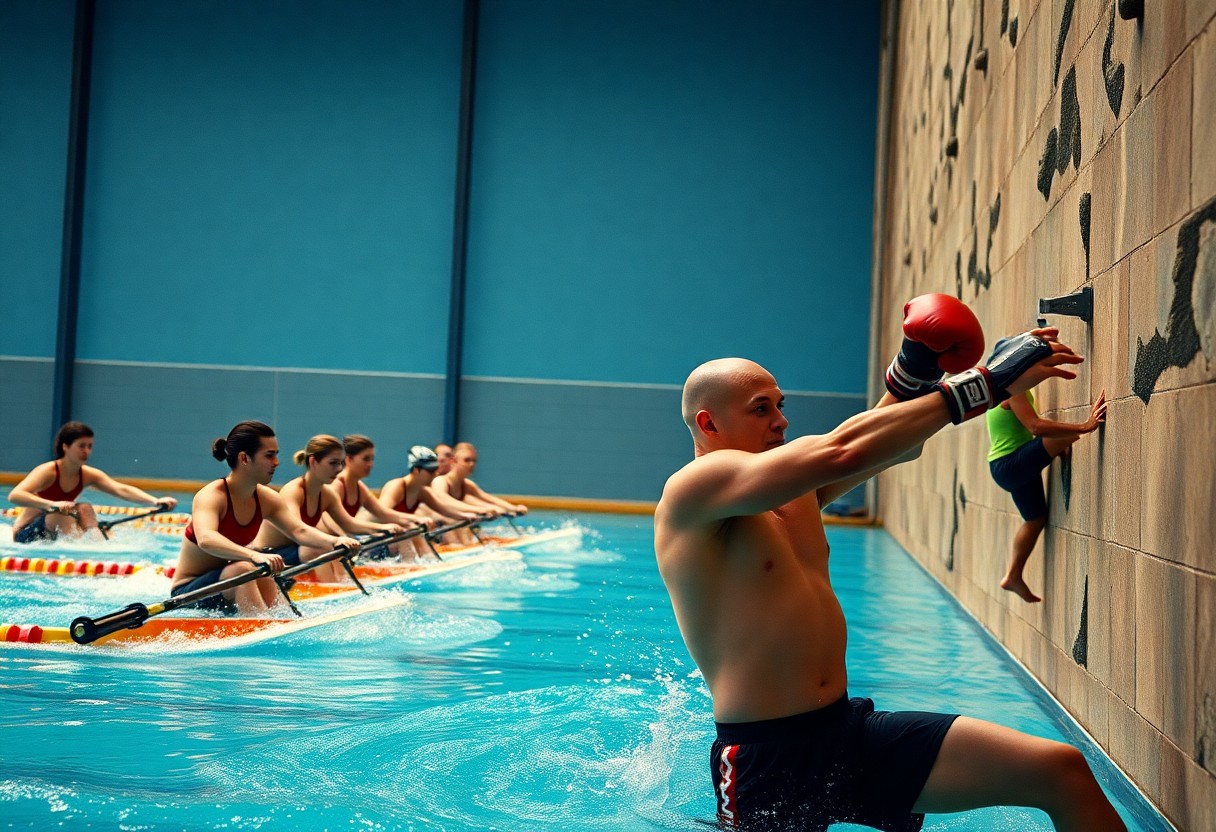
One of the safest and most effective full-body workouts is swimming. It engages nearly all of your muscle groups while being gentle on your joints, making it suitable for all fitness levels. When you glide through the water, you build strength, improve cardiovascular health, and enhance flexibility, all without the impact associated with other sports.

Rowing

Sports like rowing provide exceptional benefits for full-body conditioning. As you row, your back, arms, and legs collaborate to generate power, engaging your core throughout the entire motion.

In addition, rowing is a low-impact exercise that minimizes stress on your joints while ensuring you fully utilize your upper and lower body muscles. The rhythmic nature of rowing can also enhance your cardiovascular endurance, making it an excellent choice for those looking to improve their overall fitness level.

Martial Arts

Above all, martial arts offer you a dynamic full-body workout that builds strength, agility, and balance. The various techniques and moves involved require coordination and body awareness, making them ideal for enhancing your overall physical capabilities.

Due to the diverse ranges of movements, such as punches, kicks, and grappling techniques, martial arts effectively engage your entire body while also improving mental focus and discipline. This combination of physical and mental training can elevate your fitness routine significantly.

CrossFit

To achieve comprehensive full-body conditioning, CrossFit is an excellent choice that combines high-intensity workouts with diverse training methods. You can experience a variety of movements, from weightlifting to aerobic exercises, to develop overall strength and endurance.

Workouts in CrossFit vary daily, keeping your routine exciting while targeting different muscle groups throughout the week. This variability helps prevent plateaus and maintains your motivation as you strive to improve your fitness levels over time.

Selecting the Right Sport for You

After exploring various sports offering full-body workouts, it’s necessary to pinpoint one that aligns with your lifestyle, preferences, and fitness levels. Consider factors such as your current abilities, desired training intensity, and specific fitness goals. Finding a sport that resonates with you not only boosts your motivation but also increases the likelihood of long-term commitment and success in your fitness journey.

Assessing Personal Goals

With clear personal goals, you can identify which sport will best support your ambitions. Whether you aim for weight loss, improved endurance, or overall strength, aligning your chosen activity with your objectives sets the stage for an effective workout experience. Take time to define what you want to achieve, as this insight will guide your selection process.

Considering Your Environment

At the same time, evaluating your environment is also important when deciding on a sport. Access to facilities, outdoor spaces, or community programs can significantly influence your choices. Ensure that your surrounding area provides the necessary resources and atmosphere conducive to practicing your chosen sport regularly.

Environment plays a vital role in your success with any sport. The availability of amenities, such as courts, fields, or trails, can determine how often you engage in activities. Additionally, consider the climate and weather conditions in your area, as they can impact outdoor sports throughout the year. If you have busy schedules or limited access, opt for activities that fit seamlessly into your routine or offer home-based alternatives.

Safety Tips for Engaging in Sports

Keep safety at the forefront while engaging in sports to maximize enjoyment and minimize risks. Here are some tips to consider:

  • Always wear appropriate gear for your chosen sport.
  • Stay hydrated and maintain proper nutrition.
  • Pay attention to prevailing weather conditions.
  • Follow the rules and guidelines of the sport.
  • Consult a healthcare professional if you’re unsure about your physical abilities.

Any sports can be physically demanding, so it’s wise to prepare yourself by checking out these 10 SPORTS FOR A GREAT WORKOUT.

Warm-Up and Cool-Down Techniques

On a daily basis, prioritize warming up before engaging in sports and cooling down afterward. Warm-ups should include light cardio and dynamic stretches to prepare your muscles and joints for activity. After your workout, cool down with static stretching to enhance flexibility and promote recovery.

Understanding Your Limits

Behind every successful athlete lies an acute awareness of personal limits. It’s vital to recognize when your body is fatigued or in discomfort, as pushing beyond these limits can lead to injury.

Understanding your limits not only helps prevent injuries but also allows you to progress safely. By listening to your body, you can develop a personalized training regimen that matches your fitness level. This approach fosters improvement while maintaining your enthusiasm for the sport, ensuring you continue enjoying the physical activity you love.

Incorporating Sports into Your Routine

To fully benefit from sports as a full-body workout, it’s important to weave these activities into your regular routine. By making sports a consistent part of your lifestyle, you will not only experience physical improvements but also enjoy the mental and social benefits that come with engaging in physical activities. Aim to find sports you enjoy, and schedule dedicated time for them each week to develop a sustainable fitness habit.

Scheduling Regular Activities

Above all, creating a structured schedule for your sports activities will help you stay committed. Designate specific days and times during the week when you can engage in your chosen sports. This makes it easier to treat these sessions as non-negotiable appointments, ensuring you integrate fitness seamlessly into your life.

Combining with Other Exercises

Across various training disciplines, combining sports with other exercises can enhance your overall fitness. This approach not only works different muscle groups but also adds variety to your routine, keeping you engaged and motivated to stick with it.

Considering cross-training is an effective strategy to enhance your overall fitness levels. For example, you might choose to combine swimming with strength training or incorporate yoga after a game of tennis. This not only improves flexibility and strength but also offers a comprehensive workout experience, targeting various areas of your body while reducing the risk of injury. By mixing sports with other fitness modalities, you ensure your body stays challenged and engaged, ultimately leading to better results.

Summing up

Drawing together the various options for full-body workouts, you’ll find that engaging in sports such as swimming, rowing, or martial arts can significantly enhance your fitness levels. These activities work multiple muscle groups and improve both strength and endurance while keeping your exercises enjoyable. Choosing the right sport for you involves considering your interests and goals, ensuring you stay motivated. By integrating these sports into your routine, you can achieve a holistic fitness approach that benefits your overall health and well-being.

Q: What are some of the best sports for full-body workouts?

A: Some of the best sports for full-body workouts include swimming, rowing, and cross-country skiing. Swimming engages multiple muscle groups, promoting both strength and cardiovascular fitness. Rowing works the legs, back, and arms, offering a comprehensive workout that enhances endurance and builds muscle. Cross-country skiing is excellent for developing leg strength, core stability, and cardiovascular conditioning, making it a highly effective all-encompassing activity.

Q: How can participating in team sports contribute to my full-body workout routine?

A: Team sports like soccer, basketball, and rugby provide a variety of physical challenges that engage different muscle groups. These sports require running, jumping, and quick lateral movements, which improve strength, agility, and coordination. Additionally, the dynamic nature of these games means that you continually engage your core and upper body, contributing to an effective full-body workout while also fostering teamwork and community.

Q: Are individual sports equally effective for full-body workouts?

A: Yes, individual sports can be just as effective for full-body workouts. Sports like martial arts, tennis, and rock climbing not only enhance strength and flexibility but also promote endurance and mental focus. Martial arts train the entire body through various techniques and movements, while tennis requires quick reactions and lateral movement. Rock climbing builds strength across the arms, back, and legs, while also requiring significant core engagement. These sports can provide a well-rounded fitness regimen when practiced regularly.

How to Improve Focus and Concentration in Sports

You can elevate your performance in sports by enhancing your focus and concentration. Whether you’re an amateur or a seasoned athlete, honing your mental skills is just as important as physical training. This guide will provide you with actionable strategies to sharpen your attention, block distractions, and boost your overall game. By incorporating these techniques into your routine, you’ll find yourself more present during practices and competitions, leading to improved results and enjoyment in your sport.

Key Takeaways:

  • Mindfulness Practice: Incorporating mindfulness techniques can enhance focus by training the mind to stay present during activities.
  • Goal Setting: Establishing clear, attainable goals helps athletes maintain concentration on specific tasks and objectives.
  • Routine Development: Creating pre-performance routines fosters a sense of consistency and reduces distractions, allowing for improved focus.
  • Physical Readiness: Ensuring proper physical conditioning minimizes fatigue, which can significantly impact concentration levels in sports.
  • Environment Control: Minimizing distractions in the training and competition environment can greatly increase an athlete’s ability to concentrate.

Understanding Focus and Concentration

The ability to maintain focus and concentration is vital for athletes seeking peak performance. These mental skills allow you to direct your attention toward specific tasks, enhance your decision-making, and prevent distractions during competitions. By understanding the intricacies of focus and concentration, you can develop strategies to refine these abilities, improving your overall athletic performance.

Definition of Focus in Sports

An athlete’s focus refers to the concentration of mental energy on the task at hand, including the execution of skills, strategies, and situational awareness. It involves filtering out distractions and honing in on what is necessary for success in your sport, whether that be a play, a movement, or an opponent’s actions.

Importance of Concentration for Athletes

An athlete’s concentration significantly influences performance outcomes. When you concentrate effectively, you can absorb information quickly, respond accurately, and maintain your composure in high-pressure situations. This mental clarity allows you to execute strategies with precision and adapt to evolving circumstances during the game or event.

This heightened concentration minimizes the impact of external distractions and internal doubts, creating a mental environment conducive to peak performance. By enhancing your ability to concentrate, you increase your chances of achieving your goals, whether in practice or competition. Ultimately, it allows you to remain present, focusing on each moment as it unfolds, vital for attaining success in your chosen sport.

Key Factors Affecting Focus and Concentration

There’s a variety of elements that can significantly influence your focus and concentration in sports. Understanding these key factors is imperative for optimizing your performance:

  • Environmental distractions
  • Mental state and attitude
  • Physical preparedness
  • Nutrition and hydration
  • Quality of rest and recovery

This knowledge will empower you to create strategies that enhance your athletic focus.

Mental State and Attitude

On a day-to-day basis, your mental state and attitude play a vital role in determining your ability to concentrate. A positive mindset promotes resilience and helps you remain focused on your goals. By cultivating an attitude of determination and confidence, you set the stage for better performance and improved concentration during training and competitions.

Physical Preparedness

Assuming you are physically well-prepared, your body will be able to perform optimally and maintain focus for extended periods. Physical readiness is directly linked to your overall concentration, as fatigue or physical discomfort can become significant distractions during your activity.

Concentration relies heavily on your physical condition. Engaging in regular training, maintaining a balanced diet, and ensuring you have enough sleep are all vital to building a solid foundation for optimal performance. When your body is healthy and strong, your mind can better maintain focus on the task at hand, making it easier for you to execute your skills effectively during competition.

How-to Tips for Improving Focus

Your ability to maintain focus during sports can be significantly enhanced with practice. Consider implementing the following strategies:

  • Set clear goals for training and performance.
  • Minimize distractions by creating a focused environment.
  • Practice mindfulness techniques to anchor your attention.
  • Incorporate regular breaks to refresh your mind.
  • Seek feedback to help refine your focus strategies.

Perceiving progress in your concentration can empower your athletic performance.

Establishing a Pre-Performance Routine

How to create a pre-performance routine involves developing a series of consistent actions before each event. This routine can include warming up, mental rehearsals, and positive affirmations. By engaging in these familiar tasks, you signal to your brain that it is time to focus, which can enhance your overall mental preparation for the competition.

Utilizing Visualization Techniques

One effective way to improve focus is by utilizing visualization techniques. Visualizing successful performances can not only enhance your confidence but also help you mentally prepare for various scenarios you may face during the event.

For instance, before a game, you might visualize yourself executing skills successfully, such as making a perfect shot or executing a flawless movement. Engaging all your senses during this process can make the experience more vivid. This practice not only deepens your mental preparation but also conditions your mind for success, ultimately leading to better focus during actual performance.

Strategies for Enhancing Concentration During Training

To enhance your focus during training sessions, implement targeted strategies that shape your environment and mindset. Start by establishing routines that signal to your brain that it’s time to concentrate. Incorporate techniques such as mindfulness and visualizations to keep your attention on the task at hand. Practicing these strategies consistently can lead to significant improvements in your performance.

Setting Clear Goals

An important aspect of improving concentration is setting clear and achievable goals. By defining what you want to accomplish in each training session, you create a roadmap that directs your focus. This clarity allows you to channel your energy efficiently and provides motivation, making it easier to sustain your concentration over longer periods.

Limiting Distractions

The ability to limit distractions is fundamental to improving your concentration. By creating an environment conducive to focus, you can minimize interruptions that may derail your training. Consider aspects such as noise levels, visual clutter, and even the presence of your electronic devices when planning your training setup.

Understanding that distractions can stem from both your environment and your habits is key. Evaluate your training space to identify possible disruptions, like unnecessary equipment or excessive noise. Additionally, be mindful of your technology use. Turning off notifications or placing your phone in another room can greatly enhance your ability to concentrate. Creating a focused environment will facilitate better training outcomes and boost your overall performance.

Mindfulness and Its Role in Sports Focus

Many athletes experience distractions that hinder their performance. By incorporating mindfulness into your training, you can sharpen your focus and enhance your concentration on the task at hand. Mindfulness encourages you to become fully present during practice and competition, allowing you to tune out distractions and improve your overall performance. This mental clarity is vital, as it enables you to react quickly and make better decisions in high-pressure situations.

Incorporating Mindfulness Practices

On your journey to improve focus, consider integrating mindfulness practices into your routine. Techniques like breath awareness, body scanning, and visualization can help you heighten your awareness and cultivate a strong mental state. By setting aside time each day to practice these methods, you can gradually strengthen your ability to concentrate during games and training sessions.

Benefits of Meditation for Athletes

Incorporating meditation into your regimen can have significant benefits for your athletic performance. Regular meditation practice helps to reduce stress and anxiety, allowing you to maintain a calm and focused mindset. This improved mental state enhances your self-awareness, enabling better decision-making during competitions.

For instance, athletes who meditate often report increased resilience to pressure and a heightened ability to refocus after setbacks. This mental agility enables you to adapt to challenging situations in real-time, enhancing your performance significantly. Additionally, consistent meditation can improve your overall well-being and sleep quality, contributing to optimal athletic performance on all fronts.

Nutritional Factors Impacting Focus

All athletes know that nutrition plays a significant role in performance and mental clarity. Fueling your body with the right foods can enhance your focus and concentration during training and competition. Consider incorporating the following factors into your diet:

  • Complex carbohydrates for sustained energy
  • Omega-3 fatty acids for improved cognitive function
  • Antioxidants to combat oxidative stress
  • Vitamins and minerals that support brain health

This approach can be complemented by exploring 10 tips to improving game concentration.

Foods That Boost Brain Function

One way to enhance your focus is by consuming foods known for their brain-boosting properties. Ingredients such as leafy greens, walnuts, berries, and dark chocolate can significantly improve cognitive function. Including these in your diet will support your mental agility, ultimately benefiting your performance on the field.

Hydration and Performance

Boost your focus and concentration by paying attention to your hydration levels. Dehydration can cause fatigue and diminish cognitive abilities, which can impede your performance in sports. Ensuring you drink enough water throughout the day will keep your mind sharp and your body ready to compete.

It is crucial to monitor your hydration, especially during intense training or competitive situations. Dehydration can reduce blood flow to the brain, impeding performance and making it harder to concentrate. Aim to drink water before, during, and after exercise, along with electrolyte-rich beverages when needed to replenish lost minerals. Adequate hydration not only supports your physical performance but also your mental sharpness, helping you maintain focus and consistency in your game.

Summing up

Summing up, improving your focus and concentration in sports involves several strategies that you can integrate into your routine. Practice mindfulness and visualization techniques to enhance your mental clarity. Set specific, achievable goals to maintain motivation, and establish a consistent pre-performance routine to eliminate distractions. Additionally, prioritize physical fitness, as a well-conditioned body supports mental acuity. By implementing these practices, you can enhance your performance and achieve greater success in your sport.

Q: What are some practical techniques to enhance focus during sports training?

A: To enhance focus during sports training, athletes can try several practical techniques. Firstly, setting clear and specific goals for each training session helps to create a roadmap and keeps the mind engaged. Incorporating mindfulness practices, such as meditation or deep breathing exercises, can also assist in enhancing concentration by calming the mind and reducing distractions. Visualization techniques, where athletes picture themselves performing successfully, can further develop mental clarity and focus on the task at hand. Lastly, minimizing distractions in the training environment, such as turning off mobile devices or choosing a quiet location, can create a better space for concentration.

Q: How can nutrition affect focus and concentration in athletes?

A: Nutrition plays a significant role in an athlete’s ability to concentrate and maintain focus. A balanced diet rich in whole grains, lean proteins, fruits, and vegetables provides the necessary nutrients that support brain function. Foods high in omega-3 fatty acids, such as fish, can improve cognitive function, while complex carbohydrates, like oatmeal and brown rice, provide sustained energy for prolonged concentration. Staying well-hydrated is equally important, as even mild dehydration can impair cognitive abilities. Athletes may also consider timing their meals appropriately; consuming small, balanced snacks before and during training can help maintain energy levels and focus throughout the session.

Q: What mental strategies can athletes use to deal with distractions during competitions?

A: Athletes can use various mental strategies to manage distractions during competitions effectively. One common technique is developing a pre-performance routine that includes specific warm-ups, mental rehearsals, and breathing exercises. This routine can create a sense of familiarity and focus, allowing athletes to block out distractions. Employing positive self-talk can also help by reinforcing confidence and directing focus away from external noise. Additionally, creating a ‘focus trigger’—a specific word, phrase, or visualization that reminds the athlete to concentrate—can prove beneficial when distractions arise. Finally, engaging in regular mental training exercises, such as practicing concentration drills, can increase resilience against potential distractions during important competitions.

Skip to content