How to Improve Hand-Eye Coordination for Your Sport

Many athletes understand that enhancing hand-eye coordination can significantly elevate your performance on the field, court, or track. This blog post will provide you with effective techniques and exercises tailored to boost your coordination skills, ultimately helping you react quicker and more accurately during your games. Whether you’re swinging a bat, catching a ball, or hitting a target, these strategies will empower you to sharpen your reflexes and gain a competitive edge in your sport.
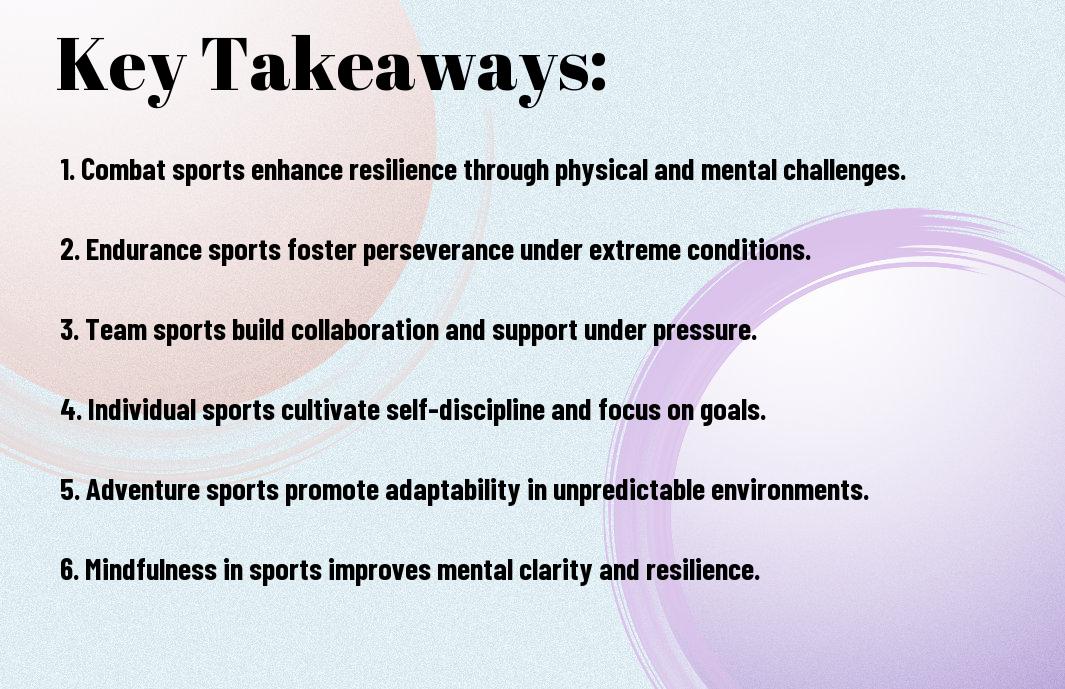
Key Takeaways:

  • Practice Drills: Engage in targeted drills that involve catching, throwing, or hitting to enhance your hand-eye coordination.
  • Visual Tracking: Improve your ability to track moving objects by using tools like tennis balls or reaction balls that bounce unpredictably.
  • Balance Training: Incorporate balance exercises, as stability can significantly influence your coordination skills during sport activities.
  • Footwork Exercises: Focus on agility drills that require quick foot movements alongside hand and eye actions to build a more synchronized response.
  • Video Analysis: Analyze your performance through video recordings to identify areas for improvement in your coordination techniques.

Understanding Hand-Eye Coordination

For athletes, mastering hand-eye coordination can significantly enhance performance across various sports. It involves the ability to process visual information and perform precise movements using your hands and body. This intricate skill set is vital, as it enables you to react quickly and accurately to dynamic situations in your sport, allowing for improved timing and spatial awareness.

Definition and Importance

If you seek to elevate your athletic abilities, understanding hand-eye coordination is vital. It refers to the synchronized movement of your hands and eyes, particularly when tracking objects in motion. This skill is fundamental in activities such as catching, hitting, or throwing, underscoring its significance in overall athletic performance.

Key Factors Affecting Coordination

Clearly, several factors can influence your hand-eye coordination, determining how effectively you execute skills in your sport. Some key elements include:

  • Your reaction time
  • Visual acuity
  • Practice frequency
  • Body position and balance

Thou must pay attention to these elements to strengthen your coordination skills.

To further enhance your understanding, consider how each factor plays a role in your athletic performance. For example, improving your reaction time can lead to faster responses during gameplay, while working on visual acuity enables you to better track and anticipate movements. Other factors, such as consistent practice and maintaining proper body position, add to your overall hand-eye coordination. Keeping all these aspects in mind allows for targeted training and development.

  • Motivation and mental focus
  • Age and physical development
  • Sport-specific techniques
  • Feedback from coaches or peers

Thou should approach training with an awareness of these influencing factors for optimal improvement.
How to Assess Your Current Hand-Eye Coordination

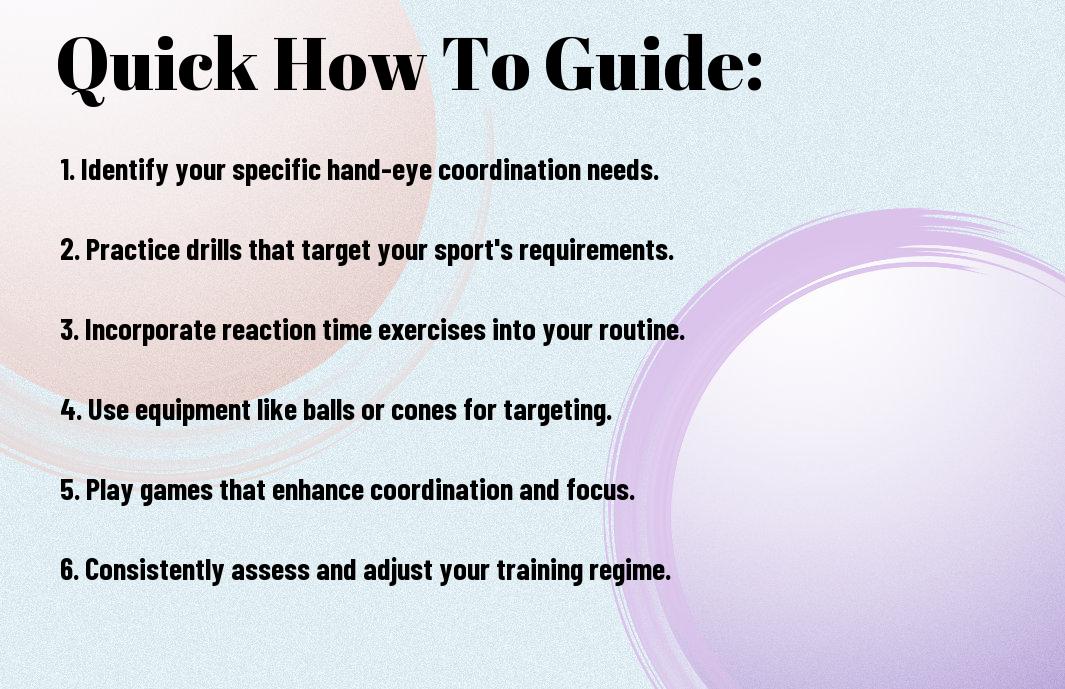
Now that you’re motivated to enhance your hand-eye coordination, it’s vital to assess your current skill level. Understanding where you stand will help you tailor your training efforts effectively. By evaluating your performance through simple tests and drills, you can identify specific areas needing improvement and track your progress over time. This self-assessment will serve as a foundational step in your journey to master the coordination necessary for your sport.

Simple Tests to Evaluate Skill Level

One method to assess your hand-eye coordination is through simple tests like the ball toss exercise. Stand a few feet away from a wall and throw a small ball against it, then catch it as it rebounds. Count how many times you can successfully catch the ball in a row without dropping it. By repeating this test, you can measure your improvement and gain insights into your coordination skills.

Identifying Areas for Improvement

Evaluate your performance in the tests you conduct to pinpoint specific aspects of your hand-eye coordination that may need work. Take note of any patterns in your mistakes, such as consistently dropping the ball when catching or missing targets in drills. This process will help you create a focused training plan to address these weaknesses and elevate your overall performance.

This reflection is important as it allows you to approach your training with a clear understanding of where you fall short. For example, if you struggle with catching a ball consistently, you may want to focus on reaction time drills or exercises that improve your tracking skills. By narrowing down the areas that need enhancement, you will not only maximize your training efficiency but also experience quicker improvements in your hand-eye coordination relevant to your sport.

Tips for Enhancing Hand-Eye Coordination

Not all coordination exercises are created equal. To significantly enhance your hand-eye skills, consider the following tips:

  • Practice catching and throwing various objects, like balls or Frisbees.
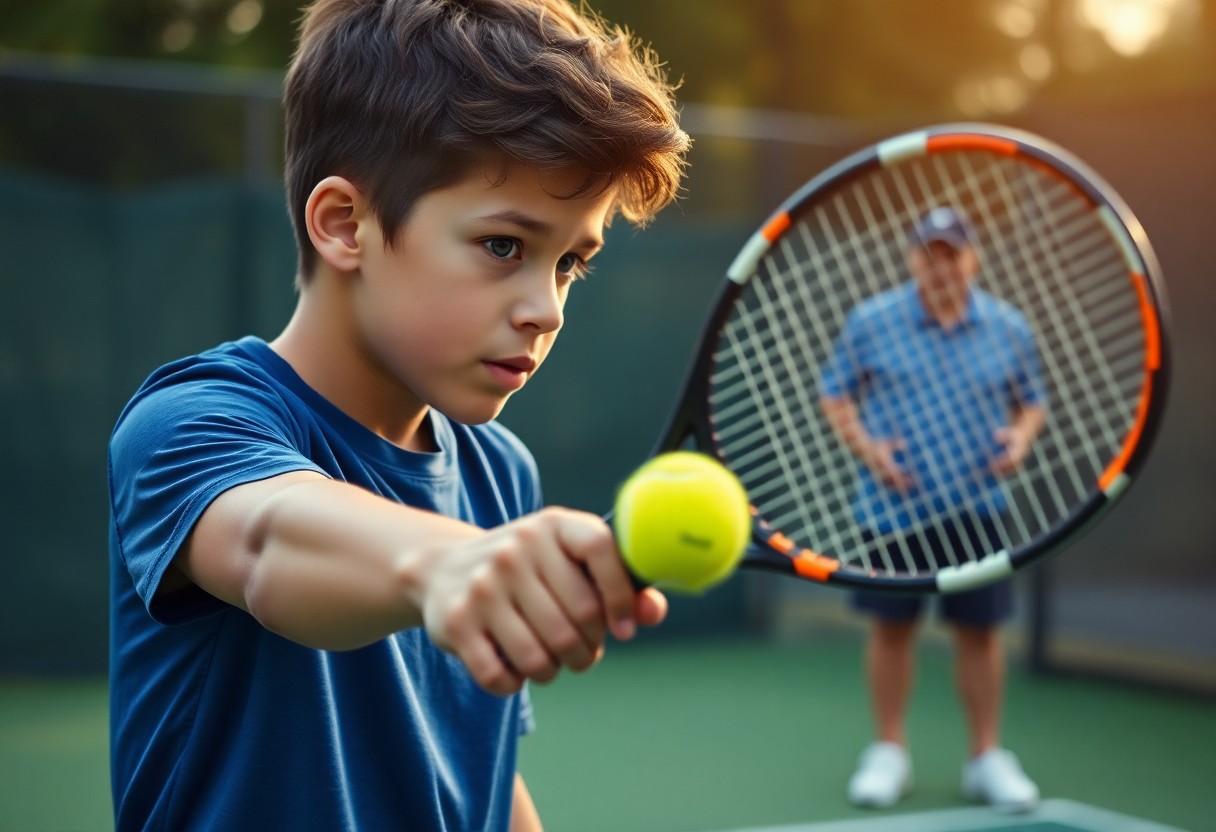
  • Engage in sports that require quick reflexes, such as tennis or badminton.
  • Incorporate precision tasks, like juggling or balancing objects on your hand.
  • Focus on visual tracking exercises to improve your focus and reaction time.

Perceiving improvement will motivate you to continue pushing your limits.

Drills for Practicing Coordination

Any effective training regime should include specific drills designed to boost your hand-eye coordination. Incorporate activities that demand quick adjustments and dynamic movements, such as dribbling a basketball while navigating obstacles or hitting a target with a ball. Regularly practicing these drills will help you develop more accurate timing and better control of your movements in your sport.

Incorporating Video Games and Technology

While traditional training methods are beneficial, incorporating video games and technology can make a significant difference in your hand-eye coordination. Many games are designed to enhance reflexes and timing by requiring quick responses to visual stimuli.

HandEye coordination games, especially fast-paced action or sports simulations, challenge you to react swiftly and accurately. Devices like motion sensors or VR headsets further immerse you in these environments, enhancing your experience. By integrating these modern technologies into your training routine, you can make practice both enjoyable and effective, translating improved skills into your sport of choice.

Sports-Specific Exercises

Your performance in any sport can greatly benefit from targeted exercises that enhance hand-eye coordination. Implementing drills specific to your sport will not only sharpen your skills but also improve reaction time and precision. Whether you’re dribbling a basketball, volleying a tennis ball, or fielding a baseball, practicing sport-specific movements can lead to significant gains in your overall performance. Tailor your training regimen to include drills that mimic game situations for the best results.

Best Practices for Team Sports

Some effective team sports practices include partner training exercises, where players can simulate game scenarios. Focus on drills that involve passing, shooting, or receiving while maintaining a dynamic pace. Try incorporating activities like reaction ball drills or target practice within team settings to elevate the collective skill level. These collaborative exercises help build communication and awareness, important elements for success in team sports.

Individual Sports Techniques

To enhance your hand-eye coordination in individual sports, focus on refining specific skills through repetitive, targeted practice. Engaging in drills such as juggling, hitting against a wall, or shadowboxing can help improve your timing and accuracy. Individual sports require a high level of self-discipline, so consistency in your practice routine is key to seeing improvements in coordination.

Understanding the mechanics of your sport is vital for improving hand-eye coordination. Explore techniques that isolate the visual tracking of an object, like a ball or racket, to develop a more profound connection between your hands and eyes. For instance, practicing with different-sized balls or varying speeds can help train your reflexes and adaptability. Each drill should be tailored to mimic the specific actions and challenges you face in competition, ensuring that the skills you develop translate directly to your performance during matches.

Nutrition and Physical Health

Keep in mind that optimal nutrition and physical health are key components in enhancing your hand-eye coordination. A well-balanced diet rich in crucial nutrients fuels your body and mind, providing you with the energy and focus necessary to improve your performance. Prioritizing hydration, vitamins, and minerals will significantly aid your coordination training, enabling you to practice with greater intensity and effectiveness.

Impact of Diet on Coordination

The foods you consume can significantly influence your hand-eye coordination. Nutrients like omega-3 fatty acids, antioxidants, and complex carbohydrates support brain function and muscle performance, enabling quicker reflexes and improved timing in your sport. By focusing on nutritious foods, you can increase your stamina and concentration, directly enhancing your overall coordination.

Importance of Physical Fitness

Coordination is closely tied to your overall physical fitness. The stronger and more agile you are, the better your body can respond to dynamic movements. Regular exercise enhances your muscle tone, flexibility, and balance, all of which contribute to improved hand-eye coordination. Activities such as strength training, agility drills, and cardiovascular workouts should be incorporated into your routine to achieve peak performance.

Impact of a regular fitness regimen extends beyond mere physical capabilities. Engaging in a diverse range of exercises helps develop muscle memory, allowing you to perform sport-specific movements more accurately. Improved cardiovascular health also increases endurance, enabling you to maintain high levels of performance throughout your activities. By committing to physical fitness, you not only enhance your hand-eye coordination but also build a solid foundation for success in your sport.

Mental Strategies for Improvement

Unlike physical training, mental strategies can significantly enhance your hand-eye coordination by strengthening your focus and awareness. Techniques such as visualization can help you anticipate movements, allowing for smoother actions during gameplay. For more on this, check out How to Improve Hand-Eye Coordination: 10 Activities.

Visualization Techniques

For effective hand-eye coordination improvement, visualization techniques can be a powerful tool. By mentally rehearsing the movements required in your sport, you condition your brain and body to work in sync. Picture yourself in game scenarios, executing precise actions effortlessly, which can translate to better performance on the field or court.

Focus and Concentration Exercises

Assuming that external distractions can hinder your performance, focus and concentration exercises help sharpen your ability to maintain attention during critical moments. Practicing mindfulness techniques, such as meditation or deep breathing, can significantly boost your mental clarity, leading to better coordination during gameplay.

A structured approach to focus and concentration exercises can include setting specific goals before practice sessions. Engage in activities that require sustained mental effort, like juggling or playing sports that demand quick decision-making. Combining these strategies will enhance your hand-eye coordination, enabling you to react faster and more accurately when it matters most.

Summing up

On the whole, enhancing your hand-eye coordination is key to excelling in your sport. You can achieve this through targeted exercises, consistent practice, and engaging in sports-specific drills. Incorporating activities that challenge your reflexes and spatial awareness will further sharpen your skills. Stay committed to improvement, and consider tracking your progress to motivate yourself. By embracing diverse training techniques, you will develop better coordination, leading to improved performance and enjoyment in your chosen sport.

FAQ

Q: What are some effective drills to enhance hand-eye coordination for athletes?

A: There are several drills athletes can incorporate into their training routines to boost hand-eye coordination. One effective drill is the “Tennis Ball Drop”. Have a partner drop a tennis ball from shoulder height while you focus on catching it before it hits the ground. Another drill is the “Juggling Exercise”, where you can begin with two balls and gradually increase the number as you improve. The “Target Practice” drill is also beneficial; set up targets at various distances and practice throwing or hitting objects toward these targets to develop precision and focus. Consistently practicing these drills can help athletes improve their hand-eye coordination significantly.

Q: How can strength training influence hand-eye coordination in sports?

A: Strength training plays a significant role in enhancing hand-eye coordination by improving overall body control and stability. Exercises that target the core, shoulders, and arms can directly impact an athlete’s ability to execute movements that require precise coordination. For instance, kettlebell swings, medicine ball throws, and resistance band exercises can build muscular strength and endurance, allowing better control during complex sport motions. Integrating coordination elements into strength training routines, such as performing balance exercises or using unstable surfaces, can further refine the connection between the brain and muscles, ultimately enhancing hand-eye coordination.

Q: What role does practice and repetition play in developing hand-eye coordination for sports?

A: Practice and repetition are crucial in developing hand-eye coordination, as they help reinforce motor skills through consistent engagement. When athletes repeat specific movements related to their sport, the brain forms stronger neural pathways, which facilitates quicker reactions and improved accuracy over time. This iterative learning process allows athletes to internalize coordination tasks, resulting in smoother execution during actual competition. Setting aside regular practice sessions focused on hand-eye coordination, combined with feedback and adjustments, can lead to progressive improvement and greater performance in sports.
The Science Behind Muscle Recovery in Sports

Muscle recovery is an necessary component of athletic performance, influencing how well you bounce back after intense workouts or competitions. Understanding the intricate processes that occur in your body during recovery can help you optimize your training and improve your overall performance. In this post, you will discover the physiological mechanisms behind muscle repair, the role of nutrition, and effective recovery strategies that can enhance your resilience and strength in your sports endeavors.

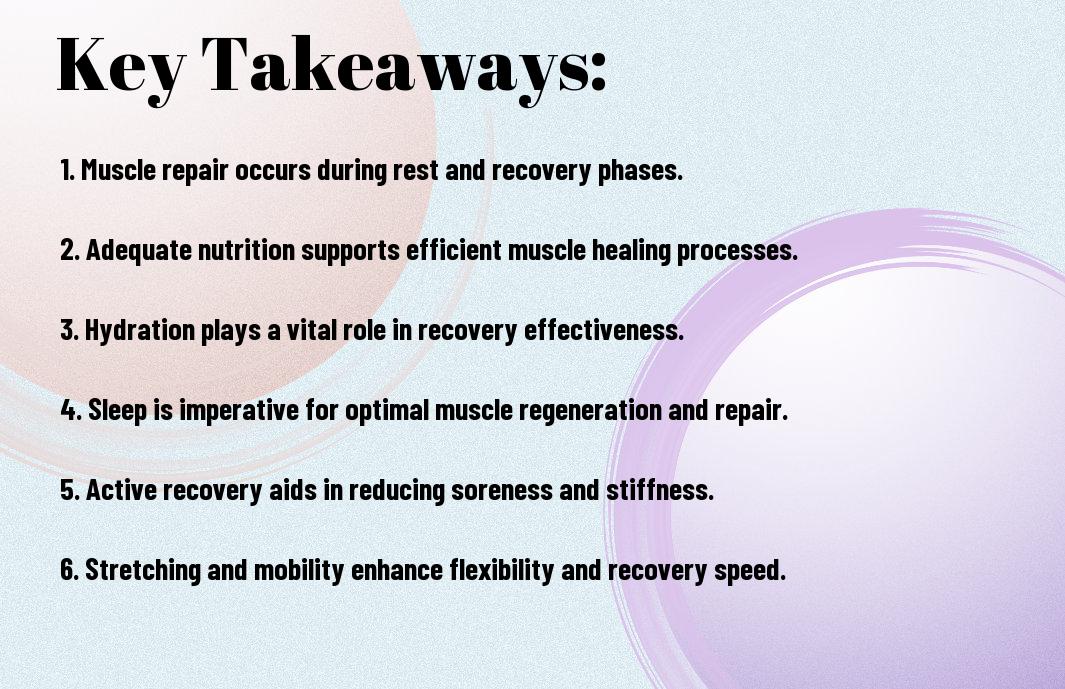
Key Takeaways:

  • Nutrition plays a pivotal role in muscle recovery; adequate protein intake and hydration are imperative for repairing muscle fibers and replenishing lost nutrients.
  • Rest is vital for recovery; sleep quality and duration significantly affect the body’s ability to heal and regenerate muscle tissue.
  • Active recovery activities can enhance blood flow and reduce muscle soreness, promoting faster recovery through low-intensity exercises.
  • Stretching and mobility exercises can alleviate tension and improve flexibility, benefiting overall muscle recovery and performance.
  • Time is a significant factor; understanding individual recovery rates can help athletes optimize training schedules and prevent overtraining.

The Physiology of Muscle Recovery

To understand muscle recovery, it’s important to recognize the complex physiological processes that occur following exercise. When you engage in physical activity, your muscle fibers experience stress and damage, which prompts a series of repair mechanisms that promote healing and strengthen your muscles over time. This intricate balance between breakdown and recovery is important for improving your performance and preventing injury, allowing you to return to your training with renewed strength.

Muscle Damage and Repair Mechanisms

Any exercise, especially resistance and high-intensity training, can lead to muscle damage, characterized by micro-tears in the muscle fibers. In response to this damage, your body activates satellite cells, which fuse to the injured fibers to aid in repair and regeneration. This repair process not only heals the damage but also enhances muscle strength and size, preparing you for future physical demands.

The Role of Inflammation in Recovery

An important component of muscle recovery involves inflammation, which is the body’s natural response to injury. Inflammation brings immune cells to the damaged area, promoting healing and facilitating muscle repair. Although it may feel uncomfortable at times, this inflammatory process is vital for your body’s adaptation and recovery post-exercise.

Recovery involves a delicate balance of inflammation and healing. While inflammation can cause temporary soreness, it plays a significant role in signaling your body to address the muscle damage. This process recruits immune cells and begins the repair mechanisms needed for muscle regeneration. The right level of inflammation can enhance your recovery, paving the way for stronger and more resilient muscles. Understanding this interplay helps you appreciate the need for rest and proper care following your workouts.

Nutritional Strategies for Optimal Recovery

The way you fuel your body post-exercise can significantly impact your recovery. Implementing a balanced nutritional strategy that combines macronutrients and hydration is important for replenishing energy stores and repairing muscle tissues. By focusing on nutrient timing and the quality of your food choices, you can enhance your recovery process, improve performance in subsequent workouts, and reduce the risk of injuries.

Importance of Protein and Carbohydrates

Around 30 minutes after your workout, it’s optimal to consume a combination of protein and carbohydrates. This is the time when your muscles are most receptive to nutrients, and replenishing glycogen stores is vital for recovery. Aim for a mix that includes high-quality protein for tissue repair and complex carbohydrates to restore energy levels, ensuring your body is prepared for your next workout.

Hydration and Electrolyte Balance

After intense physical activity, maintaining adequate hydration and electrolyte balance becomes important to your recovery. Replenishing fluids lost through sweat not only aids in muscle function but also supports overall bodily functions, helping to prevent fatigue and muscle cramps.

Optimal hydration should involve drinking water and incorporating electrolyte-rich foods or drinks to restore sodium, potassium, and other important minerals. This balance is necessary for reestablishing your body’s equilibrium and aids in transporting nutrients to cells. Additionally, careful management of your hydration enhances your cardiovascular function and helps to regulate body temperature, contributing to a more effective recovery process.

The Impact of Sleep on Recovery

Keep in mind that sleep plays a vital role in muscle recovery. During quality sleep, your body undergoes various restorative processes that help repair tissues, reduce inflammation, and replenish energy stores. Not getting enough sleep can hinder your performance and delay recovery, leaving you feeling fatigued and less able to perform at your best. Prioritizing sleep is imperative for enhancing your athletic capabilities and overall health.

Sleep Stages and Muscle Repair

Along with the overall duration of sleep, the specific stages you experience are important for muscle repair. Deep sleep, or slow-wave sleep, is particularly beneficial as it is during this phase that your body releases growth hormone, which promotes tissue growth and repair. By cycling through different sleep stages, your muscles can recover more efficiently, allowing you to train effectively and compete at higher levels.

Strategies for Improving Sleep Quality

Sleep hygiene is imperative for achieving quality rest. To enhance your sleep quality, establish a consistent sleep schedule by going to bed and waking up at the same time daily. Create a relaxing bedtime routine, limit screen exposure before sleep, and keep your bedroom cool, dark, and quiet. Additionally, reducing caffeine intake and engaging in regular physical activity can significantly improve your sleep patterns.

The environment you create for sleep is equally important. Consider using comfortable bedding and blackout curtains to minimize disruptions. Engaging in mindfulness practices or light stretching before bed can help calm your mind, leading to deeper rest. By implementing these strategies consistently, you’re more likely to experience restorative sleep, which directly contributes to effective muscle recovery and improved athletic performance.

Active Recovery Techniques

After intense training or competition, integrating active recovery techniques into your routine can significantly enhance your muscle recovery. Engaging in low-intensity exercises helps maintain blood circulation, reduce muscle soreness, and expedite the healing process, ultimately allowing you to perform better in future workouts.

Benefits of Low-Intensity Exercise

Below are some of the key benefits of low-intensity exercise during your recovery period. Such activities, like walking or leisurely cycling, promote muscle oxygenation and nutrient delivery while minimizing fatigue. They also stimulate endorphin release, enhancing your mood and motivation to stay active.

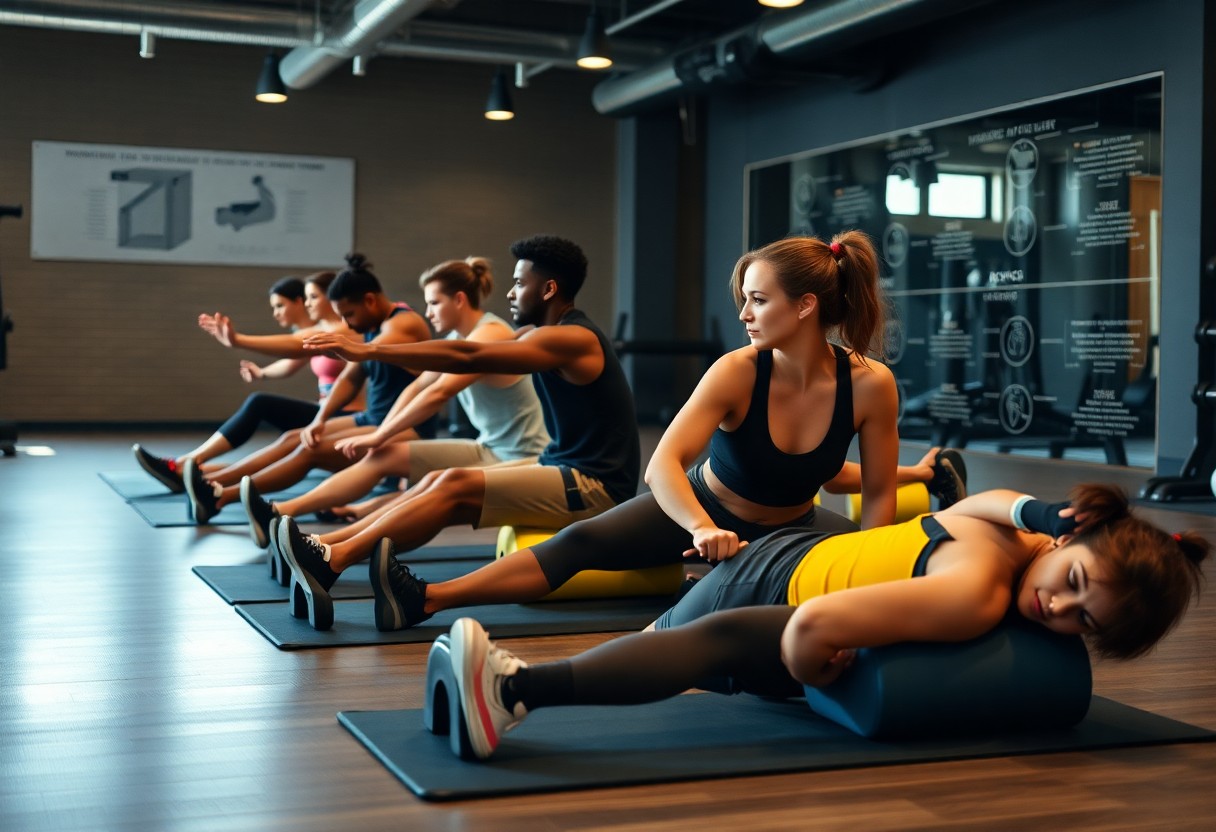
Stretching and Mobility Work

With the incorporation of stretching and mobility work, you can further enhance your muscle recovery efforts. These practices improve flexibility, support joint health, and reduce stiffness, promoting a full range of motion for your muscles.

Indeed, dedicating time to stretching and mobility exercises in your recovery routine fosters a deeper connection with your body. You can alleviate tension in tight muscles, prevent potential injuries, and set the stage for optimal performance in upcoming physical activities. Incorporating dynamic and static stretches, alongside mobility drills, allows you to cultivate better posture and movement patterns, ensuring you’re prepared for your next challenge.

The Role of Recovery Tools and Technology

Now, you can enhance your recovery process through various tools and technologies designed to aid muscle repair and alleviate soreness. Innovations in sports recovery, such as compression garments and electric muscle stimulation devices, can optimize your results. For an in-depth understanding, check out Recovery in Training. These advancements not only speed up healing but also improve overall performance, allowing you to train harder and recover faster.

Massage and Foam Rolling

Against the backdrop of your training, massage and foam rolling serve as effective methods to release muscle tension and improve blood flow. This self-myofascial release technique aids in reducing soreness and enhances flexibility, promoting a quicker return to physical activity. By incorporating these practices, you’ll find your recovery process becomes more efficient and enjoyable.

Cryotherapy and Heat Treatment

Between the extremes of temperature, cryotherapy and heat treatment each play unique roles in muscle recovery. Cryotherapy reduces inflammation and numbs sore tissues, while heat therapy enhances blood circulation and promotes relaxation. Implementing both modalities into your recovery routine can help you tailor your approach to the specific needs of your muscles.

Technology plays a significant role in understanding and applying these treatments effectively. With advancements such as cryo chambers, infrared saunas, and heat wraps, you can easily access these recovery methods at home or in specialized facilities. Leveraging these technologies can help you make informed decisions about your recovery strategies, ensuring your body receives the best support possible for optimal performance.

Psychological Aspects of Recovery

For athletes, mental and emotional recovery plays an vital role in the overall rehabilitation process. Stress and anxiety can hinder performance, making it vital for you to address the psychological aspects of recovery. Engaging in positive self-talk, visualization techniques, and maintaining a constructive mindset helps create a solid foundation for your physical recovery, fostering resilience and adaptability in your training and competition.

Mental Recovery and Performance

To enhance your overall performance, it is important to incorporate mental recovery strategies into your routine. This involves taking time for reflection, setting achievable goals, and focusing on the positives, all of which help you consolidate your experiences, boost your confidence, and prepare your mind for future challenges.

The Importance of Mindfulness and Relaxation

Below, you will find that incorporating mindfulness and relaxation into your recovery regimen can significantly enhance your mental state, allowing you to recover more effectively from physical exertion. Techniques such as meditation, deep breathing, and progressive muscle relaxation can help reduce stress levels, enabling you to approach training sessions with clarity and focus, ultimately improving your performance outcomes.

A consistent practice of mindfulness and relaxation not only supports your recovery physically but also mentally prepares you for competitive scenarios. By creating a state of calm and increasing your awareness, you can better manage the pressures of your sport and cultivate a more resilient mindset. This helps you stay grounded and confident, ultimately leading to improved performance on and off the field.

Final Words

As a reminder, understanding the science behind muscle recovery in sports can significantly enhance your performance and longevity in physical activities. You should prioritize adequate rest, hydration, and nutrition to facilitate optimal recovery. Incorporating techniques like stretching, foam rolling, and even cold therapy can further aid in reducing soreness and rebuilding muscle tissue. By applying these insights, you can empower your body to recover effectively, allowing you to train harder and achieve your athletic goals safely.

FAQ

Q: What physiological processes occur during muscle recovery after intense exercise?

A: During muscle recovery, several physiological processes take place. Initially, the body focuses on repairing micro-tears in muscle fibers caused by intense exercise. This involves the activation of satellite cells, which help regenerate and form new muscle tissue. Additionally, inflammation occurs, which prompts an immune response that aids in the healing process. The body also replenishes glycogen stores, which are vital for energy, by converting carbohydrates consumed through nutrition. Overall, recovery encompasses muscle repair, energy replenishment, and overall body homeostasis restoration.

Q: How does hydration influence muscle recovery in athletes?

A: Hydration plays a significant role in muscle recovery by maintaining physiological balance and supporting efficient bodily functions. When athletes are well-hydrated, it enhances blood circulation, ensuring that nutrients and oxygen reach the muscles effectively, which is vital for repair and recovery. Adequate fluid intake also helps to reduce muscle soreness and cramping, as dehydration can exacerbate these conditions. Moreover, hydration assists in the removal of metabolic waste products from the muscles, facilitating a faster and more effective recovery process.

Q: What role does nutrition play in promoting effective muscle recovery?

A: Nutrition is crucial in promoting effective muscle recovery following physical activity. Consuming a balanced diet that includes a mix of carbohydrates, proteins, and healthy fats helps replenish energy stores and provides the necessary building blocks for muscle repair. Protein intake, in particular, is important as it supplies amino acids vital for muscle synthesis and recovery. Additionally, consuming antioxidants through fruits and vegetables can help mitigate oxidative stress and inflammation caused by heavy exercise. Therefore, a mindful approach to nutrition supports optimal recovery and enhances overall athletic performance.

Top 10 Tips for Beginners in Any Sport

Most people feel overwhelmed when starting a new sport, but you can set yourself up for success with the right approach. Whether you’re stepping onto the field, court, or track for the first time, these ten tips will guide you in building your skills and boosting your confidence. Embrace a positive mindset and a willingness to learn, and you’ll find enjoyment and growth in your athletic journey. Let’s look into the imperative advice tailored for beginners like you.

Key Takeaways:

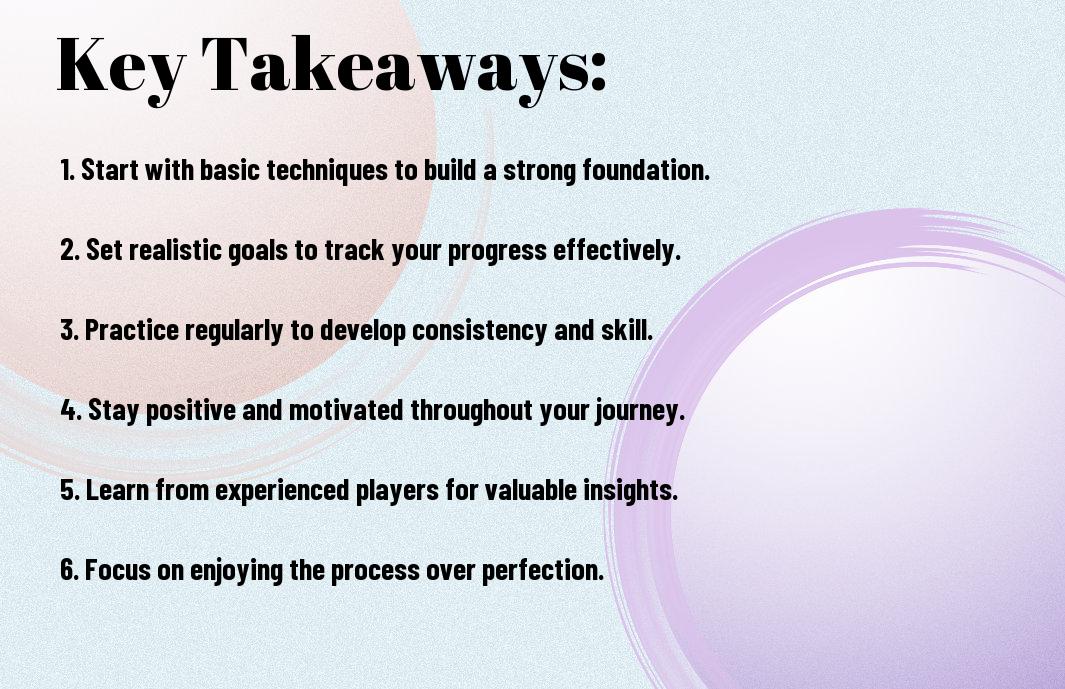
  • Practice Consistently: Regular practice helps build skills and improve performance over time.
  • Stay Positive: Maintaining a positive mindset fosters motivation and enjoyment in the learning process.
  • Set Realistic Goals: Establish achievable objectives to track progress and boost confidence as skills develop.
  • Learn the Fundamentals: Mastering basic techniques is imperative for success and creates a solid foundation.
  • Seek Feedback: Constructive criticism from coaches or more experienced players can accelerate improvement.

Start with Basics

As a beginner, focusing on the fundamentals is necessary for building a solid foundation in your chosen sport. You should familiarize yourself with the basic techniques and rules, as mastering these elements will significantly enhance your performance and confidence. Dedicate time to practice necessary skills, whether it involves learning proper footwork, understanding body positioning, or fine-tuning your technique. By investing effort into the basics, you’ll be better prepared to tackle more advanced concepts and training as you progress in your athletic journey.

Practice Regularly

Any successful athlete knows that consistency is key to improvement. By committing to regular practice, you build muscle memory, enhance your skills, and increase your overall understanding of the sport. Set a schedule that works for you and stick to it, whether it’s daily or several times a week. During each session, focus on different aspects of your game—technique, endurance, or strategy—to keep your training diverse and engaging. The more you practice, the more comfortable and confident you will become, helping you to reach your potential in your chosen sport.

Set Achievable Goals

Even as a beginner, it’s vital to set achievable goals to keep your motivation high and measure your progress. Start with small, specific objectives that challenge you but are within reach. For example, aim to practice a specific skill three times a week or participate in a local beginner’s event. This will help you build confidence and enjoy the learning process. Looking for tips for a true beginner? : r/10s has great insights on setting your course. Create a plan that’s realistic for your current level, and gradually increase the difficulty as your skills improve.

Stay Positive Mindset

If you want to excel in any sport, maintaining a positive mindset is vital. Challenges and setbacks are inevitable, but how you respond to them shapes your growth and enjoyment. Focus on your progress rather than comparing yourself to others, celebrating small victories along the way. Encourage yourself with positive self-talk and visualize success to boost your confidence. Surrounding yourself with supportive teammates and mentors can also help strengthen this mindset. By fostering positivity, you’ll enhance your performance and make your sporting experience more rewarding and enjoyable.

Learn from Others

It is beneficial to observe and learn from experienced athletes in your chosen sport. Watching their techniques, understanding their strategies, and noting their routines can provide valuable insights that can accelerate your learning curve. Engage with coaches, attend workshops, and seek mentorship from those who excel in your field. You can also join local clubs or online forums to share experiences and glean advice from fellow beginners and seasoned players alike. Learning from others not only enhances your skills but also fosters a supportive community that can motivate you along your journey.

Focus on Technique

Now, honing your technique is necessary for building a solid foundation in any sport. By concentrating on form and precision, you not only improve your performance but also reduce the risk of injury. Take the time to learn the correct movements and mechanics specific to your sport, as this will enhance your overall efficiency and effectiveness. Don’t hesitate to seek guidance from coaches or watch instructional videos, as this can accelerate your learning process. Mastering the basics enables you to progress more swiftly and confidently in your chosen activity.

Stay Hydrated Always

Keep your body fueled with water throughout your training and competitions. Hydration is crucial for maintaining your energy levels, improving performance, and aiding recovery. Aim to drink water before, during, and after physical activity, as even slight dehydration can affect your endurance and strength. Pay attention to your body’s signals and make it a habit to carry a water bottle wherever you go. By prioritizing hydration, you’ll enhance your athletic experience and ensure that you can perform at your best.

Use Proper Gear

Many beginners underestimate the importance of using the right gear for their chosen sport. Proper equipment not only enhances your performance but also significantly reduces the risk of injuries. Investing in quality footwear, protective gear, and sport-specific equipment tailored to your body can make a world of difference in your comfort and safety. Always do your research to understand what gear is best suited for your activity, and don’t hesitate to seek advice from experienced athletes or professionals in your sport. With the right gear, you can focus on enjoying the game and improving your skills.

Have Fun While Playing

For anyone starting in a new sport, keeping the experience enjoyable is necessary. When you approach each practice session or match with a positive mindset, you’re more likely to develop a genuine love for the game. Focus on the thrill of learning new skills and celebrating small accomplishments rather than stressing over competition or perfection. Engaging with teammates and sharing laughs can also enhance your enjoyment. By prioritizing fun, you’ll not only improve your performance but also foster a lifelong passion for sports.

Conclusion

Summing up, entering into any sport can be an exhilarating journey when you equip yourself with the right knowledge. By setting realistic goals, focusing on fundamentals, and maintaining a positive mindset, you can enhance your skills and enjoy the process. Embracing teamwork, staying consistent, and continually learning will not only improve your performance but also deepen your love for the sport. With these tips, you’re well on your way to becoming a confident athlete, ready to tackle challenges and savor your achievements.

Q: What should I focus on when starting a new sport?

A: When beginning a new sport, it’s important to focus on mastering the fundamentals. This includes understanding the basic rules, techniques, and skills required for the sport. Spend time practicing these fundamentals consistently, as they form the foundation for your overall performance. Additionally, pay attention to your physical conditioning; being in good shape will help you avoid injuries and improve your abilities in the sport.

Q: How can I stay motivated while learning a new sport?

A: Staying motivated when starting a new sport can be achieved by setting realistic and achievable goals. Break down your progress into smaller milestones. Celebrate these small successes to maintain enthusiasm. Joining a local group or finding a training partner can also significantly enhance motivation, as training with others makes the experience more enjoyable and engaging. Additionally, reminding yourself of the benefits, such as improved fitness and social connections, can help keep you inspired.

Q: What role does consistency play in skill development?

A: Consistency is vital in developing skills in any sport. Engaging in regular practice helps reinforce learned techniques and improves muscle memory. Try to incorporate a structured training schedule that includes a mix of practice, conditioning, and rest. It’s better to practice for shorter periods frequently than to train excessively in sporadic bursts. This steady approach not only fosters improvement but also builds confidence as you see your skills evolve over time.

How to Overcome Performance Anxiety in Sports

You may find yourself facing performance anxiety, which can hinder your athletic success and enjoyment. Understanding how to manage these feelings is necessary for improving your performance and overall experience in sports. Strategies like mental conditioning, deep breathing, and visualization can help you regain your focus and confidence. For valuable insights, check out Simone Biles’s 8 Tips for Overcoming Sports Anxiety – 2024 to further enhance your approach. Let’s investigate practical techniques that can help you conquer these challenges and thrive in your sport.

Key Takeaways:

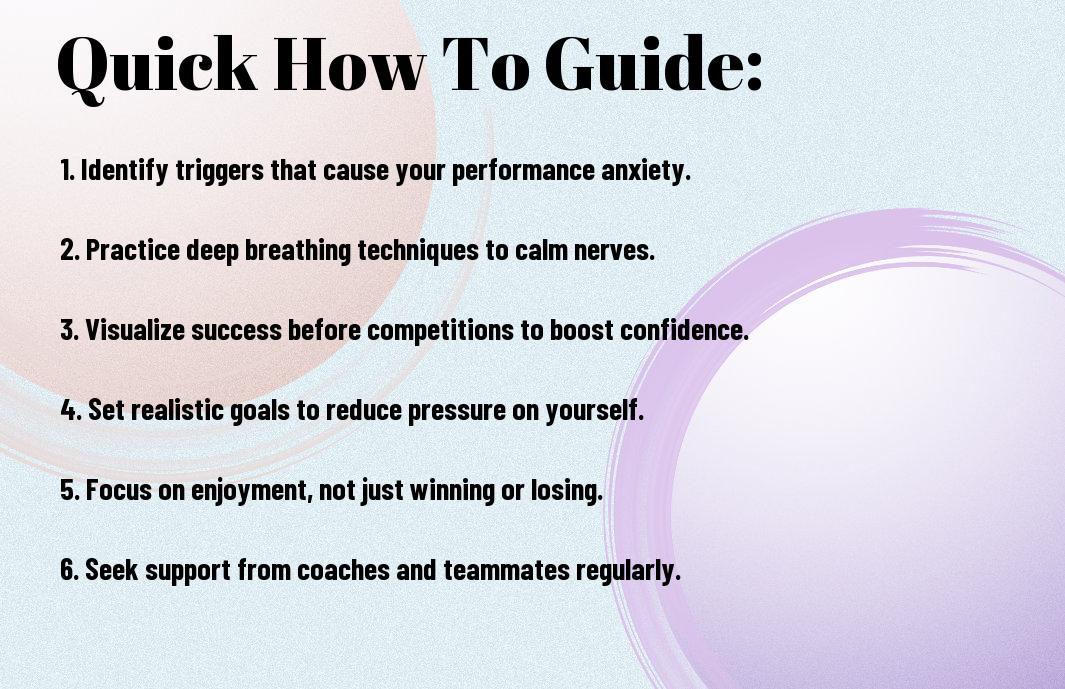
  • Focus on Preparation: Adequate training and practice build confidence and reduce anxiety.
  • Visualization Techniques: Mentally rehearsing successful performances can help alleviate nerves before competition.
  • Breathing Exercises: Deep breathing techniques can calm the mind and body, helping to manage anxiety levels.
  • Set Realistic Goals: Establish achievable targets to reduce pressure and enhance performance satisfaction.
  • Stay Present: Concentrating on the moment instead of outcomes can lessen performance-related anxiety.

Understanding Performance Anxiety

Before you can effectively tackle performance anxiety, it’s crucial to grasp its nature. Performance anxiety is a psychological condition characterized by intense nervousness before or during competitive situations, impacting your mental state and overall effectiveness in sports. Understanding the first signs can be pivotal in managing your anxiety levels and achieving peak performance.

Factors Contributing to Anxiety

While many elements can contribute to performance anxiety, key stressors often include:

  • Fear of failure
  • High expectations from self or others
  • Previous negative experiences
  • Pressure to perform

Assume that acknowledging these factors is the initial step in developing strategies to cope with anxiety efficiently.

The Impact on Athletic Performance

With performance anxiety affecting your mental clarity and physical abilities, it can lead to decreased focus and reduced stamina during crucial moments. This impact can manifest in various ways, including poor decision-making, slowed reaction times, and an overall lack of confidence in your skills.

Anxiety can block your ability to concentrate, leading to a performance that doesn’t reflect your practice and potential. You might find yourself second-guessing your capabilities or unable to execute skills you’ve mastered. Understanding how anxiety manifests in your performance allows you to pinpoint areas for improvement and develop effective coping mechanisms. Recognizing this influence on your athleticism is vital for developing a stronger mental game.

How to Identify Your Triggers

Some athletes experience performance anxiety in varying situations. To effectively overcome this challenge, it’s imperative to pinpoint the specific triggers that cause stress or fear during competition or practice. Understanding what leads to your anxiety can help you develop strategies to manage it, ultimately enhancing your overall performance. By identifying these triggers, you can take steps to address and reduce their impact on your athletic experience.

Self-Assessment Techniques

To gain insight into your triggers, consider keeping a journal to document your thoughts and feelings before, during, and after performances. Reflecting on specific situations that lead to anxiety can reveal patterns or recurring themes, which can be further explored through personal narratives or self-reflection questionnaires. This process can help you recognize your emotional responses and identify what specifically initiates your performance anxiety.

Common Triggers in Sports

One common trigger among athletes is the fear of failure, which can manifest as performance pressure during competitions. This fear may stem from external expectations, such as those from coaches, family members, or peers, leading to increased self-doubt and insecurity.

The pressure to perform well often results in athletes feeling they have to meet unrealistic standards, which can amplify anxiety levels. Factors such as comparing yourself to others, worrying about how you are perceived, or the significance of the event can contribute to this fear. Identifying these common triggers can help you take proactive steps to address them, fostering a more constructive mindset during your sporting pursuits.

Tips for Managing Anxiety

Keep your mind focused and your body relaxed with these helpful tips for managing anxiety:

  • Establish a consistent routine before competitions.
  • Practice mindfulness techniques regularly.
  • Set realistic goals and expectations.
  • Engage in physical activity to release pent-up energy.
  • Communicate openly with coaches and teammates.

Any of these strategies can support you in navigating performance anxiety effectively.

Breathing Exercises

An effective way to manage anxiety is through breathing exercises. Concentrating on your breath can ground you and reduce feelings of panic. Try inhaling deeply for a count of four, holding for four, and exhaling slowly for four. This technique helps calm your nervous system and refocus your thoughts, making it easier to concentrate on your performance.

Visualization Techniques

Even the practice of visualization can be a powerful tool in overcoming performance anxiety. By envisioning your success in vivid detail, you can mentally prepare yourself for upcoming challenges.

To effectively utilize visualization, take a moment to close your eyes and create a clear mental image of yourself performing at your best. Picture every detail: your movements, your emotions, and even the sounds around you. This positive imagery can foster confidence and help shift your focus from anxiety to achievement. Engaging in this mental rehearsal before competitions can enhance your performance and reduce feelings of self-doubt.

Building Mental Resilience

Your capacity to bounce back from setbacks and maintain focus during competitions is vital for overcoming performance anxiety in sports. Building mental resilience involves developing coping strategies, challenging negative thoughts, and embracing an adaptable mindset. By facing challenges head-on, you can transform anxiety into a source of strength, allowing you to perform at your best consistently.

Developing a Positive Mindset

If you approach competition with a mindset focused on learning and growth, you will find that setbacks become less daunting. Cultivating a positive attitude helps shift your focus from fear of failure to excitement about improvement. This perspective invites you to celebrate progress, making it easier to tackle challenges with confidence.

The Importance of Routine

Assuming you establish a consistent pre-performance routine, your brain can transition into a focused state, reducing anxiety. This structure not only calms your mind but also provides a sense of familiarity, which can be reassuring when facing high-pressure situations.

Routine helps in creating a sense of predictability in your performance environment. By incorporating consistent warm-up exercises, mental visualization, or breathing techniques into your routine, you signal to your body that it’s time to perform. This repetition builds confidence and instills a feeling of control, making it easier to manage nerves and focus on the task at hand.

Strategies for Pre-Competition Preparation

Once again, preparing for competition is vital to overcoming performance anxiety. By establishing a solid pre-competition strategy, you can equip yourself with the tools necessary to boost your confidence and reduce tension. This preparation involves both mental techniques and physical routines, helping you feel grounded and focused as the event approaches. Implementing these strategies will allow you to channel your energy into peak performance rather than anxiety.

Creating a Pre-Game Ritual

To alleviate anxiety, crafting a personal pre-game ritual can help set the tone for your performance. This ritual might include activities that ground you, such as listening to music, engaging in mindfulness exercises, or visualizing your success. By consistently performing this routine before competitions, you can create a sense of familiarity and control, ultimately reducing nervousness and enhancing your focus.

Focus Techniques

You can also implement a variety of focus techniques to maintain your concentration during competition. Practicing mindfulness and breathing exercises can help you stay present and manage negative thoughts. These techniques allow you to focus on the imperative elements of your performance rather than distractions, enhancing your overall experience. Strategies such as visualization and positive affirmations can further bolster your mental state, enabling you to perform at your best.

PreCompetition focus techniques involve training your mind to concentrate on the task at hand and eliminate distractions. Incorporate deep breathing exercises to calm your nerves and center your thoughts. Visualization can be particularly powerful; picture yourself succeeding and mastering each moment of the competition. Additionally, using positive affirmations can help shift your mindset away from self-doubt towards self-belief, reminding you of your strengths and capabilities as an athlete. This combination of techniques strengthens your mental resilience, empowering you to approach your performance with confidence.

Seeking Professional Help

For athletes struggling with performance anxiety, seeking professional help can be an effective way to develop coping strategies and mental resilience. Engaging with experts such as sports psychologists, coaches, or trainers can provide you with tailored techniques to manage anxiety, improve focus, and enhance overall performance. These professionals can offer valuable insights and support, helping you navigate the psychological challenges that may arise in competitive environments.

Working with Coaches and Trainers

To enhance your performance and tackle anxiety, collaborating closely with coaches and trainers can play a significant role. These individuals understand the pressures athletes face and can help you develop tailored training programs that not only build your physical skills but also foster mental strength. Open communication about your anxieties can lead to strategies that ease pressure on game day, contributing to a more confident performance.

When to Consult a Sports Psychologist

Psychologist involvement becomes important when you find that anxiety is interfering significantly with your performance, enjoyment, or training. If you’re experiencing persistent worry, panic attacks, or self-doubt during competitions, it is important to seek professional guidance, as they can provide you with effective techniques to address these challenges.

A sports psychologist can help you identify the root causes of your anxiety and work on specific strategies tailored to your needs. They can guide you through cognitive-behavioral techniques, visualization exercises, and relaxation methods, equipping you with tools to manage stress and build confidence. Recognizing when your anxiety is beyond what you can handle on your own, and reaching out for help can be a proactive step towards enhancing your performance and overall well-being.

To wrap up

Drawing together the various strategies for overcoming performance anxiety in sports, focus on building your mental resilience through preparation, practice, and visualization techniques. Incorporate relaxation methods like deep breathing or mindfulness to manage stress levels. Engaging in positive self-talk will help reframe negative thoughts, while setting achievable goals will keep your focus on improvement rather than fear of failure. By prioritizing your mental well-being alongside your physical training, you’ll foster a more confident and enjoyable sporting experience.

FAQ

Q: What techniques can help manage performance anxiety before an event?

A: To manage performance anxiety prior to a sporting event, athletes can utilize several techniques. Visualization is a powerful method; athletes should visualize themselves successfully performing in their sport, experiencing the feelings of confidence and competence. Breathing exercises can also help; taking slow, deep breaths can calm the nervous system and reduce anxiety. It’s beneficial to create a pre-performance routine that includes physical warm-ups and mental focus exercises, allowing athletes to channel their energy positively before competing.

Q: How can athletes shift their focus to reduce anxiety during competition?

A: Athletes can reduce anxiety during competition by focusing on the process rather than the outcome. This means concentrating on their techniques, strategies, and execution instead of worrying about winning or losing. Mindfulness practices, such as staying present and engaged in the moment, can further decrease performance pressure. Additionally, maintaining positive self-talk and affirmations can reinforce confidence and reduce negative thoughts that contribute to anxiety.

Q: What role does preparation play in overcoming performance anxiety in sports?

A: Preparation plays a significant role in alleviating performance anxiety. Athletes who engage in thorough training and practice feel more confident in their abilities, which can lead to reduced anxiety levels. Setting specific, achievable goals during practice sessions can provide a sense of progress and accomplishment. Furthermore, simulated competitions during practice can help athletes acclimate to the stress of real events, allowing them to build familiarity and reduce anxiety when faced with actual competition.

The Best Sports for Building Mental Toughness

There’s a growing understanding that participating in certain sports can significantly enhance your mental toughness. Whether you want to push your limits, handle stress better, or cultivate resilience, specific athletic pursuits offer powerful benefits for your mind. In this post, you’ll discover the best sports to help you develop the mental fortitude necessary for personal and professional success. By engaging in these activities, you can train not just your body, but also strengthen your mental game, which is vital in today’s competitive landscape.

Key Takeaways:

  • Resilience: Sports that require athletes to overcome adversity foster resilience, an necessary trait for mental toughness.
  • Focus: Engaging in individual sports, such as tennis or boxing, helps improve concentration and mental clarity during high-pressure situations.
  • Discipline: Team sports like football and basketball emphasize the importance of teamwork and strategy, promoting a disciplined mindset necessary for success.
  • Goal-setting: Combat sports, such as martial arts, encourage clear goal-setting and the pursuit of gradual improvements, enhancing mental fortitude.
  • Endurance: Long-distance running and triathlons require both physical and mental stamina, which can significantly contribute to building mental toughness.

Understanding Mental Toughness

For athletes and individuals alike, mental toughness is imperative for overcoming challenges, maintaining focus, and achieving long-term goals. It is the ability to push through adversity, stay motivated in the face of difficulties, and consistently perform at your best. By cultivating mental toughness, you can enhance your overall performance, both in sports and in everyday life.

Definition and Components

Between emotional control, resilience, and determination lies the foundation of mental toughness. It encompasses your ability to stay composed under pressure, bounce back from setbacks, and persist toward your objectives. These components work together to create a mindset that embraces challenges and fosters growth, leading to sustained success in various endeavors.

Benefits in Sports and Life

Above all, the benefits of developing mental toughness extend beyond the playing field, boosting your performance at work, in relationships, and in personal growth. When you cultivate this resilience, you experience improved focus, increased confidence, and a better ability to adapt to changing situations. These qualities empower you to tackle challenges effectively and pursue your goals with unwavering determination.

Understanding the benefits of mental toughness can transform how you approach sports and life’s challenges. You become equipped to handle pressure and setbacks, which ultimately enhances your performance. This skill not only aids in achieving your objectives but also fosters a mindset that thrives on resilience and continuous improvement. By leveraging mental toughness, you position yourself for success, both in competitive arenas and your day-to-day experiences.

Top Sports for Developing Mental Toughness

Some of the best sports for cultivating mental toughness require you to push your limits and confront challenges head-on. Engaging in activities like combat sports, endurance sports, and team sports can significantly enhance your mental resilience. For insights on how to effectively build this trait, check out Mental Toughness Training for Athletes.

Combat Sports

With their emphasis on discipline, strategy, and the ability to face fear directly, combat sports like boxing, MMA, and judo are exceptional for enhancing mental toughness. The intensity of training and competition forces you to develop focus and grit, enabling you to manage stress and overcome adversity effectively.

Endurance Sports

Above all, endurance sports such as marathons, triathlons, and cycling races present long-lasting challenges that test your mental stamina. These activities require you to push through physical discomfort, teaching you the importance of perseverance and mental fortitude.

Even as you train for long-distance events, your mind is pushed to its limits. You learn to manage fatigue, maintain focus during monotonous stretches, and sustain motivation for substantial durations. This process helps you develop a powerful mental framework that you can apply beyond sports.

Team Sports

Before engaging in team sports, understand that these activities demand collaboration, communication, and unwavering support from your teammates. Sports like soccer, basketball, and rugby push you to foster resilience while working towards a common goal, building not only mental toughness but also camaraderie.

And as you navigate the complexities of team dynamics, you cultivate skills imperative for success in pressure situations. The experience of rallying together through challenges and celebrating victories not only strengthens your resolve but also enhances your ability to handle life’s ups and downs collaboratively.

Training Techniques to Enhance Mental Toughness

After committing to building your mental toughness, incorporating effective training techniques can significantly amplify your progress. Techniques such as visualization, goal setting, and self-discipline are important components for developing the resilience needed to face challenges. By focusing on these strategies, you can train your mind just as you would your body, ultimately enhancing your performance in sports and in life.

Visualization and Mental Rehearsal

To enhance your mental toughness, practice visualization and mental rehearsal regularly. By vividly imagining yourself succeeding in high-pressure situations, you prepare your mind to handle real-life challenges more effectively. This technique not only builds confidence but also reinforces positive outcomes, creating a mental blueprint that can increase your performance when it matters most.

Goal Setting and Self-Discipline

Mental toughness develops through effective goal setting and self-discipline, both of which are important for overcoming obstacles. Setting clear, achievable goals allows you to break down tasks into manageable steps, while self-discipline helps you stay committed to achieving them, even when faced with distractions or difficulties.

Setting specific, measurable, attainable, relevant, and time-bound (SMART) goals gives you a roadmap to track your progress. Alongside your goals, practicing self-discipline involves creating routines and sticking to them, enabling you to push through mental barriers. Each time you accomplish a goal, no matter how small, you strengthen your resilience and cultivate the unwavering mindset needed for long-term success.

The Role of Coaching in Mental Toughness

Many athletes overlook the significant impact that coaching has on developing mental toughness. An effective coach not only enhances your physical skills but also shapes your mindset, instilling resilience and the ability to cope with adversity. By creating a supportive environment and instilling confidence in their athletes, coaches help you face challenges head-on, ultimately fortifying your mental fortitude for competition

Supportive Coaching Strategies

Coaching strategies that emphasize support and encouragement can make a significant difference in your mental toughness. When a coach fosters a positive atmosphere, you are more likely to push your limits, stay committed during challenging times, and embrace the learning process. A supportive coach helps you develop a strong foundation, enabling you to bounce back from setbacks and remain focused on your goals.

Feedback and Growth Mindset

Around every successful athlete is a coach who emphasizes feedback and fosters a growth mindset. Your ability to view challenges as opportunities for growth is directly influenced by the constructive feedback you receive. Embracing this mindset helps you learn from mistakes and reinforces the idea that improvement is a continuous journey rather than a destination.

It is necessary to recognize that feedback is not just about identifying areas for improvement; it is also about celebrating your progress. When you internalize this perspective, it transforms setbacks into stepping stones for growth. By viewing each piece of feedback as a tool for development, you enhance your resilience and determination, laying the foundation for mental toughness that will serve you well in sports and beyond.

Case Studies of Athletes

Your understanding of mental toughness can be enhanced by examining specific case studies of athletes who exemplify this quality in their sports. Here are some notable examples:

  • 1. Michael Jordan: Overcame multiple setbacks, including being cut from his high school basketball team.
  • 2. Serena Williams: Fought through health issues and personal challenges to secure 23 Grand Slam titles.
  • 3. Tom Brady: Drafted in the sixth round, he transformed himself into a seven-time Super Bowl champion.
  • 4. Bethany Hamilton: Returned to professional surfing after losing her arm in a shark attack.
  • 5. Jim Abbott: Excelled in Major League Baseball despite being born without a right hand.

Success Stories

Any athlete’s journey is often filled with challenges, but those who succeed demonstrate exceptional mental resilience. For instance, Michael Jordan’s relentless work ethic and focus led him to become one of the greatest basketball players of all time, showcasing how dedication can translate into success.

Overcoming Adversity

About many athletes, their stories are defined by their ability to confront and overcome hardships. Each setback is an opportunity to grow mentally and emotionally, leading to extraordinary achievements.

Overcoming challenges not only shapes an athlete’s career but also fortifies their mental resilience. Athletes like Bethany Hamilton exemplify this idea by navigating life-altering circumstances and emerging stronger than before. Such experiences enhance their focus, determination, and overall mental toughness, enabling them to perform at their best under pressure.

Incorporating Mental Toughness in Daily Life

All aspects of your life can benefit from mental toughness, allowing you to persevere through challenges and maintain focus on your objectives. By incorporating mental resilience techniques into your daily routine, you can enhance your performance in sports and achieve greater success in both personal and professional endeavors. Striving for consistency in your efforts will create a resilient mindset that can weather any storm.

Practical Exercises

Along your journey to building mental toughness, consider integrating exercises that challenge your limits and sharpen your focus. This can include activities such as setting small, achievable goals each day, embracing discomfort through physical challenges, or reflecting on your progress in a journal. These practical exercises will help you cultivate resilience and stamina in both mind and body.

Mindfulness and Resilience

The practice of mindfulness is key in developing resilience, as it encourages you to stay present and focused in the moment. By engaging in mindfulness techniques such as meditation or deep breathing, you can manage stress and reduce anxiety, which enhances your ability to face adversity. As you hone your awareness of thoughts and feelings, you’ll build a strong foundation for mental toughness.

And as you navigate challenges, mindfulness allows you to respond rather than react, giving you greater control over your emotions. It encourages you to observe your thoughts without judgment, which can help you identify and overcome limiting beliefs. By merging mindfulness techniques with daily practices, you can cultivate resilience, ensuring you stay motivated and focused, even when faced with adversity.

To wrap up

Summing up, engaging in sports such as martial arts, rock climbing, or endurance running can significantly enhance your mental toughness. These activities challenge you to push beyond your limits, develop resilience, and cultivate a strong mindset. By participating in these sports, you not only improve your physical capabilities but also foster qualities such as discipline, focus, and perseverance that are imperative for overcoming obstacles in life. Embrace these opportunities and watch as your mental fortitude grows alongside your physical strength.

FAQ

Q: What types of sports are best for building mental toughness?

A: Engaging in sports that require high levels of concentration, discipline, and competition can significantly enhance mental toughness. Sports such as martial arts, long-distance running, rock climbing, and football are particularly effective as they challenge individuals to push their limits and overcome psychological barriers. These activities demand perseverance, focus, and resilience, which are important traits of mental toughness.

Q: How does participating in team sports contribute to mental toughness?

A: Team sports offer unique environments where athletes must navigate group dynamics, cooperation, and collective goals. Participating in team sports such as soccer or basketball fosters resilience, accountability, and communication skills. Athletes learn to handle pressure not only from opponents but also from teammates and coaches, which aids in developing a competitive mindset and the ability to bounce back from setbacks.

Q: Can individual sports be as effective as team sports for developing mental toughness?

A: Yes, individual sports can be equally effective in building mental toughness. Activities like tennis, gymnastics, and swimming require athletes to face challenges alone, honing their self-discipline and self-motivation. These sports push individuals to conquer self-doubt and anxiety under pressure, helping them to cultivate a strong mental resilience that translates to other areas of life. Each type of sport offers a distinct approach to developing mental strength, allowing individuals to choose what resonates with them best.

Skip to content