How to Boost Your Confidence in Sports

Boost your confidence in sports and elevate your performance by employing effective strategies that foster self-belief and resilience. You have the ability to enhance your mental game, ensuring that your physical skills shine through under pressure. This guide will provide you with actionable steps that you can integrate into your training regimen, empowering you to overcome self-doubt and thrive in competitive environments. With the right mindset and techniques, you’ll be well on your way to becoming a more confident athlete.

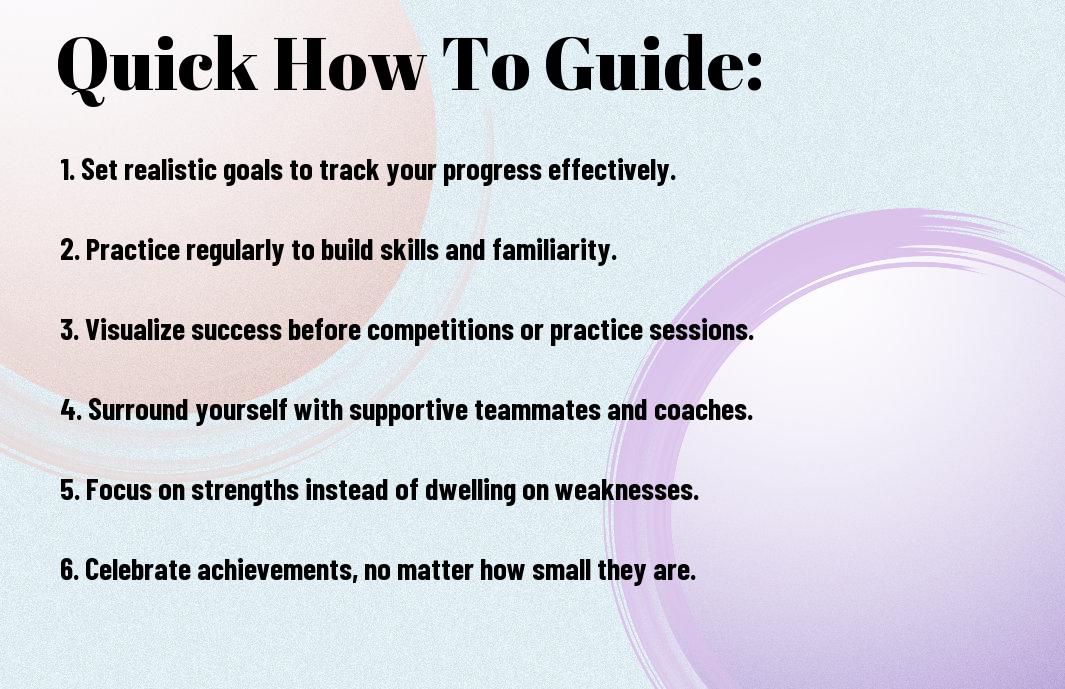
Key Takeaways:

  • Practice: Consistent practice helps to build both skill and confidence in your abilities over time.
  • Positive Self-Talk: Use affirmations and encouraging words to enhance your self-image and reinforce your capabilities.
  • Set Achievable Goals: Break down larger objectives into smaller, realistic targets to track your progress and celebrate successes.
  • Visualize Success: Mental imagery can prepare you for competition by picturing successful outcomes and the steps needed to get there.
  • Seek Support: Surround yourself with positive influences, like coaches and teammates, who uplift and motivate you towards improvement.

Understanding Confidence in Sports

As an athlete, understanding the essence of confidence in sports is vital to achieving your best performance. Confidence is not just about being self-assured; it encompasses your belief in your abilities and potential to succeed. This self-belief can significantly impact your focus, decision-making, and overall athletic performance. Building this understanding allows you to harness the power of confidence in various competitive situations.

What is Sports Confidence?

Confidence in sports refers to the belief in your own skills and capabilities when participating in athletic activities. This belief influences how you approach training, competition, and the challenges that arise along the way. High sports confidence equips you with the mental fortitude needed to push through difficult situations, adapt to changes, and maintain your performance under pressure.

Factors Influencing Confidence Levels

Factors that influence your confidence levels in sports are varied and interconnected. Key elements include:

  • Your previous experiences and successes in the sport
  • The quality of your training and preparation
  • The support from coaches, teammates, and family
  • Your mindset and psychological resilience
  • The environment and conditions during competitions

Assume that understanding these factors will empower you to take proactive steps toward enhancing your confidence.

With a deeper grasp of how these factors play a role, you can strategically work on enhancing your confidence in sports. Consider evaluating your past experiences and how they shape your current beliefs. Focus on improving your skill set through rigorous training, and actively seek encouragement from those around you. Understanding how your mental state correlates with performance is also vital, as it allows you to adopt a more positive mindset before competitions. Remember that your environment, including the emotional and physical conditions, can significantly affect your self-assurance.

  • Your ability to visualize success
  • Your coping strategies for stress and anxiety
  • The level of competition you face
  • How you internalize and learn from failures

Assume that by identifying these influencing factors, you can focus on boosting your confidence effectively.
How to Identify Your Confidence Weaknesses

Even the most skilled athletes experience moments of self-doubt. To identify your confidence weaknesses, take a step back and evaluate your emotional responses during training and competition. Look for patterns in your behavior that signal your lack of confidence, whether it’s hesitating to take risks or feeling overly anxious before a performance. By acknowledging these areas, you can focus on transforming them into strengths.

Self-Assessment Techniques

Now is the time to engage in self-assessment techniques that can facilitate your understanding of these weaknesses. Journaling your thoughts before and after sports events can illuminate patterns in your confidence levels. You can also consider asking for feedback from coaches and teammates, as their insights can offer a different perspective on your performance and emotional state.

Recognizing Negative Thought Patterns

Little things can lead to bigger issues when it comes to your mindset. Recognizing negative thought patterns is key to boosting your confidence in sports. These can manifest as self-criticism or doubting your abilities, often emerging before competitions or during practice. The more you become aware of these thoughts, the better equipped you are to challenge and change them.

Negative thought patterns can significantly impact your performance and overall enjoyment in sports. They often arise from comparisons to others, fear of failure, or unrealistic expectations. Once you identify these thoughts, you can work to reframe them into positive affirmations, shifting your focus from what you think you can’t do to what you can achieve. This process not only helps you combat anxiety, but also fosters a more supportive internal dialogue, ultimately leading to greater confidence as an athlete.

Tips to Build Mental Resilience

After understanding the importance of mental resilience in sports, there are practical steps you can take to strengthen yours. Consider these tips:

  • Practice mindfulness and meditation
  • Learn from failures and setbacks
  • Surround yourself with positive influences
  • Embrace challenges as opportunities for growth
  • Maintain a healthy lifestyle through regular exercise and nutrition

Recognizing these strategies can greatly enhance your mental toughness over time.

Setting Achievable Goals

Achievable goals are the cornerstone of building your confidence in sports. By breaking down larger objectives into smaller, measurable milestones, you can create a clear path towards your ultimate aspirations. This approach allows you to focus on incremental progress rather than overwhelming yourself with the end result, fostering a sense of success with each small triumph.

Visualization Techniques

There’s a powerful practice you can incorporate into your training routine called visualization. This technique involves vividly imagining yourself performing at your best, which can help reinforce your skills and boost your self-belief. By mentally rehearsing your performance, you create a mental blueprint for success that can elevate your game on the field.

To maximize the effectiveness of visualization, set aside time before practices or competitions to visualize your ideal performance. Close your eyes, breathe deeply, and picture yourself engaging in your sport with confidence. Focus on the details – feel the movement, hear the sounds around you, and anticipate the success you desire. With regular practice, this technique can enhance your mental preparedness and significantly improve your overall performance.

Enhancing Physical Preparation

Your physical preparation is key to boosting your confidence in sports. It sets the foundation for your performance, allowing you to train effectively, prevent injuries, and enhance your skills. Ensure you dedicate time to develop your strength, agility, and endurance, while also practicing the specific techniques required for your sport. Committing to a well-rounded physical preparation will not only improve your abilities but also build your self-assurance on the field or court.

Developing a Training Routine

If you want to enhance your performance, it’s important to develop a consistent training routine tailored to your sport. Establish specific goals and incorporate varied workouts that include strength training, cardio, and skill drills. Sticking to a schedule will help you build discipline and track your progress, leading to improved performance and a greater sense of confidence.

Importance of Nutrition and Recovery

Enhancing your nutrition and recovery strategies is imperative for maintaining peak performance. What you eat directly influences your energy levels, endurance, and overall fitness, while proper recovery helps your muscles heal and recharge. By prioritizing a balanced diet and adequate rest, you equip your body to perform at its best, ultimately fostering a confident mindset in your sporting endeavors.

This goes beyond just consuming healthy foods; hydration, meal timing, and macronutrient balance play significant roles in your athletic success. Fueling your body with the right nutrients optimizes your energy levels, while adequate sleep and recovery periods reduce the risk of injuries. By investing in your nutrition and recovery, you pave the way for improved performance and an increased sense of self-assurance in your abilities.

The Role of Support Systems

Keep in mind that support systems can significantly enhance your confidence in sports. Surrounding yourself with people who believe in your abilities and encourage your growth can make a world of difference. Whether it’s friends, family, or teammates, having a reliable support network helps you navigate challenges while celebrating your successes, boosting your self-esteem in the process.

Finding a Mentor or Coach

Some of the most effective ways to build your confidence in sports involve seeking guidance from a mentor or coach. A mentor can share valuable insights from their experience, while a coach can help refine your skills and provide constructive feedback. Their support will not only guide you through tough situations but also inspire you to aim higher in your athletic journey.

Engaging with Peers and Team Members

Mentor your relationships with peers and teammates, as building connections within your sports community can greatly improve your confidence. Working collaboratively allows you to learn from one another while creating a supportive atmosphere for growth. Sharing experiences, both good and bad, helps you realize that you are not alone on your athletic path.

It’s necessary to actively engage with your peers and team members, as this fosters a sense of belonging and encourages open communication. Attend team events or practice sessions, and create opportunities for dialogue about challenges and achievements. By nurturing these relationships, you develop a network of support that can uplift your spirits and motivate you to perform to the best of your abilities.

Strategies for Performance Day

Despite the pressure that comes with performance day, implementing effective strategies can help you enhance your confidence. Establishing a structured approach will keep you focused and minimize anxiety as you prepare to showcase your skills. Prioritizing a positive mindset and setting manageable goals will empower you to overcome challenges and perform at your best.

Pre-Game Rituals

Some athletes find success in developing pre-game rituals that help create a sense of familiarity and security before competition. These rituals can include simple activities like stretching, listening to your favorite music, or positive visualization. By engaging in these consistent behaviors, you can cultivate a mental state conducive to peak performance.

Staying Focused and Present

One key to excelling on performance day is your ability to stay focused and present during the event. By honing your concentration, you can better manage distractions and maintain your motivation throughout the competition.

A practical way to cultivate focus is through mindfulness techniques. Prior to your event, take a few moments to practice deep breathing, allowing yourself to focus solely on your breath. Visualize yourself executing your skills confidently, blocking out any negative thoughts or external distractions. By anchoring your mind on the present moment, you empower yourself to showcase the best version of your abilities, enhancing your performance overall.

Final Words

Conclusively, boosting your confidence in sports involves consistent practice, understanding your strengths, and setting achievable goals. It is crucial to maintain a positive mindset and visualize your success regularly. Engaging in mental training exercises and learning from setbacks can also enhance your self-belief. For additional insights, check out this video on How to Build Confidence in Sports to further your journey. With dedication, you can unlock your full potential and excel in your sports endeavors.

Q: What are some effective techniques to improve my self-confidence during competitions?

A: To enhance your confidence during competitions, consider practicing visualization techniques. Before your event, take time to close your eyes and picture yourself performing successfully. This mental rehearsal can help reinforce a positive mindset. Additionally, setting achievable goals for each practice session can lead to a sense of accomplishment. Lastly, surrounding yourself with supportive teammates and coaches can foster a positive atmosphere that boosts your confidence.

Q: How can I manage anxiety before a big game or match?

A: Managing anxiety before a big game can be tackled through several approaches. Breathing exercises, such as deep diaphragmatic breathing, can calm your nerves and help you focus. Creating a pre-game routine can provide a sense of stability and normalcy. Incorporating relaxation techniques like progressive muscle relaxation or meditation into your training can also be beneficial. Finally, shifting your focus from the outcome to the effort you will put into the game can alleviate some of that pressure.

Q: In what ways can practice help build my confidence in my sport?

A: Consistent practice is a fundamental element in building confidence in any sport. The more you train, the more familiar you become with your skills and strategies, leading to increased self-assurance. Structured practice sessions that focus on specific areas of improvement can help you track your progress and feel a sense of achievement. Engaging in simulated competitive scenarios during practice can also create a more comfortable transition to actual competition and build your confidence in high-pressure situations.

The Top 5 Sports for Weight Loss

Fitness is not just about hitting the gym; it’s about finding activities that you enjoy and that can help you shed pounds effectively. Whether you’re a seasoned athlete or just starting your journey, incorporating sports into your routine can significantly enhance your weight loss efforts. In this post, we will explore the top five sports that will get your heart pumping, burn calories, and ultimately aid in your quest for a healthier body. Get ready to discover how you can achieve your weight loss goals through enjoyable physical activity!

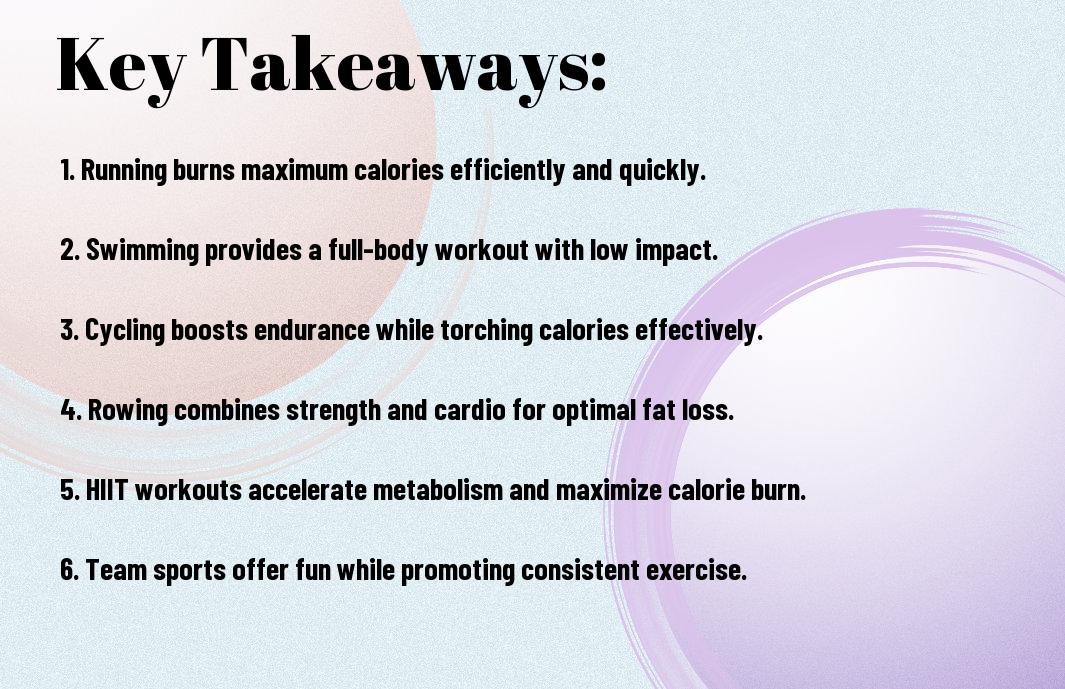
Key Takeaways:

  • Running: An effective calorie-burning activity that enhances cardiovascular health and builds endurance.
  • Cycling: Great for building leg muscles and improving fitness levels while being low-impact on joints.
  • Swimming: A full-body workout that stimulates multiple muscle groups while being gentle on the body.
  • Rowing: Combines strength and cardio training, engaging both the upper and lower body for maximum calorie burn.
  • High-Intensity Interval Training (HIIT): A time-efficient workout method that combines short bursts of high effort with recovery periods, increasing metabolism post-exercise.

Understanding Weight Loss and Exercise

As you begin on your weight loss journey, understanding the relationship between exercise and weight loss is vital. Engaging in physical activity not only helps you burn calories but also boosts your metabolism, supports muscle growth, and enhances overall well-being. Combining exercise with a balanced diet creates a sustainable approach to achieve and maintain your weight loss goals.

The Science Behind Weight Loss

Around the world, the fundamental principle of weight loss remains consistent: to lose weight, you must create a calorie deficit. This means that you need to burn more calories than you consume. When your body operates in a calorie deficit, it taps into stored fat for energy, leading to weight reduction over time.

Importance of Physical Activity

With regular physical activity, you enhance your weight loss efforts by increasing the number of calories you burn daily. Not only does exercise help you shed pounds, but it also serves to strengthen your cardiovascular system, improve your mood, and boost your energy levels. Incorporating various forms of physical activity into your routine can also make the process enjoyable and engaging.

Science shows that individuals who engage in regular exercise are more successful in their weight loss journeys compared to those who rely solely on diet. Physical activity helps to maintain muscle mass while losing fat, ensuring your metabolism remains efficient. Additionally, exercise has significant mental health benefits, reducing stress and improving your overall outlook, which can positively influence your weight management efforts.

The Top 5 Sports for Weight Loss

Assuming you are looking for effective ways to shed those extra pounds, engaging in specific sports can significantly enhance your weight loss journey. These activities not only burn calories but also boost your overall fitness and well-being. In this section, you will discover the top five sports that can help you achieve your weight loss goals while keeping the experience enjoyable and motivating.

Running

Below is one of the most straightforward and effective sports for weight loss. Running elevates your heart rate and can burn many calories in a short amount of time, making it an ideal choice for anyone seeking to lose weight. Whether you’re jogging in the park or sprinting on a treadmill, running can fit easily into your schedule.

Cycling

One of the most popular activities, cycling not only promotes cardiovascular health but also helps you torch calories effectively. You can cycle outdoors on scenic trails or indoors on stationary bikes, allowing for versatile options based on your preferences and circumstances.

Plus, cycling is low-impact, reducing stress on your joints, making it suitable for individuals of all fitness levels. You can vary the intensity and duration to adapt the workout to your specific goals, whether you’re aiming for a leisurely ride or an intense cycling session.

Swimming

Against common misconceptions, swimming is an excellent sport for weight loss. The resistance of water makes your body work harder, enhancing calorie burn while providing a full-body workout. Whether you prefer freestyle, breaststroke, or water aerobics, swimming can adapt to your fitness level.

Swimming burns calories effectively and minimizes the risk of injury. This low-impact activity is particularly beneficial for those recovering from injuries or managing chronic pain, allowing you to work out without straining your body.

HIIT (High-Intensity Interval Training)

Against the traditional steady-state workouts, HIIT offers a time-efficient means of losing weight. By alternating high-intensity bursts with periods of rest, this training method maximizes calorie burn in shorter sessions, making it perfect for busy lifestyles.

Indeed, HIIT can elevate your metabolism even after you finish exercising, leading to ongoing calorie expenditure. As you incorporate this type of training into your routine, you’ll find it not only effective for weight loss but also keeps workouts engaging and dynamic.

Rowing

HIIT can also be applied to rowing, a fantastic full-body workout that builds strength and boosts endurance. Combining cardio with strength training, rowing targets multiple muscle groups while efficiently burning calories.

With a rowing machine, you have the advantage of exercising indoors or outdoors, perfect for different weather conditions. Plus, the rhythmic motion can be meditative, allowing you to focus on your personal goals while enjoying the process of getting fitter.

Comparing Caloric Burn Across Sports

After evaluating various sports, you might wonder how they stack up against one another in terms of caloric burn. Understanding this can help in making informed choices about your workout routines. The following table illustrates the approximate calories burned per hour for different sports.

Caloric Burn Comparison

Sport Calories Burned/Hour
Running 600-1200
Cycling 400-1000
Swimming 500-800
Rowing 600-900
Basketball 500-800

Factors Affecting Caloric Expenditure

Any sport’s caloric burn can vary significantly based on several factors. Your age, weight, fitness level, and workout intensity play a significant role. Additionally, the duration of your activity and your overall body composition will dictate how many calories you expend. Here are some key elements to consider:

  • Body weight
  • Intensity of the exercise
  • Duration of the activity
  • Your metabolism

Knowing these factors can help you tailor your training to meet specific weight loss goals.

Average Calories Burned per Hour

Burned calories while engaging in sports varies greatly, and knowing the average can help you set realistic expectations. Each sport utilizes different muscle groups and energy systems, resulting in distinct caloric expenditures. Understanding average burns will assist you in creating a balanced weekly workout schedule.

Another way to look at caloric burn is to consider how the intensity of your chosen sport affects energy expenditure. For instance, more vigorous activities such as running or swimming at high intensity can yield significantly higher calories burned compared to moderate efforts. Furthermore, knowing how to elevate your heart rate during exercise can maximize the calories you burn, bringing you closer to your weight loss goals.

Tips for Incorporating Sports into Your Weight Loss Plan

Despite the challenges of starting a fitness journey, incorporating sports can significantly enhance your weight loss plan. Here are a few tips to help you get started:

  • Choose a sport that you genuinely enjoy to stay motivated.
  • Set a regular schedule for practice to build a routine.
  • Consider finding a workout buddy for accountability.
  • Track your progress to identify areas for improvement.
  • Stay informed with resources like The 8 best sports for losing weight.

Thou shall reinforce your commitment through consistent effort and enthusiasm.

Setting Realistic Goals

Loss of weight takes time, and setting realistic goals is important for maintaining motivation during your fitness journey. Aim for small, achievable milestones that lead to gradual results. For example, rather than targeting a significant weight drop, focus on increasing your sports participation or workout frequency each week. This approach not only boosts your confidence but also enhances your overall physical conditioning.

Combining Sports with Nutrition

Any successful weight loss plan should include a balanced approach to nutrition alongside your chosen sport. Fueling your body with the right nutrients can significantly enhance your performance and recovery.

The synergy between sports and nutrition is vital for maximizing your weight loss results. Incorporate a variety of whole foods into your diet, focusing on lean proteins, healthy fats, and complex carbohydrates. Pay attention to your hydration levels and meal timing, ensuring you provide your body with important nutrients before and after your workouts. This holistic approach not only supports your weight loss but also ensures you have the energy needed to excel in your chosen sports.

Overcoming Barriers to Participation

Unlike many activities that might seem daunting, participating in sports for weight loss can be approached with a mindset geared toward overcoming barriers. You may face challenges such as time constraints, lack of access to local facilities, or personal confidence levels. Acknowledging these obstacles is the first step in creating a practical solution that will enable you to make fitness a regular part of your routine.

Time Management

Above all, managing your time effectively is imperative to incorporating sports into your weight loss journey. You can start by assessing your daily schedule and identifying pockets of time that can be dedicated to physical activity. Whether it’s early morning sessions, quick workouts during lunch, or group activities on weekends, finding those moments can make a significant difference.

Access to Facilities

Among the common barriers to engaging in sports are difficulties in accessing facilities. If you do not have a gym nearby or have limited options for sports activities in your area, it may seem challenging to get started.

Indeed, lack of access to facilities can often discourage you from participating in sports. To address this issue, consider exploring alternative options such as local parks, community centers, or even home workouts that can provide similar benefits. You can also check for public sports leagues or clubs that might be available without the need for a dedicated gym. The goal is to find a convenient and enjoyable space for your fitness activities, making it easier to stay committed to your weight loss objectives.

Summing up

Hence, engaging in sports like running, cycling, swimming, HIIT, and rowing can significantly aid your weight loss journey. Each activity offers unique benefits, allowing you to choose one that best fits your lifestyle and preferences. By incorporating these sports into your regular routine, you’ll not only enhance your fitness levels but also make losing weight more enjoyable and sustainable. Embrace these options to maximize your results and take charge of your health today.

FAQ

Q: What are the top 5 sports for weight loss?

A: The top 5 sports for weight loss include running, swimming, cycling, rowing, and high-intensity interval training (HIIT). These sports are effective for burning calories and improving overall fitness. Running engages multiple muscle groups and significantly raises heart rate, while swimming provides a full-body workout with low impact on the joints. Cycling is excellent for building leg strength while burning calories. Rowing is another full-body workout that combines strength and cardiovascular endurance, and HIIT offers a powerful combination of quick bursts of intense exercise followed by rest, maximizing calorie burn in a shorter time frame.

Q: How often should I participate in these sports to see weight loss results?

A: For effective weight loss, it is typically advised to engage in these sports at least 4 to 5 times a week. Sessions can vary between 30 to 60 minutes, depending on your fitness level and goals. Combining different sports can prevent boredom and work various muscle groups. For instance, you might alternate between running on some days, cycling on others, and incorporating HIIT workouts to keep your regimen diverse and engaging.

Q: Do I need to follow a specific diet while doing these sports for weight loss?

A: While regular participation in sports significantly aids in weight loss, it is generally beneficial to pair exercise with a balanced diet. Focus on consuming whole foods such as lean proteins, whole grains, fruits, and vegetables. Pay attention to portion sizes and aim to create a calorie deficit, where you burn more calories than you consume. Staying hydrated and avoiding sugary drinks can also enhance your weight loss efforts while engaging in these sports.

How to Overcome a Slump in Sports Performance

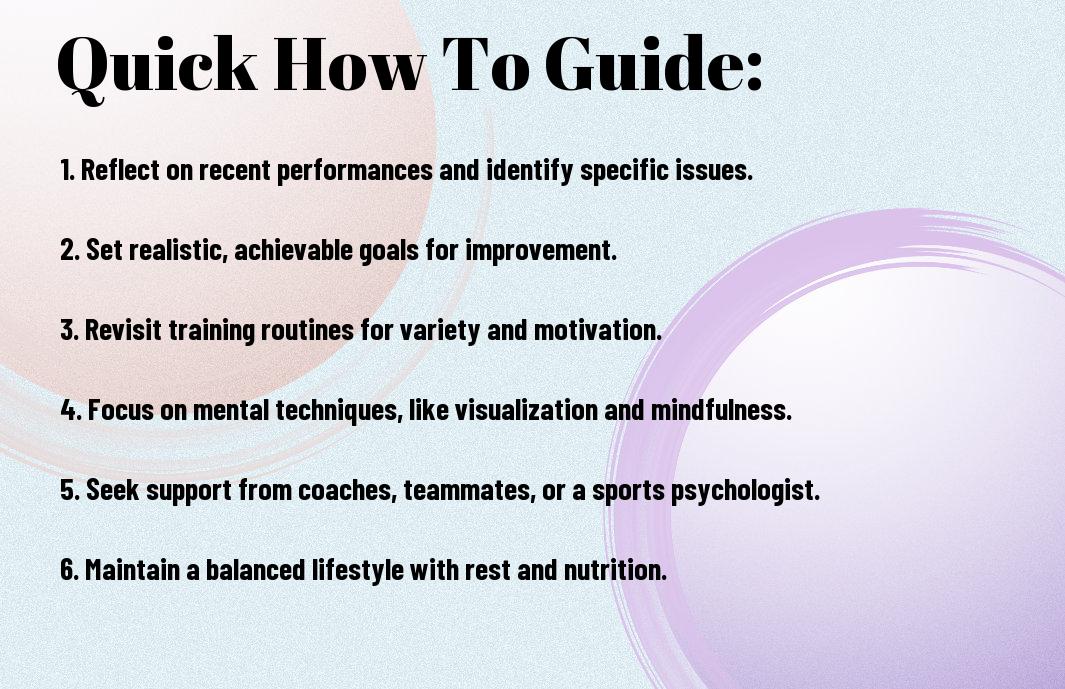
You might find yourself facing a dip in your sports performance, which can be frustrating and disheartening. It’s vital to address this slump effectively to regain your confidence and improve your skills. In this guide, we’ll explore practical strategies you can implement to identify the root causes of your performance issues, boost your motivation, and enhance your training regimen. By adopting a positive mindset and making targeted adjustments, you can bounce back stronger than ever.

Key Takeaways:

  • Identify Triggers: Reflect on recent performance to pinpoint specific factors contributing to the slump.
  • Set Small Goals: Establish achievable objectives to gradually rebuild confidence and skill level.
  • Focus on Fundamentals: Return to basic skills and techniques that may have been overlooked during challenging times.
  • Seek Support: Engage coaches, teammates, or mentors for guidance and encouragement to overcome obstacles.
  • Embrace Mindfulness: Incorporate mental strategies, such as visualization and relaxation techniques, to enhance focus and reduce pressure.

Understanding the Slump

The slump in sports performance can be an unsettling experience for any athlete. It often manifests as a noticeable dip in consistency, motivation, and overall ability to perform at your best. These performance slumps can stem from various factors—both physical and mental—leading to frustration and self-doubt. Acknowledging that such slumps are a natural part of the athletic journey is crucial for moving forward effectively.

Identifying Causes

Slump situations often arise from a mix of physiological, psychological, and environmental factors. You may experience fatigue, lack of focus, or even burnout, which can negatively impact your training and competitive performance. Additionally, external pressures, such as personal life stress or unrealistic expectations, can play a significant role in your current performance level.

Recognizing Signs

Causes of performance slumps can be subtle initially, but there are noticeable signs that can alert you to a decline. Pay attention to changes in your energy levels, motivation, and self-confidence. If you find yourself dreading workouts or feeling increasingly indifferent about competition, these feelings may indicate you’re entering a slump.

Signs of a performance slump can also include physical symptoms like persistent fatigue, decreased strength, or struggling with techniques that were once second nature. You might also notice increased irritability or frustration during practice. Be mindful of these indicators, as acknowledging them early can give you the insight needed to address the underlying issues effectively.

Mental Strategies

Even elite athletes face slumps, but mental strategies can help you regain your focus and performance. Developing a strong mental game is crucial for overcoming obstacles and getting back on track. Implementing techniques such as visualization and positive self-talk will empower you to push through tough times and perform at your best.

Visualization Techniques

With visualization techniques, you can mentally rehearse your performance, creating a powerful connection between your mind and body. By picturing yourself succeeding in your sport, you build confidence and reinforce your skills. This practice enables you to approach your actual performance with a clearer mindset and greater assurance.

Positive Self-Talk

You can significantly impact your performance through positive self-talk. By consciously choosing empowering and encouraging phrases, you build a stronger mental foundation. Replacing negative thoughts with affirmations helps cultivate resilience and motivation, allowing you to approach challenges with a positive attitude.

It is important to establish a consistent routine for positive self-talk during training and competition. Create a list of phrases or affirmations that resonate with you and practice saying them regularly. When faced with challenging situations, rely on these affirmations to refocus your mindset and maintain your confidence. By reinforcing your belief in your abilities, you create an empowering atmosphere that facilitates progress and helps you overcome any slump in performance.

Physical Preparation

Now that you have recognized a slump in your sports performance, focusing on your physical preparation can make a significant difference. This involves assessing your current fitness levels and determining where your body may need adjustments. A well-structured physical routine tailored to your needs will not only enhance your skills but also help you regain confidence and motivation.

Adjusting Training Regimens

Clearly, modifying your training regimen can be beneficial in overcoming performance slumps. Evaluate your current workouts and consider varying intensity, duration, or types of exercises to challenge your body differently. By introducing new elements or reducing the volume of training, you can help prevent burnout and stimulate improvements in your performance.

Importance of Proper Rest

An crucial aspect of overcoming a slump is ensuring you prioritize rest. Adequate recovery time allows your body to heal and rebuild, which is important for maintaining peak performance. Skipping rest days can lead to fatigue and diminishing returns on your efforts.

Understanding that rest is not merely a break from training, but a vital component of your physical preparation is key. Adequate sleep improves muscle repair, enhances mental focus, and boosts immunity, all of which contribute to better athletic performance. Incorporate rest days into your training schedule and pay attention to how your body responds; this adjustment can lead to a better balance between effort and recovery, ultimately helping you bounce back stronger.

Setting Goals

Keep your focus sharp by setting clear and achievable goals. When you have specific objectives, it becomes easier to track your progress and regain confidence in your abilities. Ensure that your goals are tailored to address the areas where you’re experiencing a slump, and don’t hesitate to revisit and modify them as your performance evolves.

Short-term vs. Long-term Goals

If you want to maximize your potential, it’s important to differentiate between short-term and long-term goals. Short-term goals provide motivation and immediate benchmarks, while long-term goals help you maintain your vision and purpose in your sport. Both types of goals play crucial roles in your overall performance and development.

SMART Goal Framework

Goals should be specific, measurable, achievable, relevant, and time-bound. This SMART goal framework ensures your objectives are clear and structured, fostering accountability in your training efforts. The more detailed your goals are, the better equipped you will be to evaluate your progress and make necessary adjustments.

Understanding the SMART goal framework can significantly enhance your approach to performance improvement. By developing specific goals that outline exactly what you want to achieve, you can track measurable progress over time. Ensure they are realistic and relevant to your current situation, and assign deadlines to keep yourself accountable. This structured approach allows you to focus on immediate tasks while keeping your long-term vision in mind, creating a balanced path to overcoming your performance slump.

Seeking Support

Many athletes find that overcoming a slump in performance can be significantly easier when you seek support from others. Engaging with coaches, peers, and mentors can provide fresh perspectives, encouragement, and valuable advice as you navigate through challenging times. Recognizing that you don’t have to face these obstacles alone can be empowering and can lead to renewed motivation and focus.

Working with Coaches

Support from coaches is vital in addressing performance slumps. They possess the experience and expertise to identify areas for improvement and provide tailored feedback. By maintaining open lines of communication, you can work together to develop effective strategies, set realistic goals, and create a positive training environment that fosters growth.

Engaging with Peers

Seeking support from your peers can greatly enhance your journey toward improved performance. Connecting with fellow athletes allows you to share experiences, exchange tips, and motivate each other. Collaborating during training sessions can also lead to healthier competition, pushing you beyond your limits while fostering a sense of camaraderie and teamwork.

Working alongside your peers can also help shift your mindset during challenging times. Engaging in group training or discussing your struggles openly can provide a support system that encourages accountability and resilience. By learning from each other’s successes and setbacks, you can cultivate a positive atmosphere that reinvigorates your passion for the sport and motivates you to persist through difficult moments.

Nutrition and Recovery

Despite the physical demands of your sport, proper nutrition and recovery are often overlooked yet integral to overcoming performance slumps. Fueling your body with the right nutrients not only enhances your physical capabilities but also accelerates recovery, allowing you to rebuild and perform at your best. Balancing macronutrients, staying hydrated, and following a tailored meal plan can significantly impact your training results and overall performance.

Fueling Your Body

Clearly, the foods you choose to consume directly influence your energy levels, endurance, and overall performance. Opt for a diet rich in carbohydrates, proteins, and healthy fats, and focus on whole, unprocessed foods that provide sustained energy. Incorporating nutrient-dense snacks, particularly around training sessions, can help you maintain focus and vitality throughout your workouts.

Recovery Techniques

While nutrition plays a pivotal role in fueling you for success, effective recovery techniques are imperative for repairing your muscles and preventing burnout. Implementing practices such as foam rolling, stretching, and incorporating active recovery days can enhance your body’s ability to bounce back after intense training sessions. Prioritizing sleep and utilizing hydration strategies will further support your recovery process, allowing you to maximize your gains.

For instance, consider adding contrast baths or ice baths to your routine, which can aid in reducing inflammation and muscle soreness post-workout. You may also explore the benefits of yoga, which promotes flexibility and relaxation while helping to clear your mind. Moreover, integrating light exercises, such as walking or swimming, on your rest days not only keeps blood flowing but can also reduce stiffness, ensuring you’re ready for your next training session.

To wrap up

Ultimately, overcoming a slump in sports performance requires a combination of strategies tailored to your specific needs. Focus on setting realistic goals, maintaining a positive mindset, and utilizing visualization techniques. Engage in open communication with your coaches or mentors for guidance, and consider varying your training routine to keep things fresh. Listen to your body and give yourself the necessary rest and recovery time. By implementing these methods, you can regain your confidence and elevate your performance back to its peak level.

Q: What are some common causes of a slump in sports performance?

A: Slumps in sports performance can stem from various factors including lack of motivation, physical fatigue, mental stress, or inadequate recovery periods. Additionally, external pressures such as competition results or personal expectations can intensify these feelings. Athletes may also face specific technical or tactical challenges that lead to poor performance. Recognizing these underlying issues is the first step toward addressing and overcoming them.

Q: How can mental training techniques help in overcoming a slump?

A: Mental training techniques, such as visualization, mindfulness, and goal-setting, can significantly assist athletes in overcoming slumps. Visualization involves picturing oneself successfully executing skills or achieving goals, which can enhance confidence and focus. Mindfulness practices help athletes stay present and reduce anxiety about past or future performances. Setting realistic and achievable goals can provide structure and motivation, fostering a positive mindset and a sense of progress.

Q: What role does physical conditioning play in breaking through a performance slump?

A: Physical conditioning is necessary in addressing performance slumps as it ensures that athletes are in optimal shape for their sport. Tailored training programs focusing on strength, endurance, and flexibility can help rebuild confidence in physical abilities. Additionally, incorporating rest and recovery strategies can prevent burnout and promote overall wellness, allowing athletes to perform at their best. Regular assessments and adjustments to training routines can also help address specific weaknesses or concerns that may be contributing to the slump.

The Benefits of Playing Sports as an Adult

There’s no denying the positive impact of playing sports as an adult. Engaging in sports not only enhances your physical health but also boosts your mental well-being, helping you manage stress and develop social connections. Whether you’re a seasoned athlete or just starting out, the benefits are plentiful. You can explore a variety of engaging reasons to join in on the fun, such as those listed in this article on 10 Compelling Reasons To Play Sports As An Adult. Embrace the joy of sports today!

Key Takeaways:

  • Physical Health: Engaging in sports helps maintain cardiovascular fitness, muscle strength, and overall physical well-being.
  • Mental Well-Being: Playing sports significantly reduces stress and anxiety, promoting better mental health through the release of endorphins.
  • Social Connections: Sports provide opportunities to meet new people and build friendships, enhancing social life and community involvement.
  • Teamwork Skills: Participating in team sports fosters cooperation, communication, and leadership abilities that can be beneficial in both personal and professional settings.
  • Discipline: Commitment to regular practice and competition in sports promotes discipline and time management skills in adults.

Physical Health Benefits

The advantages of playing sports as an adult extend far beyond enjoyment; they significantly enhance your physical health. Engaging in regular physical activity can improve your cardiovascular fitness, boost your immune system, and increase flexibility and strength. These benefits not only contribute to overall well-being but also help prevent chronic diseases, ensuring you lead a healthier and more active life.

Cardiovascular Health

Between regular sports participation and improved cardiovascular health, you’ll likely notice increased stamina and enhanced heart function. Engaging in sports helps strengthen your heart muscle, reduce blood pressure, and improve circulation. Your overall cardiovascular efficiency will elevate, allowing you to engage in daily activities with greater ease and energy.

Weight Management

About maintaining a healthy weight, participating in sports plays a vital role. Regular physical activity helps you burn calories, build muscle, and boost your metabolism, all of which contribute to effective weight management.

Benefits of playing sports for weight management are significant. Not only do sports aid in calorie burning, but they also promote muscle growth, which in turn helps increase your resting metabolic rate. By participating in team sports or individual activities, you create a routine that keeps you active and motivated to make healthier lifestyle choices, ultimately supporting your long-term weight goals.

Mental Health Advantages

Now more than ever, prioritizing mental health is important, and engaging in sports as an adult offers numerous benefits. Playing sports helps manage anxiety, reduces symptoms of depression, and enhances cognitive function. The physical activity associated with sports stimulates the release of endorphins, which can lead to a more positive outlook on life. By incorporating sports into your routine, you nurture your mental well-being alongside your physical fitness.

Stress Relief

For many adults, life can become overwhelming, and sports provide an effective outlet for stress. Engaging in physical activity helps you channel your energy into something productive, allowing you to unwind and recharge. The focus required during play distracts you from daily worries, leading to a feeling of accomplishment and relaxation.

Enhanced Mood and Confidence

At the end of a game or practice session, you may experience a notable boost in your mood and self-esteem. The goal-setting aspect of sports fosters a sense of achievement as you track your progress and reach personal milestones. This ongoing improvement contributes to higher confidence levels in various aspects of your life, both on and off the field.

It’s important to recognize that the social interactions you gain from being part of a team or sports group further enhance your mood. Building relationships with fellow players creates a support network that positively impacts your emotional state. The shared experiences and camaraderie can lead to lasting friendships, which provide additional support and motivation, ultimately reinforcing your confidence in everyday situations.

Social Connections

Despite the demands of adult life, participating in sports offers you a unique opportunity to form lasting social connections. Engaging in sports activities helps you meet like-minded individuals who share your passion for the game. These interactions can evolve into friendships beyond the field, enriching your social life and providing a sense of community that can be hard to find elsewhere.

Team Building Skills

One of the most valuable aspects of playing sports is the development of team-building skills. As you work alongside your teammates, you learn to communicate effectively, collaborate on strategies, and resolve conflicts, all of which are imperative skills in both personal and professional settings.

Expanding Social Circles

Team sports serve as a powerful platform for expanding your social circles. You’ll meet diverse individuals from different backgrounds, fostering a rich tapestry of relationships that can enhance your life both on and off the field.

Even within the context of team sports, the friendships you create can introduce you to new networks you may not have encountered otherwise. Joining a local league or participating in community sports events can open doors to different social gatherings, events, and opportunities, leading to connections that enrich your life in unforeseen ways. These expanded social circles not only help create a sense of belonging but also offer additional support systems in various aspects of your adult life.

Cognitive Benefits

All adults can experience significant cognitive benefits from participating in sports. Engaging in physical activities stimulates mental processes, enhances problem-solving abilities, and improves overall brain function. By regularly playing sports, you boost your mental agility, sharpen your focus, and foster strategic thinking, all of which contribute to better performance both on and off the field.

Improved Focus and Concentration

Before stepping into a game, consider the mental demands it places on you. Sports require intense concentration, often sharpening your ability to focus on specific tasks. As you navigate your surroundings, observe patterns, and respond to dynamic situations, you enhance your attention span, which translates well into everyday responsibilities and decision-making.

Strategic Thinking Enhancement

Focus on how playing sports elevates your strategic thinking skills. You often need to analyze situations quickly, make decisions under pressure, and anticipate the moves of opponents. Each game or match requires you to develop a strategy, improving your ability to think critically and adapt to changing circumstances.

It’s important to acknowledge that these strategic skills gained through sports are transferable to various aspects of your life. Whether you are managing a project at work or navigating personal relationships, the ability to evaluate options, foresee potential outcomes, and execute a plan can lead to better decision-making and increased success. Engaging in sports not only hones these abilities but also instills a sense of confidence in your strategic capabilities.

Life Skills Development

Your journey in sports can significantly enhance your life skills, equipping you with valuable tools for personal and professional growth. Engaging in athletics not only fosters teamwork and communication but also cultivates necessary traits that can be applied in various aspects of life, from career advancement to interpersonal relationships.

Goal Setting

At the core of any sports experience is the ability to set and achieve goals. As you practice and compete, you learn to define specific, measurable objectives that help steer your efforts. This skill translates seamlessly into your personal and professional life, empowering you to pursue ambitions with clarity and purpose.

Resilience and Discipline

Below the surface, sports instill resilience and discipline, two traits that can massively impact your life. Facing adversities in games builds your ability to bounce back from failures, while regular practice reinforces the importance of dedication to achieving your goals.

Hence, embracing challenges in sports teaches you to maintain focus and commitment, even when the going gets tough. This discipline not only aids in improving your athletic performance but also becomes a foundational aspect of your character. As you encounter setbacks, learning to persevere directly influences your capacity to handle life’s obstacles with a positive mindset, making you more adaptable and successful in various situations.

Accessibility and Inclusivity in Sports

Unlike in the past, today’s sports landscape is increasingly accessible and inclusive, allowing you to engage regardless of your skill level or background. This shift aims to break down barriers, promoting an environment where everyone can participate and thrive. Various organizations and community programs have emerged, providing resources and opportunities tailored to diverse needs, making sports a welcoming option for you and others in your community.

Options for All Ages and Abilities

At every age and ability level, you can find sports programs tailored to your needs, allowing for personal growth and enjoyment. From adaptive sports for individuals with disabilities to recreational leagues welcoming seniors, there are ample opportunities to stay active. By selecting activities that align with your interests and capabilities, you can foster a positive sporting experience that fits seamlessly into your life.

Community Engagement

By participating in sports, you can build strong connections within your community. Engaging in team activities or local leagues not only enhances your physical health but also fosters relationships with others who share your interests.

Community engagement through sports cultivates a sense of belonging and companionship. You are likely to meet like-minded individuals, resulting in lasting friendships and support networks. Additionally, joining local teams or volunteer opportunities reinforces community ties, allowing you to contribute positively to your neighborhood while promoting a healthy lifestyle. This collective effort strengthens social bonds and creates an inclusive culture where everyone can thrive together.

Summing up

To wrap up, engaging in sports as an adult offers numerous benefits that enhance both your physical health and mental well-being. You can improve your cardiovascular fitness, strengthen your muscles, and maintain a healthy weight while enjoying social interactions and fostering teamwork skills. Moreover, participating in sports can serve as a stress reliever, boost your mood, and increase your overall quality of life. Embracing an active lifestyle through sports not only keeps you fit but also enriches your personal life, providing a fulfilling sense of community and achievement.

Q: What are the mental health benefits of playing sports as an adult?

A: Engaging in sports regularly can significantly enhance mental health. Physical activity is known to release endorphins, often referred to as “feel-good” hormones, which can reduce feelings of stress, anxiety, and depression. Additionally, participating in team sports fosters social connections and camaraderie, promoting a sense of belonging and support among participants. This social engagement can combat loneliness and improve overall mood, making sports a valuable tool for mental well-being.

Q: How can playing sports improve physical fitness for adults?

A: Participating in sports is an effective way to enhance overall physical fitness. Regular involvement helps to build and maintain cardiovascular endurance, strength, flexibility, and coordination. Different sports can target various muscle groups and improve functional movement, making daily activities easier and reducing the risk of injury. Additionally, participating in sports helps with weight management and can improve body composition, leading to better overall health outcomes.

Q: What social benefits can adults gain from playing sports?

A: Playing sports offers significant social benefits, providing adults with opportunities to connect with others and build relationships. Joining a sports team or participating in recreational leagues opens the door to new friendships, enhances communication skills, and encourages teamwork. These interactions can lead to networking opportunities, enhancing personal and professional connections. Moreover, being part of a sports community can create a support network, fostering a sense of belonging and shared experiences among participants.

How to Improve Your Sprinting Speed

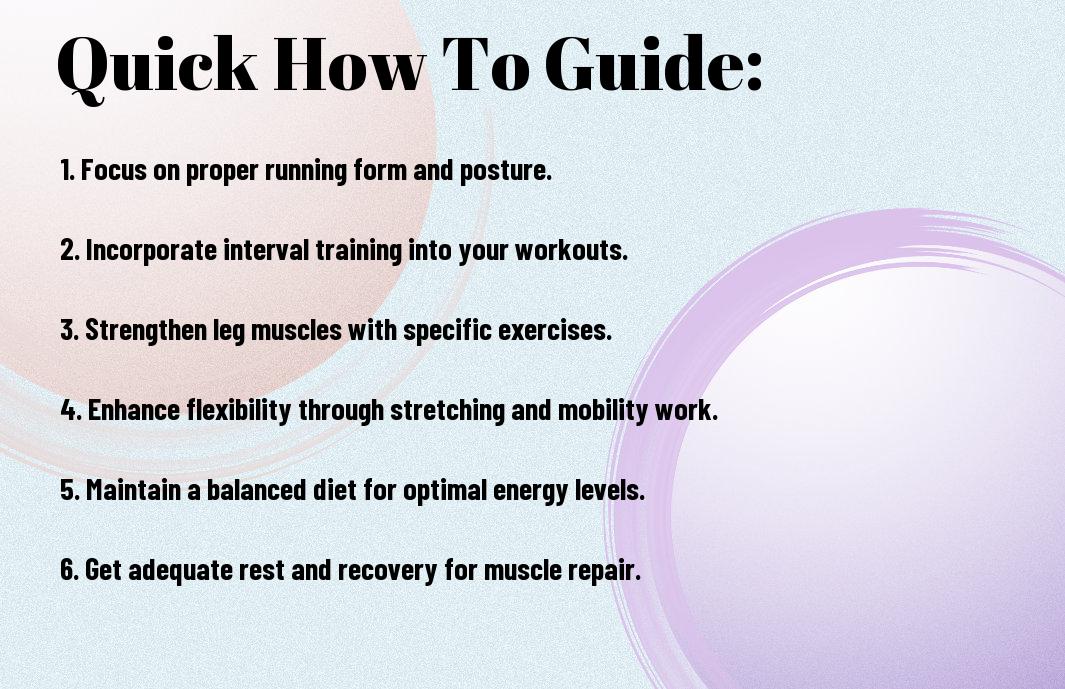
Enhancing your sprinting speed is an attainable goal, and it begins with understanding key techniques and strategies. By focusing on your form, strength training, and proper conditioning, you can make significant strides in your performance. This guide will provide you with actionable steps to help you develop explosive power and increased efficiency, allowing you to reach your sprinting potential. Get ready to transform your training and experience measurable improvements in your speed.

Key Takeaways:

  • Form: Proper running form enhances efficiency; focus on posture, arm movement, and foot placement.
  • Strength Training: Incorporate leg and core strength exercises to build muscle power and enhance speed.
  • Interval Training: Utilize high-intensity interval workouts to boost stamina and speed in sprints.
  • Flexibility: Regular stretching and mobility work can improve range of motion and reduce injury risk.
  • Nutrition: Fuel your body with the right nutrients to support energy levels and recovery for optimal performance.

Understanding Sprinting Speed

While many elements contribute to sprinting speed, recognizing the fundamentals can help you maximize your performance. Sprinting speed isn’t just about how fast you can run; it involves a combination of techniques, physical conditioning, and mental focus. By understanding these components, you can develop a more effective training regimen and experiences that boost your overall sprinting capabilities.

Key Factors Affecting Speed

On your journey to improve sprinting speed, several key factors will come into play:

  • Technique, including body posture and stride efficiency
  • Leg strength and power
  • Endurance and recovery
  • Application of explosive energy
  • Body weight and composition

The combination of these elements can significantly influence your sprinting performance.

The Science of Sprinting

Sprinting involves various physiological processes that contribute to how fast and efficiently you can run.

The primary energy source for sprinting comes from anaerobic metabolism, which allows you to produce quick bursts of energy without relying on oxygen. Your muscle fibers play an imperative role, as fast-twitch fibers are responsible for explosive movements, while the central nervous system helps coordinate these actions. Additionally, biomechanics—like the angle of your joints and the force applied with each stride—also significantly affect your speed, so understanding these principles is key to improving your sprinting performance.

How to Assess Your Current Speed

If you want to enhance your sprinting speed, assessing your current capabilities is the first step. This involves measuring your sprinting time and understanding your physical attributes. By analyzing your current performance, you can set targeted goals and develop a tailored training plan to improve your speed effectively.

Measuring Your Sprint Time

Current sprint time is an important metric for evaluating your speed. To measure this, find a flat, undisturbed track or surface and use a stopwatch or a timing app. Sprint a standard distance, like 40 meters, and record your time. This data serves as a benchmark, which you can use to track your progress over time.

Identifying Strengths and Weaknesses

Weaknesses in your sprinting technique or physical conditioning can significantly hinder your performance. To identify these areas, analyze your sprinting form and assess your endurance, flexibility, and strength. This insight will allow you to pinpoint specific aspects to focus on in your training regimen.

Assess your sprinting mechanics by observing your body posture, stride length, and frequency. You can do this by recording yourself during a sprint or by asking a coach for feedback. Once you have identified your strengths and weaknesses, you can create a more focused and effective training plan that builds on your strengths while addressing your areas of improvement.

Tips for Improving Sprinting Technique

Many athletes overlook the importance of sprinting technique, yet enhancing it can significantly boost your speed. Here are some tips to elevate your sprinting form:

  • Focus on maintaining a neutral spine.
  • Keep your head aligned with your body.
  • Engage your core throughout the sprint.
  • Shorten your stride for better efficiency.

Assume that perfecting your technique will lead to faster and more effective sprints.

Proper Form and Posture

Assuming you maintain an upright position while sprinting will enhance your performance. Your knees should drive up, and your hips should stay aligned above your feet. This encourages optimal power transfer and minimizes energy loss with each step.

Effective Arm Movement

On the other hand, effective arm movement is key to improving your speed. Your arms should move in sync with your legs, propelling you forward and adding momentum to each stride. A 90-degree bend at the elbows allows for optimal swing and helps drive your legs faster.

Proper arm movement involves swinging your arms back and forth, maintaining a relaxed grip to avoid tension. Your arms should cross the midline of your body slightly, enhancing rotation and rhythm. This synchronization with your leg movements will make you more aerodynamic, allowing you to cover ground more quickly and efficiently.

Strength Training for Sprinters

All sprinters looking to enhance their speed should focus on strength training as it builds the muscle power needed for explosive starts and fast acceleration. Incorporating a variety of targeted exercises can help you develop the necessary strength and stability in your legs and core. You’ll find that a well-structured strength training program can significantly improve your sprinting mechanics, allowing you to run faster and more efficiently.

Key Exercises for Power

On your journey to boost sprinting speed, prioritize key exercises like squats, deadlifts, and power cleans. These compound movements engage multiple muscle groups, fostering strength and explosiveness. Additionally, you should consider adding exercises like lunges and leg presses, as they improve your overall leg power while reinforcing the muscles you use during sprints.

Incorporating Plyometrics

The addition of plyometrics to your training routine can dramatically enhance your sprinting speed. By focusing on explosive movements, such as jump squats, box jumps, and bounding, you’ll develop not only your strength but also your ability to generate speed quickly. These exercises help improve your muscle fiber recruitment and reaction time, leading to faster runs.

Another effective way to integrate plyometrics into your training is by incorporating drills that emphasize speed and agility. Activities such as hurdle hops, lateral bounds, and depth jumps can further enhance your explosive power and coordination. As you progress, aim to increase the intensity and complexity of these drills, ensuring your body adapts to the demands of sprinting. Balancing plyometric exercises with your regular sprint training will maximize your potential on the track.

Speed Workouts and Drills

Despite the physical demands of sprinting, incorporating speed workouts and drills into your training regimen can significantly enhance your performance. These specialized exercises focus on building strength, agility, and quickness, making you a more efficient sprinter. Engage in consistent speed workouts to unlock your potential and achieve your desired sprinting goals.

Interval Training Techniques

Drills such as interval training are excellent for boosting your sprinting speed. By alternating between high-intensity sprints and moderate recovery periods, you increase your cardiovascular capacity and muscular endurance. This method helps you push beyond your limits while allowing your body to recover sufficiently before your next effort.

Sprinting Drills for Improvement

To further enhance your sprinting performance, focus on targeted sprinting drills that improve your technique and efficiency. These exercises, including high knees, butt kicks, and bounding, build explosive power and enhance your running form, ultimately contributing to a faster sprinting speed.

Interval training drills can vary in duration and intensity based on your fitness level. For instance, you might perform 30-second sprints followed by 2 minutes of light jogging or walking, repeating this for several rounds. This approach not only builds speed but also develops your mental toughness. As you progress, you can reduce the recovery time to maximize your sprinting capabilities effectively.

Nutrition and Recovery Strategies

Unlike many sports, sprinting requires not just speed but also optimal nutrition and recovery strategies to enhance performance. You must fuel your body with the right nutrients and allow sufficient time for recovery to reap the benefits of your training. Implementing a balanced diet and prioritizing recovery can lead to improved sprinting speeds and overall athletic performance.

Essential Nutrients for Athletes

There’s a strong emphasis on incorporating carbohydrates, proteins, and fats into your daily diet as an athlete. Carbohydrates provide the necessary energy for high-intensity sprinting, while proteins support muscle repair and growth. Healthy fats help sustain your energy levels, ensuring you can perform at your peak during workouts and races.

Importance of Rest and Recovery

There’s a significant impact of adequate rest and recovery on your sprinting performance. Without allowing your body time to recuperate, you risk burnout and injury, which can hinder your progress. Prioritizing rest will not only enhance your physical capabilities but also support mental clarity for your training sessions and competitions.

Athletes often underestimate the value of rest and recovery in their training regimen. Quality sleep restores energy, repairs muscles, and helps prevent overtraining, which can stall your improvements. Implementing regular rest days and active recovery techniques, like stretching and foam rolling, can enhance your performance and keep you fit for your sprinting goals.

Conclusion

The key to improving your sprinting speed lies in a combination of proper technique, strength training, and consistent practice. Focus on enhancing your running form to maximize efficiency, incorporate exercises that build your lower body strength, and integrate sprint drills to develop your explosive power. Additionally, prioritize recovery and nutrition to ensure your body is well-equipped to adapt and improve. By consistently applying these principles, you will see significant advancements in your sprinting performance.

FAQ

Q: What are some effective exercises to enhance sprinting speed?

A: To improve sprinting speed, incorporate exercises that focus on explosive power, strength, and speed development. Key exercises include:

  • Short Sprints: Perform 20-40 meter sprints with full recovery between efforts.
  • Hill Sprints: Running uphill helps build strength and speed simultaneously.
  • Plyometric Drills: Exercises like box jumps and bounding can enhance power output.
  • Strength Training: Incorporate squats, deadlifts, and lunges to build the leg muscles used in sprinting.
  • Form Drills: Focus on drills like high knees and butt kicks to improve technique and efficiency.

Q: How can I improve my sprinting technique for better speed?

A: To enhance your sprinting technique, focus on several key elements:

  • Proper Posture: Maintain an upright posture with a slight lean, keeping your head aligned with your spine.
  • Arm Movement: Use your arms for propulsion; they should move in sync with your legs, driving back and forth.
  • Foot Placement: Aim to land on the balls of your feet for optimal force generation and minimize ground contact time.
  • Stride Frequency: Work on increasing your cadence by taking quicker, shorter steps while maintaining power.
  • Relaxation: Stay relaxed in your shoulders and hands to avoid transferring tension into your stride.

Q: What role does nutrition play in improving sprinting speed?

A: Nutrition significantly impacts performance and recovery in sprinting. Focus on the following nutritional strategies:

  • Balanced Diet: Consume a diet rich in complex carbohydrates, lean proteins, and healthy fats to fuel your training.
  • Hydration: Stay well-hydrated to maintain peak performance and recovery. Dehydration can lead to fatigue and slower speeds.
  • Pre-Workout Nutrition: Have a meal or snack containing carbohydrates and protein about 1-2 hours before training to provide energy.
  • Post-Workout Recovery: After sprinting sessions, consume protein and carbohydrates to help in muscle recovery and replenish glycogen stores.
  • Supplements: Consider using supplements like creatine and beta-alanine under guidance, as they may support energy production and muscle endurance.
Skip to content