The Benefits of Yoga for Athletes

You may not realize it, but incorporating yoga into your training routine can significantly enhance your athletic performance. Beyond flexibility and balance, yoga aids in injury prevention, improves mental focus, and promotes quicker recovery times. By practicing yoga, you can develop a deeper mind-body connection, which is vital for peak performance in your sport. Whether you’re a seasoned athlete or just starting out, understanding the unique benefits of yoga can help elevate your game and achieve your personal best.

Key Takeaways:

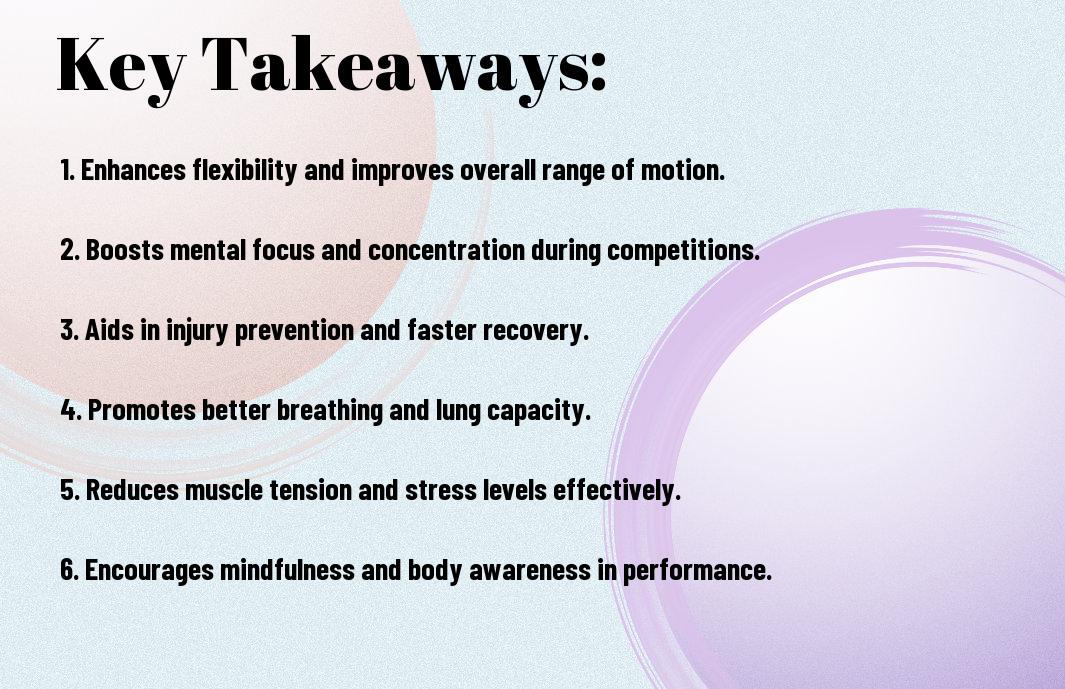
  • Improved Flexibility: Yoga enhances overall flexibility, which can lead to better performance and reduced risk of injuries for athletes.
  • Enhanced Focus: Practicing yoga encourages mental clarity and concentration, allowing athletes to improve their focus during competitions.
  • Injury Prevention: Regular yoga practice can help identify and address muscle imbalances, contributing to fewer injuries.
  • Stress Relief: Yoga effectively reduces stress and anxiety, promoting mental well-being and a more positive athletic experience.
  • Breath Control: Enhanced breath control supports stamina and endurance, facilitating better overall cardiovascular performance.

Improved Flexibility

As an athlete, improved flexibility can significantly enhance your performance. Incorporating yoga into your training routine allows you to achieve greater pliability in your muscles and joints. This increased flexibility not only supports your physical capabilities but also contributes to better posture and alignment. By practicing various yoga poses, you can unlock your body’s potential and optimize your athletic prowess.

Enhancing Range of Motion

Besides improving flexibility, yoga plays a vital role in enhancing your range of motion. The diverse range of movements in yoga helps to lengthen and strengthen your muscles, promoting elasticity in your joints. This enhanced mobility can lead to improved efficiency in your athletic activities, allowing you to perform movements with greater ease and control.

Reducing Injury Risk

Flexibility is instrumental in reducing the risk of injuries. When your muscles and joints are flexible, they are less susceptible to strains and sprains during intense athletic activities. Incorporating yoga into your regimen prepares your body for the physical demands of your sport, allowing you to move through your full range of motion without restriction. This proactive approach not only extends your athletic career but also keeps you in the game longer.

Enhancing your flexibility through yoga allows for increased blood flow to your muscles, which aids recovery and reduces soreness. Improved muscle elasticity means your body can better absorb impacts and adapt to sudden movements, making you less prone to injuries. By regularly practicing yoga, you become more aware of your body’s alignment and balance, contributing to better movement patterns and further minimizing the risk of injuries related to tightness and stiffness.
Increased Strength

Even as an athlete focusing on building strength, incorporating yoga into your routine can be transformative. Yoga promotes functional strength by engaging multiple muscle groups through dynamic movements and holds. This not only enhances your overall muscle tone but also improves your power output and performance in your sport. As you deepen your practice, you’ll likely experience not only increased physical strength but also a greater mind-body connection that supports your athletic goals.

Building Core Stability

Core strength is foundational to athletic performance, and yoga places significant emphasis on developing this stability. By engaging in various asanas that target your core, you’ll strengthen your abdominal muscles, lower back, and pelvic floor, which are crucial for maintaining proper body alignment and balance during physical activities.

Supporting Muscular Endurance

An crucial aspect of athletic training is muscular endurance, and yoga can enhance this by enabling your muscles to work effectively for longer periods. The sustained holds in various poses help develop stamina by challenging your muscle fibers to resist fatigue, leading to improved performance in your primary sport.

To maximize your muscular endurance through yoga, engage in poses that require holding positions for extended durations. This practice can condition your muscles to withstand fatigue and perform better during prolonged athletic activities. Furthermore, the focus on breath control in yoga cultivates a steady oxygen flow, promoting recovery and reducing lactic acid buildup. By incorporating these techniques, you’ll find your endurance levels improving significantly during intense training and competitions.

Enhanced Mental Focus

Your mental focus is integral to achieving peak performance as an athlete. Practicing yoga cultivates a heightened state of awareness and concentration, allowing you to channel your energy more efficiently. As a result, you can improve your decision-making abilities and stay present during competitions, leading to better overall performance and reduced mental fatigue.

Mindfulness Techniques

With the incorporation of mindfulness techniques in your yoga practice, you can enhance your ability to manage distractions, both on and off the field. Techniques such as breath control and visualization help you cultivate a calmer, clearer mind, enabling you to remain focused on your goals and performance. By honing these skills, you pave the way for a more centered and effective athletic experience.

Performance Under Pressure

Enhanced mental focus through yoga prepares you to perform under pressure. The ability to stay calm in high-stress situations can significantly impact your results in competitions.

Another key advantage of yoga is its influence on your ability to maintain performance under pressure. By mastering breathing techniques and mindfulness practices, you can develop a sense of calm and composure, even in the most challenging moments. This focus allows you to execute strategies and skills effectively while minimizing anxiety, creating a competitive edge that can make all the difference in high-stakes scenarios. As a result, you’ll be better equipped to handle the pressures that come with athletic competition, ultimately leading to improved results.

Better Recovery

After intense workouts, your body needs time to heal and regain strength. Incorporating yoga into your routine aids in speeding up recovery by increasing blood flow to sore muscles, reducing inflammation, and calming the nervous system. This holistic approach enhances not only your physical recovery but also your mental resilience, allowing you to return to training refreshed and focused.

Promoting Muscle Repair

About 72 hours post-exercise is when muscle repair begins, and yoga can play a significant role in this process. The gentle stretches and movements in yoga help alleviate muscle tension, increase flexibility, and promote overall circulation, leading to faster recovery times for your body.

Stress Relief

One of the most important benefits of yoga is its ability to reduce stress, which can hinder your recovery. By practicing meditation and controlled breathing techniques during yoga, you activate the relaxation response in your body, allowing for better recovery and performance.

Relief from stress not only enhances your mental clarity but also lowers levels of cortisol, a hormone that, when elevated, can impede muscle recovery. Implementing yoga into your post-training routine creates a peaceful environment that fosters deep relaxation, helping you feel rejuvenated and prepared for your next athletic endeavor.

Injury Prevention

Many athletes overlook the importance of injury prevention in their training regimen. By incorporating yoga into your routine, you can significantly enhance your body’s resilience against injuries. Yoga helps to increase flexibility, strength, and body awareness, which are all imperative elements for maintaining peak performance while minimizing the risk of strains and overuse injuries.

Alignment and Posture

Above all, correct alignment and posture during physical activity are vital for your overall performance. Yoga teaches you to focus on your body’s alignment, ensuring that you engage the right muscles and avoid undue strain. By developing a keen sense of awareness regarding your posture, you can carry these principles into your athletic pursuits, leading to better control and reduced injury risk.

Balancing Muscle Groups

Below the surface, athletic training often emphasizes specific muscle groups, causing imbalances that can lead to injuries. Yoga provides a balanced approach, engaging both major and minor muscle groups to promote overall strength and stability. By working through various poses, you can develop greater symmetry in muscle function, allowing your body to handle stress more effectively.

Posture and imbalances can contribute to physical aches and injuries, as overworked muscles become prone to fatigue and strain. Yoga helps you identify and address these discrepancies, enhancing your performance and longevity as an athlete. By consciously working on balancing muscle groups, you can achieve a more stable foundation that supports both your training and recovery, providing a solid base for all your athletic endeavors.
Cross-Training Benefits

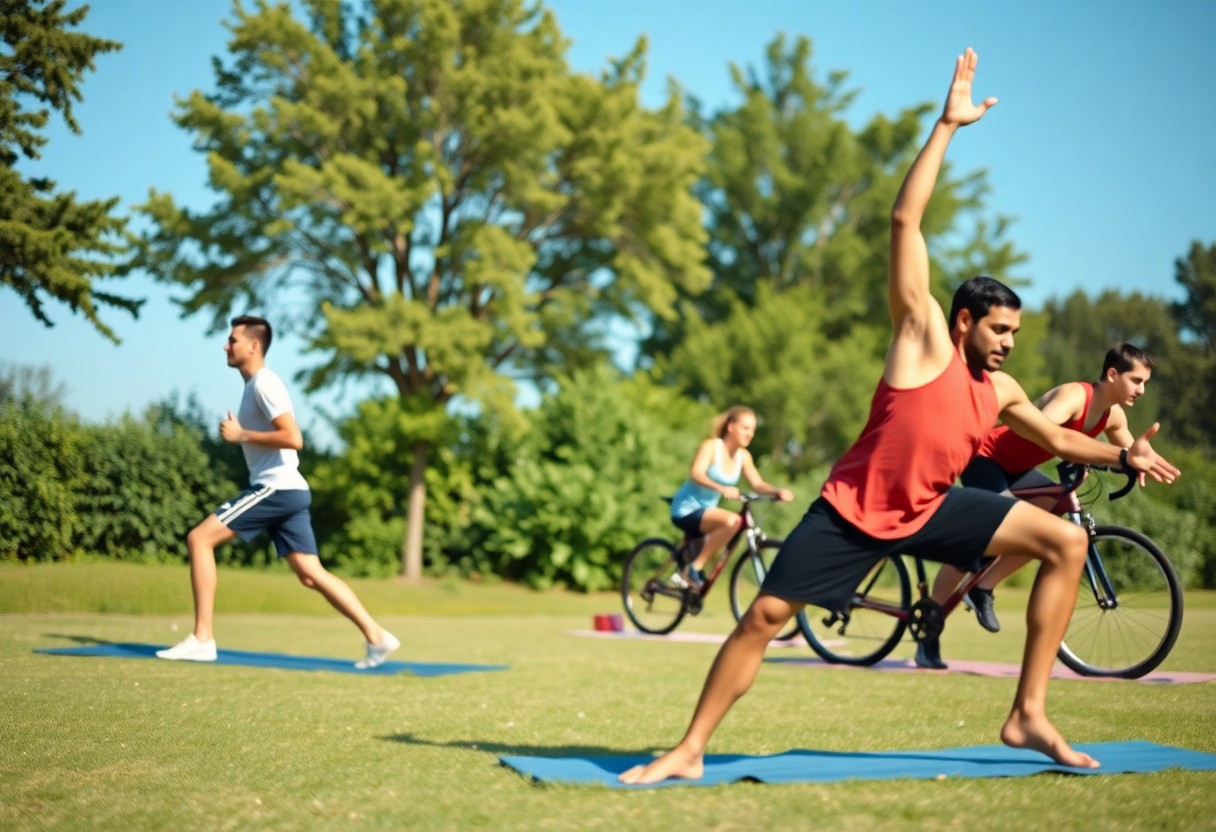
To enhance your athletic training regimen, incorporating yoga serves as an effective form of cross-training. This versatile practice develops flexibility, strength, and balance, which can significantly contribute to your primary athletic pursuits. By integrating yoga, you facilitate recovery, reduce injury risk, and improve muscle performance, ultimately allowing you to train harder and more consistently.

Supplementing Athletic Training

Around your dedicated training routine, yoga can be seamlessly integrated to provide a supplementary workout that focuses on the mind-body connection. Through mindful breathing and deliberate movement, you cultivate greater awareness of your body, helping you identify imbalances and areas needing improvement. This not only enriches your performance but also bolsters your overall fitness level.

Improving Overall Athletic Performance

Performance benefits from yoga extend beyond mere flexibility gains. By fostering enhanced body awareness and control, yoga helps you better understand your physical capabilities and limits. This understanding allows you to push your boundaries safely, explore new forms of movement, and unlock your full potential as an athlete.

And as you continue to implement yoga into your training, you’ll likely find improvements in endurance, strength, and mental focus during your primary sport. The breathing techniques learned through yoga sessions can also enhance your stamina during competitions, enabling you to maintain optimal performance levels. By embracing yoga, you equip yourself with tools to refine your athletic abilities and achieve your personal best.

To wrap up

From above, it’s clear that incorporating yoga into your training regimen can provide numerous benefits for your athletic performance. You can enhance your flexibility, balance, and mental focus while also aiding in recovery and injury prevention. By integrating yoga poses and practices tailored to your specific sport, you can unlock your full potential, allowing you to perform at higher levels. Embracing yoga not only strengthens your body but also cultivates a mindset that supports your athletic journey.

FAQ

Q: How can yoga improve flexibility and mobility for athletes?

A: Yoga is renowned for enhancing flexibility and mobility, which are imperative attributes for athletes in any sport. The various asanas (poses) practiced in yoga stretch and strengthen different muscle groups, promoting a wider range of motion in the joints. This increased flexibility can lead to improved performance, as athletes can execute movements more efficiently and with better technique. Additionally, the focus on breath control in yoga encourages relaxation of muscles, allowing athletes to move with greater ease and reduce the likelihood of injuries caused by tightness or stiffness.

Q: In what ways does yoga aid in mental focus and concentration for athletes?

A: Mental focus is a key performance factor for athletes, and yoga provides effective techniques to enhance concentration. Through practices such as mindfulness and meditation incorporated into yoga routines, athletes learn to direct their attention and manage distractions. The discipline of maintaining poses while focusing on breath creates a state of mental clarity, which can be beneficial during high-pressure situations in competition. Furthermore, the calming nature of yoga can help in reducing anxiety and stress, allowing athletes to perform at their best by maintaining a balanced and composed mindset.

Q: How does yoga contribute to injury prevention for athletes?

A: Practicing yoga regularly can significantly reduce the risk of injuries in athletes by promoting balanced muscle strength and encouraging proper alignment. The extensive stretching involved in yoga helps alleviate muscle tension and improves circulation, which is vital for recovery after intense training. Additionally, the awareness developed through yoga helps athletes understand their bodies better, enabling them to recognize when they are overexerting themselves or when certain movements may lead to injury. This proactive approach to body awareness and alignment assists in safeguarding athletes from both acute and chronic injuries during their training and competitions.

How to Build Endurance for Long-Distance Running

Many runners find that building endurance is the key to enjoying long-distance races and reaching personal bests. Whether you’re training for a marathon or simply looking to improve your overall fitness, increasing your endurance will help you go the distance. In this guide, you will learn effective strategies, training techniques, and tips tailored to enhance your stamina, allowing you to tackle longer runs with confidence. Get ready to push your limits and convert your running goals into achievements!

Key Takeaways:

  • Progressive Training: Gradually increase your mileage each week to allow your body to adapt.
  • Consistency: Maintain a regular running schedule to improve stamina and build endurance over time.
  • Cross-Training: Incorporate other forms of exercise like cycling or swimming to enhance overall fitness and reduce injury risk.
  • Nutrition: Fuel your body with a balanced diet rich in carbohydrates, proteins, and healthy fats for optimal performance.
  • Rest and Recovery: Prioritize rest days to let your muscles recover and to prevent burnout and injuries.

Understanding Endurance

For long-distance running, endurance is your body’s ability to sustain prolonged physical activity. It plays a key role in determining how far and how fast you can run without experiencing excessive fatigue. Building your endurance will allow you to tackle longer distances and improve your overall performance on race day.

What is Endurance?

You can think of endurance as your body’s capacity to efficiently use oxygen during sustained exercise. It involves not only your cardiovascular health but also how well your muscles can execute repeated contractions over time. The higher your endurance level, the less fatigue you will experience during long runs.

Factors Affecting Endurance

Even though endurance is primarily influenced by your training, several factors can impact your overall performance:

  • Your genetics
  • Nutrition and hydration levels
  • Sleep quality and recovery
  • Environmental conditions

This means that improving your endurance is a holistic process that goes beyond just running.

Endurance is greatly influenced by how well you manage these factors. Your genetics may set a baseline for your endurance capabilities, but you can enhance them through training and lifestyle choices. Keeping a balanced diet and focusing on hydration can support your energy levels during runs. Adequate sleep and recovery are also important, allowing your body to repair and strengthen itself. Additionally, the environment you train in, such as altitude and temperature, can also affect your endurance levels.

  • Consistency in training
  • Use of proper gear
  • Incorporation of cross-training
  • Stress management techniques

This comprehensive approach will foster better endurance over time.

How to Build a Training Plan

Even the best runners need a well-structured training plan to build endurance effectively. A comprehensive approach should incorporate various elements, including long runs, speed work, and recovery days, allowing you to gradually increase your mileage while minimizing the risk of injury. Tailor your schedule to fit your lifestyle and make adjustments as needed to ensure you stay committed and motivated throughout your journey.

Assessing Your Current Fitness Level

Current fitness is the foundation of your training plan. Begin by evaluating how far and fast you can run without excessive fatigue. Consider recent race times and any previous training to gauge your ability. This assessment will help you determine your starting point, allowing you to build appropriately and avoid burnout.

Setting Realistic Goals

On your path to enhancing endurance, it’s vital to set achievable goals that push you while remaining attainable. Start with short-term objectives, like completing a specific distance, and gradually incorporate long-term aspirations, such as participating in a half marathon. Setting measurable benchmarks keeps you motivated and accountable.

Assessing your current fitness level and aligning realistic goals is the first step toward a successful training plan. Break down your overarching goal into smaller, actionable milestones, such as improving your pace or extending your long run distance each week. Keep in mind that progress varies; be flexible and adjust your goals based on your experience and feedback from your body. Celebrating small victories along the way will enhance your motivation and commitment to the journey ahead.

Tips for Effective Long-Distance Training

Once again, effective long-distance training requires a focused approach. Here are some tips to enhance your performance:

  • Gradually increase your mileage each week.
  • Incorporate interval training to build speed.
  • Stay hydrated and maintain a balanced diet.
  • Track your progress with a running app or journal.
  • Find a running group or buddy for motivation.

Assume that by following these tips, you will see significant improvements in your long-distance running abilities.

Incorporating Variety in Workouts

There’s no need to stick to the same monotony in your training routine. Mixing in different types of workouts, such as hill sprints or tempo runs, can keep you mentally engaged while targeting various muscle groups. Additionally, cross-training activities like swimming or cycling can improve your overall fitness without overworking your running muscles.

The Importance of Rest and Recovery

Training hard is necessary, but rest and recovery play an equally vital role in your running journey. Allowing your body to recuperate boosts your performance during subsequent workouts and reduces the risk of injury. Incorporating rest days and active recovery periods can make a significant difference in your long-distance running progression.

Variety in your rest and recovery routine enhances its effectiveness. Consider activities like yoga, stretching, or foam rolling to aid in muscle recovery and flexibility. By respecting your body’s need for rest, you enhance your long-term performance and establish a sustainable training schedule that makes you a stronger and more resilient runner.

Nutrition for Endurance Runners

Your nutrition plays a significant role in building endurance for long-distance running. Proper fueling not only enhances your performance but also aids in recovery. Learn more about How to Increase Stamina and Endurance for Running to optimize your nutritional strategies.

Fueling Your Body Pre- and Post-Run

To maximize your running performance, focus on eating a balanced meal rich in carbohydrates, proteins, and healthy fats before and after your run. Pre-run snacks, such as bananas or energy bars, provide quick energy, while post-run meals help repair and replenish your muscles.

Hydration Strategies

For peak performance, maintain proper hydration levels throughout your training. Consuming water or electrolyte drinks before, during, and after your runs is necessary to prevent dehydration and optimize your endurance.

Understanding your body’s hydration needs is vital. Factors such as climate, duration, and intensity of your runs can influence how much you need to drink. Aim for steady hydration, sipping water regularly, and consider sports drinks for longer distances, which can replenish vital electrolytes lost through sweat.

Mental Strategies for Endurance

Despite the physical demands of long-distance running, your mindset plays a pivotal role in how far and how well you can run. Developing mental strategies is crucial for pushing through fatigue and staying focused on your goals. Techniques such as visualization, positive self-talk, and mindfulness can help you manage discomfort and maintain a steady pace, ultimately improving your overall performance.

Staying Motivated

Clearly, staying motivated is key for sustaining your running routine. Set specific, achievable goals and celebrate small victories along the way. Surround yourself with a supportive community, engage in social runs, and remind yourself of the reasons you began running in the first place to keep your enthusiasm high.

Building Mental Resilience

One effective approach to enhance your running endurance is by building mental resilience. This refers to your ability to bounce back from setbacks and maintain focus during challenging moments.

This involves cultivating a growth mindset, where you view challenges as opportunities to improve rather than obstacles to overcome. Start by facing smaller challenges in your training, such as varying your routes or pacing. Each time you successfully push through a mental barrier, you’ll reinforce your ability to handle discomfort. Techniques like mindfulness and breathing exercises can help you stay grounded during tough runs, ultimately enabling you to endure longer distances with greater mental fortitude.

Common Mistakes to Avoid

Unlike what many runners believe, building endurance isn’t just about pushing your limits – it’s also about knowing your boundaries. Skipping rest days, neglecting cross-training, or following a plan that doesn’t suit your level can lead to burnout or injury. Pay attention to your body and listen to what it needs, because avoiding these common pitfalls will set you on the right path to long-distance running success.

Overtraining Risks

If you constantly push yourself without adequate recovery, you risk overtraining, which can lead to fatigue, decreased performance, and mental burnout. It’s crucial to structure your training program to include rest and lighter weeks, allowing your body to adapt and strengthen. Ignoring this balance may hinder your long-term progress.

Ignoring Pain and Injury

One key mistake is overlooking signs of pain and injury, which can quickly escalate if ignored. It’s vital to differentiate between normal discomfort and genuine pain, as the latter can signal underlying problems that require attention. Ignoring these signals may result in long-term damage and extended time away from running.

Mistakes like pushing through pain can derail your long-distance running goals. If you experience persistent discomfort, it’s important to assess your condition before resuming training. You should consider rest, icing, or even consulting with a healthcare professional to address and manage injuries properly. By prioritizing your health and acknowledging pain, you can lay a solid foundation for your endurance development and future performance.

Summing up

Following this guide, you can effectively build endurance for long-distance running by focusing on gradual increases in mileage, incorporating interval training, and prioritizing recovery. Listen to your body and adjust your training plan as needed to avoid injury. Fuel your body with the right nutrition and stay hydrated to support your performance. Consistency and patience are key, so embrace the journey and watch as your endurance improves over time, enabling you to tackle longer distances with confidence.

FAQ

Q: What are some effective training strategies to build endurance for long-distance running?

A: To enhance endurance for long-distance running, it is beneficial to incorporate several training strategies. Firstly, establish a consistent running schedule that gradually increases your mileage each week, focusing on long runs every weekend. Secondly, integrate interval training sessions into your weekly regimen; these consist of alternating high-speed runs with periods of slower pacing to improve aerobic capacity. Thirdly, consider cross-training activities, such as cycling or swimming, to build overall cardiovascular fitness without the additional strain on your legs. Finally, ensure that you include rest and recovery days in your program to allow your body to repair and improve.

Q: How important is nutrition in building endurance for long-distance running?

A: Nutrition plays a significant role in enhancing endurance for long-distance running. A balanced diet rich in carbohydrates provides the necessary energy for your runs, while proteins are vital for muscle recovery and repair. Incorporating healthy fats can also aid in long-term energy supply. Before a run, consume easily digestible carbohydrates, like a banana or oatmeal, to fuel your workout. After running, focus on refueling your body with a combination of carbohydrates and protein to support recovery. Staying hydrated is equally important, so make sure to drink enough water throughout the day, especially before and after your workouts.

Q: What role does mental training play in building endurance for long-distance running?

A: Mental training is an important component of building endurance for long-distance running. Developing mental resilience can help you push through physical fatigue during long runs. Techniques such as visualization, where you imagine yourself during a successful run, can be beneficial. Setting achievable goals and focusing on the process rather than solely on results can also enhance motivation and enjoyment. Additionally, practicing mindfulness and breathing exercises can help you stay calm and centered during challenging segments of your runs. Ultimately, fostering a positive mindset can significantly impact your endurance and overall running experience.

The Best Strength-Building Sports for Women

Many women seek effective ways to enhance their strength and overall fitness. Engaging in specific sports not only boosts your physical power but also builds self-confidence and resilience. In this post, you will discover the best sports that promote strength-building, tailored particularly for you. Whether you’re looking to lift heavier, improve your athletic performance, or simply enjoy a new activity, these options offer a blend of challenge and empowerment. Let’s explore how you can harness the benefits of these engaging sports in your fitness journey.

Key Takeaways:

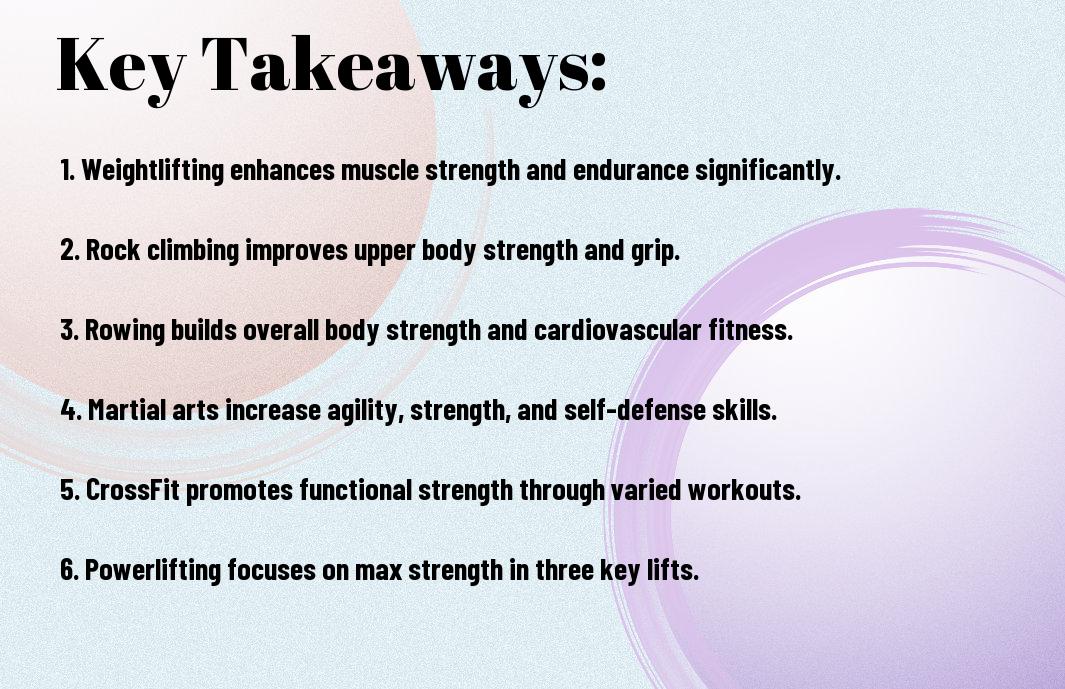
  • Weightlifting: Engaging in weightlifting helps women build muscle strength, improve metabolism, and increase bone density.
  • Rock Climbing: This sport enhances full-body strength and grip power, providing a fun challenge for both beginners and advanced climbers.
  • Rowing: A highly effective, low-impact workout that targets muscles in the upper and lower body while also promoting cardiovascular fitness.
  • Cycling: Incorporating cycling into a fitness routine builds leg strength and endurance, making it ideal for cardiovascular health and muscle toning.
  • Martial Arts: Practicing martial arts not only strengthens the body but also improves agility, coordination, and self-defense skills.

Benefits of Strength-Building Sports for Women

The benefits of strength-building sports for women extend beyond physical prowess. Engaging in these activities not only enhances your muscular strength but also improves your endurance, flexibility, and overall fitness. By incorporating strength training into your routine, you can enjoy a myriad of health advantages, including improved posture, reduced risk of injury, and enhanced metabolic rate, all contributing to a healthier and more vibrant lifestyle.

Physical Health Improvements

By participating in strength-building sports, you experience significant physical health improvements. These activities help increase muscle mass, which in turn boosts your metabolism and encourages fat loss. Additionally, strength training can enhance bone density, reducing the risk of osteoporosis. As you build strength, you may notice greater endurance and stamina, allowing you to participate more fully in various physical activities.

Mental Health Enhancements

Women who embrace strength-building sports often find mental health enhancements as well. Engaging in these physically demanding activities contributes to the release of endorphins, commonly known as the “feel-good” hormones, which can significantly alleviate feelings of stress and anxiety. You may find that challenges faced during training translate into improved confidence and resilience in daily life.

Understanding the mental health benefits of strength-building sports is vital for recognizing their holistic impact. As you push through physical barriers, you cultivate a sense of empowerment and improved mental fortitude. This engagement not only enhances your mood but can also lead to better sleep patterns and an overall improved sense of well-being. Additionally, the social aspect of group training can foster a sense of community and support, further nurturing your mental health.

Top Strength-Building Sports

Clearly, engaging in strength-building sports can empower women to enhance their physical ability and boost confidence. These activities help you develop lean muscle, improve endurance, and foster a sense of community, making fitness a more enjoyable journey. From traditional weightlifting to dynamic cross-training regimes, the options are diverse, ensuring there’s something for everyone to thrive in.

Weightlifting

About weightlifting: This sport focuses on lifting heavy weights through a variety of movements, including squats, deadlifts, and bench presses. It not only increases strength but also improves your overall fitness and body composition.

CrossFit

StrengthBuilding through CrossFit involves high-intensity workouts combining weightlifting, aerobic exercises, and functional movements. This program offers varied routines, keeping you challenged and engaged while building strength and endurance.

Indeed, CrossFit promotes a welcoming environment where you can connect with others who share your fitness goals. By participating in group classes, you benefit from motivated coaching and the camaraderie of your peers. This community-driven approach keeps you accountable and inspired while pushing your limits in strength training.

Powerlifting

Powerlifting centers on three major lifts: squat, bench press, and deadlift. This sport focuses on maximizing your strength and is an excellent way to build muscle mass and improve bone density.

Considering powerlifting as a strength-building option, you can expect to gain mastery over your body and movement patterns. This disciplined sport emphasizes proper technique, making you more aware of your form and how it relates to effective lifting. As you progress, your confidence grows alongside your strength, fostering a sense of accomplishment that translates into other areas of your life.

Martial Arts

StrengthBuilding through martial arts combines technique, discipline, and physical strength to empower your body and mind. Practicing various forms, such as karate, judo, or kickboxing, enhances your overall fitness while teaching self-defense.

At its core, martial arts emphasizes body control and discipline, allowing you to develop not just physical strength but also mental resilience. As you progress through different skill levels, you learn to harness your power effectively, improving agility and flexibility along the way. Engaging in martial arts also fosters a strong sense of respect and responsibility, making it a holistic strength-building practice.

How to Get Started

Once again, launching on your strength-building journey involves choosing the right sport for your interests and fitness level. Begin by exploring different activities, asking friends for recommendations, or attending local classes and events. Get involved in a supportive community, as this can enhance your experience and make it easier to stay committed to your goals. The key is to enjoy the process while working toward building your strength.

Finding the Right Sport

Sport selection is vital to ensure you feel motivated and engaged. Consider your personal preferences, whether you enjoy competition, individual activities, or team sports. Take advantage of trial sessions or introductory classes, allowing you to explore various options before committing to one that feels right for you.

Setting Realistic Goals

One approach to success in strength-building sports is by setting achievable goals. Start by assessing your current fitness level and building from there. Aim for short-term milestones that lead to long-term progress, ensuring they are specific, measurable, and time-bound. This method will keep you focused and encouraged as you witness your improvements.

It is crucial to break your goals down into manageable steps. For instance, instead of aiming to lift a particular weight immediately, focus on progressively increasing the load over time. Celebrate small victories along the way to maintain your motivation. By setting realistic benchmarks, you’ll foster a positive mindset and create a sustainable path to achieve your strength-building objectives.

Safety Tips for Strength Training

Despite the benefits of strength training, safety should always come first. Following imperative safety tips can enhance your workout experience:

  • Warm up adequately before workouts.
  • Use proper techniques for each exercise.
  • Start with lighter weights to build strength.
  • Listen to your body and rest when needed.
  • Maintain a balanced diet to support your training.

This minimizes the risk of injury and ensures your strength training journey remains safe and effective.

Proper Techniques

Proper form is imperative in strength training to maximize effectiveness and minimize risk. Always prioritize alignment and mechanics in your movements; this ensures that the targeted muscles are engaged while reducing the strain on your joints. Don’t hesitate to consult a trainer or instructional videos to refine your techniques.

Injury Prevention

Injury prevention starts with understanding your limits and training at your own pace. It is important to gradually increase weight and intensity as your body adapts to new routines.

Prevention strategies also include setting realistic goals and not pushing through pain. Incorporating rest days into your schedule allows your muscles to recover, reducing the risk of overuse injuries. Stretching before and after workouts aids in maintaining flexibility, which is imperative for supporting your strength training regime and enhancing overall performance.

Community and Support

Not only does strength-building improve your physical health, but having a supportive community can profoundly enhance your motivation and enjoyment. Women often find that training with others fosters encouragement, accountability, and a sense of belonging. Connecting with like-minded individuals enables you to share experiences, celebrate achievements, and tackle challenges together, making your fitness journey more fulfilling.

Finding a Training Group

Along with your quest for strength, you can gain immense benefits from joining a training group. Whether it’s a local gym, a women’s sports team, or a community fitness class, being part of a group allows you to train with others who share similar goals. This collective environment amplifies your motivation and commitment and helps you establish lasting friendships.

Online Resources and Forums

Online communities are another excellent way to find support on your strength-building journey. Numerous forums and social media groups cater specifically to women in fitness, offering advice, success stories, and a safe space to ask questions. These virtual gatherings provide insights and tips you can integrate into your training, making the process more enjoyable and effective.

Group discussions found in online resources can also introduce you to diverse training methods and nutritional advice that you might not encounter in your local area. Engaging with other women online allows you to gain different perspectives and learn from others’ experiences, which can enhance your strength-building regimen and keep you informed about the latest trends in fitness.

Success Stories of Women in Strength Sports

Unlike traditional stereotypes that often associate strength sports with masculinity, women are breaking barriers and achieving extraordinary feats in strength disciplines. You can draw inspiration from countless female athletes who have showcased their exceptional strength and resilience, forging their paths in sports like powerlifting, weightlifting, and strongwoman competitions. Stories of women conquering personal records and standing on prestigious podiums highlight that with dedication and training, remarkable achievements are within your reach. For insights on how to start your journey in strength training, explore Strength Training for the Female Uphill Athlete.

Conclusion

Hence, exploring strength-building sports tailored for women can significantly enhance your physical capabilities and overall well-being. Engaging in activities like weightlifting, rock climbing, and martial arts not only improves muscle strength but also boosts confidence and mental resilience. By choosing the right sport that resonates with your interests, you can commit to a consistent and rewarding fitness journey that empowers you to achieve your personal goals.

FAQ

Q: What are some of the best sports for women looking to build strength?

A: There are several sports that are excellent for strength building among women. Weightlifting allows for targeted muscle development and is effective for overall strength gains. CrossFit combines weightlifting, cardio, and functional movements, providing a comprehensive workout that builds both strength and endurance. Rock climbing is also an adaptive choice, demanding full-body strength and problem-solving skills, all while being engaging and fun.

Q: How can participating in strength-building sports benefit women beyond physical appearance?

A: Engaging in strength-building sports offers numerous benefits beyond just aesthetics. Physically, it helps improve bone density, reduces the risk of osteoporosis, increases metabolism, and enhances joint stability. Mentally, these activities can boost self-confidence, improve mood, and reduce anxiety. Strength training also fosters a sense of community as women often participate in groups or classes, promoting social connections and support.

Q: Are there specific strength-building strategies women should consider when participating in sports?

A: Women should consider integrating progressive overload into their routines, which involves gradually increasing the weights or intensity of their workouts over time. This approach encourages muscle adaptation and growth. Additionally, focusing on proper nutrition is crucial for recovery and muscle repair. A balanced diet with ample protein, healthy fats, and carbohydrates can significantly enhance strength-building efforts. Finally, allowing adequate recovery time between workouts is key to preventing injuries and ensuring sustained progress.

How to Train for a Marathon – A Step-by-Step Guide

There’s a sense of achievement that comes with completing a marathon, and you can reach that goal with the right training plan. This step-by-step guide will provide you with crucial tips and strategies to effectively prepare your body and mind for the 26.2-mile challenge ahead. Whether you’re a seasoned runner or a novice, you’ll find valuable insights on building endurance, scheduling training sessions, and nourishing your body for peak performance. Lace up your shoes and let’s begin on this journey together!

Key Takeaways:

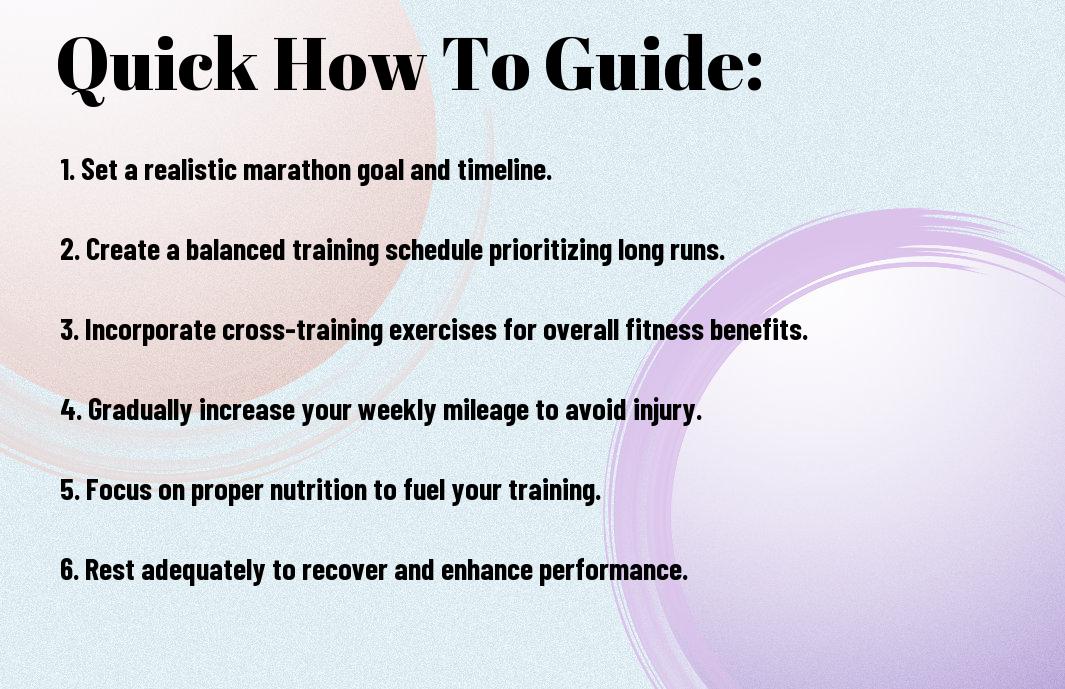
  • Begin with a Plan: Develop a comprehensive training plan that outlines your running schedule, including the increase of mileage over time.
  • Build Endurance: Focus on long runs to gradually enhance your stamina, aiming for at least one long run each week.
  • Incorporate Cross-Training: Engage in complementary activities such as cycling, swimming, or strength training to boost overall fitness and reduce the risk of injury.
  • Pace Yourself: Practice running at different paces; knowing how to manage your speed during the race is imperative for your performance.
  • Listen to Your Body: Pay attention to signs of overtraining or fatigue, and ensure adequate rest and recovery days to prevent injuries.

Understanding the Marathon

Your journey towards completing a marathon begins with a solid understanding of what a marathon entails. This 26.2-mile race is not just a test of physical endurance but also demands mental fortitude, strategic training, and careful preparation. Understanding the marathon’s structure, distance, and unique challenges will help you set realistic goals and maintain motivation as you progress through your training regimen.

What is a Marathon?

Marathon is a long-distance running event covering 26.2 miles, or 42.195 kilometers. Originating from the legendary run of Pheidippides in ancient Greece, marathons have become a popular athletic challenge worldwide. These races vary, with options for road, trail, and even virtual formats, bringing together runners of all skill levels for a shared pursuit of accomplishment.

Physical and Mental Requirements

Marathon training requires a blend of physical endurance and mental toughness. Physically, you need to build cardiovascular strength and muscular endurance through consistent running and cross-training. Mentally, preparing for the complexities of a marathon includes developing a positive mindset, setting achievable goals, and honing your ability to cope with discomfort while keeping your motivation high.

Understanding the physical and mental requirements necessary for marathon training is key to your success. On the physical side, you’ll engage in long runs, interval training, and strength workouts, gradually increasing your mileage to build stamina. Mentally, you’ll face challenges such as fatigue, self-doubt, and the inevitable “wall” during races. Developing strategies for visualization, maintaining a supportive social circle, and focusing on your goals will help you overcome these hurdles, ultimately leading to a rewarding marathon experience.

Setting Your Goals

Some of the most important steps in preparing for a marathon involve setting achievable and realistic goals. Consider what you want to accomplish—whether it’s simply finishing, achieving a specific time, or even qualifying for a more competitive race. For an in-depth approach, check out The 26.2 Step Guide to Your First Marathon, which can help you align your goals with effective training strategies.

Determining Your Finish Time

If you have a specific finish time in mind, it’s crucial to assess your current running ability and race experience. Look at your previous race times or use a recent 5K or 10K time to estimate a realistic marathon finish time with the help of various online calculators.

Creating a Training Timeline

Time management is key to marathon training. You need to create a timeline that spans several months, ideally 16 to 20 weeks, depending on your fitness level. This time should include gradual increments in mileage and specific training runs, such as long runs and speed work.

A well-structured training timeline will help you build endurance and strength while allowing for recovery periods. Start with a solid base, then gradually increase your weekly mileage with a mix of easy runs, tempo runs, and long runs. Incorporate rest days to let your body recover, and don’t hesitate to adjust your timeline as needed to suit your individual progress and needs.

Essential Training Factors

Once again, focusing on crucial training factors can tremendously improve your marathon performance. As you build your regimen, consider these key elements:

  • Consistency in your training schedule
  • Gradual mileage increase
  • Proper nutrition and hydration
  • Rest and recovery days
  • Listening to your body

The combination of these factors will prepare you for race day.

Building Endurance

Essential to your marathon preparation, building endurance enables your body to sustain longer distances. Incorporating long runs into your weekly routine will gradually increase your stamina. Aim to extend your longest run each week by no more than 10%, allowing your muscles and joints to adapt. This commitment to endurance training will form a solid foundation for your overall marathon success.

Incorporating Speed Work

Even as you focus on endurance, adding speed work will enhance your overall running efficiency. This approach not only helps improve your pace but also strengthens your cardiovascular capacity. A balanced training plan will include tempo runs, intervals, and hill workouts to target various muscle groups and challenge your limits.

Training for a marathon involves blending endurance and speed to create a dynamic regimen. Incorporating speed work like 400-meter sprints or tempo runs once a week will push your limits while maximizing your time on the road. This type of training should be strategically placed amid your longer runs, ensuring you maintain your stamina while gradually increasing your pace. By keeping your workouts varied and challenging, you’ll find yourself racing more effectively and confidently on marathon day.

Nutrition and Hydration Tips

Now, focusing on nutrition and hydration is vital for your marathon training. Fueling your body properly will optimize your performance and recovery. Consider these tips:

  • Consume a balanced diet rich in carbohydrates, proteins, and healthy fats.
  • Stay hydrated by drinking water consistently throughout the day.
  • Incorporate electrolyte-rich drinks, especially during long runs.
  • Experiment with gels or chews during training to find what works best for you.

Perceiving your nutrition and hydration as a foundation for success will help you reach your marathon goals.

Pre-Training Nutrition

If you want to set yourself up for effective training, prioritize your pre-training nutrition. Aim for a meal or snack that is high in carbohydrates and moderate in proteins about one to three hours before your runs. Foods like oatmeal, bananas, or a slice of whole-grain toast can provide the energy needed for a solid training session. This will help fuel your workouts while minimizing the risk of gastrointestinal issues.

Race Day Nutrition

You should start your race day with a nutritious breakfast that includes easily digestible carbohydrates. Ideal options are bagels, cereal, or energy bars, consumed about 2-3 hours before the marathon. Hydration is equally vital; drink water or an electrolyte drink to ensure you’re well hydrated before starting.

To maximize your energy during the marathon, plan to consume additional carbohydrates at regular intervals throughout the race. Depending on your experience, this could mean consuming gels, chews, or even bananas from supporters along the route. Aim for about 30-60 grams of carbohydrates per hour after the first hour of running, as your body benefits from this steady fuel supply. Balancing hydration and nutrition will keep you energized and focused during the race, ultimately contributing to a successful marathon experience.

Injury Prevention and Management

To ensure a successful marathon training experience, adopting proper injury prevention methods is vital. Prioritize building strength through cross-training, incorporating flexibility exercises, and practicing proper running techniques. Establish a pre- and post-run routine that includes warm-ups and cool-downs to minimize injury risk. Listening to your body is imperative; if you feel discomfort, take the necessary steps to address it early on.

Common Marathon Injuries

If you’re training for a marathon, understanding common injuries can help you stay ahead of potential setbacks. Runners often face issues such as shin splints, IT band syndrome, plantar fasciitis, and Achilles tendinitis. Recognizing symptoms early allows you to take the right action before they escalate.

Tips for Recovery

Some effective recovery tips can help you bounce back after intense training. Focus on these strategies to support your recovery process:

  • Stay hydrated and maintain balanced nutrition.
  • Incorporate rest days into your training schedule.
  • Try massages or foam rolling for muscle recovery.
  • Utilize ice baths or contrast baths post-run.

Thou will find that prioritizing recovery enhances your performance and overall well-being.

Injury often arises from neglecting recovery. To mitigate the risk, consider maintaining a consistent routine and listening to your body’s needs. Here are some additional tips to enhance your recovery:

  • Implement active recovery days with low-impact activities.
  • Keep a training log to track your workouts and any discomfort.
  • Consult a professional if pain persists or worsens.
  • Use compression gear as needed during recovery.

Thou shall see improved results through attention to recovery and prevention.

The Tapering Process

All marathon training culminates in the tapering process, where you reduce your mileage to optimize performance on race day. This phase is vital for allowing your body to recover from the intensity of training, replenishing energy stores, and repairing any minor injuries. A well-planned taper can enhance your physical and mental readiness, ensuring that you feel fresh and strong as you approach the starting line.

Importance of Tapering

Now is the time to focus on tapering, as it plays a significant role in your ability to perform well during the marathon. By decreasing mileage while maintaining intensity, you help your muscles recover and get the rest they need to perform at their best. Tapering also helps in mentally preparing you to face the race confidently, knowing you’ve put in the hard work and allowed ample time for recuperation.

Final Preparations

If you’re nearing the end of your training cycle, the final preparations are important to your success. This includes adjusting your nutrition, planning logistics for race day, and ensuring all your gear is ready. Commit to a consistent routine, prioritize sleep, and keep your mental focus sharp as you approach race day. These small adjustments can make a significant difference in how you feel on the big day.

Process your final preparations by creating a checklist for race day importants such as your running shoes, hydration, nutrition, and attire. Organize your travel plans, including starting and parking locations, so you arrive stress-free. In the days leading up to the marathon, prioritize staying hydrated, eating balanced meals, and resting to give your body the best chance to perform optimally. Establishing a clear plan will help mitigate pre-race nerves and promote confidence as you prepare to take on the challenge ahead.

Summing up

With these considerations, you are now equipped to launch on your marathon training journey. By setting a realistic plan, incorporating diverse workouts, prioritizing nutrition, and focusing on recovery, you can enhance your performance and enjoyment of the race. Stay consistent, listen to your body, and maintain a positive mindset, as these elements will contribute to your success on the big day. Enjoy the process, and embrace every mile as an opportunity to grow as a runner.

Q: What is the ideal duration for a marathon training program?

A: Most marathon training programs span between 16 to 20 weeks. This duration allows runners to gradually build their mileage and increase their endurance without overwhelming their bodies. A longer training cycle is especially beneficial for beginners, as it provides ample time to adapt to longer runs and includes necessary rest periods to prevent injuries. For experienced runners aiming to improve their time, a slightly shorter program of 12 to 14 weeks may suffice, focusing more on speed work and specific training sessions.

Q: How should I structure my weekly training schedule?

A: A well-rounded marathon training schedule typically includes a mix of long runs, easy runs, speed work, and rest days. A sample weekly structure might look like this:
– Monday: Rest day or cross-training (such as cycling or swimming)
– Tuesday: Short, easy run (3-5 miles)
– Wednesday: Speed work (intervals or tempo runs)
– Thursday: Medium long run (5-8 miles at a comfortable pace)
– Friday: Rest day
– Saturday: Long run (starting from 8 miles and gradually increasing to 20 miles leading up to race day)
– Sunday: Recovery run or cross-training.
This structure balances different types of workouts to improve overall fitness while allowing for recovery time.

Q: What are some tips for fueling during marathon training?

A: Proper fueling is imperative for marathon training. During long runs, it’s important to consume carbohydrates to maintain energy levels. Here are some tips:
– Hydration: Drink water regularly and consider electrolyte-replenishing drinks for runs over 90 minutes.
– Carbohydrate intake: Use energy gels, chews, or sports drinks that provide quick energy during long runs. It’s advisable to test these products during training to see what works best for your stomach.
– Pre-run meal: Eat a balanced meal rich in carbohydrates 2-3 hours before long runs, with moderate protein and minimal fat.
– Post-run nutrition: Refuel within 30-60 minutes after a run with a mix of carbohydrates and protein to aid recovery.
By practicing nutrition strategies during training, you can be better prepared for race day and avoid digestive issues.

The Importance of Sportsmanship in Youth Sports

It’s vital to understand that sportsmanship plays a significant role in the development of young athletes. As you engage in youth sports, fostering an environment of respect, fairness, and integrity not only enhances the experiences of all participants but also teaches valuable life lessons. Demonstrating good sportsmanship sets a positive example for your peers, encouraging teamwork and improving social skills. By prioritizing sportsmanship, you are helping to create a healthier, more enjoyable atmosphere for everyone involved, which can lead to a lifelong love of sports and competition.

Key Takeaways:

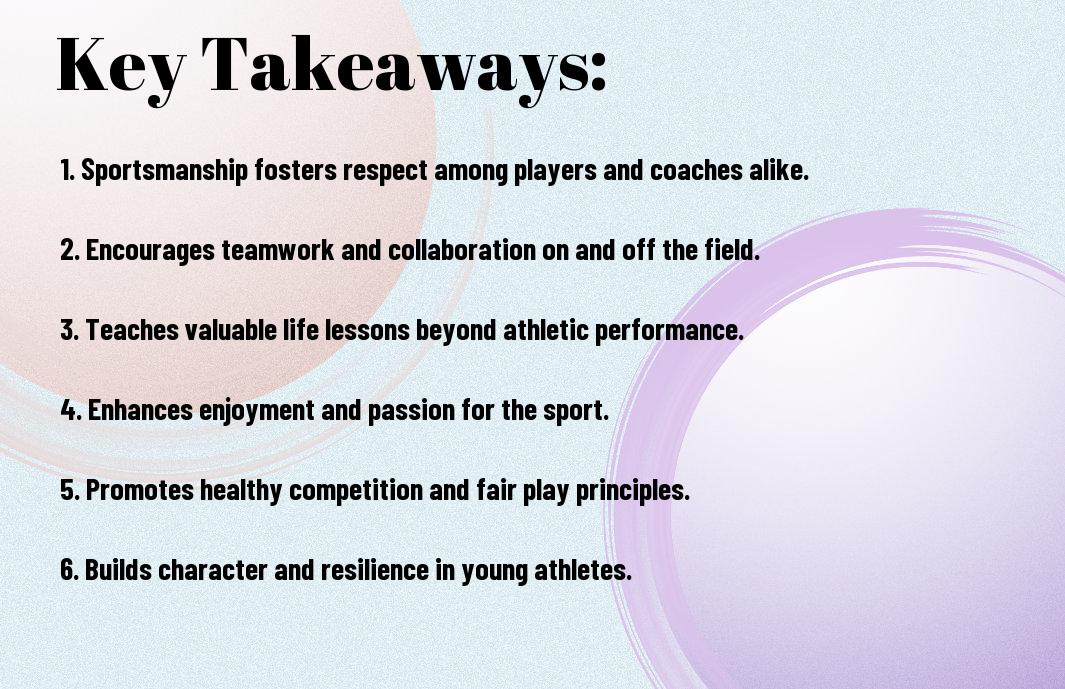
  • Positive Role Models: Youth sports provide athletes with the opportunity to showcase values such as integrity and respect, influencing younger participants and teammates.
  • Building Relationships: Sportsmanship fosters strong connections among players, coaches, and families, cultivating a sense of community and teamwork.
  • Emotional Development: Learning to handle wins and losses with grace helps young athletes develop resilience and emotional intelligence.
  • Life Skills: Sportsmanship teaches necessary skills, including communication and conflict resolution, which are valuable both on and off the field.
  • Encouraging Good Sports: Emphasizing sportsmanship promotes a positive environment, where enjoyment and personal growth become the central focus of athletic participation.

Defining Sportsmanship

Before your young athletes step onto the field or the court, it’s vital to understand what sportsmanship truly means. Sportsmanship encompasses respect for everyone involved in the sporting event, including teammates, coaches, opponents, and officials. It embodies the principles of fair competition, teamwork, and graciousness in both victory and defeat, instilling core values that can last a lifetime.

Respect for Opponents

For young athletes, showing respect for opponents is a cornerstone of sportsmanship. Acknowledging the skill and effort of the other team fosters a healthy competitive spirit and helps cultivate friendships beyond the game. When you teach your children to appreciate their rivals, they learn to value competition as a means of personal growth.

Fair Play and Integrity

Fair play and integrity go hand-in-hand in youth sports. These principles encourage you to compete honestly and adhere to the rules of the game, ultimately promoting an atmosphere of trust and respect. You set a positive example when players prioritize integrity, reinforcing the idea that how you play is just as important as the outcome.

Opponents deserve your ethical commitment, ensuring that games are decided on skill and teamwork rather than unsportsmanlike conduct. When participants uphold fair play, they contribute to a culture of integrity that benefits everyone involved. You instill in your young athletes the understanding that winning while playing fairly is far more respectable than victory achieved through deceit. Embracing these values not only enhances their sporting experience but also prepares them for challenges in life beyond sports.

Benefits of Sportsmanship in Youth Sports

Now, embracing sportsmanship in youth sports fosters an environment where young athletes learn crucial life skills. These values extend beyond the field, influencing their interactions with peers, coaches, and family. By demonstrating respect, accountability, and fairness, you create a positive experience that can enhance both personal development and team dynamics.

Personal Development

The practice of sportsmanship equips you with valuable character traits, such as resilience and humility. As you learn to navigate victory and defeat graciously, you develop a stronger sense of self-awareness and emotional intelligence. These qualities not only enhance your athletic performance but also shape you into a thoughtful and well-rounded individual.

Team Cohesion and Collaboration

After fostering an atmosphere of good sportsmanship, you will notice enhanced team cohesion and collaboration. When you and your teammates respect each other, conflicts diminish, and communication improves, leading to a more harmonious and effective team environment.

Due to the shared emphasis on respect and accountability, sportsmanship cultivates a bond among team members, encouraging you to work together toward common goals. As you celebrate each other’s successes and support one another during challenges, trust builds within the group. This unity translates into better teamwork on the field, enhancing overall performance and creating lasting friendships that extend beyond your sporting events.

The Role of Coaches in Promoting Sportsmanship

For youth athletes, coaches serve as pivotal figures in instilling a culture of sportsmanship. By actively promoting fair play and respect, you help foster an environment where young players learn the value of teamwork and ethical competition. Your guidance not only shapes their skills but also influences their behavior on and off the field, emphasizing the importance of good sportsmanship in all aspects of their lives.

Setting Expectations

Role clarity is crucial for developing a strong foundation of sportsmanship within your team. By outlining specific expectations regarding behavior, you create an atmosphere where respect towards opponents, officials, and teammates is the norm. Emphasizing these standards during practices and games allows your athletes to internalize the values you wish to promote, leading to enhanced sportsmanship and a more positive sporting experience.

Modeling Behavior

Setting a strong example is key to fostering an environment where sportsmanship thrives. As a coach, your actions speak volumes; when you demonstrate respect for others and handle wins or losses with grace, your athletes are likely to imitate that behavior. Your demeanor during games, interactions with officials, and treatment of all players will teach your team what sportsmanship looks like in practice.

Promoting sportsmanship through modeling behavior requires consistency and authenticity. When you treat every situation as a teachable moment, you set a tone that prioritizes integrity and respect. Encourage players to voice their thoughts and feelings while emphasizing the importance of constructive communication. Your ability to show commitment to sportsmanship in all circumstances will go a long way in helping your young athletes adopt these values both on and off the field.

Parental Influence on Sportsmanship

All youth athletes develop their sense of sportsmanship in part through the actions and attitudes of their parents. As a parent, your guidance and example can significantly shape your child’s perspective on competition and teamwork. By modeling respect and positive behavior, you can help instill values such as integrity, empathy, and fairness that will serve them well both on and off the field.

Supporting Positive Behaviors

Among the most effective ways to foster sportsmanship is to actively encourage your child’s positive behaviors during practices and games. You should highlight good sportsmanship, applaud fair play, and reinforce respectful interactions with both teammates and opponents. Your consistent support and admiration for positive conduct can motivate your child to emulate these behaviors consistently.

Addressing Unsportsmanlike Conduct

Conduct that undermines the spirit of the game can be damaging and needs to be addressed appropriately. You must recognize and confront any negative behaviors exhibited by your child or other players. Open communication about the impact of unsportsmanlike actions can guide your child toward better choices and understanding of the game’s values.

With a proactive approach, you can address unsportsmanlike conduct by discussing its consequences and the importance of maintaining integrity in competition. Encourage your child to reflect on their actions and understand how they affect not only themselves but also their teammates and opponents. By fostering an environment of accountability and growth, you help your child navigate challenges in sportsmanship, ultimately creating a more positive experience for everyone involved.

Challenges to Sportsmanship in Youth Sports

Many factors contribute to the erosion of sportsmanship in youth sports, making it vital for you to recognize and address them. From intense competition to societal influences, these challenges can undermine the values of fairness and respect that are pivotal in athletics. By remaining aware of these challenges, you can foster a more positive environment for young athletes.

Competitive Pressures

Among the most significant challenges are the competitive pressures that young athletes face. In a culture that often prioritizes winning over personal development, you may find that children feel immense stress to perform well. This pressure can lead to behaviors that compromise sportsmanship, such as taunting opponents or becoming overly aggressive.

The Impact of Social Media

By embracing the digital age, you must also contend with the impact of social media on youth sports. Online platforms can amplify both supportive and toxic behaviors, influencing how young athletes perceive competition and their peers. The immediate feedback from social media can sometimes encourage a win-at-all-cost mentality, challenging the values of empathy and respect.

A growing number of young athletes are influenced by the constant scrutiny of their performances online. The desire for likes and shares can lead to a focus on personal image rather than teamwork and fair play. You may notice that this attention can push young athletes to prioritize winning at any expense, often neglecting the importance of supporting their teammates and respecting opponents. Cultivating a healthy balance between competition and sportsmanship is vital in this digital era.

Strategies for Encouraging Sportsmanship

Keep in mind that fostering a culture of sportsmanship in youth sports requires intentional strategies. You can implement practices that emphasize respect, teamwork, and fair play. Encourage open communication between coaches, players, and parents, ensuring everyone understands the importance of sportsmanship. Additionally, set clear expectations and model positive behaviors to create an environment where good sportsmanship thrives.

Education and Training Programs

Programs designed to educate coaches, players, and parents about the values of sportsmanship can significantly impact youth sports. These sessions can cover topics such as conflict resolution, teamwork, and the importance of treating opponents with respect. By investing time in these training opportunities, you can create a framework that supports a positive culture in your sports community.

Recognition and Rewards

Rewards for demonstrating good sportsmanship are effective in reinforcing positive behavior among young athletes. Recognizing players who exemplify respect, teamwork, and fair play fosters an environment where these traits are valued. You can implement mechanisms such as sportsmanship awards, team praises, or public acknowledgment to celebrate those who contribute positively to the team’s spirit.

Indeed, implementing recognition and rewards can motivate athletes to embody sportsmanship in their daily activities. When you consistently highlight and celebrate these behaviors, you cultivate a sense of pride and accountability among players. This not only strengthens individual character but also encourages a collective ethos within the team, leading to healthier rivalries and greater enjoyment of the sport.

Conclusion

Upon reflecting on the significance of sportsmanship in youth sports, you can appreciate how vital it is to foster positive attitudes and behaviors in young athletes. By emphasizing fair play, respect, and teamwork, you not only enhance their experience but also lay the groundwork for their future in sports and life. Developing good sportsmanship not only benefits your child’s personal growth but also enriches the community. To examine deeper into this topic, you can explore The Importance of Developing Good Sportsmanship in Youth Sports.

Q: Why is sportsmanship important in youth sports?

A: Sportsmanship is crucial in youth sports because it fosters respect among players, coaches, officials, and fans. It teaches young athletes the value of fair play, teamwork, and humility in victory or defeat. By promoting sportsmanship, children learn to appreciate the effort of all participants, which enhances their overall experience in sports and builds their character beyond the field.

Q: How can coaches and parents encourage sportsmanship in young athletes?

A: Coaches and parents can encourage sportsmanship by modeling positive behavior during games and practices. This includes acknowledging the efforts of opponents, celebrating achievements without belittling others, and emphasizing the importance of following rules. Additionally, discussing the significance of respect, teamwork, and handling setbacks gracefully can help instill these values in young athletes.

Q: What impact does good sportsmanship have on a child’s development?

A: Good sportsmanship significantly impacts a child’s social and emotional development. It helps cultivate positive relationships with peers, enhances communication skills, and builds resilience. Children who practice good sportsmanship often develop a strong sense of integrity and self-worth, which can translate to success in various aspects of life. Moreover, it fosters a supportive and inclusive environment in youth sports that can encourage lifelong participation in physical activities.

Skip to content