Toughness

The Best Sports for Building Mental Toughness

There’s a growing understanding that participating in certain sports can significantly enhance your mental toughness. Whether you want to push your limits, handle stress better, or cultivate resilience, specific athletic pursuits offer powerful benefits for your mind. In this post, you’ll discover the best sports to help you develop the mental fortitude necessary for personal and professional success. By engaging in these activities, you can train not just your body, but also strengthen your mental game, which is vital in today’s competitive landscape.

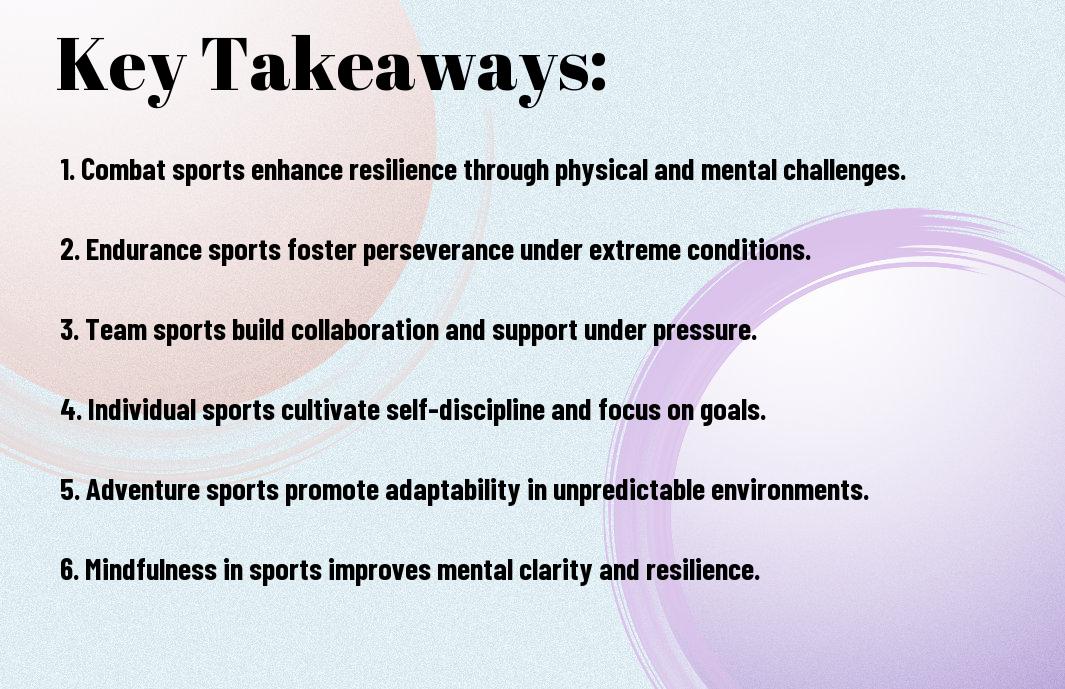
Key Takeaways:

  • Resilience: Sports that require athletes to overcome adversity foster resilience, an necessary trait for mental toughness.
  • Focus: Engaging in individual sports, such as tennis or boxing, helps improve concentration and mental clarity during high-pressure situations.
  • Discipline: Team sports like football and basketball emphasize the importance of teamwork and strategy, promoting a disciplined mindset necessary for success.
  • Goal-setting: Combat sports, such as martial arts, encourage clear goal-setting and the pursuit of gradual improvements, enhancing mental fortitude.
  • Endurance: Long-distance running and triathlons require both physical and mental stamina, which can significantly contribute to building mental toughness.

Understanding Mental Toughness

For athletes and individuals alike, mental toughness is imperative for overcoming challenges, maintaining focus, and achieving long-term goals. It is the ability to push through adversity, stay motivated in the face of difficulties, and consistently perform at your best. By cultivating mental toughness, you can enhance your overall performance, both in sports and in everyday life.

Definition and Components

Between emotional control, resilience, and determination lies the foundation of mental toughness. It encompasses your ability to stay composed under pressure, bounce back from setbacks, and persist toward your objectives. These components work together to create a mindset that embraces challenges and fosters growth, leading to sustained success in various endeavors.

Benefits in Sports and Life

Above all, the benefits of developing mental toughness extend beyond the playing field, boosting your performance at work, in relationships, and in personal growth. When you cultivate this resilience, you experience improved focus, increased confidence, and a better ability to adapt to changing situations. These qualities empower you to tackle challenges effectively and pursue your goals with unwavering determination.

Understanding the benefits of mental toughness can transform how you approach sports and life’s challenges. You become equipped to handle pressure and setbacks, which ultimately enhances your performance. This skill not only aids in achieving your objectives but also fosters a mindset that thrives on resilience and continuous improvement. By leveraging mental toughness, you position yourself for success, both in competitive arenas and your day-to-day experiences.
Top Sports for Developing Mental Toughness

Some of the best sports for cultivating mental toughness require you to push your limits and confront challenges head-on. Engaging in activities like combat sports, endurance sports, and team sports can significantly enhance your mental resilience. For insights on how to effectively build this trait, check out Mental Toughness Training for Athletes.

Combat Sports

With their emphasis on discipline, strategy, and the ability to face fear directly, combat sports like boxing, MMA, and judo are exceptional for enhancing mental toughness. The intensity of training and competition forces you to develop focus and grit, enabling you to manage stress and overcome adversity effectively.

Endurance Sports

Above all, endurance sports such as marathons, triathlons, and cycling races present long-lasting challenges that test your mental stamina. These activities require you to push through physical discomfort, teaching you the importance of perseverance and mental fortitude.

Even as you train for long-distance events, your mind is pushed to its limits. You learn to manage fatigue, maintain focus during monotonous stretches, and sustain motivation for substantial durations. This process helps you develop a powerful mental framework that you can apply beyond sports.

Team Sports

Before engaging in team sports, understand that these activities demand collaboration, communication, and unwavering support from your teammates. Sports like soccer, basketball, and rugby push you to foster resilience while working towards a common goal, building not only mental toughness but also camaraderie.

And as you navigate the complexities of team dynamics, you cultivate skills imperative for success in pressure situations. The experience of rallying together through challenges and celebrating victories not only strengthens your resolve but also enhances your ability to handle life’s ups and downs collaboratively.

Training Techniques to Enhance Mental Toughness

After committing to building your mental toughness, incorporating effective training techniques can significantly amplify your progress. Techniques such as visualization, goal setting, and self-discipline are important components for developing the resilience needed to face challenges. By focusing on these strategies, you can train your mind just as you would your body, ultimately enhancing your performance in sports and in life.

Visualization and Mental Rehearsal

To enhance your mental toughness, practice visualization and mental rehearsal regularly. By vividly imagining yourself succeeding in high-pressure situations, you prepare your mind to handle real-life challenges more effectively. This technique not only builds confidence but also reinforces positive outcomes, creating a mental blueprint that can increase your performance when it matters most.

Goal Setting and Self-Discipline

Mental toughness develops through effective goal setting and self-discipline, both of which are important for overcoming obstacles. Setting clear, achievable goals allows you to break down tasks into manageable steps, while self-discipline helps you stay committed to achieving them, even when faced with distractions or difficulties.

Setting specific, measurable, attainable, relevant, and time-bound (SMART) goals gives you a roadmap to track your progress. Alongside your goals, practicing self-discipline involves creating routines and sticking to them, enabling you to push through mental barriers. Each time you accomplish a goal, no matter how small, you strengthen your resilience and cultivate the unwavering mindset needed for long-term success.

The Role of Coaching in Mental Toughness

Many athletes overlook the significant impact that coaching has on developing mental toughness. An effective coach not only enhances your physical skills but also shapes your mindset, instilling resilience and the ability to cope with adversity. By creating a supportive environment and instilling confidence in their athletes, coaches help you face challenges head-on, ultimately fortifying your mental fortitude for competition

Supportive Coaching Strategies

Coaching strategies that emphasize support and encouragement can make a significant difference in your mental toughness. When a coach fosters a positive atmosphere, you are more likely to push your limits, stay committed during challenging times, and embrace the learning process. A supportive coach helps you develop a strong foundation, enabling you to bounce back from setbacks and remain focused on your goals.

Feedback and Growth Mindset

Around every successful athlete is a coach who emphasizes feedback and fosters a growth mindset. Your ability to view challenges as opportunities for growth is directly influenced by the constructive feedback you receive. Embracing this mindset helps you learn from mistakes and reinforces the idea that improvement is a continuous journey rather than a destination.

It is necessary to recognize that feedback is not just about identifying areas for improvement; it is also about celebrating your progress. When you internalize this perspective, it transforms setbacks into stepping stones for growth. By viewing each piece of feedback as a tool for development, you enhance your resilience and determination, laying the foundation for mental toughness that will serve you well in sports and beyond.

Case Studies of Athletes

Your understanding of mental toughness can be enhanced by examining specific case studies of athletes who exemplify this quality in their sports. Here are some notable examples:

  • 1. Michael Jordan: Overcame multiple setbacks, including being cut from his high school basketball team.
  • 2. Serena Williams: Fought through health issues and personal challenges to secure 23 Grand Slam titles.
  • 3. Tom Brady: Drafted in the sixth round, he transformed himself into a seven-time Super Bowl champion.
  • 4. Bethany Hamilton: Returned to professional surfing after losing her arm in a shark attack.
  • 5. Jim Abbott: Excelled in Major League Baseball despite being born without a right hand.

Success Stories

Any athlete’s journey is often filled with challenges, but those who succeed demonstrate exceptional mental resilience. For instance, Michael Jordan’s relentless work ethic and focus led him to become one of the greatest basketball players of all time, showcasing how dedication can translate into success.

Overcoming Adversity

About many athletes, their stories are defined by their ability to confront and overcome hardships. Each setback is an opportunity to grow mentally and emotionally, leading to extraordinary achievements.

Overcoming challenges not only shapes an athlete’s career but also fortifies their mental resilience. Athletes like Bethany Hamilton exemplify this idea by navigating life-altering circumstances and emerging stronger than before. Such experiences enhance their focus, determination, and overall mental toughness, enabling them to perform at their best under pressure.

Incorporating Mental Toughness in Daily Life

All aspects of your life can benefit from mental toughness, allowing you to persevere through challenges and maintain focus on your objectives. By incorporating mental resilience techniques into your daily routine, you can enhance your performance in sports and achieve greater success in both personal and professional endeavors. Striving for consistency in your efforts will create a resilient mindset that can weather any storm.

Practical Exercises

Along your journey to building mental toughness, consider integrating exercises that challenge your limits and sharpen your focus. This can include activities such as setting small, achievable goals each day, embracing discomfort through physical challenges, or reflecting on your progress in a journal. These practical exercises will help you cultivate resilience and stamina in both mind and body.

Mindfulness and Resilience

The practice of mindfulness is key in developing resilience, as it encourages you to stay present and focused in the moment. By engaging in mindfulness techniques such as meditation or deep breathing, you can manage stress and reduce anxiety, which enhances your ability to face adversity. As you hone your awareness of thoughts and feelings, you’ll build a strong foundation for mental toughness.

And as you navigate challenges, mindfulness allows you to respond rather than react, giving you greater control over your emotions. It encourages you to observe your thoughts without judgment, which can help you identify and overcome limiting beliefs. By merging mindfulness techniques with daily practices, you can cultivate resilience, ensuring you stay motivated and focused, even when faced with adversity.

To wrap up

Summing up, engaging in sports such as martial arts, rock climbing, or endurance running can significantly enhance your mental toughness. These activities challenge you to push beyond your limits, develop resilience, and cultivate a strong mindset. By participating in these sports, you not only improve your physical capabilities but also foster qualities such as discipline, focus, and perseverance that are imperative for overcoming obstacles in life. Embrace these opportunities and watch as your mental fortitude grows alongside your physical strength.

FAQ

Q: What types of sports are best for building mental toughness?

A: Engaging in sports that require high levels of concentration, discipline, and competition can significantly enhance mental toughness. Sports such as martial arts, long-distance running, rock climbing, and football are particularly effective as they challenge individuals to push their limits and overcome psychological barriers. These activities demand perseverance, focus, and resilience, which are important traits of mental toughness.

Q: How does participating in team sports contribute to mental toughness?

A: Team sports offer unique environments where athletes must navigate group dynamics, cooperation, and collective goals. Participating in team sports such as soccer or basketball fosters resilience, accountability, and communication skills. Athletes learn to handle pressure not only from opponents but also from teammates and coaches, which aids in developing a competitive mindset and the ability to bounce back from setbacks.

Q: Can individual sports be as effective as team sports for developing mental toughness?

A: Yes, individual sports can be equally effective in building mental toughness. Activities like tennis, gymnastics, and swimming require athletes to face challenges alone, honing their self-discipline and self-motivation. These sports push individuals to conquer self-doubt and anxiety under pressure, helping them to cultivate a strong mental resilience that translates to other areas of life. Each type of sport offers a distinct approach to developing mental strength, allowing individuals to choose what resonates with them best.

The Importance of Mental Toughness in Sports

You may often hear about physical training and skill development as key components of athletic success, but mental toughness plays an equally vital role in your performance. This mental resilience allows you to push through challenges, stay focused under pressure, and remain committed to your goals. By honing your mental toughness, you’ll enhance your ability to cope with adversity, manage stress, and maintain confidence in your skills, ultimately leading to improved outcomes in your sport. Understanding and developing this critical aspect can set you apart from your competitors and elevate your overall athletic experience.

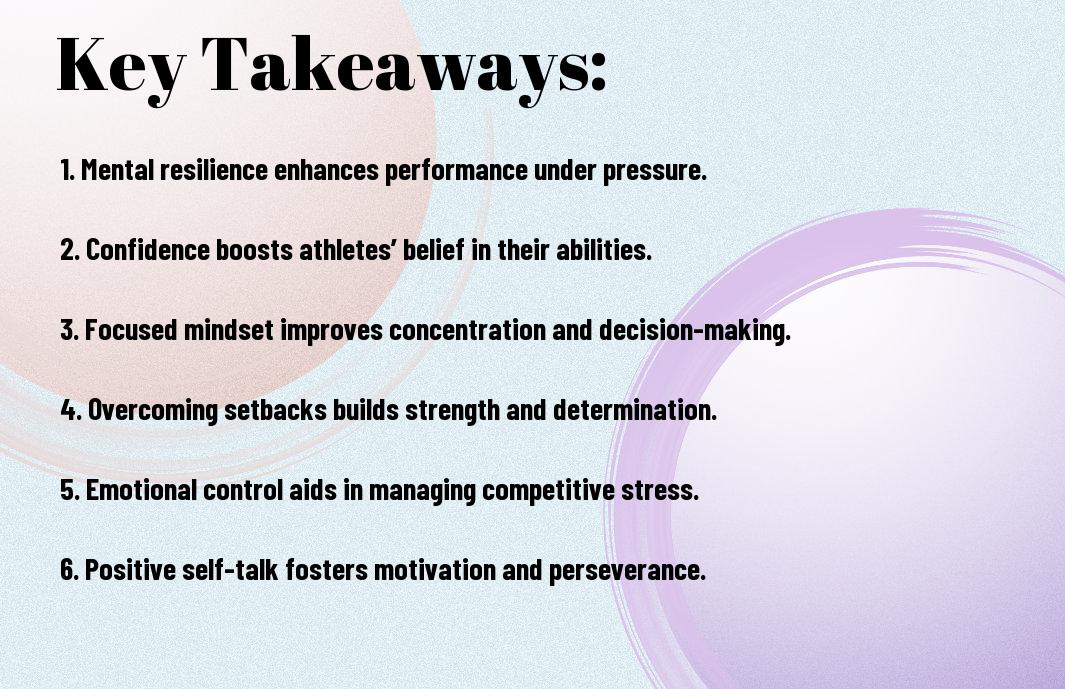
Key Takeaways:

  • Mental Resilience: Athletes showcase their ability to bounce back from setbacks and failures, which is vital for sustained performance.
  • Focus and Concentration: The capability to maintain focus during high-pressure situations significantly impacts an athlete’s performance.
  • Emotional Regulation: Managing emotions effectively allows athletes to perform consistently without being derailed by stress or anxiety.
  • Goal Setting: Establishing clear and achievable goals helps athletes stay motivated and driven towards their performance objectives.
  • Confidence Building: Developing mental toughness enhances self-belief, enabling athletes to take risks and tackle challenges head-on.

Defining Mental Toughness

Before delving into the depths of sports performance, it’s imperative to understand what mental toughness really means. It’s the ability to remain focused, resilient, and determined even in the face of adversity. Mental toughness allows you to persevere through challenges, maintain a positive attitude, and consistently perform at your best, regardless of external pressures or setbacks.

Characteristics of Mentally Tough Athletes

Below are key traits that define mentally tough athletes. They demonstrate unwavering confidence, focus on their goals, and maintain a high level of commitment to their training. Moreover, they adapt well to change and recover quickly from setbacks, viewing challenges as opportunities for growth rather than obstacles.

The Psychology Behind Mental Resilience

Mentally tough athletes possess a unique psychological makeup that contributes to their resilience. They tend to have a strong sense of self-efficacy and a growth mindset, which drives them to embrace challenges and view failures as learning experiences.

Athletes often cultivate mental resilience through deliberate practice and exposure to stressors. This mindset can be reinforced by setting realistic goals and maintaining a positive internal dialogue. By focusing on what you can control and developing coping strategies, you can enhance your ability to bounce back from adversity. Building mental resilience not only improves your performance in sports but also helps you in everyday challenges, creating a robust foundation for success both on and off the field.

The Role of Mental Toughness in Performance

Some athletes underestimate the profound impact mental toughness has on their overall performance. This psychological strength not only affects how you respond to pressure but also shapes your confidence and resilience. Athletes who cultivate mental toughness are better equipped to handle challenging situations and maintain peak performance, even when faced with intensely competitive environments.

Overcoming Adversity in Sports

Behind every successful athlete lies a story of overcoming adversity. Whether it’s dealing with injuries, setbacks, or fierce competition, your ability to confront and navigate these challenges defines your sporting journey. Mental toughness enables you to push through hardships and emerge stronger, ultimately leading to greater achievements.

Maintaining Focus and Consistency

Behind the scenes of every great performance is a dedication to focus and consistency. As an athlete, your ability to concentrate on your goals and maintain a disciplined routine sets you apart from the competition. Mental toughness plays a vital role in keeping distractions at bay, allowing you to fully engage in your training and competitions.

Consequently, honing your focus not only enhances your performance but also reinforces the habits necessary for long-term success. By concentrating on your training regimen and minimizing external distractions, you’ll find it easier to execute your skills consistently under pressure. This unwavering commitment to improvement empowers you to elevate your game while instilling a sense of confidence that persists throughout your athletic career.

Strategies to Develop Mental Toughness

Keep in mind that developing mental toughness is a strategic process. Incorporating consistent techniques can greatly enhance your resilience. Research highlights the impact of mental toughness on athlete’s performance and overall well-being. You’ll find that structured approaches, such as visualization, goal setting, and mindfulness, can foster the tenacity needed to push through challenges in sports.

Visualization Techniques

Beside traditional training, visualization techniques play a vital role in building mental toughness. By mentally rehearsing your performance and envisioning success, you create neural pathways that enhance your actual performance. Committing to visualization sessions can help boost your confidence and reduce anxiety before competitions.

Goal Setting and Mindfulness Practices

Above all, setting clear goals combined with mindfulness practices can significantly enhance your mental toughness. These strategies keep you focused and present, enabling you to break down larger objectives into manageable tasks. This focused mindset aids in maintaining motivation and clarity under pressure.

For instance, by setting SMART (Specific, Measurable, Achievable, Relevant, Time-bound) goals, you can track your progress and celebrate small victories along your journey. Coupling this with mindfulness practices, such as meditation or deep-breathing exercises, will help you stay centered and calm, ultimately enhancing your performance and boosting your mental strength.

The Impact of Coaching on Mental Toughness

Not all coaches recognize the significance of instilling mental toughness in their athletes. Effective coaching goes beyond technical skills, emphasizing resilience, composure under pressure, and the ability to push through adversity. As a coach, you have the power to cultivate a mindset that embraces challenges, encouraging your athletes to develop a strong mental framework. When you prioritize mental toughness in your coaching philosophy, you lay the groundwork for athletes to excel not only in sports but also in life.

Building a Mentally Tough Team Culture

Before fostering a mentally tough team culture, assess the current dynamics and values within your team. Establish an environment where challenges are viewed as opportunities for growth. Promote communication, trust, and support among team members, ensuring everyone understands the importance of resilience. Encourage athletes to share their experiences and learn from one another, reinforcing a collective approach to developing mental toughness and fostering a sense of unity.

Training Methods and Mental Resilience

Along with creating a supportive culture, incorporating specific training methods can enhance mental resilience among your athletes. Strengthening mental toughness requires deliberate practice that challenges individuals to confront their limits, overcome setbacks, and stay focused under pressure. By integrating mental conditioning techniques such as visualization, goal-setting, and positive self-talk into your training regime, you empower athletes to build a robust mental framework that will serve them well during competition.

Further, utilizing simulations of high-pressure scenarios during practice can be exceptionally beneficial. By replicating the intensity and unpredictabilities of actual competition, you help athletes learn to manage stress and maintain focus. This not only reinforces their tactical skills but also fortifies their mental resilience. Consider integrating team-building exercises that foster camaraderie and shared experiences, ensuring that your athletes face challenges cohesively, as a united front capable of overcoming obstacles both on and off the field.

Case Studies of Mentally Tough Athletes

After exploring the foundations of mental toughness, it’s vital to look at real-world examples. Here are several case studies showcasing athletes renowned for their mental resilience:

  • Michael Jordan: Overcame numerous setbacks, including being cut from his high school basketball team, to become a six-time NBA champion.
  • Serena Williams: Faced health challenges and personal tragedies but returned to win 23 Grand Slam titles.
  • Tom Brady: Overcame early career doubts, leading to seven Super Bowl victories, proving persistence pays off.
  • Usain Bolt: Battled injuries and setbacks but still clinched eight Olympic gold medals, reflecting unwavering determination.

Iconic Stories of Perseverance

Above all, the stories of athletes like Lance Armstrong, who returned to sports after battling cancer, remind you that mental toughness can often mean overcoming life’s extraordinary challenges. Their journeys illustrate remarkable determination, showing you that greatness often requires pushing through adversity.

Lessons Learned from Elite Performers

Along your journey, elite performers teach you vital lessons about mental toughness, one of which is the importance of maintaining focus and resilience under pressure. Their experiences highlight how honing your mindset can greatly influence your performance.

A key takeaway from observing elite athletes is the intentional practice of mental toughness strategies. They utilize visualization techniques, set specific goals, and maintain a positive self-talk routine. By integrating these methods into your training, you can enhance your mental grit, enabling you to navigate challenges effectively and succeed under pressure. Ultimately, following their example allows you to cultivate a mindset that can elevate your performance in sports and beyond.

The Connection Between Mental Toughness and Injury Recovery

Despite the physical challenges you may face during injury recovery, mental toughness plays a pivotal role in your rehabilitation. Your mindset can significantly influence your recovery speed and effectiveness, fostering resilience against the psychological hurdles that arise. Embracing mental toughness in sports: the psychology of mind set can enhance your overall performance and diminish the emotional toll of setbacks.

Mental Strength During Rehabilitation

Below are strategies you can utilize to bolster your mental strength throughout your rehabilitation process. Setting realistic goals, maintaining a positive outlook, and visualizing successful recovery can empower you to stay focused and motivated. By developing a strong mental framework, you’ll enhance your ability to cope with the physical limitations caused by your injury.

The Role of Support Systems

Recovery from an injury can be a challenging journey, but the support systems you have in place can make a significant difference. By surrounding yourself with teammates, coaches, friends, and family, you create a network that provides encouragement and accountability. Having individuals who understand your struggles helps you stay motivated and can lighten the emotional burden of recovery.

Indeed, these support systems serve as a vital source of strength during your rehabilitation. Engaging with them promotes a sense of belonging and camaraderie, allowing you to share your experience and learn from others who may have faced similar situations. Their encouragement can foster resilience, help you stay committed to your recovery, and ultimately enhance your return to sport. Building strong connections with your support systems may well be the key to thriving in your rehabilitation journey.

Conclusion

As a reminder, developing mental toughness in sports is important for enhancing your performance and resilience. It empowers you to navigate challenges, maintain focus under pressure, and consistently achieve your goals. By fostering a strong mental attitude, you transform not just your game, but your overall approach to competition and teamwork. Investing in your mental strength will undoubtedly elevate your athletic journey and personal growth, allowing you to thrive, regardless of the obstacles you face.

Q: Why is mental toughness considered imperative for athletes?

A: Mental toughness is fundamental for athletes as it enables them to perform at their best under pressure. It involves having the resilience to face challenges, maintain focus, and push through adversity during competitions. Athletes with strong mental toughness are able to set and achieve goals, recover from setbacks, and maintain motivation over a long season. This mental fortitude sets them apart from their competition, allowing them to excel in critical moments and sustain high levels of performance.

Q: How does mental toughness affect an athlete’s performance?

A: Mental toughness greatly influences an athlete’s performance by shaping their mindset and reaction to various competitive situations. Athletes who possess this resilience tend to exhibit greater confidence, enhancing their ability to make decisions under duress. Furthermore, mental toughness allows individuals to maintain composure, even when faced with challenging or unexpected circumstances, helping reduce anxiety levels which can hinder performance. This ability to remain focused and driven often leads to improved outcomes during events.

Q: What strategies can athletes use to develop mental toughness?

A: Athletes can adopt several strategies to cultivate mental toughness, including setting realistic goals, engaging in visualization techniques, and practicing mindfulness. Regularly reviewing their performance and identifying areas for improvement fosters a growth mindset. Incorporating routine stress management techniques, such as deep breathing exercises and positive self-talk, can also enhance resilience. Finally, seeking feedback from coaches and peers promotes a supportive environment that further strengthens an athlete’s mental resilience over time.

Skip to content