sports

The Best Sports for Older Adults to Stay Active

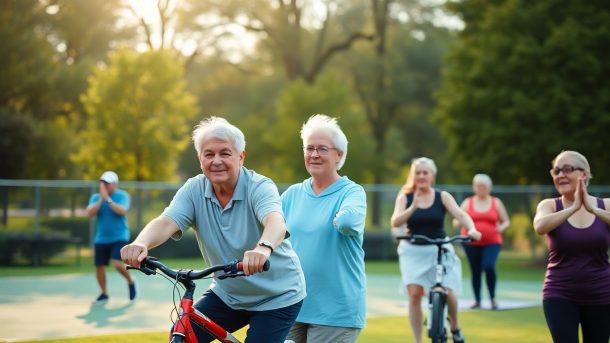
There’s a world of opportunities for you to stay active and enhance your well-being as you age. Engaging in sports not only keeps you physically fit but also fosters social connections and mental sharpness. In this post, you’ll discover the best sports tailored for older adults, each offering unique benefits that can help you maintain your health and vitality. Whether you’re a seasoned athlete or a beginner, there’s something here for everyone looking to enjoy an active lifestyle.

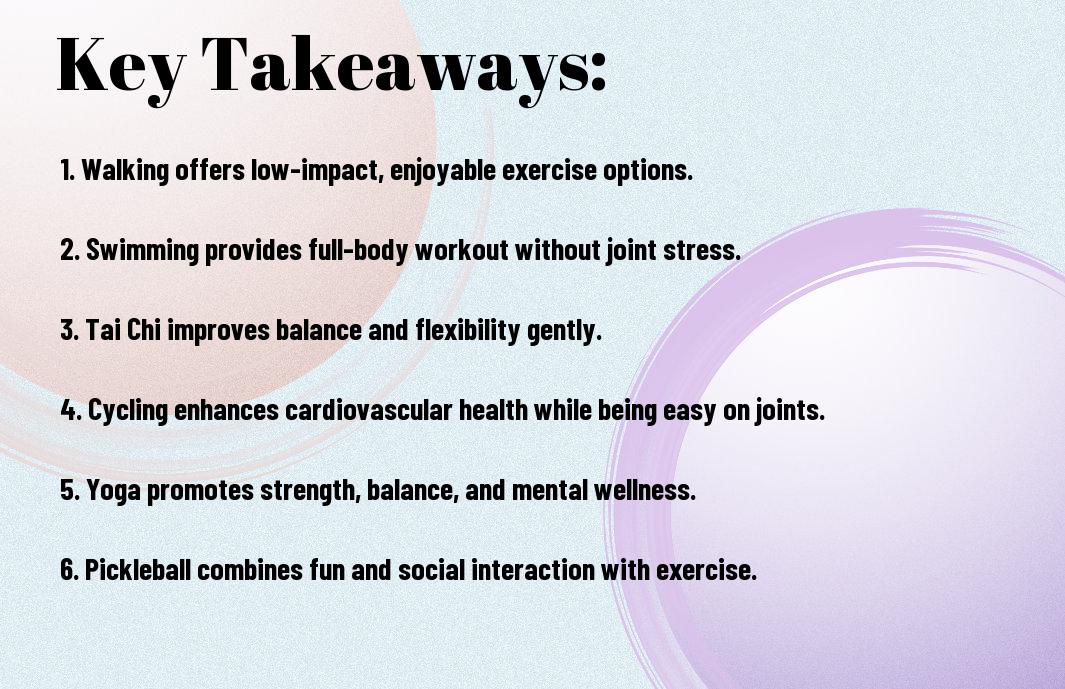
Key Takeaways:

  • Low-Impact Activities: Sports like swimming, cycling, and walking provide excellent cardiovascular benefits while minimizing stress on joints.
  • Strength Training: Incorporating resistance exercises helps maintain muscle mass and bone density, which is vital as we age.
  • Flexibility and Balance: Activities such as yoga and tai chi improve flexibility and balance, reducing the risk of falls and enhancing mobility.
  • Social Engagement: Participating in group sports or classes fosters social connections, which can contribute to mental well-being.
  • Personalization: It’s important to choose activities based on individual fitness levels and preferences to encourage long-term adherence.
Benefits of Staying Active for Older Adults

To enjoy a vibrant and fulfilling life, staying active as you age is imperative. Engaging in regular physical activities can enhance your overall well-being, ensuring you maintain strength, flexibility, and balance. Not only does physical activity improve your physical health, but it also plays a significant role in enhancing your mental and emotional state, ultimately leading to a happier, more satisfying lifestyle.

Physical Health Advantages

Older adults who participate in regular exercise experience a variety of health benefits. Staying active can help manage weight, reduce the risk of chronic diseases, and improve cardiovascular health. You may also find that consistent physical activity enhances your stamina, making daily tasks easier and more enjoyable.

Mental and Emotional Wellbeing

Adults often overlook the positive impact that physical activity can have on mental health. Staying active promotes the release of endorphins, the body’s natural mood lifters, helping to alleviate feelings of anxiety and depression. Regular exercise also contributes to better sleep patterns, which is key to maintaining a balanced emotional state.

It is widely recognized that participating in sports and physical activities can significantly boost your cognitive function. Staying engaged in active pursuits not only sharpens your mind but also provides social connections, combating feelings of loneliness and isolation. Thus, embracing an active lifestyle enriches both your physical and mental well-being, paving the way for a more fulfilling and enjoyable life.

Top Sports for Older Adults

Assuming you are seeking enjoyable ways to stay active, various sports cater to older adults’ needs. These activities prioritize low impact on joints while promoting cardiovascular health, strength, flexibility, and social interaction. From swimming to yoga, you’ll find numerous options that are not only beneficial for your physical health but also enhance mental well-being.

Swimming

Sports such as swimming provide an excellent full-body workout that is gentle on your joints. The buoyancy of water supports your body, allowing you to exercise without excessive strain. Engaging in swimming regularly enhances your cardiovascular fitness, builds muscle strength, and boosts your endurance.

Walking and Hiking

By incorporating walking or hiking into your routine, you enjoy the outdoors while reaping numerous health benefits. These activities improve cardiovascular health, boost mood, and maintain mobility, making them perfect for older adults.

A leisurely walk or a scenic hike allows you to connect with nature and can be done at your own pace. Whether you’re strolling through a park or navigating trails, these activities encourage socialization when done in groups, enhancing your overall experience. Additionally, walking and hiking can help with weight management and improve your balance and coordination over time.

Cycling

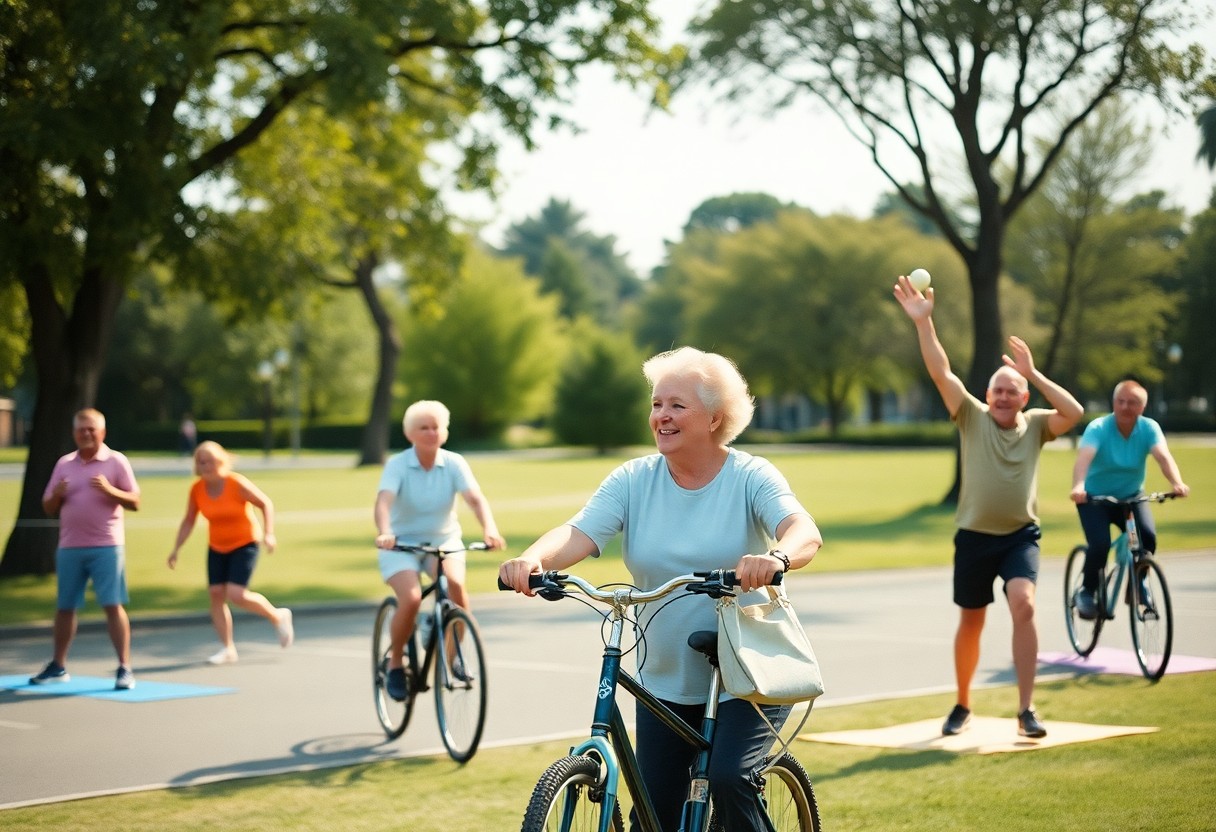
Above all, cycling is a fantastic low-impact exercise that can be easily adapted to your personal fitness level. Riding a bike, whether stationary or on a trail, promotes cardiovascular health and improves leg strength without putting too much strain on your joints.

Hence, cycling offers the advantage of being a versatile option—you can choose between solo rides for reflection or group cycling for a social outing. It not only supports your physical health but also provides an enjoyable way to explore your surroundings, thus keeping you engaged and motivated.

Yoga and Pilates

Along with providing physical strength, yoga and Pilates focus on flexibility, balance, and mental clarity. These activities are perfect for improving your posture and reducing stress through mindful movements and breathwork.

This integrative approach helps you increase core strength and mobility, which are crucial as you age. Regular practice can lead to improved balance and coordination, minimizing the risk of falls. Additionally, the meditative aspects of these disciplines contribute to overall well-being, making you feel centered and calm.

Safety Tips for Sports Participation

Unlike younger athletes, older adults require additional precautions when engaging in sports. To ensure a safe experience, consider the following tips:

  • Consult with your doctor before starting any new physical activity.
  • Choose activities suited to your fitness level.
  • Stay hydrated before, during, and after exercise.
  • Use appropriate equipment and wear suitable footwear.
  • Listen to your body and stop if you experience pain or discomfort.

Knowing these safety tips can help you enjoy sports while minimizing the risk of injury.

Understanding Your Limits

Sports activities should challenge you without risking injury; therefore, acknowledging your limits is important. Recognize what your body can handle and avoid overexertion. If you haven’t been active for a while, start slow and gradually increase the intensity of your workouts. Monitor your body’s responses, and make adjustments as necessary to keep yourself safe while still staying active.

Proper Warm-Up and Cool-Down

Tips to prepare your body before and after sports participation can greatly enhance your performance and recovery. A proper warm-up increases blood flow to your muscles, preparing them for physical activity. Likewise, cooling down helps your body transition back to its resting state, reducing soreness. Incorporate gentle stretches and movement into both phases to maintain flexibility and promote overall well-being.

Safety precautions during warm-ups and cool-downs play an important role in preventing injuries. Start with light aerobic exercises to gradually raise your heart rate and loosen your muscles. Follow this with dynamic stretches that mimic the movements of your chosen sport. After your session, allow time for a cool-down that includes static stretches to ease tightness and enhance flexibility. Prioritizing these practices can significantly contribute to your overall sporting experience.
Community Resources and Programs

Keep exploring your community for various resources and programs that support active lifestyles. Local organizations often offer classes, workshops, and sports leagues specifically designed for older adults. Joining these programs can enhance your physical fitness and build valuable social connections. For insights on sport selection in middle age for longevity? : r/slatestarcodex, consider engaging in community discussions and discovering what options are available near you.

Local Sports Clubs and Teams

By participating in local sports clubs and teams, you can not only stay physically active but also foster camaraderie and a sense of belonging. Many clubs cater specifically to older adults, offering inclusive environments where you can engage in various sports at your own pace. Check local listings or community centers for opportunities to join a team in activities such as tennis, bowling, or even walking groups.

Online Platforms for Active Living

The rise of online platforms has made it easier for you to engage in active living from the comfort of your own home. These platforms offer everything from virtual workout classes to forums where you can join like-minded individuals in discussions about health and fitness. You’ll find resources tailored to varying fitness levels, ensuring that you can choose activities that suit your preferences and abilities.

Platforms dedicated to active living often provide guided workouts, fitness tracking, and educational content covering nutrition and wellness. Signing up for an online class or joining a fitness challenge can motivate you to remain consistent in your activities. Engaging in virtual communities centered around active living allows you to exchange experiences and tips, helping you stay inspired on your journey to improved health.

Motivating Factors for Older Adults

Many older adults find that staying active offers numerous benefits that keep them motivated. Consider the following motivating factors:

  • Improved physical health
  • Enhanced mental well-being
  • Increased energy levels
  • Opportunity to socialize
  • Sense of achievement

The combination of these factors not only helps you maintain a healthy lifestyle but also boosts your overall happiness.

Social Engagement

The benefits of social engagement can be profound. Participating in sports or group activities allows you to meet new people, form lasting friendships, and foster a sense of community. These interactions can enrich your life and provide encouragement as you pursue fitness goals.

Setting Personal Goals

On your fitness journey, setting personal goals can significantly enhance motivation and satisfaction. When you establish clear objectives, you have a roadmap to follow, which provides a sense of purpose and direction.

Motivating your journey through personal goal setting allows you to take ownership of your progress. Begin by setting achievable goals, whether it’s walking a certain distance, joining a local sports team, or participating in a friendly competition. Regularly tracking your progress and celebrating small victories along the way will keep your motivation high, ensuring you stay engaged with your chosen activities.

Expert Recommendations

After exploring various activities, it is important to consider expert recommendations for staying active as an older adult. Engaging in low-impact sports like swimming, golf, or walking can significantly enhance your overall well-being. For more information, check out The 10 Best Sports for Seniors | Live an Active Retirement, where you’ll find tips tailored to your unique fitness journey.

Advice from Fitness Professionals

The best advice from fitness professionals emphasizes listening to your body and prioritizing enjoyment in your chosen activities. By selecting activities that resonate with you, you’ll be more likely to remain committed and active over time.

Success Stories from Older Athletes

Expert insights reveal that many older athletes have achieved remarkable feats while embracing sports in their later years. Their experiences can inspire you to take up an activity that suits your interests and abilities.

Athletes like 92-year-old marathon runner Fauja Singh and swimmer Diana Nyad, who completed a historic swim at age 64, showcase how you can redefine age limits through sports. These inspiring stories illustrate the myriad of possibilities that await you, proving that it’s never too late to pursue your athletic passions.

Conclusion

To wrap up, engaging in sports is an excellent way for you to maintain your physical health and enhance your overall well-being as you age. Activities like swimming, golf, and walking are not only enjoyable but can also keep you active and socially engaged. For more insights on the best sports suited for older adults, consider exploring the link for the Best Sports For Older Adults, According To Experts. By participating in these activities, you can create a fulfilling and healthier lifestyle.

Q: What are some low-impact sports suitable for older adults?

A: Low-impact sports are ideal for older adults as they minimize the risk of injury while still providing health benefits. Some excellent options include walking, swimming, cycling, and tai chi. Walking is easily accessible and can be done at one’s own pace. Swimming is gentle on the joints and provides a full-body workout. Cycling, either on a stationary bike or outdoors, offers cardiovascular benefits with low strain. Tai chi enhances balance and flexibility while promoting relaxation and mental well-being.

Q: How can older adults get started with sports or physical activities?

A: Starting a new sport or physical activity involves setting realistic goals and progressively building endurance. It’s a good idea for older adults to consult with a healthcare provider before beginning any new activity, especially if they have existing health concerns. Picking a sport of interest can make the process enjoyable. Begin with short sessions, gradually increasing duration and intensity while paying attention to body signals. Joining group classes or community programs can provide support and motivation, making it easier to stay committed.

Q: What are the benefits of staying active through sports for older adults?

A: Participating in sports offers numerous benefits for older adults, including improved physical health, enhanced mental well-being, and increased social interaction. Regular physical activity helps in maintaining mobility, flexibility, and strength, reducing the risk of chronic illnesses. Mentally, staying active can boost mood and cognitive function, decreasing feelings of anxiety and depression. Furthermore, engaging in sports often leads to meeting new people, fostering friendships, and building a sense of community, all of which contribute to overall life satisfaction.
The Role of Team Sports in Building Leadership Skills

There’s a significant connection between participating in team sports and developing crucial leadership skills that can benefit you in various aspects of life. Engaging in sports not only fosters teamwork and communication but also enhances your decision-making and problem-solving abilities under pressure. As you collaborate with others towards a common goal, you learn valuable lessons in empathy, resilience, and accountability. This blog post will explore how your involvement in team athletics can shape your potential as a leader, both on and off the field.

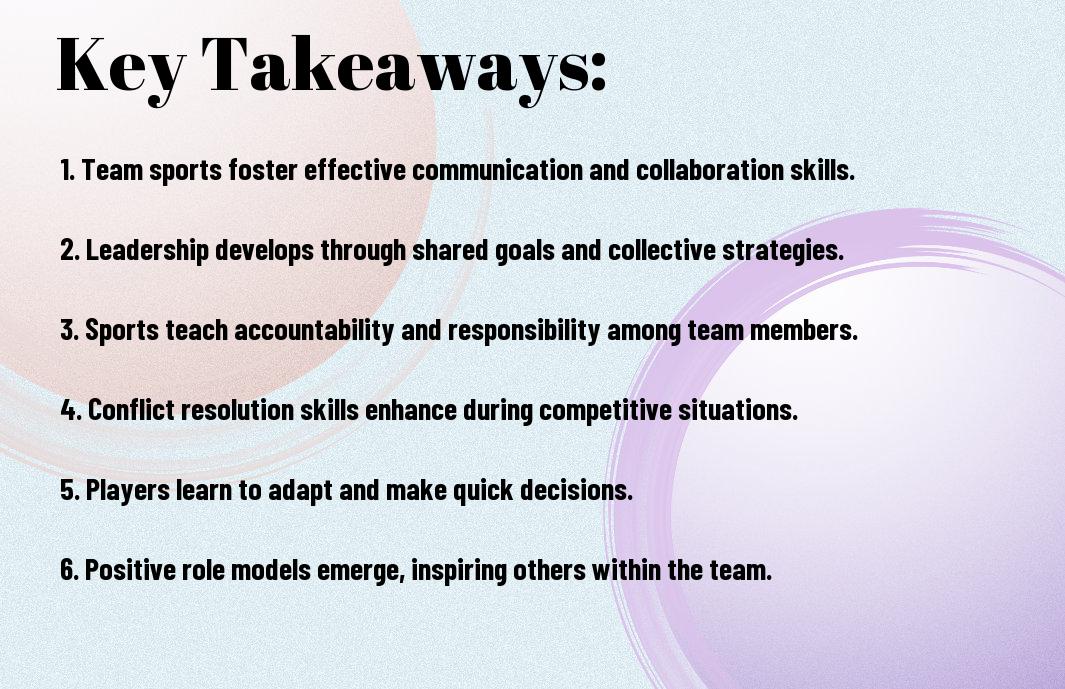
Key Takeaways:

  • Collaboration: Team sports foster a strong sense of cooperation among players, enhancing their ability to work together towards common objectives.
  • Communication: Engaging in team sports improves verbal and non-verbal communication skills, crucial for effective leadership.
  • Resilience: Athletes learn to handle setbacks and failures, building mental toughness and a problem-solving mindset that are vital for leaders.
  • Responsibility: Being part of a team instills a sense of accountability, as each member’s performance directly impacts the group’s success.
  • Adaptability: Competitive settings teach players to adjust strategies on the fly, an important skill for leaders in dynamic environments.

The Essence of Team Sports

Your journey into team sports can significantly shape your leadership qualities. Engaging in these activities not only fosters camaraderie but also instills a sense of responsibility and accountability. For insights on Leadership Skills You Can Learn from Sports, consider how these experiences translate into real-world leadership capabilities.

Definition and Types of Team Sports

One of the most engaging aspects of team sports is their variety and structure. Team sports are competitive physical activities where individuals are organized into teams. These sports require teamwork, strategy, and communication to achieve common goals. Here are some types of team sports:

Sport Type Description
Football A sport involving two teams trying to score by advancing a ball into the opponent’s end zone.
Basketball A fast-paced game where teams score by shooting a ball through the opponent’s hoop.
Volleyball Teams use their hands to hit a ball over a net, aiming to land it in the opponent’s court.
Hockey A game played on ice or field where teams use sticks to hit a puck or ball into the goal.
Rugby A contact sport where teams carry or kick a ball to score points by reaching the opponent’s goal line.

Thou can explore various team sports that cultivate not just physical health, but also vital leadership skills.

Historical Context and Evolution

On the timeline of civilization, team sports have developed alongside societal growth. Historically, these activities served not only a recreational purpose but also a means to unite individuals under shared objectives. Various cultures have contributed unique games, emphasizing teamwork as a fundamental aspect.

Indeed, team sports have evolved from ancient practices to the organized competitions we see today. Events like the Olympic Games have historically showcased team collaboration, transcending borders and cultures. As society progressed, so did the understanding of teamwork, which is now recognized as necessary for personal and professional success. Team sports have become a significant avenue for training future leaders, blending physical skill with emotional intelligence and strategy.

Leadership Skills Developed Through Team Sports

The participation in team sports fosters imperative leadership skills that are beneficial both on and off the field. Engaging in these activities teaches you to prioritize teamwork, communicate effectively, and assume responsibility. You learn to take charge, motivate others, and navigate the complexities of interpersonal dynamics, all while striving toward a common goal.

Communication and Collaboration

Behind every successful team is a foundation built on effective communication and collaboration. As a player, you’re often required to convey your thoughts quickly and adapt your strategies based on the feedback from your teammates. This practice helps to enhance your ability to express ideas clearly and work with others harmoniously, all fundamental components of strong leadership.

Decision-Making and Problem-Solving

With team sports, you face numerous situations that demand quick thinking and collaborative decision-making. As you engage in games, you learn to assess situations swiftly, weigh the input of your teammates, and develop solutions that benefit the group. This experience cultivates your ability to lead effectively under pressure.

The experience gained through team sports involves addressing challenges in real-time, allowing you to practice and refine your decision-making skills. When you’re in the midst of a game, every minute counts, requiring you to analyze circumstances and choose the best course of action swiftly. This environment not only enhances your ability to solve problems but also strengthens your confidence in making decisions that impact the collective outcome. The skills you develop in these high-stakes scenarios prove invaluable as you transition into leadership roles in your personal and professional life.

The Impact of Coaching and Mentorship

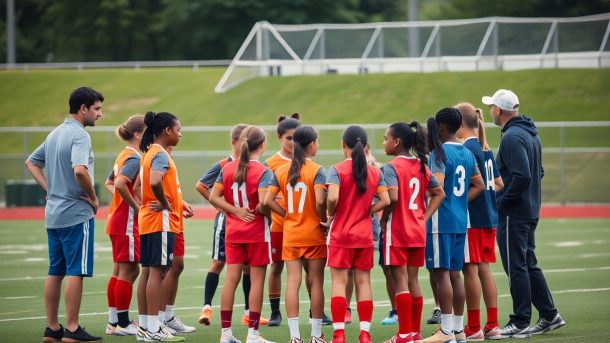
Once again, the influence of coaching and mentorship extends beyond skill development, playing a significant role in fostering leadership abilities. Effective coaches not only enhance your technical capabilities but also serve as mentors, guiding you in understanding group dynamics, decision-making, and resilience. This nurturing environment allows you to develop qualities such as empathy, communication, and integrity, which are necessary for leadership, encouraging you to learn from setbacks and celebrate achievements collectively.

Role of Coaches in Leadership Development

Coaches play a pivotal role in your leadership development by modeling effective communication and problem-solving strategies. They provide feedback that helps you reflect on your performance while fostering a culture of accountability and teamwork. Their guidance encourages you to take initiative, inspire others, and cultivate a vision, all fundamental skills for effective leadership in any setting.

Peer-to-Peer Influence and Support

Around you, teammates and peers create a dynamic environment that enhances your learning and growth. The influence of your peers can inspire you to rise to challenges and foster collaboration, helping you build necessary leadership traits. The shared experiences in team sports allow you to learn from each other, reinforcing the collective effort towards common goals.

At team practices and matches, the support and encouragement from your peers create a strong foundation for leadership development. You learn to navigate conflicts, motivate one another, and celebrate successes together. The bonds formed through shared challenges not only enhance your sense of belonging but also allow you to practice guiding your teammates through difficulties, fostering a spirit of camaraderie that translates into effective leadership skills necessary in both sports and life.

Case Studies: Successful Leaders Who Played Team Sports

Keep in mind that some of the most successful leaders attribute their skills to their experiences in team sports. Here are a few notable case studies that highlight this connection:

  • 1. Dell Founder Michael Dell – Played basketball in high school, building teamwork and strategic thinking.
  • 2. Former U.S. President George W. Bush – A former baseball player who learned resilience and coalition-building.
  • 3. Starbucks CEO Howard Schultz – Participated in football, leveraging team dynamics in business leadership.
  • 4. Former NFL Coach Tony Dungy – His leadership philosophy is rooted in his experiences as a player.
  • 5. Google Co-founder Sergey Brin – Played soccer, emphasizing collaboration and communication in his career.

For more on how sports can develop workplace leadership skills, check out How Sports Can Teach Workplace Leadership Skills.

Profiles of Notable Leaders

By exploring the backgrounds of notable leaders who participated in team sports, you can gain insight into how these experiences shape effective leadership. Leaders like Michael Dell and Howard Schultz exemplify the benefits of teamwork and communication fostered through athletic experiences. These profiles showcase how their involvement in sports cultivated skills vital for their success in business and beyond.

Lessons Learned from Their Experiences

From their rich athletic backgrounds, these leaders have gleaned valuable lessons that apply to the professional environment. Their experiences with team dynamics, conflict resolution, and decision-making convey critical insights for aspiring leaders.

Leaders who have transitioned from sports to business often emphasize the importance of teamwork and adaptability. They learned to navigate challenges collaboratively and motivate diverse groups—a key takeaway for you as you pursue your leadership development. Understanding how to effectively leverage collective strengths while encouraging individual contributions will enhance your ability to drive successful teams in your professional endeavors.

Challenges and Limitations in Team Sports

All athletes face various challenges and limitations when participating in team sports that can impede their development of leadership skills. These obstacles can stem from differing levels of commitment among teammates, communication barriers, and conflicts in personality or playing styles. Additionally, the competitive nature of sports may lead to stress and pressure, which can further complicate your ability to cultivate and demonstrate effective leadership within your team.

Potential Obstacles to Leadership Development

Before you can fully embrace leadership opportunities in team sports, you may encounter multiple obstacles. These could include a lack of clarity in roles, resistance from other team members, or even your own self-doubt. Identifying these potential hurdles is the first step to navigating them effectively, ensuring you create spaces where your leadership can flourish.

Strategies to Overcome Challenges

Above all, it’s crucial to develop practical strategies for overcoming the challenges you face in team sports. Fostering open communication, encouraging collaboration among teammates, and setting clear goals can all help you advance your leadership skills. Additionally, being mindful of team dynamics and actively seeking feedback from peers will allow you to adapt and strengthen your leadership approach.

Strategies for overcoming challenges in team sports often involve a multifaceted approach. By prioritizing team building, you can create an environment where every teammate feels valued and empowered. Engage in team meetings to address concerns and clarify expectations, nurturing an atmosphere of transparency. Implementing regular feedback loops will help you and your teammates identify growth areas, while developing a shared vision for success reinforces collective accountability. Furthermore, embracing flexibility allows you to adapt your leadership style to suit the unique dynamics of your team, ultimately enhancing your effectiveness as a leader.

To wrap up

Considering all points, engaging in team sports plays a significant role in enhancing your leadership skills. By participating in team-oriented activities, you cultivate necessary qualities such as communication, cooperation, and resilience. These experiences not only shape your ability to lead but also prepare you for future challenges in various aspects of life. Embrace the opportunity to develop these vital skills through sports, and explore more about this journey in Fostering Future Leaders: How Team Building Through Sports ….

Q: How do team sports help develop leadership qualities in individuals?

A: Team sports provide a dynamic environment where individuals can practice and enhance their leadership qualities. Players often find themselves in situations where they must communicate effectively, motivate teammates, and make strategic decisions under pressure. Through experiences such as coordinating offensive plays or resolving conflicts among team members, individuals learn to take charge, delegate responsibilities, and support their peers, all of which are fundamental aspects of leadership.

Q: What specific skills can participants learn from engaging in team sports that are applicable to leadership roles?

A: Participants in team sports can cultivate a variety of skills that are highly applicable to leadership roles, including but not limited to teamwork, effective communication, conflict resolution, and adaptability. The collaborative nature of team sports necessitates that players work together toward a common goal, fostering a sense of unity and shared purpose. Additionally, they must often communicate strategies and feedback, which enhances their ability to articulate thoughts and listen actively—a significant trait in effective leaders. Adapting to changing circumstances, such as game dynamics, also teaches flexibility, which is vital for any leadership position.

Q: Are there age-specific benefits of team sports in developing leadership skills?

A: Yes, the benefits of team sports in fostering leadership skills can vary by age group. For younger participants, team sports can introduce foundational concepts such as cooperation and respect for others. As individuals progress to their teenage years, the focus often shifts to more complex skills such as problem-solving and conflict management. Young adults participating in organized sports may further refine their leadership capabilities through roles such as team captain or peer mentors, where they can take initiative and demonstrate accountability. Overall, regardless of age, team sports can serve as a powerful platform for continuous leadership development.

The Benefits of Playing Multiple Sports for Athletes

Benefits abound when you engage in multiple sports, as this approach enhances your overall athleticism and can lead to improved performance in your primary sport. Not only does playing various sports develop a diverse skill set, but it also reduces the risk of burnout and injuries commonly associated with specialization. Your body gains a varied range of movements, contributing to better coordination and strength. To explore more on this topic, check out The Benefits of Being a Multi-Sport Athlete for Kids.

Key Takeaways:

  • Diverse Skill Development: Playing multiple sports allows athletes to develop a wide array of skills that can enhance their overall performance.
  • Reduced Risk of Injury: Engaging in different sports can minimize the risk of overuse injuries by varying the physical demands placed on the body.
  • Enhanced Mental Toughness: Competing in various environments fosters resilience and adaptability, important traits for all athletes.
  • Increased Enjoyment: Participating in multiple sports keeps athletes engaged and motivated, reducing burnout and fostering a lifelong love for physical activity.
  • Improved Social Connections: Different team dynamics and interactions promote social skills and build a wider network of friendships among athletes.

Physical Benefits of Multi-Sport Participation

A wide-ranging sports experience can significantly enhance your physical health, as engaging in multiple sports develops diverse muscle groups, improves coordination, and boosts cardiovascular fitness. This multifaceted approach not only keeps your workouts fresh and enjoyable but also encourages a more thorough understanding of athleticism. For more details on the Benefits of Playing Multiple Sports, you can explore how versatility in athletics can serve you well in the long term.

Improved Overall Fitness

To gain a well-rounded fitness level, participating in various sports exposes you to different physical demands, combining strength training, endurance, and agility. This varied training regimen helps to build muscle, enhance flexibility, and improve overall body mechanics, ultimately contributing to superior athletic performance.

Reduced Risk of Injuries

With increased exposure to different sports, you can significantly reduce your risk of injuries. By diversifying your athletic focus, you’re less likely to experience repetitive strain injuries that often occur when specializing in just one sport. Engaging in various activities ensures that different muscle groups are used and allows for adequate recovery time between workouts, further promoting your physical well-being.

Another important aspect of multi-sport participation is that it can enhance your body’s resilience to injury by promoting balanced muscle development. When you play multiple sports, you strengthen neglected muscles and joints, helping to address imbalances that could lead to injuries in single-sport athletes. This balanced strength training and flexibility improve overall function, allowing you to perform better as an athlete while staying healthy.

Mental and Emotional Advantages

Some athletes find that playing multiple sports leads to enhanced mental clarity and emotional stability. Engaging in varied physical activities allows you to develop different cognitive skills and emotional strengths, making it easier to handle challenges both on and off the field. This diversity in sports can significantly improve your overall mental health by reducing stress and enhancing your mood, providing you with a more balanced and positive outlook.

Enhanced Mental Resilience

The experience of competing in various sports helps you build mental resilience, as you face unique challenges and obstacles across different environments. Each sport presents its own set of demands, requiring you to adapt and develop problem-solving skills. Over time, this ability to navigate varying situations cultivates a stronger mindset, making you more capable of handling setbacks and pressures in your athletic pursuits and daily life.

Boosted Confidence and Self-Esteem

An integral part of your athletic growth comes from the confidence gained through mastering multiple sports. Engaging in diverse activities allows you to recognize and celebrate your accomplishments, which reinforces your belief in your abilities. As you gain new skills and experience success in various arenas, your self-esteem receives a significant boost, empowering you to take on new challenges with a positive attitude.

Boosted confidence from playing multiple sports transcends the playing field, positively impacting other areas of your life. The recognition of your achievements in different sports reinforces a sense of self-worth, which can lead to increased motivation and a willingness to push yourself further. As you tackle new challenges and develop a versatile skill set, you cultivate not only your athletic capacity but also a lasting belief in your potential, making you more resilient in both sports and personal endeavors.

Skill Development Across Disciplines

Many athletes find that playing multiple sports enhances their overall skill set. Each sport presents unique demands and techniques, allowing you to develop a diverse range of physical abilities and cognitive skills. By engaging in various sports, you not only improve your coordination and agility but also gain a more comprehensive understanding of movement patterns, enabling you to become a more versatile athlete.

Transferable Skills

One of the significant advantages of playing different sports is the development of transferable skills. Skills such as hand-eye coordination, balance, and strategic thinking can seamlessly transition from one sport to another. This versatility not only improves your performance in your primary sport but also boosts your confidence in skills that may be less familiar.

Increased Tactical Awareness

Awareness of game tactics can greatly enhance your competitive edge. By participating in various sports, you learn to understand different strategies and decision-making processes. This exposure allows you to adapt your thinking and approach in each activity, enabling better performance under pressure.

Disciplines such as soccer, basketball, and tennis each present distinct strategic elements that contribute to your overall tactical awareness. Engaging in multiple sports exposes you to different playing styles and game environments, helping you to recognize patterns and anticipate opponents’ moves more effectively. As you learn to read the game in various contexts, your ability to think critically and make quick decisions will ultimately elevate your performance across all sports.

Social Benefits and Team Dynamics

All athletes benefit from engaging in multiple sports, as it offers diverse social interactions and enhances team dynamics. By participating in various sports, you forge connections with athletes of different backgrounds, which can lead to lifelong friendships. These experiences contribute to your social skills, as you learn to navigate various group settings with ease and adaptability.

Building Relationships and Networks

Below the surface of competition lies a wealth of opportunities for building relationships and networks. By playing multiple sports, you meet a variety of teammates, coaches, and friends, expanding your social circle significantly. These connections can open doors in your athletic career, personal life, and beyond, providing invaluable support and motivation.

Learning Teamwork and Leadership

A significant advantage of playing various sports lies in the opportunity to learn teamwork and leadership. As you switch between different teams, you develop the ability to collaborate with diverse individuals and adapt to various roles within a group. This multifaceted experience teaches you the importance of communication, compromise, and mutual support.

A standout benefit of enhancing teamwork and leadership skills through multiple sports is the personal growth that accompanies it. You’ll learn how to lead by example, inspire others, and effectively communicate in high-pressure situations. This growth not only fosters your athletic development but also prepares you for challenges in everyday life, equipping you with crucial skills for future endeavors.

Long-term Athletic Development

Keep in mind that playing multiple sports fosters well-rounded athletic development. Engaging in diverse sports enhances your overall skills, adaptability, and understanding of various game strategies. This multifaceted approach not only contributes to your current performance but also lays a strong foundation for future athletic opportunities and achievements.

Avoiding Burnout

Below are ways to prevent burnout in your athletic journey. Specializing in a single sport can lead to exhaustion and mental fatigue. By participating in different sports, you can keep training enjoyable and exciting, allowing you to recharge your motivation while developing a variety of skills to enhance your main sport.

Promoting Lifelong Fitness

To ensure that you maintain an active lifestyle beyond your competitive years, diversifying your sports participation encourages a love for movement and fitness. Engaging in various activities can develop habits that promote physical health throughout your life.

For instance, by exposing yourself to different sports early on, you build a positive association with physical activity, making it more likely you’ll stay active as an adult. You not only foster skills that facilitate a variety of sports but also create opportunities for social engagement and community involvement through physical activities, supporting your overall well-being.

To wrap up

With this in mind, engaging in multiple sports offers you a variety of benefits that enhance your athletic performance and overall well-being. By diversifying your skills, you’ll improve your physical abilities, reduce the risk of injury, and develop a broader tactical understanding of different games. Additionally, playing various sports can keep your training enjoyable and invigorate your passion for athletics. Embrace the opportunities provided by multiple disciplines to foster your growth as a more versatile and resilient athlete.

FAQ

Q: What are the primary benefits of playing multiple sports for an athlete’s physical development?

A: Engaging in multiple sports allows athletes to develop a diverse range of physical skills, such as agility, speed, coordination, and strength. Different sports emphasize various movements and muscle groups, which can lead to enhanced overall fitness and reduce the risk of overuse injuries. For instance, a runner can benefit from the strength training in football, while a soccer player can enhance their stamina by participating in swimming. This variety helps create more well-rounded athletes who excel in a multitude of areas.

Q: How does playing multiple sports contribute to an athlete’s mental and emotional well-being?

A: Participating in various sports can positively impact an athlete’s mental health by reducing stress and providing an outlet for enjoyment. Different sports often offer unique social interactions and camaraderie, fostering teamwork and friendships that contribute to a sense of belonging. Moreover, switching between sports can alleviate the pressure associated with specializing in one, allowing athletes to maintain their passion and motivation for physical activity. This well-rounded experience cultivates resilience and a healthier attitude towards competition.

Q: In what ways does playing multiple sports enhance an athlete’s performance in their primary sport?

A: Competing in multiple sports can significantly enhance an athlete’s performance in their main sport through the acquisition of varied skills and techniques. For example, playing basketball can improve an athlete’s hand-eye coordination and agility, which can be beneficial in sports like soccer or lacrosse. Additionally, exposure to different coaching styles and competitive environments helps athletes develop strategic thinking and adaptability, making them more versatile competitors. This holistic approach allows for skill transfer that can lead to improved performance across different settings.

How to Build Lower Body Strength for Sports

Just as athletes need a strong upper body, developing lower body strength is imperative for improving your performance in sports. Whether you’re playing soccer, basketball, or any other sport, powerful legs and a solid foundation can enhance your speed, agility, and endurance. In this guide, you will learn effective exercises and techniques to build your lower body strength, allowing you to excel in your athletic pursuits and reduce the risk of injury. Let’s look into how you can take your training to the next level.

Key Takeaways:

  • Focus on Compound Movements: Incorporate exercises like squats and deadlifts to engage multiple muscle groups and build overall strength.
  • Incorporate Plyometrics: Use explosive movements such as jump squats and lunges to enhance power and agility, important for sports performance.
  • Use Resistance Training: Employ varying resistance (weights, bands) to increase muscle load, promoting growth and endurance in the lower body.
  • Prioritize Flexibility: Incorporate stretching and mobility exercises to prevent injuries and improve range of motion, facilitating better performance.
  • Balance Your Routine: Ensure a well-rounded program that includes both strength workouts and cardio to support overall athleticism and lower body strength.

Understanding Lower Body Strength

Your lower body strength is foundational for athletic performance, impacting everything from speed to agility. Developing this strength involves focusing on various muscle groups and incorporating effective exercises into your training. For an excellent starting point, check out The Best Leg-Strength Workout for Athletes that can help you build a robust lower body.

Importance for Athletes

Against various sports demands, lower body strength plays a significant role in enhancing your power output and reducing the risk of injury. Strong legs improve your sprinting, jumping, and overall movement efficiency, allowing you to excel in your chosen sport.

Key Muscle Groups

Along with building overall strength, it’s imperative to focus on key muscle groups, including the quadriceps, hamstrings, glutes, and calves. These muscles work in unison to provide the necessary support for explosive movements in sports.

Lower body exercises that target these muscle groups enable you to develop not only strength but also stability. Training the quadriceps aids in knee extension and jump power, while hamstrings contribute to sprinting speed and injury prevention. Glutes are vital for hip extension, providing the power necessary for acceleration, and strong calves assist with balance and explosive movements. Focusing on these muscle groups will enhance your performance across various athletic activities.

Assessing Current Strength Levels

You need to evaluate your current strength levels to effectively build lower body power for sports. Start by understanding your baseline, as this will guide your training efforts. Resources like Leg Strength and Throwing provide valuable insights into the relationship between leg strength and sports performance.

Performance Tests

At this stage, you should conduct several performance tests to measure your lower body strength accurately. Exercises like the squat, deadlift, and vertical jump can offer quantitative data on your current capabilities, helping you establish a solid foundation for growth.

Identifying Weaknesses

For a comprehensive understanding of your lower body strength, focus on identifying specific weaknesses in your muscle groups. This can involve comparing your performance in various tests, noting any significant disparities in power and endurance.

Also, conducting a thorough analysis helps in creating targeted training regimens that address these weaknesses. For example, if you struggle more with lateral movements than linear ones, incorporating lateral lunges and agility drills can enhance your overall athleticism. Take the time to customize your training based on these insights to achieve optimum results.

Essential Exercises for Lower Body Strength

To effectively build lower body strength for sports, incorporating a variety of exercises is key. Focus on a balanced routine that includes both compound and isolation movements to target different muscle groups. These exercises not only enhance your strength but also improve your overall performance by increasing stability, power, and agility imperative for athletic activities.

Compound Movements

Along with building muscle power, compound movements such as squats and deadlifts engage multiple muscle groups at once, allowing you to lift heavier weights. These exercises mimic athletic movements, helping you to develop functional strength that you can directly apply in your sport’s performance. By adding these to your routine, you can improve coordination and balance, providing a solid foundation for your lower body strength.

Isolation Exercises

Body weight and resistance-based isolation exercises, such as leg extensions and hamstring curls, focus on specific muscles to enhance their strength and endurance. These movements allow you to target weaker areas, ensuring a balanced development throughout your lower body. By incorporating these exercises, you can refine your muscle definition and improve your overall performance.

Even though isolation exercises target specific muscles, they play a significant role in preventing injury and enhancing athletic performance. By bringing attention to areas that may be overlooked in compound movements, such as the quadriceps and hamstrings, you ensure that your muscles are strong and balanced. This approach not only aids in injury prevention but also benefits movements such as sprinting, jumping, or changing directions in sports.

Building a Training Program

Many athletes often overlook the importance of a structured training program when aiming to build lower body strength for sports. A well-rounded regimen incorporates various exercises that target the major muscle groups in your legs, including quadriceps, hamstrings, glutes, and calves. Tailoring your program to include a mix of strength training, plyometrics, and sport-specific drills will help you see improved power, endurance, and overall performance.

Frequency and Volume

Between three to five training sessions per week is typically recommended for maximizing lower body strength gains. The volume of your workouts should be carefully calculated by balancing sets, repetitions, and exercise intensity, ensuring that you gradually increase the workload without overtraining. This consistency will help you build muscle while allowing for adequate recovery.

Progression Strategies

Program progression is necessary for ongoing improvement in your lower body strength. To avoid plateaus, you should progressively increase either the intensity or volume of your workouts, ensuring you are continually challenging your muscles. This can mean incrementally increasing weights, adjusting your rep ranges, or incorporating advanced variations of exercises periodically.

With a thoughtful approach to progression, you will keep your lower body workouts both effective and engaging. Consider tracking your performance to pinpoint when it’s time to make changes. By maintaining a focus on progressive overload—adding weights, increasing reps, or reducing rest periods—your muscles will continue to adapt and grow stronger, yielding consistent results in your athletic performance.

Recovery and Injury Prevention

Now that you’ve focused on building lower body strength, it’s vital to prioritize recovery and injury prevention. Balancing intense training with rest allows your muscles to repair and grow stronger. By incorporating proper recovery practices, you can reduce the risk of injury and enhance your overall performance in sports.

Importance of Recovery

An effective recovery routine is necessary for optimizing your training gains. It helps to alleviate muscle soreness, restore energy levels, and improve overall performance. By integrating rest days, nutrition, hydration, and activities like stretching or foam rolling, you can support your body’s natural healing processes and keep yourself fit for competition.

Common Lower Body Injuries

Recovery from lower body training sessions should also account for the potential injuries that can occur during intense workouts. You may experience strains, sprains, tendonitis, or stress fractures, particularly in the knees, ankles, and hips. Being aware of these common injuries helps you to take preventive measures and recognize the need for proper recovery.

At times, lower body injuries can sideline you and hinder your performance. Conditions like patellar tendonitis, hamstring strains, and ankle sprains are frequent in athletes engaged in rigorous sports. Understanding the symptoms of these injuries, such as pain, swelling, or limited mobility, allows you to address them early and seek appropriate treatment. Prioritizing recovery not only helps in preventing these injuries but also ensures you’re ready to train hard and compete effectively.

Nutrition for Strength Development

Not only does focusing on strength training help you build lower body power, but your nutrition also plays a significant role. Proper nourishment supports recovery, muscle growth, and overall performance. Prioritizing a well-balanced diet rich in imperative nutrients will enhance your training results, helping you to excel in your sport.

Macronutrient Requirements

Requirements for macronutrients vary based on your activity level, but generally, a balanced intake of carbohydrates, proteins, and fats is imperative for strength development. Carbohydrates fuel your energy levels for intense workouts, while proteins aid in muscle repair and growth. Healthy fats are important for hormone regulation and overall health, ensuring your body performs optimally.

Supplement Considerations

About supplements, they can complement your diet but should not replace whole foods. Assess your specific needs based on your training intensity, dietary restrictions, and personal goals before adding supplements. Opt for high-quality products that support muscle recovery and growth, such as protein powders or branched-chain amino acids, while consulting a nutritionist or healthcare professional for personalized guidance.

Nutrition plays a pivotal role in supplementing your training regimen. An informed approach to supplementation can enhance your lower body strength and recovery. Prioritize whole foods to meet most of your nutritional needs, and consider supplements as an adjunct when necessary. With careful planning and a focus on quality, you can maximize your strength development and performance in your sport.

To wrap up

The journey to building lower body strength for sports begins with a solid foundation of exercises tailored to your specific athletic needs. Focus on incorporating a mix of compound movements, resistance training, and dynamic stretches into your routine to ensure balanced development. As you progress, monitor your form and increase resistance gradually to avoid injury. Consistency is vital; make strength training a regular part of your workout regimen, and you will see significant improvements in your athletic performance. Prioritize recovery and nutrition as well to support your training efforts.

FAQ

Q: What exercises are best for building lower body strength for sports?

A: To effectively build lower body strength for sports, it’s important to incorporate a variety of exercises. Key exercises include squats, deadlifts, lunges, and leg presses, as they target multiple muscle groups. Plyometric exercises like box jumps and jump squats can also enhance explosive power, which is beneficial for athletic performance. Additionally, incorporating resistance bands and doing step-ups can improve stability and strength in the lower body.

Q: How often should I train my lower body to see improvements?

A: Training your lower body 2 to 3 times a week can lead to significant improvements in strength. Make sure to allow for adequate recovery time between workouts to avoid fatigue and to promote muscle growth. Each session should include a mix of strength training exercises and plyometric movements, adjusting the intensity as needed to match your fitness level and sport requirements.

Q: Is it necessary to combine lower body strength training with other forms of fitness?

A: Yes, integrating lower body strength training with other fitness forms can enhance overall athletic performance. Incorporating cardiovascular exercises, agility drills, and flexibility training can improve your endurance, speed, and range of motion. This well-rounded approach not only strengthens your lower body but also supports agility and reduces the risk of injury during sports activities.

The Best Sports for Improving Speed and Quickness

You may be looking to enhance your athletic performance, and focusing on sports that boost speed and quickness can make a significant difference. Engaging in specific sports not only helps improve your physical abilities but also enhances your overall agility and coordination. Explore various options that can provide you with the necessary skills to stay ahead of the competition. For more detailed strategies, check out this resource on How to Improve Speed, Quickness and Agility.

Key Takeaways:

  • Track and Field: Sprinting events, especially the 100m and 200m dashes, focus on maximizing speed and enhancing quickness through explosive starts and acceleration techniques.
  • Soccer: The nature of the game requires players to develop rapid changes in direction and speed, making it an excellent sport for improving agility and quickness.
  • Basketball: Frequent sprinting and lateral movements, coupled with jump training, help athletes increase their overall speed and improve reaction times on the court.
  • Football: The sport emphasizes short bursts of speed, with drills specifically designed to enhance acceleration and change of pace, benefiting players across various positions.
  • Martial Arts: Practicing techniques and sparring can enhance reflexes, strength, and speed, offering an effective way for athletes to sharpen their quickness and overall athletic performance.

Understanding Speed and Quickness

Achieving optimal performance in sports requires a deep understanding of speed and quickness. While often used interchangeably, these terms describe different aspects of athletic movement. Speed refers to how fast you can cover a distance, while quickness focuses on your ability to respond and change direction rapidly. Recognizing these distinctions will help you tailor your training programs to improve both attributes effectively.

Definitions and Differences

Definitions of speed and quickness vary in the sports community. Speed is typically measured by the time it takes for you to complete a given distance, such as a sprint. Quickness, on the other hand, is your ability to accelerate, decelerate, and change directions quickly. Although both attributes contribute to athletic performance, understanding their differences is necessary for targeted training.

Importance in Sports Performance

After understanding the definitions, you need to realize how speed and quickness influence sports performance. These physical attributes can significantly impact your effectiveness in various sports, giving you a competitive edge.

With enhanced speed, you can outpace your opponents, whether in sprinting, soccer, or basketball. Quickness allows for swift reactions, enabling you to dodge defenses or make rapid plays. The combination of both attributes is vital for excelling in any sport. Prioritizing training focused on improving speed and quickness will not only boost your performance but also elevate your overall athletic ability.

Top Sports for Speed Development

Clearly, engaging in the right sports can significantly enhance your speed and quickness. Sports such as track and field, soccer, basketball, and football offer unique training environments that foster explosive movements and agility. For more insights on Improving Speed and Quickness | ASFA, exploring these options will guide you in selecting the sport that best aligns with your goals.

Track and Field

Before you examine track and field, know that it offers specific events focused on developing speed, such as sprints and relay races. These competitions provide a structured environment where you can work on acceleration and maintaining peak speed over distances.

Soccer

The fast-paced nature of soccer requires quick footwork and sharp directional changes, which contribute significantly to speed. Players often work on their sprinting ability, agility, and endurance, making it an excellent choice for improving your overall quickness.

This sport emphasizes constant movement and quick reflexes. By participating in drills and matches, you’ll develop not only your sprinting capabilities but also your ability to change direction rapidly, which translates well into speed training.

Basketball

Before stepping onto the court, understand that basketball heavily relies on fast breaks and quick lateral movements. The sport encourages you to accelerate rapidly while conserving energy for repeated bursts of speed during a game.

Speed is necessary in basketball for both offensive and defensive plays. Quick footwork allows you to navigate through opponents effectively, and agility drills, combined with game scenarios, enhance your overall speed and responsiveness on the court.

Football

Around the football field, speed is vital for both offensive and defensive players. Practicing routes, tackling, and evading defenders develops explosive acceleration and powerful sprinting skills critical for success in the game.

Basketball and football share similar quickness demands, as both sports require rapid decision-making and speed during gameplay. As you train in football, you’ll increase your ability to burst into action, change direction efficiently, and outpace your opponents on the field.

Training Techniques for Enhancing Speed

To improve your speed, you can incorporate a variety of training techniques designed to develop your explosiveness and quickness. Focus on sprinting, plyometric exercises, and agility drills, which not only enhance your physical capabilities but also boost your overall athletic performance. By consistently practicing these techniques, you’ll notice significant improvements in your reaction time and acceleration, imperative components of speed.

Sprinting Drills

Sprinting drills are an effective way to elevate your speed. Incorporate short sprints, accelerations, and varied pace workouts into your training routine. By focusing on technique, stride length, and arm movement, you’ll optimize your running form, which translates to faster sprint times and improved overall speed.

Plyometrics

Speed and power go hand-in-hand, and plyometric exercises are perfect for enhancing both. These explosive movements, such as box jumps and depth jumps, help you develop the fast-twitch muscle fibers imperative for quick bursts of speed. Incorporating plyometric routines into your workouts will also improve your overall athleticism and coordination.

A well-structured plyometric program can significantly contribute to your training for speed. By allowing adequate rest between sets and focusing on explosive movements, you can effectively train your muscles to respond quickly. Gradually increasing the intensity and complexity of these drills will ensure your muscles adapt and grow stronger, leading to enhanced performance on the field or track.

Agility Exercises

Around your speed training, agility exercises are vital for improving your quickness and responsiveness. Ladder drills, cone drills, and shuttle runs help to refine your footwork and coordination, which are key components when needing to change direction swiftly. Adding these drills to your routine will result in better overall agility.

The combination of agility exercises creates a solid foundation for enhancing your speed. By training your body to react quickly to changes in direction while maintaining balance and control, you’ll find yourself more agile during gameplay or competition. Regularly engaging in agility drills will improve your speed and make you a more versatile athlete in your sport.

Nutrition and Recovery for Optimal Performance

Now, to achieve optimal speed and quickness, it’s vital to focus on nutrition and recovery. Your body requires the right nutrients to fuel your workouts and enhance your performance. A balanced diet rich in carbohydrates, proteins, and healthy fats, along with adequate hydration, plays a significant role in your athletic success. Additionally, prioritizing recovery strategies ensures that your muscles can repair and grow stronger, allowing you to train effectively and perform at your best.

Fueling the Body

Body composition and energy levels are paramount for your training. Consuming a variety of nutrient-dense foods will provide the necessary fuel to keep your energy high and your performance sharp. Think complex carbohydrates for sustained energy, lean protein for muscle repair, and healthy fats for overall health. Moreover, hydration cannot be overlooked, as it plays a vital role in maintaining your body’s functions during high-intensity exercises.

Importance of Rest

An effective training regimen includes ample time for rest and recovery. By allowing your body to recuperate, you can rebuild muscle tissue and replenish energy stores, which is vital for improving your performance in sports.

Recovery time is when your body heals and strengthens itself, preventing injuries and reducing fatigue. Including rest days in your training schedule enables your muscles to recover from the intensive work they’ve endured. Failing to give your body the downtime it needs can lead to burnout, decreased motivation, and longer recovery periods. By making rest a priority, you enable yourself to consistently push your limits and enhance both speed and quickness in your athletic pursuits.

Common Pitfalls in Speed Training

After committing to a speed training regimen, it’s crucial to be aware of common pitfalls that may hinder your progress. Avoiding these missteps will help you maximize your training efforts and achieve better results. Staying informed about issues such as overtraining and neglecting proper form can set you on the right path toward improved speed and quickness.

Overtraining

Around training, it can be tempting to push yourself harder in pursuit of speed gains. However, overtraining can lead to fatigue, decreased performance, and even injury. It’s vital to balance your training schedule with adequate rest and recovery to allow your muscles to rebuild and adapt.

Neglecting Form

Across the spectrum of speed training, one of the most overlooked aspects is maintaining proper form. Many athletes focus solely on the intensity of their workouts, sacrificing technique. Neglecting form not only inhibits performance but also increases the risk of injury. Ensuring that your body mechanics are sound is fundamental in achieving your speed goals.

Another crucial consideration is that improper form can lead to bad habits that become ingrained over time. When your posture and running mechanics are misaligned, you may not only run slower but also expose yourself to potential injuries. By prioritizing proper technique, you set a solid foundation for your speed training, ensuring effective and safe workouts that contribute to faster times and improved quickness.

Success Stories: Athletes Who Excelled in Speed

All around the world, athletes have showcased remarkable speed and quickness, demonstrating what can be achieved through dedicated training. Names like Usain Bolt and Allyson Felix stand out as prime examples of how specific sports can enhance your speed. Their achievements inspire countless individuals to improve their velocity and agility, making the pursuit of speed a universal goal in sports. By harnessing the right techniques and practices, you can also join the ranks of these elite competitors.

Case Studies

Across various sports, numerous athletes have documented their journeys toward speed enhancement. Here are some compelling examples:

  • Usain Bolt: Recorded a 9.58-second 100m sprint in 2009, the fastest in history.
  • Allyson Felix: Set a 400m personal best of 49.26 seconds, earning multiple Olympic medals.
  • Tyreek Hill: Clocked a 60m time of 6.64 seconds and is known for his explosive acceleration on the football field.
  • Carl Lewis: Achieved a personal best of 9.86 seconds in the 100m dash and won 9 Olympic gold medals.
  • Jackie Joyner-Kersee: Set a heptathlon world record of 7,291 points, showcasing incredible agility and speed across events.

Lessons Learned

Above all, these athletes illustrate the importance of persistence and targeted training in improving speed. Each story emphasizes how appropriate methodologies and sports-specific drills contribute to their extraordinary performances. Adopting the right practices can lead to significant improvements in your speed, regardless of your current level.

Further exploration into their training regimens reveals that consistency, dedication, and a structured approach led to their success. Incorporating speed drills, strength training, and proper nutrition into your routine can provide you with a solid foundation to enhance your athletic performance just like these champions have. Focus on technique, remain committed, and you may find yourself achieving remarkable results in your own speed journey.

Summing up

Upon reflecting, engaging in sports like sprinting, basketball, and soccer can significantly enhance your speed and quickness. Each of these activities demands explosive movements and agility, which contribute to overall athletic performance. By incorporating these sports into your routine, you not only improve your physical capabilities but also develop imperative skills such as coordination and reaction time. Whether you’re training for competition or simply aiming to boost your fitness levels, these sports offer effective pathways to achieving your speed goals.

FAQ

Q: What are the best sports for improving overall speed and quickness?

A: Numerous sports can enhance your speed and quickness. Track and field events, especially sprints, focus directly on speed development. Sports like soccer and basketball require rapid directional changes and explosive movements, contributing to agility. Additionally, martial arts emphasize quick reflexes and speed in maneuvers, ideal for developing rapid response times and bursts of speed.

Q: How does participating in team sports affect speed and quickness training?

A: Engaging in team sports such as football, rugby, or basketball provides not only physical training but also situational training. These sports often require quick decisions and agile movements, helping you hone your reflexes and acceleration. The competitive environment encourages players to push each other to improve, benefiting overall athleticism, including speed and quickness.

Q: Are there specific drills or exercises in sports that can enhance speed and quickness?

A: Yes, many sports incorporate drills designed to improve speed and quickness. For instance, most track training includes sprint drills aimed at maximizing acceleration. In basketball, cone drills help develop lateral movement and agility. Similarly, plyometric exercises, such as box jumps or agility ladders, are commonly used across various sports to build explosive strength that directly translates to increased speed on the field or court.

Skip to content