sports

The Role of Nutrition in Recovery After Sports

Recovery is a vital phase in your athletic journey, and nutrition plays a significant role in how effectively your body bounces back after intense physical activity. By focusing on the right nutrients, you can minimize muscle soreness, replenish energy stores, and support overall healing. Understanding the importance of proper hydration, carbohydrates, proteins, and fats can empower you to optimize your recovery process. This post will guide you through the necessary nutritional strategies necessary for enhancing recovery and ensuring you’re ready for your next challenge.

Key Takeaways:

  • Hydration: Maintaining proper fluid levels is crucial for optimal recovery, as dehydration can impair muscle repair and overall performance.
  • Protein Intake: Consuming adequate protein helps to rebuild damaged muscle tissues and supports muscle synthesis post-exercise.
  • Carbohydrates: Replenishing glycogen stores with carbohydrates post-activity fuels recovery and prepares the body for future exercise.
  • Vitamins and Minerals: A balanced diet rich in micronutrients supports cellular repair, immune function, and reduces inflammation.
  • Timing: The timing of nutrient intake, especially within the ‘recovery window’ after exercise, can enhance the effectiveness of nutrition in muscle recovery.
Understanding Sports Recovery

Before you can optimize your performance, it’s vital to grasp the significance of sports recovery. Recovery is the process your body undergoes to restore itself following physical exertion, including muscle repair, glycogen replenishment, and overall energy restoration. Understanding the various components of recovery enables you to implement effective strategies to enhance your athletic performance and longevity in your chosen sport.

Phases of Recovery

One way to comprehend recovery is by recognizing its phases: immediate, short-term, and long-term. Each phase serves a unique purpose, from addressing acute soreness and inflammation soon after exercise, to gradually restoring strength and endurance over weeks. By identifying these phases, you can tailor your recovery approach to suit your individual needs.

Importance of Recovery for Athletes

To maximize your training benefits, adequate recovery is vital. It not only helps mitigate fatigue and soreness but also plays a significant role in reducing injury risk and improving your overall performance. Focusing on recovery ensures that you can consistently train at your best.

At the heart of athletic success lies the understanding that recovery is as important as the training itself. When you prioritize recovery, you allow your muscles to heal and adapt to the stresses you’ve placed on them, leading to increased strength and endurance. Additionally, effective recovery strategies can improve your mental resilience and focus, ensuring you stay sharp and motivated throughout your training and competitions. Recognizing the value of recovery enables you to make informed decisions that support your long-term athletic goals.

Key Nutrients for Recovery

Some important nutrients play a vital role in your recovery post-sport. It’s important to ensure you’re consuming the right balance of macronutrients to aid in muscle repair, replenish energy, and support overall recovery. For more insights, refer to The role of nutrition in performance recovery | Sanford Sports.

Carbohydrates

Between workouts, your body requires adequate carbohydrate intake to replenish glycogen stores. This energy source is important for optimal performance in future training sessions and competitive events.

Proteins

One of the primary nutrients for recovery is protein, which you need to repair muscle tissue damaged during exercise. Your body uses amino acids derived from proteins to rebuild and strengthen muscles.

With proper protein consumption, you support the growth of lean muscle tissue, reduce soreness, and enhance overall recovery. Aim to include high-quality protein sources such as lean meats, fish, dairy, legumes, and plant-based protein supplements in your post-exercise meals to promote efficient recovery.

Fats

Beside proteins and carbohydrates, healthy fats are integral for recovery as they provide important fatty acids and aid in hormone regulation. Including sources of healthy fats can also assist in reducing inflammation.

The inclusion of healthy fats like avocados, nuts, seeds, and olive oil not only supports your overall energy levels but also allows for better nutrient absorption and cellular repair after strenuous physical activity.

Hydration and Recovery

After intense physical activity, replenishing your body’s fluid balance is crucial for optimal recovery. Adequate hydration helps transport nutrients throughout your body, improves metabolic processes, and reduces the risk of cramps and fatigue. By prioritizing fluid intake, you can enhance your overall recovery and performance for future activities.

Importance of Fluid Balance

Between workouts and games, maintaining proper fluid balance is key to avoiding dehydration, which can impair your performance and recovery. Dehydration can lead to decreased strength, endurance, and cognitive function. By monitoring your fluid intake, you ensure that your body can effectively recover and be ready for your next challenge.

Electrolytes and Their Role

After physical exertion, it’s not just water you need; electrolytes play a vital role in recovery. These minerals, such as sodium, potassium, and magnesium, regulate body functions and help maintain fluid balance. They are lost through sweat and must be replenished post-exercise to support muscle contraction, nerve function, and overall hydration.

In addition to maintaining fluid balance, electrolytes assist in preventing muscle cramps and minimizing fatigue during your recovery. Consuming sports drinks or electrolyte-rich foods can help restore these crucial minerals in your body, ensuring that you are not only hydrated but also primed for optimal performance. Making electrolyte replenishment a part of your recovery plan can significantly improve your results and readiness for subsequent athletic endeavors.

Nutritional Strategies for Optimal Recovery

Your recovery after sports performance hinges significantly on nutrition. In order to enhance your recovery, it’s important to explore Nutrition for Muscle Repair and Recovery. Implementing well-timed nutrient intake and choosing the right recovery meals can make all the difference in how efficiently your body heals and rebuilds after the physical exertion of sports.

Timing of Nutrient Intake

Any athlete knows that nutrient timing is key to effective recovery. Consuming the right ratios of carbohydrates and proteins shortly after exercise may improve muscle protein synthesis and promote quicker recovery. Aim to coordinate your intake shortly after your workout to ensure your body gets the nutrients it needs when it is most receptive.

Recovery Meals and Snacks

Among the options available, focusing on recovery meals and snacks that combine protein and carbohydrates can speed up the recovery process. Ideally, you should strive for a meal or snack containing high-quality protein, such as lean meat, legumes, or dairy, along with complex carbohydrates like whole grains or fruits.

Strategies for effective recovery meals include preparing nutrient-dense snacks like Greek yogurt with fruit, a protein smoothie with spinach and banana, or a chicken wrap with whole-grain bread. These combinations will provide your body with the necessary building blocks for muscle repair while replenishing glycogen stores to get you ready for your next training session. Tailoring your meals and snacks to fit your activity level will enhance your recovery experience.

Supplements and Recovery

Once again, nutrition plays a significant role in your recovery process, and supplements can offer additional support. They help fill in nutritional gaps when whole foods may fall short, particularly during intense training periods or following injury. By incorporating targeted supplements, you can enhance performance, reduce recovery time, and optimize your body’s ability to heal and rebuild.

Common Supplements for Athletes

Supplements commonly used by athletes include protein powders for muscle repair, omega-3 fatty acids to reduce inflammation, and branched-chain amino acids (BCAAs) to decrease muscle soreness. Each of these can contribute to quicker recovery and improved performance by addressing specific needs during and after rigorous physical activity.

Evaluating Supplement Efficacy

Any supplement you consider should be evaluated for its efficacy based on scientific research and individual needs. It’s important to assess the credibility of studies supporting the supplement claims and how it aligns with your specific recovery goals and overall diet.

Supplements can vary significantly in quality and effectiveness, making it important for you to do thorough research before integrating them into your regimen. Look for third-party testing, read reviews, and consult with a healthcare professional or nutritionist to help determine what may be the best fit for you. This way, you ensure that your approach to recovery is informed and tailored to your unique requirements.

Individualized Nutrition Plans

All athletes have unique needs when it comes to recovery nutrition. By developing individualized nutrition plans, you can ensure that your specific requirements are met, enhancing your recovery process. These plans take into account your sport, training intensity, and personal health factors, allowing you to optimize your performance and recovery.

Tailoring Nutrition to Sport

With each sport demanding different energy expenditures and nutrient needs, tailoring your nutrition accordingly is vital. For example, endurance athletes may require more carbohydrates for energy, while strength athletes need a higher protein intake to support muscle repair. A customized approach will help you meet these specific demands to improve your recovery outcomes.

Monitoring and Adjustments

Against the backdrop of personalized nutrition, ongoing monitoring and adjustments are necessary for optimal recovery. As your training intensity and goals evolve, so should your nutrition plan. Regular assessments ensure that you’re meeting your body’s changing demands, helping you stay on track with your recovery.

Nutrition plays a pivotal role in monitoring your recovery progress. By keeping track of your energy levels, performance, and how you feel after training, you can identify what works and what doesn’t. Adjustments may include altering macronutrient ratios, increasing hydration, or fine-tuning meal timing. The goal is to create a dynamic plan that supports your recovery journey, enabling you to train effectively while minimizing the risk of injury and fatigue.

FAQ

Q: How does nutrition impact muscle recovery after intense physical activity?

A: Nutrition plays a vital role in muscle recovery by providing the necessary nutrients that aid in repairing damaged muscle fibers. Consuming protein after exercise helps stimulate muscle protein synthesis, leading to recovery and growth. Additionally, carbohydrates are important for replenishing glycogen stores that are depleted during physical activity. Incorporating a balanced meal that includes both protein and carbohydrates within a few hours post-exercise can significantly enhance recovery.

Q: What specific nutrients should athletes focus on for optimal recovery?

A: Athletes should prioritize several key nutrients for effective recovery. Protein is important for muscle repair, while carbohydrates are necessary to restore energy levels. Incorporating healthy fats can also provide long-lasting energy and assist in inflammation reduction. Additionally, vitamins and minerals, especially those with antioxidant properties like vitamins C and E, can help mitigate oxidative stress caused by strenuous exercise. Staying hydrated is equally important, as fluids are necessary for various bodily functions and recovery processes.

Q: How can hydration influence recovery after sports activity?

A: Hydration plays a significant role in recovery by facilitating various physiological processes. Adequate fluid intake helps maintain blood volume, which is important for nutrient transport and waste removal. Dehydration can lead to prolonged recovery times, increased muscle soreness, and a higher risk of injury. Athletes should pay attention to their fluid intake before, during, and after exercise, ensuring they replace any fluids lost through sweat. Consuming electrolyte-rich fluids can also help restore balance in the body and support overall recovery.
The Best Sports for Building Stronger Bones

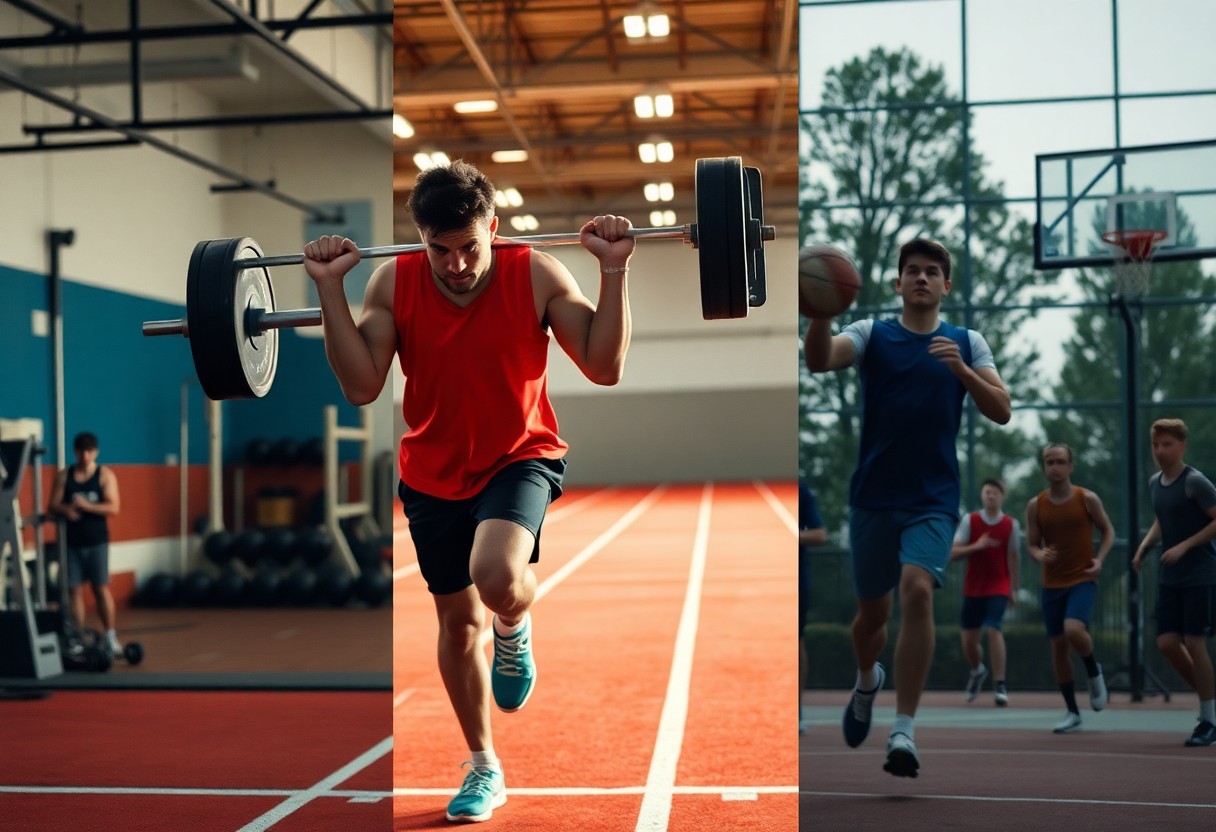
Just engaging in the right sports can significantly enhance your bone strength and overall health. In this guide, you will discover the best sports to participate in for building robust bones, helping to prevent issues like osteoporosis later in life. You’ll learn how activities such as weight-bearing exercises and impact sports contribute to bone density and strength. For more insights, check out The 4 Best Sports for Strong Bones – foodspring.

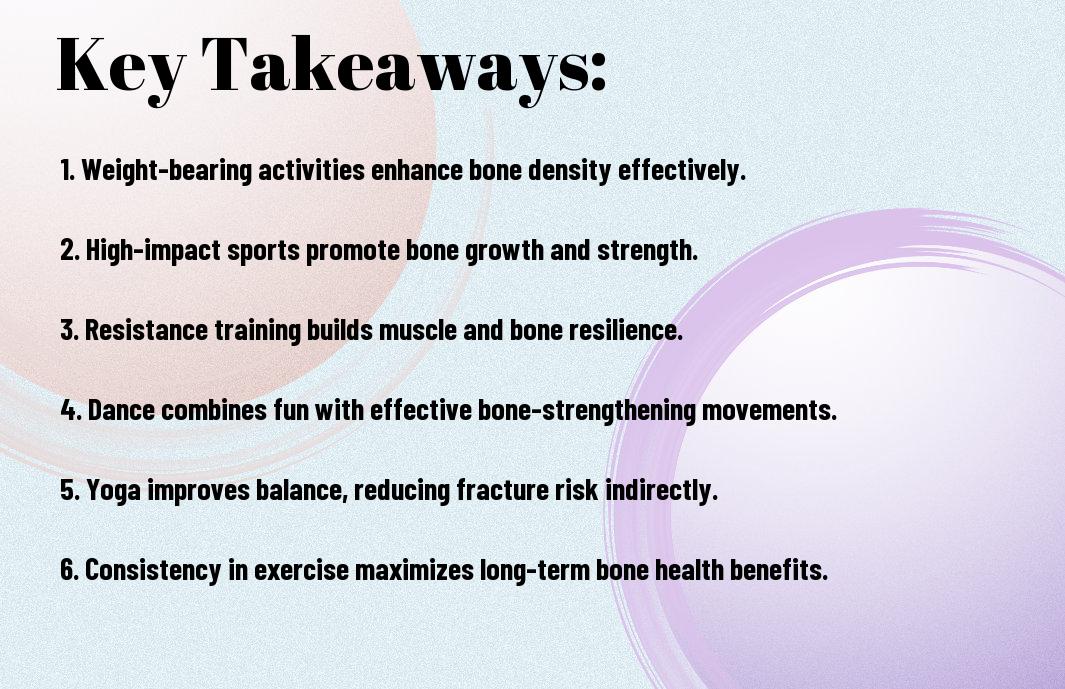
Key Takeaways:

  • Weight-Bearing Activities: Engaging in weight-bearing exercises like running, walking, or dancing helps stimulate bone growth and density.
  • High-Impact Sports: Sports such as basketball and soccer involve jumping and quick directional changes, which can enhance bone strength.
  • Resistance Training: Incorporating resistance exercises, like lifting weights, promotes muscle strength and bone health.
  • Low-Impact Options: Activities like swimming and cycling are beneficial for overall fitness, though they may not provide the same bone-strengthening benefits.
  • Consistency is Key: Regular physical activity is vital for maintaining healthy bones over time, regardless of the sport chosen.

Understanding Bone Health

The health of your bones is vital to your overall well-being. Strong bones not only support your body structure but also play a key role in protecting vital organs. To maintain optimal bone health, it is vital to engage in regular physical activity and consume a balanced diet rich in calcium and vitamin D. Understanding the factors that contribute to bone density and strength can help you make informed choices that enhance your skeletal health.

Importance of Bone Density

Below are some key reasons why maintaining bone density is vital for your health:

  • Prevents fractures and injuries
  • Supports mobility and balance
  • Maintains overall skeletal strength

Factors Affecting Bone Strength

The strength of your bones is influenced by various factors, including nutritional intake, physical activity, and hormonal balance. Here are several important elements to consider:

  • Diet rich in calcium and vitamin D
  • Consistent weight-bearing exercises
  • Genetic predisposition to bone density
  • Lifestyle choices like smoking and alcohol consumption

Assume that your lifestyle choices significantly impact your bone health. For example, lack of exercise can lead to weaker bones, while a balanced diet rich in vitamins and minerals can foster bone strength. Additionally, age and hormonal changes can affect bone density, particularly in women after menopause.

Even minor adjustments to your routine can enhance your bone strength. Consider incorporating the following actions into your daily life:

  • Engage in weight-bearing activities regularly
  • Ensure adequate calcium and vitamin D intake
  • Limit caffeine and sodium in your diet
  • Consider bone health screenings as you age

Assume that proactive measures will significantly contribute to maintaining your bone strength and overall health.

Weight-Bearing Exercises

If you want to strengthen your bones, incorporating weight-bearing exercises into your routine is necessary. These activities help stimulate bone formation and improve bone density by promoting mechanical loading on your skeleton, making them a key component of bone health for individuals of all ages.

Definition and Examples

On a fundamental level, weight-bearing exercises are physical activities performed while standing, where your bones and muscles work against gravity. Examples include walking, running, dancing, hiking, and resistance training, all of which effectively engage your skeletal system and promote bone strength.

Benefits for Bone Health

On top of enhancing bone density, weight-bearing exercises can also improve balance and coordination, reducing the risk of falls. Stronger bones decrease the likelihood of fractures and osteoporosis, leading to a healthier, more active lifestyle.

Plus, engaging in regular weight-bearing exercises not only fortifies your bones but also enhances your overall fitness. These exercises stimulate your body’s natural processes, helping to prevent age-related bone loss and keeping you physically active. By committing to a consistent weight-bearing routine, you lay the foundation for healthier bones, contributing positively to your long-term well-being and mobility.

High-Impact Sports

Not all exercise routines are created equal when it comes to bone health. High-impact sports, such as basketball, soccer, and gymnastics, are particularly effective in stimulating bone density and enhancing overall strength. The repeated force applied to your bones during these activities encourages them to adapt and strengthen, ultimately reducing the risk of osteoporosis as you age.

Best Practices and Recommendations

On engaging in high-impact sports, it’s crucial to start gradually if you’re new to them. Incorporate exercises that focus on strengthening your core and lower body while ensuring proper form to minimize the risk of injury. Additionally, consider a balanced training program that mixes these activities with low-impact exercises like swimming or cycling for overall fitness.

Risks and Considerations

Along with the various benefits, high-impact sports also come with potential risks that individuals should not overlook. The intensity of these activities can lead to injuries such as stress fractures or joint issues if appropriate precautions aren’t taken. Adapting your approach based on your fitness level is important to safeguard your body.

Hence, being aware of these risks is key when participating in high-impact sports. Ensure you are equipped with the right gear, like supportive footwear, to minimize injury risks. Listening to your body is also vital; should you experience pain, it’s wise to stop and consult with healthcare professionals. Moreover, maintaining a balanced diet rich in calcium and vitamin D will further support your bone health, enabling you to enjoy the full benefits of high-impact activities while keeping potential dangers at bay.

Resistance Training

Once again, incorporating resistance training into your fitness routine is necessary for strengthening your bones. This form of exercise uses weights or resistance bands to create tension on your muscles, which in turn promotes bone density. Engaging in regular resistance training, such as lifting weights or performing bodyweight exercises, stimulates bone growth and helps maintain overall skeletal health. Aim to include resistance training sessions at least two to three times a week for optimal results.

Strength Training for Bones

Training strengthens your bones by applying stress that encourages bone adaptation. With proper technique, exercises such as squats, deadlifts, and lunges can significantly enhance bone density. It’s recommended to focus on progressively increasing weights over time while ensuring that your form remains correct to prevent injuries. Balance strength training with flexibility and cardiovascular activities for a well-rounded fitness program.

Effective Techniques

Any effective techniques for resistance training should focus on compound movements that engage multiple muscle groups. Exercises like bench presses, rows, and leg presses not only build muscle but also apply beneficial stress to your bones. Moreover, incorporating free weights or machines can help you target specific areas. Consistency and gradual progression in weights are key for effective bone strengthening.

Techniques such as using a mix of free weights, resistance machines, and bodyweight exercises will ensure that you maximize your bone health benefits. Focus on performing 8 to 12 repetitions for each exercise, allowing your muscles to feel fatigued by the end of the set. Additionally, varying your routine by integrating different movements will challenge your body in new ways, promoting further bone growth and health over time.

Lifestyle Factors

Now, to build stronger bones, your lifestyle choices play an vital role. Engage in regular weight-bearing exercises and consider these lifestyle factors:

  • Avoid smoking, which can weaken bone density.
  • Limit alcohol intake as excessive consumption can hinder bone health.
  • Maintain a healthy weight to reduce strain on your bones.
  • Prioritize sleep, as it is vital for overall health.

Assume that these factors significantly contribute to your skeletal strength, and for more insights, explore Exercise and Bone Health – OrthoInfo – AAOS.

Nutrition for Strong Bones

Any balanced diet is integral for strong bones, emphasizing calcium and vitamin D. Ensure your meals include dairy products, leafy greens, and fish, which provide these vital nutrients and support bone density.

The Role of Sunlight and Vitamin D

Factors affecting your bone health include exposure to sunlight, which is a primary source of vitamin D. Your body requires this vitamin to absorb calcium effectively, making sunlight exposure important for maintaining strong bone structure.

Indeed, without adequate vitamin D, your bones can become brittle and more susceptible to fractures. Aim for 15 to 30 minutes of sun exposure several times a week, and consider supplements if you live in areas with limited sunlight. This natural interaction with sunlight ensures your body effectively utilizes calcium, bolstering your bone health. Make conscious efforts to integrate safe sun exposure into your routine for long-term benefits.

Age and Bone Health

Your bone health significantly changes as you age, making it vital to understand how age affects bone density and strength. Throughout your life, your body constantly undergoes processes of bone formation and resorption. However, after reaching your peak bone mass in your 20s, bone density gradually declines, particularly during menopause for women and later in life for both genders, leading to a higher risk of fractures and osteoporosis.

Impact of Aging on Bones

With aging, the balance between bone resorption and formation shifts, resulting in an overall decrease in bone density. Hormonal changes, particularly in women during menopause, as well as a more sedentary lifestyle, contribute to this decline. As your bones become less dense, they may become more fragile, increasing the risk of injury from falls and other accidents.

Recommended Activities for Different Age Groups

About engaging in age-appropriate activities can help maintain and improve bone health. For children and adolescents, activities like jumping, running, and playing sports are ideal for building peak bone mass. Young adults benefit from strength training and weight-bearing exercises, while older adults should focus on balance and stability exercises along with moderate resistance training to preserve bone density and reduce the risk of falls.

For instance, children can enjoy sports such as basketball, soccer, and gymnastics, which promote bone strengthening through impact. Young adults should incorporate resistance exercises like weightlifting or bodyweight routines to stimulate bone formation. Older adults may find activities like Tai Chi or water aerobics beneficial, as they improve balance and strength without excessive strain on the joints. Engaging in these activities throughout your life can significantly contribute to stronger bones at every age.

Conclusion

Conclusively, incorporating weight-bearing and resistance exercises into your routine is necessary for building stronger bones. Activities such as running, dancing, and weightlifting can significantly enhance your bone density and overall health. By prioritizing these exercises and staying active, you are taking important steps toward maintaining robust bones throughout your life. For more insights, check out The best exercises for your bones – Harvard Health.

Q: What types of sports are most effective for building stronger bones?

A: High-impact sports are particularly effective for promoting bone health. Activities such as running, basketball, and soccer involve weight-bearing movements that help stimulate bone density. Additionally, sports that incorporate resistance training, like weightlifting or gymnastics, can increase bone strength by enhancing muscle mass, which provides additional support to the skeletal system.

Q: How often should one participate in these sports to see benefits for bone health?

A: Engaging in weight-bearing sports and activities at least 3 to 4 times a week is beneficial for bone health. Each session should ideally last a minimum of 30 minutes to ensure a sufficient stimulus for strengthening bones. It’s also effective to incorporate both high-impact exercises and resistance training to maximize bone density benefits.

Q: Are there any other exercises to complement sports for better bone strength?

A: Yes, in addition to participating in sports, it is advisable to include activities that promote balance and flexibility, such as yoga or tai chi. These exercises can help prevent falls, which is important for maintaining bone health. Moreover, incorporating stretching and core strengthening workouts will support overall stability and reduce the risk of injuries during sports activities.

How to Improve Your Reflexes for Fast-Paced Sports

Many athletes in fast-paced sports understand that quick reflexes can make the difference between winning and losing. Enhancing your reflexes is not only about natural talent; it involves specific training techniques that sharpen your reaction times and enhance your decision-making under pressure. In this post, you will explore various methods and exercises designed to improve your hand-eye coordination, agility, and overall responsiveness, helping you to excel in your chosen sport.

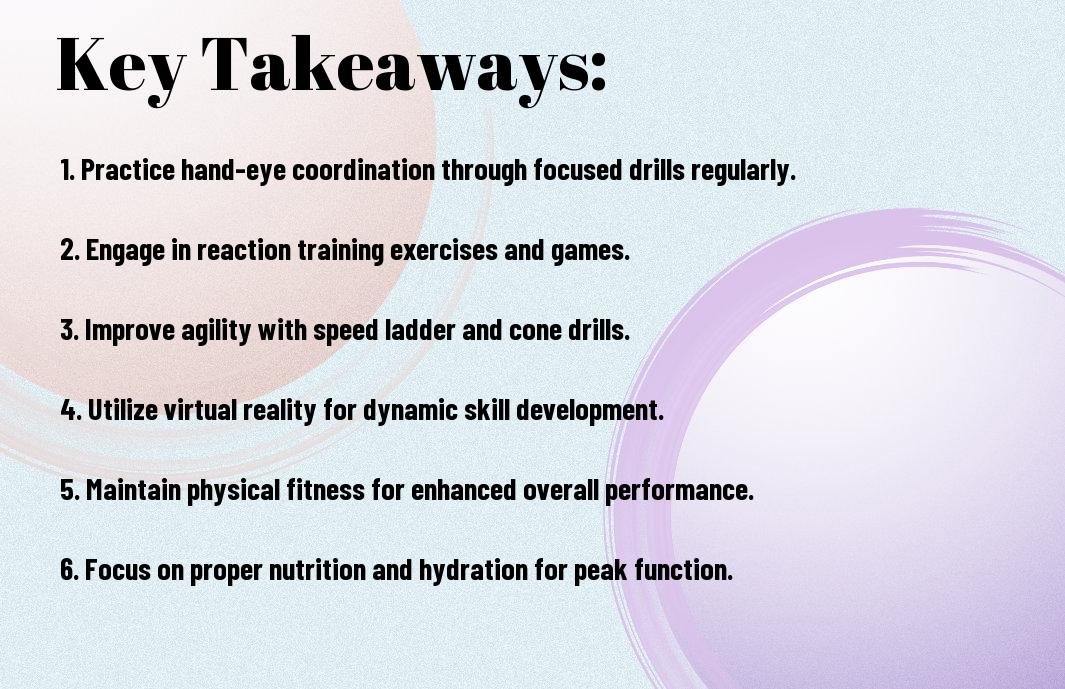
Key Takeaways:

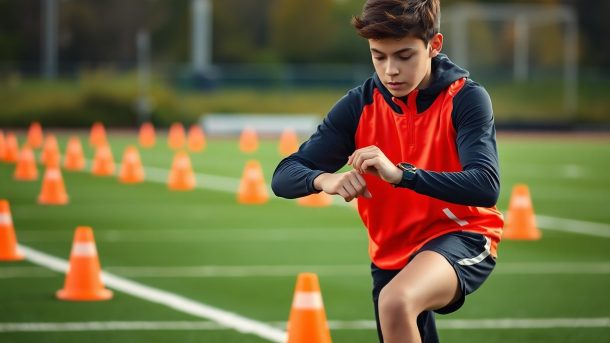
  • Practice Drills: Incorporate specific drills that challenge your reaction time, such as ladder drills, cone sprints, and shadowboxing.
  • Reaction Training Gadgets: Utilize tools like reaction balls or light-up boards that prompt quick decision-making and enhance hand-eye coordination.
  • Visual Training: Engage in exercises that develop your visual processing speed, such as video games or tracking exercises that require quick shifts in focus.
  • Strength and Conditioning: Focus on overall fitness to improve agility and speed, which are necessary to refining reflexes in sports scenarios.
  • Mindfulness Techniques: Incorporate practices such as meditation and controlled breathing to heighten awareness and improve focus during high-stress situations in competitions.

Understanding Reflexes in Sports

Before submerging into ways to enhance your reflexes, it’s crucial to understand what reflexes are and their role in sports. Reflexes are automatic responses to stimuli that allow athletes to react swiftly during high-pressure situations. These quick reactions can significantly influence your performance in fast-paced sports, where split-second decisions are vital for success.

The Science of Reflexes

On a physiological level, reflexes are mediated by the nervous system, allowing for rapid communication between sensory inputs and motor outputs. This system relies on specialized neurons to transmit signals efficiently, enabling your body to respond almost instantaneously to external factors, such as an opponent’s movement or a ball coming your way. Understanding these processes can help you develop more effective training regimens.

Types of Reflexes Relevant to Sports

By knowing the different types of reflexes that play a role in sports, you can tailor your training to focus on specific areas for improvement. Key reflexes include:

  • Simple reflexes
  • Complex reflexes
  • Conditioned reflexes
  • Motor reflexes
  • Proprioceptive reflexes

Any understanding of these reflexes can provide insights into how to refine your athletic performance.

Type of Reflex Description
Simple Reflexes Immediate responses like withdrawing your hand from a hot surface.
Complex Reflexes Involves multiple body parts and higher brain functions.
Conditioned Reflexes Learned responses based on past experiences.
Motor Reflexes Direct responses to motor commands, enhancing coordination.
Proprioceptive Reflexes Help you sense body position and movement.

At this stage, it’s vital to consider how each type of reflex impacts your athletic capabilities. Different sports may call for different reflex adaptations. For example, sports requiring rapid hand-eye coordination will benefit more from refined motor and proprioceptive reflexes. To enhance these reflexes, targeted exercises that promote agility and response time will be effective. Consider the following strategies:

  • Agility drills
  • Reaction time exercises
  • Practicing sport-specific movements
  • Incorporating plyometric training
  • Utilizing quick decision-making drills

Any improvement in these areas will directly contribute to better overall sports performance.

Type of Exercise Benefit
Agility Drills Enhances your ability to change direction quickly.
Reaction Time Exercises Improves your quickness in responding to stimuli.
Sport-Specific Movements Familiarizes your body with game scenarios.
Plyometric Training Boosts explosive strength for faster reactions.
Decision-Making Drills Sharpens strategic thinking under pressure.

Assessing Your Current Reflexes

Some athletes may think their reflexes are already up to par, but taking the time to assess your current abilities is important for improvement. Understanding your baseline will allow you to identify specific areas that need enhancement. This assessment can involve various tests, both physical and reaction-based, that measure your response times and agility. By evaluating your reflexes, you can set realistic goals and track your progress effectively, paving the way for better performance in fast-paced sports.

Self-Assessment Techniques

Your self-assessment can include simple drills such as tapping your fingers on a surface to measure coordination or reacting to sudden visual or auditory cues. Use a stopwatch to time your responses, and keep a record of your scores. Exercises like ball drops or partner reactions can also help you gauge your reflex speed and timing. Regular practice of these techniques can provide valuable insights, as well as highlight areas that require focus in your training regimen.

Seeking Professional Evaluation

Before venturing into an improvement regimen, it may be beneficial to seek professional evaluation from a coach or sports trainer who specializes in reflex training.

Reflexes play a significant role in your overall performance in sports, and an expert can provide a comprehensive analysis of your reflex capabilities. They may utilize specialized equipment or advanced techniques to assess your response times objectively. With their guidance, you can receive tailored feedback and recommendations that cater to your specific needs, ensuring that your training targets the right areas for improvement.

Drills to Enhance Reaction Time

Keep your training diverse by incorporating various drills that focus on improving your reaction time. From agility ladders to plyometric exercises, each activity challenges your cognitive processing and physical responsiveness. Explore 8 Ways to Train Your Reflexes to optimize your approach and see marked improvements in your performance.

Reaction Time Drills

One effective strategy to enhance your reaction time is through simple coordination drills. These can include catching a tennis ball thrown at varying speeds or using a reaction ball that bounces unpredictably, forcing you to respond quickly.

Sport-Specific Drills

Around your specific sport, integrating drills that mimic gameplay situations can be highly beneficial. For instance, practicing shots with a partner or simulating a defensive maneuver in basketball can enhance your immediate response to real-game scenarios.

It’s important to tailor your sport-specific drills to closely resemble the movements and decisions you’ll face during competition. Incorporate drills that challenge your agility, such as shuttle runs, or reaction-based exercises with a coach serving as a stimulus. This way, you not only condition your body but also train your mind to react swiftly, translating practice into proven performance on the field or court.

Strength and Conditioning for Improved Reflexes

Despite the common misconception that reflexes are solely innate, your strength and conditioning play vital roles in enhancing them. Incorporating targeted training regimens can not only boost your physical capabilities but also sharpen your reaction times. Consider Easy Exercises to Improve Your Reaction Time as part of your training arsenal.

Importance of Strength Training

Importance of strength training cannot be overstated when it comes to improving your reflexes. Building muscle not only enhances overall power but also increases your stability and control, allowing for quicker responses in fast-paced sports. A solid foundation of strength will help you execute movements more effectively and efficiently.

Plyometrics and Agility Workouts

An crucial component of improving your reflexes lies in plyometrics and agility workouts. These high-intensity exercises train your muscles to react faster and develop explosive strength, which is beneficial for rapid movements needed in various sports. Incorporating drills like jump squats, box jumps, and ladder drills will enhance your foot speed and quickness.

In addition, plyometrics and agility workouts increase your body’s ability to absorb and redirect force, ensuring your movements are both powerful and swift. Regularly integrating these explosive exercises into your training routine not only improves your reaction time but also enhances your overall athletic performance, ensuring you’re always one step ahead in competitive scenarios.

Mental Strategies for Faster Reflexes

Many athletes overlook the power of mental strategies when striving for quicker reflexes. Incorporating these techniques into your training can significantly enhance your performance. One effective method is to explore how to Improve Your Reflexes With These 5 Simple Exercises. By enhancing your mental acuity, you can react more swiftly during fast-paced sports.

Visualization Techniques

With visualization techniques, you can mentally rehearse specific movements and scenarios. This practice allows your mind to create a blueprint of success, making it easier for your body to react when under pressure. Spend a few minutes each day visualizing yourself performing your sport, focusing on the speed and precision you aim to achieve.

Focus and Concentration Exercises

Across many sports, honing your focus and concentration can lead to improved reflexes. Having a sharp focus allows you to process information quickly, which is crucial in fast-paced situations. Simple exercises, such as mindful breathing or attention drills, can help enhance your concentration levels.

Even incorporating simple daily exercises like meditation or attention-switching activities can lead to lasting improvements. These practices train your brain to stay present, helping you to identify and react to stimuli faster. Regularly dedicating time to focus and concentration exercises can substantially boost your mental agility on the field or court.

Nutrition and Recovery for Optimal Performance

Now that you’ve established training routines to enhance your reflexes, it’s vital to focus on nutrition and recovery for optimal sports performance. Proper nutrition fuels your body, supports muscle function, and ensures you recover effectively. Prioritize balanced meals that include carbohydrates, proteins, and healthy fats to provide the energy and nutrients your body needs. This holistic approach not only improves your physical capabilities but also sharpens your mental acuity, enabling quicker reactions on the field or court.

Impact of Nutrition on Reflexes

The food you consume plays a significant role in your reflexes. Nutrients like omega-3 fatty acids found in fish and antioxidants from fruits and vegetables can enhance brain function and neural connectivity. By prioritizing a nutrient-rich diet, you can improve your reaction times and mental sharpness, giving you an edge in fast-paced sports.

Importance of Rest and Recovery

Across all athletic disciplines, rest and recovery are vital elements for peak performance. Skipping recovery time can lead to fatigue, decreased reaction speeds, and an increased risk of injury. By allowing your body to recuperate, you enable muscle repair and hormonal balance, which supports better overall performance.

With adequate sleep and active recovery strategies like stretching and foam rolling, your muscles can recover more efficiently, enhancing your reflexes. Incorporating rest days into your training schedule allows your nervous system to recalibrate, ultimately leading to faster reaction times. Prioritize both sleep and active recovery for sustained athletic performance and to maintain your edge in reflex-intensive activities.

Final Words

Upon reflecting on how to improve your reflexes for fast-paced sports, it’s clear that consistent practice and targeted exercises can significantly enhance your performance. Incorporate agility drills, reaction-based training, and proper nutrition into your routine to boost your reflexes. Additionally, consider mindfulness techniques to sharpen your focus. As you commit to these strategies, you will notice increased responsiveness and a more competitive edge in your sport of choice.

FAQ

Q: What are some effective exercises to enhance my reflexes for fast-paced sports?

A: Engaging in a variety of drills can significantly improve your reflexes. Reaction ball drills, where you use a ball that bounces unpredictably, help develop hand-eye coordination. Ladder drills can enhance foot speed and agility, while shadow boxing or sparring in martial arts promotes quick decision-making and reflexes. Incorporating plyometric exercises, such as jump squats or box jumps, also improves explosive power, contributing to better reaction times.

Q: How does practicing mindfulness benefit my reflexes in sports?

A: Mindfulness practice can significantly aid in enhancing your reflexes by improving focus and reducing distractions. By engaging in meditation or breathing exercises, you train your mind to remain present during high-stress situations in sports. This heightened awareness allows you to process stimuli faster and respond more effectively, ultimately leading to quicker reactions during gameplay. Activities like yoga can also enhance your balance and body awareness, further contributing to improved reflexes.

Q: What role does nutrition play in improving my reflexes for fast-paced sports?

A: Nutrition plays an important role in overall performance, including reflex enhancement. Consuming a balanced diet rich in antioxidants, vitamins, and minerals helps maintain optimal brain function and neuronal communication. Foods rich in omega-3 fatty acids, such as fish, walnuts, and flaxseeds, can support cognitive function and reaction time. Staying hydrated is equally crucial, as even mild dehydration can impair cognitive functions and slow reaction times. Regularly fueling your body with nutrient-dense foods can support faster reflexive responses in sports.

The Benefits of Participating in Community Sports Leagues

Many people underestimate the value of participating in community sports leagues, but the benefits are significant for your physical health, mental well-being, and social connections. Engaging in these leagues not only helps you stay active and fit, but it also fosters a sense of belonging and teamwork in your local community. Moreover, studies have shown that sports play an vital role in uniting neighborhoods—explore more about the power of sports in communities to understand how they transform lives. By taking part, you sharpen your skills while making lifelong memories.

Key Takeaways:

  • Social Interaction: Engaging in community sports leagues fosters connections with others, promoting friendships and a sense of belonging.
  • Physical Health: Participation in sports encourages regular exercise, which greatly benefits cardiovascular health, strength, and overall fitness.
  • Skill Development: Community sports provide opportunities to learn new skills, enhance existing abilities, and improve teamwork and communication.
  • Mental Wellness: Involvement in sports can reduce stress, elevate mood, and enhance mental resilience through physical activity and social support.
  • Community Engagement: Being part of a sports league strengthens community ties, increases local involvement, and promotes a collective spirit among participants.

Physical Health Benefits

For individuals looking to enhance their overall well-being, participating in community sports leagues serves as an enjoyable way to improve physical health. Engaging in regular athletic activities not only aids in maintaining a healthy weight but also boosts cardiovascular fitness, strengthens muscles, and improves flexibility. These benefits collectively lead to a more energetic lifestyle and a lower probability of developing health-related issues.

Improved Fitness Levels

Beside providing a structured avenue for physical activity, community sports leagues offer an environment that motivates you to stay active. The camaraderie and friendly competition push you to elevate your fitness levels beyond what you might accomplish on your own, resulting in greater endurance, strength, and agility over time.

Reduced Health Risks

At the same time, joining community sports leagues can significantly lower your risk of various health issues. Regular physical activity helps to stabilize blood pressure, control cholesterol levels, and enhance overall heart health, creating a solid foundation for a longer, healthier life.

Even participating in sports can work wonders for your mental health as well. Engaging in regular physical activity releases endorphins, which are natural mood lifters, helping to reduce symptoms of anxiety and depression. Additionally, being part of a team fosters social interaction, giving you a support network that further enhances your emotional well-being. By committing to a community sports league, you not only take positive steps toward improved physical health but also cultivate a healthier mindset.

Social Connections

There’s a unique opportunity to foster social connections when you participate in community sports leagues. Engaging with teammates and opponents alike allows you to build a network that extends beyond the playing field. As you develop these relationships, you also contribute to the overall well-being of your community, which has numerous Benefits to the community | DLGSC.

Building Friendships

Friendships formed through community sports can lead to lifelong bonds. You often find yourself surrounded by people with shared interests, making it easier to connect. These relationships can enhance your social life and provide valuable support systems both on and off the field.

Community Engagement

At the heart of community sports lies the spirit of engagement. When you participate, you become part of something larger than yourself, fostering a sense of belonging. You’ll often find that your participation has a positive impact on your local community, promoting pride and unity.

For instance, as you engage in league activities, you contribute to local events, volunteer opportunities, and initiatives that benefit everyone in your area. This not only strengthens your ties with those around you but also creates a vibrant atmosphere where everyone feels welcome and valued. By actively participating, you’ll enhance your personal connection to the community and encourage others to do the same.

Emotional and Mental Well-Being

After joining a community sports league, you may notice significant improvements in your emotional and mental well-being. Engaging in regular physical activity helps reduce symptoms of anxiety and depression, while the social connections you build can foster a sense of belonging. As highlighted in Community Sports Leagues: Building Health and Camaraderie, these leagues provide a platform for you to develop friendships and share experiences, further enhancing your overall happiness.

Stress Relief

Between the demands of work, family, and daily responsibilities, stress can easily accumulate. Participating in a community sports league offers an effective outlet for this stress, allowing you to blow off steam and recharge. Physical activity triggers endorphin release, promoting feelings of happiness and relaxation, helping you navigate challenges with a clearer mind.

Increased Self-Esteem

Stress can significantly impact your self-esteem and confidence levels, but participating in community sports can counteract this. Engaging in regular practice and competition helps you build skills, achieve goals, and witness personal growth, all of which can enhance your self-worth.

It is common to see a boost in self-esteem as you improve in your sport, forge new friendships, and contribute to your team’s success. Each game or practice serves as an opportunity to celebrate progress, and this sense of accomplishment empowers you in other areas of life, creating a positive feedback loop that nurtures your mental health.

Skill Development

Not only do community sports leagues offer a platform for friendly competition, but they also provide an excellent opportunity for skill development. You can enhance your athletic abilities, learn new techniques, and gain confidence in your gameplay. As you participate regularly, your skills will improve, allowing you to enjoy the game even more and potentially discover new passions.

Teamwork and Collaboration

For anyone looking to strengthen their teamwork and collaboration skills, participating in community sports leagues is an ideal choice. You will work alongside teammates to strategize and execute plays, fostering a sense of unity and shared purpose. This experience teaches you the importance of communication and trust, as every player contributes to the overall success of the team.

Leadership Skills

Before you know it, community sports leagues can also help you develop necessary leadership skills. By taking on roles such as team captain or becoming a reliable teammate, you learn how to motivate others and make decisions that affect the group. These experiences not only enhance your ability to lead in sports but can also translate into other aspects of your life.

Due to the diverse dynamics of community sports leagues, you will often find yourself in situations where leadership is necessary. Whether it’s leading a strategy huddle before a game or stepping up to encourage teammates during challenging moments, these experiences provide you with the chance to refine your leadership style. As you navigate the ups and downs of competition, your confidence in guiding others will grow, equipping you with valuable skills for both personal and professional contexts.

Economic Impact

Once again, participating in community sports leagues generates a ripple effect that positively impacts the local economy. When you engage in these leagues, you’re not only enhancing your physical fitness but also contributing to job creation and encouraging expenditure in your community. Local governments often invest in sports facilities and infrastructure, which leads to increased economic activity and fosters a vibrant community spirit.

Local Business Support

Impact on local businesses is significant when community sports leagues thrive. Your participation in these activities drives foot traffic to nearby shops, restaurants, and service providers, as teams and their families often grab a meal or shop before or after games. This connection helps small businesses grow and reinforces a sense of community among residents.

Cost-Effective Recreation

CostEffective recreation is another important benefit of joining community sports leagues. The registration fees you pay are often minimal compared to the cost of individual activities or gym memberships, making it an accessible option for you and your family to stay active and engaged.

A community sports league offers numerous opportunities for enjoyment and fitness without breaking the bank. In addition to low registration fees, many leagues provide gear and equipment, further reducing your out-of-pocket expenses. Plus, you gain the advantage of social interaction and team dynamics, which can enhance your overall experience and personal well-being. It’s a smart and affordable choice for achieving your fitness goals!

Inclusivity and Diversity

Despite the differences in age, skill level, and background, community sports leagues create an environment where everyone feels welcome. You will find a diverse group of participants who bring their unique perspectives and experiences, fostering a sense of belonging. This inclusivity not only enhances the sports experience but also builds lasting connections among players from various walks of life.

Open to All Ages

Between young children discovering sports for the first time and seniors looking for a fun and active way to stay engaged, community leagues cater to all ages. You can join a league that values participation over perfection, allowing you to grow at your own pace while enjoying the thrill of teamwork.

Fostering Inclusivity

Along with promoting friendly competition, these leagues focus on creating a supportive community where everyone can participate. This sense of belonging empowers you to embrace your strengths and improve on weaknesses alongside others, reinforcing the idea that every individual brings value to the game.

Due to their commitment to inclusivity, community sports leagues actively implement programs designed to engage marginalized groups and individuals with disabilities. You can participate in events that celebrate diversity and promote equitable access to sports for all. These initiatives not only cultivate a welcoming atmosphere but also encourage you to connect with others, bridging gaps between varying demographics and enriching your overall experience in sports. You will find that such teamwork can influence positive social change, encouraging mutual respect and understanding among all participants.

Final Words

Conclusively, participating in community sports leagues offers you numerous benefits that enhance both your physical and social well-being. By engaging in these activities, you improve your fitness levels, develop new skills, and cultivate meaningful relationships with others in your community. The camaraderie found in team dynamics fosters a sense of belonging and support, while also providing valuable life lessons in teamwork and perseverance. Embracing community sports can enrich your life, promote a healthier lifestyle, and create lasting memories.

Q: What are the social benefits of joining a community sports league?

A: Participating in a community sports league provides an excellent opportunity to meet new people and build lasting friendships. Many individuals find themselves forming bonds with teammates and fellow participants, fostering a sense of belonging within the community. Additionally, these leagues often encourage teamwork and collaboration, which can enhance social skills and lead to a more interconnected and supportive neighborhood.

Q: How does participating in community sports leagues contribute to physical health?

A: Engaging in community sports leagues promotes regular physical activity, helping individuals maintain a healthy lifestyle. These leagues often feature a variety of sports that cater to different skill levels, making it accessible and enjoyable for participants. Regular involvement in physical activities can lead to improved cardiovascular health, increased strength, better flexibility, and overall fitness, reducing the risk of chronic illnesses.

Q: Can participating in community sports leagues improve mental well-being?

A: Absolutely! Involvement in community sports leagues is linked to numerous mental health benefits. Physical activity is known to release endorphins, which can elevate mood and reduce feelings of anxiety and depression. Additionally, the social aspect of team sports can combat loneliness and provide a sense of achievement, further enhancing self-esteem and overall mental wellness. The camaraderie developed within these leagues contributes to a positive environment that promotes emotional resilience.

The Importance of Mental Toughness in Sports

You may often hear about physical training and skill development as key components of athletic success, but mental toughness plays an equally vital role in your performance. This mental resilience allows you to push through challenges, stay focused under pressure, and remain committed to your goals. By honing your mental toughness, you’ll enhance your ability to cope with adversity, manage stress, and maintain confidence in your skills, ultimately leading to improved outcomes in your sport. Understanding and developing this critical aspect can set you apart from your competitors and elevate your overall athletic experience.

Key Takeaways:

  • Mental Resilience: Athletes showcase their ability to bounce back from setbacks and failures, which is vital for sustained performance.
  • Focus and Concentration: The capability to maintain focus during high-pressure situations significantly impacts an athlete’s performance.
  • Emotional Regulation: Managing emotions effectively allows athletes to perform consistently without being derailed by stress or anxiety.
  • Goal Setting: Establishing clear and achievable goals helps athletes stay motivated and driven towards their performance objectives.
  • Confidence Building: Developing mental toughness enhances self-belief, enabling athletes to take risks and tackle challenges head-on.

Defining Mental Toughness

Before delving into the depths of sports performance, it’s imperative to understand what mental toughness really means. It’s the ability to remain focused, resilient, and determined even in the face of adversity. Mental toughness allows you to persevere through challenges, maintain a positive attitude, and consistently perform at your best, regardless of external pressures or setbacks.

Characteristics of Mentally Tough Athletes

Below are key traits that define mentally tough athletes. They demonstrate unwavering confidence, focus on their goals, and maintain a high level of commitment to their training. Moreover, they adapt well to change and recover quickly from setbacks, viewing challenges as opportunities for growth rather than obstacles.

The Psychology Behind Mental Resilience

Mentally tough athletes possess a unique psychological makeup that contributes to their resilience. They tend to have a strong sense of self-efficacy and a growth mindset, which drives them to embrace challenges and view failures as learning experiences.

Athletes often cultivate mental resilience through deliberate practice and exposure to stressors. This mindset can be reinforced by setting realistic goals and maintaining a positive internal dialogue. By focusing on what you can control and developing coping strategies, you can enhance your ability to bounce back from adversity. Building mental resilience not only improves your performance in sports but also helps you in everyday challenges, creating a robust foundation for success both on and off the field.

The Role of Mental Toughness in Performance

Some athletes underestimate the profound impact mental toughness has on their overall performance. This psychological strength not only affects how you respond to pressure but also shapes your confidence and resilience. Athletes who cultivate mental toughness are better equipped to handle challenging situations and maintain peak performance, even when faced with intensely competitive environments.

Overcoming Adversity in Sports

Behind every successful athlete lies a story of overcoming adversity. Whether it’s dealing with injuries, setbacks, or fierce competition, your ability to confront and navigate these challenges defines your sporting journey. Mental toughness enables you to push through hardships and emerge stronger, ultimately leading to greater achievements.

Maintaining Focus and Consistency

Behind the scenes of every great performance is a dedication to focus and consistency. As an athlete, your ability to concentrate on your goals and maintain a disciplined routine sets you apart from the competition. Mental toughness plays a vital role in keeping distractions at bay, allowing you to fully engage in your training and competitions.

Consequently, honing your focus not only enhances your performance but also reinforces the habits necessary for long-term success. By concentrating on your training regimen and minimizing external distractions, you’ll find it easier to execute your skills consistently under pressure. This unwavering commitment to improvement empowers you to elevate your game while instilling a sense of confidence that persists throughout your athletic career.

Strategies to Develop Mental Toughness

Keep in mind that developing mental toughness is a strategic process. Incorporating consistent techniques can greatly enhance your resilience. Research highlights the impact of mental toughness on athlete’s performance and overall well-being. You’ll find that structured approaches, such as visualization, goal setting, and mindfulness, can foster the tenacity needed to push through challenges in sports.

Visualization Techniques

Beside traditional training, visualization techniques play a vital role in building mental toughness. By mentally rehearsing your performance and envisioning success, you create neural pathways that enhance your actual performance. Committing to visualization sessions can help boost your confidence and reduce anxiety before competitions.

Goal Setting and Mindfulness Practices

Above all, setting clear goals combined with mindfulness practices can significantly enhance your mental toughness. These strategies keep you focused and present, enabling you to break down larger objectives into manageable tasks. This focused mindset aids in maintaining motivation and clarity under pressure.

For instance, by setting SMART (Specific, Measurable, Achievable, Relevant, Time-bound) goals, you can track your progress and celebrate small victories along your journey. Coupling this with mindfulness practices, such as meditation or deep-breathing exercises, will help you stay centered and calm, ultimately enhancing your performance and boosting your mental strength.

The Impact of Coaching on Mental Toughness

Not all coaches recognize the significance of instilling mental toughness in their athletes. Effective coaching goes beyond technical skills, emphasizing resilience, composure under pressure, and the ability to push through adversity. As a coach, you have the power to cultivate a mindset that embraces challenges, encouraging your athletes to develop a strong mental framework. When you prioritize mental toughness in your coaching philosophy, you lay the groundwork for athletes to excel not only in sports but also in life.

Building a Mentally Tough Team Culture

Before fostering a mentally tough team culture, assess the current dynamics and values within your team. Establish an environment where challenges are viewed as opportunities for growth. Promote communication, trust, and support among team members, ensuring everyone understands the importance of resilience. Encourage athletes to share their experiences and learn from one another, reinforcing a collective approach to developing mental toughness and fostering a sense of unity.

Training Methods and Mental Resilience

Along with creating a supportive culture, incorporating specific training methods can enhance mental resilience among your athletes. Strengthening mental toughness requires deliberate practice that challenges individuals to confront their limits, overcome setbacks, and stay focused under pressure. By integrating mental conditioning techniques such as visualization, goal-setting, and positive self-talk into your training regime, you empower athletes to build a robust mental framework that will serve them well during competition.

Further, utilizing simulations of high-pressure scenarios during practice can be exceptionally beneficial. By replicating the intensity and unpredictabilities of actual competition, you help athletes learn to manage stress and maintain focus. This not only reinforces their tactical skills but also fortifies their mental resilience. Consider integrating team-building exercises that foster camaraderie and shared experiences, ensuring that your athletes face challenges cohesively, as a united front capable of overcoming obstacles both on and off the field.

Case Studies of Mentally Tough Athletes

After exploring the foundations of mental toughness, it’s vital to look at real-world examples. Here are several case studies showcasing athletes renowned for their mental resilience:

  • Michael Jordan: Overcame numerous setbacks, including being cut from his high school basketball team, to become a six-time NBA champion.
  • Serena Williams: Faced health challenges and personal tragedies but returned to win 23 Grand Slam titles.
  • Tom Brady: Overcame early career doubts, leading to seven Super Bowl victories, proving persistence pays off.
  • Usain Bolt: Battled injuries and setbacks but still clinched eight Olympic gold medals, reflecting unwavering determination.

Iconic Stories of Perseverance

Above all, the stories of athletes like Lance Armstrong, who returned to sports after battling cancer, remind you that mental toughness can often mean overcoming life’s extraordinary challenges. Their journeys illustrate remarkable determination, showing you that greatness often requires pushing through adversity.

Lessons Learned from Elite Performers

Along your journey, elite performers teach you vital lessons about mental toughness, one of which is the importance of maintaining focus and resilience under pressure. Their experiences highlight how honing your mindset can greatly influence your performance.

A key takeaway from observing elite athletes is the intentional practice of mental toughness strategies. They utilize visualization techniques, set specific goals, and maintain a positive self-talk routine. By integrating these methods into your training, you can enhance your mental grit, enabling you to navigate challenges effectively and succeed under pressure. Ultimately, following their example allows you to cultivate a mindset that can elevate your performance in sports and beyond.

The Connection Between Mental Toughness and Injury Recovery

Despite the physical challenges you may face during injury recovery, mental toughness plays a pivotal role in your rehabilitation. Your mindset can significantly influence your recovery speed and effectiveness, fostering resilience against the psychological hurdles that arise. Embracing mental toughness in sports: the psychology of mind set can enhance your overall performance and diminish the emotional toll of setbacks.

Mental Strength During Rehabilitation

Below are strategies you can utilize to bolster your mental strength throughout your rehabilitation process. Setting realistic goals, maintaining a positive outlook, and visualizing successful recovery can empower you to stay focused and motivated. By developing a strong mental framework, you’ll enhance your ability to cope with the physical limitations caused by your injury.

The Role of Support Systems

Recovery from an injury can be a challenging journey, but the support systems you have in place can make a significant difference. By surrounding yourself with teammates, coaches, friends, and family, you create a network that provides encouragement and accountability. Having individuals who understand your struggles helps you stay motivated and can lighten the emotional burden of recovery.

Indeed, these support systems serve as a vital source of strength during your rehabilitation. Engaging with them promotes a sense of belonging and camaraderie, allowing you to share your experience and learn from others who may have faced similar situations. Their encouragement can foster resilience, help you stay committed to your recovery, and ultimately enhance your return to sport. Building strong connections with your support systems may well be the key to thriving in your rehabilitation journey.

Conclusion

As a reminder, developing mental toughness in sports is important for enhancing your performance and resilience. It empowers you to navigate challenges, maintain focus under pressure, and consistently achieve your goals. By fostering a strong mental attitude, you transform not just your game, but your overall approach to competition and teamwork. Investing in your mental strength will undoubtedly elevate your athletic journey and personal growth, allowing you to thrive, regardless of the obstacles you face.

Q: Why is mental toughness considered imperative for athletes?

A: Mental toughness is fundamental for athletes as it enables them to perform at their best under pressure. It involves having the resilience to face challenges, maintain focus, and push through adversity during competitions. Athletes with strong mental toughness are able to set and achieve goals, recover from setbacks, and maintain motivation over a long season. This mental fortitude sets them apart from their competition, allowing them to excel in critical moments and sustain high levels of performance.

Q: How does mental toughness affect an athlete’s performance?

A: Mental toughness greatly influences an athlete’s performance by shaping their mindset and reaction to various competitive situations. Athletes who possess this resilience tend to exhibit greater confidence, enhancing their ability to make decisions under duress. Furthermore, mental toughness allows individuals to maintain composure, even when faced with challenging or unexpected circumstances, helping reduce anxiety levels which can hinder performance. This ability to remain focused and driven often leads to improved outcomes during events.

Q: What strategies can athletes use to develop mental toughness?

A: Athletes can adopt several strategies to cultivate mental toughness, including setting realistic goals, engaging in visualization techniques, and practicing mindfulness. Regularly reviewing their performance and identifying areas for improvement fosters a growth mindset. Incorporating routine stress management techniques, such as deep breathing exercises and positive self-talk, can also enhance resilience. Finally, seeking feedback from coaches and peers promotes a supportive environment that further strengthens an athlete’s mental resilience over time.

Skip to content