Injury

How to Prevent Injuries While Playing Sports

Sports participation brings joy and camaraderie, but it also comes with inherent risks of injury. To keep your body safe while enjoying the game, it’s imperative to understand and implement effective prevention strategies. In this post, you will learn key techniques and best practices that will help you minimize the risk of sports-related injuries, allowing you to perform at your best and stay in the game longer. By taking proactive steps to safeguard your health, you can focus on improving your skills and having fun.

Key Takeaways:

  • Warm-up: Engaging in a proper warm-up routine increases blood flow to muscles, improving flexibility and reducing the risk of injury.
  • Proper Gear: Wearing the appropriate equipment, including shoes and protective gear, helps safeguard against injuries specific to the sport.
  • Hydration: Staying well-hydrated is vital for maintaining performance and preventing muscle cramps or heat-related illnesses.
  • Listen to Your Body: Being attentive to signs of fatigue or discomfort can help you avoid overexertion and potential injuries.
  • Technique: Learning and applying the correct techniques for movements and plays can significantly reduce the likelihood of injury.

Understanding Injury Risks

While engaging in sports, understanding injury risks is vital for protecting yourself on the field. Various factors can contribute to injuries, and recognizing these can help in implementing preventive measures. Awareness of common risks, such as poor technique and inadequate warm-ups, ensures a safe sporting experience.

Common Factors Contributing to Sports Injuries

Some of the most prevalent factors that contribute to sports injuries include:

  • Lack of proper training
  • Inadequate warm-up or cool-down
  • Improper equipment use
  • Poor physical conditioning
  • Overtraining or fatigue

The combination of these elements can significantly increase your injury risk.

Identifying Personal Risk Factors

Little attention is often paid to personal risk factors that may predispose you to injuries. Understanding these unique aspects can empower you to address and mitigate potential issues effectively. Some personal risk factors to consider include:

  • Previous injuries
  • Body mechanics and alignment
  • Flexibility and strength levels
  • Aging factors
  • Specific health conditions

The awareness of these elements plays a large role in injury prevention.

Factors such as previous injuries can leave you more vulnerable to future occurrences, while personal biomechanics might affect your movement patterns. Additionally, flexibility and strength levels can indicate how well your body can handle physical stress, and age can alter your body’s resilience. By assessing these components, you can tailor your training and preparation to align with your unique needs. The integration of this knowledge is imperative for minimizing your risk of injury.
Essential Tips for Injury Prevention

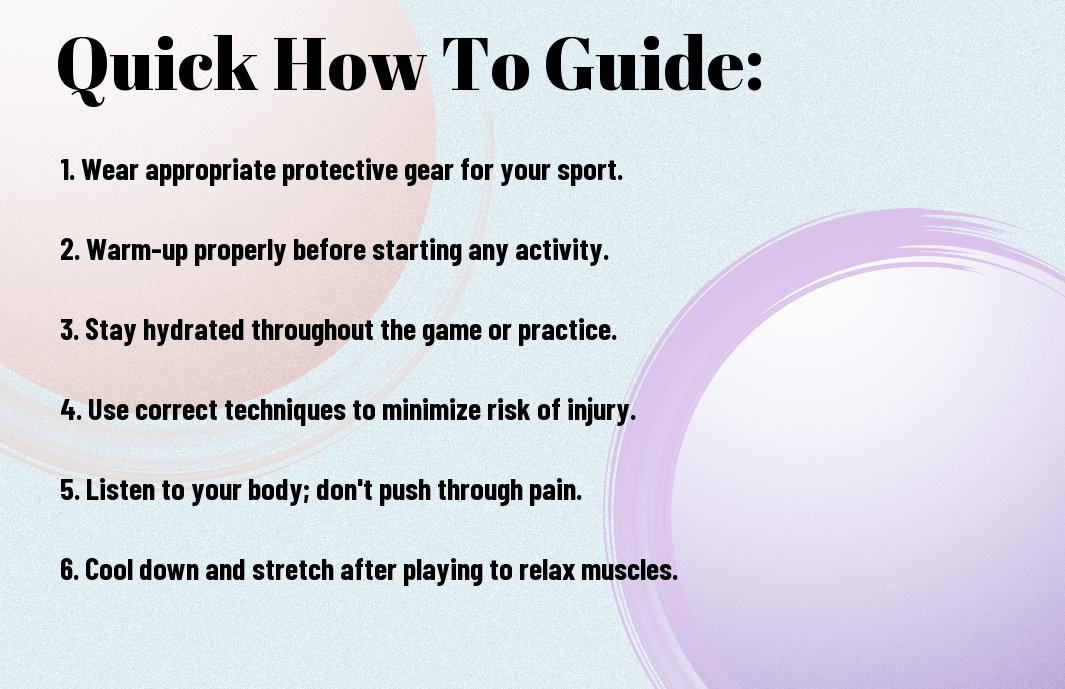
Now, implementing key strategies can significantly reduce your risk of injuries while playing sports. Here are some important tips to follow:

  • Always perform warm-up exercises before games.
  • Incorporate strength training into your routine.
  • Stay hydrated to maintain optimal performance.
  • Ensure proper technique during activities.
  • Listen to your body and rest when necessary.

After adopting these practices, you’ll enhance your safety and performance on the field.

Importance of Warm-Up and Cool Down

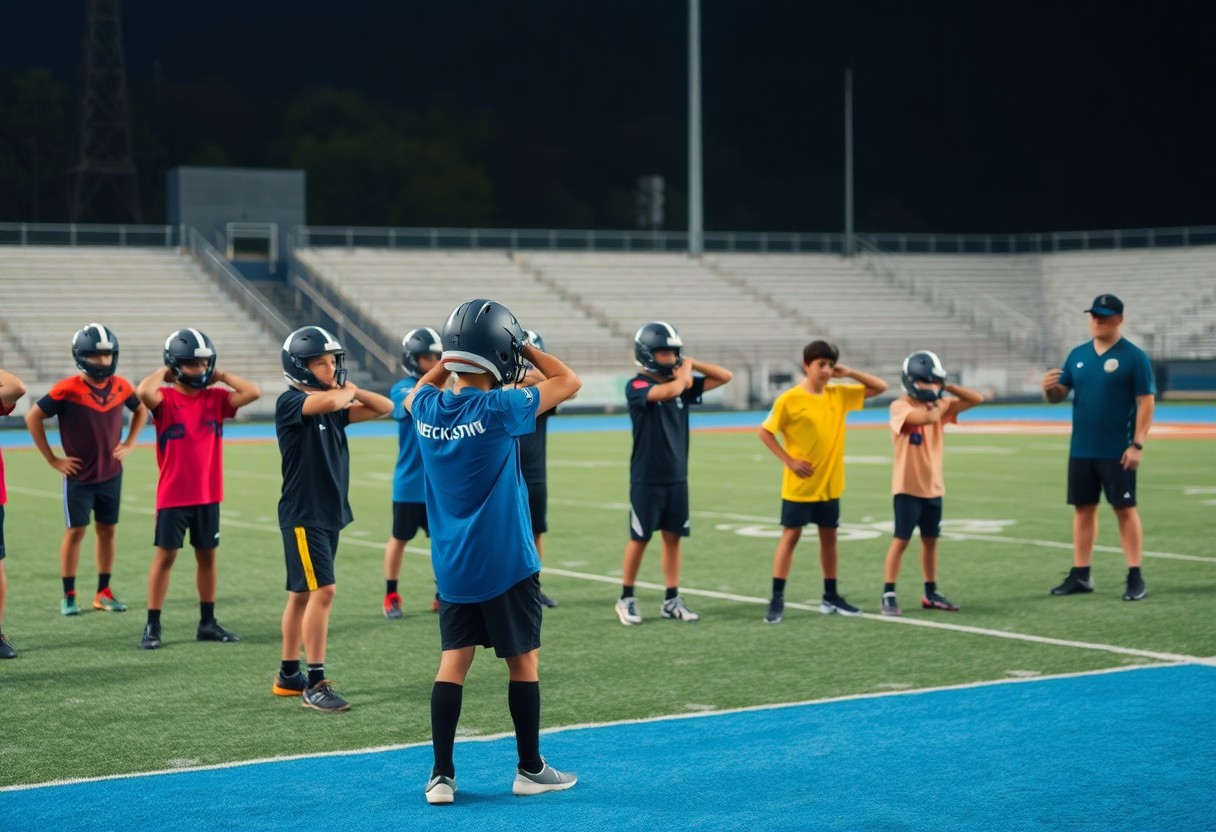
Some athletes overlook the importance of warming up and cooling down, but these practices are vital for injury prevention. A proper warm-up increases your heart rate and prepares your muscles for the physical demands ahead, while cooling down helps in the recovery process by gradually lowering your heart rate. Integrating these steps into your routine can make a significant difference in your overall injury risk.

Choosing the Right Equipment

Choosing the right equipment is important for injury prevention in sports. Wearing appropriate footwear, protective gear, and utilizing sports-specific equipment can create a safer playing environment, reducing the likelihood of injuries.

This means selecting shoes that provide adequate support and traction specific to your sport, as well as ensuring that any protective gear, such as helmets or pads, fits properly. You should also consider the condition of your equipment; worn-out gear can compromise your safety and effectiveness. Investing in the right equipment tailored to your needs is a proactive measure towards staying injury-free while enjoying your favorite sports activities.

Training and Conditioning Techniques

After establishing your athletic goals, effective training and conditioning techniques are necessary to preventing injuries while playing sports. Focus on developing a structured routine that includes a mix of endurance, strength, and agility workouts tailored to your specific sport. Prioritize rest and recovery to allow your body to adapt to the demands of your training, ultimately improving your performance and resilience on the field or court.

Developing a Balanced Training Regimen

You should incorporate different types of exercises into your training regimen, ensuring you engage all major muscle groups. Aim for a mix of cardiovascular workouts, strength training, and sport-specific drills to maintain overall fitness. This balanced approach will help prevent overuse injuries and improve your athletic abilities.

Incorporating Flexibility and Strength Exercises

You can significantly reduce your risk of injury by including flexibility and strength exercises in your routine. Stretching before and after workouts enhances your range of motion and prepares your muscles for activity, while strength training builds stability and support for your joints.

For instance, practicing dynamic stretching before practice or games can improve muscle elasticity and prepare your body for the demands of sports, while static stretching afterward promotes recovery and flexibility. Additionally, incorporating strength exercises that target the core, legs, and upper body can enhance stability and control, minimizing the likelihood of injuries during play. Simple activities like planks and lunges can significantly boost your strength base, providing a solid foundation for your athletic pursuits.

Maintaining Proper Technique

Your approach to maintaining proper technique is vital in preventing injuries while playing sports. Whether you’re a beginner or an experienced athlete, understanding the mechanics of your movements can help you minimize strain on your body. Focus on practicing the correct techniques consistently, as this builds muscle memory and enhances your performance. Moreover, staying aware of your form during games is imperative in avoiding bad habits that may lead to injuries.

Importance of Form and Technique

Technique plays a significant role in sports performance and injury prevention. Proper form not only improves your efficiency and effectiveness but also protects your body from undue stress and potential injuries. Mastering the fundamentals of your sport can help ensure that you engage the right muscles at the right time, which is critical for long-term athletic success.

Seeking Professional Guidance

An effective way to improve your technique is by seeking professional guidance from coaches or trainers. By working with experts, you can gain personalized feedback and learn the correct movements for your sport. This tailored approach helps identify any improper techniques you might be using and corrects them before they become habits.

It’s important to actively seek out opportunities for professional input. Consider enrolling in workshops, clinics, or one-on-one sessions with qualified coaches who specialize in your sport. They can provide immediate corrections and tailored advice that can dramatically improve your technique. Additionally, video analysis is also a valuable tool that trainers utilize, allowing you to visualize your performance and make informed adjustments. By investing effort in professional guidance, you’ll be taking a proactive approach toward injury prevention and enhancing your overall athletic performance.

Staying Hydrated and Fueling Your Body

Despite the demands of sporting activities, ensuring you stay properly hydrated and fueled is imperative for optimal performance and injury prevention. Adequate hydration helps maintain your energy levels, supports muscle function, and keeps your joints lubricated. Pairing proper hydration with a balanced diet will help you excel in your chosen sport and mitigate the risk of injuries.

Nutrition Tips for Athletes

Tips for fueling your body effectively include:

  • Consume a mix of carbohydrates, proteins, and healthy fats in your meals.
  • Focus on whole foods like fruits, vegetables, whole grains, and lean proteins.
  • Plan your meals around competition or training times for ideal energy levels.
  • Incorporate recovery snacks that include protein and carbohydrates.

The right nutrition not only enhances performance but also aids in recovery and reduces injury risk.

Staying Hydrated During Activity

To maintain optimal hydration during your activities, drink water consistently before, during, and after exercise. It’s imperative to listen to your body and hydrate according to the intensity and duration of your activity.

Hydrated athletes experience improved performance and reduced risk of fatigue-related injuries. Monitor your fluid intake by drinking water at regular intervals and considering sports drinks for prolonged activities. Aim to replenish fluids lost through sweat, especially in hot or high-intensity conditions. Always keep a water bottle handy to ensure you meet your hydration needs.

Recognizing and Addressing Early Signs of Injury

All athletes should be vigilant about recognizing early signs of injury, such as persistent pain, swelling, or decreased range of motion. Catching these symptoms early can help prevent more severe damage. By being proactive, you can maintain your athletic performance and enjoy your favorite sports safely. For more insights, check out 5 Tips for Preventing Sports-Related Injuries.

Understanding Pain Signals

You should pay close attention to your body’s pain signals. Distinguishing between normal soreness and pain indicating an injury is necessary. Normal muscle soreness usually appears after intense workouts but fades within a few days, while sharp or persistent pain could indicate a more serious problem that warrants immediate attention.

When to Seek Professional Help

The decision to seek professional help should be based on the severity and duration of your symptoms. If you experience sharp, consistent pain, swelling that does not subside, or if your joint feels unstable, it is advisable to consult a healthcare professional.

Seek prompt medical advice if you are struggling with any persistent symptoms that impede your ability to compete or practice. A qualified healthcare provider can offer a proper diagnosis and tailored recommendations for your recovery. Taking these initial steps can help minimize further damage and ensure you return to the game safely and effectively.

Summing up

Taking this into account, preventing injuries while playing sports relies on your awareness and preparation. Always warm up and cool down properly, use the right equipment, and stay hydrated. Pay attention to your body’s signals and rest when needed. Additionally, focus on proper techniques and, if possible, seek guidance from a coach or trainer. By taking these proactive steps, you can enjoy your activities while minimizing the risk of injury, ensuring a safer and more fulfilling sporting experience.

Q: What are some effective warm-up exercises to prevent injuries before playing sports?

A: Warming up effectively is imperative to prepare your body for physical activity and reduce the risk of injuries. Start with light aerobic activities like jogging or jumping jacks for 5-10 minutes to increase your heart rate and blood flow to your muscles. Following this, incorporate dynamic stretches such as leg swings, arm circles, and torso twists. These movements help improve your range of motion and activate the muscles you’ll be using during your sport. It’s important to gradually increase the intensity of your warm-up so your body adapts to higher levels of exertion.

Q: How can I choose the right equipment to minimize the risk of sports injuries?

A: Selecting the appropriate equipment is vital for injury prevention. Ensure that your footwear provides adequate support and cushioning for your sport; for example, basketball shoes offer ankle support while running shoes are designed for shock absorption. Additionally, consider protective gear such as helmets, pads, and mouthguards to safeguard against specific injuries. It’s also beneficial to have your equipment regularly checked for wear and tear, as well-maintained gear is less likely to fail during play and lead to injuries.

Q: What role does hydration play in preventing sports injuries?

A: Staying well-hydrated is imperative for overall athletic performance and injury prevention. Dehydration can lead to muscle cramps, fatigue, and decreased coordination, increasing the likelihood of injury. Before engaging in sports, drink water to maintain hydration levels, and continue to hydrate during and after the activity. If you are participating in prolonged or intense sports, consider electrolyte-replenishing drinks to help maintain your body’s balance of fluids and minerals. Monitoring your fluid intake and adjusting it according to the temperature and duration of the activity can help keep you performing at your best.

How to Mentally Recover from a Sports Injury

Just as physical rehabilitation is vital for getting back on the field, your mental recovery is equally important after experiencing a sports injury. Coping with the emotional aftermath can be challenging, but focusing on your mindset will aid in your overall healing process. This post aims to provide you with practical strategies to navigate the psychological hurdles and regain your confidence, allowing you to ultimately return to your sport stronger than ever.

Key Takeaways:

  • Accept the reality of your injury and give yourself permission to feel the range of emotions that accompany recovery.
  • Focus on what you can control, such as rehabilitation exercises, nutrition, and hydration, to maintain a positive mindset.
  • Set achievable goals for your recovery process, allowing you to track progress and celebrate small victories along the way.
  • Utilize mental strategies such as visualization and mindfulness to enhance your mental resilience during the healing journey.
  • Seek support from coaches, teammates, or mental health professionals to provide guidance and encouragement throughout your recovery.

Understanding the Mental Impact of Sports Injuries

For athletes, dealing with a sports injury goes beyond the physical pain; it also affects your mental state. The period of rehabilitation can often feel isolating and challenging as you navigate feelings of frustration, anxiety, or even sadness. Understanding these mental impacts is crucial in acknowledging your feelings and moving towards a healthier mental recovery process.

Emotional Stages of Recovery

Before you can truly heal, it’s important to recognize that your recovery journey will involve various emotional stages. You may cycle through disbelief, anger, bargaining, sadness, and acceptance as you process your situation. Acknowledging these stages empowers you to address your emotions and develop coping strategies tailored to each phase.

The Importance of Mental Health in Sports

Above physical recovery, your mental health significantly influences your performance and well-being as an athlete. Prioritizing your mental state enables you to face challenges with resilience, promoting not just recovery but also a deeper understanding of your sport and yourself.

Mental health is interwoven with your athletic identity; it affects your motivation, focus, and overall performance. Ignoring mental well-being can lead to setbacks, prolonging your recovery. By actively engaging with mental health practices, you maintain a positive outlook and build resilience, ultimately enhancing your future performance and enjoyment in your sport.

Building a Support System

If you’re recovering from a sports injury, building a strong support system can significantly enhance your mental resilience. Surrounding yourself with people who understand your situation can help you navigate the emotional ups and downs, provide motivation, and reduce feelings of isolation. This network can include coaches, trainers, family, and friends who are willing to support your recovery journey, ensuring you remain engaged and focused on your goals.

Role of Coaches and Trainers

One of the most important aspects of your recovery can be the involvement of coaches and trainers. They not only provide guidance on physical rehabilitation but also help you develop a positive mindset. Their expertise and encouragement can be invaluable in maintaining your motivation and setting realistic goals for your return to sport.

Involvement of Family and Friends

Role of supportive family and friends in your recovery journey cannot be understated. They can offer emotional support, listen to your concerns, or simply keep you company during rehabilitation sessions. Having loved ones involved means you’ll have encouragement to stay positive, making it easier to cope with the challenges of recovery.

At times, the emotional burden of an injury can feel overwhelming, but having family and friends by your side can make a significant difference. They can help you celebrate small victories along the way, assist with daily tasks, and provide distractions that lift your spirits. Open communication with your support network enables you to share your feelings and frustrations, allowing you to process the emotional aspects of your recovery effectively.

Developing Coping Strategies

After experiencing a sports injury, developing effective coping strategies is key to maintaining your mental health. These strategies help you navigate the emotional complexities of recovery, allowing you to regain focus and motivation. Engage in activities that foster positive thinking and resilience, such as creating a daily routine or setting achievable goals. This approach not only aids your recovery process but also instills a sense of normalcy during a challenging time.

Mindfulness and Meditation Techniques

For many athletes, incorporating mindfulness and meditation techniques can significantly aid in recovery. These practices encourage you to stay present and cultivate awareness of your thoughts and feelings, which can alleviate anxiety and frustration during your healing journey. Simple techniques like deep breathing or guided meditation can help you find clarity and peace, ultimately enhancing your emotional resilience.

Journaling as a Tool for Recovery

Above all, journaling can be an effective tool for your recovery. Writing down your thoughts, feelings, and experiences allows you to process emotions related to your injury while also tracking your progress and goals. This practice not only provides an outlet for self-expression, but it can also help you clarify your mindset and motivations as you work towards healing.

But journaling goes beyond mere reflection; it can become a powerful catalyst for growth and transformation during your recovery. By documenting both challenges and victories, you create a tangible record of your journey, fostering a deeper connection between your physical and mental states. This can empower you to stay focused on your goals, enhancing your motivation and commitment as you navigate through the ups and downs of your recovery process.

Setting Realistic Recovery Goals

Keep your recovery journey positive by setting realistic goals. Establishing achievable milestones can help you stay motivated and focused throughout the rehabilitation process. This approach allows you to celebrate small victories, making the recovery experience more rewarding. For additional insights, check out How to cope with long-term injury | LIFESTYLE.

Short-term vs Long-term Goals

About creating distinct short-term and long-term goals is imperative in your recovery plan. Short-term goals serve as immediate targets that keep you engaged, while long-term goals offer an overarching vision for full recovery. By balancing both, you maintain momentum and perspective as you progress through your rehabilitation.

Tracking Progress

Along your recovery journey, tracking your progress can significantly enhance your motivation and focus. By documenting your accomplishments, no matter how small, you can evaluate what works best for you while identifying areas that may need more attention. This practice enables you to adjust your recovery plan based on real-time feedback.

Hence, maintaining a journal or using apps designed for tracking your progress can be beneficial. Not only will this help you visualize the improvements you are making, but it also provides valuable insight into your mental state as you move forward. This reflection can help foster a sense of accomplishment and propel you through challenging days.

Engaging in Rehabilitation Activities

Many athletes find themselves unsure of the path to recovery after an injury. Engaging in rehabilitation activities is imperative not only for physical recovery but also for maintaining your mental well-being. By participating in tailored exercises and routines, you can regain a sense of control and purpose, which significantly aids your mental recovery process. This structured approach can keep you motivated and focused on your goals, helping you reconnect with your athletic identity as you progress towards healing.

Physical Therapy and Its Psychological Benefits

Benefits of physical therapy extend beyond physical recovery; it also plays a vital role in your psychological well-being. Engaging in guided sessions allows you to work closely with professionals who provide support and encouragement. This interaction fosters a positive mindset and helps reduce feelings of isolation. Furthermore, as you see improvements in your physical abilities, your confidence and motivation can significantly boost your overall mental state.

Visualization Techniques

At the heart of mental recovery are visualization techniques, which can serve as a powerful tool in your rehabilitation toolkit. These techniques involve imagining yourself fully healed, performing well, and returning to your sport with confidence. By repeatedly visualizing successful movements and scenarios, you can strengthen neural pathways in your brain that facilitate actual performance. This mental rehearsal can help alleviate anxiety and can set a positive tone for the physical recovery process.

In addition to boosting confidence, visualization techniques promote a deeper connection between your mind and body. Engaging in imagery related to your sport can enhance focus and concentration while you recover, allowing you to mentally rehearse your skills and strategy. Dedicate time each day to quiet reflection and guided imagery, where you vividly picture your return to sporting activities. This practice not only nurtures your psychological resilience but also prepares you for the physical demands of your sport once you’re cleared to return. Consistently incorporating these techniques into your routine will support a more holistic healing process.

Returning to Sport

Once again, stepping back into the world of sports after an injury can feel daunting. It’s important to approach this phase with patience and a positive mindset. Focus on rebuilding your confidence by setting small, achievable goals. Consider exploring 7 Tips For Recovering Mentally After A Sports Injury that can help guide you through this transition smoothly.

Gradual Reintegration into Training

Behind every successful return to sport is a well-planned reintegration strategy. Begin with lighter training sessions and gradually increase intensity as you regain your strength and confidence. Stay attuned to how your body responds and don’t hesitate to adjust your training schedule as needed.

Managing Fear of Re-Injury

After enduring an injury, it’s natural to experience anxiety about re-injury. This fear can be overwhelming and impact your performance. Acknowledge these feelings and give yourself time to process them.

Training your mind is just as important as training your body. Channel your fears into focused preparations, utilizing visualization techniques and positive self-talk to alleviate anxiety about re-injury. Stay engaged with your support system, including coaches and teammates, who can provide encouragement and reassurance. With time and perseverance, you will rebuild your confidence and fully embrace the joy of your sport once more.

Final Words

Presently, as you navigate your recovery from a sports injury, it’s crucial to prioritize your mental well-being alongside physical healing. Embrace patience, maintain open communication with your support network, and actively engage in visualization and relaxation techniques. Set realistic goals, celebrate small achievements, and consider speaking with a mental health professional if feelings of anxiety or frustration arise. Ultimately, this journey not only strengthens your resilience but also prepares you for future challenges in your athletic career.

FAQ

Q: What are the initial steps I should take to start my mental recovery after a sports injury?

A: The initial steps to begin your mental recovery involve acknowledging the injury and its impact on your life. Allow yourself to experience the range of emotions that come with it, such as frustration, sadness, or anger. It can help to talk to someone who understands, like a coach, teammate, or therapist. Additionally, focus on what you can control during this time. Setting small, achievable goals related to your rehabilitation can foster a sense of accomplishment and restore some of your confidence.

Q: How can I maintain a positive mindset during my recovery process?

A: Maintaining a positive mindset during recovery can be achieved through visualization and positive self-talk. Practice visualizing your successful return to the sport and the enjoyment it brings you. Surround yourself with supportive people who encourage you, and stay away from negative influences that can drain your motivation. Additionally, engage in activities outside of your sport that bring you joy and fulfillment, as this can shift your focus from the injury and promote emotional well-being.

Q: When is the right time to reintroduce myself to my sport after an injury?

A: The right time to reintroduce yourself to your sport varies from person to person and should be determined in consultation with your medical team or physical therapist. Listen to your body’s signals and gradually test your limits. It can be helpful to set a timeline based on your physical progress rather than adhering strictly to a predetermined schedule. Transitioning back into practice or participation should involve a gradual increase in intensity and should prioritize your mental comfort with the activity as well.

Skip to content