flexibility

How to Improve Your Flexibility for Better Sports Performance

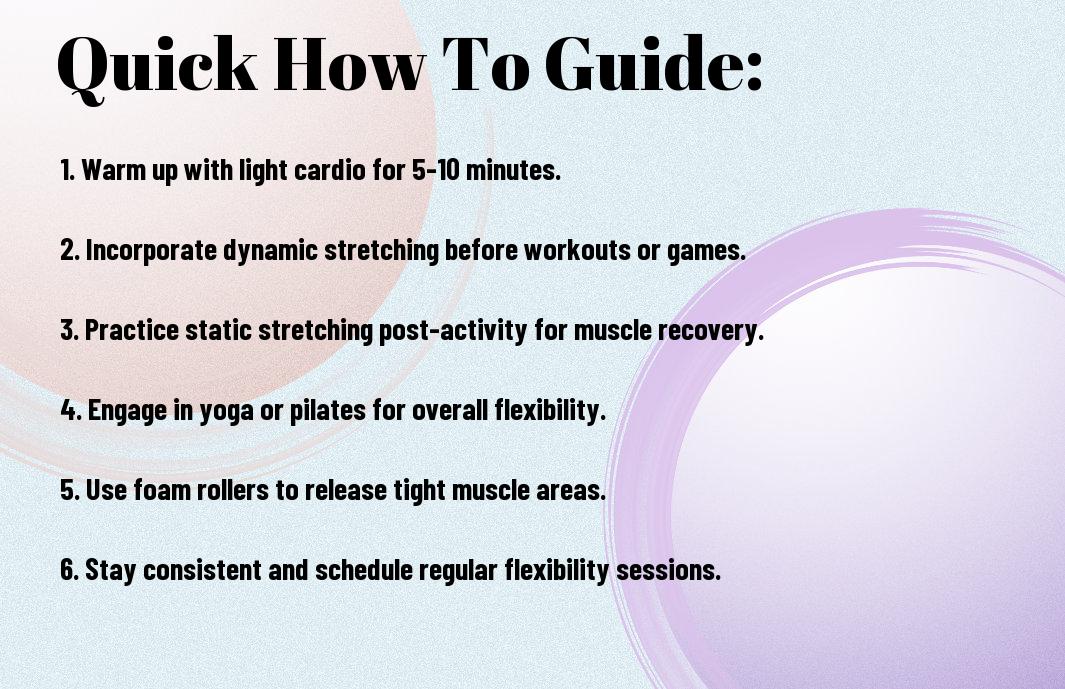
Many athletes overlook the importance of flexibility when it comes to enhancing their performance in sports. Improved flexibility not only helps to prevent injuries but also allows you to move more freely and efficiently during your activities. This guide will provide you with practical tips and techniques to increase your flexibility, ensuring you reach your full potential on the field, court, or track. Embrace these strategies, and watch how your athletic abilities soar as you achieve greater range of motion and overall performance.

Key Takeaways:

  • Dynamic Stretching: Incorporate dynamic stretching routines before workouts and games to enhance range of motion and prepare muscles for activity.
  • Consistency: Establish a regular stretching schedule to gradually improve flexibility; consistency is key to long-term gains.
  • Targeted Stretching: Focus on specific muscle groups used in your sport to improve performance and prevent injury.
  • Strength Training: Integrate strength training exercises to support flexibility, ensuring that muscles are strong enough to handle increased range of motion.
  • Cool Down: Utilize static stretching during cool-down sessions to enhance flexibility and promote recovery after intense physical activity.

Understanding Flexibility

To enhance your sports performance, it’s crucial to grasp the concept of flexibility. Flexibility refers to the range of motion in your joints and muscles, affecting how well you can perform various movements. If you’re looking for 6 Simple Ways to Increase Your Flexibility, implementing these techniques into your routine can help prevent injuries and improve your overall athletic capabilities.

Definition of Flexibility

One of the most fundamental aspects of flexibility is that it measures how far your muscles can stretch and how well your joints can move. This characteristic is vital for executing various physical activities, as it directly influences your ability to perform movements effectively and efficiently.

Importance of Flexibility in Sports

Definition: Flexibility plays a significant role in sports, impacting your performance level. It is not just about being able to touch your toes; improved flexibility can enhance your body control, make your movements more efficient, and minimize the risk of injuries during activities.

This relevance of flexibility in sports extends to various disciplines, as it allows you to reach and maintain optimal positions while executing techniques. When your body is adequately flexible, you can achieve a deeper range of motion, contributing to better strength and overall performance. Consequently, prioritizing flexibility training can lead to noticeable improvements in your agility, coordination, and balance, ultimately making you a more effective athlete.
Factors Affecting Flexibility

The ability to achieve flexibility is influenced by several factors that can vary from individual to individual. Some of these factors include:

  • Genetics
  • Age
  • Gender
  • Activity level
  • Body temperature
  • Injury history

This understanding can help you tailor your flexibility training for optimal sports performance.

Age and Gender

On average, flexibility tends to decline with age, impacting performance in sports. Moreover, studies indicate that females often possess greater flexibility than males, largely due to physiological differences. This means that athletic training and recovery strategies should be customized based on your age and gender for best results.

Muscle Temperature and Hydration

Impact of Muscle Temperature and Hydration

Factor Effect on Flexibility
Muscle Temperature Warmer muscles improve elasticity, enhancing overall flexibility.
Hydration Well-hydrated muscles maintain optimal function, thus improving flexibility.

Even slight increases in muscle temperature through warm-up can significantly enhance your flexibility. Additionally, staying hydrated is vital, as dehydration can lead to muscle stiffness and cramping, which negatively impacts your flexibility.

More on Muscle Temperature and Hydration

Condition Improvement Method
Cold Muscles Perform dynamic stretches or brief aerobic exercises to warm up.
Dehydration Ensure consistent fluid intake throughout the day.

It’s imperative to incorporate proper warm-up routines before exercising to raise your muscle temperature, which can enhance your flexibility. Additionally, aim to hydrate adequately, as this habit helps keep your muscles supple and resilient, which is vital for peak performance.

How to Assess Your Flexibility

Once again, evaluating your flexibility is crucial to enhancing your sports performance. By understanding your current flexibility levels, you can pinpoint areas that require improvement and tailor your training regimen accordingly. This assessment can help you set realistic goals and track your progress over time, ensuring that you’re on the path to becoming more agile and versatile in your chosen sport.

Self-Assessment Techniques

Techniques for self-assessing your flexibility can be simple yet effective. You can start with basic stretches and measure the range of motion in different parts of your body. Exercises like the sit-and-reach test or shoulder flexibility assessment provide a clear indication of your flexibility levels, enabling you to identify which specific areas need more attention during your training.

Professional Evaluation

Assess your flexibility with the help of a professional evaluation for a more comprehensive understanding. A certified trainer or physical therapist can conduct detailed tests to evaluate your range of motion accurately. They often use specific tools and techniques that provide insights into your flexibility performance across various muscle groups.

To undergo a professional evaluation, you might consider setting an appointment with a sports therapist or a certified personal trainer. They’ll perform a series of assessments tailored to your sport and can identify any imbalances or tight areas that may hinder your performance. The feedback you receive can help shape your training plan by highlighting areas for focused improvement and preventing potential injuries related to flexibility deficits.
Techniques to Improve Flexibility

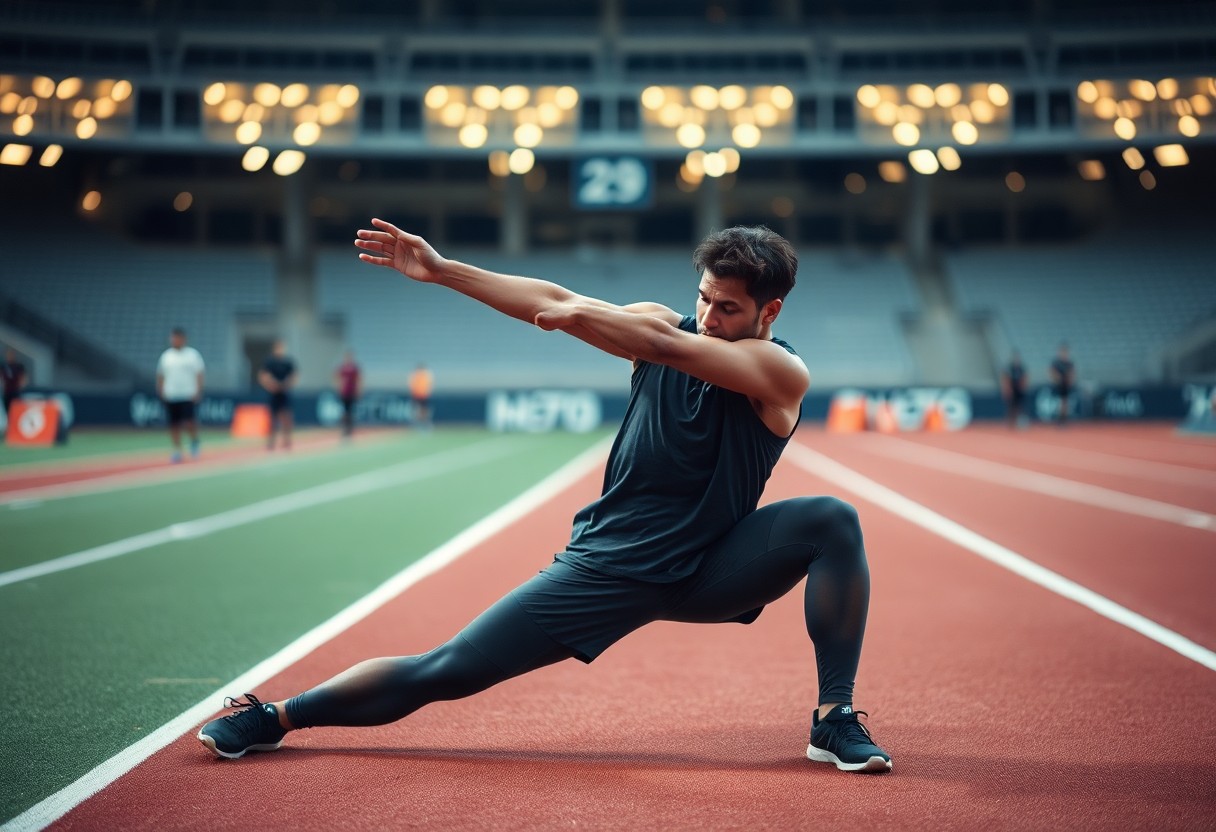
Despite common misconceptions, improving your flexibility doesn’t require exhaustive routines. Instead, incorporating a variety of techniques can significantly enhance your range of motion and sports performance. By implementing static and dynamic stretching into your training regimen, you can effectively target different muscle groups and achieve better results. Each method serves its purpose, addressing both flexibility and overall athletic capability. 

Static Stretching

Assuming you want to increase your flexibility, static stretching is an effective method to include in your routine. This technique involves holding stretches for an extended period, typically 15 to 60 seconds, which allows your muscles to relax and lengthen. To maximize benefits, focus on major muscle groups and ensure the stretches are performed gently to avoid injury.

Dynamic Stretching

Stretching through dynamic movements can significantly boost your flexibility while preparing your body for physical activity. Unlike static stretching, dynamic stretching involves controlled movements that improve the range of motion and increase blood flow to your muscles. Incorporating exercises such as leg swings, arm circles, or walking lunges into your warm-up can enhance your athletic performance and reduce the risk of injury.

Understanding the role of dynamic stretching is fundamental to enhancing your overall flexibility. As it mimics the motions of your sports activity, dynamic stretching helps activate muscles and improve coordination, making it an ideal precursor to your workouts or competitions. By engaging in these movements, you not only enhance flexibility but also boost your athletic performance, making you better prepared for the demands of your sport.

Tips for Consistent Flexibility Training

Now, establishing a regular flexibility training routine can significantly enhance your sports performance. To stay consistent, consider the following tips:

  • Schedule dedicated flexibility sessions each week.
  • Incorporate various stretching techniques like static, dynamic, and PNF stretches.
  • Use tools such as foam rollers or resistance bands to aid your training.
  • Stay motivated by tracking your progress and celebrating improvements.

Perceiving flexibility training as an integral part of your overall fitness plan will keep you engaged and committed.

Setting Realistic Goals

For effective flexibility training, it is vital to set realistic and attainable goals. Start by assessing your current flexibility levels and identify specific areas that need improvement. Aim for gradual progress by establishing short-term and long-term objectives that accommodate your sporting needs. Being patient and positive during your journey can foster motivation and encourage consistency in your training.

Incorporating Flexibility into Routine

Assuming you’re already following a workout regimen, integrating flexibility training can enhance your overall performance. Begin by allocating time within your existing schedule, such as incorporating stretching exercises at the end of your workouts or on rest days. Taking advantage of your warm-up and cool-down periods will also maximize the benefits of flexibility training without requiring additional time commitments.

Goals focused on enhancing flexibility can be seamlessly woven into your existing routine, allowing you to reap the benefits without feeling overwhelmed. For example, dedicating just 15 minutes post-workout for targeted stretches can make a significant difference. Additionally, consider introducing short stretching sessions throughout your day, whether at work or during breaks. By making flexibility practice a regular and manageable part of your life, you equip yourself with the tools for improved performance and a reduced risk of injury.

Other Considerations for Athletes

All aspects of your training program significantly impact your flexibility and overall sports performance. From understanding the significance of proper nutrition and recovery to incorporating cross-training, these elements create a well-rounded approach to enhancing your athletic capabilities. Addressing these considerations not only helps improve your flexibility but also promotes longevity and reduces the risk of injuries in your sport.

Nutrition and Recovery

For optimal flexibility and performance, you should prioritize a balanced diet rich in vital nutrients and adequate hydration. Consuming protein aids in muscle repair, while healthy fats and carbohydrates support energy levels. Additionally, integrating recovery methods such as proper sleep, stretching, and foam rolling will enhance your flexibility gains, allowing you to perform at your best.

Role of Cross-Training

One effective way to boost your flexibility and athletic performance is through cross-training, which involves engaging in different sports or exercises outside your primary discipline.

This approach not only reduces the likelihood of overuse injuries by varying your workout routine, but it also helps strengthen different muscle groups, which can enhance your overall flexibility. By participating in activities like swimming, yoga, or cycling, you promote a balanced development of your body, improving your mobility and coordination, and ultimately contributing to better performance in your main sport.

Summing up

Considering all points, enhancing your flexibility can significantly boost your sports performance. By incorporating a consistent stretching routine, practicing dynamic movements, and emphasizing recovery techniques, you create a foundation for better agility, strength, and injury resistance. Tailor your flexibility training to your specific sport and listen to your body to avoid overexertion. With dedication and the right approach, you will see improvements that contribute to your overall athletic success.

Q: What are some effective stretching techniques to improve flexibility for sports performance?

A: To enhance flexibility, incorporate a mix of dynamic and static stretching into your training routine. Dynamic stretches such as leg swings, arm circles, and walking lunges prepare your muscles for activity. Static stretches, including hamstring stretches, quadriceps stretches, and shoulder stretches, can be performed post-workout to help lengthen muscles. Focusing on major muscle groups relevant to your sport can be particularly beneficial for overall athletic performance.

Q: How often should I stretch to see improvements in my flexibility?

A: Aim to stretch at least three to four times a week. For optimal results, include both dynamic stretching as part of your warm-up and static stretching in your cool-down routine. Consistency is key; even short sessions of 10-15 minutes can lead to significant improvements over time. Listening to your body and adjusting the intensity and duration of stretching based on your comfort level will further enhance your progress.

Q: Are there any additional exercises to include in my routine to support flexibility improvement?

A: Yes, incorporating activities such as yoga or Pilates can be highly beneficial for increasing flexibility. These practices focus on lengthening muscles while promoting balance and core strength. Additionally, foam rolling can aid in muscle recovery and improve range of motion by releasing tension in tight areas. Engaging in sports-specific drills that emphasize flexibility, such as gymnastics or dance movements, can also contribute to enhanced performance in your primary sport.
The Best Sports for Improving Flexibility

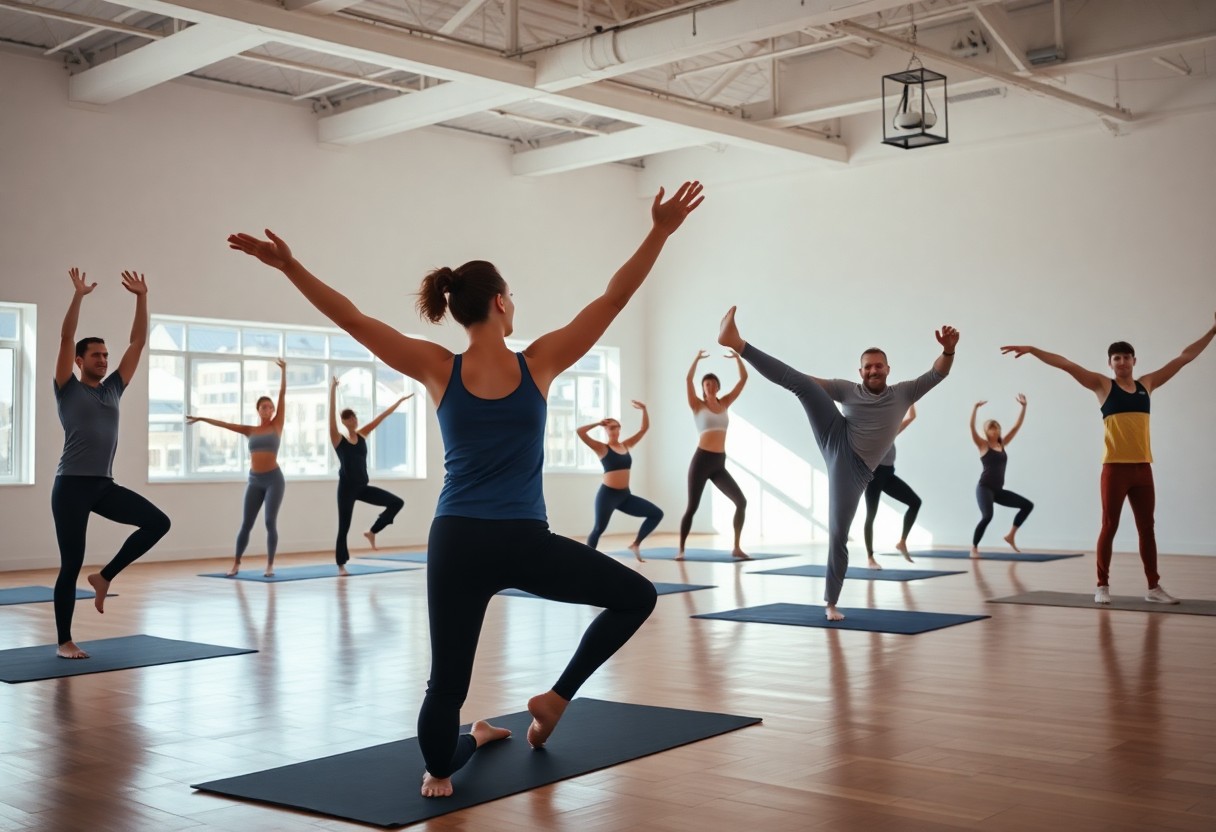
Sports that prioritize movement and range of motion can significantly enhance your flexibility. Engaging in activities like yoga, gymnastics, and martial arts not only challenges your body but also promotes longer, leaner muscles. By incorporating these sports into your routine, you can increase your overall flexibility, helping you perform better in both athletic and everyday activities. In this blog post, you will discover the best sports options that can aid you in your flexibility journey, ensuring that you stay agile and mobile.

Key Takeaways:

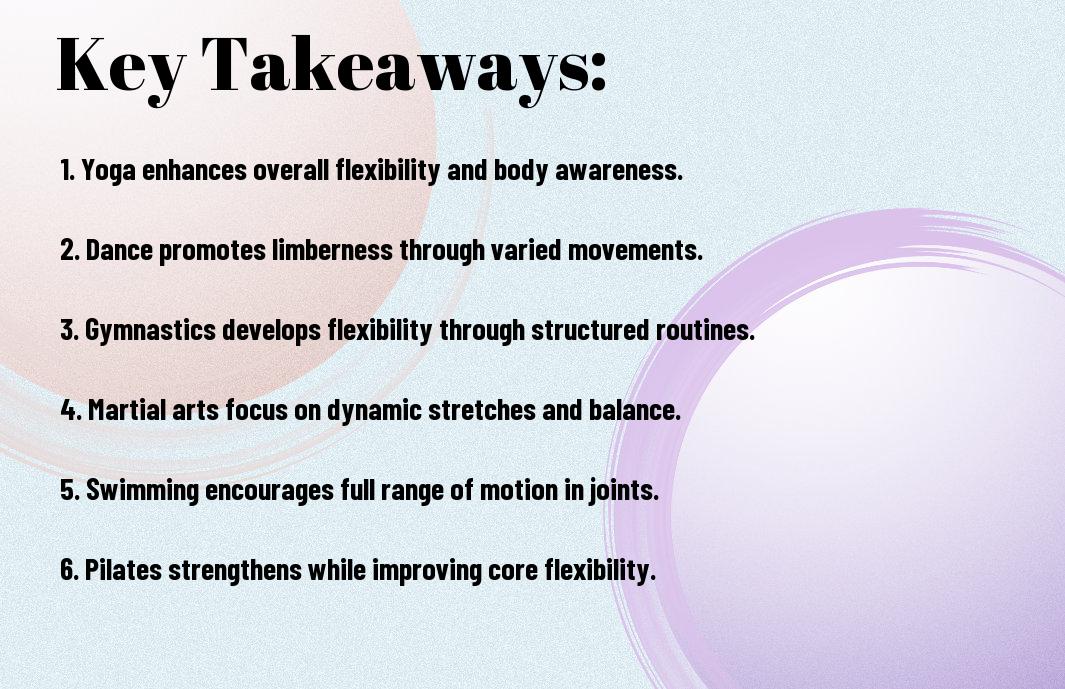
  • Yoga: A holistic practice that enhances flexibility through various poses and stretches, promoting muscle elasticity and joint health.
  • Gymnastics: Involves a series of stretches and movements that demand a high level of flexibility, aiding in the development of strength alongside flexibility.
  • Dance: Different styles of dance, such as ballet and contemporary, require significant flexibility, improving range of motion and overall body control.
  • Martial Arts: Techniques in disciplines like Taekwondo and Karate involve extensive stretching routines that can greatly enhance flexibility and balance.
  • Swimming: Engages different muscle groups and encourages a full range of motion, helping to improve flexibility while providing a low-impact workout.

Benefits of Improved Flexibility

A greater range of motion can significantly enhance your quality of life. Improved flexibility contributes to better posture, increased blood circulation, and a heightened sense of body awareness, all of which can boost your overall well-being. Embracing flexibility training not only aids in sports performance but also plays a vital role in daily activities. By committing to flexibility work, you can enjoy a more mobile, healthier lifestyle.

Injury Prevention

Any athlete or active individual will attest to the importance of flexibility in reducing the risk of injuries. When your muscles and joints are flexible, they are less likely to become strained or overextended during physical activities. Incorporating flexibility exercises into your routine helps maintain muscle elasticity, supports joint stability, and can minimize discomfort while engaging in sports or workouts.

Enhanced Athletic Performance

About flexibility, it plays an integral role in maximizing your athletic capabilities. When you improve your flexibility, you enhance your ability to move dynamically, using your full range of motion effectively. This allows you to perform exercises and sports movements with greater ease and efficiency.

This improved athletic performance not only contributes to better strength, but it also aids in agility and balance. For example, athletes who can stretch their muscles more completely can execute complex moves with precision, translating to better results in their chosen sports. Consequently, investing time in flexibility training can lead to superior overall performance, ensuring you reach your fitness goals.

Sports That Promote Flexibility

If you’re looking to enhance your flexibility, engaging in specific sports can be highly beneficial. Each sport not only challenges your body but also allows for a gradual increase in the range of motion. Incorporating activities like yoga, gymnastics, dance, and martial arts into your routine can significantly improve your flexibility, ensuring that you feel more comfortable and agile in your daily activities.

Yoga

Against common belief, yoga is not just about relaxation; it’s a powerful tool for improving flexibility. The various postures and stretches target all major muscle groups, gradually enhancing your muscle elasticity and overall range of motion.

Gymnastics

Beside yoga, gymnastics stands out as another excellent sport for flexibility enhancement. It incorporates various dynamic movements that require you to stretch and strengthen your muscles simultaneously, promoting a greater range of motion.

At every level of gymnastics, flexibility plays a pivotal role. Whether you’re executing a floor routine or performing on the balance beam, each skill challenges your body to stretch and adapt. The emphasis on splits, bridges, and various other stretches allows you to develop flexibility progressively while also improving your strength, coordination, and balance.

Dance

Around the world, dance is celebrated not just as an art form but also as a phenomenal way to boost flexibility. Styles such as ballet, contemporary, and even hip-hop all incorporate stretches that enhance your muscle and joint flexibility.

This fusion of movement and rhythm means that dance becomes a fun and expressive way to improve your flexibility. Regular participation in dance classes can lead to significant gains in your flexibility, as certain techniques require extensive stretching and body control. The fluidity of movement encourages you to push your limits while maintaining grace and poise.

Martial Arts

Flexibility is a fundamental component in martial arts training. Each discipline, be it karate, taekwondo, or judo, focuses on skill sets that include dynamic kicks, stances, and ground movements – all of which inherently promote flexibility.

Further, martial arts training often includes warm-up routines and specific stretching exercises designed to enhance your overall flexibility. As you progress through different ranks, you’ll notice increased ease in performing high kicks and complex moves, allowing you to become more agile and versatile in your martial arts practice. This not only helps in martial arts but also benefits your overall physical health and mobility in day-to-day life.

Stretching Techniques for Flexibility

Now, enhancing your flexibility requires incorporating effective stretching techniques into your routine. These techniques can not only improve your range of motion but also enhance your overall athletic performance and reduce the risk of injuries. By understanding and applying different methods, you can tailor your stretching approach to suit your personal needs and goals.

Dynamic Stretching

Against traditional static stretches, dynamic stretching involves controlled movements that increase your heart rate and mobility before physical activities. These stretches incorporate movements that mimic the activity you’re about to perform, effectively warming up your muscles and preparing them for the workout ahead.

Static Stretching

Dynamic stretching focuses on movement, whereas static stretching involves holding a stretch for a fixed period, typically 15 to 60 seconds. This technique targets specific muscles, allowing them to elongate and relax. It’s most effective when performed after your workout, aiding in muscle recovery and reducing soreness. By incorporating static stretching into your routine, you contribute to long-term improvements in your flexibility.

Stretching not only enhances your flexibility but can also benefit your mental well-being by promoting relaxation and reducing tension. When you engage in static stretching, focus on deep, even breaths to align your mind and body. Consistent practice of this technique can lead to significant increases in your muscle elasticity, benefiting your athletic pursuits and daily activities alike.

Incorporating Flexibility Training into Routine

For optimal results, it’s crucial to incorporate flexibility training into your regular workout routine. Dedicating time to stretch and enhance your range of motion not only helps in injury prevention but also improves overall athletic performance. Aim for a consistent practice, whether it’s during warm-ups, cool-downs, or as a separate session, to reap the full benefits of increased flexibility.

Frequency and Duration

To effectively improve your flexibility, aim to perform flexibility training at least three to four times a week. Each session should last between 15 to 30 minutes, focusing on all major muscle groups. This frequency allows your muscles to adapt and elongate over time, enhancing your overall flexibility and mobility.

Combining with Other Workouts

Routine flexibility training can be seamlessly integrated with other workout sessions, enhancing the effectiveness of your overall fitness regimen. By incorporating stretching into your strength training or cardiovascular workouts, you can effectively increase blood circulation, promote muscle recovery, and prevent stiffness post-exercise.

Hence, blending flexibility training with other workouts creates a comprehensive fitness program that addresses multiple aspects of physical health. For instance, consider doing dynamic stretches before your strength routine, followed by static stretching afterward. This approach not only helps you maintain flexibility but also reduces the risk of injury and promotes better muscle coordination, leading to improved performance in your primary workouts.

Common Mistakes in Flexibility Training

Your journey to improved flexibility can be hindered by a few common mistakes. Many individuals overlook important aspects of their training, leading to ineffective results or even injury. By being aware of these pitfalls, you can enhance your flexibility routine and enjoy the benefits without setbacks.

Overstretching

Across the flexibility training landscape, overstretching is a prevalent issue. While pushing your limits can feel rewarding, going too far too fast can lead to muscle strains or injuries. It’s crucial to listen to your body and increase flexibility gradually to achieve sustainable progress.

Neglecting Warm-up

At the beginning of your flexibility training, neglecting a proper warm-up can significantly impede your progress. Engaging in dynamic movements before stretching prepares your muscles and joints, promoting better range of motion and reducing injury risk.

Neglecting a warm-up routine deprives your muscles of the necessary blood flow and elasticity needed for effective stretching. Incorporating a light activity such as jogging or jumping jacks for 5-10 minutes increases your heart rate, which helps to warm up the body. This simple approach can vastly improve your flexibility training outcomes while safeguarding against potential injuries.

Monitoring Progress in Flexibility

Keep track of your flexibility improvements by regularly assessing your range of motion and body movements. Monitoring progress not only motivates you but also helps you identify areas where additional focus is needed. Incorporate a flexible routine that includes periodic tests, documenting your achievements along the way. This will provide you with a clearer understanding of your growth in flexibility and help you adjust your training methods as necessary.

Flexibility Tests

Flexibility tests are crucial tools for assessing your current range of motion. Simple assessments like the sit-and-reach test or shoulder flexibility test can reveal key insights into your flexibility levels. Performing these tests on a regular basis allows you to see how your efforts translate into measurable improvements over time and identify specific areas for targeted work.

Setting Realistic Goals

Above all, it’s vital to set realistic goals for your flexibility journey. Establishing achievable benchmarks can help you maintain motivation and focus as you work towards enhancing your flexibility. Challenging yourself is important, but ensuring that your goals are attainable will lead to more satisfaction and fewer frustrations along the way.

At the outset, consider your current flexibility level and select goals that take your experience into account. For example, if your range of motion is limited, aim for gradual improvements, such as increasing your stretch duration or achieving a deeper bend in specific exercises. Progress may be slow, but celebrating small victories will keep you encouraged and committed to your flexibility routine, fostering a positive attitude towards your growth.

Final Words

With these considerations, you can effectively enhance your flexibility through specific sports and activities. Incorporating practices like yoga, gymnastics, dance, or martial arts into your routine can lead to significant improvements in your range of motion and overall performance. By committing to these disciplines, you will not only increase your flexibility but also contribute to injury prevention and better athletic performance. Choose the sport that resonates with you, and enjoy the journey towards greater flexibility!

FAQ

Q: What are some of the best sports for improving flexibility?

A: Many sports focus on enhancing flexibility, such as gymnastics, dance, yoga, and martial arts. Gymnastics requires a wide range of motion for various maneuvers, while dance incorporates diverse movements that promote flexibility in both the upper and lower body. Yoga emphasizes stretching and breathing, providing a holistic approach to enhancing flexibility. Martial arts often incorporate stretching routines and techniques that enhance agility and flexibility, making them effective for individuals looking to improve their range of motion.

Q: How does practicing yoga contribute to flexibility improvement?

A: Yoga combines physical postures with breath control and meditation, which together help enhance flexibility effectively. The various asanas or poses in yoga target specific muscle groups and promote deeper stretches. Regular practice encourages gradual lengthening of muscles and tendons, improving range of motion over time. Additionally, the focus on alignment and body awareness in yoga helps practitioners avoid injury while working towards greater flexibility.

Q: Can flexibility training from sports improve overall athletic performance?

A: Yes, improved flexibility from sports training can lead to enhanced athletic performance. Increased flexibility allows for better joint mobility, which can improve speed, agility, and coordination in various sports. It also reduces the risk of injury by allowing muscles and joints to move through a full range of motion without strain. This is particularly beneficial in activities where explosive movements and quick changes of direction are crucial. Moreover, flexibility training can aid in faster recovery post-exercise, allowing athletes to train more effectively.

How to Improve Your Flexibility for Sports

Most athletes understand that flexibility plays a significant role in enhancing performance and reducing the risk of injury during sports activities. Improving your flexibility can lead to better range of motion, increased agility, and improved overall athletic ability. In this post, you’ll discover effective techniques and exercises tailored to help you enhance your flexibility, allowing you to excel in your chosen sport. Whether you’re a seasoned athlete or just starting out, implementing these strategies will get you closer to achieving your fitness goals.

Key Takeaways:

  • Incorporate Stretching Routines: Engage in consistent stretching exercises before and after workouts to enhance muscle elasticity and joint mobility.
  • Focus on Dynamic Movements: Utilize dynamic stretches like leg swings and arm circles to activate muscles and improve range of motion during warm-ups.
  • Practice Yoga or Pilates: Include yoga or Pilates sessions in your training to develop balance, core strength, and overall flexibility.
  • Use Foam Rollers: Employ foam rolling techniques to relieve muscle tension and improve blood flow, which assists in flexibility improvements.
  • Stay Hydrated: Ensure proper hydration to maintain muscle function and flexibility, as dehydration can lead to stiffness and reduced range of motion.

Understanding Flexibility

For athletes, understanding flexibility is important to optimize performance and prevent injuries. It encompasses the range of motion of your joints and muscles, allowing for greater movement efficiency in various sports. Incorporating exercises that enhance your flexibility can significantly benefit your overall athletic ability. To get started, check out the Top 10 Daily Stretches for Athletes.

Definition of Flexibility

To define flexibility, it is the ability of your muscles, tendons, and joints to stretch and move through their full range of motion. This capacity varies among individuals and can be influenced by factors like age, activity level, and genetic predisposition.

Importance of Flexibility in Sports

Flexibility plays a significant role in your athletic performance and injury prevention. It allows your body to perform movements efficiently, leading to better coordination, balance, and agility. By improving flexibility, you can enhance your overall physical capabilities.

Definition: Enhancing flexibility translates directly into improved athletic performance. When your muscles and joints function optimally, you excel in various aspects of your sport. This can result in faster sprints, higher jumps, and effective recovery times, which ultimately make you a more formidable athlete. Additionally, enhanced flexibility reduces the risk of strains and sprains, ensuring you remain active and competitive throughout your sporting endeavors.

Types of Stretching Techniques

Assuming you want to enhance your flexibility, it’s vital to understand the various stretching techniques. Here’s a breakdown:

Static Stretching Holding a stretch for an extended period.
Dynamic Stretching Active movements that stretch your muscles as you go.
Ballistic Stretching Bouncing movements to push the limits of your range of motion.
PNF Stretching Combining stretching with contraction to improve flexibility.
Myofascial Release A technique that targets fascia and tight muscles for better flexibility.

The choice of technique can significantly affect your flexibility and athletic performance.

Static Stretching

Along with your routine, static stretching involves holding a specific position for a period, usually between 15-60 seconds. This method is ideal for post-workout, as it helps your muscles relax and recover, increasing overall flexibility over time.

Dynamic Stretching

An effective way to prepare your body for physical activity, dynamic stretching includes controlled movements that increase your range of motion and promote blood flow. This can involve leg swings, torso twists, and arm circles, all designed to dynamically stretch your muscles.

Consequently, incorporating dynamic stretching into your warm-up routine can enhance your performance during sports and reduce the risk of injury. It primes your muscles for the actions they will undergo, improving coordination and flexibility while also activating your neuromuscular system.

Creating a Flexibility Routine

Your flexibility routine should be integrated into your training schedule, as consistency is key to improving your range of motion. Aim to dedicate at least 15-30 minutes, three to four times a week, specifically to stretching and flexibility exercises. This routine allows you to target different muscle groups while gradually increasing your flexibility. Incorporate a mix of dynamic and static stretches to maximize your results and ensure a balanced approach to flexibility training.

Warm-Up and Cool-Down Exercises

An effective flexibility routine begins with warm-up and cool-down exercises. Incorporating dynamic stretches in your warm-up prepares your muscles for activity, enhancing your performance while minimizing injury risk. After your workout, perform static stretches during your cool-down to promote recovery and prevent tightness, ensuring your muscles remain flexible.

Targeting Specific Muscle Groups

Before engaging in your flexibility routine, it’s important to identify the specific muscle groups you want to target. Tailoring your stretches to address areas that are commonly tight due to your sport is vital for enhancing performance.

Groups of muscles, such as the hamstrings, quadriceps, hip flexors, and shoulders, often require special attention for athletes. Focusing on these areas in your flexibility routine allows you to increase range of motion and reduce the risk of injury. Consider integrating stretches like lunges, leg swings, and shoulder rolls to specifically target these muscle groups. By ensuring that you actively stretch the areas most involved in your sport, you make your routine more effective and beneficial for your overall performance.

Incorporating Flexibility Training into Your Regimen

To successfully enhance your athletic performance, it’s vital to weave flexibility training into your overall workout routine. This can be achieved by scheduling dedicated sessions for stretching and mobility exercises, ideally before and after your workouts. By prioritizing flexibility, you not only reduce the risk of injuries but also improve your range of motion, which can lead to better performance in your chosen sport.

Frequency and Duration

Behind every effective flexibility training program is a consistent schedule. Aim to incorporate flexibility exercises into your regimen at least three times a week, dedicating 15 to 30 minutes each session. This frequency will help your muscles and joints adapt, ultimately leading to improved elasticity and athletic performance.

Tracking Progress

Duration and consistency are important, but tracking your progress is equally vital. Keeping a record of your flexibility milestones can provide motivation and insight into your development. You can gauge improvements by measuring your range of motion, documenting the ease of specific stretches, and noting any changes in performance during your sport.

Into your training routine, consider using a journal or fitness app to track your flexibility achievements. Regularly noting how far you’re able to stretch or how many repetitions of specific movements you can do will not only motivate you but also help you identify patterns and areas needing improvement. Reflecting on your progress can inspire you to stay committed to your flexibility training efforts.

Nutrition and Hydration for Optimal Flexibility

All athletes should prioritize nutrition and hydration to enhance flexibility and performance. Proper fueling of your body with the right foods and fluids not only aids in muscle recovery but also keeps your muscles supple and ready for movement. Incorporating a balanced diet rich in vitamins, minerals, and hydration strategies can facilitate improved flexibility and overall athletic capability.

Importance of Hydration

Hydration plays a vital role in maintaining your flexibility. When your body is well-hydrated, muscles and connective tissues are more elastic, allowing for better range of motion. Dehydration can lead to muscle stiffness and cramping, hindering your performance and recovery. To keep your body functioning optimally, aim to consume adequate fluids before, during, and after physical activity.

Nutrients that Support Muscle Recovery

Nutrients that support muscle recovery include proteins, healthy fats, and specific vitamins and minerals. Eating a combination of lean proteins like chicken and fish, complex carbohydrates from whole grains, and healthy fats from sources such as avocados and nuts helps in repairing muscle tissue and reducing inflammation. Additionally, vitamins C and E, along with magnesium, play a significant role in recovery by aiding muscle function and reducing soreness.

In fact, incorporating these nutrients into your post-workout meals can dramatically enhance your recovery process. For instance, a protein-rich snack immediately after exercise is imperative for muscle repair, while complex carbohydrates replenish your energy stores. Furthermore, magnesium helps to relax muscles, reducing tension and improving flexibility. By focusing on nutrient-rich foods and balanced meals, you support your body’s ability to recover efficiently, which ultimately contributes to your overall flexibility and performance in sports.

Common Mistakes to Avoid

After understanding the importance of flexibility in sports, it’s crucial to steer clear of common pitfalls that can hinder your progress. Many athletes, eager to improve their flexibility, rush through stretches or neglect proper technique. Avoiding these mistakes will not only enhance your flexibility but also protect you from injury, ensuring you stay in peak condition to perform at your best.

Overstretching

One common mistake many make is overstretching, which can lead to strains and injuries. Pushing your body beyond its limits may provide a temporary sense of accomplishment, but it compromises your safety and long-term flexibility goals. Focus on gradual improvements and listen to your body’s signals to achieve sustainable growth.

Neglecting Alignment and Breathing

Above all, maintaining proper alignment and breathing during stretching routines is often overlooked. Without mindful alignment, you risk misaligning your joints, which can lead to pain or injury. Breathing deeply and consistently helps you relax your muscles, allowing for deeper and more effective stretches.

This mindful approach to alignment and breathing not only enhances your flexibility but also strengthens your body awareness. When you focus on your posture during stretches, you create a stable foundation that supports muscles and joints. Additionally, proper breathing helps to oxygenate your tissues, promoting relaxation and allowing for a more profound stretch. Incorporate these elements into your routine, and you’ll notice a significant difference in both your flexibility and overall performance.

Conclusion

With this in mind, improving your flexibility for sports requires a consistent approach that incorporates dynamic stretching, strength training, and targeted flexibility exercises tailored to your specific sport. By establishing a regular routine, you not only enhance your range of motion but also reduce the risk of injury and improve overall performance. Take the time to assess your current flexibility, set achievable goals, and make adjustments to your training program. Your commitment to flexibility will ultimately lead to better results and a more enjoyable sports experience.

FAQ

Q: What are the best stretches to improve flexibility for sports?

A: To enhance flexibility for sports, it’s important to incorporate a variety of stretches targeting different muscle groups. Dynamic stretches such as leg swings, arm circles, and walking lunges are excellent for warming up before sports activities. Static stretches like hamstring stretches, quadriceps stretches, and hip openers can be effective post-activity. Aim to hold each static stretch for 15-30 seconds, focusing on deep breathing to help relax the muscles.

Q: How often should I stretch to see improvements in my flexibility?

A: To effectively improve flexibility, aim to stretch at least 3-4 times a week. Consistency is key, so incorporating stretching into your routine after workouts or during designated stretching sessions can lead to progress over time. For best results, include both dynamic stretches before activities and static stretches afterward, allowing at least 24 hours between focused flexibility sessions for recovery.

Q: Are there specific exercises that can enhance flexibility for particular sports?

A: Yes, different sports often require specific flexibility exercises. For instance, athletes involved in gymnastics might benefit from deep squats and bridge stretches to open up the hips and shoulders. Runners may focus on calf stretches and IT band stretches to improve leg flexibility, while swimmers can emphasize shoulder and torso stretches. It’s beneficial to consult with a coach or fitness professional to tailor a flexibility routine that aligns with the specific demands of your sport.

The Importance of Flexibility Training for Athletes

Many athletes underestimate the role of flexibility training in their overall performance. By incorporating flexibility exercises into your routine, you can enhance your range of motion, reduce the risk of injuries, and improve your overall athletic efficiency. Flexibility not only supports your physical capabilities but also helps in recovery and maintaining balance in your training regimen. As you strive to reach your peak performance, embracing flexibility training can provide you with the competitive edge you need.

Key Takeaways:

  • Enhanced Performance: Flexibility training helps improve range of motion, which can lead to better athletic performance in various sports.
  • Injury Prevention: Regular stretching and flexibility exercises can reduce the risk of injuries by promoting muscle elasticity and joint health.
  • Improved Recovery: Flexibility training aids in faster recovery post-exercise by increasing blood flow to muscles and reducing soreness.
  • Posture and Alignment: Good flexibility contributes to better posture, which is crucial for athletes to perform optimally and safely.
  • Mental Focus: Incorporating flexibility training, such as yoga or tai chi, can enhance mental clarity and focus, benefiting overall athletic performance.

Understanding Flexibility Training

Before exploring into flexibility training, it’s crucial to recognize its significance in enhancing athletic performance. Flexibility training involves stretching exercises designed to improve the range of motion in your joints and muscles. Effective training can lead to better performance and injury prevention, making it an integral part of your fitness routine.

Definition and Types of Flexibility

Any approach to flexibility training includes several categories, each targeting different aspects of flexibility:

  • Dynamic Flexibility: Active movements that improve flexibility during motion.
  • Static Flexibility: Stretching muscles to their limit and holding the position.
  • Ballistic Flexibility: Using momentum to stretch muscles beyond their normal range.
  • PNF Stretching: Enhancing flexibility through a combination of contraction and relaxation.
  • Functional Flexibility: Tailored movements specific to the sport you participate in.

Assume that integrating these types of flexibility training can benefit your overall athletic performance.

Type of Flexibility Description
Dynamic Flexibility Active movements to increase muscle temperature.
Static Flexibility Stretching while holding a position for a period.
Ballistic Flexibility Rapid movements to push muscles beyond their limit.
PNF Stretching Combining stretching and contracting of the muscle.
Functional Flexibility Specific movements that enhance your sport performance.

Benefits of Flexibility for Athletes

Behind every successful athlete lies a robust flexibility training program. Incorporating flexibility exercises in your routine positively affects your overall physical performance. Improved flexibility allows you to execute movements with greater ease, decreases muscle tension, and aids in injury prevention.

Athletes who prioritize flexibility training often experience enhanced muscle coordination and balance, alongside increased blood flow to muscles. With tailored flexibility routines, you can reduce the risk of strains and sprains, ultimately contributing to more consistent training and competition performance. By addressing flexibility, you allow your body to function optimally, advocating for longevity in your athletic career.

Flexibility and Injury Prevention

Even with rigorous training and conditioning, athletes are susceptible to injuries that can sideline their performance. Adequate flexibility training can significantly enhance your range of motion, allowing your muscles and joints to adapt to the demands of your sport. By fostering better movement patterns and reducing muscle tightness, you create a protective barrier against potential injuries, helping you maintain consistent performance and reach your athletic goals.

Common Injuries in Athletes

Among the various sports-related injuries, strains, sprains, and tendonitis are prevalent among athletes. These injuries can arise from overuse, lack of proper warm-up, or insufficient flexibility. Being aware of these common issues can empower you to take preventative measures, allowing you to stay active and competitive.

Role of Flexibility in Reducing Injury Risk

Along with strength and endurance, flexibility plays a pivotal role in minimizing injury risk. Athletes with greater flexibility can move through a wider range of motion, reducing the strain on their muscles and joints during high-intensity activities.

Risk factors such as muscle tightness and limited joint movement can lead to injuries like strains or tears. By incorporating flexibility training into your routine, you enhance your body’s ability to absorb impact and better align your biomechanics. This proactive approach helps ensure that your muscles and joints can perform optimally, thereby decreasing the likelihood of injury during workouts or competitions. Ultimately, prioritizing flexibility can contribute significantly to your long-term athletic success and wellbeing.

Flexibility Training Techniques

All athletes can benefit from incorporating various flexibility training techniques into their routine. Key methods include static and dynamic stretching that enhance overall mobility and performance. Understanding the Benefits of Flexibility Training can help you create a tailored program that suits your specific athletic needs.

Static vs. Dynamic Stretching

By understanding the differences between static and dynamic stretching, you can optimize your flexibility routine. Static stretching involves holding a muscle in a lengthened position for a set amount of time, while dynamic stretching incorporates movement, engaging muscles through their full range of motion. Choosing the appropriate method based on your training goals can significantly enhance your performance.

Integrating Flexibility into Training Regimens

Integrating flexibility training into your regimen is vital for improving performance and reducing injury risk. It is most effective to combine flexibility exercises with your warm-up and cool-down routines, ensuring that your muscles are prepared and recovered properly. Prioritizing flexibility can lead to increased strength, better posture, and enhanced overall athletic ability.

Due to the dynamic nature of athletic training, varying your flexibility practices can provide more comprehensive benefits. Incorporating both static and dynamic stretches before and after workouts allows for optimal muscle preparation and recovery. Establish a consistent schedule to include flexibility sessions, and consider using tools like foam rollers or resistance bands to help deepen your stretching routines, enhancing your overall athletic performance.

Flexibility Assessment for Athletes

Despite the significance of flexibility in athletic performance, many athletes overlook proper assessment methods. Evaluating your flexibility can help pinpoint specific areas that need improvement, aiding in optimizing your training regimen. By understanding your current flexibility levels, you can tailor your routine to avoid injuries and enhance overall performance in your chosen sport.

Methods for Evaluating Flexibility

Against the backdrop of various evaluation techniques, some of the most common methods include the sit-and-reach test, goniometer measurements, and functional movement screenings. These tests provide valuable insight into your range of motion and joint health, allowing you to identify limitations and monitor progress over time. Employing these methods regularly can help ensure that your flexibility training is effective and goal-oriented.

Setting Flexibility Goals

Methods for establishing flexibility goals involve first assessing your current flexibility, then determining areas where you seek improvement. Consider your athletic needs and specific movements that may require greater flexibility to enhance performance. Setting clear and measurable goals will help maintain your motivation and allow for structured progress tracking.

Flexibility training goals can be tailored to your specific sport, ensuring that you focus on areas that will have the most impact on your performance. Begin by identifying tight muscle groups or restricted movements and set incremental goals for improvement. Track your progress over time, making adjustments as necessary, and incorporate diverse stretching techniques to keep your routine fresh and engaging. By establishing realistic and measurable flexibility goals, you empower yourself to make significant strides toward enhanced athletic performance.

Flexibility Training for Specific Sports

Once again, flexibility training plays a different but equally vital role across various sports disciplines. Whether you’re a runner, swimmer, or gymnast, each sport requires specific flexibility to enhance performance and reduce the risk of injury. For a deeper understanding of why Stretching: Focus on flexibility, take time to explore tailored routines that can significantly impact your athletic capabilities.

Sport-Specific Flexibility Needs

With every sport comes unique flexibility requirements. For instance, a gymnast may benefit from deep hip and shoulder flexibility, while a sprinter will need to focus on hamstring and calf flexibility. Understanding these nuances will allow you to structure your flexibility training effectively.

Tailoring Flexibility Programs

Sports flexibility training should not be generic but tailored to the individual athlete’s needs. This means assessing which movements are imperative for your sport and concentrating on them during your flexibility routines.

Hence, by customizing your flexibility program, you can address specific muscle groups that are heavily used in your sport. Incorporating dynamic stretches before practices and static stretches post-activity will enhance your performance and recovery. This individualized approach can lead to improved athletic efficiency and help you attain your performance goals.

Overcoming Common Challenges

Unlike many aspects of athletic training, flexibility work often faces underappreciation. Athletes may struggle to prioritize it amid a jam-packed schedule. However, understanding and addressing these common challenges can enhance your commitment to incorporating flexibility training effectively into your routine.

Time Constraints in Training

Besides the demanding nature of your training schedule, finding time for flexibility exercises can often feel daunting. However, integrating these crucial stretches into your warm-up or cool-down can streamline your training, allowing you to maximize benefits without requiring significant extra time.

Maintaining Motivation for Flexibility Training

Before tackling your flexibility routine, it’s crucial to cultivate a positive mindset that encourages consistent involvement. Knowing the long-term benefits and setting personal goals will help keep your enthusiasm alive and your progress steady.

Training your flexibility can initially seem tedious, especially when immediate results aren’t apparent. However, incorporating a variety of fun and engaging stretching activities can keep your sessions enjoyable. Consider setting small, achievable goals to create a sense of accomplishment. Joining a group class or finding a training partner can also help sustain your motivation, making your flexibility training feel less like a chore and more like an crucial part of your athletic journey.

Summing up

Summing up, flexibility training is necessary for improving your athletic performance and reducing the risk of injury. By incorporating flexibility exercises into your routine, you enhance your range of motion, allowing for more fluid and powerful movements in your sport. Additionally, regular stretching helps alleviate muscle tension and promotes faster recovery after intense workouts. Prioritizing flexibility in your training regimen can significantly contribute to your overall physical fitness and longevity in athletics, ensuring you stay at the top of your game.

Q: Why is flexibility training vital for athletes?

A: Flexibility training plays a significant role in an athlete’s performance by enhancing their range of motion. This improved flexibility can lead to better athletic movements, allowing for more efficient execution of skills, whether in running, jumping, or any specific sport technique. Additionally, appropriate flexibility training can help reduce the risk of injuries by ensuring that muscles and joints are more adaptable to various movements and stresses placed on the body during athletic activities.

Q: How does flexibility training benefit recovery for athletes?

A: Engaging in flexibility training can aid in the recovery process after intense workouts or competitions. By incorporating stretching routines, athletes can enhance blood circulation to the muscles, which facilitates the removal of metabolic waste. This can lead to reduced muscle soreness and quicker recovery times. Furthermore, flexibility exercises promote relaxation and decrease muscle tension, contributing to overall physical and mental well-being.

Q: What types of flexibility training are most effective for athletes?

A: There are several types of flexibility training that can be beneficial for athletes, including static stretching, dynamic stretching, and proprioceptive neuromuscular facilitation (PNF). Static stretching involves holding a stretch for a prolonged period, which effectively lengthens the muscle. Dynamic stretching incorporates active movements to improve flexibility while preparing the muscles for dynamic activity. PNF involves a combination of stretching and contracting the targeted muscle group, making it an effective method for improving flexibility. Athletes should incorporate a blend of these methods tailored to their specific sport and individual needs.

Skip to content