Competition

How to Deal with Pressure in Competitive Sports

Competition can be exhilarating yet overwhelming, especially when the stakes are high. Learning how to manage pressure is key to unlocking your true potential and performing at your best. In this guide, you will discover effective strategies to help you handle stress, maintain focus, and build resilience during intense moments in your sport. By applying these techniques, you’ll find yourself better equipped to navigate the challenges of competitive environments and emerge stronger on the field, court, or track.

Key Takeaways:

  • Practice Mindfulness: Incorporate mindfulness techniques such as meditation or deep breathing to maintain focus and reduce anxiety during competition.
  • Set Realistic Goals: Establish achievable goals that help you stay motivated and minimize the stress of expectations during competitions.
  • Visualize Success: Utilize visualization strategies to create a mental image of executing your skills successfully, boosting confidence and performance when it counts.
  • Develop a Routine: Create a pre-competition routine that prepares both your mind and body, helping you feel calm and in control.
  • Seek Support: Foster a strong support system by connecting with coaches, teammates, and family to share experiences and strengthen your resilience under pressure.

Understanding Pressure in Competitive Sports

Athletes often find themselves facing immense pressure during competitions, which can significantly impact performance. This pressure can stem from various sources, including the desire to succeed, expectations from coaches and teammates, and the competitive nature of the sport. Recognizing the nature of pressure allows you to better prepare and develop coping strategies, ultimately enhancing your performance.

Factors Contributing to Pressure

For you to navigate the complexities of competitive sports, it’s necessary to understand the factors that contribute to pressure. These factors may include:

  • High expectations from self or others
  • Performance benchmarks and targets
  • Competition intensity and stakes
  • Media scrutiny and public attention

Thou should take these elements into account as they shape your experiences in competition.

Mental and Physical Impacts

To effectively deal with pressure, it’s important to acknowledge its mental and physical impacts on your performance. Stress-related reactions can manifest in various ways, including anxiety, tension in muscles, and impaired focus.

For instance, experiencing high levels of stress may lead to muscle tightness, which can hinder your athletic performance. Anxiety might cause your thoughts to race, clouding your judgment and decision-making during critical moments of a game. Understanding these impacts is necessary for developing strategies to manage pressure, helping you maintain performance and emotional balance when it matters most.

How to Manage Competitive Pressure

Now that you understand the importance of addressing competitive pressure, it’s imperative to adopt effective strategies to manage it. You can utilize techniques such as deep breathing, visualization, and positive self-talk to maintain your composure and stay focused in high-stakes environments. By integrating these methods into your routine, you can enhance your performance and enjoy your time in competitive sports.

Effective Breathing Techniques

For you to stay calm under pressure, mastering effective breathing techniques is vital. Simple practices like diaphragmatic breathing can help slow your heart rate and reduce anxiety. By taking deep, intentional breaths in through your nose and out through your mouth, you can ground yourself and regain control during intense moments.

Visualisation Strategies

Clearly, visualisation strategies play a significant role in managing competitive pressure. By mentally rehearsing your performance and visualizing success, you can create a sense of familiarity and confidence that translates into real-life action. This technique allows you to prepare for potential obstacles and feel more equipped to tackle them effectively.

Understanding the power of visualisation is key to enhancing your performance. When you visualize specific scenarios, such as executing a perfect move or overcoming a challenging opponent, you create neural pathways that can facilitate muscle memory and mental fortitude. Dedicate time each day to close your eyes and imagine yourself succeeding in your sport; this practice not only boosts your belief in your abilities but also reduces anxiety during actual competition settings.

Tips for Building Mental Resilience

Once again, building mental resilience is necessary for your success in competitive sports. Here are some effective strategies to enhance your mental toughness:

  • Practice mindfulness and meditation techniques.
  • Develop a strong support system.
  • Visualize success through positive imagery.
  • Learn to manage your emotions effectively.
  • Attend workshops focused on mental resilience.

Any athlete can benefit from these tips; for more insights, check out Thriving Under Pressure – Tips on Keeping Your Cool!.

Goal-setting Approaches

With smart goal-setting, you can create specific, measurable, and attainable targets that guide your progress in sports, making it easier to cope with pressure as you work toward your objectives.

Positive Self-talk Methods

An effective way to improve your mental state during competitions is by employing positive self-talk techniques. This empowers you to confront challenges head-on.

Mental self-talk involves the ongoing dialogue you have with yourself. By focusing on affirmations and constructive comments, you can reshape your thoughts to foster confidence and resilience. Replace negative phrases with empowering statements like, “I am capable of handling this,” or “I thrive under pressure.” Over time, this practice can significantly influence your mindset, helping you to perform at your best when it matters most.

The Role of Support Systems

After recognizing the immense pressure that comes with competitive sports, understanding the role of support systems is imperative. These systems, whether they include coaches, teammates, or loved ones, can significantly influence your ability to handle stress, maintain motivation, and enhance performance. Building a reliable network will help you navigate challenges more effectively, making it easier to focus on your goals and aspirations in sports.

Importance of Coaches and Teammates

Any athlete knows that coaches and teammates play a vital role in managing pressure. Coaches provide guidance, strategic insight, and feedback that can help you improve, while teammates foster a sense of camaraderie and support, reminding you that you are not alone in facing challenges. Having a strong relationship with both can empower you to perform better under pressure and increase your overall confidence.

Engaging Family and Friends

Support from family and friends can provide additional encouragement, helping you cope with the highs and lows of competition. Their involvement can create a positive environment that lifts your spirits and motivates you to give your best effort, reinforcing the importance of balance in your sporting life.

Teammates can offer a unique understanding of the pressures you face, as they often share similar experiences. Engaging with them fosters a sense of unity that can alleviate anxiety during competitive situations. They can become your support network, celebrating achievements together and providing a shoulder to lean on during tough times. Embracing these relationships can not only enhance your performance but also create lasting friendships and unforgettable memories in your sporting journey.

Preparing for High-Stakes Situations

Unlike casual competitions, high-stakes situations demand more than just skill; they require mental resilience and strategic preparation. To excel in these moments, you need to cultivate a mindset that embraces pressure rather than shies away from it. Incorporating consistent practice routines and familiarizing yourself with the competitive environment can greatly enhance your performance. Understanding what triggers your anxiety and developing effective coping strategies will set you up for success when it matters the most.

Pre-competition Routines

Now is the time to establish a solid pre-competition routine that works for you. This routine should include a combination of physical warm-ups and mental preparation techniques. You can incorporate visualization exercises, breathing techniques, and positive affirmations. Tailor your routine to create a sense of familiarity and control, helping you to transition smoothly into competitive mode when the stakes are high.

Simulation of Pressure Scenarios

Routines designed to simulate pressure scenarios are effective tools for preparing yourself mentally. These scenarios could include high-stress practice sessions or scrimmages that replicate the intensity of competition. By exposing yourself to similar conditions in training, you develop strategies to manage pressure, allowing you to perform better when it counts. Consistent practice in these conditions makes you feel more comfortable with the pressures you are likely to face.

The key to effective simulation is to create realistic and challenging situations that mimic those you will encounter during actual competitions. This can involve inviting other athletes to join you in high-stress drills or leveraging competitive formats during practice. By actively engaging in these scenarios, you enhance your ability to react appropriately and maintain focus under pressure. As you practice, take note of your emotional and physiological responses, allowing you to refine your approach and build confidence over time.

Learning from Experience

Many athletes face pressure situations that can define their careers. Embracing the lessons from these experiences allows you to grow in your sport. By reflecting on past performances, you can identify what worked well and what didn’t, providing invaluable insight for future competitions. Recognizing these patterns helps you develop a strong mental framework to tackle similar scenarios, ultimately enhancing your ability to perform under pressure.

Analyzing Performance Under Pressure

Performance analysis is key to understanding how you react in high-stakes situations. By reviewing your past performances, you can assess both your technical execution and your mental state during those moments. Gathering data and insights about what influenced your decisions, emotions, and outcomes helps you pinpoint areas for improvement. This analytical approach equips you with the tools to better manage your responses in future competitive settings.

Implementing Feedback for Improvement

An effective way to enhance your performance is through meaningful feedback. Actively seeking input from coaches, peers, or even video analysis allows you to tap into different perspectives. This insight can reveal blind spots in your performance and highlight strategies to better manage pressure. Utilizing feedback empowers you to make informed adjustments, positioning you for greater success in subsequent competitions.

To maximize the benefits of feedback, create a systematic plan to incorporate it into your training routine. This might involve setting specific goals based on the feedback received and focusing on key areas for development. Maintain an open mindset, viewing criticism as a tool for growth rather than a setback. By consistently applying constructive feedback, you pave the way for both improved performance and enhanced resilience under pressure.

Conclusion

Drawing together the strategies for managing pressure in competitive sports, it’s necessary to focus on mental preparation, emotional regulation, and practical techniques such as visualization and positive self-talk. By developing a routine that includes these elements, you can enhance your resilience and perform confidently under pressure. Embracing pressure as an opportunity for growth, rather than a threat, will not only improve your competitive performance but also enrich your overall sporting experience. Trust in your training, acknowledge your feelings, and keep a constructive mindset to navigate challenges effectively.

Q: What are effective techniques to manage anxiety during competitions?

A: Managing anxiety in competitive sports can be achieved through various techniques. One popular method is visualization, where athletes picture themselves performing successfully. This mental rehearsal helps create a positive mindset and reduces nervousness. Another effective strategy is controlled breathing exercises; athletes can practice deep breathing to calm the nerves before and during a competition. Additionally, focusing on the process rather than the outcome encourages athletes to concentrate on their performance rather than the pressure of winning, thus alleviating anxiety levels.

Q: How can I maintain focus amidst distractions during a game?

A: To maintain focus during a game, athletes can develop a pre-performance routine that includes drills or mental anchoring techniques. For instance, establishing a series of physical warm-up exercises serves to reset focus and signal the brain that it’s time to compete. Additionally, athletes can practice mindfulness or meditation techniques, which enhance concentration and help redirect focus away from distractions. Setting clear goals for each game, whether they be performance-oriented or process-focused, also assists in retaining concentration on what truly matters during the competition.

Q: What role does physical preparation play in reducing pressure while competing?

A: Physical preparation is fundamental in reducing pressure during competitions as it builds confidence and skill. A well-structured training program enhances an athlete’s ability to perform, making them less prone to feeling overwhelmed. When athletes are confident in their abilities, they are more likely to handle pressure effectively. Furthermore, engaging in strength and conditioning practices not only enhances physical performance but also helps in coping with the physical stress of competition. Finally, incorporating recovery strategies, such as proper nutrition and rest, ensures that athletes are in optimal condition, further aiding them in managing pressure during intense competitive situations.
The Importance of Sportsmanship in Youth Sports

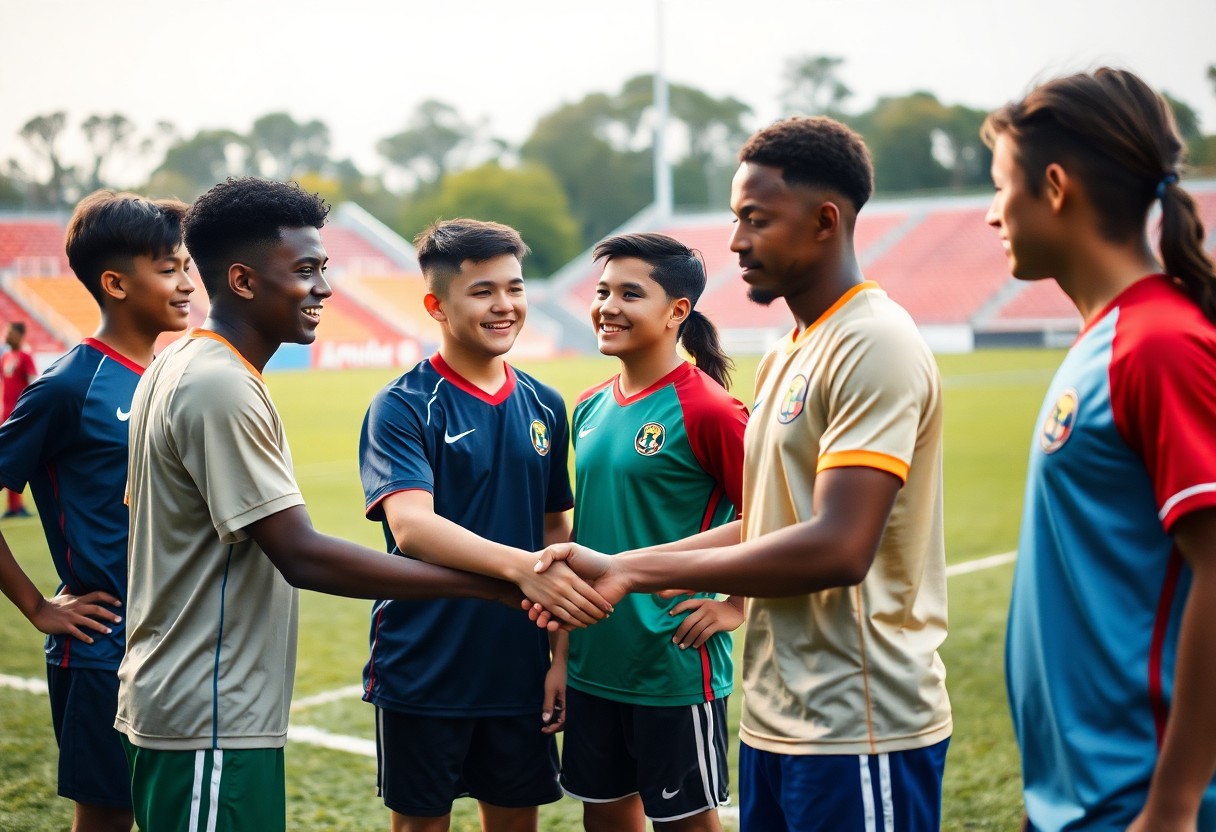
It’s vital to understand that sportsmanship plays a significant role in the development of young athletes. As you engage in youth sports, fostering an environment of respect, fairness, and integrity not only enhances the experiences of all participants but also teaches valuable life lessons. Demonstrating good sportsmanship sets a positive example for your peers, encouraging teamwork and improving social skills. By prioritizing sportsmanship, you are helping to create a healthier, more enjoyable atmosphere for everyone involved, which can lead to a lifelong love of sports and competition.

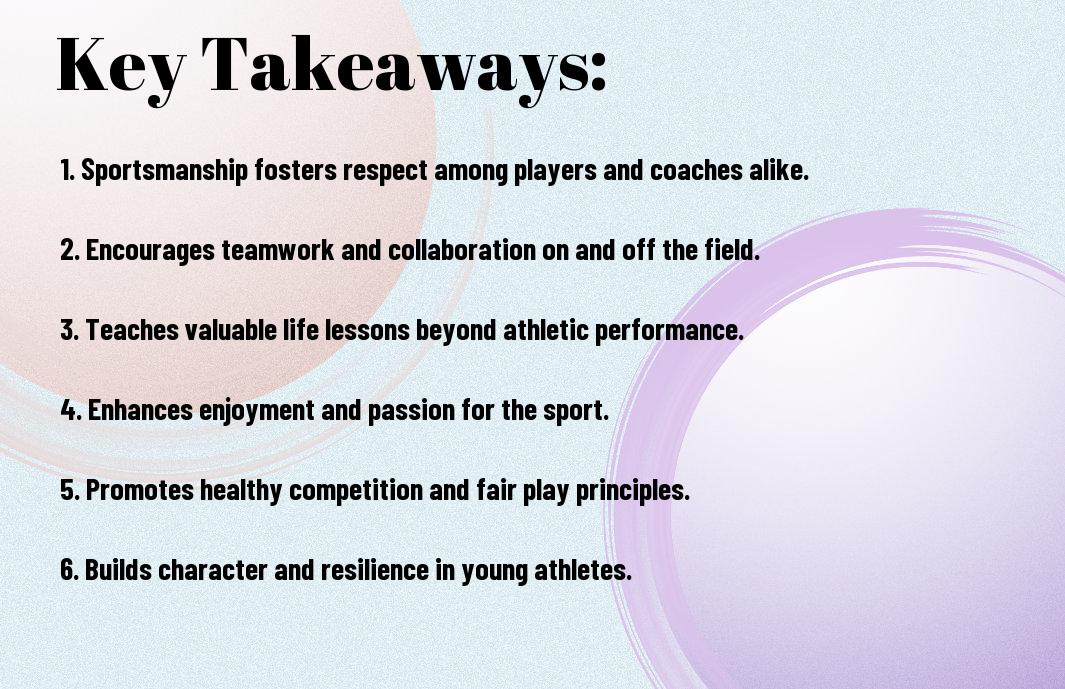
Key Takeaways:

  • Positive Role Models: Youth sports provide athletes with the opportunity to showcase values such as integrity and respect, influencing younger participants and teammates.
  • Building Relationships: Sportsmanship fosters strong connections among players, coaches, and families, cultivating a sense of community and teamwork.
  • Emotional Development: Learning to handle wins and losses with grace helps young athletes develop resilience and emotional intelligence.
  • Life Skills: Sportsmanship teaches necessary skills, including communication and conflict resolution, which are valuable both on and off the field.
  • Encouraging Good Sports: Emphasizing sportsmanship promotes a positive environment, where enjoyment and personal growth become the central focus of athletic participation.

Defining Sportsmanship

Before your young athletes step onto the field or the court, it’s vital to understand what sportsmanship truly means. Sportsmanship encompasses respect for everyone involved in the sporting event, including teammates, coaches, opponents, and officials. It embodies the principles of fair competition, teamwork, and graciousness in both victory and defeat, instilling core values that can last a lifetime.

Respect for Opponents

For young athletes, showing respect for opponents is a cornerstone of sportsmanship. Acknowledging the skill and effort of the other team fosters a healthy competitive spirit and helps cultivate friendships beyond the game. When you teach your children to appreciate their rivals, they learn to value competition as a means of personal growth.

Fair Play and Integrity

Fair play and integrity go hand-in-hand in youth sports. These principles encourage you to compete honestly and adhere to the rules of the game, ultimately promoting an atmosphere of trust and respect. You set a positive example when players prioritize integrity, reinforcing the idea that how you play is just as important as the outcome.

Opponents deserve your ethical commitment, ensuring that games are decided on skill and teamwork rather than unsportsmanlike conduct. When participants uphold fair play, they contribute to a culture of integrity that benefits everyone involved. You instill in your young athletes the understanding that winning while playing fairly is far more respectable than victory achieved through deceit. Embracing these values not only enhances their sporting experience but also prepares them for challenges in life beyond sports.

Benefits of Sportsmanship in Youth Sports

Now, embracing sportsmanship in youth sports fosters an environment where young athletes learn crucial life skills. These values extend beyond the field, influencing their interactions with peers, coaches, and family. By demonstrating respect, accountability, and fairness, you create a positive experience that can enhance both personal development and team dynamics.

Personal Development

The practice of sportsmanship equips you with valuable character traits, such as resilience and humility. As you learn to navigate victory and defeat graciously, you develop a stronger sense of self-awareness and emotional intelligence. These qualities not only enhance your athletic performance but also shape you into a thoughtful and well-rounded individual.

Team Cohesion and Collaboration

After fostering an atmosphere of good sportsmanship, you will notice enhanced team cohesion and collaboration. When you and your teammates respect each other, conflicts diminish, and communication improves, leading to a more harmonious and effective team environment.

Due to the shared emphasis on respect and accountability, sportsmanship cultivates a bond among team members, encouraging you to work together toward common goals. As you celebrate each other’s successes and support one another during challenges, trust builds within the group. This unity translates into better teamwork on the field, enhancing overall performance and creating lasting friendships that extend beyond your sporting events.

The Role of Coaches in Promoting Sportsmanship

For youth athletes, coaches serve as pivotal figures in instilling a culture of sportsmanship. By actively promoting fair play and respect, you help foster an environment where young players learn the value of teamwork and ethical competition. Your guidance not only shapes their skills but also influences their behavior on and off the field, emphasizing the importance of good sportsmanship in all aspects of their lives.

Setting Expectations

Role clarity is crucial for developing a strong foundation of sportsmanship within your team. By outlining specific expectations regarding behavior, you create an atmosphere where respect towards opponents, officials, and teammates is the norm. Emphasizing these standards during practices and games allows your athletes to internalize the values you wish to promote, leading to enhanced sportsmanship and a more positive sporting experience.

Modeling Behavior

Setting a strong example is key to fostering an environment where sportsmanship thrives. As a coach, your actions speak volumes; when you demonstrate respect for others and handle wins or losses with grace, your athletes are likely to imitate that behavior. Your demeanor during games, interactions with officials, and treatment of all players will teach your team what sportsmanship looks like in practice.

Promoting sportsmanship through modeling behavior requires consistency and authenticity. When you treat every situation as a teachable moment, you set a tone that prioritizes integrity and respect. Encourage players to voice their thoughts and feelings while emphasizing the importance of constructive communication. Your ability to show commitment to sportsmanship in all circumstances will go a long way in helping your young athletes adopt these values both on and off the field.

Parental Influence on Sportsmanship

All youth athletes develop their sense of sportsmanship in part through the actions and attitudes of their parents. As a parent, your guidance and example can significantly shape your child’s perspective on competition and teamwork. By modeling respect and positive behavior, you can help instill values such as integrity, empathy, and fairness that will serve them well both on and off the field.

Supporting Positive Behaviors

Among the most effective ways to foster sportsmanship is to actively encourage your child’s positive behaviors during practices and games. You should highlight good sportsmanship, applaud fair play, and reinforce respectful interactions with both teammates and opponents. Your consistent support and admiration for positive conduct can motivate your child to emulate these behaviors consistently.

Addressing Unsportsmanlike Conduct

Conduct that undermines the spirit of the game can be damaging and needs to be addressed appropriately. You must recognize and confront any negative behaviors exhibited by your child or other players. Open communication about the impact of unsportsmanlike actions can guide your child toward better choices and understanding of the game’s values.

With a proactive approach, you can address unsportsmanlike conduct by discussing its consequences and the importance of maintaining integrity in competition. Encourage your child to reflect on their actions and understand how they affect not only themselves but also their teammates and opponents. By fostering an environment of accountability and growth, you help your child navigate challenges in sportsmanship, ultimately creating a more positive experience for everyone involved.

Challenges to Sportsmanship in Youth Sports

Many factors contribute to the erosion of sportsmanship in youth sports, making it vital for you to recognize and address them. From intense competition to societal influences, these challenges can undermine the values of fairness and respect that are pivotal in athletics. By remaining aware of these challenges, you can foster a more positive environment for young athletes.

Competitive Pressures

Among the most significant challenges are the competitive pressures that young athletes face. In a culture that often prioritizes winning over personal development, you may find that children feel immense stress to perform well. This pressure can lead to behaviors that compromise sportsmanship, such as taunting opponents or becoming overly aggressive.

The Impact of Social Media

By embracing the digital age, you must also contend with the impact of social media on youth sports. Online platforms can amplify both supportive and toxic behaviors, influencing how young athletes perceive competition and their peers. The immediate feedback from social media can sometimes encourage a win-at-all-cost mentality, challenging the values of empathy and respect.

A growing number of young athletes are influenced by the constant scrutiny of their performances online. The desire for likes and shares can lead to a focus on personal image rather than teamwork and fair play. You may notice that this attention can push young athletes to prioritize winning at any expense, often neglecting the importance of supporting their teammates and respecting opponents. Cultivating a healthy balance between competition and sportsmanship is vital in this digital era.

Strategies for Encouraging Sportsmanship

Keep in mind that fostering a culture of sportsmanship in youth sports requires intentional strategies. You can implement practices that emphasize respect, teamwork, and fair play. Encourage open communication between coaches, players, and parents, ensuring everyone understands the importance of sportsmanship. Additionally, set clear expectations and model positive behaviors to create an environment where good sportsmanship thrives.

Education and Training Programs

Programs designed to educate coaches, players, and parents about the values of sportsmanship can significantly impact youth sports. These sessions can cover topics such as conflict resolution, teamwork, and the importance of treating opponents with respect. By investing time in these training opportunities, you can create a framework that supports a positive culture in your sports community.

Recognition and Rewards

Rewards for demonstrating good sportsmanship are effective in reinforcing positive behavior among young athletes. Recognizing players who exemplify respect, teamwork, and fair play fosters an environment where these traits are valued. You can implement mechanisms such as sportsmanship awards, team praises, or public acknowledgment to celebrate those who contribute positively to the team’s spirit.

Indeed, implementing recognition and rewards can motivate athletes to embody sportsmanship in their daily activities. When you consistently highlight and celebrate these behaviors, you cultivate a sense of pride and accountability among players. This not only strengthens individual character but also encourages a collective ethos within the team, leading to healthier rivalries and greater enjoyment of the sport.

Conclusion

Upon reflecting on the significance of sportsmanship in youth sports, you can appreciate how vital it is to foster positive attitudes and behaviors in young athletes. By emphasizing fair play, respect, and teamwork, you not only enhance their experience but also lay the groundwork for their future in sports and life. Developing good sportsmanship not only benefits your child’s personal growth but also enriches the community. To examine deeper into this topic, you can explore The Importance of Developing Good Sportsmanship in Youth Sports.

Q: Why is sportsmanship important in youth sports?

A: Sportsmanship is crucial in youth sports because it fosters respect among players, coaches, officials, and fans. It teaches young athletes the value of fair play, teamwork, and humility in victory or defeat. By promoting sportsmanship, children learn to appreciate the effort of all participants, which enhances their overall experience in sports and builds their character beyond the field.

Q: How can coaches and parents encourage sportsmanship in young athletes?

A: Coaches and parents can encourage sportsmanship by modeling positive behavior during games and practices. This includes acknowledging the efforts of opponents, celebrating achievements without belittling others, and emphasizing the importance of following rules. Additionally, discussing the significance of respect, teamwork, and handling setbacks gracefully can help instill these values in young athletes.

Q: What impact does good sportsmanship have on a child’s development?

A: Good sportsmanship significantly impacts a child’s social and emotional development. It helps cultivate positive relationships with peers, enhances communication skills, and builds resilience. Children who practice good sportsmanship often develop a strong sense of integrity and self-worth, which can translate to success in various aspects of life. Moreover, it fosters a supportive and inclusive environment in youth sports that can encourage lifelong participation in physical activities.

How to Build Mental Resilience in Competitive Sports

Over time, the pressure in competitive sports can become overwhelming, making it important for you to develop mental resilience. This ability to bounce back from setbacks and maintain focus under stress distinguishes successful athletes from others. In this post, you’ll learn practical strategies that will help you fortify your mindset, enhance your performance, and navigate the emotional highs and lows that come with competition. Whether you’re an amateur or a seasoned competitor, these techniques will empower you to face challenges with confidence and determination.

Key Takeaways:

  • Mindset Development: Cultivating a growth mindset helps athletes view challenges as opportunities for improvement.
  • Emotional Regulation: Learning techniques to manage emotions under pressure enhances performance during competitions.
  • Visualization Techniques: Regularly practicing mental imagery can prepare the mind for various competitive scenarios.
  • Support Systems: Building a strong network of coaches, teammates, and mentors provides emotional support and guidance.
  • Goal Setting: Establishing clear, achievable goals fosters motivation and a sense of direction, aiding in overcoming obstacles.

Understanding Mental Resilience

Before delving into strategies for building mental resilience in competitive sports, it’s imperative to grasp its core principles and significance. Mental resilience refers to your ability to adapt, recover, and thrive in the face of challenges and setbacks you encounter during athletic competition. This skill is not only beneficial for performance enhancement but also imperative for your overall well-being as an athlete.

Definition and Importance

Some may define mental resilience as the psychological capacity to cope with stressors, maintaining focus and composure in demanding scenarios. This capability is vital in competitive sports, as it can be the differentiator between victory and defeat, influencing how you handle pressure, disappointment, and adversity.

Key Factors Influencing Resilience

You might be surprised to find that numerous aspects contribute to your mental resilience in sports. These factors can include:

  • Emotional regulation skills
  • Supportive social networks
  • Positive self-talk
  • A growth mindset

Thou can enhance your performance and overall experience by understanding these elements.

A deeper investigate these factors reveals how intertwined they are with your athletic journey. For instance, cultivating emotional regulation skills enables you to maintain composure in tense moments.

  • Promoting a beneficial support network
  • Engaging in consistent self-reflection
  • Prioritizing mental training

Thou can build a stronger foundation for resilience by focusing on these components.

Building Mental Resilience: How-to Tips

There’s a variety of effective strategies to enhance your mental resilience in competitive sports. Focus on these key tips:

  • Practice mindfulness and meditation
  • Stay physically active outside of training
  • Visualize your success regularly
  • Build a strong support network
  • Conduct regular self-reflection

Perceiving challenges as opportunities for growth can significantly improve your mental toughness.

Setting Realistic Goals

With clear, achievable objectives, you can steadily build your confidence and motivation. Break your long-term goals into smaller, manageable milestones that you can track along the way. Celebrate the progress you make towards these goals, and ensure they align with your capabilities and aspirations.

Developing a Positive Mindset

If you focus on fostering a positive mindset, you’re setting yourself up for success in competitive sports. Embrace your strengths, and actively challenge negative thoughts. When you encounter setbacks, use them as learning experiences to propel you forward.

Realistic thinking is key to cultivating a positive mindset. Acknowledge your limitations while focusing on your development. By embracing constructive feedback and staying open to change, you create a resilient mental framework. Celebrate small victories and practice gratitude to reinforce a positive outlook. Over time, this mindset will become an integral part of your athletic identity, enhancing your performance on and off the field.

Coping Strategies for Competitive Pressure

Many athletes face intense pressure during competitions that can affect their performance. Implementing effective coping strategies is important for managing this pressure successfully. These strategies can help you maintain focus, build confidence, and remain composed under competitive circumstances, ultimately enhancing your overall performance. By recognizing the specific stressors you encounter, you can employ tailored coping techniques that suit your individual needs.

Stress Management Techniques

Pressure can feel overwhelming in high-stakes situations, but employing stress management techniques can significantly alleviate anxiety. Breathing exercises, progressive muscle relaxation, and mindfulness practices are effective ways to center your thoughts and calm your mind. By incorporating these techniques into your routine, you can develop a greater capacity for handling stress, allowing you to perform at your best when it matters most.

Visualization and Mental Rehearsal

Competitive sports can be mentally demanding, making visualization and mental rehearsal vital tools for success. These techniques enable you to mentally simulate your performance, allowing you to visualize success and feel prepared for any challenges that may arise.

For instance, during your training sessions, take time to close your eyes and vividly imagine yourself executing each movement perfectly, from warm-up to victory. Picture every detail: the sounds, the environment, and the feelings you experience while performing. This mental rehearsal not only enhances your focus but also reduces anxiety by familiarizing you with competition scenarios. The more you visualize your success, the more naturally it will translate into your actual performance, giving you the edge you need in competitive sports.

The Role of Support Systems

Not only does a strong support system encourage you during tough times, but it also enhances your overall performance by fostering a nurturing environment. Surrounding yourself with individuals who understand the demands of competitive sports can help you navigate challenges more effectively. Whether it’s friends, family, or teammates, a reliable support system provides emotional encouragement, practical advice, and valuable insights, empowering you to push through mental barriers and reach your potential.

Engaging Coaches and Mentors

There’s a profound advantage in engaging coaches and mentors who can guide you through the intricacies of your sport. Their experience can provide you with strategies not only for improving your physical skills but also for developing the mental resilience needed in high-pressure situations. Regular communication with your coach ensures that you’re aligned with your goals and can address any mental hurdles you might face.

Building a Network of Peers

Support from your peers can make a significant difference in your journey as an athlete. Engaging with others who share similar goals creates a sense of community, making it easier to stay motivated. Network with fellow athletes who can relate to your experiences and challenges. You can share strategies, celebrate successes, and offer support during setbacks, which helps maintain a positive mindset and encourages personal growth.

For instance, consider forming study groups with your peers to analyze performance, brainstorm solutions to common challenges, or even organize training sessions together. These shared experiences not only enhance your skills but also foster camaraderie. Building camaraderie helps you feel less isolated in your journey, reinforcing your ability to handle pressure and challenges because you recognize that you are not alone in your challenges.

Daily Practices to Enhance Resilience

After embracing the competitive nature of sports, you can enrich your mental resilience through daily practices. This involves consistent training, reflection, and the integration of techniques that foster a robust mindset. By establishing a routine that includes both physical and mental exercises, you empower yourself to navigate challenges more effectively, preparing you for peak performance when it matters most.

Physical Conditioning and Its Mental Benefits

To maximize your mental resilience, engaging in physical conditioning is vital. Regular exercise not only strengthens your body but enhances mental clarity and emotional regulation. As you push your physical limits, you build confidence and learn to cope with adversity, valuable skills that translate directly to high-pressure competitive situations.

Incorporating Mindfulness and Relaxation

Physical practices are crucial, but integrating mindfulness and relaxation techniques elevates your resilience to new heights. Incorporating mindfulness into your routine helps you maintain focus and stay present, which is crucial during competitions. Techniques such as deep breathing or visualization can significantly reduce anxiety and enhance your performance by keeping your mind centered.

For instance, taking a few moments to practice guided imagery before your events allows you to visualize success and prepare mentally for challenges. This practice fosters a calm mindset and cultivates an awareness of your thoughts and emotions, enabling you to approach competitive scenarios with confidence and poise. Additionally, regularly scheduling relaxation practices can alleviate stress and promote overall wellbeing, crucial for maintaining resilience in demanding sports environments.

Evaluating Progress

Keep a close eye on your development as you work towards mental resilience in competitive sports. Regular evaluations help you identify strengths and weaknesses, refining your focus for better results. Set specific goals and review your achievements frequently to maintain motivation and stimulate continuous growth. This practice encourages reflective thinking and allows you to recalibrate your strategies, leading to consistent improvements in your performance.

Tracking Mental Resilience Growth

If you want to effectively track your mental resilience growth, maintain a journal detailing your experiences, challenges, and triumphs. Document your training sessions and competitions, noting how you manage stress and handle setbacks. This reflective process will provide insight into your progress and highlight areas for further development.

Adjusting Strategies When Necessary

Necessary adjustments to your strategies are key to maintaining momentum in your mental resilience journey. When you encounter obstacles or feel stagnated, reassess your current approach to determine what isn’t working. This flexibility allows you to explore different techniques, optimizing your mindset for various competitive scenarios.

This strategy of adapting your approach can be particularly beneficial when facing unexpected challenges or shifts in your competitive landscape. By being open to change, you can experiment with new techniques such as visualization, breathing exercises, or alternative goal-setting methods. The goal is to fine-tune your mental fortitude according to your evolving experiences, ensuring you remain resilient in the face of adversity.

Summing up

Ultimately, building mental resilience in competitive sports is about developing mental strength, focus, and adaptability. By incorporating techniques such as visualization, goal setting, mindfulness, and self-reflection, you can enhance your performance while overcoming challenges and setbacks. Surrounding yourself with a supportive network and maintaining a balanced perspective will further fortify your resilience. Embrace these strategies consistently, and you will cultivate a mindset that not only thrives in competition but in all areas of your life.

FAQ

Q: What are some effective strategies to enhance mental resilience in competitive sports?

A: Building mental resilience involves a combination of techniques tailored to an athlete’s individual needs. Some effective strategies include setting specific, achievable goals that push personal boundaries while maintaining motivation. Visualization techniques, where athletes imagine themselves succeeding in their performance, can strengthen confidence. Additionally, practicing mindfulness and techniques such as meditation can help maintain focus and reduce anxiety during high-pressure situations. Journaling about experiences and feelings can also provide insights and facilitate personal growth, enhancing overall mental toughness.

Q: How can athletes manage pressure and anxiety during competitions?

A: Managing pressure and anxiety is imperative for optimal performance in competitive sports. Athletes can benefit from developing a pre-competition routine that includes activities such as warm-ups, breathing exercises, or positive affirmations to establish a calm mindset. Engaging in conversation with coaches or fellow athletes can provide support and perspective, helping to reduce feelings of isolation. It can also be useful to shift focus from external outcomes to personal performance processes, allowing athletes to concentrate on what they can control in the moment rather than the expectations of others.

Q: In what ways does self-reflection contribute to building mental resilience?

A: Self-reflection plays a significant role in building mental resilience by allowing athletes to assess their performance, emotions, and reactions in various situations. By analyzing both successes and setbacks, athletes can identify patterns in their behavior and thought processes. This self-awareness fosters a growth mindset, enabling athletes to learn from experiences and adapt their approach moving forward. Scheduling regular check-ins, like weekly reflections, can encourage continuous improvement and help athletes stay grounded in their development, reinforcing their commitment to resilience.

In which sport is the Davis Cup contested

With respect to international sports competitions, the Davis Cup is a prestigious event to watch. This historic tournament, known as the Davis Cup – The World Cup of Tennis, is contested in the sport of tennis. If you are a tennis enthusiast, you’ll be thrilled to follow the excitement and fierce competition of the Davis Cup matches featuring top players from around the globe. Get ready to witness world-class tennis action and national pride on full display!

Key Takeaways:

  • Tennis: The Davis Cup is contested in the sport of tennis.

The Davis Cup

While you may have heard of the Davis Cup, do you know which sport it is contested in? The Davis Cup is actually a prestigious international tennis event that has been held since 1900. It is the premier team competition in men’s tennis, similar to the Fed Cup which is played in women’s tennis.

History of the Davis Cup

An event steeped in history, the Davis Cup was founded by Dwight F. Davis, an American tennis player, and Harvard University student, who wanted to challenge British dominance in tennis. The first competition took place between the United States and Great Britain in 1900, with the Americans emerging victorious. Since then, the Davis Cup has grown to become one of the most anticipated events on the tennis calendar, attracting top players from around the world to compete for national pride.

Format and Rules

With a format similar to that of the World Cup in soccer, the Davis Cup is played on a knock-out basis where teams from different countries compete against each other in a series of matches. Each tie consists of four singles matches and one doubles match, with the winning team determined by the best of five matches. The matches are played over a weekend, with the first team to win three matches advancing to the next round.

The Davis Cup provides a unique opportunity for players to represent their country and compete as a team, unlike the individual nature of most tennis tournaments. The passion and national pride on display make the Davis Cup a special event that showcases the essence of teamwork in tennis.

Tennis: The Sport of the Davis Cup

Even if you are not an avid tennis fan, you have likely heard of the Davis Cup, one of the most prestigious team competitions in the sport of tennis. The Davis Cup is an annual international men’s team event contested between countries in a knockout format. It has a rich history dating back to 1900 and has seen some of the greatest players in the world compete for their nations on the coveted Davis Cup stage.

Brief Overview of Tennis

Any discussion about the Davis Cup must start with a brief overview of tennis. Tennis is a globally popular sport played on a rectangular court with a net in the middle. The objective is to score points by hitting the ball over the net and into the opponent’s court in a way that they are unable to return it. Tennis can be played in singles (one player against another) or doubles (two players on each side of the net).

Popularity and Global Reach

Tennis, with its thrilling rallies, strategic gameplay, and individual brilliance, has captured the hearts of millions worldwide. The sport has a massive global following, with Grand Slam tournaments like Wimbledon, the US Open, the French Open, and the Australian Open attracting huge crowds and television audiences. Tennis stars such as Roger Federer, Rafael Nadal, Serena Williams, and Novak Djokovic have become household names, transcending the sport and reaching celebrity status.

Tennis has a broad global reach, with top-tier tournaments held in countries across the world, from the grass courts of England to the clay courts of Spain. The sport’s appeal lies in its combination of athleticism, skill, and mental fortitude, making it a favorite among fans and players alike.

Overview: Tennis is not just a sport; it is a global phenomenon that continues to captivate audiences with its mix of flair, passion, and drama on and off the court.

The Competition

Once again, the Davis Cup brings together the best national teams in men’s tennis to compete in this prestigious team event.

National Teams and Players

With national pride at stake, the best players from each country come together to represent their nations in this team competition. Each team is led by a captain who selects the players for singles and doubles matches. The unique format of the Davis Cup allows for players to showcase their skills not only as individuals but also as part of a team.

Group Stages and Knockout Rounds

To ensure a fair competition, the teams are divided into groups for the initial stage of the tournament. The group stages feature round-robin matches where each team competes against the others in their group. The top teams from each group advance to the knockout rounds, where they compete in a series of elimination matches until a champion is crowned.

This format allows for exciting matchups and unexpected outcomes as teams battle it out on the court to claim the prestigious Davis Cup title.

Notable Moments and Records

Most Successful Teams and Players

Your curiosity about the most successful teams and players in the Davis Cup is warranted. Over the years, certain countries and players have dominated the competition. Spain holds an impressive record, with the team led by legendary player Rafael Nadal capturing the title multiple times. Players like Rod Laver, Roy Emerson, and Bjorn Borg have also left an indelible mark on the tournament with their remarkable performances and multiple wins.

Upsets and Surprising Victories

One of the most intriguing aspects of the Davis Cup is the potential for upsets and surprising victories. The format of the tournament, with its intense matches and team dynamics, often leads to unexpected outcomes. Teams considered underdogs have pulled off remarkable wins, shocking the tennis world and captivating fans worldwide.

A prime example of this unpredictability was when a relatively unknown team defeated a powerhouse favorite in a thrilling five-set match that went down in Davis Cup history as one of the most dramatic upsets of all time. This unpredictability is part of what makes the Davis Cup so exciting and keeps fans on the edge of their seats with every match.

The Davis Cup Trophy

Not familiar with the Davis Cup Trophy? Let’s explore into its design, history, symbolism, and significance.

Design and History

An iconic symbol in the world of tennis, the Davis Cup Trophy was first crafted in 1900 by the renowned silversmiths of London, the firm of Rowley & Co. The trophy stands at over three feet tall and is made of silver, embodying the elegance and prestige of the sport it represents. Throughout the years, the trophy has undergone slight modifications to keep up with the evolving nature of tennis tournaments, but its essence remains intact.

Symbolism and Significance

Symbolism runs deep in the Davis Cup Trophy, as it embodies the spirit of international competition and camaraderie among nations in the world of tennis. The trophy represents not just individual excellence but also teamwork and national pride. When a nation triumphs in the Davis Cup, it is not just a victory for the players but for the entire country they represent.

With a rich history dating back over a century, the Davis Cup Trophy holds immense significance in the world of tennis. It stands as a testament to the enduring legacy of the sport and the passion it ignites in players and fans alike. Each new champion that hoists the trophy adds another chapter to its storied past, ensuring that it remains a cherished symbol of excellence in tennis.

Hosting the Davis Cup

Venue Selection and Preparation

All eyes are on the selection of the venue when it comes to hosting the prestigious Davis Cup. The process of choosing the right location involves meticulous planning and coordination with various stakeholders. The venue needs to meet specific requirements to ensure a successful and enjoyable experience for both players and spectators. From seating capacity to court conditions, every detail plays a crucial role in the overall success of the event.

Economic and Tourism Impact

On the economic front, hosting the Davis Cup can have a significant impact on the local economy. The influx of visitors, players, and officials can boost tourism, creating opportunities for local businesses and generating revenue for the region. The event also serves as a platform to showcase the host city to a global audience, potentially attracting future investments and partnerships.

A successful Davis Cup can put your city on the map, drawing attention to its unique offerings and cultural heritage. This exposure can have lasting effects on tourism, attracting visitors long after the event has ended. The economic benefits extend beyond the tournament itself, creating a ripple effect that can positively impact the region for years to come.

Final Words

Upon reflecting on the information provided in this article about the Davis Cup, you now have a better understanding of the prestigious tennis tournament that has been contested since 1900. You have learned about the format of the competition, the history of the event, and the countries that have excelled in this team competition over the years. The Davis Cup is a unique event that brings out national pride and showcases some of the best talents in the sport of tennis.

Q: In which sport is the Davis Cup contested?

A: The Davis Cup is contested in the sport of tennis.

Q: What is the format of the Davis Cup competition?

A: The Davis Cup competition is played in a knockout format, with teams consisting of players from different countries competing against each other in singles and doubles matches.

When was the Davis Cup first contested?

A: The Davis Cup was first contested in 1900, making it one of the oldest international team competitions in the world of sports.

Skip to content