How to Choose the Right Equipment for Your Sport

Just like selecting the right pair of shoes for running, choosing the appropriate equipment for your sport can greatly enhance your performance and enjoyment. This guide will help you navigate the myriad of options available, ensuring you make informed decisions tailored to your specific needs and preferences. From understanding the vital features of gear to balancing quality and budget, you’ll learn how to equip yourself for success in your athletic pursuits. Let’s look into the key factors to consider as you initiate on this important journey.

Key Takeaways:

  • Consider your sport: Understand the specific demands and requirements of your sport to guide your equipment choices.
  • Research brands and models: Compare different brands and models to find high-quality, reliable equipment that suits your needs.
  • Fit and comfort: Ensure the equipment fits properly and feels comfortable; this can enhance performance and prevent injuries.
  • Budget wisely: Set a budget that balances quality and affordability, as investing in good equipment can pay off in the long run.
  • Seek expert advice: Consult with coaches, experienced athletes, or retailers for recommendations tailored to your specific sport.

Understanding Your Sport

As you initiate on your journey to select the right equipment, it’s crucial to grasp the fundamentals of your sport. Each sport has unique demands that influence the type of gear you’ll need. Understanding your sport not only enhances your performance but also ensures that you remain safe and enjoy your experience. With the right knowledge, you can make thoughtful choices that elevate your game and protect your well-being.

Analyze the Requirements

Even the most popular sports come with a variety of equipment needs, from basic to advanced. Assessing what gear is necessary based on your skill level, playing conditions, and competition type will provide a strong foundation for your selection. Look into guidelines and recommendations specific to your sport to avoid overspending or purchasing unnecessary items.

Identify Performance Needs

Now that you have a basic understanding, you should focus on what performance traits are crucial for your success. Consider aspects such as speed, agility, comfort, and durability when evaluating different equipment options. These factors play a vital role in your overall performance and can differ greatly depending on your specific sporting activity.

For instance, if you’re participating in a sport that requires quick directional changes, you’ll need footwear that offers superior grip and flexibility. Alternatively, if you’re focused on endurance, you might prioritize clothing made from breathable materials to wick away sweat. Each sport will have distinct performance needs that can help guide your equipment choices effectively, enhancing your playing experience.

Key Factors to Consider

It’s important to evaluate several key factors when selecting the right equipment for your sport. Consider the following:

  • Type of sport
  • Skill level
  • Physical condition
  • Budget
  • Brand reputation

Recognizing these elements will help ensure the equipment you choose aligns with your specific needs and enhances your performance.

Comfort and Fit

Factors like comfort and fit play a significant role in your overall experience. Equipment that feels good against your body and conforms to your specific shape allows you to perform better and focus on your sport without distraction.

Durability and Longevity

To ensure your investment is worthwhile, it’s vital to prioritize durability and longevity when selecting sports equipment. Equipment made from high-quality materials can withstand wear and tear, providing you with reliable performance for a longer period.

Understanding the importance of durability means thinking about how often you will use the equipment and the conditions it will face. For instance, if you partake in outdoor sports, look for gear that is weather-resistant and robust. This foresight not only saves you money in the long run but also enhances your confidence in your equipment, allowing you to focus on excelling in your sport.

How to Assess Equipment Quality

Once again, evaluating the quality of sports equipment is imperative for enhancing your performance and ensuring safety. Look for materials and craftsmanship that meet industry standards, as well as adherence to any applicable regulations. Pay attention to details like stitching, seams, and component resilience. Additionally, assess how well the equipment fits your specific needs, as a perfect match can greatly influence your experience and enjoyment of the sport.

Research and Reviews

To make an informed decision, examine online resources and customer reviews about the equipment you are considering. Various platforms provide insights from other athletes, highlighting performance levels, durability, and overall satisfaction. You can also find expert product comparisons, which can streamline your selection process and provide clarity on the best options available in your category.

Brand Reputation

Some brands have established themselves as industry leaders due to their commitment to quality, innovation, and customer satisfaction. When assessing equipment, consider the brand’s history and reputation among athletes. A brand that consistently delivers high-quality products is more likely to provide reliable equipment that meets your expectations and needs.

Understanding a brand’s reputation involves researching their years in the market, customer feedback, and endorsements from professional athletes. Established brands that invest in research and development typically offer better warranties and customer service, which can be imperative if you face issues with your equipment. Choosing a reputable brand can provide peace of mind, allowing you to focus on your sport with confidence in your gear.

Tips for Budgeting

All sports enthusiasts should establish a realistic budget to avoid overspending on equipment. Consider allocating funds specifically for sports gear and keep track of your expenses. Here are some practical tips to help you budget effectively:

  • Research prices before purchasing.
  • Set aside a specific amount for each item.
  • Evaluate the necessity of each piece of gear.
  • Look for packages that offer equipment combined.

This approach will enable you to manage your finances while still acquiring quality equipment.

Setting Priorities

Little adjustments in your spending habits can lead to better choices and more effective use of your budget. Prioritize which pieces of equipment are crucial for your sport. Distinguishing between must-have items and those that can wait allows you to focus on the necessities first. Ensure that each item on your list directly supports your performance or safety.

Finding Sales and Discounts

You can significantly reduce your expenses by staying on the lookout for sales and discounts. Use online resources, join mailing lists, and follow your favorite brands on social media to be informed about special offers.

Priorities should guide your shopping strategy. When you spot a sale, get what you need while ensuring that it meets your quality standards. Websites often have seasonal promotions, and local stores may provide discounts during events or end-of-season sales. Don’t hesitate to compare prices across different retailers. Your diligence in finding these deals can lead to substantial savings, allowing you to invest in other aspects of your sport.

Trial and Error

For athletes, finding the right gear isn’t always straightforward. It often requires a process of trial and error, where you test different options to discover what works best for your specific needs. By experimenting with various brands, styles, and features, you can learn which equipment enhances your performance and which may hinder it. Be patient, and embrace the learning experience that comes with this trial-and-error approach.

Testing Equipment

With the right testing method, you can effectively evaluate different pieces of equipment before committing to a purchase. Look for opportunities to try out gear at local sporting goods stores, rental services, or community sports events. Pay attention to how the equipment feels during use and whether it meets your performance expectations.

Seeking Expert Opinions

Error can be avoided by consulting experts who have a wealth of experience with various types of sports equipment. They can provide guidance tailored to your specific needs, helping you navigate the vast options available. Don’t hesitate to lean on coaches, professional athletes, or knowledgeable salespersons to gather insights and recommendations.

The insights you gather from these experts can help streamline your decision-making process. Their firsthand experiences can guide you away from products that may seem appealing but aren’t suited for your sport. Joining forums, reading reviews, and attending workshops can also enrich your understanding and inform you about the latest technologies and trends in your chosen sport. By leveraging expert opinions, you can confidently invest in equipment that complements your athletic journey.

Maintenance and Care

Your sports equipment requires regular maintenance and care to ensure longevity and optimal performance. Taking the time to clean and inspect your gear will help prevent any unnecessary wear and tear. For more detailed information, consider checking out this Sports Equipment Buying Guide that outlines vital factors to consider in your maintenance routine.

Proper Cleaning Techniques

Clearly, maintaining your sports gear starts with proper cleaning techniques. Different materials require specific cleaning methods; for example, synthetic fabrics can often be machine washed, while leather goods may need specialized cleaners. Always refer to the manufacturer’s instructions for optimal care.

Storage Recommendations

One of the best ways to extend the life of your sports equipment is through proper storage. Store your gear in a cool, dry place, away from direct sunlight, to prevent damage from moisture and UV rays. Use protective covers or bags as needed and ensure that items like shoes and pads are not packed too tightly, allowing them to maintain their shape.

Care for your equipment goes beyond just cleaning; it also means ensuring that storage conditions are ideal. Consider using dedicated storage bins or hooks to keep your items organized and easily accessible. Regularly check for any signs of wear, and promptly address any issues to avoid more significant problems down the line.

To wrap up

From above, selecting the right equipment for your sport involves a thoughtful evaluation of your specific needs, skill level, and budget. You should assess the features that best support your performance and comfort while also considering the quality and durability of the gear. By doing thorough research and seeking expert advice, you can make an informed choice that enhances your athletic experience and helps you reach your goals effectively.

FAQ

Q: What factors should I consider when selecting equipment for my sport?

A: When choosing equipment for your sport, consider several factors including your skill level, the specific requirements of your sport, and your budget. For beginners, it may be wise to look for equipment that offers flexibility and adaptability as you develop your skills. Additionally, research the specific gear needed for your sport, as different activities can have varying requirements. Finally, factor in your budget to ensure that the equipment you select meets your needs without overspending. Exploring both new and used options can help you balance quality and cost.

Q: How do I determine the best size and fit for my sports equipment?

A: The size and fit of your sports equipment is vital for both safety and performance. For apparel and footwear, refer to the size charts provided by manufacturers and, if possible, try on items before purchasing. For gear such as bicycles or helmets, ensure that the specifications match your measurements and the product offers adjustable features where applicable. Consulting with professionals at local sporting goods stores can provide assistance tailored to your body type and activity level to enhance comfort and performance.

Q: Should I prioritize brand names when buying sports equipment?

A: While brand reputation can be indicative of quality, it’s important to evaluate products based on performance and reviews rather than just brand names. Research products through user reviews, expert recommendations, and product tests to ensure you’re making an informed decision. Sometimes lesser-known brands may offer competitive features at a more affordable price. Ultimately, focus on equipment that meets your specific needs, provides comfort, and enhances your skills regardless of the brand name associated with it.
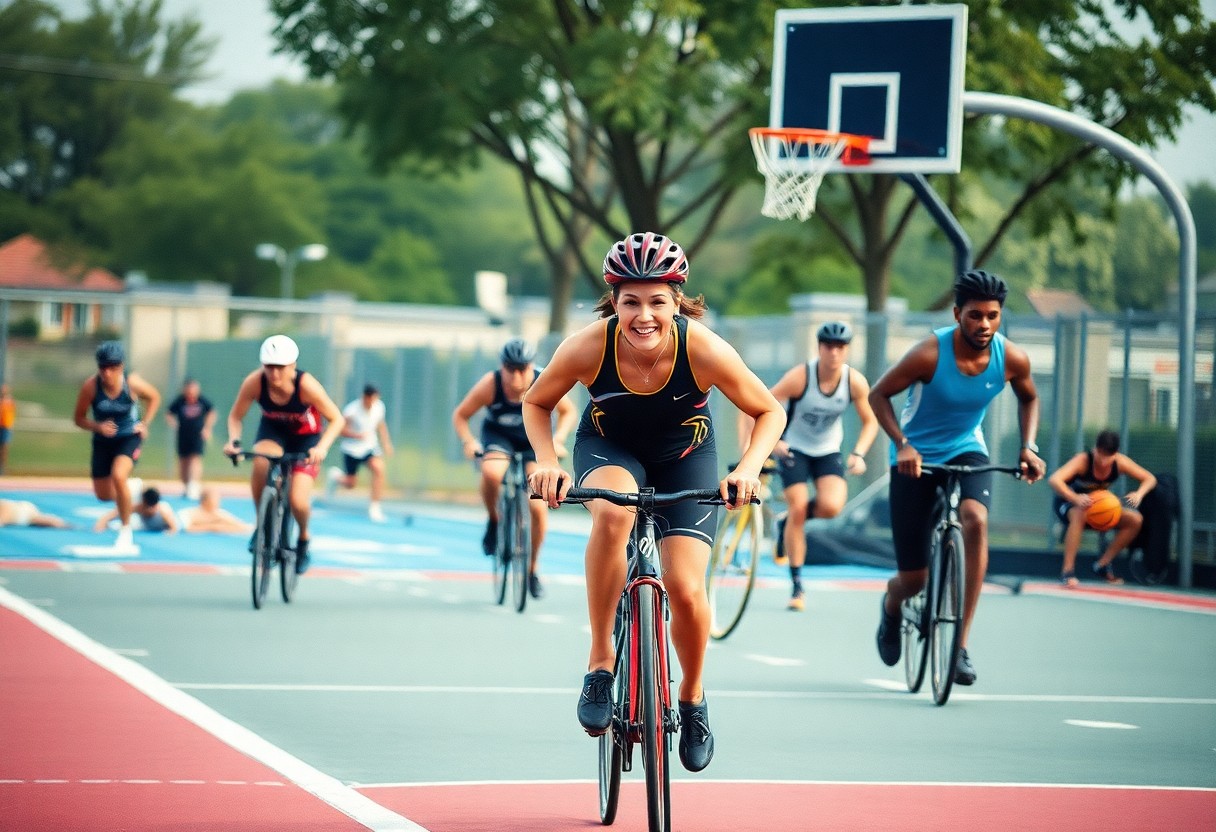
The Top 5 Sports for Cardiovascular Fitness

Over time, engaging in sports that enhance your cardiovascular fitness can lead to significant health benefits. If you’re looking to improve your heart health while having fun, exploring various sports can be an excellent way to get active. This post will guide you through the top five sports that are particularly effective for boosting your cardiovascular endurance. For those interested in understanding more about the performance of these activities, check out this [Endurance Sports Ranked](https://www.topendsports.com/fitness/sports/endurance-espn.htm) resource for further insights.

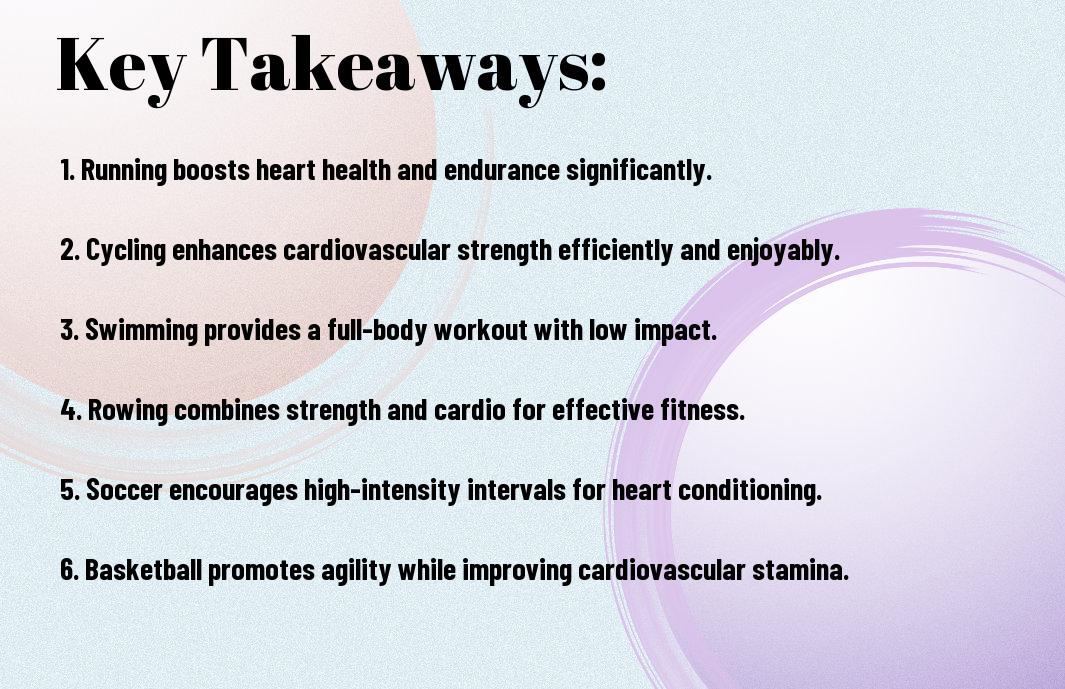
Key Takeaways:

  • Running: One of the simplest and most effective ways to enhance cardiovascular fitness, promoting heart health and endurance.
  • Cycling: An excellent low-impact exercise that strengthens the heart while improving leg strength and stamina.
  • Swimming: A full-body workout that is easy on the joints, benefiting cardiovascular health and muscle tone simultaneously.
  • Rowing: A powerful cardiovascular exercise that engages multiple muscle groups, promoting heart efficiency and endurance.
  • HIIT (High-Intensity Interval Training): A time-efficient way to improve cardiovascular fitness through alternating periods of high activity with rest or lower intensity.

Understanding Cardiovascular Fitness

For anyone looking to improve their overall health, understanding cardiovascular fitness is key. This aspect of fitness pertains to the efficiency of your heart and lungs in delivering oxygen to your muscles during physical activity. By engaging in exercises that elevate your heart rate, you not only boost your endurance but also enhance your body’s ability to perform daily tasks with ease.

Definition and Importance

To put it simply, cardiovascular fitness refers to your heart and lungs’ efficiency in supplying oxygen to your muscles. This form of fitness is significant because it directly impacts your overall health, physical performance, and ability to partake in daily activities. Achieving good cardiovascular fitness helps you maintain a healthy weight, manage stress, and even prolong your lifespan.

Health Benefits of Cardiovascular Exercise

About cardiovascular exercise, which includes activities such as running, cycling, and swimming, it offers numerous benefits that go beyond merely enhancing fitness. Engaging in regular cardiovascular workouts helps reduce the risk of chronic diseases, such as heart disease and diabetes, while also improving your mood and mental clarity.

Considering the array of health benefits, you will find that incorporating cardiovascular exercise into your routine fosters both physical and mental well-being. This type of exercise can lead to improved cholesterol levels, enhanced blood circulation, and increased lung capacity. Additionally, you may experience heightened energy levels and improved sleep quality, making it easier to navigate daily stressors. Embarking on a journey toward better cardiovascular fitness is a valuable investment in your overall health and lifestyle quality.

The Top 5 Sports for Cardiovascular Fitness

One of the best ways to improve your cardiovascular fitness is through engaging in sports. This not only makes your workout enjoyable but also challenges your body in diverse ways. Here are the top five sports that can significantly enhance your heart health and overall fitness level.

Running

An excellent way to boost your cardiovascular fitness, running can be done anywhere and at any time. This high-impact sport elevates your heart rate, strengthens your heart, and burns calories efficiently. Whether you prefer short sprints or long-distance running, it’s easy to tailor your routine to fit your goals.

Cycling

Against the backdrop of outdoor trails or indoor studios, cycling provides a low-impact workout that is highly effective for cardiovascular fitness. It allows you to build stamina and work on endurance while being easy on your joints, making it suitable for all fitness levels.

Consequently, cycling helps in improving your heart’s efficiency and increases lung capacity. Whether you choose to ride outdoors, on a stationary bike, or join a spinning class, you will benefit from a great cardiovascular workout that challenges your legs and core as well.

Swimming

Above all, swimming is an exceptional full-body workout that engages multiple muscle groups while significantly boosting your heart rate. It provides resistance, making your body work harder to move through the water, promoting both strength and cardiovascular endurance.

Further, swimming is particularly beneficial because it is low-impact, reducing the risk of injury while still effectively improving cardiovascular health. Different strokes can target various muscle groups, so you can keep your routines varied, fun, and engaging.

Rowing

Against the tide, rowing can significantly elevate your heart rate and build endurance. This sport effectively combines both strength-building and cardiovascular training, providing a balanced workout that can be done on water or with an indoor rowing machine.

Sports enthusiasts can take advantage of rowing’s dynamic nature. It requires coordinated movements from both the upper and lower body, meaning your heart and lungs work hard throughout the workout, resulting in an excellent cardiovascular challenge.

Basketball

For those who enjoy team sports, basketball offers an energetic way to enhance your cardiovascular fitness. The quick shifts in movement and high-intensity play combine to keep your heart rate elevated while improving agility and coordination.

To get the most out of basketball, participate in regular games or drills that incorporate running, jumping, and quick lateral movements. This not only helps in building endurance but also enhances your overall cardiovascular health while having fun with friends or teammates.

Comparing the Effectiveness of Each Sport

Keep in mind that the effectiveness of each sport varies based on your fitness goals, current fitness level, and preferences. The following table outlines key aspects of each sport to help you make an informed choice:

Sport Effectiveness
Running High caloric burn and endurance
Cycling Improved lower body strength
Swimming Full-body workout with low impact
Rowing Excellent for strength and endurance
High-Intensity Interval Training (HIIT) Maximized fat burn in short periods

Caloric Burn and Endurance

Around 700 to 900 calories can be burned per hour of running, while cycling usually burns about 600 to 800 calories in the same time frame. Swimming, depending on intensity, can use up approximately 400 to 700 calories. Each sport helps improve your endurance, with consistent practice enhancing your cardiovascular fitness over time.

Muscle Engagement and Overall Fitness

Above all, different sports engage various muscle groups. Running predominantly activates your lower body, while swimming recruits muscles across your entire body. Cycling is excellent for your legs, and rowing offers a comprehensive workout targeting both upper and lower body muscles.

Indeed, a well-rounded fitness routine should incorporate diverse activities to engage multiple muscle groups. For example, swimming not only strengthens your core and arms but also improves flexibility and joint mobility due to its low-impact nature. By diversifying your sports selection, you can achieve better overall fitness and reduce the risk of injury associated with repetitive strain from engaging in a single sport.

Tips for Getting Started in Each Sport

Not knowing where to begin can be daunting, but here are some tips to help you explore your chosen sport confidently:

  • Research beginner classes or local clubs.
  • Set aside regular time each week for practice.
  • Find a workout buddy for motivation.
  • Start slow to avoid injury and build endurance.
  • Monitor your progress and celebrate small milestones.

Knowing how to ease into your sport will make your fitness journey more enjoyable.

Essential Gear

Behind every successful athlete is the right equipment. Invest in quality gear that enhances performance and comfort. For example, running shoes are crucial for runners, while cyclists need a reliable bike. Research what’s necessary for your sport and prioritize purchasing items that fit well and suit your level.

Setting Realistic Goals

Between setting ambitious targets and feeling overwhelmed lies the importance of breaking goals into smaller, actionable steps. Start with short-term objectives like exercising a few days a week before moving on to long-term aspirations. This balance will keep you motivated without feeling discouraged.

Gear your goals towards what you realistically can achieve within your lifestyle. Assess your current fitness level and schedule, then set attainable objectives that match your pace. By doing so, you’re more likely to adhere to your regimen, track your improvements, and ultimately foster a sense of accomplishment throughout your journey.

Safety Considerations and Injury Prevention

Your commitment to cardiovascular fitness should also include a focus on safety to avoid injuries that can sideline your progress. Ensuring you take the necessary precautions will not only enhance your overall experience but also help you achieve your fitness goals effectively and sustainably.

Common Injuries in Cardiovascular Sports

One of the most prevalent injuries you might encounter in cardiovascular sports includes strains and sprains, particularly in the knees and ankles. Other common injuries involve shin splints, tendinitis, and stress fractures. Being aware of these risks can better prepare you for preventive measures.

Strategies for Safe Practice

Between proper warm-up routines, cross-training, and paying attention to your body’s signals, you can significantly reduce the risk of injury. Integrating rest days and listening to your body when you feel fatigued are crucial for maintaining long-term fitness.

Plus, consistency in proper footwear and terrain is vital for injury prevention. Opt for shoes that offer adequate support specific to your sport and ensure they are not worn out. Establishing a balanced training schedule that incorporates strength and flexibility exercises will also fortify your muscles and joints, helping to mitigate potential injuries while allowing you to enjoy your cardiovascular activities. Taking these proactive steps can lead to a fulfilling and injury-free fitness journey.

Summing up

To wrap up, engaging in sports such as running, swimming, cycling, rowing, and basketball can significantly improve your cardiovascular fitness. These activities not only enhance your heart’s efficiency but also promote overall health and well-being. By integrating one or more of these sports into your routine, you can enjoy a fun and effective way to boost your stamina and endurance. Prioritize consistency, and you’ll likely notice positive changes in your fitness levels and overall energy.

FAQ

Q: What are the top sports that provide excellent cardiovascular fitness benefits?

A: The top 5 sports for cardiovascular fitness are running, cycling, swimming, rowing, and soccer. Each of these activities elevates heart rate and improves blood circulation, contributing to overall heart health and stamina. Running is great for building endurance, cycling offers a lower impact workout, swimming is a full-body exercise that is easy on the joints, rowing combines strength and cardio, while soccer provides a fun way to engage in interval training.

Q: How often should one engage in these sports to achieve optimal cardiovascular fitness?

A: To achieve optimal cardiovascular fitness, it is advisable to engage in these sports at least 150 minutes per week of moderate-intensity or 75 minutes of high-intensity activity. This can be broken down into sessions spread throughout the week, such as 30 minutes of running or cycling five times a week. It’s also beneficial to incorporate varied intensity and duration within those sessions to challenge the cardiovascular system effectively.

Q: Can anyone participate in these sports, or are there any specific considerations?

A: While many individuals can participate in these sports, it’s important to consider personal fitness levels, any pre-existing health conditions, and suitability for each activity. Beginners may start with shorter sessions and gradually increase intensity and duration to avoid injury. Consulting with a healthcare or fitness professional before starting a new sports regimen is advisable, especially for those with underlying health issues or those who have been inactive for an extended period.

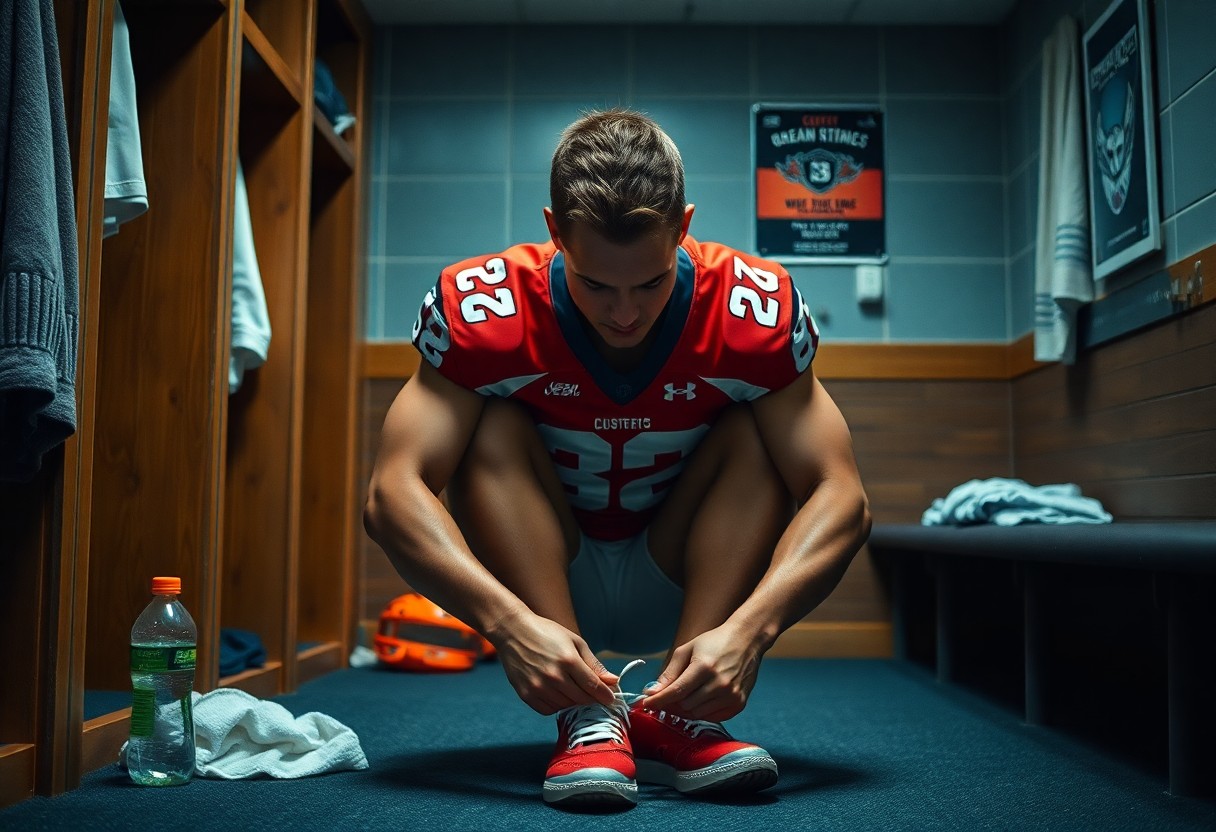
How to Mentally Prepare for a Big Game

You can set yourself up for success by mastering the mental side of sports before a big game. Preparing your mind is just as important as physical training, as it can significantly influence your performance. This guide will walk you through effective techniques to enhance your focus, manage anxiety, and build confidence, so you can step onto the field with a winning mindset. Follow these steps to ensure you feel mentally sharp and ready to face any challenge that comes your way.

Key Takeaways:

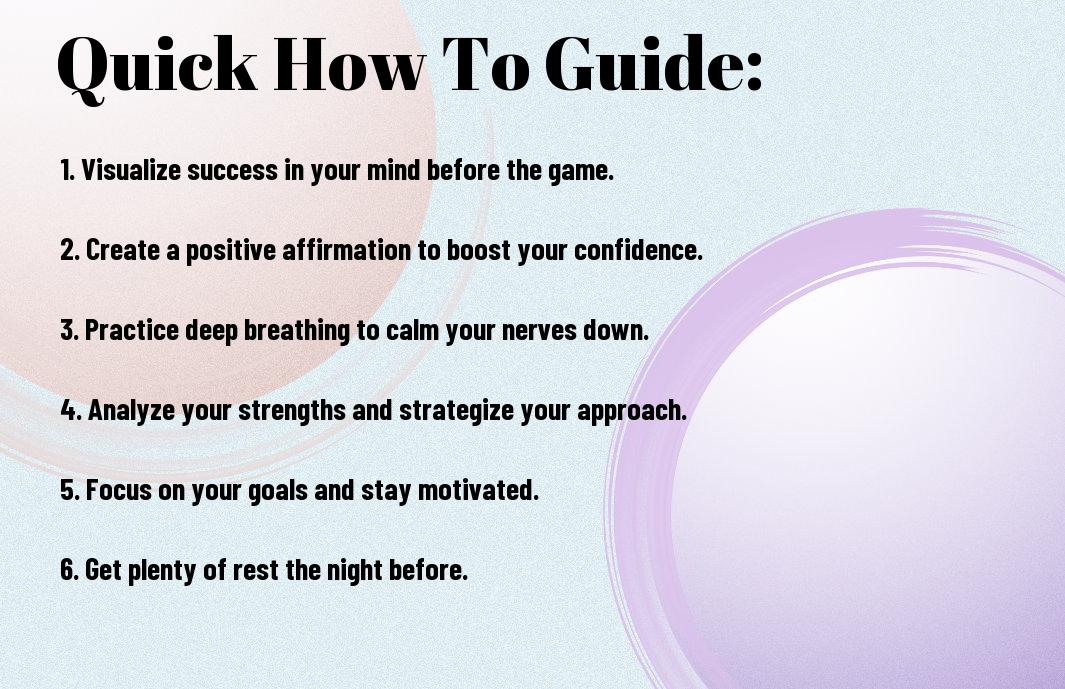
  • Visualize your success by picturing yourself excelling during the game. This mental rehearsal can enhance your confidence and performance.
  • Establish a routine leading up to the game. Consistent pre-game rituals can help calm nerves and create a sense of familiarity.
  • Stay positive by focusing on your strengths and past achievements, which can foster a more optimistic and motivated mindset.
  • Practice mindfulness techniques, such as deep breathing or meditation, to manage anxiety and maintain focus during the game.
  • Set realistic goals for the game that are achievable, which can help you maintain perspective and reduce pressure.

Understanding the Mental Game

While physical training is important, mastering the mental aspect of your sport can significantly enhance your performance. The mental game involves the mindset, focus, and emotional control that can separate good athletes from great ones. By recognizing the mental challenge you face, you can develop strategies to stay confident, composed, and resilient, ensuring that you perform at your best when it matters most.

The Importance of Mental Preparation

Preparation for the mental game is just as vital as physical practice. When you invest time in mental conditioning, you equip yourself with techniques to handle pressure and distractions. This not only boosts your self-confidence but also helps you maintain focus during crucial moments of competition, enhancing your overall performance and enjoyment of the game.

Common Psychological Challenges

Common psychological challenges athletes face can include anxiety, self-doubt, and overthinking. These issues can hinder your performance if not addressed effectively. Recognizing these challenges is the first step in developing mental resilience and creating a strategy to overcome them.

The experience of anxiety is widespread among athletes and can manifest before or during a game, leading to a lack of concentration and decreased performance. Self-doubt may creep in after a mistake, undermining your confidence and causing you to second-guess your abilities. Additionally, overthinking can distract you from the game flow, making it difficult to execute plays or focus on your objectives. By understanding these challenges, you can cultivate awareness and implement techniques to mitigate their impact, allowing you to perform your best.

How to Develop a Pre-Game Routine

Some athletes find success by establishing a consistent pre-game routine that fosters mental readiness. This routine can include a combination of warm-up stretches, music playlists, and focused mindfulness practices. Consider exploring the 6 Pregame Mental Preparation Steps | Sports Psychology … to further enhance your mental game and optimize performance.

Visualization Techniques

Assuming you want to perform at your best, visualization techniques serve as powerful tools to enhance your focus and confidence. Picture yourself executing specific skills flawlessly, taking note of the sights, sounds, and even smells associated with your game environment. This mental imagery can create a positive mindset and prepare you for success.

Breathing Exercises

Any athlete can benefit from incorporating breathing exercises into their pre-game routine. These practices help calm your nerves and increase focus, allowing you to center your thoughts and energy before competition.

PreGame breathing exercises, such as deep diaphragmatic breathing or box breathing, can significantly reduce anxiety and promote mental clarity. Inhale deeply for four counts, hold for four, exhale for four, and pause for another four before repeating. This not only steadies your body but also prepares your mind to face the challenges of the game with confidence and poise.

Tips for Managing Anxiety

Your performance can be significantly affected by how you manage anxiety. Here are some effective strategies to help you cope:

  • Practice deep breathing exercises.
  • Visualize your success before the game.
  • Establish a routine to provide structure.
  • Limit pre-game discussions that raise stress levels.

Assume that small steps towards easing your anxiety will lead to a more focused performance.

Positive Self-Talk

Even the words you use to speak to yourself can have a powerful impact on your mindset. By replacing negative thoughts with affirming statements, you can boost your confidence and reduce anxiety before a big game.

Mindfulness Practices

If you incorporate mindfulness techniques into your routine, you’ll find greater peace and clarity. Practicing mindfulness can help you stay present, allowing you to focus solely on the moment rather than worrying about the outcome.

It can be beneficial to engage in activities such as meditation, progressive muscle relaxation, or even mindful breathing exercises. These practices train your mind to let go of distractions, enhancing your focus during critical moments. By creating a mental space that fosters calm, you are better equipped to handle the pressures that come with competitive play.

Factors Influencing Mental Readiness

Despite your best efforts in physical training, several factors can significantly affect your mental readiness for a big game. Consider the following:

  • Previous performance experiences
  • Stress levels
  • Support system
  • Environmental conditions
  • Game-day routines

After reflecting on these factors, you can better assess how to mentally prepare for the upcoming challenge.

Team Dynamics

Assuming you play as part of a team, the dynamics among players can directly impact your mental state. You may find that positive relationships foster trust and confidence, while tensions can create anxiety and distraction.

Personal Mindset

Mental fortitude plays a vital role in your preparedness. Your inner dialogue, self-belief, and emotional resilience are key components that influence how you approach the game.

Personal reflection on your mindset can empower you to identify areas for improvement. Acknowledge negative thoughts and combat them with affirmations or visualization techniques. Building a strong personal mindset is about fostering a belief in your capabilities and maintaining focus, regardless of external pressures. By investing in your mental approach, you position yourself for optimal performance.

Nutrition and Hydration for Mental Performance

Now that you’re geared up for your big game, it’s imperative to focus on nutrition and hydration. Proper fuel not only enhances your physical abilities but also sharpens your mental focus. Nourishing your body with the right foods and staying well-hydrated can significantly impact your performance, helping you stay energized and alert throughout the event.

Foods that Boost Brain Function

With the right foods in your diet, you can enhance your cognitive abilities. Incorporate nutrient-rich options like fatty fish, nuts, blueberries, and leafy greens, all known to support brain health. These foods are packed with antioxidants and omega-3 fatty acids that improve memory, focus, and overall mental performance, helping you stay sharp during the game.

Staying Hydrated

The importance of staying hydrated cannot be underestimated, especially before a big game. Dehydration can lead to fatigue and impaired cognitive function, which can hinder your performance. Aim to drink water regularly leading up to the event, and consider electrolyte-rich beverages to help maintain optimal hydration levels.

Another effective strategy is to monitor your fluid intake during practice sessions, ensuring you’re consistently replenishing lost fluids. Pay attention to your body’s signals, and drink water before, during, and after the game. By keeping well-hydrated, you will enhance your reaction times and mental clarity, giving you an edge when it matters most.

Setting Goals and Expectations

Not having clear goals can lead to uncertainty on game day. Establishing both personal and team objectives helps create a roadmap to success. By focusing on what you aim to achieve, you can channel your energy more effectively and reduce anxiety. Be specific about your goals and communicate them with your teammates, as this unity fosters a positive environment and builds confidence ahead of the game.

Short-term vs. Long-term Goals

Any effective preparation involves distinguishing between short-term and long-term goals. Short-term goals are the smaller tasks you can achieve in the immediate lead-up to the game, such as improving certain skills during practice sessions. On the other hand, long-term goals encompass your overall aspirations as an athlete, like enhancing your performance over an entire season. Both types of goals are vital, as they provide you with direction and motivation throughout your training journey.

Adjusting Expectations for Performance

Goals should be flexible, and your expectations must adapt as circumstances change. Setting realistic expectations helps manage pressure and enables you to perform at your best. When facing challenges or distractions leading up to the game, it’s okay to reassess your goals to align with your current situation while still keeping your overall objectives in mind.

Another important aspect is to acknowledge that performance can be influenced by various external factors, such as weather conditions or opponent strength. By adjusting your expectations, you can focus on what you can control, like your effort and mindset. Embrace a growth-oriented outlook; view each game as a valuable learning experience rather than a mere outcome. This shift in perspective can provide a sense of freedom that allows you to perform without the burden of unrealistic expectations.

Final Words

So, as you gear up for your big game, focus on mental preparation strategies that enhance your performance. Visualize success and set specific, achievable goals to maintain clarity and confidence. Incorporate relaxation techniques to manage stress and keep a positive mindset by surrounding yourself with supportive individuals. Ultimately, belief in your abilities and a strategic mental approach can significantly elevate your readiness, ensuring you perform at your best when it matters most.

Q: Why is mental preparation important for a big game?

A: Mental preparation is vital for athletes as it helps build confidence, focus, and resilience. It allows athletes to visualize success, manage anxiety, and establish a positive mindset. By engaging in mental routines, athletes can enhance their performance by staying present and maintaining composure during high-pressure situations. This preparation creates a mental framework that helps them navigate the challenges of the game effectively.

Q: What techniques can I use to improve my mental state before a competition?

A: There are several effective techniques for improving mental state prior to a big game. Visualization is one powerful method where athletes imagine themselves succeeding in their performance. Mindfulness practices, such as deep breathing or meditation, can help calm nerves and sharpen focus. Setting specific goals for the game can also guide preparations and foster a sense of direction. Additionally, engaging in positive self-talk can counter negative thoughts and build a more optimistic outlook.

Q: How can I build confidence as I approach a significant event in sports?

A: Building confidence can be achieved through a combination of preparation, reflection, and positive reinforcement. It’s important to develop a routine that emphasizes what you’ve practiced and strengthens your belief in your abilities. Reviewing past successes, whether through journaling or visual reminders, can reinforce a sense of achievement. Creating a support system with coaches and teammates who uplift and encourage can also enhance self-assurance. Taking care of physical well-being, including rest and nutrition, contributes to feeling prepared and confident on game day.

The Best Cross-Training Activities for Athletes

It’s crucial to diversify your training routine to enhance performance and prevent injury. Engaging in cross-training activities can significantly benefit your overall athleticism by improving strength, flexibility, and endurance. In this blog post, we will explore some of the best cross-training options available to you, allowing you to enhance your skills, break through plateaus, and keep your workouts fresh and exciting. Whether you’re a seasoned athlete or just starting, incorporating these activities can help propel you toward your goals.

Key Takeaways:

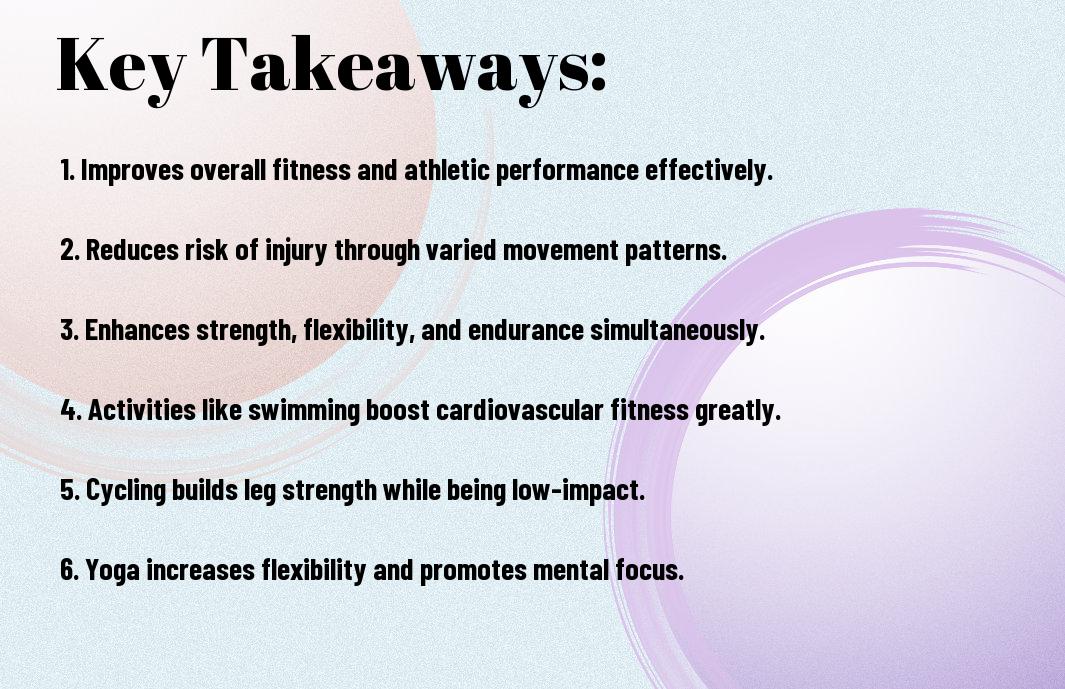
  • Variety: Incorporating different activities prevents boredom and engages various muscle groups, enhancing overall athletic ability.
  • Endurance Building: Activities like cycling and swimming improve cardiovascular fitness, supporting long-duration performance.
  • Strength Development: Resistance training and weight lifting increase muscle strength and power, benefiting all sports.
  • Flexibility: Yoga and Pilates promote flexibility and balance, which are imperative in preventing injuries and improving performance.
  • Mental Recovery: Engaging in low-intensity activities can provide psychological relief, aiding recovery and maintaining motivation.

Benefits of Cross-Training for Athletes

While focusing on a single sport can help you sharpen specific skills, incorporating cross-training activities provides a myriad of benefits that enhance your overall athleticism. By engaging in various exercises, you boost your physical conditioning, improve your flexibility, and develop a more well-rounded skill set. This variety not only keeps your training fresh and exciting but also prepares you to face challenges in competition with greater resilience.

Enhanced Performance

Besides improving your endurance and strength, cross-training can lead to enhanced performance in your primary sport. By incorporating different activities, you engage underused muscle groups, which allows for a more balanced body. This well-rounded approach helps increase power output and provides you with a unique edge during competition, making you a more versatile athlete.

Injury Prevention

Benefits of cross-training for injury prevention cannot be overstated. Balancing your workout routines with various forms of exercise allows you to strengthen different muscle groups, thereby reducing the risk of overuse injuries common in specialized training. By promoting muscular balance and flexibility, you create a solid foundation that supports your primary sport and minimizes the likelihood of setbacks.

The inclusion of cross-training in your regimen acts as a safeguard against injuries by diversifying the physical demands placed on your body. Engaging in activities such as swimming, cycling, or yoga helps alleviate strain on repetitive motion injuries while strengthening stabilizing muscles. As a result, not only do you improve your athletic performance, but you also cultivate a more durable physique capable of enduring the rigors of intense training and competition.

Popular Cross-Training Activities

There’s a wide range of cross-training activities available for athletes looking to enhance their performance. Incorporating different exercises into your routine not only increases your strength and endurance but also helps to minimize the risk of injury and prevents workout monotony. Knowing which activities can benefit your training concentration, you can select the ones that resonate best with your fitness goals.

Swimming

Any athlete can benefit from swimming, as it provides a full-body workout while being gentle on your joints. This low-impact exercise enhances cardiovascular fitness, builds muscle strength, and improves flexibility. Additionally, swimming engages multiple muscle groups, giving your body a balanced form of cross-training.

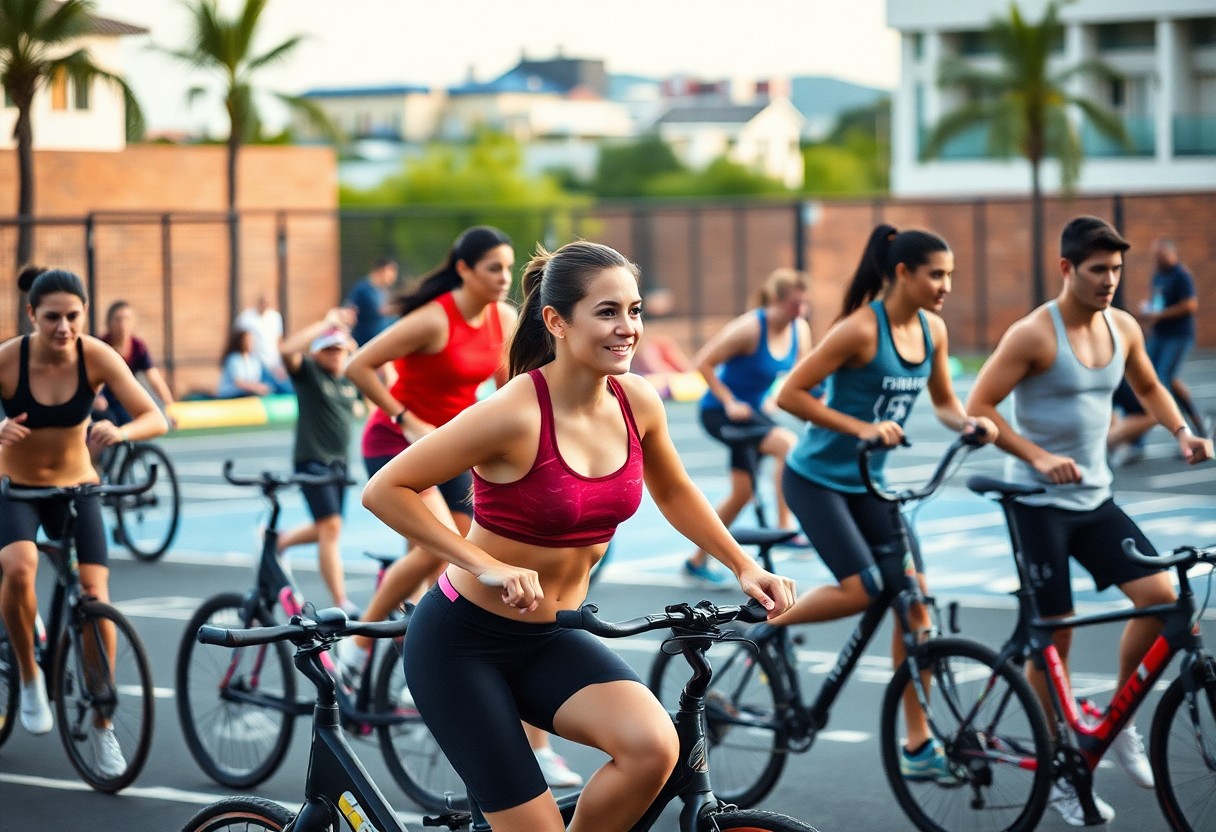
Cycling

Any athlete seeking to build endurance will find cycling to be a fantastic option. This versatile workout can be adjusted to suit various fitness levels, making it accessible whether you’re a beginner or seasoned pro.

In fact, cycling not only boosts your cardiovascular health but also strengthens your lower body, particularly your quadriceps, hamstrings, and calves. Alternatively, you can engage in road cycling for endurance or stationary biking at a gym for controlled environments. Both options help increase your stamina and allow for targeted recovery from high-impact sports.

Rowing

About rowing, athletes can experience an effective low-impact workout that targets both upper and lower body muscles. This total-body exercise improves cardiovascular fitness while simultaneously building strength, making it ideal for cross-training.

In addition, rowing mimics many movements found in sports, allowing you to develop coordination and power. By incorporating a rowing machine into your training regimen, you can boost your aerobic capacity, enhance endurance, and improve muscle tone—beneficial aspects for any athlete looking to elevate their performance.

Pilates

On the topic of Pilates, this practice focuses on core strength and stabilization, both imperative for athletic performance. It enhances flexibility and helps with postural alignment, thus reducing the risk of injury during other activities.

But incorporating Pilates into your cross-training routine can also improve your overall body awareness, which translates into better control and efficiency in your primary sport. Many athletes find that the increased core stability gained through Pilates assists in their other training efforts, leading to improved performance.

Sport-Specific Cross-Training

All athletes can benefit from sport-specific cross-training, which refers to engaging in activities that enhance skills and fitness relevant to your primary sport. By incorporating exercises that mimic the movements and energy systems of your sport, you can boost performance, reduce injury risk, and maintain motivation. Tailoring your cross-training strategy to your sport allows you to improve specific strengths and weaknesses, ultimately enhancing your overall game.

Cross-Training for Runners

SportSpecific cross-training for runners can involve activities such as cycling, swimming, or using an elliptical machine. These low-impact exercises help you build endurance while reducing the wear and tear on your joints. Incorporating strength training targeting your core and leg muscles will also improve your running efficiency. Moreover, yoga and Pilates can enhance flexibility and balance, important components for injury prevention and performance improvement.

Cross-Training for Team Sports

At your level, cross-training for team sports can significantly enhance your performance on the field or court. Incorporating drills and exercises that emphasize agility, coordination, and teamwork will help develop the skills directly related to your sport. Activities such as high-intensity interval training (HIIT) or specific plyometric exercises can improve your explosiveness and stamina, which are vital in competitive scenarios.

Hence, including sport-specific drills in your cross-training routine not only aids in physical fitness but also reinforces tactical awareness associated with your team sport. Skills like passing, shooting, or strategic positioning can be practiced through tailored drills during cross-training sessions. This way, you maintain sharpness in key areas while diversifying your workouts, keeping your training dynamic and engaging. Being committed to cross-training will undoubtedly lead to improvements in your overall performance when competing with your team.

How to Incorporate Cross-Training into Your Routine

After understanding the importance of cross-training, you can seamlessly incorporate it into your routine. Start by assessing your current training schedule and identify gaps where cross-training can fit in. Aim for a balanced mix of activities that complement your primary sport, allowing you to stay motivated and prevent burnout. Consistency is key, so try to make cross-training a regular part of your week, and adjust as necessary to match your goals and commitments.

Scheduling and Frequency

Below are some suggestions for how to effectively schedule your cross-training workouts. Start with two to three sessions per week, ensuring that you allow for adequate recovery between high-intensity workouts. You can either replace a standard training day with a cross-training session or incorporate shorter activities into your existing regimen. Over time, you can gradually increase the frequency as your body adapts and your overall fitness improves.

Selecting the Right Activities

Incorporate cross-training activities that align with your fitness goals and target different muscle groups. Consider exercises that enhance strength, endurance, flexibility, or mobility, depending on your primary sport. Activities like swimming, cycling, or yoga can enhance overall fitness while reducing the risk of injury. Experiment with different options to find what you enjoy most and what complements your main training regimen.

And as you explore various cross-training options, think about how each activity contributes to your overall performance. For instance, if you’re a runner, cycling may boost your cardiovascular endurance without over-stressing your joints. Similarly, practices like Pilates or yoga can aid in flexibility and core strength, imperative for many athletes. Choose activities that excite you and challenge your body in new ways, keeping your training fresh and engaging.

Common Mistakes to Avoid

Unlike many athletes, you should be aware that effective cross-training requires balance and strategy. Avoid jumping from one activity to another without proper planning, as this can lead to burnout or hinder your performance. Planning a structured schedule will help you maximize your benefits from cross-training while preventing injuries.

Overtraining

For athletes, maintaining a consistent training routine is important, but overtraining can lead to decreased performance and increased risk of injury. Ensure you incorporate rest days and allow your body time to recover, as pushing your limits continuously can be counterproductive.

Neglecting Specific Skills

Between focusing on general fitness and cross-training, you might overlook the specific skills required for your primary sport. Balancing cross-training with sessions dedicated to honing those skills is vital for optimal performance.

Overtraining can divert your attention from developing the specific skills pertinent to your sport. While cross-training enhances overall fitness, it’s important to dedicate time to drills, strategies, and techniques that directly impact your performance. Creating a training regimen that evenly distributes time between cross-training and skill development will help you maintain proficiency in your sport while improving your overall athleticism.

Summing up

Following this guide, you can enhance your athletic performance by incorporating effective cross-training activities into your routine. Engaging in diverse exercises not only improves your overall fitness but also helps to prevent injuries and alleviate monotony in training. Choose activities that complement your primary sport, whether it’s swimming, cycling, or strength training, and consider your personal preferences to maintain motivation. By integrating these methods, you’ll develop strength, agility, and endurance, equipping you for greater success in your athletic endeavors.

Q: What are some effective cross-training activities for athletes looking to improve strength?

A: Athletes can benefit from strength training exercises such as weightlifting, resistance band workouts, or bodyweight exercises like push-ups and lunges. These activities enhance muscle strength and endurance, which can directly translate to improved performance in their primary sport. Additionally, incorporating exercises that target different muscle groups ensures a well-rounded strength development.

Q: How can cross-training help prevent injuries in athletes?

A: Engaging in cross-training allows athletes to work different muscle groups while giving primary muscles a chance to recover, reducing the risk of overuse injuries. Activities such as swimming or cycling are low-impact options that maintain cardiovascular fitness without placing excessive stress on joints. This variety in training can enhance overall athletic resilience and reduce the chance of repetitive strain injuries.

Q: What is the optimal frequency for incorporating cross-training into an athlete’s routine?

A: The optimal frequency of cross-training varies depending on the individual athlete’s training schedule, the intensity of their primary sport, and personal fitness goals. However, a general guideline is to include cross-training activities 1-3 times per week. It is important for athletes to listen to their bodies and adjust the frequency and intensity to ensure they are supporting their primary training while avoiding fatigue or burnout.

How to Increase Speed and Agility for Any Sport

Most athletes understand that speed and agility are key components of success in any sport. By focusing on specific training techniques and exercises, you can enhance your performance, whether you’re on the field, court, or track. This guide will provide you with practical tips and effective drills to help you increase your speed and agility, allowing you to outpace your competitors and dominate your game. Get ready to take your athletic abilities to the next level!

Key Takeaways:

  • Dynamic warm-ups: Engage in dynamic stretching routines to prepare your muscles and enhance flexibility, which are important for optimal performance.
  • Plyometric exercises: Incorporate jumps and explosive movements into training to develop power and improve your fast-twitch muscle fibers.
  • Agility drills: Utilize cone drills, ladder drills, and shuttle runs to enhance foot speed, coordination, and overall agility on the field or court.
  • Balance training: Include exercises that focus on balance and stability to enhance control and reduce the risk of injuries during quick movements.
  • Nutrition and hydration: Maintain a balanced diet and stay hydrated to support energy levels and recovery, which are vital for speed and agility training.

Understanding Speed and Agility

As an athlete, understanding the concepts of speed and agility will provide you with a solid foundation for improving your performance in any sport. While both traits are often linked, they involve distinct skills vital for success on the field or court. Speed refers to your ability to move quickly in a straight line, while agility emphasizes your capacity to change direction with ease and control. By focusing on both, you can enhance your overall athleticism and competitive edge.

Definition of Speed

An vital component of athletic performance, speed is defined as the quickness of your movement from one point to another. It encompasses various factors such as stride length, frequency, and technique, allowing you to achieve maximum velocity during sprints and game situations.

Definition of Agility

There’s more to agility than just quick movements; it involves your ability to change direction swiftly while maintaining control and balance. This skill is vital in sports that require sudden starts, stops, and pivoting, allowing you to respond effectively to opponents and situational demands.

A well-rounded agility strategy includes drills that improve both reaction time and body coordination. These exercises should target various planes of movement—forward, lateral, and diagonal—to challenge your body in different ways. By incorporating agility training into your regimen, you enhance your sport-specific performance, ensuring you’re always a step ahead of the competition.

Key Factors Influencing Performance

If you want to enhance your speed and agility, several key factors come into play that can greatly influence your overall performance:

  • Physical conditioning
  • Nutrition and recovery
  • Training techniques
  • Proper gear

Recognizing these factors allows you to create a comprehensive plan tailored to your needs.

Physical Conditioning

One of the fundamental components for improving speed and agility is physical conditioning. A well-rounded fitness regimen that emphasizes strength, flexibility, and endurance will prepare your body for the demands of your sport. Incorporating exercises such as sprinting, plyometrics, and agility drills enhances your ability to move quickly and efficiently.

Nutrition and Recovery

The right nutrition and recovery protocols play a vital role in your athletic performance. Proper fuelling with the right macronutrients supports optimal energy levels, while adequate recovery allows your muscles to repair and grow stronger.

Factors like hydration, balanced meals, and rest days can significantly impact how your body performs. Committing to a diet rich in whole foods that provide important vitamins and minerals ensures your system is primed for intense training sessions. Incorporating post-workout recovery strategies, such as stretching and proper sleep, can further enhance your speed and agility gains, helping you compete at your best.

How to Train for Speed

Despite the multitude of factors affecting your overall speed, dedicated training can significantly enhance your performance. Focus on specific exercises and techniques that can elevate your speed, whether you’re on the field or in the gym. Consistency and proper execution are key for maximizing your results.

Dynamic Warm-Ups

Clearly, dynamic warm-ups are imperative in preparing your muscles and nervous system for high-intensity workouts. Engaging in a series of dynamic movements, such as leg swings, high knees, and butt kicks, raises your heart rate and improves coordination. This not only preps your body for speed training but also helps prevent injuries.

Sprinting Techniques

There’s no single technique for sprinting that works for everyone, but refining your form can substantially impact your speed. Focus on maintaining an upright posture with relaxed shoulders while driving your knees upward and landing on the balls of your feet. Practicing these elements will help enhance your efficiency on the track.

This can be achieved by incorporating drills like the A-skip and B-skip into your training routine. These exercises reinforce proper foot placement and body mechanics, which play an integral role in your overall sprinting technique. Additionally, consider recording your sprints for self-analysis or to share with a coach for valuable feedback.

Plyometric Drills

Train your fast-twitch muscle fibers with plyometric drills to improve your explosive power and acceleration. Exercises such as box jumps, broad jumps, and depth jumps help develop strength and agility, thereby increasing your overall speed. Integrating these drills into your routine can produce noticeable gains in your performance.

It’s imperative to focus on your technique when performing plyometric drills. Quality often trumps quantity, so aim for a few well-executed repetitions rather than numerous poor attempts. These explosive movements can enhance your muscle coordination and reaction time, making you faster and more agile in your sport.

How to Enhance Agility

Unlike speed, agility is the ability to change direction quickly while maintaining control over your body. To improve your agility skills, incorporating various training techniques is important. For additional insights, check out Speed and Agility – The How to for Everyday Athletes.

Agility Ladder Workouts

Enhance your footwork and coordination with agility ladder workouts. These drills consist of quick, explosive movements that focus on various patterns, building not just speed but also your ability to pivot and shift effectively during play.

Cone Drills

Cone drills are highly effective in improving your agility. By navigating through a series of cones, you practice swift directional changes that mimic real-game scenarios.

A great way to execute cone drills is by setting up various patterns, such as zigzags or T-shapes. As you run through these drills, focus on your foot placement and body control to simulate the quick movements required in your sport.

Reaction Time Exercises

One way to boost your agility is to incorporate reaction time exercises into your training routine. These activities force you to respond quickly to stimuli, enhancing your ability to react promptly in dynamic situations.

Plus, consider using tools like reaction balls, which bounce unpredictably, or practice partner drills where they give you sudden commands to change direction. These exercises improve your instincts, making you a more agile athlete on the field or court.

Tips for Incorporating Speed and Agility Training

All athletes can benefit from structured speed and agility training. To effectively integrate it into your routine, consider the following:

  • Start with dynamic warm-ups to enhance flexibility.
  • Incorporate drills like ladder drills, cone sprints, and shuttle runs.
  • Focus on technique, ensuring proper form to prevent injury.
  • Schedule training sessions on non-practice days to avoid burnout.
  • Track your progress to motivate and adjust your routine as needed.

Thou can make significant strides in your performance with dedication.

Setting Goals

Goals should be specific, measurable, achievable, relevant, and time-bound. By outlining clear objectives for your speed and agility training, you can stay focused and motivated. For example, aim to improve your sprint time by a specific percentage within a set period. This targeted approach will help enhance your training efficiency and keep you accountable.

Balancing Training with Sport-Specific Skills

One of the biggest challenges in training is seamlessly incorporating speed and agility exercises with sport-specific skills. Strive to ensure that your training complements your sport rather than competes with it.

Another effective approach is to dedicate certain days to agility training while allocating others for skill development. For instance, you might focus on agility drills on alternate days, integrating them with sport-specific drills. This way, you maintain a balance that enhances both your overall performance and specific skills in your sport. By making these adjustments, you’ll see improvements in your game while minimizing the risk of overtraining.

Monitoring Progress and Adjusting Training

Not tracking your progress is a missed opportunity for improvement. By consistently measuring your performance, you can identify strengths and weaknesses in your speed and agility training. Utilize various methods like fitness apps, training journals, or wearables to gain insights into your growth. As you gather this data, you can fine-tune your workouts to achieve optimal results, ensuring you continue to enhance your athletic performance.

Tracking Performance Metrics

On a regular basis, it’s important for you to evaluate specific performance metrics, such as sprint times, agility drills, and recovery rates. These quantitative measurements will provide a clear picture of your progress and help you set realistic goals. By analyzing these metrics, you can determine which areas require more focus or adjustments in your training regime.

Making Data-Driven Adjustments

Adjustments to your training should be informed by the data you collect. Instead of relying on intuition alone, use the performance metrics you’ve tracked to guide modifications in your workout plan. This can include varying your training intensity, frequency, or rest intervals to target gaps and foster improvement. By making informed changes, you will maximize effectiveness and avoid plateaus in your performance.

Performance data not only highlights your progress but also uncovers patterns that may influence your training outcomes. For instance, if you notice that your speed gains stagnate after certain drills, consider integrating alternative exercises or recovery strategies that align with your goals. By treating your training adjustments as experiments grounded in data, you foster an environment for optimal growth and development in your speed and agility.

Final Words

Summing up, to enhance your speed and agility for any sport, focus on a balanced routine that incorporates plyometrics, sprint drills, and agility training. Pay attention to your nutrition and recovery, ensuring you fuel your body appropriately and allow it to heal. Consistency is key, so integrate these practices into your training regimen. By setting specific goals and tracking your progress, you’ll see improvements that will translate into better performance on the field or court. Commit to the process, and you’ll elevate your athletic capabilities significantly.

FAQ

Q: What are some effective drills to improve speed and agility for athletes?

A: Incorporating a variety of drills can significantly enhance speed and agility. Some effective exercises include:

  • Acceleration Sprints: Short sprints of 10-30 meters focusing on quick starts.
  • Ladder Drills: Use an agility ladder to perform various footwork patterns that enhance coordination.
  • Cone Drills: Set up cones in different patterns (like T-drills or zig-zags) to practice quick changes in direction.
  • Bounding: This plyometric exercise involves taking long, powerful strides to build explosiveness.

Incorporating these drills regularly into training sessions can lead to noticeable improvements in both speed and agility in any sport.

Q: How does strength training impact speed and agility performance?

A: Strength training plays a significant role in enhancing both speed and agility. By building strength in key muscle groups, athletes can generate more power, which translates to quicker sprints and faster directional changes. Focus on compound movements such as squats, deadlifts, and lunges that engage multiple muscle groups. Additionally, incorporating explosive movements like box jumps and kettlebell swings can improve fast-twitch muscle fiber activation, further boosting performance. A well-rounded strength training routine will not only improve athletic performance but also help prevent injuries by promoting muscular balance.

Q: What role does flexibility play in improving speed and agility?

A: Flexibility is vital for optimizing speed and agility. Improved flexibility allows for a greater range of motion, which can enhance stride length and efficiency during running. Dynamic stretching before workouts and static stretching after can help maintain and improve flexibility. Incorporating yoga or Pilates into training routines can also aid in flexibility development. It’s important to focus on hip flexors, hamstrings, and quadriceps, as these muscle groups are heavily involved in movements requiring speed and agility. Overall, a flexible body not only performs better but is also less prone to injuries.

Skip to content