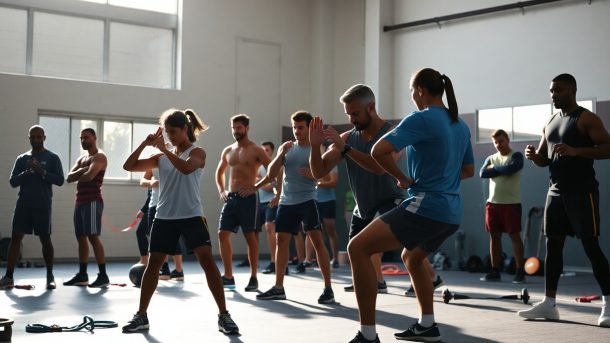
How to Avoid Common Mistakes in Sports Training

Most athletes, whether beginners or experienced, encounter pitfalls that can hinder their performance and progress. In this guide, you will learn about prevalent mistakes in sports training and how to steer clear of them. By understanding these common missteps, you can optimize your workouts, enhance your skills, and ultimately achieve your sporting goals more effectively. Let’s explore proactive strategies to ensure that your training sessions are both safe and productive.

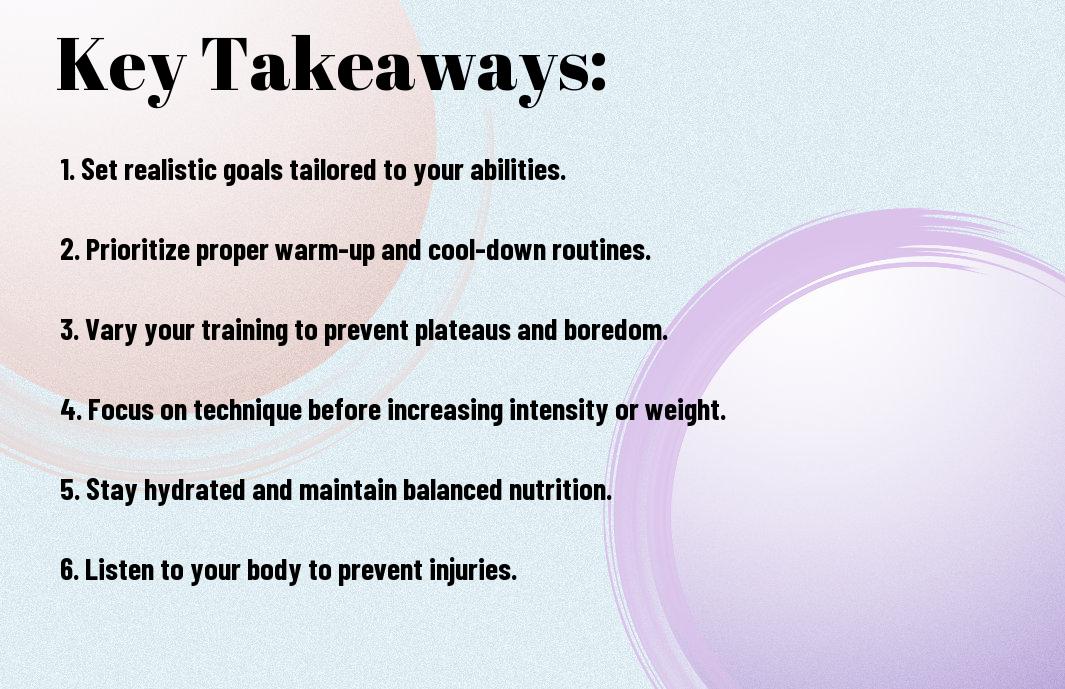
Key Takeaways:

  • Set Clear Goals: Define specific, measurable, and achievable objectives to guide your training.
  • Prioritize Rest and Recovery: Allow adequate recovery time to prevent injuries and enhance performance.
  • Focus on Proper Technique: Master the correct methods before increasing intensity to avoid bad habits and injuries.
  • Stay Hydrated and Nourished: Fuel your body with the right nutrition and hydration to optimize training outcomes.
  • Track Progress: Keep a record of your training sessions to identify areas for improvement and celebrate achievements.
Understanding Common Training Mistakes

Before you initiate on your sports training journey, it’s vital to recognize and avoid common mistakes that can hinder your progress. Many athletes, regardless of their experience level, fall into traps that can diminish performance and lead to injury. By being aware of these pitfalls, you can create a more effective and safe training regimen that helps you reach your goals.

Overtraining and Burnout

Overtraining can result from pushing your body beyond its limits without adequate recovery. This condition not only leads to physical fatigue but also mental burnout. It’s vital to listen to your body and incorporate rest days, ensuring you balance intensity and recovery to promote sustainable progress and enjoyment.

Improper Technique and Form

By neglecting proper technique and form, you increase your risk of injury and limit your performance potential. Training with an incorrect posture or movement pattern can lead to muscle strains and long-term issues, ultimately hindering your athletic development.

Indeed, focusing on proper technique is beneficial for maximizing your efficiency in training and competition. Taking the time to learn correct mechanics allows you to train effectively, reducing the risk of injury while building strength and skill. Working with a coach or reviewing instructional videos can help you refine your form, ensuring that every movement contributes positively to your overall performance.

Setting Realistic Goals

Even if you have big dreams, setting realistic goals is imperative for sustainable progress in your sports training. Aim for achievable targets that align with your current abilities, which will keep you motivated and on track. For insights on avoiding mistakes in strength training, check this Are you making 3 common mistakes when strength training? article to further refine your approach.

Short-term vs. Long-term Goals

Beside focusing on long-term aspirations, it’s equally important to establish short-term goals that act as stepping stones. These smaller milestones provide immediate motivation and opportunities for self-assessment, helping you to track your progress over time.

Adjusting Goals as You Progress

Adjusting your goals as you progress ensures they remain relevant and challenging. As your fitness level improves, it’s important to revisit and modify your targets to continue fostering growth and avoid stagnation.

Realistic goal adjustments allow you to embrace changing circumstances, such as shifts in your training schedule or unexpected challenges. Regularly evaluating your performance will not only boost your resilience but also enhance your overall training experience, making it possible to celebrate achievements while remaining focused on continual improvement.

Importance of Cross-Training

Keep in mind that cross-training is an vital component of a well-rounded fitness regimen. It not only helps to prevent injuries by varying the physical demands placed on your body, but it also enhances your overall performance by improving different areas of fitness. Engaging in multiple sports and activities enables you to develop various muscle groups and skills, making you a more versatile athlete. By incorporating cross-training into your routine, you can boost your motivation and enjoyment, ultimately leading to greater success in your primary sport.

Benefits of Variety in Training

For your training to be effective, it’s important to embrace variety. Mixing different types of workouts can prevent plateaus, keeping your body and mind engaged. Additionally, varied training helps to improve overall athleticism by developing strength, endurance, flexibility, and coordination. Whether it’s cycling, swimming, or strength training, introducing diverse workouts can lead to robust performance gains and reduce the risk of burnout.

Integrating Different Sports and Activities

An effective way to enhance your training is by integrating different sports or activities into your routine. This approach not only works different muscle groups but also allows you to develop various skills that can translate back to your primary discipline.

Further exploration of integrating different sports can benefit your athletic development significantly. For example, a runner might find strength in swimming and cycling, which provide a great non-impact cardiovascular workout while building muscle strength. Similarly, team sports can improve your agility and coordination, vital for any individual sport. The key is to select activities that you enjoy and that complement your main sport. This will not only keep your training fresh but also foster a greater love for fitness and movement.
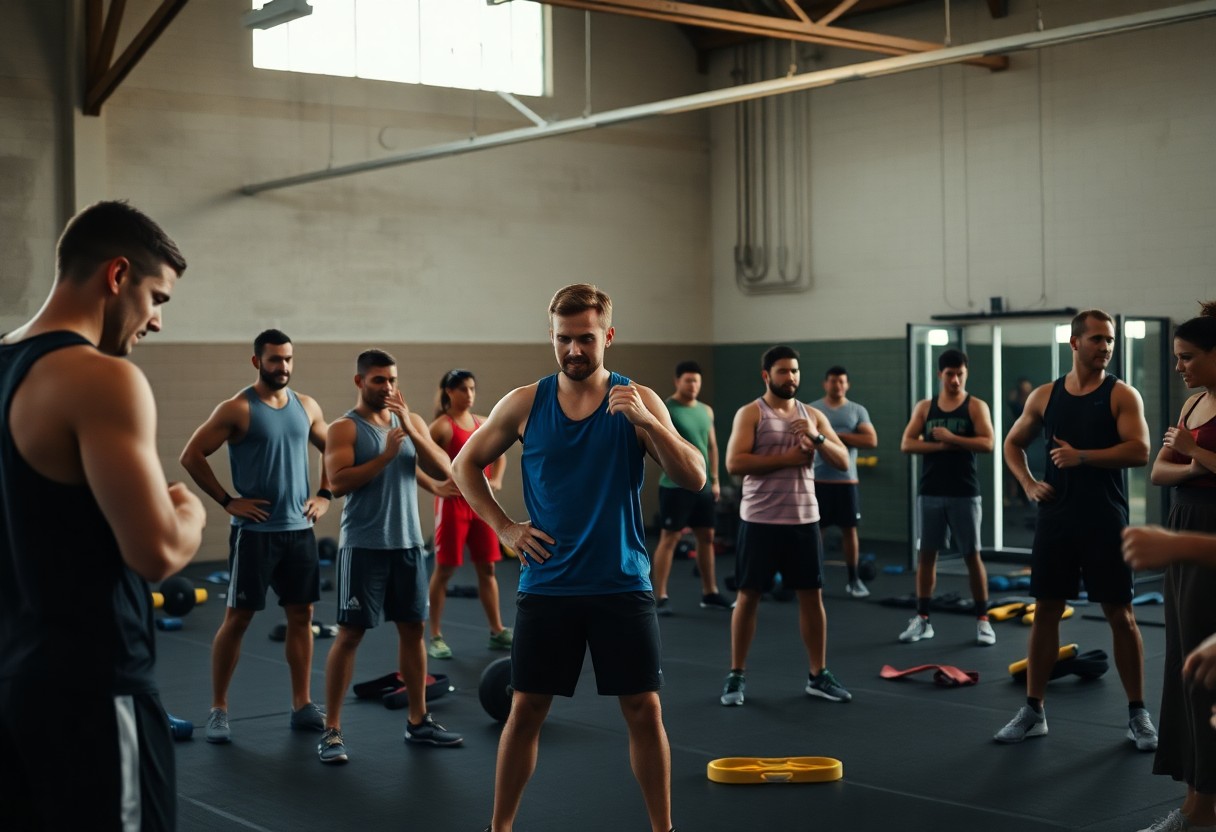
The Role of Recovery

All athletes must recognize that recovery is an crucial component of effective sports training. Proper recovery not only helps to repair muscles and reduce fatigue, but it also enhances your overall performance. By prioritizing recovery, you are setting yourself up for long-term success and minimizing the risk of injury, ultimately allowing your body to adapt to the physical demands of your training program.

Importance of Rest Days

Among the most vital aspects of any training regimen are rest days. They provide your body the opportunity to heal and regenerate, which is necessary for muscle growth and repair. Incorporating rest days into your schedule helps to prevent overtraining, maintain mental focus, and allow your technique to refine as you progress. Make these days a regular part of your routine for optimal performance gains.

Effective Recovery Techniques

Against common belief, recovery is not merely about taking a day off; it involves strategic techniques that expedite muscle recovery and rejuvenation. Engaging in practices such as stretching, hydration, nutrition, and restorative activities can enhance your recovery process. Each of these techniques plays a role in optimizing performance and reducing downtime.

Due to the varying demands of sports training, employing effective recovery techniques is vital for maintaining your energy levels and preventing injury. Adequate hydration helps to flush out toxins while balancing electrolytes crucial for muscle function. Consuming nutrient-rich foods can replenish energy stores and aid in muscle repair. Incorporating active recovery sessions, such as light swimming or yoga, alongside practices like foam rolling, can alleviate muscle tightness and promote blood flow. Tailoring your recovery techniques to fit your specific training needs will ensure you stay energized and ready for your next workout.

Nutrition and Hydration

To optimize your performance, understanding the right nutrition and hydration strategy is imperative. Many athletes overlook these components, leading to subpar training results. For instance, to Avoid These 7 Common Strength Training Technique …, you must ensure your body is fueled properly.

Nutrition Basics for Athletes

An effective nutrition plan includes a balanced intake of carbohydrates, proteins, and healthy fats. Your meals should be designed to support your energy needs while promoting recovery. Incorporating a variety of nutrient-dense foods can help you reach your training goals more efficiently.

Staying Hydrated During Training

An adequate hydration strategy will enhance your stamina and focus during workouts. It’s imperative to drink water before, during, and after your training sessions to maintain optimal performance levels.

It can be beneficial to monitor your fluid intake based on your activity intensity and duration. Consider incorporating electrolyte drinks if your training lasts more than an hour, as these can help replace lost minerals and keep you energized. Pay attention to your body’s signals; feeling thirsty is a sign that hydration is needed. Establishing these habits will support your overall training effectiveness, keeping you on track.

Mental Preparation and Focus

Now, effective mental preparation can significantly enhance your performance in sports training. By mastering your thoughts and emotions, you can boost your focus and endurance. Prioritizing mental conditioning alongside physical training helps you tackle challenges more effectively, enabling you to remain committed to your goals. Develop strategies that integrate visualization, positive self-talk, and mindfulness to stay centered and prepared for your training sessions and competitive events.

Building Mental Resilience

About building mental resilience, you need to cultivate the ability to bounce back from setbacks. This involves developing a growth mindset that sees challenges as opportunities for learning and improvement. Focus on embracing failure, understanding that it is part of your journey. Regularly practice self-reflection and identify strategies that strengthen your mental toughness, thereby enhancing your training outcomes and overall performance.

Techniques for Improved Focus

Before honing in on your focus, consider implementing specific techniques to sharpen your mental acuity and concentration during training. Techniques like setting clear goals, using visualization, and practicing breath control can help you minimize distractions and enhance your performance. Regular mental exercises, such as mindfulness meditation, can also train your brain to stay present and engaged, ultimately allowing you to react more effectively in high-pressure situations.

Building your focus requires patience and consistency. Engaging in consistent visualization exercises where you picture successful performances can prime your mind for success. Establish a pre-training routine that includes deep breathing and grounded affirmations to clear your head. Additionally, use checkpoints during your training to assess your focus and adjust your mindset as needed, refining your ability to stay present and engaged in each moment of practice.

To wrap up

Drawing together the insights shared, you can successfully avoid common mistakes in sports training by prioritizing a well-structured plan, setting realistic goals, and listening to your body. It’s important to balance intensity and recovery while incorporating a variety of training methods to enhance your performance. Regularly assessing your progress and staying open to adjustments in your routine will further refine your approach. By implementing these strategies, you will create a more effective and enjoyable training experience, ultimately leading you to achieve your athletic aspirations.

FAQ

Q: What are some common mistakes athletes make during their training routines?

A: Athletes often fall into several pitfalls during their training, including neglecting proper warm-up and cool-down routines, failing to listen to their bodies, and lacking variety in their workouts. A proper warm-up prepares the muscles and joints for intense activity, while cooling down aids in recovery and flexibility. Ignoring signs of fatigue or injury can lead to setbacks. Additionally, performing the same exercises repeatedly can lead to plateaus in performance, so it’s important to incorporate a mix of strength, endurance, flexibility, and sport-specific drills.

Q: How can training schedules help avoid mistakes in sports training?

A: Creating a well-structured training schedule is key to maximizing performance and preventing injuries. A balanced program includes appropriate rest days to allow the body to recover, a mix of different training types to enhance overall fitness, and progressive overload to promote strength and endurance improvements without overexertion. Tracking performance and adjusting the schedule as needed can also help athletes identify when they may be pushing too hard and need to modify their approach.

Q: What role does nutrition play in avoiding training mistakes?

A: Nutrition is important for optimal athletic performance and recovery. Athletes may overlook dietary needs, leading to fatigue, slower recovery times, and hindered performance. A balanced diet rich in proteins, carbohydrates, healthy fats, vitamins, and minerals supports energy levels and muscle repair. Additionally, staying hydrated is vital for maintaining performance during training and competitions. Consulting with a sports nutritionist can provide personalized guidance to enhance training outcomes and avoid common dietary pitfalls.
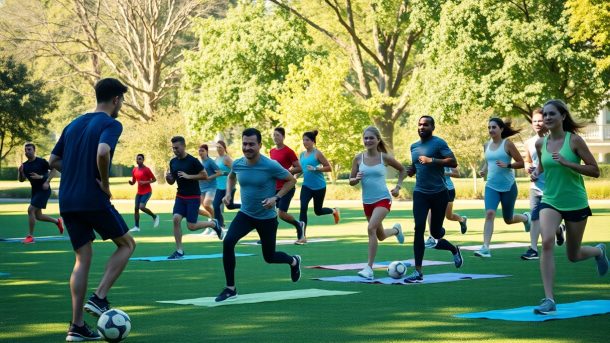
The Benefits of Sports for Overall Wellbeing

Just engaging in sports can significantly enhance your overall wellbeing, providing both physical and mental advantages. You experience increased fitness levels, improved cardiovascular health, and a boost in your immune system. Moreover, participating in sports fosters social connections and develops teamwork skills while alleviating stress and anxiety. If you want to explore these benefits further, check out the Benefits of Sports for Adolescents, which highlights the positive impact sports can have on young athletes.

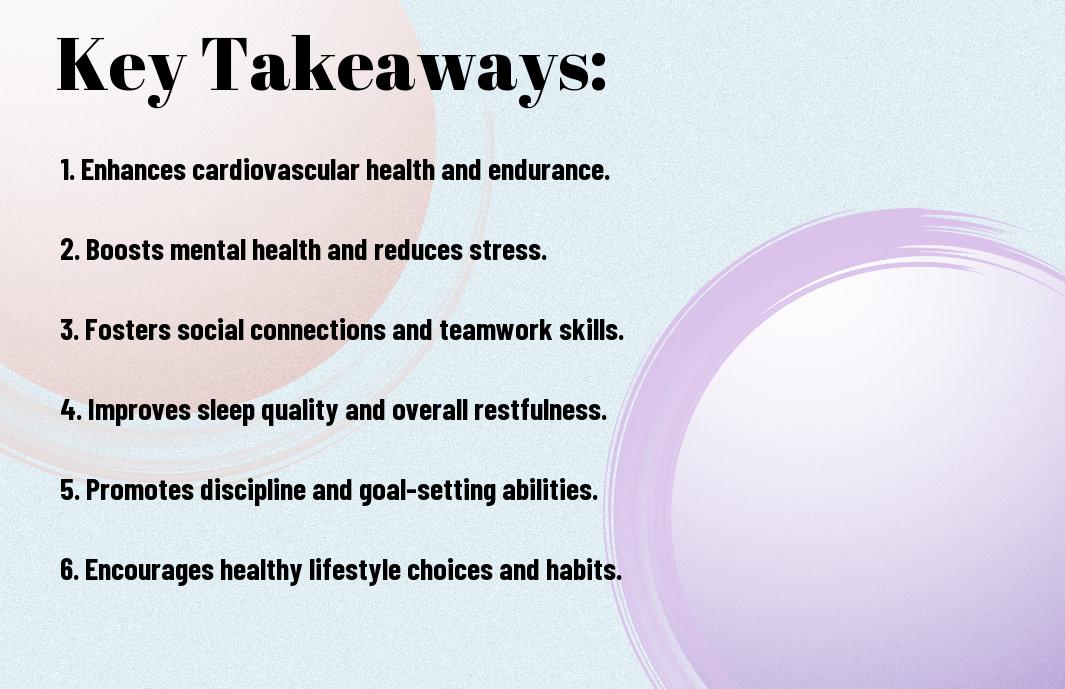
Key Takeaways:

  • Physical Health: Engaging in sports helps improve cardiovascular fitness, increase strength, and maintain a healthy weight.
  • Mental Wellbeing: Participation in sports can reduce stress, anxiety, and symptoms of depression, contributing to better mental health.
  • Social Skills: Team sports foster communication, teamwork, and relationship-building, enhancing social interactions.
  • Discipline and Goal Setting: Sports instill a sense of discipline and the ability to set and achieve goals, valuable in personal and professional life.
  • Lifelong Activity: Engaging in sports encourages a love for physical activity, promoting a lifelong commitment to fitness and health.

Physical Health Benefits

Your participation in sports provides numerous physical health benefits that enhance your overall wellbeing. Engaging in regular physical activity can improve your cardiovascular health, maintain a healthy weight, and increase your strength and flexibility. These elements not only contribute to a healthier body but also elevate your mood and boost your energy levels, making you feel more vibrant in your daily life.

Cardiovascular Fitness

On the whole, sports can significantly boost your cardiovascular fitness. Engaging in activities like running, swimming, or cycling elevates your heart rate, leading to improved circulation and reduced risk of heart disease. As you build endurance through consistent participation, you’ll notice increased stamina, allowing you to handle physical tasks more effectively and with greater ease.

Weight Management

Below maintaining a healthy weight is another significant benefit of engaging in sports. Physical activity helps you burn calories and build muscle, both of which are crucial for effective weight management. Regular participation not only helps you control your weight but also supports overall metabolic health.

At its core, weight management is about balancing the calories you consume with the calories you expend. When you participate in sports, you enhance your ability to burn off excess calories while fostering a healthy lifestyle that includes proper nutrition. This combination is vital for achieving and maintaining your ideal weight while enjoying the process of becoming more active.

Strength and Flexibility

Around sports, you’ll also experience enhanced strength and flexibility. Activities like yoga, gymnastics, or martial arts focus on body control and range of motion, which help you develop a strong and supple physique. Improved strength and flexibility can reduce injury risk and improve your performance in daily activities.

Further, building strength and flexibility through sports enables you to perform tasks with greater ease and less strain. As you continue to engage in these activities, you’ll find yourself more agile, capable of moving with confidence and reducing the likelihood of stiffness or discomfort. This body awareness can foster a more active lifestyle outside of sports as well.

Mental Health Benefits

The mental health benefits of engaging in sports are abundant. Regular participation in physical activities promotes better mental resilience, helps reduce anxiety, and fosters a more positive outlook on life. Engaging in sports not only provides an outlet for stress but also enhances social interactions, allowing you to connect with others, which can further boost your mental well-being.

Stress Reduction

Behind every exhilarating game or invigorating workout lies a powerful stress reliever. Physical activity stimulates the production of endorphins, which are chemicals in your brain that act as natural painkillers and mood elevators. By incorporating sports into your routine, you create a healthy distraction that helps alleviate daily pressures, allowing you to face life’s challenges with greater ease.

Improved Mood and Cognitive Function

Across various sports disciplines, you can experience notable improvements in your mood and cognitive abilities. Engaging in physical activity releases neurotransmitters that enhance your mood and can even help ward off feelings of depression. Furthermore, by promoting better blood flow to the brain, sports can sharpen focus, enhance memory, and increase overall cognitive function.

Benefits extend beyond temporary enjoyment; regular participation in sports equips you with tools to combat emotional struggles and enhance brain performance. You may find yourself feeling more energized, focused, and overall happier as you develop not only your physical prowess but also your mental clarity and resilience. This holistic growth is vital for maintaining a balanced and productive lifestyle.

Social Benefits of Sports

Keep in mind that engaging in sports not only benefits your physical health but also offers numerous social advantages. Participating in athletic activities creates opportunities for social interaction, allowing you to meet diverse individuals and forge lasting connections. The camaraderie developed in a team environment can lead to friendships that extend beyond the field, enriching your social life and enhancing your sense of community.

Building Relationships

Social environments foster an atmosphere where you can connect with others who share similar interests. Through teamwork, competition, or shared goals, sports provide a platform where you can build authentic relationships. These connections often evolve into deeper friendships, enriching your personal and social life while instilling a sense of belonging.

Enhancing Teamwork Skills

Teamwork is a fundamental aspect of any sports activity and plays a significant role in your personal development. By engaging in group sports, you learn to collaborate effectively with others, honing your communication and problem-solving abilities.

Enhancing your teamwork skills through sports can translate into various areas of your life. You become adept at understanding different perspectives and working toward common goals, whether in your personal relationships or professional settings. Sports teach you to navigate challenges collaboratively, fostering a sense of unity and trust within a team that can benefit your future endeavors.

Emotional Wellbeing

Once again, engaging in sports significantly enhances your emotional wellbeing by reducing stress and anxiety levels. Physical activity triggers the release of endorphins, which are natural mood lifters. Additionally, sports encourage social interaction, helping you build connections that foster a sense of belonging and support. When you take part in team activities or practice individually, you cultivate a mindset that promotes positivity and emotional stability.

Boosting Self-Esteem

Below, participating in sports can lead to increased self-esteem as you achieve personal goals and witness your own progress. Whether it’s mastering a new skill or earning a victory, these accomplishments reinforce your self-worth and encourage a positive self-image. The sense of achievement you feel after a game or practice not only boosts your confidence but also translates into other aspects of your life.

Developing Resilience

Below, sports are an excellent avenue for developing resilience, as they teach you to handle setbacks and challenges head-on. The competitive nature of sports often involves facing defeats, which can strengthen your ability to bounce back from adversity. Through overcoming these obstacles, you cultivate a mindset that embraces challenges and sees them as opportunities for growth.

Resilience is an necessary trait that equips you to navigate life’s ups and downs. By learning to cope with losses and setbacks in sports, you cultivate a stronger mindset that can be applied to various situations in your life. This process of persistence helps build mental fortitude, enabling you to face challenges outside the playing field with greater confidence and determination. Ultimately, developing resilience through sports enhances not only your emotional wellbeing but also enriches your overall life experience.

Sports as a Community Activity

Despite the individualistic nature often associated with sports, they serve as a powerful community activity that fosters connections among diverse groups. By participating in team sports, you not only enhance your physical capabilities but also build friendships and support networks that enrich your social life. These interactions can lead to a shared sense of belonging, enhancing your overall wellbeing and contributing positively to community cohesion.

Fostering Community Engagement

The engagement in sports activities encourages local involvement and strengthens community ties. By joining teams or participating in local events, you take part in collective experiences that bring people together. This shared passion for sports can pave the way for increased collaboration and mutual support within your community, creating a vibrant environment that benefits everyone involved.

Promoting Inclusivity

Engagement in sports initiatives promotes inclusivity by welcoming individuals from various backgrounds, abilities, and ages. This environment championing diversity allows you to appreciate unique perspectives, ultimately enriching your overall experience. When everyone is invited to participate, irrespective of their skill level, the sporting community becomes strengthened and more resilient.

Community sports programs often prioritize creating an inclusive atmosphere where you can feel comfortable and valued. By participating in these initiatives, you support a culture that recognizes the importance of diversity among participants. This not only enhances the sporting experience for you but also encourages connections with others who may share your interests while celebrating the differences that make your community vibrant and dynamic.

Long-term Benefits of Staying Active

Unlike sedentary lifestyles that can lead to various health issues, staying active provides significant long-term benefits for your physical and mental wellbeing. Engaging consistently in sports or physical activities not only helps maintain a healthy weight but also boosts your cardiovascular health and strengthens your muscles. These benefits accumulate over time, empowering you to enjoy a more vibrant and enriched life as you age.

Aging Gracefully

Along with promoting overall health, staying active allows you to age gracefully by improving your flexibility, balance, and strength. Regular physical activity helps maintain your mobility and independence, decreasing the likelihood of falls and injuries as you get older. Embracing an active lifestyle contributes to a more fulfilling and joyful aging process, ensuring you remain engaged with the activities and people that enrich your life.

Preventing Chronic Diseases

Alongside the benefits of mental and emotional health, staying active plays a pivotal role in preventing chronic diseases. Regular physical activity reduces your risk of conditions such as heart disease, diabetes, and certain cancers by promoting healthy circulation and improving your body’s efficiency in managing blood sugar levels.

In fact, engaging in consistent physical activity can lower your risk of developing chronic diseases by as much as 30-50%. By incorporating sports or exercise into your routine, you create a robust defense against these health issues. Furthermore, you enhance your immune system, ensuring your body is better equipped to fend off various illnesses. Investing in your physical activity today leads to healthier, disease-free tomorrows.

Summing up

The benefits of sports extend far beyond physical fitness, playing a vital role in enhancing your overall wellbeing. Engaging in sports can improve your mental health, boost self-esteem, and foster social connections. By participating in physical activities, you cultivate discipline and resilience, which contribute positively to your daily life. Explore What Are the Surprising Benefits of Youth Sports Programs? to learn how sports can enrich not only your life but also the lives of young athletes in your community.

Q: How does participating in sports contribute to mental health?

A: Engaging in sports can significantly enhance mental health by releasing endorphins, which are often referred to as “feel-good” hormones. This natural chemical response helps alleviate feelings of stress, anxiety, and depression. Additionally, sports foster a sense of community and belonging through teamwork and social interaction, often leading to improved self-esteem and confidence. Participants also experience the therapeutic benefits of focusing on the game, which can distract from daily pressures and promote a sense of accomplishment and satisfaction.

Q: What physical health benefits are associated with regular participation in sports?

A: Regular involvement in sports promotes numerous physical health benefits, including improved cardiovascular fitness, increased strength, and better flexibility. Regular exercise associated with sports helps in maintaining a healthy weight and reducing the risk of chronic diseases such as diabetes, heart disease, and hypertension. Furthermore, sports can enhance coordination, balance, and bone density, contributing to overall physical resilience and longevity.

Q: How can sports positively impact social skills and relationships?

A: Sports often require teamwork and communication, which can greatly enhance social skills. Individuals involved in team sports learn to collaborate, listen, and negotiate with teammates, facilitating better interpersonal skills. The bonds formed through shared experiences, whether in victory or defeat, often lead to lasting friendships and a supportive social network. Participation in sports can also increase opportunities for meeting new people, improving social interactions and reducing feelings of isolation.

How to Master Mental Focus for Sports Success

Just as physical skills are vital in sports, mastering mental focus is key to your success. This blog post will guide you through practical strategies to enhance your concentration and mental resilience, enabling you to perform at your best even under pressure. By implementing these techniques, you can improve your game, reduce distractions, and increase your overall performance. Let’s probe the fundamentals of honing your mental focus for athletic excellence.

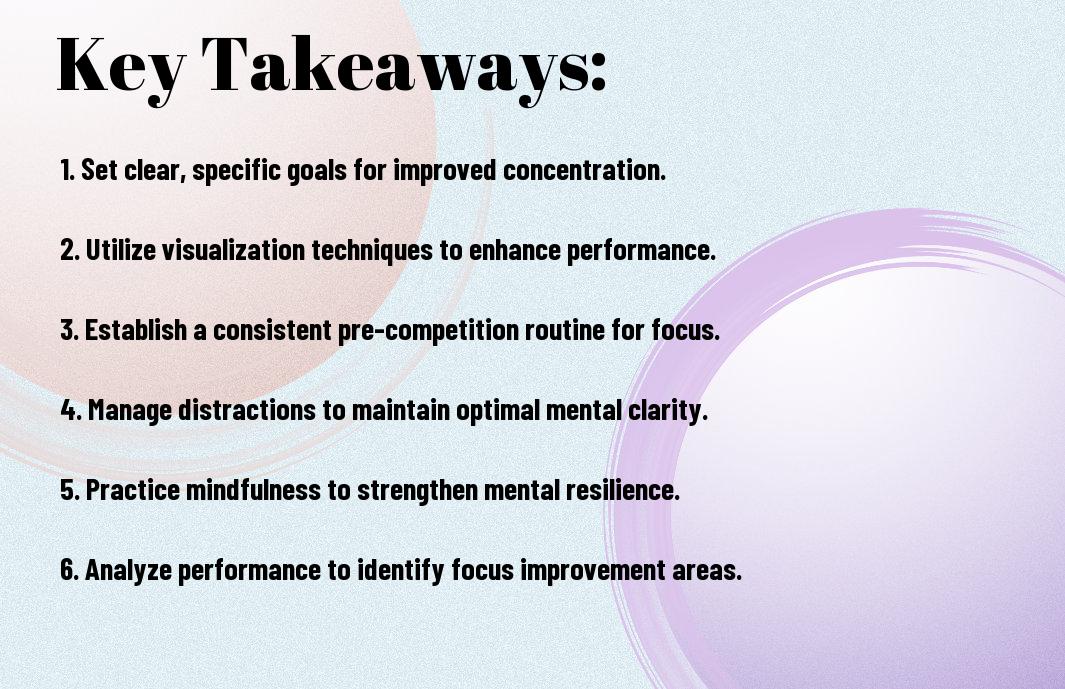
Key Takeaways:

  • Mindfulness Practice: Incorporate mindfulness exercises to enhance your awareness and concentration during training and competitions.
  • Goal Setting: Define clear, achievable goals to maintain determination and direction in your athletic journey.
  • Visualization Techniques: Utilize mental imagery to envision success and improve your performance under pressure.
  • Breathing Exercises: Implement controlled breathing strategies to manage stress and maintain focus in high-stakes situations.
  • Routine Development: Establish consistent pre-performance routines to create a mental edge and boost confidence.

Understanding Mental Focus

Before you can cultivate mental focus, it’s imperative to grasp what it entails. Mental focus revolves around your ability to concentrate on specific tasks, minimize distractions, and maintain an optimal state of alertness during competition. It is not just a skill but a vital component that can significantly influence your performance in sports. Enhancing this aspect of your mental game can lead to impressive improvements in effectiveness and consistency.

The Importance of Mental Focus in Sports

Among athletes, mental focus is often seen as a key differentiator that separates the good from the elite. Staying focused helps you execute skills with precision, respond to challenges swiftly, and maintain your competitive edge. By honing this ability, you’re setting yourself up for greater success, allowing for a complete immersion in the game where distractions fade away, and performance peaks.

The Science Behind Focus and Performance

An increasing body of research highlights the relationship between mental focus and athletic performance. Studies show that sustained focus is linked to improved decision-making, reaction times, and even physical endurance during competitions. This correlation illustrates that your mental state can directly impact your execution of skills and overall performance.

Considering the neurological aspects, your brain processes information differently when you are in a focused state. Activation of specific brain regions enhances your ability to filter out distractions and prioritize imperative tasks. Neurotransmitters, such as dopamine, play a significant role in motivation and focus, further demonstrating how imperative your mental state is for achieving peak performance. By aligning your focus with these principles, you can optimize your athletic capabilities and reach new heights in your sport.

Techniques to Enhance Mental Focus

One effective way to enhance your mental focus is by incorporating specific techniques into your training routine. Mindfulness practices, such as meditation and journaling, can help you cultivate a concentrated mindset. Additionally, establishing a consistent pre-performance routine can prepare you mentally and physically, allowing you to stay engaged with the task at hand. By integrating these techniques, you’ll find it easier to maintain attention and achieve greater success in your sports endeavors.

Visualization and Imagery

Beside focusing on physical skills, utilizing visualization and imagery can significantly improve your performance. By picturing yourself executing techniques perfectly and achieving your goals, you create a mental blueprint that your body can follow. This practice helps build confidence and can reduce performance anxiety, ultimately leading to more consistent outcomes in your sporting activities.

Breathing Exercises and Relaxation Techniques

By incorporating breathing exercises and relaxation techniques, you can enhance your focus, particularly under pressure. These practices help you calm your mind, allowing you to center your thoughts and reduce anxiety. Simple techniques such as deep-breathing exercises, progressive muscle relaxation, or guided imagery can create a sense of tranquility, ultimately guiding your thoughts back to your sport and boosting your mental concentration.

Focus on using breathing exercises to foster a state of calm and clarity before competitions or intense training. Try practicing deep breaths, inhaling for a count of four, holding for a count of four, and exhaling for a count of four. This rhythmic breathing not only calms your mind but also provides physical benefits, increasing oxygen flow to your muscles. Additionally, taking a few moments for relaxation techniques, such as stretching or mindfulness meditation, can help you reset and sharpen your focus, making you more present in the moment and ready to excel.

Setting Goals for Focus Improvement

Many athletes understand that setting clear goals is imperative for enhancing your mental focus and overall performance. By defining specific targets, you create a pathway that not only guides your training but also helps you stay committed to improving your focus. Establishing these goals enables you to measure your progress and adjust your strategies as necessary, fostering a relentless pursuit of success in your sport.

Short-term vs. Long-term Goals

Around your journey, you’ll find it beneficial to create a mix of short-term and long-term goals. Short-term goals focus on immediate improvements and can provide quick wins to motivate you, while long-term goals keep you aligned with your overarching vision. Balancing these types of goals encourages consistent growth, ensuring you remain engaged and motivated throughout your training cycle.

SMART Goals Framework

For effective goal setting, consider the SMART Goals Framework. SMART stands for Specific, Measurable, Achievable, Relevant, and Time-bound. By breaking your goals down into these components, you can create a roadmap that offers clarity and direction, allowing you to maintain focus on what truly matters in your training and performance.

It’s important to craft your goals with precision. Specificity means knowing exactly what you want to achieve, while measurability allows you to track your progress and stay accountable. Achievability ensures your goals are realistic, motivating you rather than discouraging you. Relevance ties directly to your personal aspirations and sport, and time-bound is about setting deadlines to create urgency. Using the SMART framework, you empower yourself to focus more effectively in your training and competition.

The Role of Routine and Consistency

Keep in mind that establishing a solid routine and maintaining consistency in your training can significantly enhance your mental focus during sports. Developing habits encourages your mind to settle into a flow state, where concentration thrives. For effective techniques, explore Sports Psychology Exercises for Concentration and Focus as you integrate these practices into your lifestyle.

Establishing a Pre-Game Routine

Around game day, creating a structured pre-game routine can help you mentally prepare. This routine may include visualization techniques, breathing exercises, or warm-up sessions to prime your mind and body for peak performance. Tailoring your routine to fit your specific preferences ensures it becomes a reliable element in your game preparation.

Daily Practices for Mental Clarity

Along with pre-game routines, incorporating daily mental exercises is vital for sustaining mental clarity. These exercises can be as simple as mindfulness meditation, journaling about your performance, or engaging in focus-specific drills that sharpen your concentration skills throughout your training.

Practices like visualization and affirmations are excellent daily exercises that reinforce your focus and clarity. You can create mental images of your ideal performance, which helps build confidence and prepares you for the challenges ahead. Additionally, journaling your thoughts and feelings can provide insights into your mental state, enabling you to identify patterns and areas for improvement. Consistently engaging in these activities enhances your overall mental strength, allowing you to perform at your best when it matters most.

Addressing Distractions

To achieve peak performance in sports, it’s important to address distractions that can hinder your focus. Recognizing what diverts your attention allows you to take proactive steps in fostering a more disciplined mindset during training and competitions. Establishing this awareness is the first step towards ensuring that external factors do not disrupt your mental clarity and, ultimately, your success.

Identifying Common Distractions

On your journey to mastering mental focus, recognizing common distractions is vital. These can range from external noise, such as spectators or teammates, to internal thoughts, like self-doubt or worry about performance. Taking the time to pinpoint these interruptions will empower you to combat them effectively, setting a stronger foundation for your focus.

Strategies to Minimize Interruptions

On the path to maintaining focus, implementing strategies to minimize interruptions is vital. This can include creating a designated practice space, utilizing visualization techniques, and practicing mindfulness. By consciously working to reduce distractions, you can enhance your ability to concentrate and perform at your best during critical moments.

With a few targeted strategies at your disposal, you can significantly reduce interruptions that disrupt your focus. Setting up a dedicated training environment free from distractions, incorporating visualization exercises to mentally prepare for competition, and practicing mindfulness techniques to ground yourself in the present moment can all help sharpen your concentration. Additionally, establishing a pre-competition routine can signal to your mind that it’s time to focus, thus reducing the chances of interruptions during high-stakes situations.

The Impact of Physical Health on Mental Focus

All athletes should understand that physical health significantly influences mental focus. When your body is strong and well-cared for, your mind can better concentrate on the task at hand. Engaging in effective mental training for sports success can enhance your overall performance. For more insights, check out Mental training for sports success.

Nutrition and Hydration

An athlete’s performance is deeply intertwined with proper nutrition and hydration. Fueling your body with the right nutrients allows your brain to function optimally, enhancing your focus during training and competitions. Staying well-hydrated is crucial for maintaining energy levels and mental clarity, so prioritize a balanced diet and sufficient fluid intake.

The Importance of Sleep and Recovery

Sleep is one of the most important factors influencing your mental focus. Adequate rest restores your brain function and improves cognitive abilities, allowing you to maintain concentration during high-stakes moments. Prioritizing recovery not only enhances your performance but also supports your overall well-being.

Considering the demands of your training and competition schedules, ensuring you get enough quality sleep is vital. Establish a regular sleep routine to help your body and mind recover efficiently. Incorporating rest days into your training regimen allows for muscle recovery and mental rejuvenation, creating a solid foundation for sustained focus and athletic success.

To wrap up

On the whole, mastering mental focus for sports success requires dedication and practice in integrating various strategies into your routine. By setting clear goals, visualizing your performance, and utilizing relaxation techniques, you can enhance your concentration and resilience during competitions. Additionally, exploring The Nine Mental Skills of Successful Athletes will provide you with crucial tools to sharpen your focus and improve your overall performance. Commit to these practices, and you’ll see significant improvements in your athletic endeavors.

Q: What are effective techniques to enhance mental focus in sports?

A: To enhance mental focus in sports, athletes can employ several techniques. Visualization is a powerful tool; mentally picturing oneself performing well can significantly boost concentration and confidence. Another technique is mindfulness meditation, which encourages staying present and reduces distractions. Establishing pre-performance routines can also help athletes enter the right mindset. These routines might include specific warm-up activities or breathing exercises that signal the brain to focus solely on the task at hand.

Q: How can goal-setting contribute to better mental focus in athletic performance?

A: Goal-setting plays a vital role in improving mental focus by providing clear objectives that athletes can work towards. By establishing specific, measurable, achievable, relevant, and time-bound (SMART) goals, athletes can maintain their attention on what matters most. Breaking larger goals into smaller, manageable milestones allows for a progressive approach, helping to avoid feelings of being overwhelmed. This structured focus directs energy and concentration towards incremental achievements and fosters a growth mindset.

Q: What role does self-talk play in maintaining mental focus during competitions?

A: Self-talk can significantly influence an athlete’s mental focus during competitions. Positive self-talk reinforces confidence and can counter negative thoughts that might arise under pressure. Coaches and athletes can work together to develop empowering phrases that players can repeat to themselves during challenging moments. This internal dialogue can redirect focus away from distractions and onto performance. Practicing these affirmations and challenging negative prompts can enhance an athlete’s ability to stay engaged and present throughout the event.

The Role of Core Strength in Sports Performance

Many athletes overlook the significance of core strength in enhancing their sports performance. Your core muscles play a vital role in stabilizing your body, improving balance, and aiding in the execution of powerful movements across various sports. By developing a strong core, you can optimize your athletic abilities, reduce the risk of injuries, and improve overall efficiency in your performance. Understanding the impacts of core strength will empower you to tailor your training regimen for maximum results.

Key Takeaways:

  • Core Stability: A strong core provides stability, which is important for maintaining balance during athletic movements.
  • Power Generation: Core strength significantly contributes to the transfer of energy from the lower to the upper body, enhancing overall power output.
  • Injury Prevention: A well-developed core can help reduce the risk of injuries by supporting proper alignment and movement mechanics.
  • Improved Endurance: A strong core supports better posture and alignment, aiding endurance by minimizing fatigue in other muscle groups.
  • Sport-Specific Advantages: Different sports require various core strength applications, making targeted training important for optimizing performance in specific activities.

Understanding Core Strength

Before you can enhance your sports performance, it’s imperative to comprehend the role of core strength. Core strength is the foundation for any athletic activity, impacting balance, stability, and power. For a deeper insight, you may want to explore the Effect of Core Training on Skill Performance Among Athletes, which highlights how core conditioning can directly influence your effectiveness in various sports.

Definition of Core Strength

One way to define core strength is as the ability of your body’s core muscles—which include the abdominal, back, and pelvic muscle groups—to maintain stability and support movement. This strength is vital for any athlete, ensuring that you can execute various techniques effectively without compromising your balance.

Importance in Overall Fitness

An understanding of core strength is indispensable for your overall fitness. A strong core not only improves athletic performance but also enhances everyday activities and reduces the risk of injuries.

Even beyond performance in sports, core strength plays a significant role in improving your posture and promoting better alignment. A solid core stabilizes your entire body, which directly translates into better movement efficiency in fitness routines, weightlifting, and daily activities. When you develop your core, you enhance not just your athletic skills but also your overall fitness and health.

Core Muscles and Their Functions

Clearly, understanding your core muscles and their functions is crucial for enhancing your sports performance. The core comprises various muscles that stabilize your spine, pelvis, and shoulder complex. For a deeper explore the significance of these muscles, check out this article on Core Stability for Athletic Performance. A strong core not only supports better movement patterns but also contributes to power generation and injury prevention.

Major Muscle Groups Involved

Muscle groups such as the rectus abdominis, obliques, and transverse abdominis play significant roles in core strength. These muscles work together to ensure proper posture and balance, allowing you to maintain control during dynamic movements. Additionally, the erector spinae and pelvic floor muscles are crucial for supporting your spine, making your core a foundational aspect of overall athletic performance.

Role of Stabilization

Before you can excel in your sport, you need to master the art of stabilization through your core. Stabilizing your body during activities allows you to maintain proper form and execute movements with precision. Without this stabilization, you may experience inefficiency and a higher risk of injury.

But stabilization goes beyond just maintaining balance; it directly impacts your ability to generate power and endurance. When your core is engaged and stable, movements become more fluid, allowing you to harness maximum strength while minimizing unwanted strain on surrounding muscles and joints. By focusing on stability, you set the stage for enhanced movement efficiency and greater athletic success.

Core Strength and Athletic Performance

Unlike upper body or leg strength, core strength acts as a foundation for all athletic movements, providing stability and balance important for peak performance. When you engage your core, you enable better control over your body, leading to improved technique and greater precision in your sport, whether it’s running, swimming, or playing a team game. A strong core supports your physical demands by enhancing coordination, reducing injury risk, and optimizing overall movement efficiency.

Impact on Endurance

Endurance performance greatly benefits from a strong core, as it allows you to maintain proper posture and form over extended periods. With enhanced core stability, you can effectively transfer energy throughout your body, minimizing fatigue and maximizing your output during endurance events. This capacity to sustain effort is vital for athletes looking to excel in long-distance competitions and prolonged training sessions.

Enhancement of Power and Agility

One of the most significant advantages of core strength is its role in enhancing your power and agility. A strong core allows you to generate explosive movements with greater efficiency, enabling faster sprinting, jumping, and quick directional changes. When your core is well-developed, you can optimize the kinetic energy produced from your lower body, translating it into stronger performances in your sport of choice.

Even subtle improvements in core stability can lead to marked gains in your power and agility. When you can stabilize your core, you also enhance your ability to react quickly to opponents or environmental changes, vital for sports that demand rapid decision-making and movement. By integrating core training into your routine, you not only improve your performance but also develop a competitive edge that can set you apart from your peers.

Core Training Techniques

After understanding the importance of core strength, it’s important to explore effective training techniques. These methods can enhance your athletic performance by targeting various core muscles. Techniques such as planks, stability ball exercises, and rotational movements not only keep your core engaged but also improve balance and coordination. Consistency is key, so incorporating these exercises into your routine will help build a solid foundation for all sports activities.

Recommended Exercises

Along with traditional core exercises, you should include dynamic movements such as mountain climbers and Russian twists to engage multiple planes of motion. Pilates and yoga can also be beneficial for building core strength while promoting flexibility. The aim is to vary your workouts to challenge different muscle groups, ensuring a well-rounded approach to core training that supports your overall sports performance.

Incorporating Core Work into Training Regimens

For optimal athletic performance, it’s important to integrate core training into your overall workout regimen. You should treat core exercises like any other key workout component, scheduling them two to three times a week to see improvement. Whether you’re engaging in strength training or cardio sessions, you can incorporate core stability work to keep your core activated and ready for the demands of your sport.

Considering the intensity and focus of your other training sessions, it’s beneficial to incorporate core work into both your warm-up and dynamic stretches. By adding core exercises during your warm-up, you activate the muscles needed for optimal performance right from the start. Similarly, integrating these exercises into your cooldown or recovery helps maintain engagement without overextending your muscles. Emphasizing core strength throughout your training can lead to greater agility, balance, and overall performance in your chosen sport.

Common Myths about Core Strength

Despite the increasing popularity of core training, several myths still persist that can mislead athletes and fitness enthusiasts alike. Many believe that core strength equates solely to having visible abs, or that crunches are the best way to achieve core stability. Understanding these misconceptions is imperative for developing an effective training regimen that truly enhances your sports performance.

Misconceptions about Core Training

Before delving into core training, it’s vital to clarify what it encompasses. Some individuals think core training involves just traditional abdominal exercises like sit-ups or planks, but in reality, it includes enhancing the stability of your entire torso, engaging multiple muscle groups to support various movements.

Facts vs. Myths

About core strength, countless myths overshadow its true nature and significance. One common myth is that you need to train your core daily to see results; however, this can lead to overtraining and diminish effectiveness.

But it’s important to differentiate between myths and facts regarding core strength. Research shows that core training can involve a variety of movements that engage not just your abs, but also your back, hips, and pelvis. Effective core workouts can enhance performance in your chosen sport by improving stability and balance, while also contributing to injury prevention. Quality and variety in your training routines are far more effective than simply focusing on high-frequency workouts.

Case Studies

Keep in mind that examining specific case studies can illustrate the significant impact of core strength on athletic performance. Here are some compelling examples:

  • A study on elite soccer players revealed that those with higher core stability scores improved shooting accuracy by 25%.
  • A group of Olympic gymnasts enhanced their performance scores by 18% after a 12-week core strength program.
  • Research highlighted that marathon runners with strong core muscles reduced their risk of injuries by 30% over one season.
  • An analysis of basketball players indicated those incorporating core workouts increased their vertical leap by an average of 2.5 inches.

Success Stories in Various Sports

For athletes across multiple disciplines, the incorporation of core strength training has led to remarkable success. Many professional runners have reported enhanced endurance, enabling them to maintain their pace longer. Several strength athletes have attributed their ability to lift heavier weights to improved core stability, which protects against injury and optimizes power transfer. Even team sports like football and basketball have seen players increase their agility and speed as a direct result of focused core workouts.

Research Findings on Core Strength Impacts

After examining extensive research, it becomes evident that core strength significantly influences overall athletic performance. Studies have documented that athletes with a robust core exhibit better balance, increased agility, and superior functional movement patterns.

Stories from various studies illustrate that athletes who engage in core stabilization exercises often experience not just enhanced performance but also greater resilience against common sports injuries. Specifically, a meta-analysis found that incorporating core training can lead to a 50% reduction in injury rates among both novice and advanced athletes. This demonstrates the clear link between a strong core and sustainable athletic performance, highlighting how your investment in core strength can pay off in multiple aspects of your sporting journey.

Final Words

Drawing together the insights on core strength, you can see its significant impact on your sports performance. By developing your core, you enhance your stability, balance, and overall efficiency in movement, allowing you to execute skills more effectively. Investing time in core training not only helps to prevent injuries but also elevates your athletic potential, regardless of the sport you pursue. Prioritizing this foundational aspect of fitness will undoubtedly lead to improved performance and greater enjoyment in your athletic endeavors.

Q: What is core strength and why is it important for athletes?

A: Core strength refers to the ability of the muscles in the abdomen, lower back, hips, and pelvis to work together effectively. For athletes, strong core muscles stabilize the body during movement and can enhance overall performance. This strength allows for better balance, coordination, and control, which are necessary for executing various sports-specific skills. Furthermore, a strong core helps in preventing injuries by maintaining proper body alignment and distributing forces effectively during physical activities.

Q: How does core strength impact specific sports performance?

A: Core strength plays a significant role across different sports. For instance, in sports like running, a strong core helps maintain proper posture and reduces the risk of overuse injuries. In team sports such as soccer or basketball, it aids in quick changes of direction and enhances stability during intense movements. Additionally, in sports that require explosive power, like weightlifting or sprinting, a strong core serves as a foundation for generating force, allowing athletes to perform at their best.

Q: What are some effective exercises to improve core strength for athletes?

A: There are various exercises that can help athletes enhance their core strength. Some effective options include planks, which engage multiple muscle groups; Russian twists, which improve rotational strength; and bridges, which strengthen the lower back and glutes. Additionally, incorporating stability ball exercises or medicine ball throws can further challenge core muscles and mimic the dynamic movements encountered in sports. It’s beneficial for athletes to consult a coach or trainer for a personalized training plan that focuses on their specific sport and needs.

How to Train for Sports with Minimal Equipment

It’s entirely possible to elevate your sports training without a full gym’s worth of equipment. You can achieve outstanding results by leveraging bodyweight exercises, improvised gear, and dedicated routines tailored to your specific athletic goals. This guide will provide you with effective techniques and resources to maximize your training sessions, allowing you to enhance your performance while keeping your workouts efficient and engaging. Get ready to explore how you can train smart and stay competitive with little more than your determination and creativity.

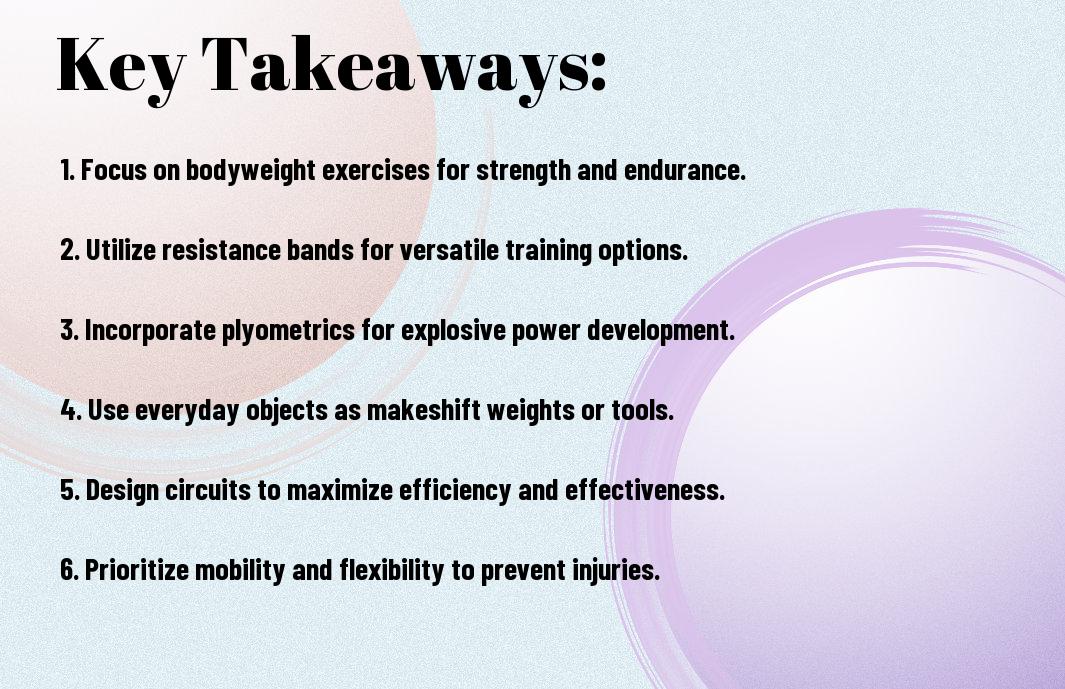
Key Takeaways:

  • Bodyweight Exercises: Utilize your own body weight for strength training through push-ups, squats, and lunges to enhance overall fitness.
  • High-Intensity Interval Training (HIIT): Incorporate HIIT workouts to boost cardiovascular fitness and endurance without the need for gym equipment.
  • Creative Use of Everyday Items: Turn common household objects like chairs and backpacks into versatile training tools for resistance and balance exercises.
  • Focus on Mobility and Flexibility: Engage in stretching routines and mobility exercises to prevent injuries and improve performance, which can be done with or without props.
  • Set Clear Goals: Establish specific and measurable fitness goals to maintain motivation and track progress during your training sessions.

Understanding Minimal Equipment Training

Your training regimen doesn’t need to be limited by the availability of fancy equipment or a fully stocked gym. Minimal equipment training emphasizes the use of simple tools and your body weight to achieve effective workouts. This approach not only reduces the barriers to training but also allows for creativity and adaptability in your workouts, leading to improved strength, endurance, and flexibility.

Benefits of Minimal Equipment

At its core, minimal equipment training provides significant advantages, including increased accessibility, versatility, and the ability to engage in functional movements. With fewer resources needed, you can train virtually anywhere—at home, in the park, or even while traveling. Moreover, this method often emphasizes bodyweight exercises, which can enhance balance and core stability.

Types of Minimal Equipment

Understanding the types of minimal equipment available can help you tailor your workouts toward your goals. Here’s a list of some effective tools:

  • Resistance bands
  • Dumbbells
  • Kettlebells
  • Medicine balls
  • Jump rope

Assume that each of these tools offers a different benefit, so you can mix and match them for varied training. Below is a breakdown of their potential advantages:

Equipment Benefits
Resistance Bands Versatile for strength and flexibility
Dumbbells Great for weight training and balance
Kettlebells Excellent for dynamic workouts
Medicine Balls Ideal for core strength and explosive movements
Jump Rope Boosts cardiovascular fitness

With this variety of tools, you can design a balanced workout routine that suits your individual needs. Ensure to include bodyweight exercises like push-ups, squats, and planks, which can enhance your overall fitness without any equipment. Combining these tools can make your workouts both effective and enjoyable.

  • Focus on compound movements
  • Incorporate progressive overload
  • Keep workouts diverse
  • Prioritize form over quantity
  • Utilize intervals for maximum efficiency

Assume that by embracing minimal equipment training, you are equipping yourself with the necessary skills to train anywhere, paving the way for consistent and effective fitness progression.

Designing Your Training Program

Some athletes may feel overwhelmed when creating a training program with minimal equipment, but a well-structured plan can maximize your efforts. Start by identifying the key components of your sport and then incorporate those elements into your routine. Focus on bodyweight exercises and functional movements that can be performed anywhere. Tailor the program to fit your specific needs, and adjust it as you progress to ensure continual improvement.

Setting Goals

Goals are important for any training program. Establish both short-term and long-term objectives that are specific, measurable, and attainable. Whether you aim to increase your endurance, strengthen your core, or refine your skills, having clear milestones will keep you motivated and focused on your training journey.

Creating a Balanced Routine

Balanced training involves incorporating various components of fitness, ensuring that you address strength, flexibility, endurance, and skill development. Vary your workouts to include different exercises targeting various muscle groups and energy systems, preventing overuse injuries. By integrating a mix of cardio, strength, and mobility exercises into your routine, you can enhance overall performance and support holistic development.

Your balanced routine should include a combination of strength training, cardiovascular exercises, and flexibility work. Include exercises like push-ups, squats, lunges, and planks for strength, while running, cycling, or jumping rope can boost your endurance. Don’t forget to incorporate stretching and mobility drills to improve flexibility and prevent injuries. Evaluate your routine regularly, adjusting the intensity and focus based on your progress and specific sport requirements.

Key Exercises for Strength and Conditioning

Many athletes overlook the potential of training with minimal equipment. By incorporating a variety of key exercises, you can efficiently build strength and conditioning without the need for a gym. Focus on bodyweight movements, resistance bands, and other versatile tools to maximize your training. This approach enables you to enhance your performance in your chosen sport while developing overall fitness, whether at home or outdoors.

Bodyweight Exercises

An effective way to build strength is through bodyweight exercises. These movements, such as push-ups, squats, and lunges, utilize your own weight as resistance, making them accessible anywhere. By varying your routines and incorporating progressive overload, you can continuously challenge your muscles, improving endurance and strength without any equipment needed.

Resistance Band Workouts

Besides bodyweight exercises, resistance bands are a fantastic training tool that offers versatility and portability. These bands can provide resistance in multiple directions and can be easily adjusted to suit your fitness level. The lightweight and compact nature of resistance bands makes them simple to transport, enabling you to maintain your training regimen on-the-go.

Resistance bands not only enhance your strength training but also improve your flexibility and coordination. They can be used for a range of exercises targeting different muscle groups, from upper body to lower body workouts. Integrating band exercises like chest presses, rows, or lateral leg raises in your routine will help you build a balanced and resilient physique. With proper technique and consistency, resistance bands can be a powerful ally in your training toolkit.

Agility and Speed Training

To enhance your performance in sports, agility and speed training is vital. With minimal equipment, you can implement effective exercises that challenge your coordination, balance, and quickness. Incorporating these elements into your routine will not only improve your physical capabilities but also increase your overall athleticism, allowing you to outmaneuver opponents and excel in your chosen sport.

Drills for Improving Agility

Training for agility can be done anywhere, requiring just your bodyweight or simple markers. Drills like lateral shuffles, cone zigzags, and high knees can help sharpen your foot speed and coordination. Focus on performing these exercises at different intensities to push your limits and keep your workouts dynamic. Regular practice will lead to noticeable improvements in your agility over time.

Speed Training Techniques

To develop your speed, incorporate techniques like sprinting drills and interval training into your routine. These strategies can build your anaerobic capacity and enhance explosive power. Utilizing a flat surface or a track, concentrate on short bursts of high-intensity sprints to mimic the demands of your sport. This targeted approach will enable you to experience significant gains in your speed, elevating your performance on the field or court.

Understanding how to effectively implement speed training techniques is vital for improving your quickness. Focus on proper form and acceleration mechanics during your drills. Incorporate hill sprints or resistance training elements like harnesses or sleds (if available) to increase resistance and challenge your muscle fibers. Additionally, ensure adequate rest between sprints to allow for maximum effort on each attempt. This balanced approach not only boosts your speed but also prepares your body for competitive scenarios you may face in sports.

Incorporating Endurance Activities

Once again, you can enhance your athletic performance through endurance activities that require minimal equipment. Look for bodyweight workouts, running, or cycling in your local area to improve your stamina. For more tips, check out Trying to develop a no/minimal equipment strength training … to help you adapt your training effectively.

Cardio Options with Minimal Gear

After assessing your fitness goals, explore various cardio options that don’t require fancy equipment. Activities like jogging, jumping jacks, and burpees are excellent ways to elevate your heart rate and boost endurance without the need for a gym.

Interval Training Protocols

By implementing interval training protocols, you can maximize your endurance in a short amount of time. This approach involves alternating between periods of high-intensity effort and low-intensity recovery.

With interval training, you can vary the duration of work and rest intervals according to your fitness level. Start with 30 seconds of sprinting, followed by 1 minute of walking or jogging. As you improve, experiment with different ratios, such as 1:1 or 2:1, to further challenge yourself and enhance your cardiovascular efficiency.

Tracking Progress and Staying Motivated

After setting your fitness goals, tracking progress and staying motivated become important elements of your training journey. Utilizing simple methods to measure your achievements, whether through apps, journals, or periodic self-assessments, can keep you engaged and focused on reaching your objectives. Find a system that works for you, and regularly evaluate your advancements to maintain enthusiasm and commitment to your training process.

Monitoring Training Outcomes

The key to understanding your growth lies in monitoring your training outcomes. By keeping records of your workouts, including repetitions, duration, and intensity, you can visualize your progress over time. This not only helps you identify areas for improvement but also serves as a motivating factor as you see how far you’ve come.

Strategies for Maintaining Motivation

Around your training schedule, incorporate strategies that will help keep your motivation levels high. Engaging with a community, setting smaller milestones, and varying your workouts can create a sense of excitement and help you push through challenging moments. Connecting with others who share your goals can also provide a support network to cheer you on.

Considering different techniques can further enhance your motivation. Setting specific, attainable goals helps break the long journey into manageable steps. Celebrate each accomplishment, no matter how small, to build self-confidence and create positive reinforcement. Additionally, designing a varied routine can prevent boredom, making your training sessions stimulating and enjoyable. By actively involving yourself in your progress and surrounding yourself with positivity, you’ll find it easier to stay committed to your training regimen.

Final Words

Upon reflecting on how to train for sports with minimal equipment, you can achieve significant results by focusing on bodyweight exercises, functional movements, and creative use of everyday items. Incorporating flexibility, strength, and endurance workouts will keep your training well-rounded. Always set clear goals and create a consistent schedule to stay motivated. Emphasize the importance of proper form to prevent injuries and enhance performance. With determination and resourcefulness, you can elevate your athletic abilities without the need for a fully equipped gym.

Q: What types of exercises can I do with minimal equipment for sports training?

A: There are numerous exercises you can incorporate into your training regimen with minimal equipment. Bodyweight exercises such as push-ups, squats, lunges, and planks are excellent for building strength and endurance. Additionally, using items like resistance bands or a jump rope can enhance your workouts. For agility training, cone drills can be done with household items like water bottles. By combining different bodyweight movements and functional training, you can create a well-rounded program that targets the necessary muscle groups for your sport.

Q: How can I ensure that my training is effective without access to a gym or specialized gear?

A: To maximize the effectiveness of your training without gym equipment, focus on creating a structured workout plan that incorporates progressive overload. This can be achieved by increasing the intensity of your workouts over time through higher repetitions, shorter rest periods, or more challenging variations of exercises. Consistency is key—aim for regular workouts and track your progress. Additionally, prioritize proper nutrition and hydration, as they significantly affect performance and recovery. Using online resources for workout routines can also provide new ideas to keep your training dynamic.

Q: How can I stay motivated to train for my sport with limited equipment?

A: Staying motivated can be challenging, especially when training with minimal resources. Setting specific, measurable, and achievable goals for your training can help maintain focus and direction. Mixing up your workouts by trying different exercises or training styles, such as high-intensity interval training (HIIT), can also make sessions more enjoyable. Engaging with friends or joining online fitness communities can further enhance motivation, as shared goals and accountability can provide additional encouragement. Lastly, celebrate small victories and progress, as recognizing your improvement can boost your enthusiasm for continued training.

Skip to content