How to Choose the Best Protein for Sports Recovery

It’s imperative to select the right protein source to enhance your sports recovery effectively. With a myriad of options available, understanding the differences between whey, casein, plant-based proteins, and their respective benefits can help you make an informed choice. This guide will provide you with practical insights into how to evaluate each protein type, ensuring you support your fitness goals and promote optimal recovery after intense training sessions.

Key Takeaways:

  • Type of Protein: Select proteins that are easily digestible and quickly absorbed, such as whey or pea protein, to enhance recovery post-exercise.
  • Protein Quality: Look for high-quality proteins that contain all necessary amino acids for muscle repair and growth.
  • Timing: Consume protein within 30 minutes to two hours after exercise to maximize recovery benefits and muscle synthesis.
  • Combination with Carbohydrates: Pair protein with carbohydrates to replenish glycogen stores and aid in recovery effectively.
  • Individual Goals: Consider personal fitness goals and dietary restrictions when choosing a protein source for tailored recovery support.

Understanding Protein Types

Before selecting a protein for sports recovery, it’s necessary to understand the different types available. Each protein type has unique benefits that can aid in your recovery process.

  • Whey Protein: Fast-digesting and ideal post-workout.
  • Casein Protein: Slow-digesting, great overnight.
  • Plant-Based Proteins: Excellent for vegans and vegetarians.
  • Egg Protein: Good amino acid profile without dairy.
  • Beef Protein: Alternative for those sensitive to dairy.

This understanding can help you make an informed decision tailored to your recovery needs.

Protein Type Benefits
Whey Protein Fast absorption; rich in BCAAs.
Casein Protein Slow release; great for muscle repair.
Plant-Based Proteins Complete amino acids from plants.
Egg Protein High-quality, dairy-free option.
Beef Protein Non-dairy, high in iron.

Whey Protein

One popular choice among athletes, whey protein is known for its rapid digestion and absorption. This makes it particularly effective for post-workout recovery, as it delivers necessary amino acids quickly to your muscles.

Casein Protein

Protein from casein offers a slow digestion rate, making it ideal for consumption before bedtime. This steady release of amino acids can support muscle repair throughout the night.

Due to its nature, casein protein can provide a sustained supply of amino acids, which is beneficial during long periods without food. This slow-digesting protein is particularly advantageous for those looking to maintain muscle mass or support recovery overnight.

Plant-Based Proteins

Below are various plant-based protein options that cater to different dietary preferences, providing necessary nutrients without animal products. You can consider options like pea, brown rice, and hemp protein for a complete amino acid profile.

Understanding the various sources of plant-based proteins allows you to make decisions that align with your dietary choices and recovery goals. These proteins are increasingly popular for their health benefits, digestibility, and suitability for various lifestyles.

Key Nutritional Factors

Even when selecting the right protein for sports recovery, several key nutritional factors matter. Focus on the following elements:

  • Amino acid profile
  • Digestibility and absorption
  • Protein source quality
  • Timing of intake

Any effective recovery plan should consider these factors, and you can explore What Are The Best Proteins For Athlete Recovery for more insights.

Amino Acid Profile

By evaluating the amino acid profile of your protein source, you ensure that your muscles receive the necessary building blocks for recovery. Look for proteins rich in branched-chain amino acids (BCAAs), as they play a vital role in muscle repair and regeneration.

Digestibility and Absorption

Any protein source should emphasize digestibility and absorption to optimize recovery. The quicker your body can process the protein, the sooner it can benefit your muscles, promoting effective healing and growth.

With various protein options available, assessing their digestibility can significantly impact your recovery. For example, hydrolyzed proteins offer faster absorption rates than whole food sources, allowing your body to utilize amino acids more efficiently. Prioritizing proteins with high digestibility rates can lead to better recovery outcomes.

Timing Your Protein Intake

Not all protein timing is created equal; it can significantly influence your recovery and muscle-building efforts. To maximize the benefits of your protein intake, you should consider when you consume protein relative to your workouts. Proper timing can help replenish amino acids, support muscle repair, and enhance overall recovery after exercise.

Pre-Workout vs. Post-Workout

Along with post-workout protein, pre-workout protein consumption can also offer benefits. Eating protein before your workout can provide your muscles with the necessary building blocks to prevent breakdown during exercise. However, post-workout is when your muscles are primed to recover and grow, making it an imperative time for protein intake.

Meal Timing Strategies

Protein timing refers to structuring your meals and snacks to optimize muscle recovery and growth. You should aim to consume protein before and after workouts. Incorporating protein-rich snacks 30 minutes to two hours before your training can prepare your muscles, while a post-workout meal or shake within 30 minutes can fuel recovery.

The effectiveness of your meal timing strategy can also depend on your overall daily protein intake. Ensuring that you distribute your protein evenly across meals helps maintain a steady supply of amino acids for muscle repair throughout the day. Additionally, consider including a mix of protein sources to meet your needs, whether it’s through whole foods or supplements.

Recommended Protein Amounts

Unlike a one-size-fits-all approach, determining the right protein intake for sports recovery requires understanding your individual needs. Factors such as your body weight, the intensity and type of your workouts, and your overall goals will greatly influence how much protein you should consume for optimal recovery.

General Guidelines

Around 1.2 to 2.0 grams of protein per kilogram of body weight is generally recommended for athletes, depending on your training intensity and goals. This guideline helps ensure that your body has enough protein to repair and build muscle after strenuous exercise.

Individual Needs

After assessing general guidelines, it’s important to consider your unique factors such as your activity level, age, and muscle mass to tailor your protein intake more accurately. This personalized approach will help you achieve the best results for your recovery and performance.

Even if you follow general recommendations, your specific needs may vary based on your lifestyle and training regimen. For instance, endurance athletes may require more protein for muscle recovery compared to those focused solely on strength training. Additionally, your age and gender can influence protein synthesis rates, so adjusting your intake accordingly will better support your recovery and overall performance goals. Listening to your body and consulting with a nutritionist can also provide valuable insights into how much protein you should aim to consume.

Protein Supplements vs. Whole Foods

After assessing your dietary needs for sports recovery, you may wonder whether to choose protein supplements or whole foods. While whole foods are often more nutrient-dense, supplements can provide convenience tailored to your specific recovery goals. For insights on the best option for your needs, check out the 3 Best Protein Powders for Recovery from Hard Workouts.

Pros and Cons

Comparison of Protein Supplements vs. Whole Foods

Protein Supplements Whole Foods
Convenient and quick Rich in other nutrients
Easily measured protein content Variety in taste and texture
Portability Satiating, promoting fullness
Easy to digest for some Potentially lower cost
Can mix with other ingredients More fiber and antioxidants
May lack vital nutrients Preparation time required
Possible additives or sugars May not provide exact protein amounts
May cause digestive discomfort Requires shopping and cooking

When to Choose Supplements

Whole foods can be a fantastic source of protein amidst your balanced diet, but you might find situations where supplements are more effective. If you’re struggling to meet your protein needs throughout the day or if timing is tight, protein supplements can offer a quick and easy solution that fits into your routine.

When you engage in intense training sessions or competitions, it may be challenging to consume sufficient whole foods immediately after a workout. During these times, protein supplements can bridge the gap, helping to kickstart your recovery when your body needs it most. Leverage them strategically to enhance your sports performance and shape your recovery plan.

Common Myths about Protein and Recovery

Now, when it comes to protein and sports recovery, there are several myths that can cloud your understanding of its role. Many believe that consuming excessive amounts of protein will exponentially speed up recovery or build muscle overnight. In reality, balanced and moderate protein intake is what supports your body’s recovery process effectively. Understanding these misconceptions can help you make informed dietary choices that truly benefit your performance and recovery.

Debunking Misconceptions

The idea that more protein is always better is misleading. While protein is vital for muscle repair, your body can only use a specific amount at a time. Past a certain point, excess protein is simply excreted or stored as fat, not converted into muscles or used for recovery.

Evidence-Based Insights

About the relationship between protein consumption and recovery, scientific studies indicate that your body benefits most from protein intake within a specific timeframe post-exercise. A balanced intake of around 20-30 grams of high-quality protein post-workout can effectively stimulate muscle repair and growth. This nutrition timing matters more than consuming exorbitant amounts, emphasizing the importance of quality over quantity.

At the heart of optimizing your recovery is understanding that it’s not just about the total protein you consume but also how and when you consume it. Evidence suggests that spreading protein intake throughout the day, particularly after exercise, enhances muscle recovery and promotes effective rebuilding. Prioritizing high-quality protein sources, while integrating them into a balanced diet, will significantly improve your recovery process and overall performance.

Summing up

Drawing together your options for sports recovery protein, prioritize protein types that align with your specific needs, such as whey for quick absorption or casein for sustained release. Consider the protein content, amino acid profile, and any additional benefits like added nutrients or digestive support. Tailoring your choice to your fitness goals and personal dietary preferences will help ensure effective recovery and enhance your overall performance. By being informed, you can make the best decisions for your recovery and training outcomes.

FAQ

Q: What types of protein are best for sports recovery?

A: The best types of protein for sports recovery include whey protein, casein, and plant-based proteins like pea or brown rice protein. Whey protein is favored for its quick absorption, making it ideal for post-workout recovery. Casein, on the other hand, digests slowly, providing a sustained release of amino acids, which can be beneficial for overnight recovery. Plant-based proteins can be great alternatives for those with dietary restrictions, and they often come with additional nutrients that support overall health.

Q: How much protein should I consume after a workout?

A: The recommended protein intake after a workout varies based on individual needs, body weight, and exercise intensity. Generally, consuming about 10-20 grams of protein within 30 minutes to 2 hours post-exercise can promote muscle repair and recovery. It is often suggested to aim for approximately 0.14 to 0.23 grams of protein per kilogram of body weight for optimal recovery benefits. Evaluating your overall daily protein requirements can also help in determining your post-workout needs.

Q: Should I consider protein supplements or just whole foods for recovery?

A: Both protein supplements and whole foods have their advantages for sports recovery. Protein supplements are convenient and can help you meet your protein requirements quickly, especially after intense workouts when your body needs fast recovery. However, whole foods offer added benefits from other nutrients, such as vitamins and minerals, which are vital for overall health. Ideally, a combination of both might be the best approach, using supplements when necessary and prioritizing whole food sources to ensure a balanced diet.

The Importance of Cardiovascular Health in Sports Performance

Many athletes underestimate the significance of cardiovascular health when it comes to enhancing sports performance. Your heart and blood vessels play a vital role in delivering oxygen to your muscles, supporting endurance, and facilitating quicker recovery. By prioritizing cardiovascular fitness, you can improve your stamina, speed, and overall athletic capabilities. Understanding how to effectively develop your cardiovascular system is crucial not just for competition, but for long-term health and injury prevention as well. Let’s explore the impact of cardiovascular health on your performance in sports.

Key Takeaways:

  • Enhances Endurance: Strong cardiovascular health significantly improves an athlete’s endurance, allowing them to perform better during prolonged physical activities.
  • Increases Recovery Speed: Good cardiovascular conditioning helps athletes recover faster between intense training sessions and competitions, leading to optimal performance.
  • Aids Oxygen Delivery: A well-functioning cardiovascular system ensures efficient oxygen transport to muscles, crucial for sustaining high-intensity efforts.
  • Reduces Injury Risk: Maintaining cardiovascular fitness can help lower the risk of injuries by improving overall muscle control and coordination.
  • Improves Mental Focus: A healthy heart supports better brain function, enhancing concentration and decision-making during sports activities.

Understanding Cardiovascular Health

To achieve optimal sports performance, understanding cardiovascular health is vital. Your heart and lungs work together to supply oxygen-rich blood to your muscles, which directly influences endurance, strength, and overall athletic ability. How Masters Athletes Can Optimize Athletic Performance … highlights the importance of monitoring and enhancing your cardiovascular fitness tailored to your specific needs.

Definition and Components

Definition: Cardiovascular health refers to the efficiency and functionality of your heart, blood vessels, and lungs. It encompasses various components, including heart rate, blood pressure, and overall circulation, which are vital to sustaining peak athletic performance.

Physiological Benefits in Sports

Along with improving endurance, robust cardiovascular health enhances your ability to recover more quickly between bouts of high-intensity effort. This efficiency allows you to push harder during training sessions and competitions, ultimately leading to better performance outcomes.

In addition to improved endurance and recovery, strong cardiovascular health enhances oxygen delivery to your muscles, which can lead to increased power output and stamina. This adaptation not only helps you to perform at your best during competitions but also aids in injury prevention, as a well-conditioned heart can better manage stress and physical exertion. Engaging in regular cardiovascular training can fortify these benefits, making your body more resilient and ready to meet sports challenges head-on.

The Relationship Between Cardiovascular Endurance and Athletic Performance

Assuming you want to excel in your sport, understanding the link between cardiovascular endurance and performance is crucial. A well-developed cardiovascular system supports your ability to sustain high-intensity activity over extended periods, directly enhancing your overall performance. By improving your endurance, you can push harder and longer, ultimately leading to better results in competition and training.

Impact on Stamina and Efficiency

Impact on your stamina and efficiency comes from how your body processes oxygen during physical activities. The better your cardiovascular health, the more oxygen your muscles receive, allowing you to maintain high intensity with less fatigue. This means you can perform better, whether you’re sprinting, cycling, or engaging in any endurance-based sport.

Role in Recovery and Adaptation

Stamina is not just about how long you can perform; it’s also about how quickly your body recovers between effort bursts. An efficient cardiovascular system enhances your recovery time, allowing you to bounce back more quickly from workouts or competition and adapt to training stresses over time. This means less downtime and more productive training sessions.

Between workouts, your cardiovascular system plays a vital role in recovery and adaptation. A strong heart and efficient blood flow facilitate the removal of metabolic waste products, such as lactic acid, from your muscles, reducing soreness and fatigue. The faster you can recover, the more training sessions you can tackle successfully, leading to improved fitness levels and sport-specific skills over time.

Effective Training Strategies for Improving Cardiovascular Health

Despite the inherent challenges athletes face, adopting effective training strategies can significantly enhance your cardiovascular health. Incorporating necessary factors to optimize cardiovascular performance is vital. For in-depth insights, you can explore this resource on Incorporating necessary factors to optimize cardiovascular …, which details various training methodologies and their impact on your overall athletic performance.

Aerobic vs. Anaerobic Training

Against the common misconception, both aerobic and anaerobic training play distinct roles in enhancing your cardiovascular fitness. Aerobic exercises improve endurance and cardiovascular efficiency, while anaerobic workouts boost strength and power, complementing your overall performance in various sports.

The Importance of Consistency and Progression

For optimal results in your cardiovascular training, consistency and gradual progression are key. Regular workouts help your body adapt, preventing plateaus while enhancing your endurance and strength over time.

Also, setting a consistent schedule for your cardiovascular workouts allows you to track your progress effectively. This ensures that you stay motivated and accountable, enabling you to make necessary adjustments to your routine. By gradually increasing the intensity or duration of your training sessions, you can foster continual improvement in your cardiovascular health, which ultimately translates to better sports performance.

Nutrition’s Role in Cardiovascular Health

For optimal cardiovascular health, your nutrition plays a pivotal role in supporting performance. A balanced diet rich in fruits, vegetables, whole grains, lean proteins, and healthy fats fuels your body and helps maintain a healthy heart. Specific nutrients can lower cholesterol, manage blood pressure, and improve circulation, allowing you to train harder and recover faster. Prioritizing nutritious foods will not only enhance your performance but also ensure your cardiovascular system functions effectively, creating a solid foundation for athletic success.

Essential Nutrients for Heart Function

Above all, certain nutrients are crucial for maintaining your heart’s health. Omega-3 fatty acids, found in fish and flaxseeds, are known for their anti-inflammatory properties. Antioxidants from berries and leafy greens protect your heart by reducing oxidative stress, while potassium-rich foods like bananas help manage blood pressure. Additionally, magnesium from nuts and seeds supports healthy blood flow, ensuring your heart operates optimally during intense training sessions.

Hydration and Its Impact on Performance

By staying properly hydrated, you can enhance your cardiovascular health and boost your overall athletic performance. Water plays a significant role in temperature regulation, nutrient transport, and waste elimination, all of which are vital during physical activity.

Impact from dehydration can be detrimental to your cardiovascular system and athletic performance. Insufficient fluid intake leads to increased heart rate and decreased blood volume, making your heart work harder to maintain performance levels. This can result in fatigue, decreased endurance, and even an elevated risk of heat-related illnesses. To support your training and heart health, make hydration a priority by drinking water consistently before, during, and after workouts. Keep in mind that conditions like heat and humidity may necessitate even more focus on proper hydration for peak performance.

Common Cardiovascular Issues in Athletes

All athletes must be aware of common cardiovascular issues, such as arrhythmias, hypertension, and cardiomyopathy, which can affect their performance and overall health. Understanding these conditions is important for maintaining optimal athletic capabilities. To learn more about Balancing Athletic Performance and Cardiovascular Health, you can explore valuable resources that provide insights on managing your cardiovascular wellbeing while pushing your limits.

Recognition of Warning Signs

The ability to recognize warning signs, such as chest pain, shortness of breath, or rapid heartbeats, can be life-saving. These symptoms should never be ignored, as they may indicate underlying cardiovascular issues that require immediate attention. Being vigilant about your body’s signals helps you stay on top of your health and performance levels.

Preventative Measures and Management

Against the backdrop of your demanding training schedule, it’s important to adopt preventative measures and effective management strategies for your cardiovascular health. Regular check-ups with a healthcare professional can help identify potential issues before they escalate. Emphasizing proper hydration, nutrition, and incorporating rest days into your routine also play a significant role in safeguarding your heart.

Warning signs should not be taken lightly. Establishing a routine that includes cardiovascular assessments, staying informed about your family medical history, and committing to a balanced diet with heart-healthy foods can significantly reduce your risks. Incorporating monitored training protocols and engaging in cross-training activities can enhance your overall fitness while protecting your cardiac health. Prioritizing these preventative measures will not only optimize your performance but also ensure longevity in your athletic career.

The Role of Technology and Monitoring in Cardiovascular Health

Once again, technology plays a vital role in enhancing your cardiovascular health and overall sports performance. The integration of advanced monitoring systems allows you to keep track of your heart rate, endurance, and recovery, offering valuable insights into your training regimen. By leveraging these tools, you can make more informed decisions, adjust your workouts, and optimize your intensity, ultimately elevating your performance level.

Wearable Devices and Data Analysis

Before you look into your training routine, it’s vital to utilize wearable devices that can effectively track your cardiovascular metrics. This technology not only monitors your heart rate but also provides real-time feedback and data analysis that can help you make adjustments to your workouts. With this information at your fingertips, you gain a clearer understanding of how your body responds to different exercises.

Personalization of Training Programs

Health professionals advocate for the personalization of training programs based on individual cardiovascular responses. Tailoring your workouts to align with your specific needs can lead to more efficient training sessions and improved performance outcomes. By analyzing your cardiovascular data, you can focus on areas that require attention, ensuring that your workouts maximize your strengths while addressing weaknesses.

Understanding your unique physiological profile can dramatically enhance your training effectiveness. When you personalize your programs, you’re better equipped to set realistic performance goals and achieve them. By focusing on your cardiovascular health and using data-driven insights, you can fine-tune your training intensity, duration, and recovery phases. This approach not only improves your physical performance but also reduces the risk of injury from overtraining, leading to a healthier, more enjoyable sporting experience.

Conclusion

The importance of cardiovascular health in sports performance cannot be overstated. By prioritizing your cardiovascular fitness, you enhance your endurance, speed, and overall athletic ability. This not only allows you to perform better but also reduces the risk of injuries and promotes quicker recovery. You should consider incorporating cardiovascular exercises into your training regimen to support your performance goals and ensure that your body is functioning optimally during competitions and workouts. Your commitment to heart health today will undoubtedly pay off in your athletic journey tomorrow.

Q: How does cardiovascular health impact sports performance?

A: Cardiovascular health plays a significant role in sports performance as it enhances the body’s efficiency in transporting oxygen and nutrients to the muscles during physical activity. A strong cardiovascular system improves endurance, enabling athletes to sustain high levels of performance over longer periods. Well-developed heart and lung functions allow for quicker recovery times, ultimately leading to better overall performance on the field or court.

Q: What are some effective ways to improve cardiovascular health for athletes?

A: Athletes can improve cardiovascular health through a combination of aerobic and anaerobic exercises. Activities such as running, cycling, swimming, and interval training are effective for enhancing heart and lung capacity. Additionally, incorporating strength training can boost overall fitness and support cardiovascular functions. Maintaining a balanced diet rich in fruits, vegetables, and whole grains, alongside proper hydration, also supports cardiovascular health.

Q: How can cardiovascular health prevention strategies help athletes avoid injuries?

A: Preventive strategies focusing on cardiovascular health can help athletes minimize the risk of injuries. A strong cardiovascular system promotes better endurance, reducing fatigue-related injuries. Furthermore, conditioning programs that improve cardiovascular fitness help muscles and tendons perform effectively under physical strain, thereby decreasing the likelihood of strains and sprains. Lastly, a healthy cardiovascular system contributes to optimal body mechanics, ensuring athletes are more stable and coordinated during performance.

How to Recover from a Sports-Related Concussion

Just understanding how to effectively recover from a sports-related concussion is imperative for your health and performance. During your recovery, it’s important to follow specific guidelines that prioritize rest and gradual return to activity, ensuring your brain heals properly. This Rest and Return to Activity After Sport-Related Concussion article offers valuable insights into managing your symptoms and navigating the recovery process. In this post, you will find practical steps to help you safely return to your favorite activities.

Key Takeaways:

  • Rest: Adequate physical and cognitive rest is crucial for brain recovery after a concussion.
  • Medical Evaluation: Seek a thorough evaluation from a healthcare professional to assess the severity and plan management.
  • Gradual Return: Follow a structured and gradual return-to-activity protocol to ensure safe reintegration into sports and daily activities.
  • Monitoring Symptoms: Keep track of any recurring or new symptoms, and report them to a healthcare provider promptly.
  • Avoid Risks: Limit activities that increase the risk of another concussion during the recovery process.

Understanding Sports-Related Concussions

Before you can effectively recover from a sports-related concussion, it is vital to understand what it is and how it occurs. Concussions are brain injuries typically resulting from a blow to the head, which can happen during various sports activities. This understanding will empower you to recognize the importance of recovery and the steps involved in the process.

Definition and Causes

Before diving deeper, let’s clarify that a sports-related concussion is a type of traumatic brain injury caused by an impact or jolt to the head, potentially disrupting normal brain function. These injuries can arise from contact sports like football, hockey, or basketball, but they can also occur during recreational activities. By knowing the causes, you can take preventative measures in your sport.

Symptoms and Diagnosis

Before seeking treatment, it’s vital to identify the symptoms and how they are diagnosed. Common symptoms include headache, confusion, dizziness, and difficulty with concentration or balance. Diagnosis typically involves a medical evaluation, including physical and neurological exams, to assess your symptoms and medical history.

Sports-related concussions can manifest through a variety of symptoms that may not appear immediately but can affect your performance and daily life. Alongside headaches and dizziness, symptoms might include nausea, blurred vision, and sensitivity to light or noise. Diagnosis often includes cognitive tests and imaging, such as CT scans or MRIs, to rule out more severe injuries. Being aware of these symptoms will allow you to seek timely medical attention and improve your recovery process.

Immediate Actions After a Concussion

Assuming you’ve just experienced a concussion, it’s vital to act quickly and responsibly. Take a break from any physical activity and find a safe, quiet place to rest. Inform your teammates, coaches, or any supervising adults about your condition, as they can provide support and monitor your symptoms. Avoid any activities that could pose a risk, such as driving or operating heavy machinery, until you receive clearance from a medical professional.

Recognizing the Signs

After a concussion, be vigilant for signs that can indicate a serious condition. Look out for symptoms such as confusion, dizziness, nausea, headaches, or changes in mood or behavior. These indicators may surface immediately or develop gradually over the next few days. Being aware of these signs will help you evaluate the severity of your situation and prompt the necessary actions.

Seeking Medical Attention

One of the most important steps you can take following a concussion is to seek prompt medical attention. Contact a healthcare provider or visit an emergency room to ensure a thorough evaluation and appropriate guidance for your recovery.

Immediate medical evaluation is vital, as healthcare professionals can assess the severity of your concussion and provide tailored treatment recommendations. They may perform cognitive and balance tests and may even order imaging tests to rule out more serious injuries like a fracture or bleeding. Following their advice is critical for your long-term health and recovery, ensuring you’re on the path to feeling better and preventing potential complications.

Treatment and Recovery Process

After experiencing a sports-related concussion, it’s important to follow a structured treatment and recovery process. This typically involves a thorough evaluation by a healthcare professional, who can provide tailored advice based on the severity of your symptoms. Following their guidance will help you navigate the path to recovery and safely return to your activities.

Rest and Gradual Return to Activities

Before resuming any physical activity, it is vital that you first allow your brain adequate time to heal. Start with complete rest to facilitate recovery, gradually reintroducing light activities as your symptoms improve. Pay attention to your body’s signals, and do not rush back into competitive sports until cleared by a healthcare provider.

Rehabilitation and Support

After the initial rest period, it may be necessary to engage in rehabilitation to address any lingering symptoms. This could include balance exercises, cognitive therapies, and coordination training tailored to your specific needs.

Understanding the importance of rehabilitation and support in your recovery process will greatly enhance your healing. Engaging with a team of professionals, including physical therapists, occupational therapists, and counselors, can provide guidance in managing symptoms and improving functionality. Seeking support from friends, family, and support groups can also help you navigate emotional challenges that may arise during your recovery, empowering you with tools to cope effectively.

Preventing Future Concussions

Now that you understand the importance of recovery, it’s crucial to focus on preventing future concussions. Engaging in safe practices and being informed can help mitigate risks. For more insights, check out Sports Concussions: Physical, Mental, and Emotional ….

Safety Practices in Sports

The most effective way to prevent future concussions is to adopt safety practices in your sport. You should always follow the rules, stay aware of your surroundings, and communicate with teammates and coaches about potential hazards. By fostering a safer environment, you can significantly reduce your risk.

Equipment and Protocols

For optimal protection, make sure you are using the correct equipment and adhering to established protocols. This includes wearing helmets and padding designed for your specific sport, and being aware of return-to-play guidelines.

In fact, proper usage of equipment can greatly diminish the chances of injury. Ensuring that your gear fits well and meets safety standards is vital. Additionally, following game protocols, like taking breaks and reporting any symptoms, can create a safer atmosphere for everyone involved. By making these practices a habit, you can help create a culture of awareness and safety in your sport.

Psychological Impact of Concussions

Unlike many physical injuries, concussions can lead to significant psychological effects that may linger long after the incident. You may experience a wide range of emotions, including sadness, anxiety, and irritability, which can affect your daily life and relationships. Understanding these psychological impacts is vital for your overall recovery and well-being.

Emotional Effects

Between the physical symptoms and recovery processes, you might find yourself grappling with heightened emotions. It’s not uncommon to feel frustrated or overwhelmed, as mood swings can frequently occur during this phase. You may need to address these emotional changes to help facilitate your overall recovery journey.

Mental Health Strategies

Above all, adopting effective mental health strategies can make a significant difference in your recovery. Incorporate practices like mindfulness, relaxation techniques, or engaging in social activities that promote connection and support. These approaches can help you cultivate a positive emotional landscape, which is crucial during your healing process.

But developing these strategies takes time and consistency. Consider journaling your thoughts and emotions to gain insight into your feelings, as well as encouraging open discussions about your experience with trusted friends or family members. Establish a daily routine that prioritizes self-care, such as regular exercise, sufficient sleep, and nutritious meals, which can positively impact your mental state. Engaging with a mental health professional can also provide tailored support, guiding you through coping techniques and strategies specifically suited to your situation.

Monitoring and Follow-Up

Keep in mind that monitoring your symptoms and having follow-up appointments with your healthcare provider are vital steps in your recovery from a sports-related concussion. Regular assessments can help track your progress, adjust your treatment plan as needed, and ensure that you’re healing properly before returning to physical activities.

Importance of Check-Ups

Check-ups are vital for evaluating the severity of your concussion and identifying any lingering issues. Your healthcare professional will assess your cognitive functions, balance, and overall health, providing tailored recommendations to support your recovery process.

Long-Term Observation

Across the recovery period, long-term observation is important to detect any changes or recurring symptoms that may arise after a concussion. Regular monitoring allows for early intervention if complications develop, ensuring that your brain health remains a priority.

Even after initial symptoms have subsided, ongoing observation helps your healthcare provider evaluate your neurological health over time. After a concussion, some individuals may experience delayed effects, like mood changes or cognitive challenges. Continuous monitoring can catch these issues early, allowing for timely adjustments in your recovery plan and providing you with the best chance for a full return to your regular activities.

Summing up

Drawing together the steps to recover from a sports-related concussion, it’s important to prioritize rest, both physical and cognitive, to allow your brain the time it needs to heal. Gradually reintroduce activities while monitoring your symptoms closely, and don’t hesitate to seek professional medical advice if issues persist. Utilize supportive therapies, such as counseling or physical therapy, to aid your recovery. By taking these careful measures, you can effectively navigate your way back to full health and safely return to your sport.

Q: What initial steps should I take immediately after sustaining a sports-related concussion?

A: After a sports-related concussion, it is important to stop all physical activity right away. Seek medical evaluation to determine the severity of the injury. Stay in a quiet and comfortable environment, as excessive stimulation can worsen symptoms. It’s advisable to avoid screens, bright lights, and loud noises until a healthcare professional can assess you. Keeping hydrated and resting can also help in the immediate aftermath.

Q: How long should I expect recovery to take, and when can I return to sports?

A: Recovery time from a concussion can vary widely depending on the individual and the severity of the injury. Many people begin to feel better within a few days, but some may take weeks or longer. It is crucial to follow a step-wise return-to-play protocol advised by a healthcare professional to ensure that you are symptom-free at rest and with exertion before engaging in sports again. Your healthcare provider will guide you through determining the appropriate time to return based on your specific condition.

Q: What are some recommended rehabilitation strategies during recovery from a concussion?

A: Rehabilitation strategies during concussion recovery may include cognitive rest, which involves limiting activities that require intense concentration or mental effort. Gradually introducing light physical activity as symptoms permit can help, but it’s important to avoid high-impact or high-risk sports until cleared by a healthcare professional. Some may benefit from balance training and specific physical therapy exercises tailored to their needs. Keeping a consistent sleep schedule and eating a balanced diet are also beneficial for overall recovery.

The Role of Sports in Preventing Childhood Obesity

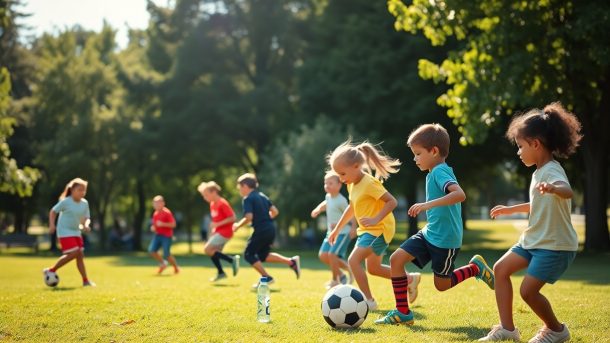
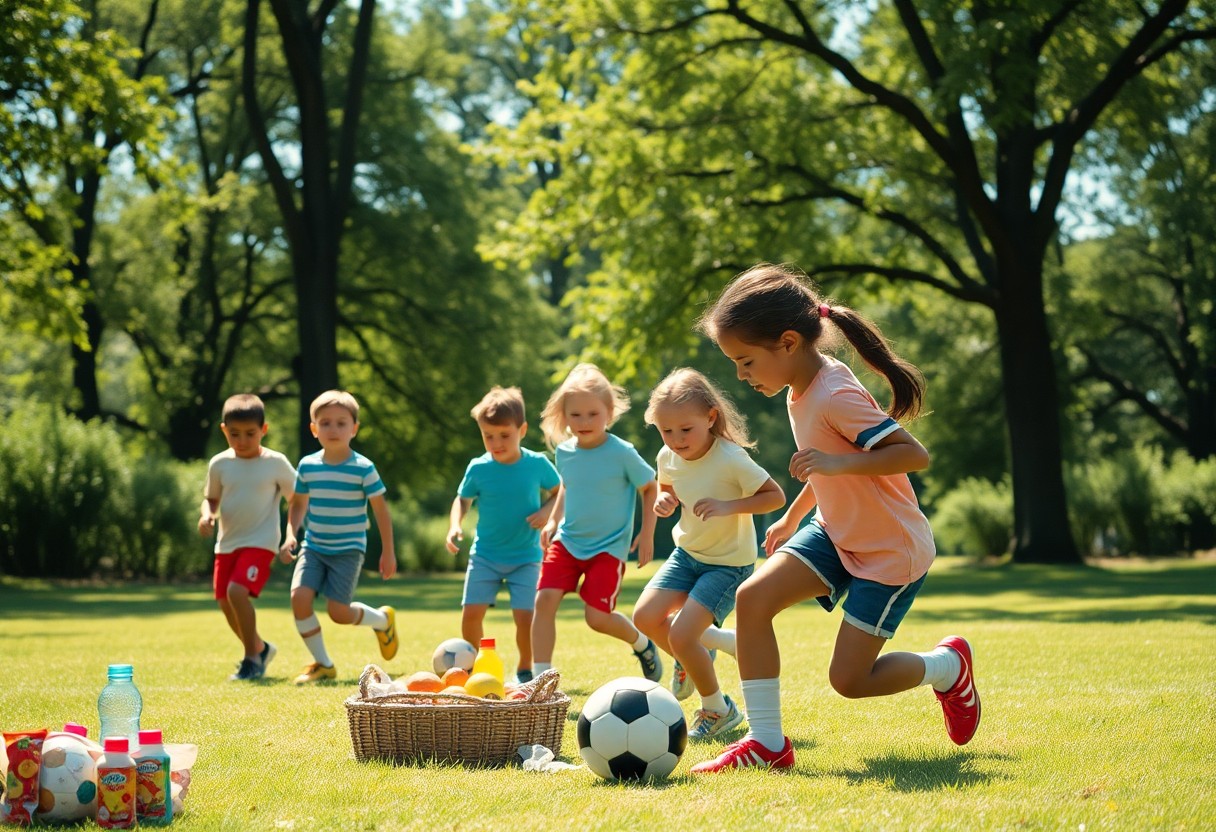
Many parents and guardians worry about childhood obesity, which has become a significant health concern in recent years. Engaging your children in sports offers a fun and effective way to promote physical activity, helping combat this epidemic. By encouraging participation in team sports or recreational activities, you foster a healthy lifestyle, instill discipline, and improve social skills while combating sedentary habits. In this blog post, we will explore the various benefits of sports in preventing childhood obesity and how you can create opportunities for your child to lead an active, healthy life.

Key Takeaways:

  • Physical Activity: Regular participation in sports promotes physical activity, helping children maintain a healthy weight and prevent obesity.
  • Social Skills: Team sports foster social interaction, teaching children valuable teamwork and communication skills that can lead to healthier lifestyle choices.
  • Structured Routine: Engaging in sports provides a structured routine that encourages disciplined schedules for exercise, which is beneficial for overall health.
  • Healthy Habits: Exposure to sports instills healthy habits, as children learn about nutrition, fitness, and the importance of an active lifestyle.
  • Self-Esteem: Participation in sports can enhance self-esteem and body image, which may reduce the tendency to engage in behaviors leading to obesity.

Understanding Childhood Obesity

While childhood obesity is a growing public health challenge, understanding its complexity can help foster effective prevention strategies. It is characterized by excessive body fat that can adversely affect a child’s health, leading to both physical and psychological issues. The implications of childhood obesity extend beyond individual health; they can impact your family, community, and the economy, making it vital to tackle this issue collectively.

Definition and Statistics

Above all, childhood obesity is defined as having an elevated body mass index (BMI) for age and sex. According to recent statistics, approximately 1 in 5 children in the United States are classified as obese, leading to serious health complications such as diabetes, cardiovascular diseases, and emotional distress. This alarming trend underscores the importance of addressing obesity at a young age.

Risk Factors

The prevalence of childhood obesity can be attributed to various risk factors that significantly affect children’s health. These factors include:

  • Unhealthy dietary habits
  • Insufficient physical activity
  • Socioeconomic status
  • Genetic predisposition
  • Environmental influences

Any of these can contribute to an increased risk of obesity, impacting your child’s overall well-being.

Definition of risk factors related to childhood obesity outlines that several elements play a role in its development. Unhealthy eating, characterized by high calorie, low-nutrient foods, coupled with a sedentary lifestyle, places your child at a greater risk. Furthermore, social determinants like income level and access to healthy food options can either support or hinder your child’s health choices. Environmental factors, including the availability of parks or recreational programs, can also guide lifestyle habits.

  • Family lifestyle choices
  • Stress and mental health issues
  • Marketing of unhealthy foods
  • Limited access to health education

Any influence can significantly affect your child’s journey toward a healthy weight.

Importance of Physical Activity

Clearly, engaging in regular physical activity is important for children’s overall health and well-being. It not only helps maintain a healthy weight but also fosters physical development, boosts mental health, and promotes social skills. By integrating sports and active play into your child’s routine, you set the groundwork for a lifelong appreciation of being active, ultimately contributing to the prevention of childhood obesity.

Benefits of Regular Exercise

Physical activity offers a plethora of benefits, including improved cardiovascular health, enhanced muscle strength, and better flexibility. Regular exercise also positively influences mood and energy levels, helping children manage stress and anxiety. Furthermore, it establishes healthy habits that can reduce the risk of obesity, diabetes, and other related health conditions as they grow older.

Recommended Activity Levels for Children

Any child should aim for at least 60 minutes of moderate to vigorous physical activity each day. This can include various forms of exercise such as running, playing sports, riding a bike, or dancing. By consistently meeting these activity levels, your child will improve their fitness and reduce health risks associated with inactivity.

Also, the recommended activity levels can be broken down into different types of exercise to ensure a well-rounded approach. For instance, activities should include aerobic exercises, muscle-strengthening, and bone-strengthening activities. Encouraging your child to engage in these diverse forms of physical activity will complement their daily routines and cultivate a more enjoyable experience while building important fitness skills.

Role of Organized Sports

Despite the increase in childhood obesity rates, organized sports offer a robust framework for promoting physical activity among children. Engaging in these structured programs not only enhances their physical fitness but also instills discipline and commitment. According to a study, could sport be part of pediatric obesity prevention and health promotion? This inquiry highlights the potential of organized sports as a meaningful intervention in combating obesity.

Encouragement of Regular Participation

Encouragement plays a significant role in fostering a routine of physical activity among children. By positively reinforcing consistent involvement in organized sports, you help establish a lifelong appreciation for exercise. This not only reduces the risk of obesity but also promotes a healthy lifestyle they can carry into adulthood.

Development of Social Skills and Teamwork

Against a backdrop of rising screen time and sedentary lifestyles, organized sports provide a unique environment for children to develop social skills and teamwork. Participating in team sports enables you to cultivate friendships, learn to communicate effectively, and appreciate the value of collaboration.

Another crucial aspect of organized sports is their ability to teach children important social skills. You not only learn how to work together towards a common goal but also navigate the complexities of interpersonal relationships. These experiences foster empathy, resilience, and respect for others, laying a solid foundation for your child’s social development both on and off the field.

Impact of Community Programs

To effectively combat childhood obesity, community programs play a pivotal role by providing structured environments where children can engage in physical activities. These initiatives not only encourage increased participation in sports but also foster a sense of belonging among peers. When communities prioritize sports programs, they create opportunities for children to develop healthy habits while building social connections, directly affecting their physical and emotional well-being.

Accessibility and Inclusivity

Impact is imperative in ensuring that community sports programs are designed to be accessible and inclusive. By addressing barriers such as cost, location, and transportation, you enable children from diverse backgrounds to participate in sports activities. Programs that consider varying needs foster an environment where every child feels welcome, promoting not only physical health but also social equity and community spirit.

Collaboration with Schools and Local Organizations

Alongside community efforts, collaboration with schools and local organizations amplifies the reach and effectiveness of sports programs. By working together, you can create a support system that incorporates physical activity into daily routines, making it easier for children to engage in healthy lifestyles outside of school hours.

For instance, partnerships between schools and local sports clubs can lead to after-school programs that provide not only access to facilities but also trained coaches and mentors. This approach ensures that children have safe spaces to practice sports, while also reinforcing the importance of physical fitness in their daily lives. These collaborations can bridge gaps that may exist due to limited resources, empowering you and your community to combat childhood obesity effectively.

Parental Involvement

All parents play a vital role in combating childhood obesity through active involvement in their children’s lives. By fostering an environment that prioritizes physical activity and healthy eating, you can significantly influence your child’s lifestyle choices. Your support and engagement can motivate your child to embrace sports and develop healthy habits that last a lifetime.

Encouraging Active Lifestyles

Lifestyles that prioritize movement and activity are necessary for children’s overall health. You can encourage your child to participate in physical activities by creating fun routines that integrate movement into daily life, whether through family walks, active playdates, or outdoor games. Taking an active interest in their hobbies helps foster a love for being active.

Supporting Participation in Sports

Supporting your child’s participation in sports not only helps them stay active but also builds teamwork skills and self-discipline. Encourage your child to try different sports to discover what they enjoy most. Your involvement, whether attending games or practicing together, can deepen their commitment to staying active and create lasting family bonds.

To further enhance your child’s engagement in sports, you can explore community programs or local leagues that encourage participation in various athletic activities. Look for options that emphasize inclusivity and skill development, ensuring your child feels welcome and supported. By helping them establish friendships through sports, you create a social environment that promotes continuous physical activity and reinforces positive lifestyle habits.

Overcoming Barriers to Participation

Not all children have equal access to sports, and it’s vital to address the barriers that limit participation. Community programs can help bridge the gap, but it’s also vital to recognize the risk associated with sports that can lead to injuries, contributing to the concerns of Childhood Obesity Youth Sports Injuries. By fostering an inclusive environment, you can encourage more kids to engage in physical activity and reduce obesity rates.

Addressing Economic and Social Challenges

For many families, economic constraints can hinder their children’s participation in sports. Affordable sports programs, scholarships, and community partnerships can alleviate these financial barriers and encourage your kids to engage in physical activities. Additionally, addressing social challenges, such as peer influence and cultural perceptions of sports, can help create a more inclusive atmosphere, motivating all children to participate.

Promoting Safe Environments for Play

On top of accessibility, ensuring that children have safe spaces for play is vital. You can collaborate with local authorities and organizations to advocate for safer playgrounds and sports facilities. By improving safety measures and increasing awareness of proper training, you can help minimize the risks associated with sports and make it easier for all children to engage in healthy physical activities.

Participation in sports can be significantly impacted by the quality and safety of play environments. You should focus on creating spaces that are not only well-maintained but also equipped with safe equipment. In addition, educating parents, coaches, and your local community about proper safety practices can foster a culture of safety. By prioritizing secure play areas, you can enhance your child’s experience and encourage them to stay physically active while reducing the likelihood of injuries.

Summing up

Taking this into account, you can see how sports play a significant role in preventing childhood obesity. Engaging your child in regular physical activities not only fosters a healthier lifestyle but also instills vital values such as teamwork and discipline. The benefits extend beyond physical health; they include improved mental wellbeing and social skills. To explore more about how physical activity aids in this prevention effort, visit Physical Activity in the Prevention of Childhood Obesity.

Q: How does engaging in sports help in reducing childhood obesity?

A: Participating in sports offers numerous physical benefits that contribute to weight management in children. Regular involvement in athletic activities promotes calorie burning, which helps to maintain a healthy weight. Furthermore, sports encourage physical fitness and the development of motor skills. The social aspects of team sports also provide motivation and make exercising more enjoyable, fostering a lifelong appreciation for physical activity. This combination of fun and fitness can lead to sustained healthy habits that prevent obesity.

Q: What role do schools play in promoting sports to combat childhood obesity?

A: Schools are instrumental in promoting sports and physical activity as part of their curriculum. By incorporating regular physical education classes, recess, and after-school sports programs, schools create an environment that encourages children to be active. Collaboration with parents and communities can further enhance these efforts by organizing sports events and providing resources for families to participate in physical activities together. This collective push can help in instilling healthy behaviors and reducing the likelihood of obesity in children.

Q: How can parents encourage their children to participate in sports to prevent obesity?

A: Parents can play a pivotal role in fostering an interest in sports by being active role models themselves. Encouraging kids to join local sports teams, enroll in classes, or simply partake in family activities like biking or hiking can ignite excitement around physical activity. Providing transportation to practices or games, celebrating their achievements, and creating a supportive atmosphere can also motivate children to engage in sports regularly. By prioritizing active time in family life, parents help their children develop healthier habits that can last a lifetime.

How to Train for Explosive Power in Sports

There’s a growing emphasis on explosive power in sports, as it directly influences your performance and athletic capabilities. To optimize your training, you need to focus on specific techniques and exercises that enhance your strength and agility. Explore strategies like plyometrics, Olympic lifting, and speed drills, which can significantly improve your explosive movements. For a deeper dive, consider this resource on Explosive Workouts for Athletic Strength. Implementing these methods will help you harness your full potential on the field or court.

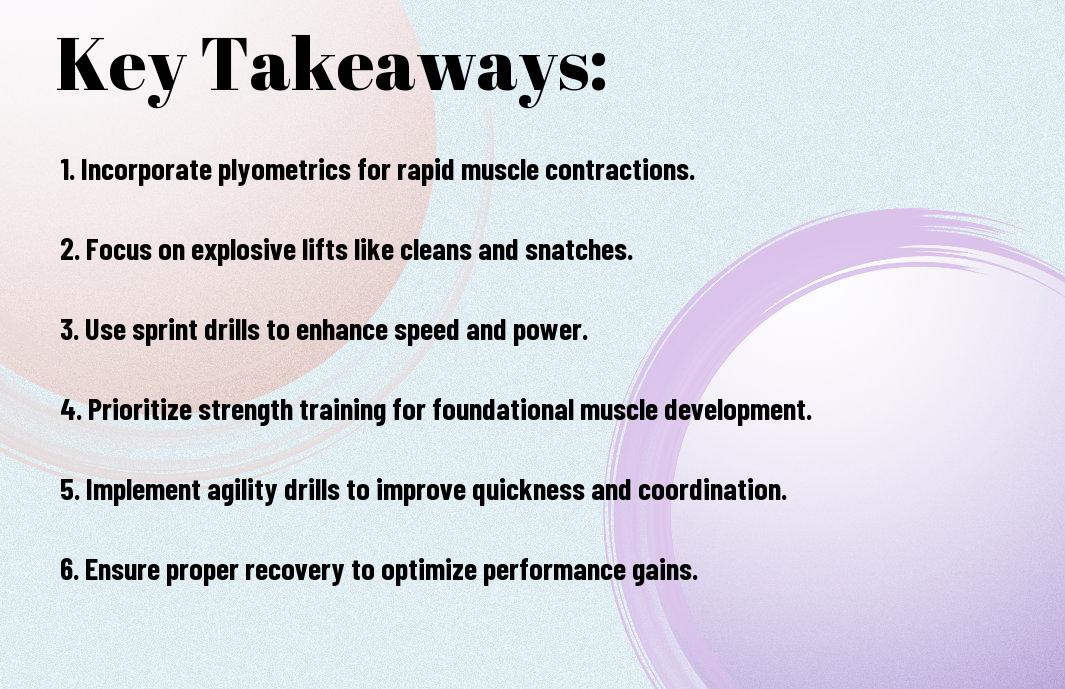
Key Takeaways:

  • Focus on Plyometrics: Integrate exercises like box jumps and medicine ball throws to enhance explosive power and overall athletic performance.
  • Strength Training: Build a strong foundation with compound lifts such as squats and deadlifts to support explosive movements.
  • Speed and Agility Drills: Incorporate sprinting and agility drills to improve quickness, reaction time, and footwork.
  • Proper Recovery: Allow for adequate rest and recovery between workouts to prevent injury and promote muscle growth.
  • Nutrition and Hydration: Maintain a balanced diet and stay hydrated to fuel workouts and support performance gains.

Understanding Explosive Power

For athletes, explosive power is the ability to exert maximum force in short bursts of time, crucial for dominating in various sports. This physical quality enables you to perform actions like sprinting, jumping, or quick directional changes with speed and intensity, ultimately enhancing your performance on the field, court, or track.

Definition and Importance

By understanding explosive power, you can appreciate its role in athletic success. This dynamic strength is vital for activities that require quick acceleration or powerful movements, helping you achieve better results and gain a competitive edge in your sport.

Key Components of Explosive Power

Among the primary elements that contribute to explosive power are strength, speed, and coordination. Each of these components plays a significant role in your ability to generate power quickly, ensuring effective performance during high-intensity activities.

Consequently, focusing on these key components allows you to enhance your explosive power. Building overall strength through resistance training will provide a solid foundation, while incorporating speed drills can improve your quickness. Additionally, coordination exercises help fine-tune your movement patterns, ensuring that you can translate that strength and speed into powerful actions. Together, these elements create a robust base for expanding your athletic capabilities.

Physiological Foundations

You need to understand the imperative physiological aspects that contribute to explosive power in sports. Knowing how your muscles function and the energy systems involved will help you tailor your training effectively. This foundation sets the stage for developing the explosive strength necessary for peak athletic performance.

Muscle Fiber Types

You possess different muscle fiber types, each influencing your ability to generate explosive power. Here’s a breakdown of the primary muscle fiber types:

  • Type I fibers: Slow-twitch, endurance oriented.
  • Type IIa fibers: Fast-twitch, more fatigue-resistant.
  • Type IIb fibers: Fast-twitch, high power but fatigue quickly.
  • Type III fibers: Intermediate, combining some of both.
  • Training focus: Tailoring your workouts to develop fast-twitch fibers.

After you identify your dominant muscle types, you can focus your training on enhancing their explosive capabilities.

Muscle Fiber Type Characteristics
Type I Endurance, slow-twitch
Type IIa Fast-twitch, fatigue-resistant
Type IIb Fast-twitch, high power
Type III Intermediate capability
Trainable Focus on fast-twitch training

Energy Systems Involved

Beside understanding muscle fiber types, you need to comprehend the energy systems involved in producing explosive power. Your body utilizes three primary energy systems during high-intensity efforts: the phosphagen system, glycolytic system, and oxidative system.

Another significant aspect is the phosphagen system, which provides immediate energy through ATP and creatine phosphate stored in your muscles. This system supports brief, explosive movements lasting up to 10 seconds. Following it, the glycolytic system kicks in for short bursts lasting up to two minutes, breaking down glucose for additional energy. Finally, the oxidative system is more about endurance and longer, sustained efforts. Knowing how these systems work will allow you to design workouts that effectively enhance your explosive power in sports.

Training Methods for Explosive Power

Once again, focusing on training methods for explosive power is imperative for enhancing your performance in sports. Utilizing dynamic movements that emphasize speed and strength can significantly improve your explosive capabilities. Integrating diverse exercises tailored for power production into your regimen will provide a solid foundation for athletic success. Incorporate both plyometric exercises and Olympic weightlifting techniques to develop the necessary skills for peak performance.

Plyometric Exercises

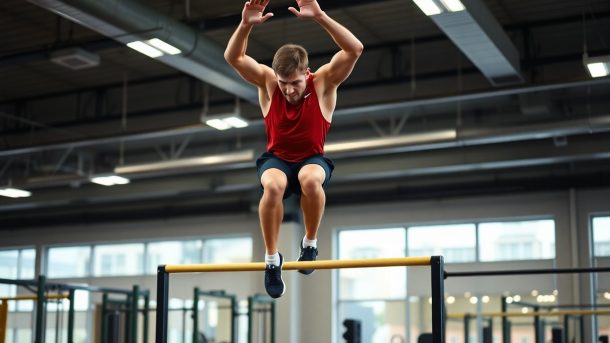
Along with strength training, plyometric exercises play a vital role in developing explosive power. These high-intensity movements, such as box jumps and depth jumps, engage your fast-twitch muscle fibers, resulting in increased strength and speed. Incorporating plyometrics into your workouts can lead to remarkable improvements in your athletic performance.

Olympic Weightlifting Techniques

Around the world of strength training, Olympic weightlifting techniques stand out for their ability to generate explosive power. By performing movements like the clean and jerk and snatch, you not only build strength but also cultivate speed and coordination, which are imperative for athletes. These compound lifts engage multiple muscle groups, reinforcing a solid foundation for your explosive power development.

The focus on Olympic weightlifting techniques brings a unique blend of strength and speed to your training. Executing these lifts requires precise timing and explosive force, enabling you to improve your overall athletic performance. Mastering the form and mechanics of Olympic lifts can provide you with a greater understanding of leverage and body control, leading to enhanced power generation in your specific sport. By integrating these techniques into your training regimen, you will not only develop your explosive power but also elevate your athletic prowess.

Sport-Specific Applications

All athletes should recognize that training for explosive power varies greatly across different sports. Each sport demands unique movement patterns and energy systems, so tailoring your training regimen to meet these specific needs will enhance your performance. Understanding the ways in which explosive power applies to your sport can significantly lead to improved results on the field, court, or track.

Explosive Power in Team Sports

Applications of explosive power in team sports involve quick sprints, jumps, and movements that can change the outcome of a game. Whether you’re a soccer player sprinting for a goal or a basketball player leaping for a rebound, focusing on explosive strength training will enhance your performance on the field and court. By incorporating drills like plyometrics and agility exercises, you can develop the power you need to excel in these high-intensity environments.

Explosive Power in Individual Sports

One effective way to train explosive power for individual sports is by integrating specific exercises that mimic the movements required in your activity. Whether you are a sprinter, thrower, or gymnast, focusing on techniques that enhance your starting speed, force generation, or explosive movements will yield significant improvements in your overall performance.

To enhance explosive power in individual sports, consider incorporating targeted plyometric exercises such as box jumps or medicine ball throws. These movements replicate the dynamics of your sport while building the necessary strength and speed required for your specific discipline. Additionally, combining resistance training with sport-specific drills can create a powerful training regimen that optimizes your performance in competitions. The key is consistent practice and adaptation to your unique training requirements.

Nutrition for Explosive Power

Many athletes overlook the importance of nutrition in developing explosive power. To enhance your performance, you must fuel your body with the right nutrients that support muscle growth, recovery, and energy levels. A well-balanced diet tailored to your training demands can maximize your output during high-intensity activities. Focus on whole foods, lean proteins, healthy fats, and complex carbohydrates to ensure your body is adequately supported for explosive movements.

Essential Nutrients

Around 50-60% of your daily caloric intake should come from carbohydrates, which serve as the primary energy source for intense training. Include protein sources such as chicken, fish, or plant-based alternatives, aiming for around 1.2 to 2.0 grams per kilogram of your body weight. Incorporating healthy fats from avocados, nuts, and olive oil can help with hormone production and overall energy. Additionally, vitamins and minerals play a vital role in muscle recovery and optimal functioning, so prioritize a variety of colorful fruits and vegetables.

Timing and Supplementation

By strategically timing your nutrient intake, you can further enhance your explosive power. Aim to consume a balanced meal containing carbohydrates and protein 2-3 hours before training, which provides the necessary energy and builds muscle. For post-workout recovery, a protein shake or snack within 30 minutes can help restore glycogen levels and promote muscle repair. Even the use of specific supplements, such as creatine or branched-chain amino acids (BCAAs), may offer additional benefits when taken around your training sessions. Pair effective timing with proper nutrition to optimize your power and performance on the field or court.

Monitoring Progress and Performance

Keep a close eye on your training outcomes to ensure you’re developing explosive power effectively. Regularly evaluate your performance to identify strengths and weaknesses. Tracking your progress not only helps in assessing your training but also keeps you motivated and engaged in your workouts. Make adjustments as needed to stay aligned with your goals and sustain improvement.

Key Metrics to Track

Metrics such as your vertical jump height, sprint times, and agility test results are vital for monitoring your explosive power. These numbers provide tangible proof of your progress and highlight areas for improvement. You should also consider tracking your weight, body composition, and overall conditioning level to understand how these factors influence your performance.

Adjusting Training Regimens

Regimens need to evolve as you progress in your training. Regularly assess your metrics and performance; if your results plateau or show signs of decline, it’s time to modify your approach. Introducing new exercises, varying the intensity, or changing your training frequency can help spark further improvements and prevent burnout.

Hence, periodic adjustments maintain your training’s effectiveness and relevance. Stay adaptable in your strategies to match your evolving goals and capabilities. The right adjustments can refresh your routine, making it more engaging and optimized for explosive power development. This not only enhances your overall performance but also minimizes the risk of overuse injuries, ensuring you remain in peak condition.

Final Words

Presently, developing explosive power in sports requires a structured approach that incorporates strength training, plyometrics, and sport-specific drills. By progressively increasing the intensity and focusing on form, you can enhance your muscular coordination and overall athletic performance. Incorporate adequate recovery and nutrition to support your training regime. Consistency and dedication in your training will yield significant results, elevating your performance to new heights. Embrace this journey, and you’ll see your explosive power and athletic abilities flourish.

FAQ

Q: What exercises are most effective for developing explosive power in sports?

A: To develop explosive power, focus on compound exercises that target multiple muscle groups and promote fast-twitch muscle fiber development. Effective exercises include Olympic lifts like the clean and jerk or the snatch, plyometric movements such as box jumps, depth jumps, and medicine ball throws, as well as sprinting and agility drills. Incorporating resistance training through exercises like squats, deadlifts, and bench presses can also contribute positively to overall strength and power gains.

Q: How often should I train for explosive power to see significant improvements?

A: Training frequency for explosive power typically ranges from 2 to 4 sessions per week. It’s important to allow adequate rest between sessions to optimize recovery and performance. Each training session can include a combination of strength training, plyometrics, and sport-specific drills to enhance explosive capabilities. Listening to your body and not overtraining is imperative to prevent injury and promote sustained improvements.

Q: What role does nutrition play in training for explosive power?

A: Nutrition is an integral part of training for explosive power, as it provides the necessary fuel and building blocks for muscle repair and growth. Athletes should focus on a balanced diet that includes adequate protein for muscle recovery, carbohydrates for energy, and healthy fats for overall health. Hydration is also key, as dehydration can negatively impact performance and recovery. Timing meals around training sessions can further enhance energy levels and recovery, with a focus on consuming a combination of protein and carbohydrates post-workout.

Skip to content