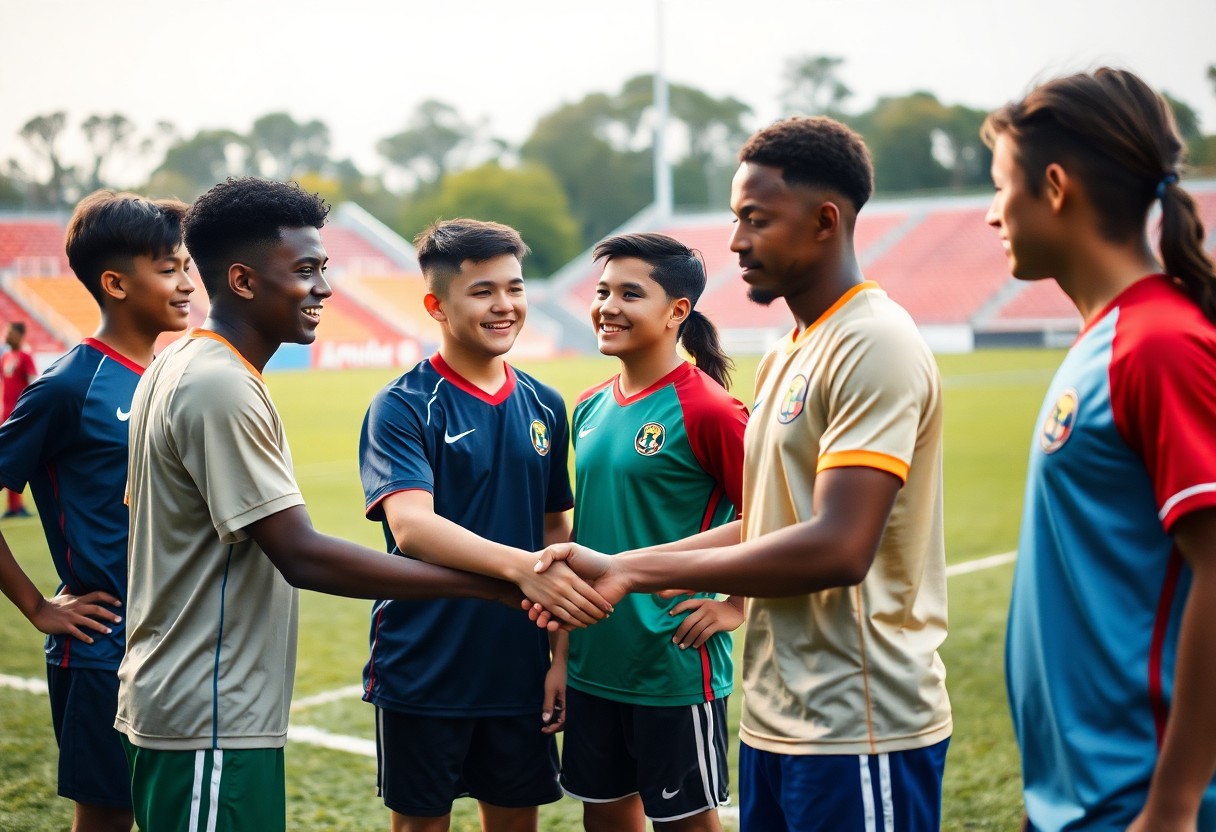
It’s vital to understand that sportsmanship plays a significant role in the development of young athletes. As you engage in youth sports, fostering an environment of respect, fairness, and integrity not only enhances the experiences of all participants but also teaches valuable life lessons. Demonstrating good sportsmanship sets a positive example for your peers, encouraging teamwork and improving social skills. By prioritizing sportsmanship, you are helping to create a healthier, more enjoyable atmosphere for everyone involved, which can lead to a lifelong love of sports and competition.
Key Takeaways:
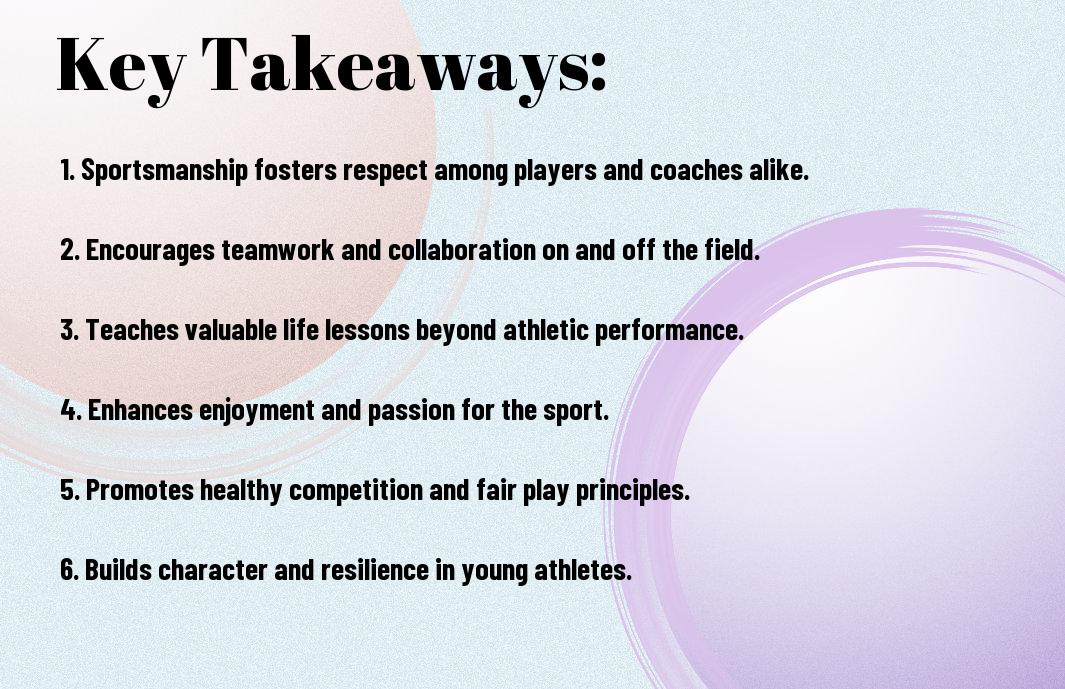
- Positive Role Models: Youth sports provide athletes with the opportunity to showcase values such as integrity and respect, influencing younger participants and teammates.
- Building Relationships: Sportsmanship fosters strong connections among players, coaches, and families, cultivating a sense of community and teamwork.
- Emotional Development: Learning to handle wins and losses with grace helps young athletes develop resilience and emotional intelligence.
- Life Skills: Sportsmanship teaches necessary skills, including communication and conflict resolution, which are valuable both on and off the field.
- Encouraging Good Sports: Emphasizing sportsmanship promotes a positive environment, where enjoyment and personal growth become the central focus of athletic participation.
Defining Sportsmanship
Before your young athletes step onto the field or the court, it’s vital to understand what sportsmanship truly means. Sportsmanship encompasses respect for everyone involved in the sporting event, including teammates, coaches, opponents, and officials. It embodies the principles of fair competition, teamwork, and graciousness in both victory and defeat, instilling core values that can last a lifetime.
Respect for Opponents
For young athletes, showing respect for opponents is a cornerstone of sportsmanship. Acknowledging the skill and effort of the other team fosters a healthy competitive spirit and helps cultivate friendships beyond the game. When you teach your children to appreciate their rivals, they learn to value competition as a means of personal growth.
Fair Play and Integrity
Fair play and integrity go hand-in-hand in youth sports. These principles encourage you to compete honestly and adhere to the rules of the game, ultimately promoting an atmosphere of trust and respect. You set a positive example when players prioritize integrity, reinforcing the idea that how you play is just as important as the outcome.
Opponents deserve your ethical commitment, ensuring that games are decided on skill and teamwork rather than unsportsmanlike conduct. When participants uphold fair play, they contribute to a culture of integrity that benefits everyone involved. You instill in your young athletes the understanding that winning while playing fairly is far more respectable than victory achieved through deceit. Embracing these values not only enhances their sporting experience but also prepares them for challenges in life beyond sports.
Benefits of Sportsmanship in Youth Sports
Now, embracing sportsmanship in youth sports fosters an environment where young athletes learn crucial life skills. These values extend beyond the field, influencing their interactions with peers, coaches, and family. By demonstrating respect, accountability, and fairness, you create a positive experience that can enhance both personal development and team dynamics.
Personal Development
The practice of sportsmanship equips you with valuable character traits, such as resilience and humility. As you learn to navigate victory and defeat graciously, you develop a stronger sense of self-awareness and emotional intelligence. These qualities not only enhance your athletic performance but also shape you into a thoughtful and well-rounded individual.
Team Cohesion and Collaboration
After fostering an atmosphere of good sportsmanship, you will notice enhanced team cohesion and collaboration. When you and your teammates respect each other, conflicts diminish, and communication improves, leading to a more harmonious and effective team environment.
Due to the shared emphasis on respect and accountability, sportsmanship cultivates a bond among team members, encouraging you to work together toward common goals. As you celebrate each other’s successes and support one another during challenges, trust builds within the group. This unity translates into better teamwork on the field, enhancing overall performance and creating lasting friendships that extend beyond your sporting events.
The Role of Coaches in Promoting Sportsmanship
For youth athletes, coaches serve as pivotal figures in instilling a culture of sportsmanship. By actively promoting fair play and respect, you help foster an environment where young players learn the value of teamwork and ethical competition. Your guidance not only shapes their skills but also influences their behavior on and off the field, emphasizing the importance of good sportsmanship in all aspects of their lives.
Setting Expectations
Role clarity is crucial for developing a strong foundation of sportsmanship within your team. By outlining specific expectations regarding behavior, you create an atmosphere where respect towards opponents, officials, and teammates is the norm. Emphasizing these standards during practices and games allows your athletes to internalize the values you wish to promote, leading to enhanced sportsmanship and a more positive sporting experience.
Modeling Behavior
Setting a strong example is key to fostering an environment where sportsmanship thrives. As a coach, your actions speak volumes; when you demonstrate respect for others and handle wins or losses with grace, your athletes are likely to imitate that behavior. Your demeanor during games, interactions with officials, and treatment of all players will teach your team what sportsmanship looks like in practice.
Promoting sportsmanship through modeling behavior requires consistency and authenticity. When you treat every situation as a teachable moment, you set a tone that prioritizes integrity and respect. Encourage players to voice their thoughts and feelings while emphasizing the importance of constructive communication. Your ability to show commitment to sportsmanship in all circumstances will go a long way in helping your young athletes adopt these values both on and off the field.
Parental Influence on Sportsmanship
All youth athletes develop their sense of sportsmanship in part through the actions and attitudes of their parents. As a parent, your guidance and example can significantly shape your child’s perspective on competition and teamwork. By modeling respect and positive behavior, you can help instill values such as integrity, empathy, and fairness that will serve them well both on and off the field.
Supporting Positive Behaviors
Among the most effective ways to foster sportsmanship is to actively encourage your child’s positive behaviors during practices and games. You should highlight good sportsmanship, applaud fair play, and reinforce respectful interactions with both teammates and opponents. Your consistent support and admiration for positive conduct can motivate your child to emulate these behaviors consistently.
Addressing Unsportsmanlike Conduct
Conduct that undermines the spirit of the game can be damaging and needs to be addressed appropriately. You must recognize and confront any negative behaviors exhibited by your child or other players. Open communication about the impact of unsportsmanlike actions can guide your child toward better choices and understanding of the game’s values.
With a proactive approach, you can address unsportsmanlike conduct by discussing its consequences and the importance of maintaining integrity in competition. Encourage your child to reflect on their actions and understand how they affect not only themselves but also their teammates and opponents. By fostering an environment of accountability and growth, you help your child navigate challenges in sportsmanship, ultimately creating a more positive experience for everyone involved.
Challenges to Sportsmanship in Youth Sports
Many factors contribute to the erosion of sportsmanship in youth sports, making it vital for you to recognize and address them. From intense competition to societal influences, these challenges can undermine the values of fairness and respect that are pivotal in athletics. By remaining aware of these challenges, you can foster a more positive environment for young athletes.
Competitive Pressures
Among the most significant challenges are the competitive pressures that young athletes face. In a culture that often prioritizes winning over personal development, you may find that children feel immense stress to perform well. This pressure can lead to behaviors that compromise sportsmanship, such as taunting opponents or becoming overly aggressive.
The Impact of Social Media
By embracing the digital age, you must also contend with the impact of social media on youth sports. Online platforms can amplify both supportive and toxic behaviors, influencing how young athletes perceive competition and their peers. The immediate feedback from social media can sometimes encourage a win-at-all-cost mentality, challenging the values of empathy and respect.
A growing number of young athletes are influenced by the constant scrutiny of their performances online. The desire for likes and shares can lead to a focus on personal image rather than teamwork and fair play. You may notice that this attention can push young athletes to prioritize winning at any expense, often neglecting the importance of supporting their teammates and respecting opponents. Cultivating a healthy balance between competition and sportsmanship is vital in this digital era.
Strategies for Encouraging Sportsmanship
Keep in mind that fostering a culture of sportsmanship in youth sports requires intentional strategies. You can implement practices that emphasize respect, teamwork, and fair play. Encourage open communication between coaches, players, and parents, ensuring everyone understands the importance of sportsmanship. Additionally, set clear expectations and model positive behaviors to create an environment where good sportsmanship thrives.
Education and Training Programs
Programs designed to educate coaches, players, and parents about the values of sportsmanship can significantly impact youth sports. These sessions can cover topics such as conflict resolution, teamwork, and the importance of treating opponents with respect. By investing time in these training opportunities, you can create a framework that supports a positive culture in your sports community.
Recognition and Rewards
Rewards for demonstrating good sportsmanship are effective in reinforcing positive behavior among young athletes. Recognizing players who exemplify respect, teamwork, and fair play fosters an environment where these traits are valued. You can implement mechanisms such as sportsmanship awards, team praises, or public acknowledgment to celebrate those who contribute positively to the team’s spirit.
Indeed, implementing recognition and rewards can motivate athletes to embody sportsmanship in their daily activities. When you consistently highlight and celebrate these behaviors, you cultivate a sense of pride and accountability among players. This not only strengthens individual character but also encourages a collective ethos within the team, leading to healthier rivalries and greater enjoyment of the sport.
Conclusion
Upon reflecting on the significance of sportsmanship in youth sports, you can appreciate how vital it is to foster positive attitudes and behaviors in young athletes. By emphasizing fair play, respect, and teamwork, you not only enhance their experience but also lay the groundwork for their future in sports and life. Developing good sportsmanship not only benefits your child’s personal growth but also enriches the community. To examine deeper into this topic, you can explore The Importance of Developing Good Sportsmanship in Youth Sports.
Q: Why is sportsmanship important in youth sports?
A: Sportsmanship is crucial in youth sports because it fosters respect among players, coaches, officials, and fans. It teaches young athletes the value of fair play, teamwork, and humility in victory or defeat. By promoting sportsmanship, children learn to appreciate the effort of all participants, which enhances their overall experience in sports and builds their character beyond the field.
Q: How can coaches and parents encourage sportsmanship in young athletes?
A: Coaches and parents can encourage sportsmanship by modeling positive behavior during games and practices. This includes acknowledging the efforts of opponents, celebrating achievements without belittling others, and emphasizing the importance of following rules. Additionally, discussing the significance of respect, teamwork, and handling setbacks gracefully can help instill these values in young athletes.
Q: What impact does good sportsmanship have on a child’s development?
A: Good sportsmanship significantly impacts a child’s social and emotional development. It helps cultivate positive relationships with peers, enhances communication skills, and builds resilience. Children who practice good sportsmanship often develop a strong sense of integrity and self-worth, which can translate to success in various aspects of life. Moreover, it fosters a supportive and inclusive environment in youth sports that can encourage lifelong participation in physical activities.

