sports

How to Improve Your Jumping Ability for Sports

Many athletes seek to enhance their jumping ability to boost performance across various sports. Whether you aim to skyrocket for a rebound in basketball or clear a hurdle in track, improving your vertical leap requires targeted workouts and techniques. This guide will walk you through effective strategies to increase your jumping height, maximizing your gains on the court or field. For further insights, check out this resource on How to improve the vertical jump?

Key Takeaways:

  • Strength Training: Incorporate exercises like squats and lunges to build the muscles needed for explosive jumps.
  • Plyometric Drills: Engage in activities such as box jumps and depth jumps to improve your power and speed.
  • Proper Technique: Focus on your jumping form, including take-off and landing mechanics, to enhance performance and reduce injury risk.
  • Flexibility and Mobility: Perform stretching routines to increase your range of motion, which contributes to higher jumps.
  • Consistency: Develop a regular training schedule focusing on jumping ability to see significant improvements over time.
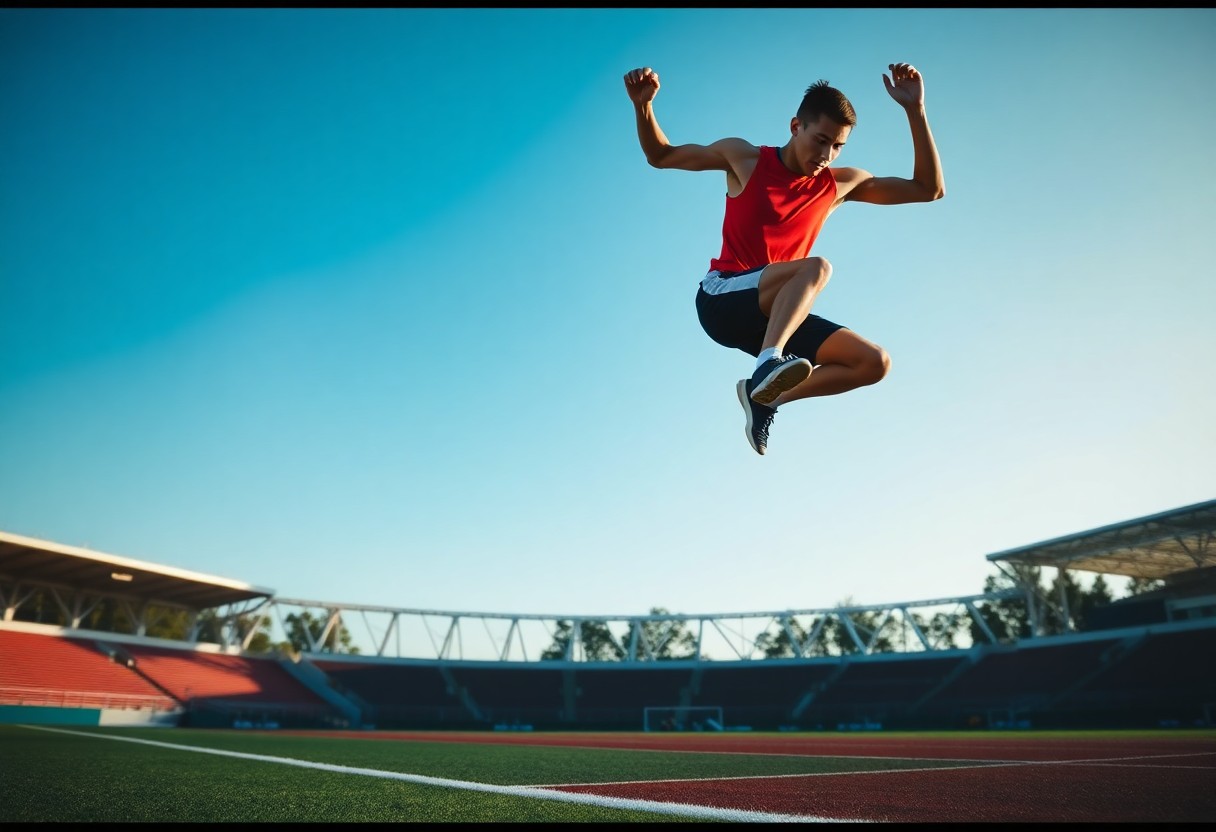
Understanding Jumping Ability

For athletes, jumping ability is a key physical attribute that can significantly influence performance across various sports. Effective jumping not only aids in offensive and defensive maneuvers but also enhances overall athleticism. To improve your jumping skill, it’s important to grasp the mechanics of how your body generates power and height. By focusing on strength, technique, and coordination, you can unlock your full jumping potential.

Key Factors That Affect Jumping Performance

There’s a blend of elements that contribute to your jumping performance. These include:

  • Strength of your leg muscles
  • Explosiveness and speed
  • Technique and body positioning
  • Flexibility and range of motion
  • Body weight and composition

Assume that optimizing these factors can lead to significant improvements in how high or how far you can jump.

Importance of Jumping in Sports

Understanding the importance of jumping in sports can elevate your game to the next level. This skill is vital in sports like basketball, volleyball, and track and field, where vertical and horizontal leaps are fundamental to success. Mastering jumping techniques will not only improve your gameplay but also prevent injuries.

Understanding that jumping plays a pivotal role in many athletic endeavors can motivate you to focus on this aspect of your training. Heightened jumping ability allows you to reach for passes, block shots, and sprint with agility. Investments in your jumping training can create a competitive edge in various sports, demonstrating versatility and enhancing your overall performance on the field or court.
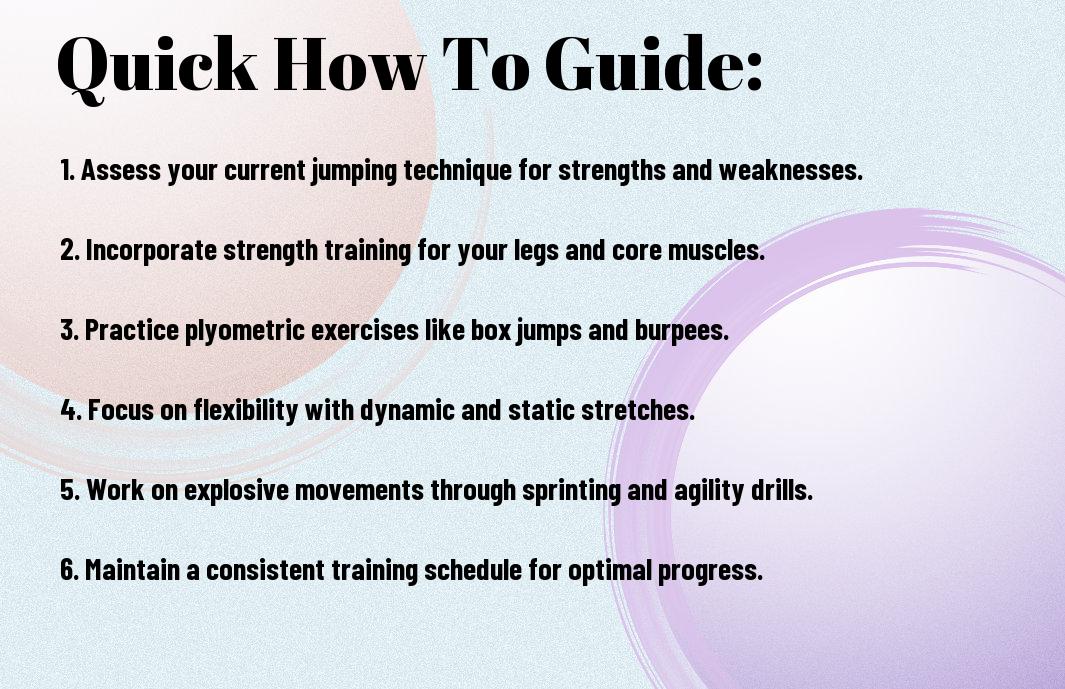
How to Assess Your Current Jumping Ability

It is important to evaluate your current jumping ability to identify strengths and weaknesses before setting improvement goals. This assessment allows you to create a tailored training plan and track your progress over time. Various techniques can be employed to gain a comprehensive understanding of where you currently stand and how you can enhance your performance in sports that require jumping skills.

Evaluation Techniques

While there are several techniques to assess your jumping ability, popular methods include vertical jumps, broad jumps, and plyometric tests. You can perform these assessments on your own or seek assistance from a coach or trainer to ensure accuracy. Videos can also be useful for reviewing your technique, helping you identify form errors that may hinder your jumping performance.

Setting Baseline Measurements

Some of the important baseline measurements to consider include jump height, distance, and technique. These metrics will serve as a reference point for tracking your improvements over time as you implement training strategies to enhance your jumping ability.

Baseline measurements act as a foundation for your training programs. By recording your initial performance in various jump tests, you will better understand your starting point. This information allows you to set achievable goals and adjust your training as needed. Keeping a log of these measurements will not only motivate you but also provide valuable data for evaluating your progress and refining your jumping technique. By revisiting these benchmarks regularly, you can fine-tune your focus and make informed decisions on how to train more effectively.

Tips for Improving Strength and Power

Many athletes underestimate the importance of strength and power in enhancing their jumping ability. To maximize your performance, consider the following tips:

  • Incorporate compound movements like squats and deadlifts into your routine.
  • Utilize resistance training to build muscle mass.
  • Focus on explosive exercises that train fast-twitch muscle fibers.
  • Pair strength training with proper nutrition to support muscle development.
  • Allow adequate recovery to promote muscle growth and prevent injury.

Recognizing the synergy between strength and power will lead to improved jumping performance.

Exercises to Build Lower Body Strength

The best way to build lower body strength is through targeted exercises that engage various muscle groups. Focus on squats, lunges, and hip thrusts to develop your quadriceps, hamstrings, and glutes. Incorporating these exercises into your weekly routine can substantially increase your lift capabilities and overall power. Aim for progressive overload to continually challenge your muscles and stimulate growth.

Plyometric Training for Enhanced Power

One effective way to improve your jumping ability is through plyometric training. This type of training focuses on explosive movements that help increase your power output, allowing you to jump higher and more efficiently during sports activities.

Enhanced plyometric training includes exercises such as box jumps, depth jumps, and bounding drills. These activities promote fast-twitch muscle fiber activation and improve your neuromuscular efficiency. Start with lower heights or distances and gradually progress as your strength and coordination improve. Integrating plyometric training into your routine will not only boost your jumping prowess but also enhance your overall athletic performance in various sports.

Improving Technique for Better Jumps

Now that you understand the importance of jumping ability in sports, enhancing your technique is vital for achieving your best performance. Focusing on your form allows you to maximize power generation and minimize the risk of injuries. By refining your jumping technique, you can significantly increase your vertical leap and overall effectiveness in various sports.

Analyzing Jumping Form

Now, it is vital to analyze your jumping form to identify areas for improvement. Recording yourself while jumping can provide valuable insight into your technique. Look for elements such as your takeoff angle, arm drive, and landing posture. This self-assessment will help you pinpoint inefficiencies and refine your jumping mechanics for better results.

Drills to Enhance Jump Technique

For improving your jump technique, incorporating specific drills into your training routine can make a significant difference. These targeted exercises help reinforce proper mechanics, build strength, and enhance coordination, allowing for explosive jumps when it matters most.

This can include plyometric drills like box jumps, depth jumps, and jump squats that focus on explosive power and proper landing mechanics. Practice single-leg jumps to develop balance and stability, and integrate hurdle jumps to improve coordination and lower-body strength. Consistent practice of these drills, combined with attention to your form, will lead to noticeable improvements in your jumping ability.

The Role of Flexibility and Mobility

Despite being often overlooked, flexibility and mobility play a significant role in improving your jumping ability for sports. Enhanced flexibility allows your muscles to extend more effectively during explosive movements, while mobility ensures that your joints can move freely through their full range of motion. By prioritizing these components in your training routine, you can achieve more powerful and controlled jumps, ultimately elevating your athletic performance.

Stretching Routines for Athletes

You can implement a variety of stretching routines to enhance your flexibility and, consequently, your jumping ability. Incorporating both dynamic and static stretches will prepare your muscles for explosive movements and help maintain flexibility post-training. Focus on areas such as your hamstrings, quadriceps, calves, and hip flexors to ensure a well-rounded stretch that supports your performance.

Importance of Joint Mobility

Clearly, joint mobility is imperative for optimal jumping performance. The ability of your joints to move freely can influence your power output and coordination during jumps.

Mobility training enhances joint function and supports proper biomechanics, allowing you to generate more force when jumping. Improved joint mobility can decrease the likelihood of injuries, as it enables your body to adapt to various movements encountered in sports. Furthermore, well-functioning joints contribute to better landing mechanics, ensuring that you maintain stability and control during and after jumps. Incorporating mobility exercises into your training will provide the foundation necessary for maximizing your overall performance.

Nutrition and Recovery Strategies

All athletes need to pay attention to their nutrition and recovery to enhance jumping ability. Proper fueling and recovery techniques can significantly impact your performance and help you prevent injuries, ensuring you stay at the top of your game. Adopting a well-balanced diet and implementing effective recovery strategies will allow you to optimize your workouts and improve your results over time.

Fueling Your Body for Optimal Performance

For athletes looking to maximize their jumping performance, a balanced diet rich in carbohydrates, proteins, and healthy fats is important. Carbohydrates provide the energy needed for explosive movements, while protein aids in muscle repair and growth. Hydration is equally important, as even slight dehydration can impair physical performance.

Recovery Techniques to Prevent Injury

The key to preventing injuries lies in effective recovery techniques. Implementing a well-structured routine that includes stretching, foam rolling, and adequate sleep can help your body recover from workouts, allowing you to maintain peak performance levels.

To enhance your recovery, consider incorporating active recovery days, where you engage in low-intensity activities that promote blood flow and facilitate muscle repair. Prioritizing rest days and ensuring you’re getting quality sleep each night will also allow your muscles to recover properly and adapt to your training. Additionally, utilizing methods like ice baths or compression therapy can help reduce muscle soreness and inflammation, keeping you in optimal condition for your next training session.

To wrap up

The journey to enhancing your jumping ability in sports involves a combination of strength training, agility drills, and proper technique. By consistently incorporating plyometric exercises, improving your overall fitness, and focusing on flexibility, you can significantly boost your vertical leap. Additionally, paying attention to your nutrition and recovery will further support your progress. Commit to a structured training routine, track your improvements, and stay motivated to reach new heights in your athletic performance.

FAQ

Q: What exercises can I incorporate into my training routine to improve my vertical jump?

A: To enhance your vertical jump, focus on exercises that target strength, power, and explosiveness. Some effective exercises include:

  • Squats: Build leg strength, especially in your quadriceps and glutes.
  • Deadlifts: Strengthen your hamstrings, glutes, and lower back.
  • Lunges: Develop balance and strength in each leg.
  • Box Jumps: Improve explosive power by jumping onto a sturdy platform.
  • Plyometric Exercises: Activities like jump squats and bounding can greatly increase your power output.

Incorporating these exercises into your weekly routine, alongside agility and flexibility training, will significantly contribute to enhancing your jumping ability for sports.

Q: How important is technique when trying to jump higher?

A: Technique plays a vital role in maximizing your jump height. A poor jumping technique can lead to ineffective movements, reducing your vertical leap significantly. Focus on the following aspects of your jump:

  • Approach: Build speed before you jump; a strong approach can enhance your vertical leap.
  • Takeoff: Use a powerful push off with your legs while engaging your core for stability.
  • Arm Drive: Utilize your arms for momentum; swinging them upward as you jump can add extra height.
  • Body Position: Keep your body aligned properly during the jump to optimize force transfer.

Practicing your jumping technique regularly, possibly under the guidance of a coach, can lead to improvements in your performance.

Q: What role does flexibility play in improving jumping ability?

A: Flexibility is an imperative component in enhancing your jumping ability. Improved flexibility can lead to a greater range of motion, allowing for more effective movements during jumps. Here are some ways flexibility aids your jumping performance:

  • Injury Prevention: Flexible muscles are less prone to strains and injuries, keeping you in the game longer.
  • Increased Range of Motion: Allows for deeper and more powerful jumps by enabling greater extension of your muscles.
  • Better Technique: Flexibility contributes to proper form, making it easier to execute jumps correctly.

Incorporate stretching routines and dynamic flexibility exercises into your training, focusing on your hips, ankles, and legs to improve your overall jumping mechanics.
The Role of Sports in Promoting Social Skills

Sports offer you a unique platform to enhance your social skills while engaging in physical activity. Through teamwork, communication, and competition, you not only develop athletic abilities but also navigate social dynamics that can enrich your personal and professional relationships. Understanding how sports foster these skills can lead to a greater appreciation of the role they play in your life and the lives of those around you. This blog post will explore the various ways in which participating in sports helps you cultivate necessary interpersonal skills.

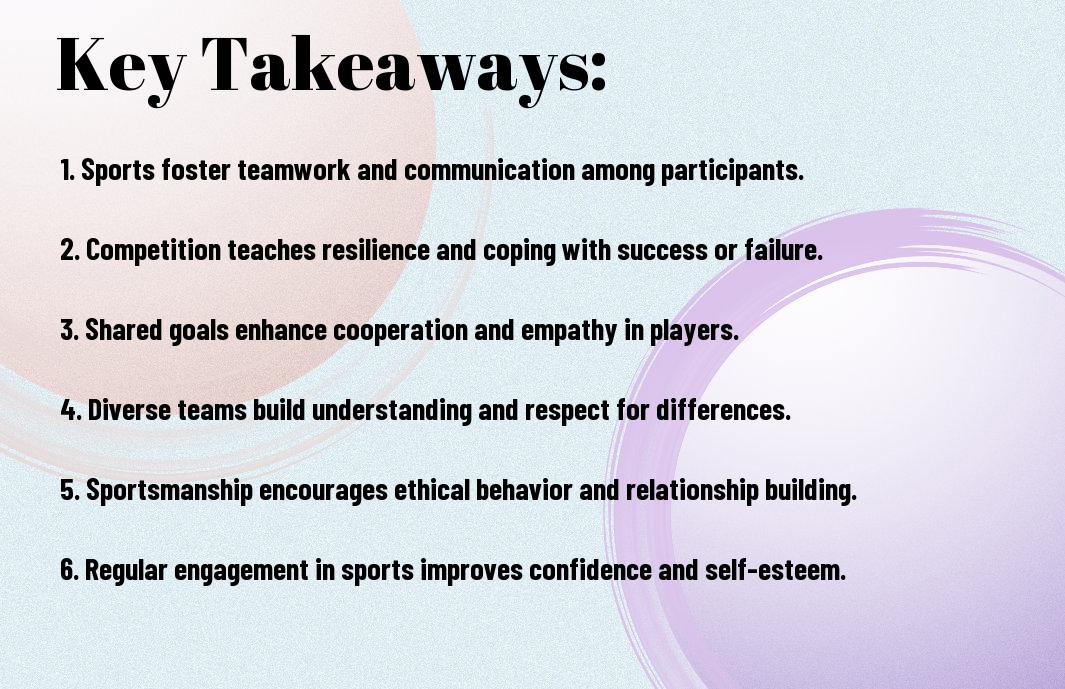
Key Takeaways:

  • Teamwork: Sports encourage players to collaborate and work together towards a common goal, enhancing their ability to cooperate with others.
  • Communication: Engaging in sports fosters effective verbal and non-verbal communication skills as individuals learn to convey strategies and information during gameplay.
  • Conflict Resolution: Participation in sports teaches individuals how to resolve disputes amicably, promoting negotiation skills and mutual understanding among teammates.
  • Discipline: Through sports, individuals cultivate discipline and a sense of responsibility, which translates to better interpersonal relations in various social settings.
  • Empathy: Experiencing wins and losses in a sports environment helps individuals develop empathy for teammates and opponents, enhancing their emotional intelligence.

The Importance of Social Skills in Youth Development

The development of social skills is crucial for youth as it lays the groundwork for effective communication and relationship-building. When you help young people cultivate these skills, you empower them to navigate social situations with confidence and empathy. Strong social skills enable your youth to collaborate with peers, resolve conflicts, and develop a sense of belonging in their communities. In nurturing these abilities, you significantly enhance their emotional intelligence, which plays a vital role in their overall personal and academic success.

Sports as a Platform for Social Interaction

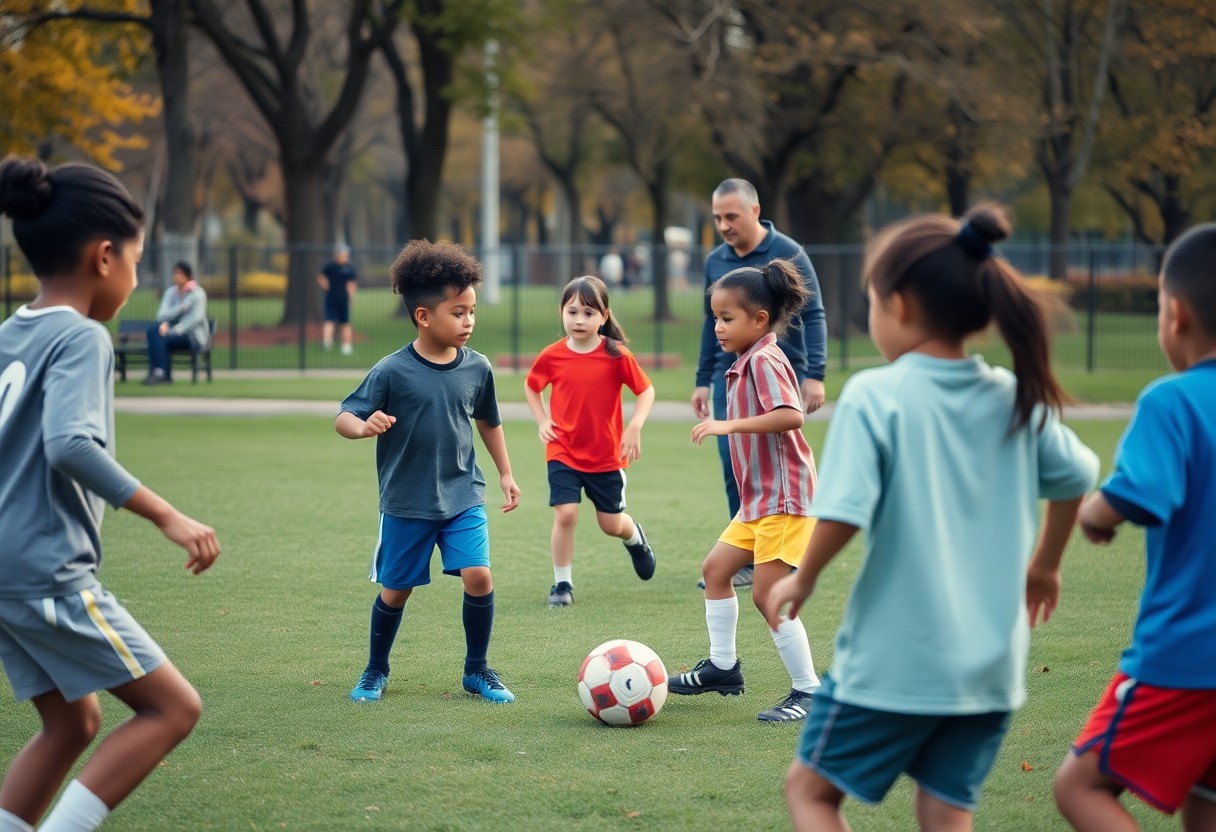
Some might overlook the power of sports as a social conduit, but engaging in athletic activities creates opportunities for interaction in a dynamic environment. Whether through team competitions or casual pick-up games, sports allow you to connect with individuals from varied backgrounds while fostering friendships and shared experiences. This interaction not only enhances your social networks but also cultivates a sense of camaraderie and belonging that extends beyond the playing field.

Team Dynamics and Cooperation

Social interactions within a sports team require members to collaborate toward a common goal. You learn to value each player’s strengths and weaknesses, paving the way for mutual respect and teamwork. As roles shift and adapt during play, you discover the importance of flexibility, which fortifies your ability to cooperate and encourages a positive team atmosphere.

Communication Skills Development

To thrive in sports, effective communication is vital. This involves not only verbal exchanges but also non-verbal cues and gestures that signal intentions during a game. Your ability to articulate strategies, provide encouragement, and respond to teammates fosters clarity and cohesion within the team.

For instance, when you play basketball, calling out plays and making eye contact with your teammates can significantly enhance your effectiveness on the court. Good communication helps you understand each other’s movements and intentions better, which is vital in high-pressure situations. Moreover, the constant feedback from peers further sharpens your ability to listen actively, respond promptly, and engage in constructive dialogue, skills that translate well into everyday social interactions beyond sports.

Building Confidence and Self-Esteem Through Sports

If you participate in sports, you have the opportunity to build confidence and self-esteem throughout your athletic journey. Engaging in physical activities helps you push your boundaries, discover your strengths, and develop a sense of accomplishment. This process fosters a positive self-image, encouraging you to take on new challenges both in sports and in other areas of your life.

Overcoming Challenges and Setbacks

The ability to overcome challenges and setbacks in sports is a significant factor in boosting your confidence. Whether you experience a tough loss or struggle to improve your skills, these hurdles teach resilience. Each time you face a setback and manage to keep going, you build a stronger belief in your capabilities, equipping you to handle future adversities more effectively.

Recognition and Achievement

Beside overcoming obstacles, recognition and achievement play a vital role in enhancing your self-esteem in sports. Accomplishments, whether large or small, validate your hard work and dedication, instilling a sense of pride in your abilities and efforts. Such recognition, whether from teammates, coaches, or personal milestones, reinforces your belief in yourself.

And when you achieve recognition through sports, it offers you a tangible measure of your progress and dedication. Celebrating milestones, like mastering a difficult skill or winning a competition, can significantly boost your self-worth. This acknowledgment fuels your motivation to continue improving, fostering a cycle of success where your self-esteem grows with every accomplishment you achieve.

Fostering Inclusion and Diversity

Not only do sports provide a platform for competition, but they also create an environment where inclusion and diversity can flourish. When you engage in team sports, you learn to appreciate different perspectives and cultural backgrounds, breaking down barriers that often divide communities. Your involvement in various sports can help cultivate a sense of belonging, allowing individuals from diverse backgrounds to come together and form meaningful connections.

Bridging Cultural Gaps

Fostering connections through sports enables you to bridge cultural gaps effectively. As you participate with teammates from varying backgrounds, you gain insights into their customs and ways of life. This interaction promotes mutual respect and understanding, enriching both your athletic experience and your personal growth.

Promoting Gender Equality in Sports

Below the surface of athletic achievement lies a powerful opportunity for promoting gender equality in sports. By actively participating in or supporting women’s sports, you contribute to challenging stereotypes and advocating for equal opportunities for all athletes, regardless of gender.

A commitment to gender equality in sports not only inspires young girls to pursue their athletic dreams but also empowers you to challenge harmful norms within the sporting community. This support fosters a culture that values each athlete’s contributions, regardless of gender, ultimately enriching the sporting world and promoting a more equitable society. Your advocacy can lead to increased visibility and investment in women’s sports, paving the way for future generations of female athletes.

Role of Coaches and Mentors

All athletes benefit immensely from the guidance of coaches and mentors, who play a pivotal role in shaping their social skills. These figures not only teach physical techniques but also model important interpersonal behaviors, helping you navigate relationships on and off the field. By fostering a sense of trust and open communication, coaches enable you to develop confidence in expressing yourself and collaborating with peers, equipping you with invaluable social tools for life.

Influencing Social Behavior

The impact of coaches on your social behavior is profound. Through positive reinforcement and consistent feedback, they set expectations for teamwork and cooperation. Their ability to create a supportive environment encourages you to engage in healthy communication, ultimately influencing how you interact with others beyond the sports arena.

Facilitating Team-Building Activities

Beside technical skills, coaches prioritize team-building activities to enhance group cohesion. These initiatives not only forge stronger bonds among team members but also encourage you to embrace diversity and learn the importance of collaboration. Engaging in various tasks emphasizes the value of working together towards a common goal.

Team building activities often incorporate problem-solving challenges that require you to communicate effectively with others, fostering trust and mutual respect. By participating in group exercises, you can discover unique strengths within your team and practice conflict resolution. This close interaction helps you appreciate different perspectives, enhancing your ability to work fluidly in diverse environments. Coaches intentionally design these experiences to ensure you learn vital social skills while having fun, reinforcing the importance of unity in achieving success.

Case Studies and Success Stories

For many individuals and communities, sports have served as a platform for developing social skills. Here are a few compelling case studies:

  • In a study of a youth soccer program, 75% of participants reported increased teamwork abilities.
  • A basketball initiative for at-risk teens showed a 40% improvement in conflict resolution skills.
  • A survey of a community swimming program indicated that 60% of participants made lasting friendships, enhancing their social circles.
  • Children involved in a local baseball league exhibited a 30% increase in communication skills.

Youth Programs and Their Impact

After analyzing various youth sports programs, it becomes evident that these activities significantly enhance social interaction. Participants often learn to work collaboratively, build friendships, and develop mutual respect, ultimately fostering a sense of community. For instance, a study showed that kids in organized sports were 50% more likely to report positive peer relationships compared to those not in sports.

Long-term Benefits of Sports Participation

Longterm involvement in sports can lead to enhanced social competence and teamwork skills that last a lifetime. Individuals who have participated in sports are often more equipped to handle social dynamics in various aspects of their lives, from workplaces to personal relationships. By engaging in team activities, you learn to navigate challenges and collaborate with others, enhancing your ability to succeed in diverse environments.

Participation in sports not only fosters immediate social skills but also lays the foundation for lifelong benefits. Engaging regularly with teammates enhances your ability to build networks, develop empathy, and practice effective communication. These skills prove advantageous beyond the field, contributing to personal development, improving career prospects, and fostering meaningful relationships as you progress through life.

Summing up

Considering all points, engaging in sports can significantly enhance your social skills, fostering teamwork, communication, and conflict resolution abilities. Through participation in various activities, you learn to collaborate with others, understand diverse perspectives, and build lasting relationships. These experiences equip you with vital interpersonal skills that can be applied in various aspects of your life, from personal relationships to professional environments. Ultimately, embracing sports not only enriches your physical well-being but also profoundly shapes your social interactions and growth.

FAQ

Q: How do sports help in the development of teamwork skills?

A: Participation in sports often requires individuals to work together to achieve a common goal. This collaboration fosters an understanding of roles and responsibilities within a group, builds trust among team members, and encourages communication. Moreover, players learn to support one another during successes and setbacks, reinforcing the importance of unity and shared effort in achieving success.

Q: In what ways can engaging in sports enhance communication skills?

A: Sports provide numerous opportunities for athletes to engage in verbal and non-verbal communication. Players must convey strategies, call plays, and provide feedback to one another, which enhances their ability to express thoughts clearly and listen actively. Additionally, the diverse environments created in competitive settings often challenge individuals to adapt their communication styles to suit various audiences, refining their interpersonal skills.

Q: What impact do sports have on conflict resolution abilities?

A: In any sports setting, disagreements and conflicts are likely to arise, whether between teammates or opponents. Engaging in sports teaches individuals how to manage and resolve these disputes effectively. Athletes learn to address conflicts through dialogue, developing negotiation skills and empathy towards others’ perspectives. This ability to navigate disagreements translates beyond the playing field, helping individuals handle interpersonal challenges in everyday life.

The Benefits of Outdoor Sports for Mental Health

Many people underestimate the significant impact outdoor sports can have on your mental health. Engaging in physical activities in natural surroundings not only boosts your mood but also reduces symptoms of anxiety and depression. When you participate in outdoor sports, you are exposed to sunlight and fresh air, which can enhance your overall well-being. Moreover, the social interactions and sense of achievement that come with team sports or personal challenges can further improve your mental state. This blog post explores the various ways outdoor sports can benefit your mental health and overall happiness.

Key Takeaways:

  • Improved Mood: Engaging in outdoor sports can significantly boost mood levels due to the release of endorphins, which promote feelings of happiness and relaxation.
  • Stress Reduction: Participating in physical activities outdoors can help lower stress levels, creating a natural outlet for managing anxiety and tension.
  • Enhanced Cognitive Function: Outdoor sports stimulate brain activity, improving focus, memory, and problem-solving skills, leading to better cognitive performance.
  • Increased Social Interaction: Team sports and group activities provide opportunities to connect with others, fostering a sense of community and reducing feelings of isolation.
  • Connection to Nature: Being outside allows individuals to engage with nature, promoting mindfulness and a sense of tranquility that supports overall mental wellness.

The Connection Between Outdoor Sports and Mental Health

Your mental health is intricately linked to the activities you engage in, and outdoor sports provide a unique opportunity to enhance wellbeing. The fresh air, natural scenery, and physical movement make outdoor sports a powerful tool for recharging your mind. Not only do you benefit from the physical aspect, but the connection to nature can help reduce stress and anxiety, creating a holistic approach to improving your mental health.

Psychological Benefits

Sports have the ability to elevate your mood and improve your overall psychological well-being. Engaging in outdoor activities fosters a sense of accomplishment and boosts self-esteem, while also providing an excellent outlet for releasing pent-up stress. The social interactions and camaraderie you experience during these activities further promote feelings of belonging and happiness, which are vital for maintaining mental wellness.

Physical Benefits

Physical activity plays a significant role in your overall mental health by releasing endorphins that enhance mood and reduce feelings of anxiety. When you participate in outdoor sports, you improve your cardiovascular health, strengthen muscles, and increase flexibility, all of which contribute to your physical well-being. This, in turn, can lead to a more positive self-image and increased confidence.

Further, regular participation in outdoor sports has been shown to improve your sleep patterns and reduce fatigue, which are important for maintaining mental clarity and focus. Engaging in physical activities under the sun also allows your body to absorb vitamin D, linked to improved mood and cognitive function. As you stay active and connect with the environment, you may find that the benefits extend beyond just the physical realm, positively influencing your mental state and resilience.

Types of Outdoor Sports and Their Impact

Some outdoor sports can significantly enhance your mental health by reducing stress and anxiety while boosting your mood. You can choose from a variety of activities that cater to different preferences and social dynamics. Here’s a breakdown of several types of outdoor sports and their positive effects:

Outdoor Sport Impact on Mental Health
Running Improves mood and reduces feelings of depression
Cycling Enhances cognitive function and reduces stress
Team Sports Fosters social connections and increases feelings of belonging
Hiking Promotes mindfulness and appreciation of nature
Yoga Outdoors Combines physical activity with mental relaxation

Perceiving the benefits of these activities can help you choose the right ones for your mental wellness journey.

Team Sports

Around you, team sports create a sense of community and belonging, vital for mental well-being. Participating in sports like soccer, basketball, or volleyball allows you to collaborate with others, fostering powerful social connections. These interactions can lead to increased motivation and accountability, contributing positively to your mental health.

Individual Activities

Against the backdrop of individual outdoor activities like running or cycling, you have the opportunity to focus on personal growth and self-reflection. Engaging in these pursuits allows for a deeper connection with nature and provides a space where you can unwind and recharge mentally.

For instance, activities like jogging or rock climbing help you cultivate self-discipline and resilience. By setting personal goals, you learn to celebrate your achievements, boosting self-esteem and overall mental well-being. Additionally, the time spent outdoors helps clear your mind, offering a refreshing perspective on life’s challenges.

The Role of Nature in Enhancing Mental Well-being

Unlike urban environments, nature provides a sanctuary that can significantly enhance your mental well-being. Being outdoors amidst greenery, fresh air, and sunlight helps reduce stress, lower anxiety, and improve your mood. The natural world invites a sense of peace and tranquility that urban areas often lack, allowing you to disconnect from daily pressures and reconnect with yourself.

Exposure to Natural Environments

Between time spent in green spaces and improved mental health, the connection is evident. Regular exposure to natural environments not only revitalizes your senses but also diminishes feelings of stress and depression. Nature acts as a healing backdrop, promoting restorative mental states that uplift your overall mood and enhance clarity of thought.

Mindfulness and Outdoor Sports

Sports encourage mindfulness, a state of focused awareness that can be deeply rewarding. Engaging in outdoor sports allows you to be present in the moment, alleviating worries about the past or future and enhancing your mental clarity.

Enhancing your mindfulness through outdoor sports creates a powerful synergy between physical activity and mental wellness. As you immerse yourself in the rhythm of your movements and the sounds of nature, you cultivate a sense of presence that strengthens your emotional resilience. This focus not only boosts your performance but also facilitates a deeper connection with your surroundings, fostering inner calm and improved mental health.

Case Studies and Research Findings

Despite the growing interest in outdoor sports for mental well-being, substantial research highlights their impact:

  • A study by Stanford University showed a 90% reduction in rumination levels after participants walked in nature.
  • Research published in the Journal of Affective Disorders indicated that individuals engaging in outdoor activities reported a 30% decrease in anxiety symptoms.
  • The International Journal of Environmental Health Research found that outdoor sports can improve mood scores by up to 40% in individuals with depression.

Exploring these findings reveals 7 health benefits of outdoor exercise that can significantly enhance your mental health.

Studies on Anxiety and Depression

The evidence suggests that outdoor sports provide powerful benefits for individuals grappling with anxiety and depression. Engaging in outdoor activities can lessen negative thought patterns and enhance emotional resilience, resulting in a more positive outlook on life.

Testimonials from Participants

The accounts from participants in outdoor sports reveal profound changes in their mental health. Many report feelings of freedom, reduced anxiety, and enhanced overall happiness after spending time outdoors.

Further, these testimonials often highlight personal transformations, where individuals describe how consistent participation in outdoor sports has led to significant improvements in their daily lives, including better relationships and increased motivation. Many participants emphasize the importance of community and shared experiences, reinforcing the psychological benefits of social connections formed through outdoor activities.

Practical Tips for Incorporating Outdoor Sports

To effectively integrate outdoor sports into your life, consider the following tips:

  • Start with activities you enjoy to maintain motivation.
  • Set specific days and times for your outdoor sessions.
  • Invite friends or family to join you for added enjoyment.
  • Explore local parks, trails, or sports facilities to diversify your activities.
  • Gradually increase the intensity and duration of your sessions.

Perceiving outdoor sports as a beneficial part of your routine can lead to improved mental health and well-being.

Getting Started

Before submerging into outdoor sports, assess your current fitness level and interests to find activities that suit your preferences. Whether it’s hiking, cycling, or team sports, start slow to avoid injury and determine what truly excites you.

Maintaining a Balanced Routine

After establishing your outdoor sports regimen, balance it with other physical activities and rest days for optimal health. This will help ensure your body has time to recover and reduce the risk of burnout.

Maintaining a balanced routine involves combining outdoor activities with other forms of exercise, like indoor workouts or yoga. This diversity not only keeps your workout engaging but also targets different muscle groups and mental states, optimizing your overall well-being and enhancing the benefits of outdoor sports.

Overcoming Barriers to Participation

Keep in mind that participating in outdoor sports can be hindered by various factors. By recognizing these barriers, you can take proactive steps to overcome them and enhance your mental well-being. An effective approach involves addressing the following social and environmental challenges:

Social and Environmental Factors

Behind every great athlete is a supportive environment, but social and environmental factors can often deter you from engaging in outdoor sports. Common challenges include:

  • Lack of accessible facilities
  • Limited social support or companionship
  • Time constraints due to work or family commitments

This awareness can help you identify specific obstacles in your life and plan potential solutions.

Motivational Strategies

One effective way to combat barriers is through motivational strategies that keep you engaged and inspired. Setting achievable goals, finding a workout buddy, or joining a community can all enhance your enjoyment and commitment to outdoor sports.

Plus, using positive reinforcement, tracking your progress, and celebrating small accomplishments can significantly boost your motivation. Engaging in outdoor activities with others, whether friends or fellow enthusiasts, can create an encouraging atmosphere that makes participation more enjoyable. By integrating these strategies, you can foster a resilient mindset that empowers you to overcome any hurdles you encounter.

Conclusion

Ultimately, engaging in outdoor sports can significantly enhance your mental well-being by reducing stress, boosting self-esteem, and fostering social connections. As you immerse yourself in nature and physical activity, you create opportunities for mindfulness, provide an outlet for your emotions, and develop resilience against daily challenges. By making outdoor sports a regular part of your routine, you can cultivate a healthier, happier mindset and improve your overall quality of life.

FAQ

Q: How do outdoor sports contribute to reducing anxiety and depression?

A: Engaging in outdoor sports helps release endorphins and serotonin, which are chemicals in the brain associated with happiness and well-being. The natural environment also plays a role, as exposure to sunlight boosts mood and can alleviate symptoms of anxiety and depression. Moreover, physical activity serves as a healthy distraction from negative thoughts and stressful situations, allowing individuals to experience a sense of accomplishment and satisfaction.

Q: Can outdoor sports improve social connections and support mental health?

A: Yes, participating in outdoor sports often involves group activities or team events, which fosters social interaction and connection. Building relationships through shared interests can enhance feelings of belonging and community. This social support is vital for mental health, as it provides individuals with a network to share experiences, seek support during tough times, and engage in positive social interactions that boost overall mood and well-being.

Q: What specific outdoor sports are most beneficial for mental health?

A: Various outdoor sports can positively impact mental health, with popular options including hiking, cycling, running, and team sports like soccer or basketball. Each activity provides unique benefits: hiking connects individuals with nature, cycling and running can boost cardiovascular health, and team sports promote social interaction. The key is to find an activity that an individual enjoys, as this increases the likelihood of regular participation, leading to sustained mental health benefits.

The Importance of Consistency in Sports Training

With a consistent training regimen, you lay the foundation for improvement and success in your athletic journey. In sports, dedication and regularity are key components that help you develop skills, increase endurance, and enhance overall performance. By committing to a routine, you not only build muscle memory but also foster discipline and resilience, qualities necessary for any athlete. This post will explore why maintaining consistency in your training schedule is vital for reaching your goals and maximizing your potential.

Key Takeaways:

  • Skill Development: Regular practice enhances muscle memory and efficiency in your techniques.
  • Physical Conditioning: Consistent training builds endurance, strength, and overall fitness, reducing the risk of injury.
  • Mental Toughness: Routinely pushing your limits fosters resilience and helps athletes cope with challenges and setbacks.
  • Goal Achievement: Steady training keeps athletes focused on their objectives, allowing for measurable progress over time.
  • Team Chemistry: For team sports, consistency in training sessions strengthens collaboration and communication among teammates.

The Role of Consistency in Skill Development

Your journey in sports training hinges on the consistency of your practice sessions. When you commit to a regular training schedule, you lay the groundwork necessary for skill enhancement. This consistent effort not only builds your foundational abilities but also allows for ongoing adjustments and improvements. Over time, you’ll find that persistence leads to remarkable progress, allowing you to reach your full potential in your chosen sport.

Muscle Memory and Repetition

Against the backdrop of skill development, muscle memory is formed through consistent repetition of movements. Each time you engage in a particular skill, your brain and body reinforce those neural pathways, making the action feel more natural over time. This repetition not only enhances your performance but also reduces the likelihood of errors during high-pressure situations. The more you practice, the more automatic those movements become.

Technique Refinement

With every practice session, you have the opportunity to refine your technique further. Consistency in training allows you to focus on the small details that make a big difference in your performance. By repetitively evaluating and adjusting your technique, you cultivate precision, which is important in competitive scenarios. This dedicated attention to refining your craft leads to improved efficacy and greater confidence in your skills.

Muscle movement patterns need time to develop. Each session spent honing your technique allows for adjustments that improve your overall performance. As you concentrate on these refinements, you build a more robust understanding of what works best for your body, allowing your skills to resonate seamlessly during competition. Your commitment to perfecting technique through consistent training ultimately transforms your approach, making you not just a player, but a skilled athlete who takes control of every aspect of performance.

Psychological Benefits of Consistency

One of the key psychological benefits of consistency in sports training is the development of a strong mental framework that supports your athletic performance. By sticking to a regular training schedule, you cultivate discipline and resilience, enabling you to face challenges more effectively. This routine not only enhances your physical skills but also contributes to a positive mindset, empowering you to push through obstacles and setbacks.

Building Confidence

By consistently engaging in training, you foster a sense of mastery over your sport, which significantly boosts your confidence levels. With each session, you witness your improvements, reinforcing the belief that you can achieve your goals. This growing self-assurance translates into enhanced performance during competitions, as you are more likely to trust your abilities and decisions on the field.

Reducing Anxiety and Stress

To effectively reduce anxiety and stress, consistency in training serves as a stabilizing factor in your life. Regular physical activity not only channels your energy but also helps to regulate hormones related to stress, providing you with a sense of control and calm.

Anxiety can often arise from uncertainty and lack of preparation, but when you commit to a consistent training regimen, you develop a proactive approach to challenges. This predictable routine helps reduce feelings of nervousness before competitions, as you can rely on your training experiences to guide you. The mental familiarity of going through set exercises and strategies allows you to focus on the game, rather than the fear of failure, ultimately enhancing your overall performance.

The Impact of Consistency on Physical Conditioning

Despite the inherent challenges in maintaining a regular training schedule, consistency plays a pivotal role in enhancing your physical conditioning. When you commit to a structured routine, your body adapts to the demands placed upon it, leading to improved strength, flexibility, and overall performance. Embracing this steady approach not only elevates your fitness levels but also establishes a sustainable path towards achieving your athletic goals.

Endurance and Stamina

Before you can excel in your sport, it is vital to develop a strong foundation of endurance and stamina. Consistent training allows your body to efficiently utilize oxygen and build the necessary cardiovascular strength to perform at higher intensities for longer durations. This means that when the pressure mounts in competition, you’ll be better equipped to push through fatigue and maintain optimal performance.

Injury Prevention

Around sports, injury can derail even the most promising athletes, but a consistent training routine can significantly mitigate this risk. By gradually increasing the intensity and volume of your workouts, your muscles, tendons, and ligaments strengthen over time. This progressive conditioning helps your body adapt to stress, making it less susceptible to injuries commonly caused by overexertion or sudden changes in activity level.

Consequently, focusing on consistent training helps you develop not only the physical capabilities needed for your sport but also fosters a strong understanding of your body’s limits. By staying committed to your routine, you create a solid foundation that minimizes the chances of injuries. Additionally, regular assessments of your training not only enable you to spot potential weaknesses but also give you the tools to address them proactively, ensuring that you stay on track and in optimal shape throughout your athletic journey.

Establishing a Consistent Training Routine

Once again, creating a consistent training routine is vital for achieving your sports goals. By committing to a specific schedule, you ensure that your body adapts to the demands of training, improving your performance over time. Aim to select training days and times that fit seamlessly into your lifestyle, making adjustments for work or personal commitments as needed. This way, you will develop a habit that keeps you motivated and focused on your athletic journey.

Setting Realistic Goals

Goals are vital to maintaining focus in your training. Establishing attainable and specific objectives helps you measure progress and keeps you motivated. Break down larger aspirations into smaller milestones, allowing you to celebrate achievements along the way. This approach not only enhances your performance but also reinforces positive habits, making it easier for you to stay dedicated to your training routine.

Time Management Strategies

The effective management of your time can significantly impact your training consistency. Prioritizing your commitments and allocating specific periods for practice will help you remain dedicated amidst everyday distractions. Finding a balance between training, work, and personal life is key to ensuring that you maintain your routine and avoid burnout.

Realistic time management is about understanding your limitations and working within them. Assess your weekly schedule and identify time slots that can be dedicated to training without sacrificing other responsibilities. Use tools like calendars or apps to plan workouts in advance, and allocate rest days to recharge. By creating a structured yet flexible timetable, like incorporating short training sessions or utilizing high-intensity workouts, you can be more effective with your training and more consistent in your progress.

Nutrition and Recovery: Supporting Consistency

After establishing a solid training routine, it’s necessary to complement your efforts with proper nutrition and recovery techniques. Both play a vital role in maintaining your performance levels and ensuring you can train consistently over time. For more insights on maximizing your athletic potential, check out Why Consistency Matters – Maximizing Athletic ….

The Importance of Nutrition

Below maintaining a balanced diet is key to supporting your training consistency. Nutrient-rich foods fuel your body, enhance recovery, and optimize performance. By prioritizing proper nutrition, you can ensure that you are always ready for your next session, allowing you to maintain momentum in your training routine.

Recovery Techniques

One effective way to support your training consistency is through recovery techniques. Incorporating methods such as stretching, foam rolling, and hydration can help to alleviate muscle soreness and improve flexibility.

With a variety of recovery techniques available, it’s important to find what works best for you. Active recovery, such as light exercises, can enhance circulation and speed up muscle repair, while practices like yoga or meditation can improve your mental focus and reduce stress. Consistently including these recovery methods in your routine can enhance your overall performance and keep you aligned with your training goals.

Case Studies: Successful Athletes and Consistency

Not many realize the pivotal role consistency plays in athletic success. Here are some notable case studies that exemplify this principle:

  • Michael Jordan: Practiced 8-10 hours daily, leading to six NBA championships.
  • Serena Williams: Maintained a rigorous training schedule with over 40 hours per week.
  • Usain Bolt: Ran an average of 100 kilometers a week during training, achieving 8 Olympic gold medals.
  • Peyton Manning: Conducted 40 hours of film study weekly, resulting in 5 MVP awards.
  • Tom Brady: Committed to a strict diet and training regimen for over 20 years, earning 7 Super Bowl rings.

Professional Examples

Before reaching the pinnacle of their sports, successful athletes like LeBron James and Roger Federer exemplified unwavering dedication through consistent practice and training routines. LeBron reportedly invests over $1 million annually in his training and health, while Federer maintained a structured training schedule that included daily hits on the court and fitness sessions. Their achievements are a testament to the rewards of persistent effort.

Lessons Learned

Across various sports, one overarching lesson emerges: consistency is integral to athletic mastery and success. Athletes who adhered to regular training schedules consistently outperformed those who did not prioritize this discipline.

Also, keeping a consistent practice schedule helps to build muscle memory and improve skills over time. This commitment not only enhances performance but also fosters a winning mindset, crucial for overcoming challenges. By emulating the disciplined training habits of top athletes, you can unlock your full potential and achieve your own goals in sports. Keep in mind, it’s about the journey and the daily commitment to excellence.

Summing up

Drawing together the insights on the importance of consistency in sports training, it becomes clear that regularity in your practice can significantly enhance your performance and skill development. By committing to a consistent training schedule, you build not only physical endurance but also mental resilience, which are key components of athletic success. This dedication helps you create solid habits, gradually improving your technique and confidence. Ultimately, embracing consistency allows you to progress steadily toward your goals, setting you apart as an athlete who understands the value of persistence in achieving excellence.

Q: Why is consistency important in sports training?

A: Consistency in sports training plays a vital role in skill development and performance enhancement. When athletes train regularly, they reinforce muscle memory, allowing movements to become more natural and instinctive. This repetition helps to improve technique and efficiency, ultimately leading to better results during competitions. Additionally, consistent training helps build endurance and strength, making it easier for athletes to cope with the physical demands of their sport.

Q: How does consistency affect an athlete’s progress over time?

A: Maintaining a consistent training routine fosters incremental progress. Over time, small improvements in strength, skill, and tactics can accumulate, leading to significant advancements in performance. Athletes who train consistently are also more likely to set and achieve realistic goals, which boosts motivation and commitment. Conversely, irregular training may lead to stagnation or regression, making it harder to reach desired outcomes and maintain peak physical condition.

Q: What strategies can athletes implement to maintain consistency in their training?

A: Athletes can adopt several strategies to enhance their training consistency. Firstly, creating a structured training schedule can help them balance workouts with other life commitments. Setting specific, measurable goals will also make it easier to track progress and stay motivated. Additionally, incorporating variety into training sessions can prevent boredom and keep athletes engaged. Lastly, fostering a supportive environment, whether through training partners or coaches, provides encouragement and accountability, reinforcing the importance of staying on track.

How to Increase Power and Explosiveness in Sports

Just like athletes train to enhance their skills, you can boost your power and explosiveness to elevate your performance in sports. This guide will provide you with effective strategies and exercises designed to increase your strength and quickness, enabling you to excel in your chosen sport. By incorporating these techniques into your routine, you’ll develop the muscle fibers and coordination necessary for explosive movements, helping you achieve your athletic goals. Let’s get started on transforming your training and unlocking your full potential!

Key Takeaways:

  • Progressive Strength Training: Incorporate exercises that build overall strength, such as squats and deadlifts, to support explosive movements.
  • Plyometric Drills: Engage in plyometric exercises like box jumps and medicine ball throws to enhance power generation and speed.
  • Speed and Agility Workouts: Add sprinting and agility drills to your routine, focusing on quick footwork and rapid direction changes.
  • Proper Nutrition: Fuel your body with a balanced diet rich in proteins and carbohydrates to support muscle recovery and energy levels.
  • Technique Refinement: Focus on mastering the proper form in dynamic movements to maximize force application and reduce injury risk.

Understanding Power and Explosiveness

While athletes often hear the terms ‘power’ and ‘explosiveness,’ understanding their distinctions is crucial for enhancing your performance. Power refers to the ability to exert maximum force in minimum time, allowing you to generate strength and speed simultaneously. Explosiveness, on the other hand, defines how quickly and forcefully you can initiate movement. By grasping these concepts, you can better tailor your training to improve your athletic capabilities.

Definition of Power in Sports

The concept of power in sports is defined as the ability to apply strength at a rapid pace, combining both speed and force to establish explosive movements. It involves the muscles contracting forcefully in a short duration, enabling you to achieve maximum output crucial for effective athletic performance.

Importance of Explosiveness in Athletic Performance

On the field or court, explosiveness is vital for gaining a competitive edge in your sport. It allows you to jump higher, sprint faster, and change direction quickly, directly impacting your effectiveness during competition.

For instance, in sports such as basketball and football, a quick explosive start can mean the difference between successfully making a play and being left behind. Likewise, in track events, developing explosiveness can enhance your sprinting capabilities and improve your overall race times. By focusing on explosiveness in your training regimen, you can elevate your game, making you a more versatile and dynamic athlete.

Key Factors Influencing Power and Explosiveness

Some key factors contribute to enhancing power and explosiveness in sports. Understanding these elements can lead to better performance:

  • Genetics
  • Physical Conditioning
  • Nutrition
  • Recovery Practices
  • Sport-Specific Training

The synergy of these factors can significantly elevate your athletic capabilities.

Physical Conditioning

There’s a direct correlation between your physical conditioning and your ability to generate power and explosiveness. Engaging in strength training, plyometrics, and agility drills can exponentiate your muscular efficiency, allowing for quicker movements and better overall performance. This means that a tailored workout regime focusing on enhancing fast-twitch muscle fibers and overall strength will ensure you reach your athletic potential.

Nutrition and Recovery

Clearly, nutrition and recovery play pivotal roles in your performance as an athlete. Eating the right balance of macronutrients fuels your body for explosive activities, while proper recovery allows your muscles to repair and grow stronger post-exercise.

Physical recovery is important for maximizing your power and explosiveness in sports. Implementing strategies such as adequate sleep, hydration, and active rest days enables your body to replenish its energy stores and repair muscle tissues. Proper nutrition, particularly protein intake, ensures you’re supplying your muscles with the building blocks needed for growth. Incorporating recovery techniques such as stretching, foam rolling, and perhaps even sports massages can further enhance your performance by reducing soreness and improving flexibility.

How-to Tips for Enhancing Strength

To enhance your strength, it is imperative to focus on various training methods. Consider implementing the following strategies:

  • Incorporate compound movements like squats and deadlifts.
  • Utilize progressive overload to continuously challenge your muscles.
  • Maintain a balanced diet rich in protein to support recovery and muscle growth.
  • Allow adequate rest days to let your muscles recover and grow stronger.

Any consistent effort in these areas will significantly improve your strength levels.

Resistance Training Techniques

While exploring resistance training techniques, prioritize compound movements that engage multiple muscle groups, as they maximize strength gains. Incorporate diverse equipment and formats like dumbbells, resistance bands, and bodyweight exercises. Focus on maintaining good form, tempo, and consistency throughout your workouts to ensure effective results and prevent injury.

Plyometric Exercises and Their Benefits

If you’re looking to increase power and explosiveness, plyometric exercises are an excellent addition to your training regimen. These dynamic movements, such as box jumps and clap push-ups, propel your muscles into fast twitch action, enhancing your speed and strength simultaneously.

For instance, exercises like depth jumps create rapid force production, allowing you to tap into your full power potential. This heightened explosiveness transfers directly to improved athletic performance in sports, whether you’re sprinting, jumping, or changing direction. Integrating plyometrics into your routine not only boosts muscle strength but also fortifies your body against injury, making it a smart choice for any athlete aiming to elevate their game.

How-to Tips for Improving Explosiveness

Many athletes seek to enhance their explosiveness for better performance. Here are some actionable tips:

  • Incorporate plyometric exercises into your routine.
  • Focus on compound movements like squats and deadlifts.
  • Implement Olympic lifts to develop strength and power.
  • Prioritize short bursts of high-intensity training.
  • Utilize resistance bands for dynamic movements.

Thou must consider exploring Explosive Workouts for Speed, Power, and Strength to further enhance your performance.

Sprinting and Acceleration Drills

Explosiveness in sports often comes down to your ability to sprint and accelerate quickly. Incorporating sprint drills, such as hill sprints and resisted sprints, can significantly contribute to your overall explosiveness. Aim to practice these drills regularly, focusing on maintaining optimal technique for maximum benefit.

Sport-Specific Training Methods

Clearly, tailoring your training to the specific demands of your sport can profoundly affect your explosiveness. Engaging in drills that mimic game scenarios and movements will help you develop the required speed and power. Focus on training methods that are directly applicable to your sport, as this will enhance your performance when it matters most.

Training with a sport-specific approach allows you to simulate actual competitive conditions. This means incorporating movements that require rapid changes in direction, explosive jumps, or quick sprints. Additionally, focus on individual skills pertinent to your sport, along with maintaining strength and conditioning, to ensure you maximize your explosive potential during actual gameplay.

Assessing Your Progress

After implementing training strategies to enhance your power and explosiveness, it’s vital to assess your progress regularly. This ongoing evaluation will help you understand what’s working and what needs adjustment. Utilize performance metrics such as speed, agility, and strength benchmarks to ensure you are on the right track and make informed decisions about your training regimen.

Testing Power and Explosiveness

Even if you feel stronger or quicker, testing your power and explosiveness through specific drills can provide concrete data on your improvements. Exercises such as vertical jumps, broad jumps, and sprint times can help quantify your gains and areas needing focus. Consistently testing these metrics allows you to track progress over time.

Setting and Adjusting Goals

Now that you have assessed your performance, it’s time to set and adjust your goals accordingly. Having clear, achievable goals based on your assessments will guide your training and keep you motivated.

Goals should be specific, measurable, attainable, relevant, and time-bound. For instance, you might aim to increase your vertical jump by a certain number of inches over a specified period. As you make progress, reassess these goals to ensure they remain relevant and challenging. Adjustments may be needed depending on your improvement rate, allowing you to stay focused and engaged in your training journey.

Common Mistakes to Avoid

All athletes striving for enhanced power and explosiveness often overlook critical aspects of their training. Avoiding common mistakes can significantly impact your performance and help you achieve your goals efficiently. Ensure you’re not falling into these traps, as they could hinder your progress and lead to injuries or burnout.

Overtraining

Now that you’ve committed to your training regime, it’s necessary to recognize the signs of overtraining. Pushing your body beyond its limits can lead to fatigue, decreased performance, and increased risk of injury. Ensure you’re incorporating adequate rest and recovery days into your schedule, allowing your muscles and central nervous system time to repair and grow stronger.

Neglecting Flexibility and Mobility

On your journey to improve power and explosiveness, it’s easy to focus solely on strength training and high-intensity workouts. However, neglecting flexibility and mobility can limit your potential. A flexible and mobile body allows for a fuller range of motion, enabling you to generate more power and prevent injuries during explosive movements.

Another key aspect to consider regarding flexibility and mobility is that they play a significant role in your overall athletic performance. Incorporating dynamic stretching, yoga, or mobility drills into your routine can enhance your movement patterns and improve your ability to generate power. Prioritizing these elements will not only increase your explosiveness but also keep your body functioning optimally for longevity in your sport.

Conclusion

On the whole, to effectively increase your power and explosiveness in sports, focus on a balanced regimen that incorporates strength training, plyometric exercises, and proper nutrition. By targeting both the fast-twitch muscle fibers and enhancing your overall conditioning, you can significantly improve your athletic performance. Consistency, technique, and recovery are key components of your training plan, ensuring you make the most of your efforts while minimizing the risk of injury. Implement these strategies, and you will see a marked improvement in your sports capabilities.

Q: What are the best types of exercises to improve power and explosiveness in sports?

A: To enhance power and explosiveness, incorporating exercises that utilize both strength and speed is imperative. Plyometric exercises, such as box jumps, depth jumps, and medicine ball throws, are effective for developing explosive strength. Olympic lifts, like the clean and jerk or snatch, also contribute to improving overall power. In addition, resistance training with lower rep ranges and heavier weights, focusing on compound movements such as squats and deadlifts, can build the necessary muscle strength. It is also beneficial to integrate sprinting drills and agility work to improve fast-twitch muscle fibers.

Q: How important is nutrition in boosting power and explosiveness for athletes?

A: Nutrition plays a significant role in enhancing an athlete’s power and explosiveness. A well-balanced diet that includes adequate amounts of protein, complex carbohydrates, and healthy fats is vital for muscle recovery, energy levels, and overall performance. Consuming protein-rich foods helps with muscle repair and growth, while complex carbohydrates provide the necessary energy for high-intensity training sessions. Staying hydrated is equally important, as dehydration can negatively affect performance. Timing meals and snacks around training sessions can also optimize energy availability and recovery.

Q: How can athletes assess their progress in increasing power and explosiveness?

A: Athletes can evaluate their progress in developing power and explosiveness by incorporating various testing protocols. Common assessments include vertical jump tests, broad jump tests, and sprint times over set distances. These tests provide measurable indicators of improvement in explosive strength and speed. Additionally, tracking the weight lifted in strength training and observing improvements in performance during practice or competition can serve as qualitative measures of progress. Regularly monitoring these indicators allows athletes to adjust their training programs as needed for continued advancement.

Skip to content