Preparation

How to Mentally Prepare for a Big Game

You can set yourself up for success by mastering the mental side of sports before a big game. Preparing your mind is just as important as physical training, as it can significantly influence your performance. This guide will walk you through effective techniques to enhance your focus, manage anxiety, and build confidence, so you can step onto the field with a winning mindset. Follow these steps to ensure you feel mentally sharp and ready to face any challenge that comes your way.

Key Takeaways:

  • Visualize your success by picturing yourself excelling during the game. This mental rehearsal can enhance your confidence and performance.
  • Establish a routine leading up to the game. Consistent pre-game rituals can help calm nerves and create a sense of familiarity.
  • Stay positive by focusing on your strengths and past achievements, which can foster a more optimistic and motivated mindset.
  • Practice mindfulness techniques, such as deep breathing or meditation, to manage anxiety and maintain focus during the game.
  • Set realistic goals for the game that are achievable, which can help you maintain perspective and reduce pressure.

Understanding the Mental Game

While physical training is important, mastering the mental aspect of your sport can significantly enhance your performance. The mental game involves the mindset, focus, and emotional control that can separate good athletes from great ones. By recognizing the mental challenge you face, you can develop strategies to stay confident, composed, and resilient, ensuring that you perform at your best when it matters most.

The Importance of Mental Preparation

Preparation for the mental game is just as vital as physical practice. When you invest time in mental conditioning, you equip yourself with techniques to handle pressure and distractions. This not only boosts your self-confidence but also helps you maintain focus during crucial moments of competition, enhancing your overall performance and enjoyment of the game.

Common Psychological Challenges

Common psychological challenges athletes face can include anxiety, self-doubt, and overthinking. These issues can hinder your performance if not addressed effectively. Recognizing these challenges is the first step in developing mental resilience and creating a strategy to overcome them.

The experience of anxiety is widespread among athletes and can manifest before or during a game, leading to a lack of concentration and decreased performance. Self-doubt may creep in after a mistake, undermining your confidence and causing you to second-guess your abilities. Additionally, overthinking can distract you from the game flow, making it difficult to execute plays or focus on your objectives. By understanding these challenges, you can cultivate awareness and implement techniques to mitigate their impact, allowing you to perform your best.
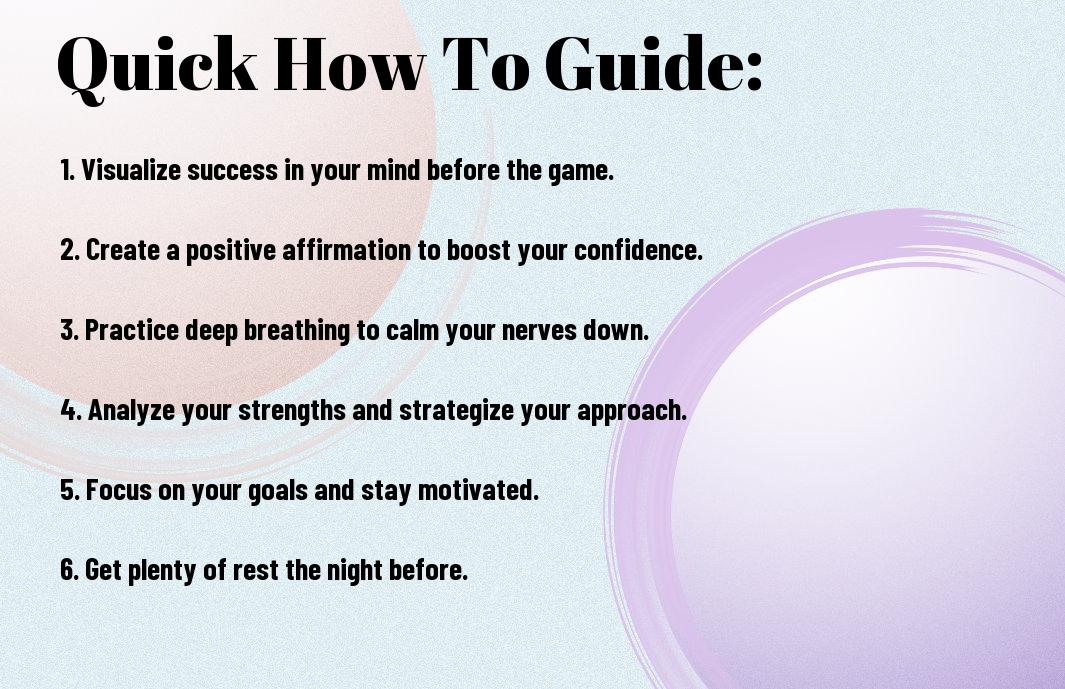
How to Develop a Pre-Game Routine

Some athletes find success by establishing a consistent pre-game routine that fosters mental readiness. This routine can include a combination of warm-up stretches, music playlists, and focused mindfulness practices. Consider exploring the 6 Pregame Mental Preparation Steps | Sports Psychology … to further enhance your mental game and optimize performance.

Visualization Techniques

Assuming you want to perform at your best, visualization techniques serve as powerful tools to enhance your focus and confidence. Picture yourself executing specific skills flawlessly, taking note of the sights, sounds, and even smells associated with your game environment. This mental imagery can create a positive mindset and prepare you for success.

Breathing Exercises

Any athlete can benefit from incorporating breathing exercises into their pre-game routine. These practices help calm your nerves and increase focus, allowing you to center your thoughts and energy before competition.

PreGame breathing exercises, such as deep diaphragmatic breathing or box breathing, can significantly reduce anxiety and promote mental clarity. Inhale deeply for four counts, hold for four, exhale for four, and pause for another four before repeating. This not only steadies your body but also prepares your mind to face the challenges of the game with confidence and poise.

Tips for Managing Anxiety

Your performance can be significantly affected by how you manage anxiety. Here are some effective strategies to help you cope:

  • Practice deep breathing exercises.
  • Visualize your success before the game.
  • Establish a routine to provide structure.
  • Limit pre-game discussions that raise stress levels.

Assume that small steps towards easing your anxiety will lead to a more focused performance.

Positive Self-Talk

Even the words you use to speak to yourself can have a powerful impact on your mindset. By replacing negative thoughts with affirming statements, you can boost your confidence and reduce anxiety before a big game.

Mindfulness Practices

If you incorporate mindfulness techniques into your routine, you’ll find greater peace and clarity. Practicing mindfulness can help you stay present, allowing you to focus solely on the moment rather than worrying about the outcome.

It can be beneficial to engage in activities such as meditation, progressive muscle relaxation, or even mindful breathing exercises. These practices train your mind to let go of distractions, enhancing your focus during critical moments. By creating a mental space that fosters calm, you are better equipped to handle the pressures that come with competitive play.

Factors Influencing Mental Readiness

Despite your best efforts in physical training, several factors can significantly affect your mental readiness for a big game. Consider the following:

  • Previous performance experiences
  • Stress levels
  • Support system
  • Environmental conditions
  • Game-day routines

After reflecting on these factors, you can better assess how to mentally prepare for the upcoming challenge.

Team Dynamics

Assuming you play as part of a team, the dynamics among players can directly impact your mental state. You may find that positive relationships foster trust and confidence, while tensions can create anxiety and distraction.

Personal Mindset

Mental fortitude plays a vital role in your preparedness. Your inner dialogue, self-belief, and emotional resilience are key components that influence how you approach the game.

Personal reflection on your mindset can empower you to identify areas for improvement. Acknowledge negative thoughts and combat them with affirmations or visualization techniques. Building a strong personal mindset is about fostering a belief in your capabilities and maintaining focus, regardless of external pressures. By investing in your mental approach, you position yourself for optimal performance.

Nutrition and Hydration for Mental Performance

Now that you’re geared up for your big game, it’s imperative to focus on nutrition and hydration. Proper fuel not only enhances your physical abilities but also sharpens your mental focus. Nourishing your body with the right foods and staying well-hydrated can significantly impact your performance, helping you stay energized and alert throughout the event.

Foods that Boost Brain Function

With the right foods in your diet, you can enhance your cognitive abilities. Incorporate nutrient-rich options like fatty fish, nuts, blueberries, and leafy greens, all known to support brain health. These foods are packed with antioxidants and omega-3 fatty acids that improve memory, focus, and overall mental performance, helping you stay sharp during the game.

Staying Hydrated

The importance of staying hydrated cannot be underestimated, especially before a big game. Dehydration can lead to fatigue and impaired cognitive function, which can hinder your performance. Aim to drink water regularly leading up to the event, and consider electrolyte-rich beverages to help maintain optimal hydration levels.

Another effective strategy is to monitor your fluid intake during practice sessions, ensuring you’re consistently replenishing lost fluids. Pay attention to your body’s signals, and drink water before, during, and after the game. By keeping well-hydrated, you will enhance your reaction times and mental clarity, giving you an edge when it matters most.

Setting Goals and Expectations

Not having clear goals can lead to uncertainty on game day. Establishing both personal and team objectives helps create a roadmap to success. By focusing on what you aim to achieve, you can channel your energy more effectively and reduce anxiety. Be specific about your goals and communicate them with your teammates, as this unity fosters a positive environment and builds confidence ahead of the game.

Short-term vs. Long-term Goals

Any effective preparation involves distinguishing between short-term and long-term goals. Short-term goals are the smaller tasks you can achieve in the immediate lead-up to the game, such as improving certain skills during practice sessions. On the other hand, long-term goals encompass your overall aspirations as an athlete, like enhancing your performance over an entire season. Both types of goals are vital, as they provide you with direction and motivation throughout your training journey.

Adjusting Expectations for Performance

Goals should be flexible, and your expectations must adapt as circumstances change. Setting realistic expectations helps manage pressure and enables you to perform at your best. When facing challenges or distractions leading up to the game, it’s okay to reassess your goals to align with your current situation while still keeping your overall objectives in mind.

Another important aspect is to acknowledge that performance can be influenced by various external factors, such as weather conditions or opponent strength. By adjusting your expectations, you can focus on what you can control, like your effort and mindset. Embrace a growth-oriented outlook; view each game as a valuable learning experience rather than a mere outcome. This shift in perspective can provide a sense of freedom that allows you to perform without the burden of unrealistic expectations.

Final Words

So, as you gear up for your big game, focus on mental preparation strategies that enhance your performance. Visualize success and set specific, achievable goals to maintain clarity and confidence. Incorporate relaxation techniques to manage stress and keep a positive mindset by surrounding yourself with supportive individuals. Ultimately, belief in your abilities and a strategic mental approach can significantly elevate your readiness, ensuring you perform at your best when it matters most.

Q: Why is mental preparation important for a big game?

A: Mental preparation is vital for athletes as it helps build confidence, focus, and resilience. It allows athletes to visualize success, manage anxiety, and establish a positive mindset. By engaging in mental routines, athletes can enhance their performance by staying present and maintaining composure during high-pressure situations. This preparation creates a mental framework that helps them navigate the challenges of the game effectively.

Q: What techniques can I use to improve my mental state before a competition?

A: There are several effective techniques for improving mental state prior to a big game. Visualization is one powerful method where athletes imagine themselves succeeding in their performance. Mindfulness practices, such as deep breathing or meditation, can help calm nerves and sharpen focus. Setting specific goals for the game can also guide preparations and foster a sense of direction. Additionally, engaging in positive self-talk can counter negative thoughts and build a more optimistic outlook.

Q: How can I build confidence as I approach a significant event in sports?

A: Building confidence can be achieved through a combination of preparation, reflection, and positive reinforcement. It’s important to develop a routine that emphasizes what you’ve practiced and strengthens your belief in your abilities. Reviewing past successes, whether through journaling or visual reminders, can reinforce a sense of achievement. Creating a support system with coaches and teammates who uplift and encourage can also enhance self-assurance. Taking care of physical well-being, including rest and nutrition, contributes to feeling prepared and confident on game day.

The Importance of Mental Preparation Before a Game

You may often focus on physical training and technical skills, yet mental preparation is equally vital for your performance in any game. It shapes your confidence, sharpens your focus, and helps you manage anxiety. By developing a strong mental game, you position yourself to face challenges head-on, ensuring your readiness both individually and as part of a team. Explore the techniques and strategies that can enhance your mental toughness and elevate your game performance.

Key Takeaways:

  • Mental Focus: Ensuring players are mentally focused helps to enhance concentration during the game.
  • Reduced Anxiety: Effective mental preparation can alleviate pre-game nerves and foster a sense of calm.
  • Visualisation Techniques: Practicing visualization can improve performance by mentally rehearsing skills and strategies.
  • Confidence Building: Positive self-talk and affirmations can boost players’ confidence levels before competing.
  • Team Cohesion: Engaging in mental preparation activities collectively can strengthen team bonds and communication.

The Role of Mental Preparation in Sports

The role of mental preparation in sports cannot be overstated. It directly impacts your performance, helping you to stay focused, maintain a positive mindset, and manage stress effectively. Engaging in mental preparation techniques allows you to develop resilience, enhancing your ability to navigate the highs and lows of competition with ease. When you prioritize your mental preparation, you set the stage for a more fulfilling and successful athletic experience.

Understanding Mental Preparation

Against fear and self-doubt, mental preparation empowers you to cultivate the mindset necessary for peak performance. This involves visualizing success, practicing mindfulness, and developing strategies to handle pressure. By understanding that mental preparation is as important as physical training, you can enhance your overall performance in your chosen sport.

Benefits of Mental Readiness

Understanding the benefits of mental readiness extends beyond just enhancing performance; it also fosters emotional well-being. When you mentally prepare, you experience reduced anxiety levels, improved confidence, and enhanced decision-making skills. This mental clarity allows you to approach each game with a positive and focused mindset, ultimately improving your overall sporting experience.

Preparation for competition involves a blend of techniques that sharpen your mental acuity. Engaging in visualization exercises, breathing techniques, and even keeping a performance journal can significantly boost your mental readiness. By focusing on these strategies, you equip yourself to confront challenges head-on, ensuring you’re mentally primed to give your best performance when it matters most.

Techniques for Effective Mental Preparation

Even the most talented athletes can struggle without the right mental framework. To enhance your performance, incorporate techniques like visualization, breathing exercises, and affirmations into your routine. These practices help you develop focus, reduce anxiety, and boost confidence as you approach the game, ensuring you’re prepared both mentally and emotionally.

Visualization Techniques

Before the game, take a moment to visualize yourself in action. Picture the plays you plan to make, the strategies you’ll employ, and how you will respond to challenges. Imagine the positive emotions you’ll experience during your performance, and let this imagery fill you with confidence and clarity.

Breathing and Relaxation Exercises

Across various sports, breathing and relaxation exercises are crucial tools for mental toughness. They help ground you, focus your thoughts, and alleviate anxiety as game time approaches.

And as you practice breathing techniques, you can harness the power of your breath to calm your mind and body. Begin by finding a quiet space, inhaling deeply through your nose for a count of four, holding it for four, and exhaling through your mouth for another four. Repeat this process for several minutes, allowing each breath to release tension and center your thoughts. Incorporating these exercises into your routine can significantly enhance your overall mental readiness before a game.

The Impact of Mental Preparation on Performance

Unlike physical training, mental preparation can significantly influence your game’s outcome. Preparing your mind enables you to adopt a confident mindset, reduces performance anxiety, and enhances focus. By fostering a positive mental environment, you can access peak performance levels, leading to improved decision-making and execution during high-pressure situations.

Case Studies and Real-Life Examples

Preparation plays a vital role in shaping athletic success. Consider these compelling examples:

  • NBA players who practiced visualization techniques improved their free throw accuracy by 23%.
  • In a study, athletes who engaged in mindfulness training reduced their anxiety levels by 35% before competitions.
  • A survey reported that 85% of elite athletes attributed part of their success to pre-game mental routines.

Psychological Factors Influencing Performance

Along with physical skills, various psychological factors can impact your performance significantly. Stress, anxiety, and self-confidence all play a role in how well you perform under pressure. By being aware of these factors, you can develop strategies to manage them effectively.

  • Self-talk can positively or negatively affect your confidence levels.
  • Visualization techniques help in creating mental scenarios that enhance focus.
  • Stress management techniques are crucial for maintaining your composure during competitions.

Understanding the psychological landscape of your mind influences your performance. By developing a strong mental game, you can navigate challenges and foster positivity and resilience, leading to improved outcomes. Perceiving how your mental state affects your performance is key to mastering your game strategy.

Overcoming Mental Barriers

Keep in mind that overcoming mental barriers is imperative for reaching your peak performance. Acknowledging and addressing these barriers empowers you to unlock your true potential, enabling you to focus on the game rather than distractions and self-doubt. By honing your mental skills, you can enhance your overall performance and enjoyment of the game.

Identifying Common Mental Challenges

At times, you may encounter mental challenges such as fear of failure, negative self-talk, and performance anxiety. Recognizing these obstacles is the first step toward overcoming them. By understanding the thoughts and emotions that hold you back, you can take proactive measures to shift your mindset and enhance your mental readiness.

Strategies to Combat Anxiety and Stress

The key to managing anxiety and stress lies in adopting effective strategies tailored to your needs. Techniques such as deep breathing exercises, visualization, and positive affirmations can help you regain control during high-pressure situations. Additionally, developing a pre-game routine can create a sense of familiarity and comfort, allowing you to focus on your performance.

Due to the nature of competitive sports, anxiety and stress can often manifest when you feel out of control or uncertain. Instead of succumbing to these feelings, implementing a combination of breathing techniques, mindfulness practices, and visualization can ground your mind and bring clarity. Creating a specific pre-game routine that includes these strategies allows you to prepare mentally, ensuring that you step onto the field with confidence and focus. Prioritizing mental preparation empowers you to transform anxiety into a source of energy that drives your performance.

Building a Pre-Game Routine

All athletes can benefit from establishing a pre-game routine that sets the tone for peak performance. Such a routine provides structure and helps you transition into a focused mindset. Incorporating physical warm-ups, mental visualization, and even motivational music can enhance your readiness. By engaging in consistent rituals before each game, you reinforce a sense of familiarity and control that can boost your confidence and performance on the field.

Creating Consistency

Along your journey, it’s crucial to develop rituals that you consistently follow before each game. Consistency helps to program your mind and body into a state of readiness, reducing anxiety and enhancing focus. Set aside specific times for your warm-up, visualization techniques, and relaxation exercises, allowing your body to adapt to a reliable routine. This repetition trains your brain to respond positively, leading to improved performance outcomes.

Personalizing Your Preparation

On your path to success, personalizing your preparation is key to maximizing your performance. Tailor your pre-game routine to fit your unique needs and preferences, whether it involves specific stretching exercises, meditation, or mental affirmations. Find what makes you feel most confident and motivated, and incorporate those elements into your routine. Your personalized approach allows you to foster a deeper connection with your pre-game mindset, enhancing your overall game readiness.

Building your personalized preparation may involve trial and error as you discover what resonates with you. Consider experimenting with various techniques until you find the blend that optimally prepares you mentally and physically. Whether you thrive on silence, or you prefer an upbeat playlist, or even specific breathing exercises, make sure your routine reflects who you are. This individualization not only enhances your confidence but also helps create a positive environment for optimal performance.

The Role of Coaches in Mental Preparation

For effective mental preparation, coaches play a significant role in guiding athletes on how to cultivate a focused and resilient mindset. You can explore methodologies on Mental Preparation | BETTER COACHING, where strategies to enhance mental readiness and motivation are discussed extensively. A coach’s ability to foster this environment can significantly impact an athlete’s performance both on and off the field.

Coaching Strategies for Mental Readiness

Among the various strategies coaches can implement, visualization and breathing techniques are powerful tools that aid in promoting mental clarity and focus. Incorporating regular mental training sessions into your practice schedule can help athletes feel more prepared and confident when game time arrives.

Fostering a Supportive Environment

Between the pressure of competition and the desire to perform well, athletes benefit immensely from a supportive coaching environment. This setting not only alleviates stress but also encourages open communication, allowing athletes to express concerns and seek guidance freely.

Further, fostering a supportive environment involves creating a culture of trust and respect among team members. When you make it a priority to celebrate both individual and team successes, it builds a sense of belonging and promotes mental wellness. This collaborative atmosphere motivates athletes to support one another, which reinforces their confidence and reduces anxiety, ultimately enhancing overall performance.

To wrap up

Hence, understanding the importance of mental preparation before a game can significantly enhance your performance. By incorporating techniques to calm your mind and visualize success, you set yourself up for a positive experience on the field. Investing time in your mental state is just as vital as physical training. For more insights, explore these Key Strategies for Athletes’ Mental Preparation to effectively boost your game readiness.

FAQ

Q: Why is mental preparation important before a game?

A: Mental preparation sets the stage for success by helping athletes focus their thoughts and emotions. Engaging in mental strategies, such as visualization and self-talk, allows players to establish a clear game plan, reduces anxiety, and enhances concentration. This mental clarity can lead to better decision-making during the game, improving overall performance.

Q: What techniques can athletes use for effective mental preparation?

A: Athletes can employ various techniques for mental preparation, such as visualization, mindfulness practices, and goal setting. Visualization involves imagining oneself successfully executing plays or making key moves, which can boost confidence. Mindfulness helps athletes stay present and focused, while goal setting provides a roadmap for what they want to achieve during the game, keeping them motivated and on track.

Q: How can mental preparation impact an athlete’s confidence?

A: Mental preparation plays a significant role in building an athlete’s confidence. When athletes engage in thorough preparation and practice mental strategies, they feel more equipped to handle the challenges of competition. This sense of preparedness fosters self-belief, allowing athletes to approach the game with a positive mindset, ultimately enhancing their ability to perform under pressure.

Skip to content