off-season

How to Stay Active During the Off-Season

Just because the main season has come to an end doesn’t mean your fitness journey should stop. Staying active during the off-season is imperative for maintaining your physical and mental well-being, while also preparing you for your next big challenge. In this post, you’ll discover effective strategies and enjoyable activities designed to help you stay engaged and motivated, ensuring you come back stronger when the season resumes. So, lace up your shoes and get ready to learn how to make the most of your off-season time!

Key Takeaways:

  • Set Goals: Establish clear, achievable fitness objectives to maintain motivation during the off-season.
  • Diverse Activities: Engage in a variety of exercises such as swimming, cycling, or yoga to keep workouts interesting and full-bodied.
  • Strength Training: Incorporate strength workouts to build muscle and prevent injuries when the season begins again.
  • Schedule Workouts: Plan a regular workout routine to establish consistency and accountability.
  • Mix in Fun: Participate in recreational sports or activities that you enjoy to stay active without it feeling like a chore.

Understanding the Importance of Staying Active

For athletes and fitness enthusiasts, staying active during the off-season is necessary for maintaining physical health and preventing setbacks. A consistent activity regimen keeps your body conditioned, reduces the risk of injury, and ensures that your performance levels don’t drop significantly when you return to your primary sport or activity. Moreover, remaining active fosters a sense of discipline and commitment, which can be beneficial in all aspects of your life.

Benefits of Off-Season Activity

Importance of off-season activity cannot be overstated. Engaging in regular physical activity during your downtime promotes better cardiovascular health, enhances muscle retention, and aids in mental clarity. Additionally, varying your exercise routine can help you discover new interests and skills, making your fitness journey more enjoyable.

Psychological Factors in Staying Motivated

Importance of psychological factors in your motivation cannot be overlooked. Staying active during the off-season can help alleviate feelings of stagnation and boredom that often accompany breaks. Setting manageable goals and celebrating small achievements can provide a continuous source of motivation. Here are some strategies to maintain your enthusiasm:

  • Create a structured routine.
  • Engage with a community or accountability partner.
  • Explore new physical activities or classes.
  • Reflect on your progress regularly.
  • Perceiving your off-season training as an exciting opportunity can improve your mindset and overall experience.

For instance, involving yourself in a group class or team setting may ignite your passion for physical activity. Using visualization techniques can help you see your long-term goals, creating a clearer purpose for your training. Keeping a journal can help track your progress and highlight areas of improvement. By actively engaging with your fitness journey, you create an environment where motivation thrives:

  • Establish achievable short-term goals.
  • Seek feedback from peers or coaches.
  • Keep your workout varied and exciting.
  • Stay mindful of the benefits beyond physical performance.
  • Perceiving every effort as an important step toward your overall growth can keep you engaged and motivated.
How to Set Realistic Goals

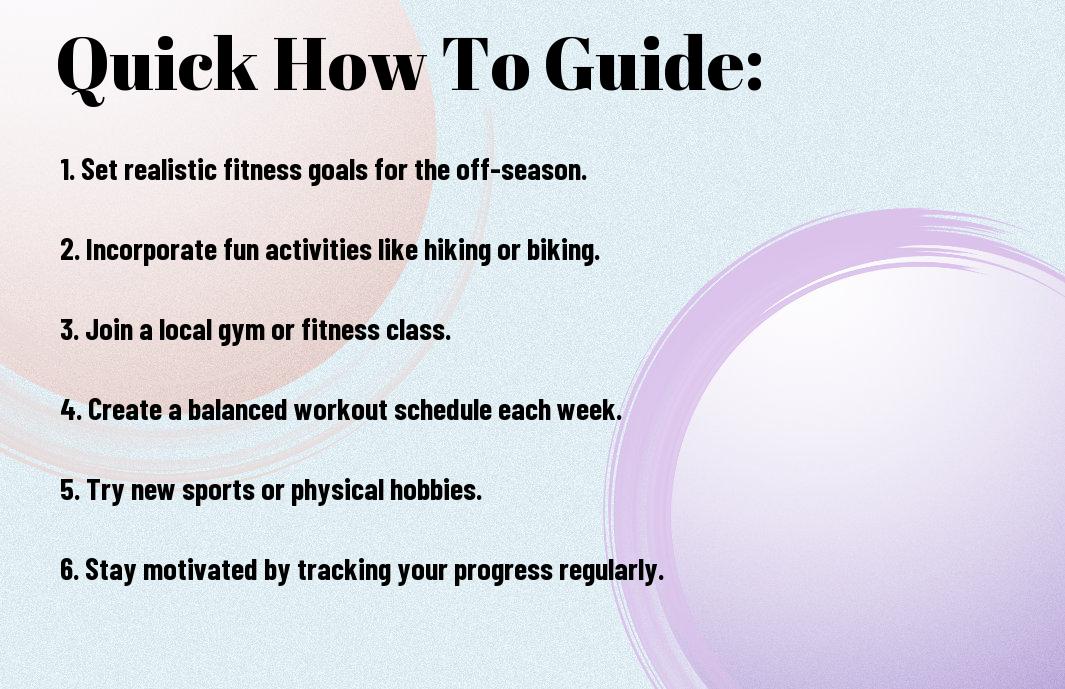
Some of the most effective strategies for staying active during the off-season involve setting goals that motivate you while being achievable. Start by identifying what you aim to accomplish, whether it’s improving fitness, increasing endurance, or exploring a new activity. By giving yourself clear objectives, you can maintain focus and measure success, making your off-season productive and fulfilling.

Short-Term vs. Long-Term Goals

Clearly, distinguishing between short-term and long-term goals is necessary for your fitness journey. Short-term goals may include committing to a weekly workout schedule or joining a local fitness class, while long-term goals could involve completing a race or reaching a specific fitness milestone. Balancing both types helps sustain motivation and provides a structured pathway to your aspirations.

Tracking Progress

Tracking your progress helps you stay accountable and motivated throughout the off-season. Regularly recording your workouts, activities, and achievements enables you to see how far you’ve come and make adjustments when necessary. It also allows you to celebrate small victories, which can boost your confidence and keep you engaged in your fitness journey.

To effectively track your progress, consider using a journal, app, or fitness tracker to monitor your workouts and objectives. Set aside time weekly or monthly to review your achievements, assess your challenges, and strategize your next steps. This reflection allows you to stay aligned with your goals and motivates you to push further while ensuring you remain active during the off-season.

Tips for Finding Activities You Enjoy

All it takes is a little exploration to find enjoyable activities that keep you active during the off-season. Here are a few tips to help you get started:

  • Reflect on childhood interests that may still excite you.
  • Try classes or workshops to experiment with new skills.
  • Ask friends for recommendations or join them in their activities.
  • Utilize online resources to discover local events and groups.

Any activity that brings you joy can motivate you to stay active and engaged.

Exploring New Hobbies

An excellent way to stay active during the off-season is by exploring new hobbies that interest you. This could range from outdoor activities like hiking and biking to indoor pursuits such as dance or yoga. By trying different activities, you’ll discover what truly appeals to you and keeps you engaged throughout the season.

Group vs. Solo Activities

Even when considering staying active, it’s important to evaluate whether you prefer group or solo activities. Group activities can provide social interaction and motivation, while solo pursuits often allow for personal reflection and flexibility in scheduling.

Plus, both types of activities offer unique benefits. Engaging in group activities like team sports or community classes can boost your motivation and accountability through social support. In contrast, solo activities such as running, biking, or yoga can provide a sense of personal achievement and tranquility. By mixing both types into your routine, you’ll enjoy the advantages of each while keeping your activity levels up during the off-season.

Incorporating Fitness into Your Daily Routine

Not all fitness has to involve a gym or scheduled workouts. You can seamlessly integrate physical activity into your daily life by making small adjustments. Opt for walking or cycling instead of driving, take the stairs instead of the elevator, or have standing meetings. This way, you can maintain your activity levels without needing an extra hour dedicated solely to exercising.

Scheduling and Time Management

You can easily fit fitness into your day by prioritizing your schedule. Look for pockets of time where you can incorporate short bursts of activity, whether it’s a quick morning stretch, a walk during lunch, or a few minutes of bodyweight exercises while watching TV. Planning your day with exercise as a non-negotiable task helps create consistency.

Creative Ways to Stay Active

With a little imagination, you can find enjoyable ways to keep moving. Engaging in fun activities makes staying active feel less like a chore and more like a lifestyle choice.

This could include alternative forms of exercise such as dance classes, hiking with friends, or even playing sports. Consider turning household chores into a workout by cranking up some music and dancing while you clean or gardening for an effective physical challenge. By diversifying your activities, you keep things interesting and sustainable, ensuring that you remain active even during off-peak seasons.

Nutrition and Recovery Considerations

Many athletes underestimate the importance of nutrition and recovery during the off-season. This period is not just a break from training; it’s an opportunity to refocus on your dietary habits and provide your body with the necessary nutrients to recover and prepare for the upcoming season. Prioritizing balanced meals rich in proteins, healthy fats, and carbohydrates will help your body heal and maintain energy levels, ensuring you’re ready to hit the ground running when training ramps back up.

Eating for Energy

If you want to stay active during the off-season, focus on consuming energy-dense foods that fuel your workouts and daily activities. Incorporate complex carbohydrates like whole grains, fruits, and vegetables, and ensure you include lean protein sources to support muscle repair. Additionally, incorporating healthy fats from nuts, seeds, and avocados can provide sustained energy levels, leaving you more prepared for physical demands.

Importance of Rest and Recovery

While maintaining an active lifestyle, it’s vital to prioritize rest and recovery to allow your body to heal and grow stronger. Downtime is when your muscles recuperate and adapt, enabling better performance when training resumes. Acknowledging the need for adequate sleep, hydration, and lighter training sessions helps you avoid burnout and injuries. Balancing activity with rest ensures your body is primed for the challenges ahead.

For instance, taking at least one full rest day each week can significantly enhance your recovery process. It’s recommended that you also integrate techniques such as stretching, yoga, or foam rolling to alleviate muscle tension and improve flexibility. Additionally, focusing on sleep hygiene can enhance your overall recovery by maximizing the time your body spends in the critical REM stages of sleep, where muscle repair and growth mainly occur. By prioritizing recovery, you set a solid foundation for achieving your goals in the upcoming season.

Staying Accountable and Motivated

After establishing a routine, staying accountable and motivated can be a game changer in maintaining your off-season activity levels. Set clear goals, and don’t hesitate to share them with friends or family. Having others aware of your ambitions can create a supportive environment, pushing you to stay committed. Consider joining a local fitness group or participating in online challenges to keep the momentum going throughout the off-season.

Finding a Workout Buddy

Assuming you have a friend or fellow athlete who shares your fitness goals, teaming up can make workouts more enjoyable and sustainable. A workout buddy provides mutual encouragement and accountability, turning mundane exercises into fun activities. With someone beside you, the challenge of staying active becomes a shared experience, motivating you both to push each other toward your goals.

Utilizing Technology and Apps

You can leverage various fitness apps and wearable technology to enhance your off-season activity. These resources can help track workouts, set reminders, and monitor your progression, ensuring that you remain focused on your goals. Many apps also offer community features, allowing you to connect with like-minded individuals for added motivation.

Plus, integrating technology into your fitness regimen can provide insights into your performance trends and help you adjust your workouts accordingly. Many apps include features like personalized training plans, reminders for activity, and even challenges that you can share with friends. By incorporating these tools, you stay connected to your fitness goals and encourage consistency in your off-season routine.

Conclusion

Upon reflecting, staying active during the off-season offers numerous benefits for your physical and mental well-being. By incorporating a mix of strength training, flexibility exercises, and enjoyable outdoor activities into your routine, you can maintain your fitness levels and prepare for the upcoming season. Setting specific goals and creating a structured plan will help you stay motivated and focused. Embrace this time to explore new activities, connect with others, and cultivate balance in your fitness journey, ensuring you return stronger and more prepared for what’s ahead.

Q: What are some effective indoor exercises to stay active during the off-season?

A: There are numerous indoor exercises that can help you maintain your fitness during the off-season. Some effective options include bodyweight workouts like push-ups, squats, and lunges. You can also try resistance bands for strength training or yoga for flexibility and balance. Additionally, participating in online fitness classes or utilizing exercise apps can provide guided workouts that keep you motivated and engaged even when you’re indoors.

Q: How can I integrate outdoor activities to keep active despite the weather?

A: To stay active outdoors during the off-season, you can choose activities that are weather-appropriate. For mild or cool days, consider going for hikes, biking, or jogging. On rainy days, try walking in parks with covered pathways or using outdoor gym equipment that can withstand the elements. Dressing in layers and investing in waterproof gear can also make outdoor activities more enjoyable during inclement weather, allowing for a more flexible approach to staying active.

Q: What role does nutrition play in staying active during the off-season?

A: Nutrition plays a significant role in maintaining energy levels and supporting your physical activity during the off-season. Aim for a balanced diet rich in whole foods, including plenty of fruits, vegetables, lean proteins, and whole grains. Eating smaller, more frequent meals can help sustain your energy throughout the day and support recovery after workouts. Additionally, staying hydrated is necessary, especially if you’re engaging in outdoor activities or workouts, as it helps maintain overall health and performance.

How to Maintain Peak Fitness in the Off-Season

Fitness enthusiasts often find it challenging to stay motivated during the off-season, but maintaining your peak fitness is entirely possible with the right strategies. This period can be an excellent opportunity for you to refine your skills, recover from the rigors of competition, and focus on areas that typically receive less attention. By incorporating a balanced mix of exercise, nutrition, and mental wellness, you can ensure that you not only maintain your fitness levels but also come back stronger when the new season begins. Let’s explore effective ways to achieve this goal.

Key Takeaways:

  • Nutrition: Focus on a balanced diet rich in whole foods to support recovery and muscle maintenance.
  • Cross-Training: Incorporate different types of workouts to improve overall fitness and prevent burnout.
  • Rest and Recovery: Prioritize adequate rest to allow the body to heal and strengthen during the off-season.
  • Goal Setting: Establish clear and achievable fitness goals to stay motivated and on track.
  • Flexibility and Mobility: Include stretching and mobility exercises to enhance performance and reduce injury risk.

Understanding Off-Season Fitness

The off-season represents a period where you can focus on recovery, cross-training, and skill refinement away from the main competitive season. This time away from intense competition allows you to address any physical shortcomings, improve your technique, and build your endurance without the pressure of imminent performance expectations. Embracing this phase can lead to enhanced performance when it’s time to compete again.

Importance of Off-Season Training

The off-season training is vital for allowing your body and mind to recuperate from the demands of competition. This period not only helps to prevent burnout but also provides the perfect opportunity to target specific weaknesses and build on strengths. By dedicating time to structured off-season training, you set yourself up for long-term success, ensuring your body is well-prepared for the upcoming competitive season.

Common Misconceptions

One common misconception about off-season fitness is that it signifies a break from all physical activity. Many believe that taking time off completely is a way to rest, but this can be detrimental in maintaining fitness levels. Instead, it’s vital to engage in a balanced training regimen that preserves and enhances your performance.

Even more, some athletes think that off-season training should mimic the competitive season’s intensity or efforts. This leads to misunderstanding the purpose of this time. The off-season is not only about maintaining peak performance; it’s about recovery and targeted improvement. By focusing on different aspects of your fitness, including strength, flexibility, and endurance, you can return to your sport refreshed and ready to improve. Ignoring this opportunity to train differently can leave you vulnerable to injury and performance slumps when competition resumes.

Creating a Balanced Off-Season Plan

It’s imperative to develop a well-rounded off-season plan that focuses on maintaining performance while also allowing for recovery and growth. Prioritize strength training, skill development, and cardiovascular conditioning, ensuring that you strike the right balance between intensity and rest. Incorporate varied training modalities to keep workouts engaging, while also setting aside time for flexibility and mobility exercises to enhance your overall physical condition. This holistic approach enables you to come back strong when the season resumes.

Goal Setting

Setting clear, achievable goals is the foundation of your off-season plan. Define what you want to accomplish, whether it’s improving strength, enhancing endurance, or refining specific skills. Break these goals into smaller, measurable milestones with timelines to track your progress. By establishing focused targets, you can maintain motivation and a sense of purpose throughout the off-season, ultimately leading to increased performance at the start of the new season.

Periodization Techniques

Any effective off-season training plan should incorporate periodization techniques to optimize your performance and prevent burnout. This approach involves systematic variations in training intensity, volume, and type over time. By alternating between phases of building base endurance, strength, and sport-specific skills, you can avoid plateaus and keep your body primed for peak performance. Periodization also allows for recovery and adaptation while preparing you for the demands of the upcoming season.

Plan your off-season into distinct phases, each with a specific focus, such as endurance building, strength gains, or skill refinement. Start with a foundational phase, gradually increasing intensity and complexity as you progress. Allow for deload weeks to promote recovery, ensuring your body isn’t overwhelmed by excessive training loads. By thoughtfully structuring your plan, you can enhance your fitness levels while minimizing the risk of injury, enabling you to return to peak form when the competitive season begins.

Strength Training Strategies

Unlike the competitive season, your off-season is an ideal time to incorporate strength training strategies that enhance your performance. By focusing on building muscle and improving functional strength, you set the stage for greater endurance and injury prevention. For tips on how to do this effectively, visit Maintain Your Running Fitness During the Off-Season.

Exercise Selection

Exercise selection plays a vital role in your strength training routine. Opt for compound movements like squats, deadlifts, and bench presses that work for multiple muscle groups simultaneously. This approach not only maximizes efficiency but also promotes functional strength applicable to your sport.

Frequency and Intensity

With a well-planned schedule, focus on your training frequency and intensity. Aim for strength training sessions 2 to 4 times per week, adjusting the weights and volume according to your training goals. Increasing intensity gradually helps you avoid plateaus while maintaining steady progression.

But this doesn’t mean you need to lift excessively heavy weights every session. Varying your routine with lighter weights for higher repetitions on some days can enhance muscular endurance and overall performance, ensuring you remain healthy and consistently improving throughout the off-season.

Cardiovascular Conditioning

All athletes must prioritize cardiovascular conditioning during the off-season to sustain stamina and enhance performance. Incorporating strategies from Off Season Phase Two: Fitness Foundations can help you maintain an optimum fitness level.

Types of Cardio

Along with your strength training, incorporating various types of cardiovascular exercises can keep your workouts engaging and effective. Here’s a breakdown of popular options:

Exercise Type Description
Running Great for building endurance and can be done outdoors or on a treadmill.
Cycling A low-impact option ideal for cross-training and improving leg strength.
Swimming A full-body workout that supports joint health and builds cardiovascular fitness.
Rowing Excellent for enhancing upper body strength and overall endurance.
HIIT (High-Intensity Interval Training) Short bursts of intense activity followed by rest, increasing calorie burn.

Thou should experiment with these different types to find what fits best into your routine.

Duration and Frequency

Above all, the duration and frequency of your cardio sessions can significantly impact your conditioning progress. Aim for consistent sessions to see improvements over time.

Indeed, integrating cardiovascular conditioning into your off-season plan should involve at least three to five sessions weekly, lasting 30 to 60 minutes each. This varied approach helps develop aerobic capacity while preventing workout monotony. Balancing duration and intensity is imperative, as it allows you to enhance performance without overtraining. Thou should evaluate your progress frequently to optimize your regimen.

Flexibility and Mobility Work

Your off-season is the perfect time to focus on flexibility and mobility work. Engaging in regular stretching routines can enhance your overall performance, reduce the risk of injury, and promote faster recovery. Prioritizing these vital components will help you maintain your range of motion, allowing for smoother transitions back into your peak training period.

Importance of Stretching

Before you return to high-intensity training, it’s vital to understand the importance of stretching. Regular stretching not only helps alleviate muscle tightness but also improves circulation and increases blood flow to your muscles, preparing them for more rigorous workouts. This practice fosters a balanced and strong body, vital for optimal athletic performance.

Incorporating Yoga and Pilates

Any off-season training plan should include the incorporation of yoga and Pilates. Both disciplines emphasize body awareness, core strength, and flexibility, making them excellent additions to your routine. By integrating these practices, you will cultivate not only physical resilience but also mental focus, which is vital during both training and competition.

Even a few sessions of yoga or Pilates per week can significantly enhance your flexibility and mobility. Yoga encourages deep stretching and mindful movement, while Pilates strengthens core muscles vital for stability and performance. By prioritizing these practices in your off-season training, you will ensure a well-rounded approach that enhances your physical capabilities and prepares you for an effective return to peak performance.

Nutrition for Off-Season Performance

Keep your nutrition on point during the off-season to support recovery, muscle preservation, and overall performance. Focus on a balanced diet that includes a variety of whole foods, lean proteins, healthy fats, and plenty of fruits and vegetables. This approach will provide the necessary nutrients your body needs to remain in optimal condition while allowing for a well-deserved break from high-intensity training.

Macronutrient Needs

For maintaining your fitness, make sure you consume an appropriate balance of macronutrients: carbohydrates, proteins, and fats. While your carbohydrate needs may decrease slightly, protein intake should remain high to support muscle maintenance, and healthy fats are necessary for hormone regulation and overall health.

Hydration Strategies

Any successful nutrition plan includes effective hydration strategies that will help maintain performance and aid recovery during the off-season. Prioritize water intake throughout the day, especially before, during, and after exercise, as this will keep your body functioning optimally.

Also, consider incorporating electrolyte-rich beverages if you engage in prolonged physical activity, as they help replenish lost minerals. Tracking your hydration levels by monitoring urine color can be a useful strategy—aim for a light yellow color to ensure adequate hydration. Hydration isn’t just important during workouts; maintaining a consistent fluid intake throughout the day will contribute to your overall performance and recovery.

Final Words

With these considerations, you can successfully maintain peak fitness in the off-season by prioritizing a balanced exercise regime, incorporating strength training, and paying attention to your nutrition. Focus on recovery practices and set achievable goals to keep your motivation high. By staying active and committed to your health, you can return to your primary sport stronger and more resilient when the season begins again. Take this time to discover new activities that you enjoy, allowing you to remain engaged and excited about your fitness journey.

Q: What are some effective strategies for maintaining strength during the off-season?

A: To maintain strength during the off-season, focus on a well-rounded strength training program that includes compound movements such as squats, deadlifts, and bench presses. Aim to train at least two to three times a week, ensuring you include progressive overload by gradually increasing weights or resistance. Additionally, incorporate bodyweight exercises and resistance bands for variety and to prevent plateaus. Endurance training can also be beneficial; consider integrating lighter cardiovascular workouts to aid recovery while keeping your muscles activated.

Q: How can I keep my motivation high while training off-season?

A: It can be challenging to maintain motivation in the off-season, but setting specific and achievable goals can help. Consider setting goals that are not solely performance-based, like improving flexibility, mastering a new skill, or participating in local fitness events. Joining a group class or finding a training partner can provide social support and accountability. Additionally, changing up your routine with different workouts, activities, or environments can rekindle excitement and help you stay engaged in your fitness journey.

Q: What role does nutrition play in peak fitness during the off-season?

A: Nutrition plays a significant role in maintaining fitness levels in the off-season. Focus on a balanced diet rich in whole foods, including lean proteins, whole grains, healthy fats, and a variety of fruits and vegetables to support recovery and muscle maintenance. Paying attention to your macronutrient distribution is imperative, especially protein intake, which aids in muscle repair. Staying hydrated should also be a priority; adequate hydration can enhance performance and recovery. As your training intensity may vary, adjust your caloric intake accordingly to prevent unwanted weight gain without compromising energy levels.

Skip to content