Nutrition

The Role of Nutrition in Sports Performance

It’s imperative to recognize that your nutrition plays a significant role in enhancing your sports performance. The food you consume not only fuels your body but also impacts your endurance, strength, and overall athletic capabilities. By understanding the importance of balanced meals and appropriate nutrient timing, you can optimize your energy levels, improve recovery, and ultimately reach your peak potential in your chosen sport. This post researchs into how nutrition influences your performance and provides practical tips to help you make informed dietary choices.

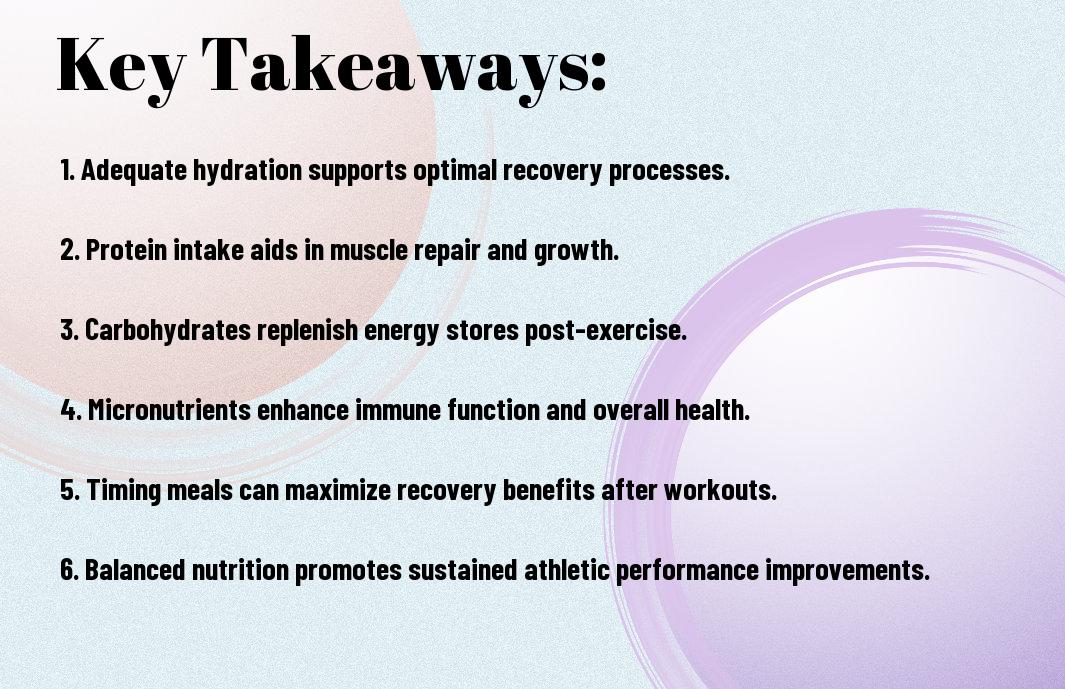
Key Takeaways:

  • Energy Levels: Adequate nutrition is important for maintaining optimal energy levels during training and competition.
  • Muscle Recovery: Proper intake of proteins and other nutrients aids in faster recovery and muscle repair after intense workouts.
  • Hydration: Staying hydrated is vital for peak performance, as dehydration can lead to fatigue and decreased concentration.
  • Endurance: Balanced carbohydrates can enhance endurance, providing sustained energy for longer durations of physical activity.
  • Body Composition: Nutrition plays a significant role in achieving and maintaining an athlete’s ideal body composition for their specific sport.

The Importance of Nutrition in Sports

The effectiveness of your training and overall sports performance greatly depends on the quality of nutrition you prioritize. Proper nutrition fuels your body, supports recovery, and plays a key role in preventing injuries. It also aids in maintaining your energy levels and improving your endurance, which is imperative for excelling in any sport. When you pay attention to what you eat, you not only enhance your performance but also contribute to your long-term health and athletic career.

Macronutrients: Carbohydrates, Proteins, and Fats

Around 60-70% of your daily caloric intake should come from carbohydrates, which are the primary fuel source for your muscles during intense exercise. Proteins are imperative for muscle repair and growth, making up about 10-20% of your intake. Healthy fats, contributing 20-30%, are vital for hormone production and energy. Balancing these macronutrients ensures that you are energized and equipped for optimal performance in your sport.

Micronutrients: Vitamins and Minerals

Below the surface of macronutrients, vitamins and minerals are imperative for your overall health and enhance your athletic performance. Micronutrients support various bodily functions, including energy production, muscle contraction, and immune function, all of which are vital for any athlete. Ensuring you consume a diverse and nutrient-rich diet will provide your body with the necessary tools to perform at its best.

Even small deficiencies in vitamins and minerals can impact your performance significantly. For instance, calcium and vitamin D are imperative for bone health, while iron is crucial for oxygen transport in your blood. B vitamins play a role in energy metabolism, and antioxidants help combat oxidative stress that occurs during exercise. By focusing on a well-rounded diet rich in fruits, vegetables, whole grains, and lean proteins, you can enhance your micronutrient intake, ultimately benefiting your athletic performance.
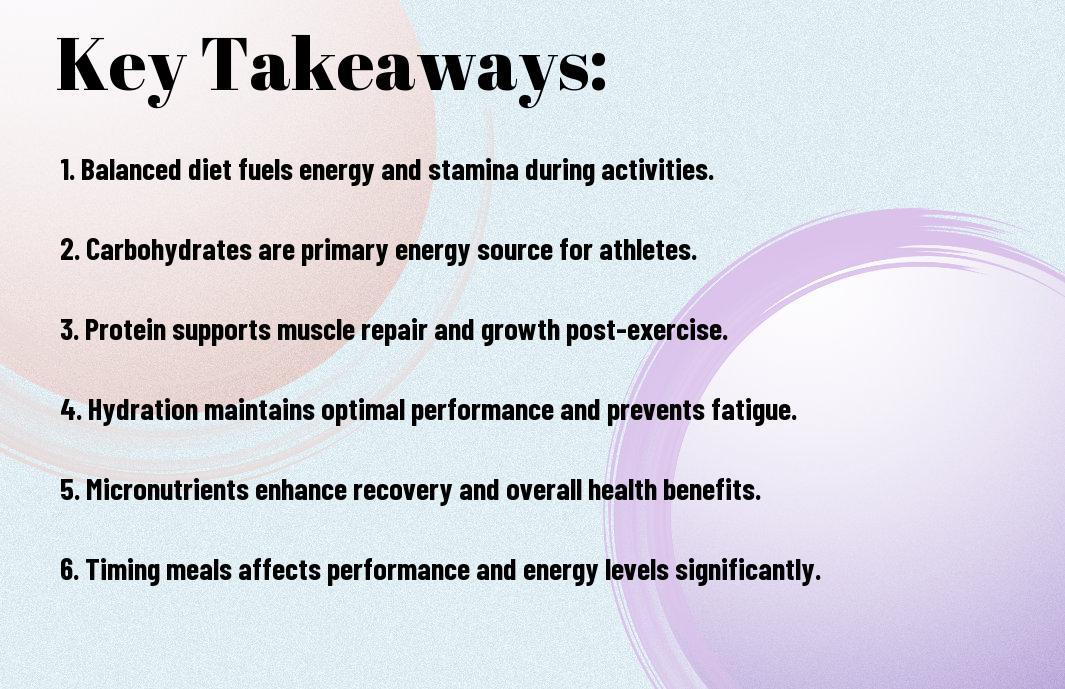
Hydration and Sports Performance

Even the most rigorous training regime can be undermined by inadequate hydration. Staying well-hydrated enhances your physical performance, endurance, and recovery. Water serves as a key player in regulating body temperature and transporting nutrients, making it important for optimal training and competition outcomes.

The Role of Water in Physical Activity

Water is fundamental to your physical activity. It helps to maintain body temperature, lubricate joints, and transport nutrients to fuel your performance. Without sufficient hydration, your body can suffer from fatigue, decreased coordination, and impaired cognitive function, all of which can detract from your athletic abilities.

Electrolyte Balance and Replenishment

Electrolyte balance is vital for maintaining fluid balance and muscle function during physical activity. Your body loses electrolytes through sweat, leading to potential cramping and diminished performance if these are not replaced. Ensuring you consume adequate amounts of sodium, potassium, and magnesium can help you stay energized and perform at your best.

And, when participating in prolonged or intense exercise, your electrolyte needs may increase. To counteract this loss, you might consider sports drinks or electrolyte-rich foods. Proper replenishment not only aids in recovery but also supports muscle function and prevents dehydration, allowing you to push your limits effectively.

Nutrition Strategies for Athletes

All athletes benefit from tailored nutrition strategies that enhance performance and support recovery. A well-balanced diet consisting of carbohydrates, proteins, and fats will help you sustain energy levels, build muscle, and optimize recovery. Understanding how to time your meals and snacks around training will further boost your performance, allowing you to reach your goals effectively.

Pre-Workout Nutrition

Below are some necessary guidelines for pre-workout nutrition. Consuming a meal rich in carbohydrates 2-3 hours before your workout will provide the energy needed for peak performance. Additionally, incorporating a source of protein can help prevent muscle breakdown during your training session. Staying hydrated before exercise is also important, so make sure you drink enough water to support your physical activity.

Post-Workout Recovery

Along with proper hydration, focusing on post-workout nutrition is vital for optimizing your recovery. Consuming a combination of protein and carbohydrates within 30-60 minutes post-training allows your body to replenish glycogen stores and repair muscle tissue effectively.

PostWorkout nutrition is integral to your recovery process. The goal is to support muscle repair and replenish energy stores, so aim for a 3:1 ratio of carbohydrates to protein in your post-workout meal or snack. Options like a smoothie with fruit and protein powder, or a turkey sandwich on whole grain bread can facilitate this recovery. Adequate protein intake helps stimulate muscle protein synthesis, while carbohydrates will refill your glycogen stores, enabling you to perform at your best in subsequent workouts.

Nutritional Timing and Its Impact

Many athletes underestimate the significance of nutritional timing in enhancing performance and recovery. Consuming nutrients at strategic intervals can optimize energy levels, improve muscle repair, and boost endurance. By structuring your meals and snacks around your training schedule, you can effectively support your body’s needs and maximize the benefits of your workouts.

Meal Timing for Optimal Performance

Behind every successful athlete lies a well-planned nutrition strategy that includes timing. Consuming carbohydrates and proteins before, during, and after your training session helps fuel your body and supports muscle recovery. By prioritizing these meals, you allow your body the opportunity to perform at its best and restore itself effectively.

The Anabolic Window

Above all, the concept of the anabolic window highlights a specific time frame post-exercise where your body is primed to absorb nutrients. This period typically lasts about 30 minutes to two hours after training, during which protein and carbohydrates should be consumed to facilitate muscle recovery and glycogen replenishment.

Plus, understanding the anabolic window is necessary for anyone looking to enhance athletic performance or achieve fitness goals. During this timeframe, your muscle cells become highly receptive to nutrients, making it an ideal opportunity for you to replenish energy stores and kickstart repair processes. By consuming a balanced meal or shake rich in protein and carbs, you can significantly enhance recovery, reduce muscle soreness, and improve overall performance in future training sessions. The strategy of using this window effectively can provide a substantial competitive edge.

Specialized Diets for Various Sports

After identifying your specific sport, it’s important to tailor your nutrition to enhance your performance. Each activity demands different macronutrient ratios and caloric intakes to optimally fuel your body. Whether you’re engaged in endurance sports, strength training, or team sports, understanding the unique dietary needs can give you a competitive advantage.

Endurance Sports

At the core of endurance sports is the need for sustained energy, which means your diet should focus on complex carbohydrates. Foods like whole grains, fruits, and vegetables provide the necessary fuel for long-distance activities, while adequate hydration and electrolyte balance are also key to maintaining peak performance.

Strength Training

At the heart of strength training lies the importance of protein, important for muscle repair and growth. Incorporating lean meats, dairy, legumes, and plant-based proteins in your diet ensures that your body has the building blocks it needs to recover from intense workouts and to build muscle effectively.

It’s vital to plan your meals around your training schedule. Consuming a protein-rich meal post-workout can significantly enhance recovery and muscle synthesis. Additionally, including healthy fats—like avocados and nuts—will support overall energy levels and hormone production, further improving your strength-training outcomes. Balancing your diet with the right micronutrients also ensures that your body can perform optimally and recover efficiently from strenuous sessions.

Common Nutritional Mistakes in Sports

Unlike what many athletes believe, proper nutrition extends beyond simply counting calories or adhering to strict diets. Overlooking the balance of macro and micronutrients, timing of meals, and hydration can lead to performance plateaus or declines. Understanding these common nutritional mistakes can empower you to optimize your training and competitive edge.

Over-Restriction and Energy Deficiency

Behind poor performance often lies the issue of over-restriction and energy deficiency. Cutting calories excessively to achieve a certain physique can leave you feeling fatigued and vulnerable to injuries, ultimately hindering your athletic capabilities. Your body requires sufficient energy to fuel workouts and recover adequately, so finding the right balance is important.

Misconceptions About Supplements

Overrestriction regarding dietary supplements can lead to misunderstandings about their true benefits. Many athletes mistakenly believe that popping pills can replace a well-rounded diet, leading to dependencies rather than effective performance enhancements.

And while supplements can play a supportive role in your nutrition strategy, they should not replace whole foods that provide important nutrients. Understanding what supplements work for your specific needs, based on scientific evidence rather than marketing claims, can help you make informed choices. Always consider consulting with a nutritionist to tailor the best supplement plan for you, ensuring you maximize your performance without relying solely on artificial aid.

Conclusion

As a reminder, understanding the role of nutrition in sports performance is necessary for optimizing your athletic potential. By focusing on a balanced diet tailored to your specific needs, you can enhance your energy levels, recovery, and overall performance. Make informed choices about your meals and hydration to support your training regimen. Prioritizing proper nutrition not only fuels your body but also aids in achieving your performance goals, allowing you to excel in your sport and maintain your well-being.

FAQ

Q: How does nutrition impact an athlete’s energy levels during competition?

A: Nutrition plays a significant role in determining an athlete’s energy levels. Consuming a balanced diet rich in carbohydrates, proteins, and fats allows athletes to maintain their energy reserves. Carbohydrates are particularly important as they serve as the primary fuel source during high-intensity activities. Adequate hydration is also necessary as it affects overall performance and endurance. Proper timing of meals and snacks before, during, and after activities can help optimize energy levels and recovery.

Q: What role does hydration play in sports performance, and how can athletes ensure they stay properly hydrated?

A: Hydration is vital for maintaining peak performance, as even slight dehydration can impair strength, endurance, and cognitive function. Athletes should develop a hydration strategy that includes drinking water and electrolyte-rich beverages before, during, and after exercise. Factors such as temperature, humidity, and the intensity of the workout can affect hydration needs, so athletes should adjust fluid intake accordingly. Monitoring urine color and thirst levels can also serve as effective indicators of hydration status.

Q: Why is meal timing important for athletes, and how can they optimize their nutritional intake around training and competitions?

A: Meal timing is necessary for maximizing performance and recovery. Eating a well-balanced meal containing carbohydrates and proteins before exercise can help fuel performance and prevent fatigue. Post-workout nutrition is equally important, as consuming protein and carbohydrates after training aids in muscle recovery and replenishes glycogen stores. Athletes should aim to eat small, nutrient-dense snacks every few hours throughout the day, particularly around training sessions, to maintain energy levels and enhance overall performance.

How to Create a Balanced Diet for Athletes

Nutrition plays a vital role in your performance and recovery as an athlete. By understanding the fundamental components of a balanced diet, you can fine-tune your meal plan to support stamina, strength, and overall health. In this guide, you will learn how to incorporate the right mix of macronutrients and micronutrients into your daily intake, ensuring you’re fueling your body efficiently for peak performance. Let’s explore the vital steps for crafting a diet that meets your athletic needs.

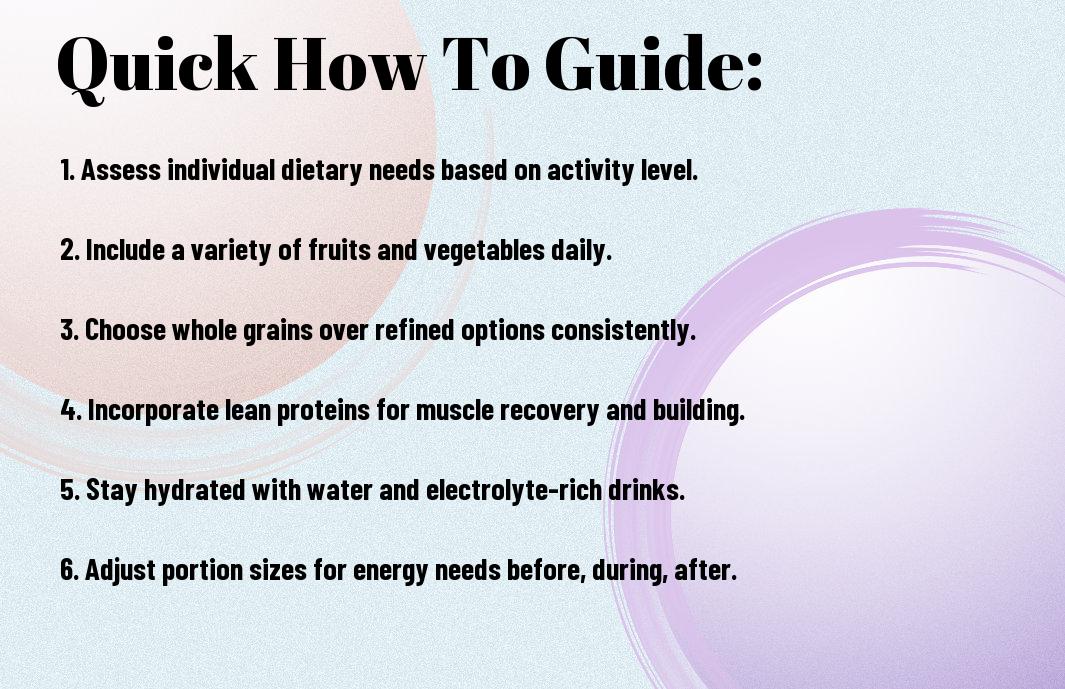
Key Takeaways:

  • Diversify Macronutrients: Aim for a balance of carbohydrates, proteins, and fats to fuel performance and recovery.
  • Hydration is Essential: Ensure adequate fluid intake before, during, and after exercise to maintain performance levels.
  • Prioritize Nutrient Timing: Consume specific nutrients at strategic times, such as carbohydrates post-workout for recovery.
  • Include Micronutrients: Incorporate a variety of fruits and vegetables to provide necessary vitamins and minerals necessary for optimal functioning.
  • Tailor to Individual Needs: Adjust the diet based on personal goals, exercise intensity, and body composition for maximum effectiveness.

Understanding the Role of Nutrition for Athletes

Athletes depend on nutrition to enhance performance, recover from training, and maintain overall health. Proper dietary practices fuel your body, enabling you to perform at your peak and achieve your athletic goals. Understanding how to meet your nutritional needs is vital for optimizing your energy levels and physical resilience during demanding training sessions and competitions.

Importance of a Balanced Diet

Nutrition plays a vital role in ensuring your body has the necessary energy and nutrients to sustain high performance levels. A balanced diet provides the right mix of macronutrients and micronutrients, helping you build strength, endurance, and agility, while also supporting recovery and reducing injury risk.

Key Nutritional Factors

Factors that influence your nutrition for sports include macronutrient distribution, micronutrient intake, hydration, and meal timing. It’s paramount to focus on the following elements:

  • Carbohydrates for energy
  • Proteins for muscle repair
  • Fats for sustained endurance
  • Micronutrients for overall health
  • Hydration for optimal performance

Perceiving these factors will help you construct a diet that supports both your athletic aspirations and your overall well-being.

It’s vital to evaluate each factor when developing your nutritional approach. Ensure your carbohydrate intake is sufficient to fuel your workouts, as this is your primary energy source. Adequate protein is fundamental for the repair and growth of muscle tissue, while healthy fats are necessary for long-term endurance. Monitor your micronutrient levels through fruits and vegetables for immune support, and prioritize hydration to maintain peak performance. Balancing these elements will lead to a more robust and effective training regimen.

  • Understand individual calorie needs
  • Incorporate a variety of food types
  • Adjust intake based on training phases
  • Monitor body composition regularly

Perceiving these guidelines helps in creating a customized approach to your diet suited for athletic success.

How to Determine Caloric Needs

Some athletes struggle to understand how many calories they need to fuel their performance. To create an effective diet plan, you must identify your basal metabolic rate (BMR) and factor in your activity levels. This way, you can ensure your body receives the proper energy to recover and perform at its best.

Assessing Activity Levels

There’s no one-size-fits-all approach to assessing your activity levels. You should consider not only your training sessions but also daily activities, such as commuting, work, and other physical engagements. By categorizing these activities, you can better gauge how active you are and adjust your caloric intake accordingly.

Calculating Daily Caloric Intake

Even with a solid understanding of your activity levels, the next step is to calculate your daily caloric intake. This involves taking your BMR and multiplying it by an activity factor that reflects your lifestyle and exercise routine.

Another important aspect of calculating your daily caloric intake is considering your goals—whether you aim to maintain weight, lose fat, or gain muscle. Adjust the figure based on these objectives for optimal results. Utilizing tools such as online calculators can help you derive a more accurate estimate, adjusting as necessary for changes in your training intensity or duration. This tailored approach will ensure that your dietary choices support your performance and recovery effectively.

Essential Macronutrients for Athletes

Despite individual dietary preferences, a balanced diet rich in macronutrients is vital for athletes’ performance and recovery. Each macronutrient plays a distinct role in fueling your body and supporting training goals. Carbohydrates, proteins, and fats all contribute to energy levels, muscle repair, and overall health, ensuring you can perform at your best consistently. Understanding the importance of these macronutrients helps you tailor your diet to meet your specific athletic needs.

Carbohydrates: Fuel for Performance

Any athlete knows that carbohydrates are the primary source of energy for physical activity. By incorporating a variety of complex carbohydrates like whole grains, fruits, and vegetables into your diet, you can optimize your glycogen stores. This will provide the endurance needed for training and competition, helping to maintain your stamina over extended periods. A well-rounded intake of carbs will keep your energy levels high, making them imperative for peak performance.

Proteins: Building and Repairing Muscle

Repairing and building muscle tissue is a vital aspect of an athlete’s recovery process, and proteins play a significant role in this. You should aim to consume high-quality protein sources after workouts, as they help to repair the microtears in your muscles caused by intense exercise. This not only aids recovery but also supports muscle growth and strength development, which are imperative for achieving your athletic goals.

It is important to include a variety of protein sources in your diet, such as lean meats, fish, dairy, legumes, and plant-based proteins. Aim for a protein-rich meal or snack within 30 minutes post-exercise to maximize muscle recovery. This approach helps ensure your body has all the necessary building blocks to recover effectively, enabling you to return to training stronger and more resilient.

Fats: Essential Energy Source

Performance in endurance sports often relies on the body’s ability to utilize fats for energy. Fats provide a concentrated source of energy and support long-duration activities, allowing you to sustain performance when carbohydrate stores are depleted. Including healthy fats from sources like avocados, nuts, and olive oil in your diet will ensure you have the energy reserves necessary for demanding training sessions.

Essential fatty acids are also important for overall health, including brain function and hormone production. By incorporating these fats into your meals, you enhance your nutritional balance and promote optimal recovery and performance. Be mindful to choose unsaturated fats over saturated fats for better health benefits, ensuring your diet supports your athletic endeavors effectively.

Micronutrients: The Unsung Heroes

Once again, it’s important to shine a light on micronutrients, as they play a significant role in your athletic performance. While macronutrients like carbs, proteins, and fats often take center stage, vitamins and minerals contribute to numerous bodily functions, including energy production, immune support, and recovery. Ensuring you have a well-rounded intake of these nutrients can help enhance your overall performance and keep your body in top condition.

Vitamins and Their Roles

Any athlete should focus on getting a variety of vitamins, as each one serves unique functions vital for your health. Vitamin C aids in recovery and immune function, while B vitamins support energy metabolism and help reduce fatigue. Taking a balanced approach to your vitamin intake can empower your performance and help you reach your athletic goals.

Minerals for Optimal Performance

Minerals are vital for maintaining fluid balance, muscle function, and bone health, all of which are vital for your performance as an athlete. They support various physiological processes, ensuring you can perform at your best during training and competition.

Micronutrients, including minerals like calcium, magnesium, and potassium, are vital for athletes. Calcium supports bone strength, magnesium assists in muscle contraction and relaxation, while potassium helps maintain electrolyte balance and prevent cramping. By ensuring your diet is rich in these vital minerals, you can enhance your energy levels, performance, and overall well-being. Prioritize a diverse diet that includes fruits, vegetables, nuts, and whole grains to meet your mineral needs effectively.

Hydration Tips for Athletes

After engaging in intense physical activity, maintaining proper hydration is vital for optimal performance. To ensure you stay hydrated, consider the following tips:

  • Drink water consistently throughout the day.
  • Pre-hydrate before workouts with at least 16-20 ounces of water.
  • During exercise, aim for 7-10 ounces of water every 10-20 minutes.
  • Post-exercise, replenish with 16-24 ounces of water for every pound lost.
  • Monitor urine color to gauge hydration levels.

Perceiving hydration as a key aspect of your training will help you achieve your athletic goals.

Importance of Water Intake

While it may seem simple, consistent water intake significantly impacts your stamina and recovery. Water helps regulate body temperature, lubricate joints, and transport nutrients, which are all vital during athletic endeavors. Insufficient hydration can lead to fatigue, decreased performance, and longer recovery times. Thus, ensuring you drink adequate amounts throughout the day can enhance both your endurance and overall wellbeing.

Electrolytes and Hydration Strategies

Hydration goes beyond just water; it’s important to incorporate electrolytes to maintain your body’s balance during rigorous activities. Electrolytes such as sodium, potassium, and magnesium play an vital role in muscle function and fluid balance. By consuming sports drinks or electrolyte-rich foods, you can effectively replace lost minerals during prolonged workouts and prevent fatigue.

The key to successful hydration is understanding your body’s needs. Start by assessing your sweat loss during workouts and tailor your electrolyte intake accordingly. If training sessions exceed 60-90 minutes, consider using beverages that contain carbohydrates and electrolytes to boost performance. Foods like bananas, avocados, and salty snacks can also replenish lost electrolytes. Balancing these strategies alongside regular water intake will enhance your overall performance and recovery.

Meal Planning Tips

For athletes, effective meal planning is imperative for optimizing performance. Here are some tips to help you create a successful meal plan:

  • Assess your energy needs based on your training schedule.
  • Incorporate a variety of foods to ensure nutrient diversity.
  • Prep meals in advance to save time and reduce stress.
  • Stay hydrated by including water-rich foods and beverages.

Perceiving meal planning as a structured approach will significantly enhance your athletic performance.

Creating Balanced Meals

Any balanced meal for athletes should contain a mix of macronutrients: carbohydrates for energy, protein for muscle repair, and fats for overall health. Aim for colorful plates filled with whole grains, lean proteins, and a variety of fruits and vegetables. This will not only support energy levels but also enhance recovery and overall well-being.

Timing Your Nutrition for Performance

Some aspects of your nutrition will have a considerable impact on your performance, particularly timing your meals around training sessions. Eating the right types of foods before, during, and after workouts can fuel your performance and speed up recovery.

Understanding the importance of meal timing can help you maximize your athletic performance. Consuming a meal rich in carbohydrates and protein about 2-3 hours before training will provide your body with the energy it needs. Post-training, you should focus on replenishing lost nutrients within 30 minutes, which can significantly enhance recovery. Establishing this routine gives your body time to digest and utilize the nutrients effectively, directly impacting your success in both training and competition.

Summing Up

Conclusively, creating a balanced diet for athletes requires you to focus on a variety of whole foods, ensuring adequate macronutrient distribution and micronutrient intake. You should prioritize lean proteins, whole grains, fruits, and vegetables while staying hydrated. Tailor your nutrition plan around your specific training needs and performance goals, and don’t hesitate to consult with a nutrition professional for personalized guidance. By committing to this balanced approach, you’ll support your physical demands and optimize your overall athletic performance.

FAQ

Q: What components should be included in a balanced diet for athletes?

A: A balanced diet for athletes should include a variety of components. These typically consist of carbohydrates, proteins, healthy fats, vitamins, and minerals. Carbohydrates provide imperative energy for training and competitions. Sources like whole grains, fruits, and vegetables are recommended. Proteins are vital for muscle repair and growth, so options like lean meats, fish, dairy, legumes, and nuts should be included. Healthy fats, such as those from avocados, nuts, or olive oil, support overall health and energy levels. Additionally, incorporating a range of fruits and vegetables ensures adequate intake of vitamins and minerals, which play a significant role in bodily functions and recovery.

Q: How should athletes adjust their caloric intake based on their training intensity?

A: Athletes should adjust their caloric intake based on the intensity and duration of their training. For lower intensity training or rest days, a moderate caloric intake may suffice to maintain energy levels without excess. However, during high-intensity training or competition periods, caloric needs typically increase significantly. This can be estimated by monitoring body composition changes and performance outcomes, and adjusting calorie intake accordingly. It’s recommended to focus on nutrient-dense foods to meet increased energy requirements without excessive calorie consumption. Consulting with a sports nutritionist can help tailor an individual plan based on specific training schedules.

Q: What are the best hydration strategies for athletes during training and competition?

A: Hydration is vital for optimal performance in athletes. A good hydration strategy includes regular fluid intake throughout the day, as well as specific practices before, during, and after training or competition. Athletes should aim to drink water before workouts to ensure they start hydrated. During prolonged exercise, sports drinks containing electrolytes can be beneficial, particularly in hot weather or high-intensity sessions, to replace lost fluids and minerals. Post-exercise, it’s important to rehydrate and restore electrolyte balance, either through fluids or food sources. Monitoring urine color can be a simple way to gauge hydration levels—light yellow indicates adequate hydration, while darker colors suggest the need for more fluids.

The Role of Nutrition in Recovery After Sports

Recovery is a vital phase in your athletic journey, and nutrition plays a significant role in how effectively your body bounces back after intense physical activity. By focusing on the right nutrients, you can minimize muscle soreness, replenish energy stores, and support overall healing. Understanding the importance of proper hydration, carbohydrates, proteins, and fats can empower you to optimize your recovery process. This post will guide you through the necessary nutritional strategies necessary for enhancing recovery and ensuring you’re ready for your next challenge.

Key Takeaways:

  • Hydration: Maintaining proper fluid levels is crucial for optimal recovery, as dehydration can impair muscle repair and overall performance.
  • Protein Intake: Consuming adequate protein helps to rebuild damaged muscle tissues and supports muscle synthesis post-exercise.
  • Carbohydrates: Replenishing glycogen stores with carbohydrates post-activity fuels recovery and prepares the body for future exercise.
  • Vitamins and Minerals: A balanced diet rich in micronutrients supports cellular repair, immune function, and reduces inflammation.
  • Timing: The timing of nutrient intake, especially within the ‘recovery window’ after exercise, can enhance the effectiveness of nutrition in muscle recovery.

Understanding Sports Recovery

Before you can optimize your performance, it’s vital to grasp the significance of sports recovery. Recovery is the process your body undergoes to restore itself following physical exertion, including muscle repair, glycogen replenishment, and overall energy restoration. Understanding the various components of recovery enables you to implement effective strategies to enhance your athletic performance and longevity in your chosen sport.

Phases of Recovery

One way to comprehend recovery is by recognizing its phases: immediate, short-term, and long-term. Each phase serves a unique purpose, from addressing acute soreness and inflammation soon after exercise, to gradually restoring strength and endurance over weeks. By identifying these phases, you can tailor your recovery approach to suit your individual needs.

Importance of Recovery for Athletes

To maximize your training benefits, adequate recovery is vital. It not only helps mitigate fatigue and soreness but also plays a significant role in reducing injury risk and improving your overall performance. Focusing on recovery ensures that you can consistently train at your best.

At the heart of athletic success lies the understanding that recovery is as important as the training itself. When you prioritize recovery, you allow your muscles to heal and adapt to the stresses you’ve placed on them, leading to increased strength and endurance. Additionally, effective recovery strategies can improve your mental resilience and focus, ensuring you stay sharp and motivated throughout your training and competitions. Recognizing the value of recovery enables you to make informed decisions that support your long-term athletic goals.

Key Nutrients for Recovery

Some important nutrients play a vital role in your recovery post-sport. It’s important to ensure you’re consuming the right balance of macronutrients to aid in muscle repair, replenish energy, and support overall recovery. For more insights, refer to The role of nutrition in performance recovery | Sanford Sports.

Carbohydrates

Between workouts, your body requires adequate carbohydrate intake to replenish glycogen stores. This energy source is important for optimal performance in future training sessions and competitive events.

Proteins

One of the primary nutrients for recovery is protein, which you need to repair muscle tissue damaged during exercise. Your body uses amino acids derived from proteins to rebuild and strengthen muscles.

With proper protein consumption, you support the growth of lean muscle tissue, reduce soreness, and enhance overall recovery. Aim to include high-quality protein sources such as lean meats, fish, dairy, legumes, and plant-based protein supplements in your post-exercise meals to promote efficient recovery.

Fats

Beside proteins and carbohydrates, healthy fats are integral for recovery as they provide important fatty acids and aid in hormone regulation. Including sources of healthy fats can also assist in reducing inflammation.

The inclusion of healthy fats like avocados, nuts, seeds, and olive oil not only supports your overall energy levels but also allows for better nutrient absorption and cellular repair after strenuous physical activity.

Hydration and Recovery

After intense physical activity, replenishing your body’s fluid balance is crucial for optimal recovery. Adequate hydration helps transport nutrients throughout your body, improves metabolic processes, and reduces the risk of cramps and fatigue. By prioritizing fluid intake, you can enhance your overall recovery and performance for future activities.

Importance of Fluid Balance

Between workouts and games, maintaining proper fluid balance is key to avoiding dehydration, which can impair your performance and recovery. Dehydration can lead to decreased strength, endurance, and cognitive function. By monitoring your fluid intake, you ensure that your body can effectively recover and be ready for your next challenge.

Electrolytes and Their Role

After physical exertion, it’s not just water you need; electrolytes play a vital role in recovery. These minerals, such as sodium, potassium, and magnesium, regulate body functions and help maintain fluid balance. They are lost through sweat and must be replenished post-exercise to support muscle contraction, nerve function, and overall hydration.

In addition to maintaining fluid balance, electrolytes assist in preventing muscle cramps and minimizing fatigue during your recovery. Consuming sports drinks or electrolyte-rich foods can help restore these crucial minerals in your body, ensuring that you are not only hydrated but also primed for optimal performance. Making electrolyte replenishment a part of your recovery plan can significantly improve your results and readiness for subsequent athletic endeavors.

Nutritional Strategies for Optimal Recovery

Your recovery after sports performance hinges significantly on nutrition. In order to enhance your recovery, it’s important to explore Nutrition for Muscle Repair and Recovery. Implementing well-timed nutrient intake and choosing the right recovery meals can make all the difference in how efficiently your body heals and rebuilds after the physical exertion of sports.

Timing of Nutrient Intake

Any athlete knows that nutrient timing is key to effective recovery. Consuming the right ratios of carbohydrates and proteins shortly after exercise may improve muscle protein synthesis and promote quicker recovery. Aim to coordinate your intake shortly after your workout to ensure your body gets the nutrients it needs when it is most receptive.

Recovery Meals and Snacks

Among the options available, focusing on recovery meals and snacks that combine protein and carbohydrates can speed up the recovery process. Ideally, you should strive for a meal or snack containing high-quality protein, such as lean meat, legumes, or dairy, along with complex carbohydrates like whole grains or fruits.

Strategies for effective recovery meals include preparing nutrient-dense snacks like Greek yogurt with fruit, a protein smoothie with spinach and banana, or a chicken wrap with whole-grain bread. These combinations will provide your body with the necessary building blocks for muscle repair while replenishing glycogen stores to get you ready for your next training session. Tailoring your meals and snacks to fit your activity level will enhance your recovery experience.

Supplements and Recovery

Once again, nutrition plays a significant role in your recovery process, and supplements can offer additional support. They help fill in nutritional gaps when whole foods may fall short, particularly during intense training periods or following injury. By incorporating targeted supplements, you can enhance performance, reduce recovery time, and optimize your body’s ability to heal and rebuild.

Common Supplements for Athletes

Supplements commonly used by athletes include protein powders for muscle repair, omega-3 fatty acids to reduce inflammation, and branched-chain amino acids (BCAAs) to decrease muscle soreness. Each of these can contribute to quicker recovery and improved performance by addressing specific needs during and after rigorous physical activity.

Evaluating Supplement Efficacy

Any supplement you consider should be evaluated for its efficacy based on scientific research and individual needs. It’s important to assess the credibility of studies supporting the supplement claims and how it aligns with your specific recovery goals and overall diet.

Supplements can vary significantly in quality and effectiveness, making it important for you to do thorough research before integrating them into your regimen. Look for third-party testing, read reviews, and consult with a healthcare professional or nutritionist to help determine what may be the best fit for you. This way, you ensure that your approach to recovery is informed and tailored to your unique requirements.

Individualized Nutrition Plans

All athletes have unique needs when it comes to recovery nutrition. By developing individualized nutrition plans, you can ensure that your specific requirements are met, enhancing your recovery process. These plans take into account your sport, training intensity, and personal health factors, allowing you to optimize your performance and recovery.

Tailoring Nutrition to Sport

With each sport demanding different energy expenditures and nutrient needs, tailoring your nutrition accordingly is vital. For example, endurance athletes may require more carbohydrates for energy, while strength athletes need a higher protein intake to support muscle repair. A customized approach will help you meet these specific demands to improve your recovery outcomes.

Monitoring and Adjustments

Against the backdrop of personalized nutrition, ongoing monitoring and adjustments are necessary for optimal recovery. As your training intensity and goals evolve, so should your nutrition plan. Regular assessments ensure that you’re meeting your body’s changing demands, helping you stay on track with your recovery.

Nutrition plays a pivotal role in monitoring your recovery progress. By keeping track of your energy levels, performance, and how you feel after training, you can identify what works and what doesn’t. Adjustments may include altering macronutrient ratios, increasing hydration, or fine-tuning meal timing. The goal is to create a dynamic plan that supports your recovery journey, enabling you to train effectively while minimizing the risk of injury and fatigue.

FAQ

Q: How does nutrition impact muscle recovery after intense physical activity?

A: Nutrition plays a vital role in muscle recovery by providing the necessary nutrients that aid in repairing damaged muscle fibers. Consuming protein after exercise helps stimulate muscle protein synthesis, leading to recovery and growth. Additionally, carbohydrates are important for replenishing glycogen stores that are depleted during physical activity. Incorporating a balanced meal that includes both protein and carbohydrates within a few hours post-exercise can significantly enhance recovery.

Q: What specific nutrients should athletes focus on for optimal recovery?

A: Athletes should prioritize several key nutrients for effective recovery. Protein is important for muscle repair, while carbohydrates are necessary to restore energy levels. Incorporating healthy fats can also provide long-lasting energy and assist in inflammation reduction. Additionally, vitamins and minerals, especially those with antioxidant properties like vitamins C and E, can help mitigate oxidative stress caused by strenuous exercise. Staying hydrated is equally important, as fluids are necessary for various bodily functions and recovery processes.

Q: How can hydration influence recovery after sports activity?

A: Hydration plays a significant role in recovery by facilitating various physiological processes. Adequate fluid intake helps maintain blood volume, which is important for nutrient transport and waste removal. Dehydration can lead to prolonged recovery times, increased muscle soreness, and a higher risk of injury. Athletes should pay attention to their fluid intake before, during, and after exercise, ensuring they replace any fluids lost through sweat. Consuming electrolyte-rich fluids can also help restore balance in the body and support overall recovery.

How to Create a Sports Nutrition Plan for Peak Performance

Most athletes understand that optimal performance requires more than just training; it also hinges on a well-structured nutrition plan. To support your physical demands and achieve peak performance, you need to tailor your diet to meet your specific needs. This guide will provide you with crucial insights and strategies to create a personalized sports nutrition plan that fuels your workouts, aids recovery, and enhances your overall performance. For further exploration of this topic, check out this resource on Sports Nutrition for Peak Performance.

Key Takeaways:

  • Assess Individual Needs: Tailor the nutrition plan according to the athlete’s specific requirements, including age, sport type, and training intensity.
  • Focus on Macronutrients: Ensure an appropriate balance of carbohydrates, proteins, and fats to support energy, muscle repair, and overall health.
  • Hydration Strategies: Incorporate fluid intake recommendations to maintain optimal hydration levels before, during, and after training sessions and competitions.
  • Meal Timing: Plan meals and snacks around training schedules to maximize energy availability and recovery.
  • Monitor and Adjust: Regularly review and modify the nutrition plan based on performance outcomes and changes in training or goals.

Understanding the Basics of Sports Nutrition

The foundation of sports nutrition lies in understanding how your body utilizes different nutrients to enhance performance. A well-designed nutrition plan can provide the energy needed for intense workouts, promote recovery, and optimize overall athletic performance. By grasping the fundamentals of nutrition – including macronutrients and micronutrients – you can tailor your dietary approach to meet your unique athletic needs and goals.

Macronutrients: Carbohydrates, Proteins, and Fats

Understanding the role of macronutrients is necessary for any athlete aiming for peak performance. Carbohydrates are your primary energy source, fueling workouts, while proteins are vital for muscle repair and growth. Fats, though often overlooked, provide sustained energy and help with hormone production. Balancing these macronutrients in your diet ensures that you have the energy and nutrients necessary for optimal training and recovery.

Micronutrients: Vitamins and Minerals

With a focus on performance, micronutrients play a significant role in supporting various bodily functions. Essential vitamins and minerals help with energy production, immune function, and muscle contraction, all critical for athletic performance. Deficiencies in these nutrients can lead to fatigue, decreased performance, and longer recovery times.

Carbohydrates, proteins, and fats are all vital for your performance, but don’t underestimate the importance of micronutrients. While your energy needs are met through macronutrients, vitamins and minerals support your body’s internal processes, such as energy conversion and muscle function. Make sure to include a variety of fruits, vegetables, whole grains, and lean proteins in your diet to cover your micronutrient needs effectively. This comprehensive approach ensures that you are not only fueling your workouts but also supporting your body in its overall function and recovery.

Assessing Individual Nutritional Needs

Now that you understand the importance of a personalized approach, it’s time to assess your individual nutritional needs. This involves evaluating your current diet, activity levels, and specific goals. By knowing what your body requires, you can tailor your nutrition strategy to enhance your performance and recovery, ensuring you get the most out of each training session and competition.

Calculating Daily Caloric Requirements

Before entering into meal planning, you need to calculate your daily caloric requirements. This involves considering your basal metabolic rate (BMR) and activity level to determine the total calories your body needs to maintain energy balance. Utilizing formulas like the Mifflin-St Jeor equation can help you arrive at an accurate caloric intake, ensuring your diet supports your performance and recovery needs.

Identifying Activity Levels and Goals

Besides calculating your caloric needs, identifying your activity levels and specific goals is crucial for a tailored sports nutrition plan. Your activity level, whether you’re an endurance athlete or strength-focused, impacts how many calories and nutrients you need. Furthermore, considering whether your goals include weight loss, muscle gain, or enhanced endurance will guide your macronutrient distribution, ensuring your diet aligns with your performance objectives.

Calculating your activity levels involves categorizing the intensity and duration of your workouts. For instance, if you engage in high-intensity training or competitions, your energy and recovery needs will differ significantly from those of a recreational athlete. Set clear goals—like improving speed or building muscle mass—as this will guide your nutritional choices, ensuring your intake matches your performance demands. By aligning your calorie and nutrient intake with your specific activities and aspirations, you set the foundation for peak performance.

Meal Timing and Frequency

Not only what you eat but also when you eat plays a significant role in optimizing your sports nutrition plan. Structuring your meals around your training schedule can enhance your performance and recovery. Aim for consistent meal timing to fuel your body adequately and ensure you’re consuming the right nutrients at the right frequency, which supports energy levels and promotes overall wellbeing.

Pre-Workout Nutrition

By consuming the right nutrients before your workout, you can enhance your endurance and strength performance. Focus on a balanced meal or snack that combines carbohydrates for energy and protein for muscle support about 30-60 minutes before exercising. This preparation can significantly impact how effectively your body performs during training.

Post-Workout Recovery

Recovery begins the moment you finish your workout, and proper nutrition plays a key role in this phase. After exercising, your muscles are primed to replenish glycogen stores and repair tissue. Consuming a meal rich in carbohydrates and protein within 30 minutes of your workout can expedite recovery, reduce muscle soreness, and enhance future performance.

Indeed, focusing on post-workout nutrition helps your body effectively recover and adapt. Aim for a blend of fast-digesting carbohydrates and high-quality protein sources to facilitate muscle repair and glycogen replenishment. This combination creates an optimal environment for recovery, enabling you to train harder and improve your overall athletic performance. Proper hydration is also necessary, so make sure to rehydrate accordingly.

Hydration Strategies for Athletes

Unlike many casual exercisers, athletes require specific hydration strategies to enhance their performance and recovery. Optimal hydration will not only boost your endurance but also help you maintain focus during competitive events. For comprehensive insights, check out this guide on EATING FOR PEAK ATHLETIC PERFORMANCE.

Importance of Water Intake

To achieve peak performance, ensuring adequate water intake is important for maintaining energy levels and supporting overall bodily functions. Staying hydrated aids in regulating your body temperature during exercise, enhances nutrient transport, and reduces the risk of fatigue, allowing you to push your limits.

Electrolyte Balance

Water plays a vital role in maintaining your body’s electrolyte balance, which is key to muscle function and hydration. Electrolytes, such as sodium, potassium, and magnesium, help regulate nerve function and muscle contractions. Deficiencies can lead to cramps, fatigue, and decreased performance.

Further, balancing your electrolytes is important during intense workouts or competitions, as you lose these vital minerals through sweat. Consider incorporating electrolyte-rich fluids or supplements to replenish what you lose. This approach will help sustain your performance and reduce the risk of dehydration and muscle fatigue.

Creating a Balanced Meal Plan

Your journey toward optimal performance starts with a well-balanced meal plan. Focus on incorporating a variety of food groups, including lean proteins, healthy fats, whole grains, and an abundance of fruits and vegetables. This diversity ensures you receive necessary nutrients to fuel your workouts, recover efficiently, and maintain overall health. Tailoring your meal plan to meet your unique energy demands is paramount, allowing you to perform at your best during training sessions and competitions.

Sample Meal Templates

An effective way to begin is by utilizing sample meal templates. For instance, a breakfast could consist of oatmeal topped with fruits and nuts, while lunch could feature grilled chicken with quinoa and steamed veggies. Dinner might involve salmon, brown rice, and a side salad. Utilizing these templates as guidelines will help you create varied meals that meet your nutritional needs throughout the day.

Adjusting for Personal Preferences

Among the key elements of a successful meal plan is the ability to adjust it according to your personal preferences. This flexibility not only enhances your enjoyment of food but also improves adherence to your nutrition goals. Incorporating your favorite foods and experimenting with different flavor profiles can make sustainable nutrition more achievable.

In addition to liking your meals, considering factors such as dietary restrictions, food allergies, and cultural preferences can further personalize your meal plan. You might prefer plant-based options or have a penchant for specific cuisines; by incorporating these elements, you create a nourishing and satisfying experience. Seek diverse recipes and swap ingredients to align with what you enjoy, ensuring your meal plan is both effective and pleasurable.

Monitoring Progress and Adjusting the Plan

Keep a close eye on your progress to ensure your sports nutrition plan is effective. Regularly reviewing your performance and dietary habits allows you to make necessary adjustments that align with your evolving needs and goals. Stay proactive in tweaking your calorie intake, macronutrient ratios, and hydration strategies to maximize your athletic performance.

Tracking Performance Metrics

For optimal results, track key performance metrics such as strength levels, endurance times, and recovery rates. Utilizing tools like training logs and apps can help you analyze this data, providing insights into how well your nutrition is supporting your performance. Consistently review these metrics to gauge the effectiveness of your plan.

Revising Nutritional Goals

Adjusting your nutritional goals is necessary as your training intensity and performance increase. Variations in your workouts may demand different energy levels and nutrient profiles, necessitating changes to your intake. Regularly evaluate your goals based on your performance metrics to enhance your sports nutrition strategy.

A focused revision of your nutritional goals should align with your ongoing performance feedback. If you notice a plateau or decline in your performance, it may be time to increase your carbohydrate intake for energy or adjust your protein levels for muscle recovery. Tailoring your diet to meet the specific demands of your training can drive better outcomes and support peak performance.

Conclusion

Summing up, creating a sports nutrition plan for peak performance involves assessing your individual needs, understanding macronutrient ratios, and timing your meals effectively. Tailor your hydration strategies based on activity levels and climate, and don’t hesitate to seek professional guidance if needed. For additional insights, you might find value in exploring Eating for peak athletic performance | News. By implementing these strategies, you can optimize your nutrition and enhance your athletic performance significantly.

FAQ

Q: What are the key components to consider when creating a sports nutrition plan?

A: When developing a sports nutrition plan, it’s important to focus on several key components: macronutrient balance, hydration, meal timing, and micronutrient intake. Macronutrients include carbohydrates, proteins, and fats, each serving a specific role in energy provision and recovery. Carbohydrates are imperative for energy during prolonged activities, protein supports muscle repair and growth, and healthy fats contribute to overall energy and hormone production. Hydration is vital for maintaining performance levels, so ensure you’re drinking sufficient fluids throughout the day. Meal timing, particularly before and after exercise, can also influence performance and recovery, so strategize when you eat. Lastly, include a variety of fruits and vegetables in your diet to meet your micronutrient needs and support overall health.

Q: How can athletes determine their specific caloric needs for a sports nutrition plan?

A: To determine caloric needs, athletes can start by calculating their Basal Metabolic Rate (BMR) using formulas such as the Harris-Benedict or Mifflin-St Jeor equations, which take factors like age, gender, weight, and height into account. Once BMR is established, calculate Total Daily Energy Expenditure (TDEE) by including activity levels. Various online calculators can assist with this process. For athletes, it’s also vital to adjust caloric intake based on training phases, competition schedules, and recovery needs. Keeping a food diary can help track how caloric adjustments affect performance and recovery, ultimately leading to a more tailored and effective nutrition plan.

Q: What role do supplements play in a sports nutrition plan, and how should they be used?

A: Supplements can play a supportive role in a sports nutrition plan but should not replace whole foods. They can be useful for filling dietary gaps or enhancing performance, especially in specific situations, such as creatine for strength training or protein powders for convenient post-workout recovery. However, it’s important to prioritize obtaining nutrients from a variety of whole foods first. Athletes should consult with a registered dietitian or nutritionist to evaluate whether supplementation is necessary based on their individual dietary requirements and performance goals. Additionally, ensure any supplements are third-party tested to confirm their safety and quality.

Skip to content