injuries

10 Common Sports Injuries and How to Avoid Them

With a commitment to staying active, you may be prone to various sports injuries that can hinder your performance and enjoyment. Understanding the most common injuries you might encounter, as well as effective prevention strategies, is necessary for your athletic longevity. In this article, we’ll probe into 10 prevalent sports injuries, helping you identify their causes and offering practical tips to keep you safe and healthy while you pursue your favorite activities.

Key Takeaways:

  • Warm-Up Effectively: Always conduct a proper warm-up routine to prepare your muscles and joints for physical activity, reducing the risk of injuries.
  • Use Proper Equipment: Invest in appropriate and well-fitted sports gear to provide necessary support and protection during your activities.
  • Stay Hydrated: Maintaining adequate hydration levels is necessary to ensure peak performance and to prevent muscle cramps and strains.
  • Listen to Your Body: Pay attention to any pain or discomfort and avoid pushing through it, as this can lead to more severe injuries.
  • Cross-Train: Engaging in different types of workouts can help strengthen various muscle groups, thereby reducing the likelihood of overuse injuries.

Sprains

Before engaging in any physical activity, you should be aware that sprains are some of the most common injuries, often resulting from a sudden twist or fall. To avoid sprains, proper warm-up routines and stretching exercises can increase your flexibility and strengthen the muscles around your joints, providing better support. Additionally, wearing appropriate footwear and using protective gear can further minimize the risk of sprains during sports or exercise.

Ankle

Now, ankle sprains frequently occur when you land awkwardly after jumping or suddenly change direction. Ensuring you have stable footing and practicing balance exercises can help reduce the likelihood of this type of injury. It’s also beneficial to pay attention to your surroundings, avoiding uneven surfaces that could lead to a misstep.

Knee

Knee sprains can arise from activities that involve sudden stops, jumps, or changes in direction. Protecting your knees with proper training techniques and maintaining muscular strength in your legs can significantly lower your risk. Be mindful of your movements and avoid overexerting yourself during sports to help keep your knees safe.

Sprains, particularly in the knee, can be more than just a minor inconvenience; they can lead to long-term instability if not managed properly. You can minimize the risk by incorporating strengthening exercises into your routine, focusing on the quadriceps, hamstrings, and calves. Additionally, using techniques like ice therapy and compression after activity can aid in recovery and prevent future sprains. Consider consulting with a professional for personalized strategies to enhance your knee stability and resilience.

Strains

There’s a common misconception that strains only happen during high-intensity activities, but even moderate exercises can cause this injury. Strains occur when muscles or tendons are overstretched or torn, which typically results in pain and restricted movement. To avoid strains, you should always warm up before physical activity and listen to your body. Progressively increase your intensity and ensure that you maintain proper form to reduce your risk of injury.

Hamstring

Any sudden movement or excessive stretch can lead to a hamstring strain, a prevalent injury among athletes and fitness enthusiasts alike. To prevent a hamstring injury, focus on strength training, flexibility exercises, and avoid overexerting yourself, especially during activities that involve sprinting or rapid changes in direction.

Quadriceps

Some athletes experience quadriceps strains primarily during explosive movements, such as sprinting or jumping. These strains may occur when the muscle is pushed beyond its limits or subjected to fatigue. Therefore, it’s important to maintain strength and flexibility in this muscle group, as well as not to rush through high-intensity workouts.

With proper conditioning and warming up, you can effectively minimize the risk of a quadriceps strain. Engaging in targeted exercises that strengthen the quadriceps while incorporating adequate stretching before and after workouts can promote flexibility. Regularly integrating these practices into your routine will help to fortify your muscles and prepare them for the demands of athletic activity, ultimately keeping you healthy and active.

Tendonitis

All athletes are at risk of developing tendonitis, which is the inflammation of a tendon typically caused by repetitive motion or overuse. This condition can occur in various areas of the body, affecting your ability to perform at your best. To prevent tendonitis, focus on proper technique, conditioning, and taking rest days when necessary, ensuring your body has time to recover from physical activities.

Achilles

You’ll want to pay special attention to your Achilles tendon as it is particularly prone to injuries, especially in sports that involve running or jumping. Incorporating stretching routines and strengthening exercises targeting your calves can help reduce the risk of developing Achilles tendonitis.

Shoulder

Even though shoulders are highly flexible, they can suffer from tendonitis due to repetitive overhead movements common in sports like swimming or tennis. Proper warm-ups and maintaining good posture can significantly reduce strain on the shoulder joint.

A few exercises to strengthen and stabilize your shoulder can be highly beneficial in preventing tendonitis. Focus on strengthening your rotator cuff muscles and include shoulder blade stabilization exercises in your routine. Additionally, ensure you use appropriate techniques in sports that require overhead actions to minimize strain and promote healthy shoulder function.

Fractures

Keep in mind that fractures can occur during high-impact sports or accidental falls. These injuries happen when excessive force is applied to a bone, leading to breaks that require medical attention. Common fracture sites include the wrist, collarbone, and ankle. To reduce your risk, practice proper techniques, wear appropriate protective gear, and build strength through conditioning.

Wrist

If you frequently participate in sports that involve falls or high-intensity maneuvers, your wrists are at risk for fractures. Protect your wrists by using wrist guards and mastering fall techniques that minimize impact.

Collarbone

Even a minor fall can lead to a collarbone fracture, particularly in contact sports such as football and hockey. Staying aware of your surroundings and employing techniques to break your fall can help mitigate risks.

This injury often occurs when you fall onto your side or extend your arm during a fall. Collarbone fractures can result in significant pain, limited mobility, and longer recovery times. To help prevent this injury, focus on strengthening your shoulder and upper body muscles, and consider wearing protective gear when participating in high-contact sports.

Dislocations

To mitigate the risk of dislocations, it’s vital to understand the activities that can lead to such injuries. Dislocations occur when the bones in a joint are forced out of their normal positions, often resulting from falls, sports collisions, or overextending a joint. To prevent them, consider using protective gear, maintaining strong muscle support around joints, and practicing safe techniques, especially in high-contact sports.

Shoulder

Some of the most common dislocations happen in the shoulder, primarily due to its wide range of motion. Engaging in contact sports or activities that involve rapid arm movements increases your risk. Regular strength training, proper warm-up exercises, and avoiding positions that overstretch the shoulder can help you prevent shoulder dislocations.

Finger

While often overlooked, finger dislocations are common, especially in sports like basketball and football. You may sustain a finger dislocation from catching a ball awkwardly or experiencing a direct impact. To avoid this injury, practice proper catching techniques and consider using finger protection. If you do experience a dislocation, seek medical attention to ensure proper alignment and healing.

Dislocations of the fingers typically occur when the bone at the joint becomes unaligned, which can lead to pain, swelling, and difficulty moving the finger. It’s important to treat finger dislocations promptly; you should never attempt to realign the bone yourself. Instead, immobilize the finger and seek immediate medical help for assessment and potential reduction of the dislocation. Strengthening your finger ligaments through targeted exercises can also reduce your risk of future dislocations.

Contusions

Now that you are familiar with common sports injuries, let’s discuss contusions. These bruises occur when a direct blow or impact causes damage to small blood vessels, resulting in localized bleeding under the skin. While contusions are typically not serious, they can lead to pain and swelling, which may hinder your performance. Understanding how to prevent them can help you stay active and injury-free.

Thigh

On the field, thigh contusions often occur during contact sports. Accidental collisions with opponents or falls can lead to bruising in this large muscle group. To reduce your risk, ensure you wear protective gear and maintain a proper warm-up routine before engaging in any physical activity. Regular strength training can also help stabilize your muscles and improve their resilience against impacts.

Arm

Even light contact can result in arm contusions, particularly in sports like basketball and hockey. The impact can cause pain and limited mobility, which may affect your ability to participate fully in your sport. Avoiding arm contusions involves using protective padding and enhancing your situational awareness during games. Keeping your muscles warm and flexible also plays a significant role in minimizing your risk of injury.

You can further reduce the likelihood of arm contusions by incorporating strength training for your upper body. Focus on exercises that build muscle around the shoulders, triceps, and forearms, which can help absorb impact better. Additionally, practice proper techniques when engaging with opponents, as this can help you avoid unnecessary collisions that lead to bruising. Staying alert during games and maintaining your fitness will also contribute to keeping your arms protected.

Tennis Elbow

Despite its name, tennis elbow can affect anyone, not just tennis players. This painful condition arises from overuse of the forearm muscles, leading to inflammation of the tendons that attach to the elbow. Common in activities that involve repetitive arm motions, it often results from improper technique, lack of conditioning, or using the wrong equipment. To protect yourself, focus on proper form, take regular breaks, and strengthen the surrounding muscles to alleviate strain on the elbow.

Pain

The pain associated with tennis elbow typically manifests as a throbbing sensation on the outer part of your elbow. This discomfort can radiate down your forearm and can worsen when gripping objects, lifting, or performing simple tasks like turning a door handle. You may also experience tenderness when pressing on the outer elbow. Proper stretching and gradual strengthening of your muscles can help to manage and prevent pain.

Weakness

Now, weak grip strength is another common symptom of tennis elbow, making it challenging to perform everyday tasks. You might struggle with holding utensils, carrying grocery bags, or even shaking hands. This weakness occurs due to inflammation of the tendons that impact the muscles responsible for gripping and lifting.

Any activities that require a firm grip may feel more difficult as your forearm muscles fatigue quickly. To combat this, engage in targeted strengthening exercises that focus on flexor and extensor muscles of your forearm. Additionally, incorporating wrist and elbow stretches can improve flexibility, enhancing your grip strength and reducing the risk of developing tennis elbow in the future.

Runner’s Knee

Many runners experience a common issue known as runner’s knee, characterized by pain around or behind the kneecap. This condition often arises from overuse, improper alignment, or inadequate footwear. To avoid runner’s knee, it’s important to pay attention to your running form, gradually increase your mileage, and choose supportive shoes that fit well. Strengthening your leg muscles, particularly the quadriceps and hamstrings, can also help stabilize the kneecap and reduce your risk of injury.

Pain

On experiencing runner’s knee, you may feel a dull ache in the front of your knee, especially during activities like running, walking downhill, or climbing stairs. This pain can hinder your performance and disrupt your workouts, serving as a warning sign that you should pay attention to your overall knee health.

Stiffness

Clearly, stiffness is another common symptom associated with runner’s knee, often affecting your range of motion. You may notice that your knee feels tight or restricted, especially after periods of inactivity or after long runs. This can make it challenging to stretch or fully bend your leg.

Any stiffness you experience can contribute to the overall discomfort in your knee. Incorporating regular stretching routines focusing on your quadriceps, hamstrings, and calves helps improve flexibility. Additionally, warming up adequately before your runs and cooling down afterwards can prevent stiffness from becoming a persistent issue. Overall, maintaining joint mobility and flexibility is vital for preventing runner’s knee and enhancing your overall performance.

Shin Splints

Not all athletic pains are created equal, but shin splints can be particularly frustrating for active individuals. They often result from overuse, improper footwear, or sudden increases in training intensity. To avoid these injuries, consider incorporating proper stretching routines, cross-training, and seeking advice from professionals. For more insights, check out 10 Common Sports Injuries: Prevention and Treatment.

Pain

To alleviate pain from shin splints, you should recognize the signals your body is sending. Implementing rest, ice therapy, and gentle stretching can help reduce discomfort while allowing your muscles to recover. Consistent attention to your body can prevent the escalation of pain and keep your training on track.

Swelling

Assuming you experience swelling around your shins, it’s important to take immediate action. Swelling often indicates inflammation and could be a warning sign that you need to modify your training regimen. Addressing this swelling early can help you avoid more severe issues down the line.

The key to managing swelling is effectively utilizing both ice and compression techniques. Applying ice packs for 15-20 minutes at intervals can significantly reduce inflammation. Additionally, wearing compression sleeves can provide support and enhance circulation. You should also consider elevating your legs to further decrease swelling and promote healing. If the swelling persists, consult a medical professional for tailored advice.

Stress Fractures

Once again, stress fractures can occur when repetitive force is applied to a bone without sufficient time for healing. Common in sports like running, basketball, and gymnastics, these tiny cracks can lead to significant pain and limit your activity. To avoid stress fractures, focus on gradually increasing the intensity of your workouts and incorporating rest days to help your body recover. Proper footwear and cross-training can also play a part in preventing these injuries.

Foot

Any athlete can experience stress fractures in the foot, often due to high-impact or overexertion. You might notice pain in the forefoot or heel, especially during activities such as running or jumping. Always pay attention to any persistent discomfort, and consider cross-training with lower-impact exercises to allow your feet adequate rest and recovery time.

Spine

Foot stress fractures are just one type, but stress fractures can also occur in the spine, especially amongst athletes engaged in sports requiring twisting or repetitive strain. You might feel localized pain or stiffness, which could worsen with certain movements. Be aware that inadequate posture during activities can also contribute to this type of injury.

The key to avoiding spine stress fractures is to maintain a strong core and practice good biomechanics during exercise. Strengthening your back muscles and ensuring proper technique while lifting weights or performing actions such as gymnastics can help distribute stress evenly across your spine. Regular flexibility exercises can also enhance your range of motion, reducing the risk of injury. Listening to your body and adjusting your training as needed is vital for spinal health.

Summing up

Considering all points, staying informed about common sports injuries and their prevention can significantly enhance your athletic experience. By incorporating proper warm-ups, utilizing appropriate gear, and heeding your body’s signals, you can minimize your risk of injuries. Understanding how to recognize early signs of strain or stress in your body further ensures you can take proactive measures, keeping you active and engaged in the sports you love. Prioritizing safety and self-care empowers you to enjoy a fulfilling sporting lifestyle while safeguarding your health.

FAQ

Q: What are the most common sports injuries?

A: Some of the most common sports injuries include sprains, strains, fractures, tendonitis, and shin splints. Sprains occur when ligaments are stretched or torn, often affecting the ankle. Strains involve muscles or tendons and usually happen in the hamstrings or quadriceps. Fractures are breaks in bones, which can occur in contact sports. Tendonitis is inflammation of tendons that commonly affects the elbow or shoulder. Shin splints result in pain along the shin bone and are frequent among runners.

Q: How can athletes prevent sports injuries?

A: To prevent sports injuries, athletes should practice proper warm-up and cool-down routines, stay hydrated, and use appropriate equipment. Stretching before and after exercise increases flexibility and prepares the muscles for activity. Hydration plays a vital role in maintaining muscle function and preventing cramps. Wearing suitable footwear and protective gear tailored to the specific sport can also help reduce the risk of injury.

Q: When should someone seek medical attention for a sports injury?

A: An individual should seek medical attention for a sports injury if they experience severe pain, swelling, or inability to use the affected area. Other warning signs include persistent bruising or a noticeable deformity. If the injury does not improve with rest, ice, compression, and elevation (RICE method) or if symptoms worsen over time, it is advisable to consult a healthcare professional for a thorough evaluation and management plan.

How to Avoid Common Running Injuries

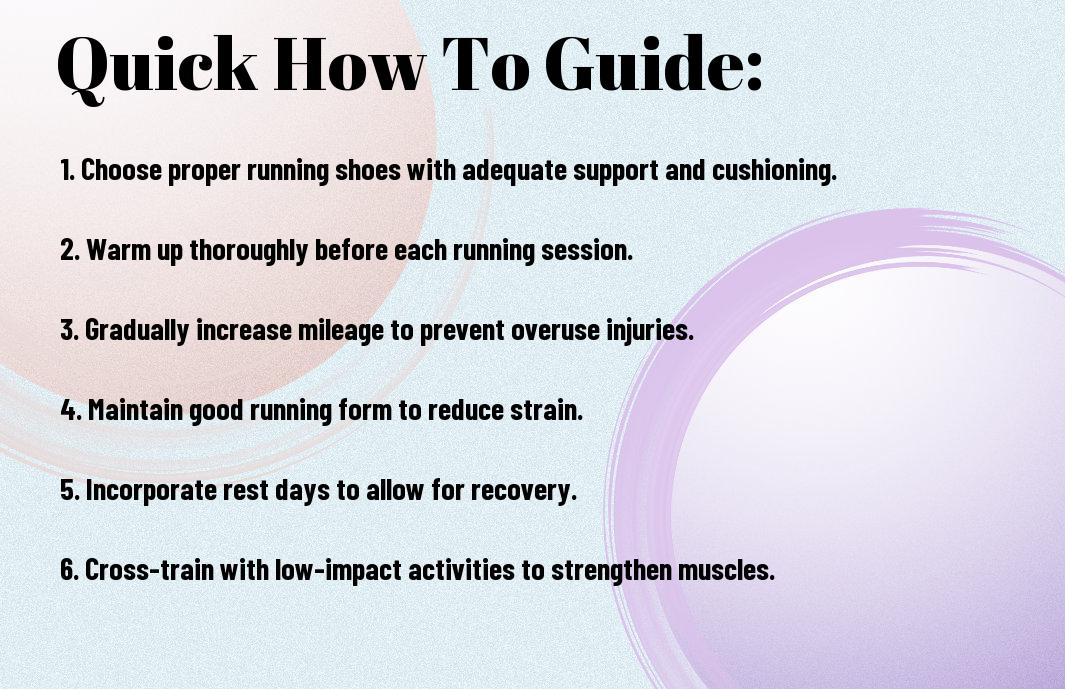
Running can be an invigorating way to stay fit, but it also comes with the risk of injuries that can hinder your progress. To keep your experiences enjoyable and pain-free, it’s important to adopt smart practices that promote safety and efficiency. This guide will provide you with important tips to avoid common running injuries, helping you stay on track with your fitness goals. For more detailed insights, check out this resource on how runners can prevent injury when training or running a race.

Key Takeaways:

  • Warm-Up: Always include a proper warm-up routine before running to prepare your muscles and joints.
  • Footwear: Invest in quality running shoes that provide adequate support and cushioning specific to your foot type.
  • Listen to Your Body: Be attentive to any signs of pain or discomfort and adjust your training intensity accordingly.
  • Cross-Training: Incorporate cross-training activities to strengthen different muscle groups and improve overall fitness.
  • Gradual Increase: Follow a gradual increase in mileage and intensity to allow your body to adapt without overstraining.

Understanding Common Running Injuries

A comprehensive understanding of common running injuries will help you to identify problems before they become severe. Runners often experience issues stemming from repetitive motion, improper form, or inadequate recovery. Recognizing these injuries early can make a significant difference in your training and overall performance.

Types of Injuries

Some injuries occur frequently among runners. They can be categorized into acute injuries, which happen suddenly, and chronic injuries, which develop over time. Here are some common types:

  • Sprains and strains
  • Runner’s knee (patellofemoral pain syndrome)
  • Achilles tendonitis
  • Shin splints
  • Plantar fasciitis

Any of these can impede your running progress if not addressed promptly.

Symptoms to Watch For

While running, it’s vital to be attentive to any signs of discomfort or pain. Early detection of symptoms can prevent long-term damage and facilitate quicker recovery. Pay attention to how your body feels during and after your runs.

This includes noticing any persistent pain in your joints, muscles, or tendons, along with swelling, tenderness, or reduced flexibility. Keep an eye out for sensations that differ from your usual discomfort after a run, as these can be indications that something is wrong. Listening to your body can help you avoid serious injuries that may put a halt to your running routine.

How to Prepare for Running

You may think that just putting on your running shoes is enough to hit the road, but proper preparation is key to maximizing performance and minimizing injury risk. Start by assessing your current fitness level and setting realistic goals. Incorporating strength training, flexibility exercises, and recovery time into your routine can help you develop a strong foundation. Consistently preparing your body for the demands of running will make your experience more enjoyable and safe.

Choosing the Right Footwear

Choosing the right footwear is important for a comfortable and injury-free running experience. Visit a specialty running store to get fitted properly, as the right pair of shoes should provide support and cushioning tailored to your foot type and running style. With the right footwear, you can ensure that your feet have the protection they need during your runs.

Developing a Training Plan

Prepare a training plan that aligns with your fitness level and running objectives. Incorporate a mix of long runs, speed work, and rest days to enhance endurance and strength while allowing your body to recover. Schedule consistent workouts each week, gradually increasing mileage or intensity to avoid overwhelming your muscles and joints. Staying adaptable and adjusting your plan based on your body’s feedback will further help in preventing injuries.

To create an effective training plan, start by outlining your running goals, whether they be completing a 5K or marathon. Incorporate different types of runs—such as easy runs, tempo runs, and interval training—to build endurance and speed. Don’t forget to include strength training and flexibility sessions to support your running. Listening to your body and taking rest days when needed will help you recover and stay injury-free throughout your journey.

Tips for Proper Running Form

Unlike the common misconceptions about running technique, proper form plays a vital role in injury prevention. To ensure you maintain good running posture, consider these tips:

  • Keep your head up and gaze forward.
  • Relax your shoulders and arms.
  • Maintain a straight back and engaged core.
  • Land softly on your mid-foot.
  • Avoid overstriding; take shorter, quicker steps.

Knowing these tips will help you establish a running form that minimizes the risk of common injuries.

Posture and Alignment

On your running journey, it’s vital to focus on maintaining optimal posture and alignment. Keep your spine straight, shoulders relaxed, and arms at a 90-degree angle to help conserve energy and maintain balance.

Breathing Techniques

On each run, the rhythm of your breathing significantly impacts your performance and comfort level. Focus on deep, diaphragmatic breaths rather than shallow chest breathing to maximize oxygen intake.

Techniques such as the 3:2 breathing method, where you inhale for three strides and exhale for two, can help establish a steady rhythm. Alternatively, try inhaling through your nose and exhaling through your mouth to optimize airflow. Experimenting with these approaches allows you to find what feels most comfortable for you, ultimately enhancing endurance and reducing fatigue while running.

Factors Influencing Injury Risk

All runners face various factors that can increase their risk of injury. Key elements include:

  • Running experience
  • Footwear quality
  • Training intensity and volume
  • Athlete’s biomechanics

The more you understand these factors, the better you can strategize to prevent injuries and maintain an effective running routine.

Terrain and Environment

Influencing the type of surfaces you run on can significantly impact your injury risk. Uneven terrains, like trails or gravel paths, may lead to ankle sprains and falls, while running on hard surfaces like concrete can increase impact-related injuries. Choosing the right environment for your fitness level and experience is imperative for safe running.

Personal Health and Fitness Level

You must assess your own health and fitness level to mitigate injury risks effectively. Factors such as pre-existing conditions, muscle strength, flexibility, and overall conditioning play key roles. A well-conditioned body can better withstand the physical demands of running compared to one that is not.

To minimize injury risks, focus on gradually improving your fitness level through tailored training programs. Incorporate strength training, flexibility exercises, and proper warm-up routines to prepare your body for running. Pay attention to any discomfort that arises during runs, as it could indicate an underlying issue that needs addressing before it leads to a more serious injury.

Strengthening and Stretching Exercises

Not incorporating a routine of strengthening and stretching exercises can significantly increase your risk of running injuries. By targeting key muscle groups, you can enhance your stability and overall performance. Focus on exercises that strengthen your core, hips, and legs, while also implementing flexibility routines to maintain a full range of motion. This combination not only helps in injury prevention but also improves your running efficiency.

Pre-Run Warm-Up

On each run, starting with a proper warm-up is crucial to prepare your muscles and joints for the activity ahead. Dynamic stretches, such as leg swings, high knees, and lunges, increase blood flow and enhance flexibility. This proactive approach helps reduce the likelihood of strains or sprains, allowing you to run more effectively and safely.

Post-Run Cool Down

Down time after your run is just as important as warming up. Gradually easing your heart rate with a light jog or brisk walk for 5-10 minutes helps prevent dizziness and promotes recovery. Following this cool-down period, implement static stretching to target your major muscle groups. This will enhance flexibility, alleviate muscle tightness, and foster better recovery for future runs.

Another effective practice during your post-run cool down is to incorporate deep breathing exercises. This not only aids in relaxation but also helps to oxygenate your muscles, promoting quicker recovery. Focus on slow, deliberate breaths as you stretch, allowing your body to transition calmly from intense activity back to a rested state.

Recovery Strategies

Despite your best efforts to train consistently, recovery plays an crucial role in preventing injuries. Incorporating effective recovery strategies into your routine can help your body heal, rebuild, and maintain performance. Active recovery, stretching, foam rolling, and adequate rest are just a few tactics that can significantly enhance your recuperation process and keep you running strong.

Importance of Rest

Assuming you prioritize rest in your training plan, you will allow your muscles to repair and strengthen. Rest days are not a sign of weakness but a vital part of your running journey. By scheduling regular recovery time, you can reduce the risk of overuse injuries and improve your performance in the long run.

Nutrition and Hydration Tips

With the right nutrition and hydration strategies, you can support your body’s recovery. Ensure you’re consuming a balanced diet that includes carbohydrates for energy, proteins for muscle repair, and fats for overall health. Stay hydrated before, during, and after your runs, as hydration assists in optimal performance and recovery. Here are some tips to keep in mind:

  • Fuel up with a mix of macronutrients after each run.
  • Stay hydrated with water or electrolyte drinks.
  • Incorporate fruits and vegetables for crucial vitamins.

Any adjustments you make in your nutrition and hydration can lead to improved longevity in your running routine.

Plus, focusing on specific food choices can help you recover faster and perform better. Include lean proteins like chicken or lentils to promote muscle repair and pair them with complex carbohydrates like quinoa or whole grains to restore energy stores. Snacks such as nut butter and fruits or yogurt can also contribute to your recovery efforts. Here are some additional suggestions:

  • Consider protein shakes or bars post-run for quick recovery.
  • Opt for antioxidant-rich foods, like berries, to combat inflammation.
  • Limit processed foods and sugary snacks to enhance recovery quality.

Any shift in your food or hydration habits can elevate your overall performance and keep injuries at bay.

Conclusion

Summing up, to avoid common running injuries, you should ensure proper warm-up and cool-down routines, invest in suitable footwear, gradually increase your mileage, and listen to your body’s signals. Incorporating strength training and cross-training can also help enhance your overall fitness and resilience. By prioritizing these practices, you’ll be better equipped to enjoy your runs while minimizing the risk of injury, allowing you to maintain a consistent and rewarding running routine.

Q: What are the most common running injuries and how can I recognize them early?

A: Some of the most common running injuries include shin splints, runner’s knee, and plantar fasciitis. Shin splints often manifest as pain along the shin bone, particularly during or after running. Runner’s knee is characterized by pain around or behind the kneecap, especially when going up or down stairs. Plantar fasciitis presents as sharp pain in the heel or bottom of the foot, particularly in the morning. Early recognition involves paying close attention to any persistent or unusual discomfort during or after runs and consulting with a healthcare professional for proper evaluation.

Q: How can I improve my running form to prevent injuries?

A: Improving your running form can significantly help in preventing injuries. Focus on maintaining an upright posture with a slight forward lean, keeping your shoulders relaxed and your arms at a 90-degree angle. Aim for a mid-foot strike rather than landing on your heels, as this can reduce the impact on your joints. Additionally, ensure that you maintain a consistent cadence, ideally between 150-180 steps per minute. Incorporating strength training and flexibility exercises into your routine can also enhance your running mechanics and reduce the risk of injuries.

Q: What should I consider when choosing running shoes to minimize the risk of injuries?

A: Selecting the right running shoes is fundamental in preventing injuries. Look for shoes that provide adequate cushioning and support for your foot type (neutral, overpronator, etc.). It is also important to replace your shoes periodically; most running shoes have a lifespan of around 300-500 miles. Consider visiting a specialty running store for a fitting, where staff can analyze your gait and recommend shoes suited to your specific needs. Additionally, always break in new shoes gradually to allow your feet to adjust without overwhelming them.

How to Prevent and Treat Sports Injuries

Many athletes experience the frustration of sports injuries, which can sideline you and disrupt your fitness routine. Understanding how to properly prevent and treat these injuries is vital for maintaining your performance and overall well-being. In this guide, you will learn effective strategies to minimize your risk of injury and practical steps for managing injuries should they occur, empowering you to stay active and competitive in your sports endeavors.

Key Takeaways:

  • Warm-Up: Engaging in a proper warm-up routine prepares the muscles and reduces the risk of injuries.
  • Proper Equipment: Wearing appropriate gear tailored to the sport can provide necessary support and protection.
  • Technique: Focusing on correct techniques during training and games minimizes undue stress on the body.
  • Rest and Recovery: Allow sufficient time for rest and recovery between activities to avoid overuse injuries.
  • Seek Professional Help: Consult a healthcare professional for an accurate diagnosis and treatment plan if an injury occurs.

Understanding Sports Injuries

The understanding of sports injuries is important for anyone involved in physical activities. These injuries can occur due to accidents, improper training methods, or lack of conditioning. You must be aware of how injuries impact your performance and how they differ in type and severity. This knowledge can guide preventative practices and enable effective responses should an injury occur.

Common Types of Sports Injuries

Sports injuries can manifest in various forms. Familiarizing yourself with these common types can help you recognize and address them promptly:

  • Sprains
  • Strains
  • Fractures
  • Dislocations
  • Contusions

Assume that being informed about these injuries will enhance your overall athletic experience.

Type of Injury Description
Sprains Injury to ligaments caused by stretching or tearing
Strains Tearing or overstretching of muscles or tendons
Fractures Break in a bone due to impact or stress
Dislocations When a bone is forced out of its joint
Contusions Bruises caused by direct impact

Risk Factors for Injuries

Besides understanding injury types, you should also consider the various risk factors that can lead to sports injuries. Factors like age, fitness level, and training techniques play a significant role. By recognizing these risks, you can take better protective measures.

  • Improper warm-up or cool-down
  • Insufficient conditioning
  • Poor technique or equipment
  • Previous injury history
  • Inadequate rest and recovery

Knowing these risk factors enables you to create a structured approach to your training, reducing the likelihood of injury.

And further examining these factors is imperative for your athletic journey. Active individuals should consistently assess their physical capabilities and manage any underlying issues. By taking a proactive approach, you can significantly lower injury risks.

  • Evaluate your training regimen regularly
  • Stay hydrated and nourished for peak performance
  • Use proper equipment during activities
  • Incorporate rest days into your schedule
  • Consult professionals for guidance

Knowing how to optimally mitigate injury risk can lead you to achieve your fitness goals effectively.

Prevention Strategies

Some effective prevention strategies can significantly reduce the risk of sports injuries. By incorporating proper techniques, you can safeguard your body and improve overall performance. These strategies include consistent warm-up and cool-down routines, as well as focusing on strength and flexibility training tailored to your specific sport. Each element plays a vital role in preparing your body for activity and ensuring a speedy recovery afterward.

Proper Warm-Up and Cool-Down Techniques

Strategies for effective warm-up and cool-down techniques are imperative in minimizing the risk of injury. Start with dynamic stretches and light cardio to increase blood flow and prepare your muscles for action. After your workout, engage in static stretching to help your muscles recover and maintain flexibility. Taking the time to implement these strategies will enhance your performance and contribute to your overall well-being.

Importance of Strength and Flexibility Training

For optimal athletic performance, you must prioritize strength and flexibility training as a part of your routine. These elements are vital for enhancing your physical capabilities and reducing injury susceptibility. Integrating strength training into your program builds muscle support around joints, while flexibility training allows for better range of motion and reduces tension in your muscles.

For instance, incorporating exercises like squats and lunges targets major muscle groups that support your joints, providing stability during sports activities. Simultaneously, yoga or targeted stretching sessions can improve your overall flexibility, which is beneficial for agility and coordination. By investing time in strength and flexibility training, you not only enhance your athletic performance but also create a resilient body that can withstand the physical demands of your sport.

Equipment and Safety Gear

Many athletes overlook the importance of proper equipment and safety gear in preventing sports injuries. Wearing the right gear tailored to your specific sport can significantly reduce the risk of injury, providing protection and support where you need it most. Investing in high-quality equipment not only enhances your performance but also ensures your safety during physical activities.

Choosing the Right Gear

Between various brands and styles available, selecting the right gear can feel overwhelming. It’s imperative to research and choose equipment that fits your body correctly while meeting the specific demands of your sport. Consult with professionals or experienced athletes to determine what equipment is best suited for your needs and preferences.

Maintenance and Regular Inspection

Behind every piece of effective gear is a commitment to ongoing maintenance and regular inspection. This practice ensures that your equipment remains in good condition, ultimately safeguarding you from preventable injuries.

A consistent routine for maintenance and inspection can extend the lifespan of your gear. Check for any signs of wear, such as frayed straps or cracks, and replace items as necessary to ensure optimal functionality. Always clean your equipment thoroughly after use to avoid buildup that could degrade its performance. Scheduling regular assessments will help to foster your safety, allowing you to focus entirely on your performance without the distraction of faulty gear.

Immediate Response to Injuries

Keep calm and assess the injury when it occurs. Reacting swiftly and appropriately can mitigate further damage and set the stage for recovery. You can learn more about preventive measures by visiting How Can I Prevent Common Exercise Injuries?.

First Aid Techniques

The first step in first aid is to reduce swelling and pain. Apply the R.I.C.E method: Rest, Ice, Compress, and Elevate the injured area to promote healing and reduce discomfort.

When to Seek Medical Attention

First, evaluate the injury’s severity. If you experience persistent pain, extreme swelling, or difficulty moving the affected area, it’s vital to seek medical attention.

Hence, it’s vital to consult a healthcare professional for injuries that do not improve or worsen over time. Additional symptoms such as visible deformity, inability to bear weight, or significant bruising should prompt immediate medical evaluation. Taking these steps ensures you receive appropriate care to facilitate a more effective recovery.

Rehabilitation and Recovery

Once again, proper rehabilitation is necessary for a successful recovery from sports injuries. This phase involves a comprehensive approach tailored to your specific injury, including physical therapy, strength training, and mobility exercises. Engaging in a structured rehabilitation program not only promotes healing but also helps you regain confidence and reduces the chance of re-injury, allowing you to return to your sport stronger than before.

Importance of a Rehabilitation Program

Beside preventing future injuries, a well-designed rehabilitation program expedites your recovery process by addressing the physical and psychological aspects of healing. It enables you to gradually reclaim your functionality while working closely with healthcare professionals who can guide you in making the right choices for your body. This personalized approach ensures that you receive the support needed to recover optimally.

Gradual Return to Activity

Program your return to activity by gradually increasing the intensity and duration of your workouts. Jumping back into your regular routine too quickly can increase the risk of re-injury. Instead, focus on slowly reintroducing exercises that mimic the movements of your sport, as well as incorporating flexibility and strength training. Pay attention to your body’s signals, adjusting your activities based on how you feel.

Further, a structured plan for gradual re-engagement with your sport allows you to build strength and enhance endurance progressively. Start with low-impact activities, such as walking or swimming, before advancing to more intense exercises. Regularly assess your progress and avoid pushing through pain, as this could hinder your recovery. By allowing your body the necessary time to adapt, you’ll create a sustainable path toward returning to your sport safely and effectively.

Psychological Aspects of Injury Management

For many athletes, dealing with injuries involves more than just the physical aspect; your mental state plays a vital role in recovery. Attitude and psychological resilience can significantly affect both your healing process and return to sports. Understanding how to manage emotions surrounding injury can enhance your recovery journey. You can find some insight in the Top 10 Ways to Prevent a Sports-Related Injury.

Coping with Injury

Below are some strategies to help you cope effectively with an injury. Accept that feeling frustration or sadness is normal, and allow yourself to express these emotions. Surrounding yourself with support from family, friends, and fellow athletes can also ease the emotional toll. Engaging in open conversations with a professional, such as a sports psychologist, can provide valuable tools for your mental health during this challenging time.

Mental Strategies for Recovery

With the right mental strategies, you can accelerate your recovery process. Visualization techniques, for instance, allow you to mentally rehearse your return to play, creating a positive mindset. Setting achievable goals can keep you motivated, while mindfulness practices help you stay present and reduce anxiety about your injury. Journaling your feelings about your recovery provides an emotional outlet that can help you process your journey.

Also, consider using positive affirmations to shift your mindset and bolster your confidence as you heal. Focus on what you can control, such as rituals, nutrition, and rehabilitation exercises. Engaging in light, alternative activities can also help maintain a sense of normalcy and keep your spirits up, fostering a proactive approach to your injury recovery.

Summing up

Taking this into account, you can significantly reduce your risk of sports injuries by incorporating proper warm-ups, strengthening exercises, and cool-down routines into your training. Additionally, prioritize listening to your body and allowing for adequate rest and recovery. Should an injury occur, seeking immediate treatment and following a structured rehabilitation plan will aid in a quicker return to your activities. By being proactive in prevention and responsive in treatment, you can maintain your physical health and enhance your performance in sports.

Q: What are some effective preventive measures to avoid sports injuries?

A: To prevent sports injuries, athletes should focus on several key strategies:
1. Warm-up and Stretching: Engage in a proper warm-up routine before activities, including dynamic stretching to improve flexibility and blood circulation.
2. Strength Training: Incorporate strength training exercises to build muscle support around joints, which can enhance stability and reduce the risk of injury.
3. Use Proper Equipment: Always wear appropriate footwear and gear for the specific sport. This includes using their individual size and type to promote comfort and support.
4. Listen to Your Body: Pay attention to any signs of pain or discomfort and avoid pushing through it, as ignoring these signals can lead to more serious injuries.
5. Cross-Training: Participate in various types of physical activities to strengthen different muscle groups, which can prevent overuse injuries associated with doing the same activity repeatedly.

Q: What steps should be taken immediately after sustaining a sports injury?

A: If an athlete sustains a sports injury, immediate action is important to ensure proper healing:
1. Rest: Halt all physical activity to prevent further aggravation of the injury.
2. Ice: Apply ice to the affected area for 15-20 minutes every 1-2 hours to reduce swelling and numb the pain.
3. Compression: Use an elastic bandage or wrap to help minimize swelling and provide support to the injured area.
4. Elevation: Raise the injured area above heart level, if possible, to decrease swelling and promote blood circulation.
5. Seek Medical Attention: If the pain persists or severity seems high, consult a healthcare professional for an accurate diagnosis and treatment plan.

Q: How can I effectively rehabilitate after a sports injury?

A: Rehabilitation after a sports injury is vital for recovery, and it should follow a structured approach:
1. Follow Medical Advice: Adhere to the treatment plan provided by healthcare professionals, which may include physical therapy and prescribed exercises.
2. Gradual Return to Activity: Ease back into sports and physical activities progressively. Begin with low-impact exercises and gradually increase the intensity as deemed safe.
3. Rehabilitation Exercises: Engage in specific rehabilitation exercises recommended by a physical therapist to strengthen the injured area and enhance mobility.
4. Monitor Progress: Keep track of your recovery by noting any changes in pain or mobility during your rehabilitation sessions.
5. Stay Hydrated and Maintain Nutrition: Take care of overall health by staying hydrated and maintaining a balanced diet to support healing and promote muscle recovery.

Duddoo Skip to content