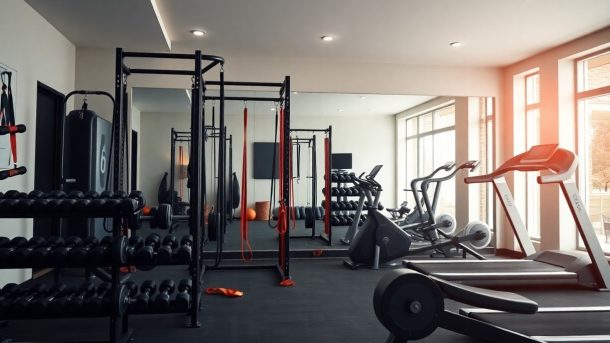
You have the opportunity to create an effective home gym tailored specifically for sports training. With the right equipment and setup, you can enhance your performance in your chosen sport while enjoying the convenience of training at home. This guide will help you identify the vital components to include and how to organize your space efficiently, ensuring you have everything needed to reach your athletic goals. Let’s investigate the steps to design your ideal training environment.
Key Takeaways:
- Assess Your Space: Evaluate the area available for your home gym to ensure it meets your training needs.
- Choose Versatile Equipment: Invest in multifunctional equipment like resistance bands, dumbbells, and stability balls to maximize your workout options.
- Prioritize Safety: Ensure that your gym setup promotes safety, using mats and proper storage for equipment to prevent accidents.
- Set a Training Schedule: Develop a consistent training schedule that fits into your lifestyle to maintain motivation and track progress.
- Incorporate Functional Training: Focus on exercises that mimic sports movements to enhance performance and prevent injury.
Assessing Your Space
To effectively set up a home gym for sports training, you first need to evaluate the available space in your home. Recognizing how much room you have allows you to choose the right equipment and design a layout that suits your training needs, all while ensuring you feel comfortable and motivated in your new workout environment.
Measuring Available Area
One of the first steps in assessing your space is to accurately measure the area you plan to convert into your gym. Use a tape measure to note down the length and width of the room, plus the ceiling height. This information will help you assess which equipment can fit, and how to arrange it for optimal usage.
Considering Location and Environment
Across your home, the location you choose for your gym can significantly impact your training experience. Think about natural light, ventilation, and accessibility when selecting your space, to ensure you stay motivated and comfortable during workouts.
This consideration is often overlooked, but it plays a significant role in the quality of your training sessions. A well-lit area with good airflow not only enhances your mood but can also improve your performance. If possible, select a quiet spot away from distractions to help you maintain focus during your workouts. Additionally, avoiding areas prone to extreme temperatures or humidity will ensure your comfort and protect your equipment over time.
Selecting the Right Equipment
Even though building a home gym may seem overwhelming, selecting the right equipment tailored to your sports training needs will set you up for success. Consider your specific sport and how different equipment can enhance your performance. For tips on how to begin, check out this How can beginners set up home gym equipment on a … resource for guidance.
Essential Equipment for Different Sports
Different sports require different types of equipment to ensure you are training effectively. For example, if you’re into weightlifting, free weights and resistance bands are crucial. If you’re focusing on endurance sports like running or cycling, investing in a treadmill or stationary bike will be beneficial. Tailor your equipment choices to your specific sport to maximize your training results.
Budget-Friendly Options
Sports training doesn’t have to break the bank when building your home gym. There are many budget-friendly options that can help you achieve your fitness goals without overspending.
Understanding how to prioritize and select basic equipment can save you money while still providing an effective training environment. Look for multifunctional tools like adjustable dumbbells, resistance bands, or a simple pull-up bar. You can also explore second-hand options or local sales to find quality equipment at a fraction of the cost. Focus on versatility and needed elements that align with your training program to stay within your budget while ensuring effectiveness.
Creating a Training Plan
Despite the abundance of resources available, creating a cohesive training plan can be challenging. To ensure you get the most out of your home gym, consider structuring a program that focuses on your specific sports goals. For ideas and inspiration, check out this great resource on how to Go Big AND Stay Home: How To Build Your Ultimate …
Structuring Your Workout Routine
The foundation of any successful training plan is a well-structured workout routine tailored to your sport. Balance strength training, flexibility work, and endurance exercises, ensuring that each session has a clear focus. This will help you build the necessary skills and fitness levels for optimal performance.
Incorporating Sport-Specific Drills
Any effective training plan should include sport-specific drills that mimic the movements and skills required in your chosen sport. These drills help enhance your performance, agility, and coordination, making you a more well-rounded athlete.
Your sport-specific drills should reflect the techniques and movements of your sport. For example, if you play soccer, focus on drills that improve your footwork, ball control, and agility. If you’re a basketball player, incorporate drills that emphasize shooting, dribbling, and defensive maneuvers. Tailoring these drills to your sport not only keeps training engaging, but it also ensures you are honing the right skills for your athletic success.
Safety Considerations
All aspects of your home gym should prioritize safety to ensure effective training and reduce accidents. Carefully consider the layout and equipment choice to create a secure environment free from hazards. Use proper flooring materials and maintain a tidy space to prevent slips and falls. Additionally, always check equipment for damage before each workout to maintain maximum safety.
Proper Setup and Installation
Above all, ensure that your gym equipment is correctly installed and set up according to the manufacturer’s guidelines. Follow instructions meticulously to avoid any mishaps during use. Leveling your equipment, securing weights, and positioning machines properly will enhance safety and encourage optimal performance.
Injury Prevention Tips
To maintain your health while training, incorporate the following injury prevention tips:
- Warm up adequately before workouts.
- Use the correct form when exercising.
- Gradually increase weights and intensity.
- Listen to your body and rest as needed.
Recognizing the signs of overexertion and incorporating rest days into your routine will further minimize the risk of injuries.
Also, implementing additional strategies can significantly enhance injury prevention, such as:
- Incorporating cross-training to balance muscle usage.
- Utilizing proper footwear designed for your specific activities.
- Staying hydrated throughout your workouts.
- Consulting a coach if you are unsure about your techniques.
Recognizing the importance of these steps will help you maximize your training while minimizing the risk of setbacks.
Motivation and Accountability
Once again, motivation plays a key role in maintaining your home gym routine. To stay engaged and on track, consider leveraging resources like An Expert Breaks Down the Best Budget Home Gym Setups. Establishing a commitment to your goals, along with self-discipline, will help propel you forward even when the enthusiasm wanes.
Setting Goals
Accountability is vital for effective sports training. Begin by setting specific, measurable, achievable, relevant, and time-bound (SMART) goals. Document your objectives and progress, which will enable you to track your achievements and adjust your strategies over time. Clear goals provide direction and can ignite your motivation to pursue better performance.
Finding a Workout Partner
On the journey to improved fitness, having a workout partner fosters motivation and accountability. Not only can they provide encouragement, but they also help you stay committed to your schedule. Finding someone with similar goals ensures that you can push each other to achieve more consistently.
Plus, training with a partner can make workouts more enjoyable and less monotonous. You can share tips, challenge each other with new exercises, and celebrate milestones together. Additionally, a workout partner can keep you accountable when you’re tempted to skip sessions or slack off on your intensity. Consider connecting with fellow athletes or friends who share your dedication to sports training.
Maintenance and Upkeep
Unlike traditional gym memberships, establishing a home gym requires ongoing maintenance and upkeep to ensure your space remains functional and inviting. Regularly checking equipment for wear and tear, organizing your training area, and keeping everything in working order allows you to maintain a productive environment. A well-kept workout space not only enhances your performance but also motivates you to stick with your training routine.
Cleaning and Care for Equipment
An effective cleaning routine prolongs the life of your gym equipment and helps create a hygienic space for training. Wipe down machines, weights, and mats after each use to remove sweat and prevent the build-up of bacteria. Use appropriate cleaning solutions, and occasionally inspect your gear for any damage or signs of wear, ensuring that everything is safe and reliable for your workouts.
Regularly Reviewing Your Training Space
The effectiveness of your home gym can depend on how well you maintain and review your space over time. Regularly assess your equipment layout, accessibility, and overall environment to determine if any adjustments are necessary to enhance your training experience. Adapting your space to include new gear or change routines can keep your workouts fresh and engaging.
Upkeep of your training space should involve periodic assessments to determine what is working and what might need improvement. As your fitness level and training goals evolve, your home gym may require rearrangement or upgrades to accommodate new methods or equipment. By routinely evaluating the organization and flow of your space, you can ensure it serves your needs effectively while also inspiring you to reach your fitness objectives.
Final Words
On the whole, building a home gym for sports training involves assessing your space, selecting the right equipment, and creating a motivating environment. By investing in versatile tools and incorporating specific exercises tailored to your sport, you can enhance your training regimen without dependence on a commercial gym. Make sure to focus on safety and proper form, establishing a routine that fits your lifestyle. Ultimately, your commitment to training at home can significantly improve your athletic performance and keep you engaged in your fitness journey.
FAQ
Q: What equipment do I need to set up a home gym for sports training?
A: The equipment required for a home gym depends on the specific sports you are training for. However, some vital items include adjustable dumbbells, resistance bands, a stability ball, a jump rope, and a mat for floor exercises. For sports that require agility and speed, consider adding agility ladders and cones. If you have the space and budget, a squat rack, bench, and cardio machines like a treadmill or exercise bike can enhance your training options.
Q: How do I create a workout plan for my home sports training gym?
A: To create a workout plan, start by identifying the key skills and muscle groups that are relevant to your sport. Structure your training to include strength work, agility drills, speed training, and sport-specific skills. A balanced program should include dynamic warm-ups, strength training (2-3 times a week), endurance training, agility drills, and flexibility work. It’s also beneficial to vary the intensity and type of workouts to keep things engaging and effective. Consulting a fitness professional can also help to tailor the plan to your unique needs.
Q: How can I optimize space for my home gym dedicated to sports training?
A: To optimize space for a home gym, start by selecting a dedicated area that provides enough room for movement and equipment. Use vertical space by installing shelves or hanging gear on the walls. Foldable or multi-use equipment can save space, such as resistance bands or a collapsible bench. Keep the area organized with storage bins for smaller items and mats that can be rolled up when not in use. Ensure you have a clear workout area that allows for safe and uninhibited movement during training sessions.