Athletes

The Best Strength Training Exercises for Athletes

Many athletes are always on the lookout for ways to enhance their performance, and strength training is a powerful tool in your arsenal. By incorporating targeted exercises into your routine, you can build muscle, improve endurance, and boost overall athletic performance. This blog post will guide you through some of the best strength training exercises specifically designed for athletes, helping you to optimize your workout regimen and achieve your fitness goals efficiently.

Key Takeaways:

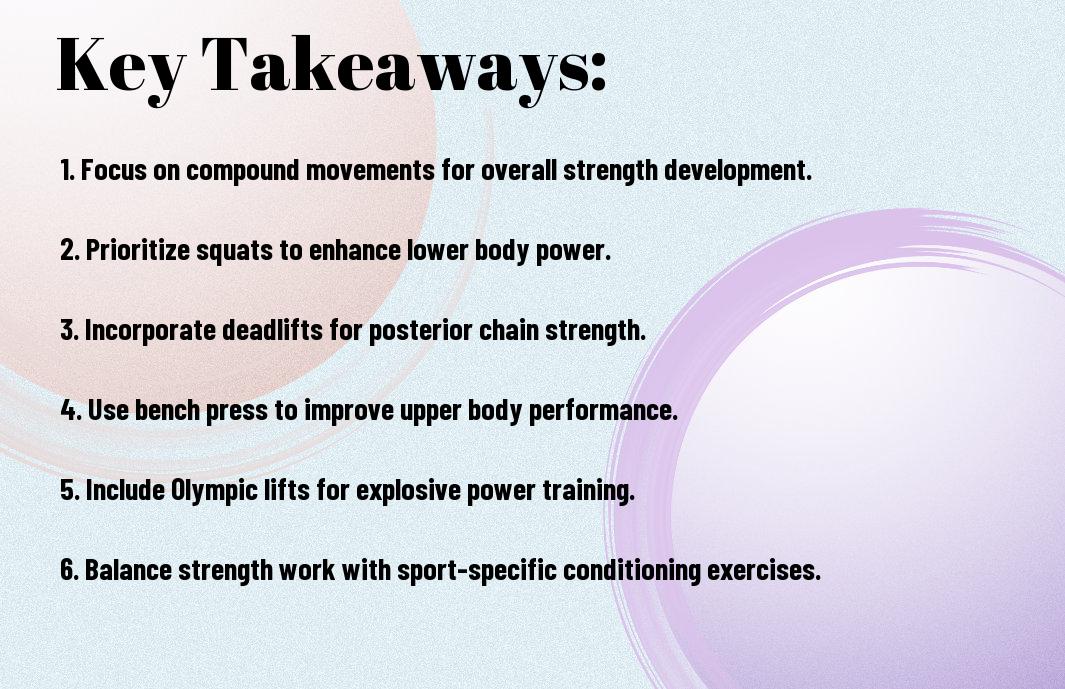
  • Compound Movements: Focus on exercises that engage multiple muscle groups, such as squats, deadlifts, and bench presses, to enhance overall strength and power.
  • Sport-Specific Training: Incorporate exercises that mimic the movements and demands of your specific sport to improve performance and reduce injury risk.
  • Progressive Overload: Gradually increase resistance or intensity in your training to continually challenge your muscles and promote growth.
  • Core Stability: Prioritize core-strengthening exercises, like planks and rotational movements, to enhance balance and stabilize the body during athletic performance.
  • Proper Technique: Always prioritize correct form and technique to maximize effectiveness of the exercises and minimize the risk of injury.

Importance of Strength Training for Athletes

While strength training forms the foundation of athletic performance, it is crucial for developing power, speed, and endurance. By incorporating a structured strength training program into your routine, you can enhance your overall performance on the field or in the gym. This not only helps you excel in your sport but also allows you to train more effectively and recover faster from workouts.

Enhancing Performance

After committing to a consistent strength training regimen, you will likely experience improved muscle function and metabolic efficiency. These enhancements lead to greater overall athleticism, enabling you to perform at higher intensities and sustain your peak performance longer during competitions.

Reducing Injury Risk

Among your many goals as an athlete, reducing the risk of injury should always be a top priority. A well-designed strength training program helps stabilize your joints, strengthens the muscles around them, and improves your body mechanics, thereby minimizing the likelihood of overuse and acute injuries.

In fact, by focusing on specific strength training exercises, you can target weaknesses and imbalances that often lead to injuries. This proactive approach not only enhances your physical resilience but also allows for a more sustainable athletic career. As you strengthen your body, you’ll find that you can push your limits while staying healthy, which is crucial for long-term success in your sport.
Key Strength Training Exercises

The best strength training exercises for athletes focus on building functional strength, power, and overall athletic performance. These exercises enhance your ability to perform in your sport while reducing the risk of injury. A well-rounded strength training program that includes various key exercises can significantly benefit your training regimen.

Compound Movements

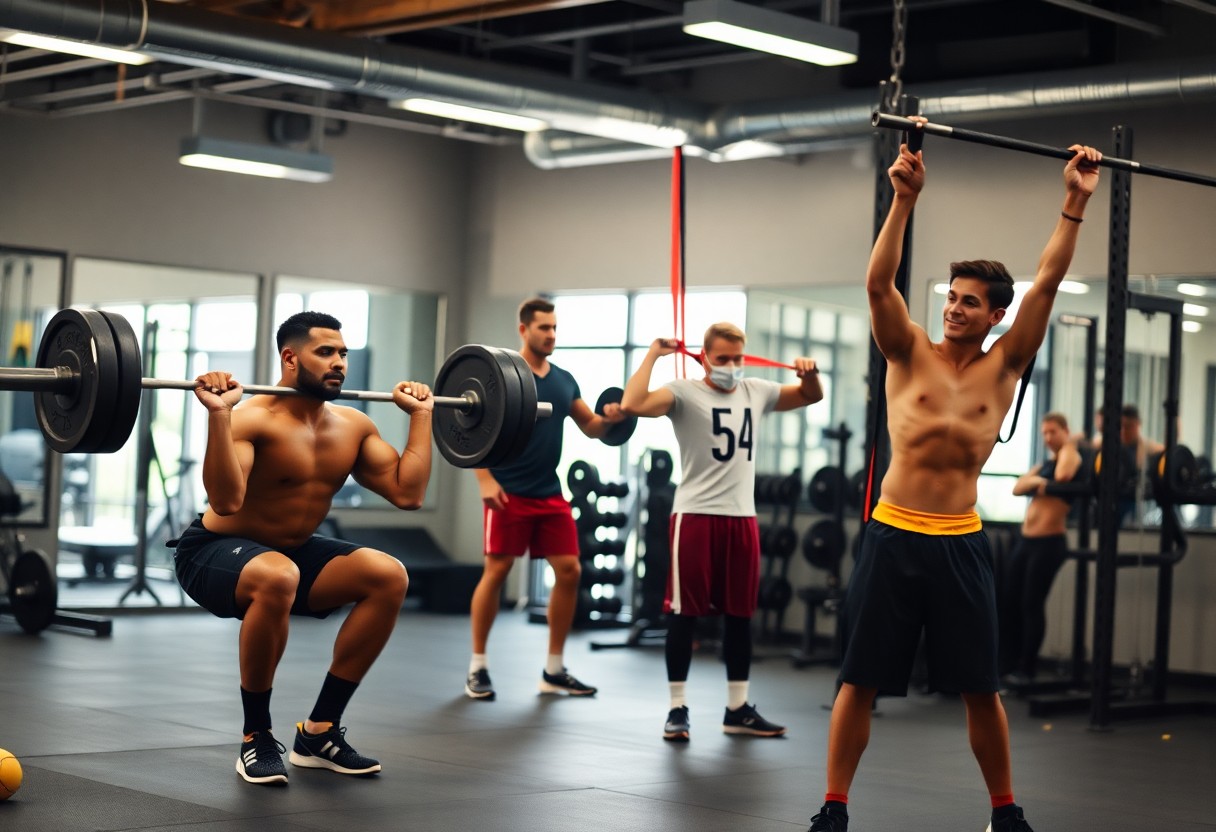
Between squats, deadlifts, and bench presses, compound movements engage multiple muscle groups simultaneously, offering a comprehensive workout that promotes strength and stability. These exercises not only help you develop functional strength but also improve your overall coordination and balance, necessary attributes for any athlete.

Olympic Lifts

Training Olympic lifts like the clean and jerk and the snatch can provide significant benefits in power development and explosive strength. These dynamic movements require coordination, speed, and precision, making them ideal for athletes who need to harness their strength efficiently during competition.

Deadlifts, as one of the core Olympic lifts, target several major muscle groups, including the legs, back, and core. By incorporating deadlifts into your training routine, you enhance your overall strength and posture. This foundational exercise also helps improve your grip strength, which is especially beneficial for sports requiring control and handling. When performed correctly, Olympic lifts can enhance your athletic performance, enabling you to generate explosive power and improve your overall movement efficiency.

Sport-Specific Strength Training

Keep in mind that sport-specific strength training is vital for optimizing your performance. Tailoring your workout regimen to the demands of your sport enhances your functional strength, ensuring that you build the appropriate muscle groups needed for your specific athletic activity. By focusing on the skills and strength requirements of your sport, you’ll find yourself performing better while reducing the risk of injury.

Exercises for Endurance Athletes

Above all, endurance athletes should emphasize exercises that build muscular endurance while also promoting efficient movement patterns. Incorporating high-rep resistance training can help improve endurance performance, allowing you to sustain effort over longer periods. Activities like circuit training and resistance exercises with lighter weights can enhance your stamina without sacrificing strength.

Exercises for Power Athletes

Above all, power athletes need to focus on explosive movements that translate directly to their sport’s demands. Incorporating plyometrics, Olympic lifting, and heavy compound lifts can significantly enhance your power output, which is vital for success in sports like sprinting, football, and basketball.

Strength training for power athletes is integral to developing the explosive energy necessary for peak performance. Engaging in exercises that foster speed and strength, such as cleans, snatches, and squat jumps, will not only improve your power but also increase your reaction time. By integrating maximal strength workouts with dynamic exercises, you can elevate your performance, helping you dominate your chosen sport.

Creating an Effective Strength Training Program

After establishing your goals, it’s crucial to craft a well-rounded strength training program tailored to your needs. Consider implementing The Five Essential Movements for Building Athletic Strength as the foundation for your workouts. Focus on exercises that enhance functional strength, stability, and mobility, enabling you to perform at your best.

Program Structure

The structure of your strength training program should include a balanced mix of compound and isolation exercises. Aim for a variety of movements to target different muscle groups and promote overall strength development. Furthermore, ensure you incorporate adequate recovery time between sessions to allow your muscles to heal and grow.

Progression Techniques

Behind every successful strength training program is the concept of progression. To continually challenge your body and stimulate growth, you must gradually increase the intensity of your workouts over time. This might involve raising the weight you lift, increasing repetitions, or shortening rest periods.

Strength training is about improvement, and employing effective progression techniques is paramount to achieving your goals. Regularly evaluate your performance to adjust your training variables, ensuring that your body consistently faces new challenges. Incorporating methods such as increasing resistance, varying your repetition ranges, or altering the tempo of your lifts will keep your muscles engaged and prevent adaptation, ultimately resulting in better performance and gains.
Common Mistakes in Strength Training

Not paying attention to the common mistakes in strength training can hinder your progress and increase the risk of injury. Often, athletes rush into their routines without understanding the fundamentals, leading to ineffective workouts and potential setbacks. By being aware of these pitfalls, you can maximize your strength training and enhance your overall performance.

Poor Technique

Above all, using poor technique during exercises can prevent you from achieving optimal results. Performing movements incorrectly not only diminishes the effectiveness of your workout but also places unnecessary strain on your joints and muscles. Focus on mastering the proper form before increasing weights or intensity to ensure safety and effectiveness in your training regimen.

Neglecting Recovery

Across many training programs, neglecting recovery often leads to burnout and diminished performance. Athletes frequently underestimate the importance of rest days and proper recovery protocols, which are vital for muscle repair and growth. Ignoring your body’s need for recovery can result in fatigue, decreased strength, and increased risk of injury.

In addition, incorporating adequate recovery strategies into your routine is necessary for long-term success. This includes not only taking rest days but also ensuring proper nutrition, hydration, and sleep. Engaging in activities like stretching, foam rolling, or low-intensity workouts can facilitate circulation and promote healing. By prioritizing recovery, you empower your body to rebuild and adapt, ultimately improving your strength and performance in the gym or on the field.

Summing up

With these considerations, integrating the best strength training exercises into your routine will significantly enhance your athletic performance. Focus on compound movements like squats, deadlifts, and bench presses, as they engage multiple muscle groups and improve your overall strength. Tailor your training to address your specific sport and personal goals, ensuring you prioritize both functional movement and injury prevention. By committing to a well-structured strength training regimen, you’ll not only boost your physical capabilities but also gain a competitive edge in your athletic endeavors.

FAQ

Q: What are the primary benefits of strength training for athletes?

A: Strength training offers numerous benefits for athletes, including increased muscle strength, enhanced power output, improved endurance, and better overall athletic performance. Additionally, it contributes to injury prevention by strengthening muscles, tendons, and ligaments, which can help stabilize joints during dynamic movements. Athletes can also experience improved balance and coordination, as well as enhanced metabolic efficiency, which can translate to better performance in their specific sports.

Q: What are some effective strength training exercises specifically for athletes?

A: Some of the most effective strength training exercises for athletes include squats, deadlifts, bench presses, and overhead presses. Additionally, Olympic lifts such as the clean and jerk or the snatch can be highly beneficial for developing explosive strength. Plyometric exercises, such as box jumps or medicine ball throws, can also be integrated to enhance power. Athletes should tailor their strength training regimen to their specific sport and individual goals, ensuring a balanced approach that focuses on functional strength and explosive movement patterns.

Q: How often should athletes incorporate strength training into their training routine?

A: The frequency of strength training can vary based on the athlete’s sport, season, and overall training goals. Generally, athletes should aim to include strength training sessions 2 to 4 times per week. During the off-season, athletes might focus more heavily on building strength, while in-season training could shift toward maintenance and injury prevention. It’s important for athletes to listen to their bodies and adjust their routines to avoid overtraining while ensuring they stay physically prepared for their sport.

The Best Cross-Training Activities for Athletes

It’s crucial to diversify your training routine to enhance performance and prevent injury. Engaging in cross-training activities can significantly benefit your overall athleticism by improving strength, flexibility, and endurance. In this blog post, we will explore some of the best cross-training options available to you, allowing you to enhance your skills, break through plateaus, and keep your workouts fresh and exciting. Whether you’re a seasoned athlete or just starting, incorporating these activities can help propel you toward your goals.

Key Takeaways:

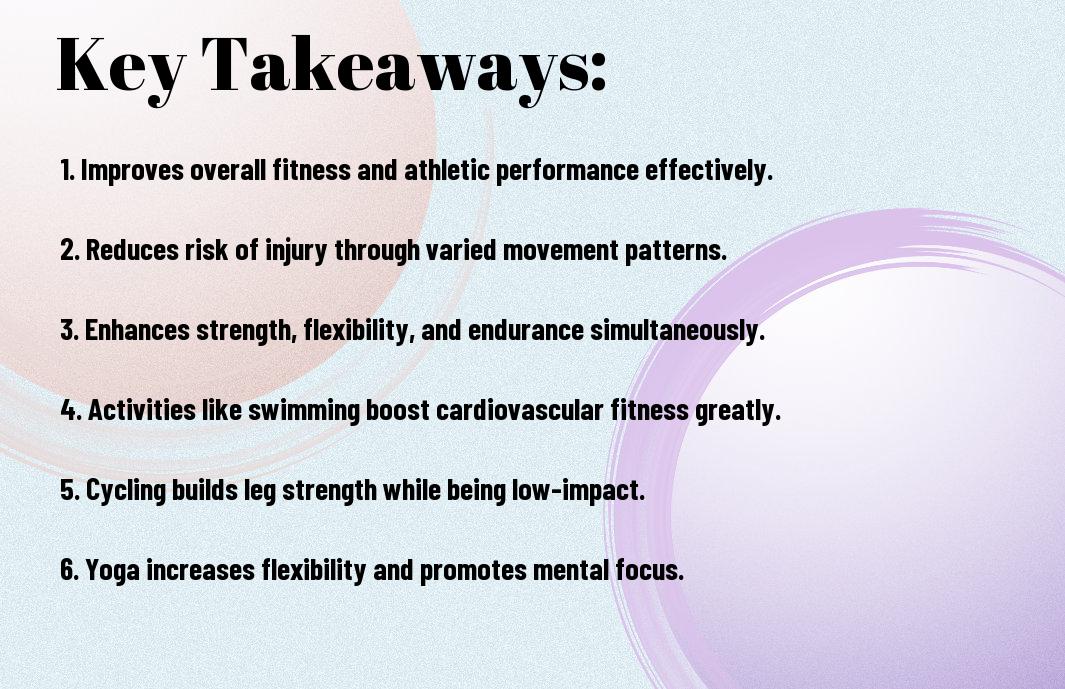
  • Variety: Incorporating different activities prevents boredom and engages various muscle groups, enhancing overall athletic ability.
  • Endurance Building: Activities like cycling and swimming improve cardiovascular fitness, supporting long-duration performance.
  • Strength Development: Resistance training and weight lifting increase muscle strength and power, benefiting all sports.
  • Flexibility: Yoga and Pilates promote flexibility and balance, which are imperative in preventing injuries and improving performance.
  • Mental Recovery: Engaging in low-intensity activities can provide psychological relief, aiding recovery and maintaining motivation.

Benefits of Cross-Training for Athletes

While focusing on a single sport can help you sharpen specific skills, incorporating cross-training activities provides a myriad of benefits that enhance your overall athleticism. By engaging in various exercises, you boost your physical conditioning, improve your flexibility, and develop a more well-rounded skill set. This variety not only keeps your training fresh and exciting but also prepares you to face challenges in competition with greater resilience.

Enhanced Performance

Besides improving your endurance and strength, cross-training can lead to enhanced performance in your primary sport. By incorporating different activities, you engage underused muscle groups, which allows for a more balanced body. This well-rounded approach helps increase power output and provides you with a unique edge during competition, making you a more versatile athlete.

Injury Prevention

Benefits of cross-training for injury prevention cannot be overstated. Balancing your workout routines with various forms of exercise allows you to strengthen different muscle groups, thereby reducing the risk of overuse injuries common in specialized training. By promoting muscular balance and flexibility, you create a solid foundation that supports your primary sport and minimizes the likelihood of setbacks.

The inclusion of cross-training in your regimen acts as a safeguard against injuries by diversifying the physical demands placed on your body. Engaging in activities such as swimming, cycling, or yoga helps alleviate strain on repetitive motion injuries while strengthening stabilizing muscles. As a result, not only do you improve your athletic performance, but you also cultivate a more durable physique capable of enduring the rigors of intense training and competition.

Popular Cross-Training Activities

There’s a wide range of cross-training activities available for athletes looking to enhance their performance. Incorporating different exercises into your routine not only increases your strength and endurance but also helps to minimize the risk of injury and prevents workout monotony. Knowing which activities can benefit your training concentration, you can select the ones that resonate best with your fitness goals.

Swimming

Any athlete can benefit from swimming, as it provides a full-body workout while being gentle on your joints. This low-impact exercise enhances cardiovascular fitness, builds muscle strength, and improves flexibility. Additionally, swimming engages multiple muscle groups, giving your body a balanced form of cross-training.

Cycling

Any athlete seeking to build endurance will find cycling to be a fantastic option. This versatile workout can be adjusted to suit various fitness levels, making it accessible whether you’re a beginner or seasoned pro.

In fact, cycling not only boosts your cardiovascular health but also strengthens your lower body, particularly your quadriceps, hamstrings, and calves. Alternatively, you can engage in road cycling for endurance or stationary biking at a gym for controlled environments. Both options help increase your stamina and allow for targeted recovery from high-impact sports.

Rowing

About rowing, athletes can experience an effective low-impact workout that targets both upper and lower body muscles. This total-body exercise improves cardiovascular fitness while simultaneously building strength, making it ideal for cross-training.

In addition, rowing mimics many movements found in sports, allowing you to develop coordination and power. By incorporating a rowing machine into your training regimen, you can boost your aerobic capacity, enhance endurance, and improve muscle tone—beneficial aspects for any athlete looking to elevate their performance.

Pilates

On the topic of Pilates, this practice focuses on core strength and stabilization, both imperative for athletic performance. It enhances flexibility and helps with postural alignment, thus reducing the risk of injury during other activities.

But incorporating Pilates into your cross-training routine can also improve your overall body awareness, which translates into better control and efficiency in your primary sport. Many athletes find that the increased core stability gained through Pilates assists in their other training efforts, leading to improved performance.

Sport-Specific Cross-Training

All athletes can benefit from sport-specific cross-training, which refers to engaging in activities that enhance skills and fitness relevant to your primary sport. By incorporating exercises that mimic the movements and energy systems of your sport, you can boost performance, reduce injury risk, and maintain motivation. Tailoring your cross-training strategy to your sport allows you to improve specific strengths and weaknesses, ultimately enhancing your overall game.

Cross-Training for Runners

SportSpecific cross-training for runners can involve activities such as cycling, swimming, or using an elliptical machine. These low-impact exercises help you build endurance while reducing the wear and tear on your joints. Incorporating strength training targeting your core and leg muscles will also improve your running efficiency. Moreover, yoga and Pilates can enhance flexibility and balance, important components for injury prevention and performance improvement.

Cross-Training for Team Sports

At your level, cross-training for team sports can significantly enhance your performance on the field or court. Incorporating drills and exercises that emphasize agility, coordination, and teamwork will help develop the skills directly related to your sport. Activities such as high-intensity interval training (HIIT) or specific plyometric exercises can improve your explosiveness and stamina, which are vital in competitive scenarios.

Hence, including sport-specific drills in your cross-training routine not only aids in physical fitness but also reinforces tactical awareness associated with your team sport. Skills like passing, shooting, or strategic positioning can be practiced through tailored drills during cross-training sessions. This way, you maintain sharpness in key areas while diversifying your workouts, keeping your training dynamic and engaging. Being committed to cross-training will undoubtedly lead to improvements in your overall performance when competing with your team.

How to Incorporate Cross-Training into Your Routine

After understanding the importance of cross-training, you can seamlessly incorporate it into your routine. Start by assessing your current training schedule and identify gaps where cross-training can fit in. Aim for a balanced mix of activities that complement your primary sport, allowing you to stay motivated and prevent burnout. Consistency is key, so try to make cross-training a regular part of your week, and adjust as necessary to match your goals and commitments.

Scheduling and Frequency

Below are some suggestions for how to effectively schedule your cross-training workouts. Start with two to three sessions per week, ensuring that you allow for adequate recovery between high-intensity workouts. You can either replace a standard training day with a cross-training session or incorporate shorter activities into your existing regimen. Over time, you can gradually increase the frequency as your body adapts and your overall fitness improves.

Selecting the Right Activities

Incorporate cross-training activities that align with your fitness goals and target different muscle groups. Consider exercises that enhance strength, endurance, flexibility, or mobility, depending on your primary sport. Activities like swimming, cycling, or yoga can enhance overall fitness while reducing the risk of injury. Experiment with different options to find what you enjoy most and what complements your main training regimen.

And as you explore various cross-training options, think about how each activity contributes to your overall performance. For instance, if you’re a runner, cycling may boost your cardiovascular endurance without over-stressing your joints. Similarly, practices like Pilates or yoga can aid in flexibility and core strength, imperative for many athletes. Choose activities that excite you and challenge your body in new ways, keeping your training fresh and engaging.

Common Mistakes to Avoid

Unlike many athletes, you should be aware that effective cross-training requires balance and strategy. Avoid jumping from one activity to another without proper planning, as this can lead to burnout or hinder your performance. Planning a structured schedule will help you maximize your benefits from cross-training while preventing injuries.

Overtraining

For athletes, maintaining a consistent training routine is important, but overtraining can lead to decreased performance and increased risk of injury. Ensure you incorporate rest days and allow your body time to recover, as pushing your limits continuously can be counterproductive.

Neglecting Specific Skills

Between focusing on general fitness and cross-training, you might overlook the specific skills required for your primary sport. Balancing cross-training with sessions dedicated to honing those skills is vital for optimal performance.

Overtraining can divert your attention from developing the specific skills pertinent to your sport. While cross-training enhances overall fitness, it’s important to dedicate time to drills, strategies, and techniques that directly impact your performance. Creating a training regimen that evenly distributes time between cross-training and skill development will help you maintain proficiency in your sport while improving your overall athleticism.

Summing up

Following this guide, you can enhance your athletic performance by incorporating effective cross-training activities into your routine. Engaging in diverse exercises not only improves your overall fitness but also helps to prevent injuries and alleviate monotony in training. Choose activities that complement your primary sport, whether it’s swimming, cycling, or strength training, and consider your personal preferences to maintain motivation. By integrating these methods, you’ll develop strength, agility, and endurance, equipping you for greater success in your athletic endeavors.

Q: What are some effective cross-training activities for athletes looking to improve strength?

A: Athletes can benefit from strength training exercises such as weightlifting, resistance band workouts, or bodyweight exercises like push-ups and lunges. These activities enhance muscle strength and endurance, which can directly translate to improved performance in their primary sport. Additionally, incorporating exercises that target different muscle groups ensures a well-rounded strength development.

Q: How can cross-training help prevent injuries in athletes?

A: Engaging in cross-training allows athletes to work different muscle groups while giving primary muscles a chance to recover, reducing the risk of overuse injuries. Activities such as swimming or cycling are low-impact options that maintain cardiovascular fitness without placing excessive stress on joints. This variety in training can enhance overall athletic resilience and reduce the chance of repetitive strain injuries.

Q: What is the optimal frequency for incorporating cross-training into an athlete’s routine?

A: The optimal frequency of cross-training varies depending on the individual athlete’s training schedule, the intensity of their primary sport, and personal fitness goals. However, a general guideline is to include cross-training activities 1-3 times per week. It is important for athletes to listen to their bodies and adjust the frequency and intensity to ensure they are supporting their primary training while avoiding fatigue or burnout.

The Benefits of Yoga for Athletes

You may not realize it, but incorporating yoga into your training routine can significantly enhance your athletic performance. Beyond flexibility and balance, yoga aids in injury prevention, improves mental focus, and promotes quicker recovery times. By practicing yoga, you can develop a deeper mind-body connection, which is vital for peak performance in your sport. Whether you’re a seasoned athlete or just starting out, understanding the unique benefits of yoga can help elevate your game and achieve your personal best.

Key Takeaways:

  • Improved Flexibility: Yoga enhances overall flexibility, which can lead to better performance and reduced risk of injuries for athletes.
  • Enhanced Focus: Practicing yoga encourages mental clarity and concentration, allowing athletes to improve their focus during competitions.
  • Injury Prevention: Regular yoga practice can help identify and address muscle imbalances, contributing to fewer injuries.
  • Stress Relief: Yoga effectively reduces stress and anxiety, promoting mental well-being and a more positive athletic experience.
  • Breath Control: Enhanced breath control supports stamina and endurance, facilitating better overall cardiovascular performance.

Improved Flexibility

As an athlete, improved flexibility can significantly enhance your performance. Incorporating yoga into your training routine allows you to achieve greater pliability in your muscles and joints. This increased flexibility not only supports your physical capabilities but also contributes to better posture and alignment. By practicing various yoga poses, you can unlock your body’s potential and optimize your athletic prowess.

Enhancing Range of Motion

Besides improving flexibility, yoga plays a vital role in enhancing your range of motion. The diverse range of movements in yoga helps to lengthen and strengthen your muscles, promoting elasticity in your joints. This enhanced mobility can lead to improved efficiency in your athletic activities, allowing you to perform movements with greater ease and control.

Reducing Injury Risk

Flexibility is instrumental in reducing the risk of injuries. When your muscles and joints are flexible, they are less susceptible to strains and sprains during intense athletic activities. Incorporating yoga into your regimen prepares your body for the physical demands of your sport, allowing you to move through your full range of motion without restriction. This proactive approach not only extends your athletic career but also keeps you in the game longer.

Enhancing your flexibility through yoga allows for increased blood flow to your muscles, which aids recovery and reduces soreness. Improved muscle elasticity means your body can better absorb impacts and adapt to sudden movements, making you less prone to injuries. By regularly practicing yoga, you become more aware of your body’s alignment and balance, contributing to better movement patterns and further minimizing the risk of injuries related to tightness and stiffness.

Increased Strength

Even as an athlete focusing on building strength, incorporating yoga into your routine can be transformative. Yoga promotes functional strength by engaging multiple muscle groups through dynamic movements and holds. This not only enhances your overall muscle tone but also improves your power output and performance in your sport. As you deepen your practice, you’ll likely experience not only increased physical strength but also a greater mind-body connection that supports your athletic goals.

Building Core Stability

Core strength is foundational to athletic performance, and yoga places significant emphasis on developing this stability. By engaging in various asanas that target your core, you’ll strengthen your abdominal muscles, lower back, and pelvic floor, which are crucial for maintaining proper body alignment and balance during physical activities.

Supporting Muscular Endurance

An crucial aspect of athletic training is muscular endurance, and yoga can enhance this by enabling your muscles to work effectively for longer periods. The sustained holds in various poses help develop stamina by challenging your muscle fibers to resist fatigue, leading to improved performance in your primary sport.

To maximize your muscular endurance through yoga, engage in poses that require holding positions for extended durations. This practice can condition your muscles to withstand fatigue and perform better during prolonged athletic activities. Furthermore, the focus on breath control in yoga cultivates a steady oxygen flow, promoting recovery and reducing lactic acid buildup. By incorporating these techniques, you’ll find your endurance levels improving significantly during intense training and competitions.

Enhanced Mental Focus

Your mental focus is integral to achieving peak performance as an athlete. Practicing yoga cultivates a heightened state of awareness and concentration, allowing you to channel your energy more efficiently. As a result, you can improve your decision-making abilities and stay present during competitions, leading to better overall performance and reduced mental fatigue.

Mindfulness Techniques

With the incorporation of mindfulness techniques in your yoga practice, you can enhance your ability to manage distractions, both on and off the field. Techniques such as breath control and visualization help you cultivate a calmer, clearer mind, enabling you to remain focused on your goals and performance. By honing these skills, you pave the way for a more centered and effective athletic experience.

Performance Under Pressure

Enhanced mental focus through yoga prepares you to perform under pressure. The ability to stay calm in high-stress situations can significantly impact your results in competitions.

Another key advantage of yoga is its influence on your ability to maintain performance under pressure. By mastering breathing techniques and mindfulness practices, you can develop a sense of calm and composure, even in the most challenging moments. This focus allows you to execute strategies and skills effectively while minimizing anxiety, creating a competitive edge that can make all the difference in high-stakes scenarios. As a result, you’ll be better equipped to handle the pressures that come with athletic competition, ultimately leading to improved results.

Better Recovery

After intense workouts, your body needs time to heal and regain strength. Incorporating yoga into your routine aids in speeding up recovery by increasing blood flow to sore muscles, reducing inflammation, and calming the nervous system. This holistic approach enhances not only your physical recovery but also your mental resilience, allowing you to return to training refreshed and focused.

Promoting Muscle Repair

About 72 hours post-exercise is when muscle repair begins, and yoga can play a significant role in this process. The gentle stretches and movements in yoga help alleviate muscle tension, increase flexibility, and promote overall circulation, leading to faster recovery times for your body.

Stress Relief

One of the most important benefits of yoga is its ability to reduce stress, which can hinder your recovery. By practicing meditation and controlled breathing techniques during yoga, you activate the relaxation response in your body, allowing for better recovery and performance.

Relief from stress not only enhances your mental clarity but also lowers levels of cortisol, a hormone that, when elevated, can impede muscle recovery. Implementing yoga into your post-training routine creates a peaceful environment that fosters deep relaxation, helping you feel rejuvenated and prepared for your next athletic endeavor.

Injury Prevention

Many athletes overlook the importance of injury prevention in their training regimen. By incorporating yoga into your routine, you can significantly enhance your body’s resilience against injuries. Yoga helps to increase flexibility, strength, and body awareness, which are all imperative elements for maintaining peak performance while minimizing the risk of strains and overuse injuries.

Alignment and Posture

Above all, correct alignment and posture during physical activity are vital for your overall performance. Yoga teaches you to focus on your body’s alignment, ensuring that you engage the right muscles and avoid undue strain. By developing a keen sense of awareness regarding your posture, you can carry these principles into your athletic pursuits, leading to better control and reduced injury risk.

Balancing Muscle Groups

Below the surface, athletic training often emphasizes specific muscle groups, causing imbalances that can lead to injuries. Yoga provides a balanced approach, engaging both major and minor muscle groups to promote overall strength and stability. By working through various poses, you can develop greater symmetry in muscle function, allowing your body to handle stress more effectively.

Posture and imbalances can contribute to physical aches and injuries, as overworked muscles become prone to fatigue and strain. Yoga helps you identify and address these discrepancies, enhancing your performance and longevity as an athlete. By consciously working on balancing muscle groups, you can achieve a more stable foundation that supports both your training and recovery, providing a solid base for all your athletic endeavors.

Cross-Training Benefits

To enhance your athletic training regimen, incorporating yoga serves as an effective form of cross-training. This versatile practice develops flexibility, strength, and balance, which can significantly contribute to your primary athletic pursuits. By integrating yoga, you facilitate recovery, reduce injury risk, and improve muscle performance, ultimately allowing you to train harder and more consistently.

Supplementing Athletic Training

Around your dedicated training routine, yoga can be seamlessly integrated to provide a supplementary workout that focuses on the mind-body connection. Through mindful breathing and deliberate movement, you cultivate greater awareness of your body, helping you identify imbalances and areas needing improvement. This not only enriches your performance but also bolsters your overall fitness level.

Improving Overall Athletic Performance

Performance benefits from yoga extend beyond mere flexibility gains. By fostering enhanced body awareness and control, yoga helps you better understand your physical capabilities and limits. This understanding allows you to push your boundaries safely, explore new forms of movement, and unlock your full potential as an athlete.

And as you continue to implement yoga into your training, you’ll likely find improvements in endurance, strength, and mental focus during your primary sport. The breathing techniques learned through yoga sessions can also enhance your stamina during competitions, enabling you to maintain optimal performance levels. By embracing yoga, you equip yourself with tools to refine your athletic abilities and achieve your personal best.

To wrap up

From above, it’s clear that incorporating yoga into your training regimen can provide numerous benefits for your athletic performance. You can enhance your flexibility, balance, and mental focus while also aiding in recovery and injury prevention. By integrating yoga poses and practices tailored to your specific sport, you can unlock your full potential, allowing you to perform at higher levels. Embracing yoga not only strengthens your body but also cultivates a mindset that supports your athletic journey.

FAQ

Q: How can yoga improve flexibility and mobility for athletes?

A: Yoga is renowned for enhancing flexibility and mobility, which are imperative attributes for athletes in any sport. The various asanas (poses) practiced in yoga stretch and strengthen different muscle groups, promoting a wider range of motion in the joints. This increased flexibility can lead to improved performance, as athletes can execute movements more efficiently and with better technique. Additionally, the focus on breath control in yoga encourages relaxation of muscles, allowing athletes to move with greater ease and reduce the likelihood of injuries caused by tightness or stiffness.

Q: In what ways does yoga aid in mental focus and concentration for athletes?

A: Mental focus is a key performance factor for athletes, and yoga provides effective techniques to enhance concentration. Through practices such as mindfulness and meditation incorporated into yoga routines, athletes learn to direct their attention and manage distractions. The discipline of maintaining poses while focusing on breath creates a state of mental clarity, which can be beneficial during high-pressure situations in competition. Furthermore, the calming nature of yoga can help in reducing anxiety and stress, allowing athletes to perform at their best by maintaining a balanced and composed mindset.

Q: How does yoga contribute to injury prevention for athletes?

A: Practicing yoga regularly can significantly reduce the risk of injuries in athletes by promoting balanced muscle strength and encouraging proper alignment. The extensive stretching involved in yoga helps alleviate muscle tension and improves circulation, which is vital for recovery after intense training. Additionally, the awareness developed through yoga helps athletes understand their bodies better, enabling them to recognize when they are overexerting themselves or when certain movements may lead to injury. This proactive approach to body awareness and alignment assists in safeguarding athletes from both acute and chronic injuries during their training and competitions.

How to Create a Balanced Diet for Athletes

Nutrition plays a vital role in your performance and recovery as an athlete. By understanding the fundamental components of a balanced diet, you can fine-tune your meal plan to support stamina, strength, and overall health. In this guide, you will learn how to incorporate the right mix of macronutrients and micronutrients into your daily intake, ensuring you’re fueling your body efficiently for peak performance. Let’s explore the vital steps for crafting a diet that meets your athletic needs.

Key Takeaways:

  • Diversify Macronutrients: Aim for a balance of carbohydrates, proteins, and fats to fuel performance and recovery.
  • Hydration is Essential: Ensure adequate fluid intake before, during, and after exercise to maintain performance levels.
  • Prioritize Nutrient Timing: Consume specific nutrients at strategic times, such as carbohydrates post-workout for recovery.
  • Include Micronutrients: Incorporate a variety of fruits and vegetables to provide necessary vitamins and minerals necessary for optimal functioning.
  • Tailor to Individual Needs: Adjust the diet based on personal goals, exercise intensity, and body composition for maximum effectiveness.

Understanding the Role of Nutrition for Athletes

Athletes depend on nutrition to enhance performance, recover from training, and maintain overall health. Proper dietary practices fuel your body, enabling you to perform at your peak and achieve your athletic goals. Understanding how to meet your nutritional needs is vital for optimizing your energy levels and physical resilience during demanding training sessions and competitions.

Importance of a Balanced Diet

Nutrition plays a vital role in ensuring your body has the necessary energy and nutrients to sustain high performance levels. A balanced diet provides the right mix of macronutrients and micronutrients, helping you build strength, endurance, and agility, while also supporting recovery and reducing injury risk.

Key Nutritional Factors

Factors that influence your nutrition for sports include macronutrient distribution, micronutrient intake, hydration, and meal timing. It’s paramount to focus on the following elements:

  • Carbohydrates for energy
  • Proteins for muscle repair
  • Fats for sustained endurance
  • Micronutrients for overall health
  • Hydration for optimal performance

Perceiving these factors will help you construct a diet that supports both your athletic aspirations and your overall well-being.

It’s vital to evaluate each factor when developing your nutritional approach. Ensure your carbohydrate intake is sufficient to fuel your workouts, as this is your primary energy source. Adequate protein is fundamental for the repair and growth of muscle tissue, while healthy fats are necessary for long-term endurance. Monitor your micronutrient levels through fruits and vegetables for immune support, and prioritize hydration to maintain peak performance. Balancing these elements will lead to a more robust and effective training regimen.

  • Understand individual calorie needs
  • Incorporate a variety of food types
  • Adjust intake based on training phases
  • Monitor body composition regularly

Perceiving these guidelines helps in creating a customized approach to your diet suited for athletic success.

How to Determine Caloric Needs

Some athletes struggle to understand how many calories they need to fuel their performance. To create an effective diet plan, you must identify your basal metabolic rate (BMR) and factor in your activity levels. This way, you can ensure your body receives the proper energy to recover and perform at its best.

Assessing Activity Levels

There’s no one-size-fits-all approach to assessing your activity levels. You should consider not only your training sessions but also daily activities, such as commuting, work, and other physical engagements. By categorizing these activities, you can better gauge how active you are and adjust your caloric intake accordingly.

Calculating Daily Caloric Intake

Even with a solid understanding of your activity levels, the next step is to calculate your daily caloric intake. This involves taking your BMR and multiplying it by an activity factor that reflects your lifestyle and exercise routine.

Another important aspect of calculating your daily caloric intake is considering your goals—whether you aim to maintain weight, lose fat, or gain muscle. Adjust the figure based on these objectives for optimal results. Utilizing tools such as online calculators can help you derive a more accurate estimate, adjusting as necessary for changes in your training intensity or duration. This tailored approach will ensure that your dietary choices support your performance and recovery effectively.

Essential Macronutrients for Athletes

Despite individual dietary preferences, a balanced diet rich in macronutrients is vital for athletes’ performance and recovery. Each macronutrient plays a distinct role in fueling your body and supporting training goals. Carbohydrates, proteins, and fats all contribute to energy levels, muscle repair, and overall health, ensuring you can perform at your best consistently. Understanding the importance of these macronutrients helps you tailor your diet to meet your specific athletic needs.

Carbohydrates: Fuel for Performance

Any athlete knows that carbohydrates are the primary source of energy for physical activity. By incorporating a variety of complex carbohydrates like whole grains, fruits, and vegetables into your diet, you can optimize your glycogen stores. This will provide the endurance needed for training and competition, helping to maintain your stamina over extended periods. A well-rounded intake of carbs will keep your energy levels high, making them imperative for peak performance.

Proteins: Building and Repairing Muscle

Repairing and building muscle tissue is a vital aspect of an athlete’s recovery process, and proteins play a significant role in this. You should aim to consume high-quality protein sources after workouts, as they help to repair the microtears in your muscles caused by intense exercise. This not only aids recovery but also supports muscle growth and strength development, which are imperative for achieving your athletic goals.

It is important to include a variety of protein sources in your diet, such as lean meats, fish, dairy, legumes, and plant-based proteins. Aim for a protein-rich meal or snack within 30 minutes post-exercise to maximize muscle recovery. This approach helps ensure your body has all the necessary building blocks to recover effectively, enabling you to return to training stronger and more resilient.

Fats: Essential Energy Source

Performance in endurance sports often relies on the body’s ability to utilize fats for energy. Fats provide a concentrated source of energy and support long-duration activities, allowing you to sustain performance when carbohydrate stores are depleted. Including healthy fats from sources like avocados, nuts, and olive oil in your diet will ensure you have the energy reserves necessary for demanding training sessions.

Essential fatty acids are also important for overall health, including brain function and hormone production. By incorporating these fats into your meals, you enhance your nutritional balance and promote optimal recovery and performance. Be mindful to choose unsaturated fats over saturated fats for better health benefits, ensuring your diet supports your athletic endeavors effectively.

Micronutrients: The Unsung Heroes

Once again, it’s important to shine a light on micronutrients, as they play a significant role in your athletic performance. While macronutrients like carbs, proteins, and fats often take center stage, vitamins and minerals contribute to numerous bodily functions, including energy production, immune support, and recovery. Ensuring you have a well-rounded intake of these nutrients can help enhance your overall performance and keep your body in top condition.

Vitamins and Their Roles

Any athlete should focus on getting a variety of vitamins, as each one serves unique functions vital for your health. Vitamin C aids in recovery and immune function, while B vitamins support energy metabolism and help reduce fatigue. Taking a balanced approach to your vitamin intake can empower your performance and help you reach your athletic goals.

Minerals for Optimal Performance

Minerals are vital for maintaining fluid balance, muscle function, and bone health, all of which are vital for your performance as an athlete. They support various physiological processes, ensuring you can perform at your best during training and competition.

Micronutrients, including minerals like calcium, magnesium, and potassium, are vital for athletes. Calcium supports bone strength, magnesium assists in muscle contraction and relaxation, while potassium helps maintain electrolyte balance and prevent cramping. By ensuring your diet is rich in these vital minerals, you can enhance your energy levels, performance, and overall well-being. Prioritize a diverse diet that includes fruits, vegetables, nuts, and whole grains to meet your mineral needs effectively.

Hydration Tips for Athletes

After engaging in intense physical activity, maintaining proper hydration is vital for optimal performance. To ensure you stay hydrated, consider the following tips:

  • Drink water consistently throughout the day.
  • Pre-hydrate before workouts with at least 16-20 ounces of water.
  • During exercise, aim for 7-10 ounces of water every 10-20 minutes.
  • Post-exercise, replenish with 16-24 ounces of water for every pound lost.
  • Monitor urine color to gauge hydration levels.

Perceiving hydration as a key aspect of your training will help you achieve your athletic goals.

Importance of Water Intake

While it may seem simple, consistent water intake significantly impacts your stamina and recovery. Water helps regulate body temperature, lubricate joints, and transport nutrients, which are all vital during athletic endeavors. Insufficient hydration can lead to fatigue, decreased performance, and longer recovery times. Thus, ensuring you drink adequate amounts throughout the day can enhance both your endurance and overall wellbeing.

Electrolytes and Hydration Strategies

Hydration goes beyond just water; it’s important to incorporate electrolytes to maintain your body’s balance during rigorous activities. Electrolytes such as sodium, potassium, and magnesium play an vital role in muscle function and fluid balance. By consuming sports drinks or electrolyte-rich foods, you can effectively replace lost minerals during prolonged workouts and prevent fatigue.

The key to successful hydration is understanding your body’s needs. Start by assessing your sweat loss during workouts and tailor your electrolyte intake accordingly. If training sessions exceed 60-90 minutes, consider using beverages that contain carbohydrates and electrolytes to boost performance. Foods like bananas, avocados, and salty snacks can also replenish lost electrolytes. Balancing these strategies alongside regular water intake will enhance your overall performance and recovery.

Meal Planning Tips

For athletes, effective meal planning is imperative for optimizing performance. Here are some tips to help you create a successful meal plan:

  • Assess your energy needs based on your training schedule.
  • Incorporate a variety of foods to ensure nutrient diversity.
  • Prep meals in advance to save time and reduce stress.
  • Stay hydrated by including water-rich foods and beverages.

Perceiving meal planning as a structured approach will significantly enhance your athletic performance.

Creating Balanced Meals

Any balanced meal for athletes should contain a mix of macronutrients: carbohydrates for energy, protein for muscle repair, and fats for overall health. Aim for colorful plates filled with whole grains, lean proteins, and a variety of fruits and vegetables. This will not only support energy levels but also enhance recovery and overall well-being.

Timing Your Nutrition for Performance

Some aspects of your nutrition will have a considerable impact on your performance, particularly timing your meals around training sessions. Eating the right types of foods before, during, and after workouts can fuel your performance and speed up recovery.

Understanding the importance of meal timing can help you maximize your athletic performance. Consuming a meal rich in carbohydrates and protein about 2-3 hours before training will provide your body with the energy it needs. Post-training, you should focus on replenishing lost nutrients within 30 minutes, which can significantly enhance recovery. Establishing this routine gives your body time to digest and utilize the nutrients effectively, directly impacting your success in both training and competition.

Summing Up

Conclusively, creating a balanced diet for athletes requires you to focus on a variety of whole foods, ensuring adequate macronutrient distribution and micronutrient intake. You should prioritize lean proteins, whole grains, fruits, and vegetables while staying hydrated. Tailor your nutrition plan around your specific training needs and performance goals, and don’t hesitate to consult with a nutrition professional for personalized guidance. By committing to this balanced approach, you’ll support your physical demands and optimize your overall athletic performance.

FAQ

Q: What components should be included in a balanced diet for athletes?

A: A balanced diet for athletes should include a variety of components. These typically consist of carbohydrates, proteins, healthy fats, vitamins, and minerals. Carbohydrates provide imperative energy for training and competitions. Sources like whole grains, fruits, and vegetables are recommended. Proteins are vital for muscle repair and growth, so options like lean meats, fish, dairy, legumes, and nuts should be included. Healthy fats, such as those from avocados, nuts, or olive oil, support overall health and energy levels. Additionally, incorporating a range of fruits and vegetables ensures adequate intake of vitamins and minerals, which play a significant role in bodily functions and recovery.

Q: How should athletes adjust their caloric intake based on their training intensity?

A: Athletes should adjust their caloric intake based on the intensity and duration of their training. For lower intensity training or rest days, a moderate caloric intake may suffice to maintain energy levels without excess. However, during high-intensity training or competition periods, caloric needs typically increase significantly. This can be estimated by monitoring body composition changes and performance outcomes, and adjusting calorie intake accordingly. It’s recommended to focus on nutrient-dense foods to meet increased energy requirements without excessive calorie consumption. Consulting with a sports nutritionist can help tailor an individual plan based on specific training schedules.

Q: What are the best hydration strategies for athletes during training and competition?

A: Hydration is vital for optimal performance in athletes. A good hydration strategy includes regular fluid intake throughout the day, as well as specific practices before, during, and after training or competition. Athletes should aim to drink water before workouts to ensure they start hydrated. During prolonged exercise, sports drinks containing electrolytes can be beneficial, particularly in hot weather or high-intensity sessions, to replace lost fluids and minerals. Post-exercise, it’s important to rehydrate and restore electrolyte balance, either through fluids or food sources. Monitoring urine color can be a simple way to gauge hydration levels—light yellow indicates adequate hydration, while darker colors suggest the need for more fluids.

The Best Recovery Techniques for Athletes

With the ever-increasing demands placed on your body as an athlete, understanding effective recovery techniques is necessary for optimizing performance and preventing injuries. You may find that incorporating the right strategies into your routine can significantly enhance your overall recovery process. From hydration and nutrition to rest and innovative therapies, this post will explore the best methods available to help you bounce back faster, feel rejuvenated, and ultimately achieve your athletic goals.

Key Takeaways:

  • Hydration is imperative for effective recovery, helping to replenish lost fluids and enhance overall performance.
  • Nutrition plays a significant role; consuming a balanced intake of carbohydrates and proteins post-exercise aids muscle repair and energy restoration.
  • Rest and sleep are vital components, allowing the body to recover and repair itself, improving both physical and mental health.
  • Active recovery, such as low-intensity exercises, can promote circulation and reduce soreness, facilitating the recovery process.
  • Stretching and mobility work can enhance flexibility and prevent injuries, contributing to an athlete’s long-term performance.

The Importance of Recovery

Before you push your limits in training or competition, it’s crucial to recognize that recovery plays a vital role in your overall performance. Adequate recovery not only restores your muscle function but also enhances your strength, reduces the risk of injury, and optimizes your mental readiness. By prioritizing recovery, you create a sustainable approach to reaching your athletic goals, allowing your body to adapt and improve over time.

Understanding Muscle Repair

Before venturing into intense workouts again, you should understand that muscle repair is a complex process that occurs after exertion. During your training, muscle fibers undergo stress, and they need time to recover and rebuild stronger. This restorative phase is where the building blocks of protein synthesis come into play, making it important for you to allow your muscles sufficient time to repair to enhance your performance.

Mental Recovery: The Overlooked Aspect

Before you underestimate the impact of mental recovery, consider that your mind plays an equally important role in your overall performance. Just as your body requires time to recuperate, your mental state also needs rest to optimize focus, motivation, and resilience. By incorporating techniques for mental recovery, you can enhance your decision-making, reduce stress, and maintain a positive mindset while competing or training.

Importance of mental recovery cannot be overstated; it is crucial for maintaining peak performance. Engaging in activities that promote relaxation, such as mindfulness, meditation, or even light recreational activities, can significantly improve your mental clarity. Ensuring that you allocate time for mental recovery helps you combat the pressures of competition, leading to a more balanced and effective approach to your athletic pursuits. By recognizing and valuing both physical and mental recovery, you enhance your overall performance and well-being.

Active Recovery Techniques

The best active recovery techniques can enhance your recovery process and improve overall performance. Implementing low-intensity exercise and stretching can keep your body engaged while facilitating the healing process. These strategies focus on blood circulation, muscle relaxation, and mobility—all vital for maintaining your athletic edge.

Low-Intensity Exercise

After intense training or competition, engaging in low-intensity exercises like walking, cycling, or swimming can greatly benefit your recovery. These activities encourage blood flow, reducing muscle soreness while allowing your body to maintain its active state without overexertion. You can easily incorporate these practices into your routine to support recovery.

Stretching and Mobility Work

To enhance flexibility and prevent stiffness, incorporating stretching and mobility exercises into your recovery routine is necessary. This practice not only aids in muscle relaxation but also supports joint function, enabling better movement patterns in your training sessions.

Hence, integrating dynamic stretches, foam rolling, and targeted mobility drills can significantly improve your recovery. These techniques foster greater range of motion, reduce muscle tension, and promote overall body awareness. By prioritizing these activities, you are setting the stage for improved performance and longevity in your athletic pursuits.

Nutrition for Optimal Recovery

Once again, the importance of nutrition in your recovery process cannot be overstated. Properly fueling your body with the right foods post-exercise can enhance muscle repair, replenish energy stores, and reduce inflammation. Incorporating a balanced diet that includes proteins, carbohydrates, and healthy fats will facilitate your recovery, enabling you to train harder and perform better in your next workout. By prioritizing your nutritional needs, you can optimize your athletic performance and speed up recovery times.

Key Nutrients for Muscle Repair

Among the most crucial nutrients for muscle repair are proteins, as they provide the building blocks needed for muscle recovery and growth. Incorporating lean meats, dairy products, legumes, and plant-based proteins into your post-workout meals will ensure optimal muscle synthesis and reduce soreness. Additionally, including vitamins and minerals—such as vitamin C, vitamin D, and zinc—will support your immune system and overall recovery process.

Hydration Strategies

Any athlete knows that staying hydrated is vital for peak performance and recovery. Proper hydration ensures that your body functions optimally, helping to transport nutrients to your muscles while flushing out toxins. Furthermore, drinking adequate amounts of water aids in regulating body temperature and can reduce muscle cramps. To enhance your recovery, it’s important to rehydrate with water and consider electrolytes, especially after intense training sessions or events.

Nutrients play a significant role in your hydration strategy. Electrolytes such as sodium, potassium, magnesium, and calcium can be lost through sweat, and replacing them is important to maintain balance. Consuming sports drinks, coconut water, or electrolyte tablets can help replenish these lost minerals efficiently. Additionally, focusing on hydrating foods like fruits and vegetables can further support your fluid intake, ensuring your body remains well-hydrated for recovery and optimal performance.

Sleep and Recovery

For athletes, sleep acts as a foundation for effective recovery, playing a vital role in muscle repair, cognitive function, and overall performance. Inadequate sleep can hinder your ability to train and compete at your best, leaving you more prone to injuries and fatigue. Prioritizing restorative sleep can enhance your athletic capacity and lead to improved results, making it an crucial practice in any training regime.

The Science of Sleep for Athletes

To understand the impact of sleep on athletic performance, consider that quality sleep triggers the release of growth hormones and aids in muscle recovery. During deep sleep, your body repairs tissues and replenishes energy stores, which is imperative for maintaining peak physical condition. Without sufficient sleep, your reaction times may slow, and your endurance may decrease, directly affecting your performance levels.

Tips for Improving Sleep Quality

One key to enhancing your sleep quality is to establish a consistent bedtime routine. Incorporating habits such as reducing screen time before bed, creating a comfortable sleep environment, and practicing relaxation techniques can foster a better night’s sleep.

  • Keep your bedroom cool and dark.
  • Avoid heavy meals and caffeine before bedtime.
  • Consider using white noise or earplugs for a quiet environment.

Any adjustments you make to your routine can significantly impact your recovery and performance.

Athletes should focus on optimizing their sleep strategies to facilitate recovery and enhance performance. Think about implementing a wind-down routine that includes mindfulness or gentle stretching. Keeping a sleep diary can also help track patterns and identify areas for improvement.

  • Establish regular sleep and wake times, even on weekends.
  • Engage in calming activities, such as reading or meditative practices, before bed.
  • Limit your intake of bright lights and electronics in the evenings.

Any small change can contribute to better sleep and improved athletic performance.

Using Technology in Recovery

Despite traditional recovery methods, incorporating technology can significantly enhance your recovery process. From innovative wearable devices to advanced recovery apps, utilizing these tools can help you analyze your performance and optimize your post-exercise routines. Explore innovative solutions with the 8 Best Recovery Techniques for Athletes to Turn Into Habits.

Wearable Devices and Monitoring

Wearable devices have changed the landscape of athletic recovery by providing real-time data on your body’s performance. These gadgets track heart rate, sleep quality, and even muscle fatigue, allowing you to fine-tune your training and recovery protocols. By monitoring these metrics consistently, you can make informed decisions to optimize your recovery and performance effectively.

Recovery Apps: Pros and Cons

Between the multitude of recovery apps available, it can be overwhelming to choose the right one for your needs. The following table outlines the advantages and disadvantages to help guide your decision.

Pros and Cons of Recovery Apps

Pros Cons
User-friendly interfaces May require a subscription
Customizable recovery plans Not all apps provide accurate data
Track progress over time Dependence on technology
Integration with wearables Limited features in free versions
Access to professional guidance Data privacy concerns

And while recovery apps can provide insightful data, it’s important to weigh their pros and cons based on your individual needs. You may find that some apps are excellent at tracking progress while others focus more on offering custom recovery suggestions. Make sure to choose the app that best enhances your training and recovery strategy without overwhelming you with unnecessary complexities.

Mental Recovery Techniques

Many athletes overlook the importance of mental recovery, yet it is crucial for achieving peak performance. Techniques such as mindfulness, meditation, and visualization can significantly enhance your mental resilience. By incorporating these practices into your routine, you can improve focus, relieve stress, and recharge your mental energy, ultimately leading to better outcomes in your sport.

Mindfulness and Meditation

Across various athletic disciplines, mindfulness and meditation have proven effective in promoting mental clarity and relaxation. These practices help you become more aware of your thoughts and emotions, allowing you to manage stress and anxiety more effectively. Dedicating time to mindfulness can enhance your overall performance and foster a more positive mindset.

Visualization for Performance Enhancement

Among the many mental recovery techniques, visualization is a powerful tool that enables you to mentally rehearse your performance. By imagining yourself executing movements flawlessly, you reinforce neural pathways that can lead to improved muscle memory and better execution during competitions.

Also, using visualization techniques can help you boost confidence and reduce pre-competition jitters. By vividly picturing successful outcomes and engaging all your senses during visualization, you create a mental blueprint that can enhance real-life performance. This practice allows you to prepare for various scenarios, making you adaptable and ready for any challenge that may arise during your athletic endeavors.

Summing up

On the whole, adopting effective recovery techniques is crucial for optimizing your athletic performance. Incorporating methods such as active recovery, proper nutrition, hydration, and adequate sleep into your routine will not only enhance your physical recovery but also support your mental focus. Additionally, utilizing techniques like stretching, foam rolling, and massage therapy can aid in reducing muscle soreness and improving flexibility. By prioritizing these recovery strategies, you empower your body to perform at its best, helping you achieve your athletic goals.

Q: What are some effective recovery techniques for athletes after intense training sessions?

A: There are several effective recovery techniques that athletes can utilize after intense training sessions. These include active recovery, which involves engaging in low-intensity exercise to promote blood flow, and proper hydration to replenish lost fluids and electrolytes. Stretching and foam rolling can relieve muscle tension and improve flexibility, while adequate rest and sleep allow the body to repair and rejuvenate. Additionally, incorporating nutritional strategies, such as consuming protein or carbohydrates post-workout, can facilitate muscle recovery.

Q: How does cryotherapy aid in athletic recovery?

A: Cryotherapy, or cold therapy, aids in athletic recovery by reducing inflammation and muscle soreness. By exposing the body to cold temperatures, cryotherapy can constrict blood vessels, decreasing metabolic activity and helping to alleviate pain and swelling. After the application, blood vessels dilate, allowing fresh blood flow to the muscles, which enhances the delivery of oxygen and nutrients needed for repair. Many athletes find that incorporating cryotherapy into their routine helps them recover more quickly between workouts and competitions.

Q: What role does nutrition play in recovery for athletes?

A: Nutrition plays a significant role in an athlete’s recovery process. Consuming the right nutrients can provide the body with the necessary building blocks to repair muscle tissue, restore energy levels, and reduce inflammation. After intense activity, meals or snacks rich in protein and carbohydrates are particularly beneficial as they help replenish glycogen stores and stimulate muscle protein synthesis. In addition, micronutrients, such as vitamins and minerals, support overall health and immune function, which are necessary for consistent performance. Athletes should pay close attention to their dietary choices, ensuring they meet their recovery needs.

Skip to content